From 11:00 pm to 12:00 pm EST ( 8:00 pm to 9:00 pm PST ) on January 6th, the website will be under maintenance. We are sorry for the inconvenience. Please arrange your schedule properly.
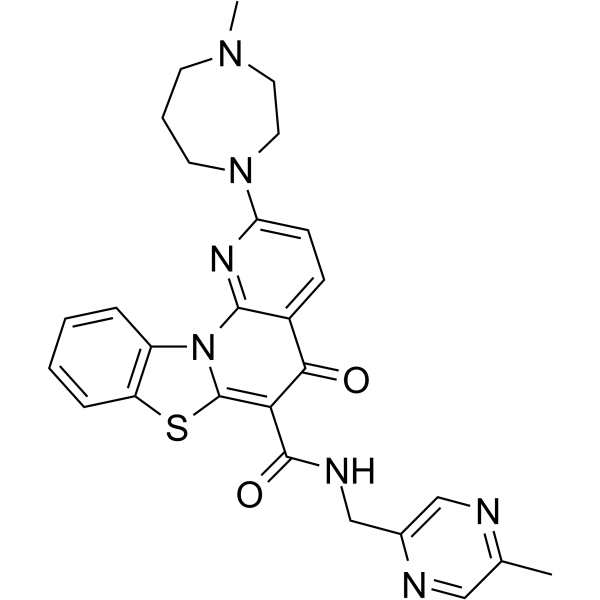
CX-5461 is a potent and oral rRNA synthesis inhibitor. It inhibits RNA polymerase I-driven transcription of rRNA with IC50s of 142, 113, and 54 nM in HCT-116, A375, and MIA PaCa-2 cells, respectively .
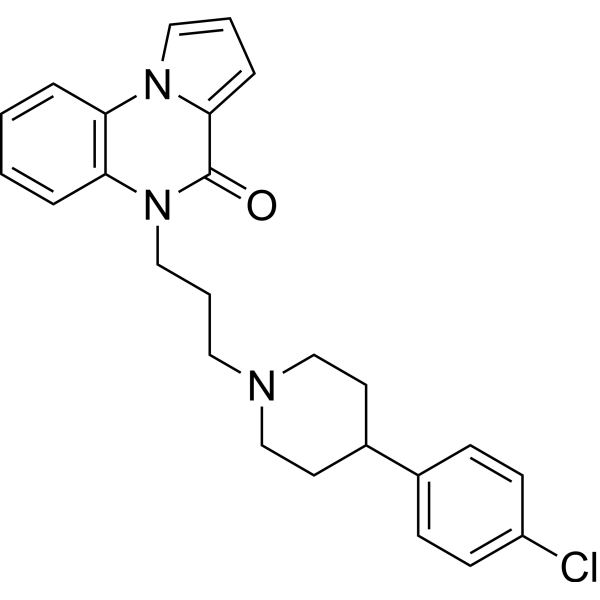
AZD8797 (KAND567) is an allosteric non-competitive and orally active antagonist of the human CX3CR1 receptor; antagonizes CX3CR1 and CXCR2 with Kis of 3.9 and 2800 nM, respectively .
Alirocumab is an anti-PCSK9 human monoclonal antibody. Alirocumab inhibits PCSK9. Alirocumab reduces NLRP3 inflammasome, regulates Nrf2/HO-1, HMGB1/NF-κB and Fractalkine/CX3CR1. Alirocumab increases the ability of the liver to bind LDL-cholesterol (LDL-C) and reduces levels of LDL-C in blood. Alirocumab improves atherosclerosis and inflammation .
JMS-17-2 is a potent and selective CX3CR1 antagonist with an IC50 of 0.32 nM. JMS-17-2 impairs metastatic seeding and colonization of breast cancer cells .
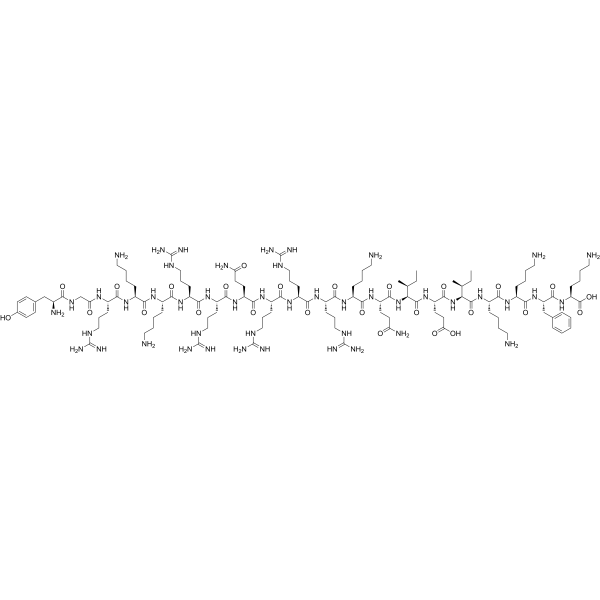
TAT-Gap19, a Cx mimetic peptide, is a specific connexin43 hemichannel (Cx43 HC) inhibitor. TAT-Gap19 does not inhibits the corresponding Cx43 GJCs. TAT-Gap19 traverses the blood-brain barrier and alleviate liver fibrosis in mice .
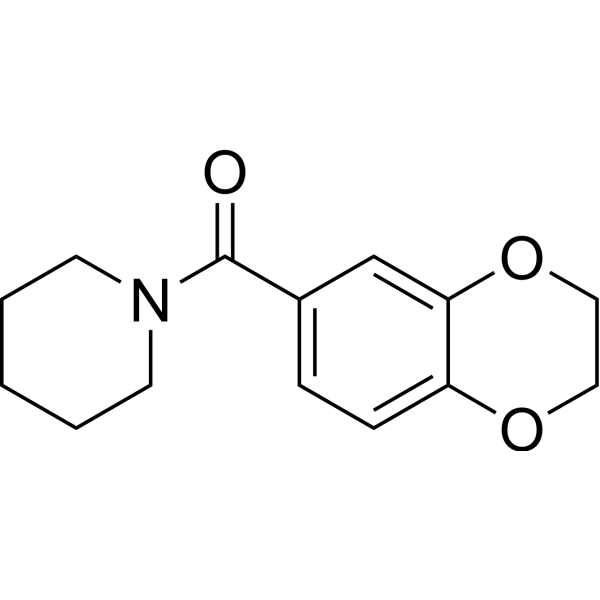
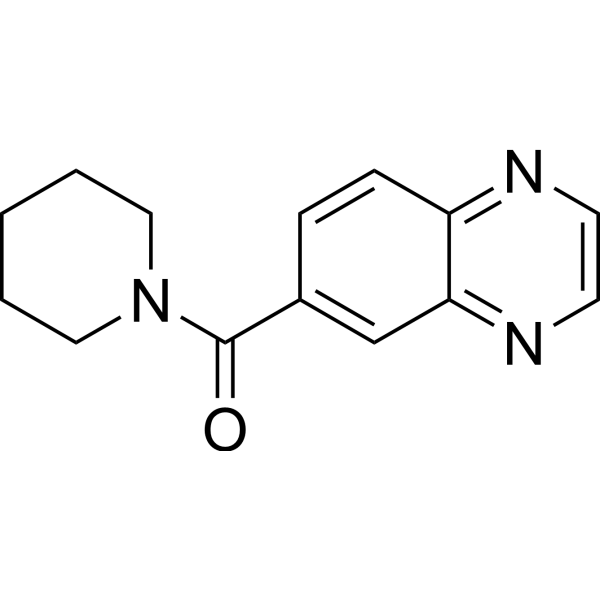
CX516 (BDP 12) is an ampakine and acts as an AMPA receptor positive allosteric modulator for the research of Alzheimer's disease, schizophrenia and mild cognitive impairment (MCI) .
Rotigaptide (ZP123) is a novel and specific modulator of connexin 43 (Cx43). Rotigaptide prevents the uncoupling of Cx43-mediated gap junction communication and normalizes cell-to-cell communication during acute metabolic stress. Rotigaptide is a potent antiarrhythmic peptide (AAP) with improved stability and has the potential for the investigation of cardiac arrhythmias-specifically atrial fibrillation .
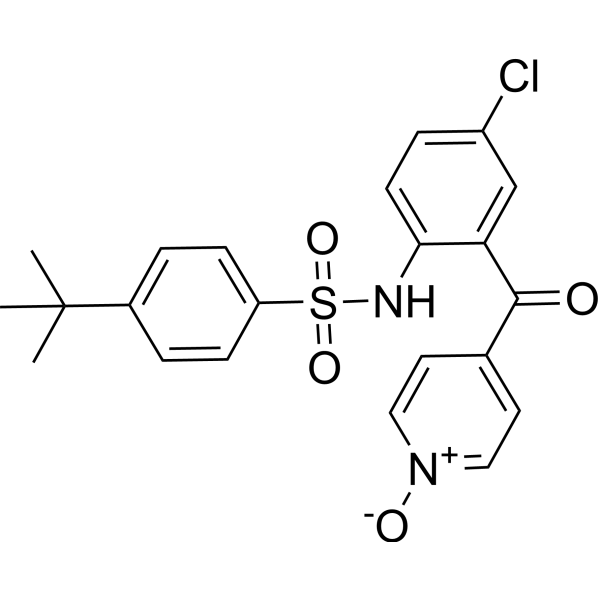
Vercirnon (GSK1605786A) is an orally bioavailable, selective, and potent antagonist of CCR9. Vercirnon inhibits CCR9-mediated Ca 2+ mobilization and chemotaxis on Molt-4 cells with IC50 values of 5.4 and 3.4 nM, respectively. Vercirnon is selective for CCR9 over CCR1-12 and CX3CR1-7 (IC50s>10 μM for all). Vercirnon is an equipotent inhibitor of CCL25-directed chemotaxis of both splice forms of CCR9 (CCR9A and CCR9B) with IC50 values of 2.8 and 2.6 nM, respectively .
TREM2-IN-1 (OPA) is a TREM2 inhibitor derived from oxaliplatin and artesunate. TREM2-IN-1 can relieves immunosuppressive tumor microenvironment and enhancing chemical anticancer efficiency. TREM2-IN-1 deters the tumor growth in mice models bearing MC38 colorectal tumor by reducing the number of CD206 + and CX3CR1+ immunosuppressive macrophages. TREM2-IN-1 also promotes the expansion and infiltration of immunostimulatory dendritic, cytotoxic T and natural killer cells .
CX546 is a first-generation and selective benzamide-type positive AMPAR modulator. CX546 is a prototypical ampakine agent and has antipsychotic effects .
CX614 is a positive variant modulator of AMPA receptors that enhances excitatory postsynaptic potentials (amplitude and duration) by blocking and slowing the inactivation of responses to glutamate and automatically evokes excitatory postsynaptic currents in neuronal cultures. CX614 can be used in the study of psychiatric disorders such as depression .
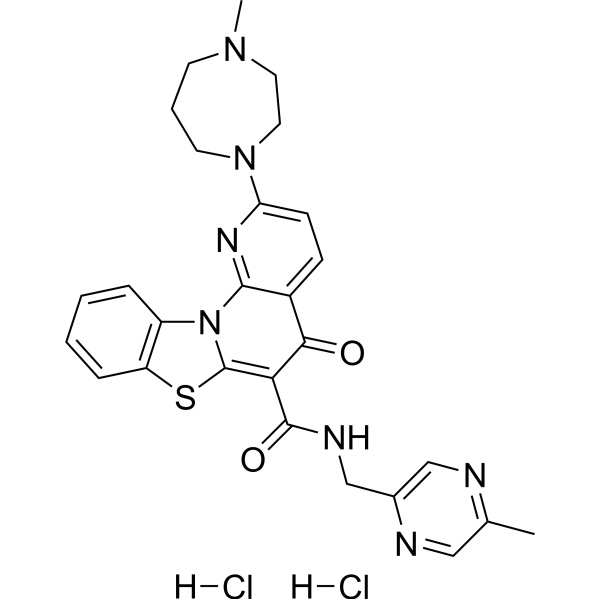
CX-5461 dihydrochloride is a potent and orally bioavailable inhibitor of Pol I-mediated rRNA synthesis, with IC50s of 142 nM in HCT-116, 113 nM in A375, and 54 nM in MIA PaCa-2 cells, and shows little or no effect on Pol II (IC50 ≥25 μM).
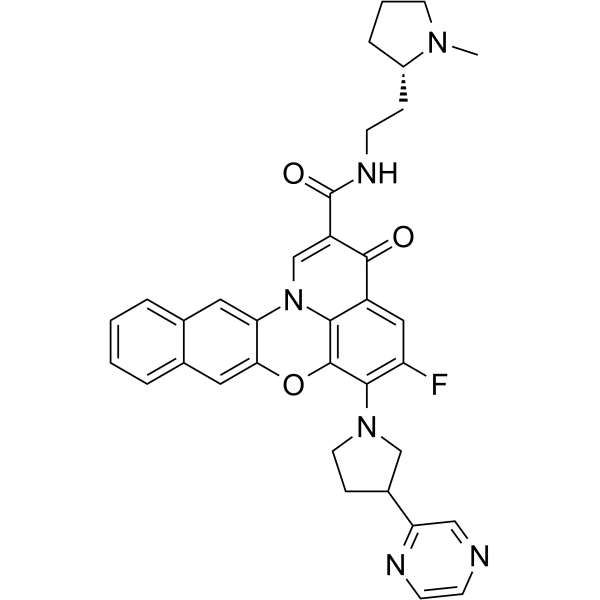
Quarfloxin (CX-3543), a fluoroquinolone derivative with antineoplastic activity, targets and inhibits RNA pol I activity, with IC50 values in the nanomolar range in neuroblastoma cells. Quarfloxin disrupts the interaction between the nucleolin protein and a G-quadruplex DNA structure in the ribosomal DNA (rDNA) template .
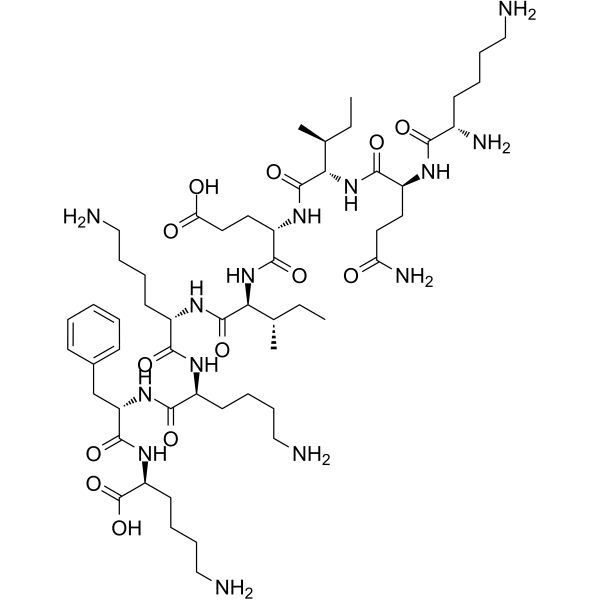
Gap19, a peptide derived from nine amino acids of the Cx43 cytoplasmic loop (CL), is a potent and selective connexin 43 (Cx43) hemichannel blocker. Gap19 inhibits hemichannels caused by preventing intramolecular interactions of the C-terminus (CT) with the CL. Gap19 is not blocking GJ channels or Cx40/pannexin-1 hemichannels. Gap19 has protective effects against myocardial .
TAPS is an aminosulfonate-based lysozyme stabilizer and connexin channel inhibitor. TAPS maintains the native structure of lysozyme in aqueous solution at pH 7.0 and significantly protects it from heat-induced denaturation. TAPS directly inhibits the activity of heteromeric connexin 32/connexin 26 channels (Cx32/Cx26) via its protonated form, and this inhibitory effect is dependent on the presence of connexin 26. TAPS reduces connexin channel-mediated solute exchange in a recombinant liposome system, resulting in a decreased degree of liposome density shift in transport-specific separation assays. TAPS is a critical compound for investigating the structure and function of connexin channels .
Alirocumab (anti-PCSK9) is an anti-PCSK9 human monoclonal antibody. Alirocumab (anti-PCSK9) inhibits PCSK9. Alirocumab (anti-PCSK9) reduces NLRP3 inflammasome, regulates Nrf2/HO-1, HMGB1/NF-κB and Fractalkine/CX3CR1. Alirocumab (anti-PCSK9) increases the ability of the liver to bind LDL-cholesterol (LDL-C) and reduces levels of LDL-C in blood. Alirocumab (anti-PCSK9) improves atherosclerosis and inflammation .
CX1739 is an orally active, blood-brain barrier permeable, low-efficacy AMPA-glutamate receptor (AMPAR) potentiator. CX1739 enhances excitatory neurotransmission by potentiating glutamate-induced excitatory currents and promoting in vivo long-term potentiation. CX1739 eliminates amphetamine-induced locomotor activity, reverses opioid-, pentobarbital- and ethanol-induced respiratory depression, and exerts pro-cognitive effects in animals. CX1739 impairs motor function recovery and increases the risk of post-injury complications. CX1739 can be used in research related to attention-deficit/hyperactivity disorder, dementia, respiratory depression and spinal cord injury .
Suvecaltamide (MK-8998) is a selective T-type calcium channel inhibitor with oral efficacy. Suvecaltamide exhibits no cytotoxicity in myeloma cell lines and does not affect the antitumor efficacy of Bortezomib (BTZ). Suvecaltamide reverses BTZ-induced peripheral neuropathy (CIPN) in mouse and rat models, and helps inhibit myeloma growth .
IP3RPEP6 is an IP3R competitive inhibitor. IP3RPEP6 has the IC50 values of 9.0 μM, 3.9 μM and 4.3 μM for IP3R1, IP3R2 and IP3R3, respectively. IP3RPEP6 does not affect the Ryanodine receptor and Cx43 hemichannels. IP3RPEP6 regulates calcium signaling within cells .
CX 717 is a positive allosteric modulator of AMPA receptor. Antidepressant-like effect. CX 717 can be used for the research of adult attention deficit hyperactivity disorder (ADHD) .
Varsetatug (CX-2051 antibody) is a humanized IgG1κ monoclonal antibody inhibitor targeting EpCAM/TROP1/CD326. Varsetatug serves as the antibody component of the ADC compound CX-2051. It can be used in research on cancers including breast cancer, prostate cancer and ovarian cancer .
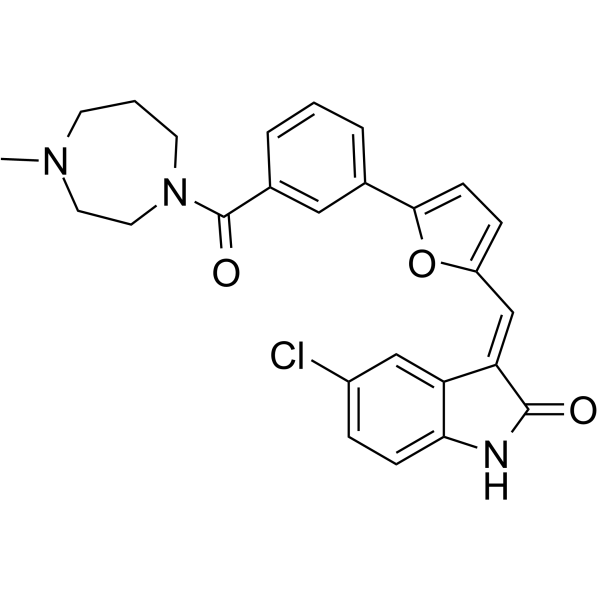
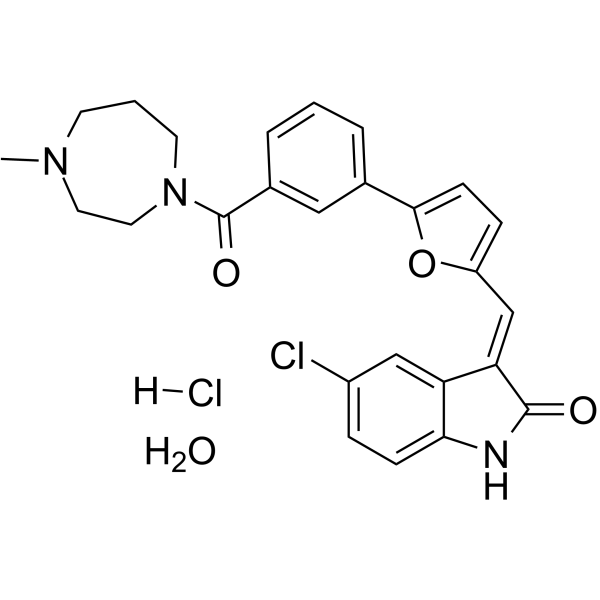
CX-6258 hydrochloride hydrate is a potent and kinase selective pan-Pim kinases inhibitor, with IC50s of 5 nM, 25 nM and 16 nM for Pim-1, Pim-2 and Pim-3, respectively .
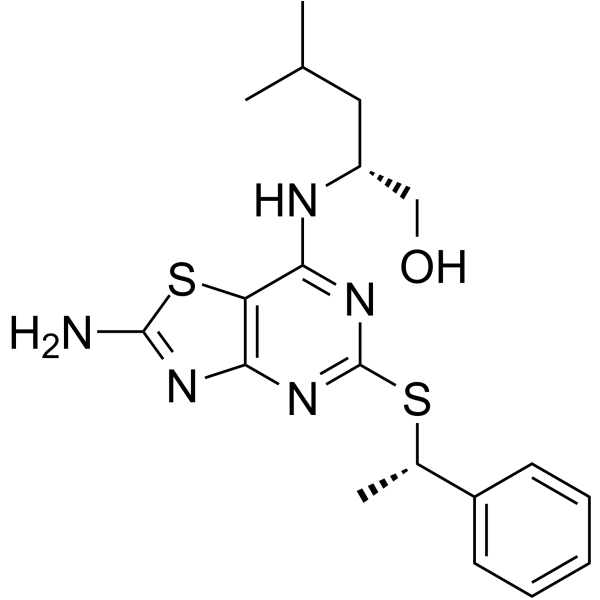
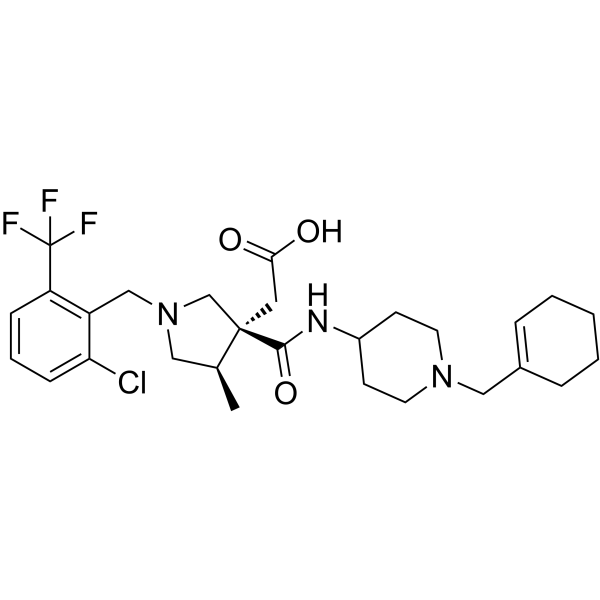
AZD0233 is an orally active CX3CR1 antagonist. AZD0233 modulates the CX3CR1/CX3CL1 signaling axis via immunomodulatory effects. AZD0233 has improved physicochemical properties, metabolic stability, low toxicity and CYP inhibition. AZD0233 improves cardiac function and reduces macrophages and fibrotic scar in mice model of dilated cardiomyopathy. AZD0233 can be used for cardiovascular diseases like dilated cardiomyopathy research .
Praluzatamab is a monoclonal antibody targeting the activated leukocyte cell adhesion molecule (ALCAM/CD116). Praluzatamab can be used to synthesize Praluzatamab ravtansine (antibody-drug conjugates). Praluzatamab can be used for research of cancers .
Quetmolimab (E6011) is a humanized anti-Fractalkine (CX3CL1) monoclonal antibody. Quetmolimab binds to membrane-bound and soluble Fractalkine, neutralizes Fractalkine-induced migration of CX3CR1-expressing cells, mediates target-bound complex elimination from serum. Quetmolimab suppresses free soluble Fractalkine levels in cynomolgus monkeys, with target engagement linked to increased serum total Fractalkine concentration. Quetmolimab can be used for the research of Crohn’s disease, rheumatoid arthritis, and primary biliary cholangitis .
Tulrampator (S-47445) is an orally active selective AMPA receptor modulator. Tulrampator possesses procognitive, enhancing synaptic plasticity, anti-depressant-anxiolytic-like, procognitive and potential neuroprotective properties. Tulrampator can be used for research of alzheimer’s disease and in major depressive disorder .
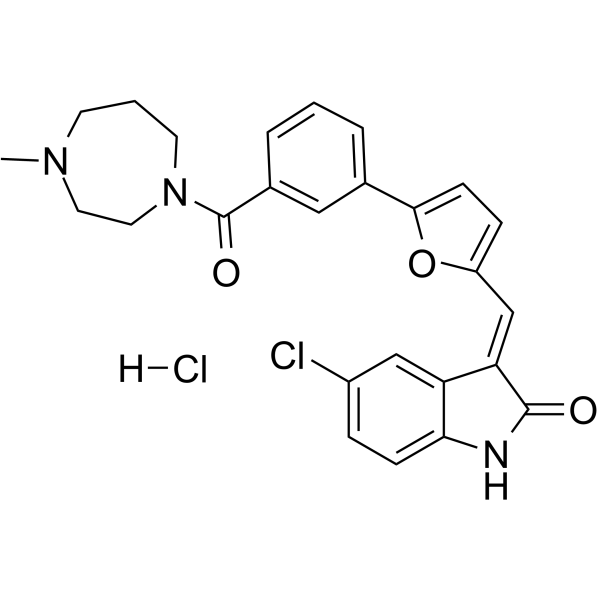
CX-6258 hydrochloride is a potent and kinase selective pan-Pim kinases inhibitor, with IC50s of 5 nM, 25 nM and 16 nM for Pim-1, Pim-2 and Pim-3, respectively .
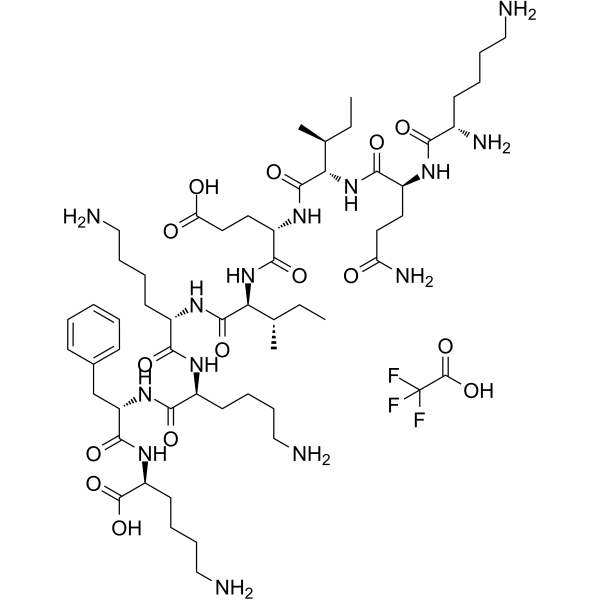
Gap19 TFA, a peptide derived from nine amino acids of the Cx43 cytoplasmic loop (CL), is a potent and selective connexin 43 (Cx43) hemichannel blocker. Gap19 TFA inhibits hemichannels caused by preventing intramolecular interactions of the C-terminus (CT) with the CL. Gap19 TFA is not blocking GJ channels or Cx40/pannexin-1 hemichannels. Gap19 TFA has protective effects against myocardial .
VRT-534 (Compound 3) is a chemical chaperone targeting connexin 26 (Cx26). Vrt-534 exhibits dose-responsive binding to recombinant WT Cx26 and mutant Cx26 K188N with EC50s of 19 and 5 μM, respectively. Vrt-534 can be used in research related to hearing impairment .
Anti-Mouse NKG2D/CD314 Antibody (CX5) is a rat-derived IgG1 κ type antibody inhibitor, targeting to mouse NKG2D/CD314. Anti-Mouse NKG2D/CD314 Antibody (CX5) reduces cytotoxicity of natural killer cells. Anti-Mouse NKG2D/CD314 Antibody (CX5) can be used for the researches of cancer, infection, inflammation, immunology and metabolic disease, such as colitis and diabetes .
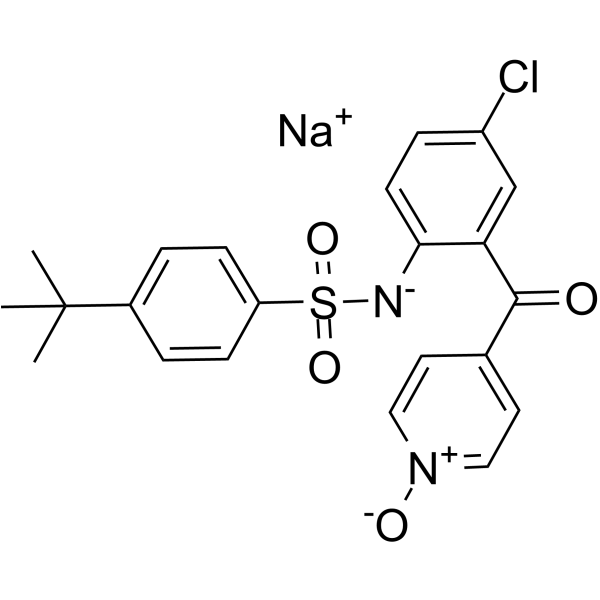
Vercirnon (GSK1605786A) sodium is an orally bioavailable, selective, and potent antagonist of CCR9. Vercirnon sodium inhibits CCR9-mediated Ca 2+ mobilization and chemotaxis on Molt-4 cells with IC50 values of 5.4 and 3.4 nM, respectively. Vercirnon sodium is selective for CCR9 over CCR1-12 and CX3CR1-7 (IC50s>10 μM for all). Vercirnon sodium is an equipotent inhibitor of CCL25-directed chemotaxis of both splice forms of CCR9 (CCR9A and CCR9B) with IC50 values of 2.8 and 2.6 nM, respectively .
SMU-CX1 is a specific TLR3 inhibitor (IC50: 0.11 μM) with IC50 ranging from 0.14-0.33 μM against multiple influenza A virus subtypes. SMU-CX1 inhibits the viral PB2 and NP proteins with an IC50 of 0.43 μM for SARS-CoV-2 activity. SMU-CX1 also inhibits inflammatory factors in host cells, including IFN-β, IP-10, and CCL-5 .
TAT-Gap19 TFA, a Cx mimetic peptide, is a specific connexin43 hemichannel (Cx43 HC) inhibitor. TAT-Gap19 TFA does not inhibits the corresponding Cx43 GJCs. TAT-Gap19 TFA traverses the blood-brain barrier and alleviate liver fibrosis in mice .
AK 295 (CX 295) is a selective calpain inhibitor. AK 295 can inhibit apoptosis through a calpain-dependent pathway. AK 295 shows potent neuroprotective effect. AK 295 can inhibit the activity of the cysteine protease calpain and reduce myocardial injury. AK 295 can be used for the researches of infection, inflammation, cardiovascular and neurological disease, such as stroke and viral myocarditis .
Cx3cr1 Mouse Pre-designed siRNA Set A contains three designed siRNAs for Cx3cr1 gene (Mouse), as well as a negative control, a positive control, and a FAM-labeled negative control.
(R,R)-VRT-534 is the (R,R)-enantiomer of VRT-534 (HY-149318). VRT-534 (Compound 3) is a chemical chaperone targeting connexin 26 (Cx26). Vrt-534 exhibits dose-responsive binding to recombinant WT Cx26 and mutant Cx26 K188N with EC50s of 19 and 5 μM, respectively. Vrt-534 can be used in research related to hearing impairment .
ACT1 is a peptide that targets endogenous Cx43 by stabilizing its activity at gap junctions. ACT1 stabilizes gap junction intercellular communication in breast cancer cells. ACT1 enhances the activity of Tamoxifen (HY-13757A) and Lapatinib (HY-50898) in breast cancer. ACT1 can be used for breast cancer research .
CX-659S is an orally active 5-carboxamide uracil derivative. CX-659S can effectively inhibit lipid peroxidation (IC50 = 5.9 μM). CX-659S can reduce the infiltration of neutrophils and eosinophils. CX-659S inhibits the mRNA expression of pro-inflammatory cytokines IL-1β and TNF-α. CX-659S can be used for research on inflammatory conditions .
CX-5011 free base is a potent CK2 inhibitor. CX-5011 free base also is a Rac-1 activator. CX-5011 free base induces methuosis and promotes macropinocytosis. CX-5011 free base induces apoptosis. CX-5011 free base decreases the expression of rpS6 phosphorylation .
CX-5461 (Standard) is the analytical standard of CX-5461. This product is intended for research and analytical applications. CX-5461 is a potent and oral rRNA synthesis inhibitor. It inhibits RNA polymerase I-driven transcription of rRNA with IC50s of 142, 113, and 54 nM in HCT-116, A375, and MIA PaCa-2 cells, respectively .
Silmitasertib (Standard) is the analytical standard of Silmitasertib. This product is intended for research and analytical applications. Silmitasertib (CX-4945) is an orally bioavailable, highly selective and potent CK2 inhibitor, with IC50 values of 1 nM against CK2α and CK2α'.
Cx3cl1 Mouse Pre-designed siRNA Set A contains three designed siRNAs for Cx3cl1 gene (Mouse), as well as a negative control, a positive control, and a FAM-labeled negative control.
Rotigaptide (Standard) is the analytical standard of Rotigaptide. This product is intended for research and analytical applications. Rotigaptide (ZP123) is a novel and specific modulator of connexin 43 (Cx43). Rotigaptide prevents the uncoupling of Cx43-mediated gap junction communication and normalizes cell-to-cell communication during acute metabolic stress. Rotigaptide is a potent antiarrhythmic peptide (AAP) with improved stability and has the potential for the investigation of cardiac arrhythmias-specifically?atrial fibrillation .
Connexin mimetic peptide 40GAP27 is a biological active peptide. (This peptide corresponds to the GAP27 domain of the second extracellular loop of dominant vascular connexin (Cx40), designated as 40Gap 27. It was used to investigate mechanisms through which oxidant stress impairs communication via gap junctions. When administered, 40Gap27attenuates endothelium-dependent subintimal smooth muscle hyperpolarization.)
CX116 is an orally active anti-inflammatory agent. CX116 exerts its effects by inhibiting the inflammatory response, reducing oxidative stress, protecting mitochondrial function, and counteracting apoptosis. CX116 bears acceptable toxicity, and can significantly protect renal tissue from Cisplatin (HY-17394)-induced damage. CX116 can be used for the study of Cisplatin-induced acute kidney injury (cis-AKI) .
CX4338 is a CXCL8-mediated chemokine inhibitor with the activity of inhibiting CXCR2-mediated cell migration. CX4338 selectively inhibits CXCR2-mediated β-arrestin-2 recruitment and receptor internalization while enhancing CXCR2-mediated MAPK activation. CX4338 also inhibited CXCL8-induced chemotaxis, showing efficacy in CXCR2-overexpressing cells and human neutrophils. In vivo, CX4338 significantly reduced LPS-induced neutrophil numbers in mouse bronchoalveolar lavage fluid. The mechanism of action of CX4338 is to selectively inhibit CXCR2-mediated β-arrestin-2 activation, which is sufficient to inhibit CXCL8-mediated chemotaxis .
CX516-d10 is the deuterium labeled CX516. CX516 (BDP 12) is an ampakine and acts as an AMPA receptor positive allosteric modulator for the research of Alzheimer's disease, schizophrenia and mild cognitive impairment (MCI) .
CX3CR1 Human Pre-designed siRNA Set A contains three designed siRNAs for CX3CR1 gene (Human), as well as a negative control, a positive control, and a FAM-labeled negative control.
CX3CL1 Human Pre-designed siRNA Set A contains three designed siRNAs for CX3CL1 gene (Human), as well as a negative control, a positive control, and a FAM-labeled negative control.
Cx3cl1 Rat Pre-designed siRNA Set A contains three designed siRNAs for Cx3cl1 gene (Rat), as well as a negative control, a positive control, and a FAM-labeled negative control.
Cx3cr1 Rat Pre-designed siRNA Set A contains three designed siRNAs for Cx3cr1 gene (Rat), as well as a negative control, a positive control, and a FAM-labeled negative control.
Silmitasertib (sodium salt) (Standard) is the analytical standard of Silmitasertib (sodium salt). This product is intended for research and analytical applications. Silmitasertib sodium salt is an orally bioavailable, highly selective and potent CK2 inhibitor, with IC50 values of 1 nM against CK2α and CK2α'.
Lufepirsen sodium is an unmodified antisense oligonucleotide targeted to Connexin43 (Cx43). Connexin43 is a specific protein in the eye, which plays a role in wound healing.
Lufepirsen is an unmodified antisense oligonucleotide targeted to Connexin43 (Cx43). Connexin43 is a specific protein in the eye, which plays a role in wound healing.
JMS-17-2 hydrochloride is a potent and selective CX3CR1 antagonist with an IC50 of 0.32 nM. JMS-17-2 hydrochloride impairs metastatic seeding and colonization of breast cancer cells .
Vercirnon (Standard) is the analytical standard of Vercirnon. This product is intended for research and analytical applications. Vercirnon (GSK1605786A) is an orally bioavailable, selective, and potent antagonist of CCR9. Vercirnon inhibits CCR9-mediated Ca2+ mobilization and chemotaxis on Molt-4 cells with IC50 values of 5.4 and 3.4 nM, respectively. Vercirnon is selective for CCR9 over CCR1-12 and CX3CR1-7 (IC50s>10 μM for all). Vercirnon is an equipotent inhibitor of CCL25-directed chemotaxis of both splice forms of CCR9 (CCR9A and CCR9B) with IC50 values of 2.8 and 2.6 nM, respectively .
Vercirnon (sodium) (Standard) is the analytical standard of Vercirnon (sodium). This product is intended for research and analytical applications. Vercirnon (GSK1605786A) sodium is an orally bioavailable, selective, and potent antagonist of CCR9. Vercirnon sodium inhibits CCR9-mediated Ca2+ mobilization and chemotaxis on Molt-4 cells with IC50 values of 5.4 and 3.4 nM, respectively. Vercirnon sodium is selective for CCR9 over CCR1-12 and CX3CR1-7 (IC50s>10 μM for all). Vercirnon sodium is an equipotent inhibitor of CCL25-directed chemotaxis of both splice forms of CCR9 (CCR9A and CCR9B) with IC50 values of 2.8 and 2.6 nM, respectively .
CX-5279 is an efficient and selective CK2 inhibitor with IC50 values for nCK2 and CK2α of 2.73 and 0.91 nM, respectively. CX-5279 is sensitive to mutations at Val66, Ile174, and V66I174AA, with IC50 values of 13.8, 12.5, and 23.35 nM, respectively. CX-5279's inhibitory activity against PIM1 is very weak, with a IC50 value of 8.52 μM. CX-5279 exhibits anti-proliferative activity in various cancer cell lines. CX-5279 can be used for research on cancers such as pancreatic cancer and leukemia .
CX1763 is an AMPAR allosteric modulator. CX1763 allosterically potentiates glutamate-evoked currents, accelerates channel opening, and increases the surface levels of AMPAR containing Glur2 (R). CX1763 enhances synaptic transmission in the rat hippocampus. CX1763 improves attention in rats and attenuates amphetamine-induced hyperactivity in mice. CX1763 can be used in studies related to attention deficit hyperactivity disorder and opioid-induced respiratory depression .
Cx43 HC-IN-1 (Compound D4) is a selective and orally active inhibitor of connexin hemichannels (Cx43 HC). Cx43 HC-IN-1 effectively inhibits the hemichannel activity mediated by Cx43/Cx45 in denervated skeletal muscle fibers, significantly increasing the reinnervation rate of muscle fibers by neurons. Cx43 HC-IN-1 reduces neuroinflammation and neuronal overexcitation by inhibiting hemichannels in glial cells in the brain, and alleviates epilepsy in mice. Cx43 HC-IN-1 can be used for research on epilepsy and muscle diseases .
CX3CR1-IN-2 (Compound 77) is a CX3CR1 inhibitor with an IC50 of 0.04 μM. CX3CR1-IN-2 can block the interaction between CX3CR1 and its ligand fractalkine (CX3CL1). CX3CR1-IN-2 can be used for research of cardiovascular disease, such as heart failure and cardiomyopathy .
Human CX3CR1 mRNA encodes the human C-X3-C motif chemokine receptor 1 (CX3CR1) protein, a receptor for fractalkine. CX3CR1 is also a coreceptor for HIV-1, and some variations in this gene lead to increased susceptibility to HIV-1 infection and rapid progression to AIDS.
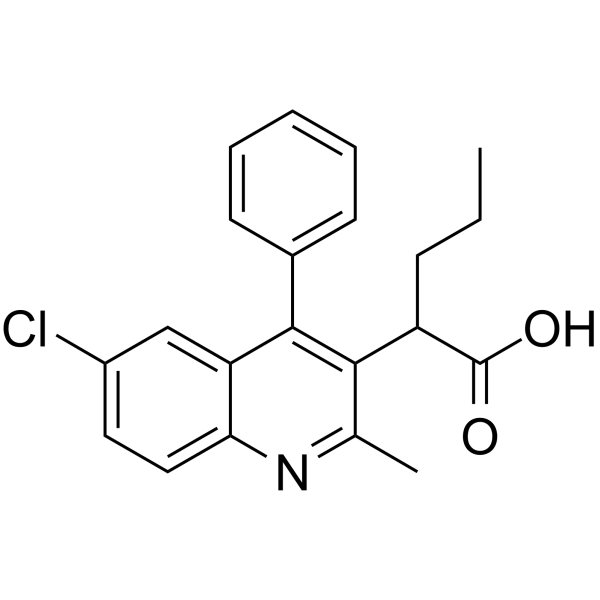
LEDGIN6 (Standard) is the analytical standard of LEDGIN6 (HY-10522). This product is intended for research and analytical applications. LEDGIN6 (CX05168) is a quinoline-based protein-protein interaction inhibitor of LEDGF/p75 and HIV integrase .
Anti-Mouse CXCR6 Antibody (Cx6Mab-1) reacts with the N-terminal extracellular ligand-binding domain of mouse CXCR6. Recommend Isotype Controls: Rat IgG1 kappa, Isotype Control (HY-P99979) .
Praluzatamab ravtansine (CX-2009) is an anti-CD166antibody drug conjugate (ADC) with an Kd value of 25.15 nM. Praluzatamab ravtansine contains an anti-CD166 monoclonal antibody Praluzatamab (HY-P99788) conjugated to the microtubule inhibitor DM4 (HY-12454). Praluzatamab ravtansine shows tumor targeting and can be used for the study of lung cancer and breast cancer .
Anti-Mouse CXCR2 Antibody (Cx2Mab-1) reacts with mouse CXCR2 targeting the N-terminal extracellular domain of CXCR2. Recommend Isotype Controls: Rat IgG2b kappa, Isotype Control (HY-P990682).
ALMB-0168 is a Cx43 hemichannel agonist monoclonal antibody. ALMB-0168 activates Cx43 hemichannels to inhibit the growth and migration of osteosarcoma. ALMB-0168 is applicable to relevant research on osteosarcoma .
Tulrampator (Standard) is the analytical standard of Tulrampator (HY-109046). This product is intended for research and analytical applications. Tulrampator (S-47445) is an orally active selective AMPA receptor modulator. Tulrampator possesses procognitive, enhancing synaptic plasticity, anti-depressant-anxiolytic-like, procognitive and potential neuroprotective properties. Tulrampator can be used for research of alzheimer’s disease and in major depressive disorder .
Anti-Mouse CXCR4 Antibody is a monoclonal antibody that specifically recognizes murine CXCR4 (C-X-C chemokine receptor 4), also known as fusin or CD184. CXCR4 is a seven-transmembrane G protein–coupled receptor whose principal endogenous ligand is CXCL12 (stromal cell–derived factor-1α, SDF-1α) and is widely expressed in hematopoietic cells, endothelial cells, neurons, as well as embryonic and adult stem cells. The CXCR4–CXCL12 signaling axis activates multiple downstream pathways, including ERK1/2, Ras, p38 MAPK, PLC/MAPK, and SAPK/JNK, thereby regulating cell survival, proliferation, migration, and stemness maintenance. Aberrant overexpression of CXCR4 is closely associated with poor prognosis and metastasis in various cancers, with CXCR4-positive tumor cells preferentially home to CXCL12-rich tissues such as the liver, bone marrow, lung, and lymph nodes. Accordingly, CXCR4 and its CXCL12-related antagonists emerge as attractive targets for experimental anticancer therapy. Anti-Mouse CXCR4 Antibody is generated using a cell-based immunization and screening strategy and exhibits high affinity for both endogenous and exogenous murine CXCR4. Anti-Mouse CXCR4 Antibody can be used for thestudy of chronic lymphocytic leukemia and multiple myeloma .
E6130 (Standard) is the analytical standard of E6130 (HY-107456). This product is intended for research and analytical applications. E6130 is an orally active and highly selective CX3CR1 modulator, that may be effective for treatment of inflammatory bowel disease.
Suvecaltamide (Standard) is the analytical standard of Suvecaltamide (HY-101096). This product is intended for research and analytical applications. Suvecaltamide (MK-8998) is a selective T-type calcium channel inhibitor with oral efficacy. Suvecaltamide exhibits no cytotoxicity in myeloma cell lines and does not affect the antitumor efficacy of Bortezomib (BTZ). Suvecaltamide reverses BTZ-induced peripheral neuropathy (CIPN) in mouse and rat models, and helps inhibit myeloma growth .
TAPS is an aminosulfonate-based lysozyme stabilizer and connexin channel inhibitor. TAPS maintains the native structure of lysozyme in aqueous solution at pH 7.0 and significantly protects it from heat-induced denaturation. TAPS directly inhibits the activity of heteromeric connexin 32/connexin 26 channels (Cx32/Cx26) via its protonated form, and this inhibitory effect is dependent on the presence of connexin 26. TAPS reduces connexin channel-mediated solute exchange in a recombinant liposome system, resulting in a decreased degree of liposome density shift in transport-specific separation assays. TAPS is a critical compound for investigating the structure and function of connexin channels .
TAT-Gap19, a Cx mimetic peptide, is a specific connexin43 hemichannel (Cx43 HC) inhibitor. TAT-Gap19 does not inhibits the corresponding Cx43 GJCs. TAT-Gap19 traverses the blood-brain barrier and alleviate liver fibrosis in mice .
Gap19, a peptide derived from nine amino acids of the Cx43 cytoplasmic loop (CL), is a potent and selective connexin 43 (Cx43) hemichannel blocker. Gap19 inhibits hemichannels caused by preventing intramolecular interactions of the C-terminus (CT) with the CL. Gap19 is not blocking GJ channels or Cx40/pannexin-1 hemichannels. Gap19 has protective effects against myocardial .
IP3RPEP6 is an IP3R competitive inhibitor. IP3RPEP6 has the IC50 values of 9.0 μM, 3.9 μM and 4.3 μM for IP3R1, IP3R2 and IP3R3, respectively. IP3RPEP6 does not affect the Ryanodine receptor and Cx43 hemichannels. IP3RPEP6 regulates calcium signaling within cells .
Gap19 TFA, a peptide derived from nine amino acids of the Cx43 cytoplasmic loop (CL), is a potent and selective connexin 43 (Cx43) hemichannel blocker. Gap19 TFA inhibits hemichannels caused by preventing intramolecular interactions of the C-terminus (CT) with the CL. Gap19 TFA is not blocking GJ channels or Cx40/pannexin-1 hemichannels. Gap19 TFA has protective effects against myocardial .
TAT-Gap19 TFA, a Cx mimetic peptide, is a specific connexin43 hemichannel (Cx43 HC) inhibitor. TAT-Gap19 TFA does not inhibits the corresponding Cx43 GJCs. TAT-Gap19 TFA traverses the blood-brain barrier and alleviate liver fibrosis in mice .
ACT1 is a peptide that targets endogenous Cx43 by stabilizing its activity at gap junctions. ACT1 stabilizes gap junction intercellular communication in breast cancer cells. ACT1 enhances the activity of Tamoxifen (HY-13757A) and Lapatinib (HY-50898) in breast cancer. ACT1 can be used for breast cancer research .
Connexin mimetic peptide 40GAP27 is a biological active peptide. (This peptide corresponds to the GAP27 domain of the second extracellular loop of dominant vascular connexin (Cx40), designated as 40Gap 27. It was used to investigate mechanisms through which oxidant stress impairs communication via gap junctions. When administered, 40Gap27attenuates endothelium-dependent subintimal smooth muscle hyperpolarization.)
Connexin mimetic peptide 40,37GAP26 is a biological active peptide. (This peptide corresponds to the GAP26 domain of the extracellular loop of the major vascular connexins (Cx37, Cx40), designated as 37, 40Gap 26 according to Cx homology. It was used to investigate the role of gap junctions in the spread of endothelial hyperpolarizations evoked by cyclopiazonic acid (CPA) through the wall of the rodent iliac artery. The gap junction plaques constructed from Cx37 and Cx40 were abundant in the endothelium. This peptide provides inhibitory effects against subintimal hyperpolarization.)
Alirocumab is an anti-PCSK9 human monoclonal antibody. Alirocumab inhibits PCSK9. Alirocumab reduces NLRP3 inflammasome, regulates Nrf2/HO-1, HMGB1/NF-κB and Fractalkine/CX3CR1. Alirocumab increases the ability of the liver to bind LDL-cholesterol (LDL-C) and reduces levels of LDL-C in blood. Alirocumab improves atherosclerosis and inflammation .
Alirocumab (anti-PCSK9) is an anti-PCSK9 human monoclonal antibody. Alirocumab (anti-PCSK9) inhibits PCSK9. Alirocumab (anti-PCSK9) reduces NLRP3 inflammasome, regulates Nrf2/HO-1, HMGB1/NF-κB and Fractalkine/CX3CR1. Alirocumab (anti-PCSK9) increases the ability of the liver to bind LDL-cholesterol (LDL-C) and reduces levels of LDL-C in blood. Alirocumab (anti-PCSK9) improves atherosclerosis and inflammation .
Varsetatug (CX-2051 antibody) is a humanized IgG1κ monoclonal antibody inhibitor targeting EpCAM/TROP1/CD326. Varsetatug serves as the antibody component of the ADC compound CX-2051. It can be used in research on cancers including breast cancer, prostate cancer and ovarian cancer .
Praluzatamab is a monoclonal antibody targeting the activated leukocyte cell adhesion molecule (ALCAM/CD116). Praluzatamab can be used to synthesize Praluzatamab ravtansine (antibody-drug conjugates). Praluzatamab can be used for research of cancers .
Quetmolimab (E6011) is a humanized anti-Fractalkine (CX3CL1) monoclonal antibody. Quetmolimab binds to membrane-bound and soluble Fractalkine, neutralizes Fractalkine-induced migration of CX3CR1-expressing cells, mediates target-bound complex elimination from serum. Quetmolimab suppresses free soluble Fractalkine levels in cynomolgus monkeys, with target engagement linked to increased serum total Fractalkine concentration. Quetmolimab can be used for the research of Crohn’s disease, rheumatoid arthritis, and primary biliary cholangitis .
Anti-Mouse NKG2D/CD314 Antibody (CX5) is a rat-derived IgG1 κ type antibody inhibitor, targeting to mouse NKG2D/CD314. Anti-Mouse NKG2D/CD314 Antibody (CX5) reduces cytotoxicity of natural killer cells. Anti-Mouse NKG2D/CD314 Antibody (CX5) can be used for the researches of cancer, infection, inflammation, immunology and metabolic disease, such as colitis and diabetes .
Anti-Mouse CXCR6 Antibody (Cx6Mab-1) reacts with the N-terminal extracellular ligand-binding domain of mouse CXCR6. Recommend Isotype Controls: Rat IgG1 kappa, Isotype Control (HY-P99979) .
Anti-Mouse CXCR2 Antibody (Cx2Mab-1) reacts with mouse CXCR2 targeting the N-terminal extracellular domain of CXCR2. Recommend Isotype Controls: Rat IgG2b kappa, Isotype Control (HY-P990682).
ALMB-0168 is a Cx43 hemichannel agonist monoclonal antibody. ALMB-0168 activates Cx43 hemichannels to inhibit the growth and migration of osteosarcoma. ALMB-0168 is applicable to relevant research on osteosarcoma .
Anti-Mouse CXCR4 Antibody is a monoclonal antibody that specifically recognizes murine CXCR4 (C-X-C chemokine receptor 4), also known as fusin or CD184. CXCR4 is a seven-transmembrane G protein–coupled receptor whose principal endogenous ligand is CXCL12 (stromal cell–derived factor-1α, SDF-1α) and is widely expressed in hematopoietic cells, endothelial cells, neurons, as well as embryonic and adult stem cells. The CXCR4–CXCL12 signaling axis activates multiple downstream pathways, including ERK1/2, Ras, p38 MAPK, PLC/MAPK, and SAPK/JNK, thereby regulating cell survival, proliferation, migration, and stemness maintenance. Aberrant overexpression of CXCR4 is closely associated with poor prognosis and metastasis in various cancers, with CXCR4-positive tumor cells preferentially home to CXCL12-rich tissues such as the liver, bone marrow, lung, and lymph nodes. Accordingly, CXCR4 and its CXCL12-related antagonists emerge as attractive targets for experimental anticancer therapy. Anti-Mouse CXCR4 Antibody is generated using a cell-based immunization and screening strategy and exhibits high affinity for both endogenous and exogenous murine CXCR4. Anti-Mouse CXCR4 Antibody can be used for thestudy of chronic lymphocytic leukemia and multiple myeloma .
SMU-CX1 is a specific TLR3 inhibitor (IC50: 0.11 μM) with IC50 ranging from 0.14-0.33 μM against multiple influenza A virus subtypes. SMU-CX1 inhibits the viral PB2 and NP proteins with an IC50 of 0.43 μM for SARS-CoV-2 activity. SMU-CX1 also inhibits inflammatory factors in host cells, including IFN-β, IP-10, and CCL-5 .
The Fractalkine/CX3CL1 protein is a multifunctional chemokine that binds to CX3CR1 and the integrins ITGAV:ITGB3 and ITGA4:ITGB1. It regulates immune responses, inflammation, cell adhesion, and chemotaxis. Fractalkine/CX3CL1 Protein, Mouse is the recombinant mouse-derived Fractalkine/CX3CL1 protein, expressed by E. coli , with tag free.
IL-17C is an early response cytokine in the defense against
bacterial pathogens and upregulates the expression of a variety of
antimicrobial peptides. IL-17C stimulates the release of cytokines and is implicated
in autoimmune disorders and bacterial infections. IL-17C
Protein, Human (HEK293, His) is a recombinant human IL-17C protein with His tag
at the C-terminus and is expressed in HEK293 cells.
The Fractalkine/CX3CL1 protein is a member of the intercrine beta family and plays a key role in chemokines that are critical for intercellular communication and immune responses. In this family, Fractalkine/CX3CL1 may significantly regulate inflammatory processes and cellular interactions. Fractalkine/CX3CL1 Protein, Canine (HEK293) is the recombinant canine-derived Fractalkine/CX3CL1 protein, expressed by HEK293 , with tag free.
IL-17C is an early response cytokine in the defense against
bacterial pathogens and upregulates the expression of a variety of
antimicrobial peptides. IL-17C stimulates the release of cytokines and is implicated
in autoimmune disorders and bacterial infections. IL-17C
Protein, Human (sf9, Fc) is a recombinant human IL-17C protein with hFc tag at
the C-terminus and is expressed in Sf9 insect cells.
The Fractalkine/CX3CL1 protein is a member of the intercrine beta family and plays a key role in chemokines that are critical for intercellular communication and immune responses. In this family, Fractalkine/CX3CL1 may significantly regulate inflammatory processes and cellular interactions. Fractalkine/CX3CL1 Protein, Canine (HEK293, Fc) is the recombinant canine-derived Fractalkine/CX3CL1 protein, expressed by HEK293 , with C-hFc labeled tag.
The Fractalkine/CX3CL1 protein is a member of the intercrine beta family and plays a key role in chemokines that are critical for intercellular communication and immune responses. In this family, Fractalkine/CX3CL1 may significantly regulate inflammatory processes and cellular interactions. Fractalkine/CX3CL1 Protein, Canine (HEK293, His) is the recombinant canine-derived Fractalkine/CX3CL1 protein, expressed by HEK293 , with C-His labeled tag.
The Fractalkine/CX3CL1 protein is a multifunctional chemokine that binds to CX3CR1 and the integrins ITGAV:ITGB3 and ITGA4:ITGB1.It regulates immune responses, inflammation, cell adhesion, and chemotaxis.Fractalkine/CX3CL1 Protein, Mouse (Biotinylated, HEK293, His-Avi) is the recombinant mouse-derived Fractalkine/CX3CL1 protein, expressed by HEK293 , with C-Avi, C-His labeled tag.
Fractalkine/CX3CL1 is a chemokine that acts as a ligand to CX3CR1 and the integrins ITGAV: ITGB3 and ITGA4: ITGB1. CX3CL1 promotes lung cancer cell migration and invasion through the Src/FAK signaling pathway. CX3CL1 plays an important role in immune response, inflammation, cell adhesion and chemotaxis. Fractalkine/CX3CL1 Protein, Human (Biotinylated, HEK293, His, Avi) is the recombinant human-derived Fractalkine/CX3CL1 protein, expressed by HEK293 , with C-Avi, C-10*His labeled tag.
The Fractalkine/CX3CL1 protein is a member of the intercrine beta family and plays a key role in chemokines that are critical for intercellular communication and immune responses. In this family, Fractalkine/CX3CL1 may significantly regulate inflammatory processes and cellular interactions. Fractalkine/CX3CL1 Protein, Cynomolgus (317a.a, HEK293, His) is the recombinant cynomolgus-derived Fractalkine/CX3CL1 protein, expressed by HEK293 , with C-His labeled tag.
Fractalkine/CX3CL1 protein is a versatile chemokine that acts as a ligand for CX3CR1 and integrins ITGAV:ITGB3 and ITGA4:ITGB1. It regulates immune response, inflammation, adhesion, and chemotaxis. It activates integrins via CX3CR1-dependent and -independent pathways, binding to site 1 with CX3CR1 and site 2 without CX3CR1. Soluble Fractalkine/CX3CL1 attracts T-cells and monocytes, not neutrophils. Fractalkine/CX3CL1 Protein, Rat is the recombinant rat-derived Fractalkine/CX3CL1 protein, expressed by E. coli , with tag free.
IL-17C is an early response cytokine in the defense against
bacterial pathogens and upregulates the expression of a variety of
antimicrobial peptides.IL-17C stimulates the release of cytokines and is implicated
in autoimmune disorders and bacterial infections.IL-17C
Protein, Human (HEK293, His-Avi) is a recombinant human IL-17C protein with His
tag and Avi tag at the C-terminus and is expressed in HEK293 cells.
IL-17C is an early response cytokine in the defense against
bacterial pathogens and upregulates the expression of a variety of
antimicrobial peptides. IL-17C stimulates the release of cytokines and is implicated
in autoimmune disorders and bacterial infections. IL-17C
Protein, Human (Biotinylated, HEK293, His-Avi) is a biotinylated recombinant human
IL-17C protein with His tag and Avi tag at the C-terminus and is expressed in
HEK293 cells.
The Fractalkine/CX3CL1 protein is a multifunctional chemokine that binds to CX3CR1 and the integrins ITGAV:ITGB3 and ITGA4:ITGB1.It regulates immune responses, inflammation, cell adhesion, and chemotaxis.Fractalkine/CX3CL1 Protein, Mouse (HEK293, His) is the recombinant mouse-derived Fractalkine/CX3CL1 protein, expressed by HEK293 , with C-6*His labeled tag.
Fractalkine/CX3CL1 protein, a chemokine, binds CX3CR1 and integrins ITGAV:ITGB3 and ITGA4:ITGB1. It regulates immune response, inflammation, adhesion, chemotaxis, and leukocyte migration. It activates integrins via CX3CR1-dependent and -independent pathways, binding to site 1 with CX3CR1 and site 2 without CX3CR1. Soluble Fractalkine/CX3CL1 attracts T-cells and monocytes, not neutrophils. Fractalkine/CX3CL1 Protein, Cynomolgus (HEK293, Fc) is the recombinant Cynomolgus-derived Fractalkine/CX3CL1 protein, expressed by HEK293 , with C-hFc labeled tag.
Fractalkine/CX3CL1 protein, a chemokine, binds CX3CR1 and integrins ITGAV:ITGB3 and ITGA4:ITGB1. It regulates immune response, inflammation, adhesion, chemotaxis, and leukocyte migration. It activates integrins via CX3CR1-dependent and -independent pathways, binding to site 1 with CX3CR1 and site 2 without CX3CR1. Soluble Fractalkine/CX3CL1 attracts T-cells and monocytes, not neutrophils. Fractalkine/CX3CL1 Protein, Cynomolgus (HEK293, His) is the recombinant Cynomolgus-derived Fractalkine/CX3CL1 protein, expressed by HEK293 , with C-His labeled tag.
Fractalkine/CX3CL1 protein, a chemokine, binds CX3CR1 and integrins ITGAV:ITGB3 and ITGA4:ITGB1. It regulates immune response, inflammation, adhesion, chemotaxis, and leukocyte migration. It activates integrins via CX3CR1-dependent and -independent pathways, binding to site 1 with CX3CR1 and site 2 without CX3CR1. Soluble Fractalkine/CX3CL1 attracts T-cells and monocytes, not neutrophils. Fractalkine/CX3CL1 Protein, Human (315a.a, HEK293, His) is the recombinant human-derived Fractalkine/CX3CL1 protein, expressed by HEK293 , with C-His labeled tag.
CNR2 Protein, a heterotrimeric G protein-coupled receptor, crucially inhibits adenylate cyclase, mediating functions in inflammatory responses, nociceptive transmission, and bone homeostasis. Its modulation of cellular signaling underscores its significance in physiological processes, positioning CNR2 Protein as a key regulator in inflammatory, sensory mechanisms, and bone equilibrium. CNR2 Protein, Human (Cell-Free, His) is the recombinant human-derived CNR2 protein, expressed by E. coli Cell-free , with N-10*His labeled tag.
The GJA1 protein regulates bladder capacity through gap junctions, clusters of transmembrane channels that allow the diffusion of low molecular weight materials between adjacent cells. GJA1 protein also regulates NOV expression and localization and is important for ventricular gap junction communication. GJA1 Protein, Human (His) is the recombinant human-derived GJA1 protein, expressed by E. coli , with N-6*His labeled tag.
GJD2 Protein, a connexin, aids in gap junction formation, where connexons create transmembrane channels. These channels allow direct intercellular communication by facilitating the diffusion of low molecular weight materials between adjacent cells. Each hexameric connexon, composed of connexins, plays a crucial role in exchanging essential substances among neighboring cells within gap junction clusters. GJD2 Protein, Bovine (Cell-Free, His, SUMO) is the recombinant bovine-derived GJD2 protein, expressed by E. coli Cell-free , with N-6*His, N-SUMO labeled tag.
IL-17B
is a proinflammatory cytokine and stimulates the release of tumour necrosis
factor alpha (TNFα) and IL-1β. IL-17B plays an important role in cancer
progression, angiogenesis, and inflammatory arthritis.
IL-17B Protein, Mouse (His) is a recombinant mouse IL-17B protein with His tag at
the N-terminus and is expressed in E. coli. It consists of 160
amino acids (H21-F180).
IL-17B
is a proinflammatory cytokine and stimulates the release of tumour necrosis
factor alpha (TNFα) and IL-1β. IL-17B plays an important role in cancer
progression, angiogenesis, and inflammatory arthritis.
IL-17B Protein, Mouse (His, solution) is a recombinant mouse IL-17B protein with His tag at
the N-terminus and is expressed in E. coli. It consists of 160
amino acids (H21-F180).
IL-17B Proteinas, a key immune response regulator, stimulates THP-1 monocytic cells to release pro-inflammatory cytokines, TNF-α, and IL-1β. Its crucial role in orchestrating immune reactions and inflammatory pathways positions it as a potential modulator of immune homeostasis, making it a therapeutic intervention target for regulating inflammatory processes. Animal-Free IL-17B Protein, Mouse (His) is the recombinant mouse-derived animal-FreeIL-17B protein, expressed by E. coli , with C-His labeled tag. This product is for cell culture use only.
CX516-d10 is the deuterium labeled CX516. CX516 (BDP 12) is an ampakine and acts as an AMPA receptor positive allosteric modulator for the research of Alzheimer's disease, schizophrenia and mild cognitive impairment (MCI) .
Connexin 43; Connexin-43; Cx 43; Cx43; CxA1_HUMAN; DFNB38; Gap junction 43 kDa heart protein; Gap junction alpha-1 protein; Gap junction protein alpha 1 43kDa (connexin 43); Gap junction protein alpha 1 43kDa; Gap junction protein alpha like; GJA 1; Gja1;
WB, IHC-F, IHC-P, ICC/IF, ELISA
Human, Mouse, Rat
Connexin 43 Antibody is a Rabbit-derived and non-conjugated IgG polyclonal antibody, targeting to Connexin 43.
Cx3cr1 Mouse Pre-designed siRNA Set A contains three designed siRNAs for Cx3cr1 gene (Mouse), as well as a negative control, a positive control, and a FAM-labeled negative control.
Cx3cl1 Mouse Pre-designed siRNA Set A contains three designed siRNAs for Cx3cl1 gene (Mouse), as well as a negative control, a positive control, and a FAM-labeled negative control.
CX3CR1 Human Pre-designed siRNA Set A contains three designed siRNAs for CX3CR1 gene (Human), as well as a negative control, a positive control, and a FAM-labeled negative control.
CX3CL1 Human Pre-designed siRNA Set A contains three designed siRNAs for CX3CL1 gene (Human), as well as a negative control, a positive control, and a FAM-labeled negative control.
Cx3cl1 Rat Pre-designed siRNA Set A contains three designed siRNAs for Cx3cl1 gene (Rat), as well as a negative control, a positive control, and a FAM-labeled negative control.
Cx3cr1 Rat Pre-designed siRNA Set A contains three designed siRNAs for Cx3cr1 gene (Rat), as well as a negative control, a positive control, and a FAM-labeled negative control.
Lufepirsen sodium is an unmodified antisense oligonucleotide targeted to Connexin43 (Cx43). Connexin43 is a specific protein in the eye, which plays a role in wound healing.
Lufepirsen is an unmodified antisense oligonucleotide targeted to Connexin43 (Cx43). Connexin43 is a specific protein in the eye, which plays a role in wound healing.
Human CX3CR1 mRNA encodes the human C-X3-C motif chemokine receptor 1 (CX3CR1) protein, a receptor for fractalkine. CX3CR1 is also a coreceptor for HIV-1, and some variations in this gene lead to increased susceptibility to HIV-1 infection and rapid progression to AIDS.
Inquiry Online
Your information is safe with us. * Required Fields.
Western blot analysis of extracts from THP-1(lane 2(20μg), Jurkat (lane 3(20μg) and NIH3T3(lane 4(20μg) using FOXO1A (HY-P80132) Rabbit mAb. Proteins were transferred
to a PVDF membrane and blocked with 5% non-fat milk in TBST for 2 hour at room temperature. The primary antibody (1/1000) and Loading control antibody (Beta Actin, HY-P80438, 1/10000) was
used in 5% non-fat milk in TBST at 4°C overnight. Goat Anti-Mouse/Rabbit IgG-HRP Secondary Antibody (1/10000) was used for 1 hour at room temperature.
Western blot analysis of extracts from THP-1(lane 2(20μg), Jurkat (lane 3(20μg) and NIH3T3(lane 4(20μg) using FOXO1A (HY-P80132) Rabbit mAb. Proteins were transferred
to a PVDF membrane and blocked with 5% non-fat milk in TBST for 2 hour at room temperature. The primary antibody (1/1000) and Loading control antibody (Beta Actin, HY-P80438, 1/10000) was
used in 5% non-fat milk in TBST at 4°C overnight. Goat Anti-Mouse/Rabbit IgG-HRP Secondary Antibody (1/10000) was used for 1 hour at room temperature.
Western blot analysis of extracts from THP-1(lane 2(20μg), Jurkat (lane 3(20μg) and NIH3T3(lane 4(20μg) using FOXO1A (HY-P80132) Rabbit mAb. Proteins were transferred
to a PVDF membrane and blocked with 5% non-fat milk in TBST for 2 hour at room temperature. The primary antibody (1/1000) and Loading control antibody (Beta Actin, HY-P80438, 1/10000) was
used in 5% non-fat milk in TBST at 4°C overnight. Goat Anti-Mouse/Rabbit IgG-HRP Secondary Antibody (1/10000) was used for 1 hour at room temperature.
Western blot analysis of extracts from THP-1(lane 2(20μg), Jurkat (lane 3(20μg) and NIH3T3(lane 4(20μg) using FOXO1A (HY-P80132) Rabbit mAb. Proteins were transferred
to a PVDF membrane and blocked with 5% non-fat milk in TBST for 2 hour at room temperature. The primary antibody (1/1000) and Loading control antibody (Beta Actin, HY-P80438, 1/10000) was
MedchemExpress Validation 03
Western blot analysis of extracts from THP-1(lane 2(20μg), Jurkat (lane 3(20μg) and NIH3T3(lane 4(20μg) using FOXO1A (HY-P80132) Rabbit mAb. Proteins were transferred
MedchemExpress Validation 04
Western blot analysis of extracts from THP-1(lane 2(20μg), Jurkat (lane 3(20μg) and NIH3T3(lane 4(20μg) using FOXO1A (HY-P80132) Rabbit mAb. Proteins were transferred
to a PVDF membrane and blocked with 5% non-fat milk in TBST for 2 hour at room temperature. The primary antibody (1/1000) and Loading control antibody (Beta Actin, HY-P80438, 1/10000) was
used in 5% non-fat milk in TBST at 4°C overnight. Goat Anti-Mouse/Rabbit IgG-HRP Secondary Antibody (1/10000) was used for 1 hour at room temperature.
MedchemExpress Validation
Western blot analysis of extracts from THP-1(lane 2(20μg), Jurkat (lane 3(20μg) and NIH3T3(lane 4(20μg) using FOXO1A (HY-P80132) Rabbit mAb. Proteins were transferred
to a PVDF membrane and blocked with 5% non-fat milk in TBST for 2 hour at room temperature. The primary antibody (1/1000) and Loading control antibody (Beta Actin, HY-P80438, 1/10000) was
used in 5% non-fat milk in TBST at 4°C overnight. Goat Anti-Mouse/Rabbit IgG-HRP Secondary Antibody (1/10000) was used for 1 hour at room temperature.
Western blot analysis of extracts from THP-1(lane 2(20μg), Jurkat (lane 3(20μg) and NIH3T3(lane 4(20μg) using FOXO1A (HY-P80132) Rabbit mAb. Proteins were transferred
to a PVDF membrane and blocked with 5% non-fat milk in TBST for 2 hour at room temperature. The primary antibody (1/1000) and Loading control antibody (Beta Actin, HY-P80438, 1/10000) was
used in 5% non-fat milk in TBST at 4°C overnight. Goat Anti-Mouse/Rabbit IgG-HRP Secondary Antibody (1/10000) was used for 1 hour at room temperature.
MedchemExpress Validation
Western blot analysis of extracts from THP-1(lane 2(20μg), Jurkat (lane 3(20μg) and NIH3T3(lane 4(20μg) using FOXO1A (HY-P80132) Rabbit mAb. Proteins were transferred
to a PVDF membrane and blocked with 5% non-fat milk in TBST for 2 hour at room temperature. The primary antibody (1/1000) and Loading control antibody (Beta Actin, HY-P80438, 1/10000) was
used in 5% non-fat milk in TBST at 4°C overnight. Goat Anti-Mouse/Rabbit IgG-HRP Secondary Antibody (1/10000) was used for 1 hour at room temperature.
MedchemExpress Validation
Western blot analysis of extracts from THP-1(lane 2(20μg), Jurkat (lane 3(20μg) and NIH3T3(lane 4(20μg) using FOXO1A (HY-P80132) Rabbit mAb. Proteins were transferred
to a PVDF membrane and blocked with 5% non-fat milk in TBST for 2 hour at room temperature. The primary antibody (1/1000) and Loading control antibody (Beta Actin, HY-P80438, 1/10000) was
used in 5% non-fat milk in TBST at 4°C overnight. Goat Anti-Mouse/Rabbit IgG-HRP Secondary Antibody (1/10000) was used for 1 hour at room temperature.
MedchemExpress Validation
Western blot analysis of extracts from THP-1(lane 2(20μg), Jurkat (lane 3(20μg) and NIH3T3(lane 4(20μg) using FOXO1A (HY-P80132) Rabbit mAb. Proteins were transferred
to a PVDF membrane and blocked with 5% non-fat milk in TBST for 2 hour at room temperature. The primary antibody (1/1000) and Loading control antibody (Beta Actin, HY-P80438, 1/10000) was
used in 5% non-fat milk in TBST at 4°C overnight. Goat Anti-Mouse/Rabbit IgG-HRP Secondary Antibody (1/10000) was used for 1 hour at room temperature.
MedchemExpress Validation
Western blot analysis of extracts from THP-1(lane 2(20μg), Jurkat (lane 3(20μg) and NIH3T3(lane 4(20μg) using FOXO1A (HY-P80132) Rabbit mAb. Proteins were transferred
to a PVDF membrane and blocked with 5% non-fat milk in TBST for 2 hour at room temperature. The primary antibody (1/1000) and Loading control antibody (Beta Actin, HY-P80438, 1/10000) was
used in 5% non-fat milk in TBST at 4°C overnight. Goat Anti-Mouse/Rabbit IgG-HRP Secondary Antibody (1/10000) was used for 1 hour at room temperature.
MedchemExpress Validation
Western blot analysis of extracts from THP-1(lane 2(20μg), Jurkat (lane 3(20μg) and NIH3T3(lane 4(20μg) using FOXO1A (HY-P80132) Rabbit mAb. Proteins were transferred
to a PVDF membrane and blocked with 5% non-fat milk in TBST for 2 hour at room temperature. The primary antibody (1/1000) and Loading control antibody (Beta Actin, HY-P80438, 1/10000) was
used in 5% non-fat milk in TBST at 4°C overnight. Goat Anti-Mouse/Rabbit IgG-HRP Secondary Antibody (1/10000) was used for 1 hour at room temperature.
MedchemExpress Validation
Western blot analysis of extracts from THP-1(lane 2(20μg), Jurkat (lane 3(20μg) and NIH3T3(lane 4(20μg) using FOXO1A (HY-P80132) Rabbit mAb. Proteins were transferred
to a PVDF membrane and blocked with 5% non-fat milk in TBST for 2 hour at room temperature. The primary antibody (1/1000) and Loading control antibody (Beta Actin, HY-P80438, 1/10000) was
used in 5% non-fat milk in TBST at 4°C overnight. Goat Anti-Mouse/Rabbit IgG-HRP Secondary Antibody (1/10000) was used for 1 hour at room temperature.
MedChemExpress values your privacy and your trust is important to us. We use cookies to enhance your website experience. Some cookies are necessary to run the website.
Privacy and Cookie Policy

