Search Result
Results for "
DNA alkylating agent
" in MedChemExpress (MCE) Product Catalog:
3
Biochemical Assay Reagents
10
Isotope-Labeled Compounds
| Cat. No. |
Product Name |
Target |
Research Areas |
Chemical Structure |
-
- HY-17364
-
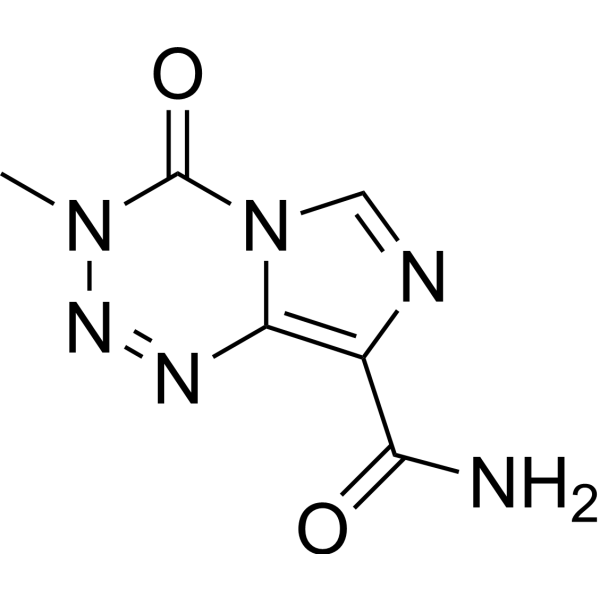
Temozolomide
Maximum Cited Publications
189 Publications Verification
NSC 362856; CCRG 81045; TMZ
|
DNA Alkylator/Crosslinker
Autophagy
Apoptosis
|
Cancer
|
|
Temozolomide (NSC 362856) is an oral active DNA alkylating agent that crosses the blood-brain barrier. Temozolomide is also a proautophagic and proapoptotic agent. Temozolomide is effective against tumor cells that are characterized by low levels of O6-alkylguanine DNA alkyltransferase (OGAT) and a functional mismatch repair system. Temozolomide has antitumor and antiangiogenic effects .
|
-
-
- HY-B0245
-
-
-
- HY-34758
-
|
|
Environmental Pollutants
DNA Alkylator/Crosslinker
|
Cancer
|
|
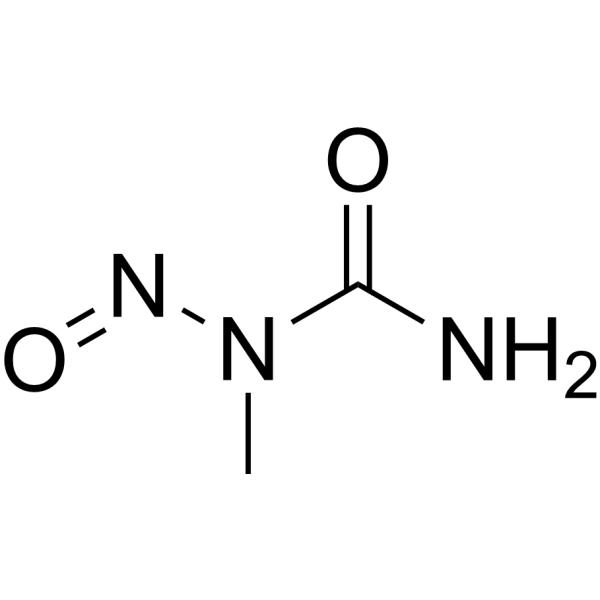
N-Nitroso-N-methylurea (NMU;MNU;NMH) is a potent carcinogen, mutagen and teratogenand. N-Nitroso-N-methylurea is a direct-acting alkylating agent that interacts with DNA. N-Nitroso-N-methylurea targets multiple animal organs to cause various cancer and/or degenerative disease. N-Nitroso-N-methylurea is also a precursor in the synthesis of diazomethane .
|
-
-
- HY-W004702
-
-
-
- HY-13669
-
-
-
- HY-128957
-
|
Duocarmazine
|
Drug-Linker Conjugates for ADC
|
Cancer
|
|
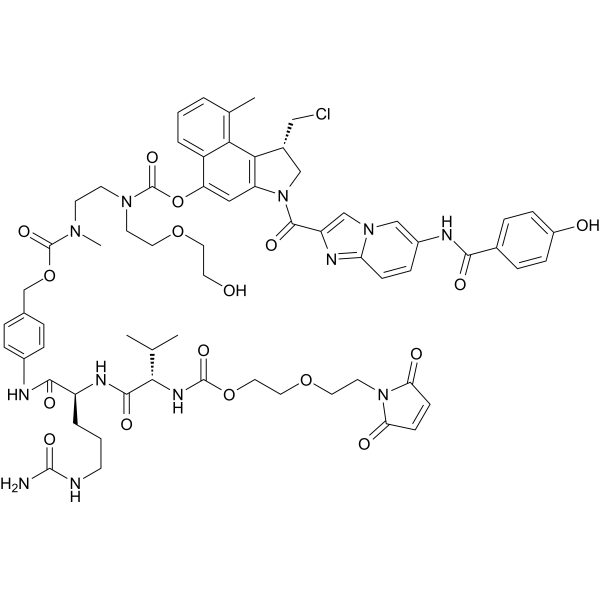
Vc-seco-DUBA (Duocarmazine) is a agent-linker conjugate for ADC with potent antitumor activity by using DUBA (DNA alkylating agent), linked via the ADC linker Vc-seco .
|
-
-
- HY-17574
-
-
-
- HY-119696
-
-
-
- HY-128904
-
|
|
Drug-Linker Conjugates for ADC
|
Cancer
|
|
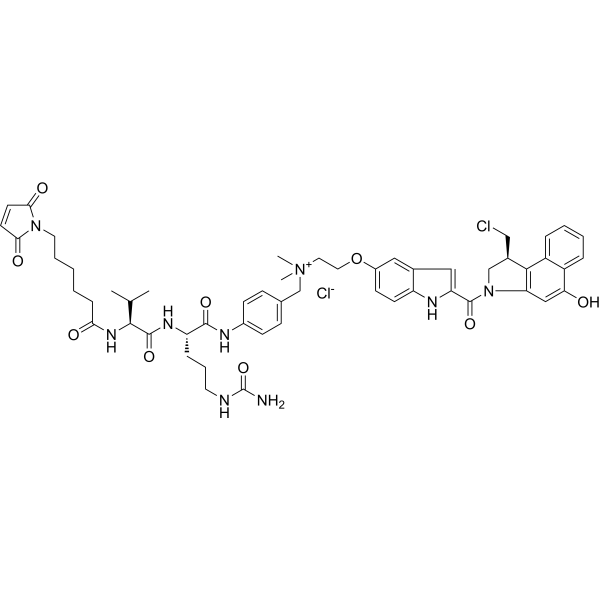
MC-Val-Cit-PAB-duocarmycin chloride is a agent-linker conjugate for ADC with potent antitumor activity by using Duocarmycin (a DNA minor groove binding alkylating agent), linked via the ADC linker MC-Val-Cit-PAB.
|
-
-
- HY-B0077
-
-
-
- HY-13567
-
-
-
- HY-W018326
-
|
|
DNA/RNA Synthesis
|
Cancer
|
|
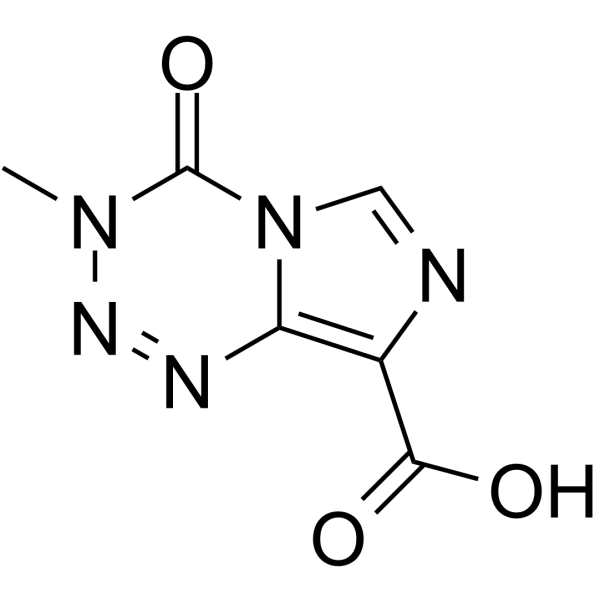
Temozolomide acid is a carboxylic acid derivative of Temozolomide (HY-17364) with anticancer activity. Temozolomide is a DNA alkylating agent, methylating the guanine and adenine bases of DNA, causing breaks in DNA double strand, cell cycle arrest, and eventually cell death. Temozolomide acid is promising for research of glioblastoma and brain cancer .
|
-
-
- HY-W015854
-
|
|
Biochemical Assay Reagents
Apoptosis
DNA Alkylator/Crosslinker
|
Neurological Disease
Cancer
|
|
Ethyl methanesulfonate is an orally active biochemical agent. Ethyl methanesulfonate induces Apoptosis. Ethyl methanesulfonate acts on DNA, alkylating it and causing changes in DNA structure, which in turn triggers a series of biological effects such as mutation and cell death. Ethyl methanesulfonate induces kidney and nervous system tumors. Ethyl methanesulfonate is widely used in the field of genetic toxicology research and is often used to induce gene mutations in organisms to study gene function, the mechanism of genetic diseases, and the effects of environmental mutagenic factors, etc .
|
-
-
- HY-16513
-
VAL-083
2 Publications Verification
Dianhydrodulcitol; Dianhydrogalactitol
|
DNA Alkylator/Crosslinker
|
Cancer
|
|
VAL-083 is an alkylating agent that creates N7 methylation on DNA, with antitumor activity.
|
-
-
- HY-124573
-
|
OBI-3424; TH-3424; (R)-AST-3424
|
DNA Alkylator/Crosslinker
|
Cancer
|
|
(R)-Odafosfamide (OBI-3424) is a proagent that is selectively converted by AKR1C3 (aldo-keto reductase 1C3) to a potent DNA-alkylating agent. (R)-Odafosfamide can be used for hepatocellular carcinoma, castrate-resistant prostate cancer, and acute lymphoblastic leukemia (ALL) research .
|
-
-
- HY-W019815
-
|
ENU; N-Nitroso-N-ethylurea
|
DNA/RNA Synthesis
|
Neurological Disease
Cancer
|
|
N-Ethyl-N-nitrosourea (ENU) is a DNA alkylating agent. N-Ethyl-N-nitrosourea induces leukemia by alkylating nucleobases, disrupting DNA, and resulting in bone marrow suppression and the formation of leukemic cells. N-Ethyl-N-nitrosourea is teratogenic in vivo, inducing tumor formation and paw malformations in pregnant rats. N-Ethyl-N-nitrosourea cause central nervous system (CNS) tumors and genetic disorders .
|
-
-
- HY-111397
-
|
NSC 615291; U-77779
|
DNA Alkylator/Crosslinker
|
Cancer
|
|
Bizelesin (NSC 615291; U-77779) is an AT-specific DNA alkylating agent that can generate DNA interstrand crosslinks, effectively inhibit DNA replication, and has potential anticancer activity .
|
-
-
- HY-U00447
-
|
|
MDM-2/p53
DNA Alkylator/Crosslinker
|
Cancer
|
|
PK11000 is an alkylating agent, and stabilizes the DNA-binding domain of both WT and mutant p53 proteins by covalent cysteine modification without compromising DNA binding. PK11000 has anti-tumor activities .
|
-
-
- HY-13703A
-
|
ACNU
|
DNA Alkylator/Crosslinker
DNA/RNA Synthesis
Apoptosis
p38 MAPK
JNK
AP-1
|
Cancer
|
|
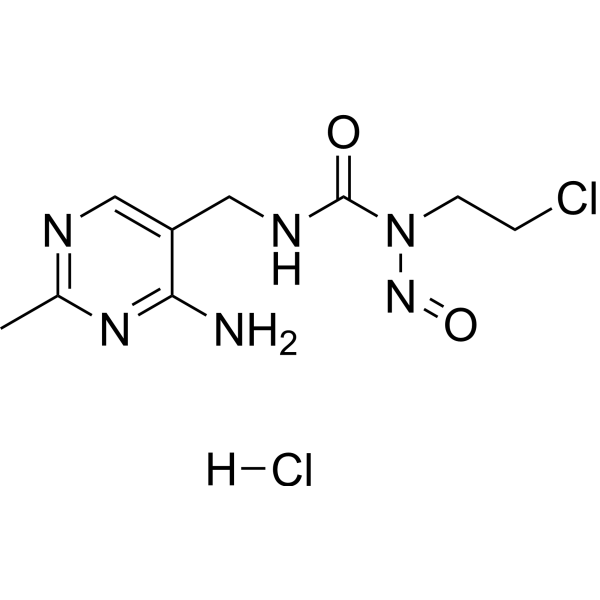
Nimustine hydrochloride (ACNU) is the hydrochloride salt form of Nimustine (HY-13703). Nimustine hydrochloride is an alkylating agent, which induces DNA double-strand breaks (DSBs) and inter-strand crosslinks (ICLs), thereby activating the DNA damage response (DDR) signaling pathway. Nimustine hydrochloride activates p38 MAPK/JNK signaling pathway, and exhibits antitumor activity .
|
-
-
- HY-132180A
-
|
|
ADC Payload
DNA/RNA Synthesis
|
Inflammation/Immunology
Cancer
|
|
Seco-DUBA hydrochloride is a DNA-targeting cytotoxic agent. Seco-DUBA hydrochloride binds to the minor groove of A-T-rich DNA regions, alkylates the adenine N3 residue, and undergoes spontaneous spirocyclization to generate active DUBA (HY-160969). Seco-DUBA hydrochloride exerts cytotoxic activity against human cancer cells. The reduced hydrophobicity of Seco-DUBA hydrochloride supports the development of antibody-drug conjugates .
|
-
-
- HY-B0733
-
-
-
- HY-B0245S
-
|
|
DNA Alkylator/Crosslinker
Apoptosis
|
Inflammation/Immunology
Cancer
|
|
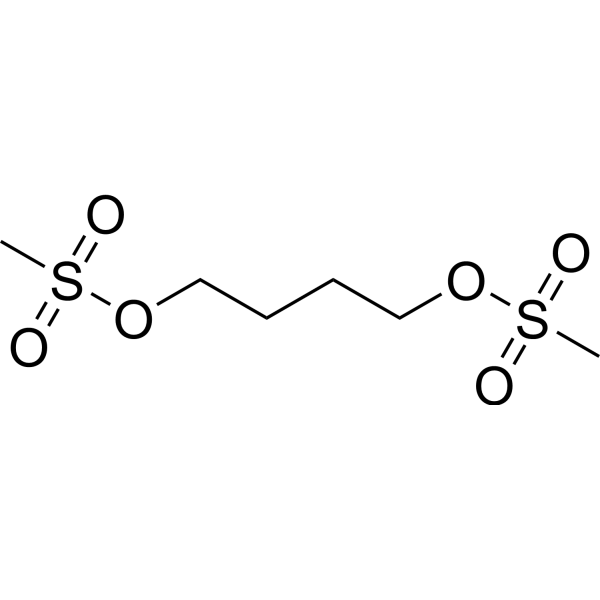
Busulfan-d8 is a deuterium labeled Busulfan. Busulfan is a potent alkylating antineoplastic agent. Busulfan causes DNA damage by cross-linking DNAs and DNA and proteins. Busulfan inhibits thioredoxin reductase. Busulfan induces apoptosis. Busulfan is an immunosuppressive and myeloablative chemotherapeutic agent .
|
-
-
- HY-105019A
-
|
Melphalan flufenamide hydrochloride
|
DNA Alkylator/Crosslinker
Apoptosis
|
Cancer
|
|
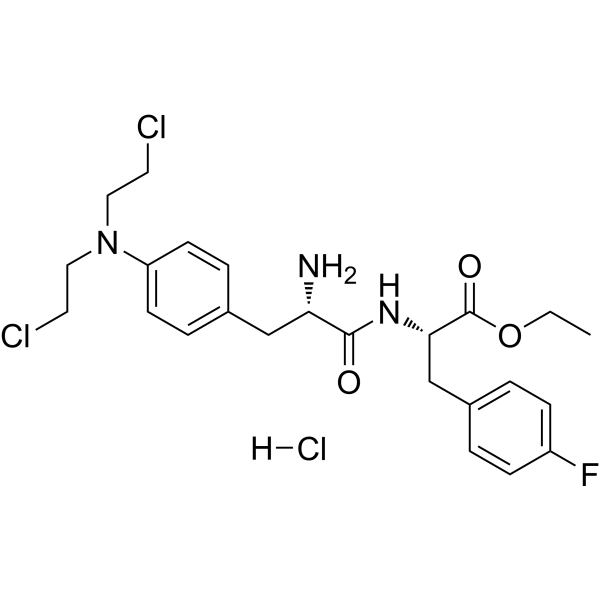
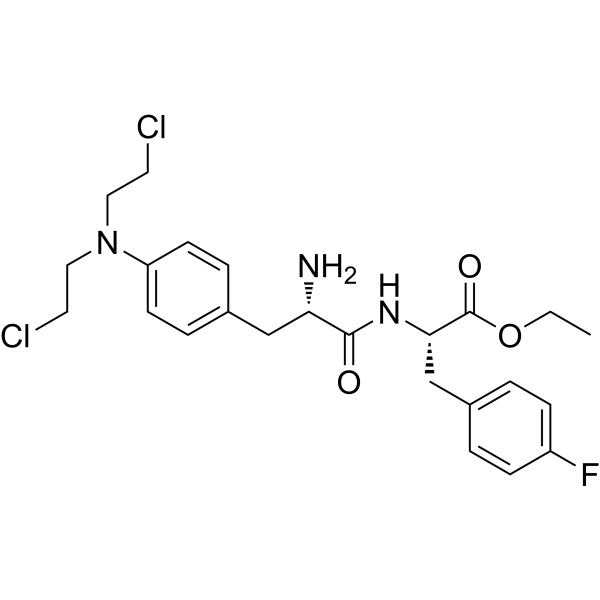
Melflufen (Melphalan flufenamide) hydrochloride, a dipeptide proagent of Melphalan, is an alkylating agent. Melflufen hydrochloride shows antitumor activity against multiple myeloma (MM) cells and inhibits angiogenesis. Melflufen hydrochloride induces irreversible DNA damage and cytotoxicity in MM cells .
|
-
-
- HY-17364S
-
|
|
DNA Alkylator/Crosslinker
Autophagy
Apoptosis
|
Cancer
|
|
Temozolomide-d3 is the deuterium labeled Temozolomide. Temozolomide (NSC 362856) is an oral active DNA alkylating agent that crosses the blood-brain barrier. Temozolomide is also a proautophagic and proapoptotic agent. Temozolomide is effective against tumor cells that are characterized by low levels of O6-alkylguanine DNA alkyltransferase (OGAT) and a functional mismatch repair system. Temozolomide has antitumor and antiangiogenic effects .
|
-
-
- HY-128873
-
|
|
ADC Payload
DNA Alkylator/Crosslinker
|
Cancer
|
|
Duocarmycin GA is an antibody agent conjugates (ADCs) toxin. Duocarmycin is a DNA alkylating agent that binds in the minor groove. Duocarmycin GA can be used against multi-agent resistant cell lines.
|
-
-
- HY-14429
-
|
MGI 114; 6-Hydroxymethylacylfulvene; NSC 683863
|
DNA Alkylator/Crosslinker
Apoptosis
|
Cancer
|
|
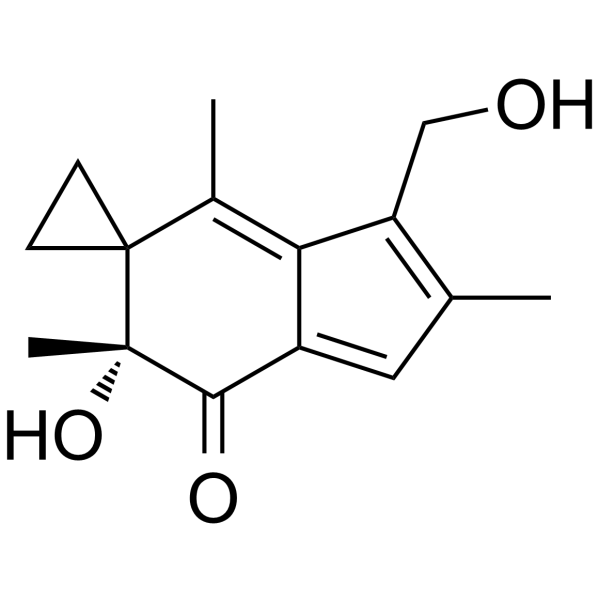
(-)-Irofulven (MGI 114), an Illudin S analog, is a DNA alkylating agent. (-)-Irofulven inhibits the replication of DNA, induces tumor cells apoptosis, and has potent antitumor activity .
|
-
-
- HY-B0245R
-
|
|
DNA Alkylator/Crosslinker
Apoptosis
Reference Standards
|
Inflammation/Immunology
Cancer
|
|
Busulfan (Standard) is the analytical standard of Busulfan. This product is intended for research and analytical applications. Busulfan is a potent alkylating antineoplastic agent. Busulfan causes DNA damage by cross-linking DNAs and DNA and proteins. Busulfan inhibits thioredoxin reductase. Busulfan induces apoptosis. Busulfan is an immunosuppressive and myeloablative chemotherapeutic agent .
|
-
-
- HY-16398
-
|
|
DNA Alkylator/Crosslinker
DNA/RNA Synthesis
|
Cancer
|
|
Pipobroman is a bromide derivative of piperazine and acts as an alkylating agent. Pipobroman plays its role by inhibiting DNA and RNA polymerase or by reducing pyrimidine nucleotide incorporation into DNA. Pipobroman can be used for the cancer research, including polycythemia vera, myeloproliferative neoplasm, and AML et.al .
|
-
-
- HY-105019
-
|
Melphalan flufenamide
|
DNA Alkylator/Crosslinker
Apoptosis
|
Cancer
|
|
Melflufen (Melphalan flufenamide), a dipeptide proagent of Melphalan, is an alkylating agent. Melflufen shows antitumor activity against multiple myeloma (MM) cells and inhibits angiogenesis. Melflufen induces irreversible DNA damage and cytotoxicity in MM cells .
|
-
-
- HY-172314
-
|
|
Aldose Reductase
Drug Derivative
|
Cancer
|
|
ACHM-025 is a prodrug, which is selectively activated by AKR1C3 to a nitrogen mustard DNA alkylating agent. ACHM-025 can be used for the research of cancer, such as leukemia .
|
-
-
- HY-16124
-
|
TLK-286; TER286
|
DNA-PK
Apoptosis
|
Cancer
|
|
Canfosfamide (TLK-286, TER286) is a glutathione analogue prodrug that is activated by glutathione S-transferase P1-1 and induces apoptosis. Canfosfamide also inhibits the catalytic kinase activity of DNA-dependent protein kinase (DNA-PK). Canfosfamide produces an anticancer alkylating agent and a glutathione derivative after activation. Canfosfamide can be used to research malignancies .
|
-
-
- HY-12455
-
|
|
ADC Payload
Antibiotic
DNA Alkylator/Crosslinker
Apoptosis
Caspase
|
Cancer
|
|
Duocarmycin A is an antitumor antibiotic and DNA alkylating agent with broad-spectrum antibacterial activity, which can serve as a payload for synthesizing antibody-drug conjugates (ADCs). Duocarmycin A selectively binds to the AT-rich minor groove of DNA, forms covalent adducts by alkylating the adenine N3 residue, thereby disrupting DNA structure and inhibiting its replication and transcription. Duocarmycin A induces apoptosis, sub-G1 phase accumulation and chromatin condensation, reduces the levels of pro-caspase-3/9, and induces p53-independent p21 expression. Duocarmycin A is widely used in the research of various malignancies, including leukemia, sarcoma, glioblastoma, as well as multiple solid tumor models such as lung cancer, breast cancer, and colorectal cancer .
|
-
-
- HY-153792
-
|
|
FLAP
|
Cancer
|
|
FEN1-IN-7 (compound 16) is a selective inhibitor of Flap endonuclease-1 (FEN1, IC50=18 nM), involving in mammalian cells to repair DNA damage. FEN1-IN-7 also targets to related endonuclease, xeroderma pigmentosum G (XPG) with an IC50 value of 3.04 μM. FEN1-IN-7 increases the cellular sensitivity of cancer cells to potent DNA alkylating agents or methylating agents .
|
-
-
- HY-114577
-
|
Isophosphoramide mustard tromethamine; IPM tromethamine; ZIO-201 tromethamine
|
DNA Alkylator/Crosslinker
|
Cancer
|
|
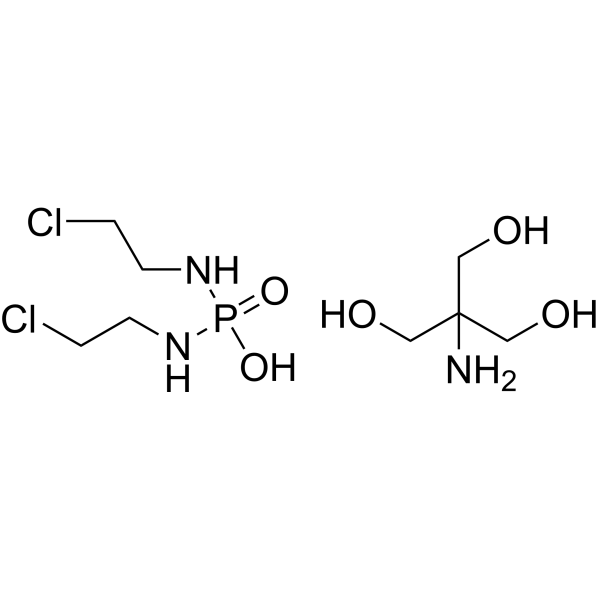
Palifosfamide (tromethamine) is a synthetic alkylating agent with potential antineoplastic activity. As the stabilized active metabolite of ifosfamide, palifosfamide (tromethamine) irreversibly alkylates and crosslinks DNA through GC base pairs. This leads to an inhibition of DNA replication and ultimately cell death. Compared to ifosfamide, palifosfamide (tromethamine) is less toxic.
|
-
-
- HY-W111005
-
|
|
DNA Alkylator/Crosslinker
|
Cancer
|
|
1-Chloromethylpyrene is an alkylating agent that enters the DNA double helix structure through intercalation, forms covalent bonds with electrophilic groups, resulting in DNA cross-linking, thereby inhibiting the proliferation of tumor cells .
|
-
-
- HY-102001
-
|
|
ADC Payload
|
Cancer
|
|
Tomaymycin DM is a tomaymycin derivative, PBD monomer, and DNA alkylating agent. Tomaymycin DM can serve as a payload in tumor-targeting antibody-conjugated active molecules (ADCs).
|
-
-
- HY-101150
-
|
|
DNA Alkylator/Crosslinker
ADC Payload
|
Cancer
|
|
DGN462, a potent DNA-alkylating agent, shows anti-tumor activity, such as acute myeloid leukemia (AML). DGN462 can be used as a cytotoxic component of antibody-drug conjugates (ADCs) .
|
-
-
- HY-W004702R
-
|
|
Reference Standards
Reactive Oxygen Species (ROS)
DNA Alkylator/Crosslinker
MDM-2/p53
Necroptosis
|
Cancer
|
|
Methyl methanesulfonate (Standard) is the analytical standard of Methyl methanesulfonate (HY-W004702). This product is intended for research and analytical applications. Methyl methanesulfonate is an alkylating agent which transfers methyl groups, and induces DNA damage. Methyl methanesulfonate is a biochemical reagent that can be used as a biological material or organic compound for life science related research .
|
-
-
- HY-107770
-
|
|
ADC Payload
DNA Alkylator/Crosslinker
|
Cancer
|
|
Duocarmycin MB is an antibody agent conjugates (ADCs) toxin. Duocarmycin is a DNA alkylating agent that binds in the minor groove. Duocarmycin MB can be used against multi-agent resistant cell lines.
|
-
-
- HY-18987
-
|
|
ADC Payload
DNA Alkylator/Crosslinker
|
Cancer
|
|
Duocarmycin MA is an antibody agent conjugates (ADCs) toxin. Duocarmycin is a DNA alkylating agent that binds in the minor groove. Duocarmycin MA can be used against multi-agent resistant cell lines.
|
-
-
- HY-17574R
-
-
-
- HY-136289
-
|
|
Drug-Linker Conjugates for ADC
|
Cancer
|
|
MB-VC-MGBA is a agent-linker conjugate for ADC with potent antitumor activity by using MGBA (minor-groove-binding DNA-alkylating agent), linked via the ADC linker MB-VC .
|
-
-
- HY-139453A
-
|
|
DNA Alkylator/Crosslinker
|
Cancer
|
|
LP-284 is a potent DNA alkylating agent that kills solid tumours. LP-284 can be used in the studies of hematologic cancers with compromised DNA repair, such as mantle cell lymphoma (MCL) .
|
-
-
- HY-148091
-
|
|
DNA Alkylator/Crosslinker
|
Cancer
|
|
Duocarmycin analog-2 is a potent DNA alkylating agent. Duocarmycin analog-2 can be used of synthetic immunoconjugate. Duocarmycin analog-2 has antitumor activity .
|
-
-
- HY-131085
-
|
|
Drug-Linker Conjugates for ADC
|
Cancer
|
|
Desmethyl Vc-seco-DUBA consists a cleavable ADC linker (Desmethyl Vc-seco) and a DNA alkylating agent (DUBA). Desmethyl Vc-seco-DUBA can be used in the synthesis of antibody-drug conjugates (ADCs) .
|
-
-
- HY-119969
-
|
NSC 182986
|
DNA Alkylator/Crosslinker
|
Cancer
|
|
Diaziquone (NSC 182986), an aziridinylbenzoquinone, is a DNA alkylating agent. Diaziquone shows a broad antitumor activity against numerous transplantable murine tumors including curative activity against several intracerebrally implanted tumors. Diaziquone crosses the blood brain barrier .
|
-
-
- HY-135900
-
|
|
ADC Payload
Bacterial
|
Cancer
|
|
Aniline-MPB-amino-C3-PBD is a cytotoxic agent comprised non-alkylating group. Aniline-MPB-amino-C3-PBD is a sequence-selective DNA minor-groove binding agent. Aniline-MPB-amino-C3-PBD acts as the payload for ADCs. Antimicrobial activity .
|
-
-
- HY-W004702S
-
-
-
- HY-16181
-
|
|
Folate Receptor (FR)
Microtubule/Tubulin
DNA Alkylator/Crosslinker
|
Cancer
|
|
EC-0225, a folate conjugate of two agents- one a potent microtubule inhibiting agent, and the second a DNA alkylating agent. EC-0225 inhibits the growth of folate receptor (FR)-positive KB cells with an IC50 of ~1 nM. EC-0225 can be selectively delivered to advanced FR-positive tumors without causing overt toxicity, such as lung carcinoma .
|
-
-
- HY-13669R
-
-
- HY-128880
-
-
- HY-128881
-
-
- HY-101150A
-
|
|
DNA Alkylator/Crosslinker
ADC Payload
|
Cancer
|
|
sulfo-DGN462 sodium is degraded to DGN462 in culture medium and plasma. DGN462, a potent DNA-alkylating agent, shows anti-tumor activity, such as acute myeloid leukemia (AML) .
|
-
- HY-13703
-
-
- HY-167635
-
|
|
MDM-2/p53
Drug Derivative
ATM/ATR
|
Cancer
|
Decarbamoylmitomycin C, an analog of Mitomycin C (MC), is an DNA-alkylating agent. Decarbamoylmitomycin C (DMC) activates p53-independent ataxia telangiectasia and rad3 related protein (ATR) chromatin eviction .
|
-
- HY-136291
-
|
|
Drug-Linker Conjugates for ADC
|
Cancer
|
|
Sulfo-SPDB-DGN462 is a agent-linker conjugate for ADC. Sulfo-SPDB-DGN462 consists a toxin DGN462 (HY-101150) conjugated to the cleavable Sulfo-SPDB linker. DGN462, a potent DNA-alkylating agent, shows anti-tumor activity, such as acute myeloid leukemia (AML).
|
-
- HY-17364R
-
|
NSC 362856 (Standard); CCRG 81045 (Standard); TMZ (Standard)
|
Reference Standards
DNA Alkylator/Crosslinker
Autophagy
Apoptosis
|
Cancer
|
|
Temozolomide (Standard) is the analytical standard of Temozolomide. This product is intended for research and analytical applications. Temozolomide (NSC 362856) is an oral active DNA alkylating agent that crosses the blood-brain barrier. Temozolomide is also a proautophagic and proapoptotic agent. Temozolomide is effective against tumor cells that are characterized by low levels of O6-alkylguanine DNA alkyltransferase (OGAT) and a functional mismatch repair system. Temozolomide has antitumor and antiangiogenic effects .
|
-
- HY-N15366
-
|
|
DNA Alkylator/Crosslinker
|
Cancer
|
|
N-Acetoxy-IQ is a DNA alkylating agent that can covalently bind to DNA, especially guanine residues. N-Acetoxy-IQ exerts mutagenic and carcinogenic activities by forming DNA adducts. N-Acetoxy-IQ is promising for research of cancers .
|
-
- HY-16117A
-
-
- HY-13567S
-
-
- HY-161051
-
|
|
NAMPT
DNA Alkylator/Crosslinker
|
Cancer
|
|
Anticancer agent 177 (Compound 11b) is a NAMPT inhibitor and DNA alkylating agent. Anticancer agent 177 has antitumor activity in vitro and in vivo .
|
-
- HY-W701673
-
-
- HY-19577
-
|
PTT119
|
DNA Alkylator/Crosslinker
|
Infection
Cancer
|
|
Ambamustine (PTT119) is a bifunctional alkylating agent and induces DNA damage by alkylating mechanisms. Ambamustine interferes with late steps in murine mammary tumor virus (MuMTV) processing and maturation and reduces production of the B-type retrovirus MuMTV. Ambamustine possesses cytolytic and antiviral activities .
|
-
- HY-101002
-
|
SarCNU; Sarmustine
|
Apoptosis
DNA Alkylator/Crosslinker
|
Cancer
|
|
Sarcosinamide chloroethylnitrosourea is an orally active alkylating agent. Sarcosinamide chloroethylnitrosourea can induce apoptosis by promoting DNA alkylation. Sarcosinamide chloroethylnitrosourea can be used in cancer-related research .
|
-
- HY-W588285
-
|
3-MG
|
DNA/RNA Synthesis
|
Others
|
|
3-Methylguanine is a DNA damage product caused by alkylation. 3-Methylguanine is cytotoxic and causes cell death by inhibiting DNA replication. 3-Methylguanine can be used to study the mechanism of DNA damage caused by alkylating agents and its repair pathways .
|
-
- HY-B0077S1
-
|
SDX-105-d8
|
Isotope-Labeled Compounds
DNA Alkylator/Crosslinker
Apoptosis
|
Cancer
|
|
Bendamustine-d8 (hydrochloride) is deuterium labeled Bendamustine (hydrochloride). Bendamustine hydrochloride (SDX-105), a purine analogue, is a DNA cross-linking agent. Bendamustine hydrochloride activats DNA-damage stress response and apoptosis. Bendamustine hydrochloride has potent alkylating, anticancer and antimetabolite properties .
|
-
- HY-119696R
-
|
|
Reference Standards
Drug Metabolite
|
Neurological Disease
Cancer
|
|
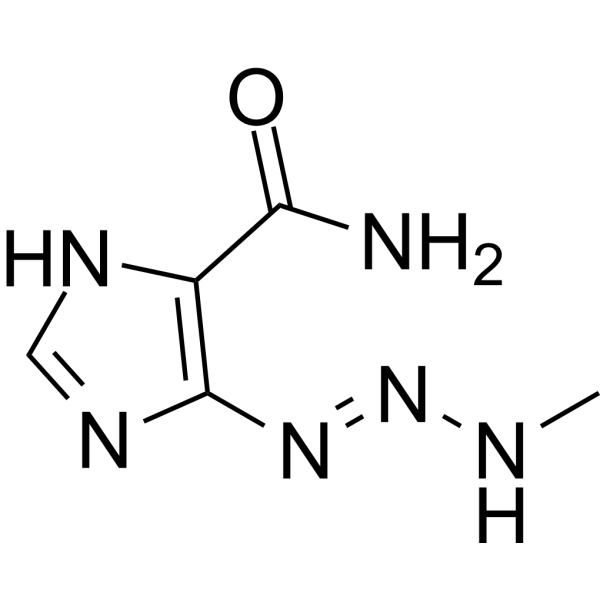
MTIC (Standard) is the analytical standard of MTIC. This product is intended for research and analytical applications. MTIC, the active metabolite of Temozolomide (TMZ), is a DNA alkylating agent. MTIC has antitumor activity
[1][2][3][4].
|
-
- HY-16513R
-
|
Dianhydrodulcitol (Standard); Dianhydrogalactitol (Standard)
|
DNA Alkylator/Crosslinker
Reference Standards
|
Cancer
|
|
VAL-083 (Standard) is the analytical standard of VAL-083. This product is intended for research and analytical applications. VAL-083 is an alkylating agent that creates N7 methylation on DNA, with antitumor activity.
|
-
- HY-13567S1
-
|
SDX-105-d8 free base
|
DNA Alkylator/Crosslinker
Apoptosis
|
Cancer
|
|
Bendamustine-d8 is the deuterium labeled Bendamustine . Bendamustine (SDX-105 free base), a purine analogue, is a DNA cross-linking agent. Bendamustine activates DNA-damage stress response and apoptosis. Bendamustine has potent alkylating, anticancer and antimetabolite properties .
|
-
- HY-B0077R
-
|
SDX-105 (Standard)
|
Reference Standards
DNA Alkylator/Crosslinker
Apoptosis
|
Cancer
|
|
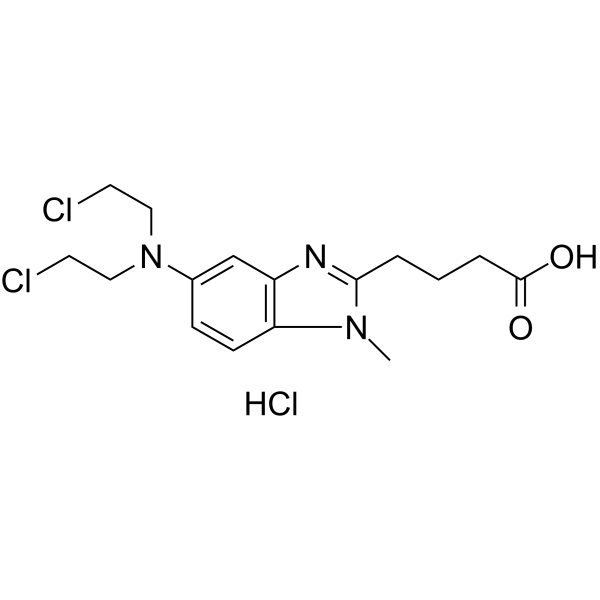
Bendamustine (hydrochloride) (Standard) is the analytical standard of Bendamustine (hydrochloride). This product is intended for research and analytical applications. Bendamustine hydrochloride (SDX-105), a purine analogue, is a DNA cross-linking agent. Bendamustine hydrochloride activats DNA-damage stress response and apoptosis. Bendamustine hydrochloride has potent alkylating, anticancer and antimetabolite properties .
|
-
- HY-13567R
-
|
SDX-105 free base (Standard)
|
DNA Alkylator/Crosslinker
Apoptosis
Reference Standards
|
Cancer
|
|
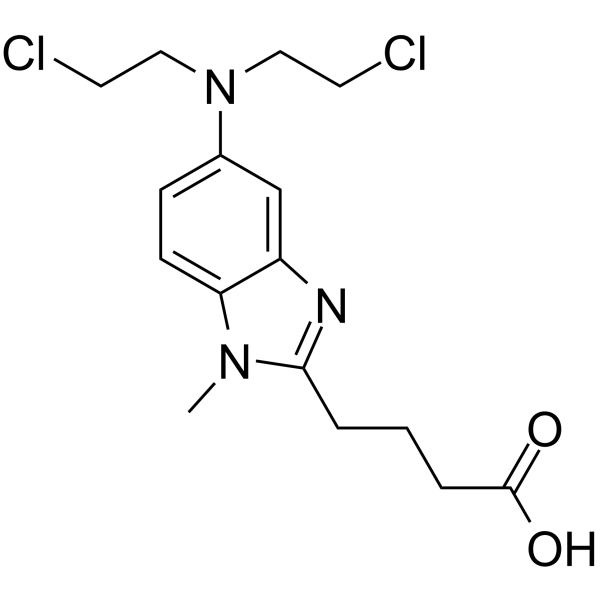
Bendamustine (Standard) is the analytical standard of Bendamustine. This product is intended for research and analytical applications. Bendamustine (SDX-105 free base), a purine analogue, is a DNA cross-linking agent. Bendamustine activates DNA-damage stress response and apoptosis. Bendamustine has potent alkylating, anticancer and antimetabolite properties .
|
-
- HY-121261
-
|
|
Necroptosis
Apoptosis
|
Cancer
|
Antineoplastic agent-1 is an alkylating agent and a genotoxic agent that can induce DNA damage. Antineoplastic agent-1 can lead to irreversible damage and progressive death of liver cells due to necroptosis and apoptosis. Antineoplastic agent-1 can cause alkylation damage to hematopoietic cells and stromal cells in the bone marrow. Antineoplastic agent-1 can be used in tumor research .
|
-
- HY-W738282
-
|
SDX-105-d7
|
Isotope-Labeled Compounds
DNA Alkylator/Crosslinker
Apoptosis
|
Cancer
|
|
Bendamustine-d7 hydrochloride (SDX-105-d7) is the deuterium labeled Bendamustine hydrochloride (HY-B0077). Bendamustine hydrochloride (SDX-105), a purine analogue, is a DNA cross-linking agent. Bendamustine hydrochloride activats DNA-damage stress response and apoptosis. Bendamustine hydrochloride has potent alkylating, anticancer and antimetabolite properties .
|
-
- HY-16398R
-
|
|
DNA Alkylator/Crosslinker
DNA/RNA Synthesis
Reference Standards
|
Cancer
|
|
Pipobroman (Standard) is the analytical standard of Pipobroman. This product is intended for research and analytical applications. Pipobroman is a bromide derivative of piperazine and acts as an alkylating agent. Pipobroman plays its role by inhibiting DNA and RNA polymerase or by reducing pyrimidine nucleotide incorporation into DNA. Pipobroman can be used for the cancer research, including polycythemia vera, myeloproliferative neoplasm, and AML et.al .
|
-
- HY-W717139
-
|
|
Isotope-Labeled Compounds
DNA Alkylator/Crosslinker
|
Cancer
|
|
N-Nitroso-N-methylurea-d5 is the deuterium labeled N-Nitroso-N-methylurea (HY-34758). N-Nitroso-N-methylurea (NMU;MNU;NMH) is a potent carcinogen, mutagen and teratogenand. N-Nitroso-N-methylurea is a direct-acting alkylating agent that interacts with DNA. N-Nitroso-N-methylurea targets multiple animal organs to cause various cancer and/or degenerative disease. N-Nitroso-N-methylurea is also a precursor in the synthesis of diazomethane .
|
-
- HY-17419A
-
|
|
DNA Alkylator/Crosslinker
|
Cancer
|
|
(R)-Ifosfamide is a chemotherapeutic agent primarily used in the treatment of aggressive tumors such as rhabdomyosarcoma, exhibiting alkylating activity that interferes with DNA replication. (R)-Ifosfamide is an isomeric derivative of the DNA alkylating agent Ifosfamide (HY-17419).
|
-
- HY-185488
-
|
|
DNA Alkylator/Crosslinker
ADC Payload
|
Cancer
|
|
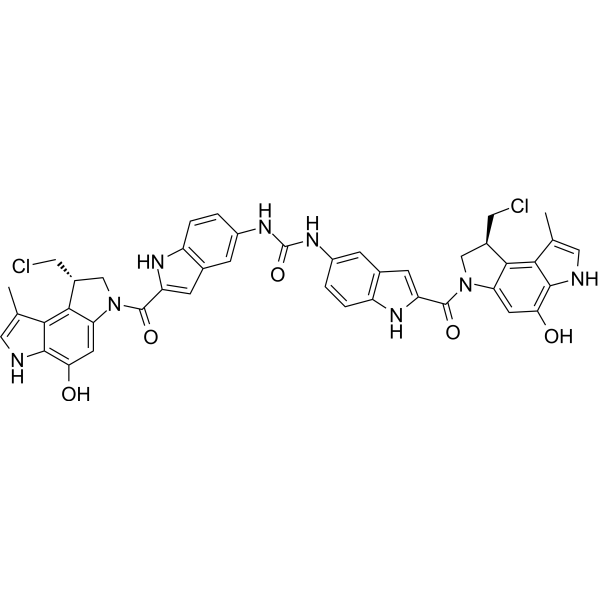
seco-CBI dimer is a DNA alkylating agent and a prodrug of Duocarmycin, which can serve as a payload for synthesizing antibody-drug conjugates (ADCs). seco-CBI dimer binds to the minor groove of A-T-rich regions in DNA, alkylates the N3 position of adenine residues, and induces DNA strand breaks. seco-CBI dimer can be used in the research of non-Hodgkin's lymphoma .
|
-
- HY-13567A
-
|
SDX-105 hydrate
|
DNA Alkylator/Crosslinker
Apoptosis
|
Metabolic Disease
|
|
Bendamustine hydrochloride hydrate (SDX-105 hydrate), a purine analogue, is a DNA cross-linking agent. Bendamustine hydrochloride hydrate activates DNA-damage stress response and apoptosis. Bendamustine hydrochloride hydrate has potent alkylating, anticancer and antimetabolite properties .
|
-
- HY-19577A
-
|
PTT119 hydrochloride
|
DNA Alkylator/Crosslinker
|
Infection
Cancer
|
|
Ambamustine (PTT119) hydrochloride is a bifunctional alkylating agent and induces DNA damage by alkylating mechanisms. Ambamustine interferes with late steps in murine mammary tumor virus (MuMTV) processing and maturation and reduces production of the B-type retrovirus MuMTV. Ambamustine possesses cytolytic and antiviral activities .
|
-
- HY-119696S1
-
-
- HY-183623
-
|
|
ADC Payload
Apoptosis
|
Cancer
|
|
ProAlk01 is a protein alkylating agent that serves as a toxin payload for ADCs. ProAlk01 localizes to the cytoplasm and exerts cytotoxic effects mainly by alkylating cytoplasmic proteins rather than binding to DNA. ProAlk01 induces cell cycle arrest, apoptosis, and immunogenic cell death. ProAlk01 can be used in the research of solid tumors .
|
-
- HY-185492
-
-
- HY-19211
-
|
|
Topoisomerase
DNA/RNA Synthesis
|
Cancer
|
|
KW-2170 hydrochloride is an alkylating agent and topoisomerase II inhibitor. KW-2170 hydrochloride stabilizes the topoisomerase II-DNA complex, causing DNA double-strand breaks, thereby preventing DNA replication and transcription, and ultimately leading to the death of tumor cells. KW-2170 hydrochloride exhibits potent and broad-spectrum anti-tumor activity in various mouse and human tumor models. KW-2170 hydrochloride can be used in the research of solid tumors .
|
-
- HY-119869
-
|
|
DNA/RNA Synthesis
|
Cancer
|
|
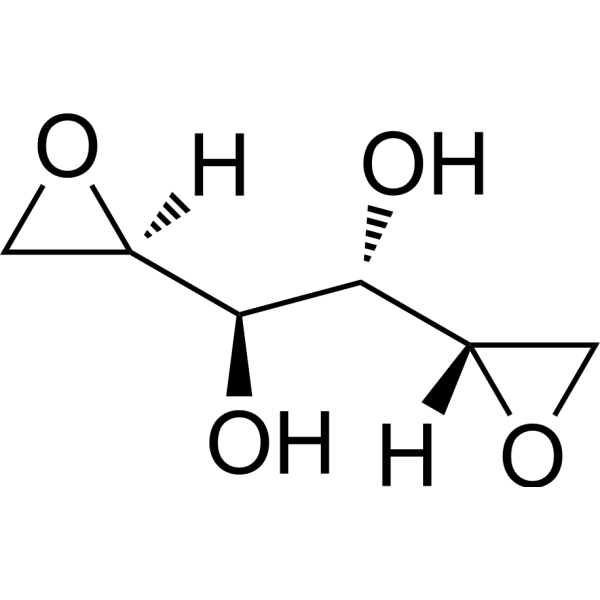
Anaxirone is an anti-tumor agent. The epoxy group in its structure can interfere with the proliferation of tumor cells by alkylating biological macromolecules such as DNA. Anaxirone has dose-limiting toxicity (DLT) and gastrointestinal toxicity. Anaxirone can be used for research on solid tumors such as non-small cell lung cancer (NSCLC) .
|
-
- HY-105019AR
-
|
Melphalan flufenamide hydrochloride (Standard)
|
Reference Standards
DNA Alkylator/Crosslinker
Apoptosis
|
Cancer
|
|
Melflufen hydrochloride (Standard) is the analytical standard of Melflufen hydrochloride (HY-105019A). This product is intended for research and analytical applications. Melflufen (Melphalan flufenamide) hydrochloride, a dipeptide proagent of Melphalan, is an alkylating agent. Melflufen hydrochloride shows antitumor activity against multiple myeloma (MM) cells and inhibits angiogenesis. Melflufen hydrochloride induces irreversible DNA damage and cytotoxicity in MM cells .
|
-
- HY-P991862
-
|
|
ADC Antibody
Anaplastic lymphoma kinase (ALK)
|
Cancer
|
|
CDX-0125-TEI Antibody is an anti-human ALK antibody. AMG-224 Antibody can generate antibody drug conjugate (ADC) (CDX-0125-TEI) with thienoindole (TEI) DNA minor groove alkylating agent. CDX-0125-TEI Antibody can be used for the study of neuroblastoma .
|
-
- HY-180260
-
|
|
Reactive Oxygen Species (ROS)
|
Cancer
|
|
Anticancer agent 289 is a H2O2-responsive anticancer prodrug. Anticancer agent 289 exhibits H2O2-inducible DNA-alkylating activity, selectively inhibits the proliferation of high ROS-expressing cancer cells over nonmalignant cells, markedly suppresses tumor growth without observable toxicity in vivo. Anticancer agent 289 can be used for triple-negative breast cancer (TNBC) research .
|
-
| Cat. No. |
Product Name |
Type |
-
- HY-W004702
-
|
|
Biochemical Assay Reagents
|
|
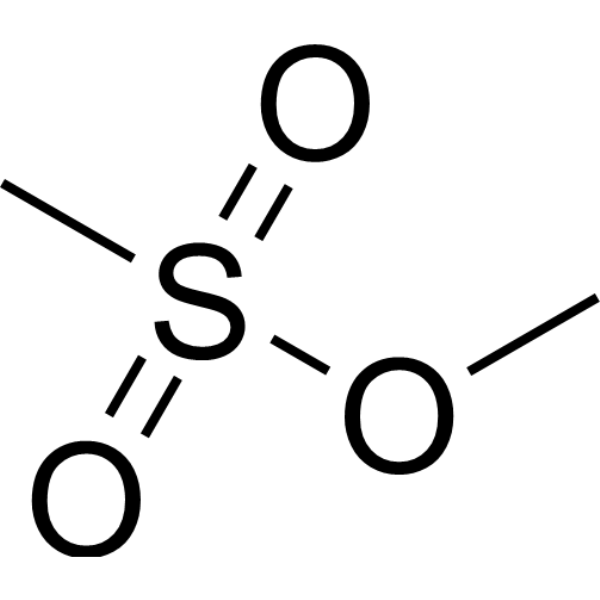
Methyl methanesulfonate is an alkylating agent which transfers methyl groups, and induces DNA damage. Methyl methanesulfonate is a biochemical reagent that can be used as a biological material or organic compound for life science related research .
|
-
- HY-W015854
-
|
|
Biochemical Assay Reagents
|
|
Ethyl methanesulfonate is an orally active biochemical agent. Ethyl methanesulfonate induces Apoptosis. Ethyl methanesulfonate acts on DNA, alkylating it and causing changes in DNA structure, which in turn triggers a series of biological effects such as mutation and cell death. Ethyl methanesulfonate induces kidney and nervous system tumors. Ethyl methanesulfonate is widely used in the field of genetic toxicology research and is often used to induce gene mutations in organisms to study gene function, the mechanism of genetic diseases, and the effects of environmental mutagenic factors, etc .
|
-
- HY-W004702R
-
|
|
Biochemical Assay Reagents
|
|
Methyl methanesulfonate (Standard) is the analytical standard of Methyl methanesulfonate (HY-W004702). This product is intended for research and analytical applications. Methyl methanesulfonate is an alkylating agent which transfers methyl groups, and induces DNA damage. Methyl methanesulfonate is a biochemical reagent that can be used as a biological material or organic compound for life science related research .
|
| Cat. No. |
Product Name |
Target |
Research Area |
-
- HY-105019
-
|
Melphalan flufenamide
|
DNA Alkylator/Crosslinker
Apoptosis
|
Cancer
|
|
Melflufen (Melphalan flufenamide), a dipeptide proagent of Melphalan, is an alkylating agent. Melflufen shows antitumor activity against multiple myeloma (MM) cells and inhibits angiogenesis. Melflufen induces irreversible DNA damage and cytotoxicity in MM cells .
|
| Cat. No. |
Product Name |
Target |
Research Area |
Image |
-
- HY-P991862
-
|
|
ADC Antibody
Anaplastic lymphoma kinase (ALK)
|
Cancer
|
|
CDX-0125-TEI Antibody is an anti-human ALK antibody. AMG-224 Antibody can generate antibody drug conjugate (ADC) (CDX-0125-TEI) with thienoindole (TEI) DNA minor groove alkylating agent. CDX-0125-TEI Antibody can be used for the study of neuroblastoma .
|
-
(5)
| Cat. No. |
Product Name |
Category |
Target |
Chemical Structure |
| Cat. No. |
Product Name |
Chemical Structure |
-
- HY-B0245S
-
|
|
|
Busulfan-d8 is a deuterium labeled Busulfan. Busulfan is a potent alkylating antineoplastic agent. Busulfan causes DNA damage by cross-linking DNAs and DNA and proteins. Busulfan inhibits thioredoxin reductase. Busulfan induces apoptosis. Busulfan is an immunosuppressive and myeloablative chemotherapeutic agent .
|
-
-
- HY-17364S
-
|
|
|
Temozolomide-d3 is the deuterium labeled Temozolomide. Temozolomide (NSC 362856) is an oral active DNA alkylating agent that crosses the blood-brain barrier. Temozolomide is also a proautophagic and proapoptotic agent. Temozolomide is effective against tumor cells that are characterized by low levels of O6-alkylguanine DNA alkyltransferase (OGAT) and a functional mismatch repair system. Temozolomide has antitumor and antiangiogenic effects .
|
-
-
- HY-W004702S
-
|
|
|
Methyl methanesulfonate-d3 is the deuterium labeled Methyl methanesulfonate (HY-W004702). Methyl methanesulfonate is an alkylating agent which transfers methyl groups, and induces DNA damage. Methyl methanesulfonate is a biochemical reagent that can be used as a biological material or organic compound for life science related research .
|
-
-
- HY-13567S
-
|
|
|
Bendamustine-d4 is the deuterium labeled Bendamustine. Bendamustine is a DNA cross-linking agent that causes DNA breaks, with alkylating and antimetabolite properties.
|
-
-
- HY-W701673
-
|
|
|
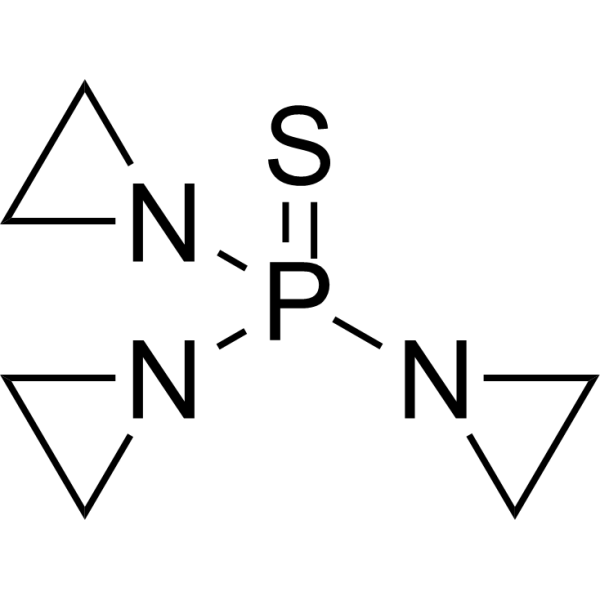
Thio-TEPA-d12 is the deuterium labeled Thio-TEPA (HY-17574). Thio-TEPA is a DNA alkylating agent, with antitumor activity.
|
-
-
- HY-B0077S1
-
|
|
|
Bendamustine-d8 (hydrochloride) is deuterium labeled Bendamustine (hydrochloride). Bendamustine hydrochloride (SDX-105), a purine analogue, is a DNA cross-linking agent. Bendamustine hydrochloride activats DNA-damage stress response and apoptosis. Bendamustine hydrochloride has potent alkylating, anticancer and antimetabolite properties .
|
-
-
- HY-13567S1
-
|
|
|
Bendamustine-d8 is the deuterium labeled Bendamustine . Bendamustine (SDX-105 free base), a purine analogue, is a DNA cross-linking agent. Bendamustine activates DNA-damage stress response and apoptosis. Bendamustine has potent alkylating, anticancer and antimetabolite properties .
|
-
-
- HY-W738282
-
|
|
|
Bendamustine-d7 hydrochloride (SDX-105-d7) is the deuterium labeled Bendamustine hydrochloride (HY-B0077). Bendamustine hydrochloride (SDX-105), a purine analogue, is a DNA cross-linking agent. Bendamustine hydrochloride activats DNA-damage stress response and apoptosis. Bendamustine hydrochloride has potent alkylating, anticancer and antimetabolite properties .
|
-
-
- HY-W717139
-
|
|
|
N-Nitroso-N-methylurea-d5 is the deuterium labeled N-Nitroso-N-methylurea (HY-34758). N-Nitroso-N-methylurea (NMU;MNU;NMH) is a potent carcinogen, mutagen and teratogenand. N-Nitroso-N-methylurea is a direct-acting alkylating agent that interacts with DNA. N-Nitroso-N-methylurea targets multiple animal organs to cause various cancer and/or degenerative disease. N-Nitroso-N-methylurea is also a precursor in the synthesis of diazomethane .
|
-
-
- HY-119696S1
-
|
|
|
MTIC- 13C is the 13C-labeled MTIC (HY-119696). MTIC, the active metabolite of Temozolomide (TMZ), is a DNA alkylating agent. MTIC has antitumor activity
|
-
Your information is safe with us. * Required Fields.
Inquiry Information
- Product Name:
- Cat. No.:
- Quantity:
- MCE Japan Authorized Agent:

