



1. Search Result
Search Result
Results for "

Efficient delivery

" in MedChemExpress (MCE) Product Catalog:

48

Inhibitors & Agonists

1

Screening Libraries

10

Biochemical Assay Reagents

21

Peptides

1

Inhibitory Antibodies

2

Natural
Products

1

Isotope-Labeled Compounds

18

Oligonucleotides

Cat. No. Product Name Target Research Areas Chemical Structure
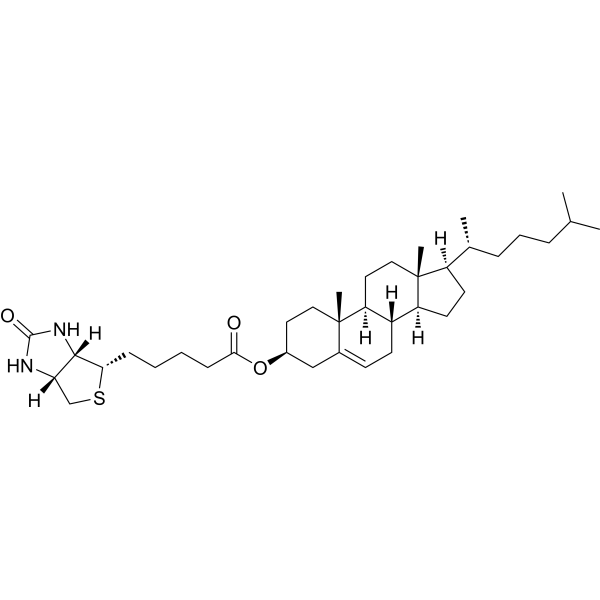
  • HY-138171
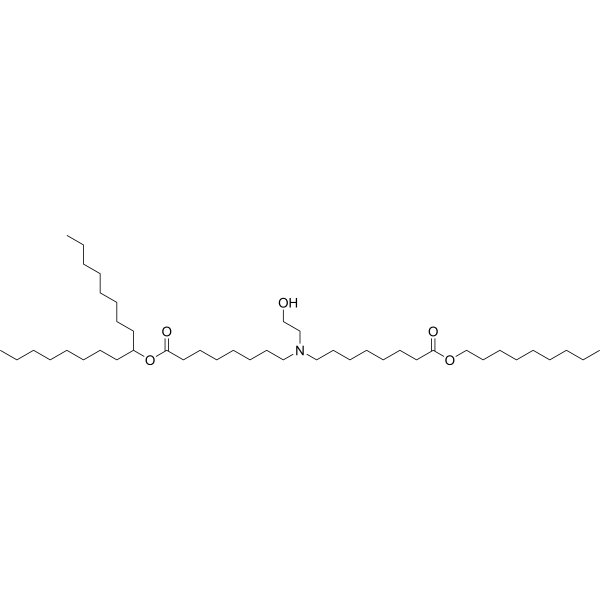
    Lipid 5
    3 Publications Verification

    Liposome Others
    Lipid 5 is an amino lipid that affords efficient mRNA delivery in rodent and primate models. Lipid 5 shows optimal pharmacokinetics and non-toxic side effects .
    Lipid 5
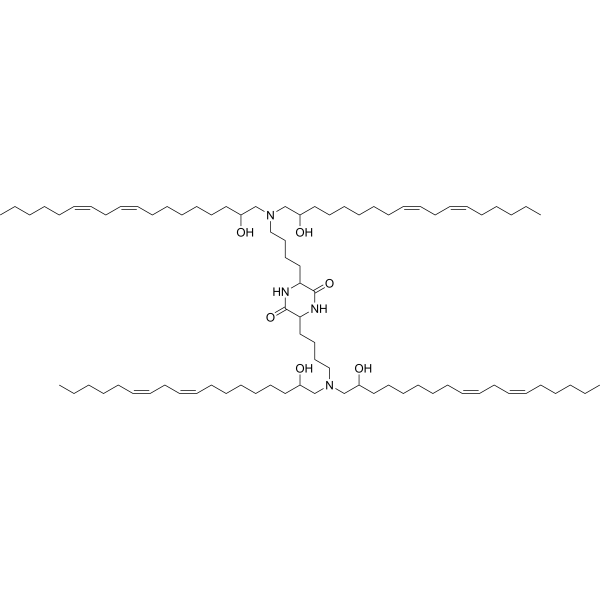
  • HY-145799
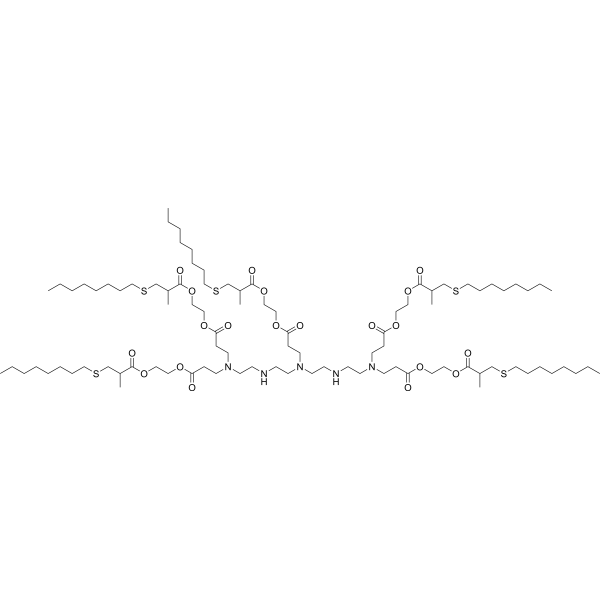
    5A2-SC8
    1 Publications Verification

    Liposome Cancer
    5A2-SC8 is an ionizable amino lipid in lipid nanoparticles (LNPs) that shows high delivery potential and low in vivo toxicity, enabling efficient delivery of small RNAs such as siRNA and miRNA into tumor cells. 5A2-SC8 LNPs can confer a unique delivery fate of RNA within the liver, thereby changing the therapeutic outcomes in cancer models .
    5A2-SC8
  • HY-131119

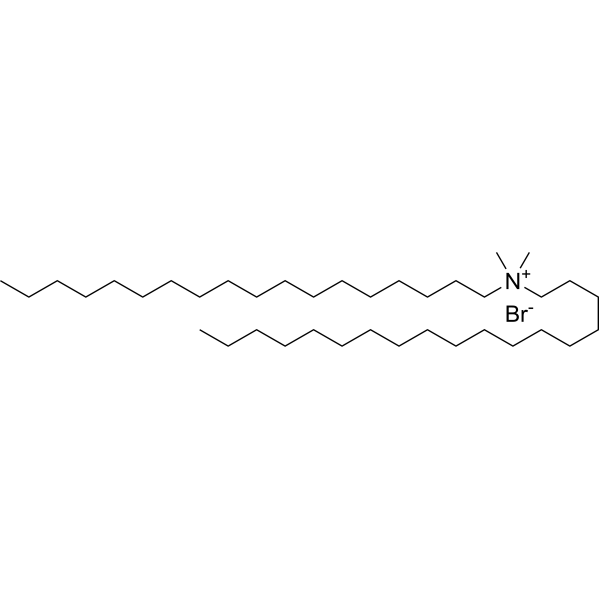
    Dioctadecyldimethylammonium bromide; DODAB

    Liposome Others
    Dimethyldioctadecylammonium bromide is a synthetic cationic lipid commonly used in gene delivery and vaccine development. Also known as DODAB or DDAB, it consists of a positively charged ammonium head group and two long hydrophobic tails. These properties make it useful for forming liposomes and other lipid-based nanoparticles that can efficiently deliver genetic material into cells. In addition to its applications in biotechnology, DDAB is also used in surfactants, emulsifiers and fabric softeners. However, due to its potential toxicity and irritation, extreme care should be taken when handling DDAB.
    Dimethyldioctadecylammonium bromide
  • HY-113011
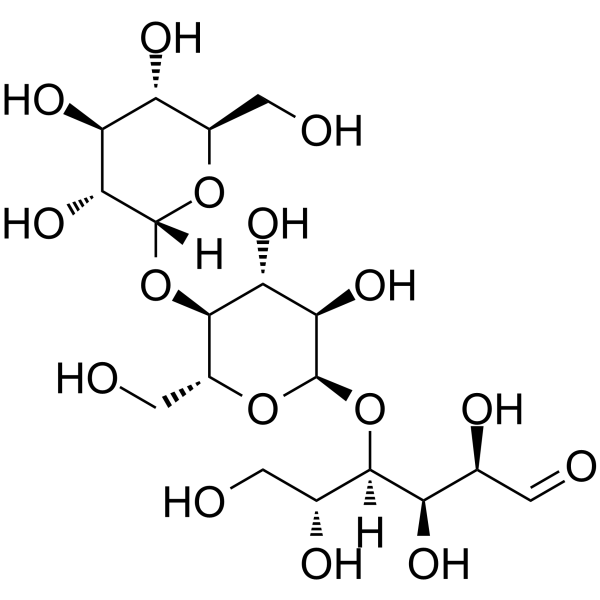
    Maltotriose
    1 Publications Verification

    Endogenous Metabolite Others
    Maltotriose is a maltooligosaccharide and a specific inducer of the Escherichia coli maltose operon. The oligosaccharide structure of Maltotriose acts as a highly efficient drug delivery carrier, which significantly enhances the targeting ability and water solubility of photosensitizers in photodynamic therapy for pancreatic cancer .
    Maltotriose
  • HY-155882

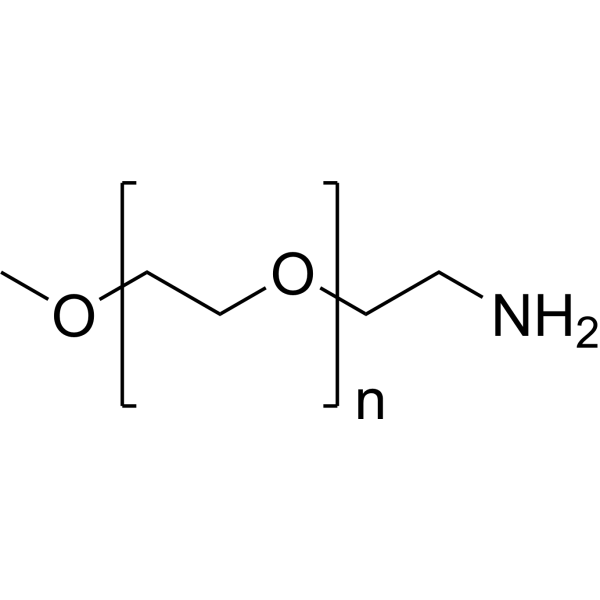
    mPEG750-NH2

    Biochemical Assay Reagents Cancer
    mPEG750-amine (mPEG750-NH2) is a chemical modification reagent for nanoparticles, capable of covalently binding to Ad-PVA to form Ad-PVA-PEG polymers. mPEG750-amine stabilizes gene delivery complexes by providing steric hindrance, reducing particle aggregation, while enhancing the water solubility and serum stability of the complex, reducing carrier cytotoxicity, and assisting in the efficient condensation of pDNA by cationic components to form nanoparticles that can be endocytosed by cells. mPEG750-amine can also be used to synthesize folate-conjugated polymer micelles for encapsulating the anticancer agent Camptothecin (HY-16560). Folate-conjugated polymer micelles are effective carriers for poorly soluble anticancer drugs, capable of avoiding macrophages and acting through folate receptor (FR)-mediated endocytosis to target tumor cells. mPEG750-amine can be applied to research in the field of non-viral gene delivery, as a component of gene delivery vectors, facilitating the safe and efficient delivery of nucleic acid drugs to target cells .
    mPEG750-amine
  • HY-P4121

    Potassium Channel Inflammation/Immunology Cancer
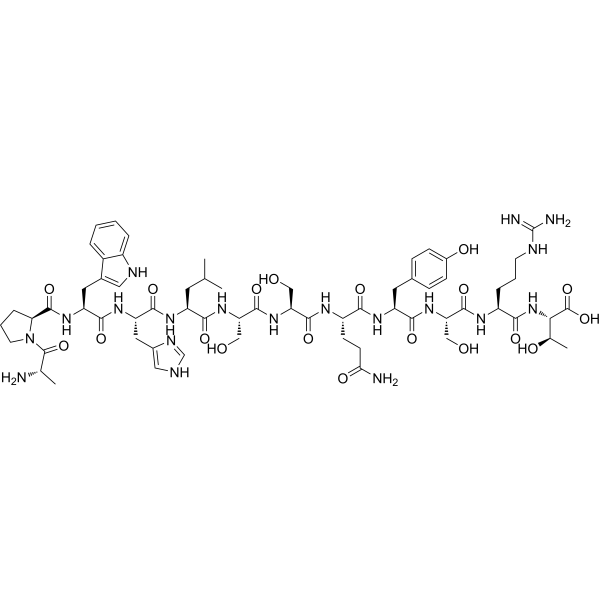
    L17E is an attenuated cationic amphiphilic lytic (ACAL) peptide that can be used to deliver a variety of macromolecules, including proteins, antibodies, and DNA nanostructures. L17E inserts and cleaves the membrane structure through electrostatic interaction, enabling intracellular escape. The efficiency of L17E-mediated delivery is strongly correlated with the expression level of KCNN4 (the gene encoding the calcium-activated potassium channel KCa3.1). L17E also promotes the cellular uptake of macromolecules by inducing micropinocytosis. L17E can be further optimized and improved through dimerization strategies and in combination with other delivery systems, such as nuclear localization signal peptides and cell membrane-coated nanoparticles .
    L17E
  • HY-145795

    Liposome Others
    OF-02 is an ionizable lipid for mRNA delivery and a key component of lipid nanoparticles (LNPs). OF-02 is protonated in the acidic endosomal environment to promote endosomal escape of mRNA and efficiently induce protein expression in target cells. OF-02 relies on the pH-responsive membrane fusion properties to form a complex with mRNA and destroy the endosomal membrane structure to achieve mRNA release in the cytoplasm. OF-02 is mainly used in the development of mRNA vaccines, gene editing, and protein replacement therapy[1][2][3].
    OF-02
  • HY-P5623
    RVG
    1 Publications Verification

    RVG29; RDP; Rabies Virus Glycoprotein-29

    nAChR Interleukin Related Neurological Disease Inflammation/Immunology
    RVG (RVG29) is a blood-brain barrier-permeable peptide derived from rabies virus glycoprotein, which binds to the α-7 subunit of neuronal nicotinic acetylcholine receptor (AchR). RVG efficiently delivers drugs to nerve cells and antigen-presenting cells in a targeted manner, and enhances the efficiency of antigen presentation and drug delivery .
    RVG
  • HY-150229

    Liposome Cancer
    306-N16B is a selective lung-targeted lipid nanoparticle that reversibly targets lung endothelial cells and specific immune cells through selective adsorption of a protein corona mediated by differences in tail structure (such as fibrinogen β/γ chain). 306-N16B binds to specific plasma proteins in the blood to form a protein corona, which guides the particles to be enriched in the lungs, releases mRNA and promotes target cell gene expression, exerts efficient lung cell transfection activity, and can precisely regulate gene delivery of different cell types in the lungs (such as endothelial cells and macrophages). 306-N16B can be used in gene therapy technologies for hereditary lung diseases including pulmonary lymphangioleiomyomatosis (LAM), restoring tumor suppressor function by delivering Tsc2 mRNA, and can also be used for lung-specific mRNA vaccines and gene editing therapies .
    306-N16B
  • HY-145793
    FTT5
    2 Publications Verification

    Liposome Cardiovascular Disease
    FTT5 is an ionizable lipid that can be used to prepare lipid nanoparticles for efficient delivery of long-chain mRNA in vivo .
    FTT5
  • HY-112772A
    98N12-5
    1 Publications Verification

    Liposome Others
    98N12-5 is a novel multi-tail ionizable lipids that has been used for efficient in vivo siRNA-delivery to the liver.
    98N12-5
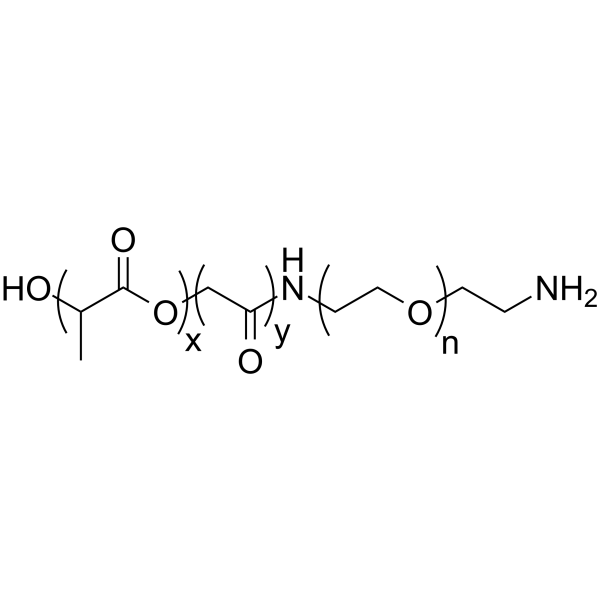
  • HY-145396

    Biochemical Assay Reagents Cancer
    PLGA-PEG-NH2 is a material to synthesis nanomicelles. PLGA-PEG-NH2 nanomicelle is an efficient delivery system of Irinotecan for targeted colorectal cancer and hepatocellular carcinoma .
    PLGA12000-PEG2000-NH2
  • HY-P4086

    RABV nAChR Neurological Disease Cancer
    Chimeric Rabies Virus Glycoprotein Fragment (RVG-9R) is a cell-penetrating peptide that is synthesized by adding nona-arginine motif to the carboxy terminus of RVG (rabies virus glycoprotein). Chimeric Rabies Virus Glycoprotein Fragment (RVG-9R) binds to
    nAChR
    on neuronal cells to mediate receptor-mediated endocytosis and targeted siRNA delivery. Chimeric Rabies Virus Glycoprotein Fragment (RVG-9R) protects complexed siRNA from degradation, enhances transcellular siRNA delivery in neuronal cells, and promotes efficient, pecific gene silencing. Chimeric Rabies Virus Glycoprotein Fragment (RVG-9R) can be used for the researches of neurological disease and cancer .
    Chimeric Rabies Virus Glycoprotein Fragment (RVG-9R)
  • HY-D1719A
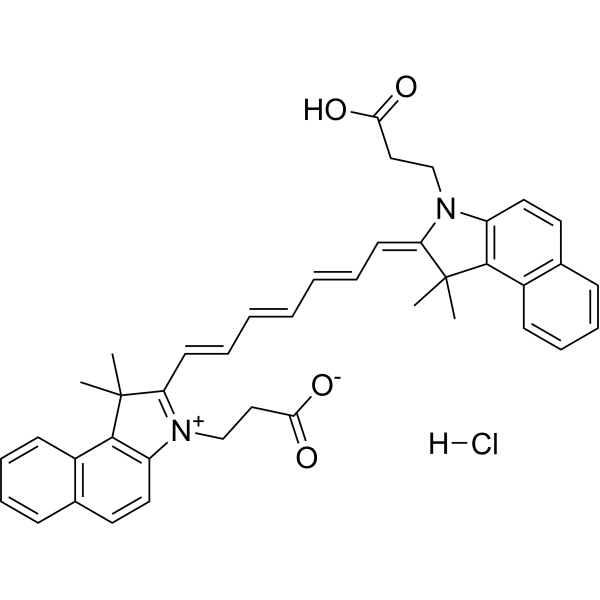
    Cypate hydrochloride
    1 Publications Verification

    Fluorescent Dye Cancer
    Cypate is a near-infrared fluorescent dye that belongs to the family of photosensitizers. Cypate has high photostability and optical properties, and is often used in near-infrared optical imaging, as well as optical imaging, tumor marking, and drug delivery. In addition, Cypate is also used as a molecular probe and combined with targeting molecules (such as CBT or small interfering RNA) to achieve efficient detection and imaging of specific cells or tissues .
    Cypate hydrochloride
  • HY-158072

    Biochemical Assay Reagents Radionuclide-Drug Conjugates (RDCs) Cancer
    DOTAM-NHS-ester is a bifunctional chelator and a macrocyclic DOTA derivative used for tumor pre-targeting. DOTAM-NHS-ester combines the efficient metal chelating ability of DOTAM macrocyclic ligands with the bioconjugation function of NHS ester active groups, and can be widely used in the biomedical field for metal labeling, molecular imaging and drug delivery development .
    DOTAM-NHS-ester
  • HY-P4087

    HIV Infection Cancer
    Cys(Npys)-(Arg)9 is a synthetic cationic cell-penetrating peptide with a reversible thiol-reactive nitropyridyl (Npys) group. Cys(Npys)-(Arg)9 efficiently mediates the internalization and delivery of various "cargo" such as proteins and antibodies by forming reversible disulfide bonds with surface-exposed cysteine residues. Cys(Npys)-(Arg)9 endows TALEN proteins with cell-penetrating activity, enabling gene knockout in mammalian cells and protein transduction in wheat microspores. Cys(Npys)-(Arg)9 can be conjugated with antibodies to form cationized IgG for enhancing endosomal escape of oligonucleotides, or form siRNA delivery complexes. When the molar ratio of Cys(Npys)-(Arg)9 to loaded molecules is higher than 1:1, it exerts certain cytotoxic effects on cells. Cys(Npys)-(Arg)9 can be used in studies related to oral squamous cell carcinoma and HIV infection .
    Cys(Npys)-(Arg)9
  • HY-145799A
    5A2-SC8 TFA
    1 Publications Verification

    Liposome Cancer
    5A2-SC8 TFA is an ionizable amino lipid in lipid nanoparticles (LNPs) that shows high delivery potential and low in vivo toxicity, enabling efficient delivery of small RNAs such as siRNA and miRNA into tumor cells. 5A2-SC8 TFA LNPs can confer a unique delivery fate of RNA within the liver, thereby changing the therapeutic outcomes in cancer models .
    5A2-SC8 TFA
  • HY-P11455A

    Liposome Others
    Lipopeptide CPE4 TFA is a PEG-modified peptide E4 [(EIAALEK) 4]. Lipopeptide CPE4 TFA is capable of coiled-coil formation when attached to liposomes. Lipopeptide CPE4 TFA triggers membrane fusion between liposomes and living cells with concomitant efficient cytosolic delivery of a variety of compounds such as fluorescent dyes Propidium Iodide (PI) (HY-D0815) and TO-PRO-3 iodide (HY-117070), and Doxorubicin (DOX) (HY-15142A). Lipopeptide CPE4 TFA can be used for drug delivery research .
    Lipopeptide CPE4 TFA
  • HY-P4247

    Amino Acid Derivatives Others
    Hexa-arginine, consisting of six arginines, is a polycationic peptide that can penetrate cells efficiently and is mainly used for the intracellular delivery of low-molecular-weight agents, biomolecules, and particles .
    Hexaarginine
  • HY-P10644

    Fluorescent Dye Cancer
    CPP9 is a small, amphipathic, cyclic cell penetrating peptide (CPP). CPPs bind directly to the plasma membrane phospholipids and enter mammalian cells via endocytosis, followed by efficient release from the endosome. CPP9 can be used for intracellular delivery of therapeutic agents and chemical probes .
    CPP9
  • HY-P4087B

    HIV Others
    Cys(Npys)-(Arg)9 acetate is a synthetic cationic cell-penetrating peptide with a reversible thiol-reactive nitropyridyl (Npys) group. Cys(Npys)-(Arg)9 acetate efficiently mediates the internalization and delivery of various "cargo" such as proteins and antibodies by forming reversible disulfide bonds with surface-exposed cysteine residues. Cys(Npys)-(Arg)9 acetate endows TALEN proteins with cell-penetrating activity, enabling gene knockout in mammalian cells and protein transduction in wheat microspores. Cys(Npys)-(Arg)9 acetate can be conjugated with antibodies to form cationized IgG for enhancing endosomal escape of oligonucleotides, or form siRNA delivery complexes. When the molar ratio of Cys(Npys)-(Arg)9 acetate to loaded molecules is higher than 1:1, it exerts certain cytotoxic effects on cells. Cys(Npys)-(Arg)9 acetate can be used in studies related to oral squamous cell carcinoma and HIV infection .
    Cys(Npys)-(Arg)9 acetate
  • HY-172018

    Liposome Cancer
    CP-LC-0729 is an ionizable cationic amino lipid efficient delivery of different kinds of RNA (mRNA, cRNA and saRNA) .
    CP-LC-0729
  • HY-P3402

    Amino Acid Derivatives Others
    HBpep-K is a peptide that can form co aggregated droplets. HBpep-K can efficiently load and deliver small peptides, proteins, and mRNA. HBpep-K can protect mRNA from RNase degradation. HBpep-K is commonly used for drug delivery .
    HBpep-K
  • HY-P3402A

    Amino Acid Derivatives Others
    HBpep-K acetate is a peptide that can form co aggregated droplets. HBpep-K acetate can efficiently load and deliver small peptides, proteins, and mRNA. HBpep-K acetate can protect mRNA from RNase degradation. HBpep-K acetate is commonly used for drug delivery .
    HBpep-K acetate
  • HY-113011R

    Reference Standards Endogenous Metabolite Others
    Maltotriose (Standard) is the analytical standard of Maltotriose (HY-13011). This product is intended for research and analytical applications. Maltotriose is a maltooligosaccharide and a specific inducer of the Escherichia coli maltose operon. The oligosaccharide structure of Maltotriose acts as a highly efficient drug delivery carrier, which significantly enhances the targeting ability and water solubility of photosensitizers in photodynamic therapy for pancreatic cancer.
    Maltotriose (Standard)
  • HY-P11456A

    Liposome Others
    Lipopeptide CPK4 TFA is a Cholesterol (HY-N0322)-modified peptide K4 [(KIAALKE) 3]. Lipopeptide CPK4 TFA is capable of coiled-coil formation when attached to liposomes. Lipopeptide CPK4 TFA triggers membrane fusion between liposomes and living cells with concomitant efficient cytosolic delivery of a variety of compounds such as fluorescent dyes Propidium Iodide (PI) (HY-D0815) and TO-PRO-3 iodide (HY-117070), and Doxorubicin (DOX) (HY-15142A). Lipopeptide CPK4 TFA can be used for drug delivery research .
    Lipopeptide CPK4 TFA
  • HY-171113

    Liposome Cancer
    CP-LC-1143 is an ionizable cationic amino lipid efficient delivery of different kinds of RNA (mRNA, cRNA and saRNA).
    CP-LC-1074
  • HY-172016

    Liposome Cancer
    CP-LC-0867 is an ionizable cationic amino lipid efficient delivery of different kinds of RNA (mRNA, cRNA and saRNA) .
    CP-LC-0867
  • HY-172014

    Liposome Cancer
    CP-LC-0743 is an ionizable cationic amino lipid efficient delivery of different kinds of RNA (mRNA, cRNA and saRNA) .
    CP-LC-0743
  • HY-172015

    Liposome Cancer
    CP-LC-1143 is an ionizable cationic amino lipid efficient delivery of different kinds of RNA (mRNA, cRNA and saRNA) .
    CP-LC-1143
  • HY-176512

    Liposome Cancer
    FO-32 is an ionizable cationic lipid with a pKa of 6.46 and can be used to generate lipid nanoparticles (LNPs) to deliver mRNA in vivo. FO-32 can efficiently deliver mRNA to ferret lungs. FO-32 can be studied in research on optimizing drug delivery .
    FO-32
  • HY-177344

    Biochemical Assay Reagents Cancer
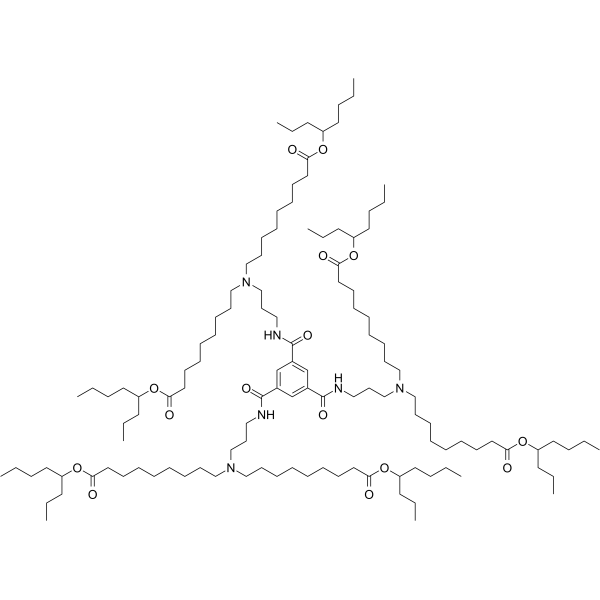
    IAJD-97 is a single-component ionizable amphiphilic Janus dendrimer carrier targeting mRNA delivery, which self-assembles into dendrimersomes (DNPs) via pH-responsive mechanisms to efficiently encapsulate and protect mRNA, while facilitating cellular uptake and endosomal escape through ionizable amine groups. IAJD-97 is promising for research of cancers .
    IAJD-97
  • HY-P11455

    Liposome Others
    Lipopeptide CPE4 is a PEG-modified peptide E4 [(EIAALEK) 4]. Lipopeptide CPE4 is capable of coiled-coil formation when attached to liposomes. Lipopeptide CPE4 triggers membrane fusion between liposomes and living cells with concomitant efficient cytosolic delivery of a variety of compounds such as fluorescent dyes Propidium Iodide (PI) (HY-D0815) and TO-PRO-3 iodide (HY-117070), and Doxorubicin (DOX) (HY-15142A). Lipopeptide CPE4 can be used for drug delivery research .
    Lipopeptide CPE4
  • HY-152919

    ADC Linker Cancer
    Mal-amide-PEG8-Val-Cit-PAB-OH is a cleavable ADC linker featuring a maleimide, a hydrophilic PEG spacer, a Val-Cit dipeptide, and a PAB functional group. Maleimide is used to covalently bind free thiols on the cysteine residues of proteins. The Val-Cit dipeptide is cleaved by cellular proteases within the cell to allow for efficient payload delivery with the help of the PAB structure.
    Mal-amide-PEG8-Val-Cit-PAB-OH
  • HY-P11456

    Liposome Others
    Lipopeptide CPK4 is a Cholesterol (HY-N0322)-modified peptide K4 [(KIAALKE) 3]. Lipopeptide CPK4 is capable of coiled-coil formation when attached to liposomes. Lipopeptide CPK4 triggers membrane fusion between liposomes and living cells with concomitant efficient cytosolic delivery of a variety of compounds such as fluorescent dyes Propidium Iodide (PI) (HY-D0815) and TO-PRO-3 iodide (HY-117070), and Doxorubicin (DOX) (HY-15142A). Lipopeptide CPK4 can be used for drug delivery research .
    Lipopeptide CPK4
  • HY-W800618

    ADC Linker Others
    NH2-PEG3-Val-Cit-PAB-OH is a cleavable ADC linker featuring a primary amine, a hydrophilic PEG spacer, a Val-Cit dipeptide, and a PAB group. The benzylic alcohol on the PAB can be used to attach with reactive groups such as PNP for conjugation with drug payloads. The primary amine is free to perform a wide variety of reactions such as coupling with carboxylic acids, reductive aminations with ketones or aldehydes, or other more specialized uses such as in SNAr reactions or heterocyclic chemistry. The Val-Cit dipeptide is cleaved by cellular proteases within the cell to allow for efficient payload delivery via an elimination mechanism within the PAB structure.
    NH2-PEG3-Val-Cit-PAB-OH
  • HY-W800617

    ADC Linker Cancer
    NH2-PEG1-Val-Cit-PAB-OH is a cleavable ADC linker intermediate featuring a primary amine, a hydrophilic PEG spacer, a Val-Cit dipeptide, and a PAB group. The benzylic alcohol on the PAB can be used to attach with reactive groups such as PNP for conjugation with drug payloads. The primary amine is free to perform a wide variety of reactions such as coupling with carboxylic acids, reductive aminations with ketones or aldehydes, or other more specialized uses such as in SNAr reactions or heterocyclic chemistry. The Val-Cit dipeptide is cleaved by cellular proteases within the cell to allow for efficient payload delivery via an elimination mechanism within the PAB structure.
    NH2-PEG1-Val-Cit-PAB-OH
  • HY-W800619

    ADC Linker Others
    NH2-PEG4-Val-Cit-PAB-OH is a cleavable ADC linker featuring a primary amine, a hydrophilic PEG spacer, a Val-Cit dipeptide, and a PAB group. The benzylic alcohol on the PAB can be used to attach with reactive groups such as PNP for conjugation with drug payloads. The primary amine is free to perform a wide variety of reactions such as coupling with carboxylic acids, reductive aminations with ketones or aldehydes, or other more specialized uses such as in SNAr reactions or heterocyclic chemistry. The Val-Cit dipeptide is cleaved by cellular proteases within the cell to allow for efficient payload delivery via an elimination mechanism within the PAB structure.
    NH2-PEG4-Val-Cit-PAB-OH
  • HY-W800620

    ADC Linker Others
    NH2-PEG6-Val-Cit-PAB-OH is a cleavable ADC linker featuring a primary amine, a hydrophilic PEG spacer, a Val-Cit dipeptide, and a PAB group. The benzylic alcohol on the PAB can be used to attach with reactive groups such as PNP for conjugation with drug payloads. The primary amine is free to perform a wide variety of reactions such as coupling with carboxylic acids, reductive aminations with ketones or aldehydes, or other more specialized uses such as in SNAr reactions or heterocyclic chemistry. The Val-Cit dipeptide is cleaved by cellular proteases within the cell to allow for efficient payload delivery via an elimination mechanism within the PAB structure.
    NH2-PEG6-Val-Cit-PAB-OH
  • HY-172017

    Liposome Cancer
    CP-LC-1254 is an ionizable cationic amino lipid efficient delivery of different kinds of RNA (mRNA, cRNA and saRNA) .
    CP-LC-1254
  • HY-W1130407

    Liposome Others
    CP-LC-1073 is a specific ionizable cationic amino lipid derived from the amino acid homocysteine. CP-LC-1073 can used in lipid nanoparticle (LNP) formulations for efficient in vivo delivery and expression of RNA (mRNA, cRNA, saRNA).
    CP-LC-1073
  • HY-172926

    Others Others
    CP-LC-1428 is an ionizable cationic amino lipid derived from homocysteine. CP-LC-1428 can be used for efficient delivery of various RNAs and achieve high protein expression. CP-LC-1428 can specifically target the spleen and has no obvious toxicity .
    CP-LC-1428
  • HY-P11647A

    Complement System Cancer
    RPARPAR acetate is a CendR tumor-penetrating peptide. RPARPAR acetate directly binds to the NRP-1 and NRP-2 receptors on the surface of tumor cells, triggering cellular internalization, vascular extravasation, and penetration into tumor tissues. RPARPAR acetate serves as an efficient ligand for targeting nanocarriers to NRP-1-positive tumors. RPARPAR acetate is applicable in research on tumor targeting and drug delivery .
    RPARPAR acetate
  • HY-P11647

    Complement System Cancer
    RPARPAR is a CendR tumor-penetrating peptide. RPARPAR directly binds to the NRP-1 and NRP-2 receptors on the surface of tumor cells, triggering cellular internalization, vascular extravasation, and penetration into tumor tissues. RPARPAR serves as an efficient ligand for targeting nanocarriers to NRP-1-positive tumors. RPARPAR is applicable in research on tumor targeting and drug delivery .
    RPARPAR
  • HY-W190737

    Biochemical Assay Reagents
    NHS-SS-dPEG4-biotin (cleavable) is a biodegradable crosslinker with efficient bioconjugation activity. NHS-SS-dPEG4-biotin (cleavable) can effectively connect biomolecules, optimize the efficiency of biolabeling, and be used in targeted compound delivery systems. NHS-SS-dPEG4-biotin (cleavable) can also play an important role in protein engineering and fluorescence imaging.
    NHS-S-S-dPEG4-biotin (cleavable)
  • HY-P992339

    Radionuclide-Drug Conjugates (RDCs) Cancer
    cT84.66 is a highly efficient tumor-targeting agent against carcinoembryonic antigen (CEA). cT84.66 engages in bivalent binding with CEA via variable region antigen-binding sites, enabling precise targeting of CEA-producing tumor cells for delivery of therapeutic radiation. cT84.66 exhibits high tumor uptake rate, rapid clearance rate, and excellent tumor-to-blood ratio. With dual functions as an imaging agent and an antibody-directed radiotherapy agent, cT84.66 is widely used in studies of colorectal cancer and metastatic CEA-positive malignancies .
    cT84.66
  • HY-W724291

    Dioctadecyldimethylammonium-d3 bromide; DODAB-d3

    Isotope-Labeled Compounds Liposome Others
    Dimethyldioctadecylammonium-d3 bromide (Dioctadecyldimethylammonium-d3 bromide) is the deuterium labeled Dimethyldioctadecylammonium bromide (HY-131119). Dimethyldioctadecylammonium bromide is a synthetic cationic lipid commonly used in gene delivery and vaccine development. Also known as DODAB or DDAB, it consists of a positively charged ammonium head group and two long hydrophobic tails. These properties make it useful for forming liposomes and other lipid-based nanoparticles that can efficiently deliver genetic material into cells. In addition to its applications in biotechnology, DDAB is also used in surfactants, emulsifiers and fabric softeners. However, due to its potential toxicity and irritation, extreme care should be taken when handling DDAB.
    Dimethyldioctadecylammonium-d3 bromide
  • HY-P11698

    DNA Alkylator/Crosslinker Transthyretin (TTR) Cancer
    Guanidino-G-Clamp-PNA is a highly efficient sequence-specific RNA binder and gene silencer. Guanidino-G-Clamp-PNA precisely targets such targets as miR-155 or transthyretin (TTR) mRNA through base pairing: the former regulates tumor-related signaling pathways by reducing microRNA activity, while the latter inhibits the translation of harmful proteins via steric hindrance. Guanidino-G-Clamp-PNA effectively stabilizes DNA/RNA duplexes, induces cancer cell apoptosis, and suppresses tumor growth. In addition, Guanidino-G-Clamp-PNA can be conjugated with targeting ligands to improve tissue-specific delivery and reduce in vivo adverse reactions, and it can also enhance the splicing regulation efficacy of other oligonucleotide platforms (such as PMO) when integrated into them. Guanidino-G-Clamp-PNA is applicable to the research of various diseases including diffuse large B-cell lymphoma and hereditary transthyretin-related amyloidosis .
    Guanidino-G-Clamp-PNA

Inquiry Online

Your information is safe with us. * Required Fields.

Salutation


Country or Region *

Applicant Name *


Organization Name *

Department *


Email Address *


Product Name *

Cat. No.


Requested quantity *

Phone Number *


Remarks

Inquiry Online

Inquiry Information

Product Name:
Cat. No.:
Quantity:
MCE Japan Authorized Agent:

