1. Search Result
Search Result
Pathways Recommended: Epigenetics
Results for "

Epigenetic

" in MedChemExpress (MCE) Product Catalog:

149

Inhibitors & Agonists

13

Screening Libraries

2

Biochemical Assay Reagents

3

Peptides

19

Natural
Products

14

Isotope-Labeled Compounds

1

Click Chemistry

2

Oligonucleotides

Targets Recommended:
Cat. No. Product Name Target Research Areas Chemical Structure
  • HY-B2227
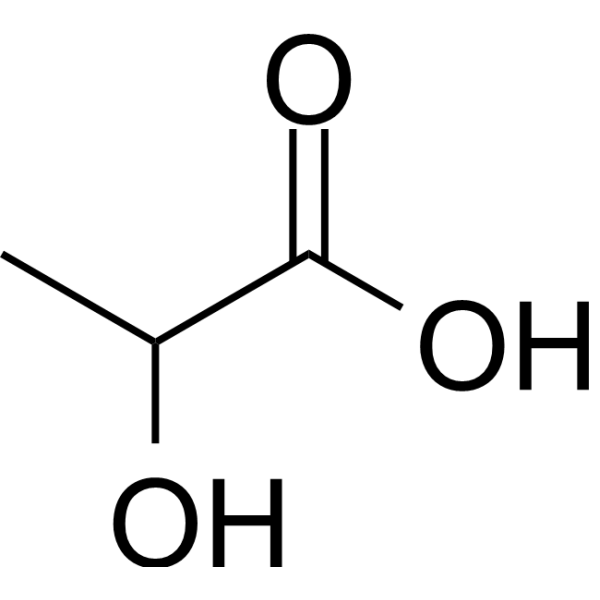
    Lactic acid
    Maximum Cited Publications
    52 Publications Verification

    DL-Lactic acid; E-270

    Environmental Pollutants Endogenous Metabolite Bacterial Hydroxycarboxylic Acid Receptor (HCAR) Infection Metabolic Disease Inflammation/Immunology Cancer
    Lactic acid (DL-Lactic acid) is a hydroxycarboxylic acid receptor 1 (HCAR1) activator and an epigenetic modulator inducing lysine residues lactylation. Lactic acid is a glycolysis end-product, bridging the gap between glycolysis and oxidative phosphorylation. Lactic acid is an oncometabolite and has immune protective role of lactate in anti-tumor immunity . Lactic acid also has antimicrobial activity, which can be used as a food preservative .
    Lactic acid
  • HY-B2227B

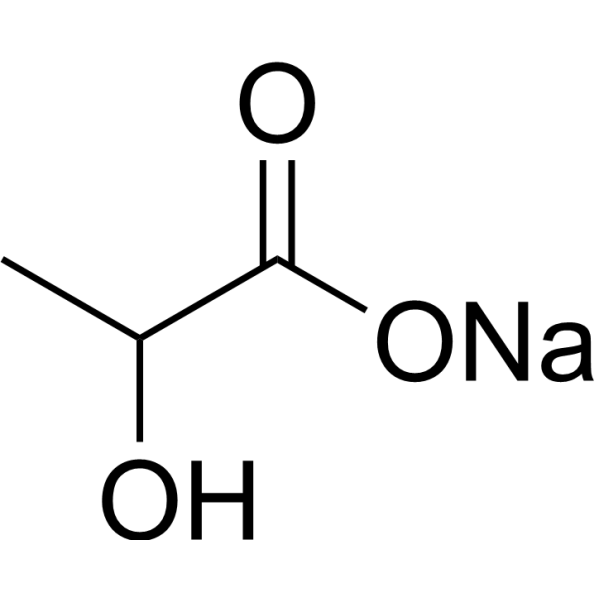
    DL-Lactic acid sodium; E-270 sodium

    Environmental Pollutants Endogenous Metabolite Bacterial Hydroxycarboxylic Acid Receptor (HCAR) Infection Metabolic Disease Inflammation/Immunology Cancer
    Lactic acid (DL-Lactic acid) sodium (60% w/w in water) is a hydroxycarboxylic acid receptor 1 (HCAR1) activator and an epigenetic modulator inducing lysine residues lactylation. Lactic acid sodium (60% w/w in water) is a glycolysis end-product, bridging the gap between glycolysis and oxidative phosphorylation. Lactic acid sodium (60% w/w in water) is an oncometabolite and has immune protective role of lactate in anti-tumor immunity . Lactic acid sodium (60% w/w in water) also has antimicrobial activity, which can be used as a food preservative .
    This product has a content (w/w) of 60%, and 1 mL of the system contains 798 mg of Lactic acid sodium, i.e., a concentration of 798 mg/mL (i.e., 7.12 M).
    Lactic acid sodium (60% w/w in water)
  • HY-13803
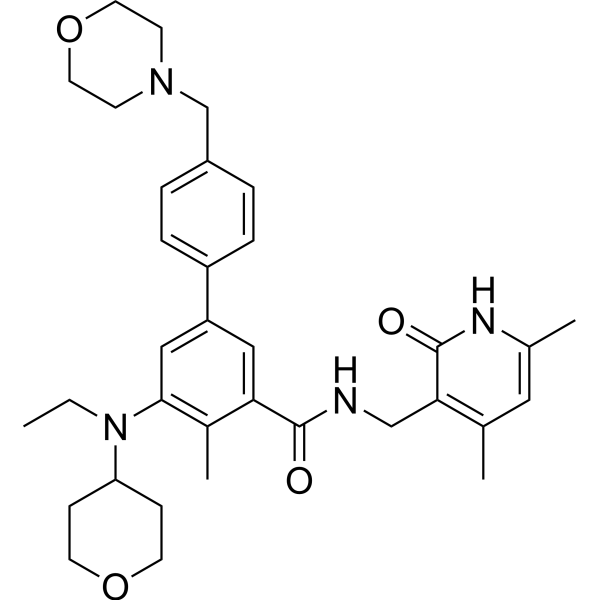
    Tazemetostat
    85+ Cited Publications

    EPZ-6438; E-7438

    Histone Methyltransferase Apoptosis Cancer
    Tazemetostat (EPZ-6438) is a potent, selective and orally available EZH2 inhibitor. Tazemetostat inhibits the activity of human polycomb repressive complex 2 (PRC2)-containing wild-type EZH2 with a Ki value of 2.5 nM. Tazemetostat inhibits EZH2 with IC50s of 11 and 16 nM in peptide assay and nucleosome assay, respectively. Tazemetostat inhibits rat EZH2 with an IC50 of 4 nM. Tazemetostat also inhibits EZH1 with an IC50 of 392 nM. Tazemetostat induces apoptosis and differentiation specifically in SMARCB1-deleted MRT cells .
    Tazemetostat
  • HY-10586
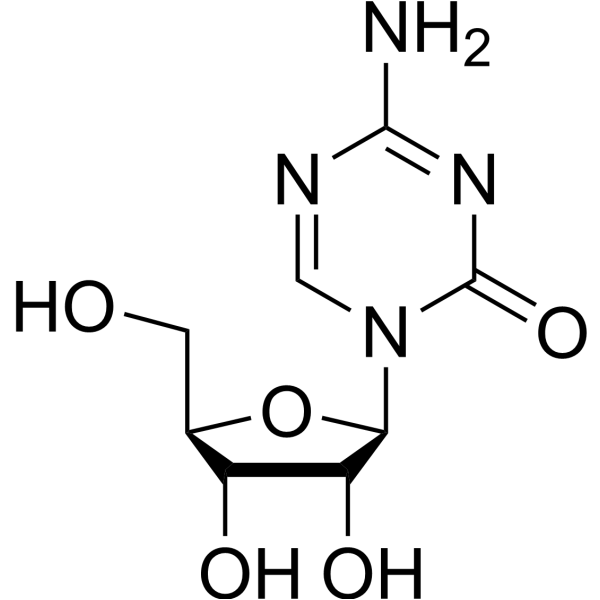
    5-Azacytidine
    Maximum Cited Publications
    128 Publications Verification

    Azacitidine; 5-AzaC; Ladakamycin

    Organoid Nucleoside Antimetabolite/Analog DNA Methyltransferase Bacterial Autophagy Antibiotic Infection Cancer
    5-Azacytidine (Azacitidine; 5-AzaC; Ladakamycin) is a nucleoside analogue of cytidine that specifically inhibits DNA methylation. 5-Azacytidine is incorporated into DNA to covalently trap DNA methyltransferases and contributes to reverse epigenetic changes . 5-Azacytidine induces cell autophagy .
    5-Azacytidine
  • HY-135146
    GSK-3484862
    20+ Cited Publications

    DNA Methyltransferase Cancer
    GSK-3484862 is a non-covalent inhibitor for DNA methyltransferase (Dnmt1). GSK-3484862 induces DNA hypomethylation to against cancer. GSK-3484862 mediates dramatic demethylation in murine embryonic stem cells with minimal non-specific toxicity .
    GSK-3484862
  • HY-N0401A
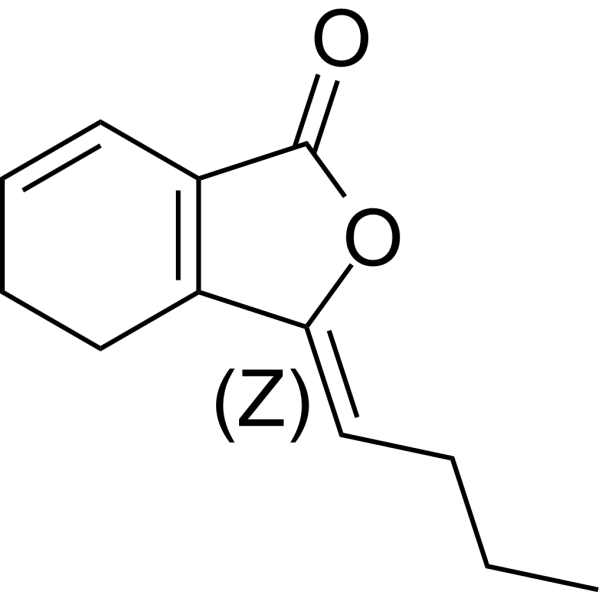
    (Z)-Ligustilide
    5 Publications Verification

    Bacterial Estrogen Receptor/ERR FATP Infection Metabolic Disease Cancer
    (Z)-Ligustilide is extracted from Ligusticum chuanxiong Hort, has antimicrobial and antifungal activity, exhibits an average antifungal score of 5.6 . (Z)-Ligustilide is orally active, it inhibits the expression of FATP5 and DGAT, inhibits fatty acid uptake and esterification in mice and has potential as therapeutics for nonalcoholic fatty liver disease (NAFLD) . (Z)-Ligustilide is also able to reactivate ERα, has epigenetic regulation, and is used in the study of tamoxifen-resistant breast cancer .
    (Z)-Ligustilide
  • HY-113491

    3-PGA; 3-Glycerophosphoric acid

    Endogenous Metabolite Inflammation/Immunology
    3-Phosphoglyceric acid is a metabolic intermediate in both glycolysis and the Calvin cycle. 3-Phosphoglyceric acid is involved in alveolar macrophage epigenetic regulation.
    3-Phosphoglyceric acid
  • HY-16438
    RRx-001
    15+ Cited Publications

    Nibrozetone

    CD47 Apoptosis Parasite Infection Inflammation/Immunology Cancer
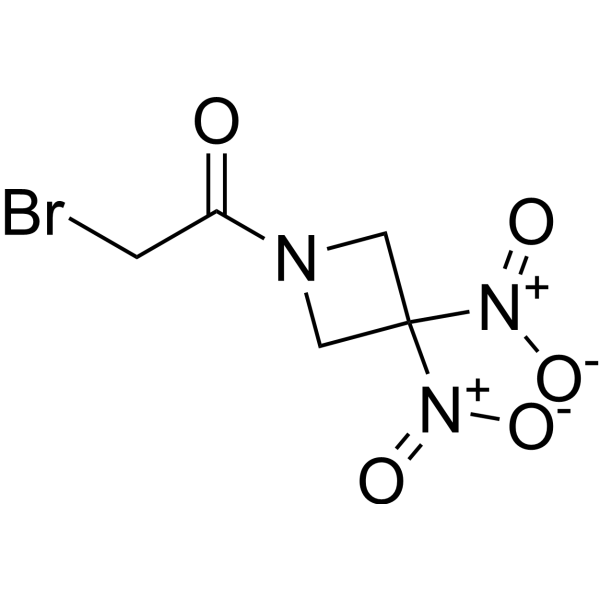
    RRx-001, a hypoxia-selective epigenetic agent and studied as a radio- and chem-sensitizer, triggers apoptosis and overcomes agent resistance in myeloma. RRx-001 exhibits potent anti-tumor activity with minimal toxicity . RRx-001 is a dual small molecule checkpoint inhibitor by downregulating CD47 and SIRP-α . RRx-001 is a potent inhibitor of G6PD and shows potent antimalarial activity .
    RRx-001
  • HY-I0626
    Cytosine
    3 Publications Verification

    Endogenous Metabolite Cancer
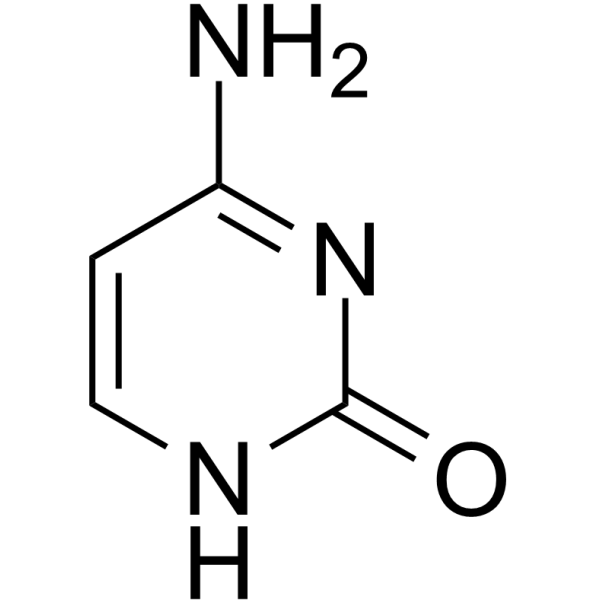
    Cytosine is one of the four main bases found in DNA and RNA. Cytosine modifications exhibit circadian oscillations that are involved in epigenetic diversity and aging. Cytosine can be used in cancer research .
    Cytosine
  • HY-111558
    Bobcat339
    20+ Cited Publications

    DNA Methyltransferase TET Protein Cancer
    Bobcat339 is a potent and selective cytosine-based inhibitor of TET enzyme, with IC50s of 33 μM and 73 μM for TET1 and TET2, respectively. Bobcat339 is useful to the field of epigenetics and serves as a starting point for new therapeutics that target DNA methylation and gene transcription .
    Bobcat339
  • HY-15273
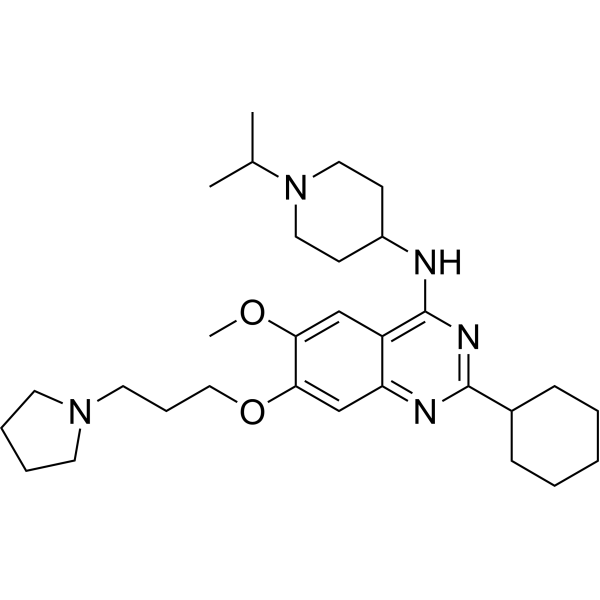
    UNC0638
    10+ Cited Publications

    VSV Histone Methyltransferase Autophagy Influenza Virus Infection Cancer
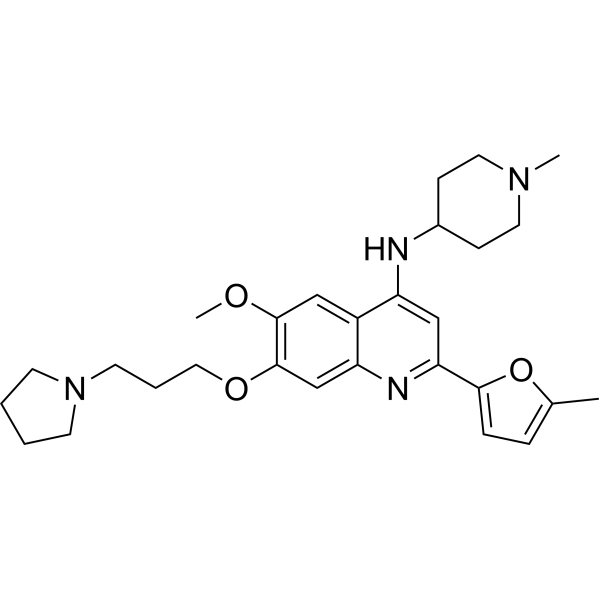
    UNC0638, a chemical probe, selectively inhibits G9a and GLP histone methyltransferases with IC50 of 15 nM and 19 nM, respectively. UNC0638 inhibits TNBC cell invasion and migration in vitro. UNC0638 is also an inhibitor of EHMT1/2 and induces fetal hemoglobin (HbF) expression in human erythroid progenitor cell culture. In addition, UNC0638 has anti-FMDV (foot-and-mouth disease virus) and anti-VSV (vesicular stomatitis virus) activities, with excellent potency and selectivity against multiple epigenetic and non-epigenetic targets .
    UNC0638
  • HY-111558A
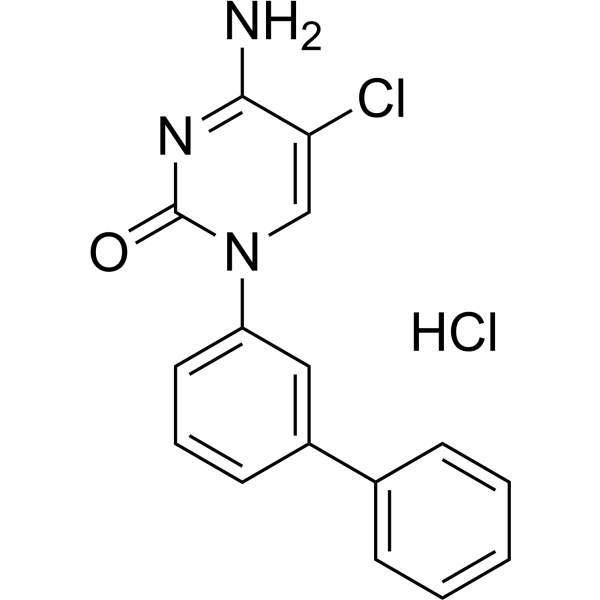
    Bobcat339 hydrochloride
    20+ Cited Publications

    DNA Methyltransferase TET Protein Cancer
    Bobcat339 hydrochloride is a potent and selective cytosine-based inhibitor of TET enzyme, with the IC50s of 33 μM and 73 μM for TET1 and TET2, respectively. Bobcat339 hydrochloride is useful to the field of epigenetics and serves as a starting point for new therapeutics that target DNA methylation and gene transcription .
    Bobcat339 hydrochloride
  • HY-W008091
    5-Methylcytosine
    2 Publications Verification

    DNA/RNA Synthesis Endogenous Metabolite Cancer
    5-Methylcytosine is a well-characterized DNA modification in prokaryotes and eukaryotes. 5-Methylcytosine forms symmetrical methylation on CpG dinucleotides in DNA, stabilizes tRNA/rRNA structure in RNA, and affects mRNA translation. 5-Methylcytosine can be oxidized to generate 5hmC, 5fC, and 5caC. 5-Methylcytosine can be used in epigenetics, developmental biology, and the study of diseases such as colorectal cancer and hepatocellular carcinoma .
    5-Methylcytosine
  • HY-W015114

    (S)-2-Hydroxyglutaric acid disodium

    Histone Demethylase Mitochondrial Metabolism Endogenous Metabolite Cancer
    L-2-Hydroxyglutaric acid disodium is an epigenetic modifier and putative oncometabolite in renal cancer. L-2-Hydroxyglutaric acid disodium can inhibit histone demethylases and hence promote histone methylation . L-2-Hydroxyglutaric acid inhibits mitochondrial creatine kinase (Mi-CK) activity with Km and Ki of 2.52 mM and 11.13 mM, respectively .
    L-2-Hydroxyglutaric acid disodium
  • HY-W011725

    m6dA

    Nucleoside Antimetabolite/Analog Mitochondrial Metabolism DNA/RNA Synthesis Neurological Disease Cancer
    N-6-Methyl-2-deoxyadenosine (m6dA) is an adenine nucleoside analogue. N-6-Methyl-2-deoxyadenosine targets nuclear processes and DNA replication machineries including WER, SATB1, TFAM, Jumu, SSBP1, DNA polymerase η and phage polymerase Gp90 exo . N-6-Methyl-2-deoxyadenosine acts as a multifunctional epigenetic regulator that modulates transcription, DNA damage response, cell cycle, transposon silencing, stress adaptation, epigenetic crosstalk, and nucleosome organization in both prokaryotes and eukaryotes. N-6-Methyl-2-deoxyadenosine regulates mitochondrial epigenetic inheritance and is required for fear extinction memory in mice. N-6-Methyl-2-deoxyadenosine exhibits dysregulated levels in cancers. N-6-Methyl-2-deoxyadenosine can be used for the research of glioblastoma, triple negative breast cancer, and conditioned fear (fear extinction impairment) .
    N-6-Methyl-2-deoxyadenosine
  • HY-A0067
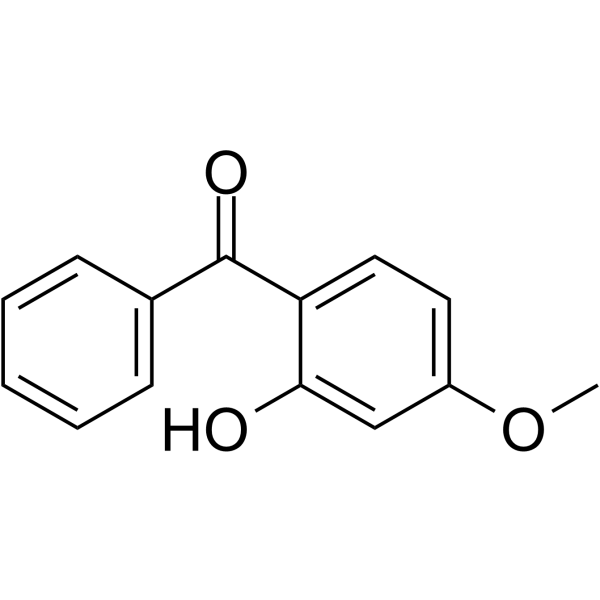
    Oxybenzone
    5+ Cited Publications

    Benzophenone 3

    Environmental Pollutants Autophagy RAR/RXR Apoptosis Neurological Disease
    Oxybenzone (Benzophenone 3) is a commonly used UV filter in sun tans and skin protectants. Oxybenzone act as endocrine disrupting chemicals (EDCs) and can pass through the placental and blood-brain barriers. Benzophenone-3 impairs autophagy, alters epigenetic status, and disrupts retinoid X receptor signaling in apoptotic neuronal cells .
    Oxybenzone
  • HY-19313
    LLY-507
    10+ Cited Publications

    Histone Methyltransferase Cancer
    LLY-507 is a potent and selective inhibitor of protein-lysine methyltransferase SMYD2. LLY-507 potently inhibits the ability of SMYD2 to methylate p53 peptide with an IC50 <15 nM. LLY-507 serves as a valuable chemical probe to aid in the dissection of SMYD2 function in cancer and other biological processes .
    LLY-507
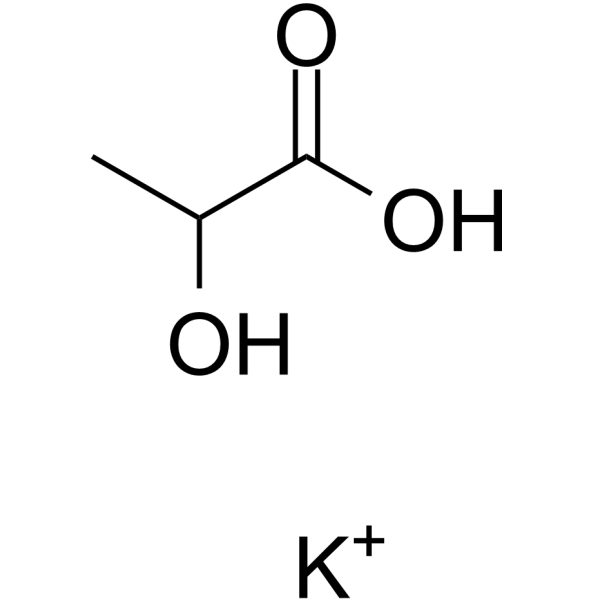
  • HY-B2227C
    Lactic acid potassium
    50+ Cited Publications

    DL-Lactic acid potassium; E-270 potassium

    Endogenous Metabolite Hydroxycarboxylic Acid Receptor (HCAR) Bacterial Infection Metabolic Disease Inflammation/Immunology Cancer
    Lactic acid (DL-Lactic acid) potassium is a hydroxycarboxylic acid receptor 1 (HCAR1) activator and an epigenetic modulator inducing lysine residues lactylation. Lactic acid potassium is a glycolysis end-product, bridging the gap between glycolysis and oxidative phosphorylation. Lactic acid potassium is an oncometabolite and has immune protective role of lactate in anti-tumor immunity . Lactic acid also potassium has antimicrobial activity, which can be used as a food preservative .
    Lactic acid potassium
  • HY-113039

    (S)-2-Hydroxyglutaric acid

    Histone Demethylase Mitochondrial Metabolism Endogenous Metabolite Cancer
    L-2-Hydroxyglutaric acid is an epigenetic modifier and putative oncometabolite in renal cancer. L-2-Hydroxyglutaric acid can inhibit histone demethylases and hence promote histone methylation . L-2-Hydroxyglutaric acid inhibits mitochondrial creatine kinase (Mi-CK) activity with Km and Ki of 2.52 mM and 11.13 mM, respectively .
    L-2-Hydroxyglutaric acid
  • HY-19694

    Insulin Receptor Endocrinology
    BRD7552, a potent PDX1 transcription factor inducer, upregulates PDX1 expression in both primary human islets and ductal cells, and induces epigenetic changes in the PDX1 promoter consistent with transcriptional activation. BRD7552 increases insulin expression. PDX1 is a key transcription factor involved in pancreas development and β cell function .
    BRD7552
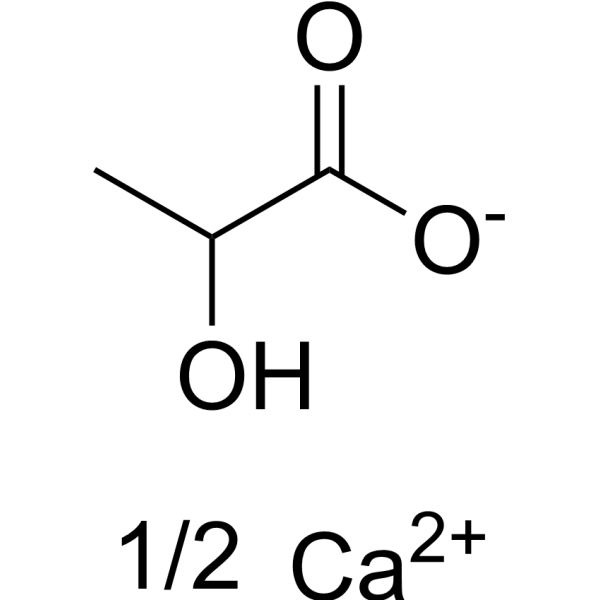
  • HY-B2227A
    Lactic acid calcium
    50+ Cited Publications

    DL-Lactic acid calcium; E-270 calcium

    Environmental Pollutants Endogenous Metabolite Bacterial Hydroxycarboxylic Acid Receptor (HCAR) Infection Neurological Disease Inflammation/Immunology Cancer
    Lactic acid (DL-Lactic acid) calcium is a hydroxycarboxylic acid receptor 1 (HCAR1) activator and an epigenetic modulator inducing lysine residues lactylation. Lactic acid calcium is a glycolysis end-product, bridging the gap between glycolysis and oxidative phosphorylation. Lactic acid calcium is an oncometabolite and has immune protective role of lactate in anti-tumor immunity . Lactic acid calcium also has antimicrobial activity, which can be used as a food preservative .
    Lactic acid calcium
  • HY-B2227R

    DL-Lactic acid (Standard); E-270 (Standard)

    Reference Standards Endogenous Metabolite Hydroxycarboxylic Acid Receptor (HCAR) Bacterial Infection Metabolic Disease Inflammation/Immunology Cancer
    Lactic acid (Standard) (DL-Lactic acid (Standard)) is the analytical standard of Lactic acid (HY-B2227). This product is intended for research and analytical applications. Lactic acid (DL-Lactic acid) is a hydroxycarboxylic acid receptor 1 (HCAR1) activator and an epigenetic modulator inducing lysine residues lactylation. Lactic acid is a glycolysis end-product, bridging the gap between glycolysis and oxidative phosphorylation. Lactic acid is an oncometabolite and has immune protective role of lactate in anti-tumor immunity . Lactic acid also has antimicrobial activity, which can be used as a food preservative .
    Lactic acid (Standard)
  • HY-P5285

    Parasite Infection Inflammation/Immunology Cancer
    Lunasin is a bioactive peptide with antioxidant, anti-inflammatory, anticancer and anti-aging properties. Lunasin can be isolated from soybean. Lunasin also has an epigenetic mechanism of action associated with histone acetylation. Lunasin can be internalized into cells and inhibit Oncosphere formation in cancer cells .
    Lunasin
  • HY-13803R

    EPZ-6438 (Standard); E-7438 (Standard)

    Reference Standards Histone Methyltransferase Apoptosis Cancer
    Tazemetostat (Standard) is the analytical standard of Tazemetostat. This product is intended for research and analytical applications. Tazemetostat (EPZ-6438) is a potent, selective and orally available EZH2 inhibitor. Tazemetostat inhibits the activity of human polycomb repressive complex 2 (PRC2)-containing wild-type EZH2 with a Ki value of 2.5 nM. Tazemetostat inhibits EZH2 with IC50s of 11 and 16 nM in peptide assay and nucleosome assay, respectively. Tazemetostat inhibits rat EZH2 with an IC50 of 4 nM. Tazemetostat also inhibits EZH1 with an IC50 of 392 nM. Tazemetostat induces apoptosis and differentiation specifically in SMARCB1-deleted MRT cells .
    Tazemetostat (Standard)
  • HY-W007087

    GABA Receptor Metabolic Disease
    Valerate sodium is the sodium salt of valeric acid, a short-chain fatty acid, and exhibits oral activity. Valerate sodium reduces binge ethanol intake and decreases blood ethanol concentration in mice, while also exerting anxiolytic effects. Valerate sodium increases GABA levels, regulates epigenetics and alters gut microbiome function. Valerate sodium can be used in research related to excessive alcohol consumption .
    Valerate sodium
  • HY-18665

    Epigenetic Reader Domain Cancer
    GSK-5959 is a potent, selective and cell permeable BRPF1 bromodomain inhibitor with an IC50 of ~ 80 nM .
    GSK-5959
  • HY-158075

    HDAC DNA Methyltransferase Cancer
    DNMT/HDAC-IN-1 (Compund 15a) is a dual DNMT and HDAC inhibitor with IC50 values for HDAC1 and HDAC6 are 56.84 nM and 17.39 nM respectively. DNMT/HDAC-IN-1 can induce apoptosis and be used in tumor research.
    DNMT/HDAC-IN-1
  • HY-19553

    Epigenetic Reader Domain Inflammation/Immunology
    LP99, an epigenetic probe, is a potent and selective inhibitor of the BRD7 and BRD9 bromodomains with a Kd of 99 nM against BRD9. LP99 disrupts the binding of BRD7 and BRD9 to chromatin in cells .
    LP99
  • HY-19336
    BAZ2-ICR
    2 Publications Verification

    Epigenetic Reader Domain Cancer
    BAZ2-ICR is a potent, selective, cell active and orally active BAZ2A/B bromodomains inhibitor with IC50s of 130 nM and 180 nM, and Kds of 109 nM and 170 nM, respectively. BAZ2-ICR shows 10-15-fold selectivity for binding BAZ2A/B over CECR2 and >100-fold selectivity over all other bromodomains. BAZ2-ICR is an epigenetic chemical probe .
    BAZ2-ICR
  • HY-W587907

    Drug Derivative Others
    5-Formylcytosine is a pyrimidine nitrogen base derived from cytosine .
    5-Formylcytidine
  • HY-111130

    Histamine Receptor mAChR Neurological Disease Cancer
    Methapyrilene is a histamine antagonist, a pyridine chemical with anticholinergic activity. Methapyrilene can cause target organ-specific epigenetic alterations, such as a decrease in DNA methylation levels. Methapyrilene induces hepatocellular carcinoma in rats .
    Methapyrilene
  • HY-138830
    TAK-418
    2 Publications Verification

    Histone Demethylase Neurological Disease
    TAK-418 is a selective, orally active LSD1 (KDM1A) enzyme inhibitor with an IC50 of 2.9 nM. TAK-418 unlocks aberrant epigenetic machinery and improves autism symptoms in neurodevelopmental disorder models .
    TAK-418
  • HY-126428
    ZL0580
    1 Publications Verification

    HIV Epigenetic Reader Domain Infection Inflammation/Immunology
    ZL0580, a structurally close analog of ZL0590, induces epigenetic suppression of HIV via selectively binding to BD1 domain of BRD4. ZL0580 induces HIV suppression by inhibiting Tat transactivation and transcription elongation as well as by inducing repressive chromatin structure at the HIV promoter .
    ZL0580
  • HY-100729
    GSK9311
    1 Publications Verification

    Epigenetic Reader Domain Cancer
    GSK9311, a less active analogue of GSK6853, can be used as a negative control. GSK9311 inhibits BRPF bromodomain with pIC50 values of 6.0 and 4.3 for BRPF1 and BRPF2, respectively .
    GSK9311
  • HY-W030778
    Nitrilotriacetic acid
    1 Publications Verification

    Triglycollamic acid

    Biochemical Assay Reagents Others
    Nitrilotriacetic acid is an orally active chelating agent for metal ions. Nitrilotriacetic acid is an aminotricarboxylic acid that can sequester metal ions as water soluble complexes. Nitrilotriacetic acid reacts with strong oxidizing agents such as hypochlorite, chlorine, ozone, or oxygen in the presence of palladium/carbon catalyst. Nitrilotriacetic acid interacts with solid phases such as cell membranes and bone matrices in the mammalian system. Nitrilotriacetic acid is classified as an epigenetic rodent carcinogen .
    Nitrilotriacetic acid
  • HY-162683

    CDK E1/E2/E3 Enzyme Neurological Disease
    (S)-PHA533533 is a CDK2 and CDK5 inhibitor with blood-brain barrier permeability, with IC50 values of 37 nM and 55 nM, respectively. (S)-PHA533533 effectively restores UBE3A expression by downregulating UBE3A-ATS and relieving the epigenetic silencing of paternal UBE3A in mature neurons. (S)-PHA533533 can be used for the research of Angelman syndrome .
    (S)-PHA533533
  • HY-10586R

    Azacitidine (Standard); 5-AzaC (Standard); Ladakamycin (Standard)

    Organoid Reference Standards Nucleoside Antimetabolite/Analog DNA Methyltransferase Bacterial Autophagy Antibiotic Infection Cancer
    5-Azacytidine (Standard) is the analytical standard of 5-Azacytidine. This product is intended for research and analytical applications. 5-Azacytidine (Azacitidine; 5-AzaC; Ladakamycin) is a nucleoside analogue of cytidine that specifically inhibits DNA methylation. 5-Azacytidine is incorporated into DNA to covalently trap DNA methyltransferases and contributes to reverse epigenetic changes . 5-Azacytidine induces cell autophagy .
    5-Azacytidine (Standard)
  • HY-43515

    Endogenous Metabolite Metabolic Disease
    ESI1 is a small molecule epigenetic silencing inhibitor. ESI1 can trigger the formation of nuclear condensates of key lipid metabolism regulators SREBP1/2, concentrating transcriptional co-activators to drive lipid/cholesterol biosynthesis. ESI1 can promote myelin regeneration in demyelinated animal models and facilitate de novo myelination on regenerating CNS axons, reversing age-related declines in cognitive abilities .
    ESI1
  • HY-107842

    NSC693627

    Drug Isomer Cancer
    (Z)-JIB-04 (NSC693627) is the Z isomer of JIB-04 that has two forms, E (HY-13953) and Z isomers. (Z)-JIB-04 is inactive in epigenetic analysis .
    (Z)-JIB-04
  • HY-155815

    Histone Methyltransferase PROTACs Cancer
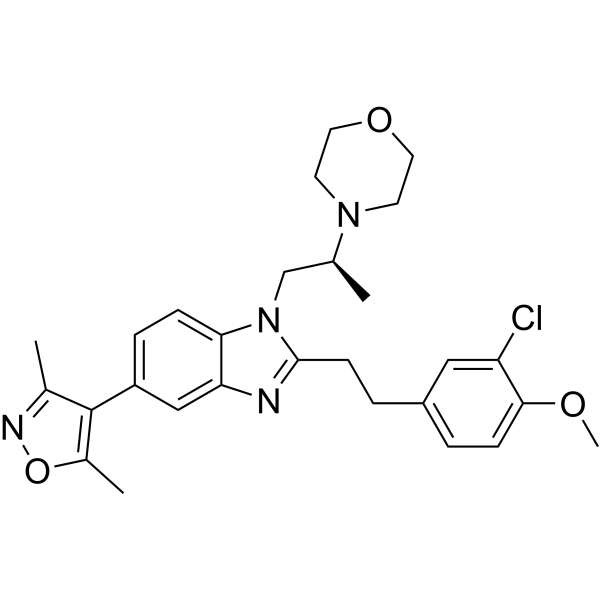
    MS9715 is a potent and seletive NSD3-targeting PROTAC. MS9715 is designed by BI-9321, which binds NSD3’s PWWP1 domain, with an E3 ligase VHL ligand. MS9715 has the potental for NSD3-dependent cancer research .
    MS9715
  • HY-116887

    Endogenous Metabolite Nucleoside Antimetabolite/Analog DNA/RNA Synthesis Cancer
    N6-Methyladenine is a DNA epigenetic modification that involves the addition of a methyl group to the sixth position of adenine. N6-Methyladenine plays an important role in distinguishing host DNA from exogenous DNA and controls many biological functions, such as DNA replication, transcription, mismatch repair, and chromosome replication. N6-Methyladenine can be used for the kidney diseases .
    N6-Methyladenine
  • HY-W414799

    Amino Acid Derivatives Endogenous Metabolite
    Nε,Nε-Dimethyl-L-lysine monohydrochloride is an unnatural amino acid with the activity of regulating protein post-translational modification. Nε,Nε-Dimethyl-L-lysine monohydrochloride can be used as a tool for epigenetic research to promote the research process of acetylation and methylation. Nε,Nε-Dimethyl-L-lysine monohydrochloride is also widely used in compound development and biochemical research.
    Nε,Nε-Dimethyl-L-lysine monohydrochloride
  • HY-114209
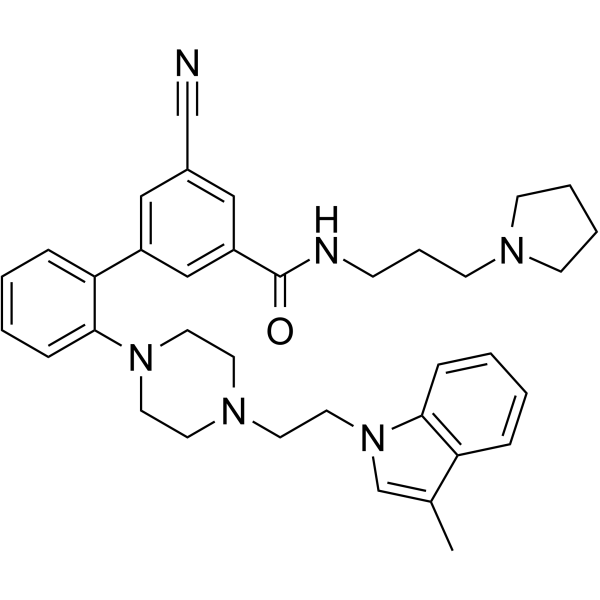
    MRK-740
    2 Publications Verification

    Histone Methyltransferase Cancer
    MRK-740, a chemical probe, is a potent, selective and substrate-competitive PRDM9 histone methyltransferase inhibitor with an IC50 of 80?nM. MRK-740 is more selective for PRDM9 than other histone methyltransferases and other non-epigenetic targets. MRK-740 reduces PRDM9-dependent trimethylation of H3K4 (IC50?=?0.8?μM) .
    MRK-740
  • HY-134828
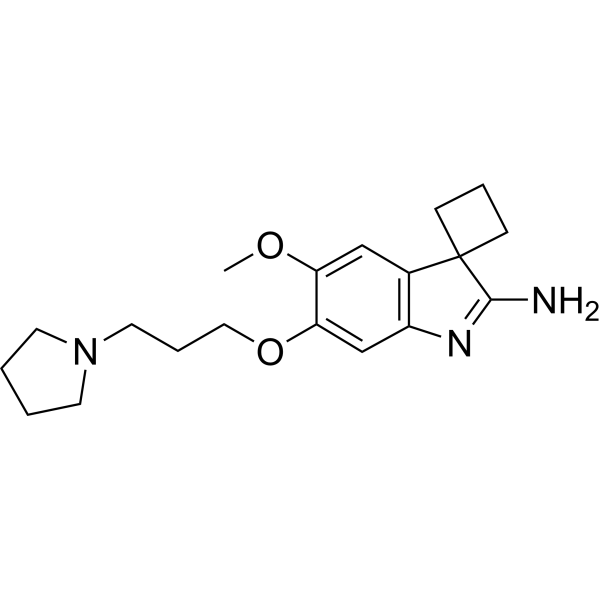
    AZ506
    2 Publications Verification

    Histone Methyltransferase Cancer
    AZ506 is a potent SMYD2 inhibitor with an IC50 of 17 nM. AZ506 inhibits SMYD2 methyltransferase activity in cells, leading to a decrease in the SMYD2-mediated methylation signal .
    AZ506
  • HY-135146A

    DNA Methyltransferase Cancer
    (Rac)-GSK-3484862 is the isomer of GSK-3484862 (HY-135146), and can be used as an experimental control. GSK-3484862 is a non-covalent inhibitor for DNA methyltransferase (Dnmt1). GSK-3484862 induces DNA hypomethylation to against cancer. GSK-3484862 mediates dramatic demethylation in murine embryonic stem cells with minimal non-specific toxicity .
    (Rac)-GSK-3484862
  • HY-144501

    Toll-like Receptor (TLR) PD-1/PD-L1 Inflammation/Immunology Cancer
    D18 is an immune modulator. D18 acts as a TLR7/8 dual agonist (EC50 = 24 nM for hTLR7 and 10 nM for hTLR8, respectively). D18 increases PD-L1 expression through epigenetic regulation, thus sensitizing tumors to PD-1/PD-L1 blockade. D18 is a ADC cytotoxin uesd for the systhesis of ADC HE-S2 (HY-144497). D18 has strong immune activation and anti-tumor activity. D18 commonly used in cancer research, such as colon cancer .
    D18
  • HY-160596

    5-Formyl-deoxycytidine lithium

    DNA/RNA Synthesis Others
    5-Formyl-dCTP (5-Formyl-deoxycytidine) lithium is a DCTPP1 substrate. 5-Formyl-dCTP lithium acts as a mutagen/epigenetic disruptor via DNA polymerase incorporation, mutagenic mispairings, and disturbed epigenetic programming. 5-Formyl-dCTP lithium can be used for research on genotoxicity .
    5-Formyl-dCTP lithium
  • HY-143711S
    Trimethyllysine-d9
    1 Publications Verification

    Isotope-Labeled Compounds Others
    Trimethyllysine-d9 is the deuterium labeled Trimethyllysine (HY-143711) . Trimethyllysine is an important post-translationally modified amino acid, involving in carnitine biosynthesis and epigenetic processes .
    Trimethyllysine-d9
  • HY-I0626R

    Reference Standards Endogenous Metabolite Others
    Cytosine (Standard) is the analytical standard of Cytosine. This product is intended for research and analytical applications. Cytosine is one of the four main bases found in DNA and RNA. Cytosine modifications exhibit circadian oscillations that are involved in epigenetic diversity and aging .
    Cytosine (Standard)
  • HY-161759

    Histone Methyltransferase Metabolic Disease
    MS152 is an oral bioactive inhibitor of EHMT2/G9a. MS152 reactivats maternally silenced Prader-Willi syndrome (PWS) genes in brain and liver tissues of PWS mouse models .
    MS152

Inquiry Online

Your information is safe with us. * Required Fields.

Salutation


Country or Region *

Applicant Name *


Organization Name *

Department *


Email Address *


Product Name *

Cat. No.


Requested quantity *

Phone Number *


Remarks

Inquiry Online

Inquiry Information

Product Name:
Cat. No.:
Quantity:
MCE Japan Authorized Agent:

