1. Search Result
Search Result
Results for "

FAD

" in MedChemExpress (MCE) Product Catalog:

90

Inhibitors & Agonists

17

Natural
Products

4

Recombinant Proteins

15

Isotope-Labeled Compounds

3

Antibodies

1

Click Chemistry

15

Oligonucleotides

Cat. No. Product Name Target Research Areas Chemical Structure
  • HY-B0152
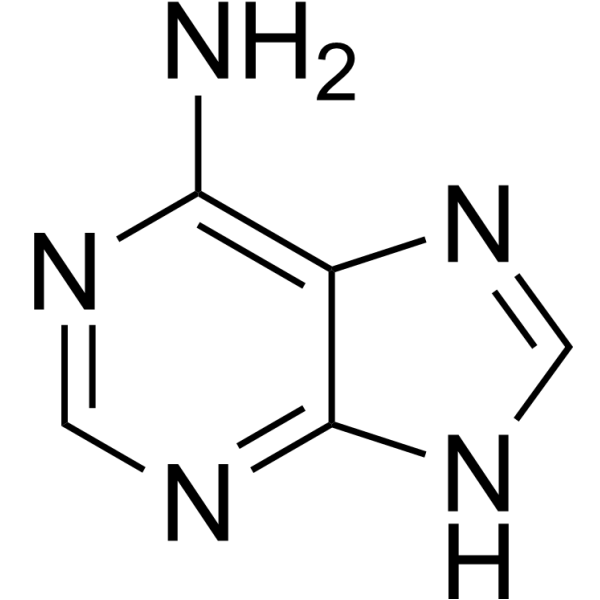
    Adenine
    20+ Cited Publications

    DNA/RNA Synthesis Endogenous Metabolite Infection Cancer
    Adenine (6-Aminopurine), a purine, is one of the four nucleobases in the nucleic acid of DNA. Adenine acts as a chemical component of DNA and RNA. Adenine also plays an important role in biochemistry involved in cellular respiration, the form of both ATP and the cofactors (NAD and FAD), and protein synthesis .
    Adenine
  • HY-B1654
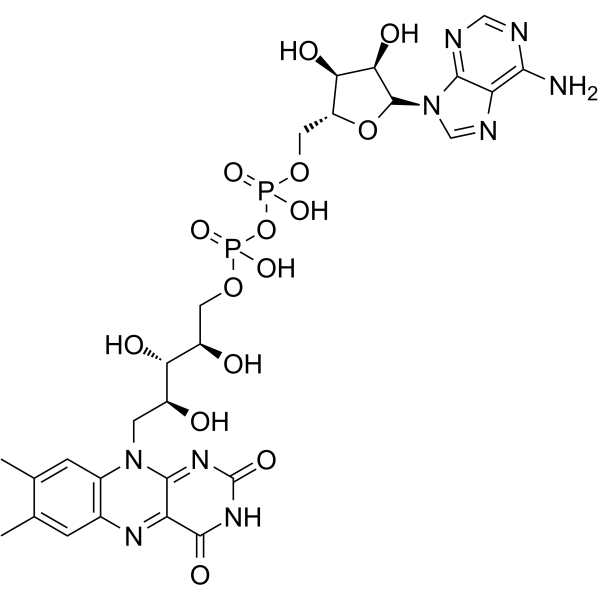
    Flavin adenine dinucleotide
    5+ Cited Publications

    FAD

    Endogenous Metabolite Cardiovascular Disease
    Flavin adenine dinucleotide (FAD) is a redox cofactor, more specifically a prosthetic group of a protein, involved in several important enzymatic reactions in metabolism.
    Flavin adenine dinucleotide
  • HY-B0456
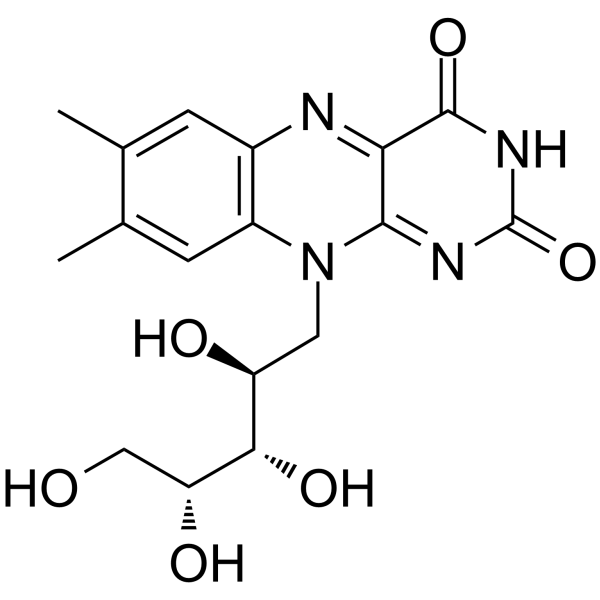
    Riboflavin
    5+ Cited Publications

    Vitamin B2; E101

    Environmental Pollutants Endogenous Metabolite Bacterial Metabolic Disease Cancer
    Riboflavin, an orally active and easily absorbed micronutrient, is a precursor of flavin mononucleotide (FMN) and flavin adenine dinucleotide (FAD), which serve as coenzymes for numerous enzymatic reactions and perform key metabolic functions by mediating the transfer of electrons in biological oxidation-reduction reaction .
    Riboflavin
  • HY-107410
    SC-26196
    4 Publications Verification

    Stearoyl-CoA Desaturase (SCD) Inflammation/Immunology
    SC-26196 is a potent, orally active Delta6 desaturase (D6D, FADS2) inhibitor (IC50=0.2 μM in a rat liver microsomal assay). Antiinflammatory properties .
    SC-26196
  • HY-B1654A

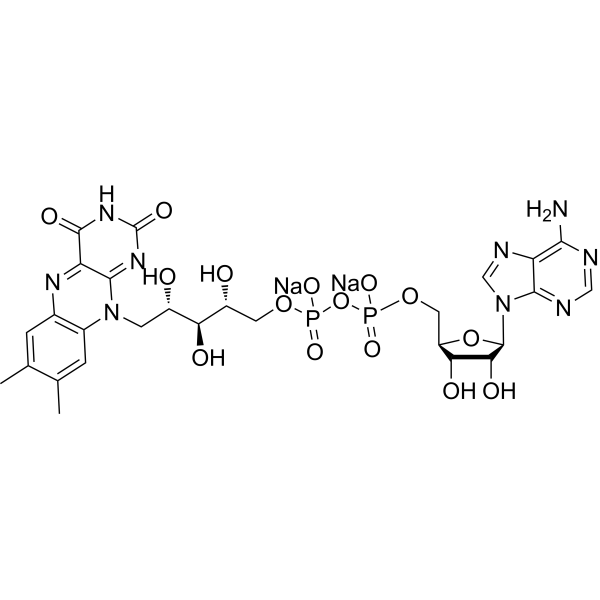
    FAD disodium salt; FAD-Na2

    Endogenous Metabolite Cardiovascular Disease
    Flavin adenine dinucleotide (FAD) disodium salt is a redox cofactor, more specifically a prosthetic group of a protein, involved in several important enzymatic reactions in metabolism.
    Flavin adenine dinucleotide disodium salt
  • HY-113308
    Taurolithocholic acid
    5+ Cited Publications

    Calcium Channel Ferroptosis PI3K Akt HBV Reactive Oxygen Species (ROS) Cardiovascular Disease Infection Inflammation/Immunology
    Taurolithocholic acid is an orally active bile acid and antiviral agent. Taurolithocholic acid upregulates FADS2 by activating the TGR5-PI3K/AKT-SREBP2 signaling axis, inhibits SFTSV-induced ferroptosis (Ferroptosis), viral replication and viral entry of HBV/HDV, while reducing the release of IL-1β, lipid ROS and LDH. While exerting antiviral protective effects, Taurolithocholic acid also stimulates the recycling of hepatocellular membrane transporters, impairs canalicular bile acid secretion function, and induces hepatocyte cholestasis, apoptosis and acute hepatocellular injury. Taurolithocholic acid serves as an experimental model compound for hepatocellular cholestasis. At concentrations ≤200 μM, Taurolithocholic acid shows no cytotoxicity and does not activate the interferon pathway. Taurolithocholic acid not only protects mice from lethal SFTSV infection but also is suitable for studies related to severe fever with thrombocytopenia syndrome and cholestasis .
    Taurolithocholic acid
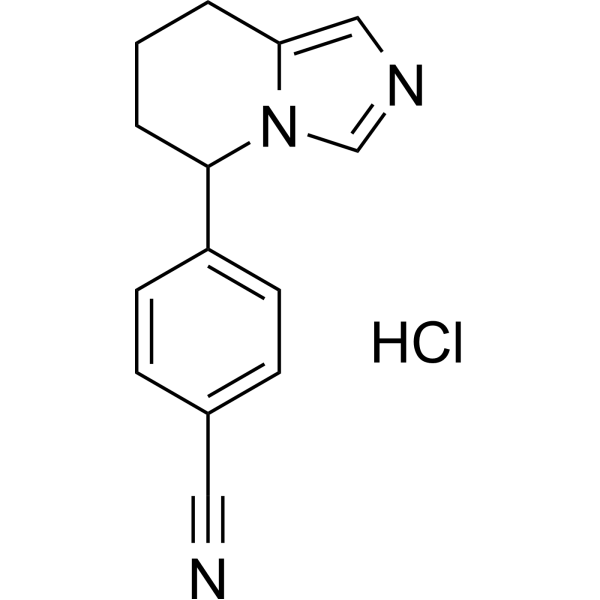
  • HY-14247
    Fadrozole hydrochloride
    2 Publications Verification

    CGS 16949A; (Rac)-FAD286 hydrochloride

    Cytochrome P450 Endocrinology Cancer
    Fadrozole hydrochloride (CGS 16949A) is a potent, selective and nonsteroidal inhibitor of aromatase with an IC50 of 6.4 nM.
    Fadrozole hydrochloride
  • HY-113308A

    Calcium Channel Ferroptosis PI3K Reactive Oxygen Species (ROS) Akt HBV Metabolic Disease
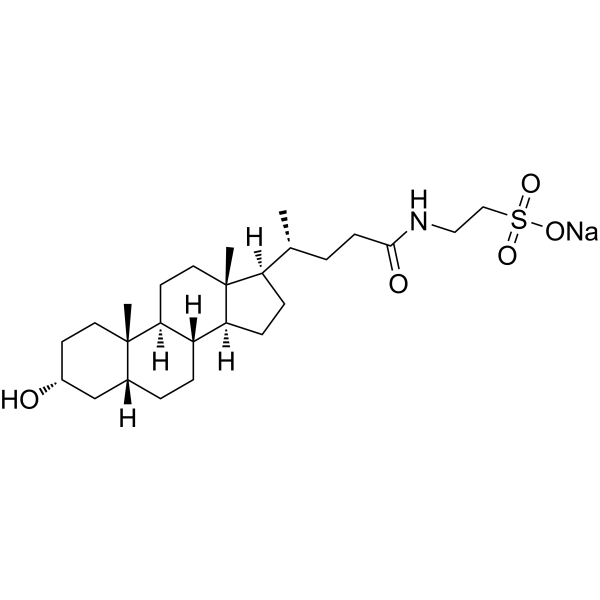
    Taurolithocholic acid sodium salt is an orally active bile acid and antiviral agent. Taurolithocholic acid sodium salt upregulates FADS2 by activating the TGR5-PI3K/AKT-SREBP2 signaling axis, inhibits SFTSV-induced ferroptosis, viral replication and viral entry of HBV/HDV, while reducing the release of IL-1β, lipid ROS and LDH. While exerting antiviral protective effects, Taurolithocholic acid sodium salt also stimulates the recycling of hepatocellular membrane transporters, impairs canalicular bile acid secretion function, and induces hepatocyte cholestasis, apoptosis and acute hepatocellular injury. Taurolithocholic acid sodium salt serves as an experimental model compound for hepatocellular cholestasis. At concentrations ≤200 μM, Taurolithocholic acid sodium salt shows no cytotoxicity and does not activate the interferon pathway. Taurolithocholic acid sodium salt not only protects mice from lethal SFTSV infection but also is suitable for studies related to severe fever with thrombocytopenia syndrome and cholestasis .
    Taurolithocholic acid sodium salt
  • HY-B0152B
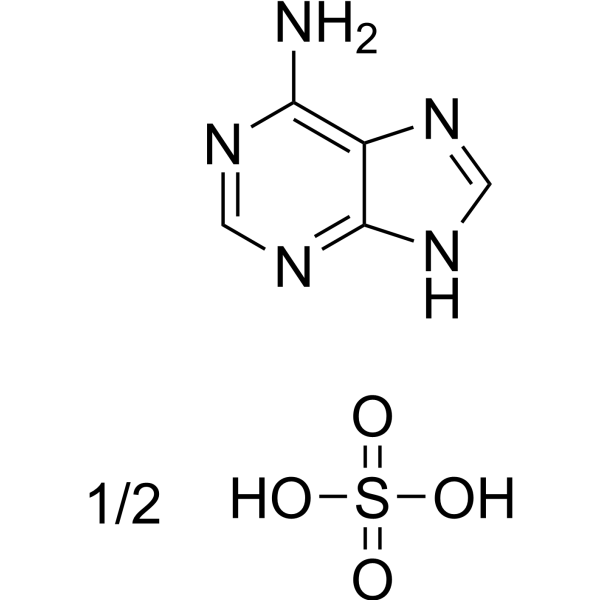
    Adenine hemisulfate
    Maximum Cited Publications
    22 Publications Verification

    6-Aminopurine hemisulfate; Vitamin B4 hemisulfate

    DNA/RNA Synthesis Endogenous Metabolite Cancer
    Adenine hemisulfate (6-Aminopurine hemisulfate), a purine, is one of the four nucleobases in the nucleic acid of DNA. Adenine hemisulfate acts as a chemical component of DNA and RNA. Adenine hemisulfate also plays an important role in biochemistry involved in cellular respiration, the form of both ATP and the cofactors (NAD and FAD), and protein synthesis .
    Adenine hemisulfate
  • HY-B0152S1
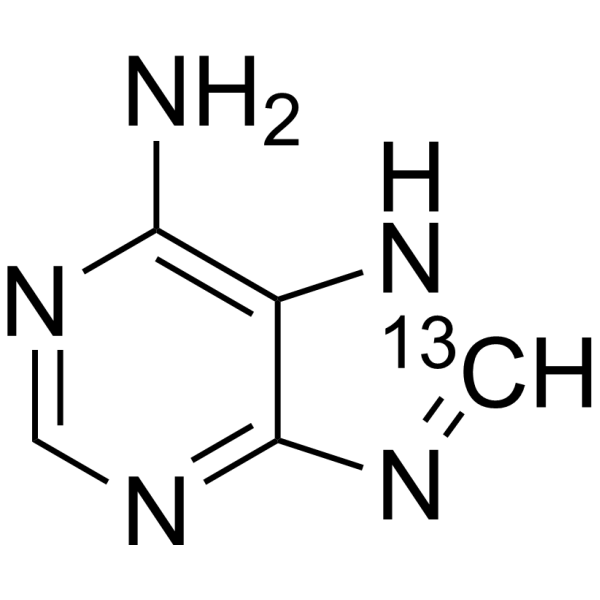
    Adenine-13C
    2 Publications Verification

    Adenine-8-C13; 9H-Purin-6-amine-8-13C

    DNA/RNA Synthesis Endogenous Metabolite Cancer
    Adenine- 13C is the 13C labeled Adenine . Adenine (6-Aminopurine), a purine, is one of the four nucleobases in the nucleic acid of DNA. Adenine acts as a chemical component of DNA and RNA. Adenine also plays an important role in biochemistry involved in cellular respiration, the form of both ATP and the cofactors (NAD and FAD), and protein synthesis .
    Adenine-13C
  • HY-P2848
    Cholesterol oxidase, Microorganism
    2 Publications Verification

    ChOx

    Endogenous Metabolite Others
    Cholesterol oxidase, Microorganism (ChOx) is a bacterial flavin oxidase containing FAD, commonly used in biochemical research. Cholesterol oxidase catalyzes the oxidation of the C(3)-OH group of cholesterol (and other sterols) to cholest-5-en-3-one and isomerizes it to cholest-4-en-3-one .
    Cholesterol oxidase, Microorganism
  • HY-113986

    (R)-FADrozole; (R)-CGS 16949A free base; FAD286

    Cytochrome P450 Cardiovascular Disease
    Dexfadrostat ((R)-Fadrozole) is a potent nonsteroidal inhibitor . Dexfadrostat also inhibits human placental aromatase (pIC50 = 6.17) and aldosterone biosynthesis. Dexfadrostat reverses cardiac fibrosis in spontaneously hypertensive heart failure rats. .
    Dexfadrostat
  • HY-E70014

    FAD-GDH; Glucose 1-dehydrogenase

    Endogenous Metabolite Others
    FAD-dependent glucose dehydrogenase (EC 1.1.5.9), or glucose dehydrogenase (FAD)/Pseudomonas glucose dehydrogenase. FAD-dependent glucose dehydrogenase is insensitive to O2 and displays high substrate specificity to glucose and thus is especially attractive enzymes for use in glucose biosensor applications .
    FAD-dependent glucose dehydrogenase
  • HY-119171

    KMO Neurological Disease Inflammation/Immunology
    GSK 366 is a type II kynurenine-3-monooxygenase (KMO) inhibitor with IC50 values of 2.3 nM and 0.7 nM for human KMO and P. fluorescens-KMO (Pf-KMO). GSK 366 binds to KMO’s substrate site, prevents productive NADPH association, substrate binding, and FAD hydroperoxy species formation. GSK 366 does not stimulate hydrogen peroxide (H2O2) production and reduces H2O2 levels. GSK 366 can be used for the researches of inflammation and neurological disease, such as acute pancreatitis multiple organ dysfunction syndrome and Alzheimer’s disease .
    GSK 366
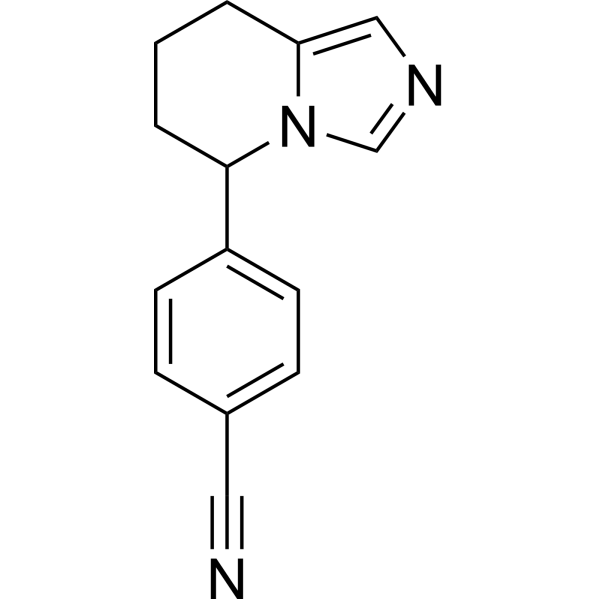
  • HY-14247A
    Fadrozole
    2 Publications Verification

    CGS 16949A free base; (Rac)-FAD286

    Cytochrome P450 Cancer
    Fadrozole (CGS 16949A free base) is a potent, selective and nonsteroidal inhibitor of aromatase with an IC50 of 6.4 nM.
    Fadrozole
  • HY-142035
    N-Propargylglycine
    1 Publications Verification

    Mitochondrial Metabolism Neurological Disease Metabolic Disease Inflammation/Immunology Cancer
    N-Propargylglycine is a brain-penetrant and orally active PRODH inhibitor. N-Propargylglycine covalently modifies enzyme-bound FAD and active site lysine, causing enzyme structural distortion, protein decay, and irreversible inhibition of proline and 4-hydroxyproline catabolism. N-Propargylglycine induces UPRmt, upregulates mitochondrial chaperones and YME1L1, enhances mitochondrial proteostasis, blocks astrocytic L-proline consumption, and abolishes L-proline’s ATP-maintaining and viability-protective effects. N-Propargylglycine stimulates neural processes, increases brain proline, hydroxyproline, and sarcosine levels, partially normalizes Huntington’s disease whole brain transcriptomes. N-Propargylglycine reduces hyperoxaluria, prevents calcium oxalate stone formation, reduces kidney tubular damage, and restores weight and survival in Grhpr knockout mice. N-Propargylglycine can be used for the research of breast cancer, neurodegenerative disorders, Huntington’s disease, and primary hyperoxaluria type 2 .
    N-Propargylglycine
  • HY-B0152A
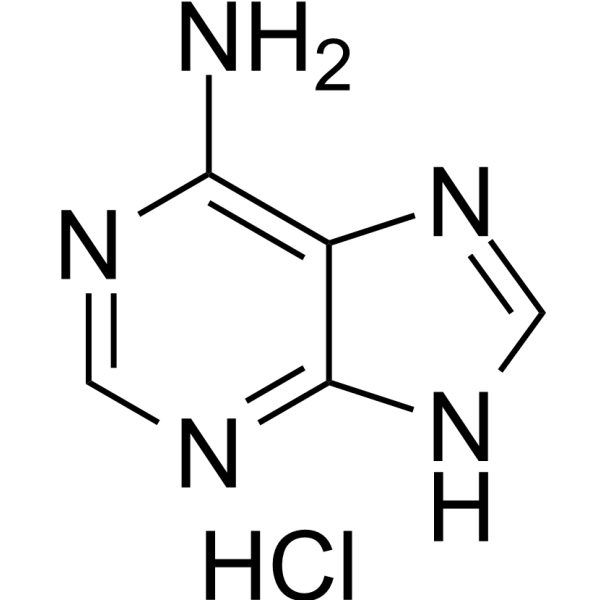
    Adenine hydrochloride
    Maximum Cited Publications
    22 Publications Verification

    6-Aminopurine hydrochloride; Vitamin B4 hydrochloride

    DNA/RNA Synthesis Endogenous Metabolite Cancer
    Adenine hydrochloride (6-Aminopurine hydrochloride), a purine, is one of the four nucleobases in the nucleic acid of DNA. Adenine hydrochloride acts as a chemical component of DNA and RNA. Adenine hydrochloride also plays an important role in biochemistry involved in cellular respiration, the form of both ATP and the cofactors (NAD and FAD), and protein synthesis .
    Adenine hydrochloride
  • HY-141677

    Histone Demethylase Cancer
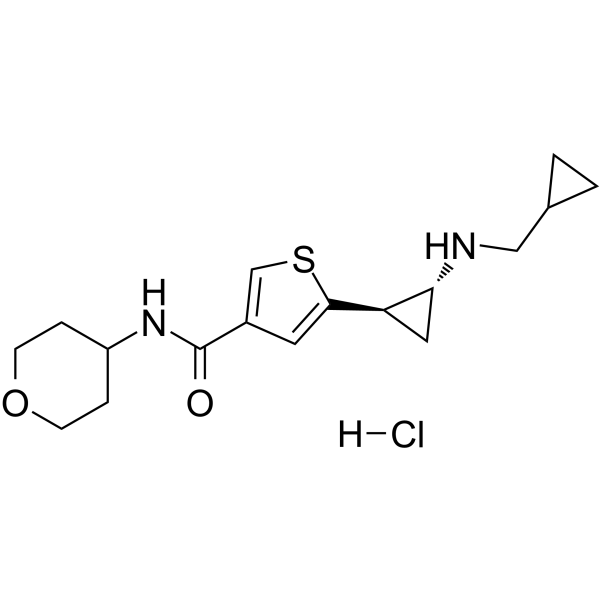
    INCB059872 is a potent, orally active, selective and irreversible Lysine-Specific Demethylase 1 (LSD1) inhibitor that achieves inhibitory activity through the formation of covalent FAD-adducts. INCB059872 can inhibit cell proliferation and induce cell differentiation by upregulating the expression of myeloid differentiation markers CD86 and CD11b. INCB059872 can be used for the research of myeloid leukemia .
    INCB059872
  • HY-B1654S

    FAD-13C5 ammonium

    Isotope-Labeled Compounds Endogenous Metabolite Cardiovascular Disease
    Flavin adenine dinucleotide- 13C5 (FAD- 13C5) ammonium is 13C labeled Flavin adenine dinucleotide (HY-B1654). Flavin adenine dinucleotide (FAD) is a redox cofactor, more specifically a prosthetic group of a protein, involved in several important enzymatic reactions in metabolism.
    Flavin adenine dinucleotide-13C5 ammonium
  • HY-B0456R
    Riboflavin (Standard)
    1 Publications Verification

    Vitamin B2 (Standard); E101 (Standard)

    Reference Standards Endogenous Metabolite Bacterial Metabolic Disease Cancer
    Riboflavin (Standard) is the analytical standard of Riboflavin. This product is intended for research and analytical applications. Riboflavin, an orally active and easily absorbed micronutrient, is a precursor of flavin mononucleotide (FMN) and flavin adenine dinucleotide (FAD), which serve as coenzymes for numerous enzymatic reactions and perform key metabolic functions by mediating the transfer of electrons in biological oxidation-reduction reaction .
    Riboflavin (Standard)
  • HY-B1654R

    FAD (Standard)

    Reference Standards Endogenous Metabolite Cardiovascular Disease
    Flavin adenine dinucleotide (Standard) is the analytical standard of Flavin adenine dinucleotide. This product is intended for research and analytical applications. Flavin adenine dinucleotide (FAD) is a redox cofactor, more specifically a prosthetic group of a protein, involved in several important enzymatic reactions in metabolism.
    Flavin adenine dinucleotide (Standard)
  • HY-B0152S

    6-Aminopurine-d1; Vitamin B4-d1

    DNA/RNA Synthesis Endogenous Metabolite Cancer
    Adenine-d is the deuterium labeled Adenine. Adenine (6-Aminopurine), a purine, is one of the four nucleobases in the nucleic acid of DNA. Adenine acts as a chemical component of DNA and RNA. Adenine also plays an important role in biochemistry involved in cellular respiration, the form of both ATP and the cofactors (NAD and FAD), and protein synthesis .
    Adenine-d1
  • HY-B0152R

    Reference Standards DNA/RNA Synthesis Endogenous Metabolite Cancer
    Adenine (Standard) is the analytical standard of Adenine. This product is intended for research and analytical applications. Adenine (6-Aminopurine), a purine, is one of the four nucleobases in the nucleic acid of DNA. Adenine acts as a chemical component of DNA and RNA. Adenine also plays an important role in biochemistry involved in cellular respiration, the form of both ATP and the cofactors (NAD and FAD), and protein synthesis .
    Adenine (Standard)
  • HY-141677A

    Histone Demethylase Cancer
    INCB059872 dihydrochloride is a potent, orally active, selective and irreversible Lysine-Specific Demethylase 1 (LSD1) inhibitor that achieves inhibitory activity through the formation of covalent FAD-adducts. INCB059872 dihydrochloride can inhibit cell proliferation and induce cell differentiation by upregulating the expression of myeloid differentiation markers CD86 and CD11b. INCB059872 dihydrochloride can be used for the research of myeloid leukemia .
    INCB059872 dihydrochloride
  • HY-175806

    TrxR Reactive Oxygen Species (ROS) Ferroptosis Cancer
    CS47 is a Thioredoxin Reductase 1 (TRXR1) inhibitor and ferroptosis inducer. CS47 binds non-covalently to sites between the FAD and NADPH pockets of TRXR1. CS47 drives glutathione depletion, lipid reactive oxygen species accumulation, HMOX1-dependent iron overload, and selective cytotoxicity in lung cancer cells. CS47 can be used for the research of lung cancer .
    CS47
  • HY-B0152S4

    6-Aminopurine-15N5; Vitamin B4-15N5

    Isotope-Labeled Compounds DNA/RNA Synthesis Endogenous Metabolite Cancer
    Adenine- 15N5 (6-Aminopurine- 15N5; Vitamin B4- 15N5) is 15N labeled Adenine (HY-B0152). Adenine (6-Aminopurine), a purine, is one of the four nucleobases in the nucleic acid of DNA. Adenine acts as a chemical component of DNA and RNA. Adenine also plays an important role in biochemistry involved in cellular respiration, the form of both ATP and the cofactors (NAD and FAD), and protein synthesis.
    Adenine-15N5
  • HY-W015213
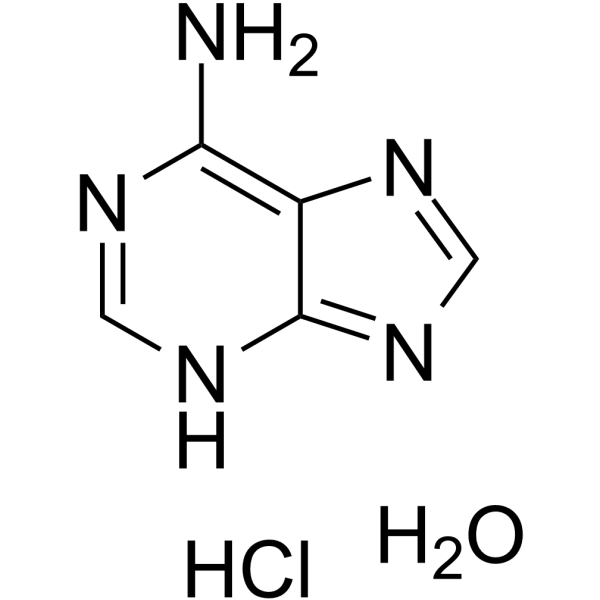
    Adenine monohydrochloride hemihydrate
    Maximum Cited Publications
    22 Publications Verification

    Endogenous Metabolite DNA/RNA Synthesis Metabolic Disease
    Adenine monohydrochloride hemihydrate is a hydrochloride derivative of Adenine. Adenine (6-Aminopurine), a purine, is one of the four nucleobases in the nucleic acid of DNA. Adenine acts as a chemical component of DNA and RNA. Adenine also plays an important role in biochemistry involved in cellular respiration, the form of both ATP and the cofactors (NAD and FAD), and protein synthesis .
    Adenine monohydrochloride hemihydrate
  • HY-B0152S3

    6-Aminopurine-13C5; Vitamin B4-13C5

    Isotope-Labeled Compounds DNA/RNA Synthesis Endogenous Metabolite Cancer
    Adenine- 13C5 (6-Aminopurine- 13C5; Vitamin B4- 13C5) is 13C-labeled Adenine (HY-B0152). Adenine (6-Aminopurine), a purine, is one of the four nucleobases in the nucleic acid of DNA. Adenine acts as a chemical component of DNA and RNA. Adenine also plays an important role in biochemistry involved in cellular respiration, the form of both ATP and the cofactors (NAD and FAD), and protein synthesis.
    Adenine-13C5
  • HY-113308S1

    Isotope-Labeled Compounds Calcium Channel Ferroptosis PI3K Reactive Oxygen Species (ROS) Akt HBV Others
    Taurolithocholic acid-d4 is deuterium labeled Taurolithocholic acid. Taurolithocholic acid is an orally active bile acid and antiviral agent. Taurolithocholic acid upregulates FADS2 by activating the TGR5-PI3K/AKT-SREBP2 signaling axis, inhibits SFTSV-induced ferroptosis, viral replication and viral entry of HBV/HDV, while reducing the release of IL-1β, lipid ROS and LDH. While exerting antiviral protective effects, Taurolithocholic acid also stimulates the recycling of hepatocellular membrane transporters, impairs canalicular bile acid secretion function, and induces hepatocyte cholestasis, apoptosis and acute hepatocellular injury. Taurolithocholic acid serves as an experimental model compound for hepatocellular cholestasis. At concentrations ≤200 μM, Taurolithocholic acid shows no cytotoxicity and does not activate the interferon pathway. Taurolithocholic acid not only protects mice from lethal SFTSV infection but also is suitable for studies related to severe fever with thrombocytopenia syndrome and cholestasis .
    Taurolithocholic acid-d4
  • HY-RS04667

    Small Interfering RNA (siRNA) Others

    FADS2 Human Pre-designed siRNA Set A contains three designed siRNAs for FADS2 gene (Human), as well as a negative control, a positive control, and a FAM-labeled negative control.

    FADS2 Human Pre-designed siRNA Set A
    FADS2 Human Pre-designed siRNA Set A
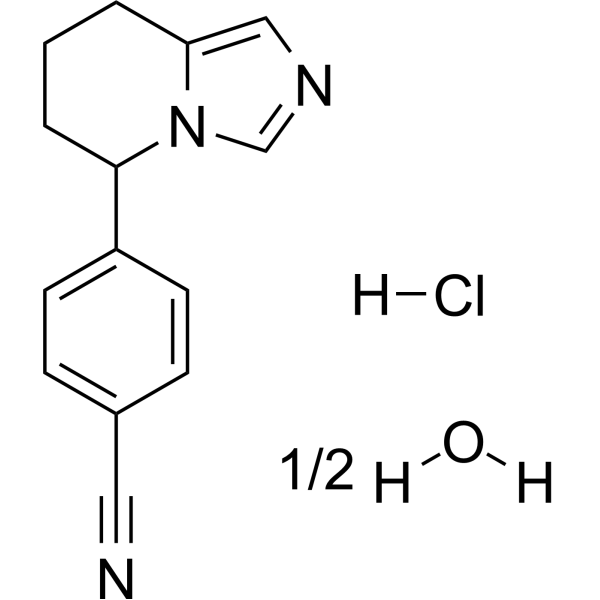
  • HY-14247B
    Fadrozole hydrochloride hemihydrate
    2 Publications Verification

    CGS 16949A hemihydrate; (Rac)-FAD286 hydrochloride hemihydrate

    Cytochrome P450 Endocrinology Cancer
    Fadrozole hydrochloride hemihydrate is an orally active, potent, selective and nonsteroidal aromatase inhibitor, with an IC50 of 6.4 nM. Fadrozole hydrochloride hemihydrate inhibits the production of estrogen and progesterone, with IC50 values of 0.03 and 120 μM. Fadrozole hydrochloride hemihydrate shows prevention of spontaneous tumours. Fadrozole hydrochloride hemihydrate can be used for the research of estrogen-dependent disease and cancer .
    Fadrozole hydrochloride hemihydrate
  • HY-B0456S5

    Vitamin B2-d8 ; E101-d8

    Isotope-Labeled Compounds Bacterial Endogenous Metabolite Metabolic Disease Cancer
    Riboflavin-d8 (Vitamin B2-d8 ) is deuterium labeled Riboflavin. Riboflavin, an orally active and easily absorbed micronutrient, is a precursor of flavin mononucleotide (FMN) and flavin adenine dinucleotide (FAD), which serve as coenzymes for numerous enzymatic reactions and perform key metabolic functions by mediating the transfer of electrons in biological oxidation-reduction reaction .
    Riboflavin-d8
  • HY-B0152S7

    6-Aminopurine-15N5 hydrochloride hydrate; Vitamin B4-15N5 hydrochloride hydrate

    Isotope-Labeled Compounds DNA/RNA Synthesis Cancer
    Adenine- 15N5 (6-Aminopurine- 15N5) hydrochloride hydrate is the 15N-labeled Adenine (HY-B0152). Adenine (6-Aminopurine), a purine, is one of the four nucleobases in the nucleic acid of DNA. Adenine acts as a chemical component of DNA and RNA. Adenine also plays an important role in biochemistry involved in cellular respiration, the form of both ATP and the cofactors (NAD and FAD), and protein synthesis .
    Adenine-15N5 hydrochloride hydrate
  • HY-P2848A

    Toll-like Receptor (TLR) Infection Metabolic Disease
    Cholesterol oxidase, Rhodococcus sp. is a key enzyme in the cholesterol degradation process. It catalyzes the isomerization and oxidation of cholesterol mediated by the coenzyme FAD. Research indicates that cholesterol oxidase plays a crucial role in the pathogenicity of Mycobacterium tuberculosis by modulating the host macrophage immune response through inhibition of the Toll-like receptor 2 (TLR2) signaling pathway, thereby enhancing the survival of Mycobacterium tuberculosis. Cholesterol oxidase, from Rhodococcus sp., shows potential for research in the field of tuberculosis .
    Cholesterol oxidase, rhodococcus sp
  • HY-113308AR

    Reference Standards Calcium Channel Ferroptosis PI3K Reactive Oxygen Species (ROS) Akt HBV Metabolic Disease
    Taurolithocholic acid (sodium salt) (Standard) is the analytical standard of Taurolithocholic acid (sodium salt). This product is intended for research and analytical applications. Taurolithocholic acid sodium salt is an orally active bile acid and antiviral agent. Taurolithocholic acid sodium salt upregulates FADS2 by activating the TGR5-PI3K/AKT-SREBP2 signaling axis, inhibits SFTSV-induced ferroptosis, viral replication and viral entry of HBV/HDV, while reducing the release of IL-1β, lipid ROS and LDH. While exerting antiviral protective effects, Taurolithocholic acid sodium salt also stimulates the recycling of hepatocellular membrane transporters, impairs canalicular bile acid secretion function, and induces hepatocyte cholestasis, apoptosis and acute hepatocellular injury. Taurolithocholic acid sodium salt serves as an experimental model compound for hepatocellular cholestasis. At concentrations ≤200 μM, Taurolithocholic acid sodium salt shows no cytotoxicity and does not activate the interferon pathway. Taurolithocholic acid sodium salt not only protects mice from lethal SFTSV infection but also is suitable for studies related to severe fever with thrombocytopenia syndrome and cholestasis .
    Taurolithocholic acid sodium salt (Standard)
  • HY-169080

    Apolipoprotein Neurological Disease
    ABCA1 inducer 1 is a nonlipogenic ABCA1 inducer. ABCA1 inducer 1 increases ABCA1 expression, enhances apolipoprotein (APOE) lipidation and reverses multiple Alzheimer’s disease (AD) phenotypes, without increasing triglycerides in E3/4FAD mice that express human APOE 3/4 .
    ABCA1 inducer 1
  • HY-B0152BR

    6-Aminopurine hemisulfate (Standard); Vitamin B4 hemisulfate (Standard)

    DNA/RNA Synthesis Endogenous Metabolite Reference Standards Cancer
    Adenine (hemisulfate) (Standard) is the analytical standard of Adenine (hemisulfate). This product is intended for research and analytical applications. Adenine hemisulfate (6-Aminopurine hemisulfate), a purine, is one of the four nucleobases in the nucleic acid of DNA. Adenine hemisulfate acts as a chemical component of DNA and RNA. Adenine hemisulfate also plays an important role in biochemistry involved in cellular respiration, the form of both ATP and the cofactors (NAD and FAD), and protein synthesis .
    Adenine hemisulfate (Standard)
  • HY-175738

    Ferroptosis Cancer
    afi-FSP1-1 is a Ferroptosis suppressor protein 1 (FSP1) inhibitor with an Ki of 0.283  μM. afi-FSP1-1 has a superior binding capacity to FSP1-FAD-NAD +. afi-FSP1-1 can induces ferroptosis in cancer cells. afi-FSP1-1 can be used for cancers research .
    afi-FSP1-1
  • HY-P2800A

    Endogenous Metabolite Metabolic Disease
    Diaphorase, Clostridium sp. is a diaphorase derived from Clostridium sp. As a flavin-containing NAD (P) H dehydrogenase, Diaphorase, Clostridium sp. uses NADH as an electron donor to reduce artificial dyes such as DCPIP and NBT, and participates in energy metabolism .
    Diaphorase, clostridium sp.
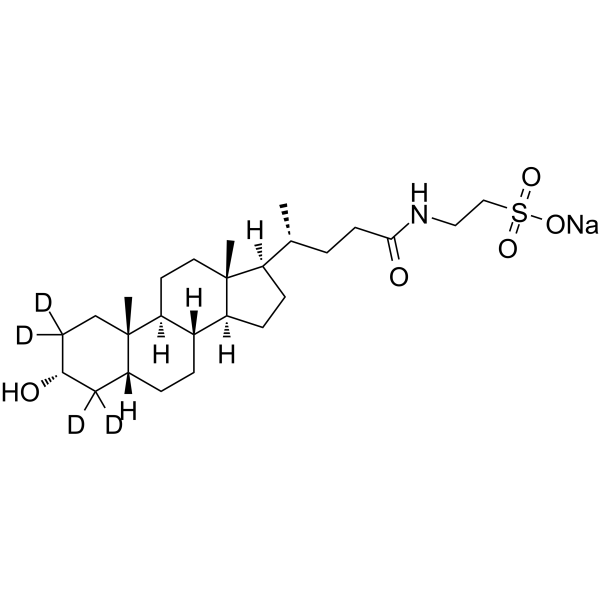
  • HY-113308AS1

    Isotope-Labeled Compounds Calcium Channel Ferroptosis PI3K Reactive Oxygen Species (ROS) Akt HBV Metabolic Disease
    Taurolithocholic Acid-d5 (sodium) is the deuterium labeled Taurolithocholic acid sodium salt. Taurolithocholic Acid sodium salt is an orally active bile acid and antiviral agent. Taurolithocholic Acid sodium salt upregulates FADS2 by activating the TGR5-PI3K/AKT-SREBP2 signaling axis, inhibits SFTSV-induced ferroptosis, viral replication and viral entry of HBV/HDV, while reducing the release of IL-1β, lipid ROS and LDH. While exerting antiviral protective effects, Taurolithocholic Acid sodium salt also stimulates the recycling of hepatocellular membrane transporters, impairs canalicular bile acid secretion function, and induces hepatocyte cholestasis, apoptosis and acute hepatocellular injury. Taurolithocholic Acid sodium salt serves as an experimental model compound for hepatocellular cholestasis. At concentrations ≤200 μM, Taurolithocholic Acid sodium salt shows no cytotoxicity and does not activate the interferon pathway. Taurolithocholic Acid sodium salt not only protects mice from lethal SFTSV infection but also is suitable for studies related to severe fever with thrombocytopenia syndrome and cholestasis .
    Taurolithocholic Acid-d5 sodium salt
  • HY-B1654AR

    FAD disodium salt (Standard); FAD-Na2 (Standard)

    Reference Standards Endogenous Metabolite Cardiovascular Disease
    Flavin adenine dinucleotide (disodium salt) (Standard) is the analytical standard of Flavin adenine dinucleotide (disodium salt). This product is intended for research and analytical applications. Flavin adenine dinucleotide (FAD) disodium salt is a redox cofactor, more specifically a prosthetic group of a protein, involved in several important enzymatic reactions in metabolism.
    Flavin adenine dinucleotide disodium salt (Standard)
  • HY-RS23340

    Small Interfering RNA (siRNA) Others

    Fads2 Rat Pre-designed siRNA Set A contains three designed siRNAs for Fads2 gene (Rat), as well as a negative control, a positive control, and a FAM-labeled negative control.

    Fads2 Rat Pre-designed siRNA Set A
    Fads2 Rat Pre-designed siRNA Set A
  • HY-RS18814

    Small Interfering RNA (siRNA) Others

    Fads1 Mouse Pre-designed siRNA Set A contains three designed siRNAs for Fads1 gene (Mouse), as well as a negative control, a positive control, and a FAM-labeled negative control.

    Fads1 Mouse Pre-designed siRNA Set A
    Fads1 Mouse Pre-designed siRNA Set A
  • HY-RS04669

    Small Interfering RNA (siRNA) Others

    FADS6 Human Pre-designed siRNA Set A contains three designed siRNAs for FADS6 gene (Human), as well as a negative control, a positive control, and a FAM-labeled negative control.

    FADS6 Human Pre-designed siRNA Set A
    FADS6 Human Pre-designed siRNA Set A
  • HY-RS04668

    Small Interfering RNA (siRNA) Others

    FADS3 Human Pre-designed siRNA Set A contains three designed siRNAs for FADS3 gene (Human), as well as a negative control, a positive control, and a FAM-labeled negative control.

    FADS3 Human Pre-designed siRNA Set A
    FADS3 Human Pre-designed siRNA Set A
  • HY-RS04666

    Small Interfering RNA (siRNA) Others

    FADS1 Human Pre-designed siRNA Set A contains three designed siRNAs for FADS1 gene (Human), as well as a negative control, a positive control, and a FAM-labeled negative control.

    FADS1 Human Pre-designed siRNA Set A
    FADS1 Human Pre-designed siRNA Set A
  • HY-RS17257

    Small Interfering RNA (siRNA) Others

    Fancd2 Mouse Pre-designed siRNA Set A contains three designed siRNAs for Fancd2 gene (Mouse), as well as a negative control, a positive control, and a FAM-labeled negative control.

    Fancd2 Mouse Pre-designed siRNA Set A
    Fancd2 Mouse Pre-designed siRNA Set A
  • HY-RS04735

    Small Interfering RNA (siRNA) Others

    FANCD2 Human Pre-designed siRNA Set A contains three designed siRNAs for FANCD2 gene (Human), as well as a negative control, a positive control, and a FAM-labeled negative control.

    FANCD2 Human Pre-designed siRNA Set A
    FANCD2 Human Pre-designed siRNA Set A
  • HY-RS11276

    Small Interfering RNA (siRNA) Others

    PSEN1 Human Pre-designed siRNA Set A contains three designed siRNAs for PSEN1 gene (Human), as well as a negative control, a positive control, and a FAM-labeled negative control.

    PSEN1 Human Pre-designed siRNA Set A
    PSEN1 Human Pre-designed siRNA Set A
  • HY-14247R

    CGS 16949A (Standard); (Rac)-FAD286 hydrochloride (Standard)

    Cytochrome P450 Reference Standards Endocrinology Cancer
    Fadrozole (hydrochloride) (Standard) is the analytical standard of Fadrozole (hydrochloride). This product is intended for research and analytical applications. Fadrozole hydrochloride (CGS 16949A) is a potent, selective and nonsteroidal inhibitor of aromatase with an IC50 of 6.4 nM.
    Fadrozole hydrochloride (Standard)

Inquiry Online

Your information is safe with us. * Required Fields.

Salutation


Country or Region *

Applicant Name *


Organization Name *

Department *


Email Address *


Product Name *

Cat. No.


Requested quantity *

Phone Number *


Remarks

Inquiry Online

Inquiry Information

Product Name:
Cat. No.:
Quantity:
MCE Japan Authorized Agent:

