Search Result
Results for "
FAK Inhibitor
" in MedChemExpress (MCE) Product Catalog:
1
Biochemical Assay Reagents
2
Isotope-Labeled Compounds
| Cat. No. |
Product Name |
Target |
Research Areas |
Chemical Structure |
-
- HY-10461
-
|
|
FAK
Apoptosis
|
Cancer
|
|
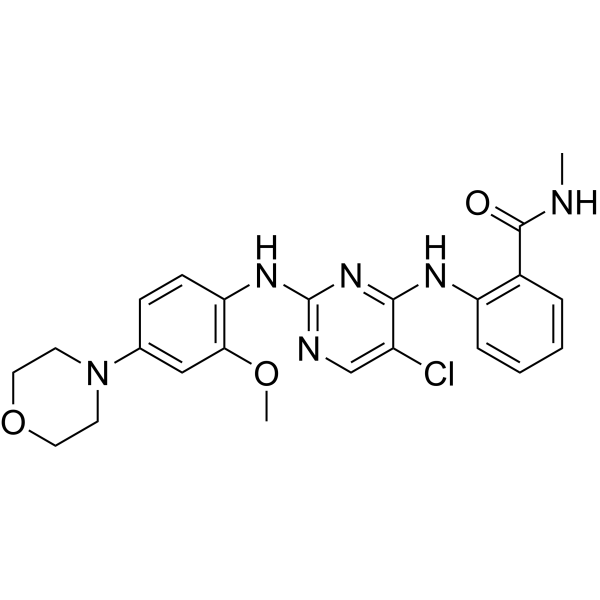
PF-573228 is a potent and selective FAK inhibitor with IC50 of 4 nM for purified recombinant catalytic fragment of FAK.
|
-
-
- HY-12289
-
Defactinib
Maximum Cited Publications
57 Publications Verification
VS-6063; PF-04554878
|
FAK
|
Cancer
|
|
Defactinib (VS-6063; PF-04554878) is a novel FAK inhibitor with potential antiangiogenic and antineoplastic activities.
|
-
-
- HY-12444
-
|
FAK Inhibitor 14
|
FAK
|
Cancer
|
|
Y15 is a potent and specific inhibitor of focal adhesion kinase (FAK) that inhibits its autophosphorylation activity, decreases the viability of cancer cells, and blocks tumor growth.
|
-
-
- HY-122844
-
|
BI-853520; IN-10018
|
FAK
|
Cancer
|
|
Ifebemtinib (BI 853520) is an orally active and potent focal adhesion kinase (FAK) inhibitor (recombinant FAK IC50=1 nM). Ifebemtinib shows anti-proliferative activity against cancer cells. Ifebemtinib inhibits FER Kinase and FES Kinase with IC50s of 900 nM and 1040 nM, respectively .
|
-
-
- HY-10459
-
|
VS-6062
|
FAK
Pyk2
|
Cancer
|
|
PF-562271 (VS-6062) is a potent, ATP-competitive and reversible FAK and Pyk2 kinase inhibitor with IC50s of 1.5 nM and 13 nM, respectively .
|
-
-
- HY-13917
-
|
VS-4718; SR-2516
|
FAK
Apoptosis
|
Cancer
|
|
PND-1186 (VS-4718) is a potent, highly-specific and reversible inhibitor of FAK with an IC50 of 1.5 nM. PND-1186 selectively promotes tumor cell apoptosis .
|
-
-
- HY-N1372A
-
Fangchinoline
Maximum Cited Publications
10 Publications Verification
|
HIV
FAK
Apoptosis
Autophagy
|
Infection
Cancer
|
|
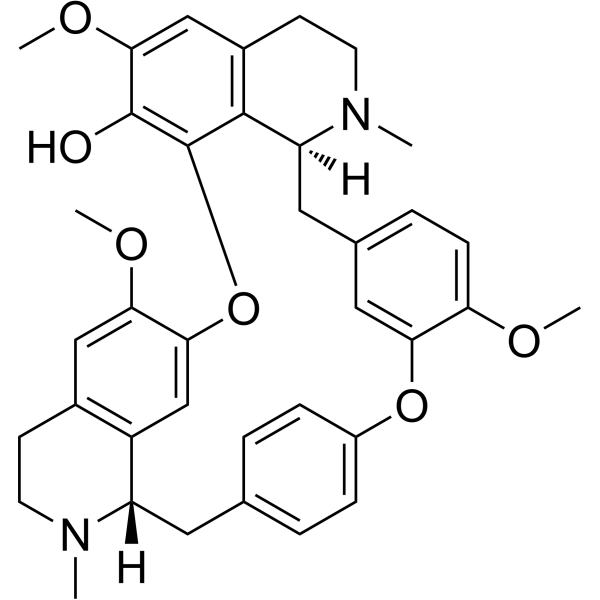
Fangchinoline is isolated from Stephania tetrandra with extensive biological activities, such as enhancing immunity, anti-inflammatory sterilization and anti-atherosclerosis. Fangchinoline, a novel HIV-1 inhibitor, inhibits HIV-1 replication by impairing gp160 proteolytic processing . Fangchinoline targets Focal adhesion kinase (FAK) and suppresses FAK-mediated signaling pathway in tumor cells which highly expressed FAK . Fangchinoline induces apoptosis and adaptive autophagy in bladder cancer .
|
-
-
- HY-N1127
-
|
|
CMV
|
Infection
Cancer
|
|
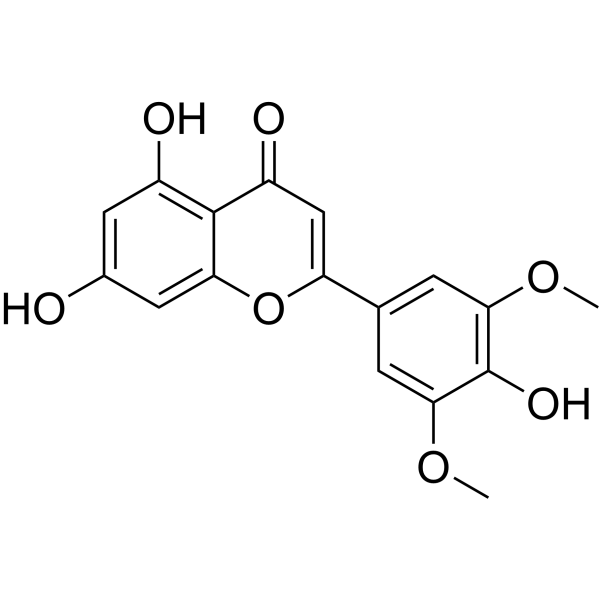
Tricin is a natural flavonoid found in large amounts in wheat. Tricin inhibits HCMV replication by inhibiting CDK9. Tricin inhibits the proliferation and invasion of C6 glioma cells by upregulating the expression of FAK-targeting microRNA-7 .
|
-
-
- HY-12289A
-
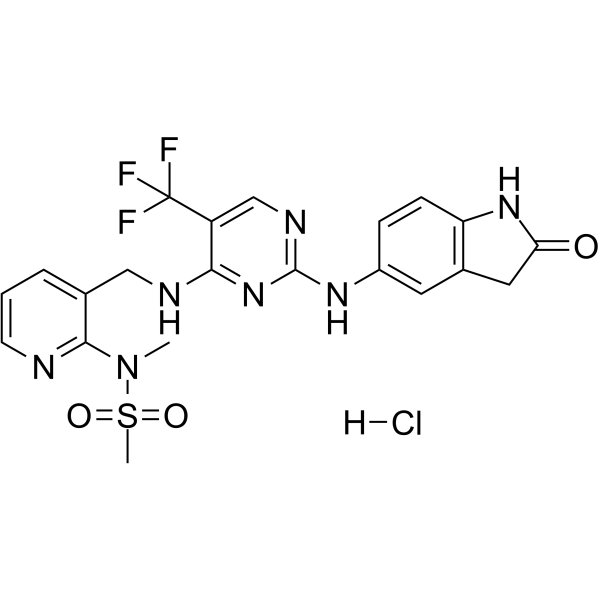
|
VS-6063 hydrochloride; PF 04554878 hydrochloride
|
FAK
|
Cancer
|
|
Defactinib hydrochloride (VS-6063 hydrochloride; PF 04554878 hydrochloride) is a novel FAK inhibitor, which inhibits FAK phosphorylation at the Tyr397 site in a time- and dose-dependent manner.
|
-
-
- HY-B0789
-
|
|
Src
FAK
Akt
|
Cancer
|
|
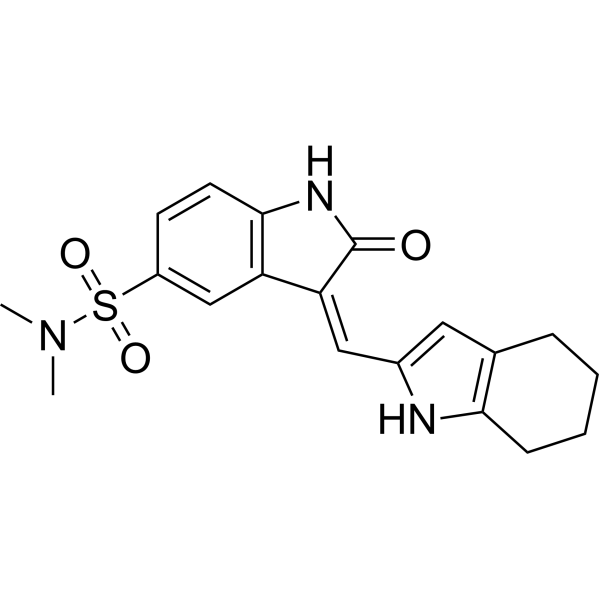
SU6656 is a Src family kinases inhibitor with IC50s of 280, 20, 130, 170 nM for Src, Yes, Lyn, and Fyn, respectively. SU6656 inhibits FAK phosphorylation at Y576/577, Y925, Y861 sites. SU6656 also inhibits p-AKT.
|
-
-
- HY-100498
-
|
|
FAK
Apoptosis
|
Cancer
|
|
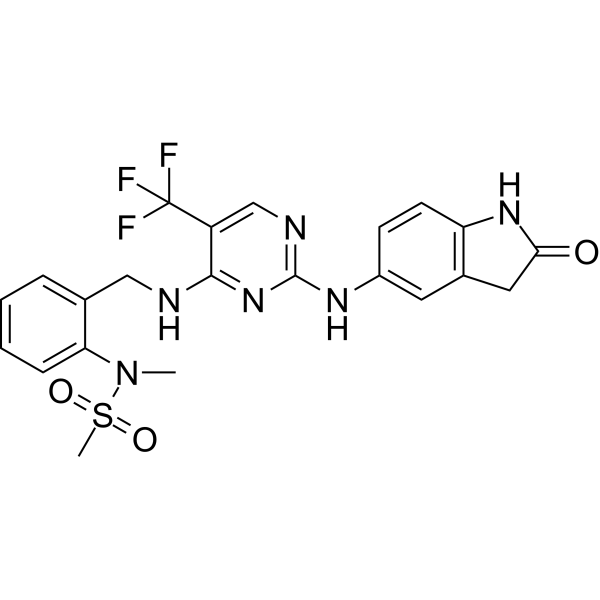
GSK2256098 is a selective FAK kinase inhibitor, which inhibits growth and survival of pancreatic ductal adenocarcinoma cells.
|
-
-
- HY-132296
-
GSK215
2 Publications Verification
|
FAK
PROTACs
|
Cancer
|
|
GSK215 is a potent and selective PROTAC focal adhesion kinase (FAK) degrader with a pDC50 of 8.4. GSK215 is designed by a binder for the VHL E3 ligase and the FAK inhibitor VS-4718. GSK215 induces rapid and prolonged FAK degradation, giving a long-lasting effect on FAK levels and a marked pharmacokinetic/pharmacodynamics (PK/PD) disconnect .
|
-
-
- HY-15841
-
|
|
Anaplastic lymphoma kinase (ALK)
FAK
|
Cancer
|
|
CEP-37440 is a potent, orally active dual FAK/ALK inhibitor with IC50 values of 2.3 nM and 3.5 nM for FAK and ALK, respectively. CEP-37440 decreases the cell proliferation by blocking the autophosphorylation kinase activity of FAK1 (Tyr 397) .
|
-
-
- HY-109582
-
ADT-OH
4 Publications Verification
5-(4-Hydroxyphenyl)-3H-1,2-dithiole-3-thione; ACS 1
|
Apoptosis
FAK
|
Cancer
|
|
ADT-OH is a hydrogen sulfide-releasing donor. ADT-OH induces apoptosis and upregulates FADD. ADT-OH inhibits FAK/Paxillin. ADT-OH has the potential for the research of cancer diseases .
|
-
-
- HY-10460
-
|
|
Pyk2
FAK
|
Cancer
|
|
PF-431396 is an orally active dual focal adhesion kinase (FAK) and proline-rich tyrosine kinase 2 (PYK2) inhibitor, with IC50 values of 2 nM and 11 nM, respectively .
|
-
-
- HY-124625
-
|
|
FAK
Target Protein Ligand-Linker Conjugates
|
Infection
Cancer
|
|
BI-4464 is a highly selective, ATP competitive PTK2/FAK protein kinase inhibitor with an IC50 value of 17 nM. BI-4464 is a FAK (HY-43760) ligand and linker conjugate. BI-4464 can be used to construct proteolysis targeting chimeras (PROTACs), such as PROTAC FAK degrader 4 (HY-178467). PROTAC FAK degrader 4 is a highly potent and selective FAK PROTAC degrader .
|
-
-
- HY-109084
-
|
CT-707
|
FAK
|
Cancer
|
|
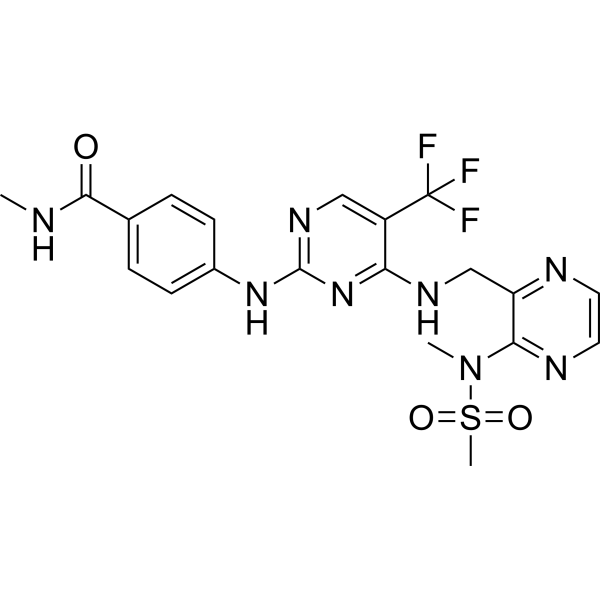
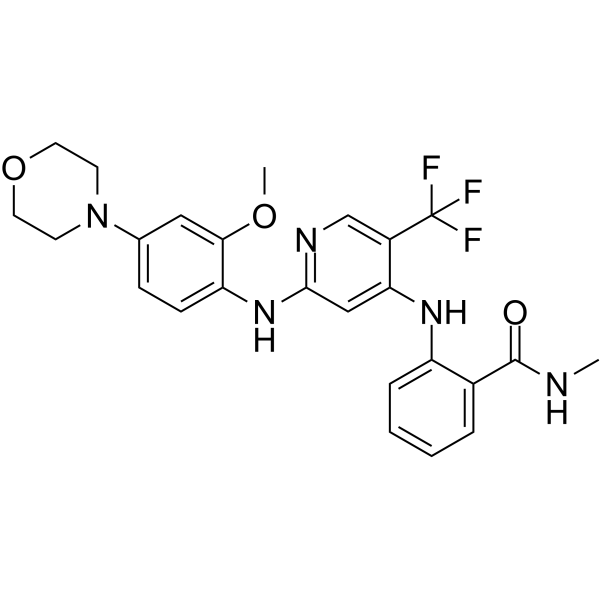
Conteltinib (CT-707) is a multi-kinase inhibitor targeting FAK, ALK, and Pyk2. Conteltinib exerts significant inhibitory effect on FAK with an IC50 of 1.6 nM .
|
-
-
- HY-145652
-
|
AMP-945
|
|
|
|
Narmafotinib (AMP-945) is an orally active inhibitor of the enzyme focal adhesion kinase (FAK, KD=0.21 nM). Narmafotinib inhibits autophosphorylation of 397Y-FAK in MDA-MB-231 cells with an IC50=7 nM and exhibits low general cellular toxicity (IC50=2.7 μM, MDA-MB-231 cells). Narmafotinib can be used for anti-cancer study .
|
-
-
- HY-105935
-
-
-
- HY-N10335
-
|
|
FAK
|
Inflammation/Immunology
Cancer
|
|
Harringtonolide is a potent RACK1 inhibitor (IC50=39.66 μM in A375 cells). Harringtonolide inhibits the epithelial-mesenchymal transition (EMT) process and cell proliferation by affecting the interaction between FAK and RACK1. Harringtonolide has plant growth inhibitory, antiviral, anti-inflammatory, and antiproliferation activities .
|
-
-
- HY-10458
-
|
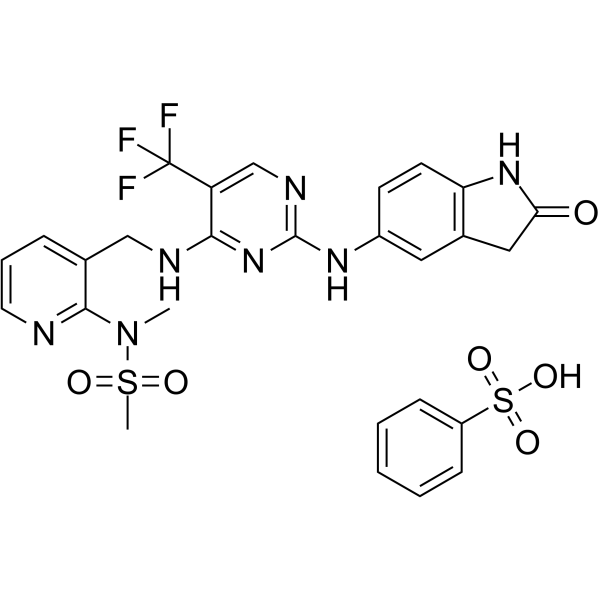
VS-6062 besylate
|
FAK
Pyk2
|
Cancer
|
|
PF-562271 (VS-6062) besylate is a potent ATP-competitive, reversible inhibitor of FAK and Pyk2 kinase, with an IC50 of 1.5 nM and 13 nM, respectively .
|
-
-
- HY-111546
-
BI-3663
1 Publications Verification
|
PROTACs
FAK
|
Cancer
|
|
BI-3663 is a highly selective PTK2/FAK PROTAC (DC50=30 nM), with Cereblon ligands to hijack E3 ligases for PTK2 degradation. BI-3663 inhibits PTK2 with an IC50 of 18 nM. BI-3663 is a PROTAC that composes of BI-4464 (HY-124625) linked to Pomalidomide (HY-10984) with a linker . Anti-cancer activity .
|
-
-
- HY-15358
-
|
|
Anaplastic lymphoma kinase (ALK)
FAK
TSSK
|
Cancer
|
|
ALK inhibitor 2 (compound 18) is a potent pyrimidin ALK inhibitor. ALK inhibitor 2 is a potent inhibitor of testis-specific serine/threonine kinase 2 (TSSK2; IC50=37 nM) and focal adhesion kinase (FAK; IC50=5 nM) .
|
-
-
- HY-155163
-
|
|
Anaplastic lymphoma kinase (ALK)
ROS Kinase
FAK
Apoptosis
|
Cancer
|
|
APG-2449 is an orally active inhibitor for BCL-2 and multikinase (ALK/FAK/ROS1) with potent antitumor activities. APG-2449 reduces cell viability and enhances apoptosis in acute myeloid leukemia cells in vitro. APG-2449 decreases activation of FAK and its downstream effectors. APG-2449 can be studied in research for mesothelioma tumor, non-small cell lung cancer, ovarian cancer, hematologic and solid malignancies .
|
-
-
- HY-N0896
-
|
1-O-Acetylbritannilactone
|
NF-κB
COX
|
Inflammation/Immunology
Cancer
|
|
Inulicin (1-O-Acetylbritannilactone) is an active compound that inhibits VEGF-mediated activation of Src and FAK. Inulicin (1-O-Acetylbritannilactone) inhibits LPS-induced PGE2 production and COX-2 expression, and NF-κB activation and translocation.
|
-
-
- HY-144448
-
|
|
FAK
Apoptosis
|
Cancer
|
|
FAK-IN-2 is a potent and orally active focal adhesion kinase (FAK) inhibitor, with anticancer activity (FAK IC50= 35 nM). FAK-IN-2 covalently inhibits the autophosphorylation of FAK in a dose-dependent manner, and inhibits the clone formation and migration of tumor cells, inducing apoptosis .
|
-
-
- HY-B1305
-
-
-
- HY-122965
-
|
|
FAK
Akt
|
Cancer
|
|
Batatasin III, a stilbenoid, inhibits cancer migration and invasion by suppressing epithelial to mesenchymal transition (EMT) and FAK-AKT signals. Batatasin III has anti-cancer activities .
|
-
-
- HY-13917A
-
|
VS-4718 hydrochloride; SR-2516 hydrochloride
|
FAK
Apoptosis
|
Cancer
|
|
PND-1186 hydrochloride (VS-4718 hydrochloride) is a potent, highly-specific and reversible inhibitor of FAK with an IC50 of 1.5 nM. PND-1186 hydrochloride selectively promotes tumor cell apoptosis .
|
-
-
- HY-15357
-
|
|
Anaplastic lymphoma kinase (ALK)
FAK
TSSK
|
Cancer
|
|
ALK inhibitor 1 (compound 17) is a potent pyrimidin ALK inhibitor. ALK inhibitor 1 is a potent inhibitor of testis-specific serine/threonine kinase 2 (TSSK2; IC50=31 nM) and focal adhesion kinase (FAK; IC50=2 nM) .
|
-
-
- HY-N4127
-
|
|
Src
STAT
|
Cancer
|
|
3'-Demethylnobiletin, a derivative of Nobiletin, is a polymethoxyflavonoid in citrus fruits . Nobiletin exhibits anticancer activity and inhibits tumor angiogenesis by regulating Src, FAK, and STAT3 signaling .
|
-
-
- HY-103471
-
|
|
FAK
Interleukin Related
|
Cancer
|
|
Y11 inhibits the autophosphorylation of FAK1 by blocking the phosphorylation of Y397. Y11 increases the expression level of IL-6. Y11 is applicable for cancer research .
|
-
-
- HY-148070
-
|
|
FLT3
FAK
Cytochrome P450
|
Cancer
|
|
FLT3-IN-17 inhibits CYPs and FLT3 mutants activity (IC50s: <0.5 nM for D835Y). FLT3-IN-17 is also a FAK inhibitor, with an IC50 value of 12 nM. FLT3 ligand-2 can be used in the research of cancers .
|
-
-
- HY-155439
-
|
|
FAK
|
Cancer
|
FAK-IN-14 (compound 8d) is a focal adhesion kinase(FAK) inhibitor with an IC50 value of 0.2438 nM. FAK-IN-14 induces U87-MG cell early apoptosis and arrest the cell at the G2/M phase .
|
-
-
- HY-122844A
-
|
BI-853520 hydrochloride; IN-10018 hydrochloride
|
FAK
|
Cancer
|
|
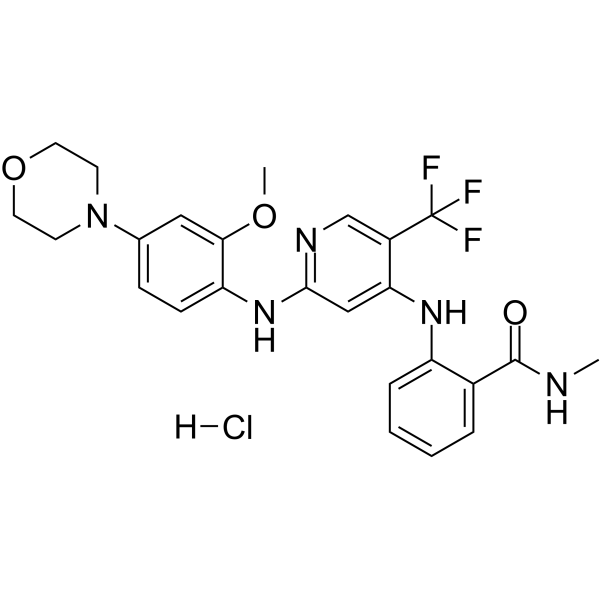
Ifebemtinib (BI-853520) hydrochloride is an orally active and potent focal adhesion kinase (FAK) inhibitor (IC50 = 1 nM for recombinant FAK). Ifebemtinib hydrochloride exhibits antiproliferative activity against cancer cells .
|
-
-
- HY-401485
-
|
|
Pyk2
FAK
|
Cancer
|
|
Pyk2-IN-2 (compound 13j) is an inhibitor of Pyk2 with an IC50 of FAK kinase of 0.608 μM .
|
-
-
- HY-20403
-
|
VS-6062hydrochloride
|
FAK
Pyk2
|
Cancer
|
|
PF-562271 (VS-6062) hydrochloride is a potent, ATP-competitive and reversible FAK and Pyk2 kinase inhibitor with IC50s of 1.5 nM and 13 nM, respectively .
|
-
-
- HY-120213
-
|
|
FAK
Src
PI3K
MMP
Apoptosis
|
Cancer
|
|
YH-306 is an antitumor agent. YH-306 suppresses colorectal tumour growth and metastasis via FAK pathway. YH-306 significantly inhibits the migration and invasion of colorectal cancer cells. YH-306 potently suppresses uninhibited proliferation and induces cell apoptosis. YH-306 suppresses the activation of FAK, c-Src, paxillin, and PI3K, Rac1 and the expression of MMP2 and MMP9. YH-306 also inhibita actin-related protein (Arp2/3) complex-mediated actin polymerization .
|
-
-
- HY-157553
-
|
|
FAK
|
Cancer
|
|
FAK-IN-19 (ligand3) is an inhibitor in a co-crystal structure with FAK. FAK-IN-19 has anticancer effects .
|
-
-
- HY-145108
-
|
|
FAK
|
Cancer
|
|
FAK-IN-1 is a FAK inhibitor with anticancer activities (WO2020231726 (Example 27)) .
|
-
-
- HY-100498A
-
|
|
FAK
Apoptosis
|
Cancer
|
|
GSK-2256098 hydrochloride is a focal adhesion kinase (FAK) inhibitor that exhibits potential antiangiogenic and antineoplastic activities. GSK-2256098 hydrochloride targets FAK to inhibit tumor cell growth by regulating cell adhesion, migration, proliferation, and survival.
|
-
-
- HY-179512
-
|
|
PROTACs
FAK
|
Cancer
|
|
BSJ-04-146 is a highly efficient and selective PROTAC targeting focal adhesion kinase (FAK) inhibitor(IC50 = 26 nM). BSJ-04-146 achieves rapid and potent FAK degradation with high proteome-wide specificity in cancer cells and induces durable degradation in mice. BSJ-04-146 binds FAK and requires the ubiquitin-proteasome machinery to achieve FAK degradation. BSJ-04-146 can be used for the study of pancreatic cancer and triple-negative breast cancer .
|
-
-
- HY-102073
-
|
|
Glutaminase
Integrin
FAK
Src
|
Cancer
|
|
TG53 is a potent inhibitor of tissue transglutaminase (TG2) and fibronectin (FN) protein-protein interaction. TG53 inhibits formation of a complex with integrin β1 and activation of FAK and c-Src during SKOV3 cell attachment onto FN. TG53 can be used for ovarian cancer research .
|
-
-
- HY-128580
-
|
|
FAK
|
Cancer
|
|
FAK inhibitor 2 is a potent focal adhesion kinase (FAK) inhibitor with an IC50 of 0.07 nM, with antitumor and anti-angiogenesis activities .
|
-
-
- HY-143458
-
|
|
FAK
PROTACs
|
Cancer
|
|
FAK PROTAC B5 (Compound B5) is a FAK PROTAC degrader with an IC50 value of 14.9 nM. FAK PROTAC B5 presents strong FAK degradation activity, antiproliferative activity, outstanding plasma stability and moderate membrane permeability. FAK PROTAC B5 inhibits cell migration and invasion .
|
-
-
- HY-148109
-
|
|
FAK
|
Cancer
|
|
FAK-IN-7 (compound 5r) is a FAK inhibitor (IC50=11.72 µM). FAK-IN-7 has good anti-proliferative activity and can be used in cancer research .
|
-
-
- HY-178467
-
|
|
FAK
PROTACs
|
Cancer
|
|
PROTAC FAK degrader 4 (Compound 9C) is an efficient and selective FAK PROTAC degrader. PROTAC FAK degrader 4 has a DC50 of 3.6 nM in MDA-MB-231 cells. PROTAC FAK degrader 4 significantly inhibits tumor cell proliferation, migration, and invasion, and enhances chemotherapy sensitivity to cisplatin (HY-17394). PROTAC FAK degrader 4 can be used for research on cancer. (Pink: FAK Ligand (HY-43760); Blue: VHL Ligand (HY-125845); Black: Linker (HY-W208616))
|
-
-
- HY-163709
-
|
|
PROTACs
FAK
|
Cancer
|
|
PROTAC FAK degrader 2 (Compound F2) is a PROTAC degrader for focal adhesion kinase (FAK), with DC50 of 27.72 and 60.1 nM, for total FAK and phosphorylated p-FAK. PROTAC FAK degrader 2 inhibits cell viability of cancer cells 4T1, MDA-MB-231, MDA-MB-468 and MDA-MB-435, with IC50s of 0.73-5.84 μM. PROTAC FAK degrader 2 reverses the multidrug resistance (MDR) through inhibition of AKT and ERK signaling pathway. PROTAC FAK degrader 2 exhibits antitumor efficacy in HCT/8 xenograft mouse model. (Pink: ligand for target protein Ifebemtinib (HY-122844); Black: linker (HY-Y0681); Blue: ligand for E3 ligase Thalidomide (HY-14658))
|
-
-
- HY-176198
-
|
|
PROTACs
FAK
|
Cancer
|
|
BI-0319 is a selective PTK2/FAK PROTAC degrader. BI-0319 can reduce cancer cells viability inhibit proliferation and invasion. BI-0319 can be used for the research of cancer, such as liver cancer . (Structure Note: Pink: PTK2/FAK ligand (HY-43760); Blue: VHL ligand (HY-125845); Black: linker (HY-140189); VHL ligand-Linker: (HY-103602A))
|
-
-
- HY-12289S
-
|
VS-6063-d6; PF-04554878-d6
|
FAK
Isotope-Labeled Compounds
|
Cancer
|
|
Defactinib-d6 is a deuterium labeled Defactinib (HY-12289). Defactinib is a novel FAK inhibitor with potential antiangiogenic and antineoplastic activities .
|
-
- HY-164527
-
|
|
Src
FAK
EGFR
|
Cancer
|
|
Si306 is a Src inhibitor with antitumor activity. Si306 reduces the phosphorylation of focal adhesion kinase (FAK) and the expression of epidermal growth factor receptor (EGFR), and inhibits the invasion of human glioblastoma (GBM) .
|
-
- HY-146065
-
|
|
FAK
Apoptosis
|
Cancer
|
|
FAK-IN-4 (Compound 7d) is potential FAK inhibitor with anticancer activities. FAK-IN-4 induces cell apoptosis .
|
-
- HY-117836
-
|
|
FAK
|
Cancer
|
|
FAK-IN-16 (compound OXA-11) is an orally active, selective focal adhesion kinase (FAK) inhibitor with an IC50 of 1.2 pM. FAK-IN-16 inhibits FAK phosphorylation at pFAK[Y397] and pFAK[Y861]. FAK-IN-16 slows tumor growth and reduces tumor vascularity, invasion. FAK-IN-16 potentiates effects of Cisplatin (HY-17394) on tumor cell proliferation and apoptosis in vitro and anti-tumor actions in mice .
|
-
- HY-143407
-
|
|
FAK
|
Cancer
|
|
FAK-IN-3 (Compound 36) is a potent inhibitor of focal adhesion kinase (FAK). FAK-IN-3 not only decreases migration and invasion of PA-1 cells, but also reduces expression of MMP-2 and MMP-9. FAK-IN-3 inhibits tumor growth and metastasis, and no obvious adverse effects. FAK-IN-3 has the potential for the research of ovarian cancer .
|
-
- HY-175459
-
|
|
PROTACs
FAK
|
Inflammation/Immunology
Cancer
|
|
PROTAC FAK degrader 3 is a selective FAK PROTAC degrader (DC50 = 1.08 nM). PROTAC FAK degrader 3 induces FAK degradation dependent on the ubiquitin-proteasome system and its binding to FAK and CRBN. PROTAC FAK degrader 3 upregulates MHC-I gene transcription and tumor cell surface expression by inhibiting the non-catalytic activity of FAK, leading to increased antigen presentation and activation of cytotoxic CD8 T cells. PROTAC FAK degrader 3 enhances in vivo anti-tumor activity by promoting MHC-I expression and enhancing T cell activation. PROTAC FAK degrader 3 can be used in cancer research targeting FAK degradation in ovarian cancer, hepatocellular carcinoma, and other cancers. (Pink: FAK-IN-3:HY-143407, Blue: Thalidomide-4-OH:HY-103596, Blue + Black: FAK ligand-3: HY-W939883, Black: Linker) .
|
-
- HY-N1372AR
-
|
|
Reference Standards
HIV
FAK
Apoptosis
Autophagy
|
Infection
Cancer
|
|
Fangchinoline (Standard) is the analytical standard of Fangchinoline. This product is intended for research and analytical applications. Fangchinoline is isolated from Stephania tetrandra with extensive biological activities, such as enhancing immunity, anti-inflammatory sterilization and anti-atherosclerosis. Fangchinoline, a novel HIV-1 inhibitor, inhibits HIV-1 replication by impairing gp160 proteolytic processing . Fangchinoline targets Focal adhesion kinase (FAK) and suppresses FAK-mediated signaling pathway in tumor cells which highly expressed FAK . Fangchinoline induces apoptosis and adaptive autophagy in bladder cancer .
|
-
- HY-W783415
-
|
|
FAK
|
Cancer
|
|
STARD3-IN-1 (Compound VS1) is a STARD3 inhibitor with an IC₅₀ of 35 μM. STARD3 is a protein that is overexpressed in various cancers and is involved in cholesterol transport. STARD3-IN-1 exhibits anti-proliferative activity in breast cancer and colon cancer cells, significantly weakening the clonogenic ability of cancer cells. STARD3-IN-1 increases the protein levels of FAK and pTyr397-FAK. STARD3-IN-1 can be used for research on breast cancer and colon cancer .
|
-
- HY-178969
-
|
|
FAK
Pyk2
Apoptosis
|
Neurological Disease
Cancer
|
|
GZD-257 is a brain-penetrant, ATP-competitive FAK inhibitor (IC50 = 14.3 nM), performing 4.77-fold selectivity with FAK to Pyk2 (IC50 = 68.2 nM). GZD-257 can significantly induce apoptosis of U118MG cells and arrest the cell cycle at the G2/M phase. GZD-257 can be used for the study of Glioblastoma (GBM) .
|
-
- HY-12289R
-
|
VS-6063 (Standard); PF-04554878 (Standard)
|
FAK
Reference Standards
|
Cancer
|
|
Defactinib (Standard) is the analytical standard of Defactinib. This product is intended for research and analytical applications. Defactinib (VS-6063; PF-04554878) is a novel FAK inhibitor with potential antiangiogenic and antineoplastic activities.
|
-
- HY-162879
-
|
|
FAK
Src
Akt
Autophagy
|
Cancer
|
FAK inhibitor 7 is a type of FAK inhibitor with an IC50 value of 3.58 nM. FAK inhibitor 7 can inhibit the downstream signaling cascades of FAK (like Src and AKT), causing ovarian cancer cells to stall in the G0/G1 phase and induce cytotoxic autophagy. FAK inhibitor 7 can also suppress tumor metastasis and growth in ovarian cancer mice .
|
-
- HY-130422
-
|
Tos-PEG4-Boc
|
PROTAC Linkers
|
Cancer
|
|
Tos-PEG4-t-butyl ester (Tos-PEG4-Boc) is a PROTAC linker, which refers to the PEG composition. Tos-PEG4-t-butyl ester (Tos-PEG4-Boc) can be used in the synthesis of a series of PROTACs, such as BI-3663 (HY-111546). BI-3663 is a highly selective PTK2/FAK PROTAC, with cereblon ligands to hijack E3 ligases for PTK2 degradation, and inhibits PTK2 with an IC50 of 18 nM .
|
-
- HY-105935R
-
-
- HY-18928
-
|
|
FAK
|
Cancer
|
|
FAK inhibitor 5 (compound 2) is a novel allosteric FAK inhibitor, with IC50 values in the low micromolar range .
|
-
- HY-155440
-
|
|
FAK
|
Cancer
|
|
FAK-IN-15 (Compound 9b) is a focal adhesion kinase (FAK) inhibitor with an IC50 value of 0.2691 nM. FAK-IN-15 has anti-tumor activity with an IC50 value of 1.033 μM against U87-MG cells .
|
-
- HY-168899
-
|
|
FAK
Apoptosis
|
Cancer
|
|
FAK-IN-24 (Compound 9f) is a FAK inhibitor (IC50: 0.815 nM). FAK-IN-24 induces DNA damage and apoptosis. FAK-IN-24 has anti-glioblastoma activity. FAK-IN-24 inhibits proliferation of glioblastoma cell lines U87-MG (IC50 = 15 nM) and U251 (IC50 = 20 nM). FAK-IN-24 inhibits tumor growth in U87-MG xenograft model .
|
-
- HY-175039
-
|
|
FAK
Apoptosis
Reactive Oxygen Species (ROS)
Caspase
|
Cancer
|
|
FAK-IN-28 is an orally active FAK inhibitor (IC50 = 0.4 nM). FAK-IN-28 exhibits dual antiproliferative and anti-metastatic properties. FAK-IN-28 triggers caspase-3-dependent apoptosis via ROS elevation. FAK-IN-28 inhibits tumor growth without causing weight loss or hepatotoxicity. FAK-IN-28 is useful in the study of FAK-driven malignancies, such as colon cancer, cervical cancer, triple-negative breast cancer, and melanoma .
|
-
- HY-173515
-
|
|
FAK
|
Cancer
|
|
FAK-IN-26 is a BBB-penetrable Focal Adhesion Kinase (FAK) inhibitor (IC50: 0.87 nM). FAK-IN-26 significantly suppresses tumor cell viability, cancer stem cell activity, and cell migration in A549 and SKOV-3 cell lines. FAK-IN-26 has potent anti-cancer activity in A549 and SKOV-3 tumor mice models with tumor inhibition rates of 59.15 % and 57.9 % .
|
-
- HY-146203
-
|
|
FAK
|
Cancer
|
|
Compound 26F not only optimized the effective inhibitory enzyme (ic50= 28.2 nm), but also showed relatively less cytotoxicity (ic50= 3.32 μ M) And induced MDA-MB-231 cell apoptosis in a dose-dependent manner, effectively blocking MDA-MB-231 cells in g0/g1 phase.
|
-
- HY-169319
-
|
|
FAK
|
Cancer
|
|
FAK-IN-21 (compound 9) is a FAK inhibitor with the IC50 of 37.52 nM. FAK-IN-21 inhibits cell growth and the phosphorylation of FAK. FAK-IN-21 can be used for study of diffuse gastric cancer .
|
-
- HY-156026
-
|
|
FAK
|
Cancer
|
|
FAK-IN-11 (Compound 4l) is a FAK inhibitor. FAK-IN-11 binds to the ATP binding pocket of FAK, and inhibits phosphorylation of FAK protein. FAK-IN-11 shows cytotoxic activity against the MDA-MB-231 cells with an IC50 of 13.73? μM. FAK-IN-11 induces non-apoptotic cell death in MDA-MB-231 cells .
|
-
- HY-147520
-
-
- HY-171009
-
|
|
FAK
|
Cancer
|
|
FAK-IN-23 (Compound II) is the inhibitor for focal adhesion kinase (FAK) .
|
-
- HY-150730
-
|
|
FAK
|
Cancer
|
|
FAK-IN-6 is a potent FAK inhibitor with an IC50 value of 1.415 nM. FAK-IN-6 has anti-proliferative activity against certain cancer cell lines. FAK-IN-6 can be used for researching pancreatic cancer .
|
-
- HY-173603
-
|
|
FAK
|
Cancer
|
|
FAK-IN-27 (compound 8A) is a potent and selective FAK inhibitor with an IC50 of 4.968 nM. FAK-IN-27 suppresses H1299 cells proliferation with an IC50 of 0.28 μM. FAK-IN-27 can be used in the study of NSCLC .
|
-
- HY-156334
-
|
|
FAK
|
Cancer
|
|
FAK-IN-12 (Compound 12S) is a FAK inhibitor (IC50 = 47 nM). FAK-IN-12 inhibits MGC-803, HCT-116 and KYSE30 cell proliferation (IC50: 0.24, 0.45, 0.44 μM). FAK-IN-12 induces apoptosis and cellular senescence .
|
-
- HY-173495
-
|
|
FAK
Apoptosis
|
Cancer
|
|
FAK-IN-25 (4c) is a FAK inhibitor with an IC50 of 50.98 nM. FAK-IN-25 (4c) induces apoptosis and causes cell cycle arrest at G1 phase. FAK-IN-25 (4c) can be used in cancer research .
|
-
- HY-149259
-
|
|
FAK
|
Cancer
|
|
FAK-IN-9 (Compound 8f) is a potent and orally active FAK inhibitor with an IC50 of 27.44 nM. FAK-IN-9 induces triple-negative breast cancer (TNBC) cell apoptosis .
|
-
- HY-161358
-
|
|
FAK
Apoptosis
|
Cancer
|
|
FAK-IN-20 (Compound 7b) is an inhibitor of FAK with an IC50 value of 0.27 nM. FAK-IN-20 exhibits anticancer activity. FAK-IN-20 can arrest the cell cycle in the G2/M phase and induce cell apoptosis by generating ROS .
|
-
- HY-148110
-
|
|
FAK
|
Cancer
|
|
FAK-IN-8 (compound 5h) is a FAK inhibitor (IC50=5.32 µM). FAK-IN-8 has good anti-proliferative activity and can be used in cancer research .
|
-
- HY-162034
-
|
|
FAK
|
Cancer
|
|
FAK-IN-17 is a focal adhesion kinase (FAK) inhibitor. FAK-IN-17 possesses anticancer activity against A549 and MDA-MB-231 cell lines with IC50 values of 130 nM and 94 nM .
|
-
- HY-168718
-
|
|
FAK
JAK
Aurora Kinase
PI3K
Akt
Apoptosis
|
Cancer
|
|
FAK-IN-22 (Compound 26) is an inhibitor of FAK, JAK3, and Aurora B, with IC50 values of 50.94 nM, 9.99 nM, and 0.49 nM, respectively, effectively inhibiting tumor occurrence and metastasis in pancreatic ductal adenocarcinoma (PDAC). FAK-IN-22 effectively inhibits the proliferation of PANC-1 cells, with an IC50 value of 0.15 μM. FAK-IN-22 induces apoptosis and G2/M phase arrest in PANC-1 cells by inhibiting the FAK/PI3K/Akt signaling pathway .
|
-
- HY-160447
-
|
|
Aurora Kinase
FAK
|
Cancer
|
|
FAK/Aurora kinase-IN-1 is a FAK and aurora kinase inhibitor with IC50 values of 6.61 nM and 0.91 nM, respectively. FAK/Aurora kinase-IN-1 shows anticancer effects (WO2018019252A1; compound 11) .
|
-
- HY-153697
-
|
|
FAK
|
Cancer
|
|
FAK-IN-10 is an inhibitor of FAK with an IC50 of 76.3 μM. FAK-IN-10 exhibits antitumor activity against MCF-7 and A431 cell lines with IC50s of 4.23 and 0.78 μM,respectively .
|
-
- HY-12289AR
-
|
VS-6063 hydrochloride (Standard); PF 04554878 hydrochloride (Standard)
|
FAK
Reference Standards
|
Cancer
|
|
Defactinib (hydrochloride) (Standard) is the analytical standard of Defactinib (hydrochloride). This product is intended for research and analytical applications. Defactinib hydrochloride (VS-6063 hydrochloride; PF 04554878 hydrochloride) is a novel FAK inhibitor, which inhibits FAK phosphorylation at the Tyr397 site in a time- and dose-dependent manner.
|
-
- HY-10461R
-
|
|
Reference Standards
FAK
Apoptosis
|
Cancer
|
|
PF-573228 (Standard) is the analytical standard of PF-573228. This product is intended for research and analytical applications. PF-573228 is a potent and selective FAK inhibitor with IC50 of 4 nM for purified recombinant catalytic fragment of FAK.
|
-
- HY-157965
-
|
|
VEGFR
FAK
|
Cancer
|
|
ZINC09875266 is a dual inhibitor targeting VEGFR2 and FAK that can be used in cancer research .
|
-
- HY-170936
-
|
|
FAK
Hippo (MST)
YAP
|
Cancer
|
|
MY-1576 is a FAK inhibitor with an IC50 of 8 nM. MY-1576 can activate the Hippo pathway, thereby blocking the regulation of YAP/TAZ. MY-1576 also effectively inhibits tumor growth in the KYSE30 xenograft mouse model, demonstrating good safety, and effectively downregulates the autophosphorylation of FAK and the levels of YAP/TAZ in vivo .
|
-
- HY-117595
-
|
|
FAK
FGFR
Apoptosis
|
Cancer
|
|
PHM16 is an ATP competitive inhibitor of FAK and FGFR2 (IC50: 0.4 μM and 0.37 μM, respectively), with direct potent anti-angiogenic activity .
|
-
- HY-W008907
-
|
5-OTT
|
Apoptosis
|
Cancer
|
|
5'-O-Tritylthymidine is an inhibitor of TK-2 and inhibits angiogenesis . 5'-O-Tritylthymidine targets FAK-Mdm-2 interactions, decreasing cell viability and increasing apoptosis.
|
-
- HY-B1305R
-
|
|
Reference Standards
FAK
Histamine Receptor
VEGFR
|
Endocrinology
Cancer
|
|
Chloropyramine hydrochloride (Standard) is the analytical standard of Chloropyramine hydrochloride. This product is intended for research and analytical applications. Chloropyramine hydrochloride is a histamine receptor H1 antagonist which can also inhibit the biochemical function of VEGFR-3 and FAK.
|
-
- HY-144794
-
|
|
Apoptosis
EGFR
FAK
|
Cancer
|
|
EGFR-IN-46 is a potent EGFR and FAK dual inhibitor with IC50s of 20.17 nM, 14.25 nM, respectively. EGFR-IN-46 significantly inhibits the growth of cancer cells. EGFR-IN-46 induces cell apoptosis .
|
-
- HY-169517
-
|
|
TAM Receptor
FAK
c-Kit
|
Cancer
|
|
Protein kinase inhibitor 10 is a protein kinase inhibitor with IC50 values of 28.9, 13.6, and 2.41 μM for TAM receptor, FAK, and KIT, respectively. Protein kinase inhibitor 10 can inhibit abnormal and excessive cell proliferation, showing promise for research in cancer therapy .
|
-
- HY-160411
-
|
|
FAK
|
Cancer
|
|
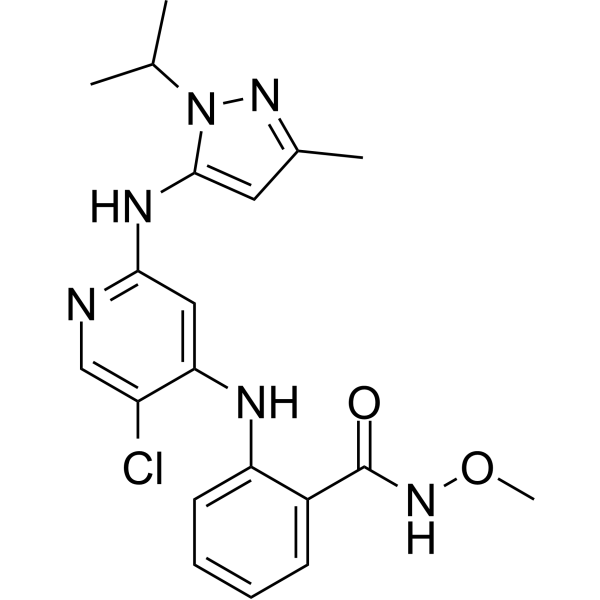
FAK-IN-18 is a focal adhesion kinase (FAK) inhibitor with an IC50 of .84 nM. FAK-IN-18 can be used for the research of gastric cancer .
|
-
- HY-179679
-
|
|
FAK
Apoptosis
|
Cancer
|
|
FAK-IN-29 is a selective FAK inhibitor with an IC50 of 0.5 nM. FAK-IN-29 can inhibit the proliferation and colony formation of MDA-MB-231 cells, and induce cell cycle arrest and apoptosis. FAK-IN-29 exhibits antitumor activity and can be used for the research of tumors such as triple-negative breast cancer .
|
-
- HY-183697
-
|
|
FAK
|
Cancer
|
|
FAK-IN-30 is a focal adhesion kinase (FAK) inhibitor with moderate cytotoxicity against breast cancer cells. FAK-IN-30 can be used for the research of triple-negative breast cancer .
|
-
- HY-183120
-
|
|
FAK
EGFR
Apoptosis
|
Cancer
|
|
EGFR T790M/FAK-IN-2 is an orally active dual FAK and EGFR T790M kinase inhibitor, with an IC50 of 1.03 nM against FAK and an IC50 of 3.89 nM against EGFR T790M. EGFR T790M/FAK-IN-2 exerts antiproliferative effects in drug-resistant cancer cells overexpressing FAK, inducing apoptosis and cell cycle arrest. EGFR T790M/FAK-IN-2 exhibits antitumor activity in a pancreatic cancer xenograft mouse model. EGFR T790M/FAK-IN-2 can be used for the research of pancreatic cancer, breast cancer and non-small cell lung cancer .
|
-
- HY-183123
-
|
|
FAK
EGFR
|
Cancer
|
|
EGFR T790M/FAK-IN-1 is a dual inhibitor of EGFR T790M and FAK, with an IC50 of 99.1 nM against EGFR T790M and an IC50 of 117.7 nM against FAK. EGFR T790M/FAK-IN-1 can be used for research on pancreatic cancer, drug-resistant breast cancer, and drug-resistant lung cancer .
|
-
- HY-183284
-
|
|
FAK
ERK
Apoptosis
|
Neurological Disease
Cancer
|
|
GZD-552 is a potent orally active FAK inhibitor with a human FAK IC50 of 5.8 nM. GZD-552 suppresses FAK phosphorylation activation and downstream ERK signaling. GZD-552 induces apoptosis and G2/M cell cycle arrest, and exhibits antiproliferative activities in glioblastoma multiforme cells. GZD-552 exhibits antitumor efficacy in mice xenograft model. GZD-552 can be used for the research of glioblastoma multiforme .
|
-
- HY-183946
-
|
|
FAK
|
Cancer
|
|
NVP-TAC544 is a focal adhesion kinase (FAK) inhibitor. NVP-TAC544 inhibits angiogenesis. NVP-TAC544 can be used for the research of melanoma (primary or metastatic) .
|
-
- HY-100498R
-
|
|
FAK
Reference Standards
Apoptosis
|
Cancer
|
|
GSK2256098 (Standard) is the analytical standard of GSK2256098 (HY-100498). This product is intended for research and analytical applications. GSK2256098 is a selective FAK kinase inhibitor, which inhibits growth and survival of pancreatic ductal adenocarcinoma cells.
|
-
- HY-136699
-
|
|
MMP
FAK
Src
Integrin
|
Cancer
|
|
Excisanin A is a potent anticancer agent. Excisanin A inhibits cell proliferation, migration, adhesion and invasion. Excisanin A decreases the expression of MMP-2, MMP-9, p-FAK, p-Src, integrin β1 protein. Excisanin A has the potential for the research of breast cancer .
|
-
- HY-109084A
-
|
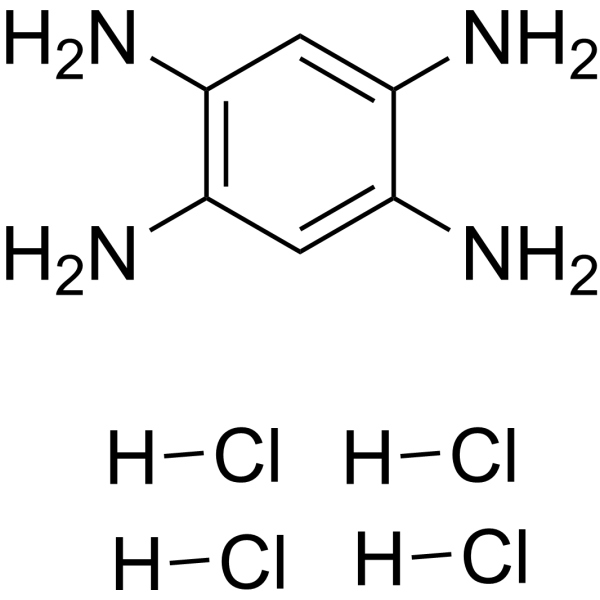
CT-707 tetrahydrochloride
|
FAK
|
Cancer
|
|
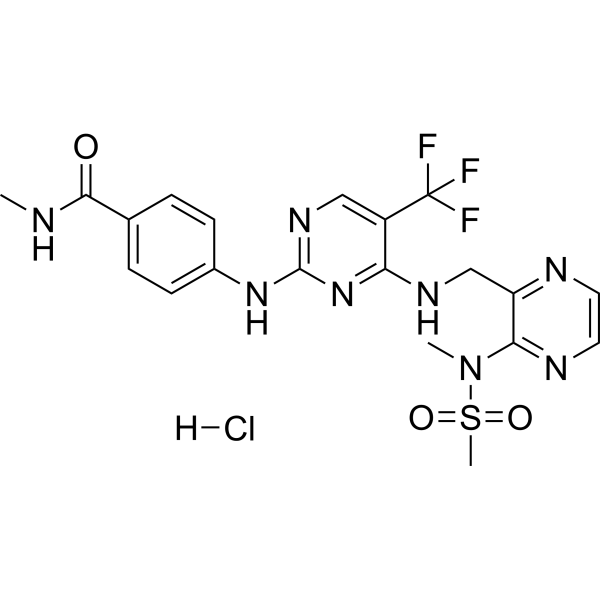
Conteltinib tetrahydrochloride (CT-707 tetrahydrochloride) is the tetrahydrochloride salt form of Conteltinib (HY-109084). Conteltinib tetrahydrochloride is the inhibitor for FAK (IC50=1.6 nM), ALK, and Pyk2. Conteltinib tetrahydrochloride exhibits a synergistic anti-tumor efficacy with Cabozantinib (HY-13016) .
|
-
- HY-170486
-
|
|
Mixed Lineage Kinase
FAK
|
Cancer
|
|
MLK3-IN-1 (Compound 37) is a selective inhibitor for mixed-lineage protein kinase 3 (MLK3) with an IC50 <1 nM. MLK3-IN-1 inhibits FAK with an IC50 of 15.5 μM. MLK3-IN-1 exhibits good metabolic stability in mouse and human liver microsomes .
|
-
- HY-N1127R
-
|
|
Reference Standards
CMV
|
Infection
Cancer
|
|
Tricin (Standard) is the analytical standard of Tricin. This product is intended for research and analytical applications. Tricin is a natural flavonoid found in large amounts in wheat. Tricin inhibits HCMV replication by inhibiting CDK9. Tricin inhibits the proliferation and invasion of C6 glioma cells by upregulating the expression of FAK-targeting microRNA-7 .
|
-
- HY-N1127S
-
|
|
CMV
|
Cancer
|
|
Tricin-d6 is the deuterium labeled Tricin . Tricin is a natural flavonoid present in large amounts in Triticum aestivum. Tricin can inhibit human cytomegalovirus (HCMV) replication by inhibiting CDK9. Tricin inhibits the proliferation and invasion of C6 glioma cells via the upregulation of focal-adhesion-finase (FAK)-targeting microRNA-7 .
|
-
- HY-109582R
-
|
5-(4-Hydroxyphenyl)-3H-1,2-dithiole-3-thione (Standard); ACS 1 (Standard)
|
Apoptosis
FAK
Reference Standards
|
Cancer
|
|
ADT-OH (Standard) is the analytical standard of ADT-OH. This product is intended for research and analytical applications. ADT-OH is a hydrogen sulfide-releasing donor. ADT-OH induces apoptosis and upregulates FADD. ADT-OH inhibits FAK/Paxillin. ADT-OH has the potential for the research of cancer diseases .
|
-
- HY-120417
-
|
|
Src
FAK
|
Cardiovascular Disease
|
|
JP-153 is the Src-FAK-Paxillin signaling inhibitor. JP-153 inhibits Src-dependent phosphorylation of paxillin (Y118) and downstream activation of Akt (S473). JP-153 reduces VEGF-induced migration and proliferation in retinal endothelial cells. JP-153 can be uesd for the study of neovascular eye disease .
|
-
- HY-13203
-
|
TAE226
|
FAK
Pyk2
IGF-1R
Insulin Receptor
Apoptosis
|
Endocrinology
Cancer
|
|
NVP-TAE 226 (TAE226) is a potent and ATP-competitive dual FAK and IGF-1R inhibitor with IC50s of 5.5 nM and 140 nM, respectively. NVP-TAE 226 (TAE226) also effectively inhibits Pyk2 and insulin receptor (InsR) with IC50s of 3.5 nM and 44 nM, respectively .
|
-
- HY-10458R
-
|
VS-6062 besylate (Standard)
|
Reference Standards
FAK
Pyk2
|
Cancer
|
|
PF-562271 besylate (Standard) is the analytical standard of PF-562271 besylate (HY-10458). This product is intended for research and analytical applications. PF-562271 (VS-6062) besylate is a potent ATP-competitive, reversible inhibitor of FAK and Pyk2 kinase, with an IC50 of 1.5 nM and 13 nM, respectively .
|
-
- HY-10459R
-
|
VS-6062 (Standard)
|
Reference Standards
FAK
Pyk2
|
Cancer
|
|
PF-562271 (Standard) is the analytical standard of PF-562271 (HY-10459). This product is intended for research and analytical applications. PF-562271 (VS-6062) is a potent, ATP-competitive and reversible FAK and Pyk2 kinase inhibitor with IC50s of 1.5 nM and 13 nM, respectively .
|
-
- HY-149344
-
|
|
Apoptosis
Autophagy
EGFR
|
Cancer
|
|
Anticancer agent 133 (compound Rh2) is an anti-cancer agent with cytotoxic and antimetastatic activities. Anticancer agent 133 induces cell cycle arrest, apoptosis, and autophagy. Anticancer agent 133 also inhibits cell metastasis via suppression of EGFR expression mediated by FAK-regulated integrin β1 .
|
-
- HY-15322A
-
|
(rel)-P505-15; (rel)-PRT-2607; (rel)-BIIB-057
|
Syk
Drug Isomer
|
Inflammation/Immunology
|
|
(rel)-PRT062607 ((rel)-P505-15) is the relative configuration of PRT062607 (HY-15322). PRT062607 is a highly selective inhibitor of Syk kinase, with an IC50 value of 1-2 nM, and is more than 80 times less potent against Fgr, Lyn, FAK, Pyk2, and Zap70.
|
-
- HY-122844B
-
|
BI-853520 tosylate; IN-10018 tosylate
|
FAK
|
Cancer
|
|
Ifebemtinib (tosylate) (BI-853520 (tosylate); IN-10018 (tosylate)) is a highly selective PTK2 kinase inhibitor. Ifebemtinib (tosylate) demonstrates anti-tumor activity. Ifebemtinib (tosylate) inhibits FAK autophosphorylation in prostate carcinoma cells. Ifebemtinib (tosylate) can inhibit spheroid formation and orthotopic tumor growth in vivo. Ifebemtinib (tosylate) can be studied in anticancer research such as solid tumors, breast cancer, and malignant pleural mesothelioma .
|
-
- HY-116497
-
|
|
FAK
|
Cancer
|
|
PH11 is a novel focal adhesion kinase (FAK) inhibitor that rapidly induces apoptosis in TRAIL-resistant PANC-1 cells when combined with TRAIL, but has no effect on normal human fibroblasts. The study found that PH11 downregulates c-FLIP through inhibition of FAK and phosphatidylinositol-3-kinase (PI3K)/AKT pathways, thereby restoring the TRAIL apoptotic pathway, suggesting that this combination therapy may provide an attractive therapeutic strategy for the safe and effective treatment of pancreatic cancer. PH11 selectively inhibits c-FLIP expression by modulating upstream signaling pathways and may represent an innovative therapeutic strategy. Although further work is needed to fully elucidate the mechanism of PH11-induced TRAIL sensitization, we believe that our results will provide a new approach to target c-FLIP without the risk of interfering with caspase-8 processing, which could potentially lead to TRAIL resistance. This study also suggests a role for the FAK/AKT signaling pathway in regulating c-FLIP expression in TRAIL-induced apoptosis, and this understanding will provide important clues to control the resistance mechanism to optimize the potential of TRAIL-based pancreatic cancer treatment.
|
-
- HY-N17888
-
|
|
NF-κB
p38 MAPK
FAK
Akt
Apoptosis
NO Synthase
COX
TNF Receptor
Interleukin Related
|
Inflammation/Immunology
Cancer
|
|
Ephemeranthol A is a phenanthrene compound with anticancer and anti-inflammatory activities. Ephemeranthol A exerts significant anti-inflammatory effects in macrophages by inhibiting the NF-κB and MAPK signaling pathways. Ephemeranthol A induces apoptosis and inhibits metastasis of lung cancer cells by suppressing the FAK/Akt signaling and EMT processes. Ephemeranthol A can be used for the research of acute and chronic inflammatory diseases and non-small cell lung cancer .
|
-
- HY-172761
-
|
|
Glutathione Peroxidase
Ferroptosis
|
Cancer
|
|
AX-53802 is a ferroptosis inducer targeting GPX4 with an IC50 of 0.34 µM. AX-53802 forms a covalent bond with GPX4, initiating membrane translocation directly upon binding. AX-53802 and FAK/Src inhibitors promotes cell death. AX-53802 can be used for cancer study .
|
-
- HY-10460R
-
|
|
Reference Standards
Pyk2
FAK
|
Cancer
|
|
PF-431396 (Standard) is the analytical standard of PF-431396 (HY-10460). This product is intended for research and analytical applications. PF-431396 is an orally active dual focal adhesion kinase (FAK) and proline-rich tyrosine kinase 2 (PYK2) inhibitor, with IC50 values of 2 nM and 11 nM, respectively .
|
-
- HY-111172
-
|
|
MMP
NF-κB
|
Cancer
|
|
Inotilone is an inhibitor of matrix metalloproteinase MMP-2 and MMP-9, to against metastatic in lung cancer cells. Inotilone enhances the activity of the antioxidant enzymes to support its anti-metastatic activity. Inotilone also inhibits IκBα phosphorylation and NFκB p65 nuclear translocation, involving in FAK, PI3K/AKT, MAPKs and NFκB pathways .
|
-
- HY-163548
-
|
|
Sialyltransferase
|
Cancer
|
|
SPP-002 is a ST6GAL1 inhibitor with a human IC50 of 16.7 μM. SPP-002 selectively inhibits N-glycan sialylation over O-glycan sialylation and binds strongly to the enzyme active site. SPP-002 suppresses expression of signaling proteins in the integrin/FAK/paxillin pathway. SPP-002 can be used for the research of triple negative breast cancer metastasis .
|
-
- HY-176498
-
|
BMX
|
VEGFR
FAK
Akt
PERK
|
Cancer
|
|
NBM-T-BMX-OS01 is an Osthole (HY-N0054) derivative. NBM-T-BMX-OS01 inhibits the phosphorylation of VEGFR2, FAK, Akt and ERK. NBM-T-BMX-OS01 has anti-angiogenic activity. NBM-T-BMX-OS01 has anti-cancer activity against colorectal cancer .
|
-
- HY-161633
-
|
|
PROTACs
EGFR
FAK
|
Cancer
|
|
PROTAC EGFR degrader 11 (Compound B71) is a PROTAC degrader for epidermal growth factor receptor (EGFR), with DC50 <100 nM. PROTAC EGFR degrader 11 binds CRBN-DDB1 with a Ki of 36 nM. PROTAC EGFR degrader 11 degrades EGFR, focal adhesion kinase (FAK), and RSK1, inhibits the proliferation of BaF3 wild type and EGFR mutants, with IC50 <100 nM.
|
-
- HY-13203R
-
|
TAE226 (Standard)
|
FAK
Pyk2
IGF-1R
Insulin Receptor
Apoptosis
Reference Standards
|
Endocrinology
Cancer
|
|
NVP-TAE 226 (Standard) is the analytical standard of NVP-TAE 226. This product is intended for research and analytical applications. NVP-TAE 226 (TAE226) is a potent and ATP-competitive dual FAK and IGF-1R inhibitor with IC50s of 5.5 nM and 140 nM, respectively. NVP-TAE 226 (TAE226) also effectively inhibits Pyk2 and insulin receptor (InsR) with IC50s of 3.5 nM and 44 nM, respectively .
|
-
- HY-10209A
-
|
AB-1010 mesylate
|
c-Kit
PDGFR
Src
FGFR
Apoptosis
|
Cancer
|
|
Masitinib mesylate (AB-1010 mesylate) is a potent, orally bioavailable, and selective inhibitor of c-Kit (IC50=200 nM for human recombinant c-Kit). It also inhibits PDGFRα/β (IC50s=540/800 nM), Lyn (IC50= 510 nM for LynB), Lck, and, to a lesser extent, FGFR3 and FAK. Masitinib mesylate (AB-1010 mesylate) has anti-proliferative, pro-apoptotic activity and low toxicity .
|
-
- HY-169212
-
|
|
PI3K
Annexin A
ERK
VEGFR
STAT
Raf
FAK
Akt
Ras
|
Cancer
|
|
I194496 is a potent cystathionine γ-lyase (CSE) inhibitor, with an IC50 of 0.79 mM. I194496 can inhibit the growth of human TNBC cells via the dual targeting PI3K/Akt and Ras/Raf/ERK pathway and suppress the metastasis of human TNBC cells via down-regulating Anxa2/STAT3 and VEGF/FAK/Paxillin signaling pathways .
|
-
- HY-10209
-
|
AB1010
|
c-Kit
PDGFR
Src
FGFR
FAK
Apoptosis
|
Cancer
|
|
Masitinib (AB1010) is a potent, orally bioavailable, and selective inhibitor of c-Kit (IC50=200 nM for human recombinant c-Kit). It also inhibits PDGFRα/β (IC50s=540/800 nM), Lyn (IC50= 510 nM for LynB), Lck, and, to a lesser extent, FGFR3 and FAK. Masitinib (AB1010) has anti-proliferative, pro-apoptotic activity and low toxicity .
|
-
- HY-161632
-
|
|
PROTACs
EGFR
FAK
|
Cancer
|
|
PROTAC EGFR degrader 10 (Compound B56) is a PROTAC degrader for epidermal growth factor receptor (EGFR), with DC50 <100 nM. PROTAC EGFR degrader 10 binds CRBN-DDB1 with a Ki of 37 nM. PROTAC EGFR degrader 10 degrades EGFR, focal adhesion kinase (FAK), and RSK1, inhibits the proliferation of BaF3 wild type and EGFR mutants, with IC50 <150 nM .
|
-
- HY-120200
-
|
|
VEGFR
|
Cardiovascular Disease
Cancer
|
|
YF-452 is a potent inhibitor of vascular endothelial growth factor receptor 2 (VEGFR2). YF-452 remarkably inhibits the migration, invasion and tube-like structure formation of human umbilical vein endothelial cells (HUVECs) with little toxicity. YF-452 inhibits VEGF-induced phosphorylation of VEGFR2 kinase and the downstream protein kinases including extracellular signal regulated kinase (ERK), focal adhesion kinase (FAK) and Src. YF-452 is a potential antiangiogenic agent candidate for cancer research .
|
-
- HY-152079
-
|
|
Cytochrome P450
|
Cancer
|
|
CYP1B1-IN-3 is a potent and selective CYP1B1 inhibitor with IC50 values of 6.6, 347.3, >10000 nM for CYP1B1, CYP1A1, CYP1A2, respectively. CYP1B1-IN-3 inhibits cell migration and invasion. CYP1B1-IN-3 inhibits P-gp, AKT/ERK, FAK/SRC, and EMT pathways .
|
-
- HY-163715
-
|
|
FAK
|
Cancer
|
|
Antitumor agent-165 (Compound 10l) is a potent focal adhesion kinase (FAK) inhibitor. Antitumor agent-165 exhibits effective antiproliferative activity against CAPAN-1, PANC-1, PATU-T, SUIT-2, BxPC-3, PDAC-3 and PANC-1 GR with IC50s in the range of 1.04-3.44 μM .
|
-
- HY-N0498
-
|
|
Parasite
Apoptosis
STAT
Topoisomerase
ERK
FAK
p38 MAPK
NF-κB
|
Inflammation/Immunology
Cancer
|
|
Nitidine chloride, a potential anti-malarial lead compound derived from Zanthoxylum nitidum (Roxb) DC, exerts potent anticancer activity through diverse pathways, including inducing apoptosis, inhibiting STAT3 signaling cascade, DNA topoisomerase 1 and 2A, ERK and c-Src/FAK associated signaling pathway, also has anti-inflammatory activity. Nitidine chloride inhibits LPS-induced inflammatory cytokines production via MAPK and NF-kB pathway .
|
-
- HY-P5910
-
|
|
MDM-2/p53
Apoptosis
|
Cancer
|
|
Azurin p28 peptide is a tumor-penetrated antitumor peptide. Azurin p28 peptide redues proteasomal degradation of p53 through formation of a p28: p53 complex. Azurin p28 peptide induces apoptosis or cell cycle arrest. Azurin p28 peptide inhibits p53-positive tumor growths. Azurin p28 peptide shows antiangiogenic effect by inhibiting phosphorylation of VEGFR-2, FAK and Akt .
|
-
- HY-13404A
-
|
INC280 dihydrochloride; INCB28060 dihydrochloride
|
c-Met/HGFR
Apoptosis
|
Cancer
|
|
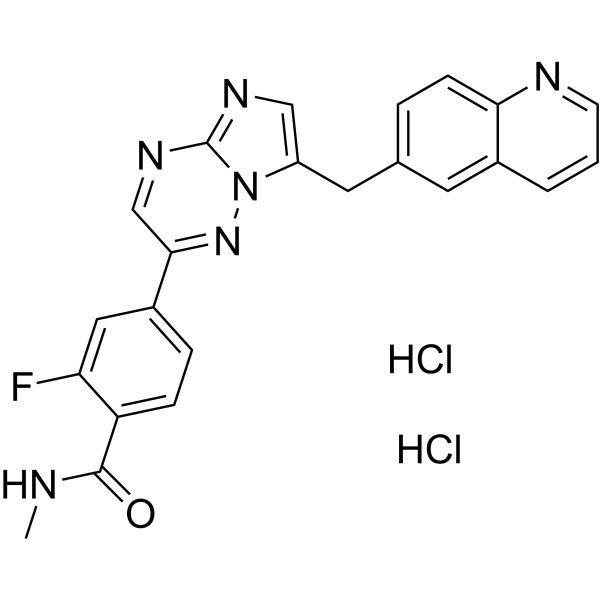
Capmatinib (INC280; INCB28060) dihydrochloride is a potent, orally active, selective, and ATP competitive c-Met kinase inhibitor (IC50=0.13 nM). Capmatinib dihydrochloride can inhibit phosphorylation of c-MET as well as c-MET pathway downstream effectors such as ERK1/2, AKT, FAK, GAB1, and STAT3/5. Capmatinib dihydrochloride potently inhibits c-MET-dependent tumor cell proliferation and migration and effectively induces apoptosis. Antitumor activity. Capmatinib dihydrochloride is largely metabolized by CYP3A4 and aldehyde oxidase .
|
-
- HY-148877
-
|
|
HSP
HSV
HIF/HIF Prolyl-Hydroxylase
VEGFR
NF-κB
ERK
Akt
FAK
|
Infection
Inflammation/Immunology
Cancer
|
|
AT-533 is a potent Hsp90 and HSV inhibitor. AT-533 suppresses tumor growth and angiogenesis by blocking the HIF-1α/VEGF/VEGFR-2 signaling pathway. AT-533 also inhibits the activation of the downstream pathways, including Akt/mTOR/p70S6K, Erk1/2 and FAK. AT-533 inhibits the tube formation, cell migration, and invasion of human umbilical vein endothelial cells (HUVECs) .
|
-
- HY-13404C
-
|
INC280 dihydrochloride hydrate; INCB-28060 dihydrochloride hydrate
|
c-Met/HGFR
Apoptosis
|
Cancer
|
|
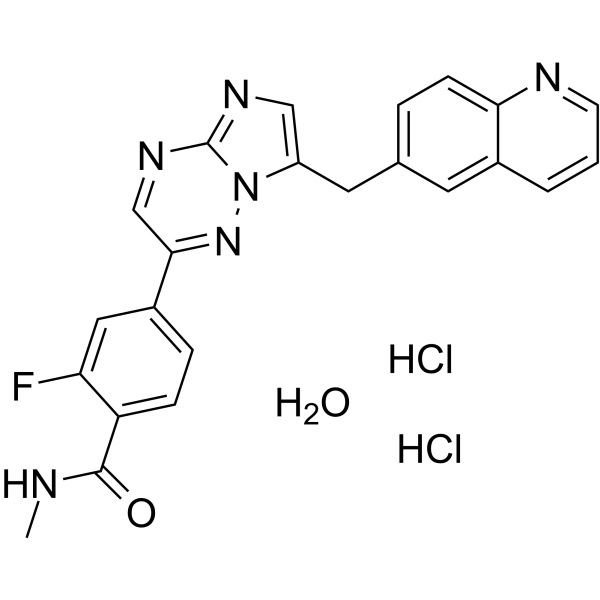
Capmatinib (INC280; INCB28060) dihydrochloride hydrate is a potent, orally active, selective, and ATP competitive c-Met kinase inhibitor (IC50=0.13 nM). Capmatinib dihydrochloride hydrate can inhibit phosphorylation of c-MET as well as c-MET pathway downstream effectors such as ERK1/2, AKT, FAK, GAB1, and STAT3/5. Capmatinib dihydrochloride hydrate potently inhibits c-MET-dependent tumor cell proliferation and migration and effectively induces apoptosis. Antitumor activity. Capmatinib dihydrochloride hydrate is largely metabolized by CYP3A4 and aldehyde oxidase .
|
-
- HY-13404
-
|
INC280; INCB28060
|
c-Met/HGFR
Apoptosis
|
Cancer
|
|
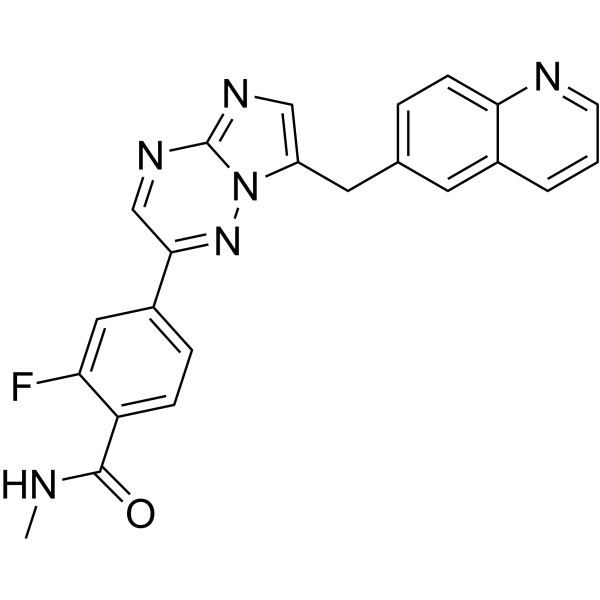
Capmatinib (INC280; INCB28060) is a potent, orally active, selective, and ATP competitive c-Met kinase inhibitor (IC50=0.13 nM). Capmatinib can inhibit phosphorylation of c-MET as well as c-MET pathway downstream effectors such as ERK1/2, AKT, FAK, GAB1, and STAT3/5. Capmatinib potently inhibits c-MET-dependent tumor cell proliferation and migration and effectively induces apoptosis. Antitumor activity. Capmatinib is largely metabolized by CYP3A4 and aldehyde oxidase .
|
-
- HY-13404B
-
|
INC280 hydrochloride; INCB-28060 hydrochloride
|
c-Met/HGFR
Apoptosis
|
Cancer
|
|
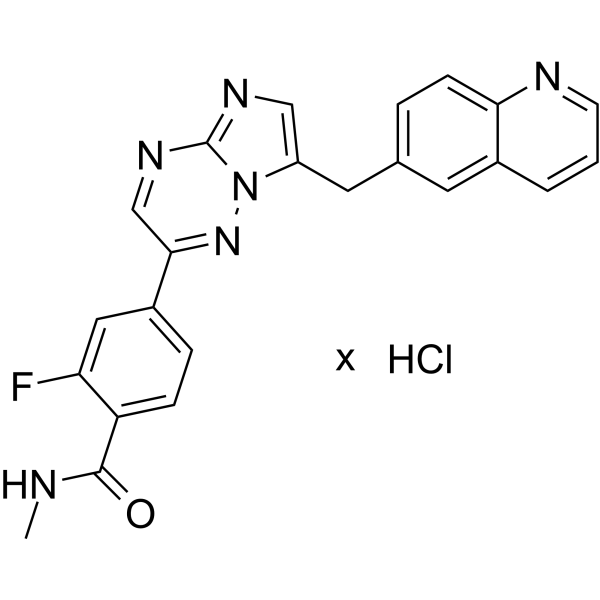
Capmatinib (INC280; INCB28060) hydrochloride is a potent, orally active, selective, and ATP competitive c-Met kinase inhibitor (IC50=0.13 nM). Capmatinib hydrochloride can inhibit phosphorylation of c-MET as well as c-MET pathway downstream effectors such as ERK1/2, AKT, FAK, GAB1, and STAT3/5. Capmatinib hydrochloride potently inhibits c-MET-dependent tumor cell proliferation and migration and effectively induces apoptosis. Antitumor activity. Capmatinib hydrochloride is largely metabolized by CYP3A4 and aldehyde oxidase .
|
-
- HY-172888
-
|
|
Endogenous Metabolite
Sialyltransferase
FAK
Integrin
|
Cancer
|
|
SPP-037 is an orally active and selective inhibitor of ST6GAL1 (IC50 = 3.59 μM). SPP-037 inhibits integrin α2,6-sialylation and integrin-FAK-paxillin pathway. SPP-037 inhibits cancer cell proliferation, migration and exhibits antiangiogenic activity. SPP-037 has anti-tumor activity in MDA-MB-231 xenograft mouse model. SPP-037 can be used for the research of triple-negative breast cancer .
|
-
- HY-P5910A
-
|
|
MDM-2/p53
Apoptosis
|
Cancer
|
|
Azurin p28 peptide TFA is a tumor-penetrated antitumor peptide. Azurin p28 peptide TFA redues proteasomal degradation of p53 through formation of a p28: p53 complex. Azurin p28 peptide TFA induces apoptosis or cell cycle arrest. Azurin p28 peptide TFA inhibits p53-positive tumor growths. Azurin p28 peptide TFA shows antiangiogenic effect by inhibiting phosphorylation of VEGFR-2, FAK and Akt .
|
-
- HY-N0498R
-
|
|
Reference Standards
Parasite
Apoptosis
STAT
Topoisomerase
ERK
FAK
p38 MAPK
NF-κB
|
Inflammation/Immunology
Cancer
|
|
Nitidine (chloride) (Standard) is the analytical standard of Nitidine (chloride). This product is intended for research and analytical applications. Nitidine chloride, a potential anti-malarial lead compound derived from Zanthoxylum nitidum (Roxb) DC, exerts potent anticancer activity through diverse pathways, including inducing apoptosis, inhibiting STAT3 signaling cascade, DNA topoisomerase 1 and 2A, ERK and c-Src/FAK associated signaling pathway. Nitidine chloride inhibits LPS-induced inflammatory cytokines production via MAPK and NF-kB pathway .
|
-
- HY-10209R
-
|
AB1010 (Standard)
|
Reference Standards
c-Kit
PDGFR
Src
FGFR
FAK
Apoptosis
|
Cancer
|
|
Masitinib (Standard) is the analytical standard of Masitinib. This product is intended for research and analytical applications. Masitinib (AB1010) is a potent, orally bioavailable, and selective inhibitor of c-Kit (IC50=200 nM for human recombinant c-Kit). It also inhibits PDGFRα/β (IC50s=540/800 nM), Lyn (IC50= 510 nM for LynB), Lck, and, to a lesser extent, FGFR3 and FAK. Masitinib (AB1010) has anti-proliferative, pro-apoptotic activity and low toxicity .
|
-
- HY-122585
-
|
|
MMP
Src
FAK
|
Cancer
|
|
proMMP-9 inhibitor-3c (compound 3c) is a potent proMMP-9 inhibitor. proMMP-9 inhibitor-3c is specific for binding to the proMMP-9 hemopexin-like domain (Kd=320 nM). proMMP-9 inhibitor-3c disruption of MMP-9 homodimerization prevents association of proMMP-9 with both α4β1 integrin and CD44 and results in the dissociation of EGFR. This disruption results in decreased phosphorylation of Src and its downstream target proteins focal adhesion kinase (FAK) and paxillin (PAX) .
|
-
- HY-78263
-
MNS
3 Publications Verification
NSC 170724; 5-(2-Nitrovinyl)benzodioxole
|
Src
Syk
NOD-like Receptor (NLR)
Integrin
PANoptosis
|
Neurological Disease
Inflammation/Immunology
Cancer
|
|
MNS (NSC 170724), the beta-nitrostyrene derivative, is an orally active tyrosine kinase inhibitor, a broad-spectrum antiplatelet agent, and a PANoptosis inhibitor. MNS inhibits Src, Syk, and FAK with IC50 of 27.3, 2.8, and 97.6 μM, respectively. MNS inhibits NLRP3 inflammasome and β1 integrin. MNS completely inhibits U46619, ADP-, arachidonic acid-, collagen-, and thrombin-induced platelet aggregation with IC50 values of 2.1, 4.1, 5.8, 7.0, and 12.7 μM, respectively. MNS is cytotoxic to a variety of cells .
|
-
- HY-10209AR
-
|
AB-1010 mesylate (Standard)
|
Reference Standards
c-Kit
PDGFR
Src
FGFR
Apoptosis
|
Cancer
|
|
Masitinib (mesylate) (Standard) is the analytical standard of Masitinib (mesylate). This product is intended for research and analytical applications. Masitinib mesylate (AB-1010 mesylate) is a potent, orally bioavailable, and selective inhibitor of c-Kit (IC50=200 nM for human recombinant c-Kit). It also inhibits PDGFRα/β (IC50s=540/800 nM), Lyn (IC50= 510 nM for LynB), Lck, and, to a lesser extent, FGFR3 and FAK. Masitinib mesylate (AB-1010 mesylate) has anti-proliferative, pro-apoptotic activity and low toxicity .
|
-
- HY-122860
-
|
|
TOPK
Apoptosis
c-Myc
MDM-2/p53
FAK
Src
Mitosis
|
Cancer
|
|
SKLB-C05 is a novel selective, orally active TOPK inhibitor, with an IC50 of 0.5 nM. SKLB-C05 selectively inhibit TOPK kinase. SKLB-C05 induces Apoptosis, downregulates c-Myc, γ-H2AX, activates p53, blocks FAK/Src medicated migration-related signaling. SKLB-C05 disturbs cell mitosis. SKLB-C05 shows anticancer activity only against TOPK-positive colorectal cancer .
|
-
- HY-P11147
-
|
|
Interleukin Related
FAK
Src
Akt
ERK
MMP
|
Cancer
|
|
IL13Rα2 D1 is an effective IL-13/IL13Rα2 signaling axis inhibitor. IL13Rα2 D1 can inhibit IL-13-induced cell adhesion, migration, invasion, and proliferation. IL13Rα2 D1 can inhibit FAK, Src, AKT, ERK1/2 phosphorylation, and MMP expression. IL13Rα2 D1 can be used for research on cancers such as colorectal cancer .
|
-
- HY-164374
-
|
|
PAK
|
Cancer
|
|
AK963/40708899 is a potent PAK1 inhibitor. AK963/40708899 suppresses the proliferation of human gastric cancer cells by downregulation of PAK1-NF-κB-cyclinB1 pathway. AK963/40708899 induces cell cycle arrest at G2 phase and reduces the migration and invasion. AK963/40708899 inhibits the formation of filopodia and promots cell adhesion which in turn inhibits invasive potential of gastric cells by negatively regulating PAK1-LIMKl-cofilin and PAK1-ERK-FAK pathways .
|
-
- HY-13404CR
-
|
INC280 dihydrochloride hydrate (Standard); INCB-28060 dihydrochloride hydrate (Standard)
|
c-Met/HGFR
Apoptosis
Reference Standards
|
Cancer
|
|
Capmatinib (dihydrochloride hydrate) (Standard) is the analytical standard of Capmatinib (dihydrochloride hydrate). This product is intended for research and analytical applications. Capmatinib (INC280; INCB28060) dihydrochloride hydrate is a potent, orally active, selective, and ATP competitive c-Met kinase inhibitor (IC50=0.13 nM). Capmatinib dihydrochloride hydrate can inhibit phosphorylation of c-MET as well as c-MET pathway downstream effectors such as ERK1/2, AKT, FAK, GAB1, and STAT3/5. Capmatinib dihydrochloride hydrate potently inhibits c-MET-dependent tumor cell proliferation and migration and effectively induces apoptosis. Antitumor activity. Capmatinib dihydrochloride hydrate is largely metabolized by CYP3A4 and aldehyde oxidase .
|
-
- HY-13404R
-
|
INC280 (Standard); INCB28060 (Standard)
|
Reference Standards
c-Met/HGFR
Apoptosis
|
Cancer
|
|
Capmatinib (Standard) is the analytical standard of Capmatinib. This product is intended for research and analytical applications. Capmatinib (INC280; INCB28060) is a potent, orally active, selective, and ATP competitive c-Met kinase inhibitor (IC50=0.13 nM). Capmatinib can inhibit phosphorylation of c-MET as well as c-MET pathway downstream effectors such as ERK1/2, AKT, FAK, GAB1, and STAT3/5. Capmatinib potently inhibits c-MET-dependent tumor cell proliferation and migration and effectively induces apoptosis. Antitumor activity. Capmatinib is largely metabolized by CYP3A4 and aldehyde oxidase .
|
-
- HY-N15267
-
|
|
FAK
Akt
mTOR
|
Cancer
|
|
Ovalitenone is a flavonoid compound that can be isolated from the plant Millettia peguensis. It shows no cytotoxic effects on lung cancer H460 and A549 cells, but it significantly inhibits anchorage-independent growth, CSC-like phenotypes, colony formation, and the migration and invasion capabilities of cancer cells. Ovalitenone can significantly reduce the levels of N-cadherin, snail, and slug, while increasing E-cadherin, thus inhibiting the EMT pathway. Additionally, Ovalitenone suppresses the signaling pathways regulated by focal adhesion kinase (FAK), ATP-dependent tyrosine kinase (AKT), mammalian target of rapamycin (mTOR), and cell division cycle 42 (Cdc42) .
|
-
- HY-N8380
-
|
|
Apoptosis
Autophagy
PI3K
Necroptosis
|
Cardiovascular Disease
Inflammation/Immunology
Cancer
|
|
(-)-Latifolin, a flavonoid, induces apoptotic cell death by targeting PI3K/AKT/mTOR/p70S6K signaling. (-)-Latifolin significantly inhibits the cell proliferation of oral squamous cell carcinoma (OSCC), and causes the anti-metastatic activities by effectively blocking cell migration, invasion, and adhesion via the inactivation of FAK/Src. (-)-Latifolin suppresses autophagic-related proteins and autophagosome formation. (-)-Latifolin inhibits necroptosis by dephosphorylating necroptosis-regulatory proteins (RIP1, RIP3, and MLKL). (-)-Latifolin has beneficial effects on anti-aging, anti-carcinogenic, anti-inflammatory, and cardio-protective activities .
|
-
- HY-138195
-
|
|
DNA/RNA Synthesis
Apoptosis
FAK
Src
MMP
Autophagy
|
Cancer
|
|
NEO212 is an orally active, blood-brain barrier permeable conjugate of Temozolomide (TMZ) (HY-17364) and Perillyl Alcohol (POH) (HY-N7000), with potent anticancer activity. NEO212 overcomes classical TMZ resistance and DNA alkylation by depleting MGMT. By inhibiting the FAK/Src signaling pathway, NEO212 reduces the production of MMP2 and MMP9, induces mesenchymal-epithelial transition, and inhibits the migration, invasion and tumor progression of glioma stem cells. NEO212 disrupts autophagy flux to enhance mitochondrial apoptosis; it induces differentiation of acute myeloid leukemia (AML) cells into macrophages and proliferation arrest .
|
-
- HY-171955
-
|
|
Lipoxygenase
Apoptosis
Reactive Oxygen Species (ROS)
FAK
|
Cancer
|
|
LXG6403 is an orally active and irreversible LOX inhibitor (IC50 = 1.3 μM). LXG6403 is ~3.5-fold more specific for LOX than LOXL2 and does not inhibit LOXL1. LXG6403 inhibits FAK signaling and induces ROS generation and DNA damage, leading to G1 arrest and apoptosis in chemoresistant triple-negative breast cancer (TNBC) cell lines. LXG6403 alters the extracellular matrix (ECM) and collagen structure, reducing collagen cross-linking and deposition, thereby increasing drug penetration and reducing tumor stiffness. LXG6403 overcomes Doxorubicin (HY-15142) resistance in chemoresistant TNBC PDX in vivo and can be used to study high-stiffness resistant tumors .
|
-
- HY-13692
-
|
CARD-024
|
Myosin
FAK
Interleukin Related
COX
|
Inflammation/Immunology
|
|
1α-Hydroxyvitamin D5 (CARD-024) is a vitamin D analog with extremely low hypercalcemic effects. 1α-Hydroxyvitamin D5 effectively attenuates the pro-fibrotic response of colonic myofibroblasts to TGFβ and high-stiffness substrates by inhibiting the expression of αSMA, the phosphorylation of FAK, and the gene expression of MLCK and ET-1, while activating the anti-inflammatory pathway of IL-1β/COX-2. 1α-Hydroxyvitamin D5 can be used in research related to intestinal fibrosis associated with Crohn's disease .
|
-
- HY-160187A
-
|
|
Cadherin
MMP
Akt
FAK
ERK
NF-κB
|
Cancer
|
|
(Rac)-AAA is a regulator and inhibitor targeting GPR75. By blocking the 20-HETE-induced downregulation of GPR75 expression, (Rac)-AAA effectively inhibits the activation of key downstream signaling pathways including EGFR, AKT, NF-κB and FAK. (Rac)-AAA reverses 20-HETE-mediated epithelial-mesenchymal transition, which is specifically characterized by downregulating vimentin (vimentin), upregulating E-Cadherin, as well as reducing MMP-2 activity and cancer cell migration ability. (Rac)-AAA also abolishes the 20-HETE-induced upregulation of HIC-5 expression and anchorage-independent growth, and modulates the subcellular localization of PKC-α and phosphorylated AKT. (Rac)-AAA is investigated in androgen-independent prostate cancer (castration-resistant prostate cancer) .
|
-
- HY-178142
-
|
|
EGFR
VEGFR
Trk Receptor
CDK
FAK
Akt
GSK-3
Apoptosis
Caspase
Bcl-2 Family
|
Cancer
|
|
Multi-kinase-IN-7 is a multikinase inhibitor with IC50s of 2.19, 2.95, 3.59 and 9.31 μM against EGFR, VEGFR2, TrKA and CDK2, respectively. Multi-kinase-IN-7 shows moderate and weaker activity against FAK, AKT1, GSK3β and CDK5 with IC50 values of 6.3, 9.2, 11.7 and 23.4 μM, respectively. Multi-kinase-IN-7 displays broad spectrum antiproliferative potential against NCI cancer cell lines. Multi-kinase-IN-7 induces cell cycle arrest, apoptosis and necrosis. Multi-kinase-IN-7 Inhibitor can be used for the study of breast cancer .
|
-
- HY-124813
-
|
113B7
|
FAK
EGFR
MMP
NF-κB
SDCBP
|
Cancer
|
|
PDZ1i (113B7) is a inhibitor of MDA-9/Syntenin, with selective binding to the PDZ1 domain. PDZ1i inhibits radiation-induced invasion of glioblastoma (GBM) cells, radiosensitizes GBM cells, and impairs GBM-related signaling pathways (including Src/EphA2, EGFRvIII/FAK, and NF-κB). PDZ1i reduces radiation-induced secretion of invasion-related proteases (MMP-2, MMP-9, ADAM9). PDZ1i shows anti-tumor effects in nude mice bearing intracranial U1242-luc xenografts or GBM xenografts. PDZ1i can be used for the study of glioblastoma (GBM), breast cancer and prostate cancer .
|
-
- HY-120339
-
|
|
Microtubule/Tubulin
FAK
MEK
ERK
MMP
Caspase
PARP
Apoptosis
MDM-2/p53
|
Cancer
|
|
STK899704 is a tubulin polymerization inhibitor. STK899704 exhibits broad-spectrum inhibitory activity against various cancer cell lines with IC50 values ranging from 0.2 to 1.0 μM. STK899704 disrupts the mitotic spindle structure, inducing G2/M phase cell cycle arrest. STK899704 inhibits the migration ability of HT29 cells by downregulating the FAK-MEK-ERK signaling pathway, thereby suppressing the expression and activity of MMP-2 and MMP-9. STK899704 activates caspase-3/7/8/9, leading to PARP cleavage and inducing apoptosis. STK899704 induces cellular senescence through the p53 pathway. STK899704 can be used in research on skin cancer, lung cancer, colon cancer, and other cancers .
|
-
- HY-N1983
-
|
|
Apoptosis
Autophagy
Reactive Oxygen Species (ROS)
Mitochondrial Metabolism
PARP
Caspase
Bcl-2 Family
VEGFR
FAK
WDR5
p38 MAPK
JNK
PPAR
|
Neurological Disease
Inflammation/Immunology
Cancer
|
|
Caudatin is an orally active and brain-penetrant C-21 steroidal found in Cynanchum bungei decne with a variety of biological activities. Caudatin can inhibit cell proliferation, migration, invasion, cause cell phase arrest, induce apoptosis, autophagy, ROS prodution and loss of mitochondrial membrane potential. Caudatin activates PARP, caspase-3, -7, -9, upregulates pro-apoptotic Bad and Bax and downregulates anti-apoptotic Bcl-2 and Bcl-XL. Caudatin suppresses VEGF, FAK phosphorylation, upregulates p21, p27, DR5 protein expression, activates the p38 MAPK, JNK and PPARα/TFEB-mediated autophagy-lysosomal signaling pathways. Caudatin can be used for the research of cancer, inflammation and neurological disease, such as glioma and Alzheimer's disease .
|
-
- HY-183784
-
|
|
P2X Receptor
FAK
MMP
|
Cancer
|
|
P2X7R antagonist-1 is an orally active P2X7 receptor antagonist with an IC50 of 3.57 μM. P2X7R antagonist-1 inhibits the proliferation, invasion and metastasis abilities of cancer cells. P2X7R antagonist-1 downregulates the expression of FAK and MMP-9. P2X7R antagonist-1 suppresses tumor growth and metastasis in a mouse breast cancer model. P2X7R antagonist-1 promotes the activation of CD4 and CD8 T cells. P2X7R antagonist-1 can be used in breast cancer-related research .
|
-
- HY-181061
-
|
|
COX
EGFR
Lipoxygenase
FAK
Raf
Apoptosis
Caspase
Bcl-2 Family
|
Cancer
|
|
COX/5-LO-IN-2 is a COX2, EGFR, COX1, 5-LOX, BRAF and FAK inhibitor with IC50 of 1.22 μM, 2.5 μM, 2.95 μM, 4.65 μM, 7.4 μM, 12.2 μM, respectively. COX/5-LO-IN-2 induces cell growth arrest at G2/M phase. COX/5-LO-IN-2 triggers apoptotic activity by up-regulating proapoptotic proteins p53, Bax, and caspase-7 and down-regulating anti-apoptotic protein Bcl-2. COX/5-LO-IN-2 can be used for the research of breast cancer .
|
-
- HY-163121
-
|
|
Glycosyltransferase
TGF-β Receptor
FAK
Galectin
Collagen
|
Endocrinology
Cancer
|
|
PST3.1a is an orally active and brain-penetrant N-acetylglucosamine glycosyltransferase (MGAT5) inhibitor with a human IC50 of 2 µM. PST3.1a inhibits TGFβR and FAK signaling pathway activity. PST3.1a alters β1,6-GlcNAc N-glycans and microtubule/microfilament integrity, increases OLIG2 expression, and inhibits proliferation, migration, invasiveness, and clonogenic capacities of glioblastoma initiating cells. PST3.1a reduces invasive and proliferative capacity of glioblastoma initiating cells in orthotopic graft models, increases overall survival of orthotopic graft model mice. PST3.1a blunts MGAT5 overexpression, decreases renal fibrosis via collagen 1, collagen 4, and galectin 3 downregulation in a rat chronic kidney disease model. PST3.1a can be used for the research of glioblastoma multiforme and chronic kidney disease .
|
-
- HY-N12445
-
|
|
Topoisomerase
Caspase
Apoptosis
SOD
|
Metabolic Disease
Inflammation/Immunology
Cancer
|
|
Quercetin-3'-O-glucoside is an orally active flavonoid glycoside. Quercetin-3'-O-glucoside reduces liver glucose-6-phosphatase activity, alters serum insulin and glucose levels, and regulates the activities of antioxidant enzymes in the liver and kidney. Quercetin-3'-O-glucoside inhibits DNA topoisomerase II, induces S-phase cell cycle arrest and caspase-3-mediated apoptosis in hepatocellular carcinoma cells. Quercetin-3'-O-glucoside selectively inhibits EGFR-mediated signaling pathways targeting AKT, ERK1/2, FAK and MEK1/2. Quercetin-3'-O-glucoside inhibits growth factor-induced migration and invasion in pancreatic cancer cells. Quercetin-3'-O-glucoside exerts free radical scavenging effects. Quercetin-3'-O-glucoside is applicable to research related to pancreatic cancer, diabetes, hepatocellular carcinoma and malignant tumors .
|
-
- HY-N1983R
-
|
|
Reference Standards
Apoptosis
Autophagy
Reactive Oxygen Species (ROS)
Mitochondrial Metabolism
PARP
Caspase
Bcl-2 Family
VEGFR
FAK
WDR5
p38 MAPK
JNK
PPAR
|
Neurological Disease
Inflammation/Immunology
Cancer
|
|
Caudatin (Standard) is the analytical standard of Caudatin (HY-N1983). This product is intended for research and analytical applications. Caudatin is an orally active and brain-penetrant C-21 steroidal found in Cynanchum bungei decne with a variety of biological activities. Caudatin can inhibit cell proliferation, migration, invasion, cause cell phase arrest, induce apoptosis, autophagy, ROS prodution and loss of mitochondrial membrane potential. Caudatin activates PARP, caspase-3, -7, -9, upregulates pro-apoptotic Bad and Bax and downregulates anti-apoptotic Bcl-2 and Bcl-XL. Caudatin suppresses VEGF, FAK phosphorylation, upregulates p21, p27, DR5 protein expression, activates the p38 MAPK, JNK and PPARα/TFEB-mediated autophagy-lysosomal signaling pathways. Caudatin can be used for the research of cancer, inflammation and neurological disease, such as glioma and Alzheimer's disease .
|
-
- HY-121811
-
|
Lanceolatin C
|
Glycosidase
Phosphatase
Interleukin Related
TNF Receptor
COX
Beclin1
GLUT
FAK
Akt
mTOR
p38 MAPK
Keap1-Nrf2
Apoptosis
Amyloid-β
Tau Protein
Autophagy
|
Neurological Disease
Inflammation/Immunology
Cancer
|
|
Pongamol (Lanceolatin C) is an orally active flavonoid with an IC50 of 75 μM and a Ki of 58 μM against PTPase-1B, and an IC50 of 103.5 μM against intestinal α-Glycosidase. Pongamol reduces the release of IL‑1β, TNF‑α, COX‑2 and iNOS in cells, reverses the nuclear translocation of NF‑κB, and upregulates the levels of Beclin 1 and LC3 Ⅱ/LC3 Ⅰ. Pongamol promotes glucose uptake by increasing the level of GLUT4 on the surface of skeletal muscle cells. Pongamol inhibits epithelial-mesenchymal transition by suppressing the FAK/Akt-mTOR signaling pathway. Pongamol inhibits neuronal cytotoxicity, suppresses cell apoptosis and extends the lifespan of Caenorhabditis elegans by activating the MAPKs/Nrf2 signaling pathway. Pongamol exerts hypoglycemic effects in diabetic mouse models. Pongamol exhibits antibacterial activity. Pongamol alleviates oxidative stress, neuroinflammation, Aβ deposition and excessive phosphorylation of Tau Protein, and restores autophagy function in Alzheimer's disease mouse models by inhibiting the Akt/mTOR signaling pathway. Pongamol is applicable to research related to Alzheimer's disease, type 2 diabetes, non-small cell lung cancer and postprandial hyperglycemia .
|
-
- HY-N2445
-
|
|
Apoptosis
Akt
JNK
PERK
Caspase
PARP
MDM-2/p53
IAP
Reactive Oxygen Species (ROS)
SOD
FABP
Autophagy
AMPK
mTOR
GLUT
EGFR
PI3K
HSP
VEGFR
FAK
|
Cancer
|
|
Flavokawain C is an orally active natural chalcone. Flavokawain C inhibits the proliferation of various cancer cells. Flavokawain C upregulates GADD153 in cancer cells, inhibits the phosphorylation of Akt and JNK, suppresses early ERK phosphorylation, activates late ERK phosphorylation, activates caspase related subtypes, induces PARP-1 cleavage, causes upregulation of p21 and p27, downregulation of mutant p53 and anti-apoptotic IAP proteins, elevates intracellular ROS levels, reduces SOD activity, and induces apoptosis. Flavokawain C downregulates FABP4, induces autophagy in cancer cells, and activates the AMPK/mTOR pathway . Flavokawain C decreases the expression of glycolysis-related proteins GLUT1 and HK2, and inhibits glycolysis in nasopharyngeal carcinoma cells. Flavokawain C inhibits the activation of the EGFR/PI3K/Akt/mTOR signaling pathway and reduces the expression of HSP90B1. Flavokawain C inhibits angiogenesis by decreasing the expression of angiogenic proteins Ang-1 and VEGF in human umbilical vein endothelial cells. Flavokawain C increases γ-H2AX levels in cells, inhibits the phosphorylation of FAK, PI3K and AKT in cells, and induces DNA damage in cells. Flavokawain C exerts anti-tumor activity in multiple tumor xenograft mouse models. Flavokawain C is applicable to research related to colorectal cancer, colon adenocarcinoma, nephroblastoma, nasopharyngeal carcinoma and liver cancer .
|
-
| Cat. No. |
Product Name |
Type |
-
- HY-W008907
-
|
5-OTT
|
Biochemical Assay Reagents
|
|
5'-O-Tritylthymidine is an inhibitor of TK-2 and inhibits angiogenesis . 5'-O-Tritylthymidine targets FAK-Mdm-2 interactions, decreasing cell viability and increasing apoptosis.
|
| Cat. No. |
Product Name |
Target |
Research Area |
-
- HY-P5910
-
|
|
MDM-2/p53
Apoptosis
|
Cancer
|
|
Azurin p28 peptide is a tumor-penetrated antitumor peptide. Azurin p28 peptide redues proteasomal degradation of p53 through formation of a p28: p53 complex. Azurin p28 peptide induces apoptosis or cell cycle arrest. Azurin p28 peptide inhibits p53-positive tumor growths. Azurin p28 peptide shows antiangiogenic effect by inhibiting phosphorylation of VEGFR-2, FAK and Akt .
|
-
- HY-P11147
-
|
|
Interleukin Related
FAK
Src
Akt
ERK
MMP
|
Cancer
|
|
IL13Rα2 D1 is an effective IL-13/IL13Rα2 signaling axis inhibitor. IL13Rα2 D1 can inhibit IL-13-induced cell adhesion, migration, invasion, and proliferation. IL13Rα2 D1 can inhibit FAK, Src, AKT, ERK1/2 phosphorylation, and MMP expression. IL13Rα2 D1 can be used for research on cancers such as colorectal cancer .
|
-
- HY-P5910A
-
|
|
MDM-2/p53
Apoptosis
|
Cancer
|
|
Azurin p28 peptide TFA is a tumor-penetrated antitumor peptide. Azurin p28 peptide TFA redues proteasomal degradation of p53 through formation of a p28: p53 complex. Azurin p28 peptide TFA induces apoptosis or cell cycle arrest. Azurin p28 peptide TFA inhibits p53-positive tumor growths. Azurin p28 peptide TFA shows antiangiogenic effect by inhibiting phosphorylation of VEGFR-2, FAK and Akt .
|
| Cat. No. |
Product Name |
Category |
Target |
Chemical Structure |
-
- HY-N1372A
-
-
-
- HY-N1127
-
-
-
- HY-N0498
-
-
-
- HY-105935
-
-
-
- HY-N10335
-
-
-
- HY-N0896
-
-
-
- HY-N1983
-
|
|
Structural Classification
Classification of Application Fields
Asclepiadaceae
Cynanchum otophyllum Schneid.
Cynanchum auriculatum Royle ex Wight
Plants
Disease Research Fields
Steroids
Source Classification
Cancer
|
Apoptosis
Autophagy
Reactive Oxygen Species (ROS)
Mitochondrial Metabolism
PARP
Caspase
Bcl-2 Family
VEGFR
FAK
WDR5
p38 MAPK
JNK
PPAR
|
|
Caudatin is an orally active and brain-penetrant C-21 steroidal found in Cynanchum bungei decne with a variety of biological activities. Caudatin can inhibit cell proliferation, migration, invasion, cause cell phase arrest, induce apoptosis, autophagy, ROS prodution and loss of mitochondrial membrane potential. Caudatin activates PARP, caspase-3, -7, -9, upregulates pro-apoptotic Bad and Bax and downregulates anti-apoptotic Bcl-2 and Bcl-XL. Caudatin suppresses VEGF, FAK phosphorylation, upregulates p21, p27, DR5 protein expression, activates the p38 MAPK, JNK and PPARα/TFEB-mediated autophagy-lysosomal signaling pathways. Caudatin can be used for the research of cancer, inflammation and neurological disease, such as glioma and Alzheimer's disease .
|
-
-
- HY-N2445
-
|
|
Structural Classification
Classification of Application Fields
Piperaceae
Plants
Chalcones
Flavonoids
other families
Phenols
Polyphenols
Piper methysticum G.Forst.
Disease Research Fields
Source Classification
Cancer
|
Apoptosis
Akt
JNK
PERK
Caspase
PARP
MDM-2/p53
IAP
Reactive Oxygen Species (ROS)
SOD
FABP
Autophagy
AMPK
mTOR
GLUT
EGFR
PI3K
HSP
VEGFR
FAK
|
|
Flavokawain C is an orally active natural chalcone. Flavokawain C inhibits the proliferation of various cancer cells. Flavokawain C upregulates GADD153 in cancer cells, inhibits the phosphorylation of Akt and JNK, suppresses early ERK phosphorylation, activates late ERK phosphorylation, activates caspase related subtypes, induces PARP-1 cleavage, causes upregulation of p21 and p27, downregulation of mutant p53 and anti-apoptotic IAP proteins, elevates intracellular ROS levels, reduces SOD activity, and induces apoptosis. Flavokawain C downregulates FABP4, induces autophagy in cancer cells, and activates the AMPK/mTOR pathway . Flavokawain C decreases the expression of glycolysis-related proteins GLUT1 and HK2, and inhibits glycolysis in nasopharyngeal carcinoma cells. Flavokawain C inhibits the activation of the EGFR/PI3K/Akt/mTOR signaling pathway and reduces the expression of HSP90B1. Flavokawain C inhibits angiogenesis by decreasing the expression of angiogenic proteins Ang-1 and VEGF in human umbilical vein endothelial cells. Flavokawain C increases γ-H2AX levels in cells, inhibits the phosphorylation of FAK, PI3K and AKT in cells, and induces DNA damage in cells. Flavokawain C exerts anti-tumor activity in multiple tumor xenograft mouse models. Flavokawain C is applicable to research related to colorectal cancer, colon adenocarcinoma, nephroblastoma, nasopharyngeal carcinoma and liver cancer .
|
-
-
- HY-122965
-
-
-
- HY-N12445
-
|
|
Malvaceae
Structural Classification
Flavonols
Flavonoids
Abelmoschus manihot (Linn.) Medicus
Plants
Source Classification
|
Topoisomerase
Caspase
Apoptosis
SOD
|
|
Quercetin-3'-O-glucoside is an orally active flavonoid glycoside. Quercetin-3'-O-glucoside reduces liver glucose-6-phosphatase activity, alters serum insulin and glucose levels, and regulates the activities of antioxidant enzymes in the liver and kidney. Quercetin-3'-O-glucoside inhibits DNA topoisomerase II, induces S-phase cell cycle arrest and caspase-3-mediated apoptosis in hepatocellular carcinoma cells. Quercetin-3'-O-glucoside selectively inhibits EGFR-mediated signaling pathways targeting AKT, ERK1/2, FAK and MEK1/2. Quercetin-3'-O-glucoside inhibits growth factor-induced migration and invasion in pancreatic cancer cells. Quercetin-3'-O-glucoside exerts free radical scavenging effects. Quercetin-3'-O-glucoside is applicable to research related to pancreatic cancer, diabetes, hepatocellular carcinoma and malignant tumors .
|
-
-
- HY-N4127
-
-
-
- HY-121811
-
|
Lanceolatin C
|
Structural Classification
Pongamia pinnata (L.) Pierre
Leguminosae
Ketones, Aldehydes, Acids
Derris trifoliata Lour.
Plants
Source Classification
|
Glycosidase
Phosphatase
Interleukin Related
TNF Receptor
COX
Beclin1
GLUT
FAK
Akt
mTOR
p38 MAPK
Keap1-Nrf2
Apoptosis
Amyloid-β
Tau Protein
Autophagy
|
|
Pongamol (Lanceolatin C) is an orally active flavonoid with an IC50 of 75 μM and a Ki of 58 μM against PTPase-1B, and an IC50 of 103.5 μM against intestinal α-Glycosidase. Pongamol reduces the release of IL‑1β, TNF‑α, COX‑2 and iNOS in cells, reverses the nuclear translocation of NF‑κB, and upregulates the levels of Beclin 1 and LC3 Ⅱ/LC3 Ⅰ. Pongamol promotes glucose uptake by increasing the level of GLUT4 on the surface of skeletal muscle cells. Pongamol inhibits epithelial-mesenchymal transition by suppressing the FAK/Akt-mTOR signaling pathway. Pongamol inhibits neuronal cytotoxicity, suppresses cell apoptosis and extends the lifespan of Caenorhabditis elegans by activating the MAPKs/Nrf2 signaling pathway. Pongamol exerts hypoglycemic effects in diabetic mouse models. Pongamol exhibits antibacterial activity. Pongamol alleviates oxidative stress, neuroinflammation, Aβ deposition and excessive phosphorylation of Tau Protein, and restores autophagy function in Alzheimer's disease mouse models by inhibiting the Akt/mTOR signaling pathway. Pongamol is applicable to research related to Alzheimer's disease, type 2 diabetes, non-small cell lung cancer and postprandial hyperglycemia .
|
-
-
- HY-N1983R
-
|
|
Structural Classification
Asclepiadaceae
Cynanchum otophyllum Schneid.
Cynanchum auriculatum Royle ex Wight
Plants
Steroids
Source Classification
|
Reference Standards
Apoptosis
Autophagy
Reactive Oxygen Species (ROS)
Mitochondrial Metabolism
PARP
Caspase
Bcl-2 Family
VEGFR
FAK
WDR5
p38 MAPK
JNK
PPAR
|
|
Caudatin (Standard) is the analytical standard of Caudatin (HY-N1983). This product is intended for research and analytical applications. Caudatin is an orally active and brain-penetrant C-21 steroidal found in Cynanchum bungei decne with a variety of biological activities. Caudatin can inhibit cell proliferation, migration, invasion, cause cell phase arrest, induce apoptosis, autophagy, ROS prodution and loss of mitochondrial membrane potential. Caudatin activates PARP, caspase-3, -7, -9, upregulates pro-apoptotic Bad and Bax and downregulates anti-apoptotic Bcl-2 and Bcl-XL. Caudatin suppresses VEGF, FAK phosphorylation, upregulates p21, p27, DR5 protein expression, activates the p38 MAPK, JNK and PPARα/TFEB-mediated autophagy-lysosomal signaling pathways. Caudatin can be used for the research of cancer, inflammation and neurological disease, such as glioma and Alzheimer's disease .
|
-
-
- HY-N1372AR
-
-
-
- HY-105935R
-
-
-
- HY-136699
-
-
-
- HY-N1127R
-
-
-
- HY-N15267
-
|
|
Natural Products
Millettia peguensis Ali
Leguminosae
Plants
Source Classification
|
FAK
Akt
mTOR
|
|
Ovalitenone is a flavonoid compound that can be isolated from the plant Millettia peguensis. It shows no cytotoxic effects on lung cancer H460 and A549 cells, but it significantly inhibits anchorage-independent growth, CSC-like phenotypes, colony formation, and the migration and invasion capabilities of cancer cells. Ovalitenone can significantly reduce the levels of N-cadherin, snail, and slug, while increasing E-cadherin, thus inhibiting the EMT pathway. Additionally, Ovalitenone suppresses the signaling pathways regulated by focal adhesion kinase (FAK), ATP-dependent tyrosine kinase (AKT), mammalian target of rapamycin (mTOR), and cell division cycle 42 (Cdc42) .
|
-
-
- HY-N0498R
-
-
-
- HY-N8380
-
|
|
Dalbergia hupeana Hance
Phenols
Polyphenols
Plants
Source Classification
Fabaceae
|
Apoptosis
Autophagy
PI3K
Necroptosis
|
|
(-)-Latifolin, a flavonoid, induces apoptotic cell death by targeting PI3K/AKT/mTOR/p70S6K signaling. (-)-Latifolin significantly inhibits the cell proliferation of oral squamous cell carcinoma (OSCC), and causes the anti-metastatic activities by effectively blocking cell migration, invasion, and adhesion via the inactivation of FAK/Src. (-)-Latifolin suppresses autophagic-related proteins and autophagosome formation. (-)-Latifolin inhibits necroptosis by dephosphorylating necroptosis-regulatory proteins (RIP1, RIP3, and MLKL). (-)-Latifolin has beneficial effects on anti-aging, anti-carcinogenic, anti-inflammatory, and cardio-protective activities .
|
-
-
- HY-N17888
-
-
| Cat. No. |
Product Name |
Chemical Structure |
-
- HY-12289S
-
|
|
|
Defactinib-d6 is a deuterium labeled Defactinib (HY-12289). Defactinib is a novel FAK inhibitor with potential antiangiogenic and antineoplastic activities .
|
-
-
- HY-N1127S
-
|
|
|
Tricin-d6 is the deuterium labeled Tricin . Tricin is a natural flavonoid present in large amounts in Triticum aestivum. Tricin can inhibit human cytomegalovirus (HCMV) replication by inhibiting CDK9. Tricin inhibits the proliferation and invasion of C6 glioma cells via the upregulation of focal-adhesion-finase (FAK)-targeting microRNA-7 .
|
-
| Cat. No. |
Product Name |
|
Classification |
-
- HY-172761
-
|
|
|
Alkynes
|
|
AX-53802 is a ferroptosis inducer targeting GPX4 with an IC50 of 0.34 µM. AX-53802 forms a covalent bond with GPX4, initiating membrane translocation directly upon binding. AX-53802 and FAK/Src inhibitors promotes cell death. AX-53802 can be used for cancer study .
|
Your information is safe with us. * Required Fields.
Inquiry Information
- Product Name:
- Cat. No.:
- Quantity:
- MCE Japan Authorized Agent:

