1. Search Result
Search Result
Results for "

Heterocyclic compounds

" in MedChemExpress (MCE) Product Catalog:

119

Inhibitors & Agonists

4

Screening Libraries

2

Fluorescent Dyes

26

Biochemical Assay Reagents

24

Natural
Products

11

Isotope-Labeled Compounds

Cat. No. Product Name Target Research Areas Chemical Structure
  • HY-W001132
    Indole
    2 Publications Verification

    Environmental Pollutants Endogenous Metabolite Infection
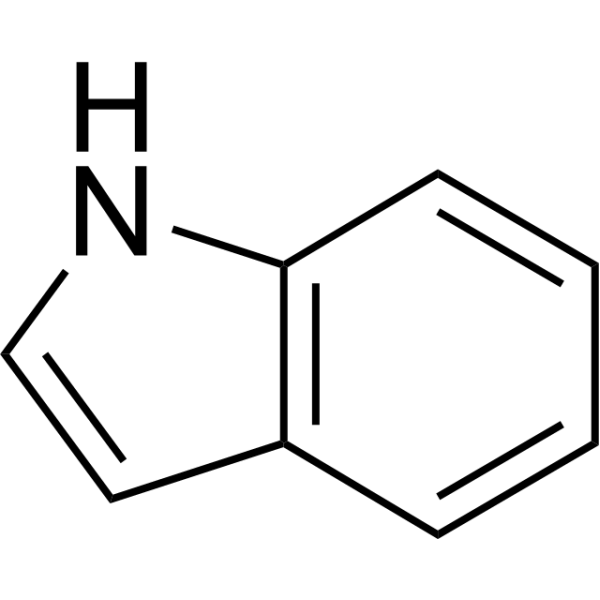
    Indole is an aromatic, heterocyclic, organic compound which widely distributed in the natural environment and can be produced by a variety of bacteria. Indole regulates various aspects of bacterial physiology, including spore formation, plasmid stability, resistance to drugs, biofilm formation, and virulence as an intercellular signal molecule .
    Indole
  • HY-Y0091

    9,9-Dimethyl-4,5-bis(diphenylphosphino)xanthene

    Biochemical Assay Reagents Others
    Xantphos (9,9-Dimethyl-4,5-bis(diphenylphosphino)xanthene) is a bisphosphine ligand. Xantphos coordinates to metals in either cis or trans chelation mode. Xantphos acts as a key ligand in palladium or platinum catalyzed reactions. Xantphos can be used in the construction of heterocyclic compounds in organic synthesis .
    Xantphos
  • HY-Y0061
    Oxindole
    3 Publications Verification

    2-Indolinone

    HIV Endogenous Metabolite Infection Neurological Disease Metabolic Disease Inflammation/Immunology Endocrinology Cancer
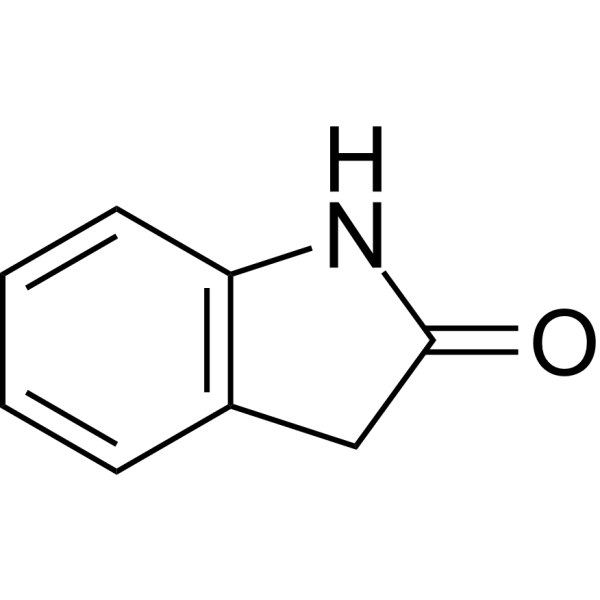
    Oxindole (Indolin-2-one) is an aromatic heterocyclic building block. 2-indolinone derivatives have become lead compounds in the research of kinase inhibitors.
    Oxindole
  • HY-W017289

    Drug Intermediate Others
    4,4′-Dipyridyl is a heterocyclic compound. 4,4′-Dipyridyl is utilized as an electronic and photosensitive building block and bidentate ligand in supramolecular chemistry. 4,4′-Dipyridyl can also be used as a drug intermediate in the synthesis of paraquat, a widely used herbicide .
    4,4′-Dipyridyl
  • HY-W007355
    Skatole
    Maximum Cited Publications
    6 Publications Verification

    3-Methylindole; 3-Methyl-1H-indole

    Environmental Pollutants Apoptosis Endogenous Metabolite p38 MAPK Aryl Hydrocarbon Receptor Others
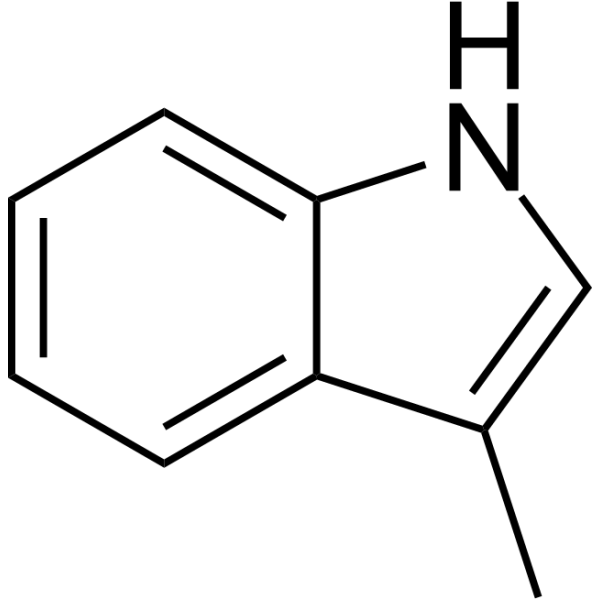
    Skatole (3-methylindole) is a heterocyclic compound naturally found in the feces of vertebrates and can be found in certain plants. Skatole can be produced by intestinal bacteria, inducing apoptosis of intestinal epithelial cells through activating aryl hydrocarbon receptors (AhR) and p38. Skatole has been used in specific products of the perfume industry or as a flavor additive in ice cream .
    Skatole
  • HY-W013040

    1,4-Diazine

    MOFs Drug Intermediate Cardiovascular Disease Infection Inflammation/Immunology Cancer
    Pyrazine is an aromatic nitrogen-containing heterocyclic compound with two nitrogen atoms, and is well known for its electron-deficient property. Pyrazine serves as a key pharmacophore in a variety of drugs, and also acts as the core skeleton of derivatives with anticancer, antimycobacterial, antithrombotic and anti-inflammatory activities .
    Pyrazine
  • HY-40294

    Monoamine Oxidase GSK-3 LRRK2 Cardiovascular Disease Neurological Disease Cancer
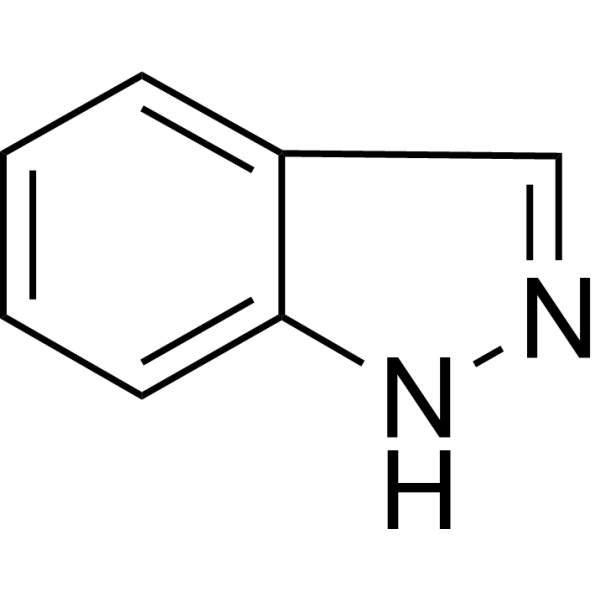
    Indazole, also called isoindazole, a heterocyclic aromatic organic compound. Its derivatives display a broad variety of biological activities including anti-inflammatory, antibacterial, anti-HIV, antiarrhythmic, antifungal and antitumour properties. Indazole and its derivatives can be used for research of cancer, neurological disorders, cardiovascular diseases, gastrointestinal diseases .
    Indazole
  • HY-N6856

    Bacterial Endogenous Metabolite Infection Cancer
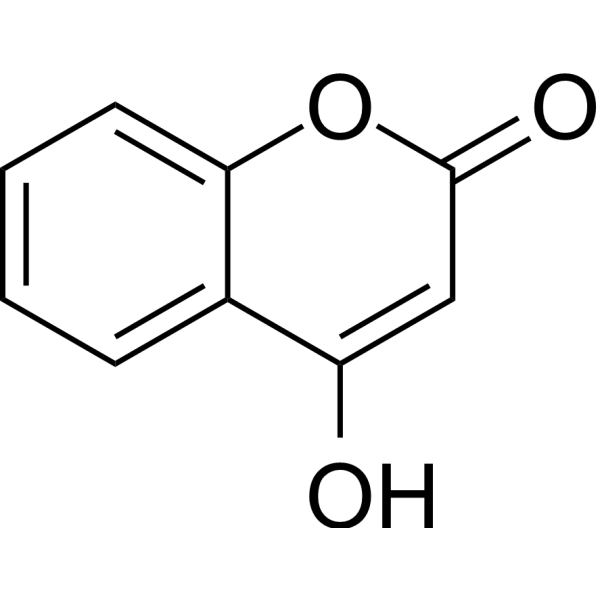
    4-Hydroxycoumarin is an orally active coumarin derivative, one of the most versatile heterocyclic scaffolds, often used in the synthesis of various organic compounds. 4-Hydroxycoumarin possesses both electrophilic and nucleophilic properties. 4-Hydroxycoumarin is an HIV protease inhibitor and tyrosine kinase inhibitor. 4-Hydroxycoumarin has anti-inflammatory, antibacterial and anti-tumor effects .
    4-Hydroxycoumarin
  • HY-76228

    Pyrazole

    Parasite iGluR Infection
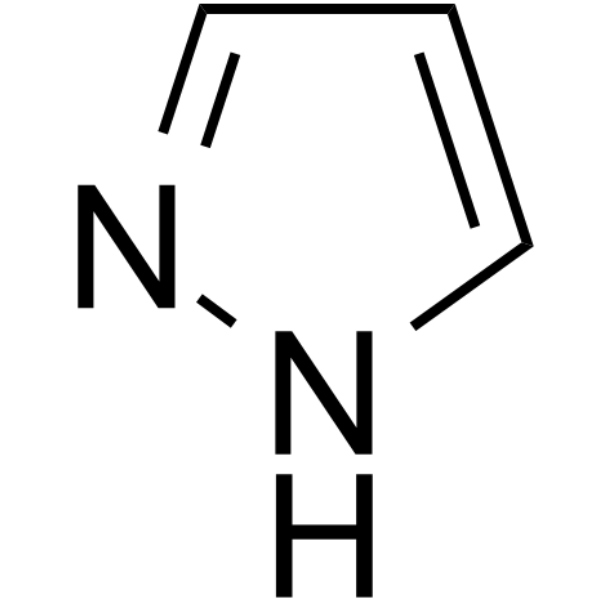
    1H-pyrazole (Pyrazole) is a five-membered heterocyclic compound, and its derivatives are orally effective antimalarial and antileishmanial agents with the potential to modulate targets such as alcohol dehydrogenase and NMDA receptors. 1H-pyrazole derivatives exhibit inhibitory effects on Plasmodium berghei in infected mice and on promastigotes of Leishmania aethiopica, respectively. 1H-pyrazole can be used in research related to malaria and leishmaniasis .
    1H-pyrazole
  • HY-21179

    Biochemical Assay Reagents Others
    Trimethylsilyl trifluoromethylsulfonate is a metal-free catalyst. Trimethylsilyl trifluoromethylsulfonate can be used for the synthesis of biologically active fluorinated heterocyclic compounds .
    Trimethylsilyl trifluoromethylsulfonate
  • HY-W018800
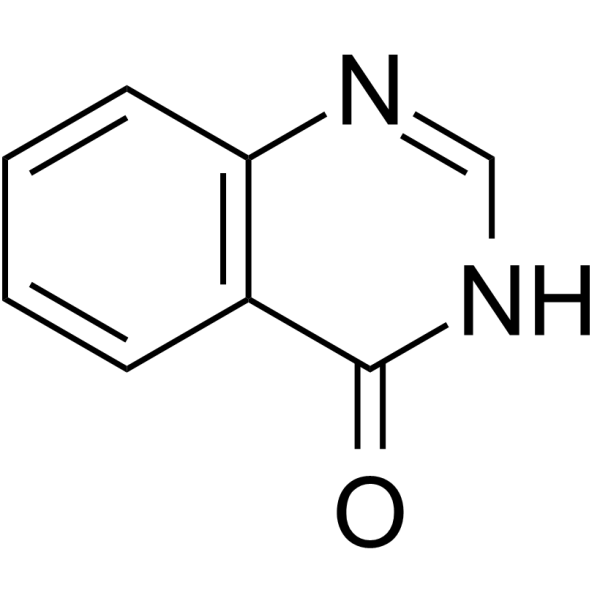
    4(3H)-Quinazolinone
    1 Publications Verification

    Bacterial EGFR Infection Neurological Disease Metabolic Disease Inflammation/Immunology Cancer
    4(3H) -quinazolinone is a fused nitrogen heterocyclic compound whose derivatives have a wide range of antimicrobial and antitumor activities .
    4(3H)-Quinazolinone
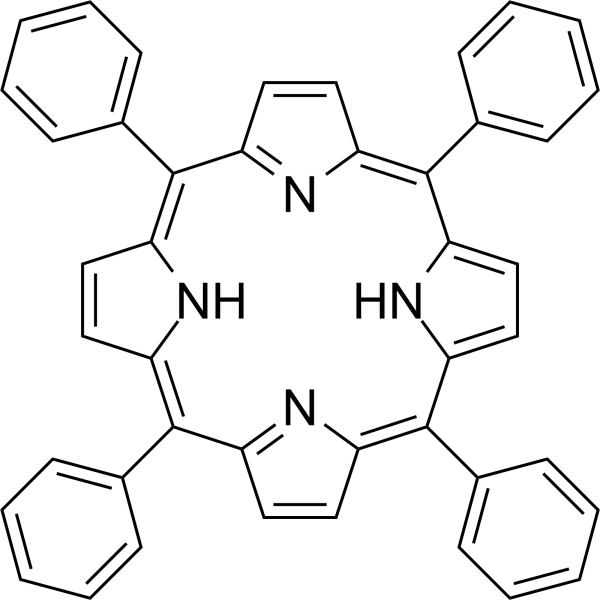
  • HY-103656

    TPP; Tetraphenylporphine; meso-Tetraphenylporphyrin

    MOFs Cancer
    Tetraphenylporphyrin (TPP) is a symmetrically substituted porphyrin-based heterocyclic compound and used as a structural block for supramolecular synthesis. Tetraphenylporphyrin derivatives can be used for cancer research .
    Tetraphenylporphyrin
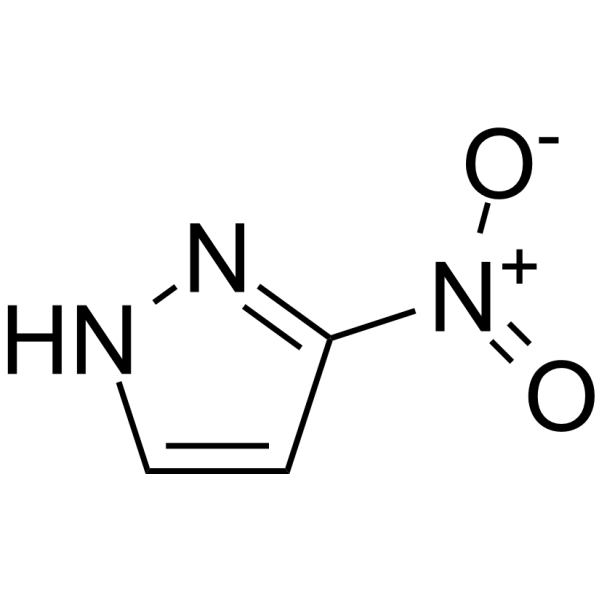
  • HY-W002457

    Biochemical Assay Reagents Drug Intermediate Others
    3-Nitropyrazole is a biochemical reagent that can be used as a biological material or organic compound for life science related research. 3-Nitropyrazole is also a nitrogen-containing heterocyclic compound, which can be used in the synthesis of other active compounds .
    3-Nitropyrazole
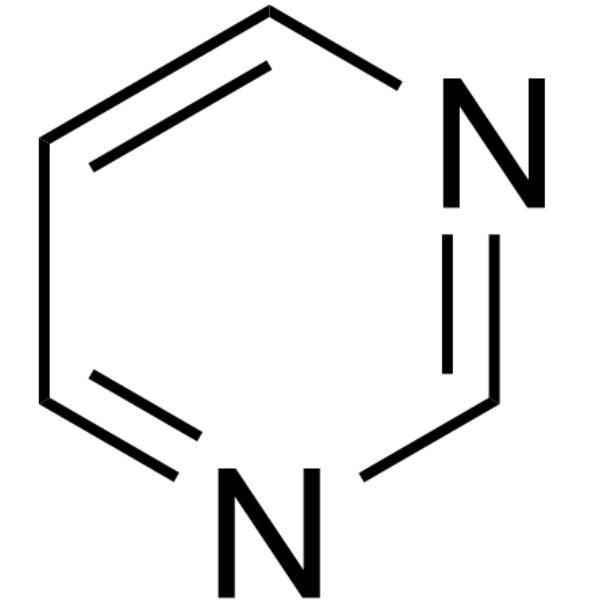
  • HY-Y0519

    Endogenous Metabolite Neurological Disease Cancer
    Pyrimidine is a nitrogen-containing heterocyclic compound and endogenous metabolite. Pyrimidine derivatives can be used in pancreatic cancer, triple-negative breast cancer, colon carcinoma and neuron research .
    Pyrimidine
  • HY-W003165

    Biochemical Assay Reagents Others
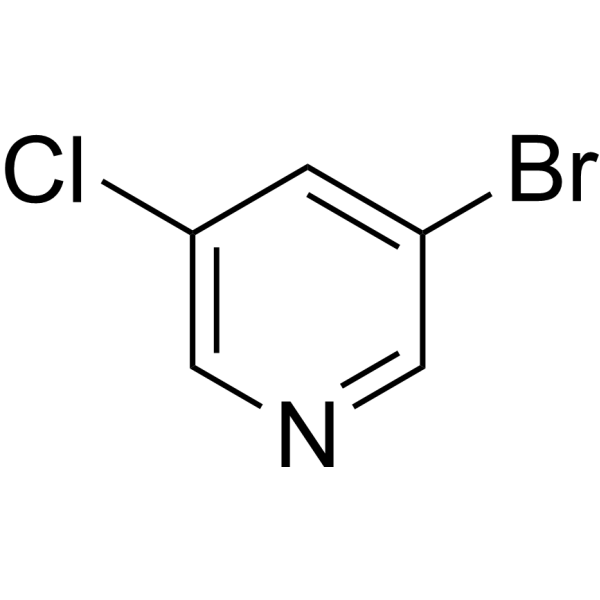
    3-Bromo-5-chloropyridine is a widely used heterocyclic compound that can be used to synthesize compounds. 3-Bromo-5-chloropyridine can be used as an intermediate in the production of crop protectants in the agricultural chemicals industry. 3-Bromo-5-chloropyridine can participate in cross-coupling reactions .
    3-Bromo-5-chloropyridine
  • HY-W002016

    Reactive Oxygen Species (ROS) Cancer
    Phthalazine is a substrate for human aldehyde oxidase 1, which can lead to the production of ROS and subsequent enzyme inactivation. Phthalazine is a nitrogen-containing organic heterocyclic compound. Phthalazine exhibits antitumor activity in blood cancer, breast cancer, colon cancer, lung cancer and renal cancer .
    Phthalazine
  • HY-145412

    GLP Receptor Metabolic Disease
    GLP-1 receptor agonist 7 (Compound 130b) is a potent agonist of glucagon-like peptide-1 (GLP-1). GLP-1 receptor agonist 7 generates cAMP under the mediation of GLP-1R with an EC50 of ≤ 0.2 nM. GLP-1 receptor agonist 7 can be used to study diseases related to the GLP-1 receptor (particularly type 2 diabetes) .
    GLP-1 receptor agonist 7
  • HY-41340

    Biochemical Assay Reagents Drug Intermediate Others
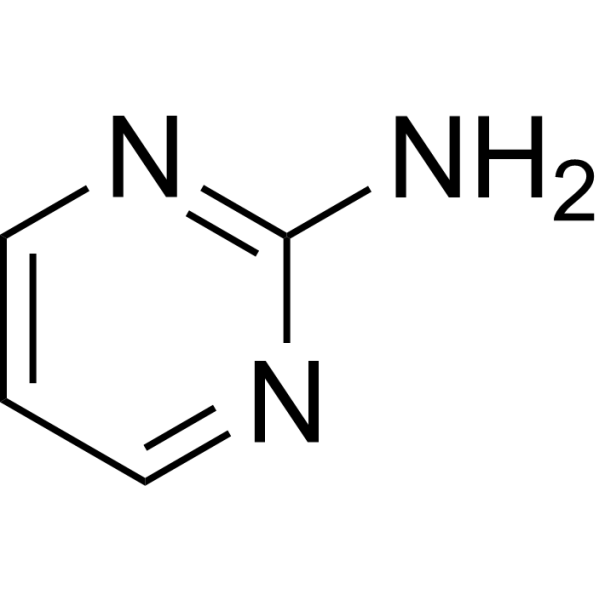
    2-Aminopyrimidine is an important heterocyclic intermediate. 2-Aminopyrimidine can undergo various reactions such as alkylation and acylation, and can be used for the synthesis of other active compounds .
    2-Aminopyrimidine
  • HY-Y0410

    2-Iminobenzimidazoline; 1H-Benzimidazol-2-ylamine; 2-Benzimidazolamine

    Biochemical Assay Reagents Others
    2-Aminobenzimidazole (2-Iminobenzimidazoline; 1H-Benzimidazol-2-ylamine; 2-Benzimidazolamine) is a heterocyclic aromatic compound. 2-Aminobenzimidazole is a kind of biological materials or organic compounds that are widely used in life science research .
    2-Aminobenzimidazole
  • HY-145657

    BQQ

    Biochemical Assay Reagents Others
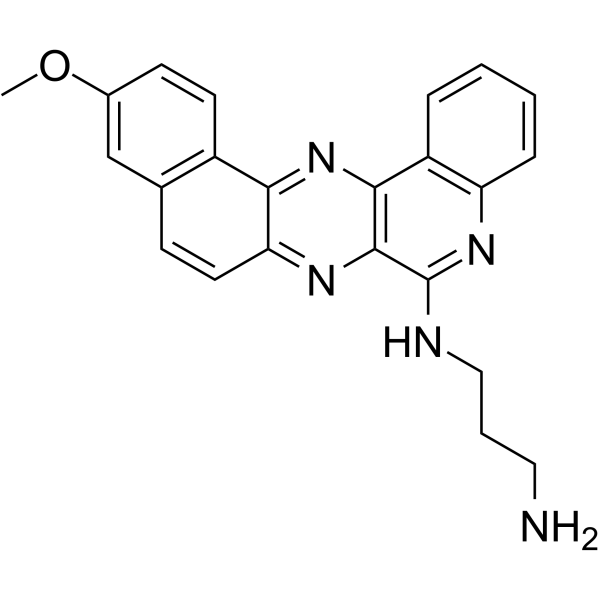
    Benzoquinoquinoxaline (BQQ) is a heterocyclic compound with an aminoalkyl side chain. Benzoquinoquinoxaline preferentially binds to DNA triplex structures, intercalates between the bases, thus, stabilising the triplex conformation. Conjugation of Benzoquinoquinoxaline to 1,10-phenanthroline specifically binds and cleaves double strand DNA at the site of formation of a triplex structure .
    Benzoquinoquinoxaline
  • HY-W001663

    Bacterial Infection
    4'-Hydroxy-3'-methylacetophenone is a phenolic volatile compound. 4'-Hydroxy-3'-methylacetophenone can be isolated from Hawaiian green coffee beans (Coffea Arabica L.). 4'-Hydroxy-3'-methylacetophenone is believed to possess potent antioxidant activity similar to that of other phenolic volatile compounds, Thymol (HY-N6810) and Eugenol (HY-N0337). 4'-Hydroxy-3'-methylacetophenone also can be used to synthesize heterocyclic compounds which have antimycobacterial activity .
    4'-Hydroxy-3'-methylacetophenone
  • HY-W011579

    Biochemical Assay Reagents Others
    4-Benzoyl-3-methyl-1-phenyl-5-pyrazolone, is a heterocyclic compound with a five-membered ring structure, which can be used as a starting material for organic synthesis, a reagent for organic transformation, and a biological probe for studying biological processes. 4-Benzoyl-3-methyl-1-phenyl-5-pyrazolone is a biomaterial or organic compound that can be used as a research-related biomaterial or organic compound in life sciences .
    4-Benzoyl-3-methyl-1-phenyl-5-pyrazolone
  • HY-W039724

    Biochemical Assay Reagents Others
    Thioxanthone is a powerful photocatalyst for organic reactions. Thioxanthone is a heterocyclic compound with the ability to participate successfully in merger reactions with metal complexes .
    Thioxanthone
  • HY-W140956

    Drug Intermediate Others
    3-Methyluracil is a pyrimidine heterocyclic compound that can serve as an intermediate. 3-Methyluracil can be isolated from Cordyceps bassiana .
    3-Methyluracil
  • HY-W010628

    Trimethyleneimine hydrochloride

    Biochemical Assay Reagents Drug Intermediate Others
    Azetidine (Trimethyleneimine) hydrochloride is a biochemical reagent that can be used as a biological material or organic compound for life science related research. Azetidine hydrochloride is also a nitrogen-containing heterocyclic compound, which can be used in the synthesis of other active compounds .
    Azetidine hydrochloride
  • HY-W355129S

    Isotope-Labeled Compounds Cancer
    MeIQx-d3 is the deuterium labeled MeIQx (HY-W355129) . MeIQx is a heterocyclic amine (HAs) compound and a dietary aromatic amine, which can bind covalently to hemoglobin. MeIQx is a mutagenic compound that induces liver tumors .
    MeIQx-d3
  • HY-66029

    Biochemical Assay Reagents Others
    6-(Trifluoromethyl)nicotinic acid is a biochemical reagent that can be used as a biological material or organic compound for life science related research. 6-(Trifluoromethyl)nicotinic acid is a small heterocyclic molecule containing carboxylic acid and trifluoromethyl groups, which can be used as a multifunctional additive .
    6-(Trifluoromethyl)nicotinic acid
  • HY-W003601

    Biochemical Assay Reagents Others
    2-Bromo-4-fluoropyridine is a synthetic halogenated heterocyclic organic compound and a key intermediate in the pharmaceutical and agrochemical industries. 2-Bromo-4-fluoropyridine can be used to synthesize bioactive molecules through cross-coupling reactions, such as Suzuki coupling or Buchwald-Hartwig amination.
    2-Bromo-4-fluoropyridine
  • HY-W001132R
    Indole (standard)
    2 Publications Verification

    Reference Standards Endogenous Metabolite Infection
    Indole (Standard) is the analytical standard of Indole. This product is intended for research and analytical applications. Indole is an aromatic, heterocyclic, organic compound which widely distributed in the natural environment and can be produced by a variety of bacteria. Indole regulates various aspects of bacterial physiology, including spore formation, plasmid stability, resistance to drugs, biofilm formation, and virulence as an intercellular signal molecule .
    Indole (standard)
  • HY-W100491

    Drug Derivative Cancer
    Trimethylbenzoquinone (Compound 5) is a methylated benzoquinone. Trimethylbenzoquinone exhibits moderate cytotoxicity against K562 cells, with its IC50 being 0.75 μM. Trimethylbenzoquinone is completely unable to cause inter-strand DNA cross-linking and cannot alkylate DNA guanines. Trimethylbenzoquinone can be used to study the relationship between the nitrogen heterocyclic group and DNA cross-linking .
    Trimethylbenzoquinone
  • HY-76779

    Drug Derivative Cancer
    4-(Chloromethyl)-7-hydroxycoumarin (compound 4) is a hydroxycoumarin derivative with potent antioxidant effect and high hydroxyl radical-scavenging property. 4-(Chloromethyl)-7-hydroxycoumarin contains a methyl group and a chlorine group in the heterocyclic ring. A series of coumarins incorporating hydroxy-, chloro- and/or chloromethyl-moieties has been investigated as potent inhibitors of the zinc enzyme carbonic anhydrase, expecially tumor-associated isoforms CA IX and XII .
    4-(Chloromethyl)-7-hydroxycoumarin
  • HY-W016568

    Endogenous Metabolite Others
    Isoxanthopterin is a heterocyclic compound belonging to the pteridine family and its activity is mainly reflected in its optical properties. Isoxanthopterin can form a reflective layer in the eyes of animals, enhancing visual function. The main regulatory mechanism of isoxanthopterin involves its ability to form a crystalline structure within organisms, which achieves a high refractive index through specific hydrogen bonding patterns and molecular arrangements. Isoxanthopterin can be used for research in materials science and optical engineering .
    Isoxanthopterin
  • HY-W010627

    Drug Intermediate Others
    2,5-Dimethylpyrrole is an aromatic heterocyclic compound. 2,5-Dimethylpyrrole as an important intermediate, and can be used in the synthesis of other active compounds .
    2,5-Dimethylpyrrole
  • HY-W016331

    4-Hydroxycarbazole

    Biochemical Assay Reagents Others
    9H-Carbazol-4-ol (4-Hydroxycarbazole) can be used as an aromatic heterocyclic compound with widespread applications in organic synthesis, as well as certain biochemical and physiological effects. 9H-Carbazol-4-ol is a kind of biological materials or organic compounds that are widely used in life science research .
    9H-Carbazol-4-ol
  • HY-69360

    Biochemical Assay Reagents Others
    2,5-Dibromothiazole is a heterocyclic compound. 2,5-Dibromothiazole is a key intermediate in organic synthesis .
    2,5-Dibromothiazole
  • HY-W013409

    Bacterial Infection Cancer
    2,4-Dichlorobenzenesulfonyl chloride (Compound 6d) is a heterocyclic building block, which can be used in the synthesis of nicotinyl arylsulfonylhydrazides with anticancer and antibacterial activities .
    2,4-Dichlorobenzenesulfonyl chloride
  • HY-75637

    Drug Intermediate Others
    5-Methyl-1H-pyrazol-3-amine is a pyrazole heterocyclic compound and can be used as a key intermediate for the synthesis of pyrazolylamide derivatives.
    3-Amino-5-methylpyrazole
  • HY-30012

    Biochemical Assay Reagents Drug Intermediate Others
    5-Bromo-7-azaindole is an important intermediate. 5-Bromo-7-azaindole can be used for the synthesis of other nitrogen-containing heterocyclic compounds .
    5-Bromo-7-azaindole
  • HY-W016825

    Drug Intermediate Others
    2-(Pyridin-2-yl)acetic acid hydrochloride is a heterocyclic aromatic carboxylic acid compound. 2-(Pyridin-2-yl)acetic acid hydrochloride can be used as an organic synthesis intermediate or a metal complex .
    2-(Pyridin-2-yl)acetic acid hydrochloride
  • HY-44087

    Drug Intermediate Others
    Ethyl (E)-3-(1-pyrrolidinyl)crotonate is an organic synthetic intermediate of the enamine ester type. Ethyl (E)-3-(1-pyrrolidinyl)crotonate has a stable structure and strong reactivity, and is mainly used for the construction of heterocyclic compounds and drug molecules.
    Ethyl (E)-3-(1-pyrrolidinyl)crotonate
  • HY-Y0141

    Drug Intermediate Others
    3-Amino-6-chloropyridazine is a nitrogen-containing heterocyclic organic compound belonging to the pyridazine derivatives. 3-Amino-6-chloropyridazine has the basicity of amino groups and the nucleophilic substitution activity of chlorine atoms. 3-Amino-6-chloropyridazine can serve as an important intermediate for synthesizing some active compounds .
    3-Amino-6-chloropyridazine
  • HY-W002458

    Drug Intermediate Others
    4-Nitropyrazole is a five-membered nitrogen-containing heterocyclic compound that can be used as a drug intermediate. 4-Nitropyrazole can be synthesized into antibiotics/antifungal/antiviral agents containing pyrazole rings. 4-Nitropyrazole is synthesized through C-H activation reactions to produce LRRK2 inhibitors, which are used in the research of Parkinson's disease .
    4-Nitropyrazole
  • HY-W010540

    Drug Intermediate Others
    4,5-Dimethylthiazole is a nitrogen-containing heterocyclic compound. 4,5-Dimethylthiazole can be used in the synthesis of other active compounds .
    4,5-Dimethylthiazole
  • HY-W024652

    Drug Intermediate Others
    4,5-Dimethylimidazole is a nitrogen-containing heterocyclic compound and is a synthetic intermediate .
    4,5-Dimethylimidazole
  • HY-W015966

    Drug Derivative Metabolic Disease
    3-Methylpyrrole is a pyrrole-type nitrogen-containing heterocyclic aromatic compound. 3-Methylpyrrole can be used as a negative control tool for hexosamine detection .
    3-Methylpyrrole
  • HY-Y0519R

    Reference Standards Endogenous Metabolite Metabolic Disease
    Pyrimidine (Standard) is the analytical standard of Pyrimidine. This product is intended for research and analytical applications. Pyrimidine is a nitrogen-containing heterocyclic compound and endogenous metabolite. Pyrimidine derivatives can be used in pancreatic cancer, triple-negative breast cancer, colon carcinoma and neuron research .
    Pyrimidine (Standard)
  • HY-D1343

    Fluorescent Dye
    DMNPE-caged D-luciferin is a heterocyclic luminescent compound that is a natural ligand for luciferase, an enzyme used to detect cell activity. Its reaction requires ATP and emits yellow-green light with a peak wavelength of about 530 nm. The luciferin in the DMNPE cage easily crosses the cell membrane.
    DMNPE-caged D-luciferin
  • HY-W002277

    Drug Derivative Infection Cancer
    1,8-Naphthyridine is a heterocyclic compound with antibacterial and antitumor activities. 1,8-Naphthyridine is promising for research of antibacterial agents and cancers .
    1,8-Naphthyridine
  • HY-W009194

    Drug Intermediate Infection
    (R)-(+)-Trityl glycidyl ether, a heterocyclic compound, is a precursor that can be used to synthesize glycerophospholipids, as well as compounds with antiviral and antimalarial activities .
    (R)-(+)-Trityl glycidyl ether
  • HY-65254

    Biochemical Assay Reagents Drug Intermediate Others
    5-Amino-2-fluoropyridine is a fluorinated heterocyclic compound, which can be used for the synthesis of other active compounds .
    5-Amino-2-fluoropyridine

Inquiry Online

Your information is safe with us. * Required Fields.

Salutation


Country or Region *

Applicant Name *


Organization Name *

Department *


Email Address *


Product Name *

Cat. No.


Requested quantity *

Phone Number *


Remarks

Inquiry Online

Inquiry Information

Product Name:
Cat. No.:
Quantity:
MCE Japan Authorized Agent:

