Search Result
Results for "
Hippocampal slice
" in MedChemExpress (MCE) Product Catalog:
| Cat. No. |
Product Name |
Target |
Research Areas |
Chemical Structure |
-
- HY-P1388
-
|
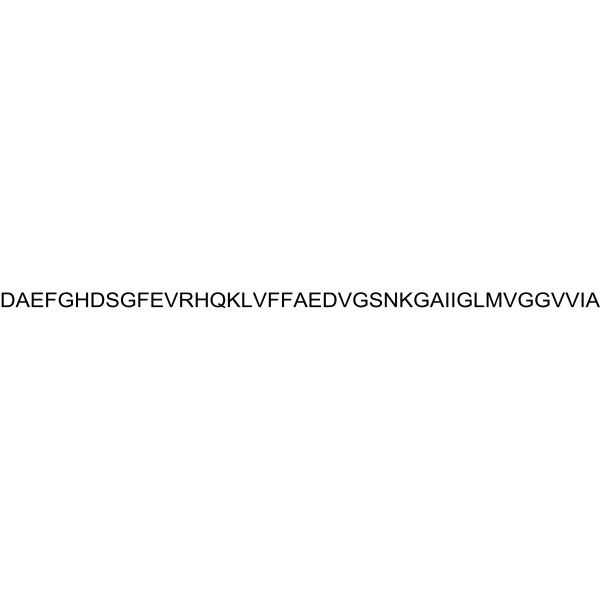
Amyloid β-peptide (1-42) (rat/mouse)
|
Amyloid-β
|
Neurological Disease
|
|
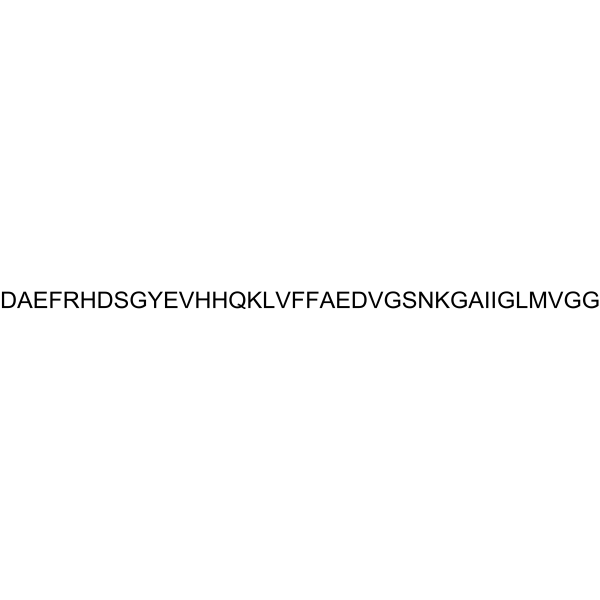
β-Amyloid (1-42), (rat/mouse) is a 42-aa peptide, shows cytotoxic effect on acute hippocampal slices, and used in the research of Alzheimer's disease.
|
-
-
- HY-10932
-
|
Ro 13-5057
|
nAChR
iGluR
|
Neurological Disease
|
|
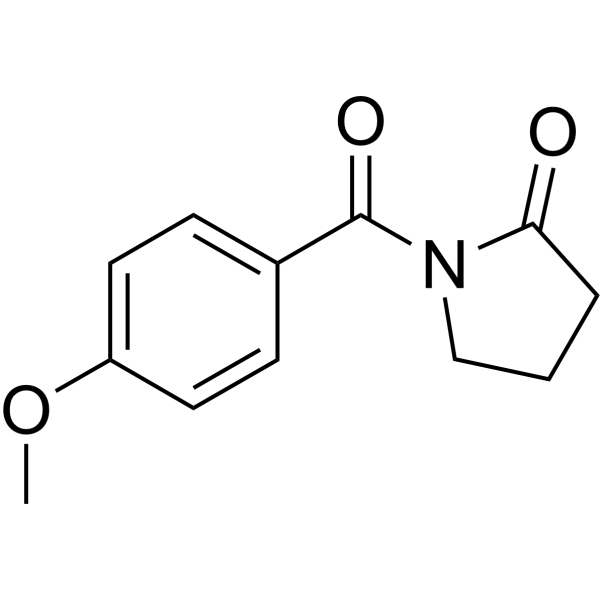
Aniracetam (Ro 13-5057) is an orally active neuroprotective agent, possessing nootropics effects. Aniracetam potentiates the ionotropic quisqualate (iQA) responses in the CA1 region of rat hippocampal slices. Aniracetam also potentiates the excitatory post synaptic potentials (EPSPs) in Schaffer collateral-commissural synapses. Aniracetam can prevents the CO2-induced impairment of acquisition in hypercapnia model rats. Aniracetam can be used to research cerebral dysfunctional disorders .
|
-
-
- HY-B0696
-
|
NO050328; NO328; TGB
|
GABA Receptor
|
Neurological Disease
|
|
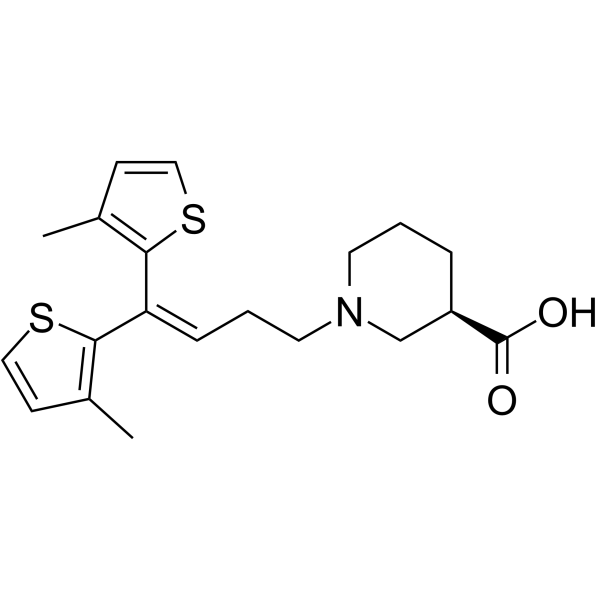
Tiagabine (NO050328; NO328; TGB) is an orally active, highly selective, and reversible GAT-1 inhibitor and anticonvulsant that crosses the blood-brain barrier. By blocking the reuptake of GABA in neurons and glial cells, tiagabine increases extracellular GABA levels to enhance inhibitory signal transduction, thereby exerting multiple activities such as anticonvulsant, neuroprotective, and antioxidant effects. Tiagabine exhibits linear pharmacokinetic properties. Although it is metabolized by CYP3A and has a high protein binding rate, it carries a low risk of cognitive impairment. Tiagabine is widely used in research on related diseases including epilepsy (including refractory partial seizures), alcohol withdrawal symptoms, and Huntington's disease .
|
-
-
- HY-P0221C
-
|
|
PACAP Receptor
|
Metabolic Disease
|
|
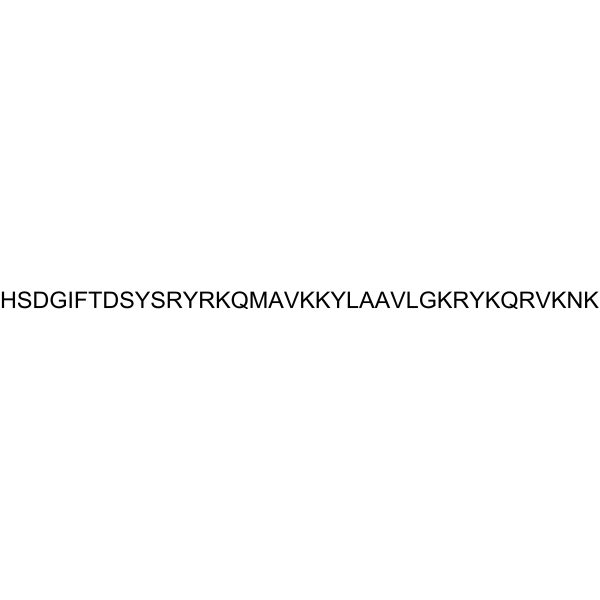
PACAP (1-38) free acid is a desamido-PACAP (1-38), human, ovine, rat (HY-P0221). PACAP (1-38) free acid can activate the human PAC1 receptor. PACAP (1-38) free acid induces cyclic AMP (cAMP) generation in both NS-1 neuroendocrine cells and non-neuroendocrine HEK293 cells .
|
-
-
- HY-148226
-
|
|
Apoptosis
Reactive Oxygen Species (ROS)
|
Cardiovascular Disease
|
|
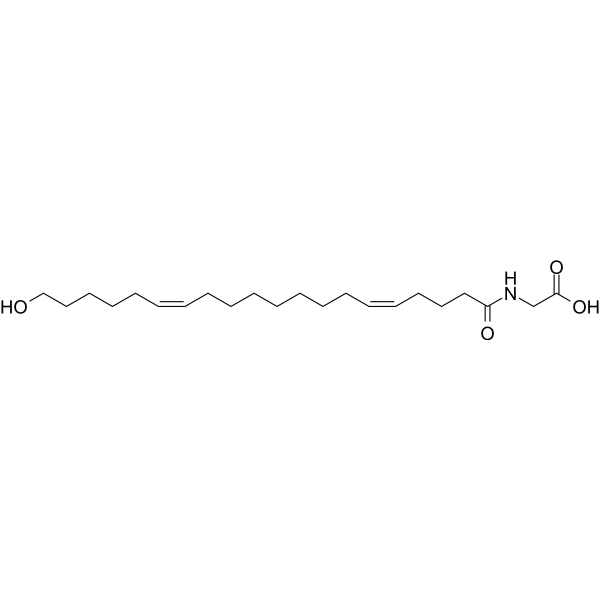
20-5,14-HEDGE is a 20-HETE analog. 20-5,14-HEDGE induces cell death in organotypic hippocampal slice cultures (OHSCs). 20-5,14-HEDGE enhances ROS production and reduces hypoxia-reoxygenation (HR)-induced apoptosis in ex vivo rat lung slices. 20-5,14-HEDGE protects against lung ischemic reperfusion injury in rats. 20-5,14-HEDGE can be used for the study of pulmonary vascular signaling and lung injury-related research .
|
-
-
- HY-125931
-
|
DM232
|
iGluR
|
Neurological Disease
Inflammation/Immunology
|
|
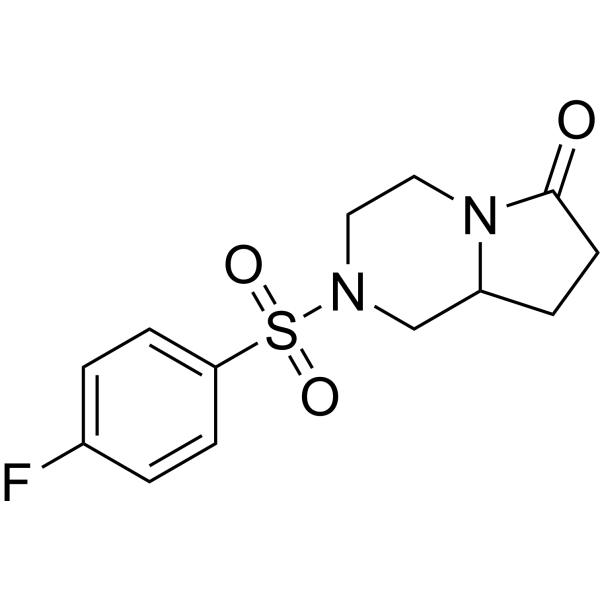
Unifiram (DM232) is a AMPA receptor activator and cognitive enhancer. Unifiram activates the AMPA-mediated neurotransmission system. Unifiram reverses NBQX-induced amnesia in the passive avoidance test in mice. Unifiram reverses the antagonistic effect of kynurenic acid on NMDA-mediated [ 3H]NA release in rat hippocampal slices. Unifiram enhances excitatory synaptic transmission in the rat hippocampus in vitro. Unifiram can be used in studies related to amnesia and cognitive dysfunction, including age-related memory decline, neurodegenerative diseases such as Alzheimer's disease or Parkinson's disease, multiple sclerosis, schizophrenia, and attention deficit hyperactivity disorder .
|
-
-
- HY-P1388A
-
|
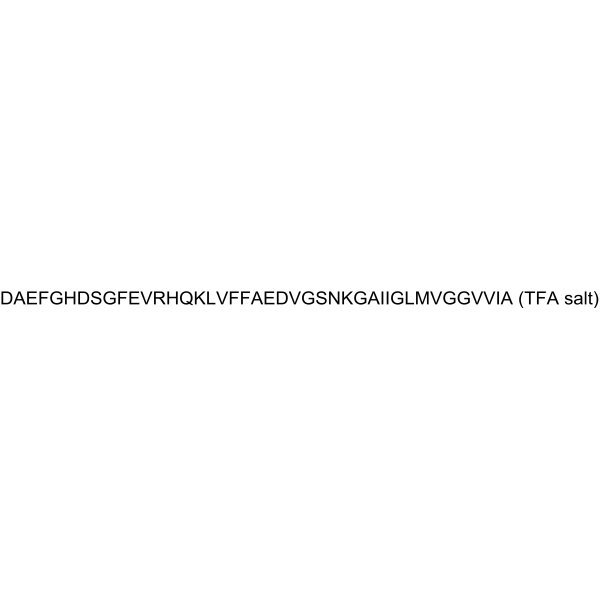
Amyloid β-peptide (1-42) (rat/mouse) TFA
|
Amyloid-β
|
Neurological Disease
|
|
β-Amyloid (1-42), (rat/mouse) TFA is a 42-aa peptide, shows cytotoxic effect on acute hippocampal slices, and used in the research of Alzheimer's disease.
|
-
-
- HY-P3688A
-
|
Aβ (1-38) TFA; Aβ38 TFA
|
Amyloid-β
|
Neurological Disease
|
|
β-Amyloid (1-38) (Aβ (1-38)) TFA is a β-Amyloid (Aβ) peptide. β-Amyloid (1-38) TFA interferes with the conversion of Aβ(1-42) to a β-sheet-rich aggregate. β-Amyloid (1-38)TFA reverses the negative impact of Aβ(1-42) on long-term potentiation in acute hippocampal slices and on membrane conductance in primary neurons, and mitigates an Aβ(1-42) phenotype in Caenorhabditis elegans .
|
-
-
- HY-P2259
-
|
|
iGluR
HIV Integrase
Adenosine Receptor
|
Cardiovascular Disease
Neurological Disease
|
|
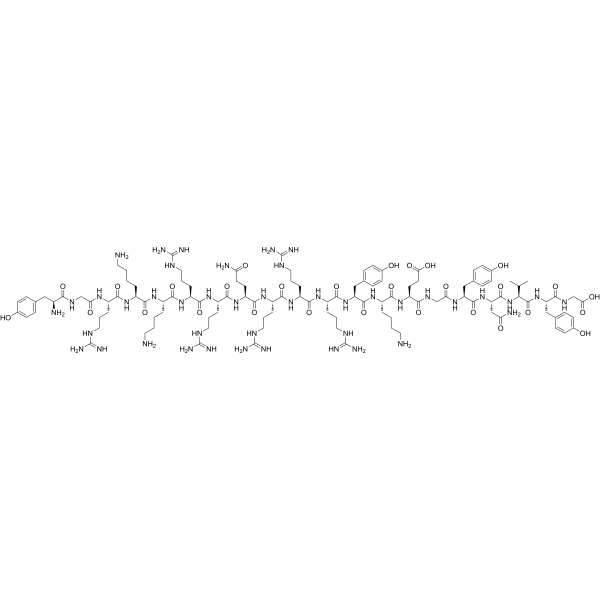
TAT-GluA2 3Y is a blood-brain barrier-permeable AMPA receptor inhibitory peptide that crosses cell membranes via the HIV-1 TAT protein domain. TAT-GluA2 3Y blocks the endocytosis of AMPA receptors, including the internalization of GluA1/GluA2 subunits, by disrupting interactions with the AP2, Brag2 and Syt3-GluA2 complexes, while also inhibiting long-term depression. TAT-GluA2 3Y blocks hypoxia-mediated AMPAR internalization, alleviates A1R-induced persistent synaptic inhibition, and reduces cerebral ischemic volume, neurological deficits and spatial memory deficits. TAT-GluA2 3Y blocks the effect of NLRP3 deficiency on fear generalization, inhibits amphetamine-induced behavioral/neurochemical sensitization, weakens the unconditioned stimulus-conditioned stimulus association of morphine, and promotes the extinction of morphine CPP. TAT-GluA2 3Y can be used in studies related to fear generalization, ischemic stroke, hypoxia, drug addiction and opioid addiction .
|
-
-
- HY-106865
-
|
|
Dopamine Receptor
Adrenergic Receptor
|
Cardiovascular Disease
|
|
Mivazerol is a selective α2-adrenoceptor agonist. Mivazerol decreases the spontaneous release of serotonin (5-HT) and significantly inhibits the immobilization stress-induced enhancement of norepinephrine (NE), dopamine (DA) and dihydroxyphenylacetic acid (DOPAC). Mivazerol inhibits intrathecal release of glutamate evoked by halothane withdrawal in rats, and exerts neuroprotective effects in forebrain ischemia rats. Mivazerol can be used for myocardial ischemia research .
|
-
-
- HY-100743
-
|
2-Amino-4-phosphonobutyric acid
|
mGluR
|
Neurological Disease
Metabolic Disease
|
|
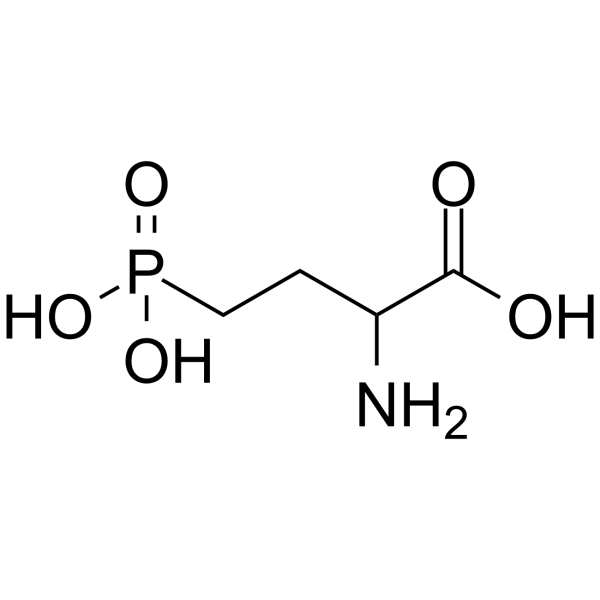
DL-AP4 (2-Amino-4-phosphonobutyric acid) is a glutamate antagonist. DL-AP4 behaves as a competitive inhibitor of glutamate binding with an apparent Kd of 66 μM. DL-AP4 can be used for the research of central nervous system and visual system .
|
-
-
- HY-112828
-
|
|
DAGL
|
Neurological Disease
Metabolic Disease
Inflammation/Immunology
|
|
LEI105 is a potent, highly selective and reversible dual diacylglycerol lipase (DAGL)-α/DAGL-β inhibitor. LEI105 reduces 2-arachidonoylglycerol levels in Neuro2A cells. LEI105 also reduces cannabinoid CB1-receptor-mediated short-term synaptic plasticity in a mouse hippocampal slice model. LEI105 is promising for research of diseases, such as obesity, related metabolic disorders and neuroinflammation .
|
-
-
- HY-125172
-
|
Polyglutamine Aggregation inhibitor III
|
Huntingtin
|
Others
|
|
C2-8 is an inhibitor of polyglutamine (polyQ) aggregation (IC50s=25 and 0.05 μM for recombinant HDQ51 and in PC12 cells, respectively). It also inhibits polyQ aggregation in organotypic hippocampal slice cultures isolated from R6/2 transgenic mice and reduces neurodegeneration in a dose-dependent manner in a Drosophila model of Huntington's disease. C2-8 (100 and 200 mg/kg) reduces huntingtin aggregate size, reduces neuronal atrophy, and improves motor performance in a rotarod test in the R6/2 transgenic mouse model of Huntington's disease.
|
-
-
- HY-P3688
-
|
Aβ (1-38); Aβ38
|
Amyloid-β
|
Neurological Disease
|
|
β-Amyloid (1-38) (Aβ (1-38)) is a β-Amyloid (Aβ) peptide. β-Amyloid (1-38) interferes with the conversion of Aβ(1-42) to a β-sheet-rich aggregate. β-Amyloid (1-38) reverses the negative impact of Aβ(1-42) on long-term potentiation in acute hippocampal slices and on membrane conductance in primary neurons, and mitigates an Aβ(1-42) phenotype in Caenorhabditis elegans .
|
-
-
- HY-144635
-
|
|
Monoamine Oxidase
Keap1-Nrf2
Reactive Oxygen Species (ROS)
|
Neurological Disease
|
|
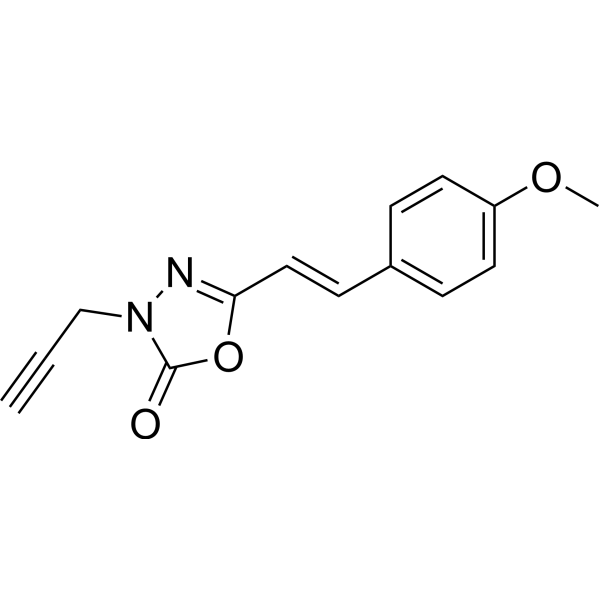
Nrf2-ARE/hMAO-B/QR2 modulator 1 is a Resveratrol-based multitarget-directed ligands with IC50s of 8.05, 9.83 and 0.57 μM for hMAO-B, NRF2 and QR2. Nrf2-ARE/hMAO-B/QR2 modulator 1 has neuroprotection, decreasing ROS production in okadaic acid-treated mice hippocampal slices . Nrf2-ARE/hMAO-B/QR2 modulator 1 is a click chemistry reagent, it contains an Alkyne group and can undergo copper-catalyzed azide-alkyne cycloaddition (CuAAc) with molecules containing Azide groups.
|
-
-
- HY-103188
-
|
|
Adenosine Receptor
|
Neurological Disease
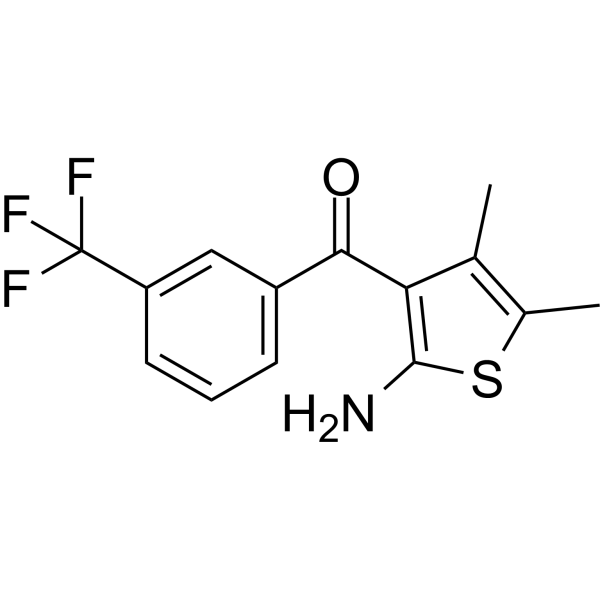
|
|
PD81723 is an adenosine receptor binding enhancer. PD81723 enhances the inhibition of exogenous adenosine in a dose-dependent manner in hippocampal brain sections .
|
-
-
- HY-10932R
-
|
Ro 13-5057 (Standard)
|
Reference Standards
nAChR
iGluR
|
Neurological Disease
|
|
Aniracetam (Standard) is the analytical standard of Aniracetam. This product is intended for research and analytical applications. Aniracetam (Ro 13-5057) is an orally active neuroprotective agent, possessing nootropics effects. Aniracetam potentiates the ionotropic quisqualate (iQA) responses in the CA1 region of rat hippocampal slices. Aniracetam also potentiates the excitatory post synaptic potentials (EPSPs) in Schaffer collateral-commissural synapses. Aniracetam can prevents the CO2-induced impairment of acquisition in hypercapnia model rats. Aniracetam can be used to research cerebral dysfunctional disorders .
|
-
-
- HY-12701A
-
|
U-99194A; PNU-99194A maleate; JPC-211 maleate
|
Dopamine Receptor
|
Neurological Disease
|
|
U-99194 (PNU-99194) maleate is a selective, potent dopamine D3 receptor antagonist (Ki =160 nM). U-99194 maleate inhibits the activation of D3 receptor mediated by endogenously released dopamine or exogenous D3 agonists. U-99194 maleate abrogates the IPSC-suppressive effect of the D3 agonist PD 128907 in rat hippocampal slices. U-99194 maleate significantly suppresses Nicotine (HY-127019)-induced tremor in mice. U-99194 maleate can be used for the study of dopamine D3 receptor-mediated motor disorders, particularly kinetic tremors .
|
-
-
- HY-171979
-
|
|
iGluR
|
Neurological Disease
|
|
Fluorolintane exhibits high affinity for N-methyl-D-aspartate (NMDA) receptors with a Ki of 87.92 nM. Fluorolintane inhibits prepulse inhibition in rats. Fluorolintane also inhibits NMDA receptor-induced field excitatory postsynaptic potentials in rat hippocampal slices .
|
-
-
- HY-168771
-
|
γDGG TFA; γ-D-Glutamylglycine TFA
|
iGluR
|
Neurological Disease
|
|
gamma-DGG TFA is the antagonist for excitatory amino acid, that blocks NMDA-(HY-17551), Kainate-(HY-N2309) and Quisqualate-(HY-12597) induced depolarization, and antagonises the excitatory postsynaptic potential (e.p.s.p.) in rat hippocampal slices .
|
-
-
- HY-107605
-
|
|
iGluR
|
Neurological Disease
|
|
UBP296 is a potent and selective antagonist of GLUK5-containing kainate receptor in the spinal cord. UBP296 reversibly blocks ATPA-induced depressions of synaptic transmission, and affects AMPA receptor-mediated synaptic transmission directly in rat hippocampal slices .
|
-
-
- HY-P0221B
-
|
|
PACAP Receptor
|
Endocrinology
|
|
PACAP (1-38) free acid TFA is an endogenous neuropeptide. PACAP (1-38) free acid TFA potently stimulates antral motility and somatostatin secretion, inhibits the secretion of gastrin and stimulates the release of vasoactive intestinal polypeptide, gastrin releasing peptide and substance P. PACAP (1-38) free acid TFA also enhances N-methyl-D-aspartate receptor function and expression of brain-derived neurotrophic factor through RACK1 .
|
-
-
- HY-P1424A
-
|
|
Potassium Channel
|
Neurological Disease
|
|
Lei-Dab7 TFA is a high affinity, selective KCa2.2 (SK2) channel blocker (Kd=3.8 nM). Lei-Dab7 TFA exhibits >200-fold selectivity for KCa2.2 over KCa2.1, KCa2.3, KCa3.1, Kv and Kir2.1. Lei-Dab7 TFA increases theta-burst responses and increases LTP in rat hippocampal slices in vitro.
|
-
-
- HY-13325
-
|
|
Drug Derivative
Amyloid-β
|
Neurological Disease
|
|
Aβ aggregation modulator-1 is a stimulator of amyloid-β (Aβ) fibrillogenesis. Aβ aggregation modulator-1 binds hydrophobic residues in Aβ peptides and stabilizes β-sheet-rich protofibrils and fibrils. Aβ aggregation modulator-1 accelerates Aβ polymerization and reduces concentrations of small, toxic Aβ oligomers in heterogeneous aggregation reactions. Aβ aggregation modulator-1 suppresses long-term potentiation (LTP) inhibition by Aβ oligomers in hippocampal brain slices. Aβ aggregation modulator-1 can be used for the study of Alzheimer's disease (AD) .
|
-
-
- HY-12701
-
|
U-99194A free base; PNU-99194A; JPC-211
|
Dopamine Receptor
|
Neurological Disease
|
|
U-99194 (PNU-99194) is a selective, potent dopamine D3 receptor antagonist. U-99194 inhibits the activation of D3 receptor mediated by endogenously released dopamine or exogenous D3 agonists. U-99194 abrogates the IPSC-suppressive effect of the D3 agonist PD 128907 in rat hippocampal slices. U-99194 significantly suppresses Nicotine (HY-127019)-induced tremor in mice. U-99194 can be used for the study of dopamine D3 receptor-mediated motor disorders, particularly kinetic tremors .
|
-
-
- HY-100743R
-
|
2-Amino-4-phosphonobutyric acid (Standard)
|
mGluR
Reference Standards
|
Neurological Disease
Metabolic Disease
|
|
DL-AP4 (Standard) is the analytical standard of DL-AP4. This product is intended for research and analytical applications. DL-AP4 (2-Amino-4-phosphonobutyric acid) is a glutamate antagonist. DL-AP4 behaves as a competitive inhibitor of glutamate binding with an apparent Kd of 66 μM. DL-AP4 can be used for the research of central nervous system and visual system .
|
-
-
- HY-116260
-
|
|
Cholecystokinin Receptor
|
Neurological Disease
Inflammation/Immunology
|
|
RP-69758 is a potent and selective non-peptide cholecystokinin-B (CCKB)/gastrin receptor antagonist. RP-69758 exhibits >200-fold selectivity for CCKB over CCKA receptors. RP-69758 antagonizes CCK-8-induced neuronal firing in rat hippocampal slices. RP-69758 inhibits Pentagastrin (HY-A0261)-induced gastric acid secretion in the rat. RP-69758 can be used for neurological disorders and gastrointestinal disease research .
|
-
-
- HY-182410
-
|
|
iGluR
|
Neurological Disease
|
|
EGIS-9637 is a non-competitive AMPA antagonist and acylated dihydro-2,3-benzodiazepine class member .
|
-
-
- HY-204388
-
|
|
iGluR
Calcium Channel
|
Neurological Disease
|
|
TAK-137 is an AMPA receptor potentiator with weak agonistic effect. TAK-137 binds to the AMPA receptor ligand binding domain in a glutamate-dependent manner. TAK-137 potentiates AMPA-induced currents and Ca 2+ influx. TAK-137 can be used for the research of neurological disease .
|
-
-
- HY-114613
-
|
|
Amyloid-β
α-synuclein
CGRP Receptor
Amylin Receptor
|
Neurological Disease
Inflammation/Immunology
|
|
D-Trp-Aib is a dipeptide and amyloid-β inhibitor with a Kd of 29.6 nM. D-Trp-Aib triggers formation of non-toxic, non-β-sheet, amorphous amyloid β clusters from misfolded amyloid β monomers and toxic amyloid β oligomers, and reduces toxic amyloid β1-42 deposits. D-Trp-Aib inhibits amyloid fibril formation of α‑synuclein, IAPP and calcitonin. D-Trp-Aib can be used for the research of Alzheimer's disease .
|
-
-
- HY-182571
-
|
|
Chloride Channel
|
Neurological Disease
|
|
AK-42 is a selective CLC-2 chloride channel inhibitor with human IC50 of 17 nM and rat IC50 of 14 nM. AK-42 binds to an extracellular vestibule above the channel pore, inhibits CLC-2 currents acutely and reversibly, including with auxiliary subunit GlialCAM coexpression. AK-42 acts as a selective tool compound for acute CLC-2 function modulation to probe CLC-2 neurophysiology. AK-42 can be used for the research of leukodystrophy and idiopathic generalized epilepsies .
|
-
-
- HY-W051199
-
|
o-Phosphohomoserine
|
Endogenous Metabolite
iGluR
|
Others
|
|
O-Phosphono-L-homoserine (o-Phosphohomoserine) is an intermediate in threonine synthesis in bacteria and plants, and can also be hijacked by MetM in some Streptomyces species to enter a novel methionine synthesis pathway. O-Phosphono-L-homoserine acts as a weak antagonist of the NMDA receptor. O-Phosphono-L-homoserine can be used as a substrate for studies on amino acid metabolism of the aspartate family, a control for mechanism studies of PLP enzymes, and a reference for structure-activity relationship studies of NMDA receptor ligands .
|
-
-
- HY-118646A
-
|
|
nAChR
TNF Receptor
|
Neurological Disease
Inflammation/Immunology
|
|
NS-6740 hydrochloride is a partial agonist of α7 nicotinic acetylcholine receptor (α7 nAChR) with an IC50 of 3 nM. NS-6740 hydrochloride also acts as a potent modulator of the cholinergic anti-inflammatory pathway. NS-6740 hydrochloride alters the signaling pattern of α7 in an ion channel-independent manner, thereby reducing synaptic function. NS-6740 hydrochloride induces the desensitized state of α7 nAChR. NS-6740 hydrochloride generates robust nAChR-mediated currents. NS-6740 hydrochloride reduces LPS (HY-D1056)-induced TNF-α release from microglia. NS-6740 hydrochloride can be used in the research of neuroinflammation and neuropathic pain .
|
-
-
- HY-182548
-
|
|
GABA Receptor
Sodium Channel
iGluR
|
Cardiovascular Disease
Neurological Disease
|
|
BTS 72664 is a broad-spectrum, non-sedating, orally effective anticonvulsant. Its anticonvulsant effect mainly arises from enhancing GABAA receptor (GABAA receptor)-mediated chloride channel currents, while it exerts weak blocking effects on Na + channels (Ki = 350 μM) and NMDA receptors (NMDA receptor) (IC50 = 43 μM). BTS 72664 prevents the elevation of extracellular glutamate, glycine and serine concentrations in neurons, reduces cerebral infarct size, promotes functional recovery, prevents multiple types of epileptic seizures, and has low sedative potential. BTS 72664 can be used for the research of epilepsy, stroke and migraine .
|
-
-
- HY-15080
-
|
LY 293606
|
iGluR
|
Cardiovascular Disease
Neurological Disease
|
|
GYKI 53405 is a non-competitive, orally active AMPA receptor antagonist. GYKI 53405 shows no significant binding affinity for GABAA, GABAB or benzodiazepine receptors. GYKI 53405 increases self-grooming behavior, induces wet dog-like shakes, reduces spontaneous activity, produces anxiolytic-like behavior, reverses the anxiogenic effect induced by mCPP, inhibits locomotor activity, suppresses sound-induced and maximal electroshock-induced seizures, prolongs survival in global cerebral ischemia models, and exhibits sustained anticonvulsant effects at doses below the sedation threshold. GYKI 53405 can be used in research related to absence epilepsy, anxiety disorders and global cerebral ischemia .
|
-
| Cat. No. |
Product Name |
Target |
Research Area |
-
- HY-P1388
-
|
Amyloid β-peptide (1-42) (rat/mouse)
|
Amyloid-β
|
Neurological Disease
|
|
β-Amyloid (1-42), (rat/mouse) is a 42-aa peptide, shows cytotoxic effect on acute hippocampal slices, and used in the research of Alzheimer's disease.
|
-
- HY-P0221C
-
|
|
PACAP Receptor
|
Metabolic Disease
|
|
PACAP (1-38) free acid is a desamido-PACAP (1-38), human, ovine, rat (HY-P0221). PACAP (1-38) free acid can activate the human PAC1 receptor. PACAP (1-38) free acid induces cyclic AMP (cAMP) generation in both NS-1 neuroendocrine cells and non-neuroendocrine HEK293 cells .
|
-
- HY-P1388A
-
|
Amyloid β-peptide (1-42) (rat/mouse) TFA
|
Amyloid-β
|
Neurological Disease
|
|
β-Amyloid (1-42), (rat/mouse) TFA is a 42-aa peptide, shows cytotoxic effect on acute hippocampal slices, and used in the research of Alzheimer's disease.
|
-
- HY-P3688A
-
|
Aβ (1-38) TFA; Aβ38 TFA
|
Amyloid-β
|
Neurological Disease
|
|
β-Amyloid (1-38) (Aβ (1-38)) TFA is a β-Amyloid (Aβ) peptide. β-Amyloid (1-38) TFA interferes with the conversion of Aβ(1-42) to a β-sheet-rich aggregate. β-Amyloid (1-38)TFA reverses the negative impact of Aβ(1-42) on long-term potentiation in acute hippocampal slices and on membrane conductance in primary neurons, and mitigates an Aβ(1-42) phenotype in Caenorhabditis elegans .
|
-
- HY-P2259
-
|
|
iGluR
HIV Integrase
Adenosine Receptor
|
Cardiovascular Disease
Neurological Disease
|
|
TAT-GluA2 3Y is a blood-brain barrier-permeable AMPA receptor inhibitory peptide that crosses cell membranes via the HIV-1 TAT protein domain. TAT-GluA2 3Y blocks the endocytosis of AMPA receptors, including the internalization of GluA1/GluA2 subunits, by disrupting interactions with the AP2, Brag2 and Syt3-GluA2 complexes, while also inhibiting long-term depression. TAT-GluA2 3Y blocks hypoxia-mediated AMPAR internalization, alleviates A1R-induced persistent synaptic inhibition, and reduces cerebral ischemic volume, neurological deficits and spatial memory deficits. TAT-GluA2 3Y blocks the effect of NLRP3 deficiency on fear generalization, inhibits amphetamine-induced behavioral/neurochemical sensitization, weakens the unconditioned stimulus-conditioned stimulus association of morphine, and promotes the extinction of morphine CPP. TAT-GluA2 3Y can be used in studies related to fear generalization, ischemic stroke, hypoxia, drug addiction and opioid addiction .
|
-
- HY-P3688
-
|
Aβ (1-38); Aβ38
|
Amyloid-β
|
Neurological Disease
|
|
β-Amyloid (1-38) (Aβ (1-38)) is a β-Amyloid (Aβ) peptide. β-Amyloid (1-38) interferes with the conversion of Aβ(1-42) to a β-sheet-rich aggregate. β-Amyloid (1-38) reverses the negative impact of Aβ(1-42) on long-term potentiation in acute hippocampal slices and on membrane conductance in primary neurons, and mitigates an Aβ(1-42) phenotype in Caenorhabditis elegans .
|
-
- HY-P0221B
-
|
|
PACAP Receptor
|
Endocrinology
|
|
PACAP (1-38) free acid TFA is an endogenous neuropeptide. PACAP (1-38) free acid TFA potently stimulates antral motility and somatostatin secretion, inhibits the secretion of gastrin and stimulates the release of vasoactive intestinal polypeptide, gastrin releasing peptide and substance P. PACAP (1-38) free acid TFA also enhances N-methyl-D-aspartate receptor function and expression of brain-derived neurotrophic factor through RACK1 .
|
-
- HY-P1424A
-
|
|
Potassium Channel
|
Neurological Disease
|
|
Lei-Dab7 TFA is a high affinity, selective KCa2.2 (SK2) channel blocker (Kd=3.8 nM). Lei-Dab7 TFA exhibits >200-fold selectivity for KCa2.2 over KCa2.1, KCa2.3, KCa3.1, Kv and Kir2.1. Lei-Dab7 TFA increases theta-burst responses and increases LTP in rat hippocampal slices in vitro.
|
| Cat. No. |
Product Name |
Category |
Target |
Chemical Structure |
| Cat. No. |
Product Name |
|
Classification |
-
- HY-144635
-
|
|
|
Alkynes
|
|
Nrf2-ARE/hMAO-B/QR2 modulator 1 is a Resveratrol-based multitarget-directed ligands with IC50s of 8.05, 9.83 and 0.57 μM for hMAO-B, NRF2 and QR2. Nrf2-ARE/hMAO-B/QR2 modulator 1 has neuroprotection, decreasing ROS production in okadaic acid-treated mice hippocampal slices . Nrf2-ARE/hMAO-B/QR2 modulator 1 is a click chemistry reagent, it contains an Alkyne group and can undergo copper-catalyzed azide-alkyne cycloaddition (CuAAc) with molecules containing Azide groups.
|
Your information is safe with us. * Required Fields.
Inquiry Information
- Product Name:
- Cat. No.:
- Quantity:
- MCE Japan Authorized Agent:

