
From 11:00 pm to 12:00 pm EST ( 8:00 pm to 9:00 pm PST ) on January 6th, the website will be under maintenance. We are sorry for the inconvenience. Please arrange your schedule properly.
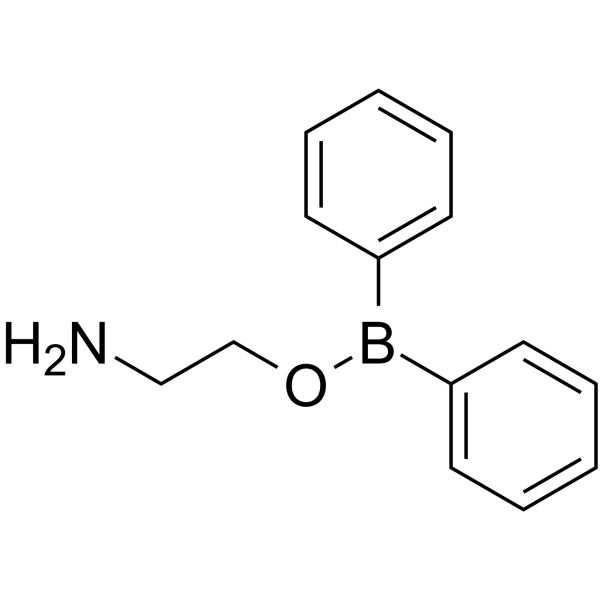
2-Aminoethyl diphenylborinate (2-APB) is a cell-permeable inhibitor of Inositol triphosphate receptor(IP3R). 2-Aminoethyl diphenylborinate also inhibits the store-operated Ca 2+ (SOC) channel and activates some TRP channels (V1, V2 and V3). Additionally, 2-Aminoethyl diphenylborinate has inhibitory effects on vasospasm. At high concentrations, it exhibits specific anti-inflammatory and antioxidant effects in neural tissue .
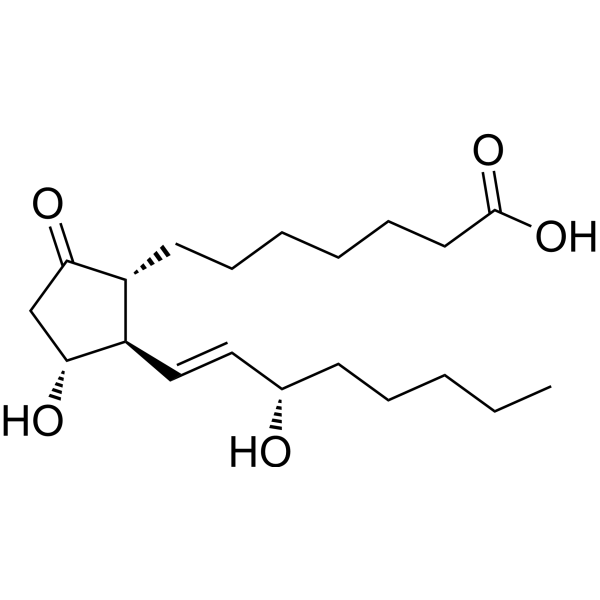
Prostaglandin E1 (Alprostadil) is a prostanoid receptor ligand, with Kis of 1.1 nM, 2.1 nM, 10 nM, 33 nM and 36 nM for mouse EP3, EP4, EP2, IP and EP1, respectively. Prostaglandin E1 induces vasodilation and inhibits platelet aggregation. Prostaglandin E1 can be used as a vasodilator for the research of peripheral vascular diseases .
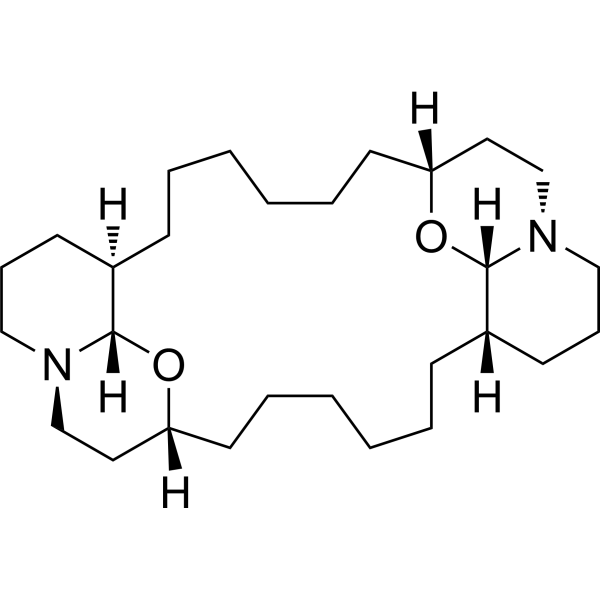
Xestospongin C ((-)-Xestospongin C) is a selective, reversible inositol 1,4,5-trisphosphate receptor(IP3R) inhibitor. Xestospongin C acts as an inhibitor of the sarcoplasmic/endoplasmic reticulum Ca 2+ ATPase (SERCA) pump of internal stores. Xestospongin C blocks IP3-induced Ca 2+ release from cerebellar microsomes with an IC50 of 358 nM. Xestospongin C is a valuable tool for investigating the structure and function of IP3Rs and Ca 2+ signaling in neuronal and nonneuronal cells .
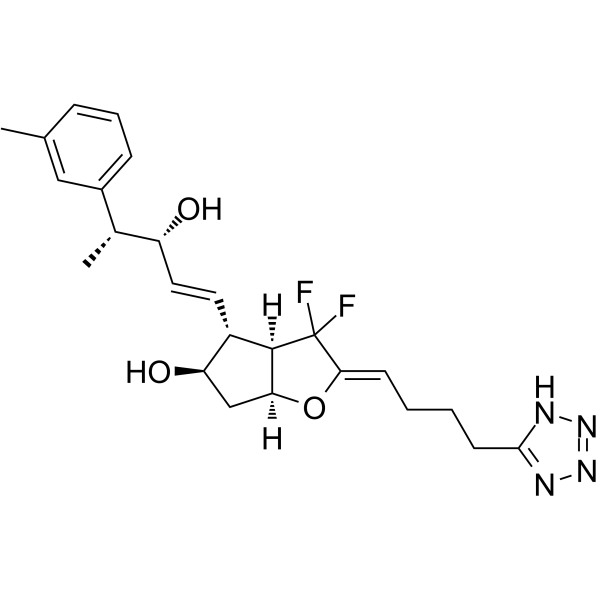
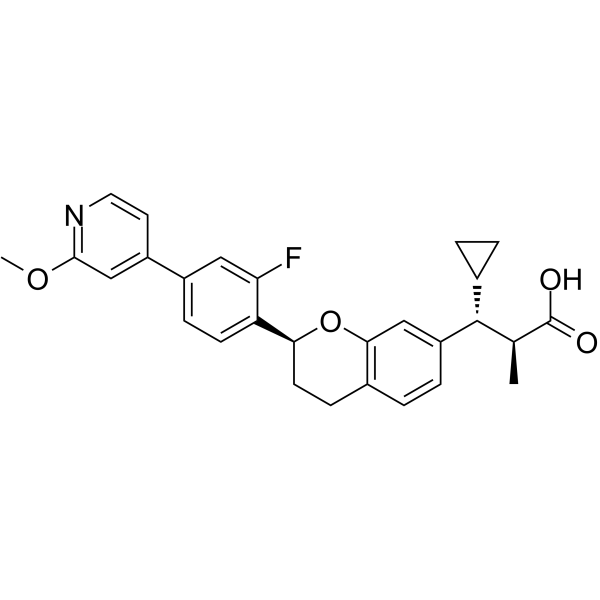
KAG-308 is a potent selective and orally active agonist of EP4 receptor (a prostaglandin E2 receptor subtype), suppresses colitis and promotes histological mucosal healing, potently inhibits TNF-α production. KAG-308 shows a Ki and an EC50 of 2.57 nM and 17 nM for human EP4 receptor, respectively, more selective over EP1, EP2, EP3 and IPreceptor .
RO1138452 is a potent and selective IP (prostacyclin) receptor antagonist. RO1138452 displays high affinity for IPreceptors. In human platelets, pKi is 9.3±0.1; in a recombinant IPreceptor system, pKi is 8.7±0.06.
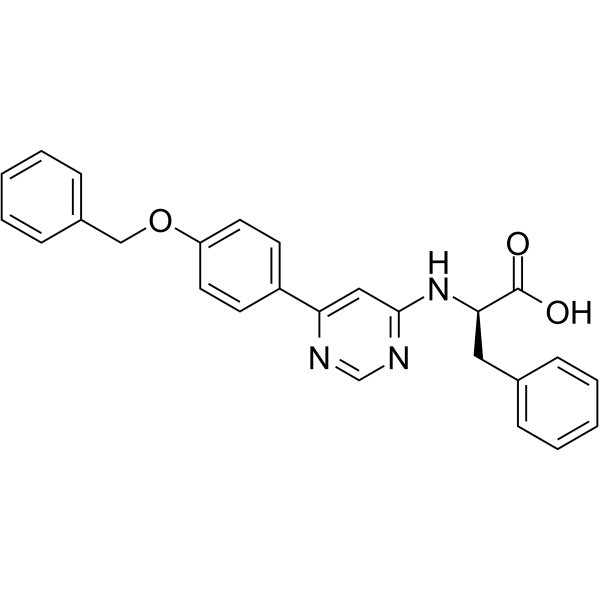
TG6-10-1 is an EP2 antagonist, shows low-nanomolar antagonist activity against only EP2, >300-fold selectivity over human EP3, EP4, and IPreceptors, 100-fold selectivity over EP1 receptors .
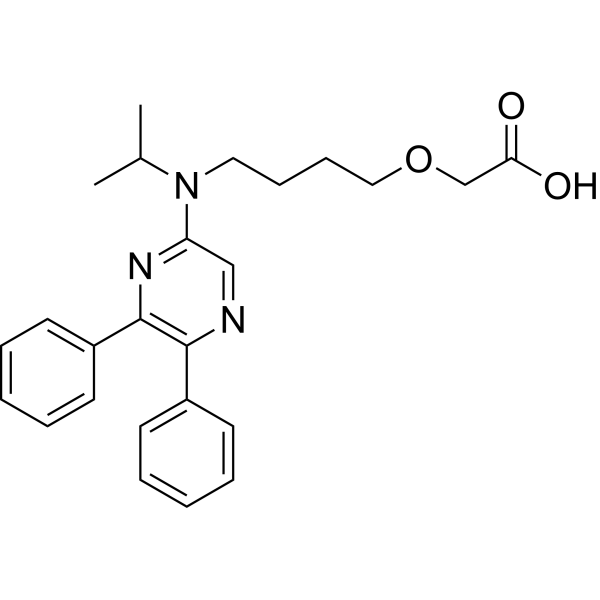
Ralinepag is a potent, orally bioavailable and non-prostanoid prostacyclin (IP) receptor agonist, with EC50s of 8.5 nM, 530 nM and 850 nM for human and rat IPreceptor and human DP1 receptor, respectively.
IP3RPEP6 is an IP3R competitive inhibitor. IP3RPEP6 has the IC50 values of 9.0 μM, 3.9 μM and 4.3 μM for IP3R1, IP3R2 and IP3R3, respectively. IP3RPEP6 does not affect the Ryanodine receptor and Cx43 hemichannels. IP3RPEP6 regulates calcium signaling within cells .
TG4-155 is a potent, brain-permeant and selective EP2 receptor antagonist with a Ki of 9.9 nM . TG4-155 shows low nanomolar antagonist activity against only EP2 and DP1 . TG4-155 has an EP2 Schild KB of 2.4 nM and displays 550-4750-fold selectivity for EP2 over EP1, EP3, EP4 and IP, but only 14-fold selectivity against the DP1 receptor .
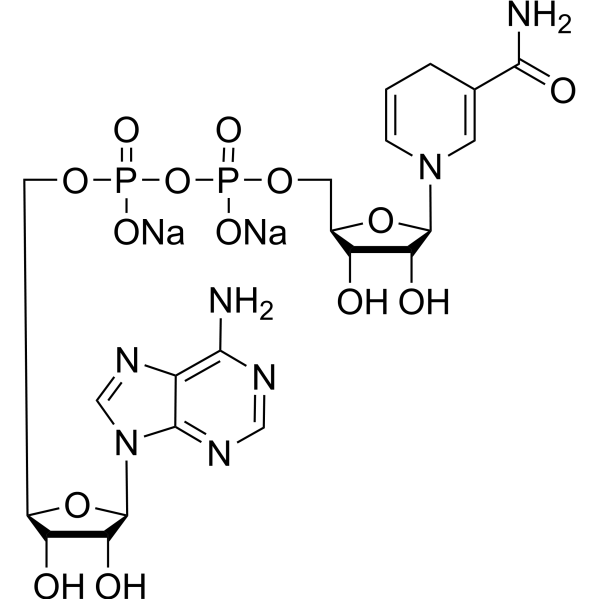
Adenophostin A is an IP3receptor (inositol 1,4,5-trisphosphate receptors) modulator and Ca 2+ releaser, with an IC50 of 1.3 nM, an EC50 of 1.4 nM, and a Ki of 0.18 nM in rats, and an IC50 of 0.95 nM in humans. Adenophostin A activates IP3receptors, stimulates Ca 2+ release from intracellular stores and microsomes, inhibits the binding of [ 3H]IP3 to plasma membrane receptors, and activates chloride channels. Adenophostin A resists phosphorylation and dephosphorylation by IP3 metabolic enzymes to maintain its activity, and increases cytoplasmic [Ca 2+] levels via calcium mobilization from the endoplasmic reticulum of vascular smooth muscle cells. Adenophostin A is applicable to research related to hemorrhagic shock .
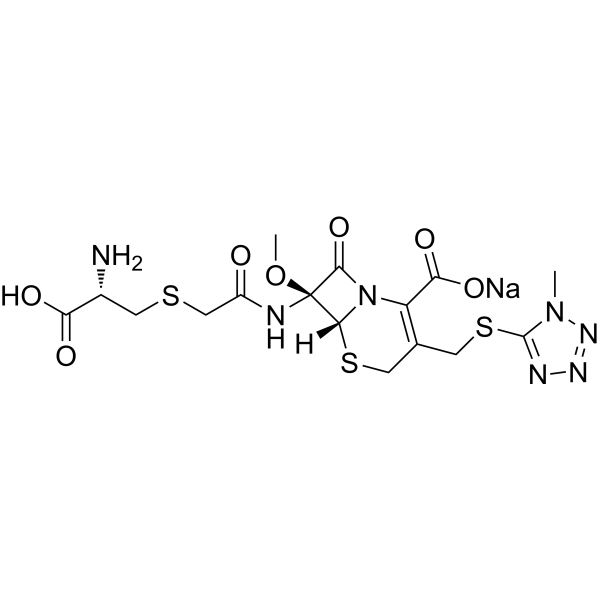
Cefminox sodium (MT-141) is a semisynthetic cephamycin, which exhibits antibacterial activity. Cefminox sodium is a broad-spectrum, bactericidal cephalosporin antibiotic. Cefminox sodium also acts as a dual agonist of prostacyclin receptor(IP) and PPARγ. Cefminox sodium upregulates cAMP production and PTEN expression and inhibits Akt/mTOR signaling. Cefminox sodium also prevents pulmonary arterial hypertension in rat model .
BAY 73-1449 is a selective antagonist of prostacyclin receptor(IP), with high potency (IC50 of less than 0.1 nM) in cAMP assays in Human HEL cells and rat DRG. BAY 73-1449 can be used in the research of lowering blood pressure .
OXA (17-33) (Orexin A (17-33) (human, mouse, rat, bovine)) is the shortest active orexin peptide that selectively targets OX1 (EC50=8.29 nM), with 23-fold selectivity for the OX1receptor over the OX2receptor. The activity of OXA (17-33) depends on the Tyr17, Leu20, Asn25, His26 residues and the spatial conformation of the α-helix. OXA (17-33) activates signaling pathways involving inositol-1,4,5-trisphosphate receptor(IP3R), phospholipase D (PL-D) and choline-Sigma-1R, thereby increasing the cytoplasmic Ca 2+ level in nucleus accumbens neurons, an effect that is blocked by Sigma-1R antagonists. OXA (17-33) serves as an important biological probe for investigating the function of the OX1 receptor. OXA (17-33) can be modified via incorporation of mixed disulfide bonds of homocysteine and cysteamine, and is widely used in studies related to insomnia and narcolepsy .
Inosine (Standard) is the analytical standard of Inosine. This product is intended for research and analytical applications. Inosine is an endogenous purine nucleoside produced by catabolism of adenosine. Inosine has anti-inflammatory, antinociceptive, immunomodulatory and neuroprotective effects. Inosine is an agonist for adenosine A1 (A1R) and A2A (A2AR) receptors . In Vitro:Inosine dose-dependently stimulates cAMP production mediated through the A2AR . Inosine dose-dependently induces hA2AR-mediated ERK1/2 phosphorylation . Inosine (100 μM; 24 hours) reduces oxidative stress in MES 23.5 cells cultured with astrocytes . In Vivo:Inosine (10-100 mg/kg; i.p.) exhibits antinociceptive effect in mice .
AP5 is a potent, orlly active, and selective GPR40 receptor agonist with a positive allosteric modulation of endogenous ligand (AgoPAM). AP5 demonstrates rat and human inositol monophosphate (IP1) EC50 values of 0.49 nM and 0.8 nM against the GPR40 receptor, respectively. AP5 has the potential for type II diabetes research .
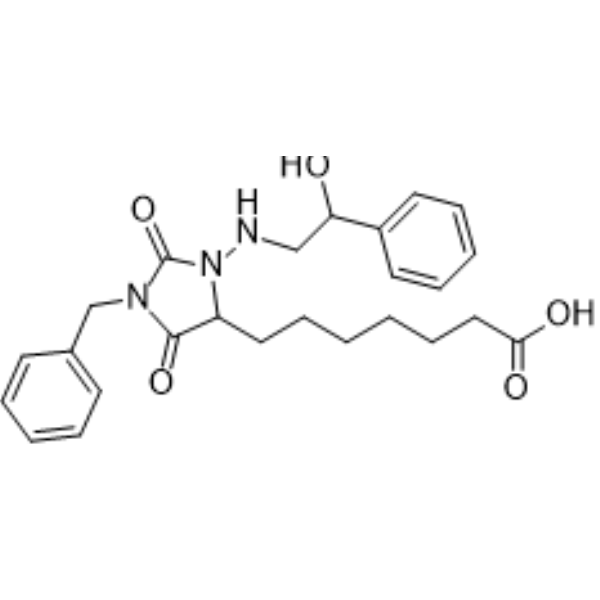
BW A868C, a hydantoin compound, is a BW245C structural analogue. BW A868C is a selective and potent competitive prostaglandin D2 (PGD2) antagonist. BW A868C has no effect on other prostaglandin receptors (IP, EP1, EP2, TP and FP) .
RO3244794 is a potent and selective IP (prostacyclin) receptor antagonist, with a pKi of 7.7 and 6.9 in human platelet and recombinant IPreceptor system, respectively. RO3244794 exhibits analgesic and anti-inflammatory potential .
TRAP-7 is a thrombin receptor (PAR) activating peptide. TRAP-7 stimulates total inositol phosphate (IP) accumulation and phosphorylation of a specific endogenous substrate for activated PKC. TRAP-7 can be used in cardiovascular disease research .
NBI-42902 is an orally active, potent functional and competitive antagonist of GnRH receptor with an IC50 value of 0.79 nM, a Ki value of 0.56 nM, respectively. NBI-42902 inhibits GnRH-stimulated inositol phosphate (IP) accumulation, Ca 2+ flux, and ERK1/2 activation. NBI-42902 inhibits serum luteinizing hormone (LH) in castrated male macaques. NBI-42902 can be used for research on sex-hormone-related diseases .
CLH304a (compound 14) is a specific and noncompetitive GABABreceptor negative allosteric modulator (NAM). CLH304a decreases GABA-induced IP3 production with an IC50 of 37.9 μM. CLH304a has no effect on other GPCR Class C members such as mGluR1, mGluR2, and mGluR5. CLH304a acts on the heptahelical domain of GB2 subunits and non-competitively inhibits the effect of agonists with inverse agonist properties. CLH304a inhibits Baclofen (HY-B0007)-induced ERK1/2 phosphorylation in HEK293 cells overexpressing GABABreceptor .
D-myo-Inositol-1,2,4,5-tetraphosphate (DL-Ins-(1,2,4,5)P4) tetrasodium is raracemic regioisomer of myo-inositol tetrakisphosphates (IP4s). D-myo-Inositol-1,2,4,5-tetraphosphate tetrasodium is an Ins(1,4,5)P3 receptor agonist with a Ki of 11 nM. D-myo-Inositol-1,2,4,5-tetraphosphate tetrasodium induces Ca 2+ mobilization with an EC50 value of 0.22 μM in CHO cells .
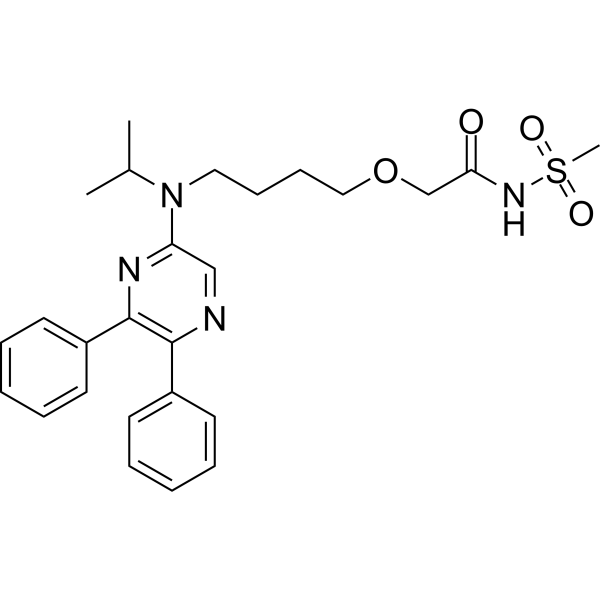
Selexipag-d6 is deuterium labeled Selexipag. Selexipag (NS-304) is an orally available and potent agonist for the Prostacyclin (PGI2) receptor (IPreceptor).
(RS)-4CPG ((RS)-4-Carboxyphenylglycine) is a type I metabotropic glutamate receptor antagonist with activity in blocking LTP induction. In mice lacking IP3R1, (RS)-4CPG (500μM) nearly blocked long-term potentiation (LTP) induced by type I metabotropic glutamate receptor activation, with LTP of 117.6±1.7% (n = 8) in IP3R1(-/-) mice and 116.9±1.8% (n = 5) in IP3R1(+/+) mice.
Selexipag-d7 is the deuterium labeled Selexipag. Selexipag (NS-304) is an orally available and potent agonist for the Prostacyclin (PGI2) receptor (IPreceptor) .
AC-42 hydrochloride is the hydrochloride salt form of AC-42 (HY-118806). AC-42 hydrochloride is an allosteric agonist for muscarinic M1 receptor with EC50s of 805 nM and 220 nM for human wild-type and Y381A mutated M1 receptors, respectively. AC-42 hydrochloride stimulates the inositol phosphate (IP)-accumulation and calcium mobilization in CHO cells .
[Glp6] Substance P (6-11) is an analogue of substance P (6-11). Substance P (6-11) stimulates [3H]-inositol monophosphate ([3H]-IP1) formation in rat urinary bladder by acting on the 'septide-sensitive' tachykinin receptors .
RO1138452 (Standard) is the analytical standard of RO1138452. This product is intended for research and analytical applications. RO1138452 is a potent and selective IP (prostacyclin) receptor antagonist. RO1138452 displays high affinity for IPreceptors. In human platelets, pKi is 9.3±0.1; in a recombinant IPreceptor system, pKi is 8.7±0.06.
Xestospongins and araguspongins are marine natural products first isolated from Pacific basin sponges, and noted to have vasodilatory properties.1 Inositol phosphates (IP) are important signal transduction messengers acting via IP3 receptors to promote the mobilization of Ca2+ from intracellular stores.2 Araguspongin B antagonizes the calcium-releasing action of inositol 1,4,5-trisphosphate at the receptor level in cerebral microsomes, with an IC50 of 0.6 μM. It is nearly as potent as xestospongin C as an antagonist of the IP3 receptor.
Selexipag (Standard) is the analytical standard of Selexipag. This product is intended for research and analytical applications. Selexipag (NS-304) is an orally available and potent agonist for the Prostacyclin (PGI2) receptor (IPreceptor).
STX107 is a metabotropic glutamate 5 (mGlu5) receptor negative allosteric modulator (NAM) with a pKi of 8.32. STX107 inhibits glutamate-induced Ca 2+ mobilization, IP1 accumulation, and ERK1/2 phosphorylation. STX107 also inhibits glutamate-induced mGlu5 internalization .
IMMH001, also called SYL930, is an orally active, potent and selective S1P1 (sphingosine-1-phosphate receptor 1) agonist. IMMH001 decreased levels of both chemokines and proinflammatory cytokines, including IL-1β, IL-5, IL-18, IP10, CCL3, and CCL5. IMMH001 can be used for rheumatoid arthritis (RA) research .
Prostaglandin E1 (Standard) is the analytical standard of Prostaglandin E1. This product is intended for research and analytical applications. Prostaglandin E1 (Alprostadil) is a prostanoid receptor ligand, with Kis of 1.1 nM, 2.1 nM, 10 nM, 33 nM and 36 nM for mouse EP3, EP4, EP2, IP and EP1, respectively. Prostaglandin E1 induces vasodilation and inhibits platelet aggregation. Prostaglandin E1 can be used as a vasodilator for the research of peripheral vascular diseases .
FK-788 is a PGI(2) and IP agonist with a strong anti-aggregation effect, with an IC50 of 18 nM and a high binding affinity for the human recombinant IPreceptor, with a Ki value of 20 nM .
Prostaglandin I2 is an unstable prostanoid which, through the ‘I prostanoid’ (IP) receptor, inhibits platelet aggregation and promotes vasodilatation in pulmonary vascular beds. AFP 07 is a 7,7-difluoroprostacyclin derivative that acts as a selective and highly potent agonist for the IPreceptor (Ki=0.561 nM).1 AFP 07 shows weaker affinity for EP receptors, with Ki values > 100 nM for EP1-3 and > 10 nM for EP4. 16(R)-AFP 07 is an epimer of AFP 07. Its biological properties, particularly through the IP and EP receptors, remain to be evaluated.
AFP-07 is a derivative of 7, 7-difluoroprostacyclic and is a highly potent and selective prostacyclin receptorIPreceptor agonist with a Ki value of 0.561 nM .
AFP-07 free acid is a derivative of 7, 7-difluoroprostacyclic and is a highly potent and selective prostacyclin receptorIPreceptor agonist with a Ki value of 0.561 nM .
ROS 234 is a potent H3 antagonist, with a pKB of 9.46 for Guinea-pig ileum H3-receptor, a pKi of 8.90 for Rat cerebral cortex H3-receptor, and a ED50 of 19.12 mg/kg (ip) in ex vivo of Rat cerebral cortex. ROS 234 diaplays poor central access .
ROS 234 dioxalate is a potent H3 antagonist, with a pKB of 9.46 for Guinea-pig ileum H3-receptor, a pKi of 8.90 for Rat cerebral cortex H3-receptor, and a ED50 of 19.12 mg/kg (ip) in ex vivo of Rat cerebral cortex. ROS 234 dioxalate diaplays poor central access .
Alprostadil sodium is a prostaglandin receptor ligand that exhibits Ki values of 36, 10, 1.1, 2.1, and 33 nM for the EP1, EP2, EP3, EP4, and IPreceptors in mice, respectively. It promotes vasodilation and inhibits platelet aggregation, making it a useful vasodilator for investigating peripheral vascular disease.
DuP 747 hydrochloride is an analgesic with selective kappa-opioid receptor agonist activity. DuP 747 showed less spiradoline-appropriate selection when administered SC, but showed a partial generalized response to spiradoline when administered IP or PO. The 5-hydroxy-desmethoxy metabolite of DuP 747 induced selection of the saline-appropriate lever only. The effects of DuP 747 suggest that its metabolites may play a major role in the similar responses to spiradoline after IP and PO administration .
Ferroptosis inducer-7 is an orally active and selective ferroptosis inducer via inositol 1,4,5-trisphosphate receptor(IP3R)/calcium release-activated calcium channel protein (ORAI). Ferroptosis inducer-7 exhibits a notable effect in alleviating anemia symptoms, suppressing bone marrow CTLs activation, and improving hematopoietic function in immune-mediated bone marrow failure. Ferroptosis inducer-7 can be studied in research for aplastic anemia .
AP5 sodium is a potent, orall active, and selective GPR40 receptor agonist with a positive allosteric modulation of endogenous ligand (AgoPAM). AP5 sodium demonstrates rat and human inositol monophosphate (IP1) EC50 values of 0.49 nM and 0.8 nM against the GPR40 receptor, respectively. AP5 sodium has the potential for type II diabetes research .
19(S)-HETE is an arachidonic acid metabolite produced by cytochrome P450 enzymes. 19(S)-HETE is a full orthosteric agonist of the prostacyclin (IP) receptor with an EC50 value of 567 nM. 19(S)-HETE inhibits platelet activation and relaxation of vessels .
AC-42 is a poent M1 muscarinic selective allosteric agonist with EC50s of 805 nM and 220 nM for human wild-type and Y381A mutated M1 receptors, respectively. AC-42 stimulates the IP-accumulation and calcium mobilization in CHO cells .
Prostaglandin D2 methyl ester is a prodrug form of Prostaglandin D2 (HY-101988) that acts as a DPreceptor inhibitor. can be used for research on allergic inflammations .
Prostaglandin E1-d9 is deuterium labeled Prostaglandin E1.Prostaglandin E1 is a prostanoid receptor ligand, with Kis of 1.1 nM, 2.1 nM, 10 nM, 33 nM and 36 nM for mouse EP3, EP4, EP2, IP and EP1, respectively. Prostaglandin E1 induces vasodilation and inh
Cefminox (sodium) (MT-141) (Standard) is the analytical standard of Cefminox (sodium). This product is intended for research and analytical applications. Cefminox sodium is a semisynthetic cephamycin, which exhibits antibacterial activity. Cefminox sodium is a broad-spectrum, bactericidal cephalosporin antibiotic. Cefminox sodium also acts as a dual agonist of prostacyclin receptor(IP) and PPARγ. Cefminox sodium upregulates cAMP production and PTEN expression and inhibits Akt/mTOR signaling. Cefminox sodium also prevents pulmonary arterial hypertension in rat model .
Prostaglandin E1-d4 is the deuterium labeled Prostaglandin E1. Prostaglandin E1 (Alprostadil) is a prostanoid receptor ligand, with Kis of 1.1 nM, 2.1 nM, 10 nM, 33 nM and 36 nM for mouse EP3, EP4, EP2, IP and EP1, respectively. Prostaglandin E1 induces vasodilation and inhibits platelet aggregation. Prostaglandin E1 can be used as a vasodilator for the research of peripheral vascular diseases .
Prostaglandin E1 (Standard) is the analytical standard of Prostaglandin E1. This product is intended for research and analytical applications. Prostaglandin E1 (Alprostadil) is a prostanoid receptor ligand, with Kis of 1.1 nM, 2.1 nM, 10 nM, 33 nM and 36 nM for mouse EP3, EP4, EP2, IP and EP1, respectively. Prostaglandin E1 induces vasodilation and inhibits platelet aggregation. Prostaglandin E1 can be used as a vasodilator for the research of peripheral vascular diseases .
D-myo-Inositol-2,4,5-triphosphate (Ins(2,4,5)P3) (sodium salt) is a second messenger produced in cells by phospholipase C-mediated hydrolysis of phosphatidylinositol-4,5-biphosphate. D-myo-Inositol-2,4,5-triphosphate (sodium salt) can open calcium channels and increase intracellular calcium upon binding to its receptors on the endoplasmic reticulum. D-myo-Inositol-2,4,5-triphosphate (sodium salt) also acts as a partial agonist at rat hepatic IP3receptors. D-myo-Inositol-2,4,5-triphosphate (sodium salt) can be studied in research on calcium ions signaling pathway .
Peroxisome proliferator-activated receptors (PPARs) play an important role in regulating lipid and glucose metabolism, and oleoylethanolamide (OEA) is a natural ligand for PPARα. N-Octadecyl-N'-propyl-sulfamide is an analog of OEA and a potent activator of PPARα, with selective binding affinity for PPARα (EC50=100 nM, compared to 120 nM for OEA). N-Octadecyl-N'-propyl-sulfamide (10 mg/kg; ip) inhibits food intake and reduces body weight gain in rats. At a dose of 1 mg/kg, N-Octadecyl-N'-propyl-sulfamide induces satiety, thereby reducing food intake, body weight, and plasma triglyceride concentrations in free-feeding Wistar rats and obese Zucker (fa/fa) rats.
IPreceptor agonist 1 (compound 6c-14S) is an orally active I prostanoid receptor agonist, with an IC50 of 0.15 μM for inhibiting platelet aggregation induced by ADP (HY-W010918,300 μM) in rabbit platelet-rich plasma. IPreceptor agonist 1 can be used for study of Pulmonary arterial hypertension .
AL-6556 is a full agonist of the DP receptor and a partial agonist of the EP2 receptor. AL-6556 has an EC50 of 799 nM for bovine DP, a Ki of 3200 nM for human DP, and an EC50 of 1180 nM for human EP2, with selectivity over EP3, FP, IP, TP and 19 non-prostaglandin receptors. AL-6556 stimulates cAMP production via receptor activation and reduces intraocular pressure through aqueous humor inflow and outflow mechanisms. AL-6556 can be used in research related to ocular hypertension and glaucoma .
CAY10449 is an I prostanoid receptor antagonist. CAY10449 can reverse iloprost-induced TEER reduction. CAY10449 can also reverse the effect of ONO-1301 in mouse model. CAY10449 can be studied in research on athsma and allergic airway inflammation .
MRE-269 (Standard) is the analytical standard of MRE-269. This product is intended for research and analytical applications. MRE-269 is an active metabolite of selexipag, and acts as a selective IPreceptor agonist.
Naxaprostene is a prostacyclin analogue. Naxaprostene was much more selective for IPreceptors and tended towards partial agonism. Naxaprostene inhibits ADP-induced platelet aggregation. It has been shown to prevent rabbit carotid artery thrombosis.
D-myo-Inositol-3,4,5-triphosphate hexasodium is an inositol (HY-B1411) derivative, a subtype-selective IP3receptor ligand, with Kd values of 31706 nM, 3019 nM and 11145 nM for rat type 1, type 2 and type 3 receptors, respectively .
BPN-37440 is a blood-brain barrier-permeable, selective, and orally active EP2receptor inhibitor with an IC50 of 53-60 nM. BPN-37440 inhibits the expression of inflammatory mediators IL-1β and COX-2, with an IC50 of 21 nM for IL-1β and 42 nM for COX-2. BPN-37440 reduces microgliosis in key brain regions of mice with pilocarpine (HY-B0726A)-induced status epilepticus and reverses their working memory and recognition memory deficits. BPN-37440 can be used for research on status epilepticus .
5-HT2C agonist-12 (example.2) is a selective and orally active 5-HT2C receptor agonist. 5-HT2C agonist-12 can inhibit the accumulation of IP3 with an IC50 of 4.5 nM. 5-HT2C agonist-12 can induce a feeling of fullness, shorten the time of eating, and reduce calorie intake. 5-HT2C agonist-12 can be used for the research of obesity .
IP3RPEP6 is an IP3R competitive inhibitor. IP3RPEP6 has the IC50 values of 9.0 μM, 3.9 μM and 4.3 μM for IP3R1, IP3R2 and IP3R3, respectively. IP3RPEP6 does not affect the Ryanodine receptor and Cx43 hemichannels. IP3RPEP6 regulates calcium signaling within cells .
OXA (17-33) (Orexin A (17-33) (human, mouse, rat, bovine)) is the shortest active orexin peptide that selectively targets OX1 (EC50=8.29 nM), with 23-fold selectivity for the OX1receptor over the OX2receptor. The activity of OXA (17-33) depends on the Tyr17, Leu20, Asn25, His26 residues and the spatial conformation of the α-helix. OXA (17-33) activates signaling pathways involving inositol-1,4,5-trisphosphate receptor(IP3R), phospholipase D (PL-D) and choline-Sigma-1R, thereby increasing the cytoplasmic Ca 2+ level in nucleus accumbens neurons, an effect that is blocked by Sigma-1R antagonists. OXA (17-33) serves as an important biological probe for investigating the function of the OX1 receptor. OXA (17-33) can be modified via incorporation of mixed disulfide bonds of homocysteine and cysteamine, and is widely used in studies related to insomnia and narcolepsy .
TRAP-7 is a thrombin receptor (PAR) activating peptide. TRAP-7 stimulates total inositol phosphate (IP) accumulation and phosphorylation of a specific endogenous substrate for activated PKC. TRAP-7 can be used in cardiovascular disease research .
[Glp6] Substance P (6-11) is an analogue of substance P (6-11). Substance P (6-11) stimulates [3H]-inositol monophosphate ([3H]-IP1) formation in rat urinary bladder by acting on the 'septide-sensitive' tachykinin receptors .
Prostaglandin E1 (Alprostadil) is a prostanoid receptor ligand, with Kis of 1.1 nM, 2.1 nM, 10 nM, 33 nM and 36 nM for mouse EP3, EP4, EP2, IP and EP1, respectively. Prostaglandin E1 induces vasodilation and inhibits platelet aggregation. Prostaglandin E1 can be used as a vasodilator for the research of peripheral vascular diseases .
Xestospongin C ((-)-Xestospongin C) is a selective, reversible inositol 1,4,5-trisphosphate receptor(IP3R) inhibitor. Xestospongin C acts as an inhibitor of the sarcoplasmic/endoplasmic reticulum Ca 2+ ATPase (SERCA) pump of internal stores. Xestospongin C blocks IP3-induced Ca 2+ release from cerebellar microsomes with an IC50 of 358 nM. Xestospongin C is a valuable tool for investigating the structure and function of IP3Rs and Ca 2+ signaling in neuronal and nonneuronal cells .
Inosine (Standard) is the analytical standard of Inosine. This product is intended for research and analytical applications. Inosine is an endogenous purine nucleoside produced by catabolism of adenosine. Inosine has anti-inflammatory, antinociceptive, immunomodulatory and neuroprotective effects. Inosine is an agonist for adenosine A1 (A1R) and A2A (A2AR) receptors . In Vitro:Inosine dose-dependently stimulates cAMP production mediated through the A2AR . Inosine dose-dependently induces hA2AR-mediated ERK1/2 phosphorylation . Inosine (100 μM; 24 hours) reduces oxidative stress in MES 23.5 cells cultured with astrocytes . In Vivo:Inosine (10-100 mg/kg; i.p.) exhibits antinociceptive effect in mice .
Prostaglandin E1 (Standard) is the analytical standard of Prostaglandin E1. This product is intended for research and analytical applications. Prostaglandin E1 (Alprostadil) is a prostanoid receptor ligand, with Kis of 1.1 nM, 2.1 nM, 10 nM, 33 nM and 36 nM for mouse EP3, EP4, EP2, IP and EP1, respectively. Prostaglandin E1 induces vasodilation and inhibits platelet aggregation. Prostaglandin E1 can be used as a vasodilator for the research of peripheral vascular diseases .
MRE-269 (Standard) is the analytical standard of MRE-269. This product is intended for research and analytical applications. MRE-269 is an active metabolite of selexipag, and acts as a selective IPreceptor agonist.
The CXCR3 protein acts as a receptor for CXC chemokines (CXCL9, CXCL10, and CXCL11), affecting human mesangial cells (HMC) through G protein signaling. It binds CCL21 and may promote cell chemotaxis. CXCR3 Protein, Human (Cell-Free, His) is the recombinant human-derived CXCR3 protein, expressed by E. coli Cell-free , with C-10*His labeled tag.
CXCR3 Protein-VLP, Human (HEK293) is recommended for animal immunization, ELISA. It is not recommended for receptor-ligand interaction detection and SPR/BLI assay since there are other irrelevant membrane proteins of the host on the VLP envelope, and the receptor-ligand interaction will have strong background interference. High requirements for chips and experimental protocols are needed for SPR/BLI assays. If VLP control is required, it is recommended HY-P705433.
TGS1 protein catalyzes the conversion of the 7-monomethylguanosine (m(7)G) cap of small nuclear RNA (snRNA) and small nucleolar RNA (snoRNA) into 2, 2,7-trimethylguanosine (m( 2,2,7)G) Cap structure. The enzyme shows specificity for guanine, with N7 methylation occurring before N2 methylation during the modification process. TGS1 Protein, Human (His-SUMO) is the recombinant human-derived TGS1 protein, expressed by E. coli , with N-His, N-SUMO labeled tag.
Selexipag-d6 is deuterium labeled Selexipag. Selexipag (NS-304) is an orally available and potent agonist for the Prostacyclin (PGI2) receptor (IPreceptor).
Selexipag-d7 is the deuterium labeled Selexipag. Selexipag (NS-304) is an orally available and potent agonist for the Prostacyclin (PGI2) receptor (IPreceptor) .
Prostaglandin E1-d9 is deuterium labeled Prostaglandin E1.Prostaglandin E1 is a prostanoid receptor ligand, with Kis of 1.1 nM, 2.1 nM, 10 nM, 33 nM and 36 nM for mouse EP3, EP4, EP2, IP and EP1, respectively. Prostaglandin E1 induces vasodilation and inh
Prostaglandin E1-d4 is the deuterium labeled Prostaglandin E1. Prostaglandin E1 (Alprostadil) is a prostanoid receptor ligand, with Kis of 1.1 nM, 2.1 nM, 10 nM, 33 nM and 36 nM for mouse EP3, EP4, EP2, IP and EP1, respectively. Prostaglandin E1 induces vasodilation and inhibits platelet aggregation. Prostaglandin E1 can be used as a vasodilator for the research of peripheral vascular diseases .
Western blot analysis of extracts from THP-1(lane 2(20μg), Jurkat (lane 3(20μg) and NIH3T3(lane 4(20μg) using FOXO1A (HY-P80132) Rabbit mAb. Proteins were transferred
to a PVDF membrane and blocked with 5% non-fat milk in TBST for 2 hour at room temperature. The primary antibody (1/1000) and Loading control antibody (Beta Actin, HY-P80438, 1/10000) was
used in 5% non-fat milk in TBST at 4°C overnight. Goat Anti-Mouse/Rabbit IgG-HRP Secondary Antibody (1/10000) was used for 1 hour at room temperature.
Western blot analysis of extracts from THP-1(lane 2(20μg), Jurkat (lane 3(20μg) and NIH3T3(lane 4(20μg) using FOXO1A (HY-P80132) Rabbit mAb. Proteins were transferred
to a PVDF membrane and blocked with 5% non-fat milk in TBST for 2 hour at room temperature. The primary antibody (1/1000) and Loading control antibody (Beta Actin, HY-P80438, 1/10000) was
used in 5% non-fat milk in TBST at 4°C overnight. Goat Anti-Mouse/Rabbit IgG-HRP Secondary Antibody (1/10000) was used for 1 hour at room temperature.
Western blot analysis of extracts from THP-1(lane 2(20μg), Jurkat (lane 3(20μg) and NIH3T3(lane 4(20μg) using FOXO1A (HY-P80132) Rabbit mAb. Proteins were transferred
to a PVDF membrane and blocked with 5% non-fat milk in TBST for 2 hour at room temperature. The primary antibody (1/1000) and Loading control antibody (Beta Actin, HY-P80438, 1/10000) was
used in 5% non-fat milk in TBST at 4°C overnight. Goat Anti-Mouse/Rabbit IgG-HRP Secondary Antibody (1/10000) was used for 1 hour at room temperature.
Western blot analysis of extracts from THP-1(lane 2(20μg), Jurkat (lane 3(20μg) and NIH3T3(lane 4(20μg) using FOXO1A (HY-P80132) Rabbit mAb. Proteins were transferred
to a PVDF membrane and blocked with 5% non-fat milk in TBST for 2 hour at room temperature. The primary antibody (1/1000) and Loading control antibody (Beta Actin, HY-P80438, 1/10000) was
MedchemExpress Validation 03
Western blot analysis of extracts from THP-1(lane 2(20μg), Jurkat (lane 3(20μg) and NIH3T3(lane 4(20μg) using FOXO1A (HY-P80132) Rabbit mAb. Proteins were transferred
MedchemExpress Validation 04
Western blot analysis of extracts from THP-1(lane 2(20μg), Jurkat (lane 3(20μg) and NIH3T3(lane 4(20μg) using FOXO1A (HY-P80132) Rabbit mAb. Proteins were transferred
to a PVDF membrane and blocked with 5% non-fat milk in TBST for 2 hour at room temperature. The primary antibody (1/1000) and Loading control antibody (Beta Actin, HY-P80438, 1/10000) was
used in 5% non-fat milk in TBST at 4°C overnight. Goat Anti-Mouse/Rabbit IgG-HRP Secondary Antibody (1/10000) was used for 1 hour at room temperature.
MedchemExpress Validation
Western blot analysis of extracts from THP-1(lane 2(20μg), Jurkat (lane 3(20μg) and NIH3T3(lane 4(20μg) using FOXO1A (HY-P80132) Rabbit mAb. Proteins were transferred
to a PVDF membrane and blocked with 5% non-fat milk in TBST for 2 hour at room temperature. The primary antibody (1/1000) and Loading control antibody (Beta Actin, HY-P80438, 1/10000) was
used in 5% non-fat milk in TBST at 4°C overnight. Goat Anti-Mouse/Rabbit IgG-HRP Secondary Antibody (1/10000) was used for 1 hour at room temperature.
Western blot analysis of extracts from THP-1(lane 2(20μg), Jurkat (lane 3(20μg) and NIH3T3(lane 4(20μg) using FOXO1A (HY-P80132) Rabbit mAb. Proteins were transferred
to a PVDF membrane and blocked with 5% non-fat milk in TBST for 2 hour at room temperature. The primary antibody (1/1000) and Loading control antibody (Beta Actin, HY-P80438, 1/10000) was
used in 5% non-fat milk in TBST at 4°C overnight. Goat Anti-Mouse/Rabbit IgG-HRP Secondary Antibody (1/10000) was used for 1 hour at room temperature.
MedchemExpress Validation
Western blot analysis of extracts from THP-1(lane 2(20μg), Jurkat (lane 3(20μg) and NIH3T3(lane 4(20μg) using FOXO1A (HY-P80132) Rabbit mAb. Proteins were transferred
to a PVDF membrane and blocked with 5% non-fat milk in TBST for 2 hour at room temperature. The primary antibody (1/1000) and Loading control antibody (Beta Actin, HY-P80438, 1/10000) was
used in 5% non-fat milk in TBST at 4°C overnight. Goat Anti-Mouse/Rabbit IgG-HRP Secondary Antibody (1/10000) was used for 1 hour at room temperature.
MedchemExpress Validation
Western blot analysis of extracts from THP-1(lane 2(20μg), Jurkat (lane 3(20μg) and NIH3T3(lane 4(20μg) using FOXO1A (HY-P80132) Rabbit mAb. Proteins were transferred
to a PVDF membrane and blocked with 5% non-fat milk in TBST for 2 hour at room temperature. The primary antibody (1/1000) and Loading control antibody (Beta Actin, HY-P80438, 1/10000) was
used in 5% non-fat milk in TBST at 4°C overnight. Goat Anti-Mouse/Rabbit IgG-HRP Secondary Antibody (1/10000) was used for 1 hour at room temperature.
MedchemExpress Validation
Western blot analysis of extracts from THP-1(lane 2(20μg), Jurkat (lane 3(20μg) and NIH3T3(lane 4(20μg) using FOXO1A (HY-P80132) Rabbit mAb. Proteins were transferred
to a PVDF membrane and blocked with 5% non-fat milk in TBST for 2 hour at room temperature. The primary antibody (1/1000) and Loading control antibody (Beta Actin, HY-P80438, 1/10000) was
used in 5% non-fat milk in TBST at 4°C overnight. Goat Anti-Mouse/Rabbit IgG-HRP Secondary Antibody (1/10000) was used for 1 hour at room temperature.
MedchemExpress Validation
Western blot analysis of extracts from THP-1(lane 2(20μg), Jurkat (lane 3(20μg) and NIH3T3(lane 4(20μg) using FOXO1A (HY-P80132) Rabbit mAb. Proteins were transferred
to a PVDF membrane and blocked with 5% non-fat milk in TBST for 2 hour at room temperature. The primary antibody (1/1000) and Loading control antibody (Beta Actin, HY-P80438, 1/10000) was
used in 5% non-fat milk in TBST at 4°C overnight. Goat Anti-Mouse/Rabbit IgG-HRP Secondary Antibody (1/10000) was used for 1 hour at room temperature.
MedchemExpress Validation
Western blot analysis of extracts from THP-1(lane 2(20μg), Jurkat (lane 3(20μg) and NIH3T3(lane 4(20μg) using FOXO1A (HY-P80132) Rabbit mAb. Proteins were transferred
to a PVDF membrane and blocked with 5% non-fat milk in TBST for 2 hour at room temperature. The primary antibody (1/1000) and Loading control antibody (Beta Actin, HY-P80438, 1/10000) was
used in 5% non-fat milk in TBST at 4°C overnight. Goat Anti-Mouse/Rabbit IgG-HRP Secondary Antibody (1/10000) was used for 1 hour at room temperature.
MedchemExpress Validation
Western blot analysis of extracts from THP-1(lane 2(20μg), Jurkat (lane 3(20μg) and NIH3T3(lane 4(20μg) using FOXO1A (HY-P80132) Rabbit mAb. Proteins were transferred
to a PVDF membrane and blocked with 5% non-fat milk in TBST for 2 hour at room temperature. The primary antibody (1/1000) and Loading control antibody (Beta Actin, HY-P80438, 1/10000) was
used in 5% non-fat milk in TBST at 4°C overnight. Goat Anti-Mouse/Rabbit IgG-HRP Secondary Antibody (1/10000) was used for 1 hour at room temperature.
MedChemExpress values your privacy and your trust is important to us. We use cookies to enhance your website experience. Some cookies are necessary to run the website.
Privacy and Cookie Policy

