1. Search Result
Search Result
Results for "

LPA

" in MedChemExpress (MCE) Product Catalog:

124

Inhibitors & Agonists

1

Fluorescent Dye

6

Biochemical Assay Reagents

2

Inhibitory Antibodies

3

Natural
Products

5

Isotope-Labeled Compounds

5

Antibodies

1

Click Chemistry

11

Oligonucleotides

1

GMP Molecules

Cat. No. Product Name Target Research Areas Chemical Structure
  • HY-107614
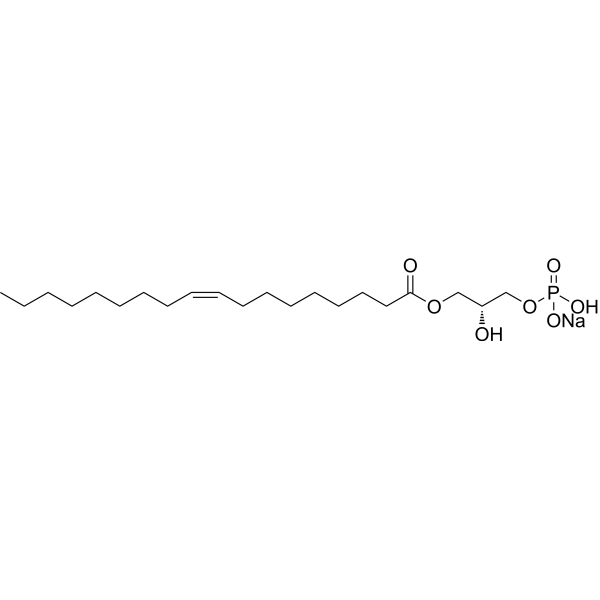
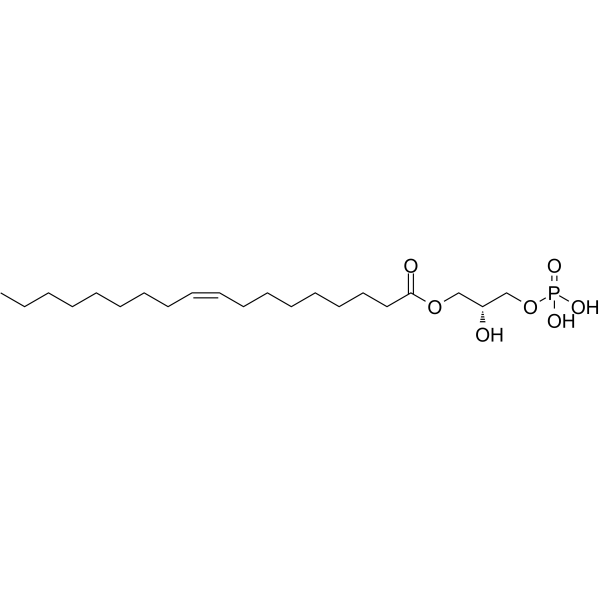
    1-Oleoyl lysophosphatidic acid sodium
    3 Publications Verification

    1-Oleoyl-sn-glycero-3-phosphate sodium; 1-Oleoyl-LPA sodium

    LPL Receptor Mitosis Neurological Disease
    1-Oleoyl lysophosphatidic acid (1-Oleoyl-sn-glycero-3-phosphate) sodium, a potent bioactive phospholipid, is a LPA receptor activator. 1-Oleoyl lysophosphatidic acid sodium can promote mitosis by inducing DNA synthesis. 1-Oleoyl lysophosphatidic acid sodium is also involved in normal and pathological emotional responses, including anxiety and depression .
    1-Oleoyl lysophosphatidic acid sodium
  • HY-139853
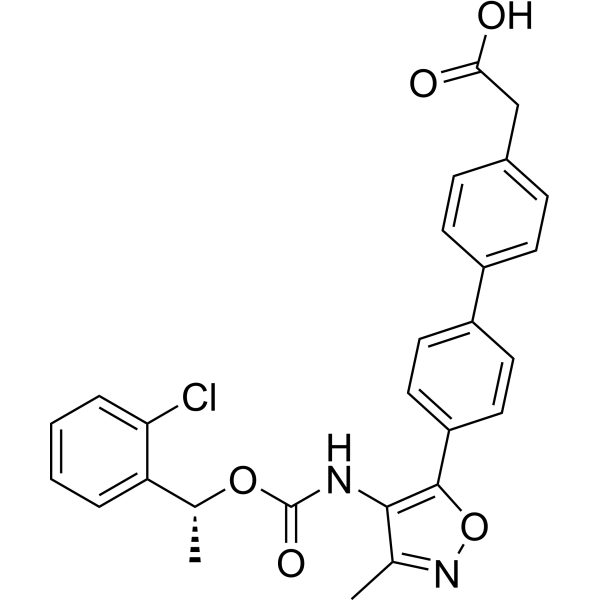
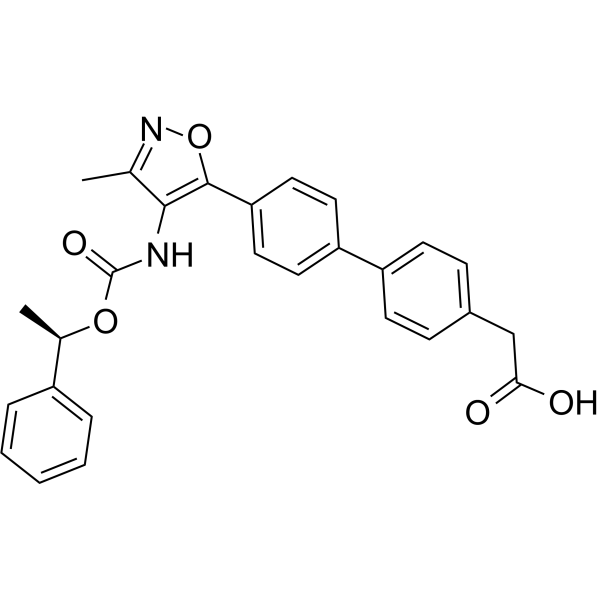
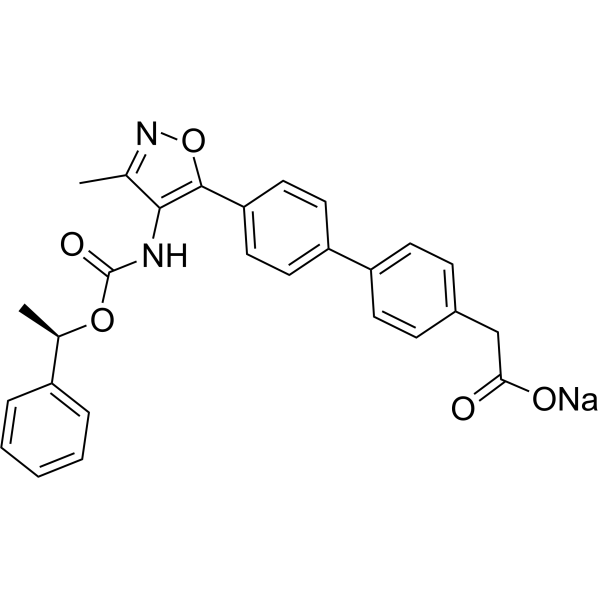
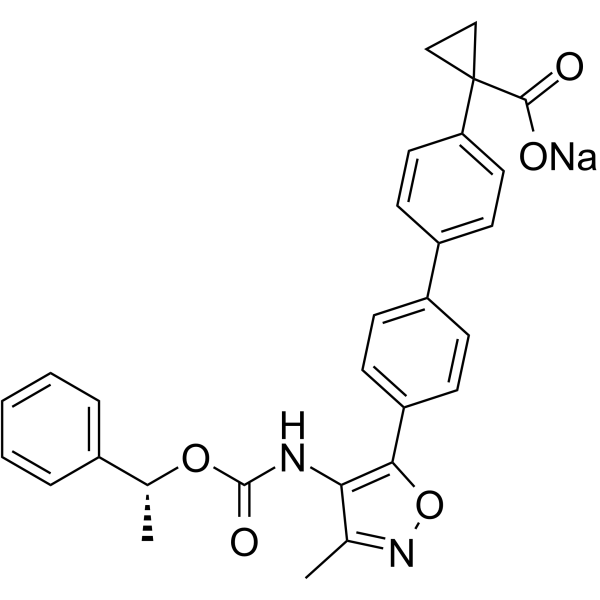
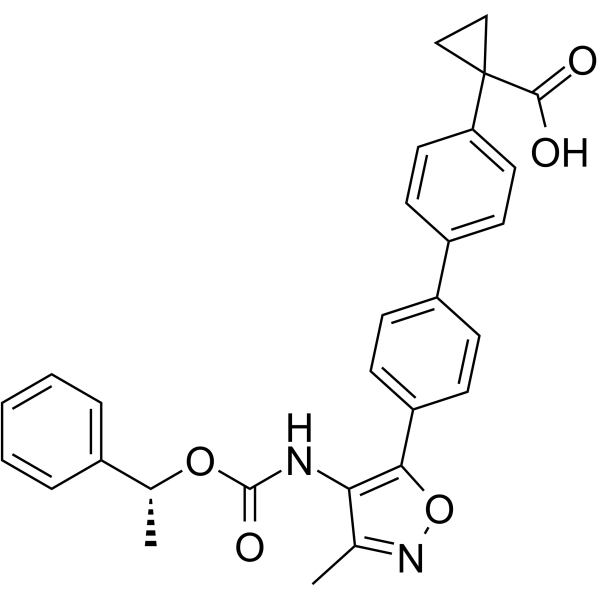
    BMS-986278
    1 Publications Verification

    AdmiLPArant

    LPL Receptor Others
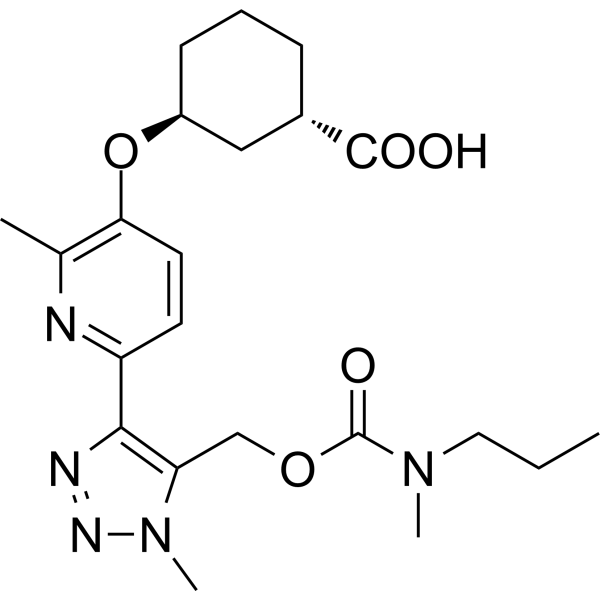
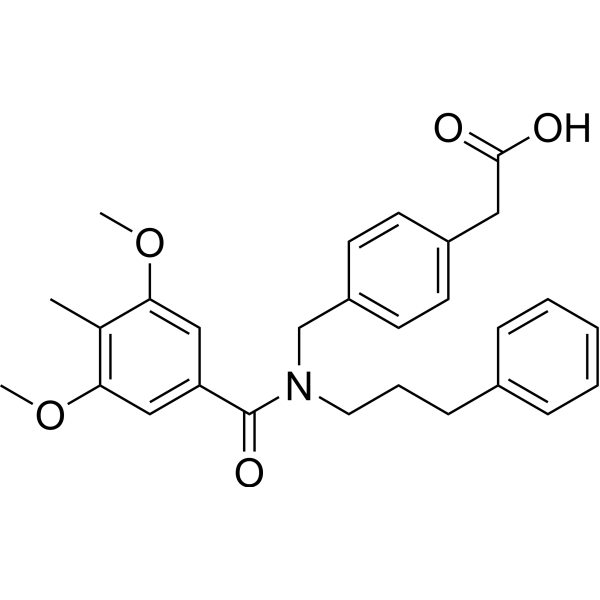
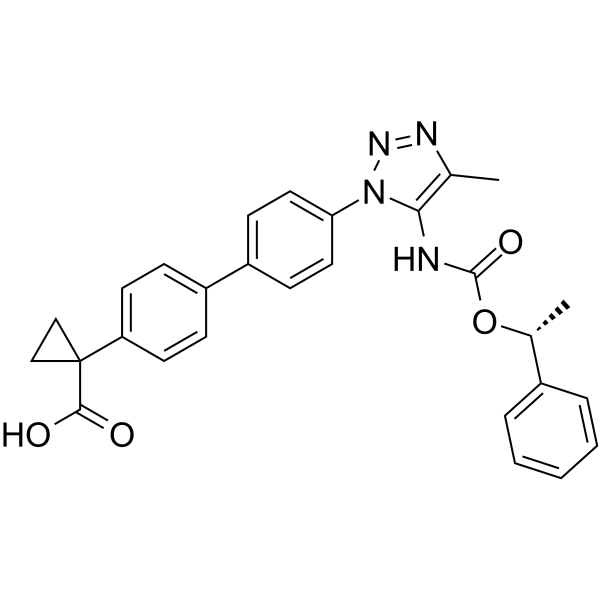
    BMS-986278 is a potent and orally active lysophosphatidic acid receptor 1 (LPA1) antagonist, with Kbs of 6.9 nM and 4.0 nM for human and mouse LPA1, respectively. BMS-986278 can be used for the research of pulmonary fibrotic diseases .
    BMS-986278
  • HY-137862
    1-Oleoyl lysophosphatidic acid
    3 Publications Verification

    1-Oleoyl-sn-glycero-3-phosphate; 1-Oleoyl-LPA

    LPL Receptor Neurological Disease
    1-Oleoyl lysophosphatidic acid (1-Oleoyl-sn-glycero-3-phosphate) is an abundant lysophosphatidic acid (LPA) species with high biological activity due to its strong affinity for the LPA receptors. 1-Oleoyl lysophosphatidic acid is commonly used in most laboratories as a reagent for LPA receptor activation . 1-Oleoyl lysophosphatidic acid increases SRE-driven β-galactosidase activity .
    1-Oleoyl lysophosphatidic acid
  • HY-13285
    Ki16425
    10+ Cited Publications

    Debio 0719

    LPL Receptor YAP Neurological Disease Cancer
    Ki16425 (Debio 0719) is a subtype-selective, competitive antagonist of the EDG-family receptors, LPA1 and LPA3 with Kis of 0.34 μM and 0.93 μM, respectively. Ki16425 (Debio 0719) reduces the LPA-induced activation of p42/p44 MAPK . Ki16425 can also inhibit LPA-induced dephosphorylation of Yes-associated protein (YAP)/TAZ in HEK293A cells .
    Ki16425
  • HY-15277
    AM966
    15+ Cited Publications

    LPL Receptor Inflammation/Immunology
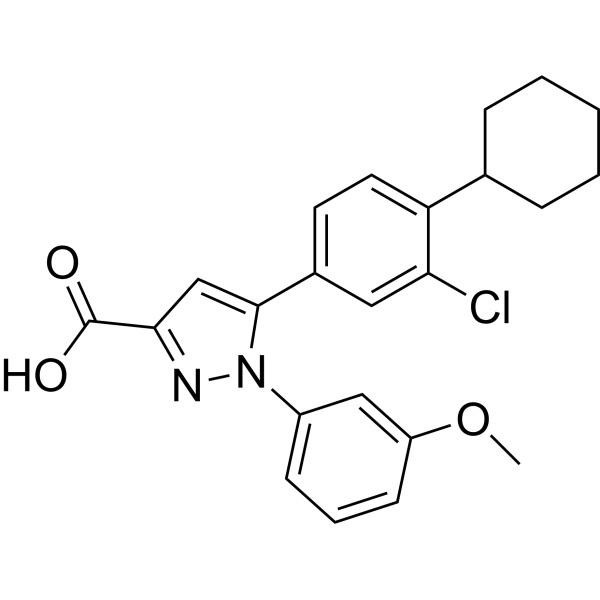
    AM966 is a high affinity, selective, oral LPA1-antagonist, inhibits LPA-stimulated intracellular calcium release (IC50=17 nM).
    AM966
  • HY-16040
    AM095 free acid
    10+ Cited Publications

    LPL Receptor Inflammation/Immunology
    AM095 (free acid) is a potent LPA1 receptor antagonist with IC50 values of 0.98 and 0.73 μM for recombinant human or mouse LPA1 respectively.
    AM095 free acid
  • HY-16039
    AM095
    10+ Cited Publications

    LPL Receptor Inflammation/Immunology
    AM095 is a selective LPA1 receptor antagonist. The IC50 for AM095 antagonism of LPA-induced calcium flux of human or mouse LPA1-transfected CHO cells is 0.025 and 0.023 μM, respectively.
    AM095
  • HY-132222
    SET2
    1 Publications Verification

    TRP Channel Cancer
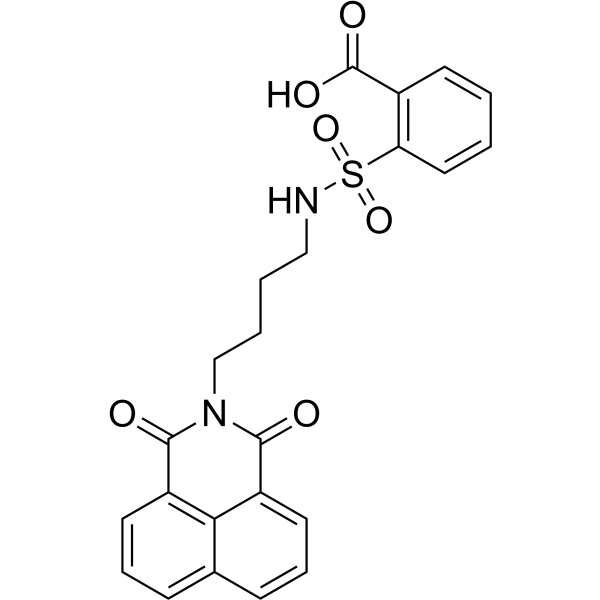
    SET2 is a selective TRPV2 antagonist (IC50=0.46 μM). SET2 blocks the TRP channel and suppresses prostate cancer cells migration. SET2 reduces the lysophosphatidic acid (LPA, a TRPV2 activator)-induced cytoplasmic calcium increases .
    SET2
  • HY-18075
    LPA2 antagonist 1
    4 Publications Verification

    LPL Receptor Cancer
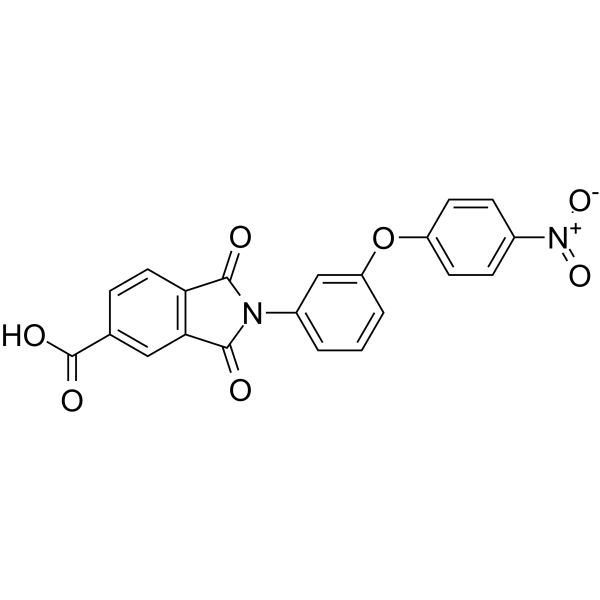
    LPA2 antagonist 1 is a LPA2 antagonist with an IC50 of 17 nM.
    LPA2 antagonist 1
  • HY-114379
    AS2717638
    2 Publications Verification

    LPL Receptor Neurological Disease Inflammation/Immunology
    AS2717638 is a highly selective, brain-penetrant and orally active lysophosphatidic acid receptor 5 (LPA5) antagonist with an IC50 value of 38 nM. AS2717638 is highly selective and shows no significant antagonistic activity against other LPA receptors (LPA1, LPA2, and LPA3). AS2717638 can be used in the research of pain and neuroinflammation-related diseases .
    AS2717638
  • HY-107616
    H2L5186303
    3 Publications Verification

    LPL Receptor Apoptosis Inflammation/Immunology
    H2L5186303 is a potent and selective LPA2 receptor antagonist with an IC50 of 9 nM. H2L5186303 promotes Apoptosis. H2L5186303 inhibits cell proliferation and motility. H2L5186303 has anti-inflammatory effects .
    H2L5186303
  • HY-145561

    BLD-0409; PAT-409

    Phosphodiesterase (PDE) LPL Receptor Inflammation/Immunology Cancer
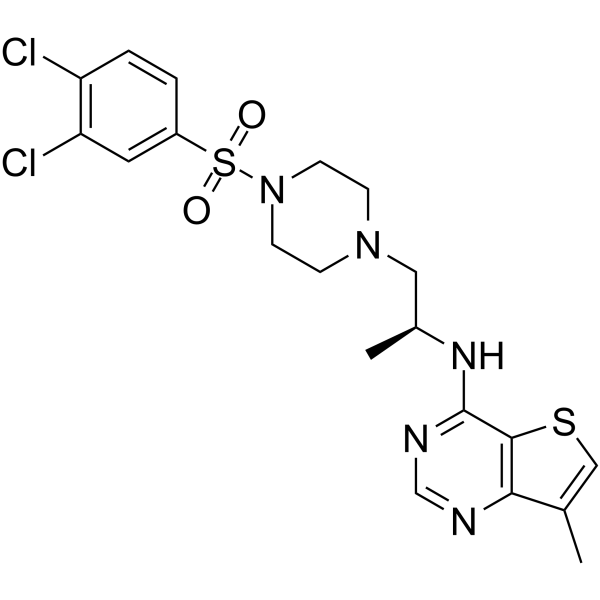
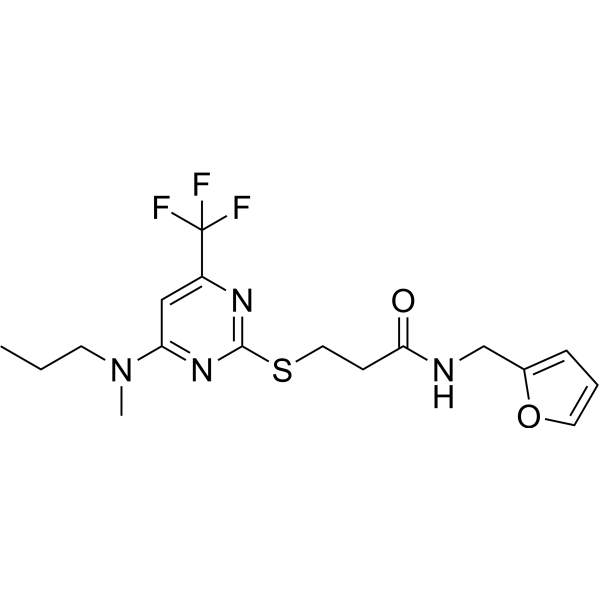
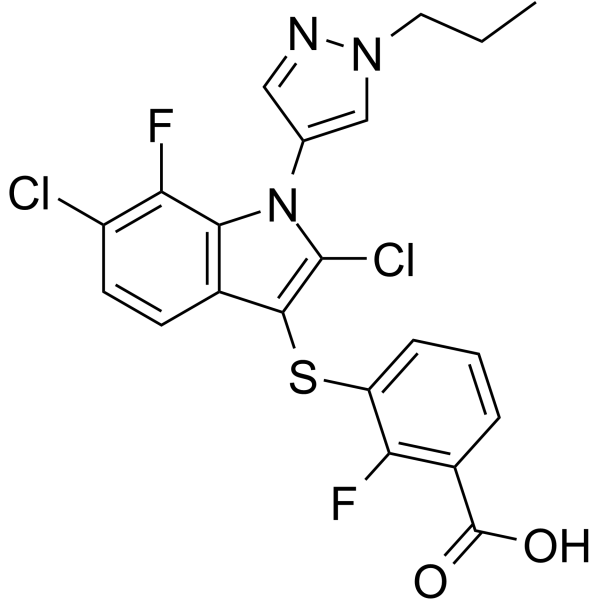
    Cudetaxestat (BLD-0409; PAT-409) is an orally active and noncompetitive autotaxin (ATX) inhibitor. Cudetaxestat inhibits the activity of ATX, reduces the production of LPA, and thereby blocks the signal transduction of the ATX-LPA axis. Cudetaxestat can still maintain nanomolar-level biochemical efficacy even when the concentration of the LPC substrate increases. Cudetaxestat can be used for the study of various diseases related to LPA including fibrosis, tumor metastasis, inflammation and autoimmune diseases, etc .
    Cudetaxestat
  • HY-100882

    LPL Receptor Cardiovascular Disease
    ONO-7300243 is a novel, potent lysophosphatidic acid receptor 1 (LPA1) antagonist with IC50 of 0.16 μM.
    ONO-7300243
  • HY-153492A

    AMG 890 sodium; ARC-LPA sodium

    Small Interfering RNA (siRNA) Inflammation/Immunology
    Olpasiran (AMG 890, ARC-LPA) sodium is an N-acetyl galactosamine (GalNAc)-conjugated, hepatocyte-targeted siRNA. Olpasiran sodium directly inhibits LPA messenger RNA translation in hepatocytes and potently reduce Lp(a) concentration. Olpasiran sodium can be used for the research of cardiovascular disease, such as atherosclerosis .
    Olpasiran sodium
  • HY-107615

    LPL Receptor Cancer
    TC LPA5 4 is a LPA5 (GPR92)-specific non-lipid antagonist. TC LPA5 4 inhibits LPA-induced aggregation of isolated human platelet (LPA5-RH7777 cell line) with an IC50 of 800 nM. TC LPA5 4 displays selectivity for LPA5 over 80 other screened agent targets . TC LPA5 4 inhibits cell proliferation and migration of thyroid cancer cells .
    TC LPA5 4
  • HY-157693

    Endogenous Metabolite Cancer
    C18:1 Cyclic LPA is a naturally occurring analog of the growth factor-like phospholipid mediator, lysophosphatidic acid (LPA), characterized by the formation of a 5-membered ring between its sn-2 hydroxy group and the sn-3 phosphate. This unique structure allows C18:1 Cyclic LPA to influence a variety of cellular functions, such as inhibiting cell cycle progression, promoting the formation of stress fibers, curtailing tumor cell invasiveness and metastasis, and modulating the differentiation and survival of neuronal cells. Notably, many of these cellular effects elicited by C18:1 Cyclic LPA appear to counter those induced by LPA, despite the activation of seemingly similar receptor populations.
    C18:1 Cyclic LPA
  • HY-18076

    LPL Receptor Infection Inflammation/Immunology
    LPA1 receptor antagonist 1 is a highly selective Lysophosphatidic Acid receptor-1 (LPA1) antagonist with an IC50 of 25 nM.
    LPA1 receptor antagonist 1
  • HY-120797

    IOA-289

    LPL Receptor Cancer
    CRT0273750 is an autotaxin (ATX) inhibitor and modulates LPA levels in plasm (IC50 = 0.014 μM). CRT0273750 can be used in ATX/LPA-dependent models of cancer .
    CRT0273750
  • HY-124772
    BI-2545
    1 Publications Verification

    Phosphodiesterase (PDE) Inflammation/Immunology
    BI-2545, a chemical probe, is a potent autotaxin (ATX) inhibitor that significantly reduces LPA, with IC50s of 2.2 nM and 3.4 nM for human ATX and rat ATX, respectively .
    BI-2545
  • HY-100676

    LPL Receptor Caspase Inflammation/Immunology Cancer
    GRI977143 is a specific LPA2 receptor agonist, with an EC50 of 3.3 μM .
    GRI977143
  • HY-150204

    LPL Receptor Others
    ONO-0740556 is a potent Gi-coupled human lysophosphatidic acid receptor 1 (LPA1) agonist with an EC50 value of 0.26 nM .
    ONO-0740556
  • HY-120967

    p38 MAPK Akt Interleukin Related Cancer
    (2S)-OMPT (triethylamine), in ethanol:chloroform (1:1), 98%, Lysophosphatidic acid analogue, is a LPA3 G-protein-coupled receptor agonist. (2S)-OMPT (triethylamine), in ethanol:chloroform (1:1), 98% selectively activates LPA3 G-protein-coupled receptor to trigger downstream cellular signaling events. (2S)-OMPT (triethylamine), in ethanol:chloroform (1:1), 98% induces calcium, IL-6 release in cancer cells and activates MAPK and Akt signaling pathways. (2S)-OMPT (triethylamine), in ethanol:chloroform (1:1), 98% can be used for the research of ovarian cancer .
    (2S)-OMPT triethylamine, in ethanol:chloroform (1:1), 98%
  • HY-146956S

    Isotope-Labeled Compounds Others
    Oleoyl LPA-d5 is deuterium labeled Oleoyl LPA.
    Oleoyl LPA-d5
  • HY-113973

    LPL Receptor Cancer
    LPA2 antagonist 2 (H2L 5226501) is a selective LPA2 antagonist with an IC50 of 28.3 nM and a Ki of 21.1 nM. LPA2 antagonist 2 is >480-fold more selective than LPA3 (IC50 of 13.85 μM) .
    LPA2 antagonist 2
  • HY-15706
    H2L 5765834
    1 Publications Verification

    LPL Receptor Cardiovascular Disease
    H2L 5765834 is an antagonist of lysophosphatidic acid receptors LPA1, LPA3, and LPA5, with IC50s of 94, 752, and 463 nM respectively .
    H2L 5765834
  • HY-128127

    LPL Receptor Others
    NAEPA, a phosphate-mimetic derivative, is a lysophosphatidic acid (LPA) receptor agonist .
    NAEPA
  • HY-137862A

    (Rac)-1-Oleoyl-sn-glycero-3-phosphate; (Rac)-1-Oleoyl-LPA

    LPL Receptor Drug Isomer Neurological Disease
    (Rac)-1-Oleoyl lysophosphatidic acid is an isomer of 1-Oleoyl lysophosphatidic acid sodium (HY-107614). 1-Oleoyl lysophosphatidic acid sodium is a bioactive lipid that can activate the LPA receptors .
    (Rac)-1-Oleoyl lysophosphatidic acid
  • HY-114380

    LPL Receptor Others
    Radioprotectin-1 is a potent and specific nonlipid agonist of lysophosphatidic acid receptor 2 (LPA2), with an EC50 value of 25 nM for murine LPA2 subtype .
    Radioprotectin-1
  • HY-117959

    LPL Receptor Inflammation/Immunology
    TAK-615 is a negative allosteric modulator (NAM) of the LPA1 receptor for the research of pulmonary fibrosis. TAK-615 binds the LPA1 receptor with high affinity (Kd high affinity of 1.7 nM and Kd low affinity of 14.5 nM) .
    TAK-615
  • HY-158424

    LDLR Cardiovascular Disease
    LSN3353871 is a potent inhibitor of lipoprotein(a) (Lp(a)) that can binds to Kringle IV (KIV) 8, KIV7-8 and KIV5-8, with Kd of 756 nM, 605 nM and 423 nM, respectively. LSN3353871 disrupts the formation of Lp(a) with the IC50 of 1.69 μM. LSN3353871 has oral bioactivity .
    LSN3353871
  • HY-117444

    LPL Receptor Cancer
    ONO-9780307 is a specific synthetic LPA1 (lysophosphatidic acid receptor 1) antagonist with an IC50 value of 2.7 nM .
    ONO-9780307
  • HY-120967A

    p38 MAPK Akt Interleukin Related Cancer
    (2S)-OMPT, Lysophosphatidic acid analogue, is a LPA3 G-protein-coupled receptor agonist. (2S)-OMPT selectively activates LPA3 G-protein-coupled receptor to trigger downstream cellular signaling events. (2S)-OMPT induces calcium, IL-6 release in cancer cells and activates MAPK and Akt signaling pathways. (2S)-OMPT can be used for the research of ovarian cancer .
    (2S)-OMPT
  • HY-138453

    LPA1 receptor antagonist 2

    LPL Receptor Inflammation/Immunology
    ACT-1016-0707 (Compound 49) is an orally active and selective LPA1 receptor antagonist. ACT-1016-0707 can be used for the research of fibrotic diseases .
    ACT-1016-0707
  • HY-120478

    LPL Receptor Infection
    ASP6432 is a potent and selective type 1 lysophosphatidic acid receptor (LPA1) antagonist with IC50s of 11 nM and 30 nM for human LPA1 and rat LPA1, respectively .
    ASP6432
  • HY-18641

    LPL Receptor Cancer
    Ki16198 is a potent and orally active LPA receptor antagonist, the methyl ester of Ki16425 (HY-13285). Ki16198 inhibits LPA1 and LPA3-induced inositol phosphate production with?Ki?values of 0.34 μM and 0.93 μM, respectively. Ki16198 is effective for pancreatic cancer tumorigenesis and metastasis in vivo .
    Ki16198
  • HY-171464

    Apolipoprotein Cardiovascular Disease
    Lp(a)-IN-5 (Compound A) is an orally active lipoprotein (a) (Lp(a)) inhibitor. Lp(a)-IN-5 inhibits the assembly of Apo(a) and ApoB proteins with an IC50 value of 0.41 nM. Lp(a)-IN-5 is promising for research of diseases related to elevated plasma Lp(a) levels, such as cardiovascular diseases .
    Lp(a)-IN-5
  • HY-116100A

    Phosphodiesterase (PDE) Inflammation/Immunology
    HA-155 is a potent and selective autotaxin (ATX) inhibitor with an IC50 of 5.7 nM .
    HA155
  • HY-W127502

    1-Hexadecyl LPA; 1-Palmityl LPA; LPA O-16:0

    Biochemical Assay Reagents Others
    1-Hexadecyl lysophosphatidic acid is an ether analog of lysophosphatidic acid (LPA) containing a hexadecyl group in the sn-1 position. LPA binds to five different G protein-coupled receptors and mediates a variety of biological responses, including cell proliferation, smooth muscle contraction, platelet aggregation, neurite contraction, and cell motility.
    1-Hexadecyl lysophosphatidic acid
  • HY-151391

    Biochemical Assay Reagents Neurological Disease
    LPA5 antagonist 1 (Compound 66) is a potent and selective lysophosphatidic acid receptor 5 (LPA5) antagonist (IC50=32 nM). LPA5 antagonist 1 shows high blood-brain-barrier permeability and anti-nociceptive activity. LPA5 antagonist 1 can be used in inflammatory and neuropathic pain research . LPA5 antagonist 1 is a click chemistry reagent, it contains an Alkyne group and can undergo copper-catalyzed azide-alkyne cycloaddition (CuAAc) with molecules containing Azide groups.
    LPA5 antagonist 1
  • HY-103267

    Phosphodiesterase (PDE) Inflammation/Immunology
    S32826 disodium is a potent autotaxin inhibitor, with an IC50 of 8.8 nM. S32826 disodium shows similar inhibitory effects at various autotaxin isoforms (α, β and γ). S32826 disodium inhibits LPA release from adipocytes .
    S32826 disodium
  • HY-167862A

    LPL Receptor Neurological Disease
    UCM-05194 (ammonium) is a lysophosphatidic acid receptor 1 (LPA1) agonist. UCM-05194 (ammonium) induces calcium mobilization in LPA1-expressing RH7777 cells (EC50 = 0.24 µM). UCM-05194 (ammonium) induces neurite retraction and migration in LPA1-overexpressing B103 rat neuroblastoma cells. UCM-05194 (ammonium) attenuates acetic acid-induced writhing and hind paw mechanical hypersensitivity in mice .
    UCM-05194 ammonium
  • HY-171464A

    Apolipoprotein Cardiovascular Disease
    Lp(a)-IN-5 (Compound A) hydrochloride is an orally active lipoprotein (a) (Lp(a)) inhibitor. Lp(a)-IN-5 hydrochloride inhibits the assembly of Apo(a) and ApoB proteins with an IC50 value of 0.41 nM. Lp(a)-IN-5 hydrochloride is promising for research of diseases related to elevated plasma Lp(a) levels, such as cardiovascular diseases .
    Lp(a)-IN-5 hydrochloride
  • HY-146955S

    Isotope-Labeled Compounds Others
    Linoleoyl LPA-d5 is deuterium labeled Linoleoyl LPA.
    Linoleoyl LPA-d5
  • HY-W040176

    N-Palmitoyl-tyrosine phosphoric acid ammonium

    LPL Receptor Cardiovascular Disease Neurological Disease Inflammation/Immunology
    N-PTyrosine PA (N-Palmitoyl-tyrosine phosphoric acid) ammonium is a lysophosphatidic acid (LPA) receptor modulator, which exhibits weak inhibitory activity against LPA1 and partial agonist properties towards LPA5. N-PTyrosine PA ammonium inhibits the activation of LPA receptors and downstream responses by competing with agonists for binding sites. N-PTyrosine PA ammonium can induce morphological changes and aggregation, and also inhibit LPA-induced morphological changes through receptor desensitization caused by pre-incubation. N-PTyrosine PA ammonium can be used in the research of related diseases such as atherosclerosis and acute ischemic syndromes (e.g., unstable angina, myocardial infarction, stroke) .
    N-PTyrosine PA ammonium
  • HY-139133

    LPL Receptor Inflammation/Immunology
    L-NASPA is a ophosphatidic acid (LPA) inhibitor useful in the study of platelet activation .
    L-NASPA
  • HY-107614G

    1-Oleoyl-sn-glycero-3-phosphate sodium; 1-Oleoyl-LPA sodium

    LPL Receptor ROCK TGF-beta/Smad TGF-β Receptor Neurological Disease Cancer
    1-Oleoyl lysophosphatidic acid sodium (GMP) is the GMP-grade form of 1-Oleoyl lysophosphatidic acid sodium (HY-107614). GMP-grade small molecules serve as auxiliary reagents in cell therapy. 1-Oleoyl lysophosphatidic acid sodium is a bioactive lipid signaling molecule. 1-Oleoyl lysophosphatidic acid sodium inhibits lysoPLD-catalyzed hydrolysis of lysophosphatidylcholine and FS-3. 1-Oleoyl lysophosphatidic acid sodium activates LPA1 and LPA2, thereby triggering calcium mobilization, NFATc1 translocation, Rho/ROCK activation, Smad2/3 phosphorylation and c-Fos expression. 1-Oleoyl lysophosphatidic acid sodium induces anxiety-like, depression-like and hypoactivity phenotypes, regulates osteoclast cytoskeleton and viability, reduces osteoclast bone resorptive activity, and drives mesenchymal stem cell differentiation into myofibroblast-like cells. 1-Oleoyl lysophosphatidic acid sodium stimulates the secretion of transforming growth factor-β1 and stromal cell-derived factor-1. 1-Oleoyl lysophosphatidic acid sodium is applicable to research related to anxiety, depression and ovarian cancer .
    1-Oleoyl lysophosphatidic acid sodium
  • HY-N15794

    LPL Receptor Neurological Disease
    AzoLPA ammonium is a photoswitchable lipid that activates the Lysophosphatidic acid 1-5 (LPA1-5) receptors’ signaling .
    AzoLPA ammonium
  • HY-167862

    Endogenous Metabolite Neurological Disease
    UCM-05194 is a selective LPA1 receptor agonist with activity to improve neuropathic pain. UCM-05194 is a LPA1 agonist that exhibits potent and selective properties in its pharmacologically similar properties. UCM-05194 triggers LPA1-mediated cellular effects and leads to internalization of the receptor, resulting in functional inactivation in primary sensory neurons. UCM-05194 effectively reduces pain perception in in vivo models. UCM-05194 can be used to conduct research on progressive systemic diseases .
    UCM-05194
  • HY-148291

    LPL Receptor Phosphodiesterase (PDE) Cancer
    BrP-LPA sodium is a pan-opposite agent for lysophosphatidic acid (LPA). It has antagonistic activity against LPA1 (IC50 = 4520 nM), LPA2 (IC50 = 468 nM), LPA3, and LPA4. BrP-LPA sodium also has partial agonistic activity for LPA5, with its EC50 being 1282 nM. BrP-LPA sodium has ATX inhibitory activity. BrP-LPA sodium effectively inhibits the migration and invasion of breast cancer cells. BrP-LPA sodium achieves tumor regression and anti-angiogenesis in mice breast cancer xenograft model. BrP-LPA sodium can be used for the study of breast cancer .
    BrP-LPA sodium
  • HY-126233

    Phosphodiesterase (PDE) Metabolic Disease
    PAT-347 is an Autotaxin (ATX) inhibitor. ATX is a secretory enzyme that hydrolyzes lysophosphatidylcholine (LPC) and regulates lysophosphatidic acid (LPA) production in the blood .
    PAT-347

Inquiry Online

Your information is safe with us. * Required Fields.

Salutation


Country or Region *

Applicant Name *


Organization Name *

Department *


Email Address *


Product Name *

Cat. No.


Requested quantity *

Phone Number *


Remarks

Inquiry Online

Inquiry Information

Product Name:
Cat. No.:
Quantity:
MCE Japan Authorized Agent:

