Search Result
Results for "
Less toxic
" in MedChemExpress (MCE) Product Catalog:
1
Biochemical Assay Reagents
2
Isotope-Labeled Compounds
| Cat. No. |
Product Name |
Target |
Research Areas |
Chemical Structure |
-
- HY-15785
-
Pimitespib
Maximum Cited Publications
9 Publications Verification
TAS-116
|
HSP
|
Cancer
|
|
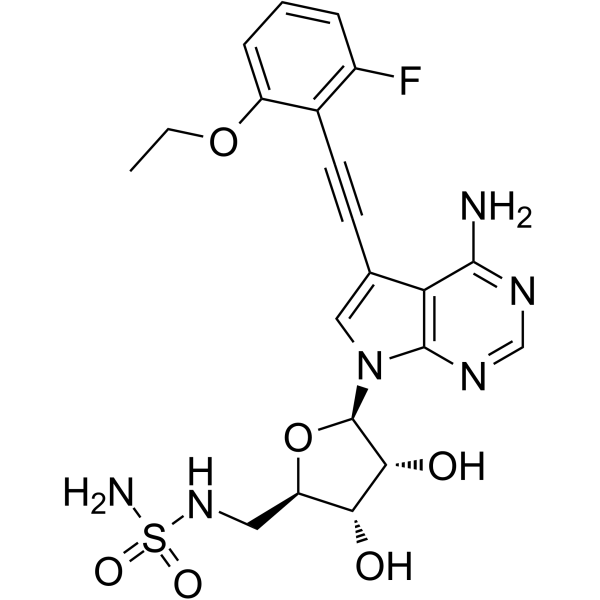
Pimitespib (TAS-116) is an oral bioavailable, ATP-competitive, highly specific HSP90α/HSP90β inhibitor (Kis of 34.7 nM and 21.3 nM, respectively) without inhibiting other HSP90 family proteins such as GRP94 . Pimitespib demonstrates less ocular toxicity .
|
-
-
- HY-130604
-
DT2216
2 Publications Verification
|
Bcl-2 Family
PROTACs
Apoptosis
|
Cancer
|
|
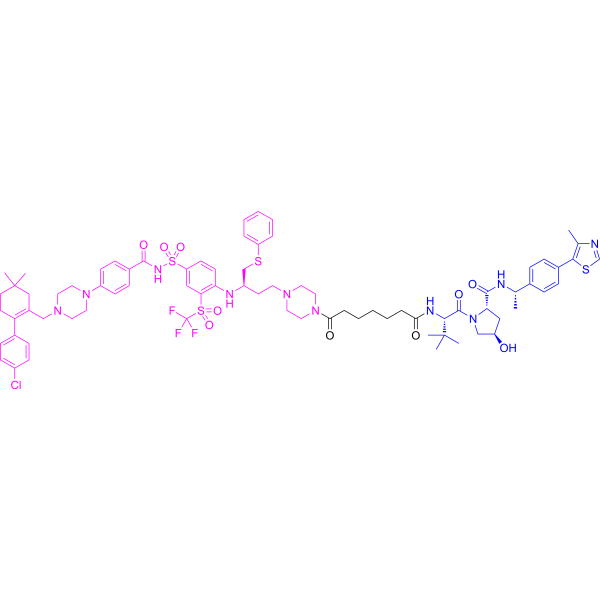
DT2216 is a potent and selective BCL-XL (Bcl-2 family member) degrader based on PROTAC technology. DT2216 causes effective degradation of BCL-XL protein by recruiting Von Hippel-Lindau (VHL) E3 ubiquitin ligase. DT2216 inhibits various BCL-XL-dependent leukemia and cancer cells but considerably less toxic to platelets. DT2216 is composed of the Bcl-2 family protein inhibitor Navitoclax-piperazine (HY-44432), a linker, and a VHL E3 ubiquitin ligase (Pink: Navitoclax-piperazine; Blue: VHL ligand; Black: linker) .
|
-
-
- HY-P99974
-
|
Nanoparticle albumin-bound Paclitaxel; Nanoparticle albumin-bound ABI-007
|
Microtubule/Tubulin
Apoptosis
Autophagy
|
Cancer
|
|
Nab-Paclitaxel (Nanoparticle albumin-bound Paclitaxel) is an albumin-bound nanoparticle formulation of Paclitaxel (HY-B0015). Nab-Paclitaxel is composed of albumin and the active pharmaceutical ingredient Paclitaxel, in which human albumin is used as an excipient to disperse and stabilize particles and carry the main drug. Nab-Paclitaxel is a solvent-free taxane with higher response rates and improved tolerability. Nab-Paclitaxel displays less toxicity and greater antitumor activity. Nab-Paclitaxel is more readily available for tumor cell uptake in three rhabdomyosarcoma, seven neuroblastoma cell lines, and one ostersarcoma cell line Nab-Paclitaxel can be studied in cancer research for example breast cancer and solid tumors. (The product specifications below only indicate the effective content of Paditaxel, the actual albumin quality depends on the batch; the ratio of each ingredient in this product is Paditaxel: albumin -1:7~1:11) .
|
-
-
- HY-106783
-
|
|
Bacterial
Antibiotic
|
Infection
|
|
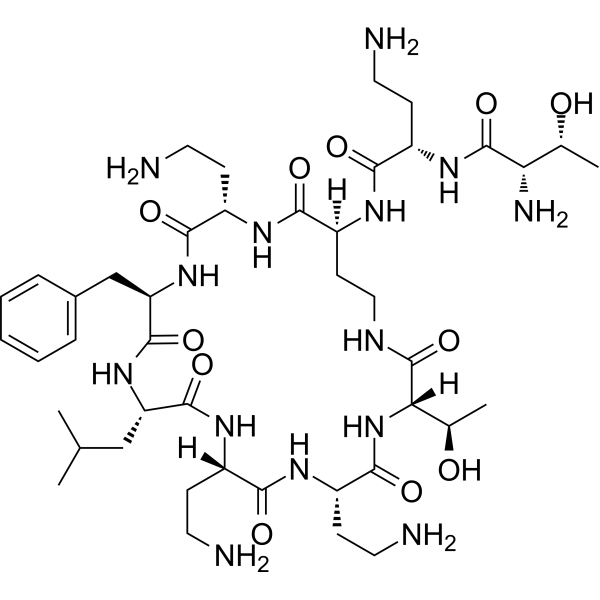
Polymyxin B nonapeptide is a cyclic peptide obtained from Polymyxin B by proteolytic removal of its terminal amino acyl residue. Polymyxin B nonapeptide is less toxic, lacks bactericidal activity, and retains its ability to render gram-negative bacteria susceptible to several antibiotics by permeabilizing their outer membranes .
|
-
-
- HY-128586
-
TAS4464
Maximum Cited Publications
9 Publications Verification
|
Apoptosis
Carbonic Anhydrase
NEDD8-activating Enzyme
|
Cancer
|
|
TAS4464 is a long-acting, highly selective covalent inhibitor targeting NEDD8-activating enzyme (NAE) (IC50=0.955 nM), and also inhibits CAII with an IC50 of 0.73 μM, which is less potent than MLN4924 (HY-70062). The IC50 values of TAS4464 against other E1 enzymes UAE and SAE are 449 nM and 1280 nM, respectively. TAS4464 targets NEDD8 in an ATP-dependent manner to inhibit NAE, blocks the neddylation pathway, causes accumulation of CRL ubiquitin ligase substrates (such as CDT1, p27, phosphorylated IκBα), and further induces tumor cell apoptosis. TAS4464 exhibits antiproliferative and cytotoxic effects, and has broad-spectrum antitumor activity against various hematologic and solid tumor cell lines as well as patient-derived tumor cells. TAS4464 has a wide selcetive window, without obvious toxicity. TAS4464 can be used in the research of hematologic malignancies (leukemia, lymphoma, multiple myeloma, etc.) and solid tumors (small cell lung cancer, colorectal cancer, sarcoma, endometrial cancer, ovarian cancer, etc.) .
|
-
-
- HY-B0812
-
|
SSA dihydrate
|
Biochemical Assay Reagents
|
Cancer
|
|
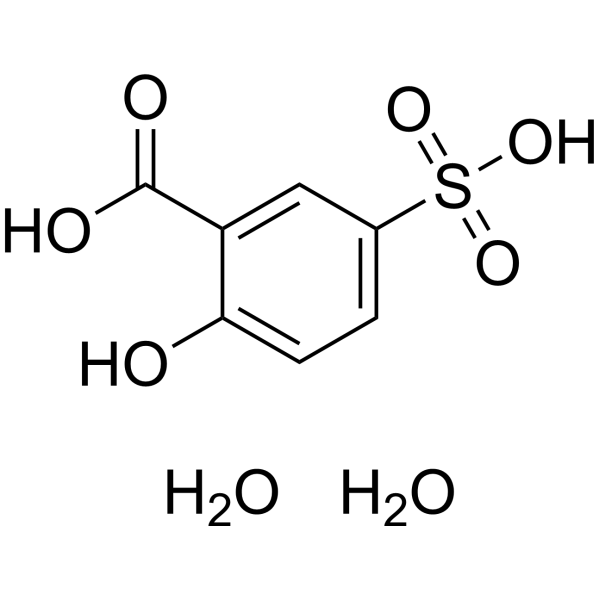
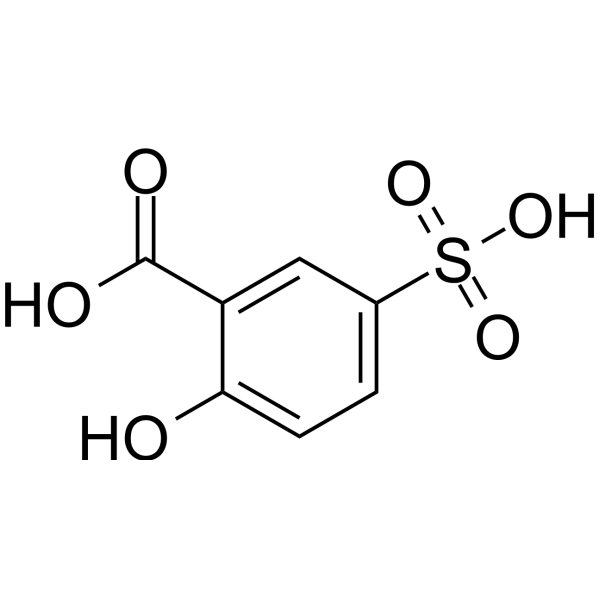
5-Sulfosalicylic acid dihydrate is a sulfonated salicylic acid derivative. 5-Sulfosalicylic acid dihydrate is effective against the breast cancer cell line, MCF-7, with less toxicity . 5-Sulfosalicylic acid dihydrate has antioxidant activities .
|
-
-
- HY-B1785
-
|
Sulfosalicylic acid; Sulphosalicylic acid; Salicylsulfonic acid
|
Drug Derivative
|
Cancer
|
|
5-Sulfosalicylic acid is a sulfonated salicylic acid derivative. 5-Sulfosalicylic acid is effective against the breast cancer cell lines, with less toxicity . 5-Sulfosalicylic acid has antioxidant activities .
|
-
-
- HY-N1881
-
|
|
Lipoxygenase
Glycosidase
|
Inflammation/Immunology
|
|
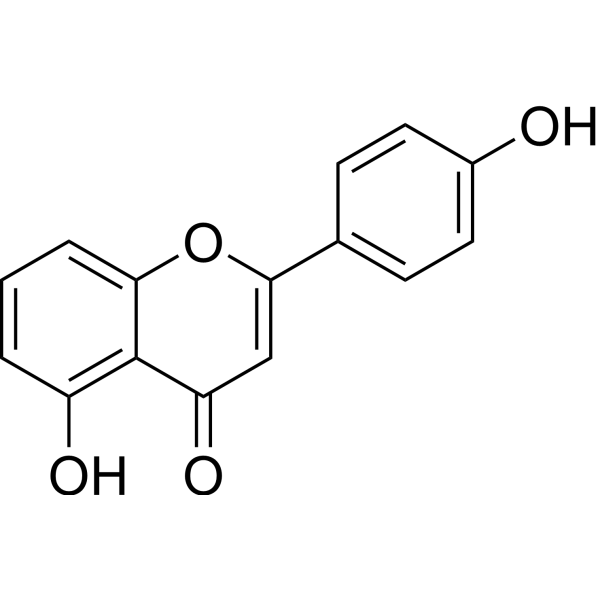
4',5-Dihydroxyflavone (Compound 2c; Compound B3) is a type of flavonoid compound. 4',5-Dihydroxyflavone can inhibit various oxidases and its IC50 values for collagenase A (ColA) and α-glucosidase are less than 1 μM and 66 μM respectively; for soybean lipoxygenase-1 (LOX-1), its Ki value is 102.6 μM. 4',5-Dihydroxyflavone can be used in studies on anti-toxicity and anti-diabetes .
|
-
-
- HY-W010320
-
|
2-Ethyl-3-hydroxy-4H-pyran-4-one
|
Environmental Pollutants
Apoptosis
Heme Oxygenase (HO)
|
Others
|
|
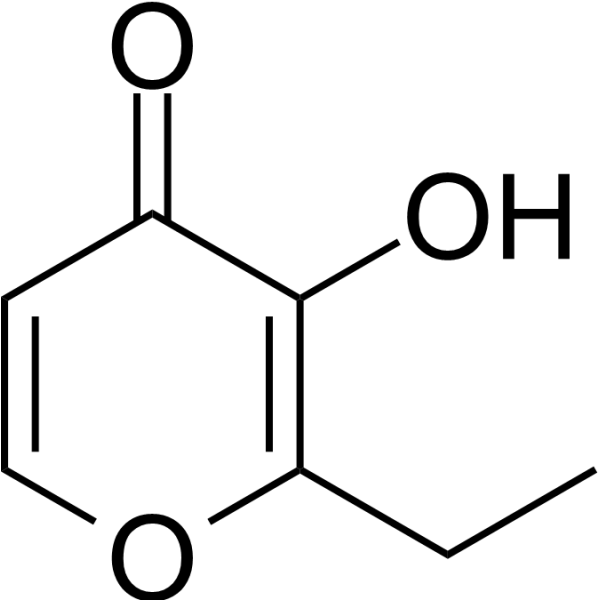
Ethyl maltol (2-Ethyl-3-hydroxy-4H-pyran-4-one) is an orally active and important food additive and flavor enhancer. Ethyl maltol is less toxic to rats and dogs. Ethyl maltol can enhance copper-mediated cytotoxicity and induce apoptosis in lung epithelial cells .
|
-
-
- HY-128586A
-
|
|
NEDD8-activating Enzyme
Carbonic Anhydrase
Apoptosis
|
Cancer
|
|
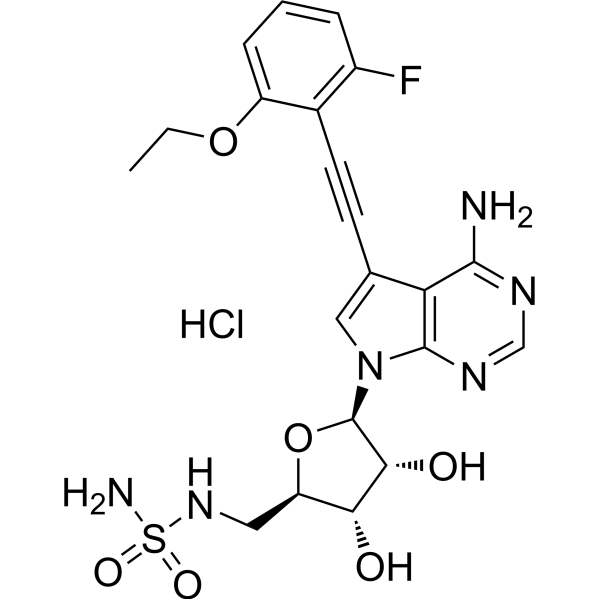
TAS4464 hydrochloride is a long-acting, highly selective covalent inhibitor targeting NEDD8-activating enzyme (NAE) (IC50=0.955 nM), and also inhibits CAII with an IC50 of 0.73 μM, which is less potent than MLN4924 (HY-70062). The IC50 values of TAS4464 hydrochloride against other E1 enzymes UAE and SAE are 449 nM and 1280 nM, respectively. TAS4464 hydrochloride targets NEDD8 in an ATP-dependent manner to inhibit NAE, blocks the neddylation pathway, causes accumulation of CRL ubiquitin ligase substrates (such as CDT1, p27, phosphorylated IκBα), and further induces tumor cell apoptosis. TAS4464 hydrochloride exhibits antiproliferative and cytotoxic effects, and has broad-spectrum antitumor activity against various hematologic and solid tumor cell lines as well as patient-derived tumor cells. TAS4464 hydrochloride has a wide therapeutic window, without obvious toxicity. TAS4464 hydrochloride can be used in the research of hematologic malignancies (leukemia, lymphoma, multiple myeloma, etc.) and solid tumors (small cell lung cancer, colorectal cancer, sarcoma, endometrial cancer, ovarian cancer, etc.) .
|
-
-
- HY-106783A
-
|
|
Bacterial
Antibiotic
|
Infection
|
|
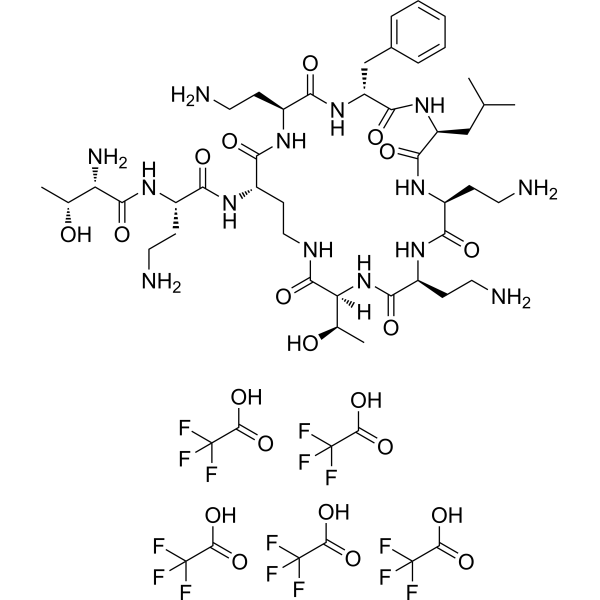
Polymyxin B nonapeptide TFA is a cyclic peptide obtained from Polymyxin B by proteolytic removal of its terminal amino acyl residue. Polymyxin B nonapeptide TFA is less toxic, lacks bactericidal activity, and retains its ability to render gram-negative bacteria susceptible to several antibiotics by permeabilizing their outer membranes .
|
-
-
- HY-W014566
-
|
3-(Trifluoromethyl)-4-Nitrophenol; TFM
|
Environmental Pollutants
Cytochrome P450
Insecticide
|
Infection
|
|
4-Nitro-3-(trifluoromethyl)phenol (TFM) is a piscicide that is toxic to lampreys (P. marinus) (LC50 values are 1.97-2.11 for cysts, 2.05-2.21 for fry, 1.6-2.45 for juveniles, and 1.6-1.63 for adults, respectively). 4-Nitro-3-(trifluoromethyl)phenol is also toxic to juvenile lake sturgeons (A. fulvescens) less than 100 mm, but is nontoxic to a variety of other fish species. 4-Nitro-3-(trifluoromethyl)phenol (50 μM) dissociates oxidative phosphorylation by 22% and 28% in isolated livers of lampreys and rainbow trout (O. mykiss), respectively. 4-Nitro-3-(trifluoromethyl)phenol can be used to control lamprey larval populations.
|
-
-
- HY-149091
-
|
|
Histone Demethylase
|
Cancer
|
|
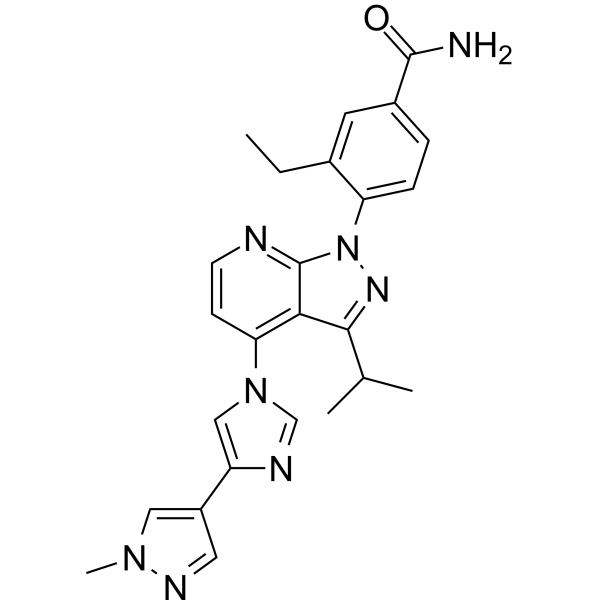
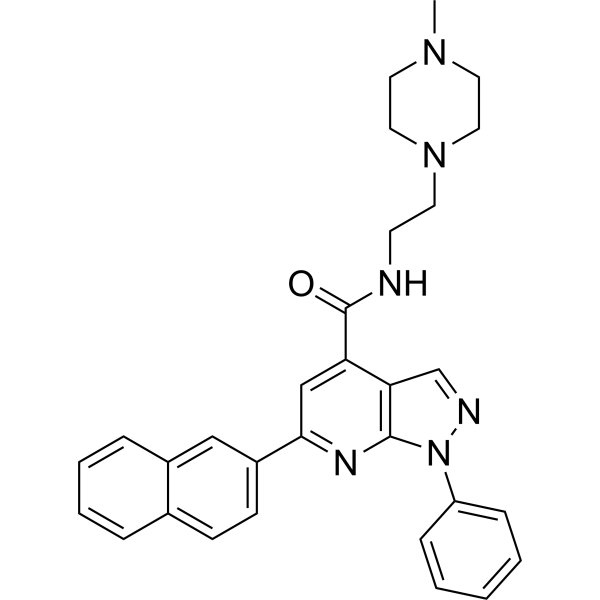
KDM5B-IN-4 (compound 11ad) is a lysine demethylase 5B (KDM5B) inhibitor with an IC50 of 0.025 μM KDM5B-IN-4 increases substrate H3K4me1/2/3 level by inhibiting KDM5B in PC-3 cells. KDM5B-IN-4 downregulates PI3K/AKT. KDM5B-IN-4 reduces tumor volume in mice and shows less toxic to organs .
|
-
-
- HY-131583
-
MP265
1 Publications Verification
4-Chlorobenzyl carbamimidothioate hydrochloride
|
Bacterial
|
Infection
|
|
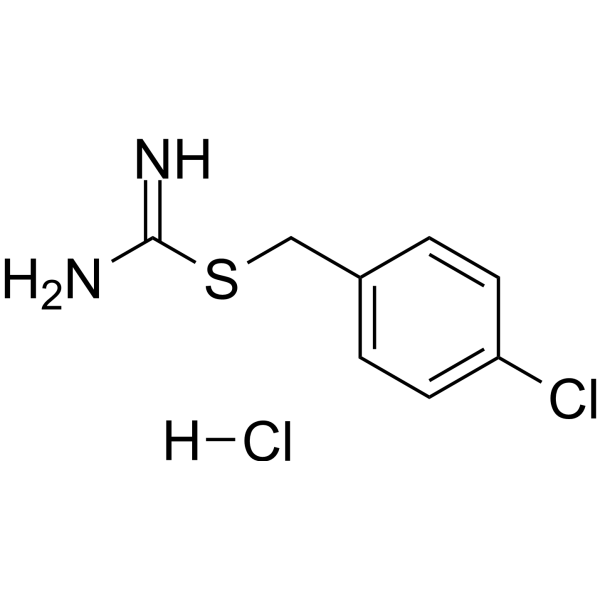
MP265 (4-Chlorobenzyl carbamimidothioate hydrochloride) is a structural analogue of A22 but is less toxic. MP265 is a MreB inhibitor .
|
-
-
- HY-P3215
-
|
|
Oxytocin Receptor
|
Endocrinology
|
|
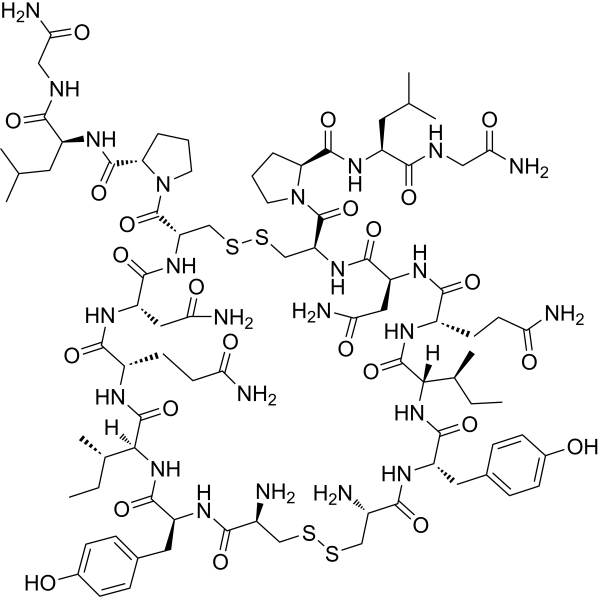
Oxytocin parallel dimer is the disulfide-bridged homo peptide dimer. Oxytocin dimer has oxytocin and vasopressin-like activity with less toxic than oxytocin .
|
-
-
- HY-N6774
-
|
|
Others
|
Infection
|
|
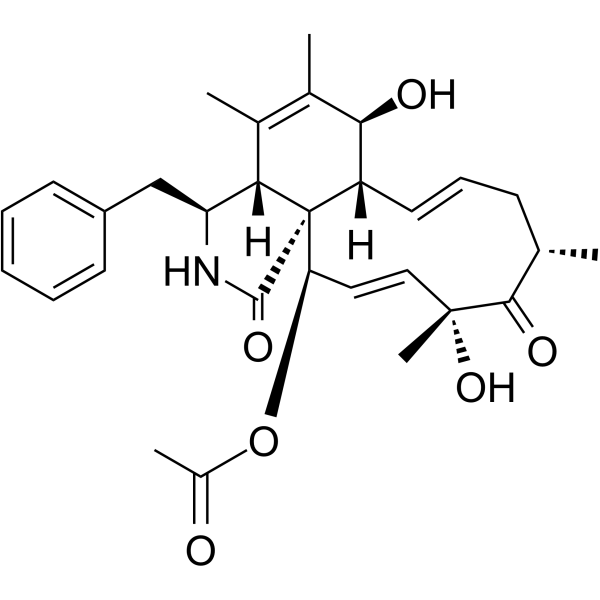
Cytochalasin C is a cell-permeable fungal toxin and induces the formation of nuclear rodlets. Cytochalasin C is 10 times less toxic in mice than is cytochalasin D .
|
-
-
- HY-B1288A
-
|
Benoxinate; Novesinol; Oxybucaine
|
Sodium Channel
|
Cardiovascular Disease
Neurological Disease
|
|
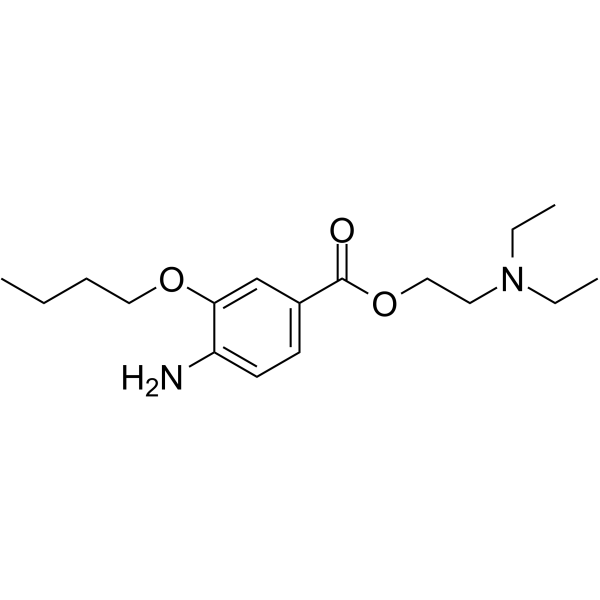
Oxybuprocaine is a short-acting ester anesthetic. Oxybuprocaine binds to sodium channels and reversibly stabilizes neuronal membranes. Oxybuprocaine has cutaneous analgesic properties. Oxybuprocaine is less potent than Bupivacaine (HY-B0405) at producing central nervous system and cardiovascular toxicity. Oxybuprocaine can be used in ophthalmology and otolaryngology .
|
-
-
- HY-138149
-
|
epi-Avermectin B1a
|
Drug Metabolite
|
Infection
|
|
2-epi-Abamectin is a degradation product of Abamectin. It is toxic to the two-spotted spider mite in a contact assay with an LC50 value of 4 ppm, which is approximately 100-fold less potent than abamectin.
|
-
-
- HY-114577
-
|
Isophosphoramide mustard tromethamine; IPM tromethamine; ZIO-201 tromethamine
|
DNA Alkylator/Crosslinker
|
Cancer
|
|
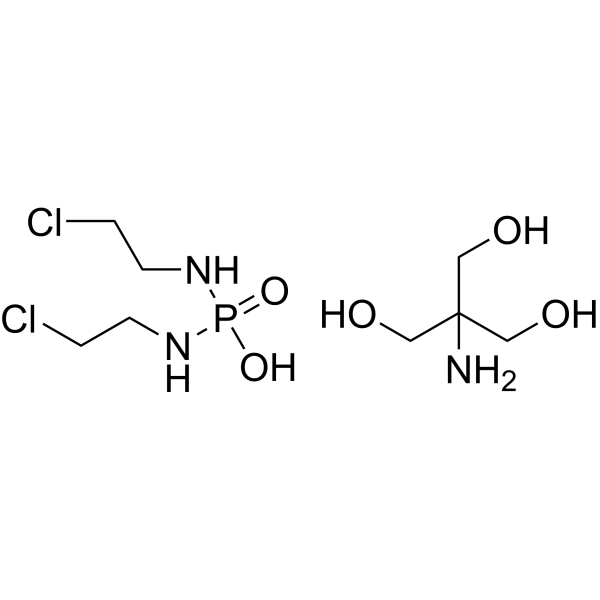
Palifosfamide (tromethamine) is a synthetic alkylating agent with potential antineoplastic activity. As the stabilized active metabolite of ifosfamide, palifosfamide (tromethamine) irreversibly alkylates and crosslinks DNA through GC base pairs. This leads to an inhibition of DNA replication and ultimately cell death. Compared to ifosfamide, palifosfamide (tromethamine) is less toxic.
|
-
-
- HY-119779
-
|
S 1812
|
Environmental Pollutants
Insecticide
|
Others
|
|
Pyridalyl (S 1812) is an insecticides against Lepidoptera and Thrips. Pyridalyl is less toxic to some beneficial arthropods, and non-target organisms, such as mammals and fish, and thus be utilized in integrated pest management and resistance management .
|
-
-
- HY-N1658
-
|
|
Tyrosinase
|
Others
|
|
2,3-Dihydroisoginkgetin, a biflavonoid, is a inhibitor of Tyrosinase, with 36.84% inhibition at 0.1 mM. 2,3-Dihydroisoginkgetin shows less toxicity in HEMn (human epidermal melanocytes) cells, with an IC50 of 86.16 μM .
|
-
-
- HY-148992
-
|
|
Calcineurin
Fungal
|
Infection
|
|
APX879 is a fungal-specific calcineurin inhibitor that has less immunosuppressive activities and toxicities. APX879 is a C22-modified FK506 (HY-13756) analog, which maintains broad-spectrum antifungal activity .
|
-
-
- HY-N17272
-
|
|
Drug Metabolite
|
Metabolic Disease
|
|
Cholic acid 3-sulfate is the sulfated metabolite of Cholic acid (HY-N0324), produced by liver enzyme sulfotransferase-2A1. Cholic acid 3-sulfate is less toxic than the parent compound, thus serving as a detoxification pathway for bile acids. Cholic acid 3-sulfate does not have the effect of stimulating intestinal secretion .
|
-
-
- HY-N6720
-
|
|
Endogenous Metabolite
|
Metabolic Disease
|
|
T-2 Triol is a trichothecene mycotoxin derived by the metabolism of T-2 toxin. It is less toxic than T-2 toxin . T-2 Triol major metabolites are evaluated in broiler chickens with Half-lives (t1/2λz), Peak plasma concentrations (Cmax) and Tmax values of 9.6 mins, 563 ng/ml , 2.5 mins, respectively .
|
-
-
- HY-106783R
-
|
|
Reference Standards
Bacterial
Antibiotic
|
Infection
|
|
Polymyxin B nonapeptide (Standard) is the analytical standard of Polymyxin B nonapeptide. This product is intended for research and analytical applications. Polymyxin B nonapeptide is a cyclic peptide obtained from Polymyxin B by proteolytic removal of its terminal amino acyl residue. Polymyxin B nonapeptide is less toxic, lacks bactericidal activity, and retains its ability to render gram-negative bacteria susceptible to several antibiotics by permeabilizing their outer membranes[1][2][3].
|
-
-
- HY-106783AR
-
|
|
Reference Standards
Bacterial
Antibiotic
|
Infection
|
|
Polymyxin B nonapeptide (TFA) (Standard) is the analytical standard of Polymyxin B nonapeptide (TFA). This product is intended for research and analytical applications. Polymyxin B nonapeptide TFA is a cyclic peptide obtained from Polymyxin B by proteolytic removal of its terminal amino acyl residue. Polymyxin B nonapeptide TFA is less toxic, lacks bactericidal activity, and retains its ability to render gram-negative bacteria susceptible to several antibiotics by permeabilizing their outer membranes[1][2][3].
|
-
-
- HY-159155
-
|
|
CDK
Microtubule/Tubulin
|
Cancer
|
|
CDK2/4-IN-1 (compound B-4a) is a CDK2/4 inhibitor and a tubulin polymerization inhibitor. CDK2/4-IN-1 can be used in cancer research .
|
-
-
- HY-121350
-
|
|
Apoptosis
|
Cancer
|
|
Merodantoin has significant antitumor activity in vitro and in vivo, and has less toxicity to normal cells and tissues .
|
-
-
- HY-B0230A
-
|
LAS 11871
|
COX
|
Inflammation/Immunology
|
|
Thiazolinobutazone is a COX inhibitor. Thiazolinobutazone has less toxic than Phenylbutazone (HY-B0230). Thiazolinobutazone can be used in the study of immunological diseases .
|
-
-
- HY-P3215A
-
|
|
Oxytocin Receptor
|
Endocrinology
|
|
Oxytocin parallel dimer TFA is the disulfide-bridged homo peptide dimer. Oxytocin dimer has oxytocin and vasopressin-like activity with less toxic than oxytocin .
|
-
-
- HY-149240
-
|
|
P-glycoprotein
|
Cancer
|
|
Anticancer agent 108 (Compound 3.10) is a potent P-gp inhibitor with significant antitumor activity and less toxicity to normal and pseudonormal cells. Anticancer agent 108 (Compound 3.10) had no acute toxic effect on С57BL/6 mice .
|
-
-
- HY-161327
-
|
|
HBV
|
Infection
|
|
HBV-IN-44 (Compound (S)-2a) is a HBV inhibitor with a IC50 value of 23 nM for HbsAg. HBV-IN-44 is less toxic to the neurite growth of HT22 cells and DRG neurons in vitro .
|
-
-
- HY-14922
-
|
|
Reverse Transcriptase
HIV
|
Infection
|
|
Fosalvudine tidoxil is an orally active nucleoside reverse transcriptase inhibitor (NRTI). Fosalvudine tidoxil is a prodrug derived from Alovudine (HY-B1516). Fosalvudine tidoxil is less toxic than Alovudine and can be used for the research of HIV-1 infection .
|
-
-
- HY-119779R
-
|
S 1812 (Standard)
|
Insecticide
Reference Standards
|
Others
|
|
Pyridalyl (Standard) is the analytical standard of Pyridalyl. This product is intended for research and analytical applications. Pyridalyl (S 1812) is an insecticides against Lepidoptera and Thrips. Pyridalyl is less toxic to some beneficial arthropods, and non-target organisms, such as mammals and fish, and thus be utilized in integrated pest management and resistance management .
|
-
-
- HY-149822
-
|
|
Fungal
|
Infection
|
|
Antifungal agent 51 (Compound 5c) has potent antifungal activity, especially against Candida albicans FDC 151 , Candida parapsilosis ATCC 22019 and Candida tropicalis FDC 138, with the MIC value is less than 0.063 μg/mL, and it has low toxicity to cells and no carcinogenicity .
|
-
-
- HY-B1785R
-
|
Sulfosalicylic acid (Standard); Sulphosalicylic acid (Standard); Salicylsulfonic acid (Standard)
|
Drug Derivative
Reference Standards
|
Cancer
|
|
5-Sulfosalicylic acid (Standard) is the analytical standard of 5-Sulfosalicylic acid. This product is intended for research and analytical applications. 5-Sulfosalicylic acid is a sulfonated salicylic acid derivative. 5-Sulfosalicylic acid is effective against the breast cancer cell lines, with less toxicity . 5-Sulfosalicylic acid has antioxidant activities .
|
-
-
- HY-W010320S
-
|
2-Ethyl-3-hydroxy-4H-pyran-4-one-d5
|
Isotope-Labeled Compounds
|
Others
|
|
Ethyl maltol-d5 is the deuterium labeled Ethyl maltol. Ethyl maltol (2-Ethyl-3-hydroxy-4H-pyran-4-one) is an orally active and important food additive and flavor enhancer. Ethyl maltol is less toxic to rats and dogs. Ethyl maltol can enhance copper-mediated cytotoxicity and induce apoptosis in lung epithelial cells .
|
-
-
- HY-W010320R
-
|
2-Ethyl-3-hydroxy-4H-pyran-4-one (Standard)
|
Reference Standards
Apoptosis
Heme Oxygenase (HO)
|
Others
|
|
Ethyl maltol (Standard) is the analytical standard of Ethyl maltol. This product is intended for research and analytical applications. Ethyl maltol (2-Ethyl-3-hydroxy-4H-pyran-4-one) is an orally active and important food additive and flavor enhancer. Ethyl maltol is less toxic to rats and dogs. Ethyl maltol can enhance copper-mediated cytotoxicity and induce apoptosis in lung epithelial cells .
|
-
-
- HY-W750858
-
|
|
Drug Derivative
Herbicide
|
Others
|
|
DIBOA-Glucoside is a glycoside derivative that can be found in cereal crops like rye, wheat, and maize. DIBOA-Glucoside is a stable, less toxic glucoside form of DIBOA. DIBOA-Glucoside, upon pest or pathogen attack, is hydrolyzed by an enzyme, releasing the toxic aglycone DIBOA and glucose, thereby deterring insects and suppressing weeds through an allelopathic effect .
|
-
-
- HY-W738413
-
|
Quinol-d4; 1,4-Benzenediol-d4; 1,4-Dihydroxybenzene-d4; HQ-d4
|
Isotope-Labeled Compounds
Drug Metabolite
DNA/RNA Synthesis
Apoptosis
Caspase
|
Inflammation/Immunology
Cancer
|
|
Hydroquinone-d4 (Quinol-d4) is the deuterium labeled Hydroquinone (HY-B0951). Hydroquinone (Quinol; 1,4-Benzenediol) is an antioxidant that can be used as a dye, an engine fuel, and a synthetic intermediate in the production of oil. Hydroquinone is a major benzene metabolite. Hydroquinone is able to enhance carcinogenic risk by generating DNA damage. Hydroquinone promotes tumor cell growth and suppresses the immune response. Hydroquinone induces apoptosis in neutrophils and eosinophils via the mitochondrial apoptosis pathway (Caspase 9/3). Hydroquinone shows increased toxicity for aquatic organisms, being less harmful for bacteria and fungi .
|
-
-
- HY-117802
-
|
|
DNA/RNA Synthesis
HCV
HCV Protease
|
Infection
|
|
CID-50930756 is an HCV NS3 helicase inhibitor with an IC50 of 22 μM.CID-50930756 inhibits HCV NS3 helicase-catalyzed nucleic acid unwinding.CID-50930756 inhibits HCV replication in hepatoma cells harboring a stably transfected subgenomic HCV replicon.CID-50930756 does not exhibit toxicity to hepatoma cells at 10 μM.CID-50930756 shows weak DNA-binding activity, displacing less than 20% of SYBR Green I from DNA at 100 μM.CID-50930756 can be used for the research of hepatitis c .
|
-
| Cat. No. |
Product Name |
Type |
-
- HY-B0812
-
|
SSA dihydrate
|
Biochemical Assay Reagents
|
|
5-Sulfosalicylic acid dihydrate is a sulfonated salicylic acid derivative. 5-Sulfosalicylic acid dihydrate is effective against the breast cancer cell line, MCF-7, with less toxicity . 5-Sulfosalicylic acid dihydrate has antioxidant activities .
|
| Cat. No. |
Product Name |
Target |
Research Area |
-
- HY-106783
-
|
|
Bacterial
Antibiotic
|
Infection
|
|
Polymyxin B nonapeptide is a cyclic peptide obtained from Polymyxin B by proteolytic removal of its terminal amino acyl residue. Polymyxin B nonapeptide is less toxic, lacks bactericidal activity, and retains its ability to render gram-negative bacteria susceptible to several antibiotics by permeabilizing their outer membranes .
|
-
- HY-106783A
-
|
|
Bacterial
Antibiotic
|
Infection
|
|
Polymyxin B nonapeptide TFA is a cyclic peptide obtained from Polymyxin B by proteolytic removal of its terminal amino acyl residue. Polymyxin B nonapeptide TFA is less toxic, lacks bactericidal activity, and retains its ability to render gram-negative bacteria susceptible to several antibiotics by permeabilizing their outer membranes .
|
-
- HY-P3222
-
|
|
Peptides
|
Endocrinology
|
|
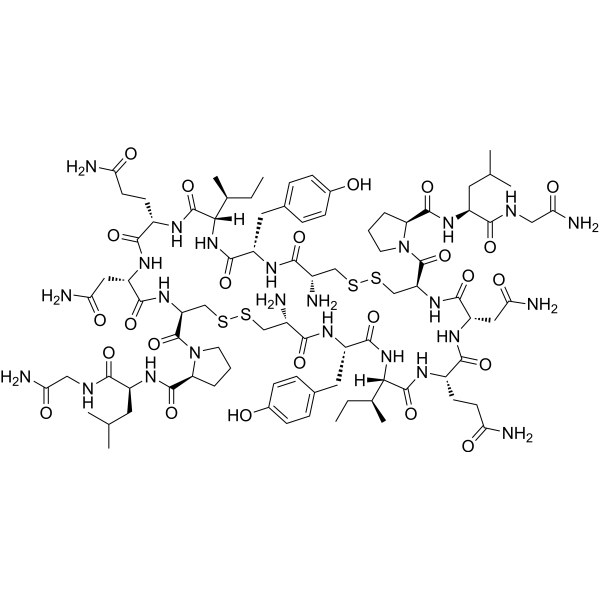
Oxytocin antiparallel dimer is the disulfide-bridged homo peptide dimer. Oxytocin dimer has oxytocin and vasopressin-like activity with less toxic than oxytocin .
|
-
- HY-P3215
-
|
|
Oxytocin Receptor
|
Endocrinology
|
|
Oxytocin parallel dimer is the disulfide-bridged homo peptide dimer. Oxytocin dimer has oxytocin and vasopressin-like activity with less toxic than oxytocin .
|
-
- HY-106783R
-
|
|
Reference Standards
Bacterial
Antibiotic
|
Infection
|
|
Polymyxin B nonapeptide (Standard) is the analytical standard of Polymyxin B nonapeptide. This product is intended for research and analytical applications. Polymyxin B nonapeptide is a cyclic peptide obtained from Polymyxin B by proteolytic removal of its terminal amino acyl residue. Polymyxin B nonapeptide is less toxic, lacks bactericidal activity, and retains its ability to render gram-negative bacteria susceptible to several antibiotics by permeabilizing their outer membranes[1][2][3].
|
-
- HY-106783AR
-
|
|
Reference Standards
Bacterial
Antibiotic
|
Infection
|
|
Polymyxin B nonapeptide (TFA) (Standard) is the analytical standard of Polymyxin B nonapeptide (TFA). This product is intended for research and analytical applications. Polymyxin B nonapeptide TFA is a cyclic peptide obtained from Polymyxin B by proteolytic removal of its terminal amino acyl residue. Polymyxin B nonapeptide TFA is less toxic, lacks bactericidal activity, and retains its ability to render gram-negative bacteria susceptible to several antibiotics by permeabilizing their outer membranes[1][2][3].
|
-
- HY-P3215A
-
|
|
Oxytocin Receptor
|
Endocrinology
|
|
Oxytocin parallel dimer TFA is the disulfide-bridged homo peptide dimer. Oxytocin dimer has oxytocin and vasopressin-like activity with less toxic than oxytocin .
|
-
- HY-P3222A
-
|
|
Peptides
|
Endocrinology
|
|
Oxytocin antiparallel dimer TFA is the disulfide-bridged homo peptide dimer. Oxytocin dimer has oxytocin and vasopressin-like activity with less toxic than oxytocin .
|
| Cat. No. |
Product Name |
Target |
Research Area |
Image |
-
- HY-P99974
-
|
Nanoparticle albumin-bound Paclitaxel; Nanoparticle albumin-bound ABI-007
|
Microtubule/Tubulin
Apoptosis
Autophagy
|
Cancer
|
|
Nab-Paclitaxel (Nanoparticle albumin-bound Paclitaxel) is an albumin-bound nanoparticle formulation of Paclitaxel (HY-B0015). Nab-Paclitaxel is composed of albumin and the active pharmaceutical ingredient Paclitaxel, in which human albumin is used as an excipient to disperse and stabilize particles and carry the main drug. Nab-Paclitaxel is a solvent-free taxane with higher response rates and improved tolerability. Nab-Paclitaxel displays less toxicity and greater antitumor activity. Nab-Paclitaxel is more readily available for tumor cell uptake in three rhabdomyosarcoma, seven neuroblastoma cell lines, and one ostersarcoma cell line Nab-Paclitaxel can be studied in cancer research for example breast cancer and solid tumors. (The product specifications below only indicate the effective content of Paditaxel, the actual albumin quality depends on the batch; the ratio of each ingredient in this product is Paditaxel: albumin -1:7~1:11) .
|
-
(5)
| Cat. No. |
Product Name |
Category |
Target |
Chemical Structure |
| Cat. No. |
Product Name |
Chemical Structure |
-
- HY-W010320S
-
|
|
|
Ethyl maltol-d5 is the deuterium labeled Ethyl maltol. Ethyl maltol (2-Ethyl-3-hydroxy-4H-pyran-4-one) is an orally active and important food additive and flavor enhancer. Ethyl maltol is less toxic to rats and dogs. Ethyl maltol can enhance copper-mediated cytotoxicity and induce apoptosis in lung epithelial cells .
|
-
-
- HY-W738413
-
|
|
|
Hydroquinone-d4 (Quinol-d4) is the deuterium labeled Hydroquinone (HY-B0951). Hydroquinone (Quinol; 1,4-Benzenediol) is an antioxidant that can be used as a dye, an engine fuel, and a synthetic intermediate in the production of oil. Hydroquinone is a major benzene metabolite. Hydroquinone is able to enhance carcinogenic risk by generating DNA damage. Hydroquinone promotes tumor cell growth and suppresses the immune response. Hydroquinone induces apoptosis in neutrophils and eosinophils via the mitochondrial apoptosis pathway (Caspase 9/3). Hydroquinone shows increased toxicity for aquatic organisms, being less harmful for bacteria and fungi .
|
-
Your information is safe with us. * Required Fields.
Inquiry Information
- Product Name:
- Cat. No.:
- Quantity:
- MCE Japan Authorized Agent:

