

From 11:00 pm to 12:00 pm EST ( 8:00 pm to 9:00 pm PST ) on January 6th, the website will be under maintenance. We are sorry for the inconvenience. Please arrange your schedule properly.
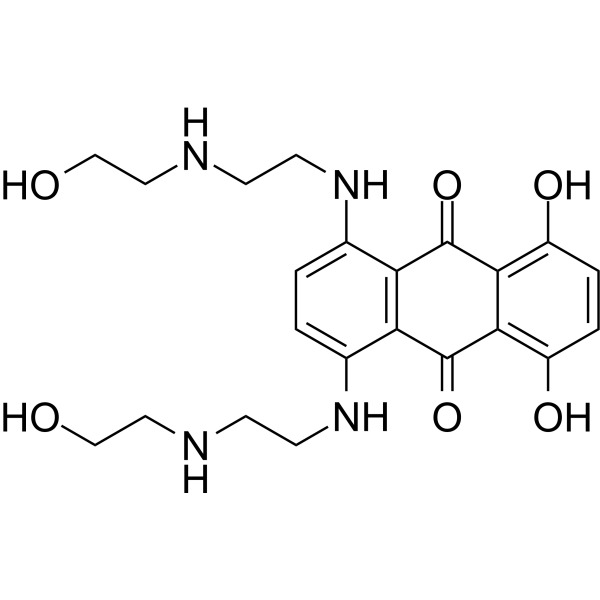
Mitoxantrone is a potent topoisomerase II inhibitor. Mitoxantrone also inhibits protein kinase C (PKC) activity with an IC50 of 8.5 μM. Mitoxantrone induces apoptosis of B-CLL (B-chronic lymphocytic leukaemia) cells. Mitoxantrone shows antitumor activity . Mitoxantrone also has anti-orthopoxvirus activity with EC50s of 0.25 μM and and 0.8 μM for cowpox and monkeypox, respectively .
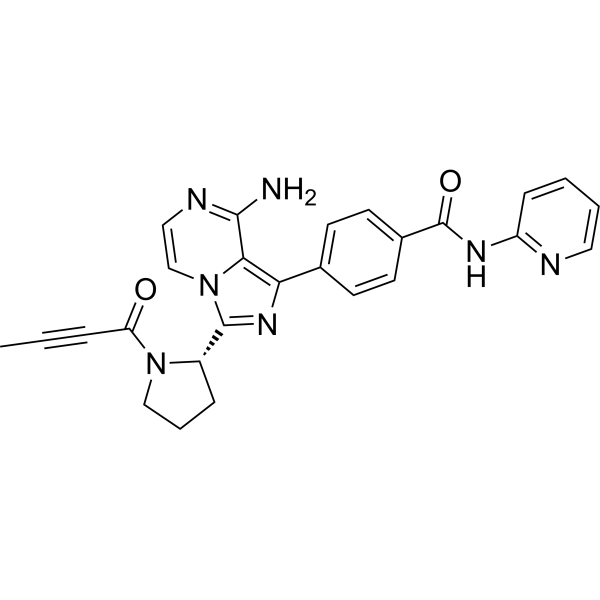
Acalabrutinib (ACP-196) is an orally active, irreversible, and highly selective second-generation BTK inhibitor. Acalabrutinib binds covalently to Cys481 in the ATP-binding pocket of BTK. Acalabrutinib demonstrates potent on-target effects and efficacy in mouse models of chronic lymphocytic leukemia (CLL). Acalabrutinib can be used for CLL research . Acalabrutinib is a click chemistry reagent, itcontains an Alkyne group and can undergo copper-catalyzed azide-alkyne cycloaddition (CuAAc) with molecules containing Azide groups.
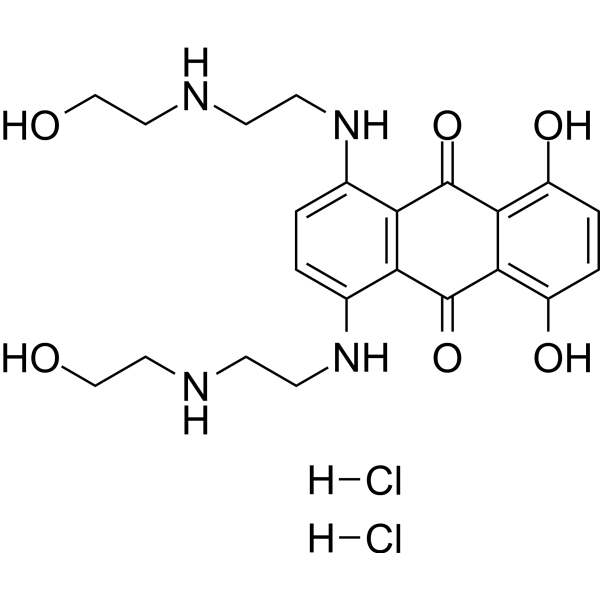
Mitoxantrone dihydrochloride is a potent topoisomerase II inhibitor. Mitoxantrone dihydrochloride also inhibits protein kinase C (PKC) activity with an IC50 of 8.5 μM. Mitoxantrone dihydrochloride induces apoptosis of B-CLL (B-chronic lymphocytic leukaemia) cells. Mitoxantrone dihydrochloride shows antitumor activity . Mitoxantrone dihydrochloride also has anti-orthopoxvirus activity with EC50s of 0.25 μM and and 0.8 μM for cowpox and monkeypox, respectively .
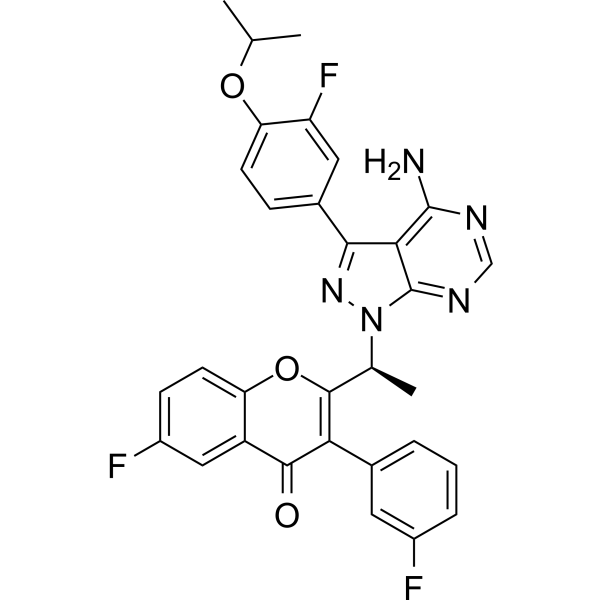
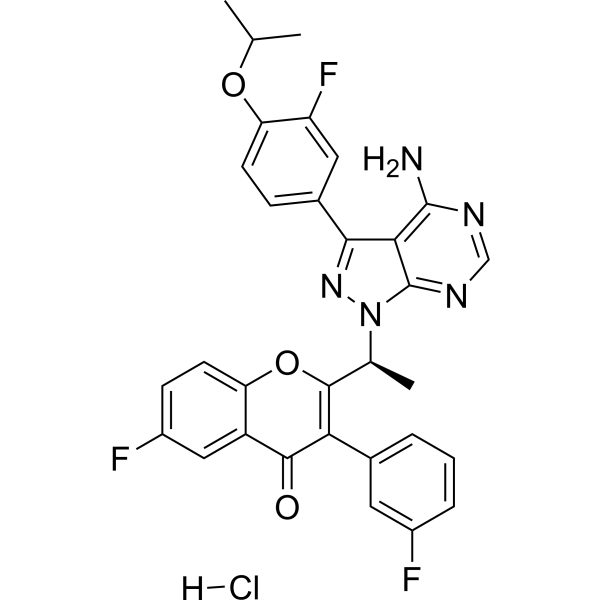
Umbralisib (TGR-1202) is an orally active, potent and selective dual PI3Kδ and casein kinase-1-ε (CK1ε) inhibitor, with EC50 of 22.2 nM and 6.0 μM, respectively. Umbralisib exhibits unique immunomodulatory effects on chronic lymphocytic leukemia (CLL) T cells. Umbralisib can be used for haematological malignancies reseach .
Spliceostatin A, the FR901464 (HY-16212) methylated derivative, is a potent anti-tumor agent. Spliceostatin A inhibits splicing and promotes pre-mRNA accumulation by binding SF3B1. SF3B1 is a subcomplex of U2 small nuclear ribonucleoprotein in the spliceosome. Spliceostatin A induces Apoptosis in chronic lymphocytic leukemia (CLL) cells .
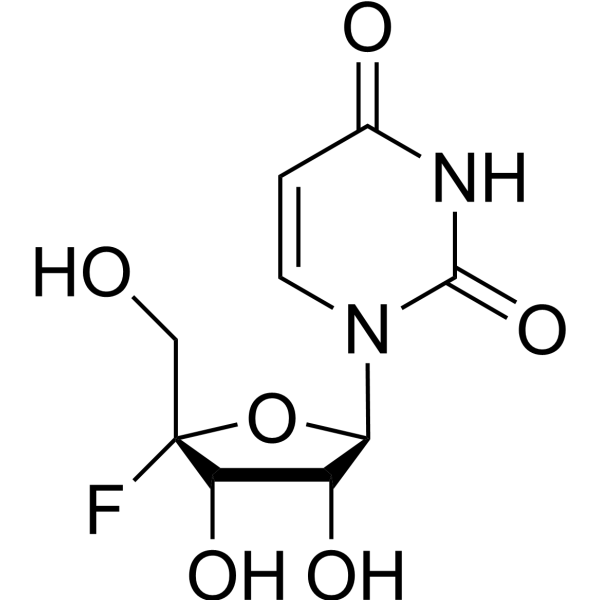
EIDD-2749 (4'-Fluorouridine) is an orally active RdRp inhibitor. EIDD-2749 effectively blocks the replication of RSV and SARS-CoV-2. EIDD-2749 also exhibits activity against HCV and lymphocytic choriomeningitis virus (LCMV). EIDD-2749 is a promising oral therapeutic candidate for COVID-19 and is also suitable for research on other RNA viruses .
Golcadomide (CC-99282) is a potent and orally active CRBN E3 ligase modulator (CELMoD). Golcadomide interacts with the CRL4 CRBN E3 ubiquitin ligase substrate receptor CRBN, inducing the recruitment and ubiquitin-mediated proteasomal degradation of the transcription factors Ikaros and Aiolos. Golcadomide shows potential for research in cancer-related fields, including chronic lymphocytic leukemia (CLL) and non-Hodgkin lymphoma (NHL) .
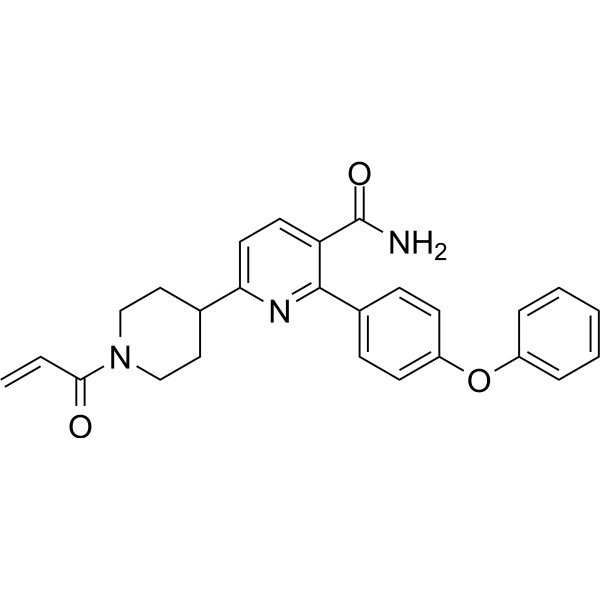
Orelabrutinib (ICP-022) is a potent, orally active, and irreversible Bruton's tyrosine kinase (BTK) inhibitor with potential antineoplastic activity. Orelabrutinib prevents both the activation of the B-cell antigen receptor (BCR) signaling pathway and BTK-mediated activation of downstream survival pathways, inhibiting the growth of malignant B-cells that overexpress BTK .
Alemtuzumab (Campath-IH) is a humanized monoclonal antibody against CD52. Alemtuzumab does not cross-react with murine CD52. Alemtuzumab selectively targets the CD52 antigen to induce profound lymphocyte depletion, followed by recovery of T and B cells with regulatory phenotypes. Alemtuzumab is capable of complement-dependent cytotoxicity and antibody-dependent cell-mediated cytotoxicity (ADCC), as well as induction of apoptosis. Alemtuzumab has the potential for B-cell chronic lymphocytic leukaemia research .
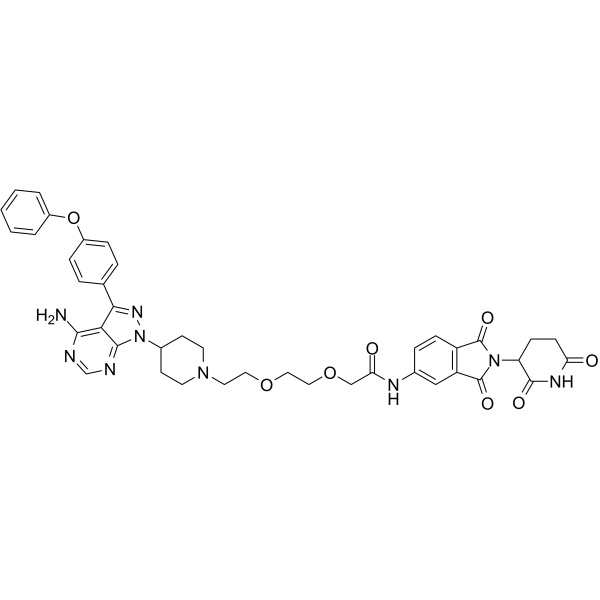
BGB-16673 (BGB-16673) is an orally active, selective BTK PROTAC degrader (IC50=0.69 nM). BGB-16673 ligates BTK to E3 ubiquitin ligase, causing BTK to undergo polyubiquitination, which is then recognized and degraded by the proteasome, thereby exerting efficient BTK degradation activity. BGB-16673 can be used in the research of B-cell malignancies such as chronic lymphocytic leukemia, small lymphocytic lymphoma, and mantle cell lymphoma .
Ofatumumab is a fully human anti-CD20 monoclonal antibody that induces antibody-dependent cell-mediated cytotoxicity (ADCC) and complement-dependent cytotoxicity (CDC) in CD20-expressing B lymphocytes. Ofatumumab has strong lytic activity against CD20-positive B lymphocytes and eliminates CD20-positive tumor cells through ADCC and CDC. Ofatumumab is particularly effective against drug-resistant cells with low CD20 expression and can be applied to the research of chronic lymphocytic leukemia (CLL) .
PRT062607 (P505-15; PRT-2607) is an orally active ATP-competitive Syk inhibitor with an IC50 value of 1 nM, and exhibits at least 80-fold selectivity over other kinases. PRT062607 blocks B cell antigen receptor-mediated activation, Fcε receptor 1-mediated basophil degranulation and microglial phagocytosis, and induces caspase-dependent apoptosis and microglial death. PRT062607 inhibits tumor growth and peripheral nerve injury-induced mechanical allodynia, and prevents neuronal loss. PRT062607 can be used in research related to rheumatoid arthritis, chronic lymphocytic leukemia, non-Hodgkin's lymphoma, neurodegenerative diseases and neuropathic pain .
LCMV gp33-41, the carboxyl-extended 9-aa-long peptide, is an lymphocytic choriomeningitis virus sequence restricted by MHC class I H-2Db molecules and presented to cytotoxic T lymphocytes .
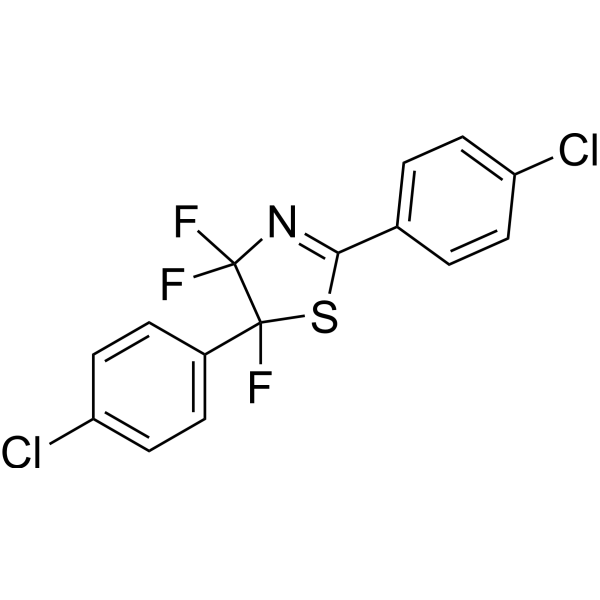
Fluorizoline selectively and directly binds to prohibitin 1 (PHB1) and 2 (PHB2), and induces apoptosis. Fluorizoline reduces chronic lymphocytic leukemia (CLL) cell viability through the upregulation of NOXA and BIM. Fluorizoline exerts antitumor action in a p53-independent manner .
MT-802 is a BTK PROTAC degrader. MT-802 degrades wild-type BTK (DC50 = 14.6 nM) and BTK mutants including E41K, C481S (DC50 = 14.9 nM), C481R, C481Y, C481T, C481F, L528W, and inhibits their Y223 phosphorylation. BI-4732 can be used for the study of Ibrutinib (HY-10997)-resistant chronic lymphocytic leukemia (CLL). (Pink: BTK ligand (HY-150885), Blue: CRBN Ligand (HY-14658), Black: Linker (HY-141371), E3 ligase ligand-linker conjugate (HY-176340)) .
PRT-060318 (PRT318) s a potent, selective and orally active tyrosine kinase Syk inhibitor with an IC50 of 3 nM. PRT-060318 suppresses chronic lymphocytic leukemia (CLL) B cell activation and migration, and induces apoptosis. PRT-060318 prevents Heparin (HY-17567)-induced thrombocytopenia and thrombosis in a transgenic mouse model. PRT-060318 dihydrochloride can be used for CLL and thrombus research .
Edralbrutinib (TG-1701) is a highly selective, orally available irreversible BTK inhibitor, with an EC50 of 6.70 nM and a Kd of 3 nM against human BTK. Edralbrutinib inhibits downstream signaling of the B cell receptor, induces dephosphorylation of Ikaros Ser442/445, promotes nuclear exclusion of Ikaros, attenuates Ikaros gene signatures, and exerts anti-tumor activity. Edralbrutinib can be used in research related to B-cell non-Hodgkin lymphoma, chronic lymphocytic leukemia, mantle cell lymphoma, follicular lymphoma, and diffuse large B-cell lymphoma .
Olaptesed pegol (NOX-A12) sodium is a L-oligoribonucleotide aptamer targeting CXCL12 based on a pegylated structure. Olaptesed pegol sodium neutralizes CXCL12, and CXCL12 inhibition mobilizes chronic lymphocytic leukemia cells into the circulation and prevents their homing into the protective microenvironment. Olaptesed pegol sodium can enhances the infiltration of human primary T cells and NK cells and inhibit tumor growth companied with anti-PD-1 antibody. Olaptesed pegol sodium can be used for researches of colon cancer and lymphocytic leukemia .
Olaptesed pegol (NOX-A12) is a L-oligoribonucleotide aptamer targeting CXCL12 based on a pegylated structure. Olaptesed pegol neutralizes CXCL12, and CXCL12 inhibition mobilizes chronic lymphocytic leukemia cells into the circulation and prevents their homing into the protective microenvironment. Olaptesed pegol can enhances the infiltration of human primary T cells and NK cells and inhibit tumor growth companied with anti-PD-1 antibody. Olaptesed pegol can be used for researches of colon cancer and lymphocytic leukemia .
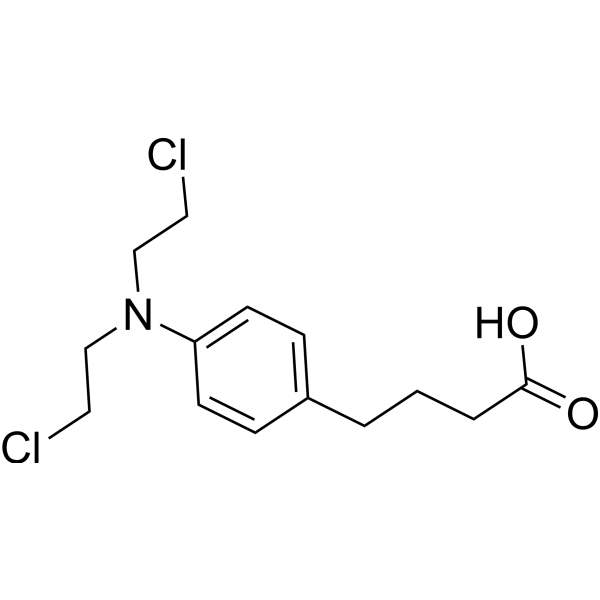
Chlorambucil (CB-1348), an orally active antineoplastic agent, is a CNS-penetrant bifunctional alkylating agent belonging to the nitrogen mustard group. Chlorambucil can be used for the research of lymphocytic leukemia, ovarian and breast carcinomas, and Hodgkin’s disease .
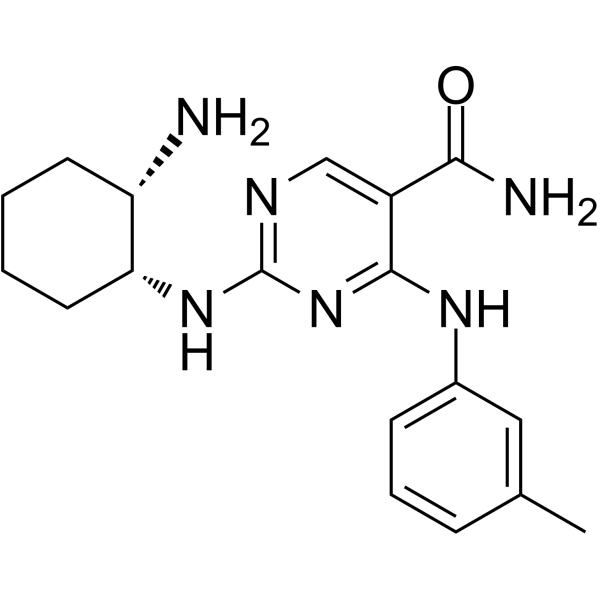
TAK-659 hydrochloride is a highly potent, selective, reversible and orally available dual inhibitor of spleen tyrosine kinase (SYK) and fms related tyrosine kinase 3 (FLT3), with an IC50 of 3.2 nM and 4.6 nM for SYK and FLT3, respectively. TAK-659 hydrochloride induces cell death in tumor cells but not in nontumor cells, and with potential for the treatment of chronic lymphocytic leukemia (CLL) .
LCMV GP (61-80) is a peptide fragment derived from lymphocytic choriomeningitis virus (LCMV) glycoprotein (GP), and corresponds to amino acids 61-80. LCMV GP (61-80) is a specific epitope which can induce CD4 + T-cell response .
ILK-IN-2 (OSU-T315 analog) is an oral PDK2 inhibitor and also an ILK inhibitor, with an IC50 of 0.6 μM. ILK-IN-2 induces cell autophagy and apoptosis, showing anti-tumor activity. ILK-IN-2 directly abolishes AKT activation by preventing AKT from translocating to lipid rafts, triggering Caspase-dependent apoptosis in chronic lymphocytic leukemia (CLL) and extending the lifespan in TCL1 mouse models .
Rocbrutinib is an orally available, highly selective Bruton's tyrosine kinase (BTK) inhibitor, with an IC50 of 0.11 nM against wild-type BTK and an IC50 of 1.0 nM against C481S-mutated BTK. Rocbrutinib reduces the viability of leukemia cells, induces cytotoxicity and inhibits cell migration. Rocbrutinib can be used in research related to chronic lymphocytic leukemia, non-Hodgkin's lymphoma and mantle cell lymphoma .
Chaetoglobosin A is a secondary metabolite and nematicide. Chaetoglobosin A is produced by Penicillium aquamarinium. Chaetoglobosin A targets Filamentous actin in cells, thereby inducing cell cycle arrest, and inhibiting membrane ruffle formation and cell migration. Chaetoglobosin A preferentially induces Apoptosis in chronic lymphocytic leukemia cells. Chaetoglobosin A induces dose- and time-dependent death in J2 larvae of the southern root-knot nematode (Meloidogyne incognita). Chaetoglobosin A can be used in studies related to root-knot nematode disease and chronic lymphocytic leukemia .
Umbralisib (TGR-1202) hydrochloride is an orally active, potent and selective dual PI3Kδ and casein kinase-1-ε (CK1ε) inhibitor, with EC50 of 22.2 nM and 6.0 μM, respectively. Umbralisib hydrochloride exhibits unique immunomodulatory effects on chronic lymphocytic leukemia (CLL) T cells. Umbralisib hydrochloride can be used for haematological malignancies reseach .
Ianalumab (VAY-736) (FUT8-KO) is an anti-BAFF-R monoclonal antibody expressed in CHO cells with the fucosyltransferase 8 gene (FUT8) knocked out. Fucose depletion enhances its B cell clearance capacity. Ianalumab (FUT8-KO) competitively blocks the binding of BAFF to BAFF-R, inhibits the BAFF-mediated alternative NF-κB pro-survival signaling pathway, and abrogates the apoptotic (apoptosis) protective effect of BAFF on cancer cells. Ianalumab (FUT8-KO) can be used in research related to primary Sjögren's syndrome and chronic lymphocytic leukemia .
Cenersen (EL625) is an oligonucleotide targeting TP53. Cenersen can eliminate the activity of TP53 gain-of-function mutants and increase the sensitivity of lymphoma cells to cytotoxic chemotherapy in vitro. Cenersen can be used for the study of chronic lymphocytic leukemia (CLL) .
Nucleoprotein (396-404) is the 396 to 404 fragment of lymphocytic choriomeningitis virus (LCMV). Nucleoprotein (396-404) is the H-2D(b)-restricted immunodominant epitope and can be used as a molecular model of viral antigen .
Anti-Mouse PSGL-1/CD162 Antibody (4RA10) is a rat-derived IgG1 κ type antibody inhibitor, targeting to mouse PSGL-1/CD162. Anti-Mouse PSGL-1/CD162 Antibody (4RA10) blocks PSGL signaling and inhibits leukocyte rolling. Anti-Mouse PSGL-1/CD162 Antibody (4RA10) can be used for the researches of inflammation, immunology and infection, such as pneumonia and lymphocytic choriomeningitis virus infection .
AH078 is a PROTAC-based CK1δ/ε degrader (DC50=0.55 μM, Dmax=70%) that lacks subtype selectivity between CK1δ and CK1ε. AH078 induces target protein degradation either by recruiting the CUL4-CRBN E3ligase complex and proteasome, or via the VHL- and ubiquitin-dependent pathway. AH078 also exhibits selectivity for CK1α, and is widely applicable to research related to colon cancer, pancreatic cancer, breast cancer, ovarian cancer, chronic lymphocytic leukemia, acute myeloid leukemia, glioma, and metastatic breast adenocarcinoma .
(+)-Syringaresinol, a lignan, is a NFAT transcription factor inhibitor, with an IC50 of 329.4 μM. (+)-Syringaresinol also can be used for the research of lymphocytic leukemia .
GP(33-41) TFA, a 9-aa-long peptide, is the optimal sequence of the GP1 epitope of lymphocytic choriomeningitis virus. GP(33-41) TFA can upregulate H-2D b molecules at the RMA-S (Db Kb) cell surface with a SC50 of 344 nM .
MP07-66, a FTY720 analogue, is devoid of immunosuppressive effects and shows promising antitumor effects in chronic lymphocytic leukemia by disruption of the SET-PP2A complex leading to PP2A reactivation .
Bcl-xL antagonist 2 is a potent, selective, and orally active antagonist of BCL-XL with an IC50 and Ki of 0.091 μM and 65 nM, respectively. Bcl-xL antagonist 2 promotes the apoptosis of cancer cells. Bcl-xL antagonist 2 has the potential for the research of the chronic lymphocytic leukemia (CLL) and non-Hodgkin’s lymphoma (NHL) .
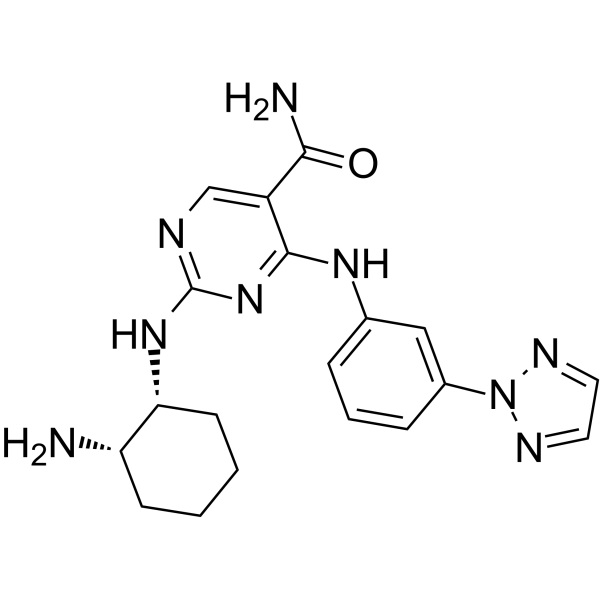
CFON-026 is a selective, orally active and non-covalent BTK inhibitor with an IC50 of 0.27 nM. CFON-026 has significant antitumor activity against wild-type BTK (TMD8 and REC-1) and all clinically relevant BTK resistance mutations (BTK C481S, T474I, L528W and V416L). CFON-026 induces complete tumor regression in TMD8 xenograft mice model. CFON-026 can be used for research of hematological cancers like chronic lymphocytic leukemia and waldenström macroglobulinemia .
LCMV gp33-41 (TFA), the carboxyl-extended 9-aa-long peptide, is an lymphocytic choriomeningitis virus sequence restricted by MHC class I H-2Db molecules and presented to cytotoxic T lymphocytes .
Chlopynostat (Compound 6c) is a HDAC1 inhibitor with a IC50 value of 67 nM. Chlopynostat reverses STAT4/p66Shc defects by inhibiting HDAC1-induced < b>Apoptosis .
PROTAC BTK Degrader-10 (Example 1P) is a PROTAC degrader for BTK. PROTAC BTK Degrader-10 can be used for research of chronic lymphocytic leukemia (CLL) (Pink: ligand for target protein (HY-170758); Black: linker (HY-W392857); Blue: ligand for E3 ligase Cereblon (HY-W733176))
TQ-3959 is an orally active BTK PROTAC degrader, with a DC50 of 14.6 nM. TQ-3959 exerts antiproliferative activity against both wild-type BTK and C481S mutant BTK cell lines. TQ-3959 exhibits tumor growth inhibition in female NOD-SCID mice bearing TMD-8 xenografts. TQ-3959 can be used in the research on B-cell malignancies such as lymphoma.(Pink: BTK ligand (HY-150885), Blue: CRBN Ligand (HY-W733888), Black: Linker (HY-W061884), E3 ligase ligand-linker conjugate (HY-175545)) .
TAK-659 is a highly potent, selective, reversible and orally available dual inhibitor of spleen tyrosine kinase (SYK) and fms related tyrosine kinase 3 (FLT3), with an IC50 of 3.2 nM and 4.6 nM for SYK and FLT3, respectively. TAK-659 induces cell death in tumor cells but not in nontumor cells, and with potential for the treatment of chronic lymphocytic leukemia (CLL) .
Bryostatin 2 ((+)-Bryostatin 2) is a 20-membered ring lactone that can be found in Bryozoan Eugufa neritina L. Bryostatin 2 has the potential for the research of P-388 lymphocytic
leukemia .
DDD2 is a selective and potent VHL-mediated PROTAC NUDT5 degrader. DDD2 induces robust NUDT5 degradation. DDD2 can be used in cancer research, such as lymphocytic leukemia and osteosarcoma . (Structure Note: Pink: NUDT5 inhibitor (HY-176262); Blue: E3 (HY-125845); Black: linker (HY-W001958))
AQX-435 is a potent SHIP1 phosphatase activator. AQX-435 reduces PI3K activation downstream of the B-cell receptor (BCR) and induces apoptosis of malignant B cells, and reduces lymphoma growth .
SpiD3, a spirocyclic dimer, is an anticancer agent. SpiD3 markedly inhibits malignant B-cell proliferation and suppressed NF-κB activation independent of TME-associated stimuli. SpiD3 induces apoptosis and inhibits protein synthesis in chronic lymphocytic leukemia cells. SpiD3 can be used for study of chronic lymphocytic leukemia (CLL) .
Syk-IN-11 (BIIB-057) is a selective Syk inhibitor with an IC50 Of 13 nM. Syk-IN-11 can be used in the study of arthritis and chronic lymphocytic leukemia .
Apolizumab (Hu1D10) is a humanized monoclonal anti-Human leukocyte antigen-DR beta-chain antibody. Apolizumab can mediate apoptosis of chronic lymphocytic leukemia (CLL) cells in vitro .
UNC10415667 is a NSD2 degrader, with a DC50 values of 460 nM. UNC10415667 can be used for the study of cancers driven by NSD2 overexpression or dysregulation, such as multiple myeloma, acute lymphocytic leukemia, and prostate cancer .
TLT8 is a ByeTAC protein degrader targeting BTK. TLT8 non-covalently binds to Rpn-13 and BTK, thereby inducing BTK degradation. TLT8 can be used in chronic lymphocytic leukemia research. (Rpn-13 ligand: HY-159808; BTK ligand: HY-Z3101; linker: HY-172823) .
GP(33-41), a 9-aa-long peptide, is the optimal sequence of the GP1 epitope of lymphocytic choriomeningitis virus, and can upregulate H-2D b molecules at the RMA-S (Db Kb) cell surface with a SC50 of 344 nM .
BC-54 is a selective inhibitor of enzymes from the cAMP-specific PDE4 and PDE7 families. BC-54 displays potent anti-inflammatory properties and can induce cancer cells apoptosis. BC-54 can be used for the researches of cancer and inflammation, such as chronic lymphocytic leukemia .
FD-895 is a spliceosome modulator derived from a polyketide natural product, targeting the SF3b subunit of the spliceosome. FD-895 possesses core biological activities for regulating RNA splicing (intron retention, alternative splicing) and inducing apoptosis of cancer cells. FD-895 can be used for the research of cancer, such as chronic lymphocytic leukemia (CLL) .
FGFR-IN-22 (Compound 23) is a FGFR inhibitor with IC50s of 0.631, 1.26, 0.851 and 1 nM for FGFR1, FGFR2, FGFR3 and FGFR4, respectively. FGFR-IN-22 effectively inhibits cell proliferation that depends on the FGFR1 and FGFR3 signaling pathway. FGFR-IN-22 can be used for cancers such as chronic lymphocytic leukemia (CLL) research .
Acalabrutinib (Standard) is the analytical standard of Acalabrutinib. This product is intended for research and analytical applications. Acalabrutinib (ACP-196) is an orally active, irreversible, and highly selective second-generation BTK inhibitor. Acalabrutinib binds covalently to Cys481 in the ATP-binding pocket of BTK. Acalabrutinib demonstrates potent on-target effects and efficacy in mouse models of chronic lymphocytic leukemia (CLL) . Acalabrutinib is a click chemistry reagent, itcontains an Alkyne group and can undergo copper-catalyzed azide-alkyne cycloaddition (CuAAc) with molecules containing Azide groups.
Lonitoclax is a B-cell lymphoma 2 (Bcl-2) inhibitor. Lonitoclax has comparable anti-tumor efficacy to Venetoclax (HY-15531) in both B cell and myeloid malignancy models. Lonitoclax is promising for research of relapsed or refractory chronic lymphocytic leukemia (CLL), small lymphocytic lymphoma, and certain low-grade lymphomas .
Ophiobolin C inhibits CCR5 binding to the envelop protein gp120 and CD4, which is responsible for mediating the entry of HIV-1 into cells . Ophiobolin C is also cytotoxic to chronic lymphocytic leukemia cells .
Adamantanine (2-Aminoadamantane-2-carboxylic acid) inhibits the transport of methionine (Ki is 0.76 mM) and leucine into Ehrlich ascites carcinoma cells. Adamantanine inhibits proliferation of P388 lymphocytic leukemia cells with an IC50 of >1 mM. Adamantanine inhibits the leucine aminopeptidase with an I/S0.5 of 10.5 .
LCMV-derived p13 epitope is a biological active peptide. (An H-2Db restricted epitope, this peptide is amino acids 61 to 80 fragment of the lymphocytic choriomeningitis virus (LCMV) pre-glycoprotein polyprotein GP complex. LCMV has been routinely used for the study of adaptive immune responses to viral infection.)
BTK ligand 1 (compound 1) is a ligand targeting Bruton’s tyrosine kinase (Btk). BTK ligand 1 can combine with E3 ligase ligand (Ligand for E3 Ligase) through PROTAC Linker to form PROTAC. PROTACs targeting Btk can be used in the study of chronic lymphocytic leukemia (CLL) and other BK cell malignancies .
PD 116152 is a phenazine Antibiotic with antimicrobial and antitumor activity. PD 116152 possesses cytotoxic activity against L1210 lymphocytic leukemia and human colon adenocarcinoma (HCT-8) cells with IC50 values of 5.2 x 10 -7 M and 7.1 x 10 -7 M, respectively. PD 116152 is promising for research of P388 lymphocytic leukemia .
Acalabrutinib-d3 (ACP-196-d3) is the deuterated form of Acalabrutinib (HY-17600). Acalabrutinib (ACP-196) is an orally active, irreversible, highly selective second-generation BTK inhibitor. Acalabrutinib covalently binds to Cys481 in the ATP-binding pocket of BTK. Acalabrutinib shows strong targeting and efficacy in mouse models of chronic lymphocytic leukemia (CLL).
BTK-IN-16 is a dual inhibitor of BTK wild type and C481S mutant of Bruton’s tyrosine kinase (BTK) with IC50s of 5.1 and 4.1 μM. BTK-IN-16 can be used for the research of autoimmune diseases and chronic lymphocytic leukemia .
2,3,2'',3''-Tetrahydroochnaflavone is a biflavonoid, which can be isolated from the leaves of Quintinia acutifolia. 2,3,2'',3''-Tetrahydroochnaflavone shows some cytotoxicity against P388 murine lymphocytic leukemia cells, with an IC50 of 8.2 µg/mL .
Nucleoprotein (396-404) TFA is the 396 to 404 fragment of lymphocytic choriomeningitis virus (LCMV). Nucleoprotein (396-404) TFA is the H-2D(b)-restricted immunodominant epitope and can be used as a molecular model of viral antigen .
Anti-LCMV Nucleoprotein Antibody (VL-4) is rat-derived IgG2a κ type antibody inhibitor, targeting to LCMV nucleoprotein. Anti-LCMV Nucleoprotein Antibody (VL-4) reacts with lymphocytic choriomeningitis virus (LCMV) nucleoprotein. Anti-LCMV Nucleoprotein Antibody (VL-4) stain LCMV-infected cell internally with no surface staining. Anti-LCMV Nucleoprotein Antibody (VL-4) can be used for the detections of immunohistochemistry and flow cytometry in LCMV infection .
PD 116779 is an Antibiotic with anticancer activity. PD 116779 demonstrates moderate cytotoxicity against L1210 lymphocytic leukemia and HCT-8 human colon adenocarcinoma cell lines with IC50 values of 3.55x10 -7 and 4.08x10 -7 M, respectively .
Umbralisib (TGR-1202) sulfate is an orally active, potent and selective dual PI3Kδ and casein kinase-1-ε (CK1ε) inhibitor, with EC50 of 22.2 nM and 6.0 μM, respectively. Umbralisib sulfate exhibits unique immunomodulatory effects on chronic lymphocytic leukemia (CLL) T cells. Umbralisib sulfate can be used for haematological malignancies reseach .
Umbralisib (Standard) is the analytical standard of Umbralisib. This product is intended for research and analytical applications. Umbralisib (TGR-1202) is an orally active, potent and selective dual PI3Kδ and casein kinase-1-ε (CK1ε) inhibitor, with EC50 of 22.2 nM and 6.0 μM, respectively. Umbralisib exhibits unique immunomodulatory effects on chronic lymphocytic leukemia (CLL) T cells. Umbralisib can be used for haematological malignancies reseach .
Umbralisib (TGR-1202) tosylate is an orally active, potent and selective dual PI3Kδ and casein kinase-1-ε (CK1ε) inhibitor, with EC50 of 22.2 nM and 6.0 μM, respectively. Umbralisib tosylate exhibits unique immunomodulatory effects on chronic lymphocytic leukemia (CLL) T cells. Umbralisib tosylate can be used for haematological malignancies reseach .
Umbralisib (hydrochloride) (Standard) is the analytical standard of Umbralisib (hydrochloride). This product is intended for research and analytical applications. Umbralisib (TGR-1202) hydrochloride is an orally active, potent and selective dual PI3Kδ and casein kinase-1-ε (CK1ε) inhibitor, with EC50 of 22.2 nM and 6.0 μM, respectively. Umbralisib hydrochloride exhibits unique immunomodulatory effects on chronic lymphocytic leukemia (CLL) T cells. Umbralisib hydrochloride can be used for haematological malignancies reseach .
Anti-Mouse NKG2D/CD314 Antibody (HMG2D) is an Armenian hamster-derived IgG antibody inhibitor, targeting to mouse NKG2D/CD314. Anti-Mouse NKG2D/CD314 Antibody (HMG2D) can block NKG2D. Anti-Mouse NKG2D/CD314 Antibody (HMG2D) can be used for the researches of cancer, infection, inflammation and immunology, such as B16F10 tumor, colitis and L. major parasites and lymphocytic choriomeningitis virus (LCMV) co-infection .
Glycoprotein (276-286) is a Db-restricted peptide derived from lymphocytic choriomeningitis virus (LCMV) glycoprotein (GP), corresponds to amino acids 276-286[1].
Chlorambucil-d8 is the deuterium labeled Chlorambucil. Chlorambucil (CB-1348), an orally active antineoplastic agent, is a bifunctional alkylating agent belonging to the nitrogen mustard group. Chlorambucil can be used for the research of lymphocytic leukemia, ovarian and breast carcinomas, and Hodgkin’s disease .
BI-836826 is a IgG1 chimerized and Fc-engineered anti-CD37 monoclonal antibody. BI 836826 displays both antibody-dependent cell-mediated cytotoxicity (ADCC) and direct pro-apoptotic activities. BI-836826 can be used for the study of chronic lymphocytic leukemia .
Chlorambucil-d8-1 is the deuterium labeled Chlorambucil. Chlorambucil (CB-1348), an orally active antineoplastic agent, is a bifunctional alkylating agent belonging to the nitrogen mustard group. Chlorambucil can be used for the research of lymphocytic leukemia, ovarian and breast carcinomas, and Hodgkin’s disease .
Chlorambucil (Standard) is the analytical standard of Chlorambucil. This product is intended for research and analytical applications. Chlorambucil (CB-1348), an orally active antineoplastic agent, is a bifunctional alkylating agent belonging to the nitrogen mustard group. Chlorambucil can be used for the research of lymphocytic leukemia, ovarian and breast carcinomas, and Hodgkin’s disease .
Sudemycin K is a selective splicing inhibitor targeting SF3B1. Sudemycin K blocks U2 snRNP recognition of branch point sequences in pre-mRNA, inducing tumor-specific splicing deregulation and apoptosis. Sudemycin K is promising for research of SF3B1-mutated malignancies such as chronic lymphocytic leukemia (CLL) and myelodysplastic syndromes (MDS) .
Mitoxantrone diacetate is a potent topoisomerase II inhibitor. Mitoxantrone diacetate also inhibits protein kinase C (PKC) activity with an IC50 of 8.5 μM. Mitoxantrone diacetate induces apoptosis of B-CLL (B-chronic lymphocytic leukaemia) cells. Mitoxantrone diacetate shows antitumor activity . Mitoxantrone diacetate also has anti-orthopoxvirus activity with EC50s of 0.25 μM and and 0.8 μM for cowpox and monkeypox, respectively .
Altemicidin is a monoterpene alkaloid originally isolated from S. sioyaensis with acaricidal and anticancer activities. It is acaricidal to two-spotted spider mites (T. urticae) in a greenhouse pot test at concentrations of 10 and 100 ppm. Altemicidin inhibits the growth of murine L1210 lymphocytic leukemia and IMC carcinoma cells (IC50s=0.84 and 0.82 μg/mL, respectively). It is toxic to mice with an LD50 value of 0.3 mg/kg.
Mol4 (AK-918/41759663) is a highly selective BCL-2 protein inhibitor (IC50=153.3 μM). Mol4 induces mitochondrial outer membrane permeabilization (MOMP) and cytochrome c release, showing significant antiproliferative activity against glioblastoma (U87-MG) cell lines. Mol4 is promising for research of BCL-2-dependent tumors (e.g., chronic lymphocytic leukemia) .
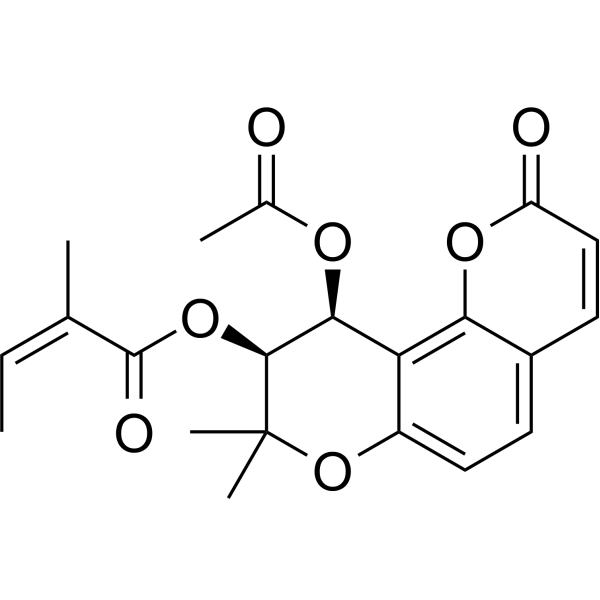
Pierreione B is a pyranoisoflavone, that can be isolated from the leaves and twigs of Antheroporum pierrei. Pierreione B demonstrates solid tumor selectivity with minimal cytotoxicity .
HPK1-IN-43 (compound 9f) is a HPK1 kinase inhibitor with the IC50 value of 0.32 nM. HPK1-IN-43 inhibits the phosphorylation of the downstream protein SLP-76 and enhances the secretion of interleukin-2 (IL-2) and interferon-γ (IFN-γ). HPK1-IN-43 can be used in cancer research .
29β-Toosendanin is a toosendanin-type limonoid that is found in the root bark of Melia azedarach. 29β-Toosendanin exerts cytotoxic effects on lymphocytic leukemia cells in vitro. 29β-Toosendanin can be used for the research of leukemia .
Bruceanol A is an antileukemic quassinoid glycoside isolated from Brucea javanica. Bruceanol A exhibits antileukemic activity against P-388 lymphocytic leukemia in vivo. Bruceanol A can be used in studies related to P-388 lymphocytic leukemia .
Clusin is a lignan that can be found in Hernandia nymphaeifolia. Clusin inhibits growth of the Gram-negative pathogen Neisseria gonorrhoeae. Clusin is inactive against murine lymphocytic leukemia cells and human cancer cells .
Bruceanic acid D is a quassinoid compound and cytotoxic agent that can be isolated from the xylem powder of Brucea antidysenterica. Bruceanic acid D specifically inhibits P-388 lymphocytic leukemia cells but shows no activity against human lung cancer cells and human colon cancer cells. Bruceanic acid D can be used in studies related to P-388 lymphocytic leukemia .
Acalabrutinib (Calquence) maleate is an orally active, irreversible, and highly selective second-generation BTK inhibitor. Acalabrutinib binds covalently to Cys481 in the ATP-binding pocket of BTK. Acalabrutinib maleate demonstrates potent on-target effects and efficacy in mouse models of chronic lymphocytic leukemia (CLL). Acalabrutinib maleate can be used for CLL research . Acalabrutinib maleate is a click chemistry reagent, which contains an Alkyne group and can undergo copper-catalyzed azide-alkyne cycloaddition (CuAAc) with molecules containing Azide groups.
Agelastatin D is a pyrrole-imidazole alkaloid and cytotoxic agent found in the Western Australian sponge Cymbastela sp.. Agelastatin D induces cytotoxic activity against cancer cells. Agelastatin D can be used for the research of chronic lymphocytic leukemia .
PRT-060318 (PRT318) dihydrochloride is a potent, selective and orally active tyrosine kinase Syk inhibitor with an IC50 of 3 nM. PRT-060318 dihydrochloride suppresses chronic lymphocytic leukemia (CLL) B cell activation and migration, and induces apoptosis. PRT-060318 dihydrochloride prevents Heparin (HY-17567)-induced thrombocytopenia and thrombosis in a transgenic mouse model. PRT-060318 dihydrochloride can be used for CLL and thrombus research .
DZ-2384 is a potent microtubule-targeting agent. DZ-2384 increases the rescue frequency and preserves the microtubule network in nonmitotic cells and primary neurons. DZ-2384 acts synergistically with anti-CTLA-4 immunotherapy in Taxane-sensitive and Taxane-resistant xenograft murine models of triple-negative breast cancer (TNBC). DZ-2384 exhibits potent antitumor activity in adult acute lymphocytic leukemia (ALL) models. DZ-2384 can be used for cancer research, such as TNBC and ALL [1][2].
OAT-4828 is an orally active ubiquitin-specific protease 7 (USP7) inhibitor with an IC50 of 32 nM. OAT-4828 induces antileukemic activity in B-cell-derived non-Hodgkin's lymphoma models via inhibition of USP7. OAT-4828 is applicable to research related to chronic lymphocytic leukemia .
AX8819 is a selective dipeptidyl peptidase II (DPP II) inhibitor with an IC50 of 0.88 nM. AX8819 induces caspase-dependent apoptosis. AX8819 exhibits low non-specific toxicity toward proliferating T cells. AX8819 can be used for the research of B cell chronic lymphocytic leukemia .
PF-06747143 is recombinant anti-human antibody targeting CXCR4. PF-06747143 blocks CXCL12-induced calcium flux, F-actin polymerization, chemotaxis, cell migration, and leukemic cell bone marrow homing. PF-06747143 reduces tumor burden and improves survival in mouse models of hematologic malignancies. PF-06747143 can be used for the research of chronic lymphocytic leukemia, acute myeloid leukemia, and hematologic malignancies .
Acetylaleuritolic acid is a triterpenoid isolated from Jatropha curcas that exhibits tumor suppressive properties against the P-388 lymphocytic leukemia test system.
Plenolin is an anticancer agent. Plenolin exhibits inhibitory activity against human epidermoid carcinoma cells. Plenolin shows in vivo antitumor activity against ascites carcinosarcoma and lymphocytic leukemia in rodent models. Plenolin can be used for research related to ascites tumors and leukemia .
Mitoxantrone-d8 dihydrochloride is deuterated labeled Mitoxantrone dihydrochloride (HY-13502A). Mitoxantrone dihydrochloride is a potent topoisomerase II inhibitor. Mitoxantrone dihydrochloride also inhibits protein kinase C (PKC) activity with an IC50 of 8.5 μM. Mitoxantrone dihydrochloride induces apoptosis of B-CLL (B-chronic lymphocytic leukaemia) cells. Mitoxantrone dihydrochloride shows antitumor activity . Mitoxantrone dihydrochloride also has anti-orthopoxvirus activity with EC50s of 0.25 μM and and 0.8 μM for cowpox and monkeypox, respectively .
Mitoxantrone-d8 (hydrochloride) (Mitozantrone-d8 (hydrochloride)) is deuterium labeled Mitoxantrone (dihydrochloride). Mitoxantrone dihydrochloride is a potent topoisomerase II inhibitor. Mitoxantrone dihydrochloride also inhibits protein kinase C (PKC) activity with an IC50 of 8.5 μM. Mitoxantrone dihydrochloride induces apoptosis of B-CLL (B-chronic lymphocytic leukaemia) cells. Mitoxantrone dihydrochloride shows antitumor activity . Mitoxantrone dihydrochloride also has anti-orthopoxvirus activity with EC50s of 0.25 μM and and 0.8 μM for cowpox and monkeypox, respectively .
Mitoxantrone (dihydrochloride) (Standard) is the analytical standard of Mitoxantrone (dihydrochloride). This product is intended for research and analytical applications. Mitoxantrone dihydrochloride is a potent topoisomerase II inhibitor. Mitoxantrone dihydrochloride also inhibits protein kinase C (PKC) activity with an IC50 of 8.5 μM. Mitoxantrone dihydrochloride induces apoptosis of B-CLL (B-chronic lymphocytic leukaemia) cells. Mitoxantrone dihydrochloride shows antitumor activity . Mitoxantrone dihydrochloride also has anti-orthopoxvirus activity with EC50s of 0.25 μM and and 0.8 μM for cowpox and monkeypox, respectively .
2′′,3′′-Dihydroochnaflavone is a flavonoid/flavanone-type ether-linked biflavonoid anti-leukemic compound. 2′′,3′′-Dihydroochnaflavone exhibits significant cytotoxicity against P388 murine lymphocytic leukemia cells (IC50 = 3.1 μg/mL). It can be naturally extracted from the dried leaves of Quintinia acutifolia and has also been previously isolated and identified from Ochna interrima and Luxemburgia nobilis (both Ochnaceae plants). 2′′,3′′-Dihydroochnaflavone can be used in research related to anti-tumor (especially leukemia) applications .
Mitoxantrone (Standard) is the analytical standard of Mitoxantrone. This product is intended for research and analytical applications. Mitoxantrone is a potent topoisomerase II inhibitor. Mitoxantrone also inhibits protein kinase C (PKC) activity with an IC50 of 8.5 μM. Mitoxantrone induces apoptosis of B-CLL (B-chronic lymphocytic leukaemia) cells. Mitoxantrone shows antitumor activity . Mitoxantrone also has anti-orthopoxvirus activity with EC50s of 0.25 μM and and 0.8 μM for cowpox and monkeypox, respectively .
Mivavotinib (monohydrochloride) (Standard) is the analytical standard of Mivavotinib (monohydrochloride) (HY-100867A). This product is intended for research and analytical applications. TAK-659 hydrochloride is a highly potent, selective, reversible and orally available dual inhibitor of spleen tyrosine kinase (SYK) and fms related tyrosine kinase 3 (FLT3), with an IC50 of 3.2 nM and 4.6 nM for SYK and FLT3, respectively. TAK-659 hydrochloride induces cell death in tumor cells but not in nontumor cells, and with potential for the treatment of chronic lymphocytic leukemia (CLL) .
BCL-xL ligand 3 is a BCL-xL PROTAC ligand. BCL-xL ligand 3 can be conjugated with E3 ligase Ligand (HY-112078) and linker to synthesize PROTAC Bcl-xL degrader-3 (HY-132997) .
Duocarmycin SA is an orally active antitumor antibiotic with an IC50 of 10 pM . Duocarmycin SA is an extremely potent cytotoxic agent capable of inducing a sequence-selective alkylation of duplex DNA. Duocarmycin SA demonstrates synergistic cytotoxicity against glioblastoma multiforme (GBM) cells treated with proton radiation in vitro .
Gliotoxin is a secondary metabolite, the most abundant mycotoxin secreted by A. fumigatus, inhibits the phagocytosis of macrophages and the immune functions of other immune cells . Gliotoxin inhibits inducible NF-κB activity by preventing IκB degradation, which consequently induces host-cell apoptosis . Gliotoxin activates PKA and increases intracellular cAMP concentration; modulates actin cytoskeleton rearrangement to facilitate A. fumigatus internalization into lung epithelial cells . Gliotoxin is a potent NOTCH2 transactivation inhibitor, can effectively induce apoptosis of chronic lymphocytic leukemia (CLL) cells .
KT-333 is a molecular glues that degrades STAT3 protein. KT-333 mediates the selective degradation of STAT3 through the ubiquitin-proteasome system by binding to STAT3 protein and E3 ubiquitin ligase von Hippel-Lindau protein (VHL). KT-333 has strong selectivity for STAT3 protein degradation and good antitumor activity. KT-333 can be used in the study of hematologic malignancies such as large granular lymphocytic leukemia (LGL-L), peripheral T-cell lymphoma (PTCL), and cutaneous T-cell lymphoma (CTCL) .
CAP-100 is a monoclonal antibody that targets CCR7. CAP-100 neutralizes the ligand-binding site and signaling of CCR7. CAP-100 strongly inhibits CCR7-induced migration, extravasation, homing, and survival in chronic lymphocytic leukemia (CLL) samples. CAP-100 triggers potent tumor cell killing, mediated by host immune mechanism. CAP-100 shows a favorable toxicity profile on relevant hematopoietic subsets. CAP-100 is involved in research on anti-tumor and disease such as CLL .
P22D is a BCR-ABL PROTAC degrader based on Dasatinib (HY-10181), with a DC50 value of approximately 10 nM for the wild-type BCR-ABL protein. P22D cannot degrade the BCR-ABL T315I mutant. P22D has inhibitory activity against K562 cells (wild type), but is ineffective against BaF3-BCR-ABL (T315I) cells. P22D can be used for research on chronic myeloid leukemia and acute lymphocytic leukemia .
DSP30 is a phosphorothioate cpG-oligodeoxynucleotide and a TLR9 agonist. DSP30 can activate immune system cells, including B cells and dendritic cells, by inducing proliferation and cytokine production.DSP30 can enhance the immunosuppressive function of bone marrow-multipotent mesenchymal stromal cells (BM-MSC). DSP30 combined with interleukin 2 (IL2) is an effective mitotic stimulant in B-cell disorders. DSP30 can be used for the genetic characteristic research and analysis of chronic lymphocytic leukemia (CLL) .
KT-333 diammonium is a molecular glues that degrades STAT3 protein. KT-333 diammonium mediates the selective degradation of STAT3 through the ubiquitin-proteasome system by binding to STAT3 protein and E3 ubiquitin ligase von Hippel-Lindau protein (VHL). KT-333 diammonium has strong selectivity for STAT3 protein degradation and good antitumor activity. KT-333 diammonium can be used in the study of hematologic malignancies such as large granular lymphocytic leukemia (LGL-L), peripheral T-cell lymphoma (PTCL), and cutaneous T-cell lymphoma (CTCL) .
KT-333 ammonium (Compound A) is a molecular glues that degrades STAT3 protein. KT-333 ammonium mediates the selective degradation of STAT3 through the ubiquitin-proteasome system by binding to STAT3 protein and E3 ubiquitin ligase von Hippel-Lindau protein (VHL). KT-333 ammonium has strong selectivity for STAT3 protein degradation and good antitumor activity. KT-333 ammonium can be used in the study of hematologic malignancies such as large granular lymphocytic leukemia (LGL-L), peripheral T-cell lymphoma (PTCL), and cutaneous T-cell lymphoma (CTCL) .
1D09C3 is a fully human anti-HLA-DR monoclonal antibody. 1D09C3 induces apoptosis and cell death involving a cascade of events, including ROS generation, JNK activation, mitochondrial membrane depolarization, and AIF release from mitochondria. 1D09C3 shows potent anti-tumor activity and increases overall survival and median survival in JVM-2 cells and GRANTA-519 cells xenograft mice models. 1D09C3 can be used for the researches of cancer, such as chronic lymphocytic leukemia (CLL) .
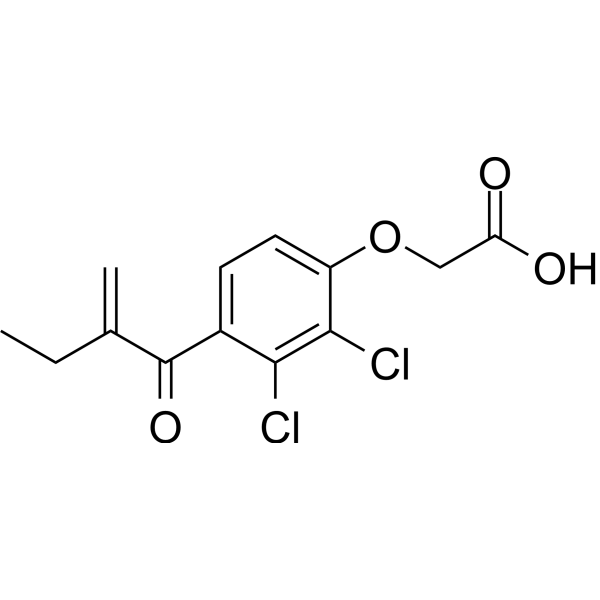
Ethacrynic acid has anti-inflammatory and anticancer activity. Ethacrynic acid is an orally active diuretic. Ethacrynic acid is an inhibitor of glutathione S-transferase (GSTs) and Wnt signaling pathways. Ethacrynic acid is a radiosensitizer. Ethacrynic acid can inhibit airway smooth muscle (ASM) contraction in mice. Ethacrynic acid can increase the outflow of aqueous humor from the eye for the study of glaucoma .
SGR-1505 is an oral small molecule MALT1 inhibitor with anti-proliferative and antitumor activity.SGR-1505 inhibits MALT1 enzymatic activity to modulate NF-κB pathway gene expression.SGR-1505 induces modulation of cell cycle, DNA damage, and apoptosis-related genes in in vivo tumor samples.SGR-1505 exerts tumorostatic and regressive activity in ABC-DLBCL xenograft models.SGR-1505 can be used for the research of activated B cell-like diffuse large B cell lymphoma, non-Hodgkin B-cell lymphomas, chronic lymphocytic leukemia, and mature B cell neoplasms .
JP-163-16 is a RelA/p65 PROTAC degrader. JP-163-16 selectively reduces the expression of RelA/p65 in a proteasome-dependent manner in cells. JP-163-16 can induce cell apoptosis by inhibiting the NF-κB signaling pathway. JP-163-16 can be used for research on RelA/p65-dependent tumours, such as chronic lymphocytic leukaemia (CLL). (Pink: RelA/p65 Ligand (HY-174865); Blue: CRBN Ligand (HY-A0003); Black: Linker; CRBN Ligand+Linker (HY-160241)) .
Icovamenib (BMF-219) is a selective, orally active, irreversible Menin inhibitor. Icovamenib forms a stable and irreversible covalent bond with Menin. Icovamenib promotes selective and controlled proliferation of beta cells and improvement of beta cell function in ex vivo human islet cultures. Icovamenib enhances glycemic control in animal diabetic models. Icovamenib induces a dose-dependent enhancement in insulin secretion potentiated by the GLP-1 RA. Icovamenib can be used for the study of multiple hematologic malignancies, solid tumors, and diabetes mellitus, such as diffuse large B-cell lymphoma (DLBCL), multiple myeloma (MM) and chronic lymphocytic leukemia and type 2 diabetes .
ROR1-IN-2 (compound 9I) is a potent and selective ROR1 inhibitor. ROR1-IN-2 exhibits antiproliferative activity in multiple cancer cells. ROR1-IN-2 significantly suppresses tumor growth in vivo .
Ariskanin A is a platelet aggregation inhibitor that exists in Aristolochia kankauensis and Aristolochia manshuriensis. Ariskanin A inhibits rabbit platelet aggregation .
WF-3161 (FR900261) is a cyclic tetrapeptide antibiotic isolated from the fungus Petriella guttulata with anti-tumor activity. WF-3161 inhibits the growth of Trichophyton asteroides with an MIC of 3 μg/mL. WF-3161 is applicable to research related to P-388 leukemia .
Rubiadin is an orally active polyketide-derived compound and free radical scavenger that inhibits the activation of the NF-κB pathway. Rubiadin inhibits osteoclast formation, bone resorption, lipid peroxidation, HBV DNA replication and cancer cell proliferation; reduces pro-inflammatory cytokine levels; induces cancer cell apoptosis; and possesses antifungal, antimalarial, antibacterial and anticonvulsant activities. Rubiadin can be used in the research of osteoporosis, acute inflammation, chronic inflammation, carbon tetrachloride-induced liver injury, Alzheimer's disease, breast cancer, iron overload disorders, hepatitis B virus infection, colon cancer, liver cancer, T-lymphocytic leukemia, cervical cancer, diabetic nephropathy, epileptic seizures, fungal infections, malaria and bacterial infections .
Delphinidin 3-glucoside chloride (Delphinidin 3-O-glucoside chloride) is an active anthocyanin found in Hibiscus sabdariffa extract. Delphinidin 3-glucoside chloride induces a pro-apoptotic effect in B cell chronic lymphocytic leukaemia (B CLL) . Delphinidin 3-glucoside chloride exerts phytoestrogen activity by binding to ERβ, with an IC50 of 9.7 μM . Delphinidin-3-O-glucoside chloride inhibits EGFR with an IC50 of 2.37 µM . Delphinidin 3-glucoside chloride exhibits antitumor effects through pAKT/IRF1/HOTAIR pathway. Delphinidin 3-glucoside chloride exhibits efficacy against oxidative stress, inhibits platelet activation and endothelial dysfunction .
Anti-Mouse CD71/TfR1 Antibody (R17 217.1.3) is a rat-derived IgG2a κ type antibody inhibitor, targeting to mouse CD71/TfR1. Anti-Mouse CD71/TfR1 Antibody (R17 217.1.3) can deplete CD71 + cells and inhibit transferrin receptor. Anti-Mouse CD71/TfR1 Antibody (R17 217.1.3) can be used for the researches of cancer, infection, inflammation and immunology, such as lung cancer, lymphocytic choriomeningitis virus (LCMV) infection and Cardiac allograft .
Fludarabine triphosphate (F-ara-ATP), the active metabolite of Fludarabine (HY-B0069), is a potent, noncompetitive and specific inhibitor of DNA primase, with an IC50 of 2.3 μM and a Ki of 6.1 μM. Fludarabine triphosphate inhibits DNA synthesis by blocking DNA primase and primer RNA formation. Fludarabine triphosphate inhibits ribonucleotide reductase and DNA polymerase and ultimately leads to cellular apoptosis .
Fludarabine triphosphate (F-ara-ATP) trisodium, the active metabolite of Fludarabine (HY-B0069), is a potent, noncompetitive and specific inhibitor of DNA primase, with an IC50 of 2.3 μM and a Ki of 6.1 μM. Fludarabine triphosphate trisodium inhibits DNA synthesis by blocking DNA primase and primer RNA formation. Fludarabine triphosphate trisodium inhibits ribonucleotide reductase and DNA polymerase and ultimately leads to cellular apoptosis .
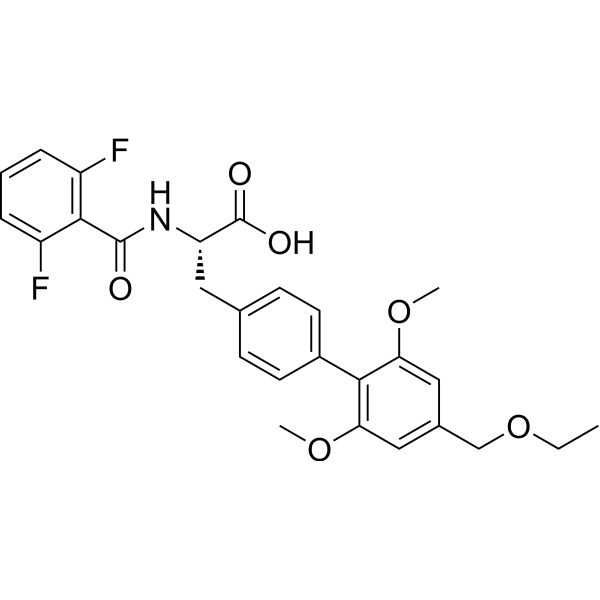
Firategrast (SB 683699) is an orally active and specific α4β1/α4β7 integrin antagonist. Firategrast reduces trafficking of lymphocytes into the central nervous system (CNS) and decreases multiple sclerosis (MS) activity .
TL-895 is a potent, orally active, ATP-competitive, and highly selective irreversible BTK inhibitor. TL-895 is active against recombinant BTK (average IC50: 1.5 nM) and inhibits only three additional kinases BLK, BMX (IC50 = 1.6 nM) and TXK with IC50 within tenfold of BTK activity. TL-895 inhibits BTK auto-phosphorylation at the Y223 phosphorylation site (IC50: 1-10 nM). The TL-895 effectively inhibits the production of inflammatory factors such as IL-8, IL-1β, MCP-1 and TNF-α by monocytes or macrophages, and reduces the chemotactic migration of MF cells towards SDF-1. TL-895 is used be for studies of chronic lymphocytic leukemia (CLL), myelofibrosis (MF), and B-cell malignancies .
ENDO12 is an inhibitor of the Munc13-4-STX7 protein complex, with a Kd value of 2.7 µM for STX7. ENDO12 blocks the interaction of Munc13-4-STX7. ENDO12 inhibits endolysosomal flux, endolysosomal cargo degradation, the extracellular signal-regulated kinase signaling pathway in neutrophils, the IFN regulatory factor signaling pathway in plasmacytoid dendritic cells, and the responses of primary dendritic cells to TLR3, TLR7, and TLR9. ENDO12 alleviates CpG-induced systemic inflammation by reducing the levels of myeloperoxidase, IL-6 and IFNγ. ENDO12 does not interfere with the host's antiviral response to lymphocytic choriomeningitis virus infection.\nENDO12 can be used in studies related to systemic inflammation .
Anti-Mouse 4-1BBL/CD137L Antibody (TKS-1) is a rat-derived IgG2a κ antibody inhibitor, targeting to mouse 4-1BBL/CD137L. Anti-Mouse 4-1BBL/CD137L Antibody (TKS-1) can block 4-1BB ligand (4-1BBL) and inhibit CD4 + and CD8 + T cells. Anti-Mouse 4-1BBL/CD137L Antibody (TKS-1) can be used for the researches of cancer, infection, inflammation and immunology, such as MC38 tumor, lymphocytic choriomeningitis virus (LCMV) infection and herpetic stromal keratitis (HSK) .
Acalabrutinib-d4 (ACP-196-d4) is a deuterium labeled Acalabrutinib. Acalabrutinib (ACP-196) is an orally active, irreversible, and highly selective second-generation BTK inhibitor . Acalabrutinib-d4 is a click chemistry reagent, it contains an Alkyne group and can undergo copper-catalyzed azide-alkyne cycloaddition (CuAAc) with molecules containing Azide groups.
Licoflavone C is a broad-spectrum antiviral inhibitor with estrogen-like properties. Licoflavone C binds to viral endonuclease (CEN) and inhibits the replication of various bunyaviruses including severe fever with thrombocytopenia syndrome virus (SFTSV) and lymphocytic choriomeningitis virus in a non-substrate competitive manner. The IC50 values of Licoflavone C against SFTSV CEN and SFTSV CEN are 35.5 μM and 135.8 μM, respectively, and its Kd value against SFTSV CEN is 9.53 μM. After viral entry into cells, Licoflavone C reduces viral loads in mouse tissues in a dose-dependent manner, and exhibits extremely low cytotoxicity and genotoxicity. Licoflavone C induces apoptosis by increasing caspase 3/7 activity, blocks the cell cycle, and alleviates chemotherapy-induced chromosomal damage. Licoflavone C is applicable to the research on severe fever with thrombocytopenia syndrome and related viral infection mechanisms .
Delphinidin 3-glucoside (chloride) (Standard) is the analytical standard of Delphinidin 3-glucoside (chloride). This product is intended for research and analytical applications. Delphinidin 3-glucoside chloride (Delphinidin 3-O-glucoside chloride) is an active anthocyanin found in Hibiscus sabdariffa extract. Delphinidin 3-glucoside chloride induces a pro-apoptotic effect in B cell chronic lymphocytic leukaemia (B CLL) . Delphinidin 3-glucoside chloride exerts phytoestrogen activity by binding to ERβ, with an IC50 of 9.7 μM . Delphinidin-3-O-glucoside chloride inhibits EGFR with an IC50 of 2.37 µM . Delphinidin 3-glucoside chloride exhibits antitumor effects through pAKT/IRF1/HOTAIR pathway. Delphinidin 3-glucoside chloride exhibits efficacy against oxidative stress, inhibits platelet activation and endothelial dysfunction .
VV261 is an orally active prodrug of 4'-fluorouridine. VV261 inhibits viral RNA-dependent RNA polymerase. VV261 exhibits antiviral activity against CCHFV, SFTSV and LCMV. VV261 can be used in research related to viral infections .
SRX3305 is an BTK/PI3K/BRD4 inhibitor with IC50s of 6.5 nM, 15 nM, and 4 nM toward BTK, PI3Kɑ and PI3Kδ, respectively. SRX3305 attenuates chronic lymphocytic leukemia (CLL) and mantle cell lymphoma (MCL) cell proliferation and promotes apoptosis in a dose-dependent fashion. SRX3305 yields potent anti-tumor effects but spares healthy bystander cells. SRX3305 inhibits the activation-induced proliferation of primary CLL cells in vitro and effectively blocks microenvironment-mediated survival signals. SRX3305 blocks CLL cell migration toward CXCL-12 and CXCL-13. SRX3305 maintains its anti-tumor effects in Ibrutinib (HY-10997)-resistant CLL cells. SRX3305 can be used for research in CLL, diffuse large B-cell lymphoma (DLBCL) and MCL .
α-Thujaplicin, the isomer of Hinokitiol (HY-B2230), is an antimicrobial agent. α-Thujaplicin can be isolated from Aomori Hiba (Thujopsis dolabrata SIEB. et ZUCC. var. hondai MAKINO). α-Thujaplicin shows inhibition of Carboxypeptidase A (IC50: 32.4 μM). α-Thujaplicin shows rather strong antifungal activity against seven kinds of plant-pathogenic fungi, their MICs being in the range of 12.0-50.0 μg/mL. α-Thujaplicin shows clear antibacterial activity against Legionella pneumophila SG 1 and L. pneumophila SG 3, and their MICs are in the range of 12.5-50 μg/mL. α-Thujaplicin shows antibacterial activity against Enterococcus faecalis IFO-12965 with a MIC of 1.56 μg/mL. α-Thujaplicin shows germination inhibition toward the seed of Echinochloa utilis Ohwi et Yabuno. α-thujaplicin inhibits lymphocytic leukemia, stomach cancer, Ehrlich’s ascites carcinoma .
Dezaguanine is a purine analog. Dezaguanine exhibits antitumor activity in leukemia and breast cancer cells. Dezaguanine can be used in cancer-related research .
Inotuzumab ozogamicin (CMC-544) is an antibody-targeted chemotherapy agent composed of a humanized anti-CD22 antibody conjugated to Calicheamicin (HY-19609). Inotuzumab ozogamicin and G544 bind human CD22 with similar affinities (Kd ≈ 150 pM). Inotuzumab ozogamicin has demonstrated efficacy against CD22 + B-cell non-Hodgkin’s lymphoma. Inotuzumab ozogamicin can be used in the research of acute lymphoblastic leukemia .
3-Oxobetulin acetate (28-O-Acetyl-3-Oxobetulin; 3-oxo-28-O-Acetylbetulin) is a derivative of betulin (HY-N0083), a cholesterol biosynthesis inhibitor. 3-Oxobetulin acetate inhibits the growth of P388 murine lymphocytic leukemia cells (EC50=0.12 μg/mL) and human MCF-7 breast cancer, SF-268 CNS cancer, H460 lung cancer, and KM20L2 colon cancer cells (GI50s=8, 10.6, 5.2, and 12.7 μg/mL), but not BxPC-3 pancreatic cancer cells or DU145 prostate cancer cells (GI50s=>10 μg/mL for both). 3-Oxobetulin acetate inhibits the replication of X4-tropic recombinant HIV (NL4.3-Ren) in MT-2 lymphoblastoid cells (IC50=13.4 μM). 3-Oxobetulin acetate is also effective against Listeria donovani amastigotes.
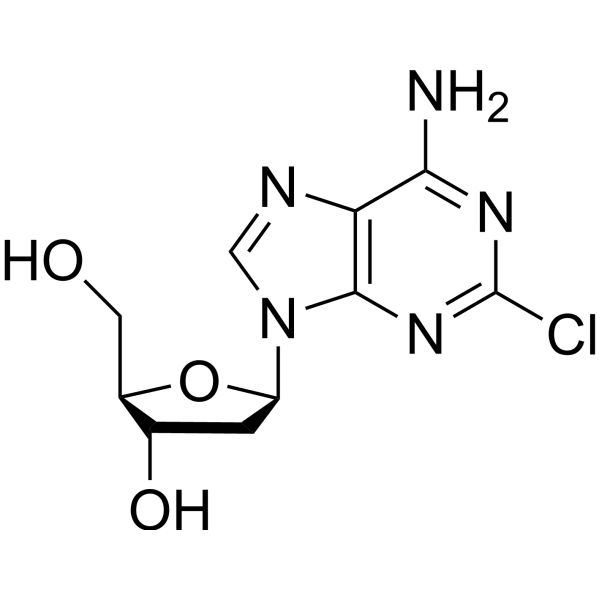
Cladribine (Standard) is the analytical standard of Cladribine. This product is intended for research and analytical applications. Cladribine (2-Chloro-2′-deoxyadenosine), a purine nucleoside analog, is an orally active adenosine deaminase inhibitor. Cladribine functions as an inhibitor of DNA synthesis to block the repair of the damaged DNA. Cladribine can inhibit DNA methylation. Cladribine has anti-lymphoma activity. Cladribine can be used for the research of several hematologic malignancies and multiple sclerosis .
Cladribine (2-Chloro-2′-deoxyadenosine), a purine nucleoside analog, is an orally active adenosine deaminase inhibitor. Cladribine functions as an inhibitor of DNA synthesis to block the repair of the damaged DNA. Cladribine can inhibit DNA methylation. Cladribine has anti-lymphoma activity. Cladribine can be used for the research of several hematologic malignancies and multiple sclerosis .
SNX-7081 is an Hsp90 inhibitor with Ki and IC50 values of 26 nM and 44 nM, respectively. SNX-7081 blocks the nuclear translocation of NF-κB, inhibits the production of pro-inflammatory cytokines, attenuates the ERK/JNK and PDGF signaling pathways, and suppresses LPS (HY-D1056)-induced nitric oxide production. SNX-7081 inhibits DNA repair, induces G2/M cell cycle arrest, and triggers apoptosis via downregulation of MYC/nucleolin and activation of Fas. SNX-7081 can be used in research related to rheumatoid arthritis and cancer .
Anti-Mouse CXCR4 Antibody is a monoclonal antibody that specifically recognizes murine CXCR4 (C-X-C chemokine receptor 4), also known as fusin or CD184. CXCR4 is a seven-transmembrane G protein–coupled receptor whose principal endogenous ligand is CXCL12 (stromal cell–derived factor-1α, SDF-1α) and is widely expressed in hematopoietic cells, endothelial cells, neurons, as well as embryonic and adult stem cells. The CXCR4–CXCL12 signaling axis activates multiple downstream pathways, including ERK1/2, Ras, p38 MAPK, PLC/MAPK, and SAPK/JNK, thereby regulating cell survival, proliferation, migration, and stemness maintenance. Aberrant overexpression of CXCR4 is closely associated with poor prognosis and metastasis in various cancers, with CXCR4-positive tumor cells preferentially home to CXCL12-rich tissues such as the liver, bone marrow, lung, and lymph nodes. Accordingly, CXCR4 and its CXCL12-related antagonists emerge as attractive targets for experimental anticancer therapy. Anti-Mouse CXCR4 Antibody is generated using a cell-based immunization and screening strategy and exhibits high affinity for both endogenous and exogenous murine CXCR4. Anti-Mouse CXCR4 Antibody can be used for thestudy of chronic lymphocytic leukemia and multiple myeloma .
AT1412 is a CD9-binding antibody. AT1412 binds to the tetraspanin protein CD9 and modulates CD9 function by enhancing T cell adhesion to endothelial cells (HUVECs) and transendothelial migration. AT1412 binds to B-ALL cell lines but not to T-ALL. AT1412 induces antibody-dependent cellular cytotoxicity in B-ALL cell lines. AT1412 binds to melanoma cells, B-ALL, gastric cancer, colorectal cancer, and pancreatic cancer cells [1] .
LCMV gp33-41, the carboxyl-extended 9-aa-long peptide, is an lymphocytic choriomeningitis virus sequence restricted by MHC class I H-2Db molecules and presented to cytotoxic T lymphocytes .
LCMV GP (61-80) is a peptide fragment derived from lymphocytic choriomeningitis virus (LCMV) glycoprotein (GP), and corresponds to amino acids 61-80. LCMV GP (61-80) is a specific epitope which can induce CD4 + T-cell response .
Nucleoprotein (396-404) is the 396 to 404 fragment of lymphocytic choriomeningitis virus (LCMV). Nucleoprotein (396-404) is the H-2D(b)-restricted immunodominant epitope and can be used as a molecular model of viral antigen .
GP(33-41) TFA, a 9-aa-long peptide, is the optimal sequence of the GP1 epitope of lymphocytic choriomeningitis virus. GP(33-41) TFA can upregulate H-2D b molecules at the RMA-S (Db Kb) cell surface with a SC50 of 344 nM .
LCMV gp33-41 (TFA), the carboxyl-extended 9-aa-long peptide, is an lymphocytic choriomeningitis virus sequence restricted by MHC class I H-2Db molecules and presented to cytotoxic T lymphocytes .
GP(33-41), a 9-aa-long peptide, is the optimal sequence of the GP1 epitope of lymphocytic choriomeningitis virus, and can upregulate H-2D b molecules at the RMA-S (Db Kb) cell surface with a SC50 of 344 nM .
LCMV-derived p13 epitope is a biological active peptide. (An H-2Db restricted epitope, this peptide is amino acids 61 to 80 fragment of the lymphocytic choriomeningitis virus (LCMV) pre-glycoprotein polyprotein GP complex. LCMV has been routinely used for the study of adaptive immune responses to viral infection.)
Nucleoprotein (396-404) TFA is the 396 to 404 fragment of lymphocytic choriomeningitis virus (LCMV). Nucleoprotein (396-404) TFA is the H-2D(b)-restricted immunodominant epitope and can be used as a molecular model of viral antigen .
Glycoprotein (276-286) is a Db-restricted peptide derived from lymphocytic choriomeningitis virus (LCMV) glycoprotein (GP), corresponds to amino acids 276-286[1].
Montanastatin is an antitumor agent that can be isolated from the terrestrial actinomycete Streptomyces anulatus. Montanastatin inhibits the growth of various cancer cells. Montanastatin can be used in research related to lymphocytic leukemia, ovarian cancer, brain cancer, renal cancer, lung cancer, colon cancer and melanoma .
Alemtuzumab (Campath-IH) is a humanized monoclonal antibody against CD52. Alemtuzumab does not cross-react with murine CD52. Alemtuzumab selectively targets the CD52 antigen to induce profound lymphocyte depletion, followed by recovery of T and B cells with regulatory phenotypes. Alemtuzumab is capable of complement-dependent cytotoxicity and antibody-dependent cell-mediated cytotoxicity (ADCC), as well as induction of apoptosis. Alemtuzumab has the potential for B-cell chronic lymphocytic leukaemia research .
Ofatumumab is a fully human anti-CD20 monoclonal antibody that induces antibody-dependent cell-mediated cytotoxicity (ADCC) and complement-dependent cytotoxicity (CDC) in CD20-expressing B lymphocytes. Ofatumumab has strong lytic activity against CD20-positive B lymphocytes and eliminates CD20-positive tumor cells through ADCC and CDC. Ofatumumab is particularly effective against drug-resistant cells with low CD20 expression and can be applied to the research of chronic lymphocytic leukemia (CLL) .
CAP-100 is a monoclonal antibody that targets CCR7. CAP-100 neutralizes the ligand-binding site and signaling of CCR7. CAP-100 strongly inhibits CCR7-induced migration, extravasation, homing, and survival in chronic lymphocytic leukemia (CLL) samples. CAP-100 triggers potent tumor cell killing, mediated by host immune mechanism. CAP-100 shows a favorable toxicity profile on relevant hematopoietic subsets. CAP-100 is involved in research on anti-tumor and disease such as CLL .
Samalizumab (ALXN 6000) is a humanized monoclonal antibody that specifically binds to CD200 and blocks its ligation to the CD200 receptor (CD200R). Samalizumab can be used for multiple myeloma and B-cell chronic lymphocytic leukemia research .
Ianalumab (VAY-736) (FUT8-KO) is an anti-BAFF-R monoclonal antibody expressed in CHO cells with the fucosyltransferase 8 gene (FUT8) knocked out. Fucose depletion enhances its B cell clearance capacity. Ianalumab (FUT8-KO) competitively blocks the binding of BAFF to BAFF-R, inhibits the BAFF-mediated alternative NF-κB pro-survival signaling pathway, and abrogates the apoptotic (apoptosis) protective effect of BAFF on cancer cells. Ianalumab (FUT8-KO) can be used in research related to primary Sjögren's syndrome and chronic lymphocytic leukemia .
Anti-Mouse PSGL-1/CD162 Antibody (4RA10) is a rat-derived IgG1 κ type antibody inhibitor, targeting to mouse PSGL-1/CD162. Anti-Mouse PSGL-1/CD162 Antibody (4RA10) blocks PSGL signaling and inhibits leukocyte rolling. Anti-Mouse PSGL-1/CD162 Antibody (4RA10) can be used for the researches of inflammation, immunology and infection, such as pneumonia and lymphocytic choriomeningitis virus infection .
Anti-Mouse CD71/TfR1 Antibody (R17 217.1.3) is a rat-derived IgG2a κ type antibody inhibitor, targeting to mouse CD71/TfR1. Anti-Mouse CD71/TfR1 Antibody (R17 217.1.3) can deplete CD71 + cells and inhibit transferrin receptor. Anti-Mouse CD71/TfR1 Antibody (R17 217.1.3) can be used for the researches of cancer, infection, inflammation and immunology, such as lung cancer, lymphocytic choriomeningitis virus (LCMV) infection and Cardiac allograft .
Anti-Mouse 4-1BBL/CD137L Antibody (TKS-1) is a rat-derived IgG2a κ antibody inhibitor, targeting to mouse 4-1BBL/CD137L. Anti-Mouse 4-1BBL/CD137L Antibody (TKS-1) can block 4-1BB ligand (4-1BBL) and inhibit CD4 + and CD8 + T cells. Anti-Mouse 4-1BBL/CD137L Antibody (TKS-1) can be used for the researches of cancer, infection, inflammation and immunology, such as MC38 tumor, lymphocytic choriomeningitis virus (LCMV) infection and herpetic stromal keratitis (HSK) .
Apolizumab (Hu1D10) is a humanized monoclonal anti-Human leukocyte antigen-DR beta-chain antibody. Apolizumab can mediate apoptosis of chronic lymphocytic leukemia (CLL) cells in vitro .
Anti-LCMV Nucleoprotein Antibody (VL-4) is rat-derived IgG2a κ type antibody inhibitor, targeting to LCMV nucleoprotein. Anti-LCMV Nucleoprotein Antibody (VL-4) reacts with lymphocytic choriomeningitis virus (LCMV) nucleoprotein. Anti-LCMV Nucleoprotein Antibody (VL-4) stain LCMV-infected cell internally with no surface staining. Anti-LCMV Nucleoprotein Antibody (VL-4) can be used for the detections of immunohistochemistry and flow cytometry in LCMV infection .
Anti-Mouse NKG2D/CD314 Antibody (HMG2D) is an Armenian hamster-derived IgG antibody inhibitor, targeting to mouse NKG2D/CD314. Anti-Mouse NKG2D/CD314 Antibody (HMG2D) can block NKG2D. Anti-Mouse NKG2D/CD314 Antibody (HMG2D) can be used for the researches of cancer, infection, inflammation and immunology, such as B16F10 tumor, colitis and L. major parasites and lymphocytic choriomeningitis virus (LCMV) co-infection .
BI-836826 is a IgG1 chimerized and Fc-engineered anti-CD37 monoclonal antibody. BI 836826 displays both antibody-dependent cell-mediated cytotoxicity (ADCC) and direct pro-apoptotic activities. BI-836826 can be used for the study of chronic lymphocytic leukemia .
1D09C3 is a fully human anti-HLA-DR monoclonal antibody. 1D09C3 induces apoptosis and cell death involving a cascade of events, including ROS generation, JNK activation, mitochondrial membrane depolarization, and AIF release from mitochondria. 1D09C3 shows potent anti-tumor activity and increases overall survival and median survival in JVM-2 cells and GRANTA-519 cells xenograft mice models. 1D09C3 can be used for the researches of cancer, such as chronic lymphocytic leukemia (CLL) .
PF-06747143 is recombinant anti-human antibody targeting CXCR4. PF-06747143 blocks CXCL12-induced calcium flux, F-actin polymerization, chemotaxis, cell migration, and leukemic cell bone marrow homing. PF-06747143 reduces tumor burden and improves survival in mouse models of hematologic malignancies. PF-06747143 can be used for the research of chronic lymphocytic leukemia, acute myeloid leukemia, and hematologic malignancies .
Anti-Mouse CXCR4 Antibody is a monoclonal antibody that specifically recognizes murine CXCR4 (C-X-C chemokine receptor 4), also known as fusin or CD184. CXCR4 is a seven-transmembrane G protein–coupled receptor whose principal endogenous ligand is CXCL12 (stromal cell–derived factor-1α, SDF-1α) and is widely expressed in hematopoietic cells, endothelial cells, neurons, as well as embryonic and adult stem cells. The CXCR4–CXCL12 signaling axis activates multiple downstream pathways, including ERK1/2, Ras, p38 MAPK, PLC/MAPK, and SAPK/JNK, thereby regulating cell survival, proliferation, migration, and stemness maintenance. Aberrant overexpression of CXCR4 is closely associated with poor prognosis and metastasis in various cancers, with CXCR4-positive tumor cells preferentially home to CXCL12-rich tissues such as the liver, bone marrow, lung, and lymph nodes. Accordingly, CXCR4 and its CXCL12-related antagonists emerge as attractive targets for experimental anticancer therapy. Anti-Mouse CXCR4 Antibody is generated using a cell-based immunization and screening strategy and exhibits high affinity for both endogenous and exogenous murine CXCR4. Anti-Mouse CXCR4 Antibody can be used for thestudy of chronic lymphocytic leukemia and multiple myeloma .
AT1412 is a CD9-binding antibody. AT1412 binds to the tetraspanin protein CD9 and modulates CD9 function by enhancing T cell adhesion to endothelial cells (HUVECs) and transendothelial migration. AT1412 binds to B-ALL cell lines but not to T-ALL. AT1412 induces antibody-dependent cellular cytotoxicity in B-ALL cell lines. AT1412 binds to melanoma cells, B-ALL, gastric cancer, colorectal cancer, and pancreatic cancer cells [1] .
Mitoxantrone is a potent topoisomerase II inhibitor. Mitoxantrone also inhibits protein kinase C (PKC) activity with an IC50 of 8.5 μM. Mitoxantrone induces apoptosis of B-CLL (B-chronic lymphocytic leukaemia) cells. Mitoxantrone shows antitumor activity . Mitoxantrone also has anti-orthopoxvirus activity with EC50s of 0.25 μM and and 0.8 μM for cowpox and monkeypox, respectively .
Mitoxantrone dihydrochloride is a potent topoisomerase II inhibitor. Mitoxantrone dihydrochloride also inhibits protein kinase C (PKC) activity with an IC50 of 8.5 μM. Mitoxantrone dihydrochloride induces apoptosis of B-CLL (B-chronic lymphocytic leukaemia) cells. Mitoxantrone dihydrochloride shows antitumor activity . Mitoxantrone dihydrochloride also has anti-orthopoxvirus activity with EC50s of 0.25 μM and and 0.8 μM for cowpox and monkeypox, respectively .
Gliotoxin is a secondary metabolite, the most abundant mycotoxin secreted by A. fumigatus, inhibits the phagocytosis of macrophages and the immune functions of other immune cells . Gliotoxin inhibits inducible NF-κB activity by preventing IκB degradation, which consequently induces host-cell apoptosis . Gliotoxin activates PKA and increases intracellular cAMP concentration; modulates actin cytoskeleton rearrangement to facilitate A. fumigatus internalization into lung epithelial cells . Gliotoxin is a potent NOTCH2 transactivation inhibitor, can effectively induce apoptosis of chronic lymphocytic leukemia (CLL) cells .
Delphinidin 3-glucoside chloride (Delphinidin 3-O-glucoside chloride) is an active anthocyanin found in Hibiscus sabdariffa extract. Delphinidin 3-glucoside chloride induces a pro-apoptotic effect in B cell chronic lymphocytic leukaemia (B CLL) . Delphinidin 3-glucoside chloride exerts phytoestrogen activity by binding to ERβ, with an IC50 of 9.7 μM . Delphinidin-3-O-glucoside chloride inhibits EGFR with an IC50 of 2.37 µM . Delphinidin 3-glucoside chloride exhibits antitumor effects through pAKT/IRF1/HOTAIR pathway. Delphinidin 3-glucoside chloride exhibits efficacy against oxidative stress, inhibits platelet activation and endothelial dysfunction .
Rubiadin is an orally active polyketide-derived compound and free radical scavenger that inhibits the activation of the NF-κB pathway. Rubiadin inhibits osteoclast formation, bone resorption, lipid peroxidation, HBV DNA replication and cancer cell proliferation; reduces pro-inflammatory cytokine levels; induces cancer cell apoptosis; and possesses antifungal, antimalarial, antibacterial and anticonvulsant activities. Rubiadin can be used in the research of osteoporosis, acute inflammation, chronic inflammation, carbon tetrachloride-induced liver injury, Alzheimer's disease, breast cancer, iron overload disorders, hepatitis B virus infection, colon cancer, liver cancer, T-lymphocytic leukemia, cervical cancer, diabetic nephropathy, epileptic seizures, fungal infections, malaria and bacterial infections .
Licoflavone C is a broad-spectrum antiviral inhibitor with estrogen-like properties. Licoflavone C binds to viral endonuclease (CEN) and inhibits the replication of various bunyaviruses including severe fever with thrombocytopenia syndrome virus (SFTSV) and lymphocytic choriomeningitis virus in a non-substrate competitive manner. The IC50 values of Licoflavone C against SFTSV CEN and SFTSV CEN are 35.5 μM and 135.8 μM, respectively, and its Kd value against SFTSV CEN is 9.53 μM. After viral entry into cells, Licoflavone C reduces viral loads in mouse tissues in a dose-dependent manner, and exhibits extremely low cytotoxicity and genotoxicity. Licoflavone C induces apoptosis by increasing caspase 3/7 activity, blocks the cell cycle, and alleviates chemotherapy-induced chromosomal damage. Licoflavone C is applicable to the research on severe fever with thrombocytopenia syndrome and related viral infection mechanisms .
Chaetoglobosin A is a secondary metabolite and nematicide. Chaetoglobosin A is produced by Penicillium aquamarinium. Chaetoglobosin A targets Filamentous actin in cells, thereby inducing cell cycle arrest, and inhibiting membrane ruffle formation and cell migration. Chaetoglobosin A preferentially induces Apoptosis in chronic lymphocytic leukemia cells. Chaetoglobosin A induces dose- and time-dependent death in J2 larvae of the southern root-knot nematode (Meloidogyne incognita). Chaetoglobosin A can be used in studies related to root-knot nematode disease and chronic lymphocytic leukemia .
(+)-Syringaresinol, a lignan, is a NFAT transcription factor inhibitor, with an IC50 of 329.4 μM. (+)-Syringaresinol also can be used for the research of lymphocytic leukemia .
Delphinidin 3-glucoside (chloride) (Standard) is the analytical standard of Delphinidin 3-glucoside (chloride). This product is intended for research and analytical applications. Delphinidin 3-glucoside chloride (Delphinidin 3-O-glucoside chloride) is an active anthocyanin found in Hibiscus sabdariffa extract. Delphinidin 3-glucoside chloride induces a pro-apoptotic effect in B cell chronic lymphocytic leukaemia (B CLL) . Delphinidin 3-glucoside chloride exerts phytoestrogen activity by binding to ERβ, with an IC50 of 9.7 μM . Delphinidin-3-O-glucoside chloride inhibits EGFR with an IC50 of 2.37 µM . Delphinidin 3-glucoside chloride exhibits antitumor effects through pAKT/IRF1/HOTAIR pathway. Delphinidin 3-glucoside chloride exhibits efficacy against oxidative stress, inhibits platelet activation and endothelial dysfunction .
2,3,2'',3''-Tetrahydroochnaflavone is a biflavonoid, which can be isolated from the leaves of Quintinia acutifolia. 2,3,2'',3''-Tetrahydroochnaflavone shows some cytotoxicity against P388 murine lymphocytic leukemia cells, with an IC50 of 8.2 µg/mL .
Mitoxantrone diacetate is a potent topoisomerase II inhibitor. Mitoxantrone diacetate also inhibits protein kinase C (PKC) activity with an IC50 of 8.5 μM. Mitoxantrone diacetate induces apoptosis of B-CLL (B-chronic lymphocytic leukaemia) cells. Mitoxantrone diacetate shows antitumor activity . Mitoxantrone diacetate also has anti-orthopoxvirus activity with EC50s of 0.25 μM and and 0.8 μM for cowpox and monkeypox, respectively .
Pierreione B is a pyranoisoflavone, that can be isolated from the leaves and twigs of Antheroporum pierrei. Pierreione B demonstrates solid tumor selectivity with minimal cytotoxicity .
Mitoxantrone (dihydrochloride) (Standard) is the analytical standard of Mitoxantrone (dihydrochloride). This product is intended for research and analytical applications. Mitoxantrone dihydrochloride is a potent topoisomerase II inhibitor. Mitoxantrone dihydrochloride also inhibits protein kinase C (PKC) activity with an IC50 of 8.5 μM. Mitoxantrone dihydrochloride induces apoptosis of B-CLL (B-chronic lymphocytic leukaemia) cells. Mitoxantrone dihydrochloride shows antitumor activity . Mitoxantrone dihydrochloride also has anti-orthopoxvirus activity with EC50s of 0.25 μM and and 0.8 μM for cowpox and monkeypox, respectively .
Mitoxantrone (Standard) is the analytical standard of Mitoxantrone. This product is intended for research and analytical applications. Mitoxantrone is a potent topoisomerase II inhibitor. Mitoxantrone also inhibits protein kinase C (PKC) activity with an IC50 of 8.5 μM. Mitoxantrone induces apoptosis of B-CLL (B-chronic lymphocytic leukaemia) cells. Mitoxantrone shows antitumor activity . Mitoxantrone also has anti-orthopoxvirus activity with EC50s of 0.25 μM and and 0.8 μM for cowpox and monkeypox, respectively .
Delphinidin 3-glucoside (chloride) (Standard) is the analytical standard of Delphinidin 3-glucoside (chloride). This product is intended for research and analytical applications. Delphinidin 3-glucoside chloride (Delphinidin 3-O-glucoside chloride) is an active anthocyanin found in Hibiscus sabdariffa extract. Delphinidin 3-glucoside chloride induces a pro-apoptotic effect in B cell chronic lymphocytic leukaemia (B CLL) . Delphinidin 3-glucoside chloride exerts phytoestrogen activity by binding to ERβ, with an IC50 of 9.7 μM . Delphinidin-3-O-glucoside chloride inhibits EGFR with an IC50 of 2.37 µM . Delphinidin 3-glucoside chloride exhibits antitumor effects through pAKT/IRF1/HOTAIR pathway. Delphinidin 3-glucoside chloride exhibits efficacy against oxidative stress, inhibits platelet activation and endothelial dysfunction .
29β-Toosendanin is a toosendanin-type limonoid that is found in the root bark of Melia azedarach. 29β-Toosendanin exerts cytotoxic effects on lymphocytic leukemia cells in vitro. 29β-Toosendanin can be used for the research of leukemia .
Bruceanol A is an antileukemic quassinoid glycoside isolated from Brucea javanica. Bruceanol A exhibits antileukemic activity against P-388 lymphocytic leukemia in vivo. Bruceanol A can be used in studies related to P-388 lymphocytic leukemia .
Clusin is a lignan that can be found in Hernandia nymphaeifolia. Clusin inhibits growth of the Gram-negative pathogen Neisseria gonorrhoeae. Clusin is inactive against murine lymphocytic leukemia cells and human cancer cells .
Bruceanic acid D is a quassinoid compound and cytotoxic agent that can be isolated from the xylem powder of Brucea antidysenterica. Bruceanic acid D specifically inhibits P-388 lymphocytic leukemia cells but shows no activity against human lung cancer cells and human colon cancer cells. Bruceanic acid D can be used in studies related to P-388 lymphocytic leukemia .
Agelastatin D is a pyrrole-imidazole alkaloid and cytotoxic agent found in the Western Australian sponge Cymbastela sp.. Agelastatin D induces cytotoxic activity against cancer cells. Agelastatin D can be used for the research of chronic lymphocytic leukemia .
Acetylaleuritolic acid is a triterpenoid isolated from Jatropha curcas that exhibits tumor suppressive properties against the P-388 lymphocytic leukemia test system.
2′′,3′′-Dihydroochnaflavone is a flavonoid/flavanone-type ether-linked biflavonoid anti-leukemic compound. 2′′,3′′-Dihydroochnaflavone exhibits significant cytotoxicity against P388 murine lymphocytic leukemia cells (IC50 = 3.1 μg/mL). It can be naturally extracted from the dried leaves of Quintinia acutifolia and has also been previously isolated and identified from Ochna interrima and Luxemburgia nobilis (both Ochnaceae plants). 2′′,3′′-Dihydroochnaflavone can be used in research related to anti-tumor (especially leukemia) applications .
Ariskanin A is a platelet aggregation inhibitor that exists in Aristolochia kankauensis and Aristolochia manshuriensis. Ariskanin A inhibits rabbit platelet aggregation .
α-Thujaplicin, the isomer of Hinokitiol (HY-B2230), is an antimicrobial agent. α-Thujaplicin can be isolated from Aomori Hiba (Thujopsis dolabrata SIEB. et ZUCC. var. hondai MAKINO). α-Thujaplicin shows inhibition of Carboxypeptidase A (IC50: 32.4 μM). α-Thujaplicin shows rather strong antifungal activity against seven kinds of plant-pathogenic fungi, their MICs being in the range of 12.0-50.0 μg/mL. α-Thujaplicin shows clear antibacterial activity against Legionella pneumophila SG 1 and L. pneumophila SG 3, and their MICs are in the range of 12.5-50 μg/mL. α-Thujaplicin shows antibacterial activity against Enterococcus faecalis IFO-12965 with a MIC of 1.56 μg/mL. α-Thujaplicin shows germination inhibition toward the seed of Echinochloa utilis Ohwi et Yabuno. α-thujaplicin inhibits lymphocytic leukemia, stomach cancer, Ehrlich’s ascites carcinoma .
MME proteins exhibit thermolysin-like specificity and primarily degrade polypeptides of up to 30 amino acids. Crucially, it plays a key role in cleaving the Gly-Phe bond to degrade opioid peptides, including Met-enkephalin and Leu-enkephalin. MME Protein, Human (P.pastoris, His) is the recombinant human-derived MME protein, expressed by P. pastoris , with N-His labeled tag.
The CD150/SLAMF1 protein is an autoligand receptor in the SLAM family that complexly regulates the activation and differentiation of immune cells and is critical for innate and adaptive immune responses. CD150/SLAMF1 exhibits unique signaling in T lymphocytes and B cells through fine-tuning of cytoplasmic adapter proteins including SH2D1A/SAP and/or SH2D1B/EAT-2. CD150/SLAMF1 Protein, Rat (HEK293, His) is the recombinant rat-derived CD150/SLAMF1 protein, expressed by HEK293 , with C-His labeled tag.
The CD150/SLAMF1 protein is an autoligand receptor in the SLAM family that complexly regulates the activation and differentiation of immune cells and is critical for innate and adaptive immune responses. CD150/SLAMF1 exhibits unique signaling in T lymphocytes and B cells through fine-tuning of cytoplasmic adapter proteins including SH2D1A/SAP and/or SH2D1B/EAT-2. CD150/SLAMF1 Protein, Rat (HEK293, Fc) is the recombinant rat-derived CD150/SLAMF1 protein, expressed by HEK293 , with C-hFc labeled tag.
CD150/SLAMF1 protein is an autoligand receptor in the SLAM family, which can regulate the activation and differentiation of immune cells and affect innate and adaptive immune responses. Its activity depends on the cytoplasmic adapters SH2D1A/SAP and/or SH2D1B/EAT-2. CD150/SLAMF1 Protein, Human (Biotinylated, HEK293, His-Avi) is the recombinant human-derived CD150/SLAMF1 protein, expressed by HEK293 , with C-Avi, C-6*His labeled tag.
The CD150/SLAMF1 protein is an autoligand receptor in the SLAM family that complexly regulates the activation and differentiation of immune cells and is critical for innate and adaptive immune responses. CD150/SLAMF1 exhibits unique signaling in T lymphocytes and B cells through fine-tuning of cytoplasmic adapter proteins including SH2D1A/SAP and/or SH2D1B/EAT-2. CD150/SLAMF1 Protein, Mouse (HEK293, His) is the recombinant mouse-derived CD150/SLAMF1 protein, expressed by HEK293 , with C-6*His labeled tag.
CD150/SLAMF1 Protein, Human (217a.a, HEK293, His) is a recombinant human CD150 expressed in HEK 293 cells with a His tag at the N-terminus. CD150 Protein acts as a cellular receptor for both vaccine and wild-type strains of measles virus (MV).
CD84/SLAMF5 protein is a self-ligand receptor in the SLAM family that regulates the activities of various immune cells through homotypic or heterotypic cell-cell interactions. It fine-tunes its function based on the presence or absence of small cytoplasmic adapter proteins, including SH2D1A/SAP and/or SH2D1B/EAT-2. CD84/SLAMF5 Protein, Human (Biotinylated, HEK293, His-Avi) is the recombinant human-derived CD84/SLAMF5 protein, expressed by HEK293 , with C-Avi, C-6*His labeled tag.
SH2D1A protein regulates receptors of the SLAM family (SLAMF1, CD244, LY9, CD84, SLAMF6, and SLAMF7). SH2D1A Protein, Human (His) is the recombinant human-derived SH2D1A protein, expressed by E. coli , with N-6*His labeled tag.
SLAMF2/CD48 protein is a GPI-anchored glycoprotein that regulates immune cell function by interacting with CD2 and CD244. SLAMF2/CD48 Protein, Human (HEK293, hFc) is the recombinant human-derived SLAMF2/CD48 protein, expressed by HEK293 , with C-hFc labeled tag.
Acalabrutinib-d4 (ACP-196-d4) is a deuterium labeled Acalabrutinib. Acalabrutinib (ACP-196) is an orally active, irreversible, and highly selective second-generation BTK inhibitor . Acalabrutinib-d4 is a click chemistry reagent, it contains an Alkyne group and can undergo copper-catalyzed azide-alkyne cycloaddition (CuAAc) with molecules containing Azide groups.
Acalabrutinib-d3 (ACP-196-d3) is the deuterated form of Acalabrutinib (HY-17600). Acalabrutinib (ACP-196) is an orally active, irreversible, highly selective second-generation BTK inhibitor. Acalabrutinib covalently binds to Cys481 in the ATP-binding pocket of BTK. Acalabrutinib shows strong targeting and efficacy in mouse models of chronic lymphocytic leukemia (CLL).
Chlorambucil-d8 is the deuterium labeled Chlorambucil. Chlorambucil (CB-1348), an orally active antineoplastic agent, is a bifunctional alkylating agent belonging to the nitrogen mustard group. Chlorambucil can be used for the research of lymphocytic leukemia, ovarian and breast carcinomas, and Hodgkin’s disease .
Chlorambucil-d8-1 is the deuterium labeled Chlorambucil. Chlorambucil (CB-1348), an orally active antineoplastic agent, is a bifunctional alkylating agent belonging to the nitrogen mustard group. Chlorambucil can be used for the research of lymphocytic leukemia, ovarian and breast carcinomas, and Hodgkin’s disease .
Mitoxantrone-d8 dihydrochloride is deuterated labeled Mitoxantrone dihydrochloride (HY-13502A). Mitoxantrone dihydrochloride is a potent topoisomerase II inhibitor. Mitoxantrone dihydrochloride also inhibits protein kinase C (PKC) activity with an IC50 of 8.5 μM. Mitoxantrone dihydrochloride induces apoptosis of B-CLL (B-chronic lymphocytic leukaemia) cells. Mitoxantrone dihydrochloride shows antitumor activity . Mitoxantrone dihydrochloride also has anti-orthopoxvirus activity with EC50s of 0.25 μM and and 0.8 μM for cowpox and monkeypox, respectively .
Mitoxantrone-d8 (hydrochloride) (Mitozantrone-d8 (hydrochloride)) is deuterium labeled Mitoxantrone (dihydrochloride). Mitoxantrone dihydrochloride is a potent topoisomerase II inhibitor. Mitoxantrone dihydrochloride also inhibits protein kinase C (PKC) activity with an IC50 of 8.5 μM. Mitoxantrone dihydrochloride induces apoptosis of B-CLL (B-chronic lymphocytic leukaemia) cells. Mitoxantrone dihydrochloride shows antitumor activity . Mitoxantrone dihydrochloride also has anti-orthopoxvirus activity with EC50s of 0.25 μM and and 0.8 μM for cowpox and monkeypox, respectively .
Olaptesed pegol (NOX-A12) sodium is a L-oligoribonucleotide aptamer targeting CXCL12 based on a pegylated structure. Olaptesed pegol sodium neutralizes CXCL12, and CXCL12 inhibition mobilizes chronic lymphocytic leukemia cells into the circulation and prevents their homing into the protective microenvironment. Olaptesed pegol sodium can enhances the infiltration of human primary T cells and NK cells and inhibit tumor growth companied with anti-PD-1 antibody. Olaptesed pegol sodium can be used for researches of colon cancer and lymphocytic leukemia .
Olaptesed pegol (NOX-A12) is a L-oligoribonucleotide aptamer targeting CXCL12 based on a pegylated structure. Olaptesed pegol neutralizes CXCL12, and CXCL12 inhibition mobilizes chronic lymphocytic leukemia cells into the circulation and prevents their homing into the protective microenvironment. Olaptesed pegol can enhances the infiltration of human primary T cells and NK cells and inhibit tumor growth companied with anti-PD-1 antibody. Olaptesed pegol can be used for researches of colon cancer and lymphocytic leukemia .
Cenersen (EL625) is an oligonucleotide targeting TP53. Cenersen can eliminate the activity of TP53 gain-of-function mutants and increase the sensitivity of lymphoma cells to cytotoxic chemotherapy in vitro. Cenersen can be used for the study of chronic lymphocytic leukemia (CLL) .
IMT504 sodium, a non-CpG 24-mer oligodeoxynucleotide, is an immunomodulatory oligonucleotide currently being investigated as a rabies vaccine. IMT504 sodium has been previously proven to be effective in animal models of vaccine potency, chronic lymphocytic leukemia, tissue regeneration, and sepsis.
DSP30 is a phosphorothioate cpG-oligodeoxynucleotide and a TLR9 agonist. DSP30 can activate immune system cells, including B cells and dendritic cells, by inducing proliferation and cytokine production.DSP30 can enhance the immunosuppressive function of bone marrow-multipotent mesenchymal stromal cells (BM-MSC). DSP30 combined with interleukin 2 (IL2) is an effective mitotic stimulant in B-cell disorders. DSP30 can be used for the genetic characteristic research and analysis of chronic lymphocytic leukemia (CLL) .
IMT504, a non-CpG 24-mer oligodeoxynucleotide, is an immunomodulatory oligonucleotide currently being investigated as a rabies vaccine. IMT504 has been previously proven to be effective in animal models of vaccine potency, chronic lymphocytic leukemia, tissue regeneration, and sepsis.
Inquiry Online
Your information is safe with us. * Required Fields.
Western blot analysis of extracts from THP-1(lane 2(20μg), Jurkat (lane 3(20μg) and NIH3T3(lane 4(20μg) using FOXO1A (HY-P80132) Rabbit mAb. Proteins were transferred
to a PVDF membrane and blocked with 5% non-fat milk in TBST for 2 hour at room temperature. The primary antibody (1/1000) and Loading control antibody (Beta Actin, HY-P80438, 1/10000) was
used in 5% non-fat milk in TBST at 4°C overnight. Goat Anti-Mouse/Rabbit IgG-HRP Secondary Antibody (1/10000) was used for 1 hour at room temperature.
Western blot analysis of extracts from THP-1(lane 2(20μg), Jurkat (lane 3(20μg) and NIH3T3(lane 4(20μg) using FOXO1A (HY-P80132) Rabbit mAb. Proteins were transferred
to a PVDF membrane and blocked with 5% non-fat milk in TBST for 2 hour at room temperature. The primary antibody (1/1000) and Loading control antibody (Beta Actin, HY-P80438, 1/10000) was
used in 5% non-fat milk in TBST at 4°C overnight. Goat Anti-Mouse/Rabbit IgG-HRP Secondary Antibody (1/10000) was used for 1 hour at room temperature.
Western blot analysis of extracts from THP-1(lane 2(20μg), Jurkat (lane 3(20μg) and NIH3T3(lane 4(20μg) using FOXO1A (HY-P80132) Rabbit mAb. Proteins were transferred
to a PVDF membrane and blocked with 5% non-fat milk in TBST for 2 hour at room temperature. The primary antibody (1/1000) and Loading control antibody (Beta Actin, HY-P80438, 1/10000) was
used in 5% non-fat milk in TBST at 4°C overnight. Goat Anti-Mouse/Rabbit IgG-HRP Secondary Antibody (1/10000) was used for 1 hour at room temperature.
Western blot analysis of extracts from THP-1(lane 2(20μg), Jurkat (lane 3(20μg) and NIH3T3(lane 4(20μg) using FOXO1A (HY-P80132) Rabbit mAb. Proteins were transferred
to a PVDF membrane and blocked with 5% non-fat milk in TBST for 2 hour at room temperature. The primary antibody (1/1000) and Loading control antibody (Beta Actin, HY-P80438, 1/10000) was
MedchemExpress Validation 03
Western blot analysis of extracts from THP-1(lane 2(20μg), Jurkat (lane 3(20μg) and NIH3T3(lane 4(20μg) using FOXO1A (HY-P80132) Rabbit mAb. Proteins were transferred
MedchemExpress Validation 04
Western blot analysis of extracts from THP-1(lane 2(20μg), Jurkat (lane 3(20μg) and NIH3T3(lane 4(20μg) using FOXO1A (HY-P80132) Rabbit mAb. Proteins were transferred
to a PVDF membrane and blocked with 5% non-fat milk in TBST for 2 hour at room temperature. The primary antibody (1/1000) and Loading control antibody (Beta Actin, HY-P80438, 1/10000) was
used in 5% non-fat milk in TBST at 4°C overnight. Goat Anti-Mouse/Rabbit IgG-HRP Secondary Antibody (1/10000) was used for 1 hour at room temperature.
MedchemExpress Validation
Western blot analysis of extracts from THP-1(lane 2(20μg), Jurkat (lane 3(20μg) and NIH3T3(lane 4(20μg) using FOXO1A (HY-P80132) Rabbit mAb. Proteins were transferred
to a PVDF membrane and blocked with 5% non-fat milk in TBST for 2 hour at room temperature. The primary antibody (1/1000) and Loading control antibody (Beta Actin, HY-P80438, 1/10000) was
used in 5% non-fat milk in TBST at 4°C overnight. Goat Anti-Mouse/Rabbit IgG-HRP Secondary Antibody (1/10000) was used for 1 hour at room temperature.
Western blot analysis of extracts from THP-1(lane 2(20μg), Jurkat (lane 3(20μg) and NIH3T3(lane 4(20μg) using FOXO1A (HY-P80132) Rabbit mAb. Proteins were transferred
to a PVDF membrane and blocked with 5% non-fat milk in TBST for 2 hour at room temperature. The primary antibody (1/1000) and Loading control antibody (Beta Actin, HY-P80438, 1/10000) was
used in 5% non-fat milk in TBST at 4°C overnight. Goat Anti-Mouse/Rabbit IgG-HRP Secondary Antibody (1/10000) was used for 1 hour at room temperature.
MedchemExpress Validation
Western blot analysis of extracts from THP-1(lane 2(20μg), Jurkat (lane 3(20μg) and NIH3T3(lane 4(20μg) using FOXO1A (HY-P80132) Rabbit mAb. Proteins were transferred
to a PVDF membrane and blocked with 5% non-fat milk in TBST for 2 hour at room temperature. The primary antibody (1/1000) and Loading control antibody (Beta Actin, HY-P80438, 1/10000) was
used in 5% non-fat milk in TBST at 4°C overnight. Goat Anti-Mouse/Rabbit IgG-HRP Secondary Antibody (1/10000) was used for 1 hour at room temperature.
MedchemExpress Validation
Western blot analysis of extracts from THP-1(lane 2(20μg), Jurkat (lane 3(20μg) and NIH3T3(lane 4(20μg) using FOXO1A (HY-P80132) Rabbit mAb. Proteins were transferred
to a PVDF membrane and blocked with 5% non-fat milk in TBST for 2 hour at room temperature. The primary antibody (1/1000) and Loading control antibody (Beta Actin, HY-P80438, 1/10000) was
used in 5% non-fat milk in TBST at 4°C overnight. Goat Anti-Mouse/Rabbit IgG-HRP Secondary Antibody (1/10000) was used for 1 hour at room temperature.
MedchemExpress Validation
Western blot analysis of extracts from THP-1(lane 2(20μg), Jurkat (lane 3(20μg) and NIH3T3(lane 4(20μg) using FOXO1A (HY-P80132) Rabbit mAb. Proteins were transferred
to a PVDF membrane and blocked with 5% non-fat milk in TBST for 2 hour at room temperature. The primary antibody (1/1000) and Loading control antibody (Beta Actin, HY-P80438, 1/10000) was
used in 5% non-fat milk in TBST at 4°C overnight. Goat Anti-Mouse/Rabbit IgG-HRP Secondary Antibody (1/10000) was used for 1 hour at room temperature.
MedchemExpress Validation
Western blot analysis of extracts from THP-1(lane 2(20μg), Jurkat (lane 3(20μg) and NIH3T3(lane 4(20μg) using FOXO1A (HY-P80132) Rabbit mAb. Proteins were transferred
to a PVDF membrane and blocked with 5% non-fat milk in TBST for 2 hour at room temperature. The primary antibody (1/1000) and Loading control antibody (Beta Actin, HY-P80438, 1/10000) was
used in 5% non-fat milk in TBST at 4°C overnight. Goat Anti-Mouse/Rabbit IgG-HRP Secondary Antibody (1/10000) was used for 1 hour at room temperature.
MedchemExpress Validation
Western blot analysis of extracts from THP-1(lane 2(20μg), Jurkat (lane 3(20μg) and NIH3T3(lane 4(20μg) using FOXO1A (HY-P80132) Rabbit mAb. Proteins were transferred
to a PVDF membrane and blocked with 5% non-fat milk in TBST for 2 hour at room temperature. The primary antibody (1/1000) and Loading control antibody (Beta Actin, HY-P80438, 1/10000) was
used in 5% non-fat milk in TBST at 4°C overnight. Goat Anti-Mouse/Rabbit IgG-HRP Secondary Antibody (1/10000) was used for 1 hour at room temperature.
MedchemExpress Validation
Western blot analysis of extracts from THP-1(lane 2(20μg), Jurkat (lane 3(20μg) and NIH3T3(lane 4(20μg) using FOXO1A (HY-P80132) Rabbit mAb. Proteins were transferred
to a PVDF membrane and blocked with 5% non-fat milk in TBST for 2 hour at room temperature. The primary antibody (1/1000) and Loading control antibody (Beta Actin, HY-P80438, 1/10000) was
used in 5% non-fat milk in TBST at 4°C overnight. Goat Anti-Mouse/Rabbit IgG-HRP Secondary Antibody (1/10000) was used for 1 hour at room temperature.
MedChemExpress values your privacy and your trust is important to us. We use cookies to enhance your website experience. Some cookies are necessary to run the website.
Privacy and Cookie Policy

