
1. Search Result
Search Result
Results for "

MDA-MB-436

" in MedChemExpress (MCE) Product Catalog:

49

Inhibitors & Agonists

1

Fluorescent Dye

1

Inhibitory Antibodies

1

Isotope-Labeled Compounds

1

Click Chemistry

Cat. No. Product Name Target Research Areas Chemical Structure
  • HY-136057
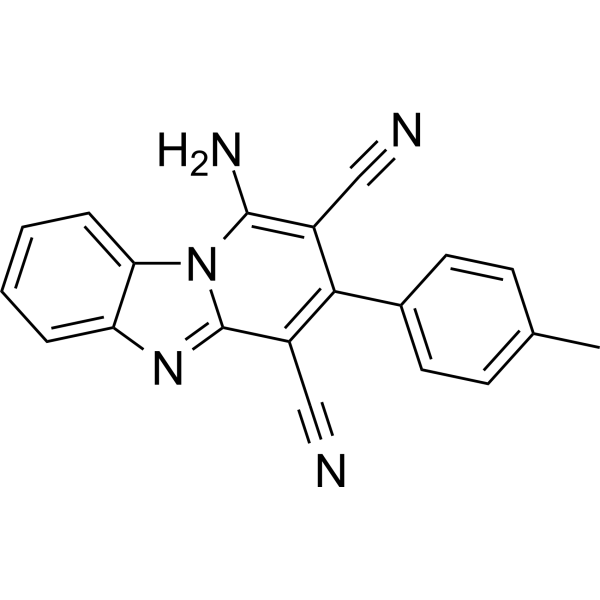
    iFSP1
    Maximum Cited Publications
    29 Publications Verification

    Ferroptosis Ligands for Target Protein for PROTAC Cancer
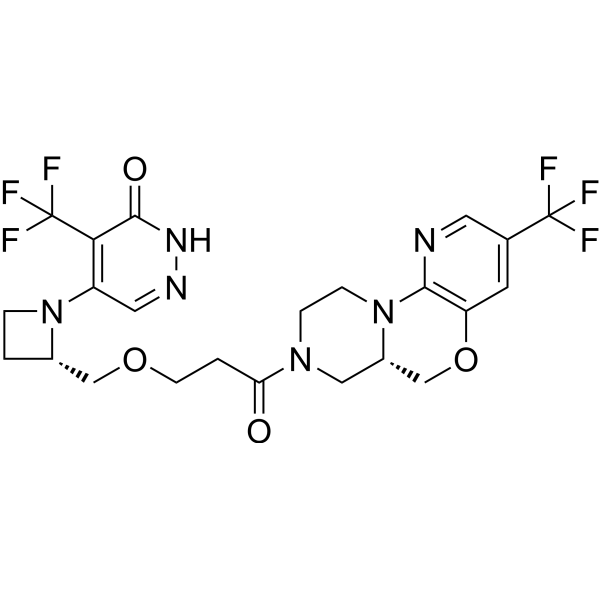
    iFSP1 is a potent, selective and glutathione-independent inhibitor of ferroptosis suppressor protein 1 (FSP1) (AIFM2) with an EC50 of 103 nM. iFSP1 selectively induces ferroptosis in GPX4-knockout cells which overexpressed FSP1. iFSP1 is able to sensitize a variety of human cancer cell lines to the ferroptosis inducer, such as (1S,3R)-RSL3 (HY-100218A) .
    iFSP1
  • HY-139156
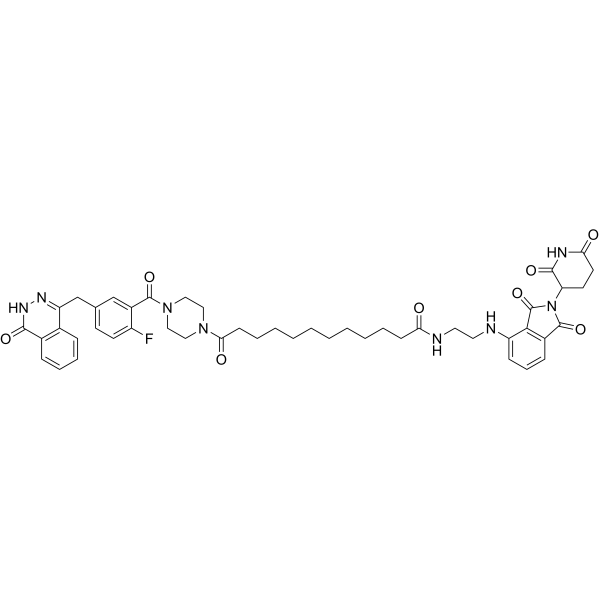
    SK-575
    5 Publications Verification

    PROTACs PARP Cancer
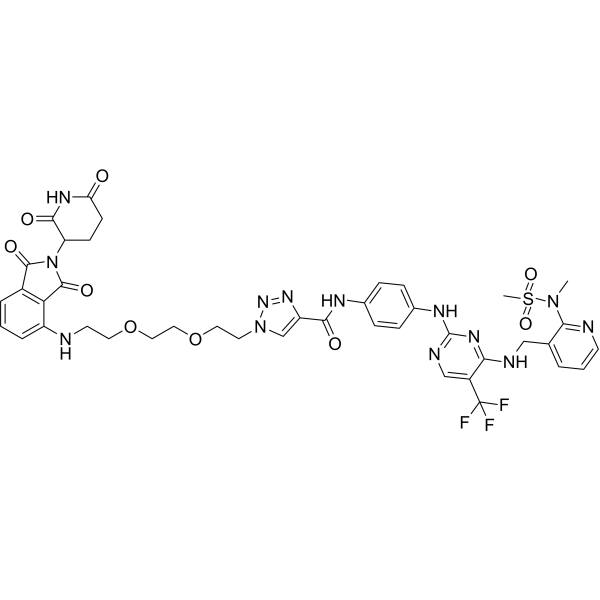
    SK-575 is a highly potent and specific proteolysis-targeting chimera (PROTAC) degrader of PARP1, with an IC50 of 2.30 nM. SK-575 potently inhibits the growth of cancer cells bearing BRCA1/2 mutations .
    SK-575
  • HY-174143

    Apoptosis Cancer
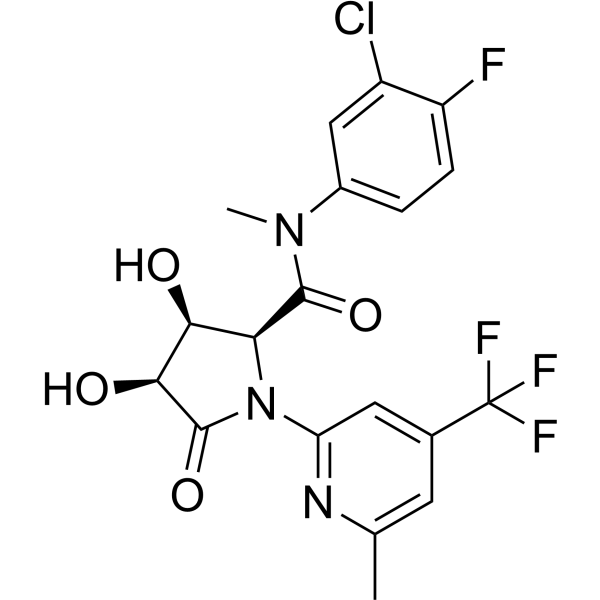
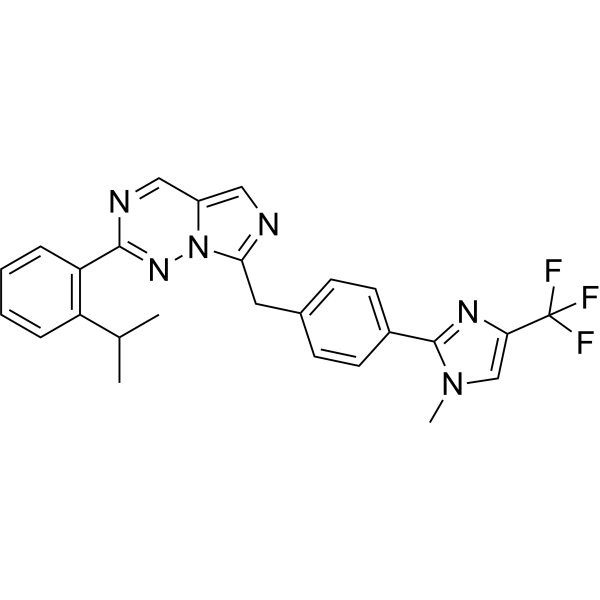
    EXO1-IN-1 is a human exonuclease 1 (EXO1) inhibitor (IC50 = 15.7 μM). EXO1-IN-1 inhibits DNA end resection, promotes the accumulation of DNA double-strand breaks, and triggers S-phase polyamylation. EXO1-IN-1 induces apoptosis (Apoptosis) in BRCA1-deficient breast cancer cells. EXO1-IN-1 suppresses the growth of BRCA1-deficient breast cancer xenografts. EXO1-IN-1 can be used in research related to BRCA1-deficient breast cancer .
    EXO1-IN-1
  • HY-139289
    ART812
    3 Publications Verification

    DNA/RNA Synthesis Cancer
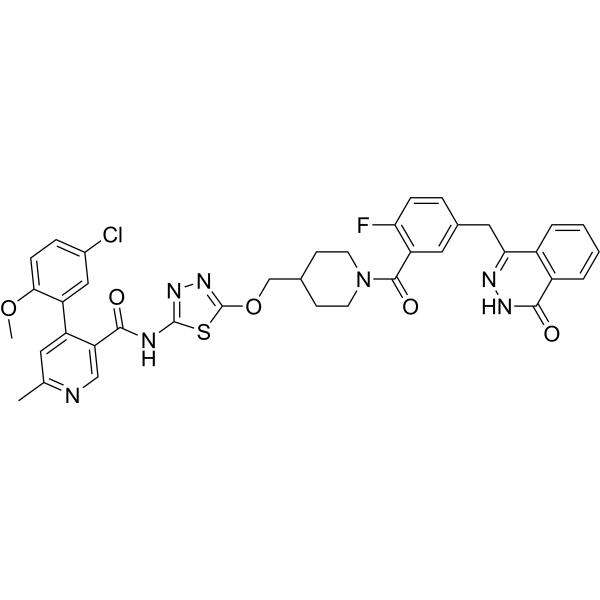
    ART812 is an orally active DNA polymerase Polθ inhibitor with an IC50 value of 7.6 nM. ART812 has an IC50 value of 240 nM for cell based microhomology-mediated end joining (MMEJ) .
    ART812
  • HY-168162

    PROTACs CDK Cancer
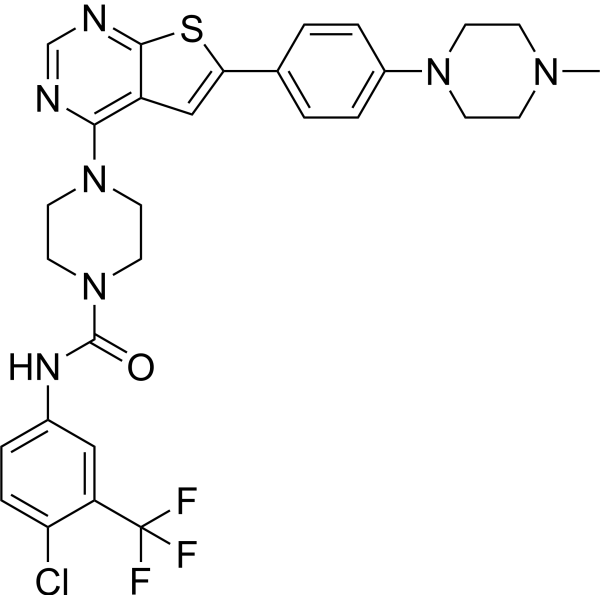
    ZLC491 is an orally active PROTAC degrader that selectively targets CDK12/CDK13 and exhibits certain oral bioavailability. ZLC491 induces cereblon- and proteasome-dependent selective degradation of CDK12 and CDK13. ZLC491 inhibits the transcription and expression of long genes, and mainly acts on a subset of DNA damage response genes. ZLC491 inhibits the proliferation of various triple-negative breast cancer cells. ZLC491 can be used in research related to triple-negative breast cancer .
    ZLC491
  • HY-132305
    VEGFR-3-IN-1
    2 Publications Verification

    VEGFR Cancer
    VEGFR-3-IN-1 is a potent and selective VEGFR3 inhibitor with an IC50 of 110.4 nM. VEGFR-3-IN-1 significantly inhibits proliferation and migration of VEGF-C-induced human dermal lymphatic endothelial cells (HDLEC), MDA-MB-231, and MDA-MB-436 cells by inactivating the VEGFR3 signaling pathway, and also effectively inhibits breast cancer growth .
    VEGFR-3-IN-1
  • HY-P99345

    TSR-042; ANB-011; WBP-285

    PD-1/PD-L1 Cancer
    Dostarlimab (TSR-042) is a humanized anti-PD-1 monoclonal antibody. Dostarlimab binds with high affinity to human PD-1 and competitively inhibits its interaction with its ligands, PD-L1 and PD-L2, with IC50s of 1.8 and 1.5 nM, respectively .
    Dostarlimab
  • HY-158684

    PROTACs MDM-2/p53 Apoptosis Cancer
    YX-02-030 is a VHL-dependent MDM2 PROTAC degrader with a Kd of 35 nM. YX-02-030 recruits the VHL E3 ligase to form a ternary complex, leading to ubiquitination and proteasome-mediated degradation of MDM2. YX-02-030 inhibits MDM2-p53 and VHL-HIF1α binding with IC50 values of 63 and 1350 nM. YX-02-030 activates TAp73, upregulates p53 family target genes and induces apoptosis. YX-02-030 demonstrates on-target efficacy in TNBC xenograft-bearing mice, extending survival without normal cell toxicity .
    YX-02-030
  • HY-155351

    PARP Cytochrome P450 Cancer
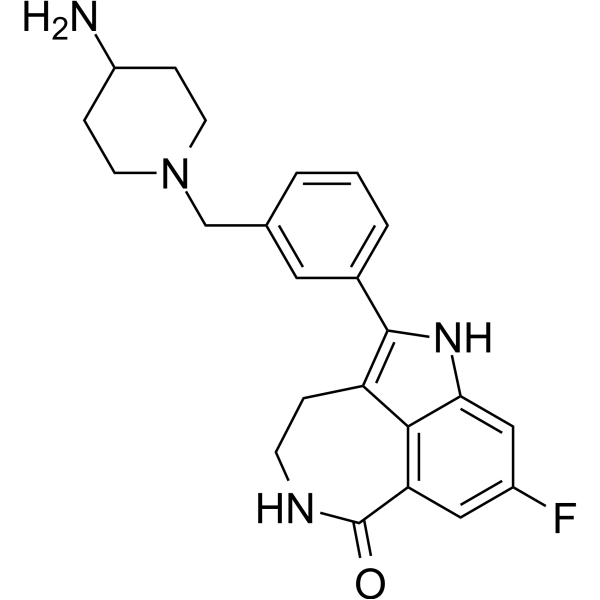
    PARP7-IN-15 is an orally active and selective PARP7 inhibitor with an IC50 of 0.56 nM. PARP7-IN-15 inhibits the enzymatic activity of PARP7 and induces anti-tumor activity against lung cancer in vivo. PARP7-IN-15 can be used for the research of lung cancer .
    PARP7-IN-15
  • HY-139344

    FAK PROTACs Cancer
    FC-11 is a PROTAC FAK degrader (DC90: 1 nM) . FC-11 contains CRBN ligand Pomalidomide (HY-10984), linker and FAK ligand PF562271 (HY-10459) .
    FC-11
  • HY-161302

    Apoptosis DNA/RNA Synthesis PARP Cancer
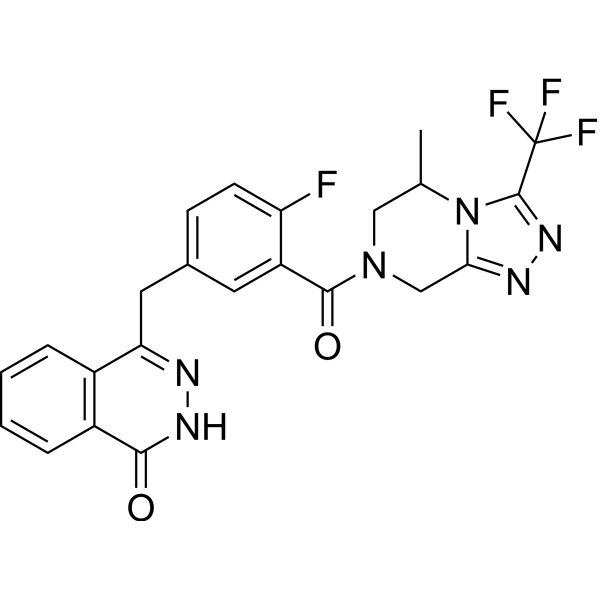
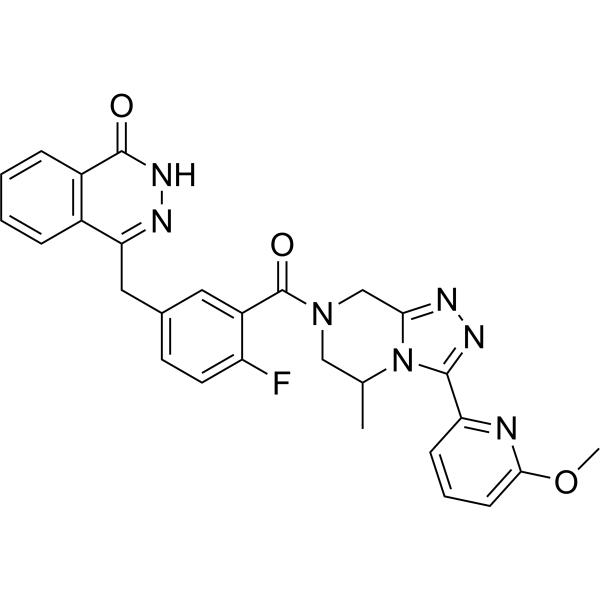
    Polθ/PARP-IN-1 (compound 25d) is a potent dual DNA polymerase theta (Polθ) and PARP inhibitor with IC50 values of 45.6, 5.4 nM, respectively. Polθ/PARP-IN-1 shows antiproliferative activity. Polθ/PARP-IN-1 induces apoptosis and cell cycle arrest at G2/M phase, causes DNA damage. Polθ/PARP-IN-1 shows anti-tumor activity .
    Polθ/PARP-IN-1
  • HY-152177
    JS6
    1 Publications Verification

    NF-κB Cancer
    JS6 is a Bcl3 inhibitor, and inhibits Bcl3-NF-kB1 binding. JS6 inhibits tumor cell growth in vitro and in vivo .
    JS6
  • HY-153731

    Deubiquitinase Cancer
    USP1-IN-4 (compound 10) is an effective USP1 inhibitor with an IC50 value of 2.44 nM. USP1-IN-4 has anticancer activity and synergistic activity with various anticancer drugs .
    USP1-IN-4
  • HY-115552

    PARP Cancer
    Simmiparib is a highly potent and orally active PARP1 and PARP2 inhibitor with IC50 values of 1.75 nM and 0.22 nM, respectively. Simmiparib has more potent PARP1/2 inhibition than its parent Olaparib (HY-10162). Simmiparib induces DNA double-strand breaks (DSB) accumulation and G2/M arrest in homologous recombination repair (HR)-deficient cells, thereby inducing apoptosis. Simmiparib exhibits remarkable anticancer activities in cells and nude mice bearing xenografts .
    Simmiparib
  • HY-176495

    DNA Alkylator/Crosslinker DNA/RNA Synthesis Cancer
    SG3683 is a DNA-targeted cytotoxic agent belonging to pyrrolobenzodiazepine (PBD) dimers. SG3683 exerts antitumor activity with an IC50 value of 0.74 nM in MDA-MB-436 cells. SG3683 is promising for research of cancers, such as breast cancer .
    SG3683
  • HY-D1726

    Deubiquitinase Cancer
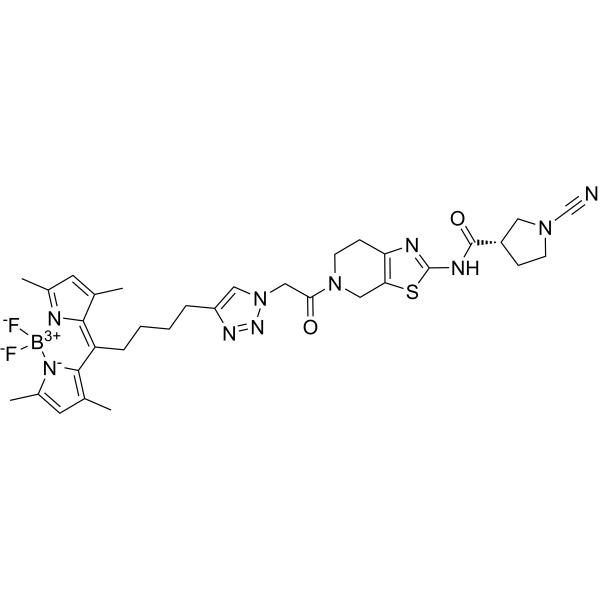
    8RK59, a Bodipy probe, is a potent UCHL1 (ubiquitin C-terminal hydrolase L1) inhibitor, with an IC50 close to 1 μM. 8RK59 could penetrate and label living cells. BodipyFL-alkyne is coupled to the azide of 8RK64 (HY-148254) using copper(I)-mediated click chemistry, resulting in compound 8RK59 .
    8RK59
  • HY-161878

    Deubiquitinase Cancer
    USP1-IN-10 (compound 2) is a potent tricyclic USP1 inhibitor with an IC50 of 7.6 nM. USP1-IN-10 inhibits MDA-MB-436 viability (IC50=21.58 nM). USP1-IN-10 has the potential for cancers research .
    USP1-IN-10
  • HY-144642

    PARP Cancer
    PARP-1-IN-1 is a high selective and orally active PARP-1 inhibitor (IC50=0.96 nM). PARP-1-IN-1 has well tolerance and remarkable single dose activity in the MDA-MB-436 xenotransplantation model .
    PARP-1-IN-1
  • HY-164306

    PROTACs PARP Cancer
    PROTAC PARP1 degrader-2 (Compound 72) is a PROTAC degrader for PARP with a DC50<10 nM in MDA-MB-231 cell. PROTAC PARP1 degrader-2 inhibits the cell viability of MDA-MB-436 with an IC50 <100 nM. (Blue: ligand for target protein (HY-160937); Pink: ligand for E3 ligase (HY-W998262))
    PROTAC PARP1 degrader-2
  • HY-155766

    PARP Apoptosis Cancer
    PARP1-IN-14 (compound 19k) is a potent PARP1 inhibitor, with an IC50 of 0.6 ± 0.1 nM. PARP1-IN-14 exhibits antiproliferative effect against both MDA-MB-436 (BRCA1 −/−) and Capan-1 (BRCA2 −/−) cells with IC50 values below 0.3 nM .
    PARP1-IN-14
  • HY-161868

    PARP HDAC Apoptosis Cancer
    DLC-50 is a dual inhibitor for PARP-1 and HDAC-1 with IC50 of 1.2 nM and 31 nM. DLC-50 inhibits the proliferation of cancer cells MDA-MB-436, MDA-MB-231, and MCF-7 with IC50 of 0.3, 2.7 and 2.41 μM. DLC-50 induces apoptosis in MDA-MB-231, arrests the cell cycle at G2 phase .
    DLC-50
  • HY-156525

    Deubiquitinase Cancer
    USP1-IN-6 (compound 11) is a USP1 inhibitor (IC50<50 nM). USP1-IN-5 also inhibits MDA-MB-436 cells with IC50 <50 nM .
    USP1-IN-6
  • HY-156524

    Deubiquitinase Cancer
    USP1-IN-5 (compound 10) is a USP1 inhibitor (IC50<50 nM). USP1-IN-5 also inhibits MDA-MB-436 cells with IC50 <50 nM .
    USP1-IN-5
  • HY-147101

    PARP Cancer
    SK-575-NEG (compound 28), a methylation counterpart of SK-575, is synthesized by methylation of the amino group of piperidine-2,6-dione in SK-575 as an control compound. SK-575-NEG is strongly bound to PARP1, with an IC50 of 2.64 nM. SK-575-NEG was completely ineffective in inducing PARP1 degradation in MDA-MB-436 and Capan-1 cells at concentrations up to 1 μM .
    SK-575-NEG
  • HY-161446

    Deubiquitinase Cancer
    USP1-IN-7 (Compound 3) is an inhibitor for ubiquitin specific peptidase 1 (USP1) and its cofactor UAF1, with IC50 ≤50 nM. USP1-IN-7 inhibits proliferation of MDA-MB-436 with IC50 ≤50 nM .
    USP1-IN-7
  • HY-161447

    Deubiquitinase Cancer
    USP1-IN-8 (Compound 16) is an inhibitor for ubiquitin specific peptidase 1 (USP1) and its cofactor UAF1, with IC50 ≤50 nM. USP1-IN-8 inhibits proliferation of MDA-MB-436 with IC50 ≤50 nM .
    USP1-IN-8
  • HY-161517

    PARP Cancer
    PARP1-IN-20 (compound 19A10) is a potent inhibitor of PARP1, with the IC50 of 4.62 nM and has similar low PARP-Trapping effect compared with Veliparib (HY-10129), IC50 (MDA-MB-436) >100 μM .
    PARP1-IN-20
  • HY-162633

    Deubiquitinase Cancer
    USP1-IN-9 (Compound 1m) is reversible and noncompetitive ubiquitin-specific proteases (USP1) inhibitors with an IC50 of 8.8 nM, which is designed and synthesized to pyrido[2,3-d]pyrimidin-7(8H)-one derivative based on the disclosed structure of ML323(HY-17543) and KSQ-4279(HY-145471). USP1-IN-9 displays excellent USP1/UAF inhibition and exhibits strong antiproliferation effect in breast cancer cells. USP1-IN-9 can generate enhanced cell killing with PARP inhibitor olaparib(HY-10162) in olaparib-resistant MDA-MB-436/OP cells, which is promising for research in the field of cancer .
    USP1-IN-9
  • HY-174442

    PARP Cancer
    PARP1-IN-40 is a highly selectively and orally active PARP1 inhibitor (IC50: 0.19 nM for PARP1, 26 nM for PARP2). PARP1-IN-40 kills tumor cells by inhibiting PARP1, leading to accumulation of DNA damage. PARP1-IN-40 has high antitumor activity against BRCA mutant MDA-MB-436 cells. PARP1-IN-40 can be used in combination with chemotherapy for cancer-related research .
    PARP1-IN-40
  • HY-149001

    PARP Cancer
    PARP1-IN-9 (Compound 5c) is a PARP1 inhibitor with an IC50 of 30.51 nM. PARP1-IN-9 induces cell apoptosis and shows anticancer activity. PARP1-IN-9 has higher potency than Olaparib (HY-10162) .
    PARP1-IN-9
  • HY-170921

    Deubiquitinase Cancer
    USP1-IN-11 (compound 38-P2) is a selective, reversible, and noncompetitive USP1 (Ubiquitin-specific protease 1) inhibitor. USP1-IN-11 activates the DDR (DNA damage repair) pathway, induces cell cycle arrest and cell Apoptosis, and inhibits cell survival. USP1-IN-11 enhances the sensitivity of Olaparib (HY-10162)-resistant cells to Olaparib (HY-10162) and shows a synergetic effect with Andrographolide (HY-N0191) in BRCA-proficient cancer cells. USP1-IN-11 displays significant, dose-dependent antitumor efficacy in the MDA-MB-436 xenograft model .
    USP1-IN-11
  • HY-146616

    Glutaminase Cancer
    GLS1 Inhibitor-3 (compound C147) is a potent GLS1 inhibitor with an IC50 of 27.98 nM. GLS1 Inhibitor-3 shows antiproliferative activity .
    GLS1 Inhibitor-3
  • HY-123024

    BL-S-640; SK&F 60771

    Apoptosis Bacterial Antibiotic Infection Cancer
    Cefatrizine (BL-S-640) is an orally active and broad-spectrum cephalosporin antibiotic. Cefatrizine is also a eEF2K inhibitor, with anti-proliferative activity in human breast cancer cells, which could induce ER stress, leading to cell death. Cefatrizine can be used in studies of cancer and bacterial infection .
    Cefatrizine
  • HY-179012

    APC CDK Raf Akt HSP Cancer
    CDC20/HSP90-IN-1 (Compound 2b) is a Cdc20/Hsp90 inhibitor with a Kd of 16.2 μM for Cdc20 and a Kd of 0.241 μM for Hsp90α. CDC20/HSP90-IN-1 exerts potent antitumor activity through reducing p53-mediated Cdc20, upregulating Bim, downregulating Cyclin B1 expression, and disturbing B-Raf and AKT pathways via destroying Hsp90 chaperone function. CDC20/HSP90-IN-1 overcomes Vemurafenib (HY-12057)-induced resistant melanoma .
    CDC20/HSP90-IN-1
  • HY-179413

    DNA/RNA Synthesis Cancer
    Polθ-IN-9 is an orally active Polθ polymerase inhibitor (IC50 = 9.6 nM, Kd = 47.5 nM). Polθ-IN-9 shows remarkable selectivity with no inhibitory activity against other human DNA polymerases, including Pol α, Pol ε, Pol γ, Pol λ, and Pol μ. Polθ-IN-9 exhibits strong antiproliferative activity in DLD1 BRCA2 KO cells (IC50 = 2.9 μM), and high sensitivity to MDA-MB-436 cells (IC50 = 4.9 μM). Polθ-IN-9 increases DNA damage accumulation, induces γH2AX levels, and inhibits tumor growth in combination with Olaparib (HY-10162), in the MDA-MB-436 xenograft model. Polθ-IN-9 can be used for the research of homologous recombination (HR)-deficient cancers such as breast cancer .
    Polθ-IN-9
  • HY-125958

    Glutaminase Cancer
    AA9 is a potent Transglutaminase 2 (TG2) inhibitor. AA9 strongly impacts HIF-mediated hypoxia in MDA-MB-231 cells .
    AA9
  • HY-158680

    PARP Cancer
    PARP1-IN-21 (example 16) is a potent inhibitor of PARP1, with the IC50 of < 10 nM .
    PARP1-IN-21
  • HY-150765

    PARP Apoptosis Cancer
    PARP1-IN-12 is a potent PARP1 inhibitor with an IC50 of 2.99 nM. PARP1-IN-12 exhibits antiproliferative activity, can induce cell apoptosis and cause cycle arrest at G2/M phase. PARP1-IN-12 also can induce DNA double strand breaks (DSBs) in BRCA-deficient cells .
    PARP1-IN-12
  • HY-155246

    Apoptosis PARP Cancer
    PARP1-IN-15 (Compound 6) is a PARP1 inhibitor. PARP1-IN-15 inhibits tankyrase (TNKS) and facilitates DNA double-strand breaks damage. PARP1-IN-15 induces tumor cell apoptosis. PARP1-IN-15 has anti-cancer activity in triple-negative breast cancer (TNBC) cells and TNBC patient-derived organoids. PARP1-IN-15 can be used for research of TNBC with or without BRCA1 mutations .
    PARP1-IN-15
  • HY-183363

    Deubiquitinase Cancer
    USP1-IN-17 is an orally active USP1/UAF1 complex inhibitor. USP1-IN-17 exhibits potent anti-proliferative activity against BRCA1-mutant human breast cancer MDA-MB-436 cells, with an IC50 value of 8.1 nM. USP1-IN-17 binds to USP1 to stabilize the enzyme conformation, impairs deubiquitination function, elevates the monoubiquitination level of PCNA, inhibits cancer cell proliferation, and induces DNA damage accumulation. USP1-IN-17 can be used for the research of BRCA1-mutated cancers .
    USP1-IN-17
  • HY-169170

    Apoptosis DNA/RNA Synthesis Epigenetic Reader Domain PARP Cancer
    PARP1/BRD4-IN-3 (compound HF4) is a potent BRD4 and PARP1 inhibitor with IC50 values of 1210, 2019 nM for BRD4, PARP1, respectively. PARP1/BRD4-IN-3 shows antiproliferative activities. PARP1/BRD4-IN-3 induces apoptosis and cell cycle arrest at G0/G1 phase. PARP1/BRD4-IN-3 causes DNA damage and reduces the protein expression of Rad51. PARP1/BRD4-IN-3 shows antitumor efficacy .
    PARP1/BRD4-IN-3
  • HY-168851

    PARP Cancer
    PARP1-IN-35 (compound T26) is a selective, orally active, cross -the blood-brain barrierPARP1 inhibitor with IC50 values of 0.2, 122 nM for PARP1, PARP2, respectively. PARP1-IN-35 shows antiproliferative activity and anticancer activity. PARP1-IN-35 has the potential for the research of breast cancer .
    PARP1-IN-35
  • HY-149003

    PARP Apoptosis Cancer
    PARP1-IN-10 (compound 12c) is a no-cytotoxicity and potent PARP1 inhibitor with an IC50 value of 50.62 nM in vitro. PARP1-IN-10 causes cell cycle arrest at G2/M phase and apoptosis, and enhances the cytotoxicity of temozolomide (TMZ) .
    PARP1-IN-10
  • HY-181664

    PARP Apoptosis Caspase Cancer
    YCH3971 is a PARP1 inhibitor with a PARP1 IC50 of 7.52 nM and a PARP1 EC50 of 67.75 nM. YCH3971 inhibits the proliferation of BRCA-deficient tumor cells. YCH3971 induces DNA damage, G2/M phase arrest, and caspase-mediated Apoptosis in triple-negative breast cancer cells. YCH3971 can be used for the research of BRCA-deficient tumors .
    YCH3971
  • HY-183013

    PROTACs PARP Apoptosis Cancer
    PROTAC PARP2 degrader-1 is an orally active PARP2 PROTAC degrader with a DC50 of 2 μM. PROTAC PARP2 degrader-1 potently inhibits the enzymatic activities of PARP1 (IC50 = 2.74 nM) and PARP2 (IC50 = 0.32 nM), with approximately 10-fold higher selectivity for PARP2. PROTAC PARP2 degrader-1 induces cell cycle arrest and apoptosis, and exhibits significant anti-tumor efficacy in mouse models. PROTAC PARP2 degrader-1 can be used for the research of triple-negative breast cancer .
    PROTAC PARP2 degrader-1
  • HY-183581

    Deubiquitinase DNA/RNA Synthesis Cancer
    USP1-IN-18 is an orally active USP1 inhibitor with a human IC50 of 17.0 nM. USP1-IN-18 inhibits USP1-UAF1 deubiquitinase activity and drives ubiquitinated PCNA accumulation. USP1-IN-18 induces DNA damage, replication stress, and G2-M phase cell cycle arrest. USP1-IN-18 can be used for the research of triple-negative breast cancer .
    USP1-IN-18
  • HY-183748

    DNA/RNA Synthesis PD-1/PD-L1 IKK STAT STING Cancer
    XL-20 is an orally active DNA polymerase θ (Polθ) ATPase inhibitor with an IC50 of 4.3 nM against human targets. XL-20 activates the cGAS-STING pathway. XL-20 upregulates the expression of PD-L1 in HR-deficient cancer cells. XL-20 acts synergistically with PARP inhibition in HR-deficient cancer cells and in vivo xenograft models. XL-20 can be used in studies related to HR-deficient cancers .
    XL-20
  • HY-181611

    DNA/RNA Synthesis Apoptosis Cytochrome P450 Cancer
    Polθ-IN-10 is an orally active Polθ-pol inhibitor (with a human IC50 of 1.3 nM) that exhibits oral bioavailability in mice and rats. Polθ-IN-10 binds to the allosteric site of Polθ-pol, disrupts the microhomology-mediated end-joining DNA repair pathway, and inhibits CYP2C9 (IC50=1.63 μM). Polθ-IN-10 selectively inhibits the proliferation of HR-deficient cancer cells and induces apoptosis. Polθ-IN-10 is applicable to the research of HR-deficient cancers .
    Polθ-IN-10
  • HY-171171

    DNA/RNA Synthesis Cancer
    NERx 329 is a replication protein A (RPA) inhibitor with an IC50 of 4.9 μM. NERx 329 blocks the interaction between RPA and single-stranded DNA, and induces functional RPA depletion, loss of single-stranded DNA gap protection, chromosome fragmentation and cell death. NERx 329 inhibits the DNA damage response signaling pathway, exhibits broad single-agent anticancer activity, and enhances the activity of DNA-damaging agents. NERx 329 can be used in research related to brca1-deficient breast cancer, non-small cell lung cancer, and brca1-deficient ovarian cancer .
    NERx 329

Inquiry Online

Your information is safe with us. * Required Fields.

Salutation


Country or Region *

Applicant Name *


Organization Name *

Department *


Email Address *


Product Name *

Cat. No.


Requested quantity *

Phone Number *


Remarks

Inquiry Online

Inquiry Information

Product Name:
Cat. No.:
Quantity:
MCE Japan Authorized Agent:

