


1. Search Result
Search Result
Isoforms Recommended: MHC I
Results for "

MHC I

" in MedChemExpress (MCE) Product Catalog:

74

Inhibitors & Agonists

39

Peptides

24

Inhibitory Antibodies

47

Recombinant Proteins

1

Isotope-Labeled Compounds

14

Antibodies

Targets Recommended:
Cat. No. Product Name Target Research Areas Chemical Structure
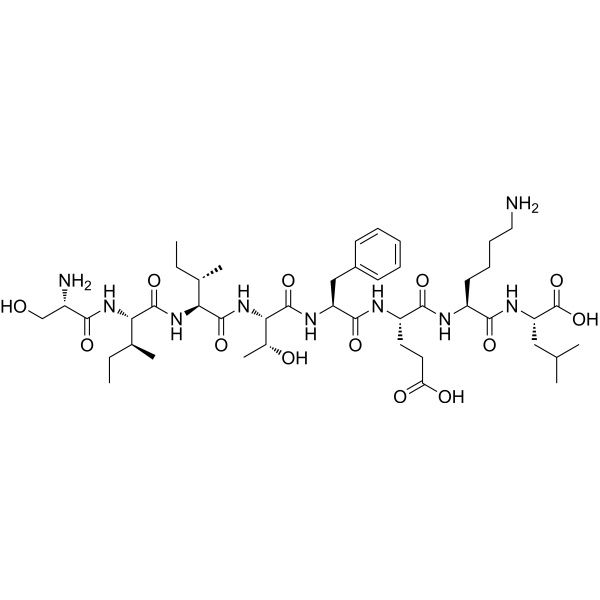
  • HY-P1489
    OVA Peptide(257-264)
    Maximum Cited Publications
    15 Publications Verification

    MHC Inflammation/Immunology
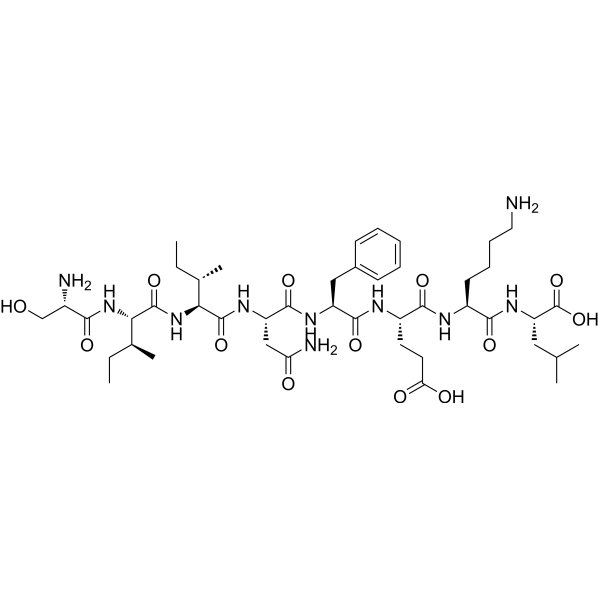
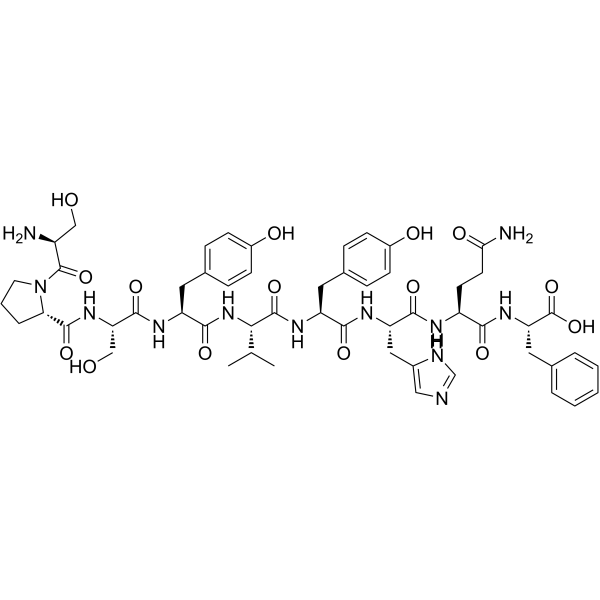
    OVA Peptide(257-264) is a class I (Kb)-restricted peptide epitope of OVA, an octameric peptide can be from ovalbumin presented by the class I MHC molecule, H-2Kb.
    OVA Peptide(257-264)
  • HY-P1489A
    OVA Peptide(257-264) TFA
    Maximum Cited Publications
    15 Publications Verification

    MHC Inflammation/Immunology
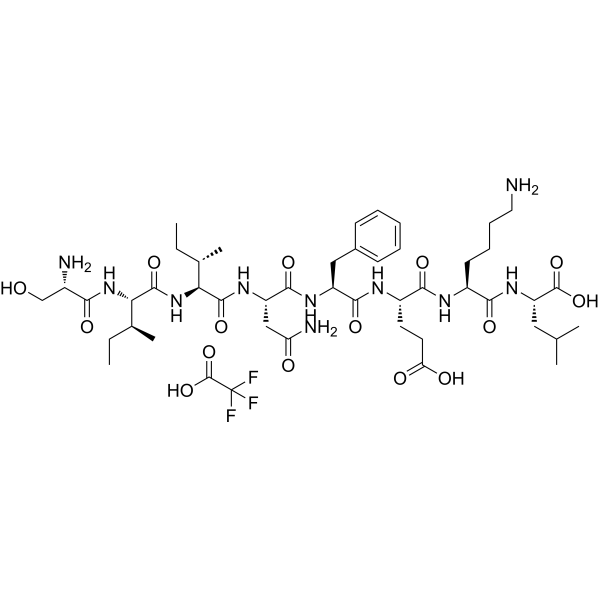
    OVA Peptide(257-264) TFA is a class I (Kb)-restricted peptide epitope of OVA, an octameric peptide can be from ovalbumin presented by the class I MHC molecule, H-2Kb.
    OVA Peptide(257-264) TFA
  • HY-158301
    MY-1B
    1 Publications Verification

    DNA Methyltransferase RNA MTase Others
    MY-1B is a covalent inhibitor of the RNA Methyltransferase NSUN2 (IC50: 1.3 μM). MY-1B stereoselectively ligands active-site cysteine residues (C271) of NSUN2. MY-1B can stereoselectively and covalently bind to PSME1, disrupting the proteasome regulatory complex and downregulating the presentation of specific MHC-I subtypes .
    MY-1B
  • HY-126855
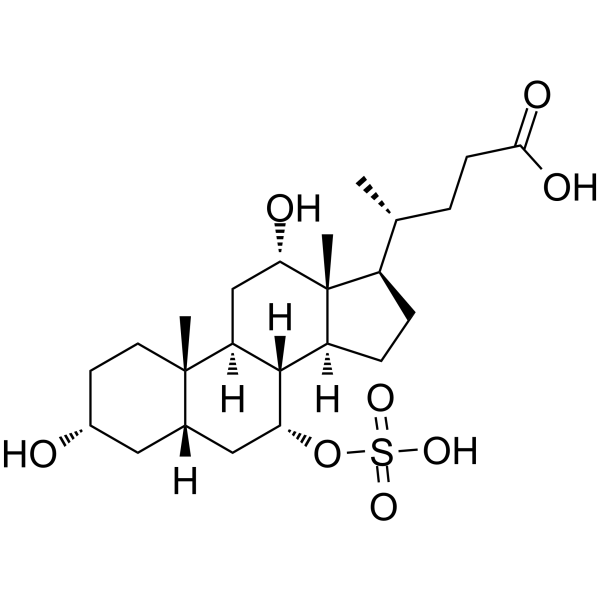
    Cholic acid 7-sulfate
    1 Publications Verification

    7-Sulfocholic acid

    G protein-coupled Bile Acid Receptor 1 MHC Metabolic Disease
    Cholic acid 7-sulfate (7-Sulfocholic acid) is a selective agonist targeting TGR5 (EC50=0.17 μM) and a ligand for MHC class I-related protein (MR1). As a gut-restricted TGR5 agonist, cholic acid 7-sulfate binds to TGR5 on enteroendocrine L cells, induces GLP-1 secretion, and improves glucose tolerance in a TGR5-dependent manner. Cholic acid 7-sulfate also acts as an endogenous ligand for MR1, promoting the survival of mucosal-associated invariant T cells MAIT and the expression of homeostatic gene signatures, affecting MAIT cell development and function. Cholic acid 7-sulfate is mainly used in the research of diabetes and MAIT cell-related immune regulation .
    Cholic acid 7-sulfate
  • HY-123606
    GSK484
    Maximum Cited Publications
    49 Publications Verification

    Protein Arginine Deiminase MHC Cardiovascular Disease Inflammation/Immunology
    GSK484 is a PAD4 inhibitor that effectively inhibits protein citrullination and the formation of neutrophil extracellular traps (NETs) by blocking the catalytic activity of PAD4. GSK484 suppresses the production of histone H3, MHC-I expression, CD8 + T cell activation, proliferation and inflammatory cytokine release. GSK484 reduces inflammation and bone destruction in collagen-induced rheumatoid arthritis, alleviates pain and mast cell activation in sickle cell disease, and improves myocardial ischemia-reperfusion injury and experimental colitis. In addition, GSK484 restores intestinal microbial homeostasis by reversing ferroptosis-induced dysbiosis. GSK484 can be used to study the disease mechanisms of rheumatoid arthritis, sickle cell disease, thrombosis, myocardial injury, colitis and other conditions .
    GSK484
  • HY-P990195

    MHC Others
    Anti-Mouse MHC Class I (H-2) Antibody (M1/42.3.9.8) is a rat-derived IgG2a κ type antibody inhibitor, targeting to mouse MHC Class I. Anti-Mouse MHC Class I (H-2) Antibody (M1/42.3.9.8) reacts with the mouse H-2 MHC class I alloantigen (all haplotypes). Anti-Mouse MHC Class I (H-2) Antibody (M1/42.3.9.8) can be used for the flow cytometry and immunofluorescence experiments .
    Anti-Mouse MHC Class I (H-2) Antibody (M1/42.3.9.8)
  • HY-P1569
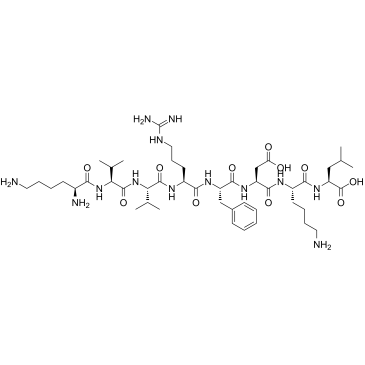
    LCMV gp33-41
    3 Publications Verification

    LCMV GP(33-41) M-peptide; gp33 epitope

    Arenavirus Infection Inflammation/Immunology
    LCMV gp33-41, the carboxyl-extended 9-aa-long peptide, is an lymphocytic choriomeningitis virus sequence restricted by MHC class I H-2Db molecules and presented to cytotoxic T lymphocytes .
    LCMV gp33-41
  • HY-152830

    Q702

    c-Fms TAM Receptor MHC Cancer
    Adrixetinib (Q702) is an orally active triple inhibitor against CSF1R, Mer, and Axl, with Kd values of 8.7 nM, 0.8 nM, and 0.3 nM, respectively. Adrixetinib acts as a potent immune modulator that remodels the tumor microenvironment. Adrixetinib increases the abundance of M1 macrophages and CD8⁺ T cells, while decreasing the levels of M2 macrophages and myeloid-derived suppressor cells (MDSCs). Adrixetinib upregulates the expression of MHC class I and E-cadherin in tumor cells. Adrixetinib shows remarkable antitumor efficacy in syngeneic mouse tumor models. Adrixetinib is suitable for the research of breast cancer, renal adenocarcinoma, colon carcinoma, and melanoma .
    Adrixetinib
  • HY-P3715
    OVA peptide
    2 Publications Verification

    MHC Inflammation/Immunology
    OVA peptide mainly exists in egg white, it is a class I (Kb)-restricted peptide epitope of ovalbumin presented by the class I MHC (major histocompatibility complex) molecule, H-2Kb (class I genes of the mouse MHC). OVA peptide has been widely studied in allergy research .
    OVA peptide
  • HY-P4193

    MHC Inflammation/Immunology Cancer
    AH1 is an immunodominant MHC class I-restricted nonamer peptide recognized by CD8 + cytotoxic T lymphocytes. AH1 derives from the envelope protein (gp70) of an endogenous ecotropic murine leukemia virus and is presented by the MHC class I L d molecule. AH1 can be used for the research of colorectal carcinoma .
    AH1
  • HY-P6312

    MHC Inflammation/Immunology
    ESAT6 Epitope is a ESAT6 CD4 + T cell epitope. ESAT6 Epitope binds to MHC class I molecules with an IC50 value of approximately 180 nM. ESAT6 Epitope has weak immunogenicity. ESAT6 Epitope can be used in studies related to pulmonary tuberculosis .
    ESAT6 Epitope
  • HY-P99129
    Anti-Mouse CD8a Antibody (53-6.7)
    3 Publications Verification

    Transmembrane Glycoprotein Inflammation/Immunology
    Anti-Mouse CD8a Antibody (53-6.7) is an anti-mouse CD8a IgG2a antibody inhibitor derived from host Rat. Anti-Mouse CD8a Antibody (53-6.7) binds to CD8αβ stabilizes a conformation with a higher affinity for interaction with MHC class I. Anti-Mouse CD8a Antibody (53-6.7) induces the phosphorylation and activation of TCR proximal signaling pathway components Lck and ZAP70 in polyclonal memory T cells. Anti-Mouse CD8a Antibody (53-6.7) depletes CD8+ T cells and neutralizes cytokine in mice .
    Anti-Mouse CD8a Antibody (53-6.7)
  • HY-P11303

    CD74 MHC Neurological Disease Cancer
    PADRE peptide is a pan-HLA-DR binding epitope and immunostimulant. PADRE peptide binds to the peptide-binding groove of MHC class II molecules for presentation to CD4 + T cells, thereby effectively stimulating specific immune responses. PADRE peptide not only enhances anti-tumor immune responses, inhibits tumor growth and prolongs survival; it also significantly increases the frequency of E7-specific CD8 + T cells and improves therapeutic efficacy against TC-1 tumors when used in combination with E7 peptide-based vaccines and poly (I:C). The intensity of the immune response induced by PADRE peptide is lower than that of the Ii-PADRE DNA vaccine, and it fails to enhance the immune effect of CRT-E7 DNA. PADRE peptide is widely applicable to research on related tumors such as melanoma, glioblastoma and cervical cancer .
    PADRE peptide
  • HY-D1474

    Wnt Cancer
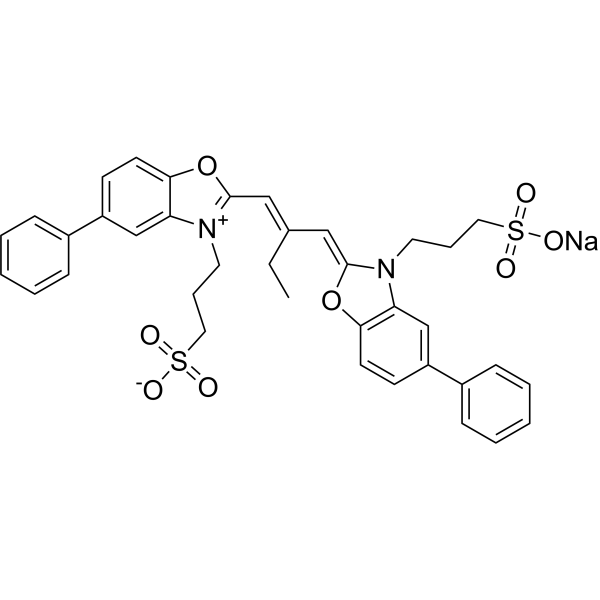
    WNT7A-IN-1 sodium (1365-0109), a WNT7A inhibitor, disrupts the protein-protein interaction between WNT7A and its receptor FZD5, resulting in the upregulation of MHC-I expression. WNT7A-IN-1 sodium significantly increases the expression of MHC-I and p-p65,while concurrently reducing the expression of active β-catenin . WNT7A-IN-1 sodium (compound F) is also a photographic sensitizer in the green spectral region .
    WNT7A-IN-1 sodium
  • HY-P5411

    SIITFEKL, OVA (257-264) Variant

    MHC Others
    OVA-T4 Peptide (SIITFEKL, OVA (257-264) Variant) is a low-affinity variant of OVA (257-264) (SIINFEKL). OVA-T4 Peptide has similar binding to H-2Kb MHC class I molecules as OVA (257-264), but has a much lower affinity for the OT-I TCR25 .
    OVA-T4 Peptide
  • HY-P990187

    MHC Influenza Virus Infection Inflammation/Immunology
    Anti-Mouse MHC Class II (I-A/I-E) Antibody (M5/114) is a rat-derived IgG2b type antibody inhibitor, targeting to mouse MHC Class II. Anti-Mouse MHC Class II (I-A/I-E) Antibody (M5/114) reacts with mouse MHC Class II haplotypes I-Ab, I-Ad, I-Aq, I-Ed, and I-Ek. Anti-Mouse MHC Class II (I-A/I-E) Antibody (M5/114) does not react with I-Af, I-Ak, or I-As haplotypes. Anti-Mouse MHC Class II (I-A/I-E) Antibody (M5/114) blocks MHC Class II and inhibit T cell generation. Anti-Mouse MHC Class II (I-A/I-E) Antibody (M5/114) can be used for the researches of infection and immunology, such as influenza A virus (IAV) infection .
    Anti-Mouse MHC Class II (I-A/I-E) Antibody (M5/114)
  • HY-P1585
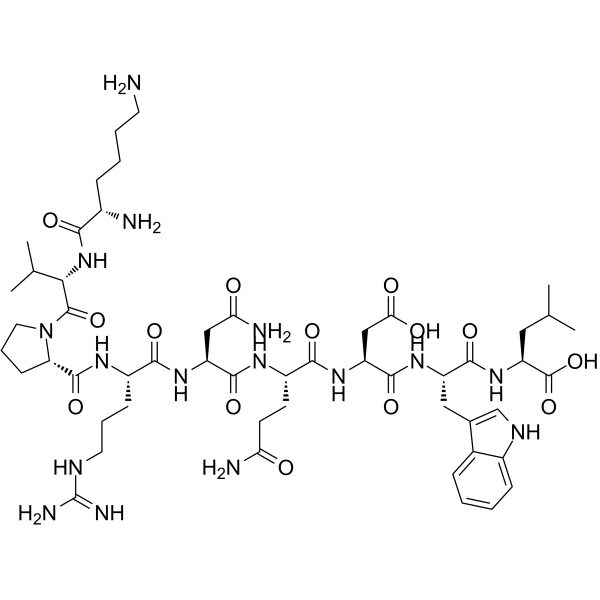
    Gp100 (25-33), human
    1 Publications Verification

    Hgp100 (25-33)

    MHC Cancer
    Gp100 (25-33), human (Hgp100 (25-33)) is the amino acids 25-33 fragment of the human melanoma antigen. Gp100 (25-33), human is a 9-amino acid (AA) epitope restricted by MHC class I H-2D b and recognized by the T cells. Gp100 (25-33), human has immunogenicity and induces specific T cells. Gp100 (25-33), human can be used for the cancer research, such as melanoma .
    Gp100 (25-33), human
  • HY-P11058

    OVAp

    MHC Cancer
    OVA(250-264) (OVAvac) (OVAp) is an antigen peptide that can be from ovalbumin (OVA) presented by the class I MHC molecule, H-2Kb. OVA(250-264) combined withαMSLN (anti-MSLN antibody) significantly induces antigen-specific CD8 + T cell generation and infiltration for enhancing antitumor efficacy in orthotopic pancreatic cancer mice model. OVA(250-264) can be used for neoantigen vaccine development in pancreatic cancer immunotherapy research .
    OVA(250-264)
  • HY-171860

    PROTACs HIV Infection Cancer
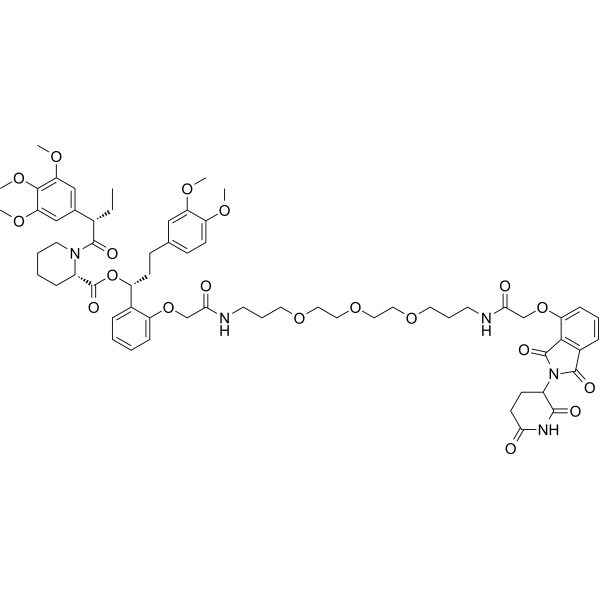
    FC-14369 is a PROTAC degrader targeting the HIV-1 Nef protein, with a DC50 value of 160 nM. Through its bifunctional structure, FC-14369 binds to Nef and the Cereblon E3 ubiquitin ligase, induces Nef ubiquitination and proteasomal degradation, restores the expression of cell-surface CD4 and MHC-I, and inhibits HIV-1 replication. FC-14369 can be used in research on HIV infection and AIDS. FC-14369 is applicable to studies related to HIV-1 infection .
    FC-14369
  • HY-P990832

    MHC Inflammation/Immunology
    Anti-MHC Class I Antibody (W6/32) is a kind of mouse IgG2a κ chimeric antibody inhibitor, targeting to human MHC Class I. Anti-MHC Class I Antibody (W6/32) reacts with the human major histocompatibility complex (MHC) class I, HLA-A, B, and C. Anti-MHC Class I Antibody (W6/32) increases adherence of monocytes to human endothelial cells. Anti-MHC Class I Antibody (W6/32) can be used for the research of immunology .
    Anti-MHC Class I Antibody (W6/32)
  • HY-P2455

    Listeriolysin O (91-99)

    Bacterial Infection Inflammation/Immunology
    LLO (91-99) (Listeriolysin O (91-99)) is an exotoxin and class I MHC-restricted T-cell epitope of listeriolysin (LLO). LLO (91-99) is processed by antigen-presenting cells, binds to MHC class I molecules and is presented to the cell surface. LLO (91-99) induces CTL responses and effectively eliminates Listeria from infected cells. LLO (91-99) can be used in the research of Listeria infections (e.g., listeriosis) .
    LLO (91-99)
  • HY-170411

    Wnt Cancer
    WNT7A-IN-1 (1365-0109), a WNT7A inhibitor, disrupts the protein-protein interaction between WNT7A and its receptor FZD5, resulting in the upregulation of MHC-I expression. WNT7A-IN-1 significantly increases the expression of MHC-I and p-p65,while concurrently reducing the expression of active β-catenin. WNT7A-IN-1 (compound F) is also a photographic sensitizer in the green spectral region .
    WNT7A-IN-1
  • HY-P990188

    MHC Inflammation/Immunology
    Anti-Mouse MHC class II (I-A) Antibody (Y-3P) is a mouse-derived IgG2a κ type antibody inhibitor, targeting to mouse MHC class II. Anti-Mouse MHC class II (I-A) Antibody (Y-3P) reacts with mouse MHC Class II haplotypes I-Ab, I-Af, I-Ap, I-Aq, I-Ar, I-As, I-Au, I-Av, and weakly with I-Ak. Anti-Mouse MHC class II (I-A) Antibody (Y-3P) blocks MHC class II and inhibits expansion of regulate T cells. Anti-Mouse MHC class II (I-A) Antibody (Y-3P) can be used for the immunology research .
    Anti-Mouse MHC class II (I-A) Antibody (Y-3P)
  • HY-P2527

    Tyrosinase Inflammation/Immunology
    Tyrosinase-related Protein 2 (TRP-2) (181-188) is a tyrosinase-related protein 2 (TRP-2)-derived peptide, corresponding to residues 180-188. Tyrosinase-related Protein 2 (TRP-2) (181-188) is the major reactive epitope within TRP-2 recognized by anti-B16 CTLs. Tyrosinase-related Protein 2 (TRP-2) (181-188) is a peptide conforming to the MHC class I H2-Kb binding motif .
    Tyrosinase-related Protein 2 (TRP-2) (181-188)
  • HY-P990193

    MHC Inflammation/Immunology
    Anti-Mouse MHC Class I (H-2Kd, H-2Dd) Antibody (34-1-2S) is an anti-mouse MHC Class I (H-2Kd, H-2Dd) IgG2a monoclonal antibody. Anti-Mouse MHC Class I (H-2Kd, H-2Dd) Antibody (34-1-2S) can block the interaction between Ly49 and MHC-I. Anti-Mouse MHC Class I (H-2Kd, H-2Dd) Antibody (34-1-2S) can be used for the construction of acute lung injury models .
    Anti-Mouse MHC Class I (H-2Kd, H-2Dd) Antibody (34-1-2S)
  • HY-P99135

    MHC Inflammation/Immunology
    Anti-Mouse MHC Class I (H-2Kb) Antibody (Y-3) is a mouse-derived IgG2b antibody inhibitor, targeting to mouse MHC Class I (H-2Kb). Anti-Mouse MHC Class I (H-2Kb) Antibody (Y-3) reacts with the mouse H-2Kb, H-2Kk, H-2Kq, H-2Kr, H-2ks MHC class I alloantigens and not H-2Kd. Anti-Mouse MHC Class I (H-2Kb) Antibody (Y-3) can block MHC Class I. Anti-Mouse MHC Class I (H-2Kb) Antibody (Y-3) can be used for immunology research .
    Anti-Mouse MHC Class I (H-2Kb) Antibody (Y-3)
  • HY-P5410

    MHC Others
    OVA-Q4 Peptide is a biological active peptide. (Q4 Peptide (SIIQFEKL) is a variant of the agonist ovalbumin (OVA) peptide (257-264), SIINFEKL. OVA Peptide is a class I (Kb)-restricted peptide epitope of ovalbumin presented by the class I MHC (major histocompatibility complex) molecule, H-2Kb (class I genes of the mouse MHC).)
    OVA-Q4 Peptide
  • HY-P1569A
    LCMV gp33-41 TFA
    3 Publications Verification

    LCMV GP(33-41) M-peptide TFA; gp33 epitope TFA

    Arenavirus Inflammation/Immunology
    LCMV gp33-41 (TFA), the carboxyl-extended 9-aa-long peptide, is an lymphocytic choriomeningitis virus sequence restricted by MHC class I H-2Db molecules and presented to cytotoxic T lymphocytes .
    LCMV gp33-41 TFA
  • HY-P1837

    Influenza Virus HSV Infection
    Influenza HA (518-526) is an H-2d-restricted CTL epitope derived from influenza virus hemagglutinin. Influenza HA (518-526) is highly conserved across various H5N1, some H9N2, and H1N1 strains. Influenza HA (518-526) binds to the mouse MHC class I allele K d to form a complex, which is then recognized by specific CD8 + T cells. Influenza HA (518-526) is an immunodominant epitope in influenza-infected BALB/c mice, and it stimulates CD8 + T cells to secrete IFN-γ to induce a robust immune response. Currently, Influenza HA (518-526) is widely used in research related to respiratory syncytial virus (RSV), influenza virus, and H5N1 influenza .
    Influenza HA (518-526)
  • HY-162965

    Proteasome Cancer
    Immunoproteasome activator 1 (compound A) is a selective immunoproteasome activator that increases the presentation of individual MHC-I–bound peptides by over 100-fold. Immunoproteasome activator 1 binds to the proteasome structural subunit PSMA1 and promotes the association of the proteasome activator PA28α/β (PSME1/PSME2) with immunoproteasomes .
    Immunoproteasome activator 1
  • HY-P1585A
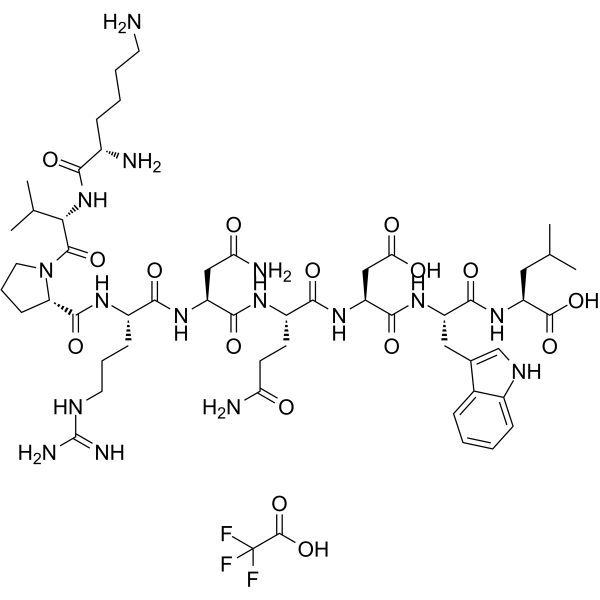
    Gp100 (25-33), human TFA
    1 Publications Verification

    Hgp100 (25-33) TFA

    MHC Cancer
    Gp100 (25-33), human TFA (Hgp100 (25-33) (TFA)) is the amino acids 25-33 fragment of the human melanoma antigen. Gp100 (25-33), human TFA is a 9-amino acid (AA) epitope restricted by MHC class I H-2D b and recognized by the T cells. Gp100 (25-33), human TFA has immunogenicity and induces specific T cells. Gp100 (25-33), human TFA can be used for the cancer research, such as melanoma .
    Gp100 (25-33), human TFA
  • HY-P2525

    MHC Inflammation/Immunology
    GAD65 (206-220) is glutamic acid decarboxylase (GAD) 65-derived peptide, corresponding to residues 180-188. GAD65 is presented to T cells in association with I-Ag7 MHC class II molecules and a major pancreatic antigens targeted by self-reactive T cells in type I diabetes mellitus .
    GAD65 (206-220)
  • HY-P10582A

    MHC Inflammation/Immunology
    SIYNFEKL TFA is a variant of major MHC class I-restricted epitope SIINFEKL. SIYNFEKL TFA is an antigenic peptide, that can stimulate specific T cells in experimental settings to study the competitive interaction between T cell. SIYNFEKL TFA exhibits low affinity for the OT-I T cell receptor (TCR), and can be used for detection of CD8+ T cells .
    SIYNFEKL TFA
  • HY-P10581A

    MHC Inflammation/Immunology
    SIIVFEKL TFA is a variant of the major MHC class I-restricted epitope SIINFEKL. SIIVFEKL TFA is an antigenic peptide, that can stimulate specific T cells in experimental settings to study the competitive interaction between T cells. SIIVFEKL TFA exhibits low affinity for the OT-I T cell receptor (TCR), and can be used for detection of CD8+ T cells .
    SIIVFEKL TFA
  • HY-P5453

    CD3 Others
    CFP10 (71–85) is a biological active peptide. (CFP1071–85, that elicited IFN-γ production and CTL activity by both CD4+ and CD8+ T cells from persons expressing multiple MHC class II and class I molecules)
    CFP10 (71–85)
  • HY-171883

    Cannabinoid Receptor CETP MHC Metabolic Disease Inflammation/Immunology Cancer
    BI-5756 is a CETP inhibitor and cannabinoid receptor 1 (CB1) agonist. BI-5756 can significantly increase HDL-C levels and reduce LDL-C levels. BI-5756 can also enhance the function of regulatory T cells while maintaining T cell-mediated anti-tumor activity. BI-5756 can directly inhibit the growth of tumor cells and upregulate the expression of MHC I, MHC II, and CD80 on tumor cells. BI-5756 has a protective effect in graft-versus-host disease models. BI-5756 can be used in research on tumors, graft-versus-host disease, and metabolic diseases .
    BI-5756
  • HY-160151

    PROTACs Phosphatase JAK IFNAR MHC Cancer
    TP1L is a potent and selective T-cell protein tyrosine phosphatase (TC-PTP) PROTAC degrader, with a DC50 value of 35.8 nM. TP1L elevates the phosphorylation level of TC-PTP substrates including pSTAT1 and pJAK1. TP1L selectively enhances IFN-γ signaling and increases MHC-I expression. TP1L activates TCR signaling through increases phosphorylation of LCK. TP1L enhances CAR-T cell mediated tumor killing efficacy through activation of the CAR-T cells. TP1L can be used for the study of cancer. (Pink: TC-PTP ligand: (HY-138964), Blue: E3 ligase CRBN Ligand (HY-A0003), Black: Linker: (HY-140002)) .
    TP1L
  • HY-P990185

    MHC Inflammation/Immunology Cancer
    Anti-Mouse/Rat MHC Class II (I-Ek/RT1-D) Antibody (14-4-4S) is a mouse-derived IgG2a κ type antibody inhibitor, targeting to mouse/rat MHC Class II. Anti-Mouse/Rat MHC Class II (I-Ek/RT1-D) Antibody (14-4-4S) reacts with mouse MHC Class II alloantigen I-Ek and the rat MHC class II alloantigen RT1D. Anti-Mouse/Rat MHC Class II (I-Ek/RT1-D) Antibody (14-4-4S) blocks antigen presentation. Anti-Mouse/Rat MHC Class II (I-Ek/RT1-D) Antibody (14-4-4S) can be used for the research of immunology and cancer .
    Anti-Mouse/Rat MHC Class II (I-Ek/RT1-D) Antibody (14-4-4S)
  • HY-P990192

    MHC Inflammation/Immunology
    Anti-Mouse MHC Class I (H-2Kk) Antibody (AF3-12.1.3) is a mouse-derived IgG1 type antibody inhibitor, targeting to mouse MHC Class I. Anti-Mouse MHC Class I (H-2Kk) Antibody (AF3-12.1.3) reacts with the mouse H-2Kk MHC class I alloantigen. Anti-Mouse MHC Class I (H-2Kk) Antibody (AF3-12.1.3) can be used for the researches of inflammation and immunology, such as obliterative airway disease .
    Anti-Mouse MHC Class I (H-2Kk) Antibody (AF3-12.1.3)
  • HY-P990061

    JTX 8064

    LILRB Transmembrane Glycoprotein Inflammation/Immunology Cancer
    Polzastobart (JTX-8064) is a humanized IgG4 monoclonal antagonist antibody that selectively binds LILRB2 and prevents it from binding its ligands, classical and non-classical MHC I molecules. Polzastobart enhances pro-inflammatory cytokine production in macrophages by blocking the ability of LILRB2 to bind HLA-A/B and/or HLA-G, a marker of immunotolerance on cancer cells. Polzastobart is a macrophage immune checkpoint inhibitor .
    Polzastobart
  • HY-P990194

    MHC Inflammation/Immunology
    Anti-Mouse MHC Class I (H-2Kd) Antibody (HB-159) is a mouse-derived IgG2a κ type antibody inhibitor, targeting to mouse MHC Class I. Anti-Mouse MHC Class I (H-2Kd) Antibody (HB-159) reacts with the mouse H-2Kd MHC class I alloantigen. Anti-Mouse MHC Class I (H-2Kd) Antibody (HB-159) can be used for immunology research, such as cardiac graft .
    Anti-Mouse MHC Class I (H-2Kd) Antibody (HB-159)
  • HY-P990190

    MHC Others
    Anti-Swine MHC Class I (SLAd) Antibody (74-11-10) is a mouse-derived IgG2b κ type antibody inhibitor, targeting to Swine MHC Class I. Anti-Swine MHC Class I (SLAd) Antibody (74-11-10) reacts with the swine leucocyte antigen (SLA) class I. Anti-Swine MHC Class I (SLAd) Antibody (74-11-10) can be used for the research of flow cytometry experiments .
    Anti-Swine MHC Class I (SLAd) Antibody (74-11-10)
  • HY-P990813

    MHC Cancer
    Anti-Mouse Nonclassical MHC Class I molecule Qa-1b Antibody (4C2.4A7.5H11) is a mouse-derived IgG1 antibody inhibito, targeting to mouse Nonclassical MHC Class I molecule Qa-1b. Anti-Mouse Nonclassical MHC Class I molecule Qa-1b Antibody (4C2.4A7.5H11) reacts with the mouse non-classical MHC class I molecule Qa-1b. Anti-Mouse Nonclassical MHC Class I molecule Qa-1b Antibody (4C2.4A7.5H11) can be used for the research of cancer, such as B16F10 tumor .
    Anti-Mouse Nonclassical MHC Class I molecule Qa-1b Antibody (4C2.4A7.5H11)
  • HY-P990191

    MHC Inflammation/Immunology
    Anti-Mouse MHC Class I (H-2Kk, H-2Dk) Antibody (15-3-1S (HB-13)) is a mouse-derived IgG2a κ type antibody inhibitor, targeting to mouse MHC Class I. Anti-Mouse MHC Class I (H-2Kk, H-2Dk) Antibody (15-3-1S (HB-13)) reacts with the mouse H-2Kk and H-2Dk MHC class I alloantigens. Anti-Mouse MHC Class I (H-2Kk, H-2Dk) Antibody (15-3-1S (HB-13)) can be used for immunology research .
    Anti-Mouse MHC Class I (H-2Kk, H-2Dk) Antibody (15-3-1S (HB-13))
  • HY-P1489B

    MHC Inflammation/Immunology
    OVA Peptide(257-264) acetate salt is a class I (Kb)-restricted peptide epitope of OVA, an octameric peptide can be from ovalbumin presented by the class I MHC molecule, H-2Kb .
    OVA Peptide(257-264) acetate salt
  • HY-106156

    MHC Cardiovascular Disease Inflammation/Immunology
    Allotrap 07 is a synthetic peptide composed of residues 75-84 of HLA-B7, a class I MHC molecule. Allotrap 07 combined with Cyclosporin A (HY-B0579) induces donor-specific tolerance in rat cardiac allografts, significantly prolonging graft survival .
    Allotrap 07
  • HY-179211

    HSP MHC Cancer
    CliMB-325 is an HSP90 inhibitor that can induce MHC-I (EC50 = 498 nM) expression on the surface of CT26 murine colorectal cancer cells. CliMB-325 enhances T cell activation and exhibits lower toxicity. CliMB-325 can be used for the study of colorectal cancer .
    CliMB-325
  • HY-175459

    PROTACs FAK Inflammation/Immunology Cancer
    PROTAC FAK degrader 3 is a selective FAK PROTAC degrader (DC50 = 1.08 nM). PROTAC FAK degrader 3 induces FAK degradation dependent on the ubiquitin-proteasome system and its binding to FAK and CRBN. PROTAC FAK degrader 3 upregulates MHC-I gene transcription and tumor cell surface expression by inhibiting the non-catalytic activity of FAK, leading to increased antigen presentation and activation of cytotoxic CD8 T cells. PROTAC FAK degrader 3 enhances in vivo anti-tumor activity by promoting MHC-I expression and enhancing T cell activation. PROTAC FAK degrader 3 can be used in cancer research targeting FAK degradation in ovarian cancer, hepatocellular carcinoma, and other cancers. (Pink: FAK-IN-3:HY-143407, Blue: Thalidomide-4-OH:HY-103596, Blue + Black: FAK ligand-3: HY-W939883, Black: Linker) .
    PROTAC FAK degrader 3
  • HY-P990186

    MHC Others
    Anti-Mouse MHC Class II (I-Ak, I-Ar, I-Af, I-As,I-Ag7) Antibody (10-3.6.2) is a mouse-derived IgG2c κ type antibody inhibitor, targeting to mouse MHC Class II. Anti-Mouse MHC Class II (I-Ak, I-Ar, I-Af, I-As,I-Ag7) Antibody (10-3.6.2) reacts with mouse MHC Class II haplotypes I-Ak, I-Ar, I-Af, I-As, and I-Ag7. Anti-Mouse MHC Class II (I-Ak, I-Ar, I-Af, I-As,I-Ag7) Antibody (10-3.6.2) does not react with I-Ab, I-Ad, I-Ap, or I-Aq haplotypes. Anti-Mouse MHC Class II (I-Ak, I-Ar, I-Af, I-As,I-Ag7) Antibody (10-3.6.2) blocks MHC Class II and inhibits antigen proliferation responses. Anti-Mouse MHC Class II (I-Ak, I-Ar, I-Af, I-As,I-Ag7) Antibody (10-3.6.2) can be used for the research of immunology .
    Anti-Mouse MHC Class II (I-Ak, I-Ar, I-Af, I-As,I-Ag7) Antibody (10-3.6.2)
  • HY-171859

    PROTACs HIV Cancer
    FC-14367 is a PROTAC degrader targeting HIV-1 Nef protein. FC-14367 forms a ternary complex by binding Nef and Cereblon E3 ubiquitin ligase, inducing Nef ubiquitination and proteasomal degradation, restoring cell-surface CD4 and MHC-I expression and inhibiting HIV-1 replication. FC-14367 can be used in research on HIV infection and AIDS . (Black: Glycolic acid (HY-W015967); Blue: 2-(2,6-Dioxopiperidin-3-yl)phthalimidine (HY-138793))
    FC-14367

Inquiry Online

Your information is safe with us. * Required Fields.

Salutation


Country or Region *

Applicant Name *


Organization Name *

Department *


Email Address *


Product Name *

Cat. No.


Requested quantity *

Phone Number *


Remarks

Inquiry Online

Inquiry Information

Product Name:
Cat. No.:
Quantity:
MCE Japan Authorized Agent:

