
Search Result
Results for "
MRSA strain
" in MedChemExpress (MCE) Product Catalog:
1
Biochemical Assay Reagents
| Cat. No. |
Product Name |
Target |
Research Areas |
Chemical Structure |
-
- HY-13067
-
-
-
- HY-B2234
-
|
iodopovidone
|
Environmental Pollutants
Bacterial
|
Infection
|
|
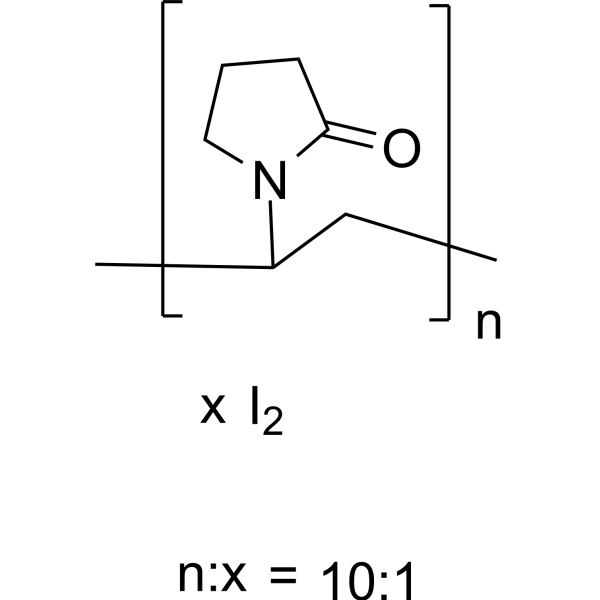
Povidone iodine (iodopovidone) displays excellent antibacterial activity which can against MRSA and MSSA strains with MICs of 31.25 mg/L and 7.82 mg/L, respectively.
|
-
-
- HY-133119
-
|
|
Bacterial
|
Infection
|
|
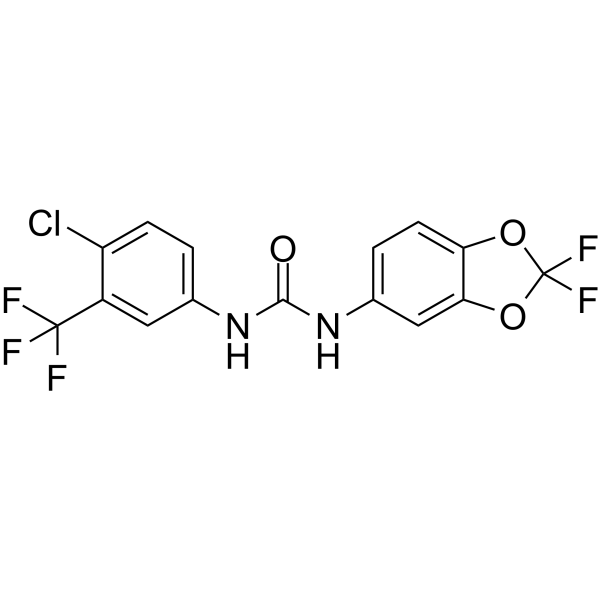
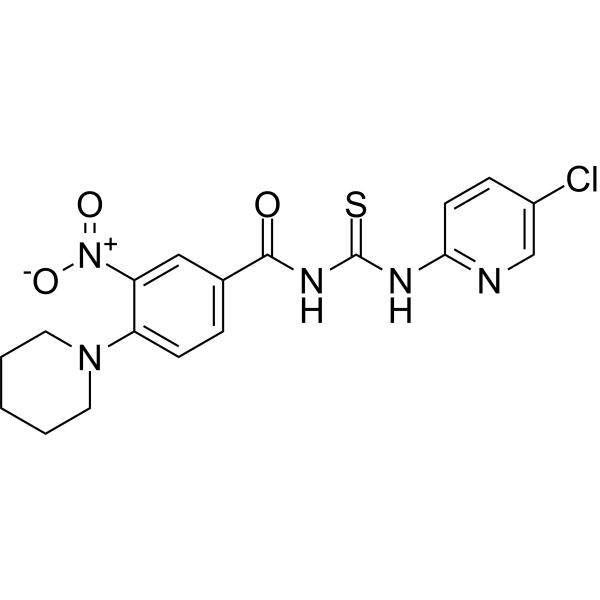
PK150, an analogue of Sorafenib, shows oral bioavailability and antibacterial activity against several pathogenic strains at submicromolar concentrations. PK150 inhibits Gram-positive Methicillin-sensitive S. aureus (MSSA), Methicillin-resistant S. aureus (MRSA), Vancomycin intermediate S. aureus (VISA) with MICs of 0.3, 0.3-1, 0.3 μM, respectively .
|
-
-
- HY-Y0191
-
|
2-Pyridone
|
Endogenous Metabolite
Bacterial
|
Infection
|
|
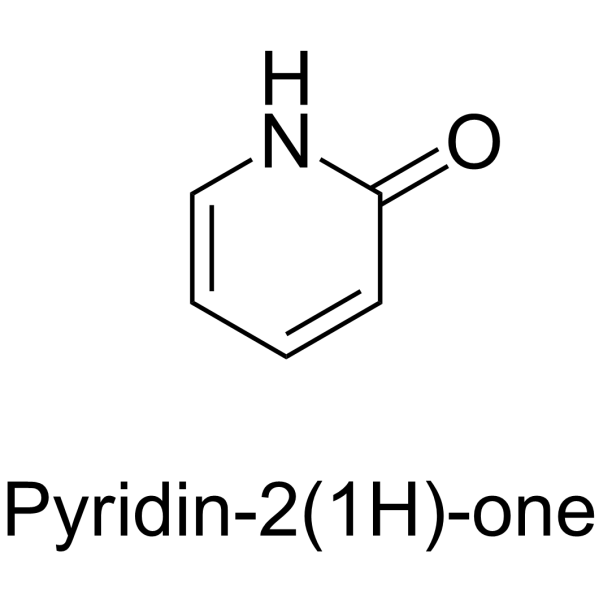
α-Pyridone (2-Pyridone) is an antibacterial agent that plays an important role in the field of biochemical research. α-Pyridone can serve as a scaffold compound to synthesize a variety of active compounds .
|
-
-
- HY-14926
-
|
(S)-(-)-Nadifloxacin; WCK 771
|
Antibiotic
Bacterial
|
Infection
|
|
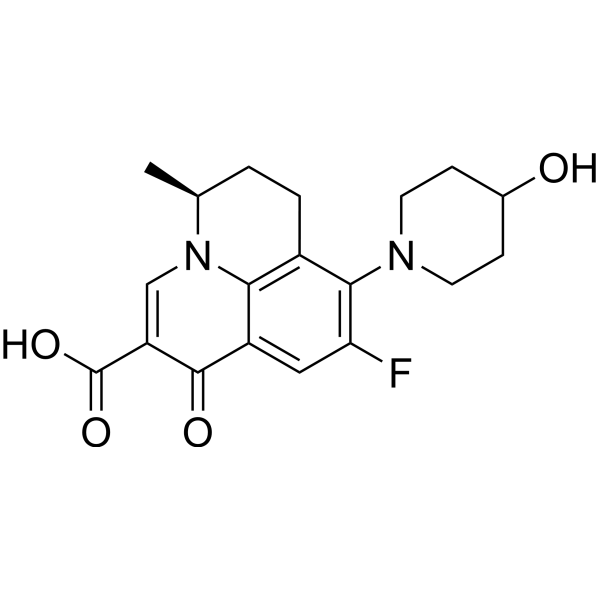
Levonadifloxacin ((S)-(-)-Nadifloxacin; WCK 771) is a broad-spectrum anti-staphylococcal agent. Levonadifloxacin shows antibacterial activity against Methicillin (HY-121544)-susceptible Staphylococcus aureus (MSSA) and Methicillin-resistant S. aureus (MRSA) strains, with a reduction of which phagocytized in THP-1 monocytes .
|
-
-
- HY-16485
-
|
TD-6424 hydrochloride
|
Antibiotic
Bacterial
|
Infection
|
|
Telavancin hydrochloride is the hydrochloride form of Telavancin (HY-112959). Telavancin hydrochloride is a semisynthetic derivative of vancomycin, and exhibits antibacterial efficacy through inhibition of cell wall synthesis and disruption of cell membrane barrier function. Telavancin hydrochloride is efficient against antibiotic resistant S. aureus strains MRSA, VISA, and hVISA. Telavancin hydrochloride attenuates gram positive bacteria induced complicated skin and skin structure infections (cSSSI) .
|
-
-
- HY-N15451
-
|
|
Pyruvate Kinase
|
Infection
|
|
Deoxytopsentin (compound 5) is a marine bisindole alkaloid and also a MRSA pyruvate kinase inhibitor. Deoxytopsentin exists in sponges. Deoxytopsentin exhibits antibacterial activity against methicillin-resistant Staphylococcus aureus strains in vitro .
|
-
-
- HY-N3920
-
|
|
Bacterial
|
Infection
|
|
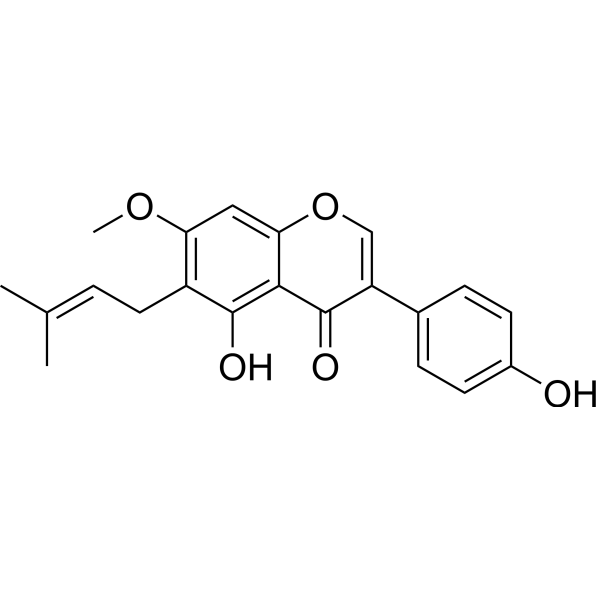
Gancaonin G is a 6-prenylated isoflavanone that can be isolated from Glycyrrhiza uralensis. Gancaonin G has antibacterial activity against Streptococcus mutants and MRSA strains .
|
-
-
- HY-121300
-
|
(-)-TAN2162
|
Antibiotic
Bacterial
Endothelin Receptor
CGRP Receptor
|
Infection
Cancer
|
|
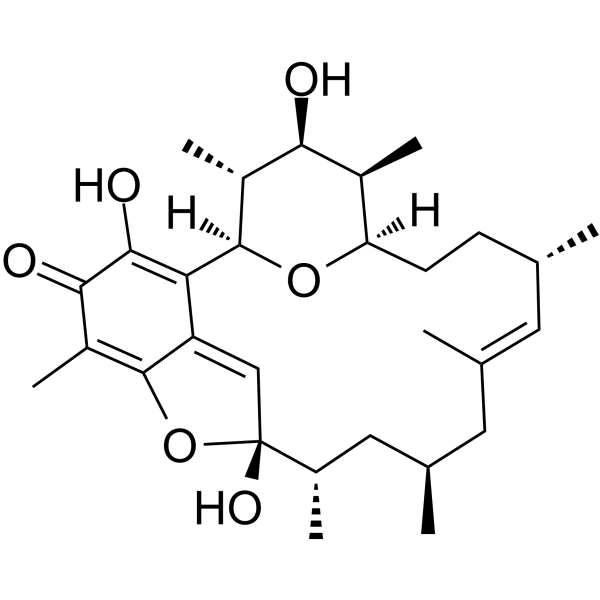
Kendomycin ((−)-TAN 2162) is a polyketide antibiotic with remarkable antibacterial and cancer cells cytotoxic activities. Kendomycin tends to be bacteriostatic rather than bactericidal and inhibits the growth of the methicillin-resistant Staphylococcus aureus (MRSA) strain COL at a low concentration (MIC of 5 μg/mL). Kendomycin is a potent antagonist of the endothelin receptor and a calcitonin receptor agonist which plays its role as an anti-osteoporotic agent .
|
-
-
- HY-P5710
-
|
|
Bacterial
|
Infection
|
|
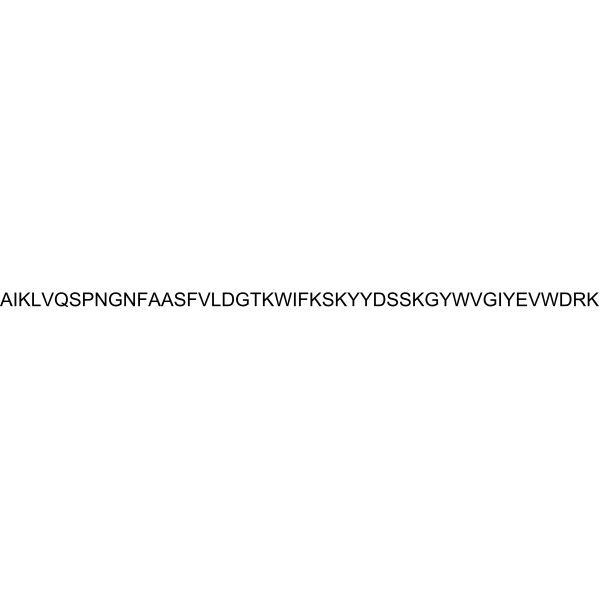
LCI peptide is an antimicrobial peptide with antibacterial activity. LCI peptide is active against plant pathogens, Xanthomonas and Pseudomonas, including E. coli, Gentamicin-resistant MRSA and Xoo .
|
-
-
- HY-P5545
-
|
|
Bacterial
|
Infection
|
|
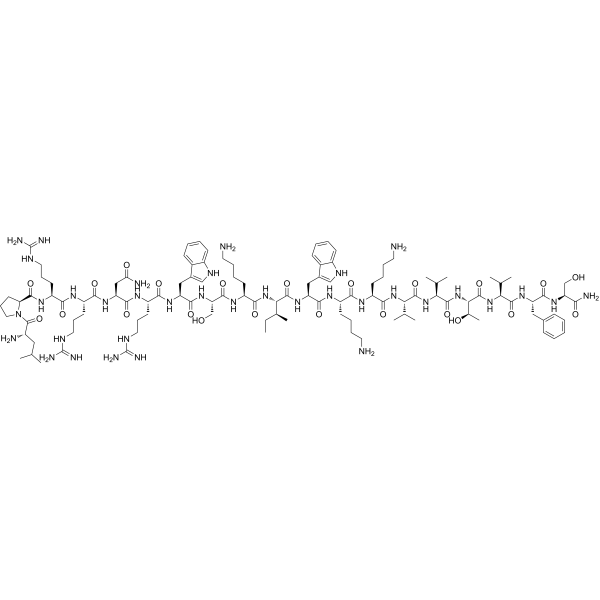
Lynronne-1 is an antimicrobial peptide. Lynronne-1 is active against Gram-positive bacterials, including MDR strains (MIC: 8-32 μg/mL for methicillin-resistant MRSA strains). Lynronne-1 reduces the bacterial load in MRSA infected wound murine model. Lynronne-1 is also effective against P. aeruginosa infection .
|
-
-
- HY-129487
-
|
|
Bacterial
|
Infection
|
|
(E/Z)-MC4 is an enantiomer of the antibacterial agent MC4, which has antibacterial activity against a group of Staphylococcus aureus strains including MRSA, and has no significant toxicity to mammalian cells .
|
-
-
- HY-130613
-
|
|
Bacterial
|
Infection
|
|
MAC-545496 is a nanomolar inhibitor of glycopeptide-resistance-associated protein R (GraR). MAC-545496 displays strong binding affinity to the full-length GraR protein (Kd ≤ 0.1 nM). MAC-545496 is an antivirulence agent that reverses β-lactam resistance in Methicillin-resistant strains (MRSA) .
|
-
-
- HY-B1606
-
|
Chlorthymol; 6-Chlorothymol
|
Environmental Pollutants
Bacterial
AP-1
GABA Receptor
|
Infection
Neurological Disease
|
|
Chlothymol is a potent positive modulator of the GABAA receptor subunit LGC-37, anticonvulsant, and antibacterial agent. Chlothymol inhibits Pentylenetetrazol-induced c-fos expression. Chlothymol inhibits the growth of Methicillin (HY-121544)-resistant Staphylococcus aureus (MRSA) strains, including LAC, with an MIC of 32 μg/mL. Chlorothymol has protective effects against epileptic seizures in various mouse models .
|
-
-
- HY-W060074
-
|
|
Endogenous Metabolite
Bacterial
Tyrosinase
PERK
|
Infection
Endocrinology
|
|
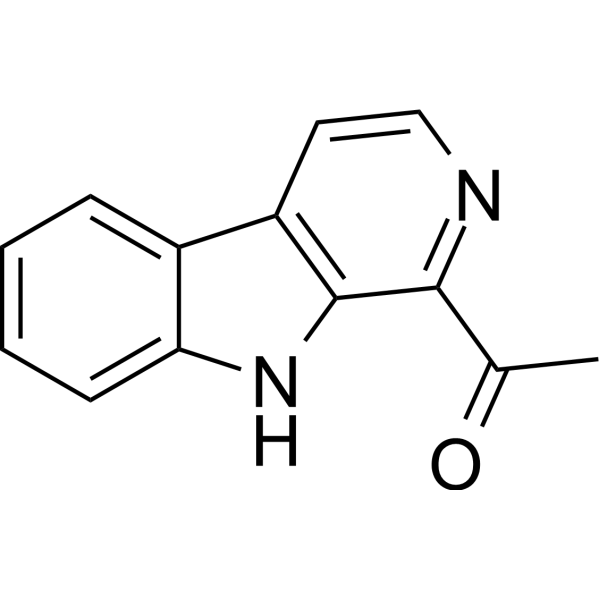
1-Acetyl-β-carboline is a metabolite of Streptomyces kasugaensis and antibacterial agent. 1-Acetyl-β-carboline increases tyrosinase activity, reduces ERK phosphorylation. 1-Acetyl-β-carboline exhibits antibacterial activity against methicillin-resistant Staphylococcus aureus (MRSA) strains with MICs ranging from 128 to 256 ug/mL. 1-Acetyl-β-carboline increases the melanin .
|
-
-
- HY-P5706
-
|
|
Bacterial
|
Infection
Inflammation/Immunology
|
|
HG2 is a fast-acting antimicrobial peptide. HG2 shows anti-biofilm and anti-inflammatory activities. HG2 is active against Gram-positive pathogens, especially against MRSA strains (MIC: 16-32 μg/mL). HG2 can bind to bacterial lipids and reduces ATP concentration in S. aureus MRSA USA300 cells .
|
-
-
- HY-178949
-
|
|
Antibiotic
Bacterial
DNA/RNA Synthesis
|
Infection
|
|
MRSA antibiotic 3 (Compound C8) is a small-molecule antibiotic active against Methicillin (HY-121544)-resistant Staphylococcus aureus (MRSA), showing a MIC of 0.5 μg/mL against the standard S. aureus strain (ATCC 29213). MRSA antibiotic 3 potently inhibits the ATPase activity of S. aureus DNA gyrase with an IC50 of 0.32 μM. MRSA antibiotic 3 exhibits strong inhibitory activity against five clinical MRSA isolates, with MIC values ranging from 0.5 to 1 μg/mL. MRSA antibiotic 3 demonstrates negligible cytotoxicity at effective antibacterial concentrations and causes no hemolysis in erythrocytes even at extremely high concentrations. MRSA antibiotic 3 shows significant protective effects in both Galleria mellonella infection and murine sepsis models .
|
-
-
- HY-P5547
-
|
|
Bacterial
|
Infection
|
|
Lynronne-3 is an antimicrobial peptide. Lynronne-1 is active against Gram-positive bacterials, including
MDR strains (MIC: 32-128 μg/mL for methicillin-resistant MRSA strains). Lynronne-3 is also effective against P. aeruginosa infection
|
-
-
- HY-P10345
-
|
|
Bacterial
|
Infection
|
|
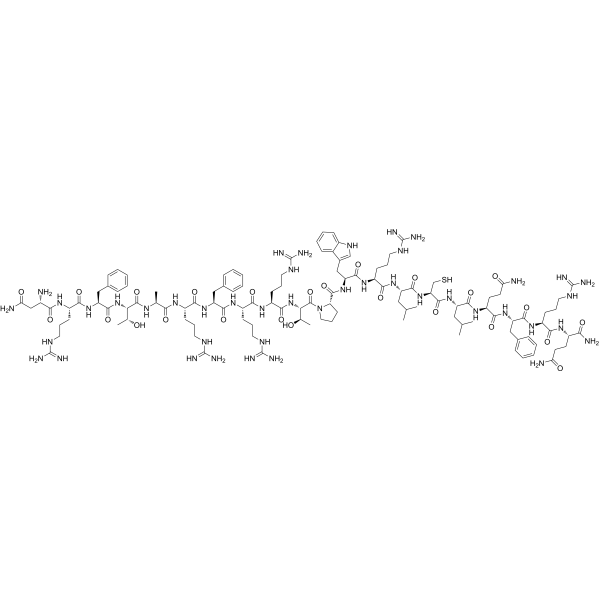
OP-145, an cathelicidin LL-37 derivative, is an antimicrobial peptide, and shows antibacterial activity against several MRSA strains. OP-145 can be used for research of chronic suppurative otitis media .
|
-
-
- HY-126183
-
|
|
Bacterial
|
Infection
|
|
6,8-Diprenyleriodictyol is a flavonoid and bactericidal agent. 6,8-Diprenyleriodictyol can be isolated from the aerial parts of D. mannii. 6,8-Diprenyleriodictyol shows significant antibacterial activity against S. aureus including MRSA strains .
|
-
-
- HY-13067G
-
|
Tripterine; Tripterin
|
Endogenous Metabolite
Proteasome
Antibiotic
Apoptosis
Bacterial
Autophagy
Mitophagy
|
Infection
Inflammation/Immunology
Cancer
|
|
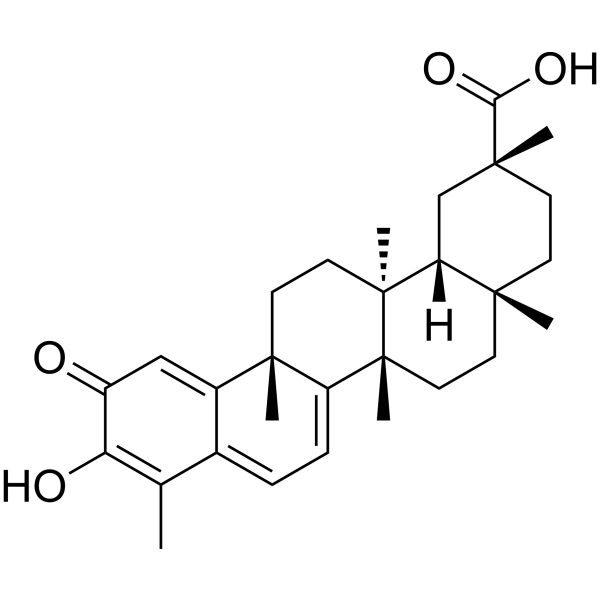
Celastrol (GMP) (Tripterine (GMP)) is Celastrol (HY-10227) produced by using GMP guidelines. GMP small molecules works appropriately as an auxiliary reagent for cell therapy manufacture. Celastrol (Tripterine;Tripterin) is a proteasome inhibitor which potently and preferentially inhibits the chymotrypsin-like activity of a purified 20S proteasome with IC50 of 2.5 μM. In addition, Celastrol is also an antibiotic with potent antimicrobial activity against standard and clinical methicillin-resistant Staphylococcus aureus (MRSA) strains, inducing oxidative stress and inhibiting DNA synthesis by binding to P5CDH .
|
-
-
- HY-P5709
-
|
|
Bacterial
|
Infection
Inflammation/Immunology
|
|
HG4 is a fast-acting antimicrobial peptide. HG4 shows anti-biofilm and anti-inflammatory activities. HG4 is active against Gram-positive pathogens, especially against MRSA strains (MIC: 32-64 μg/mL). HG4 can bind to bacterial lipids and reduces ATP concentration in S. aureus MRSA USA300 cells .
|
-
-
- HY-W112166A
-
|
|
Bacterial
|
Infection
|
|
4,4'-Dicyanostilbene (compound 43) is a potent antimalarial agent against the Dd2 strain, with an EC50 of 27 nM. 4,4'-Dicyanostilbene exhibits in vivo efficacy against methicillin-resistant Staphylococcus aureus (MRSA) .
|
-
-
- HY-W112166
-
|
|
Parasite
Drug Isomer
|
Infection
|
|
(E/Z)-4,4'-Dicyanostilbene is the isomer of 4,4'-Dicyanostilbene (HY-W112166A), and can be used as an experimental control. 4,4'-Dicyanostilbene (compound 43) is a potent antimalarial agent against the Dd2 strain, with an EC50 of 27 nM. 4,4'-Dicyanostilbene exhibits in vivo efficacy against methicillin-resistant Staphylococcus aureus (MRSA) .
|
-
-
- HY-174323
-
|
|
Bacterial
DNA/RNA Synthesis
|
Infection
|
|
Anti-MRSA agent 28 is an antibacterial agent against multidrug resistant (MDR) gram-positive strains with MICs of 0.06-0.125 μg/mL. Anti-MRSA agent 28 can target DNA polymerase IIIC to reduce the amount of genomic DNA with the IC50 of 3.80 μg/mL. Anti-MRSA agent 28 has good antibacterial activity and reduces inflammation. Anti-MRSA agent 28 can be used against gram-positive strains and infectious conditions.
|
-
-
- HY-163505
-
|
|
Bacterial
|
Others
|
|
Anti-MRSA agent 11 suppresses fluoroquinolone-sensitive strain USA500 and -resistant MRSA isolate Mu50 (MIC =0.39 μg/mL). Anti-MRSA agent 11 displayes favorable in vivo half-life and safety profiles .
|
-
-
- HY-161823
-
|
|
Bacterial
|
Infection
|
|
Anti-MRSA agent 13 (Compound 9b) is an agent against methicillin-resistant Staphylococcus aureus (MRSA), exhibiting a minimum inhibitory concentration (MIC) of 0.5–2 μg/mL against clinically isolated MRSA strains. Anti-MRSA agent 13 possesses favorable biosafety, plasma tolerance stability, and a low tendency to develop resistance. Anti-MRSA agent 13 disrupts cell walls and membranes, reduces metabolic activity, causes oxidative damage, affects DNA function, and ultimately leads to MRSA death through multi-target synergies .
|
-
-
- HY-163984
-
|
|
Bacterial
|
Infection
|
|
Antibacterial agent 240 (compound 62-7c) is an antibacterial agent that can target multidrug-resistant (MDR) MRSA strains. Antibacterial agent 240 showed high biosafety and potent anti-infection activity in mouse pneumonia and mouse wound models of MRSA infection .
|
-
-
- HY-N14315
-
|
|
Bacterial
|
Infection
|
|
Ochracenomicin A has a strong effect against Gram-positive bacteria (including MRSA strain), and also against Gram-negative bacteria and candida albicans .
|
-
-
- HY-146199
-
|
|
Bacterial
|
Infection
|
|
Antibacterial agent 108 (Compound 1h) is a potent antibacterial agent with a MIC of both 3 μM against MRSA and antibiotic resistance strains .
|
-
-
- HY-P5546
-
|
|
Bacterial
|
Infection
|
|
Lynronne-2 is an antimicrobial peptide. Lynronne-1 is active against Gram-positive bacterials, including
MDR strains (MIC: 32-256 μg/mL for methicillin-resistant MRSA strains). Lynronne-2 is also effective against P. aeruginosa infection
|
-
-
- HY-170398
-
|
|
Antibiotic
Bacterial
|
Infection
|
|
ZG297 is an agonist for Staphylococcus aureus ClpP (SaClpP ) with an EC50 of 0.26 μM. ZG297 degrades SaFtsZ, inhibits the bacterial cell division, thereby exhibiting antistaphylococcal activity, that inhibits S. aureus 8325-4 strains and MRSA strains with MIC of 0.063-256 μg/mL. ZG297 exhibits anti-infectious efficacy in mouse models .
|
-
-
- HY-N14955
-
|
|
Antibiotic
Bacterial
|
Infection
|
|
3-O-α-D-Forosaminyl-(+)-griseusin is a memberof naphthoquinone antibiotic. 3-O-α-D-Forosaminyl-(+)-griseusin is active against Gram-positive bacteria including methicillin-resistant strain of Staphylococcus aureus (MRSA) .
|
-
-
- HY-N8464
-
|
|
Bacterial
|
Cancer
|
|
Juncuenin D induces caspase-3-mediated cytotoxicity in HT22 cells. Juncuenin D also has anti-bacterial activity against MRSA strains. Juncuenin D can be isolated from J. effusus .
|
-
-
- HY-122008
-
|
|
Bacterial
|
Infection
|
|
Levonadifloxacin ((S)-(-)-Nadifloxacin; WCK 771) arginine is a broad-spectrum antistaphylococcal agent. Levonadifloxacin arginine has antimicrobial activity against methicillin-susceptible Staphylococcus aureus (MSSA) and methicillin-resistant Staphylococcus aureus and reduces phagocytosis of MRSA and MSSA strains by monocytic THP-1.
|
-
-
- HY-14926B
-
|
(S)-(-)-Nadifloxacin arginine; WCK 771 arginine
|
Bacterial
|
Infection
|
|
Levonadifloxacin ((S)-(-)-Nadifloxacin; WCK 771) arginine is a broad-spectrum antistaphylococcal agent. Levonadifloxacin arginine has antimicrobial activity against methicillin-sensitive Staphylococcus aureus (MSSA) and methicillin-resistant Staphylococcus aureus and reduces phagocytosis of MRSA and MSSA strains by monocytic THP-1 cells .
|
-
-
- HY-14926A
-
|
(S)-(-)-Nadifloxacin arginine hydrate; WCK-771A arginine hydrate
|
Antibiotic
Bacterial
|
Infection
|
|
Levonadifloxacin (arginine) hydrate is a broad-spectrum anti-staphylococcal agent. Levonadifloxacin (arginine) hydrate shows antibacterial activity against Methicillin (HY-121544)-susceptible Staphylococcus aureus (MSSA) and Methicillin-resistant S. aureus (MRSA) strains, with a reduction of which phagocytized in THP-1 monocytes .
|
-
-
- HY-141648
-
|
|
Bacterial
|
Infection
|
|
Antibacterial agent 219 (Compound 2/75c) exhibits antibacterial activity by targeting cell wall biosynthesis. Antibacterial agent 219 inhibits methicillin-resistant Staphylococcus aureus (MRSA) strains (MIC=0.5-32 µg/mL), Enterococcus faecium (MIC=2 µg/mL) and S. aureus (MIC=2 µg/mL) .
|
-
-
- HY-129454
-
|
Antibiotic TPU-0037-A
|
Antibiotic
|
Infection
|
|
TPU-0037A is an antibiotic and a congener of lydicamycin. It inhibits the growth of Gram-positive bacteria, including methicillin-resistant S. aureus (MRSA), B. subtilis, and M. luteus (MICs=1.56-12.5 μg/mL), but not Gram-negative E. coli, P. mirabilis, P. vulgaris, or P. aeruginosa strains (MICs=>50 μg/mL).
|
-
-
- HY-N11879
-
|
|
Bacterial
Antibiotic
|
Others
|
|
6-C-Methylquercetin-3,4'-dimethyl etheris a flavonol derivative isolated from the leaves of Bauhinia thonningii Schum. 6-C-Methylquercetin-3,4'-dimethyl ether has antibacterial activity against Gram-negative multidrug-resistant bacteria and against methicillin-resistant Staphylococcus aureus (MRSA) strains .
|
-
-
- HY-14926R
-
|
(S)-(-)-Nadifloxacin (Standard); WCK 771 (Standard)
|
Reference Standards
Antibiotic
Bacterial
|
Infection
|
|
Levonadifloxacin (Standard) is the analytical standard of Levonadifloxacin. This product is intended for research and analytical applications. Levonadifloxacin ((S)-(-)-Nadifloxacin; WCK 771) is a broad-spectrum anti-staphylococcal agent. Levonadifloxacin shows antibacterial activity against Methicillin (HY-121544)-susceptible Staphylococcus aureus (MSSA) and Methicillin-resistant S. aureus (MRSA) strains, with a reduction of which phagocytized in THP-1 monocytes .
|
-
-
- HY-121000
-
|
Ingramycin
|
Antibiotic
Bacterial
|
Infection
|
|
Albocycline (Ingramycin) is a macrolide antibiotic, which exhibits antibacterial activities against methicillin-resistant Staphylococcus aureus (MRSA), Vancomycin (HY-B0671)-intermediate (VISA), and Vancomycin (HY-B0671)-resistant S. aureus (VRSA) strains with MICs ranging from 0.5 to 1.0 μg/mL. Albocycline exhibits no toxicity to human cells at concentration of ≤64 μg/mL .
|
-
-
- HY-173277
-
|
|
Bacterial
|
Infection
|
|
FtsZ-IN-13 (Compound C11) is an inhibitor of temperature-sensitive mutant Z (FtsZ), with IC50 values of 47.97, 34 μM against FtsZSa and FtsZPa, respectively. FtsZ-IN-13 has a notable antimicrobial activity against S. aureus (minimum inhibitory concentration value of 2 μg/mL), cystic fibrosis S. aureus clinical isolates, and methicillin-resistant S. aureus (MRSA) strains. FtsZ-IN-13 can be used for antimicrobial resistance study .
|
-
-
- HY-125533
-
|
|
Bacterial
|
Infection
|
|
TXA497 is a potent local topical bactericide. TXA497 exerts its bactericidal effect by interfering with the polymerization kinetics of the bacterial cell division protein FtsZ, rather than inhibiting it. TXA497 shows strong activity against various Staphylococcus aureus strains, including MRSA and MSSA, with an MIC value ranging from 1.0 to 2.0 μg/mL. TXA497 skin deposition is concentration-dependent in its formulation, consistent with Fick's first law. TXA497 has limited systemic permeability through the lipid pathway of the stratum corneum and is easily absorbed through this route. TXA497 can be used for research on topical bactericidal agents .
|
-
-
- HY-W034984
-
|
|
Bacterial
|
Infection
|
|
(1,5-Cyclooctadiene) dimethylplatinum (II) (Compound Pt3) is an Antibacterial agent. (1,5-Cyclooctadiene) dimethylplatinum (II) exhibits limited but selective activity against some Gram-positive Staphylococcus aureus strains, including methicillin-resistant Staphylococcus aureus (MRSA) and Glycopeptide-intermediate Staphylococcus aureus (GISA). (1,5-Cyclooctadiene) dimethylplatinum (II) shows no hemolytic activity .
|
-
-
- HY-N18878
-
|
|
Bacterial
Endogenous Metabolite
Parasite
|
Infection
|
|
Ambigol C is an ambigol, Antibacterial agent and Antimalarial agent. Ambigol C is isolated from Fischerella ambigua 108b. Ambigol C exhibits selective antibacterial activity against Gram-positive Staphylococcus aureus strains (including MRSA) with MIC values of 0.98-3.91 μg/mL. Ambigol C also shows potent antibacterial activity against B. megaterium, and possesses weak antimalarial and trypanocidal effects. Ambigol C can be used in the research of bacterial infections, plasmodial infections and trypanosomal infections .
|
-
-
- HY-180191
-
|
|
Bacterial
Reactive Oxygen Species (ROS)
DNA/RNA Synthesis
|
Infection
|
|
Anti-MRSA agent 42 (Compound 6d) is an anti-methicillin-resistant Staphylococcus aureus (MRSA) agent. Anti-MRSA agent 42 shows strong inhibitory effects on MRSA standard strains and 11 clinical isolates with MIC values of 0.25-0.5 μg/mL. Anti-MRSA agent 42 has low hemolytic activity and minimal cytotoxicity toward mammalian cells. Anti-MRSA agent 42 can suppress biofilm formation, compromise the cell wall, and disrupt the cytoplasmic membrane, which are accompanied by membrane depolarization, enhanced permeability, and loss of membrane integrity. Anti-MRSA agent 42 can induce ROS production and bind to DNA grooves, interfering with nucleic acid function. Anti-MRSA agent 42 can be used for the research of MRSA infection .
|
-
-
- HY-N9869
-
|
|
Bacterial
|
Infection
|
|
(E,Z)-Platanoside is a flavonoid glycoside. (E,Z)-Platanoside is a potent and highly selective MRSA inhibitor; it exhibits low activity against other tested strains, including Gram-negative bacteria, intracellular Mycobacterium intracellulare, Candida albicans, Cryptococcus neoformans, and Aspergillus fumigatus. (E,Z)-Platanoside can be used in research on MRSA infections .
|
-
-
- HY-180389
-
|
|
Drug Derivative
|
Others
|
|
3-Chloro-4-(octyloxy) aniline (Compound 299) is a phthalamide ester derivative. 3-Chloro-4-(octyloxy) aniline exhibits no antibacterial activity .
|
-
-
- HY-182461
-
|
|
Bacterial
|
Infection
|
|
Deoxymorellin is a caged xanthone found in resins and fruits of Garcinia hanburyi hook. f.. Deoxymorellin exhibits cytotoxicity. Deoxymorellin can be used for research of Methicillin (HY-121544)-resistant or Methicillin-susceptible Staphylococcus aureus .
|
-
- HY-N17297
-
|
|
Fungal
|
Infection
|
|
Leotiomycene C is an isoprenylated bisresorcinol natural product present in the freshwater fungus Helotiales sp. Leotiomycene C inhibits the quorum sensing system of methicillin (HY-121544)-resistant Staphylococcus aureus (MRSA), with an IC₅₀ of 6.3-12.5 μM. Leotiomycene C is applicable to research related to MRSA infections .
|
-
| Cat. No. |
Product Name |
Type |
-
- HY-13067G
-
|
Tripterine; Tripterin
|
Fluorescent Dyes
|
|
Celastrol (GMP) (Tripterine (GMP)) is Celastrol (HY-10227) produced by using GMP guidelines. GMP small molecules works appropriately as an auxiliary reagent for cell therapy manufacture. Celastrol (Tripterine;Tripterin) is a proteasome inhibitor which potently and preferentially inhibits the chymotrypsin-like activity of a purified 20S proteasome with IC50 of 2.5 μM. In addition, Celastrol is also an antibiotic with potent antimicrobial activity against standard and clinical methicillin-resistant Staphylococcus aureus (MRSA) strains, inducing oxidative stress and inhibiting DNA synthesis by binding to P5CDH .
|
| Cat. No. |
Product Name |
Type |
-
- HY-13067G
-
|
Tripterine; Tripterin
|
Biochemical Assay Reagents
|
|
Celastrol (GMP) (Tripterine (GMP)) is Celastrol (HY-10227) produced by using GMP guidelines. GMP small molecules works appropriately as an auxiliary reagent for cell therapy manufacture. Celastrol (Tripterine;Tripterin) is a proteasome inhibitor which potently and preferentially inhibits the chymotrypsin-like activity of a purified 20S proteasome with IC50 of 2.5 μM. In addition, Celastrol is also an antibiotic with potent antimicrobial activity against standard and clinical methicillin-resistant Staphylococcus aureus (MRSA) strains, inducing oxidative stress and inhibiting DNA synthesis by binding to P5CDH .
|
| Cat. No. |
Product Name |
Target |
Research Area |
-
- HY-P5710
-
|
|
Bacterial
|
Infection
|
|
LCI peptide is an antimicrobial peptide with antibacterial activity. LCI peptide is active against plant pathogens, Xanthomonas and Pseudomonas, including E. coli, Gentamicin-resistant MRSA and Xoo .
|
-
- HY-P5545
-
|
|
Bacterial
|
Infection
|
|
Lynronne-1 is an antimicrobial peptide. Lynronne-1 is active against Gram-positive bacterials, including MDR strains (MIC: 8-32 μg/mL for methicillin-resistant MRSA strains). Lynronne-1 reduces the bacterial load in MRSA infected wound murine model. Lynronne-1 is also effective against P. aeruginosa infection .
|
-
- HY-P5706
-
|
|
Bacterial
|
Infection
Inflammation/Immunology
|
|
HG2 is a fast-acting antimicrobial peptide. HG2 shows anti-biofilm and anti-inflammatory activities. HG2 is active against Gram-positive pathogens, especially against MRSA strains (MIC: 16-32 μg/mL). HG2 can bind to bacterial lipids and reduces ATP concentration in S. aureus MRSA USA300 cells .
|
-
- HY-P5547
-
|
|
Bacterial
|
Infection
|
|
Lynronne-3 is an antimicrobial peptide. Lynronne-1 is active against Gram-positive bacterials, including
MDR strains (MIC: 32-128 μg/mL for methicillin-resistant MRSA strains). Lynronne-3 is also effective against P. aeruginosa infection
|
-
- HY-P10345
-
|
|
Bacterial
|
Infection
|
|
OP-145, an cathelicidin LL-37 derivative, is an antimicrobial peptide, and shows antibacterial activity against several MRSA strains. OP-145 can be used for research of chronic suppurative otitis media .
|
-
- HY-P5709
-
|
|
Bacterial
|
Infection
Inflammation/Immunology
|
|
HG4 is a fast-acting antimicrobial peptide. HG4 shows anti-biofilm and anti-inflammatory activities. HG4 is active against Gram-positive pathogens, especially against MRSA strains (MIC: 32-64 μg/mL). HG4 can bind to bacterial lipids and reduces ATP concentration in S. aureus MRSA USA300 cells .
|
-
- HY-P5546
-
|
|
Bacterial
|
Infection
|
|
Lynronne-2 is an antimicrobial peptide. Lynronne-1 is active against Gram-positive bacterials, including
MDR strains (MIC: 32-256 μg/mL for methicillin-resistant MRSA strains). Lynronne-2 is also effective against P. aeruginosa infection
|
| Cat. No. |
Product Name |
Category |
Target |
Chemical Structure |
| Cat. No. |
Product Name |
Target |
Research Areas |
Chemical Structure |
-
- HY-13067G
-
|
Tripterine; Tripterin
|
Endogenous Metabolite
Proteasome
Antibiotic
Apoptosis
Bacterial
Autophagy
Mitophagy
|
Infection
Inflammation/Immunology
Cancer
|
|
Celastrol (GMP) (Tripterine (GMP)) is Celastrol (HY-10227) produced by using GMP guidelines. GMP small molecules works appropriately as an auxiliary reagent for cell therapy manufacture. Celastrol (Tripterine;Tripterin) is a proteasome inhibitor which potently and preferentially inhibits the chymotrypsin-like activity of a purified 20S proteasome with IC50 of 2.5 μM. In addition, Celastrol is also an antibiotic with potent antimicrobial activity against standard and clinical methicillin-resistant Staphylococcus aureus (MRSA) strains, inducing oxidative stress and inhibiting DNA synthesis by binding to P5CDH .
|
-
Your information is safe with us. * Required Fields.
Inquiry Information
- Product Name:
- Cat. No.:
- Quantity:
- MCE Japan Authorized Agent:

