1. Search Result
Search Result
Pathways Recommended: PI3K/Akt/mTOR
Results for "

MTOR complex

" in MedChemExpress (MCE) Product Catalog:

34

Inhibitors & Agonists

1

Screening Libraries

1

Biochemical Assay Reagents

2

Natural
Products

2

Recombinant Proteins

5

Isotope-Labeled Compounds

6

Antibodies

1

Oligonucleotides

Targets Recommended:
Cat. No. Product Name Target Research Areas Chemical Structure
  • HY-13003
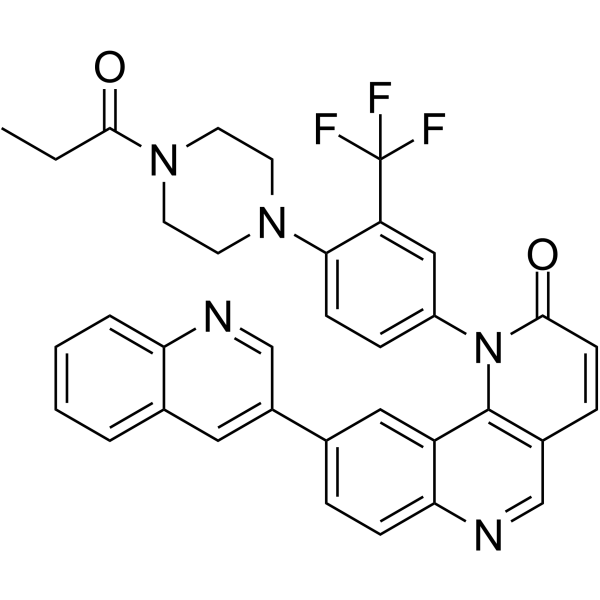
    Torin 1
    Maximum Cited Publications
    125 Publications Verification

    mTOR Autophagy Cancer
    Torin 1 is a potent inhibitor of mTOR with an IC50 of 3 nM. Torin 1 inhibits both mTORC1/2 complexes with IC50 values between 2 and 10 nM. Torin 1 is an effective inducer of autophagy.
    Torin 1
  • HY-10218
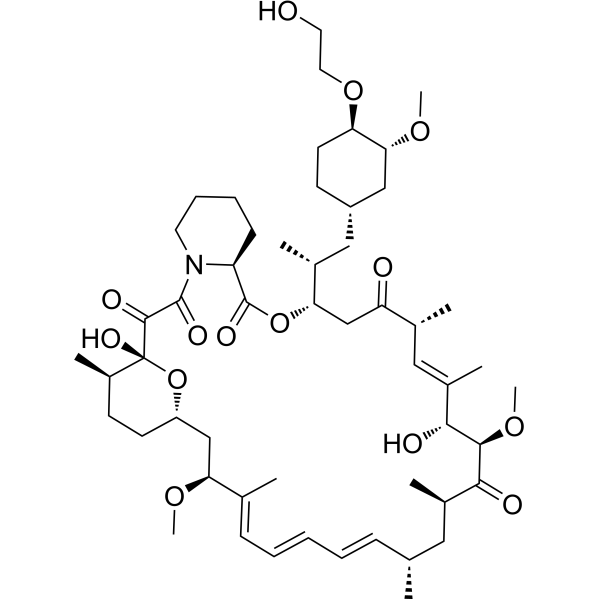
    Everolimus
    110+ Cited Publications

    RAD001; SDZ-RAD

    mTOR FKBP Autophagy Apoptosis Bacterial Infection Neurological Disease Metabolic Disease Inflammation/Immunology Cancer
    Everolimus (RAD001) is a Rapamycin (HY-10219) derivative and a potent, selective, orally active, blood-brain barrier-permeable mTOR1 inhibitor. Everolimus binds to FKBP-12 to generate an immunosuppressive complex. Everolimus inhibits tumor cells proliferation and induces cell apoptosis and autophagy. Everolimus has potent immunosuppressive and anticancer activities .
    Everolimus
  • HY-N0112
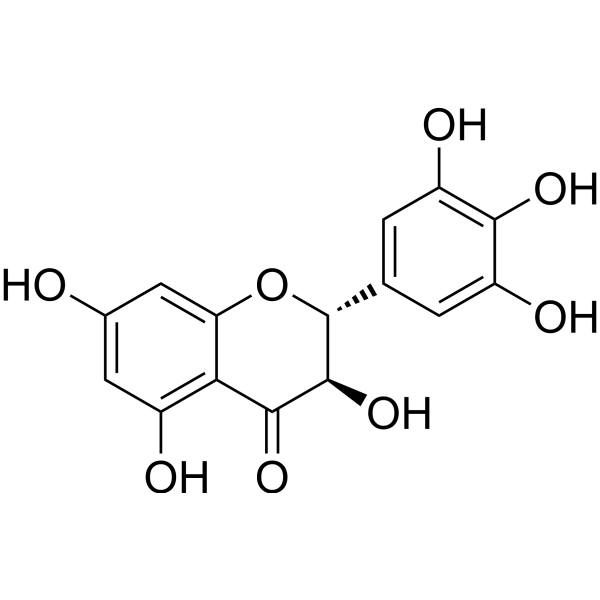
    Dihydromyricetin
    20+ Cited Publications

    Ampelopsin; Ampeloptin

    mTOR Influenza Virus DNA/RNA Synthesis Autophagy Infection Cancer
    Dihydromyricetin is a potent inhibitor with an IC50 of 48 μM on dihydropyrimidinase. Dihydromyricetin can activate autophagy through inhibiting mTOR signaling. Dihydromyricetin suppresses the formation of mTOR complexes (mTORC1/2). Dihydromyricetin is also a potent influenza RNA-dependent RNA polymerase inhibitor with an IC50 of 22 μM.
    Dihydromyricetin
  • HY-10681
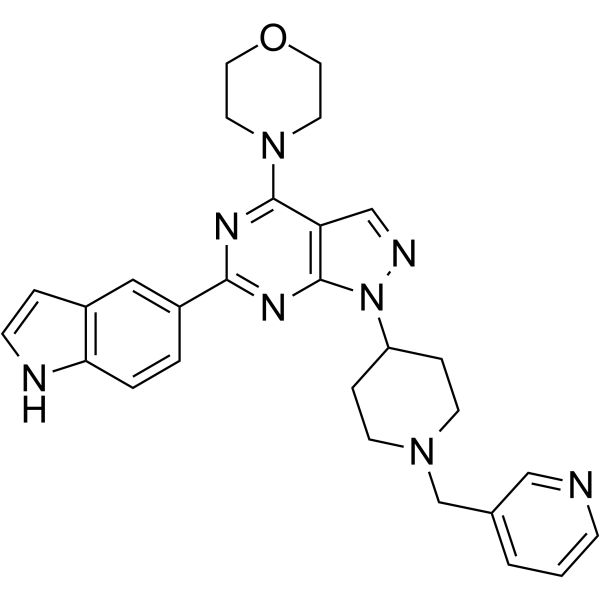
    Gedatolisib
    5 Publications Verification

    PKI-587; PF-05212384

    PI3K mTOR Cancer
    Gedatolisib (PKI-587) is a highly potent dual inhibitor of PI3Kα, PI3Kγ, and mTOR with IC50s of 0.4 nM, 5.4 nM and 1.6 nM, respectively . Gedatolisib is equally effective in both complexes of mTOR, mTORC1 and mTORC2 .
    Gedatolisib
  • HY-15247
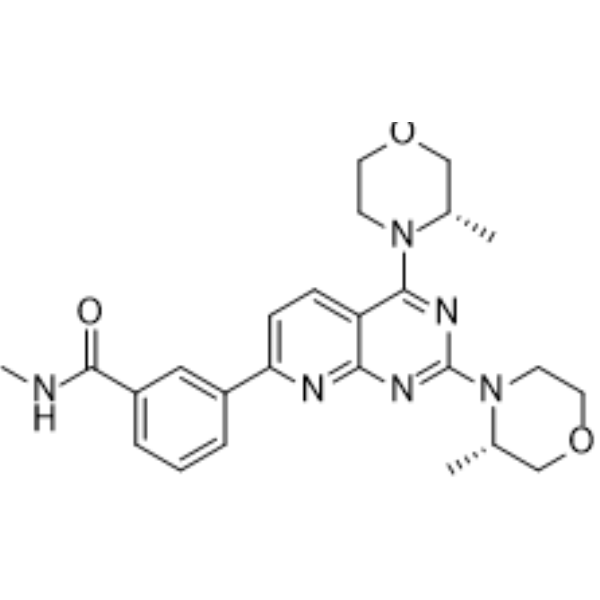
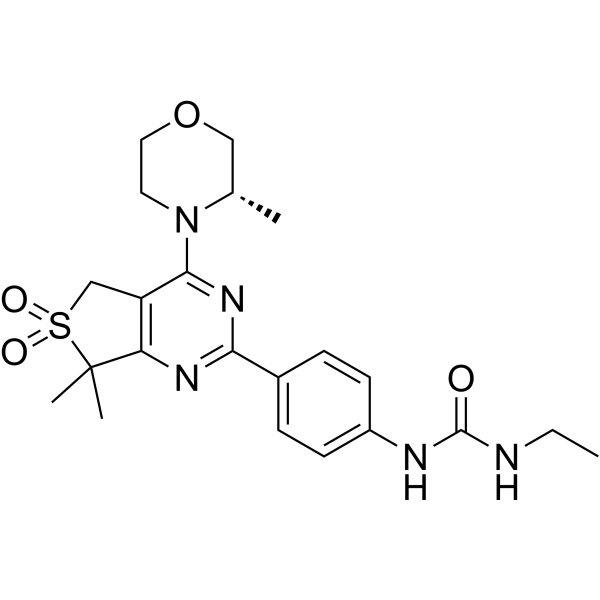
    Vistusertib
    30+ Cited Publications

    AZD2014

    mTOR Autophagy Apoptosis Cancer
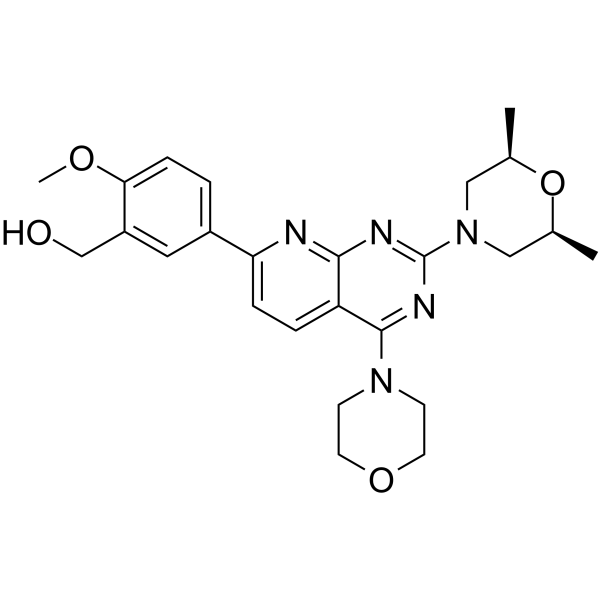
    Vistusertib (AZD2014) is an ATP competitive mTOR inhibitor with an IC50 of 2.81 nM. AZD2014 inhibits both mTORC1 and mTORC2 complexes.
    Vistusertib
  • HY-16397A
    Phenformin hydrochloride
    5+ Cited Publications

    Phenethylbiguanide hydrochloride

    Apoptosis mTOR Autophagy Mitochondrial Metabolism AMPK Neurological Disease Metabolic Disease Cancer
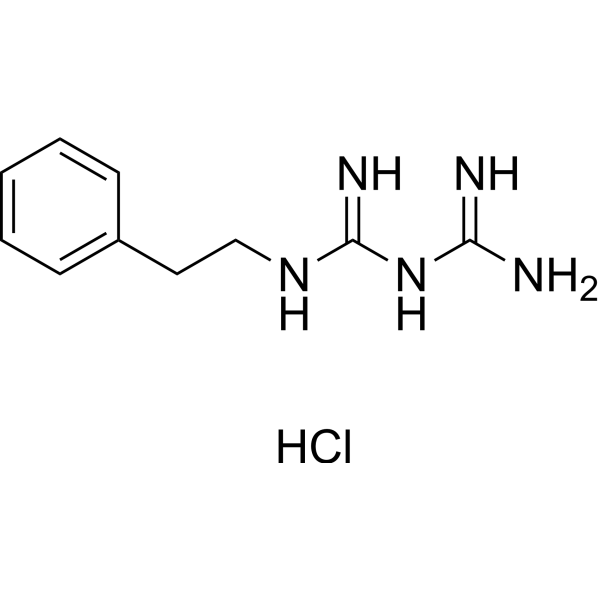
    Phenformin (Phenethylbiguanide) hydrochloride is an orally active biguanide hypoglycemic agent. Phenformin hydrochloride inhibits mitochondrial respiratory chain complex I, leading to an increased AMP/ATP ratio, activation of AMPK, and subsequent inhibition of the mTOR pathway, thereby suppressing cell proliferation, inducing apoptosis and autophagy. Phenformin hydrochloride inhibits cancer stem cells (CSCs) and possesses potent antitumor potential .
    Phenformin hydrochloride
  • HY-16397
    Phenformin
    5+ Cited Publications

    Phenethylbiguanide

    Mitochondrial Metabolism AMPK Apoptosis Autophagy mTOR Neurological Disease Metabolic Disease Cancer
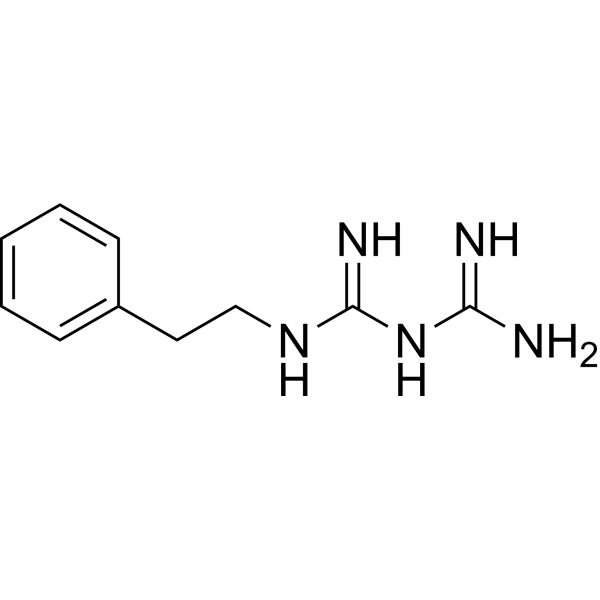
    Phenformin (Phenethylbiguanide) is an orally active biguanide hypoglycemic agent. Phenformin inhibits mitochondrial respiratory chain complex I, leading to an increased AMP/ATP ratio, activation of AMPK, and subsequent inhibition of the mTOR pathway, thereby suppressing cell proliferation, inducing apoptosis and autophagy. Phenformin inhibits cancer stem cells (CSCs) and possesses potent antitumor potential .
    Phenformin
  • HY-134508

    mTOR Neurological Disease Cancer
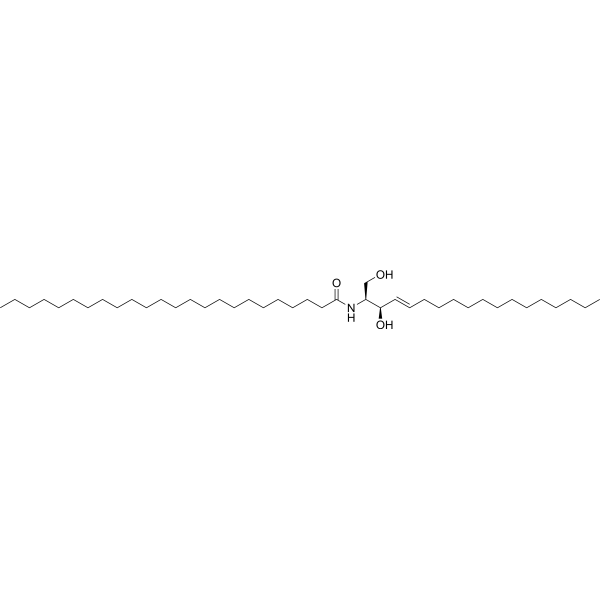
    C24-Ceramide is an orally active competitive binding agonist of PIP4K2C (mTOR complex regulator), thereby activating the mTOR signaling pathway. At the same time, C24-Ceramide changes the membrane morphology by inducing the formation of a partially interlocked gel phase in the phospholipid bilayer. C24-Ceramide can promote the proliferation and migration of keratinocytes to accelerate skin wound healing and drive the proliferation and metastasis of gallbladder cancer cells. The level of C24-Ceramide in serum can be used as a diagnostic marker for gallbladder cancer .
    C24-Ceramide
  • HY-50710
    KU-0063794
    10+ Cited Publications

    mTOR Cancer
    KU-0063794 is a potent and specific mTOR inhibitor, inhibiting both the mTORC1 and mTORC2 complexes with IC50s of 10 nM.
    KU-0063794
  • HY-137978A
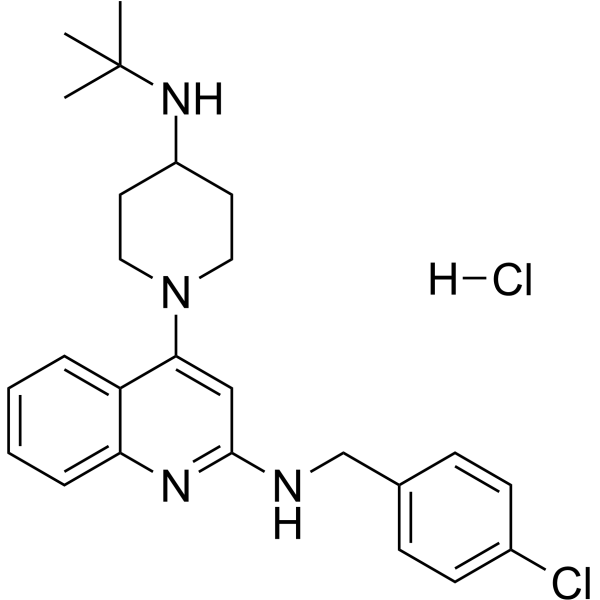
    Ezurpimtrostat hydrochloride
    3 Publications Verification

    GNS561 hydrochloride

    SARS-CoV IFNAR Autophagy Apoptosis Metabolic Disease Inflammation/Immunology Cancer
    Ezurpimtrostat hydrochloride (GNS561 hydrochloride) is an orally active PPT1 inhibitor, autophagy inhibitor, immunomodulator, anti-inflammatory agent, and anticancer agent. Ezurpimtrostat hydrochloride inhibits PPT1, dysregulates lysosomal function, redistributes mTOR, and induces apoptosis. Ezurpimtrostat hydrochloride reduces IFN‑α, CRP, immune complex deposition, and SARS‑CoV‑2 viral load. Ezurpimtrostat hydrochloride can be used for the study of systemic lupus erythematosus, SARS‑CoV‑2, hepatocellular carcinoma, fibrosis, and related disorders .
    Ezurpimtrostat hydrochloride
  • HY-175751

    mTOR Cancer
    LRK-4189 is an orally active PIP4K2C (a regulator of mTOR complex) degrader and type 1 immune activator. LRK-4189 induces the degradation of the lipid kinase PIP4K2C. LRK-4189 triggers the interferon signaling pathway in microsatellite-stable (MSS) colorectal cancer cells, activates immunogenic tumor killing, and induces endogenous cell death. LRK-4189 sensitizes microsatellite-stable colorectal cancer tumors to NK cell killing and dendritic cell phagocytosis. LRK-4189 can be used for the research of microsatellite-stable colorectal cancer .
    LRK-4189
  • HY-100222
    CZ415
    4 Publications Verification

    mTOR Cancer
    CZ415 is a potent and highly selective mTOR inhibitor with a pIC50 of 8.07. CZ415 inhibits mTORC1 and mTORC2 protein complex.
    CZ415
  • HY-15248
    GDC-0349
    2 Publications Verification

    mTOR Autophagy Cancer
    GDC-0349 is a potent and selective ATP-competitive mTOR inhibitor with a Ki of 3.8 nM. GDC-0349 inhibits of both mTORC1 and mTORC2 complexes.
    GDC-0349
  • HY-10218S

    RAD001-d4; SDZ-RAD-d4

    mTOR FKBP Autophagy Apoptosis Cancer
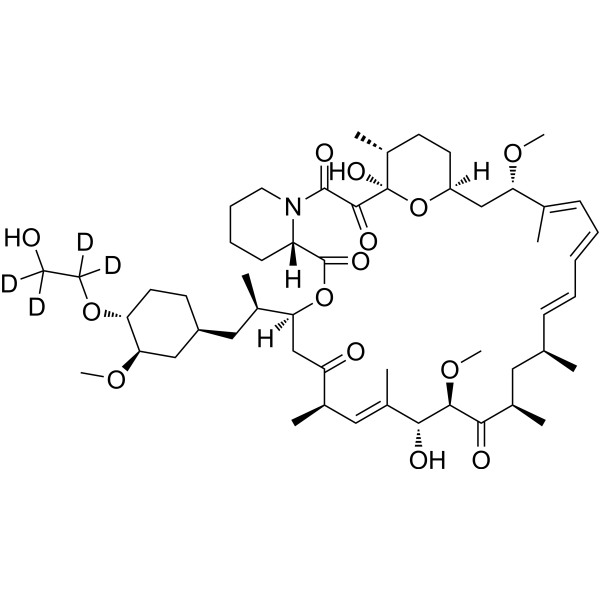
    Everolimus-d4 is the deuterium labeled Everolimus. Everolimus (RAD001) is a Rapamycin derivative and a potent, selective and orally active mTOR1 inhibitor. Everolimus binds to FKBP-12 to generate an immunosuppressive complex. Everolimus inhibits tumor cells proliferation and induces cell apoptosis and autophagy. Everolimus has potent immunosuppressive and anticancer activities .
    Everolimus-d4
  • HY-136265
    BC-LI-0186
    1 Publications Verification

    Aminoacyl-tRNA Synthetase Cancer
    BC-LI-0186 is a potent and selective inhibitor of Leucyl-tRNA synthetase (LRS; LeuRS) and Ras-related GTP-binding protein D (RagD) interaction (IC50=46.11 nM). BC-LI-0186 competitively binds to the RagD interacting site of LRS (Kd=42.1 nM) and has on effects on LRS-Vps34, LRS-EPRS, RagB-RagD association, mTORC1 complex formation or the activities of 12 kinases. BC-LI-0186 can effectively suppress the activity of cancer-associated?MTOR?mutants and the growth of rapamycin-resistant cancer cells.?BC-LI-0186 is a promising agent for lung cancer research .
    BC-LI-0186
  • HY-15272
    WAY-600
    5+ Cited Publications

    mTOR Inflammation/Immunology Cancer
    WAY-600 is a potent, ATP-competitive, and selective mTOR inhibitor with an IC50 of 9 nM for recombinant mTOR enzyme. WAY-600 blocks mTOR complex 1/2 (mTORC1/2) assemble and activation.
    WAY-600
  • HY-10218R

    RAD001 (Standard); SDZ-RAD (Standard)

    Reference Standards mTOR FKBP Autophagy Apoptosis Bacterial Cancer
    Everolimus (Standard) is the analytical standard of Everolimus. This product is intended for research and analytical applications. Everolimus (RAD001) is a Rapamycin (HY-10219) derivative and a potent, selective and orally active mTOR1 inhibitor. Everolimus binds to FKBP-12 to generate an immunosuppressive complex. Everolimus inhibits tumor cells proliferation and induces cell apoptosis and autophagy. Everolimus has potent immunosuppressive and anticancer activities .
    Everolimus (Standard)
  • HY-137978
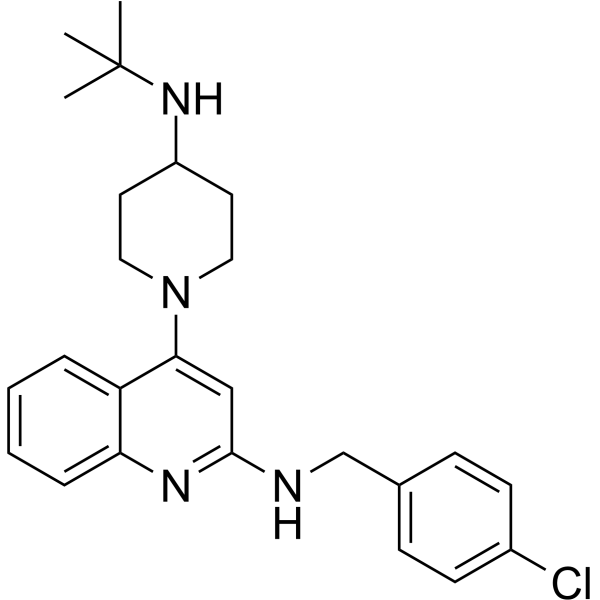
    Ezurpimtrostat
    3 Publications Verification

    GNS561

    SARS-CoV IFNAR Autophagy Apoptosis Infection Metabolic Disease Inflammation/Immunology Cancer
    Ezurpimtrostat (GNS561) is an orally active PPT1 inhibitor, autophagy inhibitor, immunomodulator, anti-inflammatory agent, and anticancer agent. Ezurpimtrostat inhibits PPT1, dysregulates lysosomal function, redistributes mTOR, and induces apoptosis. Ezurpimtrostat reduces IFN‑α, CRP, immune complex deposition, and SARS‑CoV‑2 viral load. Ezurpimtrostat can be used for the study of systemic lupus erythematosus, SARS‑CoV‑2, hepatocellular carcinoma, fibrosis, and related disorders .
    Ezurpimtrostat
  • HY-10681R

    PI3K mTOR Reference Standards Cancer
    Gedatolisib (Standard) is the analytical standard of Gedatolisib. This product is intended for research and analytical applications. Gedatolisib (PKI-587) is a highly potent dual inhibitor of PI3Kα, PI3Kγ, and mTOR with IC50s of 0.4 nM, 5.4 nM and 1.6 nM, respectively . Gedatolisib is equally effective in both complexes of mTOR, mTORC1 and mTORC2 .
    Gedatolisib (Standard)
  • HY-W348485

    mTOR Cancer
    WRX606 is an orally active nonrapalog inhibitor for mTOR complex 1 (mTORC1M). WRX606 inhibits the phosphorylation of mTORC1 substrate S6 kinase 1 (S6K1) (IC50 = 10 nM) and eukaryotic translation initiation factor 4E binding protein (p-4E-BP1) (IC50 = 0.27 μM) in MCF-7 cells. WRX606 suppresses tumor growth in mice without promotion of metastasis. WRX606 can be studied in research as an antitumor agent .
    WRX606
  • HY-161509

    mTOR Cancer
    PT-88 is a highly selective inhibitor of mTOR (Mammalian target of rapamycin) (IC50=1.2 nM). PT-88 inhibits both mTORC1 and mTORC2 complexes, both of which are active forms of mTOR protein kinases and are closely associated with cell growth, proliferation, and survival. PT-88 can be used to study the role of mTOR in tumorigenesis and development, especially in the study of breast cancer .
    PT-88
  • HY-15247R

    AZD2014 (Standard)

    mTOR Autophagy Apoptosis Reference Standards Cancer
    Vistusertib (Standard) is the analytical standard of Vistusertib. This product is intended for research and analytical applications. Vistusertib (AZD2014) is an ATP competitive mTOR inhibitor with an IC50 of 2.81 nM. AZD2014 inhibits both mTORC1 and mTORC2 complexes.
    Vistusertib (Standard)
  • HY-136479

    Sirtuin Cancer
    F0911-7667 is a SIRT1 activator that induces autophagic cell death in U87MG and T98G cells by activating the AMPK-mTOR-ULK complex. CWR tripeptide was also identified as a SIRT1 activator that reduced p53 acetylation in IMR32 neuroblastoma cells and protected cells from cell death induced by Aβ fragments .
    F0911-7667
  • HY-124582
    NEO214
    1 Publications Verification

    Autophagy mTOR Cancer
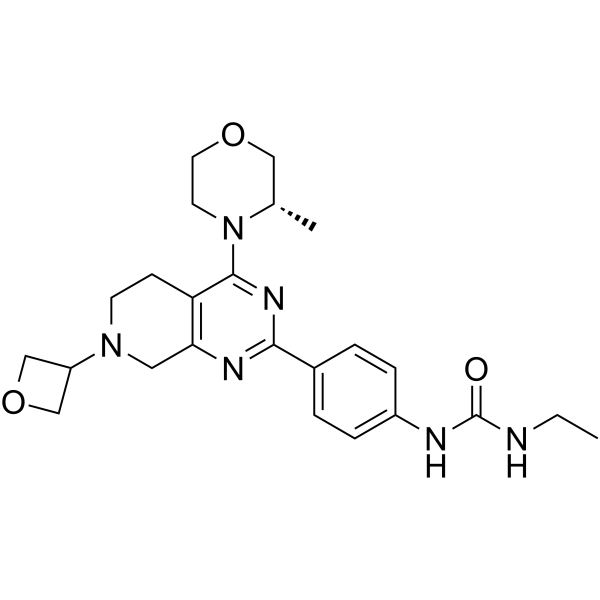
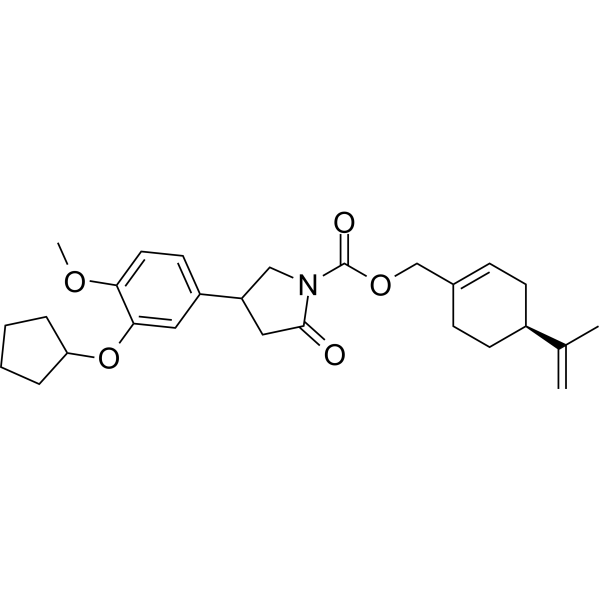
    NEO214 is an autophagy inhibitor and a covalent conjugate of the PDE4 inhibitor Rolipram (HY-16900) and perillyl alcohol (HY-N7000). It has anti-cancer activity and blood-brain barrier (BBB) permeability. Over sex. NEO214 prevents autophagy-lysosome fusion, thereby blocking autophagic flux and triggering glioma cell death. The process involves mTOR activation, andTFEB(Transcription Factor EB) aggregation. NEO214 inhibitionMacroautophagy/autophagy in glioblastoma cells has the potential to overcome chemotherapy resistance in glioblastoma .
    NEO214
  • HY-115507

    AMPK mTOR ERK Oxidative Phosphorylation Reactive Oxygen Species (ROS) Ras Cancer
    NMac1 is an orally active Nm23/NDPK activator. NMac1 directly binds to Nm23-H1 and activates the NDPK activity of recombinant Nm23-H1 with an EC50 of 10.7 uM. NMac1 induces AMPK activation and inhibits mTOR and ERK, leading to mitochondrial OXPHOS dysregulation and suppressing mitochondrial ROS production, which in turn induces mitochondrial dysfunction in MDA-MB-231 cells. NMac1 inhibits Complex I activity and suppresses changes in morphology and actin cytoskeleton organization following Rac1 activation in MDA-MB-231 cells. NMac1 inhibits tumor invasion, migration and metastasis. NMac1 is useful for studying metastatic tumors, such as breast cancer. NMac1 can be isolated from the ginger cassumunar Roxb .
    NMac1
  • HY-N0112R

    Ampelopsin (Standard); Ampeloptin (Standard)

    Reference Standards mTOR Influenza Virus DNA/RNA Synthesis Autophagy Infection Cancer
    Dihydromyricetin (Standard) is the analytical standard of Dihydromyricetin. This product is intended for research and analytical applications. Dihydromyricetin is a potent inhibitor with an IC50 of 48 μM on dihydropyrimidinase. Dihydromyricetin can activate autophagy through inhibiting mTOR signaling. Dihydromyricetin suppresses the formation of mTOR complexes (mTORC1/2). Dihydromyricetin is also a potent influenza RNA-dependent RNA polymerase inhibitor with an IC50 of 22 μM.
    Dihydromyricetin (Standard)
  • HY-10218S1

    RAD001-13C2,d4; SDZ-RAD-13C2,d4

    Isotope-Labeled Compounds Bacterial Autophagy FKBP mTOR Apoptosis Cancer
    Everolimus- 13C2,d4 (RAD001- 13C2,d4) is 13C labeled Everolimus. Everolimus (RAD001) is a Rapamycin (HY-10219) derivative and a potent, selective and orally active mTOR1 inhibitor. Everolimus binds to FKBP-12 to generate an immunosuppressive complex. Everolimus inhibits tumor cells proliferation and induces cell apoptosis and autophagy. Everolimus has potent immunosuppressive and anticancer activities .
    Everolimus-13C2,d4
  • HY-N0112S

    Ampelopsin-d4; Ampeloptin-d4

    Isotope-Labeled Compounds Autophagy Influenza Virus mTOR DNA/RNA Synthesis Infection Cancer
    Dihydromyricetin-d4 (Ampelopsin-d4) is deuterium labeled Dihydromyricetin. Dihydromyricetin is a potent inhibitor with an IC50 of 48 μM on dihydropyrimidinase. Dihydromyricetin can activate autophagy through inhibiting mTOR signaling. Dihydromyricetin suppresses the formation of mTOR complexes (mTORC1/2). Dihydromyricetin is also a potent influenza RNA-dependent RNA polymerase inhibitor with an IC50 of 22 μM.
    Dihydromyricetin-d4
  • HY-16397AS

    Phenethylbiguanide-d5 hydrochloride

    Isotope-Labeled Compounds Apoptosis mTOR Autophagy Mitochondrial Metabolism AMPK Neurological Disease Metabolic Disease Cancer
    Phenformin-d5 (Phenethylbiguanide-d5) hydrochloride is the deuterium labeled Phenformin hydrochloride. Phenformin hydrochloride is an orally active biguanide hypoglycemic agent. Phenformin hydrochloride inhibits mitochondrial respiratory chain complex I, leading to an increased AMP/ATP ratio, activation of AMPK, and subsequent inhibition of the mTOR pathway, thereby suppressing cell proliferation, inducing apoptosis and autophagy. Phenformin hydrochloride inhibits cancer stem cells (CSCs) and possesses potent antitumor potential.
    Phenformin-d5 hydrochloride
  • HY-16397AR

    Phenethylbiguanide hydrochloride (Standard)

    Reference Standards Apoptosis mTOR Autophagy Mitochondrial Metabolism AMPK Neurological Disease Metabolic Disease Cancer
    Phenformin (Phenethylbiguanide) hydrochloride (Standard) is the analytical standard of Phenformin hydrochloride (HY-16397). This product is intended for research and analytical applications. Phenformin hydrochloride (Phenethylbiguanide) is an orally active biguanide hypoglycemic agent. Phenformin hydrochloride inhibits mitochondrial respiratory chain complex I, leading to an increased AMP/ATP ratio, activation of AMPK, and subsequent inhibition of the mTOR pathway, thereby suppressing cell proliferation, inducing apoptosis and autophagy. Phenformin hydrochloride inhibits cancer stem cells (CSCs) and possesses potent antitumor potential.
    Phenformin hydrochloride (Standard)
  • HY-16397R

    Phenethylbiguanide (Standard)

    Reference Standards Apoptosis mTOR Autophagy Mitochondrial Metabolism AMPK Neurological Disease Metabolic Disease Cancer
    Phenformin (Phenethylbiguanide) (Standard) is the analytical standard of Phenformin (HY-16397). This product is intended for research and analytical applications. Phenformin (Phenethylbiguanide) is an orally active biguanide hypoglycemic agent. Phenformin inhibits mitochondrial respiratory chain complex I, leading to an increased AMP/ATP ratio, activation of AMPK, and subsequent inhibition of the mTOR pathway, thereby suppressing cell proliferation, inducing apoptosis and autophagy. Phenformin inhibits cancer stem cells (CSCs) and possesses potent antitumor potential.
    Phenformin (Standard)
  • HY-10681S

    PKI-587-d8; PF-05212384-d8

    Isotope-Labeled Compounds PI3K mTOR Cancer
    Gedatolisib-d8 (PKI-587-d8) is the deuterium labeled Gedatolisib (HY-10681). Gedatolisib (PKI-587) is a highly potent dual inhibitor of PI3Kα, PI3Kγ, and mTOR with IC50s of 0.4 nM, 5.4 nM and 1.6 nM, respectively. Gedatolisib is equally effective in both complexes of mTOR, mTORC1 and mTORC2 .
    Gedatolisib-d8
  • HY-100222R

    mTOR Reference Standards Cancer
    CZ415 (Standard) is the analytical standard of CZ415 (HY-100222). This product is intended for research and analytical applications. CZ415 is a potent and highly selective mTOR inhibitor with a pIC50 of 8.07. CZ415 inhibits mTORC1 and mTORC2 protein complex.
    CZ415 (Standard)
  • HY-181062

    HSP Apoptosis Autophagy ULK RIP kinase CDK Cancer
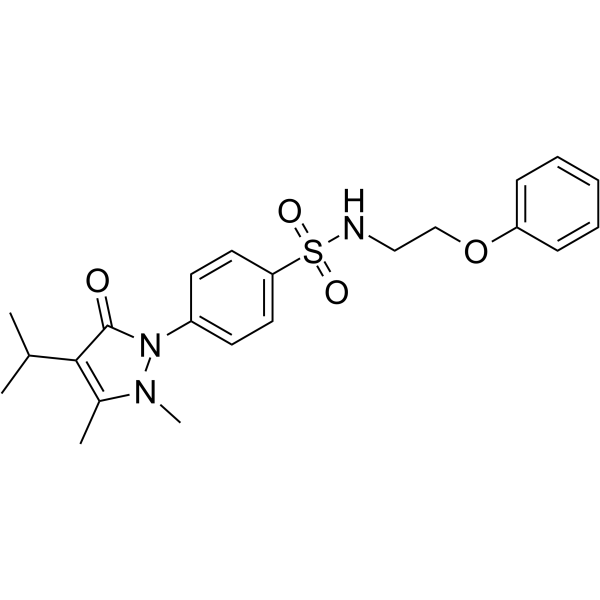
    VWK147 is a second-generation HSP90 C-terminal domain (CTD) inhibitor. VWK147 targets the CTD dimerization interface, prevents HSP90 CTD dimerization, disrupts co-chaperone PPID binding to HSP90 CTD, and inhibits HSP90 chaperone function dependent on dimerization. VWK147 reduces protein levels of HSP90 client proteins ULK1, RIPK1, and CDK4 without inducing a heat shock response. VWK147 induces cell death, including apoptosis, in Cisplatin (HY-17394)-sensitive and -resistant urothelial carcinoma cells. VWK147 induces LC3-II accumulation, inhibits autophagosome-lysosome fusion to block canonical autophagy, and induces non-canonical LC3 lipidation independent of ULK1 and PIK3C3 complexes. VWK147 can be used for the research of urothelial carcinoma .
    VWK147

Inquiry Online

Your information is safe with us. * Required Fields.

Salutation


Country or Region *

Applicant Name *


Organization Name *

Department *


Email Address *


Product Name *

Cat. No.


Requested quantity *

Phone Number *


Remarks

Inquiry Online

Inquiry Information

Product Name:
Cat. No.:
Quantity:
MCE Japan Authorized Agent:

