1. Search Result
Search Result
Results for "

Mechanism of action

" in MedChemExpress (MCE) Product Catalog:

129

Inhibitors & Agonists

12

Bibliotecas de Screening

3

Fluorescent Dyes

2

Biochemical Assay Reagents

11

Peptides

3

Inhibitory Antibodies

14

Natural
Products

8

Isotope-Labeled Compounds

1

Click Chemistry

1

Oligonucleotides

Cat. No. Nombre del producto Target Áreas de investigación Chemical Structure
  • HY-18233
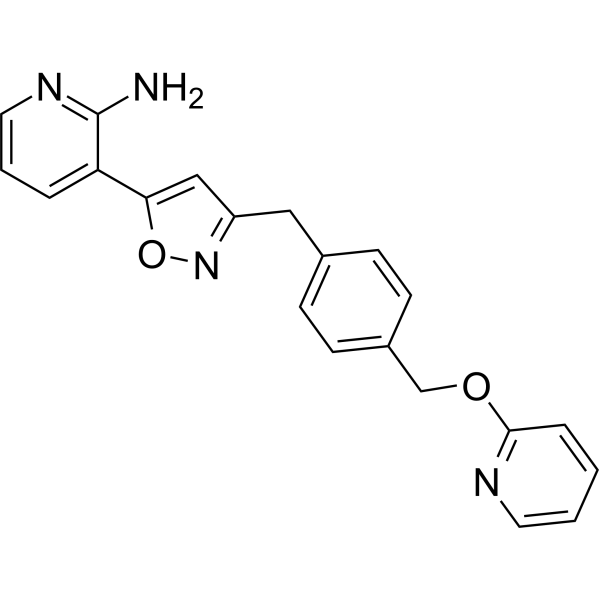
    Manogepix
    4 Publications Verification

    E1210; APX001A

    Fungal Infection
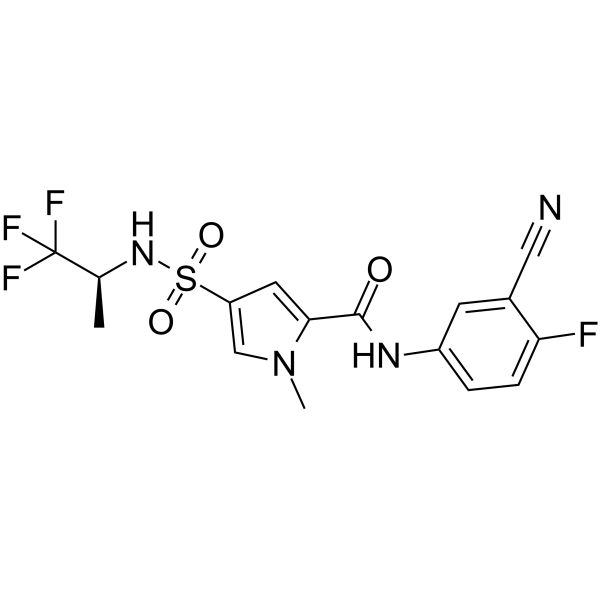
    Manogepix (E1210) is a first-in-class, broad-spectrum and orally active antifungal. Manogepix has a mechanism of action-inhibition of fungal glycosylphosphatidylinositol (GPI) biosynthesis .
    Manogepix
  • HY-B0125
    Ofloxacin
    10+ Cited Publications

    Hoe-280

    Bacterial Antibiotic Endogenous Metabolite Orthopoxvirus Infection Cancer
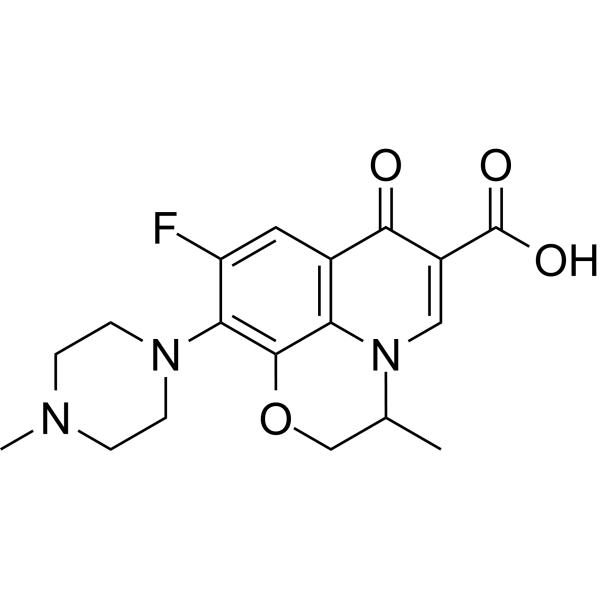
    Ofloxacin (Hoe-280) is a fluoroquinolone whose primary mechanism of action is inhibition of bacterial DNA gyrase. Ofloxacin shows inhibitory activity against vaccinia virus (VV).
    Ofloxacin
  • HY-18342
    Diflunisal
    1 Publications Verification

    MK-647

    COX Inflammation/Immunology Cancer
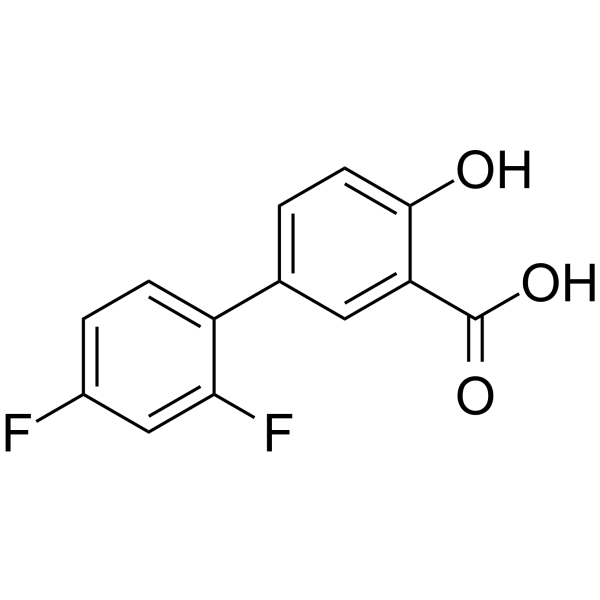
    Diflunisal (MK-647) is a salicylate derivative with nonsteroidal anti-inflammatory and uricosuric properties, which is used alone as an analgesic and in rheumatoid arthritis patients. The mechanism of action of diflunisal is as a Cyclooxygenase (COX) Inhibitor.
    Diflunisal
  • HY-109168
    Bersacapavir
    2 Publications Verification

    JNJ-6379; JNJ-56136379

    HBV DNA/RNA Synthesis Infection
    Bersacapavir (JNJ-6379) is an HBV capsid assembly modulator. Bersacapavir exerts a dual mechanism of action against both early and late stages of HBV infection by forming complete genome-free empty capsids and inhibiting de novo synthesis of cccDNA. Bersacapavir inhibits HBV replication. Bersacapavir can be used in the research of hepatitis B .
    Bersacapavir
  • HY-12404
    Diminazene aceturate
    10+ Cited Publications

    Diminazene diaceturate

    Parasite Angiotensin-converting Enzyme (ACE) Infection Inflammation/Immunology
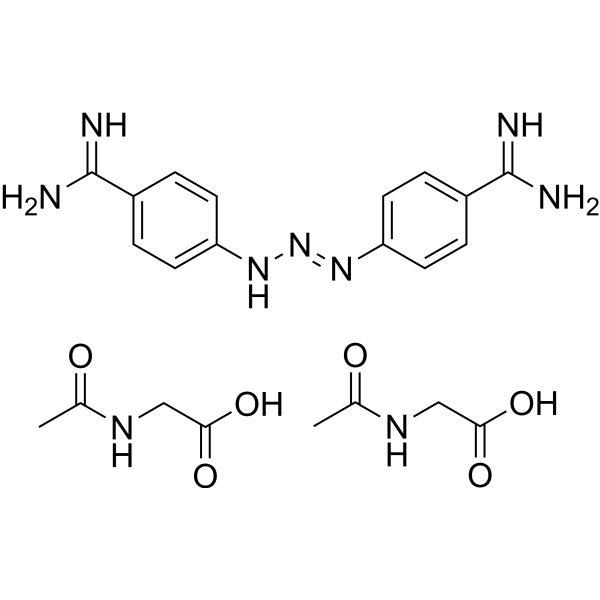
    Diminazene aceturate (Diminazene diaceturate) is an anti-trypanosome agent for livestock. The main biochemical mechanism of the trypanocidal actions of Diminazene aceturate is by binding to trypanosomal kinetoplast DNA (kDNA) in a non-intercalative manner through specific interaction with sites rich in adenine-thymine base pairs. Diminazene aceturate is also an angiotensin-converting enzyme 2 (ACE2) activator and has strong and potent anti-inflammatory properties .
    Diminazene aceturate
  • HY-B1657A

    Sodium Channel Neurological Disease
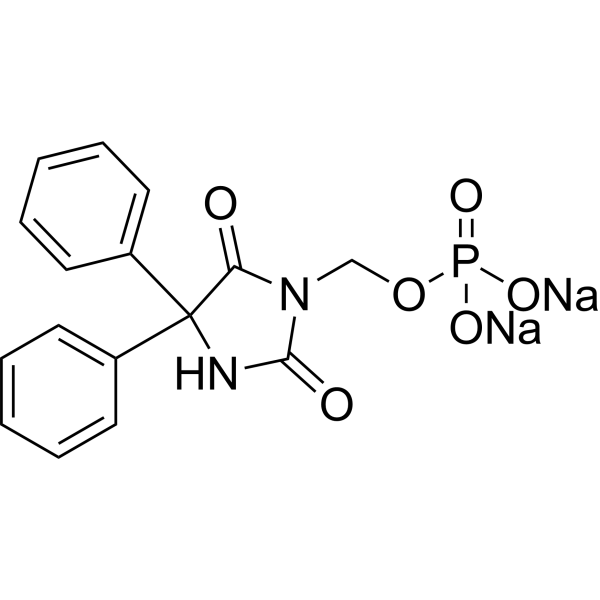
    Fosphenytoin sodium is a phenytoin proagent with similar anticonvulsant properties. Its main mechanism is to block frequency-dependent, use-dependent and voltage-dependent neuronal sodium channels, and therefore limit repetitive firing of action potentials.
    Fosphenytoin disodium
  • HY-Y0975

    Environmental Pollutants Drug Intermediate Others
    Silver(I) fluoride is a drug intermediate for synthesis of various active compounds. Silver(I) fluoride is a silver(I) complex that can form hydrates in aqueous solutions and in the solid state, enabling its localized application to the tooth decay area for oral health research .
    Silver(I) fluoride
  • HY-165740

    Disialoganglioside GD2

    Apoptosis Cancer
    Ganglioside GD2 (Disialoganglioside GD2) is a tumor-associated antigen. Ganglioside GD2 shows limited expression in normal tissues but is overexpressed in multiple tumor types, and thus can serve as a target in cancer. Ganglioside GD2 is associated with tumor development and malignant phenotypes, and its mechanism of action relies on enhancing cell proliferation, motility, migration, adhesion and invasion, with specific effects depending on the tumor type .
    Ganglioside GD2
  • HY-16762
    Artefenomel
    2 Publications Verification

    OZ439

    Parasite Ferroptosis SARS-CoV Infection
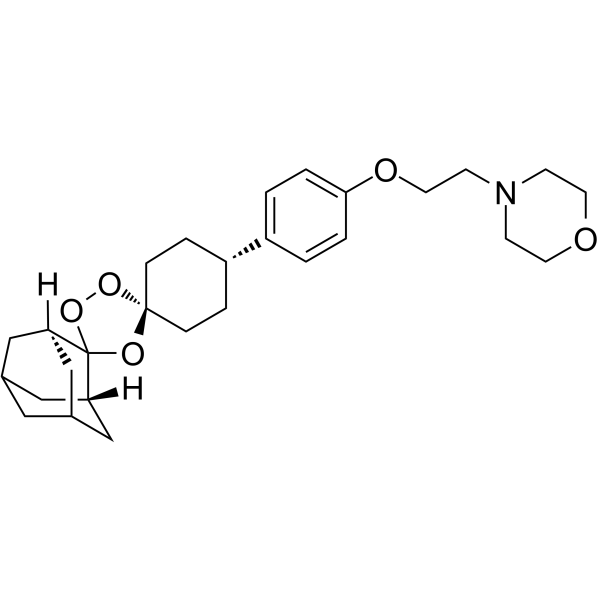
    Artefenomel (OZ439) is an orally active, synthetic anti-malarial compound containing an artemisinin pharmacophore with a mechanism of action similar to that of artemisinin. Artefenomel has antiviral activity against SARS-CoV-2 .
    Artefenomel
  • HY-P5285

    Parasite Infection Inflammation/Immunology Cancer
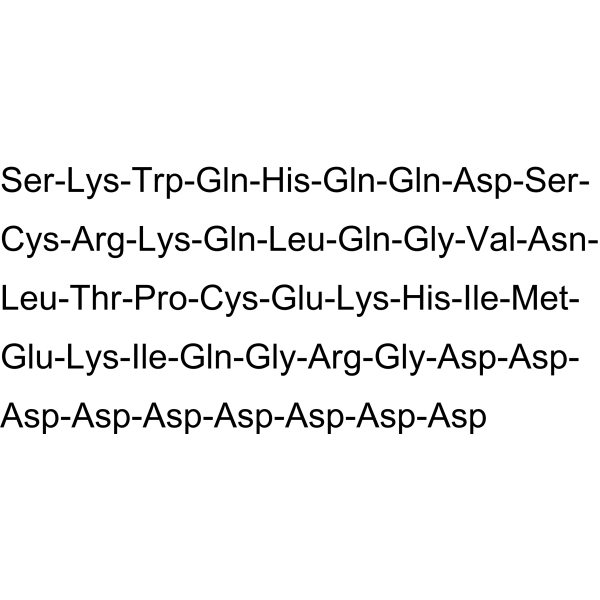
    Lunasin is a bioactive peptide with antioxidant, anti-inflammatory, anticancer and anti-aging properties. Lunasin can be isolated from soybean. Lunasin also has an epigenetic mechanism of action associated with histone acetylation. Lunasin can be internalized into cells and inhibit Oncosphere formation in cancer cells .
    Lunasin
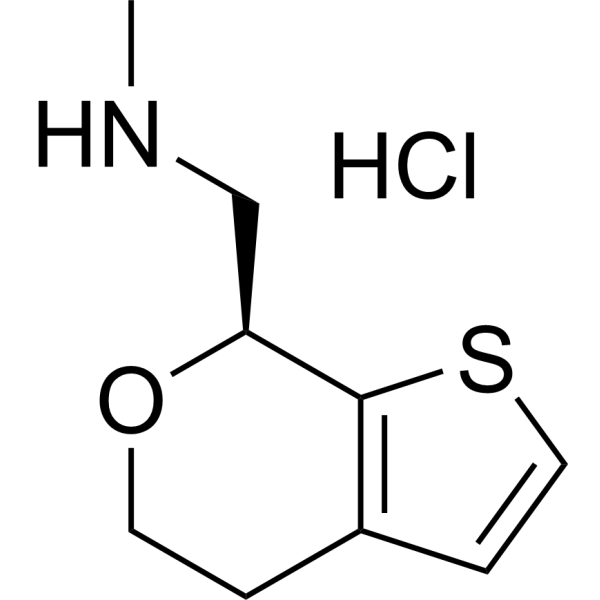
  • HY-136109
    Ulotaront hydrochloride
    10+ Cited Publications

    SEP-363856 hydrochloride; SEP-856 hydrochloride

    5-HT Receptor Neurological Disease
    SEP-363856 (SEP-856) hydrochloride, an orally active TAAR1 and 5-HT1A agonist and CNS active psychotropic agent with a unique, non-D2/5-HT2A mechanism of action, exerts its antipsychotic-like effects. SEP-363856 hydrochloride has the potential for the study of schizophrenia .
    Ulotaront hydrochloride
  • HY-N0380

    Others Neurological Disease
    Nardosinone, isolated from Nardostachys chinensis, is the first enhancer of the neuritogenic action of dbcAMP and staurosporine. Nardosinone may become a useful pharmacological tool for studying the mechanism of action of not only nerve growth factor (NGF) but also both the neuritogenic substances .
    Nardosinone
  • HY-12397
    ZK159222
    1 Publications Verification

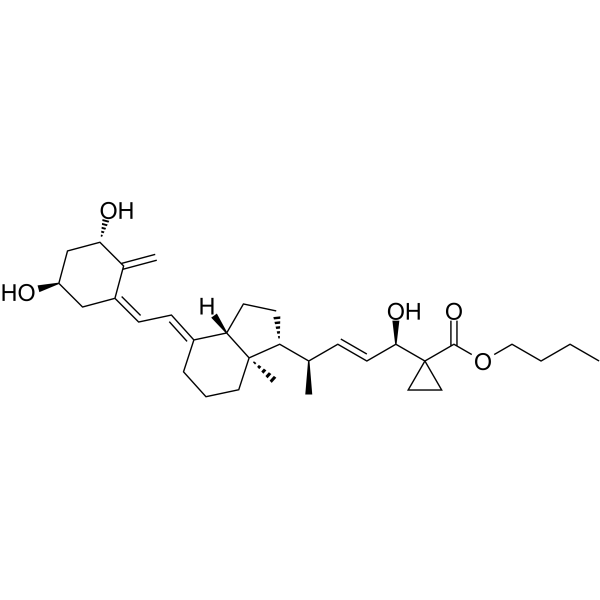
    VD/VDR Endocrinology
    ZK159222, a 25-carboxylic ester analogue of 1α,25-(OH)2D3, is a potent 1α,25-(OH)2D3 receptor (VDR) antagonist. The mechanism of ZK159222 antagonistic action is mediated by a lack of ligand-induced vitamin D receptor interaction with coactivators. ZK159222 has a partial agonistic character .
    ZK159222
  • HY-15114
    S 17092
    1 Publications Verification

    S 17092-1

    Prolyl Endopeptidase (PREP) Apoptosis Neurological Disease
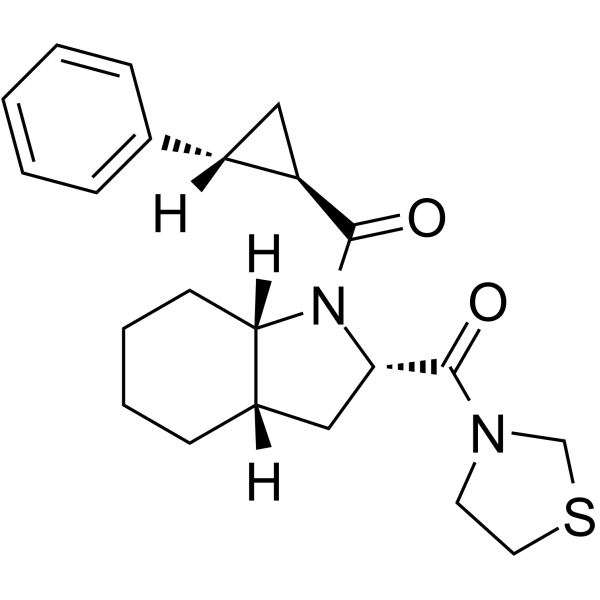
    S 17092 (S 17092-1) is an orally active cerebral prolyl-endopeptidase (PEP) inhibitor with an IC50 of 1.2 nM. S 17092 inhibits cell apoptosis. S 17092 mechanism of action is to inhibit the activity of PEP, slowing down the degradation of neuroactive peptides and thus enhancing memory function. S 17092 can be used for the research of memory impairment and cognitive disorders associated with cerebral aging .
    S 17092
  • HY-N7491A

    Calcium Channel Cancer
    ent-(+)-verticilide is a potent and selective inhibitor of cardiac ryanodine receptor (RyR2) calcium release channels with antiarrhythmic activity. ent-(+)-verticilide inhibits RyR2-mediated diastolic Ca2+ leak and exhibits higher potency and a distinct mechanism of action compared with theDantrolene and Tetracaine. ent-(+)-verticilide is a useful tool to investigate the therapeutic potential of targeting RyR2 hyperactivity in heart and brain pathologies .
    Ent-(+)-Verticilide
  • HY-107802
    Breviscapine
    2 Publications Verification

    Breviscapinun

    NF-κB Interleukin Related TGF-beta/Smad Calcium Channel Cardiovascular Disease Neurological Disease Inflammation/Immunology
    Breviscapine (Breviscapinun) is a flavonoid compound with antioxidant, anti-inflammatory, anti-fibrotic, and neuroprotective activities. Breviscapine ameliorates cerebral ischemia/reperfusion injury and vascular dementia, and inhibits the formation of postoperative abdominal adhesions. The mechanism of action of Breviscapine involves the regulation of oxidative stress, inflammatory cytokines, signaling pathways such as TGF-β/Smad, and cellular calcium overload. Breviscapine is used for research on diseases including cardiovascular and cerebrovascular diseases .
    Breviscapine
  • HY-W115727C

    Acrylamide polymer,Nonionic,Mw 5-6 million

    Biochemical Assay Reagents Others
    Polyacrylamide (Acrylamide polymer),Nonionic,Mw 5-6 million is a multifunctional, high-molecular-weight nonionic polyacrylamide copolymer. Polyacrylamide-based materials can maintain enzyme activity in enzyme immobilization, act as drug carriers for controlled release, function as smart materials responsive to temperature/pH stimuli, and be applied in in vitro toxin adsorption and soft tissue filling, through action mechanisms such as physical entrapment, covalent binding or chemical crosslinking. Polyacrylamide finds applications in biomedical engineering, environmental management and industrial applications .
    Polyacrylamide,Nonionic,Mw 5-6 million
  • HY-19666
    DPI 201-106
    1 Publications Verification

    SDZ 201106

    Sodium Channel Cardiovascular Disease
    DPI 201-106 (SDZ 201106) is a cardiotonic agent with a synergistic sarcolemmal and intracellular mechanism of action. DPI 201-106 shows cardioselective modulation of voltage-gated sodium channels (VGSCs) resulting in a positive inotropic effect .
    DPI 201-106
  • HY-162382

    PI3K Akt mTOR Cancer
    KTC1101 is an orally active pan-PI3K inhibitor. KTC1101 can inhibit the PI3K signaling pathway, reduce downstream AKT and mTOR phosphorylation, and reduces the expression of Ki67. The anti-tumor effect of KTC1101 has a dual mechanism of action: directly inhibiting tumor cell growth and dynamically enhancing immune response .
    KTC1101
  • HY-P4697A

    Thyroid Hormone Receptor Endocrinology
    pTH (44-68) (human) TFA is a fragment of human parathyroid hormone (pTH) that lacks the adenylate cyclase-stimulating activity of intact pTH. pTH (44-68) (human) TFA can be used to study the mechanism of action of pTH .
    pTH (44-68) (human) TFA
  • HY-D1732

    Fluorescent Dye Others
    FITC-hyodeoxycholic acid is a hyodeoxycholic acid labeled with FITC, which can be used to study the mechanism of action of hyodeoxycholic acid .
    FITC-hyodeoxycholic acid
  • HY-115528

    Nucleoside Antimetabolite/Analog DNA/RNA Synthesis Cancer
    FF-10502, a structural analog of Gemcitabine, is a pyrimidine nucleoside antimetabolite. FF-10502 inhibits DNA polymerase α and β. FF-10502 shows beneficial anticancer activity via a mechanism of action on dormant cells .
    FF-10502
  • HY-B0125R

    Hoe-280 (Standard)

    Reference Standards Bacterial Antibiotic Endogenous Metabolite Orthopoxvirus Infection
    Ofloxacin (Standard) is the analytical standard of Ofloxacin. This product is intended for research and analytical applications. Ofloxacin (Hoe-280) is a fluoroquinolone whose primary mechanism of action is inhibition of bacterial DNA gyrase. Ofloxacin shows inhibitory activity against vaccinia virus (VV).
    Ofloxacin (Standard)
  • HY-134254

    8-(6-Aminohexylamino)-cAMP

    Biochemical Assay Reagents Others
    8-AHA-cAMP (8-(6-Aminohexylamino)-cAMP) is a cAMP derivative that modulates the function of proteins by interacting with their cAMP binding domain (CNBD). 8-AHA-cAMP can be used to reveal the mechanism of action of cAMP in cell signaling .
    8-AHA-cAMP
  • HY-B0343C

    Bacterial
    Sarafloxacin hydrochloride 100 μg/mL in methanol is an antibiotic with activity to inhibit bacterial growth. Sarafloxacin hydrochloride 100 μg/mL in methanol is widely used in veterinary medicine to inhibit bacterial infections. The mechanism of action of Sarafloxacin hydrochloride 100 μg/mL in methanol is mainly achieved by inhibiting the activity of bacterial DNA gyrase. Sarafloxacin hydrochloride 100 μg/mL in methanol is also used in animal feed to improve feed conversion and promote growth.
    Sarafloxacin hydrochloride 100 μg/mL in methanol
  • HY-14790

    (S,S)-(+)-Reboxetine

    Adrenergic Receptor Neurological Disease
    Esreboxetine ((S,S)-Reboxetine) is a selective norepinephrine reuptake inhibitor with activity in increasing urethral resistance. Esreboxetine has been reported to be effective in patients with stress urinary incontinence in a Phase IIa clinical study, achieving this effect by increasing urethral closure. The mechanism of action of esreboxetine involves inhibition of norepinephrine transporters in the central and peripheral nervous systems. The peripheral selectivity of esreboxetine helps it significantly increase urethral resistance without penetrating the brain .
    Esreboxetine
  • HY-P5884A

    PKC Others
    PKCθ pseudosubstrate peptide inhibitor, myristoylated TFA is a synthetic peptide that can be used to study the mechanism of action of PKCθ .
    PKCθ pseudosubstrate peptide inhibitor,myristoylated TFA
  • HY-B0827S

    MTI-446-d3

    nAChR Parasite Infection Cardiovascular Disease
    Dinotefuran-d3 is the deuterium labeled Dinotefuran . Dinotefuran is an insecticide of the neonicotinoid class, its mechanism of action involves disruption of the insect's nervous system by inhibiting nicotinic acetylcholine receptors .
    Dinotefuran-d3
  • HY-P10027

    Antibiotic Bacterial Infection
    Clovibactin is an antibiotic for drug-resistant bacterial pathogens without detectable resistance. Clovibactin TFA inihibits cell wall synthesis by targeting pyrophosphate of peptidoglycan precursors .
    Clovibactin
  • HY-18342S

    MK-647-d3

    Isotope-Labeled Compounds COX Inflammation/Immunology Cancer
    Diflunisal-d3 is the deuterium labeled Diflunisal. Diflunisal (MK-647) is a salicylate derivative with nonsteroidal anti-inflammatory and uricosuric properties, which is used alone as an analgesic and in rheumatoid arthritis patients. The mechanism of action of diflunisal is as a Cyclooxygenase (COX) Inhibitor.
    Diflunisal-d3
  • HY-N3940

    Others Neurological Disease Cancer
    Gelsevirine is the major alkaloid in Gelsemium elegans with potent anxiolytic effects. The anxiolytic mechanism of Gelsevirine may be involved in the agonist action of the glycine receptor in the brain. Gelsevirine has anti-proliferation activity with IC50 values of 1.41 mM and 1.22 mM for SW480 cells and MGC80-3 cells, respectively .
    Gelsevirine
  • HY-136109A

    SEP-363856; SEP-856

    5-HT Receptor Neurological Disease
    SEP-363856 (SEP-856), an orally active TAAR1 and 5-HT1A agonist and CNS active psychotropic agent with a unique, non-D2/5-HT2A mechanism of action, exerts its antipsychotic-like effects. SEP-363856 (SEP-856) has the potential for the study of schizophrenia .
    Ulotaront
  • HY-106998

    Bacterial Antibiotic Infection
    DC-756 is a fluoroquinolone antibiotic. DC-756 possesses potent activity against Gram-positive and Gram-negative pathogens comparable to Trovafloxacin (HY-A0170), with MIC, against Ofloxacin (HY-B0125)-resistant strains 16-fold better than Trovafloxacin. DC-756 is well absorbed orally in rats and found to have good photostability. DC-756 can be used to study bacterial resistance .
    DC-756
  • HY-175010

    STAT Apoptosis Bcl-2 Family Caspase Cancer
    STAT3-IN-44 is a potent STAT3 inhibitor with IC50s of 1.84 (C6 cells) and 4.81 μM (A549 cells). STAT3-IN-44 inhibits STAT3 phosphorylation, downregulates Bcl-2, and upregulates Caspase-3 to promote late-stage apoptosis. STAT3-IN-44 significantly suppresses tumor cell proliferation and migration. STAT3-IN-44 can be used for the study of cancers such as glioma and lung cancer .
    STAT3-IN-44
  • HY-P5885

    PKC Others
    PKCη pseudosubstrate inhibitor,myristoylated is cell permeable and can be used to study the mechanism of action of PKCη .
    PKCη pseudosubstrate inhibitor,myristoylated
  • HY-W750716

    Taraxanthin; Lutein 5,6-epoxide

    Endogenous Metabolite Others
    Lutein epoxide is a carotenoid. Lutein epoxide can be converted into Lutein (HY-N6947) under the action of light. Lutein epoxide can be used to study the photoprotection mechanism of plants .
    Lutein epoxide
  • HY-13644

    15-Deoxyspergualin

    Others Others
    Gusperimus is a fully synthetic racemate that has a novel mechanism of action by binding to the intracellular heat shock protein hsp70 and interfering with intracellular signal transduction. This mechanism of action can enhance the effect of immunosuppressive therapy. Gusperimus can inhibit the differentiation of T cells into cytotoxic T cells, reduce the expression of IL-2 receptors on CD4 and CD8 cells, and inhibit IFN-γ-induced B cell maturation. In addition, when used with cyclosporine, tacrolimus or mycophenolate mofetil, Gusperimus can enhance the immunosuppressive effect and prevent allogeneic transplant rejection.
    Gusperimus
  • HY-B0125S1

    Bacterial Antibiotic Infection
    Ofloxacin-d8 (Hoe-280-d8) is the deuterium labeled Ofloxacin. Ofloxacin (Hoe-280) is a fluoroquinolone whose primary mechanism of action is inhibition of bacterial DNA gyrase.
    Ofloxacin-d8
  • HY-121248

    AC217300

    Mitochondrial Metabolism Infection
    Hydramethylnon (AC217300) is an amidinohydrazone insecticide. Hydramethylnon's mechanism of action is through inhibition of mitochondrial respiration by inhibiting the electron transport chain at the cytochrome b-c1 complex. Hydramethylnon can be used to eliminate red imported fire ants, cockroaches, and other insects .
    Hydramethylnon
  • HY-157294B

    GSK47866A

    Glucocorticoid Receptor Others
    (Rac)-GSK866 (GSK47866A) is a non-steroidal glucocorticoid receptor (GR) ligand. The crystal structure of (Rac)-GSK866 bound to the GR LBD (3E7C) can be used as a model to study the mechanism of action of ligands of the same class .
    (Rac)-GSK866
  • HY-P10541

    HSP Others
    HSP70/DnaK substrate peptide is a short peptide that the HSP70/DnaK molecular chaperone can bind and act on. HSP70/DnaK substrate peptide can be used to study the mechanism of action of HSP70/DnaK in molecular chaperone function .
    HSP70/DnaK substrate peptide
  • HY-P10541A

    HSP Others
    HSP70/DnaK substrate peptide TFA is a short peptide that the HSP70/DnaK molecular chaperone can bind and act on. HSP70/DnaK substrate peptide TFA can be used to study the mechanism of action of HSP70/DnaK in molecular chaperone function .
    HSP70/DnaK substrate peptide TFA
  • HY-121282B

    Pecazine acetate

    Apoptosis MALT1 Others
    Mepazine acetate (Pecazine acetate) is a drug that has the activity to inhibit the protease activity of MALT1. Mepazine acetate is often used to study the role of MALT1 in biology. Treatment of mouse bone marrow precursor cells with mepazine acetate strongly inhibited RANK ligand (RANKL)-induced osteoclast formation. Mepazine acetate also inhibited the expression of multiple osteoclast markers such as TRAP, feline hepsin K, and calcitonin. The protective effect of mepazine acetate was not affected by MALT1 deficiency. The mechanism of action of mepazine acetate may involve MALT1-independent mechanisms, and this aspect needs to be considered in future studies .
    Mepazine acetate
  • HY-P99660

    IGM-2323

    CD20 CD3 Inflammation/Immunology Cancer
    Imvotamab (IGM-2323) is a CD20 and CD3 bispecific IGM antibody with dual action mechanism. Imvotamab is used to induce physiological T cell activation to prevent over-stimulation and subsequent down-regulation of immune function. Imvotamab can be used for the study of B-cell malignant tumors, multiple myeloma (MM) and non-Hodgkin's lymphoma (NHL) .
    Imvotamab
  • HY-129953F

    PGF2α-biotin

    Biochemical Assay Reagents Prostaglandin Receptor Others
    Prostaglandin F2α-biotin (PGF2α-biotin) is a biotinylated form of Prostaglandin F2α (HY-12956). Prostaglandin F2α-biotin can be used in the study of the mechanism of action of prostaglandins. In addition, Prostaglandin F2α-biotin can be detected in the ethanolic extract of Hawm Gra Dang Ngah rice .
    Prostaglandin F2α-biotin
  • HY-N0554R

    Reference Standards HIV Protease Infection Cancer
    Escin IA (Standard) is the analytical standard of Escin IA. This product is intended for research and analytical applications. Escin IA is a triterpene saponin isolated from Aesculus hippocastanum, which inhibits HIV-1 protease with IC50 values of 35 μM. Escin IA has anti-TNBC metastasis activity, and its action mechanisms involved inhibition of epithelial-mesenchymal transition process by down-regulating LOXL2 expression .
    Escin IA (Standard)
  • HY-178988

    Bacterial Infection
    Antibacterial agent 299 (Compound P5) is a highly effective antibacterial agent against Xanthomonas oryzae pv. oryzae (Xoo), with an EC₅₀ value of 6.9 μg/mL. Antibacterial agent 299 integrates into bacterial membranes, disrupts membrane structure, inhibits biofilm formation, and thus exerts antibacterial effects. Antibacterial agent 299 also shows inhibitory activity against Xanthomonas oryzae pv. oryzicola (Xoc) (EC₅₀ = 32.5 ± 3.0 μg/mL), but its activity against Xanthomonas axonopodis pv. citri (Xac) is weaker. Antibacterial agent 299 demonstrated excellent control efficacy in a rice bacterial blight (BLB) model. Antibacterial agent 299 can be used for BLB research .
    Antibacterial agent 299
  • HY-165544

    Others Neurological Disease
    Decamethonium chloride is a depolarizing neuromuscular blocking agent that can be used to study the mechanism of action of muscle relaxants .
    Decamethonium chloride
  • HY-B1121S

    Glucocorticoid Receptor Inflammation/Immunology Endocrinology
    Flunisolide-d6 is the deuterium labeled Flunisolide. Flunisolide is a corticosteroid often used to treat allergic rhinitis.The principal mechanism of action of Flunisolide is to activate glucocorticoid receptors, meaning it has an anti-inflammatory action.
    Flunisolide-d6
  • HY-P5884

    PKC Others
    PKCθ pseudosubstrate peptide inhibitor, myristoylated is a synthetic peptide that can be used to study the mechanism of action of PKCθ .
    PKCθ pseudosubstrate peptide inhibitor,myristoylated

Consulta en línea

Your information is safe with us. * Required Fields.

Saludo


Country or Region *

Nombre del solicitante *


Nombre de la Organizaciòn *

Department *


Direcciòn del E-mail *


Nombre del producto *

Cat. No.


Requested quantity *

Número de teléfono *


Observaciones

Consulta en línea

Inquiry Information

Nombre del producto:
Cat. No.:
Cantidad:
MCE Japan Authorized Agent: