
Search Result
Results for "
NBDs
" in MedChemExpress (MCE) Product Catalog:
2
Biochemical Assay Reagents
| Cat. No. |
Product Name |
Target |
Research Areas |
Chemical Structure |
-
- HY-108910
-
|
EC 3.4.21.1; Chymotrypsin A
|
Toll-like Receptor (TLR)
NF-κB
MMP
|
Others
Inflammation/Immunology
|
|
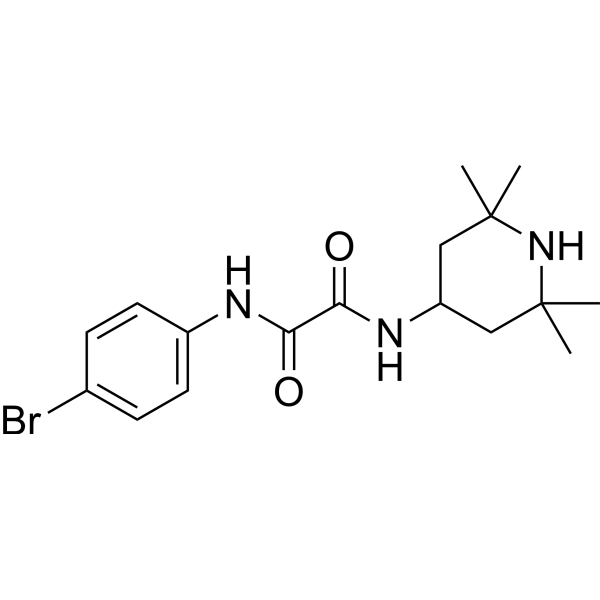
Chymotrypsin (EC 3.4.21.1; Chymotrypsin A) is an orally effective inhibitor targeting molecules such as TLR4, NF-κB, MMP-1, TNF-α, IL-1β, and IL-6. Chymotrypsin downregulates the TLR4/NF-κB signaling pathway, inhibiting the release of inflammatory factors, reducing cell infiltration and tissue damage. It also reduces the expression of tumor cell adhesion molecules (such as CD44 and CD54) and can be specifically detected by fluorescent probes (such as NBD-3). Chymotrypsin has anti-inflammatory, hepatoprotective, joint damage-reducing, liver protection against lipotoxicity, and anti-tumor metastasis functions. It can be used in research on diseases such as rheumatoid arthritis, non-alcoholic fatty liver disease, and melanoma metastasis. Chymotrypsin can be used in studies of inflammation, edema, and expectoration .
|
-
-
- HY-D1683
-
NBD-PE
2 Publications Verification
|
Fluorescent Dye
|
Others
|
|
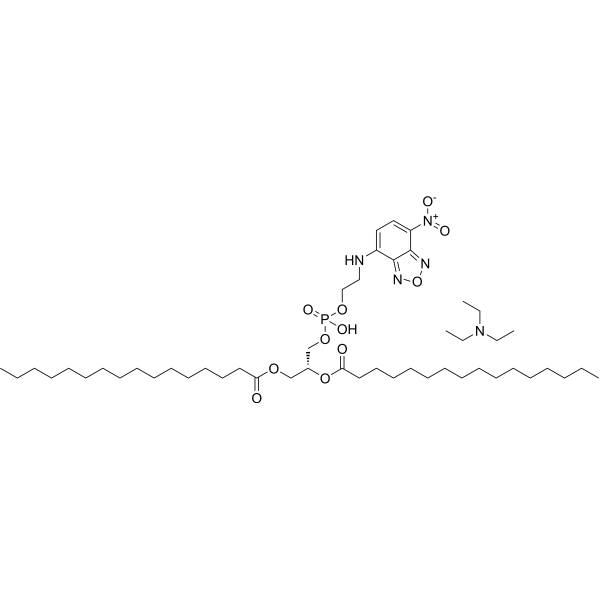
NBD-PE is an effective lipid fluorescent probe (Excitation/Emission: 465/535 nm; Color: Green). NBD-PE offers a wide array of applications in membrane and cell biology .
|
-
-
- HY-D0042
-
NBD-Cl
1 Publications Verification
NBD chloride
|
Fluorescent Dye
|
Others
|
|
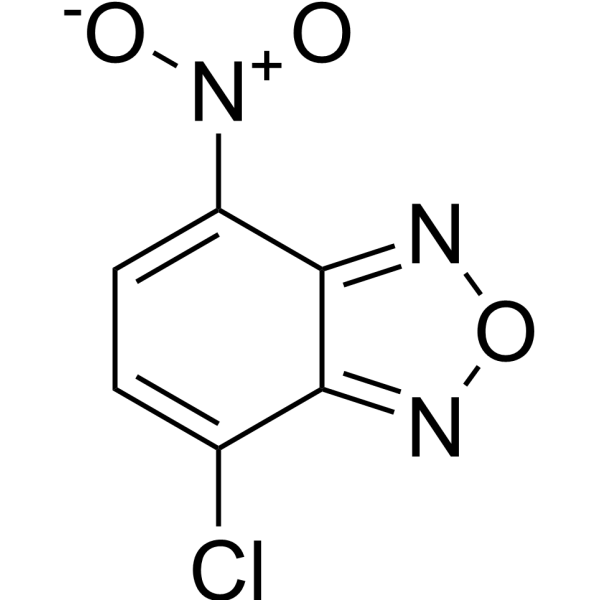
NBD-Cl is a nonfluorescent reagent which becomes highly fluorescent after reaction with thiol or amino groups .
|
-
-
- HY-D0785
-
|
4-Fluoro-7-nitrobenzofurazan
|
Fluorescent Dye
|
Others
|
|
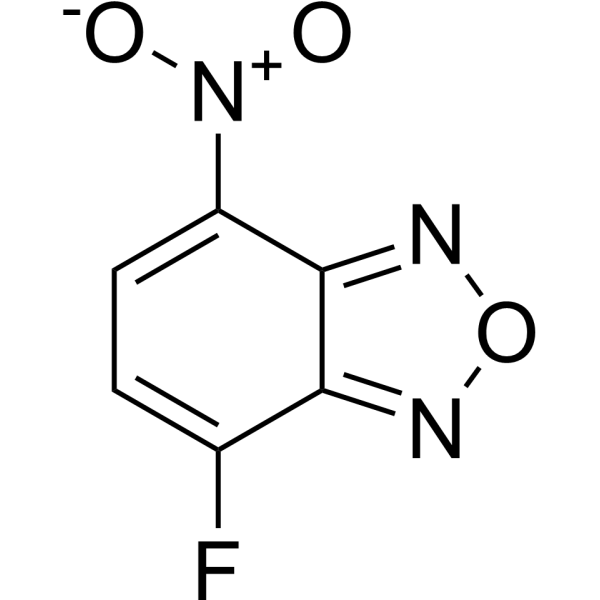
NBD-F (4-Fluoro-7-nitrobenzofurazan) is a pro-fluorescent reagent which is developed for amino acid analysis. NBD-F reacts with primary or secondary amines to produce a fluorescent product and used for analysis of amino acids and low molecular weight amines .
|
-
-
- HY-W020012
-
|
22-NBD Cholesterol
|
Fluorescent Dye
|
Metabolic Disease
|
|
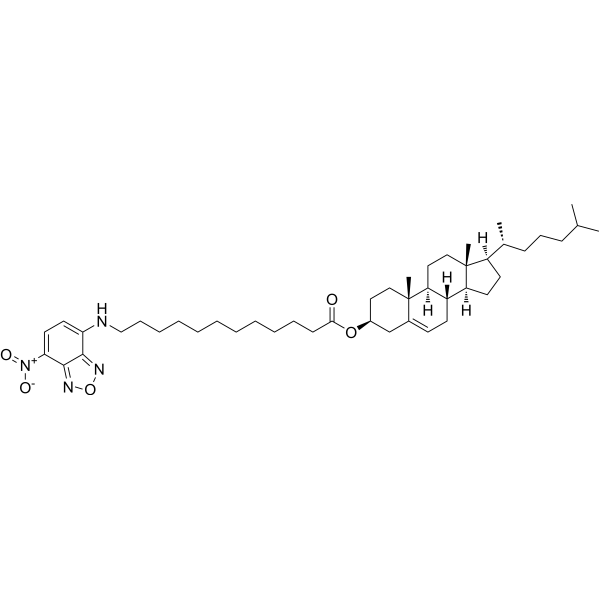
Fluoresterol (22-NBD Cholesterol) is a cholesterol-specific fluorescent probe with cholesterol-mimicking binding properties. Fluoresterol is ineffective orally and does not cross the blood-brain barrier. Fluoresterol specifically binds to cholesterol transport-related proteins (such as ABCA1 and ABCG1) and is primarily used in cholesterol metabolism research, particularly for the visualization and quantitative analysis of cholesterol absorption, efflux, intracellular transport efficiency, and reverse cholesterol transport (RCT) processes. The commonly used concentration of Fluoresterol in in vitro experiments is 0.1-10 μM, and the commonly used dose in in vivo experiments is 5-20 mg/kg (gavage or intraperitoneal injection), with excitation/emission wavelengths of 472/540 nm. Fluoresterol can be applied to the study of cholesterol metabolism mechanisms related to hyperlipidemia, atherosclerosis, and non-alcoholic fatty liver disease (NAFLD) .
|
-
-
- HY-D0133
-
|
|
Fluorescent Dye
|
Others
|
|
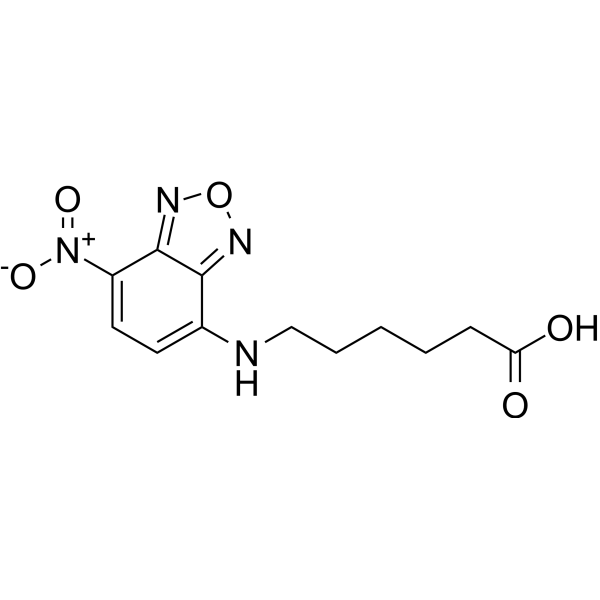
NBD-X acid is a fluorescent probe containing a nitrobenzoxadiazole group. NBD-X acid can be used to study the structure and function of biomolecules .
|
-
-
- HY-129109
-
|
|
Fluorescent Dye
|
Inflammation/Immunology
Cancer
|
|
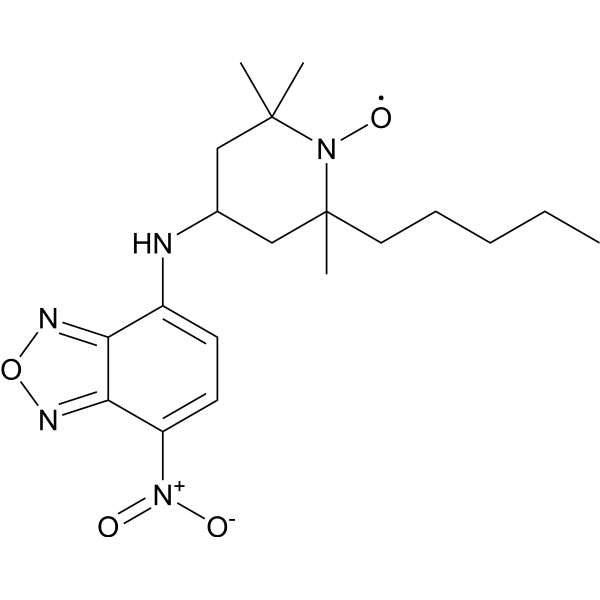
NBD-Pen is the first fluorescence probe for lipid radicals with high selectivity and sensitivity (λex: 470 nm, λem: 530 nm). NBD-Pen specifically detects lipid derived radicals over other reactive species present in biological systems, including H2O2, ClO -, O2 -?, and ?OH. NBD-Pen directly detects lipid radicals in living cells by turn-on fluorescence. NBD-Pen decreases inflammation, apoptosis, and oxidative stress markers. NBD-Pen can be studied in various disease models such as hepatic carcinoma .
|
-
-
- HY-W356116
-
|
Nbd-ceramide
|
Fluorescent Dye
|
Others
|
|
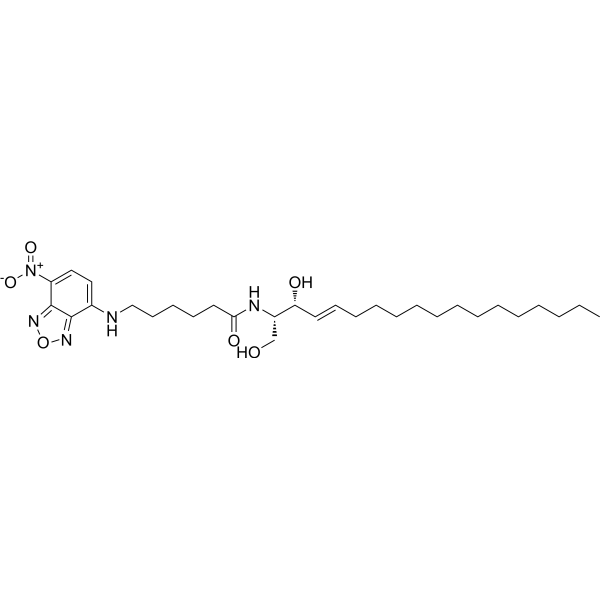
C6 NBD Ceramide is a Golgi apparatus fluorescent probe with cell membrane permeability. C6 NBD Ceramide can be used for fast and convenient green fluorescent labeling of Golgi in living and fixed cells, and can be used to observe changes in Golgi morphology in living cells (Ex=466 nm, Em=536 nm). C6-NBD-ceramide is metabolized to fluorescent sphingomyelin and glucosylceramide, can be used for the study of sphingolipid transport and metabolic mechanism .
|
-
-
- HY-108910A
-
|
EC 3.4.21.1 (MS grade); Chymotrypsin A (MS grade)
|
Toll-like Receptor (TLR)
NF-κB
MMP
|
Others
Inflammation/Immunology
|
|
Chymotrypsin (EC 3.4.21.1; Chymotrypsin A) (MS grade) is an orally effective inhibitor targeting molecules such as TLR4, NF-κB, MMP-1, TNF-α, IL-1β, and IL-6. Chymotrypsin (MS grade) downregulates the TLR4/NF-κB signaling pathway, inhibits the release of inflammatory factors, reduces cell infiltration and tissue damage, and also reduces the expression of tumor cell adhesion molecules (such as CD44 and CD54). It can also be specifically detected by fluorescent probes (such as NBD-3). Chymotrypsin (MS grade) has anti-inflammatory, hepatoprotective, joint damage-reducing, liver protection against lipotoxicity, and anti-tumor metastasis functions, and can be used in the research of diseases such as rheumatoid arthritis, non-alcoholic fatty liver disease, and melanoma metastasis. Chymotrypsin (MS grade) can be used in studies of inflammation, edema, and expectoration .
|
-
-
- HY-143702
-
|
NBD-DOTAP
|
Fluorescent Dye
Liposome
|
Inflammation/Immunology
Cancer
|
|
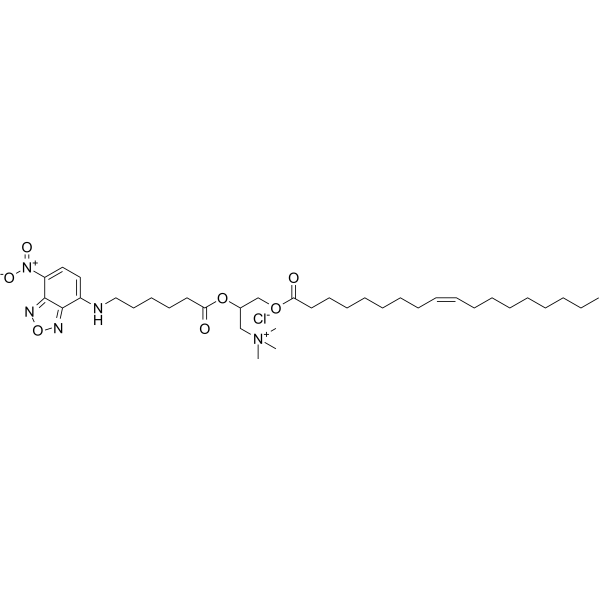
Fluorescent DOTAP (NBD-DOTAP) is a cationic lipid which can be used for nucleic acid and protein delivery. Fluorescent DOTAP is labeled with a fluorophore NBD (maximum excitation/emission wavelength ∼463/536 nm). Fluorescent DOTAP can be used for gene delivery systems, drug delivery, as well as cell imaging and nanocarrier tracking. Fluorescent DOTAP is an ideal candidate for both biological and pharmaceutical formulation (e.g. co-delivery of vaccines) research .
|
-
-
- HY-W273413
-
|
NBD-H
|
Fluorescent Dye
|
Cancer
|
|
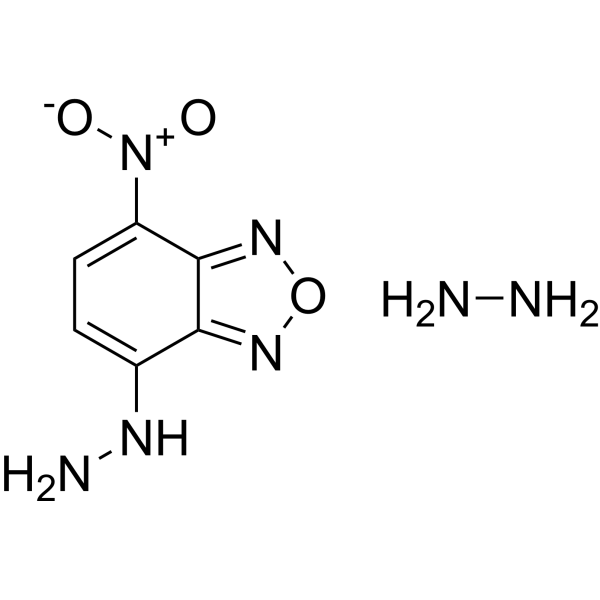
4-Hydrazino-7-nitro-benzofurazan hydrazine adduct (NBD-H) is a fluorescent reagent used for protein labeling .
|
-
-
- HY-123936
-
|
|
NF-κB
IKK
COX
Interleukin Related
|
Neurological Disease
Inflammation/Immunology
|
|
SR12343 is a IKK/NF-κB inhibitor and a mimetic of the NF-κB essential modulator (NEMO)-binding domain (NBD). SR12343 inhibits TNF-α- and LPS-induced NF-κB activation by blocking the interaction between IKKβ and NEMO. SR12343 suppresses LPS-induced acute pulmonary inflammation in mice. SR12343 extends the healthspan of naturally aged and accelerated aging mice. SR12343 can be used for research on inflammatory and degenerative diseases .
|
-
-
- HY-W008884
-
|
|
Bacterial
|
Others
|
|
25-NBD Cholesterol is a fluorescently labeled form of cholesterol that facilitates the distinction between exogenous and endogenous cholesterol within bacterial cell membranes, emitting green fluorescence signals.
|
-
-
- HY-W356117
-
|
|
Fluorescent Dye
|
Others
|
|
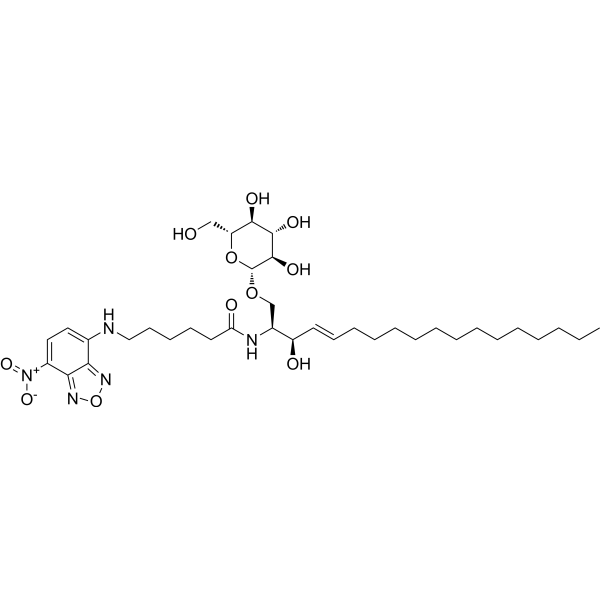
C6 NBD Glucosylceramide is a glucosylceramide fluorescent derivative (Ex=466 nm, Em=535 nm). C6 NBD Glucosylceramide can be used to study the metabolism and internalization of glucosylceramide and also for the determination of glucosyl ceramide synthase activity .
|
-
-
- HY-130433
-
|
|
Fluorescent Dye
|
Others
|
|
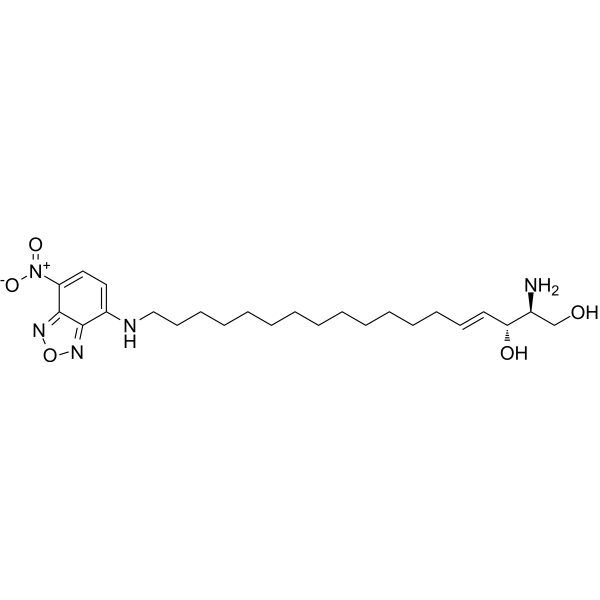
NBD Sphingosine (NBD-Sph), a fluorochrome, is a fluorescence-labeled sphingosine. NBD Sphingosine can be uesd for fluorescence assay for sphingosine kinases .
|
-
-
- HY-76648
-
|
|
HIV
|
Infection
|
|
NBD-556, a CD4 mimetic, is a potent HIV-1 entry inhibitor that blocks the gp120-CD4 interaction. NBD-556 shows potent cell fusion and virus-cell fusion inhibitory activity at low micromolar levels .
|
-
-
- HY-D1574
-
|
|
Fluorescent Dye
|
Others
|
|
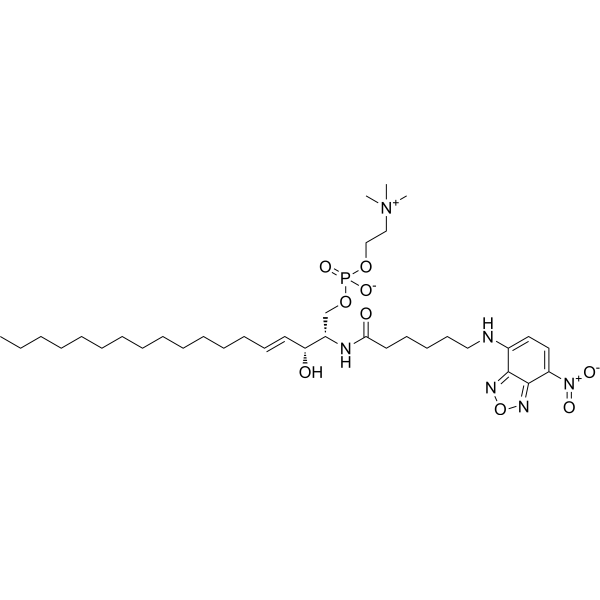
C6 NBD Sphingomyelin is a fluorescent short-chain analogue of Sphingomyelin (HY-113498). Chlamydia trachomatis acquires C6 NBD Sphingomyelin endogenously synthesizes from C6-NBD-ceramide and transportes to the chlamydial inclusion. C6 NBD Sphingomyelin can incorporate into the plasma membrane .
|
-
-
- HY-119791
-
|
|
Fluorescent Dye
|
Others
|
|
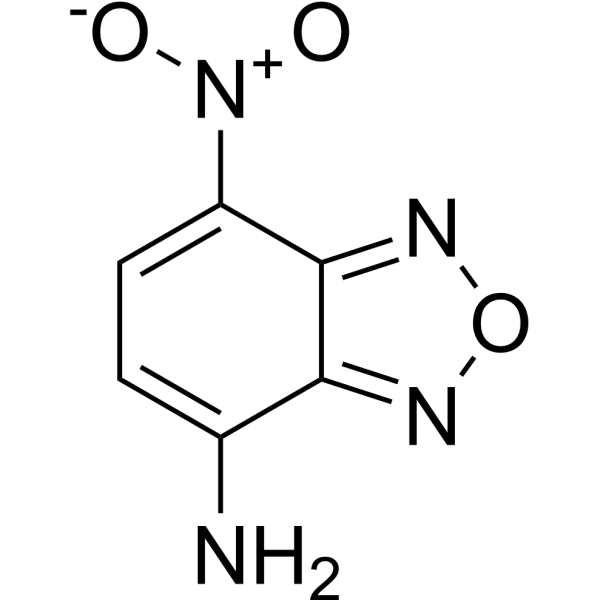
NBD-amine is a fluorogenic amine. NBD-amine displays the property of fluorescing weakly in water and strongly in organic solvents, membranes or hydrophobic environments .
|
-
-
- HY-D1584
-
|
|
Phospholipase
|
Others
|
|
C12 NBD sphingomyelin is an active derivative of Sphingomyelin (HY-113498) that is tagged with fluorescent C12 nitrobenzoxadiazole (C12 NBD). C12 NBD sphingomyelin can be used as a sphingomyelinase substrate for studying the metabolism and transport of sphingomyelins (Ex=470 nm, Em=525 nm) .
|
-
-
- HY-123067
-
|
|
Fluorescent Dye
|
Metabolic Disease
|
|
NBD-Fructose is a fluorescent derivative of Fructose (HY-N0395) that is formed by coupling NBD-chloride with the amine group of amino fructose (EX/Em=472/538 nm) .
|
-
-
- HY-131682
-
|
3-Hexanoyl-NBD-cholesterol
|
Fluorescent Dye
|
Others
|
|
3-C6-NBD-cholesterol is a fluorescent analog of Chol that can be used to measure the kinetics of membrane and intracellular trafficking .
|
-
-
- HY-14942
-
|
RTA 744 free base; WP 744 free base; WP 769
|
NF-κB
Apoptosis
Caspase
Drug Derivative
|
Neurological Disease
Cancer
|
|
Berubicin (RTA 744 free base) is a Doxorubicin (HY-15142A) analog that can cross the blood-brain barrier. Berubicin inhibits P-gp and MRP1-mediated efflux and suppresses glioblastoma multiforme (GBM). Berubicin exerts toxic effects on leukemia cells by activating nuclear factor κB (NF-κB) and induces apoptosis in neuroblastoma cells. Berubicin can be used in the study of tumors related to the nervous system .
|
-
-
- HY-139407
-
|
3-Dodecanoyl-NBD-cholesterol
|
Fluorescent Dye
|
Others
|
|
3-C12-NBD-cholesterol is a fluorescent cholesterol analog that can be used for measuring membrane and intracellular trafficking dynamics .
|
-
-
- HY-141576
-
|
dhCerC6NBD
|
Fluorescent Dye
|
Others
|
|
C6-NBD Sphinganine is a sphinganine analog and can be used as fluorescent dye for labeling fatty acid .
|
-
-
- HY-P10839
-
|
|
NF-κB
|
Inflammation/Immunology
|
|
NBD peptide inhibits NF-κB signaling pathway through inhibition of the NEMO-IKK complex combination. NBD peptide exhibits anti-inflammatory efficacy through block of pro-inflammatory cytokines production. NBD peptide exhibits immunosuppressive activity through regulation of immune cells. NBD peptide enhances its transmembrane ability by combining with cell-penetrating peptide HIV-TAT .
|
-
-
- HY-134566
-
|
|
Fluorescent Dye
|
Others
|
|
NBD-X, SE, the acceptor fluorophore, can be used to create environment sensitive bioconjugates .
|
-
-
- HY-158638
-
|
|
Fluorescent Dye
|
Others
|
|
NBD-FTY720 phenoxy hydrochloride is a fluorescently-labeled analog of FTY720. FTY720 (HY-12005) is a potent sphingosine 1-phosphate (S1P) receptors modulator .
|
-
-
- HY-D1671
-
|
|
Fluorescent Dye
|
Others
|
|
TRITC-DHPE is a rhodamine-labeled glycerophosphate ethanolamine lipid, with head groups marked with bright red fluorescent TRITC dye (λEx/λEm=514/580 nm). TRITC-DHPE can be used for membrane fusion assay to trace lipid processing in intracellular phagocytosis. TRITC-DHPE can serves as an energy transfer receptor for NBD, BODIPY and fluorescein lipid probes .
|
-
-
- HY-141577
-
|
|
Biochemical Assay Reagents
|
Others
|
|
C12-NBD Sphinganine is a fluorescent ceramidase substrate. C12-NBD Sphinganine can be used for the measurement of alkaline and neutral ceramidase activity from a variety of sources .
|
-
-
- HY-76649
-
-
-
- HY-D1575
-
|
|
Fluorescent Dye
|
Others
|
|
C6 NBD galactosylceramide is an active derivative of galactosylceramide that is tagged with fluorescent C6 nitrobenzoxadiazole (C6 NBD). C6 NBD galactosylceramide can be used as a substrate for neutral β-glycosylceramidase (GCase) to study intracellular localization and metabolism of galactosylceramide (Ex=nm, Em=525) .
|
-
-
- HY-N16019
-
-
-
- HY-P1847A
-
|
|
NF-κB
|
Inflammation/Immunology
|
|
IKKγ NBD Inhibitory Peptide TFA is a highly specific inhibitor NF-κB inhibitor. IKKγ NBD Inhibitory Peptide TFA acts by disrupting the interaction between IKKγ/NEMO-binding domain (NBD) with IKKα and IKKβ, thus blocking TNF-α-induced NF-kB activation. IKKγ NBD Inhibitory Peptide TFA could significantly suppresses inflammation and ameliorate the cerebral ischemia-induced neurological deficits .
|
-
-
- HY-D1577
-
|
|
Fluorescent Dye
|
Cancer
|
|
C6 NBD Lactosylceramide is a derivative of lactosylceramides, and can be used in lactosylceramide synthase assay as a fluorescent acceptor substrate. C6 NBD Lactosylceramide can also be used in cancer research .
|
-
-
- HY-158800
-
|
|
Biochemical Assay Reagents
|
Others
|
|
1-NBD-decanoyl-2-decanoyl-sn-glycerol is a diacylglycerol (DAG) derivative, which is labeled with a fluorescent group NBD. 1-NBD-decanoyl-2-decanoyl-sn-glycerol is the substrate for diacylglycerol kinase (DGK), and can be used for quantitative detection of the DGF enzyme kinetics in vitro, and the changes in DAG and PA during cell signaling .
|
-
-
- HY-D1573
-
|
|
Fluorescent Dye
|
Others
|
|
C6 NBD Phytoceramide is a fluorescently labeled short-chain ceramide analog that can be recognized by mammalian GlcCer synthase (GCS) .
|
-
-
- HY-149277
-
|
|
P-glycoprotein
|
Cancer
|
|
FM04 is a potent P-glycoprotein (P-gp) inhibitor (EC50=83 nM). FM04 inhibits P-gp in 2 mechanism: (1)FM04 binds to Q1193, followed by interacting with the functionally critical residues H1195 and T1226; or (2)FM04 binds to I1115 (a functionally critical residue itself), disrupting the R262-Q1081-Q1118 interaction pocket and uncoupling ICL2-NBD2 interaction and thereby inhibiting P-gp .
|
-
-
- HY-145416
-
|
|
Bacterial
|
Infection
|
|
G247 is a specific MsbA inhibitor. G247 acts as a transmembrane domains (TMDs) wedge, symmetrically increasing nucleotide-binding domains (NBDs) separation and preventing conformational transition of MsbA. G247 suppresses ATPase activity by increasing inter-NBD distance .
|
-
-
- HY-139989
-
|
|
HIV
|
Infection
|
|
NBD-14270, a pyridine analogue, is a potent HIV-1 entry antagonist with an IC50 of 180 nM against 50 HIV-1 Env-pseudotyped viruses. NBD-14270 binds to HIV-1 gp120 and shows potent antiviral activity. NBD-14270 shows low cytotoxicity (CC50>100 μM) .
|
-
-
- HY-W015012
-
|
|
Fluorescent Dye
|
Others
|
|
NBD-Hydrazine is an aldehyde- and ketone-reactive fluorescent probe. NBD-Hydrazine has excitation/emission maxima of 468/535 nm in the presence of aldehydes or ketones. NBD-Hydrazine can be used as a starting material to synthesize malondialdehyde-reactive fluorescent probes. NBD-Hydrazine is a synthetic intermediate in the synthesis of cupric and chronic ion colorimetric sensors .
|
-
-
- HY-E70260
-
|
|
Acyltransferase
|
Others
|
|
16-NBD-16:0 Coenzyme A triammonium can be used as a substrate to measure the in vitro activity of other Acyltransferase .
|
-
-
- HY-P1847
-
|
|
NF-κB
|
Cancer
|
|
IKKγ NBD Inhibitory Peptide is a highly specific inhibitor NF-κB inhibitor. IKKγ NBD Inhibitory Peptide acts by disrupting the interaction between IKKγ/NEMO-binding domain (NBD) with IKKα and IKKβ, thus blocking TNF-α-induced NF-kB activation. IKKγ NBD Inhibitory Peptide could significantly suppresses inflammation and ameliorate the cerebral ischemia-induced neurological deficits .
|
-
-
- HY-N15884
-
-
-
- HY-141575
-
|
|
Fluorescent Dye
|
Others
|
|
C12-NBD-ceramide is a fluorescent analogue of ceramide, it can be used as a substrate in ceramidase assays .
|
-
-
- HY-N16325
-
|
|
Fluorescent Dye
|
Others
|
|
Golgi-laurdan, a derivative of Laurdan (HY-D0080), is a fluorescent probe. Golgi-Laurdanmimics the structure NBD C6 Ceramide that can be used for the study of the Golgi apparatus .
|
-
-
- HY-D1580
-
|
|
Fluorescent Dye
|
Others
|
|
C12 NBD Lactosylceramide is a derivative of Lactosylceramide labeled with a C12 NBD fluorescent group. C12 NBD Lactosylceramide can be used to identify Lactosylceramides .
|
-
-
- HY-D1621
-
|
|
Fluorescent Dye
|
Others
|
|
C-12 NBD cholesterol is a cholesterol derivative with a hydrophilic fluorophore tag (NBD: Ex=465 nm, Em=535 nm). C-12 NBD cholesterol can be used to study the utilization and metabolism of cholesterol .
|
-
-
- HY-D1576
-
|
|
Fluorescent Dye
|
Others
|
|
C6 NBD L-threo-dihydroceramide is a dihydro-ceramide isomer labeled with a fluorescent group C6 nitrobenzoxadiazole (C6 NBD), can be used to detect ceramide.
|
-
-
- HY-D1579
-
|
|
Fluorescent Dye
|
Others
|
|
C12 NBD galactosylceramide is a biologically active derivative of galactosylceramide that is tagged with a fluorescent C12 nitrobenzoxadiazole (C12 NBD) group. C12 NBD galactosylceramide has been used to detect ceramide trihexoside .
|
-
-
- HY-D2857
-
|
|
Fluorescent Dye
|
Metabolic Disease
|
|
NBD-Stearic acid is a stearic acid labeled with a nitrobenzoxadiazole (NBD) fluorophore. NBD-Stearic acid can be used as a probe for fatty acid uptake or the the ligand binding sites of fatty acid and sterol carrier proteins (FABP)
|
-
- HY-D1683A
-
-
- HY-123756
-
|
|
HIV
|
Infection
|
|
NBD-10007 is a CD4 agonist. NBD-10007 has anti-HIV-1 viral activity .
|
-
- HY-P10469
-
|
|
NF-κB
|
Inflammation/Immunology
Cancer
|
|
NBD-2 is an inhibitor of the NEMO-IKKα/β interaction in the NF-κB signaling pathway. NBD-2 specifically inhibits the typical NF-κB signaling pathway in vitro and in vivo, reducing the inflammatory response in lipopolysaccharide (LPS) induced acute lung injury (ALI). NBD-2 exhibits significant anti-inflammatory activity. NBD-2 can be used to study diseases related to NF-κB signaling pathway, including autoimmune diseases, cancer, etc .
|
-
- HY-N15885
-
|
|
Fluorescent Dye
FABP
Phosphatase
|
Metabolic Disease
|
|
12-NBD Stearate is a fluorescent fatty acid analogue. 12-NBD Stearate binds to fatty acid binding protein (FABP) and sterol carrier protein-2 (SCP-2). Overexpressing sterol carrier protein-2 (SCP-2) 15-kDa isoform enhances 12-NBD Stearate transport. 12-NBD Stearate is a tool for microscopic long chain fatty acids (LCFA) uptake and internalization studies .
|
-
- HY-147738
-
|
|
Fluorescent Dye
|
Others
|
|
SQM-NBD is a potent and selectiveAIE fluorescent probe. SQM-NBD exhibits excellent sensitivity to Cys and Hcy with the LOD of 54 nM and 72 nM, respectively.SQM-NBD has good cell permeability and low cytotoxicity. SQM-NBD has the potential for Cys/Hcy identification under physiological and pathological conditions .
|
-
- HY-139985
-
|
|
HIV
|
Infection
|
|
NBD-14189 is a potent HIV-1 entry antagonist with an IC50 of 89 nM against the HIV-1HXB2 pseudovirus. NBD-14189 binds to HIV-1 gp120 and shows potent antiviral activity (EC50<200 nM) .
|
-
- HY-145493
-
|
|
Fluorescent Dye
|
Others
|
|
C12 NBD galactosylceramide, fluorescent dye, is a biologically active derivative of galactosylceramide that is tagged with a fluorescent C12 nitrobenzoxadiazole (C12 NBD) group. C12 NBD galactosylceramide can be used for the research of imaging .
|
-
- HY-P10081
-
-
- HY-D1749
-
|
|
Fluorescent Dye
|
Others
|
|
C6 NBD L-threo-ceramide is a cell-permeable analog of ceramides that is tagged with a fluorescent group C6 nitrobenzoxadiazole (C6 NBD). It is rapidly transferred between liposomes, labels the Golgi apparatus, and is metabolized to C6 NBD sphingomyelin in BHK cells and V79 fibroblasts.
|
-
- HY-133739
-
|
|
RAR/RXR
|
Cancer
|
|
NBD-125 (B-12), a berberine analogue, is an RXRα activator, with an IC50 of 31.10 μM in KM12C cell .
|
-
- HY-147178
-
|
|
Fluorescent Dye
|
Others
|
|
C-6 NBD-dihydro-Ceramide is a membrane-permeable ceramides. C-6 NBD-dihydro-Ceramide is a biologically active fluorescent analog of short chain .
|
-
- HY-173538
-
|
NBD SM(d18:1/6:0)
|
Fluorescent Dye
|
Others
|
|
C6 NBD Sphingomyelin (d18:1/6:0) (NBD SM(d18:1/6:0)) is a fluorescent short-chain analogue of Sphingomyelin (HY-113498). C6 NBD Sphingomyelin (d18:1/6:0) has neutral sphingomyelinase (N-SMase) activity .
|
-
- HY-166281
-
-
- HY-D1521
-
-
- HY-134308
-
|
|
Fluorescent Dye
|
Others
|
|
8-NBD-cAMP sodium is a fluorescently labeled cyclic adenosine phosphate (cAMP) analogue. 8-NBD-cAMP sodium retains a similar biological activity to cAMP, regulating their activity by binding to specific proteins such as EPACs or PKA. 8-NBD-cAMP sodium can be used in fluorescent competitive binding experiments to evaluate the binding affinity of newly synthesized EPAC1 agonists to EPAC1 proteins .
|
-
- HY-400541
-
-
- HY-D1770
-
-
- HY-166310
-
-
- HY-134311
-
|
|
Fluorescent Dye
|
Others
|
|
8-NBD-cGMP is a fluorescent analog of cyclic guanosine monophosphate and a potent, membrane-permeable, fluorescent activator of cGMP-dependent protein kinase isozymes I α and I β. 8-NBD-cGMP is barely fluorescent in aqueous solution but fluoresces strongly in hydrophobic environments such as hydrophobic protein binding sites
|
-
- HY-D1582
-
|
|
Fluorescent Dye
|
Others
|
|
C12 NBD Phytoceramide, a ceramide analogue, is a fluorescent substrate, can be used to detect ceramidase activity .
|
-
- HY-157316
-
|
|
Fluorescent Dye
|
Others
|
|
TZ-NBD is a dual-channel sensitive fluorescence probe that exhibits fast response, and excellent selectivity to detect biothiols in vitro and in vivo .
|
-
- HY-166282
-
|
N-[6-[(7-Nitro-2-1,3-benzoxadiazol-4-yl)amino]hexanoyl]-L-threo-sphinganine
|
Biochemical Assay Reagents
|
Metabolic Disease
|
|
C6 NBD-L-threo-dihydrosphingosine (N-[6-[(7-Nitro-2-1,3-benzoxadiazol-4-yl)amino]hexanoyl]-L-threo-sphinganine) is an ester product.
|
-
- HY-P2603
-
-
- HY-124013
-
|
4-(α-N-L-alanine)-NBD
|
Fluorescent Dye
|
Others
|
|
NBDA (4-(α-N-L-alanine)-NBD) is a structural and functional analogue of the 2,4-dinitrophenyl group (DNP). NBDA can be used to detect and characterize antinitroaromatic antibodies, even in crude preparations, and possibly on cell surfaces .
|
-
- HY-P4937
-
|
|
MMP
|
Cancer
|
|
NBD-Arg-Pro-Lys-Pro-Leu-Ala-Nva-Trp-Lys-(DMC)-NH2 is an substrate for hydrolysis of the matrix metalloproteinase stromelysin (MMP-3) and can be easily detected at Abs/Em=350/465 nm .
|
-
- HY-131776A
-
|
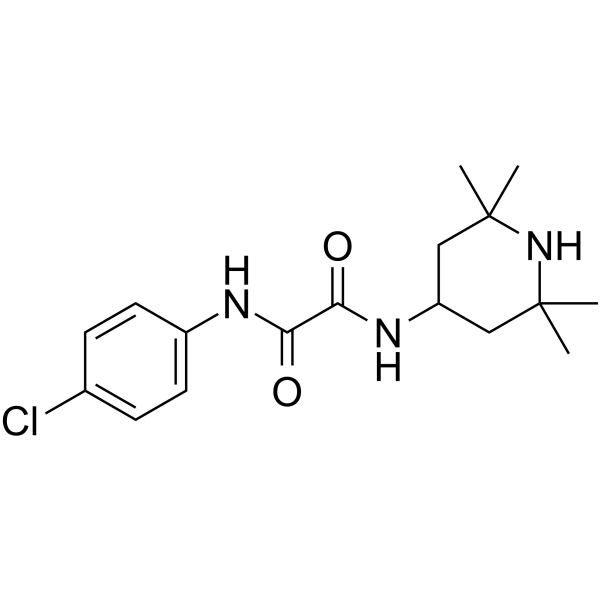
2-Chloroadenosine 5′-diphosphate sodium
|
Adenylate Cyclase
HSP
|
Cardiovascular Disease
|
|
2-Chloro-ADP (2-Chloroadenosine 5′-diphosphate) sodium is a Adenosine 5'-diphosphate (ADP; HY-W010918) derivative that induces human platelet aggregation and inhibits stimulated adenylate cyclase . 2-Chloro-ADP sodium inhibits mortalin nucleotide-binding domain (NBD) with a Ki of 45.05 μM .
|
-
- HY-131776
-
|
2-Chloroadenosine 5′-diphosphate
|
Adenylate Cyclase
HSP
|
Cardiovascular Disease
|
|
2-Chloro-ADP (2-Chloroadenosine 5′-diphosphate) sis a Adenosine 5'-diphosphate (ADP; HY-W010918) derivative that induces human platelet aggregation and inhibits stimulated adenylate cyclase . 2-Chloro-ADP inhibits mortalin nucleotide-binding domain (NBD) with a Ki of 45.05 μM .
|
-
- HY-D2380
-
|
|
G-quadruplex
|
Cancer
|
|
H2S probe 1 (compound 1NND) is a derivative of nitrobenzoxadiazole (NBD) with antitumor activity. H2S probe 1 is cytotoxic to human pancreatic cancer cell MIA PaCa-2 (IC50=77.9 nM) and has a high affinity for human telomeric G-quadruplex (G4) (Kd=1.72 μM). H2S probe 1 can be used in cancer research .
|
-
- HY-D2327
-
|
|
Dipeptidyl Peptidase
|
Others
|
|
DPP-8/9 probe-1 (compound 20) is a fluorescent probe targeting Dipeptidyl Peptidase DPP8/9, which can be selectively labeled and visualized in vitro by fluorescence microscopy Active DPP8/9. DPP-8/9 probe-1 contains a nitrobenzoxadiazole (NBD) tag and has high affinity and selectivity for DPP8/9 over related S9 family members (IC50 of 210 nM and 15 nM, respectively) .
|
-
- HY-D0787
-
|
|
Fluorescent Dye
|
Others
|
|
NBD-undecanoic acid is a multifunctional dye. Dyes are important tools in biological experiments. They can help researchers observe and analyze cell structures, track biomolecules, evaluate cell functions, distinguish cell types, detect biomolecules, study tissue pathology and monitor microorganisms. Their applications range from basic scientific research to clinical A wide range of diagnostics. Dyes are also widely used in traditional fields such as textile dyeing, as well as in emerging fields such as functional textile processing, food pigments and dye-sensitized solar cells.
|
-
- HY-175055
-
|
C12 NBD phytosphingosine (t18:0/12:0); NBD cer (t18:0/12:0); NBD ceramide (t18:0/12:0)
|
Fluorescent Dye
Drug Derivative
|
Others
|
|
C12 NBD Phytoceramide (t18:0/12:0) is a ceramide analogue composed of a phytoceramide and green fluorescent C12 NBD. C12 NBD Phytoceramide (t18:0/12:0) is a fluorescent substrate (Ex=485 nM, Em=525 nM) and can be used to detect ceramidase (such as diacylglycerol acyltransfereases Lro1p) activity .
|
-
- HY-N15877
-
-
- HY-179858
-
-
- HY-N16076
-
-
- HY-175132
-
|
NBD L-threo cer (d18:1/12:0); NBD L-threo ceramide (d18:1/12:0); N-Dodecanoyl-NBD L-threo-sphingosine
|
Fluorescent Dye
|
Others
|
|
C12 NBD L-threo Ceramide (d18:1/12:0) (NBD L-threo cer (d18:1/12:0); NBD L-threo ceramide (d18:1/12:0); N-Dodecanoyl-NBD L-threo-sphingosine) is an NBD fluorescently labeled ceramide analog. C12 NBD L-threo Ceramide (d18:1/12:0) is an isomer of C12 NBD ceramide. C12 NBD L-threo Ceramide (d18:1/12:0) can be used for fluorescence detection, imaging, and kinetic analysis.
|
-
- HY-N15887
-
-
- HY-181810
-
|
|
HSP
Bacterial
|
Infection
|
|
EG36 is a selective E. coli DnaK inhibitor that inhibits DnaK ATPase activity at a concentration of 100 μM. EG36 directly binds to the nucleotide-binding domain (NBD) of E. coli DnaK by disrupting the DnaK-DnaJ interaction. EG36 can be used for research on bacterial infectious diseases .
|
-
- HY-N16074
-
|
|
Others
|
Metabolic Disease
|
|
4ME 16:0 NBD PE (NBD-DPhPE) (ammonium) is a phospholipid that can be used to prepare lipid nanoparticles for drug delivery.
|
-
- HY-N16082
-
-
- HY-N16089
-
-
- HY-D3314
-
|
NBD-SAG
|
Fluorescent Dye
DGK
|
Others
|
|
1-NBD-Stearoyl-2-arachidonoyl-sn-glycerol (NBD-SAG) is a fluorescently labeled 1-Stearoyl-2-arachidonoyl-sn-glycerol (HY-131897). 1-NBD-Stearoyl-2-arachidonoyl-sn-glycerol acts as a fluorescent probe for the measurement of DGKε enzymatic activity .
|
-
- HY-179857
-
-
- HY-172249
-
-
- HY-N16330
-
|
|
Fluorescent Dye
|
Others
|
|
14:0-6:0(C2 NBD) PI(4,5)P2 TEA is a fluorescent lipid labeled with Nitrobenzoxadiazole (NBD) (Ex/Em = 460/540 nm).
|
-
- HY-149903
-
-
- HY-179815
-
-
| Cat. No. |
Product Name |
Type |
-
- HY-D1683
-
NBD-PE
2 Publications Verification
|
Fluorescent Dye
|
|
NBD-PE is an effective lipid fluorescent probe (Excitation/Emission: 465/535 nm; Color: Green). NBD-PE offers a wide array of applications in membrane and cell biology .
|
-
- HY-D0042
-
NBD-Cl
1 Publications Verification
NBD chloride
|
Fluorescent Dye
|
|
NBD-Cl is a nonfluorescent reagent which becomes highly fluorescent after reaction with thiol or amino groups .
|
-
- HY-D0785
-
|
4-Fluoro-7-nitrobenzofurazan
|
Fluorescent Dye
|
|
NBD-F (4-Fluoro-7-nitrobenzofurazan) is a pro-fluorescent reagent which is developed for amino acid analysis. NBD-F reacts with primary or secondary amines to produce a fluorescent product and used for analysis of amino acids and low molecular weight amines .
|
-
- HY-D0133
-
|
|
Fluorescent Dye
|
|
NBD-X acid is a fluorescent probe containing a nitrobenzoxadiazole group. NBD-X acid can be used to study the structure and function of biomolecules .
|
-
- HY-129109
-
|
|
Fluorescent Dye
|
|
NBD-Pen is the first fluorescence probe for lipid radicals with high selectivity and sensitivity (λex: 470 nm, λem: 530 nm). NBD-Pen specifically detects lipid derived radicals over other reactive species present in biological systems, including H2O2, ClO -, O2 -?, and ?OH. NBD-Pen directly detects lipid radicals in living cells by turn-on fluorescence. NBD-Pen decreases inflammation, apoptosis, and oxidative stress markers. NBD-Pen can be studied in various disease models such as hepatic carcinoma .
|
-
- HY-W356116
-
|
Nbd-ceramide
|
Fluorescent Dye
|
|
C6 NBD Ceramide is a Golgi apparatus fluorescent probe with cell membrane permeability. C6 NBD Ceramide can be used for fast and convenient green fluorescent labeling of Golgi in living and fixed cells, and can be used to observe changes in Golgi morphology in living cells (Ex=466 nm, Em=536 nm). C6-NBD-ceramide is metabolized to fluorescent sphingomyelin and glucosylceramide, can be used for the study of sphingolipid transport and metabolic mechanism .
|
-
- HY-W273413
-
|
NBD-H
|
Fluorescent Dye
|
|
4-Hydrazino-7-nitro-benzofurazan hydrazine adduct (NBD-H) is a fluorescent reagent used for protein labeling .
|
-
- HY-W356117
-
|
|
Fluorescent Dye
|
|
C6 NBD Glucosylceramide is a glucosylceramide fluorescent derivative (Ex=466 nm, Em=535 nm). C6 NBD Glucosylceramide can be used to study the metabolism and internalization of glucosylceramide and also for the determination of glucosyl ceramide synthase activity .
|
-
- HY-130433
-
|
|
Fluorescent Dye
|
|
NBD Sphingosine (NBD-Sph), a fluorochrome, is a fluorescence-labeled sphingosine. NBD Sphingosine can be uesd for fluorescence assay for sphingosine kinases .
|
-
- HY-D1574
-
|
|
Fluorescent Dye
|
|
C6 NBD Sphingomyelin is a fluorescent short-chain analogue of Sphingomyelin (HY-113498). Chlamydia trachomatis acquires C6 NBD Sphingomyelin endogenously synthesizes from C6-NBD-ceramide and transportes to the chlamydial inclusion. C6 NBD Sphingomyelin can incorporate into the plasma membrane .
|
-
- HY-D1584
-
|
|
Fluorescent Dye
|
|
C12 NBD sphingomyelin is an active derivative of Sphingomyelin (HY-113498) that is tagged with fluorescent C12 nitrobenzoxadiazole (C12 NBD). C12 NBD sphingomyelin can be used as a sphingomyelinase substrate for studying the metabolism and transport of sphingomyelins (Ex=470 nm, Em=525 nm) .
|
-
- HY-141576
-
|
dhCerC6NBD
|
Fluorescent Dye
|
|
C6-NBD Sphinganine is a sphinganine analog and can be used as fluorescent dye for labeling fatty acid .
|
-
- HY-134566
-
|
|
Fluorescent Dye
|
|
NBD-X, SE, the acceptor fluorophore, can be used to create environment sensitive bioconjugates .
|
-
- HY-D1671
-
|
|
Fluorescent Dye
|
|
TRITC-DHPE is a rhodamine-labeled glycerophosphate ethanolamine lipid, with head groups marked with bright red fluorescent TRITC dye (λEx/λEm=514/580 nm). TRITC-DHPE can be used for membrane fusion assay to trace lipid processing in intracellular phagocytosis. TRITC-DHPE can serves as an energy transfer receptor for NBD, BODIPY and fluorescein lipid probes .
|
-
- HY-141577
-
|
|
Fluorescent Dye
|
|
C12-NBD Sphinganine is a fluorescent ceramidase substrate. C12-NBD Sphinganine can be used for the measurement of alkaline and neutral ceramidase activity from a variety of sources .
|
-
- HY-D1575
-
|
|
Fluorescent Dye
|
|
C6 NBD galactosylceramide is an active derivative of galactosylceramide that is tagged with fluorescent C6 nitrobenzoxadiazole (C6 NBD). C6 NBD galactosylceramide can be used as a substrate for neutral β-glycosylceramidase (GCase) to study intracellular localization and metabolism of galactosylceramide (Ex=nm, Em=525) .
|
-
- HY-D1577
-
|
|
Fluorescent Dye
|
|
C6 NBD Lactosylceramide is a derivative of lactosylceramides, and can be used in lactosylceramide synthase assay as a fluorescent acceptor substrate. C6 NBD Lactosylceramide can also be used in cancer research .
|
-
- HY-D1573
-
|
|
Fluorescent Dye
|
|
C6 NBD Phytoceramide is a fluorescently labeled short-chain ceramide analog that can be recognized by mammalian GlcCer synthase (GCS) .
|
-
- HY-141575
-
|
|
Fluorescent Dye
|
|
C12-NBD-ceramide is a fluorescent analogue of ceramide, it can be used as a substrate in ceramidase assays .
|
-
- HY-D1580
-
|
|
Fluorescent Dye
|
|
C12 NBD Lactosylceramide is a derivative of Lactosylceramide labeled with a C12 NBD fluorescent group. C12 NBD Lactosylceramide can be used to identify Lactosylceramides .
|
-
- HY-D1621
-
|
|
Fluorescent Dye
|
|
C-12 NBD cholesterol is a cholesterol derivative with a hydrophilic fluorophore tag (NBD: Ex=465 nm, Em=535 nm). C-12 NBD cholesterol can be used to study the utilization and metabolism of cholesterol .
|
-
- HY-D1579
-
|
|
Fluorescent Dye
|
|
C12 NBD galactosylceramide is a biologically active derivative of galactosylceramide that is tagged with a fluorescent C12 nitrobenzoxadiazole (C12 NBD) group. C12 NBD galactosylceramide has been used to detect ceramide trihexoside .
|
-
- HY-D2857
-
|
|
Fluorescent Dye
|
|
NBD-Stearic acid is a stearic acid labeled with a nitrobenzoxadiazole (NBD) fluorophore. NBD-Stearic acid can be used as a probe for fatty acid uptake or the the ligand binding sites of fatty acid and sterol carrier proteins (FABP)
|
-
- HY-D1683A
-
|
|
Fluorescent Dye
|
|
NBD-X PE is a derivative of NBD-PE, where the NBD part is replaced by NBD-X acid.
|
-
- HY-145493
-
|
|
Fluorescent Dye
|
|
C12 NBD galactosylceramide, fluorescent dye, is a biologically active derivative of galactosylceramide that is tagged with a fluorescent C12 nitrobenzoxadiazole (C12 NBD) group. C12 NBD galactosylceramide can be used for the research of imaging .
|
-
- HY-D1749
-
|
|
Fluorescent Dye
|
|
C6 NBD L-threo-ceramide is a cell-permeable analog of ceramides that is tagged with a fluorescent group C6 nitrobenzoxadiazole (C6 NBD). It is rapidly transferred between liposomes, labels the Golgi apparatus, and is metabolized to C6 NBD sphingomyelin in BHK cells and V79 fibroblasts.
|
-
- HY-D1770
-
|
|
Fluorescent Dye
|
|
NBD Dihexadecylamine is a fluorescent probe used for labeling phospholipids.
|
-
- HY-D1582
-
|
|
Fluorescent Dye
|
|
C12 NBD Phytoceramide, a ceramide analogue, is a fluorescent substrate, can be used to detect ceramidase activity .
|
-
- HY-124013
-
|
4-(α-N-L-alanine)-NBD
|
Fluorescent Dye
|
|
NBDA (4-(α-N-L-alanine)-NBD) is a structural and functional analogue of the 2,4-dinitrophenyl group (DNP). NBDA can be used to detect and characterize antinitroaromatic antibodies, even in crude preparations, and possibly on cell surfaces .
|
-
- HY-D2380
-
|
|
Fluorescent Dye
|
|
H2S probe 1 (compound 1NND) is a derivative of nitrobenzoxadiazole (NBD) with antitumor activity. H2S probe 1 is cytotoxic to human pancreatic cancer cell MIA PaCa-2 (IC50=77.9 nM) and has a high affinity for human telomeric G-quadruplex (G4) (Kd=1.72 μM). H2S probe 1 can be used in cancer research .
|
-
- HY-D2327
-
|
|
Fluorescent Dye
|
|
DPP-8/9 probe-1 (compound 20) is a fluorescent probe targeting Dipeptidyl Peptidase DPP8/9, which can be selectively labeled and visualized in vitro by fluorescence microscopy Active DPP8/9. DPP-8/9 probe-1 contains a nitrobenzoxadiazole (NBD) tag and has high affinity and selectivity for DPP8/9 over related S9 family members (IC50 of 210 nM and 15 nM, respectively) .
|
-
- HY-D0787
-
|
|
Fluorescent Dye
|
|
NBD-undecanoic acid is a multifunctional dye. Dyes are important tools in biological experiments. They can help researchers observe and analyze cell structures, track biomolecules, evaluate cell functions, distinguish cell types, detect biomolecules, study tissue pathology and monitor microorganisms. Their applications range from basic scientific research to clinical A wide range of diagnostics. Dyes are also widely used in traditional fields such as textile dyeing, as well as in emerging fields such as functional textile processing, food pigments and dye-sensitized solar cells.
|
-
- HY-D3314
-
|
NBD-SAG
|
Fluorescent Dye
|
|
1-NBD-Stearoyl-2-arachidonoyl-sn-glycerol (NBD-SAG) is a fluorescently labeled 1-Stearoyl-2-arachidonoyl-sn-glycerol (HY-131897). 1-NBD-Stearoyl-2-arachidonoyl-sn-glycerol acts as a fluorescent probe for the measurement of DGKε enzymatic activity .
|
| Cat. No. |
Product Name |
Type |
-
- HY-108910
-
|
EC 3.4.21.1; Chymotrypsin A
|
Biochemical Assay Reagents
|
|
Chymotrypsin (EC 3.4.21.1; Chymotrypsin A) is an orally effective inhibitor targeting molecules such as TLR4, NF-κB, MMP-1, TNF-α, IL-1β, and IL-6. Chymotrypsin downregulates the TLR4/NF-κB signaling pathway, inhibiting the release of inflammatory factors, reducing cell infiltration and tissue damage. It also reduces the expression of tumor cell adhesion molecules (such as CD44 and CD54) and can be specifically detected by fluorescent probes (such as NBD-3). Chymotrypsin has anti-inflammatory, hepatoprotective, joint damage-reducing, liver protection against lipotoxicity, and anti-tumor metastasis functions. It can be used in research on diseases such as rheumatoid arthritis, non-alcoholic fatty liver disease, and melanoma metastasis. Chymotrypsin can be used in studies of inflammation, edema, and expectoration .
|
-
- HY-143702
-
|
NBD-DOTAP
|
Biochemical Assay Reagents
|
|
Fluorescent DOTAP (NBD-DOTAP) is a cationic lipid which can be used for nucleic acid and protein delivery. Fluorescent DOTAP is labeled with a fluorophore NBD (maximum excitation/emission wavelength ∼463/536 nm). Fluorescent DOTAP can be used for gene delivery systems, drug delivery, as well as cell imaging and nanocarrier tracking. Fluorescent DOTAP is an ideal candidate for both biological and pharmaceutical formulation (e.g. co-delivery of vaccines) research .
|
| Cat. No. |
Product Name |
Target |
Research Area |
-
- HY-P10839
-
|
|
NF-κB
|
Inflammation/Immunology
|
|
NBD peptide inhibits NF-κB signaling pathway through inhibition of the NEMO-IKK complex combination. NBD peptide exhibits anti-inflammatory efficacy through block of pro-inflammatory cytokines production. NBD peptide exhibits immunosuppressive activity through regulation of immune cells. NBD peptide enhances its transmembrane ability by combining with cell-penetrating peptide HIV-TAT .
|
-
- HY-P1847A
-
|
|
NF-κB
|
Inflammation/Immunology
|
|
IKKγ NBD Inhibitory Peptide TFA is a highly specific inhibitor NF-κB inhibitor. IKKγ NBD Inhibitory Peptide TFA acts by disrupting the interaction between IKKγ/NEMO-binding domain (NBD) with IKKα and IKKβ, thus blocking TNF-α-induced NF-kB activation. IKKγ NBD Inhibitory Peptide TFA could significantly suppresses inflammation and ameliorate the cerebral ischemia-induced neurological deficits .
|
-
- HY-P1847
-
|
|
NF-κB
|
Cancer
|
|
IKKγ NBD Inhibitory Peptide is a highly specific inhibitor NF-κB inhibitor. IKKγ NBD Inhibitory Peptide acts by disrupting the interaction between IKKγ/NEMO-binding domain (NBD) with IKKα and IKKβ, thus blocking TNF-α-induced NF-kB activation. IKKγ NBD Inhibitory Peptide could significantly suppresses inflammation and ameliorate the cerebral ischemia-induced neurological deficits .
|
-
- HY-P10469
-
|
|
NF-κB
|
Inflammation/Immunology
Cancer
|
|
NBD-2 is an inhibitor of the NEMO-IKKα/β interaction in the NF-κB signaling pathway. NBD-2 specifically inhibits the typical NF-κB signaling pathway in vitro and in vivo, reducing the inflammatory response in lipopolysaccharide (LPS) induced acute lung injury (ALI). NBD-2 exhibits significant anti-inflammatory activity. NBD-2 can be used to study diseases related to NF-κB signaling pathway, including autoimmune diseases, cancer, etc .
|
-
- HY-P10081
-
-
- HY-P3305
-
|
|
Peptides
|
Others
|
|
NBD-LLLLpY is an enzymatically forming intranuclear peptide for selectively killing human induced pluripotent stem cells.
|
-
- HY-P2603
-
-
- HY-P4937
-
|
|
MMP
|
Cancer
|
|
NBD-Arg-Pro-Lys-Pro-Leu-Ala-Nva-Trp-Lys-(DMC)-NH2 is an substrate for hydrolysis of the matrix metalloproteinase stromelysin (MMP-3) and can be easily detected at Abs/Em=350/465 nm .
|
| Cat. No. |
Product Name |
Category |
Target |
Chemical Structure |
-
- HY-N16019
-
-
-
- HY-N15884
-
|
|
Lipid
|
Fluorescent Dye
|
|
NBD Palmitic Acid is a fluorescent lipid containing Palmitic acid (HY-N0830) .
|
-
-
- HY-N16325
-
|
|
Lipid
|
Fluorescent Dye
|
|
Golgi-laurdan, a derivative of Laurdan (HY-D0080), is a fluorescent probe. Golgi-Laurdanmimics the structure NBD C6 Ceramide that can be used for the study of the Golgi apparatus .
|
-
-
- HY-N15885
-
|
|
Lipid
|
Fluorescent Dye
FABP
Phosphatase
|
|
12-NBD Stearate is a fluorescent fatty acid analogue. 12-NBD Stearate binds to fatty acid binding protein (FABP) and sterol carrier protein-2 (SCP-2). Overexpressing sterol carrier protein-2 (SCP-2) 15-kDa isoform enhances 12-NBD Stearate transport. 12-NBD Stearate is a tool for microscopic long chain fatty acids (LCFA) uptake and internalization studies .
|
-
-
- HY-N15877
-
-
-
- HY-N15887
-
-
-
- HY-N16330
-
|
|
Lipid
|
Fluorescent Dye
|
|
14:0-6:0(C2 NBD) PI(4,5)P2 TEA is a fluorescent lipid labeled with Nitrobenzoxadiazole (NBD) (Ex/Em = 460/540 nm).
|
-
| Cat. No. |
Product Name |
|
Classification |
-
- HY-143702
-
|
NBD-DOTAP
|
|
Cationic Lipids
|
|
Fluorescent DOTAP (NBD-DOTAP) is a cationic lipid which can be used for nucleic acid and protein delivery. Fluorescent DOTAP is labeled with a fluorophore NBD (maximum excitation/emission wavelength ∼463/536 nm). Fluorescent DOTAP can be used for gene delivery systems, drug delivery, as well as cell imaging and nanocarrier tracking. Fluorescent DOTAP is an ideal candidate for both biological and pharmaceutical formulation (e.g. co-delivery of vaccines) research .
|
Your information is safe with us. * Required Fields.
Inquiry Information
- Product Name:
- Cat. No.:
- Quantity:
- MCE Japan Authorized Agent:

