Search Result
Results for "
NIH3T3
" in MedChemExpress (MCE) Product Catalog:
| Cat. No. |
Product Name |
Target |
Research Areas |
Chemical Structure |
-
- HY-16938
-
|
5'-(Methylthio)-5'-deoxyadenosine; 5'-Deoxy-5'-(methylthio)adenosine; 5'-S-Methyl-5'-thioadenosine
|
Endogenous Metabolite
Apoptosis
Parasite
|
Metabolic Disease
Cancer
|
|
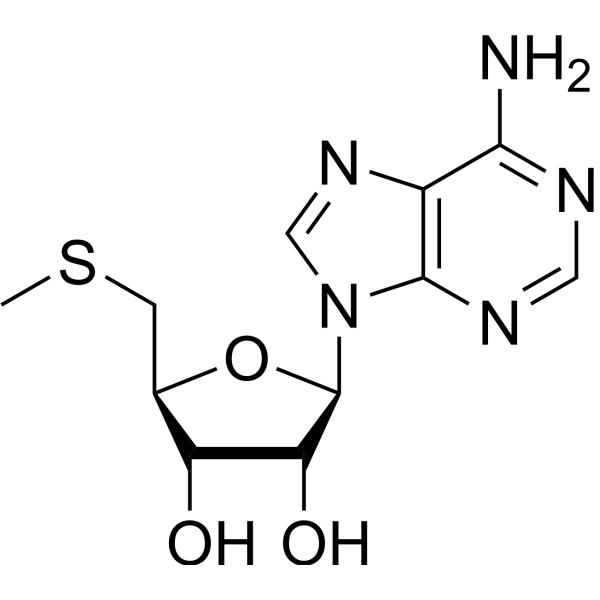
5'-Methylthioadenosine (5'-(Methylthio)-5'-deoxyadenosine) is a nucleoside generated from S-adenosylmethionine (SAM) during polyamine synthesis . 5'-Methylthioadenosine suppresses tumors by inhibiting tumor cell proliferation, invasion, and the induction of apoptosis while controlling the inflammatory micro-environments of tumor tissue. 5'-Methylthioadenosine and its associated materials have striking regulatory effects on tumorigenesis .
|
-
-
- HY-112210
-
Shield-1
Maximum Cited Publications
10 Publications Verification
Shld1
|
FKBP
|
Others
|
|
Shield-1 (Shld1) is a specific, cell-permeant and high-affinity ligand of FK506-binding protein-12 (FKBP), and reverses the instability by binding to mutated FKBP (mtFKBP), allowing conditional expression of mtFKBP-fused proteins. Shield-1 can stabilize proteins tagged with a mutated FKBP12-derived destabilization domain (DD) .
|
-
-
- HY-P5321
-
|
|
FGFR
|
Cancer
|
|
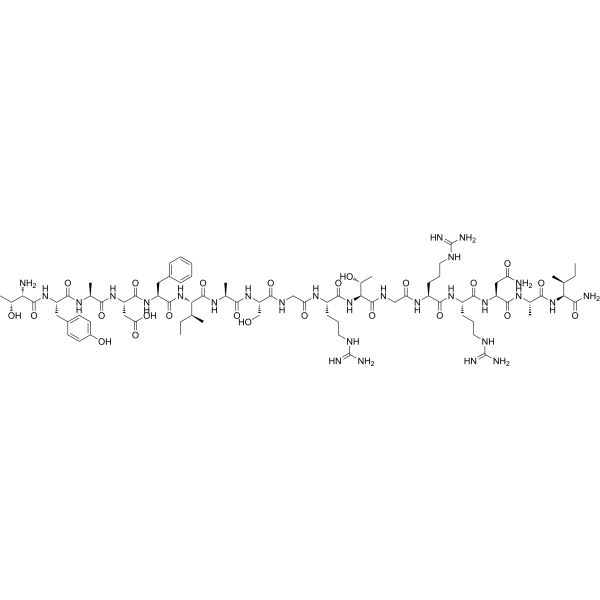
bFGF (119-126) is a ligand of bFGF. The complex formed by bFGF (119-126) and bFGF can bind to FGFR1, while inhibiting the bFGF-FGFR1 interaction, FGFR1 phosphorylation and downstream signaling pathways. Therefore, bFGF (119-126) induces cell apoptosis and inhibits cell proliferation, migration, angiogenesis and metastasis. When conjugated with a carrier, bFGF (119-126) enhances cellular uptake via FGFR-mediated endocytosis and serves as an effective FGFR-targeted ligand. When used in combination with ultrasound and Doxorubicin (HY-15142A), bFGF (119-126) significantly enhances the inhibitory effect on tumors. bFGF (119-126) is applicable to research related to lung cancer, breast cancer, glioblastoma and ovarian cancer .
|
-
-
- HY-B1028
-
-
-
- HY-14930
-
-
-
- HY-N9480
-
|
SM-345431
|
Phospholipase
Bacterial
|
Infection
Cancer
|
|
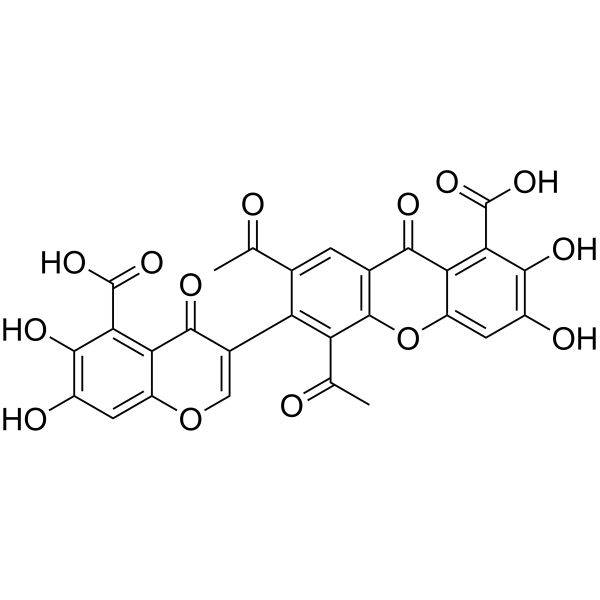
Vinaxanthone (SM-345431) is a potent and selective semaphorin3A, phospholipase C (PLC) and FabI inhibitor, with IC50s of 0.1-0.2 μM and 0.9 mM for semaphorin3A and FabI. Vinaxanthone inhibits the substrate (t-o-NAC thioester) and the cofactor (NADPH) with Kis of 3.1 μM and 1.0 μM, respectively. Vinaxanthone can be used to handle infections caused by multidrug-resistant pathogens .
|
-
-
- HY-14930A
-
-
-
- HY-161247
-
|
|
5-HT Receptor
|
Metabolic Disease
|
|
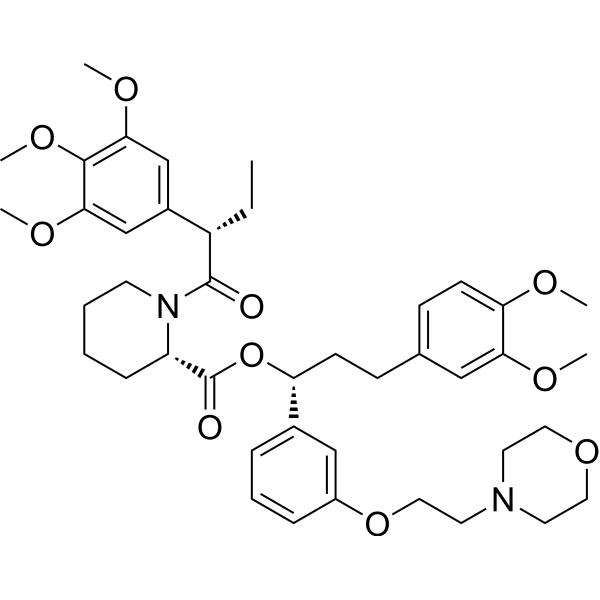
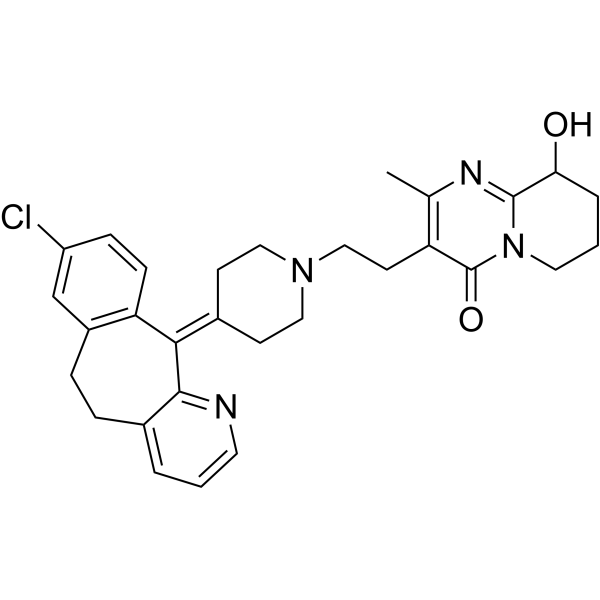
5HT2A antagonist 2 is an orally active, selective antagonist for 5HT2A with IC50 of 14 nM. 5-HT2A antagonist 2 exhibits good chemical, hepatocyte, and plasma stability, without significant cytotoxicity in cell lines VERO, HFL-1, L929, NIH3T3, CHO-K1 .
|
-
-
- HY-123242
-
|
|
Farnesyl Transferase
|
Cancer
|
|
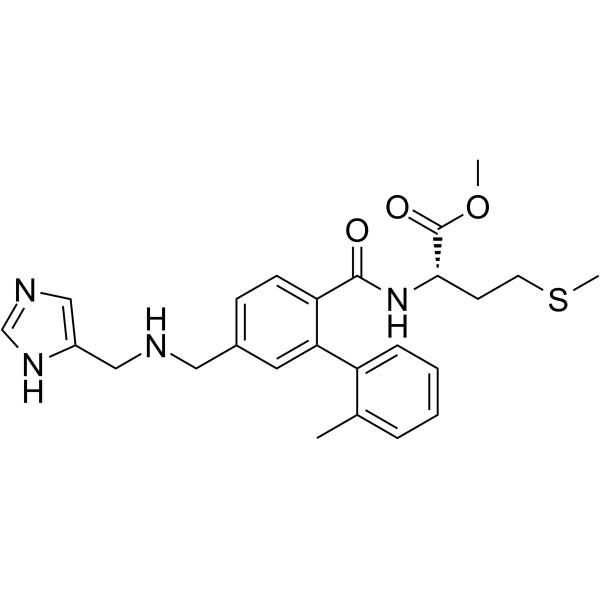
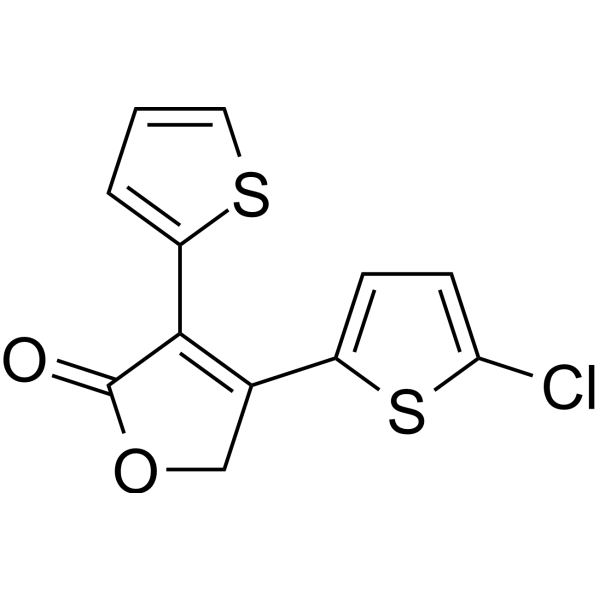
FTI-2153 is a potent and highly selective inhibitor of farnesyltransferase (FTase), with an IC50 of 1.4 nM. FTI-2153 is >3000-fold more potent at blocking H-Ras (IC50, 10 nM) than Rap1A processing. Anti-cancer activity .
|
-
-
- HY-P1116
-
PBP10
1 Publications Verification
|
Bacterial
Reactive Oxygen Species (ROS)
Interleukin Related
|
Infection
Inflammation/Immunology
|
|
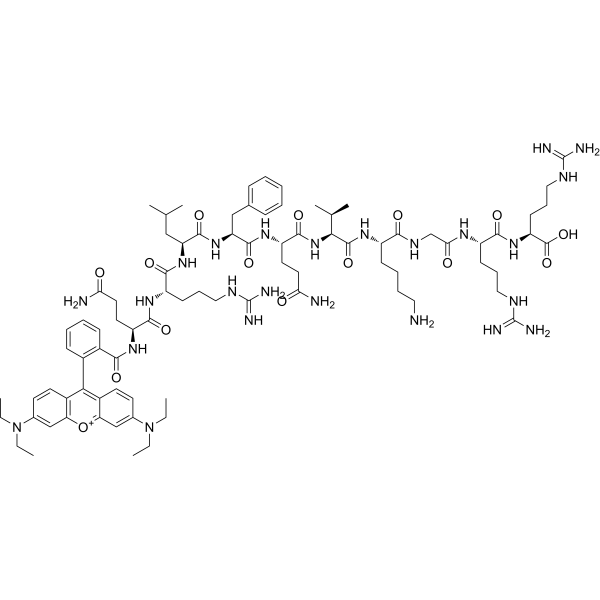
PBP10 is a decapeptide. PBP10 selectively binds to lipoteichoic acid (LTA), lipopolysaccharide (LPS) and phosphatidylinositol-4,5-bisphosphate (PIP2). PBP10 penetrates cell membranes and possesses bactericidal, anti-inflammatory, cell motility-inhibiting and actin assembly-regulating activities. PBP10 is applicable to relevant research on bacterial infections, microbe-induced inflammation, skin and soft tissue infections, as well as sepsis .
|
-
-
- HY-P1290
-
|
PKI-(6-22)-amide
|
PKA
|
Neurological Disease
|
|
PKA Inhibitor Fragment (6-22) amide is a highly potent and specific competitive inhibitor of PKA, with Ki values of 1.7 nM and 1.6 nM against human and bovine PKA catalytic subunits, respectively. The IC50 of PKA Inhibitor Fragment (6-22) amide targeting bovine PKA is 8.6 nM. PKA Inhibitor Fragment (6-22) amide effectively abolishes PKA activity in mouse brain and spinal cord, and exerts in vivo efficacy via intracerebroventricular administration. PKA Inhibitor Fragment (6-22) amide significantly reverses low-dose morphine analgesic tolerance in mice and blocks photoaffinity labeling of cAMP-dependent protein kinase. PKA Inhibitor Fragment (6-22) amide can be applied to research in fields related to the mechanism of morphine analgesic tolerance and skin wound healing .
|
-
-
- HY-137191
-
|
|
EGFR
|
Cancer
|
|
CH7233163 is a noncovalent ATP-competitive inhibitor for EGFR-Del19/T790M/C797S. CH7233163 can overcome Osimertinib (HY-15772)-Resistant EGFR-Del19/T790M/C797S mutation. CH7233163 blocks the EGFR phosphorylation in the Del19/T790M/C797S_NIH3T3 cells. CH7233163 has antitumor activities .
|
-
-
- HY-124717
-
|
|
Endogenous Metabolite
|
Others
|
|
YC-001 is an inverse agonist and antagonist of rod opsin. YC-001 reversibly binds rod opsin and stabilizes the rod opsin structure. YC-001 protects mice from bright light-induced retinal degeneration. YC-001 has the potential for the research of retinal degeneration .
|
-
-
- HY-24504
-
-
-
- HY-115489
-
|
|
Ras
|
Cancer
|
|
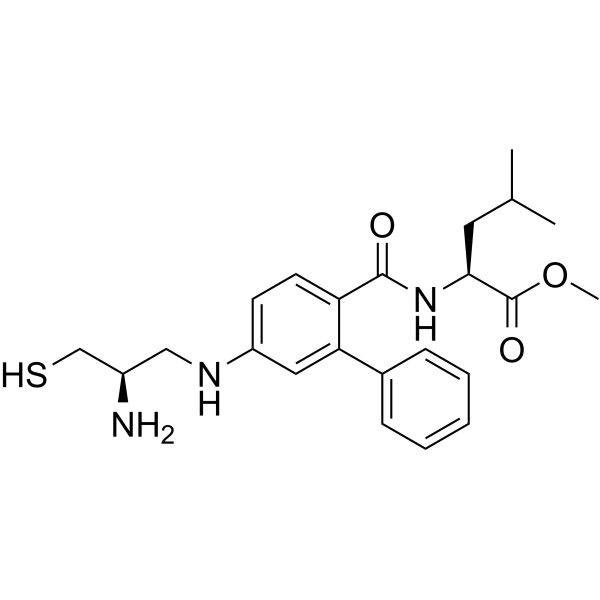
GGTI-286, a potent and cell-permeable GGTase I inhibitor, is 25-fold more potent (IC50=2 μM) than the corresponding methyl ester of FTI-276 (HY-15873A). GGTI-286 selectively inhibits geranylgeranylation of Rap1A over farnesylation of H-Ras in NIH3T3 cells (IC50s=2 and >30 μM, respectively). GGTI-286 also potently inhibits oncogenic K-Ras4B stimulation with an IC50 of 1 μM .
|
-
-
- HY-115489A
-
|
|
Protein Prenyltransferase
|
Cancer
|
|
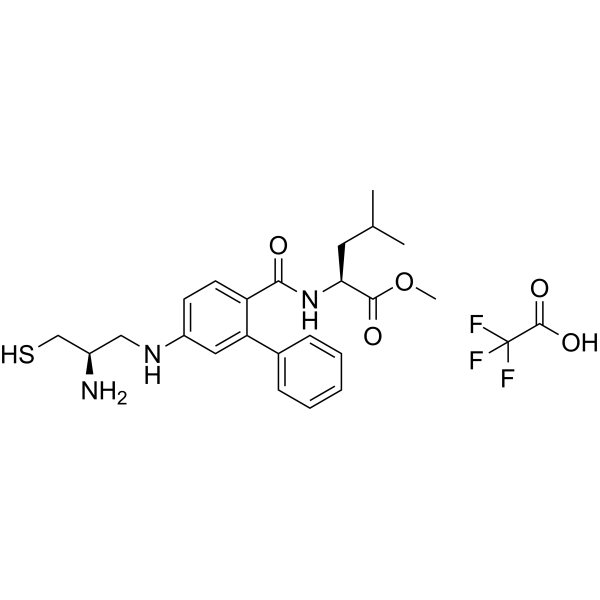
GGTI-286 TFA, a potent and cell-permeable GGTase I inhibitor, is 25-fold more potent (IC50=2 μM) than the corresponding methyl ester of FTI-276 (HY-15873A). GGTI-286 TFA selectively inhibits geranylgeranylation of Rap1A over farnesylation of H-Ras in NIH3T3 cells (IC50s=2 and >30 μM, respectively). GGTI-286 TFA also potently inhibits oncogenic K-Ras4B stimulation with an IC50 of 1 μM .
|
-
-
- HY-103440
-
|
|
EGFR
|
Cancer
|
|
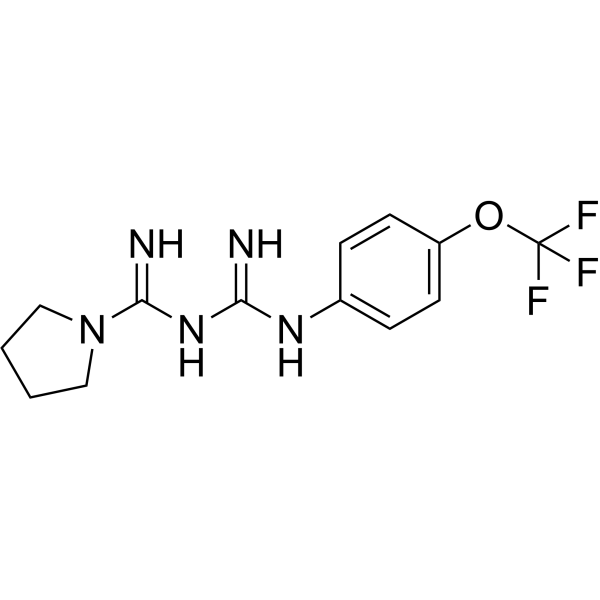
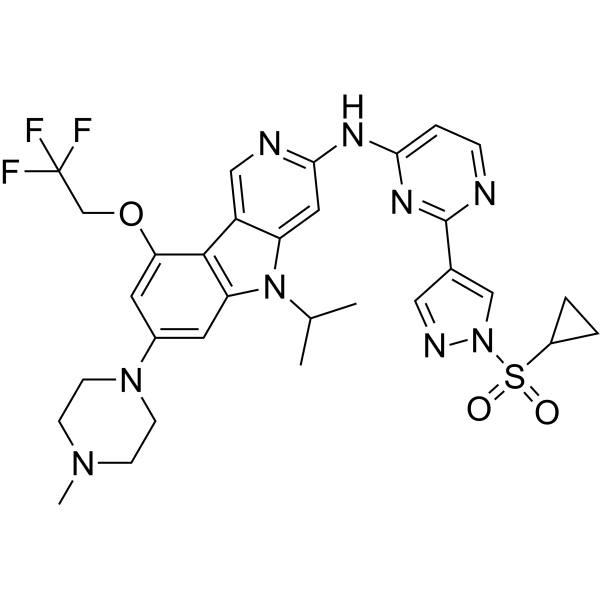
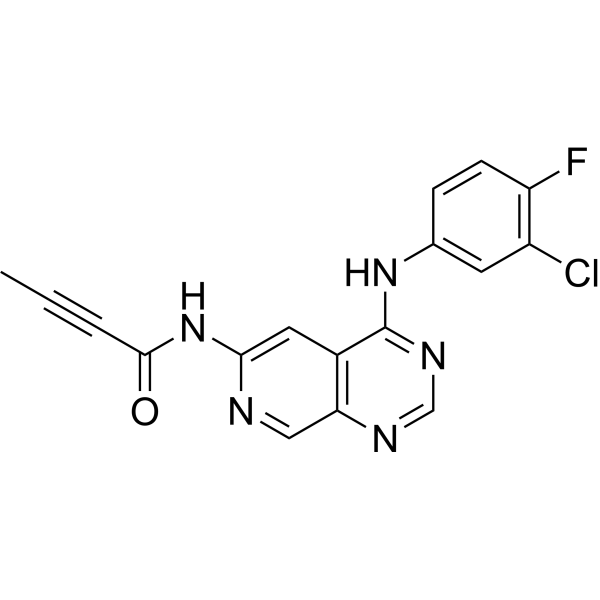
EGFR/ErbB-2/ErbB-4 inhibitor-3 (compound 29) is a potent tyrosine kinase inhibitor with IC50s of 0.3, 1.1, 0.5, 2.5, 24 nM for erbB1, erbB2, erbB4, EGF, HER, respectively . EGFR/ErbB-2/ErbB-4 inhibitor-3 is a click chemistry reagent, it contains an Alkyne group and can undergo copper-catalyzed azide-alkyne cycloaddition (CuAAc) with molecules containing Azide groups.
|
-
-
- HY-114357A
-
|
|
TAM Receptor
c-Met/HGFR
Trk Receptor
|
Cancer
|
|
DS-1205b free base is a potent and selective inhibitor of AXL kinase, with an IC50 of 1.3 nM. DS-1205b free base also inhibits MER, MET, and TRKA, with IC50s of 63, 104, and 407 nM, respectively. DS-1205b free base can inhibit cell migration in vitro and tumor growth in vivo .
|
-
-
- HY-136093B
-
|
IM156 free base; HL156A free base; HL271 free base
|
Mitochondrial Metabolism
AMPK
|
Neurological Disease
Inflammation/Immunology
|
|
Lixumistat (IM156 free base) is a potent and orally active AMPK activator and OXPHOS inhibitor. Lixumistat strongly activates AMPK, while it lacks the systemic metabolic regulatory effects of classic metformin, such as hypoglycemic and weight-lowering activities. Lixumistat exhibits significant therapeutic effects on cognitive decline associated with brain aging and pulmonary fibrosis .
|
-
-
- HY-124429
-
|
|
ERK
|
Cancer
|
|
FQI1 is a Late SV40 Factor (LSF) inhibitor. FQI1 inhibits cell proliferation, with IC50s of 3, 0.79, 6.3 μM for NIH/3T3, HeLa, A549 cells. FQI1 can be used for cancer research .
|
-
-
- HY-164410
-
|
|
Notch
|
Cancer
|
|
MO-I-1100 is an inhibitor of ASPH (Aspartyl-(Asparaginyl)-β-hydroxylase) enzymatic activity. MO-I-1100 suppresses HCC cell migration, invasion and anchorage independent growth. MO-I-1100 shows antitumor effects through inhibiting Notch signaling cascade in HCC .
|
-
-
- HY-N16500
-
|
|
NF-κB
|
Neurological Disease
|
|
Hericenone C is a metabolite derived from Hericium erinaceus. Hericenone C inhibits LPS (HY-D1056)-induced NRE::Luc luciferase activity, reduces phosphorylation of p65 and inhibits NF-κB signaling. Hericenone C exhibits neuroprotective effect .
|
-
-
- HY-P2483B
-
|
|
Bacterial
Proteasome
|
Infection
Inflammation/Immunology
Cancer
|
|
Octaarginine acetate is a cell-penetrating peptide and proteasome inhibitor. Octaarginine acetate exhibits mixed-type inhibition against 20S proteasome chymotrypsin-like, caspase-like, and trypsin-like activities, and inhibits 26S proteasome activity with decreased efficiency. Octaarginine acetate induces ubiquitin-conjugated protein accumulation, mediates HSPG-dependent cellular internalization via macropinocytosis, enhances liposomal cargo uptake and gene delivery. Octaarginine acetate can be used for the research of cervix carcinoma, collagen antibody-induced arthritis, and bacterial infections .
|
-
-
- HY-P2483
-
|
|
Proteasome
Bacterial
|
Infection
Inflammation/Immunology
Cancer
|
|
Octaarginine is a cell-penetrating peptide and proteasome inhibitor. Octaarginine exhibits mixed-type inhibition against 20S proteasome chymotrypsin-like, caspase-like, and trypsin-like activities, and inhibits 26S proteasome activity with decreased efficiency. Octaarginine induces ubiquitin-conjugated protein accumulation, mediates HSPG-dependent cellular internalization via macropinocytosis, enhances liposomal cargo uptake and gene delivery. Octaarginine can be used for the research of cervix carcinoma, collagen antibody-induced arthritis, and bacterial infections .
|
-
-
- HY-12316R
-
|
20α-Hydroxycholesterol (Standard)
|
Reference Standards
Smo
Endogenous Metabolite
|
Cancer
|
|
20(S)-Hydroxycholesterol (Standard) is the analytical standard of 20(S)-Hydroxycholesterol. This product is intended for research and analytical applications. 20(S)-hydroxyCholesterol (20α-Hydroxycholesterol) is an allosteric activator of the oncoprotein smoothened (Smo) that activates the hedgehog (Hh) signaling pathway with an EC50 of 3 μM in a gene transcription reporter assay using NIH3T3 cells .
|
-
-
- HY-16461
-
|
(-)-Solenopsin A
|
Akt
Ribosomal S6 Kinase (RSK)
PI3K
PDK-1
FOXO
Mitophagy
Reactive Oxygen Species (ROS)
Mitochondrial Metabolism
|
Cardiovascular Disease
|
|
Solenopsin ((-)-Solenopsin A) is an ATP-competitive and selective Akt-1 inhibitor with an IC50 of 5-10 μM, and also acts as an RSK1 inhibitor. Solenopsin inhibits the activities of PDK1 in lipid rafts, downregulates PI3K, blocks PI3K-dependent generation of 3-phosphoinositides, and suppresses the phosphorylation of FOXO1a. Solenopsin induces Mitophagy and ROS production, reduces mitochondrial oxygen consumption, and exhibits antiproliferative and antiangiogenic activities. Solenopsin can be used in research related to hyperproliferative skin diseases and malignant diseases .
|
-
-
- HY-129767
-
|
|
Eukaryotic Initiation Factor (eIF)
|
Cancer
|
|
CMLD012612 is an amidino-rocaglate containing a hydroxamate group and is a potent eukaryotic initiation factor 4A (eIF4A) inhibitor. CMLD012612 inhibits cell translation and is cytotoxic to NIH/3T3 cells with an IC50 value of 2 nM. CMLD012612 inhibits eukaryotic translation initiation by modifying the behavior of the RNA helicase (eIF4A) and possesses potent anti-neoplastic activity .
|
-
-
- HY-128041
-
|
Hydroxyfarnesyl phosphate
|
Farnesyl Transferase
|
Others
|
|
α-hydroxy Farnesyl phosphonic acid is a nonhydrolyzable analog of farnesyl pyrophosphate which acts as a competitive inhibitor of farnesyl transferase (FTase). At concentrations greater than 1 μM, α-hydroxy farnesyl phosphonic acid inhibits the processing of Ras in Ha-ras-transformed NIH3T3 cells.
|
-
-
- HY-16906
-
|
|
Src
|
Cancer
|
|
T338C Src-IN-2 is a mutant c-Src kinase inhibitor, with an IC50 of 317 nM against T338C c-Src, 57 nM against T338C/V323A c-Src, and 19 nM against T338C/V323S c-Src. T338C Src-IN-2 inhibits the kinase activity of endogenous cysteine gatekeeper MOK. T338C Src-IN-2 reduces global phosphotyrosine levels in v-Src-ES1-transformed NIH-3T3 cells .
|
-
-
- HY-144437
-
|
|
TGF-β Receptor
|
Cancer
|
|
ALK5-IN-9 (Compound 8h) is a potent and orally active inhibitor of TGFβRI (ALK5). ALK5-IN-9 inhibits ALK5 autophosphorylation and NIH3T3 cell activity with IC50 values of 25 nM and 74.6 nM, respectively. ALK5-IN-9 also shows favorable pharmacokinetic profile and ameliorated hERG inhibition. ALK5-IN-9 has the potential for the research of cancer disease .
|
-
-
- HY-117807
-
|
|
Ras
Farnesyl Transferase
VEGFR
|
Cancer
|
|
A-176120 is a selective inhibitor of farnesyl transferase (IC50=1.2 nM) based on a farnesyl pyrophosphate (FPP) analog, with superior selectivity against GGTaseI (IC50=423 nM), GGTaseII (IC50=3000 nM), and SSase (IC50>10 μM). A-176120 inhibits ras processing in H-ras transformed NIH3T3 cells and HCT116 K-ras mutant cells (ED50=1.6 and 0.5 μM, respectively). A-176120 has antiangiogenic and antitumor activities in vivo and reduces capillary structure formation and VEGF secretion .
|
-
-
- HY-115562
-
|
|
Ras
|
Inflammation/Immunology
Cancer
|
|
Dorrigocin A is an analog of Migrastatin (HY-121452). Dorrigocin A can inhibit the carboxymethyltransferase involved in Ras processing and reverse the morphology of ras-transformed NIH/3T3 cells. Dorrigocin A is promising for research of anti-cancer and anti-arthritis agents .
|
-
-
- HY-162342
-
|
|
Topoisomerase
|
Cancer
|
|
Topoisomerase I inhibitor 14 (Compound 4h) is an inhibitor for Topoisomerase I. Topoisomerase I inhibitor 14 inhibits proliferation of A549 and C6 with IC50s of 4.56 μM and 13.17 μM, without significant toxicity in healthy cells NIH3T3 (IC50 is 74.44 μM), which exhibits anticancer potency .
|
-
-
- HY-129769
-
|
|
Eukaryotic Initiation Factor (eIF)
|
Cancer
|
|
CMLD012073 is an amidino-rocaglates and is a potent eukaryotic initiation factor 4A (eIF4A) inhibitor. CMLD012073 inhibits the growth of NIH/3T3 cells with an IC50 of 10 nM. CMLD012073 inhibits eukaryotic translation initiation by modifying the behavior of the RNA helicase (eIF4A) .
|
-
-
- HY-146780
-
|
|
TGF-β Receptor
|
Cancer
|
|
TGFβRI-IN-4 is a highly potent and orally active TGFβ receptor type I (TGFβRI) inhibitor, with IC50s of 44 nM and 42.5 nM for ALK5 and NIH3T3. TGFβRI-IN-4 can suppress tumor growth and tumor weight in tumor xenograft model .
|
-
-
- HY-161921
-
|
|
Fungal
|
Infection
|
|
Antifungal agent 108 (compound 14d), an original imidazo[1,2-b]pyridazine derivative, shows potent antifungal activity against Madurella mycetomatis (MM55 strain) with an IC50 of 0.9 μM. Antifungal agent 108 exhibits an IC50 of 14.3 μM on cell viability of NIH-3T3 murine fibroblast .
|
-
-
- HY-171038
-
|
|
STAT
|
Inflammation/Immunology
|
|
STAT3-IN-39 (compound 10K) is an orally active STAT3 inhibitor that exhibits excellent inhibitory activity against STAT3 phosphorylation, with an IC50 of 0.47 μM in NIH-3T3 cells. STAT3-IN-39 inhibits the TGF-β1-induced fibrotic response and blocks the epithelial-mesenchymal transition in A549. STAT3-IN-39 can be utilized in research related to idiopathic pulmonary fibrosis .
|
-
-
- HY-169864
-
|
|
LPL Receptor
|
Inflammation/Immunology
|
|
KRO-105714 is the antagonist for sphingosine phosphocholine receptor (SPC Receptor) and sphingosine-1-phosphate receptor 1 (S1P1 Receptor) (IC50=79.2 nM). KRO-105714 inhibits SPC-induced proliferation of NIH3T3 (IC50=5.6 nM), inhibits SPC-induced cell migration (IC50=0.59 μM) and tube formation in HUVECs. KRO-105714 inhibits SPC-induced generation of IL-4 and IL-5, exhibits anti-inflammtory efficacy in mouse atopic dermatitis models .
|
-
-
- HY-117935
-
|
|
Ras
|
Cancer
|
|
GGTI-286 hydrochloride, a potent GGTase I inhibitor, is 25-fold more potent (IC50=2 μM) than the corresponding methyl ester of FTI-276 (HY-15873A). GGTI-286 hydrochloride selectively inhibits geranylgeranylation of Rap1A over farnesylation of H-Ras in NIH3T3 cells (IC50s =2 and >30 μM, respectively). GGTI-286 hydrochloride also potently inhibits oncogenic K-Ras4B stimulation with an IC50 of 1 μM .
|
-
-
- HY-P1931
-
|
Uteroglobin(39-47)
|
Interleukin Related
|
Inflammation/Immunology
|
|
Antiflammin-1 is an anti-inflammatory peptide 1 (MQMKKVLDS). Antiflammin-1 is a derivative of uteroglobin. Antiflammin-1 has anti-inflammatory and antifibrotic actions in bleomycin (HY-108345)-induced lung injury .
|
-
-
- HY-174460
-
|
|
Drug Intermediate
|
Cancer
|
|
pCR8 is a prodrug of CR8 (HY-18340). pCR8 is amphiphilic and can self-assemble into nanoparticles. pCR8 can release CR8 under the action of high concentration of H2O2 in the tumor microenvironment. CR8 is a molecular glue degrader that can effectively degrade cell cycle-related proteins and has antitumor activity. pCR8 can be used in the research of tumors such as breast cancer .
|
-
-
- HY-16938R
-
|
5'-(Methylthio)-5'-deoxyadenosine (Standard); 5'-Deoxy-5'-(methylthio)adenosine (Standard); 5'-S-Methyl-5'-thioadenosine (Standard)
|
Reference Standards
Endogenous Metabolite
Apoptosis
Parasite
|
Metabolic Disease
Cancer
|
|
5'-Methylthioadenosine (Standard) is the analytical standard of 5'-Methylthioadenosine. This product is intended for research and analytical applications. 5'-Methylthioadenosine (5'-(Methylthio)-5'-deoxyadenosine) is a nucleoside generated from S-adenosylmethionine (SAM) during polyamine synthesis[1]. 5'-Methylthioadenosine suppresses tumors by inhibiting tumor cell proliferation, invasion, and the induction of apoptosis while controlling the inflammatory micro-environments of tumor tissue. 5'-Methylthioadenosine and its associated materials have striking regulatory effects on tumorigenesis[2].
|
-
-
- HY-123242A
-
|
|
Farnesyl Transferase
|
Cancer
|
|
FTI-2153 TFA is a potent and highly selective inhibitor of farnesyltransferase (FTase), with an IC50 of 1.4 nM. FTI-2153 TFA is >3000-fold more potent at blocking H-Ras (IC50, 10 nM) than Rap1A processing. Anti-cancer activity .
|
-
-
- HY-14930R
-
-
-
- HY-141436
-
|
Sucrose octasulfate potassium
|
MMP
Biochemical Assay Reagents
|
Cardiovascular Disease
Metabolic Disease
|
|
Sucrosofate potassium (Sucrose octasulfate potassium) is a wound healing promoter. Sucrosofate potassium inhibits MMP, promotes angiogenesis and improves microcirculation. Sucrosofate potassium causes mild skin irritation. Sucrosofate potassium can be used to prepare p (MMA-co-AM)/PVA@PSO hydrogels. Sucrosofate potassium is applicable to research related to diabetic wounds .
|
-
-
- HY-N4308
-
|
Hexa-O-methylquercetagetin; Quercetagetin hexamethyl ether; 3,5,6,7,3',4'-Hexamethoxyflavone
|
NF-κB
IKK
Bcl-2 Family
|
Cancer
|
|
Hexamethylquercetagetin (Hexa-O-methylquercetagetin; Quercetagetin hexamethyl ether; 3,5,6,7,3',4'-Hexamethoxyflavone) is an orally active NF-κB inhibitor. Hexamethylquercetagetin inhibits NF-κB-derived luciferase activity, reduces phosphorylated p65 and IκBα, Cyclin D1, Bcl-2 and blocks TNFα-induced NF-κB activation. Hexamethylquercetagetin inhibits survival and proliferation of cervical carcinoma cells. Hexamethylquercetagetin suppresses tumor volume and weight in BALB/c nude mouse xenograft models of cervical carcinoma. Hexamethylquercetagetin can be used for the research of cancer, such as cervical carcinoma .
|
-
-
- HY-B1028R
-
|
D-Pantethine (Standard); LBF disulfide (Standard)
|
Reference Standards
Endogenous Metabolite
SARS-CoV
|
Cardiovascular Disease
Neurological Disease
Inflammation/Immunology
Endocrinology
Cancer
|
|
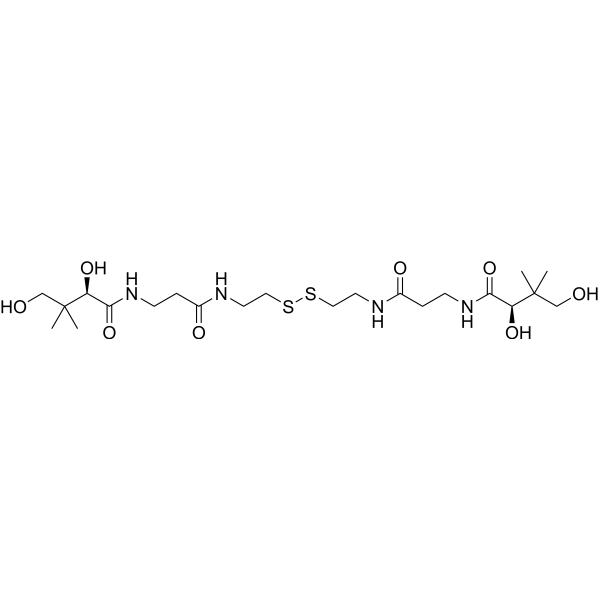
Pantethine (Standard) is the analytical standard of Pantethine. This product is intended for research and analytical applications. Pantethine is an orally active lipid-lowering agent. Pantethine has anti-tumor, anti-inflammatory and anti-SARS-COV virus activities. Pantethine is also a neuroprotective agent. Pantethine can be used in the study of Alzheimer's disease, Parkinson's disease, major depression, systemic sclerosis and pantothenate kinase-related neurodegeneration .
|
-
-
- HY-N17906
-
|
|
Collagen
|
Inflammation/Immunology
|
|
Bletimalate C is a 2-isobutyl malate ester present in the tubers of Bletilla striata. Bletimalate C potently inhibits the production of total Collagen in TGF-β1-activated NIH/3T3 cells, with an IC50 of 22.16 μM. Bletimalate C can be used for the research of pulmonary fibrosis .
|
-
-
- HY-103086
-
|
|
Raf
Autophagy
Apoptosis
|
Cancer
|
|
INU-152 is a potent and selective B-Raf inhibitor. INU-152 reduces tumor cell proliferation, enhances autophagy, and induces apoptosis by inhibiting B-Raf activity. INU-152 exhibits significant cytotoxicity against cancer cells transformed with v-Ha-ras (Ras-NIH 3T3). INU-152 can be utilized in cancer research .
|
-
-
- HY-131549A
-
|
|
PTEN
Phosphatase
|
Others
|
|
bpV(bipy) hydrate is the inhibitor for phosphoinositide 3-phosphatase (PTEN) and protein tyrosine phosphatases (PTP-β and PTP-1B) with IC50s of 18, 60.3, and 164 nM, respectively .
|
-
- HY-160983
-
|
|
DNA/RNA Synthesis
|
Cancer
|
|
PHYLPA-8 is an inhibitor for DNA polymerase-α, which exhibits weak inhibitory activity for the stereochemistry of the fatty acid moiety and the cyclic phosphate .
|
-
- HY-123542
-
|
|
Ser/Thr Protease
Apoptosis
|
Cancer
|
|
ONO-3403 is an orally active serine protease inhibitor. ONO-3403 inhibits the production of TNF-α and nitric oxide induced by LPS. ONO-3403 inhibits the cell growth and induces the apoptosis, and has an antitumor effect on malignant tumors .
|
-
- HY-121828
-
|
|
Src
CaMK
PKA
EGFR
PKC
COX
|
Cancer
|
|
TX-1123 is a potent protein tyrosine kinase (PTK) inhibitor for Src, eEF2-K, and PKA, and EGFR-K/PKC. TX-1123 is a cyclo-oxygenase (COX) inhibitor with IC50 values of 1.16 μM and 15.7 μM for COX2 and COX1, respectively. TX-1123 has low mitochondrial toxicity. TX-1123 can be used in research of cancer .
|
-
- HY-171033
-
|
|
Phospholipase
|
Neurological Disease
|
|
ASM-IN-3 (Compound 21b) is a selective and BBB-penetrating acid sphingomyelinase (ASM) inhibitor (IC50: 3.37 μM for pure human ASM). ASM-IN-3 improves depression-like behaviors by inhibiting ASM activity and increasing neurogenesis in hippocampus in Reserpine (HY-N0480)-induced depressed rats .
|
-
- HY-14930AR
-
|
SK-3530 dihydrochloride (Standard)
|
Phosphodiesterase (PDE)
Glucocorticoid Receptor
Wnt
β-catenin
Apoptosis
Reference Standards
|
Neurological Disease
Inflammation/Immunology
Endocrinology
|
|
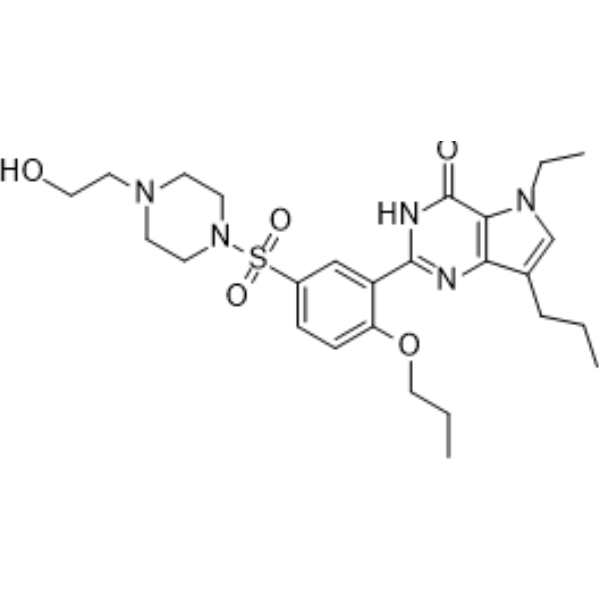
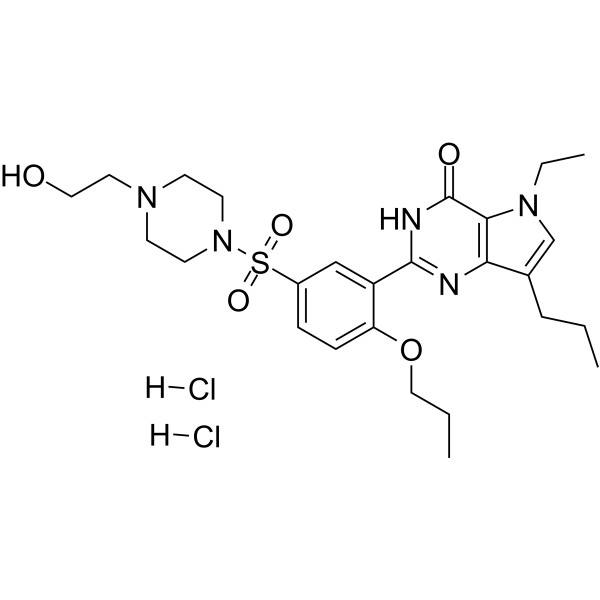
Mirodenafil (dihydrochloride) (Standard) is the analytical standard of Mirodenafil (dihydrochloride). This product is intended for research and analytical applications. Mirodenafil (SK3530) dihydrochloride is an orally active, potent, reversible, and selective phosphodiesterase 5 (PDE5) inhibitor. Mirodenafil dihydrochloride is a glucocorticoid receptor (GR) modulator Mirodenafil dihydrochloride activates the Wnt/β-catenin signaling pathway by downregulating Dkk1 expression. Mirodenafil dihydrochloride can be used for the research of erectile dysfunction (ED), Alzheimer’s disease (AD) and systemic sclerosis (SSc) .
|
-
- HY-103440R
-
|
|
Reference Standards
EGFR
|
Cancer
|
|
EGFR/ErbB-2/ErbB-4 inhibitor-3 (Standard) is the analytical standard of EGFR/ErbB-2/ErbB-4 inhibitor-3 (HY-103440). This product is intended for research and analytical applications. EGFR/ErbB-2/ErbB-4 inhibitor-3 (compound 29) is a potent tyrosine kinase inhibitor with IC50s of 0.3, 1.1, 0.5, 2.5, 24 nM for erbB1, erbB2, erbB4, EGF, HER, respectively . EGFR/ErbB-2/ErbB-4 inhibitor-3 is a click chemistry reagent, it contains an Alkyne group and can undergo copper-catalyzed azide-alkyne cycloaddition (CuAAc) with molecules containing Azide groups.
|
-
- HY-163558
-
-
- HY-153500
-
|
|
Hedgehog
|
Others
|
|
Hedgehog IN-4 is a benzamide derivative and also an inhibitor of the Hedgehog signaling pathway, with an IC50 of 0.050 nM .
|
-
- HY-183441
-
|
|
Ligands for Target Protein for PROTAC
Anaplastic lymphoma kinase (ALK)
|
Inflammation/Immunology
|
|
ALK5 ligand-1 (a31's ALK5 ligand) is a ligand of Anaplastic lymphoma kinase ALK5 with higher selectivity for ALK5 than for ALK4. ALK5 ligand-1 can be used to synthesize PROTAC degraders targeting ALK5. ALK5 PROTACs induce ALK5 degradation dependent on the ubiquitin-proteasome system and exert antifibrotic activity. ALK5 ligand-1 can be used in studies of pulmonary fibrosis .
|
-
- HY-182080
-
|
|
Microtubule/Tubulin
|
Inflammation/Immunology
|
|
EVs inducer-1 is a release inducer of immunostimulatory extracellular vesicles (EVs). EVs inducer-1 inhibits tubulin polymerization. EVs inducer-1 enhances the release of immunostimulatory EVs by antigen-presenting cells, increases the release of EV particles from dendritic cells, and elevates CD63 reporter gene activity. EVs inducer-1 inhibits the viability of proliferating cells. EVs inducer-1 is applicable for research related to immune regulation .
|
-
- HY-183785
-
|
|
PROTACs
Anaplastic lymphoma kinase (ALK)
|
Inflammation/Immunology
|
|
PROTAC ALK5 Degrader-1 is a selective ALK5 PROTAC degrader. PROTAC ALK5 Degrader-1 induces ALK5 degradation via ALK5 ATP-binding pocket engagement, CRBN recruitment, and the ubiquitin-proteasome system.PROTAC ALK5 Degrader-1 inhibits ALK5 downstream signaling. PROTAC ALK5 Degrader-1 can be used for the research of pulmonary fibrosis .
|
-
- HY-186145
-
|
|
Ferroptosis
Drug Derivative
|
Cancer
|
|
WMK-1 is a 1,2,4,5-tetraoxane derivative and ferroptosis inducer, with significantly higher cytotoxicity against cancer cells than non-cancerous cells. WMK-1 triggers ferroptosis in cancer cells and cancer stem cells. WMK-1 can be used for the research of cancer .
|
-
- HY-181166
-
|
|
EGFR
Apoptosis
|
Cancer
|
|
EGFR-IN-194 is a potent EGFR tyrosine kinase inhibitor with an IC50 of 54.3 nM against human EGFR. EGFR-IN-194 induces apoptosis, inhibits migration in cancer cells, selectively promotes invasion in cancer cells, and exhibits antiproliferative effects across multiple cancer cell lines. EGFR-IN-194 can be used for the research of prostate adenocarcinoma, non-small cell lung carcinoma, breast carcinoma, chronic myeloid leukemia .
|
-
- HY-N18093
-
-
- HY-183931
-
|
|
RET
VEGFR
Trk Receptor
c-Fms
|
Cancer
|
|
NPA101.3 is an orally active RET receptor tyrosine kinase and VEGFR2 inhibitor (RET IC50 = 0.001 μM, RET V804M IC50 = 0.008 μM, VEGFR2 IC50 = 0.003 μM). NPA101.3 inhibits purified TRKA (IC50 = 32 nM) and CSF1R (IC50 = 46 nM). NPA101.3 completely suppresses tumor formation in RET /C634Y-transformed cells and also attenuates tumor formation in HRAS /G12V-transformed cells. NPA101.3 can be used in the research of RET-driven cancers .
|
-
| Cat. No. |
Product Name |
Target |
Research Area |
-
- HY-P5321
-
|
|
FGFR
|
Cancer
|
|
bFGF (119-126) is a ligand of bFGF. The complex formed by bFGF (119-126) and bFGF can bind to FGFR1, while inhibiting the bFGF-FGFR1 interaction, FGFR1 phosphorylation and downstream signaling pathways. Therefore, bFGF (119-126) induces cell apoptosis and inhibits cell proliferation, migration, angiogenesis and metastasis. When conjugated with a carrier, bFGF (119-126) enhances cellular uptake via FGFR-mediated endocytosis and serves as an effective FGFR-targeted ligand. When used in combination with ultrasound and Doxorubicin (HY-15142A), bFGF (119-126) significantly enhances the inhibitory effect on tumors. bFGF (119-126) is applicable to research related to lung cancer, breast cancer, glioblastoma and ovarian cancer .
|
-
- HY-P1116
-
PBP10
1 Publications Verification
|
Bacterial
Reactive Oxygen Species (ROS)
Interleukin Related
|
Infection
Inflammation/Immunology
|
|
PBP10 is a decapeptide. PBP10 selectively binds to lipoteichoic acid (LTA), lipopolysaccharide (LPS) and phosphatidylinositol-4,5-bisphosphate (PIP2). PBP10 penetrates cell membranes and possesses bactericidal, anti-inflammatory, cell motility-inhibiting and actin assembly-regulating activities. PBP10 is applicable to relevant research on bacterial infections, microbe-induced inflammation, skin and soft tissue infections, as well as sepsis .
|
-
- HY-P1290
-
|
PKI-(6-22)-amide
|
PKA
|
Neurological Disease
|
|
PKA Inhibitor Fragment (6-22) amide is a highly potent and specific competitive inhibitor of PKA, with Ki values of 1.7 nM and 1.6 nM against human and bovine PKA catalytic subunits, respectively. The IC50 of PKA Inhibitor Fragment (6-22) amide targeting bovine PKA is 8.6 nM. PKA Inhibitor Fragment (6-22) amide effectively abolishes PKA activity in mouse brain and spinal cord, and exerts in vivo efficacy via intracerebroventricular administration. PKA Inhibitor Fragment (6-22) amide significantly reverses low-dose morphine analgesic tolerance in mice and blocks photoaffinity labeling of cAMP-dependent protein kinase. PKA Inhibitor Fragment (6-22) amide can be applied to research in fields related to the mechanism of morphine analgesic tolerance and skin wound healing .
|
-
- HY-P2483B
-
|
|
Bacterial
Proteasome
|
Infection
Inflammation/Immunology
Cancer
|
|
Octaarginine acetate is a cell-penetrating peptide and proteasome inhibitor. Octaarginine acetate exhibits mixed-type inhibition against 20S proteasome chymotrypsin-like, caspase-like, and trypsin-like activities, and inhibits 26S proteasome activity with decreased efficiency. Octaarginine acetate induces ubiquitin-conjugated protein accumulation, mediates HSPG-dependent cellular internalization via macropinocytosis, enhances liposomal cargo uptake and gene delivery. Octaarginine acetate can be used for the research of cervix carcinoma, collagen antibody-induced arthritis, and bacterial infections .
|
-
- HY-P2483
-
|
|
Proteasome
Bacterial
|
Infection
Inflammation/Immunology
Cancer
|
|
Octaarginine is a cell-penetrating peptide and proteasome inhibitor. Octaarginine exhibits mixed-type inhibition against 20S proteasome chymotrypsin-like, caspase-like, and trypsin-like activities, and inhibits 26S proteasome activity with decreased efficiency. Octaarginine induces ubiquitin-conjugated protein accumulation, mediates HSPG-dependent cellular internalization via macropinocytosis, enhances liposomal cargo uptake and gene delivery. Octaarginine can be used for the research of cervix carcinoma, collagen antibody-induced arthritis, and bacterial infections .
|
-
- HY-P1931
-
|
Uteroglobin(39-47)
|
Interleukin Related
|
Inflammation/Immunology
|
|
Antiflammin-1 is an anti-inflammatory peptide 1 (MQMKKVLDS). Antiflammin-1 is a derivative of uteroglobin. Antiflammin-1 has anti-inflammatory and antifibrotic actions in bleomycin (HY-108345)-induced lung injury .
|
-
- HY-K2014
-
|
|
|
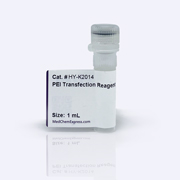
MCE PEI Transfection Reagent is designed based on 25 kDa PEI. It has high-efficiency, low-toxicity, strong-stability, and is suitable for many cell types, such as HEK-293、HEK-293T、CHO-K1、COS-1、COS-7、NIH/3T3、Sf9、HepG2 and HeLa et, even some hard-to-transfect cells. It can also be applied to large-scale recombinant protein expression and virus production. The 1 mL is defined as the base specification. All larger sizes correspond to incremental volumes of this base.
|
| Cat. No. |
Product Name |
Target |
Research Area |
Image |
-
- HY-P991226
-
|
|
Inhibitory Antibodies
|
Cancer
|
|
RG7287 is an activating antibody inhibitor targeting human CDCP1. RG7287 prevents the loss of contact inhibition caused by the co-transformation of NIH3T3 cells with CDCP1 and Src in focus formation assays. RG7287 inhibits tumor cell proliferation and leads to a significant reduction in CDCP1 levels .
|
-
(5)
| Cat. No. |
Product Name |
Category |
Target |
Chemical Structure |
-
- HY-16938
-
-
-
- HY-B1028
-
-
-
- HY-N9480
-
-
-
- HY-124717
-
-
-
- HY-N16500
-
-
-
- HY-12316R
-
-
-
- HY-16938R
-
|
5'-(Methylthio)-5'-deoxyadenosine (Standard); 5'-Deoxy-5'-(methylthio)adenosine (Standard); 5'-S-Methyl-5'-thioadenosine (Standard)
|
Structural Classification
Natural Products
Microorganisms
Endogenous metabolite
Source Classification
|
Reference Standards
Endogenous Metabolite
Apoptosis
Parasite
|
|
5'-Methylthioadenosine (Standard) is the analytical standard of 5'-Methylthioadenosine. This product is intended for research and analytical applications. 5'-Methylthioadenosine (5'-(Methylthio)-5'-deoxyadenosine) is a nucleoside generated from S-adenosylmethionine (SAM) during polyamine synthesis[1]. 5'-Methylthioadenosine suppresses tumors by inhibiting tumor cell proliferation, invasion, and the induction of apoptosis while controlling the inflammatory micro-environments of tumor tissue. 5'-Methylthioadenosine and its associated materials have striking regulatory effects on tumorigenesis[2].
|
-
-
- HY-N4308
-
|
Hexa-O-methylquercetagetin; Quercetagetin hexamethyl ether; 3,5,6,7,3',4'-Hexamethoxyflavone
|
Flavonols
Structural Classification
Flavonoids
other families
Classification of Application Fields
Plants
Disease Research Fields
Source Classification
Cancer
|
NF-κB
IKK
Bcl-2 Family
|
|
Hexamethylquercetagetin (Hexa-O-methylquercetagetin; Quercetagetin hexamethyl ether; 3,5,6,7,3',4'-Hexamethoxyflavone) is an orally active NF-κB inhibitor. Hexamethylquercetagetin inhibits NF-κB-derived luciferase activity, reduces phosphorylated p65 and IκBα, Cyclin D1, Bcl-2 and blocks TNFα-induced NF-κB activation. Hexamethylquercetagetin inhibits survival and proliferation of cervical carcinoma cells. Hexamethylquercetagetin suppresses tumor volume and weight in BALB/c nude mouse xenograft models of cervical carcinoma. Hexamethylquercetagetin can be used for the research of cancer, such as cervical carcinoma .
|
-
-
- HY-B1028R
-
|
D-Pantethine (Standard); LBF disulfide (Standard)
|
Structural Classification
Natural Products
Endogenous metabolite
Source Classification
|
Reference Standards
Endogenous Metabolite
SARS-CoV
|
|
Pantethine (Standard) is the analytical standard of Pantethine. This product is intended for research and analytical applications. Pantethine is an orally active lipid-lowering agent. Pantethine has anti-tumor, anti-inflammatory and anti-SARS-COV virus activities. Pantethine is also a neuroprotective agent. Pantethine can be used in the study of Alzheimer's disease, Parkinson's disease, major depression, systemic sclerosis and pantothenate kinase-related neurodegeneration .
|
-
-
- HY-N17906
-
-
-
- HY-N18093
-
-
Your information is safe with us. * Required Fields.
Inquiry Information
- Product Name:
- Cat. No.:
- Quantity:
- MCE Japan Authorized Agent:

