
1. Search Result
Search Result
Results for "

NT

" in MedChemExpress (MCE) Product Catalog:

95

Inhibitors & Agonists

1

Screening Libraries

6

Biochemical Assay Reagents

10

Peptides

9

Inhibitory Antibodies

2

Natural
Products

49

Recombinant Proteins

3

Isotope-Labeled Compounds

23

Antibodies

27

Oligonucleotides

Targets Recommended:
Cat. No. Product Name Target Research Areas Chemical Structure
  • HY-109171

    NT-814; BAY3427080

    Neurokinin Receptor Cardiovascular Disease Neurological Disease
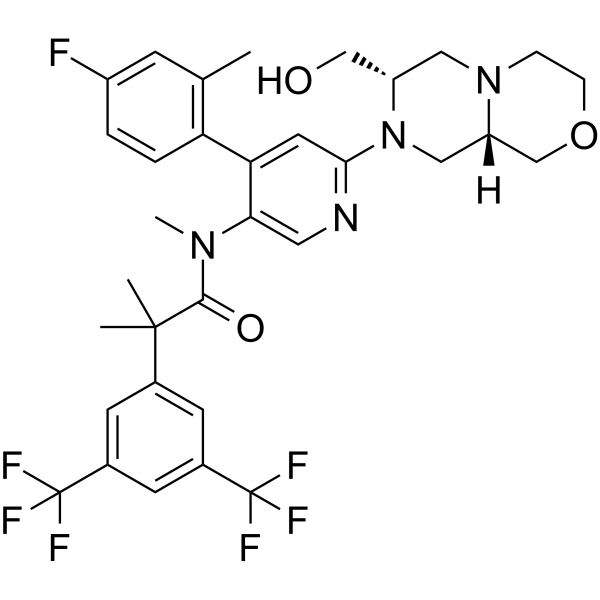
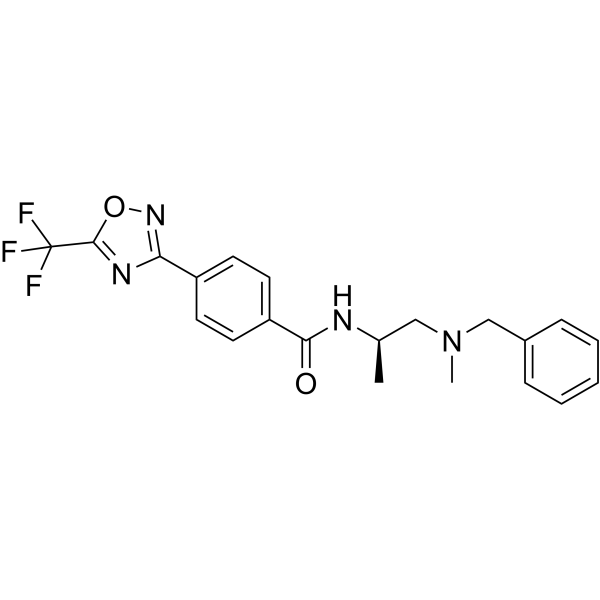
    Elinzanetant is an orally active and selective NK-1 and NK-3 receptor antagonist. Elinzanetant alleviates menopause-associated vasomotor symptoms, including hot flashes and night sweats. Elinzanetant reduces estradiol and progesterone levels. Elinzanetant can be used for the research of moderate to severe vasomotor and sleep disorders associated with menopause .
    Elinzanetant
  • HY-P99908

    NT-17

    Interleukin Related Cancer
    Efineptakin alfa (NT-17) is a long-acting recombinant human IL-7. Efineptakin alfa supports the proliferation and survival CD4 + and CD8 + cells in both human and mice. Efineptakin alfa can be used for glioblastoma research .
    Efineptakin alfa
  • HY-156438

    NT-0796

    NOD-like Receptor (NLR) Interleukin Related Neurological Disease
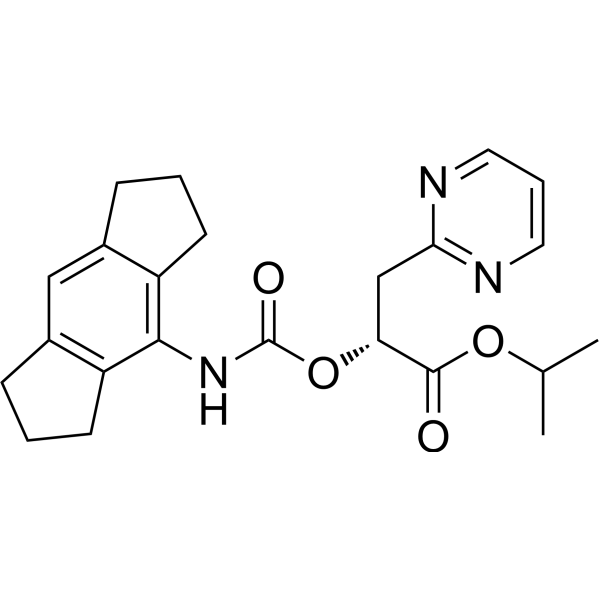
    Ruvonoflast (NT-0796) is an orally active, selective and CNS-penetrant NLRP3 inflammasome inhibitor. Ruvonoflast inhibits IL-1β release in human PBMC cells with an IC50 value of 0.32 nM. Ruvonoflast is an isopropyl ester that undergoes intracellular conversion to Ruvonoflast, the carboxylic acid active species. Ruvonoflast reverses high fat diet-induced obesity, systemic inflammation and astrogliosis in the diet-induced obesity mouse model. Ruvonoflast is promising for research of neurodegenerative disorders, including Alzheimer’s disease, Parkinson’s disease, multiple sclerosis, and amyotrophic lateral sclerosis .
    Ruvonoflast
  • HY-P0251
    Neurotensin(8-13)
    1 Publications Verification

    Neurotensin Receptor Neurological Disease
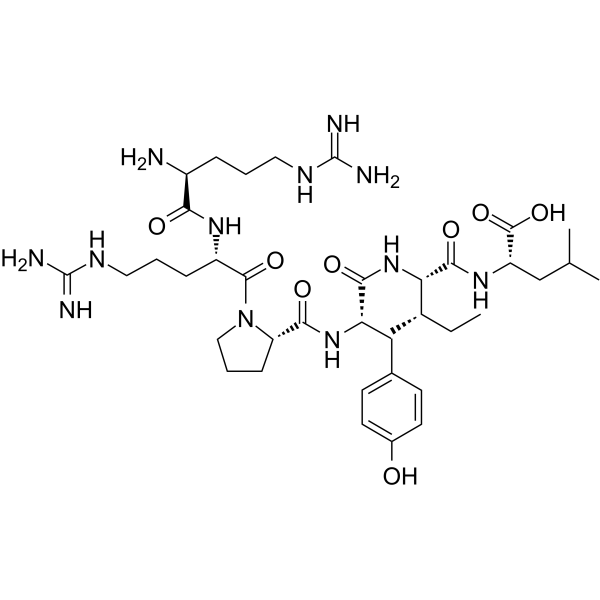
    Neurotensin (8-13) is an active fragment of Neurotensin. Neurotensin(8-13) results in a decrease in cell-surface NT1 receptors (NTR1) density.
    Neurotensin(8-13)
  • HY-149285

    HDAC Neurological Disease
    NT160 is a highly potent class-IIa HDAC inhibitor with an IC50 value of 0.046 μM. NT160 can be used for the research of central nervous system diseases .
    NT160
  • HY-107664

    Neurotensin Receptor Neurological Disease
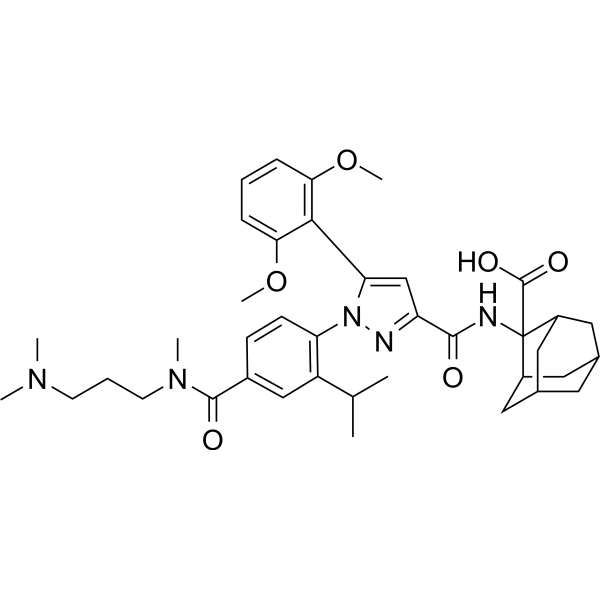
    SR 142948 is an orally active and selective non-peptide neurotensin receptor (NT) antagonist with IC50s of 1.19 nM, 0.32 nM, 3.96 nM in h-NTR1-CHO cells, HT-29 cells, and adult rat brain, respectively. SR 142948 antagonizes NT-induced inositol monophosphate formation in HT-29 cells with an IC50 of 3.9 nM. SR 142948 blocks hypothermia, analgesia and steering behavior induced by NT in vivo. SR 142948 shows blood-brain permeability and can be used in study of psychiatric disorders .
    SR 142948
  • HY-174497

    mRNA Others
    eGFP mRNA expresses green fluorescent protein derived from the jellyfish Aequorea victoria. eGFP is a commonly used direct-detection reporter gene in mammalian cell culture, which produces bright green fluorescence. This product is synthesized without modified nucleosides, with a Cap1 version cap analog at the 5' end and a 100nt PolyA tail at the 3' end. It can be used as a positive reference for IVT (in vitro transcription) or LNP delivery systems.
    eGFP mRNA
  • HY-100037
    NT157
    2 Publications Verification

    Tyrphostin NT157

    Insulin Receptor STAT Endocrinology Cancer
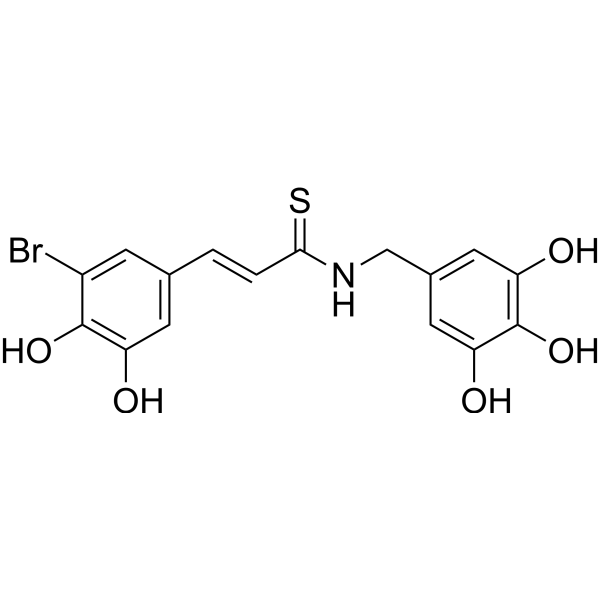
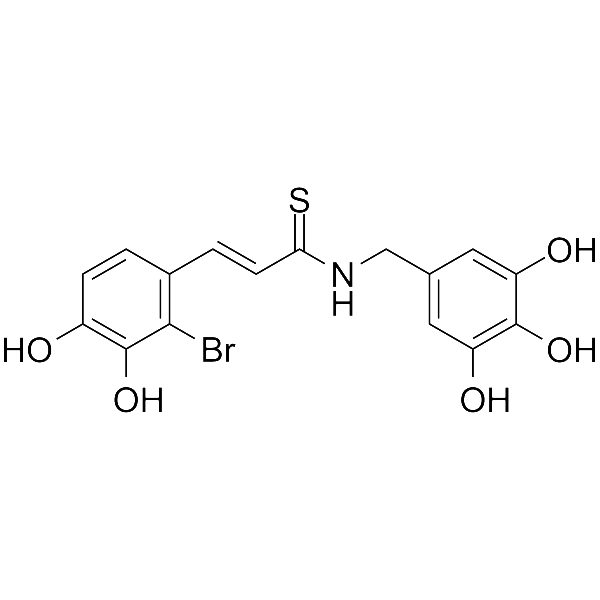
    NT157 (Tyrphostin NT157) is a selective IRS-1/2 inhibitor that induces Ser-phosphorylation and consequently the degradation of IRS-1/2. NT157 (Tyrphostin NT157) is a first-in-class anti-cancer agent that also targets Stat3 signaling pathway .
    NT157
  • HY-137500
    NT1-014B
    1 Publications Verification

    Liposome Biochemical Assay Reagents Cardiovascular Disease Neurological Disease
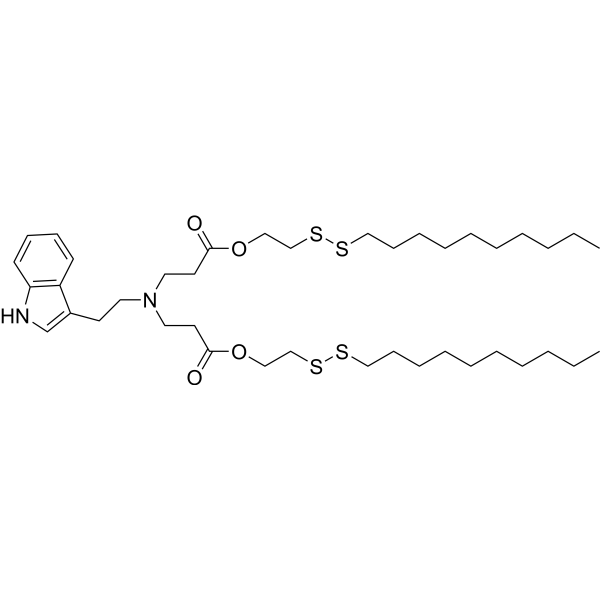
    NT1-014B is a tryptamine-derived lipidoid. NT1-014B incorporates NT-lipidoid into BBB-impermeable lipid nanoparticles (LNPs), enabling the LNPs to cross the BBB. NT1-014B enhances brain delivery via intravenous injection. NT1-014B can be used in ischemic stroke research .
    NT1-014B
  • HY-161297A

    NOD-like Receptor (NLR) Inflammation/Immunology
    NT-0249 free base is an orally active NLRP3 inhibitor. NT-0249 has anti-inflammatory activity .
    NT-0249 free base
  • HY-124767

    Neuropeptide Y Receptor Neurological Disease
    SR 142948A is a non-peptide neuropeptide neuropeptin (NT) receptor antagonist. SR 142948A is able to bind to neuropeptin receptors, especially with high affinity for NT1 and NT2 receptors. SR 142948A is mainly used to study the role of neuropeptide in the neurotransmitter system, especially the dopamine system .
    SR 142948A
  • HY-13984
    NT-1
    1 Publications Verification

    EGFR mutaNT-IN-3

    EGFR ERK Apoptosis Drug Derivative Cancer
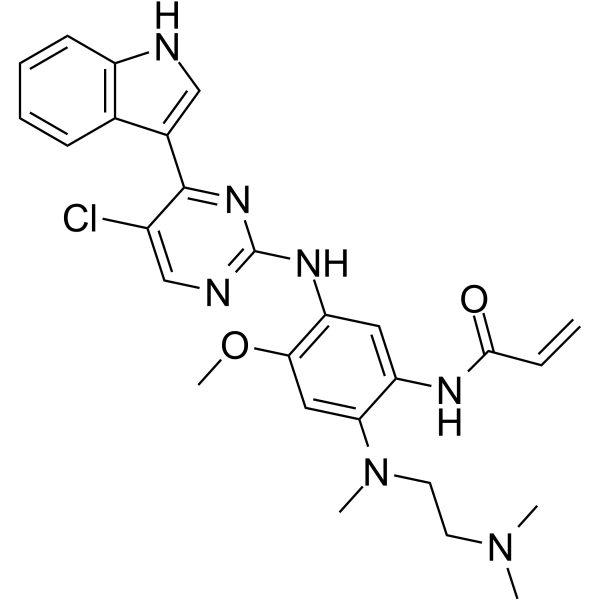
    NT-1 (EGFR mutant-IN-3) is a potent mutant EGFR inhibitor and an analog of Osimertinib (HY-15772). This mutant EGFR inhibitor suppresses FGFR WT with an IC50 of 0.4 nM. NT-1 also inhibits EGFR L858R, EGFR Exon 19 deletion and EGFR T790M. NT-1 exerts deeper inhibition on p-EGFR and p-ERK, and induces tumor cell apoptosis. NT-1 can be used in colorectal cancer research .
    NT-1
  • HY-145935
    NT219
    1 Publications Verification

    Insulin Receptor STAT Cancer
    NT219 is a potent and dual inhibitor of insulin receptor substrates 1/2 (IRS1/2) and STAT3. IRS1/2 and STAT3 are major signaling junctions regulated by various oncogenes. NT219 affects IRS1/2 degradation and inhibits STAT3 phosphorylation. NT219 has the potential for the research of cancer diseases .
    NT219
  • HY-U00050

    E-10-OH-NT

    Drug Metabolite Adrenergic Receptor mAChR Neurological Disease
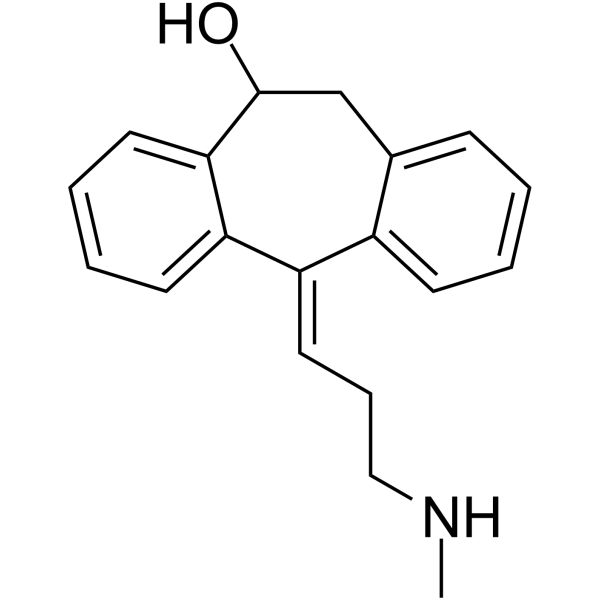
    (E)-10-Hydroxynortriptyline (E-10-OH-NT) is a blood-brain barrier-permeable norepinephrine uptake inhibitor. (E)-10-Hydroxynortriptyline effectively promotes central norepinephrine neuronal transmission, with little interindividual variation in in vivo potency. (E)-10-Hydroxynortriptyline has low affinity for muscarinic receptors, exhibits only extremely weak anticholinergic activity, and does not inhibit salivary secretion. (E)-10-Hydroxynortriptyline can be used in studies related to depression .
    (E)-10-Hydroxynortriptyline
  • HY-158024

    NOD-like Receptor (NLR) Neurological Disease Inflammation/Immunology
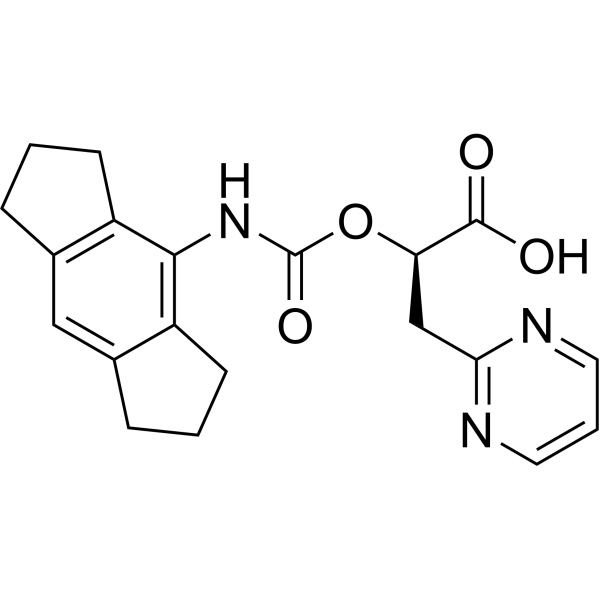
    NDT-19795 is an effective inhibitor of the NLRP3 inflammasome with an IC50 value of 66 nM in the PBMC method and 4.7 μM in the WB method. NDT-19795 is a carboxylic acid-active substance that can be converted from NT-0796 (HY-156438) within cells. NDT-19795 can be used for the studies of inflammation and neurological diseases .
    NDT-19795
  • HY-150151A

    LYTACs Cardiovascular Disease
    GalNac-siRNA negative control (21nt) is the negative control form of GalNac-siRNA. GalNac-siRNA is an Asialoglycoprotein receptor (ASGPR)-targeted inhibitor conjugate. GalNac-siRNA is promising for research of hereditary transthyretin amyloidosis, acute hepatic porphyria, hemophilia and hypercholesterolemia .
    GalNac-siRNA negative control (21nt)
  • HY-153843

    Biochemical Assay Reagents Others
    RNA Aptamer Corn (sodium) is a 28-nt-long aptamer that is substantially shorter than Spinach and Spinach2 and exhibits bright red fluorescence upon binding DFHO (a soluble analog of the intrinsic fluorophore of red fluorescent protein), RNA Aptamer Corn (sodium) can be used to visualize RNA expression or localization in live cells which have been soaked with chromophores. The Corn-DFHO does not become appreciably cytotoxic when illuminated. And most importantly, Corn-DFHO exhibits markedly increased photostability compared to other aptamer-chromophore complexes both in vitro and in vivo. (36 nt Corn construct: 5'-GGCGCGAGGAAGGAGGUCUGAGGAGGUCACUGCGCC-3'; A 36-nt RNA construct, comprised of the 28-nt minimal Corn sequence extended proximally with a 4 base-pair stem.)
    RNA Aptamer Corn sodium
  • HY-106856

    NT-11624

    iGluR Cancer
    Dimiracetam is an orally active compound, with anti-neuropathic activity. Dimiracetam inhibits hypersensitivity and neurological alterations, and inhibits Sorafenib (HY-10201)-induced neuropathy in cold stimulation rat models .
    Dimiracetam
  • HY-155612A
    (Rac)-M826
    1 Publications Verification

    Caspase Neurological Disease
    (Rac)-M826 is the racemate of M826 (HY-155612). M826 is a selective and reversible inhibitor for caspase-3 with an IC50 of 0.005 μM. M826 inhibits apoptosis in cell NT2. M826 can be used for nervous system diseases research .
    (Rac)-M826
  • HY-161297

    NOD-like Receptor (NLR) Inflammation/Immunology
    NT-0249 is an orally active NLRP3 inhibitor. NT-0249 has anti-inflammatory activity
    NT-0249
  • HY-137499

    Liposome Endogenous Metabolite Neurological Disease
    NT1-O12B, an endogenous chemical and a neurotransmitter-derived lipidoid (NT-lipidoid), is an effective carrier for enhanced brain delivery of several blood-brain barrier (BBB)-impermeable cargos. Doping NT1-O12B into BBB-impermeable lipid nanoparticles (LNPs) gives the LNPs the ability to cross the BBB. NT-lipidoids formulation not only facilitate cargo crossing of the BBB, but also delivery of the cargo into neuronal cells for functional gene silencing or gene recombination .
    NT1-O12B
  • HY-P3260

    CD73; 5′-NT

    Endogenous Metabolite Metabolic Disease Cancer
    5′-Nucleotidase, Microorganism (CD73) is an intrinsic membrane glycoprotein present as an ectoenzyme. 5′-Nucleotidase catalyzes hydrolysis of 5-nucleotides to their corresponding nucleosides .
    5'-Nucleotidase, Microorganism
  • HY-P4109

    NT21MP; V1 peptide

    CXCR Inflammation/Immunology Cancer
    vMIP-II (1-21) (NT21MP) is an inhibitor of CXCR4. vMIP-II (1-21) interacts broadly with CC and CXC chemokine receptors. vMIP-II (1-21) inhibits CXCR4 by competing with 125I-SDF-1R for binding sites (IC50=190 nM) .
    vMIP-II  (1-21)
  • HY-167710

    Endogenous Metabolite Cancer
    CRCD2 is a small molecule NT5C2 nucleotidase inhibitor with enhanced 6-mercaptopurine cytotoxic activity. CRCD2 can effectively reverse 6-mercaptopurine resistance caused by mutations in the NT5C2 gene or non-genetic activation mechanisms. CRCD2 combined with 6-mercaptopurine can enhance its cytotoxic activity in NT5C2 wild-type leukemia, showing its potential in the treatment of acute lymphoblastic leukemia .
    CRCD2
  • HY-P991443

    CD73 Cancer
    IPH5301 is a human IgG1 monoclonal antibody (mAb) targeting NT5E/CD73. IPH5301 has a functionally silent Fc domain, specifically inhibits soluble and membrane CD73 enzyme activity, and restores the proliferation of immune T cells. IPH5301 can be used in anti-tumor immunity research. Recommended isotype control: Human IgG1 kappa, Isotype Control (HY-P99001) .
    IPH5301
  • HY-173234

    Pyroptosis Interleukin Related Cardiovascular Disease
    GI-Y2 is an orally active, selective Gasdermin D (GSDMD) inhibitor (Kd = 36.0 μM) with anti-pyroptosis activity. GI-Y2 targets GSDMD, impairs membrane anchoring of GSDMD-NT, and blocks GSDMD‑dependent lipid binding and pore formation. GI-Y2 suppresses GSDMD‑dependent pyroptosis and inflammation, mitigates atherosclerosis and cardiac injury, boosts cell survival, and reduces IL‑1β/IL‑18 secretion. GI-Y2 can be used for the research of atherosclerosis and septic myocardial injury .
    GI-Y2
  • HY-107664A

    Neurotensin Receptor Neurological Disease
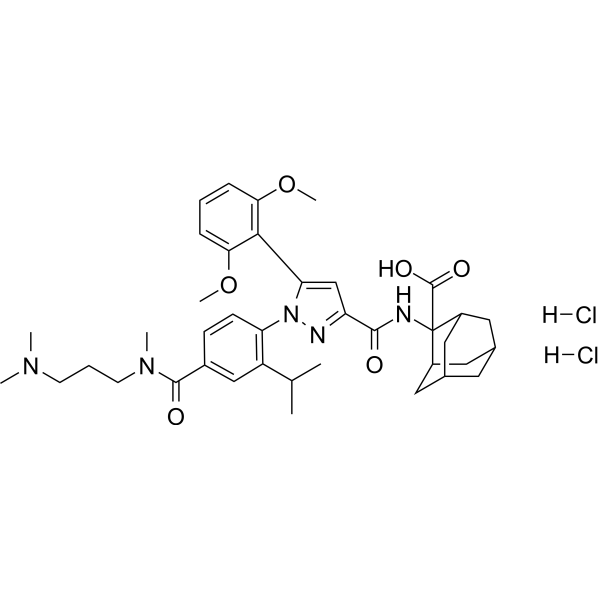
    SR 142948 dihydrochloride is an orally active and selective non-peptide neurotensin receptor (NT) antagonist with IC50s of 1.19 nM, 0.32 nM, 3.96 nM in h-NTR1-CHO cells, HT-29 cells, and adult rat brain, respectively. SR 142948 dihydrochloride antagonizes NT-induced inositol monophosphate formation in HT-29 cells with an IC50 of 3.9 nM. SR 142948 dihydrochloride blocks hypothermia, analgesia and steering behavior induced by NT in vivo. SR 142948 dihydrochloride shows blood-brain permeability and can be used in study of psychiatric disorders .
    SR 142948 dihydrochloride
  • HY-131545

    NT-702 free base; NT-702 free base

    Phosphodiesterase (PDE) Others
    Parogrelil (NT-702 free base) is a compound with intermittent claudication inhibitory activity that inhibits PDE3, inhibits platelet aggregation and vasoconstriction, and improves walking distance and plantar surface temperature in a rat experimental model.
    Parogrelil
  • HY-109171R

    NT-814 (Standard); BAY3427080 (Standard)

    Reference Standards Neurokinin Receptor Cardiovascular Disease Neurological Disease
    Elinzanetant (Standard) is the analytical standard of Elinzanetant. This product is intended for research and analytical applications. Elizanetant (NT-814) is an orally active, selective NK-1,3 receptor antagonist. Elizanetant can reduce the levels of estradiol and progesterone, and is used in the study of vascular motor symptoms and sleep disorders related to menopause in women .
    Elinzanetant (Standard)
  • HY-P4109A

    NT21MP TFA; V1 peptide TFA

    CXCR Inflammation/Immunology Cancer
    vMIP-II (1-21) (NT21MP) TFA is an inhibitor of CXCR4. vMIP-II (1-21) TFA interacts broadly with CC and CXC chemokine receptors. vMIP-II (1-21) TFA inhibits CXCR4 by competing with 125I-SDF-1R for binding sites (IC50=190 nM) .
    vMIP-II  (1-21) TFA
  • HY-172527

    CD73 Phosphodiesterase (PDE) Phosphatase Cancer
    CD73-IN-20 (Compound 5c) is an e5′NT (CD73) inhibitor (IC50: 0.37 μM). CD73-IN-20 also inhibits other ectonucleotidases, with IC50s of 1.12 μM (h-ENPP1), 1.37 μM (h-ENPP3), 1.66 μM (r-e5′NT), 1.48 μM (h-TNAP), respectively. CD73-IN-20 can be used for cancer research .
    CD73-IN-20
  • HY-P991332

    CD73 Cancer
    JAB-BX102 is a human monoclonal antibody (mAb) targeting NT5E/CD73. JAB-BX102 can be used in the study of cancers such as breast cancer, pancreatic cancer, and prostate cancer .
    JAB-BX102
  • HY-P991330

    CD73 Cancer
    BMS-986179 is a human monoclonal antibody (mAb) targeting NT5E/CD73. BMS-986179 inhibits CD73 enzymatic activity in tumor vasculature and tumor cells. BMS-986179 can be used in advanced solid tumors research .
    BMS-986179
  • HY-107664B

    Neurotensin Receptor Neurological Disease
    SR 142948 TFA is an orally active and selective non-peptide neurotensin receptor (NT) antagonist with IC50s of 1.19 nM, 0.32 nM, 3.96 nM in h-NTR1-CHO cells, HT-29 cells, and adult rat brain, respectively. SR 142948 TFA antagonizes NT-induced inositol monophosphate formation in HT-29 cells with an IC50 of 3.9 nM. SR 142948 TFA blocks hypothermia, analgesia and steering behavior induced by NT in vivo. SR 142948 TFA shows blood-brain permeability and can be used in study of psychiatric disorders .
    SR 142948 TFA
  • HY-E70870

    Trk Receptor Neurological Disease
    TRKB(NTRK2) is a member of tyrosine kinase gene family. TRKB is the primary receptor for brain-derived nerve growth factor (BDNF) and neurotrophin 4/5 (NT4/5). TRKB(NTRK2) Recombinant Human Active Protein Kinase is a recombinant TRKB(NTRK2) protein that can be used to study TRKB(NTRK2)-related functions .
    TRKB(NTRK2) Recombinant Human Active Protein Kinase
  • HY-RS09613

    Small Interfering RNA (siRNA) Others

    Nt5e Mouse Pre-designed siRNA Set A contains three designed siRNAs for Nt5e gene (Mouse), as well as a negative control, a positive control, and a FAM-labeled negative control.

    Nt5e Mouse Pre-designed siRNA Set A
    Nt5e Mouse Pre-designed siRNA Set A
  • HY-RS09612

    Small Interfering RNA (siRNA) Others

    NT5E Human Pre-designed siRNA Set A contains three designed siRNAs for NT5E gene (Human), as well as a negative control, a positive control, and a FAM-labeled negative control.

    NT5E Human Pre-designed siRNA Set A
    NT5E Human Pre-designed siRNA Set A
  • HY-P10698

    Peptide-Drug Conjugates (PDCs) LDLR Neurological Disease
    VH-N412 is a vectorized neuropeptide (NT) with good blood-brain barrier permeability. VH-N412 binds to the low-density lipoprotein receptor (LDLR) and neuropeptide receptor 1 (NTSR-1), and acts as a pharmacological-induced hypothermia (PIH) inducer. VH-N412 exhibits anticonvulsant and neuroprotective effects, and can be used in the study of neurological diseases such as epilepsy.
    VH-N412
  • HY-172672

    Orexin Receptor (OX Receptor) Neurological Disease
    Orexin 2 Receptor Agonist 3 (Compound 57) is an orally active and brain-penetrant orexin receptor type-2 (OX2) agonist (EC50: 2.5 nM). Orexin 2 Receptor Agonist 3 increases wakefulness in the orexin/ataxin-3 NT1 mouse model and healthy beagle dogs. Orexin 2 Receptor Agonist 3 can be used in the study of narcolepsy .
    Orexin 2 Receptor Agonist 3
  • HY-172788

    Pyroptosis NF-κB Inflammation/Immunology
    NLRP3-IN-78 (compound 21) is a NLRP3 inhibitor with the inhibition rate of 46.72% in GSDMD-induced pyroptosis at 5 μM. NLRP3-IN-78 binds to the NLRP3 protein and inhibits GSDMD-NT oligomerization. NLRP3-IN-78 also inhibits GSDMD cleavage, and upstream NF-κB signaling, demonstrating its anti-inflammatory activity .
    NLRP3-IN-78
  • HY-P3057

    Neurotensin Receptor Cardiovascular Disease Neurological Disease
    [D-Trp11]-Neurotensin, an analogue of Neurotensin (NT), is a selective antagonist of NT in perfused rat hearts but behaves as a full agonist in guinea pig atria and rat stomach strips. [D-Trp11]-Neurotensin can inhibit NT-induced hypotension .
    [D-Trp11]-Neurotensin
  • HY-P7060

    TPPT

    iGluR Neurological Disease
    NT 13 (TPPT) is a tetrapeptide having the amino acid sequence L-threonyl-L-prolyl-L-prolyl-L-threonine amide. NT 13 is a partial N-methyl-D-aspartate receptor (NMDAR) agonist used in the study of depression, anxiety, and other related diseases.
    NT 13
  • HY-163806

    HDAC Neurological Disease Cancer
    NT376 is a high potency and selectivity inhibitor of class-IIa Histone deacetylases (HDAC) with an IC50 value of 32 nM, similar to NT160 (HY-149285) (IC50= 46 nM) in HT-29 cells. NT376 is proming for research of various cancers and in the diseases of the central nervous system (CNS) such as Alzheimer’s and Huntington’s diseases .
    NT376
  • HY-RS09614

    Small Interfering RNA (siRNA) Others

    Nt5e Rat Pre-designed siRNA Set A contains three designed siRNAs for Nt5e gene (Rat), as well as a negative control, a positive control, and a FAM-labeled negative control.

    Nt5e Rat Pre-designed siRNA Set A
    Nt5e Rat Pre-designed siRNA Set A
  • HY-RS21397

    Small Interfering RNA (siRNA) Others

    Nt5m Mouse Pre-designed siRNA Set A contains three designed siRNAs for Nt5m gene (Mouse), as well as a negative control, a positive control, and a FAM-labeled negative control.

    Nt5m Mouse Pre-designed siRNA Set A
    Nt5m Mouse Pre-designed siRNA Set A
  • HY-RS09607

    Small Interfering RNA (siRNA) Others

    NT5C Human Pre-designed siRNA Set A contains three designed siRNAs for NT5C gene (Human), as well as a negative control, a positive control, and a FAM-labeled negative control.

    NT5C Human Pre-designed siRNA Set A
    NT5C Human Pre-designed siRNA Set A
  • HY-RS21396

    Small Interfering RNA (siRNA) Others

    Nt5c Mouse Pre-designed siRNA Set A contains three designed siRNAs for Nt5c gene (Mouse), as well as a negative control, a positive control, and a FAM-labeled negative control.

    Nt5c Mouse Pre-designed siRNA Set A
    Nt5c Mouse Pre-designed siRNA Set A
  • HY-RS09615

    Small Interfering RNA (siRNA) Others

    NT5M Human Pre-designed siRNA Set A contains three designed siRNAs for NT5M gene (Human), as well as a negative control, a positive control, and a FAM-labeled negative control.

    NT5M Human Pre-designed siRNA Set A
    NT5M Human Pre-designed siRNA Set A
  • HY-RS09610

    Small Interfering RNA (siRNA) Others

    NT5DC1 Human Pre-designed siRNA Set A contains three designed siRNAs for NT5DC1 gene (Human), as well as a negative control, a positive control, and a FAM-labeled negative control.

    NT5DC1 Human Pre-designed siRNA Set A
    NT5DC1 Human Pre-designed siRNA Set A
  • HY-RS09609

    Small Interfering RNA (siRNA) Others

    NT5C2 Human Pre-designed siRNA Set A contains three designed siRNAs for NT5C2 gene (Human), as well as a negative control, a positive control, and a FAM-labeled negative control.

    NT5C2 Human Pre-designed siRNA Set A
    NT5C2 Human Pre-designed siRNA Set A

Inquiry Online

Your information is safe with us. * Required Fields.

Salutation


Country or Region *

Applicant Name *


Organization Name *

Department *


Email Address *


Product Name *

Cat. No.


Requested quantity *

Phone Number *


Remarks

Inquiry Online

Inquiry Information

Product Name:
Cat. No.:
Quantity:
MCE Japan Authorized Agent:

