

Search Result
Results for "
PAHs
" in MedChemExpress (MCE) Product Catalog:
12
Isotope-Labeled Compounds
| Cat. No. |
Product Name |
Target |
Research Areas |
Chemical Structure |
-
- HY-W011845
-
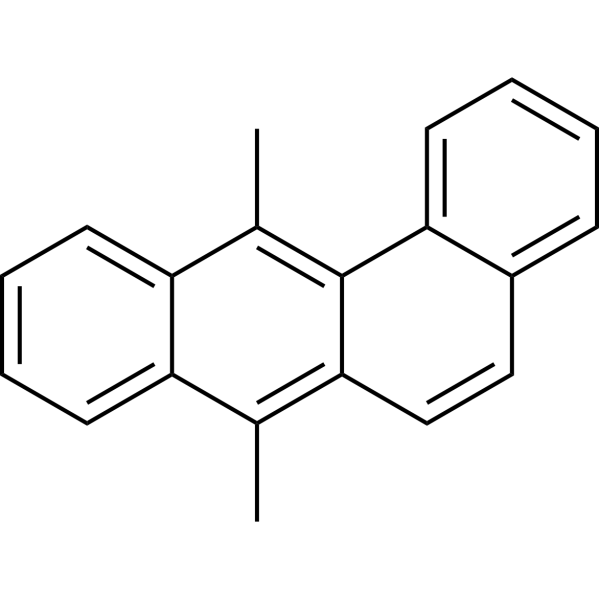
DMBA
3 Publications Verification
7,12-DMBA; 7,12-Dimethylbenzanthracene
|
Environmental Pollutants
c-Myc
|
Cancer
|
|
DMBA has carcinogenic activity as a polycyclic aromatic hydrocarbon (PAH). DMBA is used to induce tumor formation in various rodent models .
|
-
-
- HY-A0124A
-
|
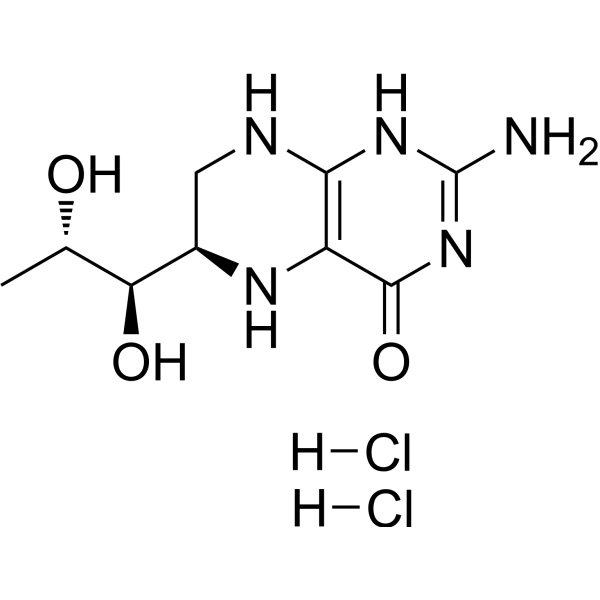
(6R)-BH4 dihydrochloride; (6R)-Tetrahydro-L-biopterin dihydrochloride
|
Endogenous Metabolite
|
Infection
Metabolic Disease
Inflammation/Immunology
|
|
Sapropterin ((6R)-BH4; (6R)-Tetrahydro-L-biopterin) dihydrochloride is an orally active phenylalanine hydroxylase (PAH) cofactor, which is effective in reducing blood phenylalanine concentrations. Sapropterin dihydrochloride can be used in study of phenylketonuria (PKU) phenylketonuria. Sapropterin dihydrochloride can aggravate experimental autoimmune encephalomyelitis (EAE) .
|
-
-
- HY-14184
-
-
-
- HY-15425
-
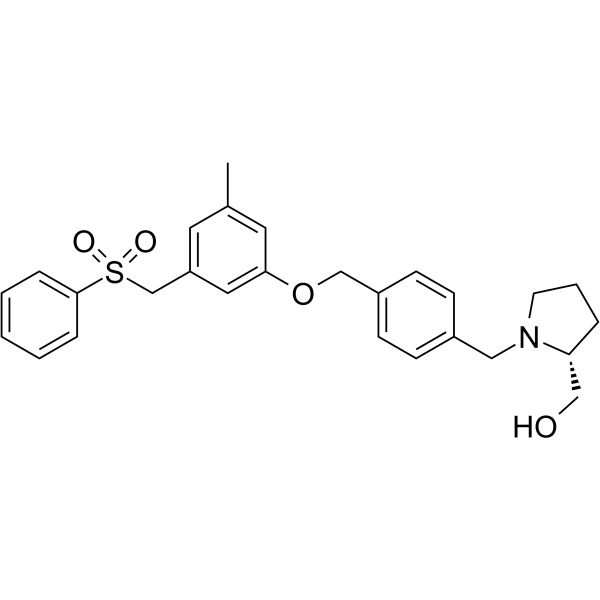
PF-543
Maximum Cited Publications
22 Publications Verification
Sphingosine Kinase 1 Inhibitor II
|
SphK
LPL Receptor
Apoptosis
Autophagy
|
Cardiovascular Disease
Inflammation/Immunology
Cancer
|
|
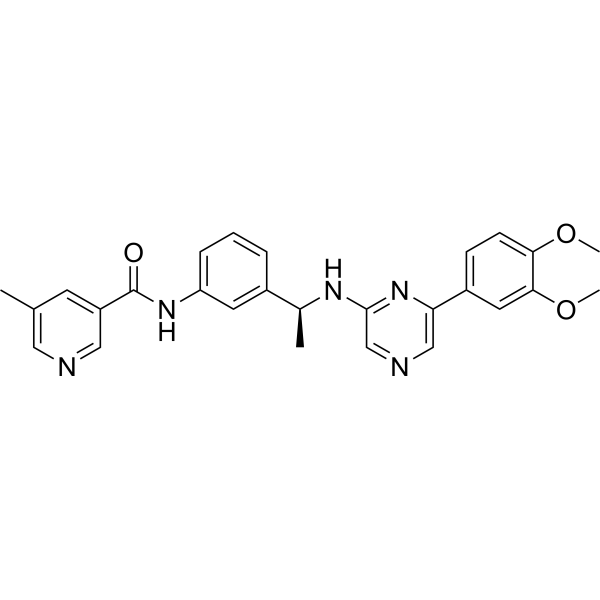
PF-543 (Sphingosine Kinase 1 Inhibitor II) is a potent, selective, reversible and sphingosine-competitive SPHK1 inhibitor with an IC50 of 2 nM and a Ki of 3.6 nM. PF-543 is >100-fold selectivity for SPHK1 over SPHK2. PF-543 is an effective potent inhibitor of sphingosine 1-phosphate (S1P) formation in whole blood with an IC50 of 26.7 nM. PF-543 induces apoptosis, necrosis, and autophagy .
|
-
-
- HY-A0126A
-
|
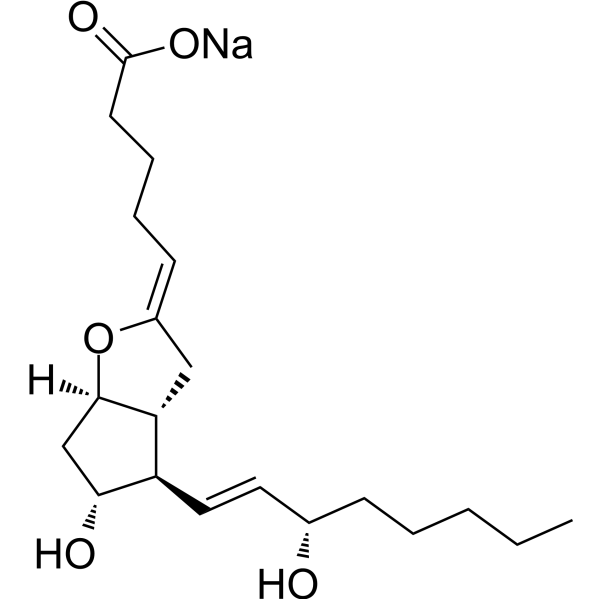
Prostaglandin I2 sodium salt; Prostacyclin sodium salt; Flolan
|
Endogenous Metabolite
Apoptosis
|
Cardiovascular Disease
|
|
Epoprostenol sodium (Prostaglandin I2) sodium salt, the synthetic form of the natural prostaglandin derivative prostacyclin (prostaglandin I2), is registered worldwide for the treatment of Pulmonary arterial hypertension (PAH). Epoprostenol sodium is used in pulmonary hypertension and transplantation as a potent inhibitor of platelet aggregation .
|
-
-
- HY-P0012
-
|
Vasoactive Intestinal Peptide (human, rat, mouse, rabbit, canine, porcine)
|
SARS-CoV
|
Infection
Inflammation/Immunology
|
|
Aviptadil is an analog vasoactive intestinal polypeptide (VIP) with potent vasodilatory effects. Aviptadil induces pulmonary vasodilation and inhibits vascular SMCs proliferation, platelet aggregation. Aviptadil can be used for the research of pulmonary fibrosis, pulmonary arterial hypertension (PAH) and SARS-CoV-2 caused respiratory failure, et al .
|
-
-
- HY-B1727
-
-
-
- HY-15425A
-
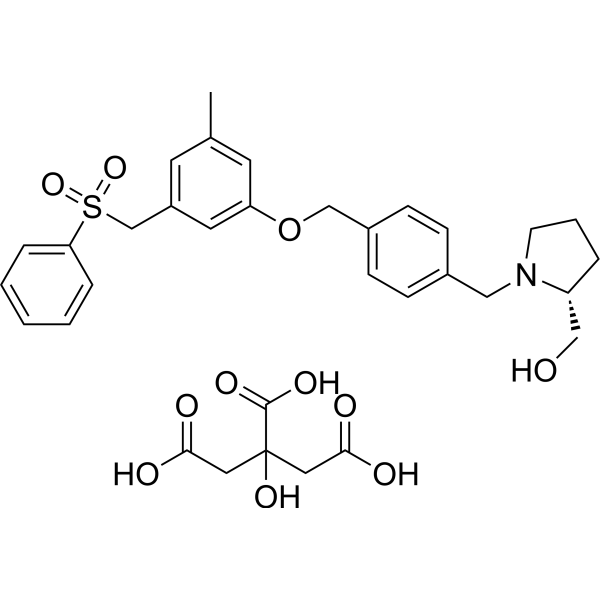
PF-543 Citrate
Maximum Cited Publications
22 Publications Verification
Sphingosine Kinase 1 Inhibitor II Citrate
|
SphK
LPL Receptor
Apoptosis
Autophagy
|
Cardiovascular Disease
Inflammation/Immunology
Cancer
|
|
PF-543 Citrate (Sphingosine Kinase 1 Inhibitor II Citrate) is a potent, selective, reversible and sphingosine-competitive SPHK1 inhibitor with an IC50 of 2 nM and a Ki of 3.6 nM. PF-543 Citrate is >100-fold selectivity for SPHK1 over SPHK2. PF-543 Citrate is an effective potent inhibitor of sphingosine 1-phosphate (S1P) formation in whole blood with an IC50 of 26.7 nM. PF-543 Citrate induces apoptosis, necrosis, and autophagy .
|
-
-
- HY-109190
-
|
GB002; PK10571
|
PDGFR
c-Fms
c-Kit
|
Cardiovascular Disease
|
|
Seralutinib (GB002) is an inhaled PDGFRα and PDGFRβ inhibitor. Seralutinib also targets to CSF1R and c-KIT with IC50s of 8 nM and 14 nM, respectively. Seralutinib (GB002) is used in the study for pulmonary arterial hypertension .
|
-
-
- HY-103609
-
Pyrene
1 Publications Verification
Benzo[def]phenanthrene
|
Environmental Pollutants
Biochemical Assay Reagents
|
Others
|
|
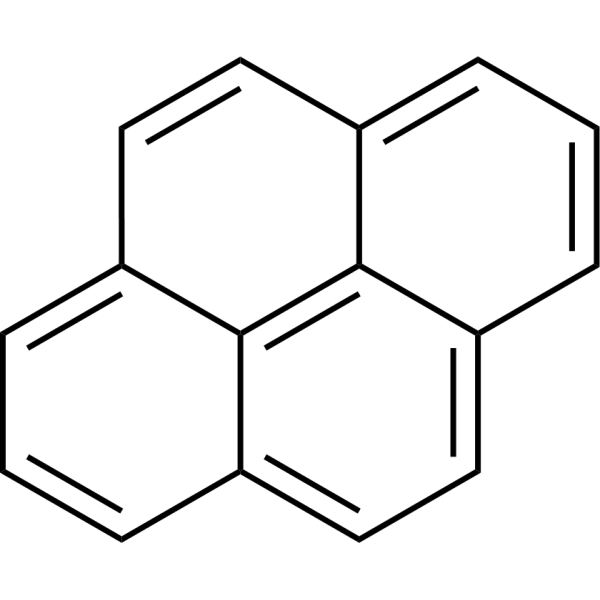
Pyrene is a polycyclic aromatic hydrocarbon (PAH) composed of four fused benzene rings. It has a distinct aromatic odor, produced by incomplete combustion of organic matter. Pyrene exhibits strong fluorescence, emitting in the blue region of the spectrum, making it useful as a probe for studying molecular interactions in solution and on surfaces. Pyrene is also used as a model compound for the study of PAHs in various environments and biological systems because of its ubiquity in these environments. However, long-term exposure to pyrene has been associated with potential health risks, including carcinogenicity and mutagenicity.
|
-
-
- HY-109112
-
|
RP5063
|
Dopamine Receptor
5-HT Receptor
|
Neurological Disease
Inflammation/Immunology
|
|
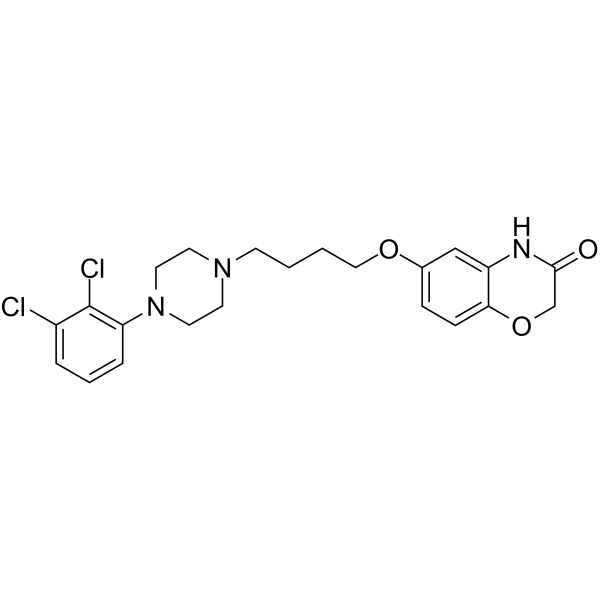
Brilaroxazine (RP5603) is a potent and orally active multimodal dopamine (DA)/serotonin (5-HT) modulator. Brilaroxazine is a partial agonist of dopamine (DA) D2, D3, and D4 receptors, 5-HT1A (Ki=1.5 nM) and 5-HT2A (Ki=2.5 nM), and has antagonist activity at 5-HT2B (Ki=0.19 nM), and 5-HT7 (Ki=2.7 nM) receptors . Brilaroxazine is an atypical antipsychotic agent, and has the potential to improve cognitive impairments in neuropsychiatric and neurological diseases in vivo .
|
-
-
- HY-W014075
-
|
|
Aryl Hydrocarbon Receptor
Cytochrome P450
Collagen
|
Inflammation/Immunology
|
|
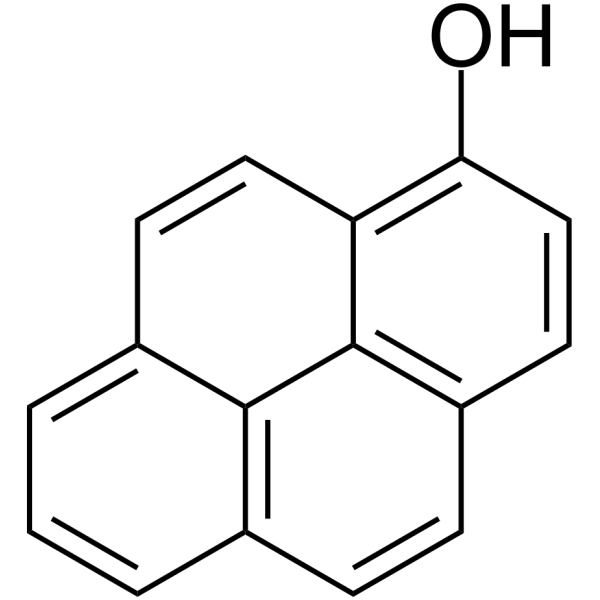
1-Hydroxypyrene, a biomarker of exposure to polycyclic aromatic hydrocarbons (PAHs), is analyzed in urine samples. 1-Hydroxypyrene is the major biomarker of exposure to pyrenes. 1-Hydroxypyrene is the orally active agonist for aryl hydrocarbon receptor (AhR) and can lead to renal fibrosis .
|
-
-
- HY-B1727S
-
|
|
Isotope-Labeled Compounds
|
Inflammation/Immunology
|
|
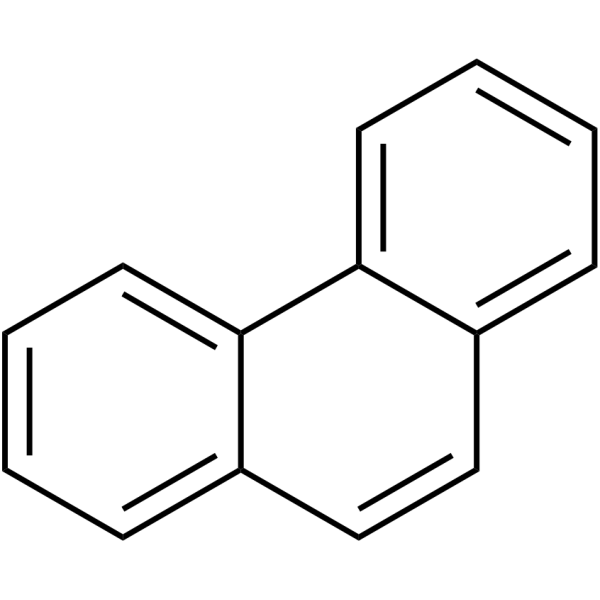
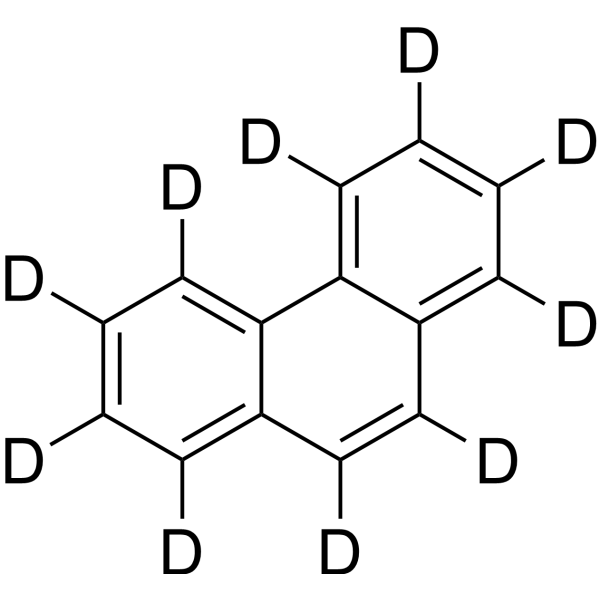
Phenanthrene-d10 is the deuterium labeled Phenanthrene. Phenanthrene is a polycyclic aromatic hydrocarbon (PAH) and has been frequently used as an indicator for monitoring PAH contaminated matrices . Phenanthrene induces oxidative stress and inflammation .
|
-
-
- HY-W026772
-
|
|
Environmental Pollutants
Fluorescent Dye
TNF Receptor
Interleukin Related
SOD
Reactive Oxygen Species (ROS)
|
Inflammation/Immunology
|
|
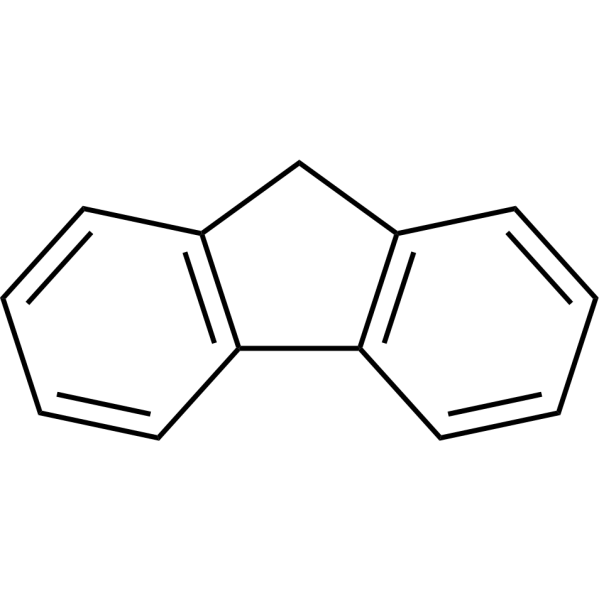
Fluorene is an orally active polycyclic aromatic hydrocarbon (PAH) and a precursor to other fluorene-based compounds. Fluorene and its derivatives serve as dye precursors for fluorene synthesis. In A549 cells, Fluorene induces oxidative stress and inflammatory responses by increasing ROS and SOD generation, exacerbating lipid peroxidation, modulating antioxidant enzyme activity, and upregulating the expression of pro-inflammatory factors TNF-α and IL-6. In vivo, Fluorene exhibits anxiolytic activity. Fluorene holds potential for research in inflammation and neurological disorders .
|
-
-
- HY-101124
-
|
KAR5585
|
Tryptophan Hydroxylase
5-HT Receptor
|
Cardiovascular Disease
|
|
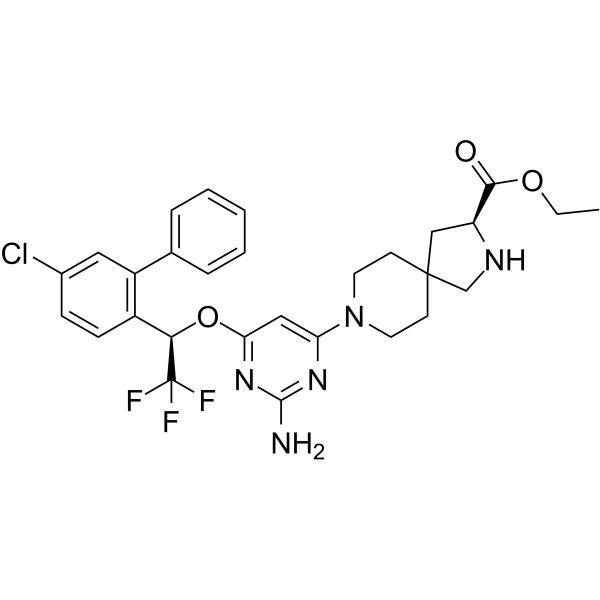
Rodatristat ethyl (KAR5585) is a first-in-class oral tryptophan hydroxylase 1 (TPH1) Inhibitor with nanomolar in vitro potency. Rodatristat ethyl reduces the level of 5-HT and significantly reduces pulmonary arterial hypertension (PAH) .
|
-
-
- HY-134620
-
|
|
Fluorescent Dye
|
Others
|
|
Cyanine 5 NHS ester tetrafluoroborate (Compound Cy5) is a cyanine dye that is used to in fluorescence detection of macromolecules. Cyanine 5 NHS ester tetrafluoroborate exhibits an excitation wavelength of 638 nm .
|
-
-
- HY-109013
-
|
BBI 4000
|
mAChR
|
Neurological Disease
|
|
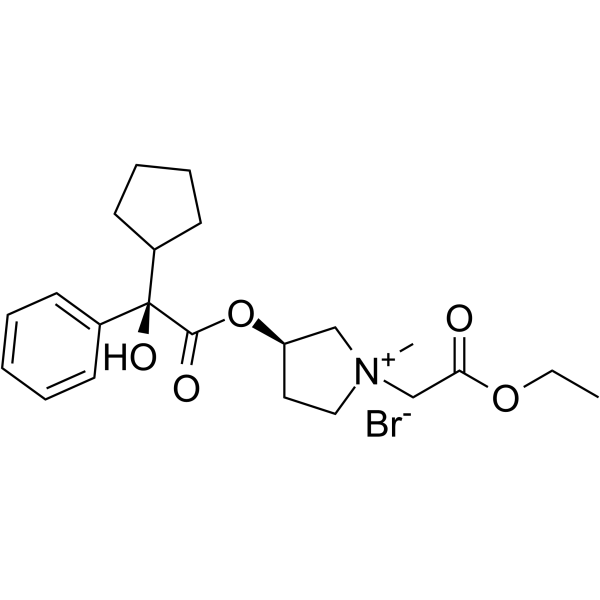
Sofpironium bromide (BBI 4000) is an anticholinergic agent used in the study of primary axillary hyperhidrosis (PAH). Sofpironium bromide reduces sweating by inhibiting M3 muscarinic receptors in eccrine glands at the application site. Sofpironium bromide also has a high afnity for the M1, M2, M4 and M5 subtypes .
|
-
-
- HY-129851
-
|
|
Prostaglandin Receptor
|
Cardiovascular Disease
|
|
NTP42 is a thromboxane A2 (TXA2) receptor antagonist with an IC50 of 3.278 nM for antagonizing T prostanoid receptor (TP)- mediated [Ca 2+] mobilization following stimulation of cells with the alternative TP agonist U46619 . NTP42 can be used for the treatment of pulmonary arterial hypertension (PAH) .
|
-
-
- HY-W013570
-
-
-
- HY-121107
-
|
|
Environmental Pollutants
|
Cancer
|
|
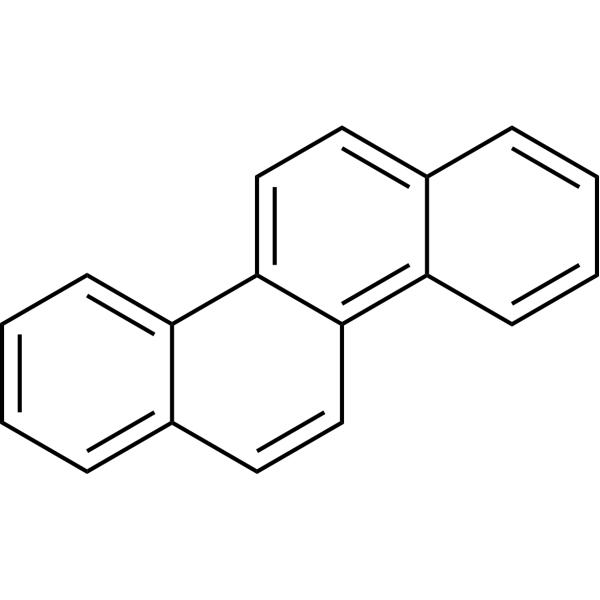
Chrysene is a high molecular weight (HMW), polycyclic aromatic hydrocarbon (PAH) known for its recalcitrance and carcinogenic properties .
|
-
-
- HY-170419
-
|
|
Apelin Receptor (APJ)
|
Cardiovascular Disease
|
|
APJ receptor agonist 10 (Compound I choline salt) modulates the activity of APJ receptor and can be used in research about pulmonary arterial hypertension. APJ receptor agonist 10 exhibits good bioavailability other than its free base form .
|
-
-
- HY-P990733
-
|
KER-012
|
TGF-beta/Smad
|
Inflammation/Immunology
|
|
Cibotercept (KER-012) is a novel, modified, investigational activin receptor type IIB (ActRIIB) ligand trap designed to target select TGF-β ligands, including activins A and B, GDFs 8 and 11, to rebalance the defective activin receptor type II signaling observed in PAH .
|
-
-
- HY-P0012A
-
|
Vasoactive Intestinal Peptide acetate salt (human, rat, mouse, rabbit, canine, porcine)
|
SARS-CoV
|
Infection
Inflammation/Immunology
|
|
Aviptadil acetate is an analog vasoactive intestinal polypeptide (VIP) with potent vasodilatory effects. Aviptadil acetate induces pulmonary vasodilation and inhibits vascular SMCs proliferation, platelet aggregation. Aviptadil acetate can be used for the research of pulmonary fibrosis, pulmonary arterial hypertension (PAH) and SARS-CoV-2 caused respiratory failure, et al .
|
-
-
- HY-161119
-
|
|
Dynamin
Reactive Oxygen Species (ROS)
|
Cardiovascular Disease
Cancer
|
|
Drpitor1a is a potent Drp1 inhibitor. Drpitor1a inhibits mitochondrial ROS production, preventes mitochondrial fission, and improves right ventricular diastolic dysfunction during IR (ischemia reperfusion) injury. Drpitor1a has the potential for the research of lung cancer [1]
|
-
-
- HY-15472
-
|
|
5-HT Receptor
p38 MAPK
TGF-β Receptor
FGFR
Apoptosis
Caspase
|
Cardiovascular Disease
Neurological Disease
Cancer
|
|
PRX-08066 is a selective and orally active 5-hydroxytryptamine receptor 2B (5-HT2BR) antagonist with a Ki of 3.4 nM. PRX-08066 inhibits the MAPK pathway, 5-HT release and fibrotic factor (TGFβ1, CTGF and FGF2) expression. PRX-08066 inhibits the proliferation of KRJ-I cells and induces apoptosis (caspase-3 activation). PRX-08066 inhibits pulmonary vascular remodeling. PRX-08066 can be used of pulmonary Arterial Hypertension (PAH) and neuroendocrine tumor (NET) .
|
-
-
- HY-108464A
-
|
|
Sodium Channel
TRP Channel
|
Metabolic Disease
Inflammation/Immunology
|
|
Phenamil methanesulfonate, an analog of Amiloride (HY-B0285), is a more potent and less reversible epithelial sodium channel (ENaC) blocker with an IC50 of 400 nM . Phenamil methanesulfonate is also a competive inhibitor of TRPP3 and inhibits TRPP3-mediated Ca 2+ transport with an IC50 of 140 nM in a Ca 2+ uptake assay . Phenamil methanesulfonate is an intriguing small molecule to promote bone repair by strongly activating BMP signaling pathway . Phenamil methanesulfonate is used for the research of cystic fibrosis lung disease .
|
-
-
- HY-W014075S
-
-
-
- HY-A0124AR
-
|
(6R)-BH4 dihydrochloride (Standard); (6R)-Tetrahydro-L-biopterin dihydrochloride (Standard)
|
Endogenous Metabolite
Reference Standards
|
Infection
Metabolic Disease
Inflammation/Immunology
|
|
Sapropterin ((6R)-BH4; (6R)-Tetrahydro-L-biopterin) dihydrochloride (Standard) is the analytical standard of Sapropterin dihydrochloride (HY-A0124A) . This product is intended for research and analytical applications. Sapropterin dihydrochloride is an orally active phenylalanine hydroxylase (PAH) cofactor, which is effective in reducing blood phenylalanine concentrations. Sapropterin dihydrochloride can be used in study of phenylketonuria (PKU) phenylketonuria. Sapropterin dihydrochloride can aggravate experimental autoimmune encephalomyelitis (EAE) .
|
-
-
- HY-174416
-
|
|
E1/E2/E3 Enzyme
|
Cardiovascular Disease
|
|
Smurf1-IN-5 (Compound cpd-6) is an allosteric SMAD ubiquitin regulatory factor 1 (SMURF1) inhibitor. Smurf1-IN-5 leads to a reduction in the ubiquitylation of substrates such as BMPR2 (bone morphogenetic protein receptor 2) and SMAD1, enhancing the BMP (bone morphogenetic protein) signaling pathway. Smurf1-IN-5 is promising for research of pulmonary arterial hypertension (PAH) .
|
-
-
- HY-A0124
-
|
(6R)-BH4; (6R)-Tetrahydro-L-biopterin
|
Endogenous Metabolite
|
Infection
Metabolic Disease
Inflammation/Immunology
|
|
Sapropterin ((6R)-BH4; (6R)-Tetrahydro-L-biopterin) is an orally active phenylalanine hydroxylase (PAH) cofactor, which is effective in reducing blood phenylalanine concentrations. Sapropterin can be used in study of phenylketonuria (PKU) phenylketonuria. Sapropterin can aggravate experimental autoimmune encephalomyelitis (EAE) .
|
-
-
- HY-128593
-
|
|
Phosphodiesterase (PDE)
|
Cardiovascular Disease
|
|
TPN171 is a potent, selective and oral bioavailable inhibitor of phosphodiesterase type 5 (PDE5) with an IC50 of 0.62 nM, being developed for the treatment of pulmonary arterial hypertension (PAH) .
|
-
-
- HY-14184S
-
-
-
- HY-111450
-
|
|
Aryl Hydrocarbon Receptor
|
Cancer
|
|
CB7993113 is a potent AHR antagonist, with an IC50 of 0.33 μM. CB7993113 directly binds AHR protein and blocks AHR nuclear translocation. CB7993113 inhibits polycyclic aromatic hydrocarbon (PAH)- and TCDD-induced reporter activity by 75% and 90% respectively .
|
-
-
- HY-14184R
-
|
ACT-064992 (Standard)
|
Reference Standards
Endothelin Receptor
Apoptosis
|
Cardiovascular Disease
Endocrinology
Cancer
|
|
Macitentan (Standard) is the analytical standard of Macitentan. This product is intended for research and analytical applications. Macitentan (ACT-064992) is an orally active, non-peptide dual ETA and ETB (endothelin receptor) antagonist. Macitentan has the potential for idiopathic pulmonary fibrosis (IPF) and pulmonary arterial hypertension (PAH) .
|
-
-
- HY-W016103
-
|
|
Bacterial
Drug Intermediate
|
Infection
|
|
1-Hydroxy-2-naphthoic acid is a ubiquitous bicyclic intermediate metabolite in the microbial degradation process of polycyclic aromatic hydrocarbons (PAHs). 1-Hydroxy-2-naphthoic acid can be converted into 1,2-naphthalenediol, which enters the naphthalene degradation pathway and participates in the tricarboxylic acid (TCA) cycle to achieve complete mineralization .
|
-
-
- HY-N11222
-
|
C9 carnitine
|
Endogenous Metabolite
|
Cardiovascular Disease
Cancer
|
|
Nonanoylcarnitine is a metabolite associated with chronic environmental exposure to polycyclic aromatic hydrocarbons (PAH) and fragmented QRS waves in acute myocardial infarction. Nonanoylcarnitine can be used as a potential biomarker for the metabolic outcome of PAH exposure and the prognosis of acute myocardial infarction .
|
-
-
- HY-167906
-
-
-
- HY-15425B
-
|
Sphingosine Kinase 1 Inhibitor II hydrochloride
|
SphK
LPL Receptor
Apoptosis
Autophagy
|
Cardiovascular Disease
Inflammation/Immunology
Cancer
|
|
PF-543 hydrochloride (Sphingosine Kinase 1 Inhibitor II hydrochloride) is a potent, selective, reversible and sphingosine-competitive SPHK1 inhibitor with an IC50 of 2 nM and a Ki of 3.6 nM. PF-543 hydrochloride is >100-fold selectivity for SPHK1 over SPHK2. PF-543 hydrochloride is an effective potent inhibitor of sphingosine 1-phosphate (S1P) formation in whole blood with an IC50 of 26.7 nM. PF-543 hydrochloride induces apoptosis, necrosis, and autophagy .
|
-
-
- HY-W012278
-
|
Tetraphene
|
Environmental Pollutants
Aryl Hydrocarbon Receptor
|
Others
|
|
Benz[a]anthracene (Tetraphene) (Compound 92) is a ligand for the aryl hydrocarbon receptor (AhR) with a pIC50 of 7.319. Benz[a]anthracene is a polycyclic aromatic hydrocarbon (PAH) that can be detected in spruce needles near aluminum smelters .
|
-
-
- HY-W013570S
-
|
Acenaphthylene-d8
|
Isotope-Labeled Compounds
|
Others
|
|
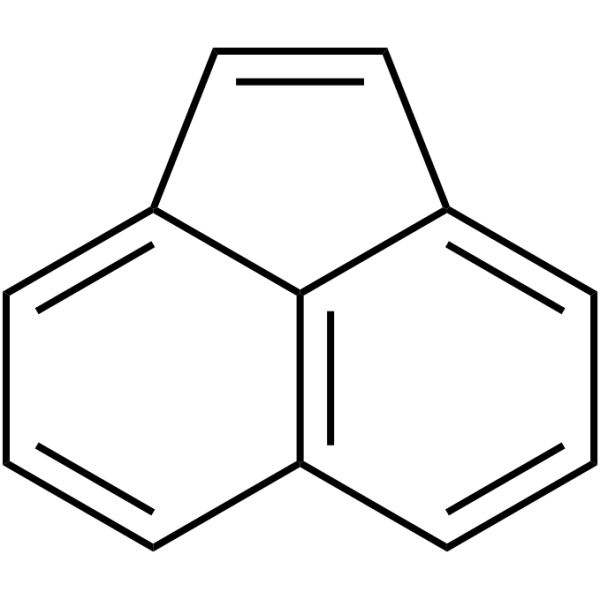
Acenaphthylene-d8 is the deuterium labeled Acenaphthylene . Acenaphthylene is a polycyclic aromatic hydrocarbon (PAH). PAHs are derived naturally from coal and tar deposits, and produced by incomplete combustion of organic matter .
|
-
-
- HY-23498
-
-
-
- HY-B1727R
-
|
|
Reference Standards
Apoptosis
|
Inflammation/Immunology
Cancer
|
|
Phenanthrene (Standard) is the analytical standard of Phenanthrene. This product is intended for research and analytical applications. Phenanthrene is an orally active polycyclic aromatic hydrocarbon (PAH) that induces inflammation, oxidative stress, and apoptosis. Additionally, phenanthrene is commonly used to detect or assess PAH pollution in the environment .
|
-
-
- HY-W017708
-
|
|
Drug Intermediate
|
Others
|
|
Triphenylene is a highly symmetrical polycyclic aromatic hydrocarbon. Triphenylene shows no carcinogenic activity in mouse skin application experiments. Triphenylene can be used as a drug intermediate for the synthesis of triphenyl polycyclic aromatic hydrocarbons (PAHs) .
|
-
-
- HY-Q43097
-
|
|
HSP
STAT
|
Cardiovascular Disease
|
|
Row174336 (compound 29) is a potent inhibitor of Hsp110-STAT3 interaction that shows antiproliferative activity against HPAEC cell line, with the IC50 of 22.67 μM .
|
-
-
- HY-144856S1
-
|
(6R)-BH4-d3; (6R)-Tetrahydro-L-biopterin-d3
|
Isotope-Labeled Compounds
Endogenous Metabolite
|
Metabolic Disease
|
|
Sapropterin-d3 ((6R)-BH4-d3) is deuterium labeled Sapropterin. Sapropterin ((6R)-BH4) is an orally active phenylalanine hydroxylase (PAH) cofactor, which is effective in reducing blood phenylalanine concentrations. Sapropterin can be used in study of phenylketonuria (PKU) .
|
-
-
- HY-W026772R
-
|
|
Fluorescent Dye
Reference Standards
|
Others
|
|
Fluorene (Standard) is the analytical standard of Fluorene. This product is intended for research and analytical applications. Fluorene, a polycyclic aromatic hydrocarbon (PAH), is a precursor to other fluorene compounds. Fluorene and its derivative?can be used as a precursor to fluorene-based dyes .
|
-
-
- HY-W777456
-
|
|
Isotope-Labeled Compounds
|
Others
|
|
Phenanthrene- 13C6 is the 13C labeled Phenanthrene (HY-B1727). Phenanthrene is an orally active polycyclic aromatic hydrocarbon (PAH) that induces inflammation, oxidative stress, and apoptosis. Additionally, phenanthrene is commonly used to detect or assess PAH pollution in the environment .
|
-
-
- HY-W011845R
-
|
7,12-DMBA (Standard); 7,12-Dimethylbenzanthracene (Standard)
|
c-Myc
Reference Standards
|
Cancer
|
|
DMBA has carcinogenic activity as a polycyclic aromatic hydrocarbon (PAH). DMBA is used to induce tumor formation in various rodent models .
|
-
-
- HY-177948
-
|
|
G Protein-coupled Receptor Kinase (GRK)
|
Cardiovascular Disease
|
|
GRK2 degrader-1 (compound 1) is a potent and orally active GRK2 degrader. GRK2 degrader-1 degrades GRK2 via the ubiquitin-proteasome pathway. GRK2 degrader-1 inhibits right ventricular remodeling and elevation of pulmonary artery pressure in a pulmonary artery hypertension (PAH) mouse model. GRK2 degrader-1 can be used for PAH research .
|
-
-
- HY-121107S
-
|
|
Isotope-Labeled Compounds
|
Cancer
|
|
Chrysene-d12 is the deuterium labeled Chrysene. Chrysene is a high molecular weight (HMW), polycyclic aromatic hydrocarbon (PAH) known for its recalcitrance and carcinogenic properties .
|
-
- HY-14184A
-
|
|
Endothelin Receptor
|
Cardiovascular Disease
Endocrinology
|
|
Macitentan n-butyl analogue is a n-butyl analogue of Macitentan. Macitentan is an orally active, non-peptide dual endothelin ETA and ETB receptor antagonist for the potential treatment of idiopathic pulmonary fibrosis (IPF) and pulmonary arterial hypertension (PAH).
|
-
- HY-Y1771
-
|
Phthalaldehydic acid
|
Drug Metabolite
Bacterial
|
Infection
|
|
2-Carboxybenzaldehyde is a key intermediate metabolite in the biodegradation of polycyclic aromatic hydrocarbons (PAHs) such as fluoranthene and phenanthrene. 2-Carboxybenzaldehyde can be produced by the degradation of fluoranthene by Pasteurella sp. IFA and Mycobacterium sp. PYR-1. 2-Carboxybenzaldehyde can also be produced by the degradation of phenanthrene by Pseudomonas sp. PPD .
|
-
- HY-149492
-
|
|
Phosphatase
Fungal
|
Infection
|
|
Phosphatase-IN-1 (compound II-8), a propranolol (HY-B0573B) derivative, is a phosphatidate phosphatase (Pah) inhibitor. Phosphatase-IN-1 can binds to MoPah1, with an affinity constant of 19.8 μM. Phosphatase-IN-1 inhibits growth of plant pathogens and shows anti-fungal ability. Phosphatase-IN-1 is not toxic to rice seedlings and wheat heads .
|
-
- HY-131973
-
|
|
Phosphodiesterase (PDE)
|
Cardiovascular Disease
Metabolic Disease
|
|
PDE10A-IN-2 hydrochloride is a potent, highly selective and orally active phosphodiesterase 10A (PDE10A) inhibitor with an IC50 of 2.8 nM. PDE10A-IN-2 hydrochloride shows selectivity of >3500-fold against other PDE subtypes. PDE10A-IN-2 hydrochloride can be used for pulmonary arterial hypertension (PAH) research .
|
-
- HY-W014075R
-
|
|
Reference Standards
Aryl Hydrocarbon Receptor
Cytochrome P450
Collagen
|
Inflammation/Immunology
|
|
1-Hydroxypyrene (Standard) is the analytical standard of 1-Hydroxypyrene (HY-W014075). This product is intended for research and analytical applications. 1-Hydroxypyrene, a biomarker of exposure to polycyclic aromatic hydrocarbons (PAHs), is analyzed in urine samples. 1-Hydroxypyrene is the major biomarker of exposure to pyrenes. 1-Hydroxypyrene is the orally active agonist for aryl hydrocarbon receptor (AhR) and can lead to renal fibrosis.
|
-
- HY-W013053R
-
|
DBA (Standard); 1,2,5,6-Dibenzanthracene (Standard); Benzo[k]tetraphene (Standard)
|
DNA/RNA Synthesis
Apoptosis
Reference Standards
MDM-2/p53
|
Cancer
|
|
Dibenz[a,h]anthracene (Standard) is the analytical standard of Dibenz[a,h]anthracene. This product is intended for research and analytical applications. Dibenz[a,h]anthracene (DBA) is a polycyclic aromatic hydrocarbon (PAH) of considerable tumorigenicity. Dibenz[a,h]anthracene results in DNA adduct formation leading to the activation of a DNA damage response. Dibenz[a,h]anthracene induces cell cycle arrest and apoptosis via both Tp53-dependent and Tp53-independent mechanisms .
|
-
- HY-RS09979
-
|
|
Small Interfering RNA (siRNA)
|
Others
|
|
PAH Human Pre-designed siRNA Set A contains three designed siRNAs for PAH gene (Human), as well as a negative control, a positive control, and a FAM-labeled negative control.
|
-
PAH Human Pre-designed siRNA Set A
- HY-W013570R
-
|
|
Reference Standards
Others
|
Others
|
|
Acenaphthylene (Standard) is the analytical standard of Acenaphthylene. This product is intended for research and analytical applications. Acenaphthylene is a polycyclic aromatic hydrocarbon (PAH). PAHs are derived naturally from coal and tar deposits, and produced by incomplete combustion of organic matter .
|
-
- HY-115477
-
|
RP5063 hydrochloride
|
5-HT Receptor
|
Cardiovascular Disease
|
|
Brilaroxazine (RP5063) hydrochloride is a modulator of serotonin receptors, exhibiting potential therapeutic activity in the treatment of pulmonary arterial hypertension (PAH). Brilaroxazine hydrochloride has been shown to limit functional and structural changes associated with PAH, leading to significant improvements in pulmonary hemodynamics and right ventricular hypertrophy. Brilaroxazine hydrochloride also enhances oxygen saturation levels and alleviates elevated pulmonary arterial pressures when used as an adjunct to standard PAH therapies.
|
-
- HY-D1549
-
|
|
Fluorescent Dye
|
Others
|
|
o-Pah is a BODIPY derivative with an -NH2 and -OH substituted meso-Ph group. o-Pah exhibits metal-induced J-aggregation in the presence of Cu 2+ and a specific fluorescence enhancement for Hg 2+ (Ex/Em=483/(495-600) nM) .
|
-
- HY-W778162
-
|
|
Isotope-Labeled Compounds
Apoptosis
|
Cancer
|
|
Phenanthrene- 13C2 is the 13C-labeled Phenanthrene (HY-B1727). Phenanthrene is an orally active polycyclic aromatic hydrocarbon (PAH) that induces inflammation, oxidative stress, and apoptosis. Additionally, phenanthrene is commonly used to detect or assess PAH pollution in the environment .
|
-
- HY-155737
-
|
|
Estrogen Receptor/ERR
|
Cardiovascular Disease
|
|
ET receptor antagonist 1 (compound 16h) is an orally active ET receptor antagonist (IC50=0.18 nM), which can be used for research in pulmonary arterial hypertension (PAH). ET receptor antagonist 1 attenuates monocrotaline (HY-N0750) induced PAH in rat model .
|
-
- HY-155739
-
|
|
Estrogen Receptor/ERR
|
Cardiovascular Disease
|
|
ET receptor antagonist 3 (compound 17d) is an orally active ET receptor antagonist (IC50=0.26 nM), which can be used for research in pulmonary arterial hypertension (PAH). ET receptor antagonist 3 attenuates monocrotaline (HY-N0750) induced PAH in rat model .
|
-
- HY-N10021
-
|
|
Others
|
Others
|
|
Benzo[e]pyrene occurs in fossil fuels and is a highly toxic member of a family of compounds called polyaromatic hydrocarbons (PAHs) .
|
-
- HY-33451
-
|
|
Biochemical Assay Reagents
|
Others
|
|
4-Dibenzofurancarboxylic acid is one of the synthesis materials of polycyclic aromatic hydrocarbons (PAHs) and Schistosoma mansoni histone deacetylase 8 (smHDAC8) inhibitors .
|
-
- HY-P3242
-
|
|
HDAC
|
Neurological Disease
|
|
Mad1 (6-21) is the 6-21 fragment of Mad1 protein. Mad1 (6-21) binds to mammalian Sin3A PAH2 with a Kd of ~29 nM .
|
-
- HY-170419A
-
-
- HY-P3242A
-
|
|
HDAC
|
Neurological Disease
|
|
Mad1 (6-21) TFA is the 6-21 fragment of Mad1 protein. Mad1 (6-21) TFA binds to mammalian Sin3A PAH2 with a Kd of ~29 nM .
|
-
- HY-121107R
-
|
|
Biochemical Assay Reagents
Reference Standards
|
Cancer
|
|
Chrysene (Standard) is the analytical standard of Chrysene. This product is intended for research and analytical applications. Chrysene is a high molecular weight (HMW), polycyclic aromatic hydrocarbon (PAH) known for its recalcitrance and carcinogenic properties .
|
-
- HY-W026772S
-
|
|
Fluorescent Dye
Isotope-Labeled Compounds
|
Others
|
|
Fluorene-d10 is the deuterium labeled Fluorene. Fluorene, a polycyclic aromatic hydrocarbon (PAH), is a precursor to other fluorene compounds. Fluorene and its derivative?can be used as a precursor to fluorene-based dyes .
|
-
- HY-121025
-
|
|
TGF-β Receptor
|
Others
|
|
BUR1 is a BMP upregulator (EC50: 98 nM) and activates BMPRII signalling. BUR1 induces BMP2 and PTGS2 expression. BUR1 reversed pulmonary arterial pressure in Monocrotaline (HY-N0750) induced rats .
|
-
- HY-108936
-
-
- HY-103609R
-
|
Benzo[def]phenanthrene (Standard)
|
Biochemical Assay Reagents
Reference Standards
|
Others
|
|
Pyrene (Standard) is the analytical standard of Pyrene. This product is intended for research and analytical applications. Pyrene is a polycyclic aromatic hydrocarbon (PAH) composed of four fused benzene rings. It has a distinct aromatic odor, produced by incomplete combustion of organic matter. Pyrene exhibits strong fluorescence, emitting in the blue region of the spectrum, making it useful as a probe for studying molecular interactions in solution and on surfaces. Pyrene is also used as a model compound for the study of PAHs in various environments and biological systems because of its ubiquity in these environments. However, long-term exposure to pyrene has been associated with potential health risks, including carcinogenicity and mutagenicity.
|
-
- HY-172508
-
|
|
Fluorescent Dye
Phosphoramidites
|
Others
|
|
Perylene dU phosphoramidite is a bright and extremely photostable fluorescent polycyclic aromatic hydrocarbon (PAH) label with a quantum yield approaching quantitative. Due to the low lifetime of fluorescence, this probe does not form excimers.With this phosphoramidite, perylene can be introduced into DNA by automated oligonucleotide synthesis.
|
-
- HY-170387
-
|
|
5-HT Receptor
|
Cardiovascular Disease
|
|
MRS8209 is the antagonist for serotonin receptor with a Ki of 4.27 nM for 5-HT2BR. MRS8209 exhibits protective effect on pressure at airway opening (PAO), and can be used in research of pulmonary fibrosis .
|
-
- HY-167906S
-
-
- HY-167849
-
|
BBI-4000 tosylate
|
mAChR
|
Neurological Disease
|
|
Sofpironium (BBI 4000) tosylate is an anticholinergic agent used in the study of primary axillary hyperhidrosis (PAH). Sofpironium tosylate reduces sweating by inhibiting M3 muscarinic receptors in eccrine glands at the application site. Sofpironium tosylate also has a high afnity for the M1, M2, M4 and M5 subtypes .
|
-
- HY-A0126AR
-
|
Prostaglandin I2 sodium salt (Standard); Prostacyclin sodium salt (Standard); Flolan (Standard)
|
Reference Standards
Endogenous Metabolite
|
Cardiovascular Disease
|
|
Epoprostenol (sodium) (Standard) is the analytical standard of Epoprostenol (sodium). This product is intended for research and analytical applications. Epoprostenol sodium (Prostaglandin I2 (sodium salt)), the synthetic form of the natural prostaglandin derivative prostacyclin (prostaglandin I2), is registered worldwide for the treatment of Pulmonary arterial hypertension (PAH) . Epoprostenol sodium is used in pulmonary hypertension and transplantation as a potent inhibitor of platelet aggregation .
|
-
- HY-168178
-
|
|
HSP
STAT
|
Cardiovascular Disease
|
|
Hsp110-STAT3 PPI-IN-2 (compound 10b) is a Hsp110-STAT3 interaction disruptor. Hsp110-STAT3 PPI-IN-2 can be used in pulmonary arterial hypertension (PAH) related research .
|
-
- HY-Y1771R
-
|
Phthalaldehydic acid (Standard)
|
Reference Standards
Drug Metabolite
Bacterial
|
Infection
|
|
2-Carboxybenzaldehyde (Standard) is the analytical standard of 2-Carboxybenzaldehyde (HY-Y1771). This product is intended for research and analytical applications. 2-Carboxybenzaldehyde is a key intermediate metabolite in the biodegradation of polycyclic aromatic hydrocarbons (PAHs) such as fluoranthene and phenanthrene. 2-Carboxybenzaldehyde can be produced by the degradation of fluoranthene by Pasteurella sp. IFA and Mycobacterium sp. PYR-1. 2-Carboxybenzaldehyde can also be produced by the degradation of phenanthrene by Pseudomonas sp. PPD .
|
-
- HY-170435
-
|
|
Phosphodiesterase (PDE)
|
Cardiovascular Disease
|
|
PDE5-IN-13 (Compound 14b) inhibits phosphodiesterase 5 (PDE5A) with an IC50 of 3 nM. PDE5-IN-13 is a potential candidate for PAH (pulmonary arterial hypertension) research. PDE5-IN-13 has high selectivity for targets over PDE1, PDE2, PDE3, PDE4, PDE7, PDE8, PDE9, PDE10, and PDE11. PDE5-IN-13 is orally active .
|
-
- HY-W016103R
-
|
|
Reference Standards
Drug Intermediate
Bacterial
|
Infection
|
|
1-Hydroxy-2-naphthoic acid (Standard) is an analytical standard for 1-Hydroxy-2-naphthoic acid (HY-W016103). This product is intended for research and analytical applications. 1-Hydroxy-2-naphthoic acid is a ubiquitous bicyclic intermediate metabolite in the microbial degradation process of polycyclic aromatic hydrocarbons (PAHs). 1-Hydroxy-2-naphthoic acid can be converted into 1,2-naphthalenediol, which enters the naphthalene degradation pathway and participates in the tricarboxylic acid (TCA) cycle to achieve complete mineralization.
|
-
- HY-109112R
-
|
RP5063 (Standard)
|
Reference Standards
Dopamine Receptor
5-HT Receptor
|
Neurological Disease
Inflammation/Immunology
|
|
Brilaroxazine (Standard) is the analytical standard of Brilaroxazine. This product is intended for research and analytical applications. Brilaroxazine (RP5603) is a potent and orally active multimodal dopamine (DA)/serotonin (5-HT) modulator. Brilaroxazine is a partial agonist of dopamine (DA) D2, D3, and D4 receptors, 5-HT1A (Ki=1.5 nM) and 5-HT2A (Ki=2.5 nM), and has antagonist activity at 5-HT2B (Ki=0.19 nM), and 5-HT7 (Ki=2.7 nM) receptors . Brilaroxazine is an atypical antipsychotic agent, and has the potential to improve cognitive impairments in neuropsychiatric and neurological diseases in vivo .
|
-
- HY-W026772S1
-
|
|
Isotope-Labeled Compounds
Fluorescent Dye
Reactive Oxygen Species (ROS)
TNF Receptor
Interleukin Related
SOD
|
Inflammation/Immunology
|
|
Fluorene-d8 is the deuterium labeled Fluorene (HY-W026772). Fluorene is an orally active polycyclic aromatic hydrocarbon (PAH) and a precursor to other fluorene-based compounds. Fluorene and its derivatives serve as dye precursors for fluorene synthesis. In A549 cells, Fluorene induces oxidative stress and inflammatory responses by increasing ROS and SOD generation, exacerbating lipid peroxidation, modulating antioxidant enzyme activity, and upregulating the expression of pro-inflammatory factors TNF-α and IL-6. In vivo, Fluorene exhibits anxiolytic activity. Fluorene holds potential for research in inflammation and neurological disorders .
|
-
- HY-15472A
-
|
|
5-HT Receptor
p38 MAPK
TGF-β Receptor
FGFR
Apoptosis
Caspase
|
Cardiovascular Disease
Neurological Disease
Cancer
|
|
PRX-08066 maleate is a selective and orally active 5-hydroxytryptamine receptor 2B (5-HT2BR) antagonist with a Ki of 3.4 nM. PRX-08066 maleate inhibits the MAPK pathway, 5-HT release and fibrotic factor (TGFβ1, CTGF and FGF2) expression. PRX-08066 maleate inhibits the proliferation of KRJ-I cells and induces apoptosis (caspase-3 activation). PRX-08066 maleate inhibits pulmonary vascular remodeling. PRX-08066 maleate can be used of pulmonary Arterial Hypertension (PAH) and neuroendocrine tumor (NET) .
|
-
- HY-W777458
-
|
|
Reactive Oxygen Species (ROS)
|
Inflammation/Immunology
|
|
Fluorene- 13C6 is the 13C-labeled Fluorene (HY-W026772). Fluorene is an orally active polycyclic aromatic hydrocarbon (PAH) and a precursor to other fluorene-based compounds. Fluorene and its derivatives serve as dye precursors for fluorene synthesis. In A549 cells, Fluorene induces oxidative stress and inflammatory responses by increasing ROS and SOD generation, exacerbating lipid peroxidation, modulating antioxidant enzyme activity, and upregulating the expression of pro-inflammatory factors TNF-α and IL-6. In vivo, Fluorene exhibits anxiolytic activity. Fluorene holds potential for research in inflammation and neurological disorders .
|
-
- HY-19197
-
|
|
Drug Metabolite
|
Others
|
|
2-NAP is a major metabolite of polycyclic aromatic hydrocarbons (PAHs). 2-NAP induces oxidative stress and inflammatory responses, impairs enamel formation, and disrupts oral microbiome balance, increasing the risk of early childhood caries (ECC). 2-NAP is promising for research of development-related diseases such as childhood caries .
|
-
- HY-RS17018
-
|
|
Small Interfering RNA (siRNA)
|
Others
|
|
Pah Mouse Pre-designed siRNA Set A contains three designed siRNAs for Pah gene (Mouse), as well as a negative control, a positive control, and a FAM-labeled negative control.
|
-
Pah Mouse Pre-designed siRNA Set A
- HY-RS23461
-
|
|
Small Interfering RNA (siRNA)
|
Others
|
|
Pah Rat Pre-designed siRNA Set A contains three designed siRNAs for Pah gene (Rat), as well as a negative control, a positive control, and a FAM-labeled negative control.
|
-
Pah Rat Pre-designed siRNA Set A
- HY-155738
-
|
|
Estrogen Receptor/ERR
|
Cardiovascular Disease
|
|
ET receptor antagonist 2 (compound 16j) is an orally active ET receptor antagonist (IC50=0.22 nM), which can be used for research in pulmonary arterial hypertension (PAH). ET receptor antagonist 2 attenuates monocrotaline (HY-N0750) induced PAH in rat model .
|
-
- HY-P992008
-
|
|
TGF-β Receptor
|
Cardiovascular Disease
|
|
PF-07868489 is a recombinant monoclonal antibody targeting GDF2/BMP-9. PF-07868489 can be used for the research of pulmonary arterial hypertension (PAH). Recommend Isotype Controls: Human IgG1 kappa, Isotype Control (HY-P99001) .
|
-
- HY-109013R
-
|
BBI 4000 (Standard)
|
Reference Standards
mAChR
|
Neurological Disease
|
|
Sofpironium bromide (Standard) is the analytical standard of Sofpironium (bromide) (HY-109013). This product is intended for research and analytical applications. Sofpironium bromide (BBI 4000) is an anticholinergic agent used in the study of primary axillary hyperhidrosis (PAH). Sofpironium bromide reduces sweating by inhibiting M3 muscarinic receptors in eccrine glands at the application site. Sofpironium bromide also has a high afnity for the M1, M2, M4 and M5 subtypes .
|
-
- HY-W585976
-
|
|
p38 MAPK
|
Cancer
|
|
Benzo[a]pyrene diol epoxide is a carcinogen present in tobacco smoke as well as in environmental pollution. Benzo[a]pyrene diol epoxide is a metabolite of benzo[a]pyrene (BaP) , which is polycyclic aromatic hydrocarbon (PAH) . Benzo[a]pyrene diol epoxide induces esophageal carcinogenesis. Benzo[a]pyrene diol epoxide may act to induce activation of ERKs and p38 MAPK marked by an increased level of phosphorylation of both the ERKs and p38 MAPK which corresponds with the increased activation of both kinases as evidenced by increased phsosphorylation of their substrates Elk-1 and ATF-2, respectively.
|
-
- HY-120152A
-
|
|
SphK
Interleukin Related
TNF Receptor
|
Cardiovascular Disease
Inflammation/Immunology
|
|
SLP7111228 hydrochloride is a selective sphingosine kinase 1 (SphK1) inhibitor and anti-inflammatory agent. SLP7111228 hydrochloride selectively inhibits SphK1 and reduces the production of sphingosine-1-phosphate. SLP7111228 hydrochloride decreases lipopolysaccharide-induced TNFα and IL-1β levels. SLP7111228 hydrochloride alleviates obliterative pulmonary arteriopathy, increases cardiac index and decreases total pulmonary vascular resistance index. SLP7111228 hydrochloride can be used in research related to neuroinflammatory diseases and pulmonary hypertension .
|
-
| Cat. No. |
Product Name |
Type |
-
- HY-103609
-
Pyrene
1 Publications Verification
Benzo[def]phenanthrene
|
Fluorescent Dye
|
|
Pyrene is a polycyclic aromatic hydrocarbon (PAH) composed of four fused benzene rings. It has a distinct aromatic odor, produced by incomplete combustion of organic matter. Pyrene exhibits strong fluorescence, emitting in the blue region of the spectrum, making it useful as a probe for studying molecular interactions in solution and on surfaces. Pyrene is also used as a model compound for the study of PAHs in various environments and biological systems because of its ubiquity in these environments. However, long-term exposure to pyrene has been associated with potential health risks, including carcinogenicity and mutagenicity.
|
-
- HY-134620
-
|
|
Fluorescent Dye
|
|
Cyanine 5 NHS ester tetrafluoroborate (Compound Cy5) is a cyanine dye that is used to in fluorescence detection of macromolecules. Cyanine 5 NHS ester tetrafluoroborate exhibits an excitation wavelength of 638 nm .
|
-
- HY-D1549
-
|
|
Fluorescent Dye
|
|
o-Pah is a BODIPY derivative with an -NH2 and -OH substituted meso-Ph group. o-Pah exhibits metal-induced J-aggregation in the presence of Cu 2+ and a specific fluorescence enhancement for Hg 2+ (Ex/Em=483/(495-600) nM) .
|
-
- HY-103609R
-
|
Benzo[def]phenanthrene (Standard)
|
Fluorescent Dye
|
|
Pyrene (Standard) is the analytical standard of Pyrene. This product is intended for research and analytical applications. Pyrene is a polycyclic aromatic hydrocarbon (PAH) composed of four fused benzene rings. It has a distinct aromatic odor, produced by incomplete combustion of organic matter. Pyrene exhibits strong fluorescence, emitting in the blue region of the spectrum, making it useful as a probe for studying molecular interactions in solution and on surfaces. Pyrene is also used as a model compound for the study of PAHs in various environments and biological systems because of its ubiquity in these environments. However, long-term exposure to pyrene has been associated with potential health risks, including carcinogenicity and mutagenicity.
|
| Cat. No. |
Product Name |
Target |
Research Area |
-
- HY-P0012
-
|
Vasoactive Intestinal Peptide (human, rat, mouse, rabbit, canine, porcine)
|
SARS-CoV
|
Infection
Inflammation/Immunology
|
|
Aviptadil is an analog vasoactive intestinal polypeptide (VIP) with potent vasodilatory effects. Aviptadil induces pulmonary vasodilation and inhibits vascular SMCs proliferation, platelet aggregation. Aviptadil can be used for the research of pulmonary fibrosis, pulmonary arterial hypertension (PAH) and SARS-CoV-2 caused respiratory failure, et al .
|
-
- HY-P0012A
-
|
Vasoactive Intestinal Peptide acetate salt (human, rat, mouse, rabbit, canine, porcine)
|
SARS-CoV
|
Infection
Inflammation/Immunology
|
|
Aviptadil acetate is an analog vasoactive intestinal polypeptide (VIP) with potent vasodilatory effects. Aviptadil acetate induces pulmonary vasodilation and inhibits vascular SMCs proliferation, platelet aggregation. Aviptadil acetate can be used for the research of pulmonary fibrosis, pulmonary arterial hypertension (PAH) and SARS-CoV-2 caused respiratory failure, et al .
|
-
- HY-P3242
-
|
|
HDAC
|
Neurological Disease
|
|
Mad1 (6-21) is the 6-21 fragment of Mad1 protein. Mad1 (6-21) binds to mammalian Sin3A PAH2 with a Kd of ~29 nM .
|
-
- HY-P3242A
-
|
|
HDAC
|
Neurological Disease
|
|
Mad1 (6-21) TFA is the 6-21 fragment of Mad1 protein. Mad1 (6-21) TFA binds to mammalian Sin3A PAH2 with a Kd of ~29 nM .
|
| Cat. No. |
Product Name |
Target |
Research Area |
Image |
-
- HY-P990733
-
|
KER-012
|
TGF-beta/Smad
|
Inflammation/Immunology
|
|
Cibotercept (KER-012) is a novel, modified, investigational activin receptor type IIB (ActRIIB) ligand trap designed to target select TGF-β ligands, including activins A and B, GDFs 8 and 11, to rebalance the defective activin receptor type II signaling observed in PAH .
|
-
(5)
-
- HY-P992008
-
|
|
TGF-β Receptor
|
Cardiovascular Disease
|
|
PF-07868489 is a recombinant monoclonal antibody targeting GDF2/BMP-9. PF-07868489 can be used for the research of pulmonary arterial hypertension (PAH). Recommend Isotype Controls: Human IgG1 kappa, Isotype Control (HY-P99001) .
|
-
(5)
| Cat. No. |
Product Name |
Category |
Target |
Chemical Structure |
| Cat. No. |
Product Name |
Chemical Structure |
-
- HY-B1727S
-
|
|
|
Phenanthrene-d10 is the deuterium labeled Phenanthrene. Phenanthrene is a polycyclic aromatic hydrocarbon (PAH) and has been frequently used as an indicator for monitoring PAH contaminated matrices . Phenanthrene induces oxidative stress and inflammation .
|
-
-
- HY-W014075S
-
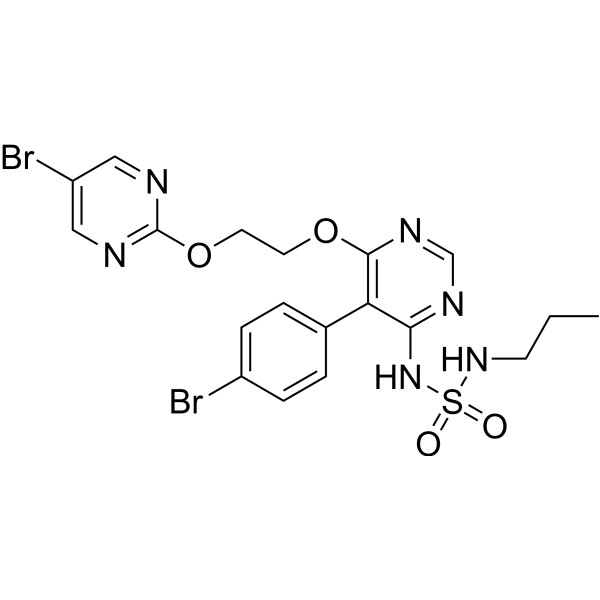
|
|
|
1-Hydroxypyrene-d9 is the deuterium labeled 1-Hydroxypyrene (HY-W014075). 1-Hydroxypyrene, a biomarker of exposure to polycyclic aromatic hydrocarbons (PAHs), is analyzed in urine samples. 1-Hydroxypyrene is the major biomarker of exposure to pyrenes. 1-Hydroxypyrene is the orally active agonist for aryl hydrocarbon receptor (AhR) and can lead to renal fibrosis .
|
-
-
- HY-14184S
-
|
|
|
Macitentan-d4 is a deuterium labeled Sulfamethoxazole. Macitentan is an orally active, non-peptide dual ETA and ETB (endothelin) receptor antagonist. Macitentan has the potential for idiopathic pulmonary fibrosis (IPF) and pulmonary arterial hypertension (PAH) .
|
-
-
- HY-W013570S
-
|
|
|
Acenaphthylene-d8 is the deuterium labeled Acenaphthylene . Acenaphthylene is a polycyclic aromatic hydrocarbon (PAH). PAHs are derived naturally from coal and tar deposits, and produced by incomplete combustion of organic matter .
|
-
-
- HY-144856S1
-
|
|
|
Sapropterin-d3 ((6R)-BH4-d3) is deuterium labeled Sapropterin. Sapropterin ((6R)-BH4) is an orally active phenylalanine hydroxylase (PAH) cofactor, which is effective in reducing blood phenylalanine concentrations. Sapropterin can be used in study of phenylketonuria (PKU) .
|
-
-
- HY-W777456
-
|
|
|
Phenanthrene- 13C6 is the 13C labeled Phenanthrene (HY-B1727). Phenanthrene is an orally active polycyclic aromatic hydrocarbon (PAH) that induces inflammation, oxidative stress, and apoptosis. Additionally, phenanthrene is commonly used to detect or assess PAH pollution in the environment .
|
-
-
- HY-121107S
-
|
|
|
Chrysene-d12 is the deuterium labeled Chrysene. Chrysene is a high molecular weight (HMW), polycyclic aromatic hydrocarbon (PAH) known for its recalcitrance and carcinogenic properties .
|
-
-
- HY-W778162
-
|
|
|
Phenanthrene- 13C2 is the 13C-labeled Phenanthrene (HY-B1727). Phenanthrene is an orally active polycyclic aromatic hydrocarbon (PAH) that induces inflammation, oxidative stress, and apoptosis. Additionally, phenanthrene is commonly used to detect or assess PAH pollution in the environment .
|
-
-
- HY-W026772S
-
|
|
|
Fluorene-d10 is the deuterium labeled Fluorene. Fluorene, a polycyclic aromatic hydrocarbon (PAH), is a precursor to other fluorene compounds. Fluorene and its derivative?can be used as a precursor to fluorene-based dyes .
|
-
-
- HY-167906S
-
|
|
|
Hexadecyl 2-((4-Nitrophenyl)thio)acetate- 13C2 is the 13C-labeled Lunamarine (HY-167906). Lunamarine is a inhibitor of PDE5 with BBB permeability. Lunamarine can be used in the reseach of Pulmonary Arterial Hypertension (PAH) and Erectile Dysfunction (ED) .
|
-
-
- HY-W026772S1
-
|
|
|
Fluorene-d8 is the deuterium labeled Fluorene (HY-W026772). Fluorene is an orally active polycyclic aromatic hydrocarbon (PAH) and a precursor to other fluorene-based compounds. Fluorene and its derivatives serve as dye precursors for fluorene synthesis. In A549 cells, Fluorene induces oxidative stress and inflammatory responses by increasing ROS and SOD generation, exacerbating lipid peroxidation, modulating antioxidant enzyme activity, and upregulating the expression of pro-inflammatory factors TNF-α and IL-6. In vivo, Fluorene exhibits anxiolytic activity. Fluorene holds potential for research in inflammation and neurological disorders .
|
-
-
- HY-W777458
-
|
|
|
Fluorene- 13C6 is the 13C-labeled Fluorene (HY-W026772). Fluorene is an orally active polycyclic aromatic hydrocarbon (PAH) and a precursor to other fluorene-based compounds. Fluorene and its derivatives serve as dye precursors for fluorene synthesis. In A549 cells, Fluorene induces oxidative stress and inflammatory responses by increasing ROS and SOD generation, exacerbating lipid peroxidation, modulating antioxidant enzyme activity, and upregulating the expression of pro-inflammatory factors TNF-α and IL-6. In vivo, Fluorene exhibits anxiolytic activity. Fluorene holds potential for research in inflammation and neurological disorders .
|
-
| Cat. No. |
Product Name |
|
Classification |
-
- HY-RS09979
-
|
|
|
siRNAs
Human Pre-designed siRNA Sets
|
|
PAH Human Pre-designed siRNA Set A contains three designed siRNAs for PAH gene (Human), as well as a negative control, a positive control, and a FAM-labeled negative control.
|
-
- HY-172508
-
|
|
|
Phosphoramidites
Uracil
|
|
Perylene dU phosphoramidite is a bright and extremely photostable fluorescent polycyclic aromatic hydrocarbon (PAH) label with a quantum yield approaching quantitative. Due to the low lifetime of fluorescence, this probe does not form excimers.With this phosphoramidite, perylene can be introduced into DNA by automated oligonucleotide synthesis.
|
-
- HY-RS17018
-
|
|
|
siRNAs
Mouse Pre-designed siRNA Sets
|
|
Pah Mouse Pre-designed siRNA Set A contains three designed siRNAs for Pah gene (Mouse), as well as a negative control, a positive control, and a FAM-labeled negative control.
|
-
- HY-RS23461
-
|
|
|
siRNAs
Rat Pre-designed siRNA Sets
|
|
Pah Rat Pre-designed siRNA Set A contains three designed siRNAs for Pah gene (Rat), as well as a negative control, a positive control, and a FAM-labeled negative control.
|
Your information is safe with us. * Required Fields.
Inquiry Information
- Product Name:
- Cat. No.:
- Quantity:
- MCE Japan Authorized Agent:

