
496 Results for "

PARP Inhibitors

" in MedChemExpress (MCE) Product Catalog:
Products (496)

496 Results for "PARP Inhibitors" in MCE Product Catalog:

375
375 Publications Verification
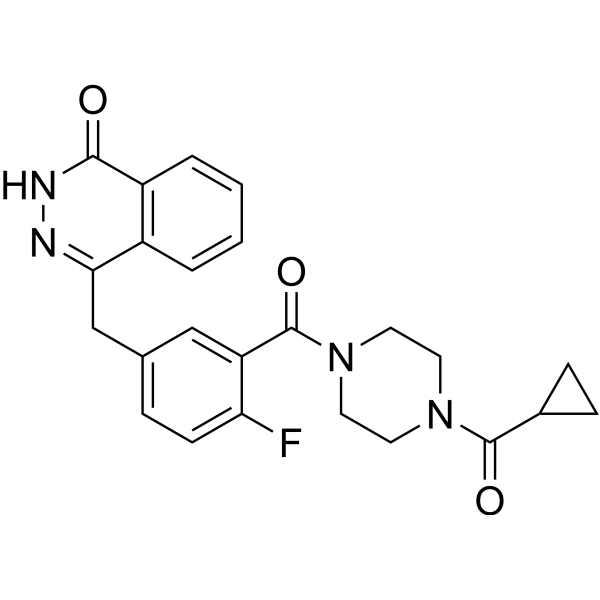
Cat. No.: HY-10162
CAS No.: 763113-22-0
Purity:  99.98%
Synonyms: AZD2281; KU0059436
Target:  

PARP Autophagy Mitophagy

Research Areas:  

Cancer

Olaparib (AZD2281; KU0059436) is a potent and orally active PARP inhibitor with IC50s of 5 and 1 nM for PARP1 and PARP2, respectively. Olaparib is an autophagy and mitophagy activator. Olaparib cannot cross the intact blood-brain barrier (BBB) .
loading...
    loading...
307
307 Cited Publications
Cat. No.: HY-10201
CAS No.: 284461-73-0
Purity:  99.92%
Synonyms: Bay 43-9006
Sorafenib (Bay 43-9006) is a potent oral active multikinase inhibitor. Sorafenib blocks autophosphorylation and activity of receptor tyrosine kinases (VEGFR-2, VEGFR-3) and RAF family kinases, thereby suppressing the RAF/MEK/ERK and PI3K/Akt pathways, inhibiting STAT3 phosphorylation, and selectively inhibiting the MAPK pathway in cancer cells. Sorafenib induces cell cycle arrest, autophagy, apoptosis, and PARP cleavage, reduces Bcl-2, Bcl-XL, cyclin D1 levels, and activates Bak and Bax. Sorafenib inhibits tumor growth and metastasis in mouse and rat models. Sorafenib can be used for cancer research, such as colon, breast, non-small-cell lung cancer (NSCLC), ovarian, pancreatic, melanoma, colorectal and hepatocellular carcinoma .
loading...
    loading...
307
307 Cited Publications
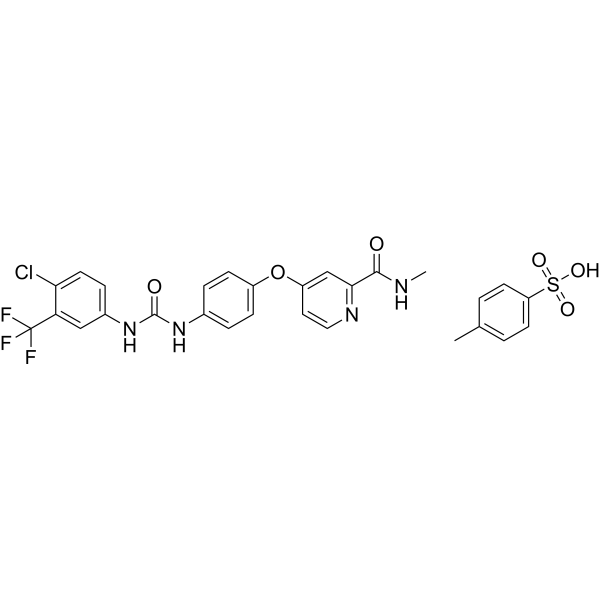
Cat. No.: HY-10201A
CAS No.: 475207-59-1
Purity:  99.75%
Synonyms: Bay 43-9006 tosylate
Sorafenib (Bay 43-9006) tosylate is a potent oral active multikinase inhibitor. Sorafenib blocks autophosphorylation and activity of receptor tyrosine kinases (VEGFR-2, VEGFR-3) and RAF family kinases, thereby suppressing the RAF/MEK/ERK and PI3K/Akt pathways, inhibiting STAT3 phosphorylation, and selectively inhibiting the MAPK pathway in cancer cells. Sorafenib tosylate induces cell cycle arrest, autophagy, apoptosis, and PARP cleavage, reduces Bcl-2, Bcl-XL, cyclin D1 levels, and activates Bak and Bax. Sorafenib tosylate inhibits tumor growth and metastasis in mouse and rat models. Sorafenib tosylate can be used for cancer research, such as colon, breast, non-small-cell lung cancer (NSCLC), ovarian, pancreatic, melanoma, colorectal and hepatocellular carcinoma .
loading...
    loading...
106
106 Cited Publications
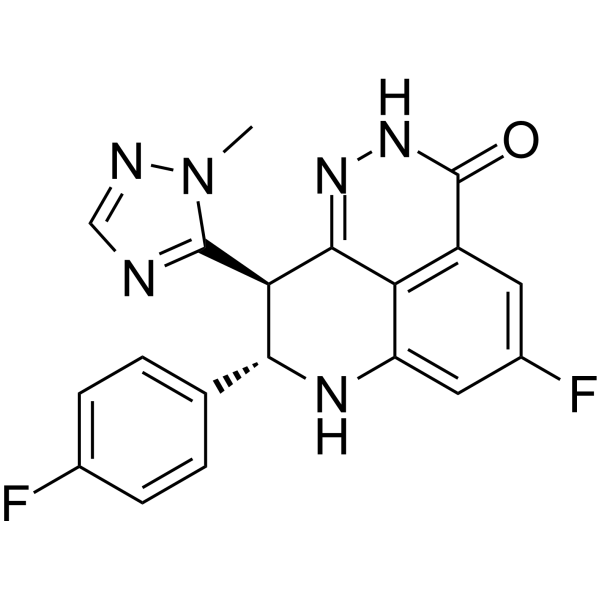
Cat. No.: HY-16106
CAS No.: 1207456-01-6
Synonyms: BMN-673; LT-673
Target:  

PARP

Research Areas:  

Cancer

Talazoparib (BMN-673) is a highly potent, orally active PARP1/2 inhibitor.Talazoparib inhibits PARP1 and PARP2 enzyme activity with Kis of 1.2 nM and 0.87 nM, respectively. Talazoparib has antitumor activity .
loading...
    loading...
106
106 Cited Publications
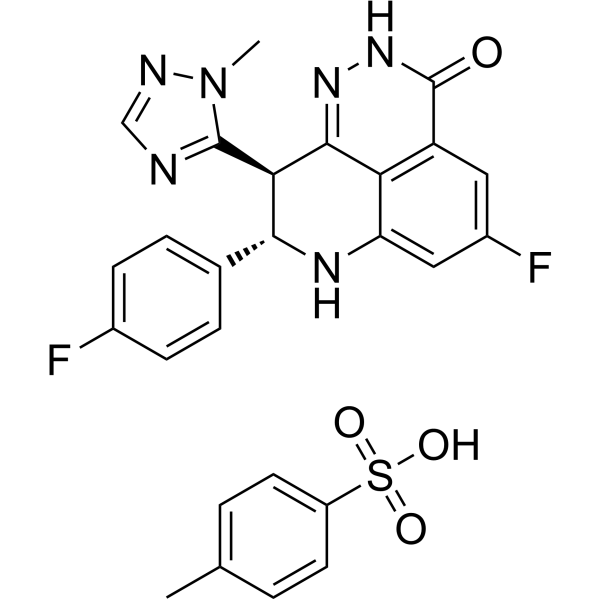
Cat. No.: HY-108413
CAS No.: 1373431-65-2
Purity:  99.95%
Synonyms: BMN 673ts
Target:  

PARP

Research Areas:  

Cancer

Talazoparib tosylate (BMN 673ts) is a novel, potent and orally available PARP1/2 inhibitor with an IC50 of 0.57 nM for PARP1.
loading...
    loading...
87
87 Cited Publications
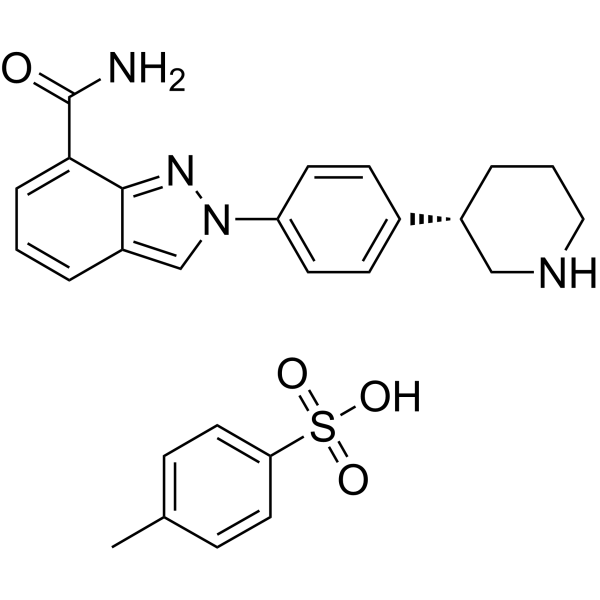
Cat. No.: HY-10619B
CAS No.: 1038915-73-9
Purity:  99.99%
Synonyms: MK-4827 tosylate
Target:  

PARP Apoptosis

Research Areas:  

Cancer

Niraparib tosylate (MK-4827 tosylate) is a highly potent and orally bioavailable PARP1 and PARP2 inhibitor with an IC50 of 3.8 and 2.1 nM, respectively. Niraparib tosylate leads to inhibition of repair of DNA damage, activates apoptosis and shows anti-tumor activity .
loading...
    loading...
87
87 Cited Publications
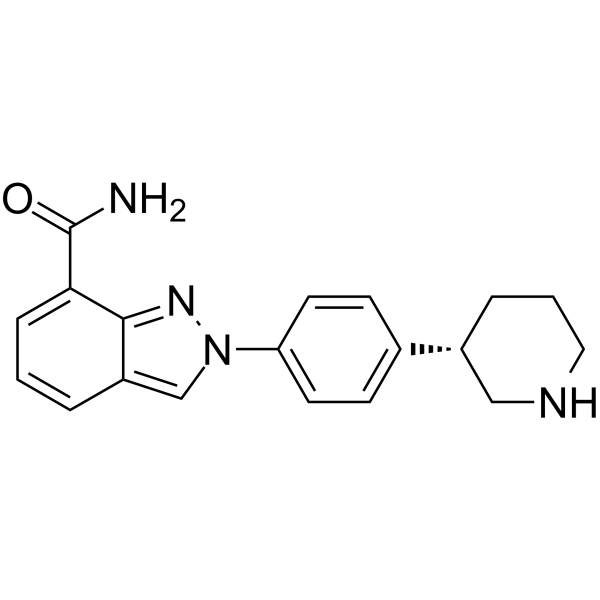
Cat. No.: HY-10619
CAS No.: 1038915-60-4
Purity:  99.96%
Synonyms: MK-4827
Target:  

PARP Apoptosis

Research Areas:  

Cancer

Niraparib (MK-4827) is a highly potent and orally bioavailable PARP1 and PARP2 inhibitor with IC50s of 3.8 and 2.1 nM, respectively. Niraparib leads to inhibition of repair of DNA damage, activates apoptosis and shows anti-tumor activity .
loading...
    loading...
87
87 Cited Publications
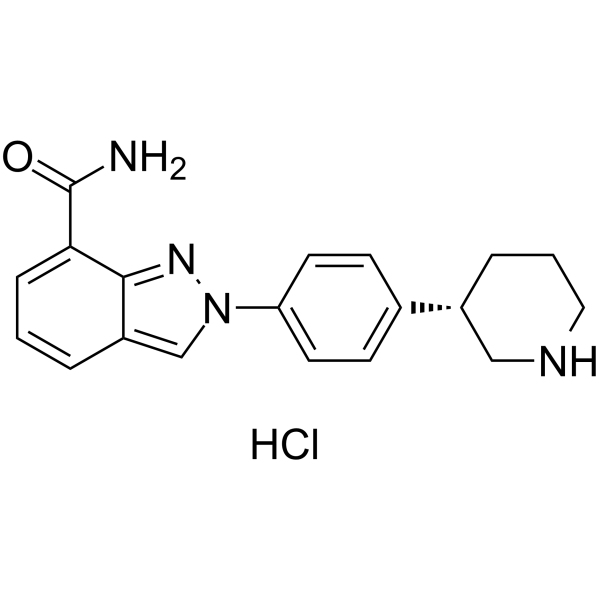
Cat. No.: HY-10619A
CAS No.: 1038915-64-8
Purity:  99.41%
Synonyms: MK-4827 hydrochloride
Target:  

PARP Apoptosis

Research Areas:  

Cancer

Niraparib hydrochloride (MK-4827 hydrochloride) is a highly potent and orally bioavailable PARP1 and PARP2 inhibitor with IC50s of 3.8 and 2.1 nM, respectively. Niraparib hydrochloride leads to inhibition of repair of DNA damage, activates apoptosis and shows anti-tumor activity .
loading...
    loading...
86
86 Cited Publications
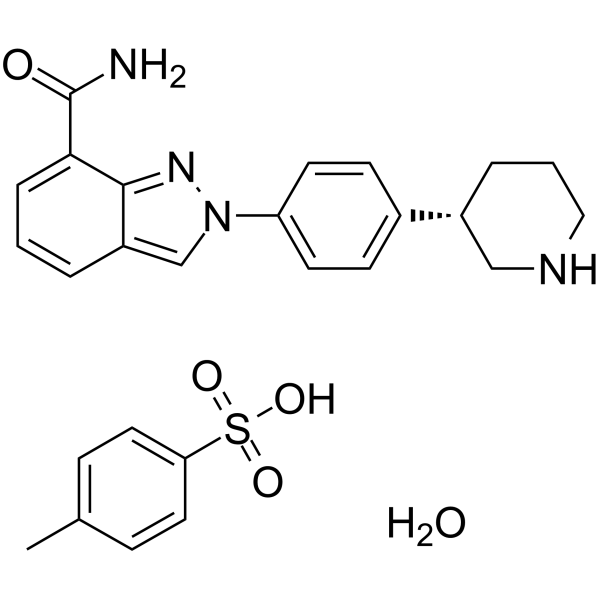
Cat. No.: HY-10619E
CAS No.: 1613220-15-7
Purity:  99.97%
Synonyms: MK-4827 tosylate hydrate
Target:  

PARP Apoptosis

Research Areas:  

Cancer

Niraparib (MK-4827) tosylate hydrate is a highly potent and orally bioavailable PARP1 and PARP2 inhibitor with IC50s of 3.8 and 2.1 nM, respectively. Niraparib tosylate hydrate leads to inhibition of repair of DNA damage, activates apoptosis and shows anti-tumor activity .
loading...
    loading...
51
51 Cited Publications
Cat. No.: HY-10129
CAS No.: 912444-00-9
Purity:  99.78%
Synonyms: ABT-888
Target:  

PARP Autophagy

Research Areas:  

Cancer

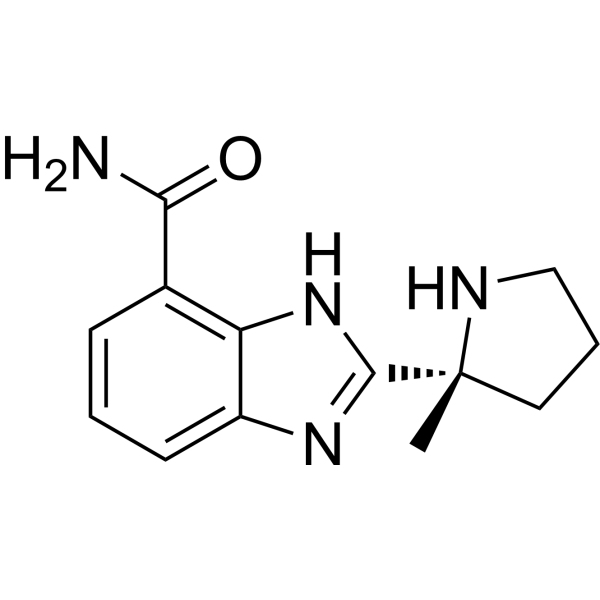
Veliparib (ABT-888) is a potent PARP inhibitor, inhibiting PARP1 and PARP2 with Kis of 5.2 and 2.9 nM, respectively .
loading...
    loading...
51
51 Cited Publications
Cat. No.: HY-10130
CAS No.: 912445-05-7
Purity:  99.98%
Synonyms: ABT-888 dihydrochloride
Target:  

PARP Autophagy

Research Areas:  

Cancer

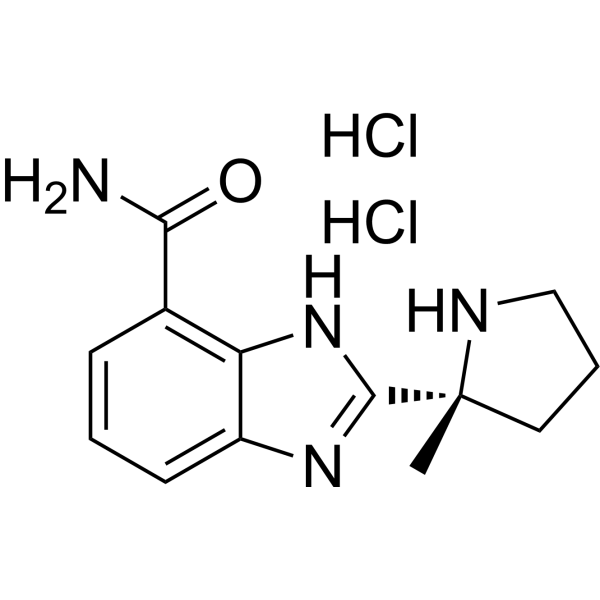
Veliparib (dihydrochloride) is a potent inhibitor of PARP1 and PARP2 with Kis of 5.2 nM and 2.9 nM in cell-free assays, respectively.
loading...
    loading...
50
50 Cited Publications
Cat. No.: HY-10617A
CAS No.: 283173-50-2
Purity:  99.97%
Synonyms: AG014699; PF-01367338
Target:  

PARP

Research Areas:  

Cancer

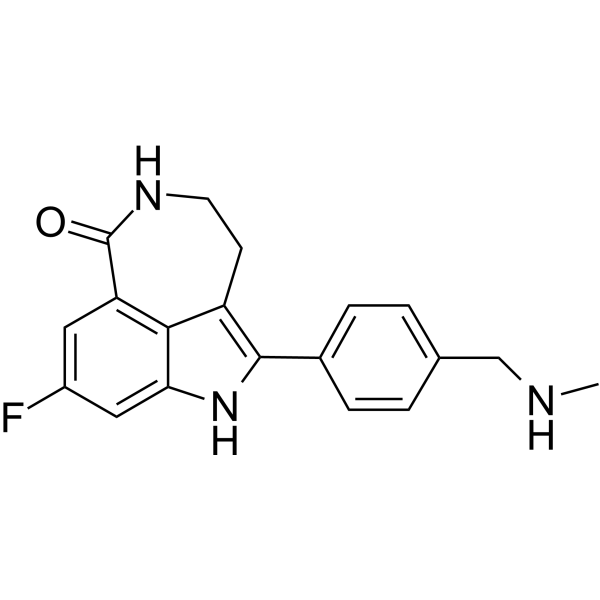
Rucaparib (AG014699) is an orally active, potent inhibitor of PARP proteins (PARP-1, PARP-2 and PARP-3) with a Ki of 1.4 nM for PARP1. Rucaparib is a modest hexose-6-phosphate dehydrogenase (H6PD) inhibitor. Rucaparib has the potential for castration-resistant prostate cancer (CRPC) research .
loading...
    loading...
49
49 Cited Publications
Cat. No.: HY-10617
CAS No.: 459868-92-9
Purity:  99.56%
Synonyms: AG-014699 phosphate; PF-01367338 phosphate
Target:  

PARP

Research Areas:  

Cancer

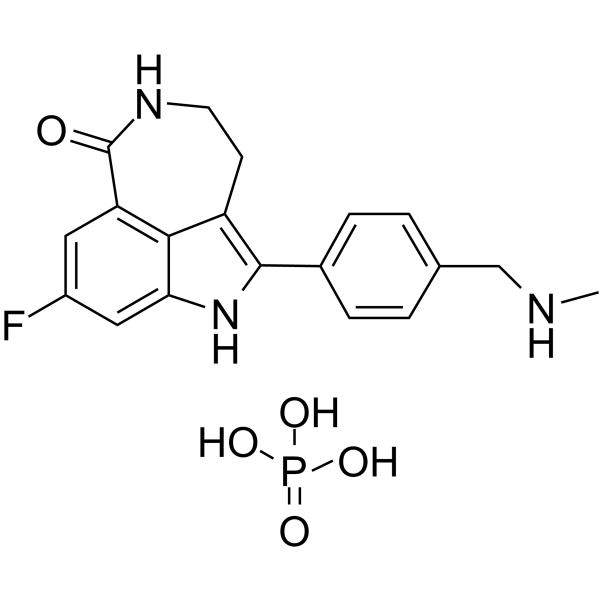
Rucaparib (AG014699) phosphate is an orally active, potent inhibitor of PARP proteins (PARP-1, PARP-2 and PARP-3) with a Ki of 1.4 nM for PARP1. Rucaparib phosphate is a modest hexose-6-phosphate dehydrogenase (H6PD) inhibitor. Rucaparib phosphate has the potential for castration-resistant prostate cancer (CRPC) research .
loading...
    loading...
41
41 Cited Publications
Cat. No.: HY-102003
CAS No.: 1859053-21-6
Purity:  99.82%
Synonyms: AG014699 monocamsylate; PF-01367338 monocamsylate
Target:  

PARP

Research Areas:  

Cancer

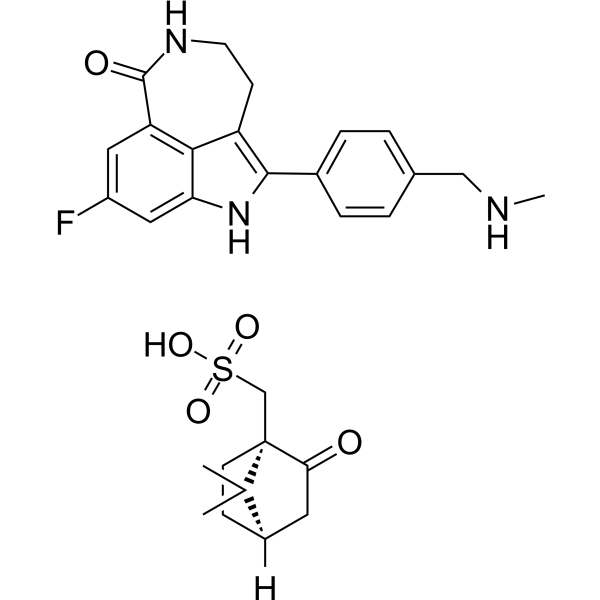
Rucaparib (AG014699) monocamsylate is an orally active, potent inhibitor of PARP proteins (PARP-1, PARP-2 and PARP-3) with a Ki of 1.4 nM for PARP1. Rucaparib monocamsylate is a modest hexose-6-phosphate dehydrogenase (H6PD) inhibitor. Rucaparib monocamsylate has the potential for castration-resistant prostate cancer (CRPC) research .
loading...
    loading...
37
37 Cited Publications
Cat. No.: HY-13688
CAS No.: 344458-15-7
Purity:  99.91%
Target:  

PARP

Research Areas:  

Cancer

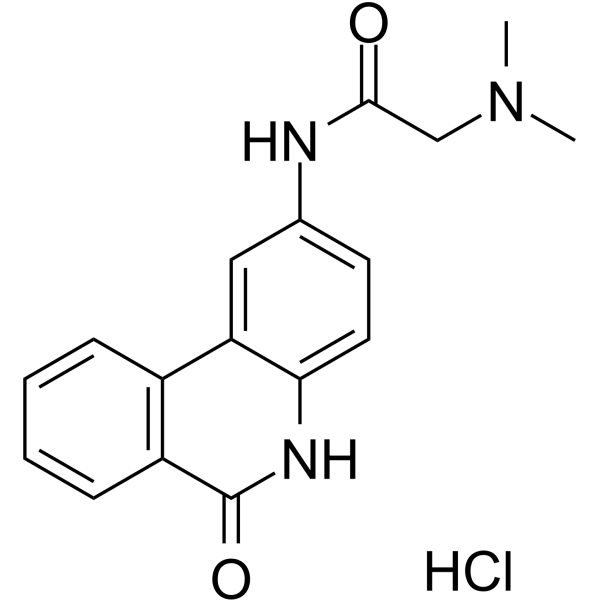
PJ34 hydrochloride is an inhibitor of PARP1/2 with IC50 of 110 nM and 86 nM, respectively.
loading...
    loading...
25
25 Cited Publications
Cat. No.: HY-B1302
CAS No.: 6151-40-2
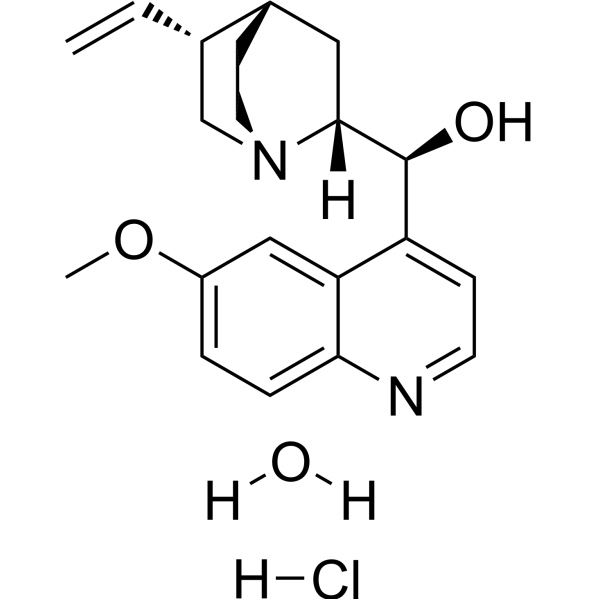
Quinidine hydrochloride monohydrate is an orally active antiarrhythmic agent. Quinidine hydrochloride monohydrate reduces the expression level of P-gp, inhibits P-gp-mediated efflux, increases the intracellular accumulation of P-gp substrates, induces PARP cleavage and Caspase-3 activation, and elevates the proportion of Apoptotic cells at the sub-G1 phase. Quinidine hydrochloride monohydrate exerts sustained block and open-channel block effects on IK(f). Quinidine hydrochloride monohydrate alters the urinary metabolic ratio of Amphetamine, modulates the Pentylenetetrazol-induced seizure threshold, and regulates the anticonvulsant effect of Dextromethorphan. Quinidine hydrochloride monohydrate can be used in studies related to uterine sarcoma and seizures .
loading...
    loading...
24
24 Cited Publications
Cat. No.: HY-B1751
CAS No.: 56-54-2
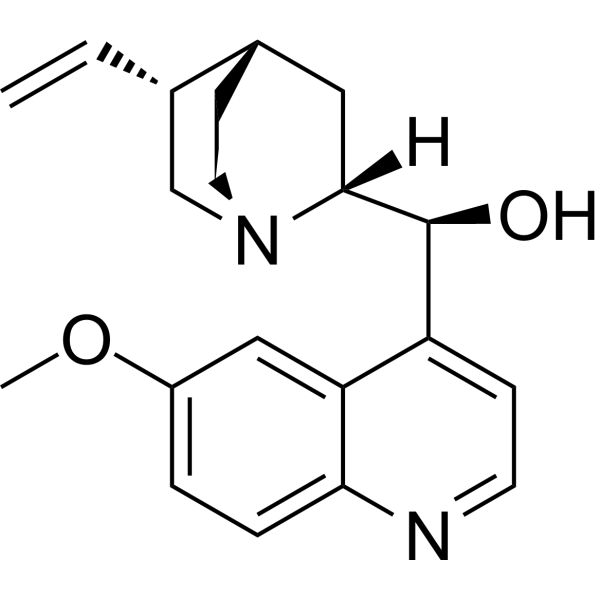
Quinidine (15% dihydroquinidine) is an orally active antiarrhythmic agent. Quinidine (15% dihydroquinidine) reduces the expression level of P-gp, inhibits P-gp-mediated efflux, increases the intracellular accumulation of P-gp substrates, induces PARP cleavage and Caspase-3 activation, and elevates the proportion of Apoptotic cells at the sub-G1 phase. Quinidine (15% dihydroquinidine) exerts sustained block and open-channel block effects on IK(f). Quinidine (15% dihydroquinidine) alters the urinary metabolic ratio of Amphetamine, modulates the Pentylenetetrazol-induced seizure threshold, and regulates the anticonvulsant effect of Dextromethorphan. Quinidine (15% dihydroquinidine) can be used in studies related to uterine sarcoma and seizures .
loading...
    loading...
23
23 Cited Publications
Cat. No.: HY-N0171
CAS No.: 83-46-5
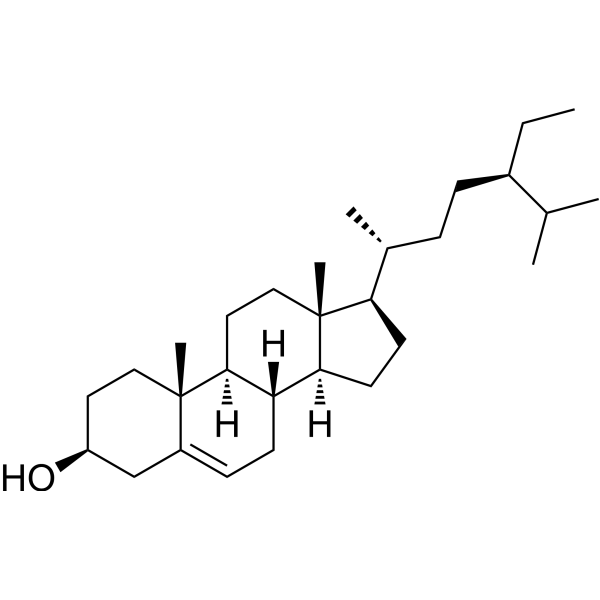
Beta-Sitosterol (purity≥80%) is orally active. Beta-Sitosterol exhibits multiple activities, including anti-inflammatory, anticancer, antioxidant, antimicrobial, antidiabetic, antioxidant enzyme, and analgesic. Beta-Sitosterol inhibits inflammation and impaired adipogenesis in bovine mammary epithelial cells by reducing levels of ROS, TNF-α, IL-1β, and NF-κB p65 and restoring the activity of the HIF-1α/mTOR signaling pathway. Beta-Sitosterol induces apoptosis in cancer cells through ROS-mediated mitochondrial dysregulation and p53 activation. Beta-Sitosterol exerts its anticancer effects in cancer cells by activating caspase-3, caspase-8, and caspase-9, mediating PARP inactivation, MMP loss, altered Bcl-2-Bax ratio, and cytochrome c release. Beta-Sitosterol modulates macrophage polarization and reduces rheumatoid inflammation in mice. Beta-Sitosterol inhibits tumor growth in multiple mouse cancer models. Beta-Sitosterol can be used in the research of arthritis, lung cancer, breast cancer and other cancers, diabetes, etc .
loading...
    loading...
23
23 Cited Publications
Cat. No.: HY-N0171A
CAS No.: 83-46-5
Synonyms: β-Sitosterol (purity>98%); 22,23-Dihydrostigmasterol (purity>98%)
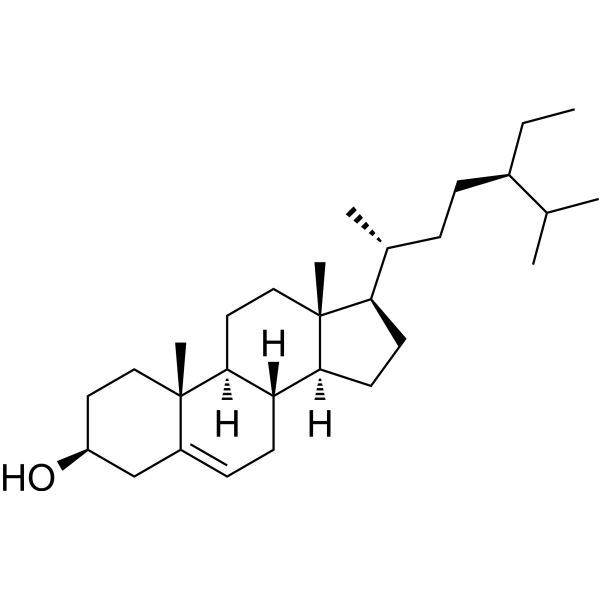
Beta-Sitosterol (purity>98%) is orally active. Beta-Sitosterol exhibits multiple activities, including anti-inflammatory, anticancer, antioxidant, antimicrobial, antidiabetic, antioxidant enzyme, and analgesic. Beta-Sitosterol inhibits inflammation and impaired adipogenesis in bovine mammary epithelial cells by reducing levels of ROS, TNF-α, IL-1β, and NF-κB p65 and restoring the activity of the HIF-1α/mTOR signaling pathway. Beta-Sitosterol induces apoptosis in cancer cells through ROS-mediated mitochondrial dysregulation and p53 activation. Beta-Sitosterol exerts its anticancer effects in cancer cells by activating caspase-3, caspase-8, and caspase-9, mediating PARP inactivation, MMP loss, altered Bcl-2-Bax ratio, and cytochrome c release. Beta-Sitosterol modulates macrophage polarization and reduces rheumatoid inflammation in mice. Beta-Sitosterol inhibits tumor growth in multiple mouse cancer models. Beta-Sitosterol can be used in the research of arthritis, lung cancer, breast cancer and other cancers, diabetes, etc .
loading...
    loading...
20
20 Cited Publications
Cat. No.: HY-132167
CAS No.: 2589531-76-8
Purity:  99.76%
Synonyms: AZD5305
Target:  

PARP

Research Areas:  

Cancer

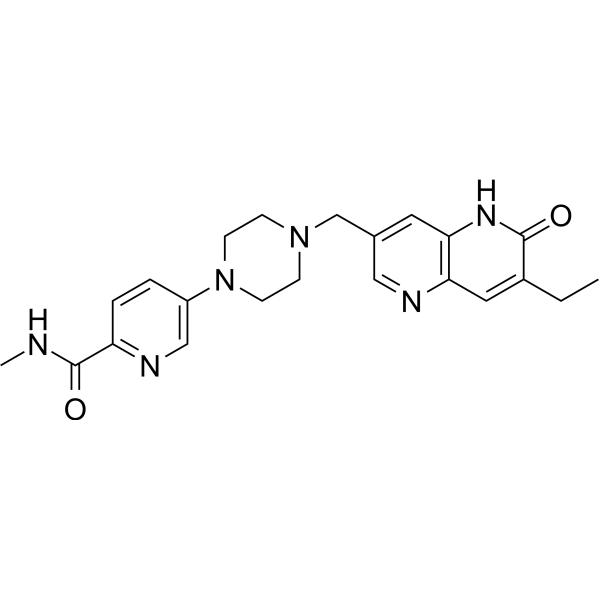
Saruparib (AZD5305) is a potent, orally active and selective PARP inhibitor and trapper with IC50 values of 3 nM and 1400 nM for PARP1 and PARP2, respectively. Saruparib has anti-proliferative activity and inhibits growth in cells with deficiencies in DNA repair .
loading...
    loading...

