
Search Result
Results for "
R-L3
" in MedChemExpress (MCE) Product Catalog:
4
Biochemical Assay Reagents
20
Isotope-Labeled Compounds
| Cat. No. |
Product Name |
Target |
Research Areas |
Chemical Structure |
-
- HY-77490
-
|
|
Endogenous Metabolite
|
Metabolic Disease
|
|
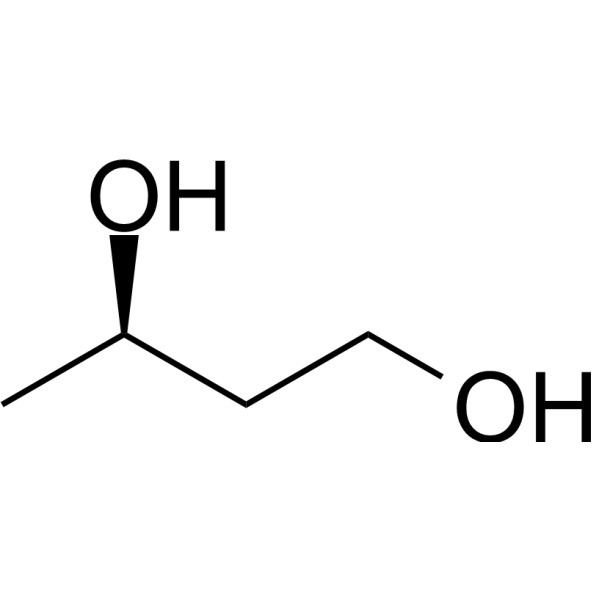
(R)-(-)-1,3-Butanediol is the R-enantiomer of 1,3-Butanediol (HY-77490A). (R)-(-)-1,3-Butanediol exhibits anti-diabetic property in rats. (R)-(-)-1,3-Butanediol can be used as flavoring and fragrance agents. (R)-(-)-1,3-Butanediol is used to regulate the metabolism of carbohydrate and lipid. [3].
|
-
-
- HY-158790
-
|
|
Ferroptosis
|
Cancer
|
|
(R)-HTS-3 is an lysophosphatidylcholine acyltransferase 3 (LPCAT3) inhibitor, with an IC50 of 0.09 μM. (R)-HTS-3 suppresses the C20:4 content of PE, PC, and PS, while promoting a correspondingelevation in C22:4 phospholipids and a paradoxical increase in C20:4 phosphatidylinositol (PI) lipids .
|
-
-
- HY-108591
-
|
R-L3
|
Potassium Channel
|
Cardiovascular Disease
|
|
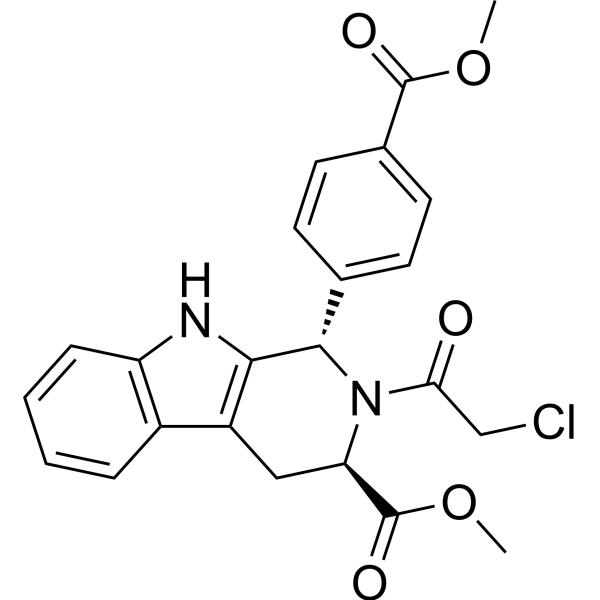
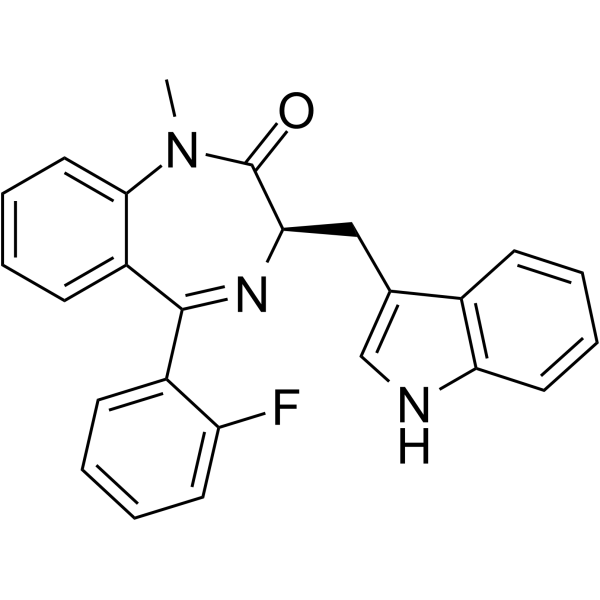
L-364,373 (R-L3) is a voltage-gated Kv7.1 (KCNQ1)/mink channels activator. L-364,373 activates Iks (slow delayed rectifier potassium current) and shortens action potential duration in guinea pig cardiac myocytes, and suppresses early afterdepolarizations in rabbit ventricular myocytes .
|
-
-
- HY-N1976
-
|
(3R,8S)-Falcarindiol; 3(R),8(S),9(Z)-Falcarindiol
|
|
Infection
Cancer
|
|
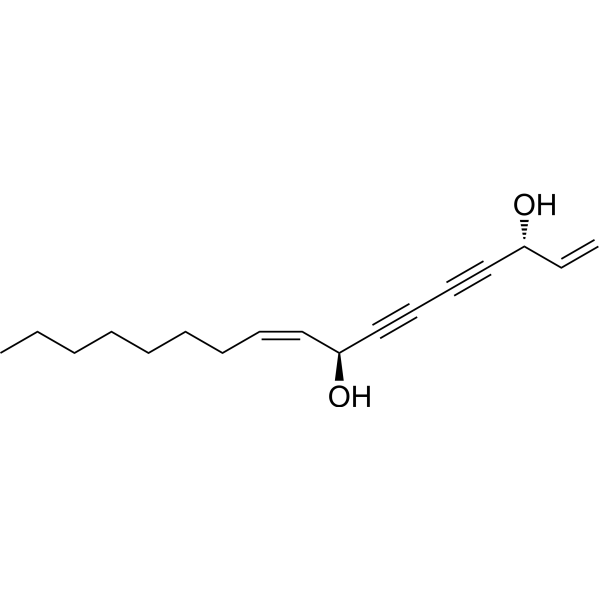
(+)-(3R,8S)-Falcarindiol ((3R,8S)-Falcarindiol; 3 (R),8 (S),9 (Z)-Falcarindiol) is an orally active polyacetylene anti-mycobacterial agent. (+)-(3R,8S)-Falcarindiol exhibits antibacterial activity against Gram-positive bacteria, Gram-negative bacteria and mycobacteria. Co-administration of (+)-(3R,8S)-Falcarindiol with (3R)-falcarinol alters the composition of gut microbiota, reduces colonic tumor lesions and slows down polyp growth. (+)-(3R,8S)-Falcarindiol can be used in research related to tuberculosis and colorectal cancer .
|
-
-
- HY-W028142
-
|
|
5-HT Receptor
SARS-CoV
|
Neurological Disease
|
|
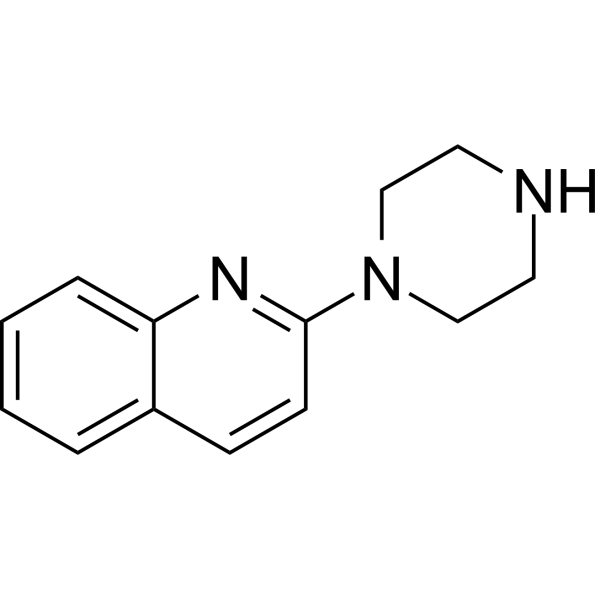
Quipazine is a 5-HT agonist with a Ki value of 1.4 nM for displaces [3H]GR65630 from 5-HT3R in rat. Quipazine shows antiviral activity against SARS-CoV-2 with an EC50 of 31.64 μM. Quipazine behaves as a 5-HT3R agonist in peripheral models. Quipazine can be used for neurological disease research [3] .
|
-
-
- HY-W002421
-
|
|
Biochemical Assay Reagents
|
Others
|
|
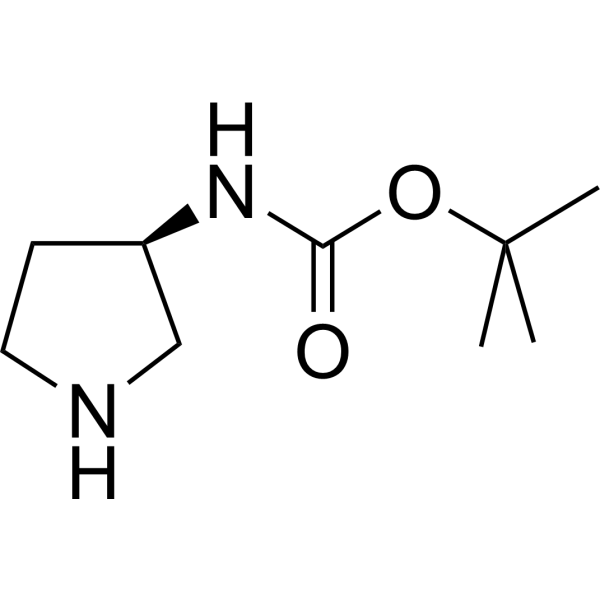
tert-butyl N-[(3R)-pyrrolidin-3-yl]carbamate is a biochemical reagent that can be used as a biological material or organic compound for life science related research.
|
-
-
- HY-P99401
-
|
OMP-131R10
|
Wnt
|
Cancer
|
|
Rosmantuzumab (OMP-131R10) is an anti-R-spondin 3 (RSPO3) humanized monoclonal antibody. Rosmantuzumab can be used for the research of advanced telapsed and refractory solid tumors .
|
-
-
- HY-144034
-
|
|
GLP Receptor
|
Metabolic Disease
|
|
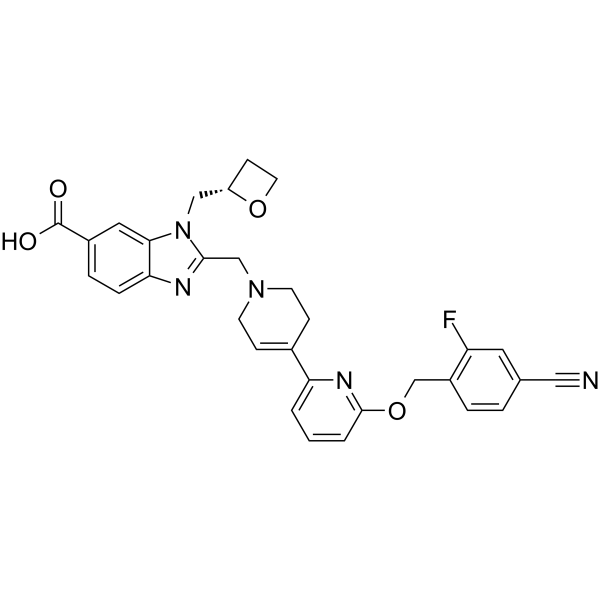
GLP-1R agonist 3 is a potent agonist of GLP-1R. GLP-1R agonist 3 is a thickened imidazole derivative compound. Glucagon-like peptide-1 (GLP-1) is an intestinal hypoglycemic hormone secreted by L-cells in the lower gastrointestinal tract. GLP-1R agonist 3 has the potential for the research of diabetes (extracted from patent WO2021197464A1, compound 1) .
|
-
-
- HY-W010507
-
|
Methyl (R)-(-)-3-hydroxybutyrate
|
Biochemical Assay Reagents
|
Others
|
|
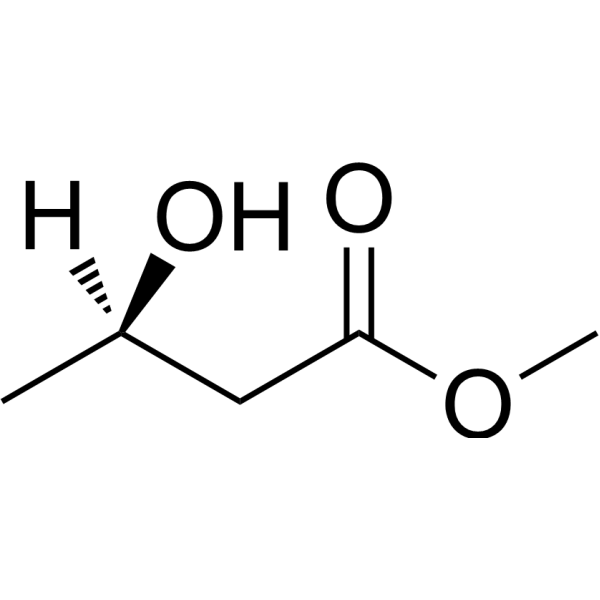
(R)-Methyl 3-hydroxybutanoate, (R)-Methyl 3-hydroxybutanoate is an enantiomer, from the perspective of the methyl (-CH3) group, the hydroxyl (-OH) group on the third carbon atom The group faces to the right, a colorless transparent liquid, soluble in organic solvents such as ethanol and ether, insoluble in water, (R)-Methyl 3-hydroxybutanoate is usually used to synthesize various organic compounds (including drugs, agricultural chemicals and flavoring agents) It can also be used as a chiral auxiliary in asymmetric synthetic reactions involving the formation of chemical bonds in a stereoselective manner.
|
-
-
- HY-Z0790
-
-
-
- HY-60263
-
|
|
PROTAC Linkers
|
Others
|
|
(3R)-3-Pyrrolidinemethanol is a molecular building block and the linker of NRX-0492 (HY-153357).
|
-
-
- HY-40354D
-
|
|
JAK
|
Inflammation/Immunology
|
|
(3R,4S)-Tofacitinib is an less active enantiomer of Tofacitinib. Tofacitinib inhibits JAK3 with IC50 of 1 nM.
|
-
-
- HY-101046
-
|
|
5-HT Receptor
SARS-CoV
|
Neurological Disease
|
|
Quipazine dimaleate is a 5-HT agonist with a Ki value of 1.4 nM for displaces [3H]GR65630 from 5-HT3R in rat. Quipazine dimaleate shows antiviral activity against SARS-CoV-2 with an EC50 of 31.64 μM. Quipazine dimaleate behaves as a 5-HT3R antagonist in peripheral models. Quipazine dimaleate can be used for neurological disease research [3] .
|
-
-
- HY-169499
-
|
|
Acyltransferase
|
Metabolic Disease
|
|
(R)-2-(3-(2-Ethoxyphenoxy)piperidin-1-yl)pyrimidine-5-carboxylic Acid is an intermediate in the synthesis of the diacylglycerol acyltransferase 2 (DGAT-2) inhibitor Ervogastat.
|
-
-
- HY-133872
-
-
-
- HY-B0590B
-
|
(+)-TBZ; (3R,11bR)-TBZ; (3R,11bR)-Tetrabenazine
|
Monoamine Transporter
|
Cancer
|
|
(+)-Tetrabenazine ((+)-TBZ; (3R,11bR)-TBZ; (3R,11bR)-Tetrabenazine) is a reversible inhibitor of vesicular monoamine transporter 2 (VMAT-2), inhibits transport by VMAT2 with 10-fold greater potency than transport by VMAT1.
|
-
-
- HY-24170
-
|
|
Drug Intermediate
|
Others
|
|
tert-Butyl (R)-2-(3-(3-(3,4-dimethoxyphenyl)-1-hydroxypropyl)phenoxy)acetate is a drug intermediate for synthesis of various active compounds.
|
-
-
- HY-108539A
-
|
|
Ras
|
Metabolic Disease
|
|
(R)-CE3F4 is a potent and selective inhibitor of exchange protein directly activated by cAMP isoform 1 (Epac1), with an IC50 of 4.2 μM, with 10-fold selectivity for Epac1 over Epac2 (IC50, 44 μM). (R)-CE3F4 is more potent than racemic CE3F4 and (S)-CE3F4 .
|
-
-
- HY-100218C
-
|
|
Drug Isomer
Ferroptosis
|
Cancer
|
|
(1R,3R)-RSL3 is an isomer of RSL3 (HY-100218A). RSL3 ((1S,3R)-RSL3) is an inhibitor of glutathione peroxidase 4 (GPX4) (ferroptosis activator), reduces the expression of GPX4 protein, and induces ferroptotic death of head and neck cancer cell. RSL3 increases the expression of p62 and Nrf2 and inactivates Keap1 in HN3-rslR cells .
|
-
-
- HY-128720
-
|
|
Endogenous Metabolite
|
Metabolic Disease
|
|
Diethyl oxalpropionate is an intermediate for poly((R,S)-3,3-dimethylmalic acid) (PDMMLA) derivative synthesis. PDMMLA derivative can be used in synthesis of nanoparticles and study of warfarin encapsulation and controlled release .
|
-
-
- HY-152581
-
|
|
Cannabinoid Receptor
|
Inflammation/Immunology
|
|
CB2R antagonist 3 is a selective antagonist of cannabinoid type 2 receptor (CB2R). CB2R antagonist 3 has high affinity for human CB2R and specific selectivity for CB1R. CB2R antagonist 3 can be combined with CB65 (HY-110047), the activator of CB2R. CB2R antagonist 3 effectively up-regulates the expression of anti-inflammatory cytokines and down-regulates the expression of pro-inflammatory cytokines .
|
-
-
- HY-60256
-
-
-
- HY-W012864S1
-
-
-
- HY-W336015
-
|
(2R)-2,3-bis(heptadecanoyloxy)propyl hydrogen phosphate sodium
|
Biochemical Assay Reagents
|
Metabolic Disease
|
|
1,2-Diheptadecanoyl-sn-glycero-3-phosphatidic acid (sodium) ((2R)-2,3-bis(heptadecanoyloxy)propyl hydrogen phosphate (sodium)) is an ester product.
|
-
-
- HY-W140713
-
-
-
- HY-W008507
-
-
-
- HY-W012864S2
-
-
-
- HY-139990
-
|
|
c-Fms
|
Cancer
|
|
CSF1R-IN-3 (compound 21) is a potent and orally active CSF-1R inhibitor (IC50=2.1 nM). CSF1R-IN-3 is a potent antiproliferative activity against colorectal cancer cells. CSF1R-IN-3 inhibits the progression of colorectal cancer by suppressing the migration of macrophages, reprograming M2-like macrophages to the M1 phenotype, and enhancing the antitumor immunity .
|
-
-
- HY-W028142R
-
|
|
Reference Standards
5-HT Receptor
SARS-CoV
|
Neurological Disease
|
|
Quipazine is a 5-HT agonist with a Ki value of 1.4 nM for displaces [3H]GR65630 from 5-HT3R in rat. Quipazine shows antiviral activity against SARS-CoV-2 with an EC50 of 31.64 μM. Quipazine behaves as a 5-HT3R agonist in peripheral models. Quipazine can be used for neurological disease research [3] .
|
-
-
- HY-161366
-
|
|
PI3K
|
Cancer
|
|
OMS14 is exhibits inhibitory activity for phosphoinositide 3-kinase γ (PI3Kγ) and PIK3CD/PIK3R1, which inhibits 19% PI3Kγ and 65% PIK3CD/PIK3R1 activity at 100 μM. OMS14 exhibits anticancer efficacy in various cancer cells .
|
-
-
- HY-W1115222
-
|
|
E3 Ligase Ligand-Linker Conjugates
|
Cancer
|
|
(S)-Deoxy-thalidomide-(R)-pyrrolidine-3-carbaldehyde is an E3 ligase ligand-linker conjugate containing a CRBN-based ligand and linker, which can be used to synthesize PROTAC.
|
-
-
- HY-N2207
-
|
|
Others
|
Others
|
|
rel-(8R,8'R)-Dimethyl-(7S,7'R)-bis(3,4-methylenedioxyphenyl)tetrahydro-furan is a chemical constituent of the fruit of Myristica fragrans.
|
-
-
- HY-108591R
-
|
R-L3 (Standard)
|
Reference Standards
Potassium Channel
|
Cardiovascular Disease
|
|
L-364,373 (Standard) is the analytical standard of L-364,373 (HY-108591). This product is intended for research and analytical applications. L-364,373 (R-L3) is a voltage-gated Kv7.1 (KCNQ1)/mink channels activator. L-364,373 activates Iks (slow delayed rectifier potassium current) and shortens action potential duration in guinea pig cardiac myocytes, and suppresses early afterdepolarizations in rabbit ventricular myocytes .
|
-
-
- HY-W008507S3
-
-
-
- HY-W008507S
-
-
-
- HY-176945
-
|
|
PTHR
|
Metabolic Disease
|
|
PTH1R agonist 3 (Example 47) is a parathyroid hormone 1 receptor (PTH1R) agonist with a pEC50 value of less than 6. PTH1R agonist 3 can be used for the study of bone diseases, such as osteoporosis .
|
-
-
- HY-N12486A
-
|
|
Others
|
Neurological Disease
Metabolic Disease
Cancer
|
|
(3S,8R,9R)-Isofalcarintriol is a natural polyacetylene compound found in carrot root parts. (3S,8R,9R)-Isofalcarintriol is a potent longevity promoter that improves glucose metabolism and has anti-tumor activity. (3S,8R,9R)-Isofalcarintriol can affect cellular respiration, interact with the α subunit of mitochondrial ATP synthase, and promote mitochondrial biogenesis. (3S,8R,9R)-Isofalcarintriol can be used in the study of neurodegenerative diseases, metabolic diseases, and aging .
|
-
-
- HY-172226
-
|
|
P2Y Receptor
|
Inflammation/Immunology
|
|
P2Y14R antagonist 3 (Compound A) is a potent and orally active P2Y14R antagonist with an IC50 value of 23.60 nM and a Kd value of 7.26 μM. P2Y14R antagonist 3 can reduce the degree of lung injury in the Lipopolysaccharides (LPS) (HY-D1056)-induced acute lung injury mice. P2Y14R antagonist 3 can be used for inflammatory diseases .
|
-
-
- HY-178419
-
|
|
GnRH Receptor
|
Cancer
|
|
GnRH-R antagonist-3 (Compound 37) is a Gonadotropin releasing hormone receptor (GnRH-R) antagonist with IC50s of 94 and 275 nM for rat and human GnRH-R, respectively. GnRH-R antagonist-3 can be used for hormone dependent diseases such as endometriosis, breast and prostate cancer research .
|
-
-
- HY-14664B
-
|
(3R,5S)-XU 62-320 free acid
|
HMG-CoA Reductase (HMGCR)
Autophagy
|
Cardiovascular Disease
Cancer
|
|
(3R,5S)-Fluvastatin is the 3R,5S-isomer Fluvastatin. Fluvastatin (XU 62-320 free acid) is a first fully synthetic, competitive HMG-CoA reductase inhibitor with an IC50 of 8 nM. Fluvastatin protects vascular smooth muscle cells against oxidative stress through the Nrf2-dependent antioxidant pathway [3].
|
-
-
- HY-W125501
-
-
-
- HY-17504C
-
|
|
HMG-CoA Reductase (HMGCR)
Potassium Channel
Autophagy
|
Cardiovascular Disease
Metabolic Disease
|
|
(3R,5R)-Rosuvastatin is the (3R,5R)-enantiomer of Rosuvastatin. Rosuvastatin is a competitive HMG-CoA reductase inhibitor with an IC50 of 11 nM . Rosuvastatin potently blocks human ether-a-go-go related gene (hERG) current with an IC50 of 195 nM . Rosuvastatin reduces the expression of the mature hERG and the interaction of heat shock protein 70 (Hsp70) with the hERG protein. Rosuvastatin is very effective in lowering low-density lipoprotein (LDL) cholesterol, triglycerides, and C-reactive protein levels [3].
|
-
-
- HY-162506
-
|
|
IGF-1R
|
Cancer
|
|
IGF-1R inhibitor-3 (Compound C11) is an allosteric inhibitor for insulin-like growth factor receptor 1 kinase (IGF-1R), with an IC50 of 0.2 μM .
|
-
-
- HY-W008507S2
-
-
-
- HY-W699829
-
-
-
- HY-CE00144
-
|
(3R)-3-Hydroxyoctanoyl-coenzyme A
|
Biochemical Assay Reagents
|
Others
|
|
(3R)-3-Hydroxyoctanoyl-CoA ((3R)-3-Hydroxyoctanoyl-coenzyme A) is a derivative of Coenzyme A (HY-128851).
|
-
-
- HY-W040185S
-
|
|
Isotope-Labeled Compounds
|
Others
|
|
(R)-2,3-Bis(tetradecanoyloxy)propyl phosphate-d54 (sodium) is deuterium labeled (R)-2,3-Bis(tetradecanoyloxy)propyl phosphate.
|
-
-
- HY-107518
-
|
(R,S)-3,4-DCPG
|
iGluR
|
Neurological Disease
|
|
(R,S)-3,4-Dicarboxyphenylglycine ((RS)-3,4-DCPG) is an AMPA receptor antagonist. (R,S)-3,4-Dicarboxyphenylglycine antagonizes AMPA-mediated depolarization of motor neurons in neonatal rats. (R,S)-3,4-Dicarboxyphenylglycine can be used in the study of neurological diseases .
|
-
-
- HY-CE00289
-
-
-
- HY-153805
-
|
|
Molecular Glues
|
Cancer
|
|
Z-NCTS is an RNA mismatch binding molecule that recognizes the 5’-r(XGG)-3’/5’-r(XGG)-3’ sequence (X=U or A) and acts as a molecular glue for RNA .
|
-
- HY-CE01172
-
-
- HY-156667
-
-
- HY-CE00600
-
-
- HY-W012864S
-
-
- HY-163276
-
-
- HY-14664F
-
|
(3R,5S)-XU 62-320
|
HMG-CoA Reductase (HMGCR)
Autophagy
|
Cancer
|
|
(3R,5S)-Fluvastatin ((3R,5S)-XU 62-320) sodium is the 3R,5S-isomer Fluvastatin. Fluvastatin (XU 62-320 free acid) is a first fully synthetic, competitive HMG-CoA reductase inhibitor with an IC50 of 8 nM. Fluvastatin protects vascular smooth muscle cells against oxidative stress through the Nrf2-dependent antioxidant pathway [3].
|
-
- HY-135406
-
-
- HY-165859
-
-
- HY-157398
-
|
|
EGFR
|
Cancer
|
|
EGFR T790M/L858R-IN-3 (compound B1) is a EGFR L858R/T790M inhibitor with IC50 value of 13?nM. EGFR T790M/L858R-IN-3 shows anti-tumour activity in H1975 cells with an IC50 value of 0.087 μΜ. EGFR T790M/L858R-IN-3 inhibits cell migration in A549 cells and induces apoptosis in H1975 cells .
|
-
- HY-116463B
-
|
|
Sigma Receptor
|
Neurological Disease
|
|
(2S,3S)-E1R (Compound 2d) is an enantiomer of E1R. (2S,3S)-E1R is a sigma-1 receptor positive allosteric modulator (Sig1R PAM) for the treatment of cognition/memory disorders .
|
-
- HY-116463A
-
|
|
Sigma Receptor
|
Neurological Disease
|
|
(2R,3S)-E1R (Compound 2c) is an enantiomer of E1R. (2R,3S)-E1R is a sigma-1 receptor positive allosteric modulator (Sig1R PAM) for the treatment of cognition/memory disorders .
|
-
- HY-116463C
-
|
|
Sigma Receptor
|
Neurological Disease
|
|
(2R,3R)-E1R (Compound 2b) is an enantiomer of E1R. (2R,3R)-E1R is a sigma-1 receptor positive allosteric modulator (Sig1R PAM) for the treatment of cognition/memory disorders .
|
-
- HY-159090
-
|
|
Calcium Channel
Angiotensin Receptor
|
Cardiovascular Disease
|
|
AT1R antagonist 3 (Compound 1) is an antagonist for angiotensin II type 1 receptor (AT1R) and an inhibitor for calcium channel type-L CaV1.2 (IC50=0.57 μM). AT1R antagonist 3 exhibits vasodilation efficacy in solated rat aorta (10 μM, 88.7%) and antihypertensive efficacy in rat models .
|
-
- HY-W008507S1
-
-
- HY-163150
-
|
|
5-HT Receptor
|
Neurological Disease
|
|
5-HT6R antagonist 3 (compound 15) is a potent, selective and brain-penetrant 5-HT6R antagonist with Ki values of 14 nM, 3533 nM, 35 nM, 1449 nM for 5-HT6, 5-HT1A, 5-HT2A, 5-HT7, respectively. 5-HT6R antagonist 3 shows anxiolytic-like and properties neuroprotective and procognitive-like effects. 5-HT6R antagonist 3 has the potential for the research of Alzheimer’s Disease .
|
-
- HY-159942
-
|
|
5-HT Receptor
Dopamine Receptor
|
Neurological Disease
|
|
5-HT7R antagonist 3 (Compound 6.4) is a selective 5-HT7R antagonist (Ki: 8 nM), with Ki of 511 nM (D2), 8930 nM (5-HT1A) and 5786 nM (5-HT2A), respectively. 5-HT7R antagonist 3 possesses antidepressant and anxiolytic effects in mice .
|
-
- HY-W250446
-
|
|
Biochemical Assay Reagents
|
Others
|
|
(R)-Methyl 3-hydroxydecanoate is an enantiomerically pure hydroxylated fatty acid methyl ester. The hydroxyl group enables further derivatization or replacement with other reactive functional groups.
|
-
- HY-112755A
-
|
(R)-DODMA
|
Liposome
|
Metabolic Disease
|
|
1,2(R)-Dioleyloxy-3-dimethylamino-propane ((R)-DODMA) is an ionizable cationic lipid and an isomer of DODMA (HY-112755).
|
-
- HY-N0894A
-
|
(3R,5R)-Hexahydrobisdemethoxycurcumin
|
Drug Metabolite
|
Neurological Disease
Inflammation/Immunology
|
|
(3R,5R)-Octahydrocurcumin (Compound 7) is gut microbial metabolite of Curcumin (HY-N0005). (3R,5R)-Octahydrocurcumin exhibits neuroprotective efficacy against Aβ25-35-induced cell damage in SH-SY5Y, and anti-inflammatory activity against LPS-stimulated mouse microglial BV-2 .
|
-
- HY-146210
-
|
|
EGFR
|
Cancer
|
|
EGFR-IN-50 (Compound 9h) is a potent EGFR inhibitor against L858R resistance mutation (TEL-EGFR-L858R-BaF3: GI50=8 nM, TEL-EGFR-T790M-L858R-BaF3: GI50=6.03 μM). EGFR-IN-50 shows anti-proliferative activity to cancer cells .
|
-
- HY-N8186
-
|
|
Bacterial
|
Infection
|
|
(3R)-7,4’-Dihydrohomoisoflavanone is a natural product with antibacterial activities against S. aureus and methicillin-resistant Staphylococcus aureus (MRSA) .
|
-
- HY-W440986S
-
|
DSPS-d70 sodium
|
Isotope-Labeled Compounds
|
Others
|
|
Distearoylphosphatidylserine-d70 (sodium) is deuterium labeled (S)-2-amino-2-carboxyethyl ((R)-2,3-bis(stearoyloxy)propyl) phosphate.
|
-
- HY-CE00133
-
-
- HY-149644
-
-
- HY-161567
-
-
- HY-W344927
-
|
(2R)-2,3-Bis(heptadecanoyloxy)propyl 2,3-dihydroxypropyl phosphate sodium
|
Biochemical Assay Reagents
|
Metabolic Disease
|
|
1,2-Diheptadecanoyl-sn-Glycero-3-Phosphatidylglycerol (sodium) ((2R)-2,3-Bis(heptadecanoyloxy)propyl 2,3-dihydroxypropyl phosphate (sodium)) is an ester product.
|
-
- HY-N9533
-
|
|
Others
|
Others
|
|
16R-Hydroxy-3-oxolanosta7,9(11),24-trien-21-oic acid is a lanostanoid that can be found in the Sri Lankan basidiomycete Ganoderma applanatum .
|
-
- HY-42418
-
|
|
Drug Intermediate
|
Others
|
|
3-Methyl-N-{[(2-methyl-2-propanyl)oxy]carbonyl}-L-valyl-(4R)-4-hydroxy-L-proline is a drug intermediate for synthesis of various active compounds.
|
-
- HY-N12128
-
|
|
Others
|
Cancer
|
|
Ophiopogonin R (compound 3) is a steroid saponin. Ophiopogonin R was isolated and purified from natural ophiopogonin. Ophiopogonin R was not cytotoxic to five human tumor cell lines (HepG2, HLE, BEL7402, BEL7403 and Hela) .
|
-
- HY-W242887S2
-
-
- HY-W700662
-
|
(3R)-3-Hydroxy Quinine-d3
|
Isotope-Labeled Compounds
|
Others
|
|
(3R)-3-Hydroxy quinine-vinyl-d3 ((3R)-3-Hydroxy Quinine-d3) is the deuterium labeled (3R)-3-Hydroxy quinine-vinyl.
|
-
- HY-N13475
-
|
|
Androgen Receptor
|
Cancer
|
|
(3R,3′R)-Astaxanthin is an androgen receptor binder. (3R,3′R)-Astaxanthin can be used in the research of prostate cancer .
|
-
- HY-N17523
-
|
|
Drug Derivative
|
Others
|
|
3,5,7,3,5-Pentahydroxy-2R,3R-flavanonol 3-O-α-L-rhamnopyranoside (compound 7) is a flavanonol glycoside found in the fresh stem of Excoecaria agallocha .
|
-
- HY-77964R
-
|
|
Reference Standards
|
|
|
(1R,2R)-2-(3,4-difluorophenyl)cyclopropanecarboxylic acid (Standard) is the analytical standard of (1R,2R)-2-(3,4-difluorophenyl)cyclopropanecarboxylic acid. This product is intended for research and analytical applications.
|
-
- HY-Z4409R
-
|
|
Reference Standards
|
|
|
(R)-Ethyl 3-amino-4-(2,4,5-trifluorophenyl)butanoate (Sitagliptin Impuruity) (Standard) is the analytical standard of (R)-Ethyl 3-amino-4-(2,4,5-trifluorophenyl)butanoate (Sitagliptin Impuruity). This product is intended for research and analytical applications.
|
-
- HY-100218CR
-
|
|
Drug Isomer
Ferroptosis
Reference Standards
|
Cancer
|
|
(1R,3R)-RSL3 (Standard) is the analytical standard of (1R,3R)-RSL3 (HY-100218C). This product is intended for research and analytical applications. (1R,3R)-RSL3 is an isomer of RSL3 (HY-100218A). RSL3 ((1S,3R)-RSL3) is an inhibitor of glutathione peroxidase 4 (GPX4) (ferroptosis activator), reduces the expression of GPX4 protein, and induces ferroptotic death of head and neck cancer cell. RSL3 increases the expression of p62 and Nrf2 and inactivates Keap1 in HN3-rslR cells .
|
-
- HY-181722
-
|
|
Sigma Receptor
Histamine Receptor
|
Neurological Disease
|
|
σ1R/H3R ligand-1 is a dual σ1R/H3R antagonist with a σ1R Ki of 8.8 nM and an H3R Ki of 31.2 nM. Through the dual action of simultaneously antagonizing σ1R and H3R, σ1R/H3R ligand-1 exhibits potent dose-dependent analgesic activity in mouse models of visceral pain and neuropathic pain. σ1R/H3R ligand-1 can be used for the research of visceral pain and neuropathic pain .
|
-
- HY-181649
-
|
|
Sigma Receptor
|
Neurological Disease
|
|
S1R agonist 3 is a potent, selective and brain-penetrant sigma-1 receptor (S1R) agonist with a Ki of 1.5 nM. S1R agonist 3 reduces hyperlocomotion in wfs1abKO zebrafish larvae without affecting locomotion in wildtype wfs1abWT zebrafish larvae. S1R agonist 3 reverses Aβ25-35 (HY-P0128)-induced learning and memory impairments. S1R ligand 1 can be used for the research of Alzheimer’s disease .
|
-
- HY-W714686R
-
|
|
Reference Standards
|
|
|
(R)-4-(3-(Methylamino)-1-(thiophen-2-yl)propyl)naphthalen-1-ol (Standard) is the analytical standard of (R)-4-(3-(Methylamino)-1-(thiophen-2-yl)propyl)naphthalen-1-ol. This product is intended for research and analytical applications.
|
-
- HY-179713
-
|
|
Dopamine Receptor
5-HT Receptor
|
Neurological Disease
|
|
D2R/D3R/5-HT1AR agonist 1 (compound 22b) is an orally active triple-target D2R/D3R/5-HT1AR agonist with EC50 values of 1.29, 1.05 and 153.5 nM. D2R/D3R/5-HT1AR agonist 1 can improve the behavioral disorders induced by MPTP (HY-W114750) and exerts anti-depression effect. D2R/D3R/5-HT1AR agonist 1 can be used for the research of Parkinson's disease and depression .
|
-
- HY-N10167
-
|
|
Others
|
Others
|
|
7-(6'R-Hydroxy-3',7'-dimethylocta-2',7'-dienyloxy)coumarin is a natural product .
|
-
- HY-N17778
-
|
|
Others
|
Cancer
|
|
(2R,3R)-7,3',4'-Trihydroxy-5-methoxy-flavanonol is a flavonoid and a selective inhibitor of human liver cancer cell growth, with an IC50 of 38.6 μg/mL (121.5 μM). (2R,3R)-7,3',4'-Trihydroxy-5-methoxy-flavanonol inhibits cancer cell growth with dose-dependent cytotoxic activity, and its anticancer activity is comparable to that of Cisplatin (HY-17394). (2R,3R)-7,3',4'-Trihydroxy-5-methoxy-flavanonol can be used in research on liver cancer and other types of cancer.
|
-
- HY-W652348
-
|
|
MOFs
|
Others
|
|
trans-4,4′-(2R,3R)-2,3-Oxiranediylbis[pyridine] is a metal-organic framework (MOF).
|
-
- HY-N12992
-
|
|
Others
|
Others
|
|
(3R)-3′,8-Dihydroxyvestitol (compound DO-9) is an isoflavonoid monomer that can be isolated from Dalbergia odorifera. I .
|
-
- HY-Z5058S
-
-
- HY-N17874
-
|
|
Drug Derivative
|
Others
|
|
(2R,3R)-Taxifolin-3-O-α-L-arabinopyranoside is a flavonoid glycoside found in the stems and leaves of Rhododendron anthopogonoides .
|
-
- HY-CE01907
-
|
[(2R)-3,3,4-Trimethyl-6-oxo-3,6-dihydro-1H-pyran-2-yl]acetyl-coenzyme A
|
Biochemical Assay Reagents
|
Metabolic Disease
|
|
[(2R)-3,3,4-Trimethyl-6-oxo-3,6-dihydro-1H-pyran-2-yl]acetyl-CoA ([(2R)-3,3,4-Trimethyl-6-oxo-3,6-dihydro-1H-pyran-2-yl]acetyl-coenzyme A) is a coenzyme A derivative .
|
-
- HY-E71077
-
|
|
Biochemical Assay Reagents
|
Others
|
|
(5R)-Carbapenem-3-carboxylate synthase (EC 1.14.20.3) requires Fe2+. The enzyme is involved in the biosynthesis of the carbapenem β-lactam antibiotic (5R)-carbapen-2-em-3-carboxylate in the bacterium Pectobacterium carotovorum. (5R)-Carbapenem-3-carboxylate synthase (EC 1.14.20.3) catalyses a stereoinversion at C-5 and introduces a double bond between C-2 and C-3.
|
-
- HY-78628R
-
|
|
Reference Standards
|
|
|
1-(tert-Butyl) 2-methyl (2S,4R)-4-((3-chloro-7-methoxyquinoxalin-2-yl)oxy)pyrrolidine-1,2-dicarboxylate (Standard) is the analytical standard of 1-(tert-Butyl) 2-methyl (2S,4R)-4-((3-chloro-7-methoxyquinoxalin-2-yl)oxy)pyrrolidine-1,2-dicarboxylate. This product is intended for research and analytical applications.
|
-
- HY-E71066
-
|
|
Biochemical Assay Reagents
|
Others
|
|
(3R,6E)-Nerolidol synthase (EC 1.13.11.80) , characterized from bacteria Streptomyces toyocaensis and Amycolatopsis orientalis, is involved in the biosynthesis of (3,5-dihydroxyphenyl) glycine, a component of the glycopeptide antibiotic vancomycin.
|
-
- HY-151663
-
|
Fmoc-Abu(3-N3)-OH (2R,3R)
|
ADC Linker
|
Others
|
|
Fmoc-Abu(3-N3) (Fmoc-Abu(3-N3)-OH) (2R,3R) is a click chemistry reagent containing an azide group. Fmoc-Abu(3-N3) (2R,3R) can be used for the research of various biochemical . It contains an azide group and can undergo copper-catalyzed azide-alkyne cycloaddition (CuAAc) with molecules containing alkyne groups. It can also undergo ring strain-promoted alkyne-azide cycloaddition (SPAAC) with molecules containing DBCO or BCN groups.
|
-
- HY-W242887S3
-
-
- HY-13039
-
|
|
Biochemical Assay Reagents
|
Others
|
|
(2S,3R,4R)-2,3,5-Tris(benzyloxy)-4-hydroxypentanal is a biochemical reagent that can be used as a biological material or organic compound for life science related research.
|
-
- HY-18642A
-
|
(R)-PF-4981517
|
Cytochrome P450
|
Others
|
|
(R)-CYP3cide ((R)-PF-4981517) is the R-isomer of CYP3cide (HY-18642). CYP3cide is a potent, selective and time-dependent inhibitor of cytochrome P4503A4 (CYP3A4) .
|
-
- HY-W735205
-
|
|
Serotonin Transporter
|
Neurological Disease
|
|
(1R,4R)-4-(3,4-Dichlorophenyl)-1,2,3,4-tetrahydronaphthalen-1-amine hydrochloride is a metabolite of the selective serotonin reuptake inhibitor (SSRI) Sertraline (HY-B0176A).
|
-
- HY-W741847
-
|
|
Isotope-Labeled Compounds
|
Others
|
|
Tapentadol N-Oxide-d5 is the deuterium labeled (2R,3R)-3-(3-Hydroxyphenyl)-N,N,2-trimethylpentan-1-amine oxide (HY-W703015).
|
-
- HY-N11983
-
|
|
Others
|
Others
|
|
(25R)-Ruscogenin-3-yl α-L-rhamnopyranosyl-(1→2)-[β-D-xylopyranosyl-(1→4)]-β-D-glucopyranoside (compound 1) is a steroidal saponin , can be isolated from the roots of Ophiopogon japonicus .
|
-
- HY-W778023
-
|
(R)-(-)-Ketoprofen-13C,d3
|
Isotope-Labeled Compounds
|
Others
|
|
(R)-2-(3-Benzoylphenyl)propanoic acid- 13C,d3 ((R)-(-)-Ketoprofen- 13C,d3) is the deuterium labeled and 13C-labeled Ketoprofen-d3-1 (HY-W322573S).
|
-
- HY-77037
-
|
Main Chain of Silodosin
|
Drug Intermediate
|
Others
|
|
(R)-3-(5-(2-Aminopropyl)-7-cyanoindolin-1-yl)propyl benzoate (2R,3R)-2,3-dihydroxysuccinate (Main Chain of Silodosin) is a drug intermediate for synthesis of various active compounds.
|
-
- HY-128720R
-
|
|
Endogenous Metabolite
Reference Standards
|
Metabolic Disease
|
|
Diethyl oxalpropionate (Standard) is the analytical standard of Diethyl oxalpropionate. This product is intended for research and analytical applications. Diethyl oxalpropionate is an intermediate for poly((R,S)-3,3-dimethylmalic acid) (PDMMLA) derivative synthesis. PDMMLA derivative can be used in synthesis of nanoparticles and study of warfarin encapsulation and controlled release .
|
-
- HY-117272A
-
|
|
Endogenous Metabolite
|
Others
|
|
(2R,3R)-2,3,4-Trihydroxybutanoic acid, also known as erythronic acid, is a naturally occurring organic acid found in the aqueous humor of the eye, as well as in urine, plasma, cerebrospinal fluid, and synovial fluid, prevalent in both healthy adults and children; it is produced through the oxidation of GlcNAc.
|
-
- HY-W756265
-
|
|
Isotope-Labeled Compounds
Biochemical Assay Reagents
|
Others
|
|
(R)-(-)-N-Boc-3-pyrrolidinol-d4 is the deuterium labeled (R)-(-)-N-Boc-3-pyrrolidinol (HY-W001294). (R)-(-)-Boc-3-pyrrolidinol is a biochemical reagent that can be used as a biological material or organic compound for life science related research.
|
-
- HY-E71067
-
|
|
Biochemical Assay Reagents
|
Others
|
|
(3R,6E)-Nerolidol synthase (EC 4.2.3.49) catalyses a step in the formation of (3E)-4,8-dimethylnona-1,3,7-triene, a key signal molecule in induced plant defense mediated by the attraction of enemies of herbivores.
|
-
- HY-N16375
-
|
|
Drug Metabolite
Fungal
ATP Synthase
|
Infection
|
|
(3R,6S)-Bassiatin (Compound 5) is an enantiomer of the fungal metabolite Bassiatin (HY-165143). Bassianin is a compound isolated from fungi that has the activity of inhibiting erythrocyte membrane ATPase and causing cell lysis. Its inhibitory effect on ATPase may be due to membrane disruption .
|
-
- HY-I1122R
-
|
|
Reference Standards
|
|
|
(2S,3R,4R,5S,6R)-2-(3-(4-Ethoxybenzyl)phenyl)-6-(hydroxymethyl)tetrahydro-2H-pyran-3,4,5-triol (Standard) is the analytical standard of (2S,3R,4R,5S,6R)-2-(3-(4-Ethoxybenzyl)phenyl)-6-(hydroxymethyl)tetrahydro-2H-pyran-3,4,5-triol (HY-I1122). This product is intended for research and analytical applications.
|
-
- HY-16567
-
|
Org 5222 hydrochloride
|
5-HT Receptor
Dopamine Receptor
Adrenergic Receptor
Histamine Receptor
|
Neurological Disease
|
|
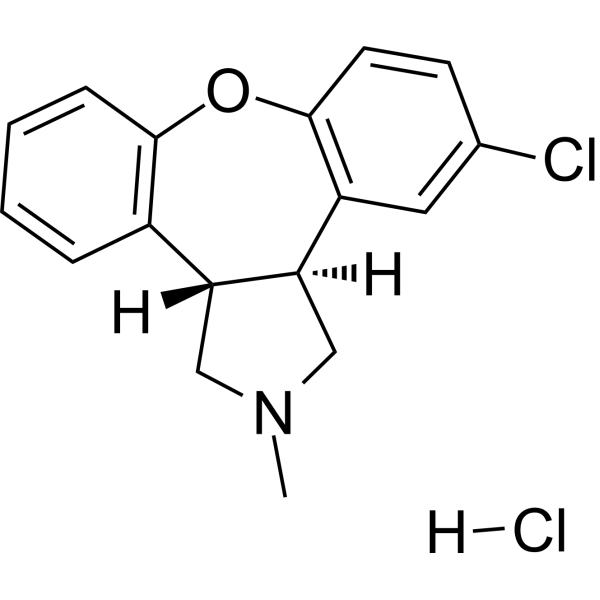
Asenapine (Org 5222) hydrochloride, an atypical antipsychotic, is an antagonist of serotonin receptors (pKi: 8.4-10.5), adrenoceptors (pKi: 8.9-9.5), dopamine receptors (pKi: 8.9-9.4) and histamine receptors (pKi: 8.2-9.0). Asenapine hydrochloride can be used in the research of schizophrenia and bipolar disorder [2]r .
|
-
- HY-163452
-
|
|
Farnesyl Transferase
|
Metabolic Disease
|
|
Squalene synthase-IN-2 (comppund isomer A-(1S, 3R)-14i) is an orally active squalene synthase inhibitor with IC50 values of 3.4, 99 nM for squalene synthase and cholesterol synthesis, respectively. Squalene synthase-IN-2 reduces plasma cholesterol and triglyceride .
|
-
- HY-153333
-
|
|
Adenosine Receptor
|
Cardiovascular Disease
|
|
A1/A3 AR antagonist 3 is an A1R/A3R dual antagonist with high affinity at low-micromolar to low-nanomolar. A1/A3 AR antagonist 3 can be used for the research of chronic heart diseases .
|
-
- HY-109022A
-
|
(3R,5R,6S)-MK-8031; (3R,5R,6S)-AGN-241689
|
CGRP Receptor
|
Neurological Disease
|
|
(3R,5R,6S)-Atogepant ((3R,5R,6S)-MK-8031) is the enantiomer of Atogepant (HY-109022). Atogepant is a calcitonin gene-related peptide receptor (CGRP) antagonist. Atogepant can be used for researching migraine.
|
-
- HY-175300
-
|
|
Cholinesterase (ChE)
|
Neurological Disease
|
|
AChE-IN-92 (Compound L4R1-3) is a highly selective acetylcholinesterase (AChE) inhibitor (IC50=4.6 nM). AChE-IN-92 blocks acetylcholine hydrolysis and elevates synaptic acetylcholine levels. AChE-IN-92 is promising for research of Alzheimer’s disease (AD) .
|
-
- HY-135374
-
|
|
Drug Metabolite
|
Metabolic Disease
Inflammation/Immunology
|
|
(3R,5S)-Atorvastatin sodium is an impurity of Atorvastatin. Atorvastatin is an orally active HMG-CoA reductase inhibitor, has the ability to effectively decrease blood lipids. Atorvastatin inhibits human SV-SMC proliferation and invasion with IC50s of 0.39 μM and 2.39 μM, respectively [3].
|
-
- HY-103558
-
|
|
mGluR
|
Neurological Disease
|
|
LY379268 is a potent, selective and brain-penetrant mGlu2/3R agonist with EC50 values of 2.69 nM (mGlu2) and 4.48 nM (mGlu3). LY379268 has no activity on human mGlu 1a, 4a, 5a or 7a receptors. LY379268 has antioxidant and neuroprotective effects .
|
-
- HY-124242
-
|
|
Drug Derivative
|
Cancer
|
|
(S)-α-Methylbenzyl ricinoleamide (compound (R,S)-3d) is a fatty acid amide. (S)-α-Methylbenzyl ricinoleamide shows antiproliferative activity, inhibits the growth of human ovarian cancer cells NCI-ADR/RES and glioma cells U251 with GI50s of 1.9 μg/mL and 3.6 μg/mL, respectively .
|
-
- HY-78746A
-
|
|
Amino Acid Derivatives
|
Others
|
|
D-Proline, 3-(3-chloro-2-fluorophenyl)-4-(4-chloro-2-fluorophenyl)-4-cyano-5-(2,2-dimethylpropyl)-, (3S,4R,5S)-rel- is a proline derivative .
|
-
- HY-160559
-
|
|
Drug Derivative
|
Others
|
|
Ceramide 8 is a free 6-hydroxylated ceramide found in human skin with (2S,3R,4E,6R) stereochemical configuration. Ceramide 8 is a predominant lipid component of human epidermal stratum corneum. Ceramide 8 contributes to the skin's water barrier function that prevents body water loss .
|
-
- HY-45119R
-
|
|
Reference Standards
|
|
|
(3aR,4R,5R,6aS)-2-Oxo-4-((R,E)-3-oxo-4-(m-tolyl)pent-1-en-1-yl)hexahydro-2H-cyclopenta[b]furan-5-yl benzoate (Standard) is the analytical standard of (3aR,4R,5R,6aS)-2-Oxo-4-((R,E)-3-oxo-4-(m-tolyl)pent-1-en-1-yl)hexahydro-2H-cyclopenta[b]furan-5-yl benzoate. This product is intended for research and analytical applications.
|
-
- HY-100218A
-
RSL3
Maximum Cited Publications
514 Publications Verification
(1S,3R)-RSL3
|
p62
Glutathione Peroxidase
Ferroptosis
Reactive Oxygen Species (ROS)
|
Cancer
|
|
RSL3 ((1S,3R)-RSL3) is an inhibitor of glutathione peroxidase 4 (GPX4) (ferroptosis activator), reduces the expression of GPX4 protein, and induces ferroptotic death of head and neck cancer cell. RSL3 increases the expression of p62 and Nrf2 and inactivates Keap1 in HN3-rslR cells .
|
-
- HY-W654002
-
|
|
Isotope-Labeled Compounds
Endogenous Metabolite
|
Others
|
|
(3R)-3-Hydroxybutyric acid-1- 13C is 13C labeled (R)-3-Hydroxybutanoic acid. (R)-3-Hydroxybutanoic acid is a metabolite, and converted from acetoacetic acid catalyzed by 3-hydroxybutyrate dehydrogenase. (R)-3-Hydroxybutanoic acid has applications as a nutrition source and as a precursor for vitamins, antibiotics and pheromones [3].
|
-
- HY-181453
-
|
2’-O-Benzyl-3’-MANT-GTP sodium
|
Drug Derivative
Fluorescent Dye
|
Others
|
|
2'-O-Benzyl-3'-O-(N'-methylanthraniloyl) guanosine-5'-O-triphosphate sodium (Mant-GTP R=CH3, B=Gua) (2'-O-Benzyl-3'-MANT-GTP sodium) is a methylanthraniloyl derivative of GTP (HY-113225). Methylanthraniloyl-GTP exhibits fluorescent properties (λmax: 442 nm in water; 432 nm in ethanol) .
|
-
- HY-P10798A
-
|
LY-3841136 sodium
|
Amylin Receptor
Calcium Channel
|
Metabolic Disease
|
|
Eloralintide sodium is an Amylin Receptor agonist. Eloralintide sodium selectively activates AMY1R and AMY3R in cells expressing human or rat AMY1R, AMY3R or CTR. Eloralintide sodium activates AMYRs and CTR in rats, inducing a sustained decrease in plasma Ca 2+ levels. Eloralintide sodium reduces appetite and body weight in both lean and obese rats. Eloralintide sodium can be used for research related to obesity [3].
|
-
- HY-177760
-
|
|
Carboxypeptidase
Apoptosis
Akt
|
Cancer
|
|
PrCP-7414 is a prolyl carboxypeptidase (PRCP) inhibitor. PrCP-7414 blocks PRCP-mediated activation of the IGF1R/HER3 signaling pathway and subsequent AKT activation. PrCP-7414 exhibits pro-apoptotic, anti-tumor and synergistic cytotoxic activities, and inhibits the proliferation and survival of triple-negative breast cancer cells. PrCP-7414 can be used for the research of breast cancer .
|
-
- HY-13326
-
|
|
Anaplastic lymphoma kinase (ALK)
Apoptosis
ROS Kinase
Caspase
PARP
IGF-1R
STAT
Akt
JNK
|
Cancer
|
|
ASP3026 is a selective and orally active inhibitor of anaplastic lymphoma kinase (ALK). ASP3026 is a selective and oral active anaplastic lymphoma kinase (ALK) inhibitor with a IC50 value of 3.5 nM. ASP3026 can inhibit the phosphorylation of IGF-1R, STAT3, AKT and JNK proteins, and induce the cleavage of caspase 3 and PARP. It also inhibited ROS and ACK. ASP3026 can be used in anti-tumor research [3] .
|
-
- HY-103558R
-
|
|
Reference Standards
mGluR
|
Neurological Disease
|
|
LY379268 (Standard) is the analytical standard of LY379268 (HY-103558). This product is intended for research and analytical applications. LY379268 is a potent, selective and brain-penetrant mGlu2/3R agonist with EC50 values of 2.69 nM (mGlu2) and 4.48 nM (mGlu3). LY379268 has no activity on human mGlu 1a, 4a, 5a or 7a receptors. LY379268 has antioxidant and neuroprotective effects .
|
-
- HY-W413619
-
|
NITD609 enantiomer; KAE609 enantiomer
|
Parasite
|
Infection
|
|
Cipargamin enantiomer (NITD609 enantiomer) is a Plasmodium falciparum inhibitor that can be characterized as a spirotetrahydro β-carboline (1S,3R stereoisomer). Cipargamin enantiomer exerts antiplasmodial activity against Plasmodium falciparum strains NF54 (IC50 of 77 nM) and K1. Cipargamin enantiomer displays low liver microsomal intrinsic clearance in mouse and human systems. Cipargamin enantiomer does not inhibit CYP2C9. Cipargamin enantiomer can be used for the research of malaria .
|
-
- HY-136057
-
|
|
Ferroptosis
Ligands for Target Protein for PROTAC
|
Cancer
|
|
iFSP1 is a potent, selective and glutathione-independent inhibitor of ferroptosis suppressor protein 1 (FSP1) (AIFM2) with an EC50 of 103 nM. iFSP1 selectively induces ferroptosis in GPX4-knockout cells which overexpressed FSP1. iFSP1 is able to sensitize a variety of human cancer cell lines to the ferroptosis inducer, such as (1S,3R)-RSL3 (HY-100218A) .
|
-
- HY-E71259
-
|
|
Biochemical Assay Reagents
|
Others
|
|
β-1,3-Galactosyl-O-glycosyl-glycoprotein β-1,3-N-acetylglucosaminyltransferase (EC 2.4.1.146) is an enzyme with systematic name UDP-N-acetyl-D-glucosamine:beta-D-galactosyl-(1->3)-(N-acetyl-D-glucosaminyl-(1->6))-N-acetyl-D-galactosaminyl-R 3-beta-N-acetyl-D-glucosaminyltransferase.
|
-
- HY-400744
-
|
|
DNA/RNA Synthesis
Phosphoramidites
|
Others
|
|
(2R,3S,5R)-5-(3-Benzoyl-5-methyl-2,4-dioxo-3,4-dihydropyrimidin-1(2H)-yl)-2-((prop-2-yn-1-yloxy)methyl)tetrahydrofuran-3-yl (2-cyanoethyl) diisopropylphosphoramidite is a phosphoramidite that can be used in the synthesis of oligonucleotides.
|
-
- HY-103130
-
|
|
5-HT Receptor
|
Neurological Disease
|
|
EMD386088 is a potent and selective 5-HT6 receptor (5-HT6R) agonist with an EC50 of 1.0 nM. EMD-386088 is inactive against other HT receptors except 5-HT3R (IC50 of 34 nM). EMD386088 regulates the activity of ERK1/2. EMD386088 has the potential for the research of alzheimer's disease (AD) and schizophrenia [3] .
|
-
- HY-100218B
-
|
|
Glutathione Peroxidase
Ferroptosis
|
Cancer
|
|
(1R,3S)-RSL3 is the less active (1R,3S)-enantiomer of RSL3 ((1S,3R)-RSL3). (1R,3S)-RSL3 and RSL3 induce cell death in HT22 wild-type cells with EC50 values of 5.2 µM and 0.004 µM, rspectively .
|
-
- HY-137258A
-
|
|
Drug Isomer
Cytochrome P450
|
Metabolic Disease
|
|
(R)-N-3-Benzylnirvanol is the R-isomer of (±)-N-3-Benzylnirvanol (HY-137258). (±)-N-3-Benzylnirvanol is a racemic mixture of (+)-N-3-Benzylnirvanol and (-)-N-3-Benzylnirvanol. (+)-N-3-Benzylnirvanol and (–)-N-3-Benzylnirvanol are potent and selective cytochrome P450 inhibitors with Ki values of 0.25 and 5.3 μM for CYP2C19, respectively .
|
-
- HY-100218AR
-
|
(1S,3R)-RSL3 (Standard)
|
p62
Glutathione Peroxidase
Reference Standards
Ferroptosis
Reactive Oxygen Species (ROS)
|
Cancer
|
|
RSL3 (Standard) is the analytical standard of RSL3 (HY-100218A). This product is intended for research and analytical applications. RSL3 ((1S,3R)-RSL3) is an inhibitor of glutathione peroxidase 4 (GPX4) (ferroptosis activator), reduces the expression of GPX4 protein, and induces ferroptotic death of head and neck cancer cell. RSL3 increases the expression of p62 and Nrf2 and inactivates Keap1 in HN3-rslR cells .
|
-
- HY-B0072S
-
-
- HY-W414824
-
|
|
Endogenous Metabolite
|
Neurological Disease
|
|
3β,7β-Dihydroxy-5-cholestenoic acid is a C27 acid that displays elevated levels in Niemann-Pick type C and Niemann-Pick type B diseases, contributing to toxicity in oculomotor neurons. It is synthesized from 3β-hydroxy-7-oxocholest-5-en-(25R)26-oic acid (3βH,7O-CA) through the enzymatic action of hydroxysteroid 11-β dehydrogenase 1.
|
-
- HY-13326R
-
|
|
Anaplastic lymphoma kinase (ALK)
Apoptosis
ROS Kinase
Caspase
PARP
IGF-1R
STAT
Akt
JNK
|
Cancer
|
|
ASP3026 (Standard) is the analytical standard of ASP3026. This product is intended for research and analytical applications. ASP3026 is a selective and orally active inhibitor of anaplastic lymphoma kinase (ALK). ASP3026 is a selective and oral active anaplastic lymphoma kinase (ALK) inhibitor with a IC50 value of 3.5 nM. ASP3026 can inhibit the phosphorylation of IGF-1R, STAT3, AKT and JNK proteins, and induce the cleavage of caspase 3 and PARP. It also inhibited ROS and ACK. ASP3026 can be used in anti-tumor research [3] .
|
-
- HY-W711528
-
|
|
Isotope-Labeled Compounds
|
Others
|
|
3b,5a-Cholic acid-d5 is the deuterium labeled (4R)-4-((3S,5R,7R,10S,12S,13R,14S,17R)-3,7,12-Trihydroxy-10,13-dimethylhexadecahydro-1H-cyclopenta[a]phenanthren-17-yl)pentanoic acid (HY-W711534).
|
-
- HY-103130R
-
|
|
Reference Standards
5-HT Receptor
|
Neurological Disease
|
|
EMD386088 (Standard) is the analytical standard of EMD386088 (HY-103130). This product is intended for research and analytical applications. EMD386088 is a potent and selective 5-HT6 receptor (5-HT6R) agonist with an EC50 of 1.0 nM. EMD-386088 is inactive against other HT receptors except 5-HT3R (IC50 of 34 nM). EMD386088 regulates the activity of ERK1/2. EMD386088 has the potential for the research of alzheimer's disease (AD) and schizophrenia [3] .
|
-
- HY-137390A
-
|
|
HMG-CoA Reductase (HMGCR)
|
Cardiovascular Disease
Metabolic Disease
|
|
(3S,5R)-Fluvastatin (potassium) is a synthetic hypolipidemic drug that inhibits HMG-CoA reductase activity. (3S,5R)-Fluvastatin (potassium) has similar antioxidative effects on copper ion-induced LDL oxidation compared to its 3R,5S enantiomer. (3S,5R)-Fluvastatin (potassium) and its metabolites demonstrate a potential to exhibit anti-atherosclerotic effects through their antioxidative activities. (3S,5R)-Fluvastatin (potassium) is clinically utilized as part of a racemic mixture for reducing plasma cholesterol levels.
|
-
- HY-176546
-
|
|
Neurokinin Receptor
|
Endocrinology
|
|
NK3R-IN-2 is an orally active NK3R inhibitor with an IC50 of 330.50 nM for human NK3R. NK3R-IN-2 can pass through the blood-brain barrier. NK3R-IN-2 has excellent NK3R binding affinity (IC50 = 87.31 nM) in CHO-K1 cells. NK3R-IN-2 effectively inhibits the level of luteinizing hormone (LH). NK3R-IN-2 can be used for research on hormone related conditions .
|
-
- HY-10624
-
THIQ
1 Publications Verification
|
Melanocortin Receptor
|
Metabolic Disease
|
|
THIQ is the first selective agonist of the melanocortin-4 receptor (MC4R), with high affinity and potency for hMC4R (IC50=1.2 nM, EC50=2.1 nM) and rMC4R (IC50=0.6 nM, EC50=2.9 nM). THIQ maintains low potency at MC1R, MC3R and MC5R. THIQ plays a role in eliciting erectile activity in rodents. THIQ acts as a pharmacoperone of the MC4R rescuing the cell surface expression and signaling of some intracellularly retained MC4R mutants .
|
-
- HY-144451
-
|
|
Trk Receptor
|
Cancer
|
|
TRK-IN-12 (Compound 9e) is a potent inhibitor of TRK (TRK G595R IC50 = 13.1 nM). TRK-IN-12 is a macrocyclic derivative compound. TRK-IN-12 shows significant antiproliferative activity in the Ba/F3-LMNA-NTRK1 cell line (IC50 = 0.080 μM). TRK-IN-12 has shown a better inhibitory effect (IC50 = 0.646 μM) than control agent LOXO-101 in Ba/F3-LMNA-NTRK1-G595R cell line .
|
-
- HY-176287
-
|
|
Dopamine Receptor
GSK-3
PKA
P-glycoprotein
|
Neurological Disease
|
|
ARN25657 is a dual-acting D3R/GSK-3β modulator. ARN25657 has both partial D3R agonist activity (EC50 = 15.2 nM, Ki =1.5 nM) and potent GSK-3β inhibitor activity (IC50 = 19.3 nM). ARN25657 exhibits excellent GSK-3β selectivity over FYN, PKA, and CDK5/p35. ARN25657 inhibits P-glycoprotein (P-gP)-mediated acetoxymethyl calcein efflux and improves in vitro ADME properties while maintaining a balanced dual-target profile. ARN25657 is useful for studying bipolar disorder and related neuropsychiatric disorders .
|
-
- HY-171574
-
|
AZddCTP
|
HIV
DNA/RNA Synthesis
|
Infection
|
|
3′-Azido-2′,3′-dideoxy-CTP (AZddCTP) is a cytidine analog containing a 3-azido group. As a chain terminator, 3′-Azido-2′,3′-dideoxy-CTP can be incorporated into the nascent DNA chain by HIV reverse transcriptase. 3′-Azido-2′,3′-dideoxy-CTP terminates DNA synthesis due to the lack of a 3'-hydroxyl group, thereby inhibiting viral replication. 3′-Azido-2′,3′-dideoxy-CTP has IC50 values of 15.6 μM and 160.8 μM for WT HIV and AZT R HIV. 3′-Azido-2′,3′-dideoxy-CTP has antiviral activity .
|
-
- HY-174215
-
|
|
Tau Protein
|
Neurological Disease
|
|
TAU-IN-3 (Compound 2) is an orally active TAU inhibitor. TAU-IN-3 inhibits the expression of MAPT exon 10 DDPAC mutant gene in HeLa cells (IC50: 0.6 µM). TAU-IN-3 reduces the 4R/3R MAPT mRNA ratio in HeLa cells transfected with WT or DDPAC minigenes. TAU-IN-3 inhibits the insertion of endogenous MAPT exon 10 and the production of 4R tau protein in cells. TAU-IN-3 modulates tau splicing in htau mice and improves the associated behavioral phenotypes. TAU-IN-3 can be used to study neurodegenerative diseases .
|
-
- HY-153357
-
|
|
PROTACs
Btk
|
Cancer
|
|
NRX-0492 is an orally active PROTAC-class BTK degrader. NRX-0492 catalyzes BTK ubiquitination and proteasome degradation (DC50 ≤ 0.2 nM, DC90 ≤ 0.5 nM). NRX-0492 inhibits B cell receptor (BCR) mediated signaling, transcription programs, and chemokine secretion. NRX-0492 has antitumor effects against chronic lymphocytic leukemia.NRX-0492 consists of a target protein ligand (red part) BTK-IN-40 (HY-170324), an E3 ligase ligand (blue part) Thalidomide 5-fluoride (HY-W087383), and a PROTAC linker (black part) (3R)-3-Pyrrolidinemethanol (HY-60263).
|
-
- HY-10624R
-
|
|
Reference Standards
Melanocortin Receptor
|
Metabolic Disease
|
|
THIQ (Standard) is the analytical standard of THIQ (HY-10624). This product is intended for research and analytical applications. THIQ is the first selective agonist of the melanocortin-4 receptor (MC4R), with high affinity and potency for hMC4R (IC50=1.2 nM, EC50=2.1 nM) and rMC4R (IC50=0.6 nM, EC50=2.9 nM). THIQ maintains low potency at MC1R, MC3R and MC5R. THIQ plays a role in eliciting erectile activity in rodents. THIQ acts as a pharmacoperone of the MC4R rescuing the cell surface expression and signaling of some intracellularly retained MC4R mutants .
|
-
- HY-B0072
-
|
SDZ-ICS-930 free base
|
5-HT Receptor
nAChR
p38 MAPK
NF-κB
AP-1
Nuclear Factor of activated T Cells (NFAT)
JAK
|
Neurological Disease
Inflammation/Immunology
Cancer
|
|
Tropisetron is an orally active 5-HT3R antagonist (Ki = 5.3 nM) as well as being a potent and selective α7 nicotinic partial agonist (EC50 = 1.3 μM). Tropisetron prevents phosphorylation and activation of the p38 MAPK. Tropisetron inhibits both IL-2 gene transcription and IL-2 synthesis in stimulated T cells. Tropisetron inhibits the binding to DNA and the transcriptional activity of NFAT and AP-1. Tropisetron is anti-inflammatory and antiemetic. Tropisetron has antitumor and neuroprotective effects. Tropisetron can be studied in research for diseases including hemorrhagic cystitis, chronic joint inflammation, lung cancer and chronic cerebral hypoperfusion [3] .
|
-
- HY-181421
-
|
|
SF3B1
|
Cancer
|
|
WX-02-43 is a weak covalent inhibitor of SF3B1, and is the (1S,3R) enantiomer of WX-02-23 (HY-168534). WX-02-43 cannot effectively covalently modify the C258 site in the DNA-binding domain of FOXA1, and its inhibitory activity against SF3B1 is also weaker than that of WX-02-23. WX-02-43 serves as a negative control probe that fails to remodel the chromatin binding pattern and transcriptional activity of FOXA1. WX-02-43 can be used in studies on cancers such as prostate cancer to verify the specific effects of WX-02-23 on FOXA1 and SF3B1 targets [3].
|
-
- HY-175532
-
|
|
mAChR
|
Neurological Disease
|
|
M4 mAChR Modulator-2 is an orally active, selective, brain-penetrant positive allosteric modulator (PAM) of the M4 muscarinic acetylcholine receptor (M4 mAChR) (EC50 = 513 nM). M4 mAChR Modulator-2 exhibits high target selectivity, showing negligible affinity and low inhibition rates for non-target receptors (D1R/D2R/D3R, 5-HT subtypes, κ/δ/μ opioid receptors, H1, M1/M2) while specifically binding to M4 mAChR with a Ki of 377 nM and an inhibition rate of 62.8%. M4 mAChR Modulator-2 reverses Dizocilpine (MK-801) (HY-15084B)-induced hyperlocomotion in mice. M4 mAChR Modulator-2 can be used for the study of schizophrenia
|
-
- HY-162812
-
|
|
Apoptosis
Cholinesterase (ChE)
Tau Protein
Ferroptosis
Histamine Receptor
|
Neurological Disease
|
|
H3R antagonist 4 (compound 11L) was a dual inhibitor of cholinesterase and histamine receptor (H3R), with corresponding IC50 of 7.04 μM (eeAChE), 9.73 μM (hAChE)(reversible) and 1.09 nM (H3R) , respectively. H3R antagonist 4 inhibited the aggregation of Aβ1-42 induced by itself and Cu 2+ (95.48% and 88.63%) , and degraded the Aβ1-42 fibrils induced by itself and Cu 2+ (80.16% and 89.30%) . H3R antagonist 4 chelate biometals such as Cu 2+, Zn 2+, Al 3+, and Fe 2+. H3R antagonist 4 significantly reduced tau protein hyperphosphorylation induced by Aβ1-42 and inhibited RSL-3-induced apoptosis and ferroptosis in PC12 cells. H3R antagonist 4 had the best blood-brain barrier permeability and intestinal absorption in hCMEC/D3 and hPepT1-MDCK cells.H3R antagonist 4 ameliorates learning and memory impairment in a mouse model of Alzheimer's disease induced by scopolamine (HY-N0296) .
|
-
| Cat. No. |
Product Name |
Type |
-
- HY-W002421
-
|
|
Biochemical Assay Reagents
|
|
tert-butyl N-[(3R)-pyrrolidin-3-yl]carbamate is a biochemical reagent that can be used as a biological material or organic compound for life science related research.
|
-
- HY-W010507
-
|
Methyl (R)-(-)-3-hydroxybutyrate
|
Biochemical Assay Reagents
|
|
(R)-Methyl 3-hydroxybutanoate, (R)-Methyl 3-hydroxybutanoate is an enantiomer, from the perspective of the methyl (-CH3) group, the hydroxyl (-OH) group on the third carbon atom The group faces to the right, a colorless transparent liquid, soluble in organic solvents such as ethanol and ether, insoluble in water, (R)-Methyl 3-hydroxybutanoate is usually used to synthesize various organic compounds (including drugs, agricultural chemicals and flavoring agents) It can also be used as a chiral auxiliary in asymmetric synthetic reactions involving the formation of chemical bonds in a stereoselective manner.
|
-
- HY-W008507
-
-
- HY-13039
-
|
|
Biochemical Assay Reagents
|
|
(2S,3R,4R)-2,3,5-Tris(benzyloxy)-4-hydroxypentanal is a biochemical reagent that can be used as a biological material or organic compound for life science related research.
|
| Cat. No. |
Product Name |
Target |
Research Area |
-
- HY-P10798A
-
|
LY-3841136 sodium
|
Amylin Receptor
Calcium Channel
|
Metabolic Disease
|
|
Eloralintide sodium is an Amylin Receptor agonist. Eloralintide sodium selectively activates AMY1R and AMY3R in cells expressing human or rat AMY1R, AMY3R or CTR. Eloralintide sodium activates AMYRs and CTR in rats, inducing a sustained decrease in plasma Ca 2+ levels. Eloralintide sodium reduces appetite and body weight in both lean and obese rats. Eloralintide sodium can be used for research related to obesity [3].
|
-
- HY-Z0790
-
-
- HY-60256
-
-
- HY-W125501
-
-
- HY-78746A
-
|
|
Amino Acid Derivatives
|
Others
|
|
D-Proline, 3-(3-chloro-2-fluorophenyl)-4-(4-chloro-2-fluorophenyl)-4-cyano-5-(2,2-dimethylpropyl)-, (3S,4R,5S)-rel- is a proline derivative .
|
| Cat. No. |
Product Name |
Target |
Research Area |
Image |
-
- HY-P99401
-
|
OMP-131R10
|
Wnt
|
Cancer
|
|
Rosmantuzumab (OMP-131R10) is an anti-R-spondin 3 (RSPO3) humanized monoclonal antibody. Rosmantuzumab can be used for the research of advanced telapsed and refractory solid tumors .
|
-
(5)
| Cat. No. |
Product Name |
Category |
Target |
Chemical Structure |
-
- HY-77490
-
-
-
- HY-N1976
-
|
(3R,8S)-Falcarindiol; 3(R),8(S),9(Z)-Falcarindiol
|
Infection
Structural Classification
Natural Products
Classification of Application Fields
Decachaeta ovatifolia (DC.) R.M.King & H.Rob.
Umbelliferae
Plants
Inflammation/Immunology
Disease Research Fields
Source Classification
|
|
|
(+)-(3R,8S)-Falcarindiol ((3R,8S)-Falcarindiol; 3 (R),8 (S),9 (Z)-Falcarindiol) is an orally active polyacetylene anti-mycobacterial agent. (+)-(3R,8S)-Falcarindiol exhibits antibacterial activity against Gram-positive bacteria, Gram-negative bacteria and mycobacteria. Co-administration of (+)-(3R,8S)-Falcarindiol with (3R)-falcarinol alters the composition of gut microbiota, reduces colonic tumor lesions and slows down polyp growth. (+)-(3R,8S)-Falcarindiol can be used in research related to tuberculosis and colorectal cancer .
|
-
-
- HY-133872
-
-
-
- HY-128720
-
-
-
- HY-N2207
-
-
-
- HY-N16375
-
-
-
- HY-N12486A
-
|
|
Natural Products
Artemisia granatensis boiss
Umbelliferae
Plants
Source Classification
|
Others
|
|
(3S,8R,9R)-Isofalcarintriol is a natural polyacetylene compound found in carrot root parts. (3S,8R,9R)-Isofalcarintriol is a potent longevity promoter that improves glucose metabolism and has anti-tumor activity. (3S,8R,9R)-Isofalcarintriol can affect cellular respiration, interact with the α subunit of mitochondrial ATP synthase, and promote mitochondrial biogenesis. (3S,8R,9R)-Isofalcarintriol can be used in the study of neurodegenerative diseases, metabolic diseases, and aging .
|
-
-
- HY-N0894A
-
-
-
- HY-N8186
-
-
-
- HY-N9533
-
-
-
- HY-N12128
-
-
-
- HY-N11983
-
-
-
- HY-N13475
-
-
-
- HY-N17523
-
-
-
- HY-N10167
-
-
-
- HY-N17778
-
|
|
Structural Classification
Flavonols
Flavonoids
Leguminosae
Genista corsica (Loisel.) DC.
Plants
Source Classification
|
Others
|
|
(2R,3R)-7,3',4'-Trihydroxy-5-methoxy-flavanonol is a flavonoid and a selective inhibitor of human liver cancer cell growth, with an IC50 of 38.6 μg/mL (121.5 μM). (2R,3R)-7,3',4'-Trihydroxy-5-methoxy-flavanonol inhibits cancer cell growth with dose-dependent cytotoxic activity, and its anticancer activity is comparable to that of Cisplatin (HY-17394). (2R,3R)-7,3',4'-Trihydroxy-5-methoxy-flavanonol can be used in research on liver cancer and other types of cancer.
|
-
-
- HY-N12992
-
-
-
- HY-N17874
-
-
-
- HY-128720R
-
-
| Cat. No. |
Product Name |
Chemical Structure |
-
- HY-W654002
-
|
|
|
(3R)-3-Hydroxybutyric acid-1- 13C is 13C labeled (R)-3-Hydroxybutanoic acid. (R)-3-Hydroxybutanoic acid is a metabolite, and converted from acetoacetic acid catalyzed by 3-hydroxybutyrate dehydrogenase. (R)-3-Hydroxybutanoic acid has applications as a nutrition source and as a precursor for vitamins, antibiotics and pheromones [3].
|
-
-
- HY-W012864S1
-
|
|
|
(2S,3R)-2,3,4-Trihydroxybutanal- 13C-1 is the 13C labeled (2S,3R)-2,3,4-Trihydroxybutanal .
|
-
-
- HY-W012864S2
-
|
|
|
(2S,3R)-2,3,4-Trihydroxybutanal- 13C-2 is the 13C labeled (2S,3R)-2,3,4-Trihydroxybutanal .
|
-
-
- HY-W008507S3
-
|
|
|
(R)-2,3-Dihydroxypropanal-d is the deuterium labeled (R)-2,3-Dihydroxypropanal .
|
-
-
- HY-W008507S
-
|
|
|
(R)-2,3-Dihydroxypropanal-3- 13C is the 13C labeled (R)-2,3-Dihydroxypropanal .
|
-
-
- HY-W008507S2
-
|
|
|
(R)-2,3-Dihydroxypropanal-d4 is the deuterium labeled (R)-2,3-Dihydroxypropanal .
|
-
-
- HY-W699829
-
|
|
|
(3R,5R)-Rosuvastatin Lactone-d6 is the deuterium labeled (3R,5R)-Rosuvastatin Lactone (HY-135406). (3R,5R)-Rosuvastatin Lactone is an isomer of Rosuvastatin Lactone.
|
-
-
- HY-W040185S
-
|
|
|
(R)-2,3-Bis(tetradecanoyloxy)propyl phosphate-d54 (sodium) is deuterium labeled (R)-2,3-Bis(tetradecanoyloxy)propyl phosphate.
|
-
-
- HY-W012864S
-
|
|
|
(2S,3R)-2,3,4-Trihydroxybutanal- 13C is the 13C labeled (2S,3R)-2,3,4-Trihydroxybutanal .
|
-
-
- HY-W008507S1
-
|
|
|
(R)-2,3-Dihydroxypropanal-d2 is the deuterium labeled 3-O-Methyl-D-glucopyranose .
|
-
-
- HY-W440986S
-
|
|
|
Distearoylphosphatidylserine-d70 (sodium) is deuterium labeled (S)-2-amino-2-carboxyethyl ((R)-2,3-bis(stearoyloxy)propyl) phosphate.
|
-
-
- HY-W242887S2
-
|
|
|
D-Gulose- 13C is the 13C labeled (2R,3R,4S,5R)-2,3,4,5,6-Pentahydroxyhexanal .
|
-
-
- HY-W242887S3
-
|
|
|
D-Gulose-1- 13C is the 13C labeled (2R,3R,4S,5R)-2,3,4,5,6-Pentahydroxyhexanal .
|
-
-
- HY-W741847
-
|
|
|
Tapentadol N-Oxide-d5 is the deuterium labeled (2R,3R)-3-(3-Hydroxyphenyl)-N,N,2-trimethylpentan-1-amine oxide (HY-W703015).
|
-
-
- HY-W778023
-
|
|
|
(R)-2-(3-Benzoylphenyl)propanoic acid- 13C,d3 ((R)-(-)-Ketoprofen- 13C,d3) is the deuterium labeled and 13C-labeled Ketoprofen-d3-1 (HY-W322573S).
|
-
-
- HY-W756265
-
|
|
|
(R)-(-)-N-Boc-3-pyrrolidinol-d4 is the deuterium labeled (R)-(-)-N-Boc-3-pyrrolidinol (HY-W001294). (R)-(-)-Boc-3-pyrrolidinol is a biochemical reagent that can be used as a biological material or organic compound for life science related research.
|
-
-
- HY-B0072S
-
|
|
|
Tropisetron-d5 (SDZ-ICS-930-d5 (free base)) is deuterium labeled Tropisetron. Tropisetron (SDZ-ICS-930 free base) is an orally active anti-inflammatory and antiemetic agent. Tropisetron is 5-HT3R antagonists with a Ki of 5.3 nM. Tropisetron is also a partial agonist of α7 nicotinic receptor (α7 nAChR) with an EC50 of 1.3 μM. In addition, Tropisetron has antitumor and neuroprotective effects [3] .
|
-
-
- HY-W700662
-
|
|
|
(3R)-3-Hydroxy quinine-vinyl-d3 ((3R)-3-Hydroxy Quinine-d3) is the deuterium labeled (3R)-3-Hydroxy quinine-vinyl.
|
-
-
- HY-Z5058S
-
|
|
|
(3R,5S)-Fluvastatin-d7 (sodium) is the deuterium labeled (3R,5S)-Fluvastatin sodium .
|
-
-
- HY-W711528
-
|
|
|
3b,5a-Cholic acid-d5 is the deuterium labeled (4R)-4-((3S,5R,7R,10S,12S,13R,14S,17R)-3,7,12-Trihydroxy-10,13-dimethylhexadecahydro-1H-cyclopenta[a]phenanthren-17-yl)pentanoic acid (HY-W711534).
|
-
| Cat. No. |
Product Name |
|
Classification |
-
- HY-151663
-
|
Fmoc-Abu(3-N3)-OH (2R,3R)
|
|
Azide
|
|
Fmoc-Abu(3-N3) (Fmoc-Abu(3-N3)-OH) (2R,3R) is a click chemistry reagent containing an azide group. Fmoc-Abu(3-N3) (2R,3R) can be used for the research of various biochemical . It contains an azide group and can undergo copper-catalyzed azide-alkyne cycloaddition (CuAAc) with molecules containing alkyne groups. It can also undergo ring strain-promoted alkyne-azide cycloaddition (SPAAC) with molecules containing DBCO or BCN groups.
|
| Cat. No. |
Product Name |
|
Classification |
-
- HY-171574
-
|
AZddCTP
|
|
Nucleotide Analogs
Cytidine Nucleotide
|
|
3′-Azido-2′,3′-dideoxy-CTP (AZddCTP) is a cytidine analog containing a 3-azido group. As a chain terminator, 3′-Azido-2′,3′-dideoxy-CTP can be incorporated into the nascent DNA chain by HIV reverse transcriptase. 3′-Azido-2′,3′-dideoxy-CTP terminates DNA synthesis due to the lack of a 3'-hydroxyl group, thereby inhibiting viral replication. 3′-Azido-2′,3′-dideoxy-CTP has IC50 values of 15.6 μM and 160.8 μM for WT HIV and AZT R HIV. 3′-Azido-2′,3′-dideoxy-CTP has antiviral activity .
|
-
- HY-112755A
-
|
(R)-DODMA
|
|
Cationic Lipids
|
|
1,2(R)-Dioleyloxy-3-dimethylamino-propane ((R)-DODMA) is an ionizable cationic lipid and an isomer of DODMA (HY-112755).
|
-
- HY-400744
-
|
|
|
Phosphoramidites
Thymine
|
|
(2R,3S,5R)-5-(3-Benzoyl-5-methyl-2,4-dioxo-3,4-dihydropyrimidin-1(2H)-yl)-2-((prop-2-yn-1-yloxy)methyl)tetrahydrofuran-3-yl (2-cyanoethyl) diisopropylphosphoramidite is a phosphoramidite that can be used in the synthesis of oligonucleotides.
|
Your information is safe with us. * Required Fields.
Inquiry Information
- Product Name:
- Cat. No.:
- Quantity:
- MCE Japan Authorized Agent:

