
From 11:00 pm to 12:00 pm EST ( 8:00 pm to 9:00 pm PST ) on January 6th, the website will be under maintenance. We are sorry for the inconvenience. Please arrange your schedule properly.
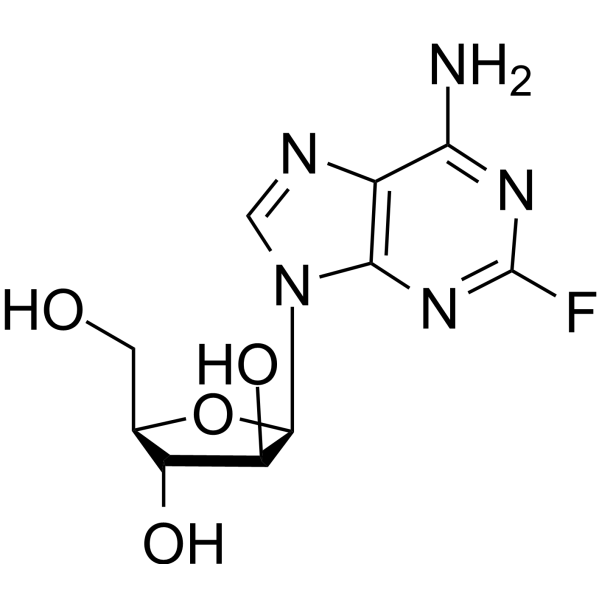
Fludarabine (NSC 118218) is a DNA synthesis inhibitor and a fluorinated purine analogue with antineoplastic activity in lymphoproliferative malignancies. Fludarabine inhibits the cytokine-induced activation of STAT1 and STAT1-dependent gene transcription in normal resting or activated lymphocytes .
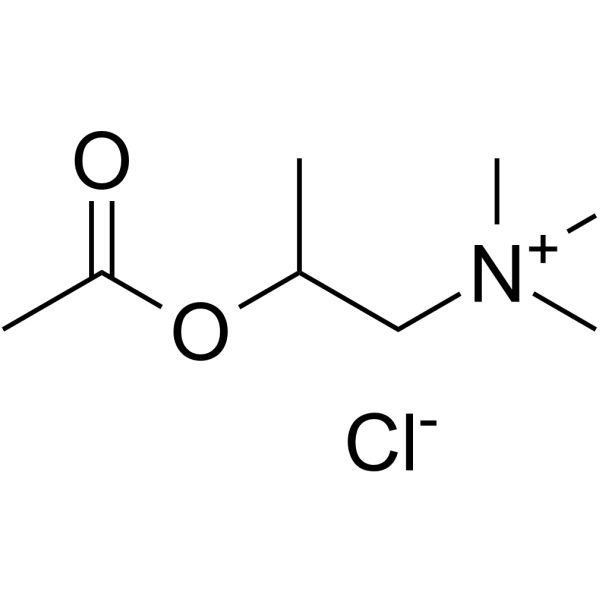
Methacholine (Acetyl-β-methylcholine) choride is a potent muscarinic-3 (M3) agonist. Methacholine choride acts directly on acetylcholine receptors on smooth muscle causing bronchoconstriction and airway narrowing. Methacholine choride shows a high sensitivity to identify bronchial hyperresponsiveness (BHR). Methacholine choride can be used to measure airway hyperresponsiveness (AHR) as a diagnostic aid in the assessment of individuals with asthma-like symptoms and normal resting expiratory flow rates .
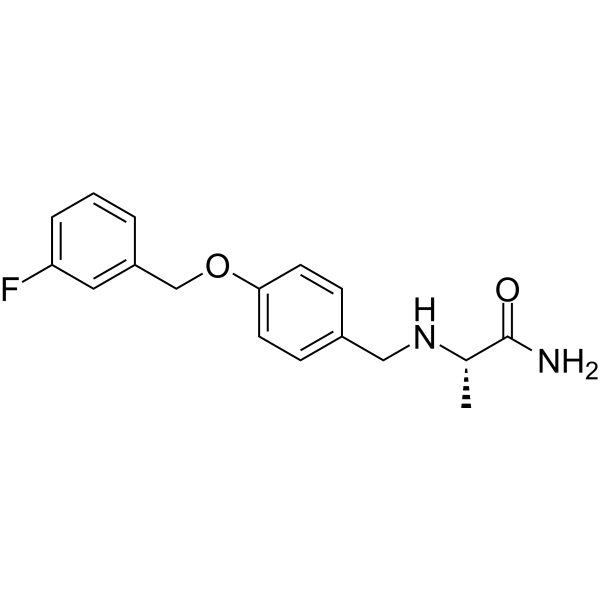
Safinamide is a potent, selective, and reversible monoamine oxidase B (MAO-B) inhibitor (IC50=0.098 μM) over MAO-A (IC50=580 μM) . Safinamide also blocks sodium channels and modulates glutamate (Glu) release, showing a greater affinity at depolarized (IC50=8 μM) than at resting (IC50=262 μM) potentials. Safinamide has neuroprotective and neurorescuing effects and can be used for the study of parkinson disease, ischemia stroke etc.al .
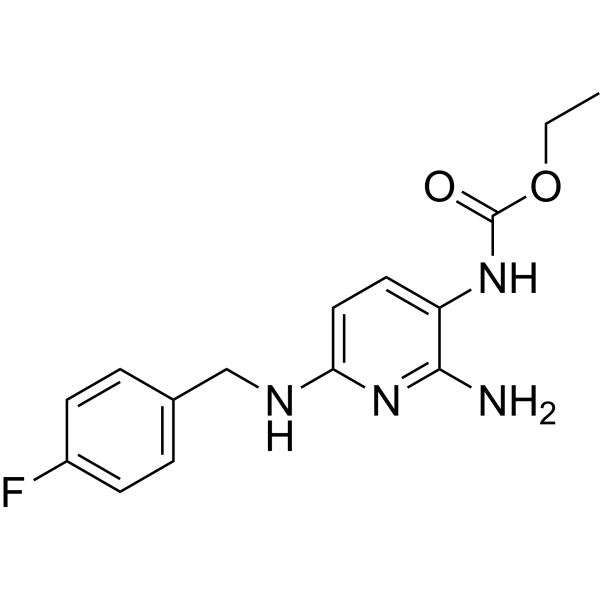
Flupirtine (D 9998) is an orally active, blood-brain barrier-crossing non-opioid analgesic and neuroprotective agent. Flupirtine is a neuronal potassium channel opener (Kv7 activator), a NMDA receptor antagonist and a GABA receptor activator. Flupirtine stabilizes blood-brain-barrier integrity, reduces oxidative stress and brain leukocyte infiltration, enhances angioneurogenesis, suppresses calcium influx, stabilizes neuronal resting membrane potential, and counteracts focal cerebral ischemia. Flupirtine exhibits analgesic, muscle relaxant properties, protects neurons from excitotoxic, ischemic, or cytokine-mediated death. Flupirtine functions as a non-opioid analgesic without antipyretic or antiphlogistic properties, shows no relevant affinity to opiate receptor. Flupirtine can be used for the research of focal cerebral ischemia, pain, Alzheimer’s disease, or multiple sclerosis .
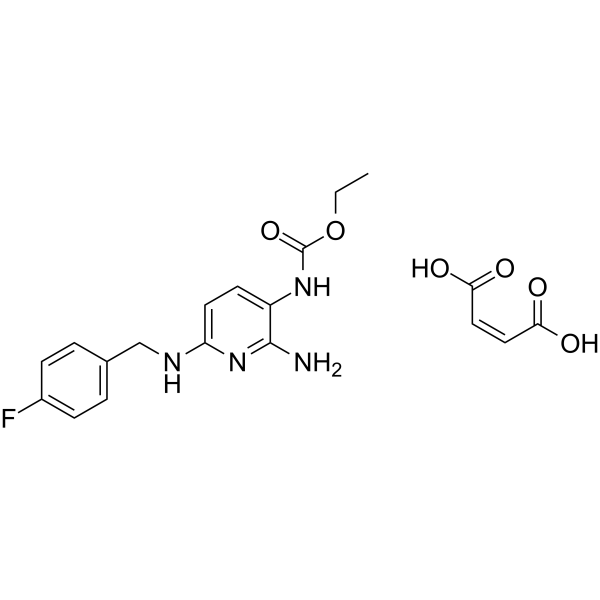
Flupirtine (D 9998) Maleate is an orally active, blood-brain barrier-crossing non-opioid analgesic and neuroprotective agent. Flupirtine Maleate is a neuronal potassium channel opener (Kv7 activator), a NMDA receptor antagonist and a GABA receptor activator. Flupirtine Maleate stabilizes blood-brain-barrier integrity, reduces oxidative stress and brain leukocyte infiltration, enhances angioneurogenesis, suppresses calcium influx, stabilizes neuronal resting membrane potential, and counteracts focal cerebral ischemia. Flupirtine Maleate exhibits analgesic, muscle relaxant properties, protects neurons from excitotoxic, ischemic, or cytokine-mediated death. Flupirtine Maleate functions as a non-opioid analgesic without antipyretic or antiphlogistic properties, shows no relevant affinity to opiate receptor. Flupirtine Maleate can be used for the research of focal cerebral ischemia, pain, Alzheimer’s disease, or multiple sclerosis .
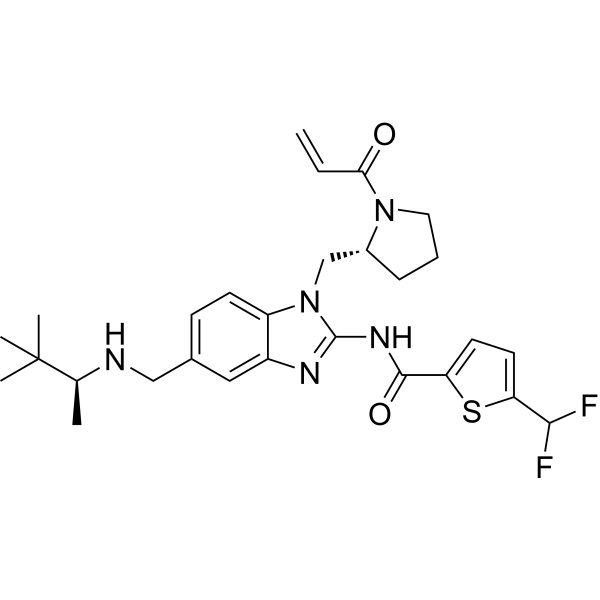
PRN694 is an irreversible, highly selective and potent covalent interleukin-2-inducible T-cell kinase (ITK) and resting lymphocyte kinase (RLK) dual inhibitor with IC50s of 0.3 nM and 1.4 nM, respectively. PRN694 exhibits extended target residence time on ITK and RLK, enabling durable attenuation of effector cells in vitro and in vivo .
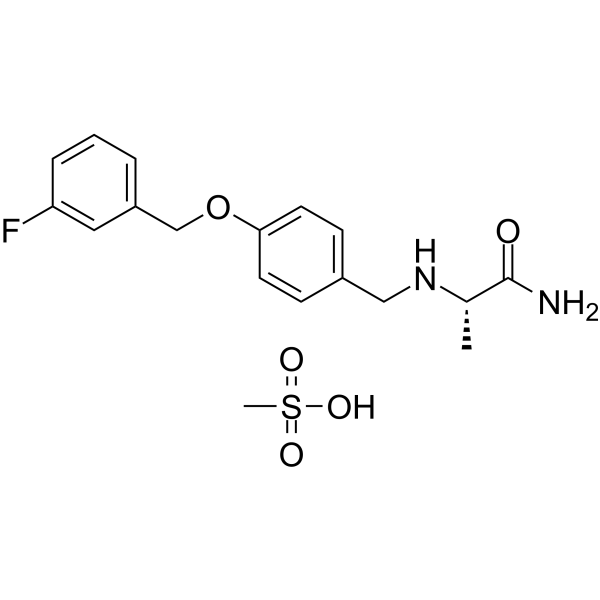
Safinamide (FCE 26743; EMD 1195686) mesylate is a potent, selective, and reversible monoamine oxidase B (MAO-B) inhibitor (IC50=0.098 μM) over MAO-A (IC50=580 nM) . Safinamide mesylate also blocks sodium channels and modulates glutamate (Glu) release, showing a greater affinity at depolarized (IC50=8?μM) than at resting (IC50=262?μM) potentials. Safinamide mesylate has neuroprotective and neurorescuing effects and can be used for the study of parkinson disease, ischemia stroke et.al .
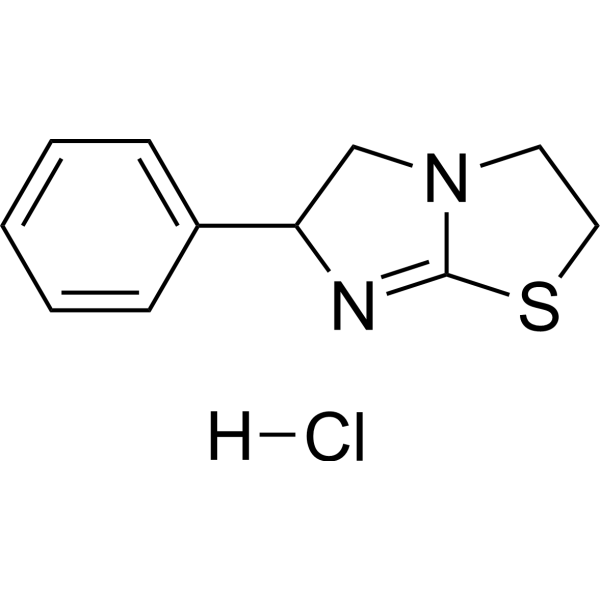
Tetramisole hydrochloride is an orally active, selective inward rectifier potassium channel agonist with an EC50 of approximately 30 μM for the Kir2.1 subunit. Tetramisole hydrochloride is also an anti-nematode agent that blocks neuromuscular transmission by non-competitive depolarization. Tetramisole hydrochloride promotes the forward transport of Kir2.1 channels, hyperpolarizes the resting potential (RP), shortens the action potential duration (APD), inhibits intracellular calcium overload and the PKA signaling pathway, and exerts anti-arrhythmic and anti-myocardial remodeling activities. Tetramisole hydrochloride can be used in cardiac electrophysiology research and research related to myocardial ischemia and heart failure .
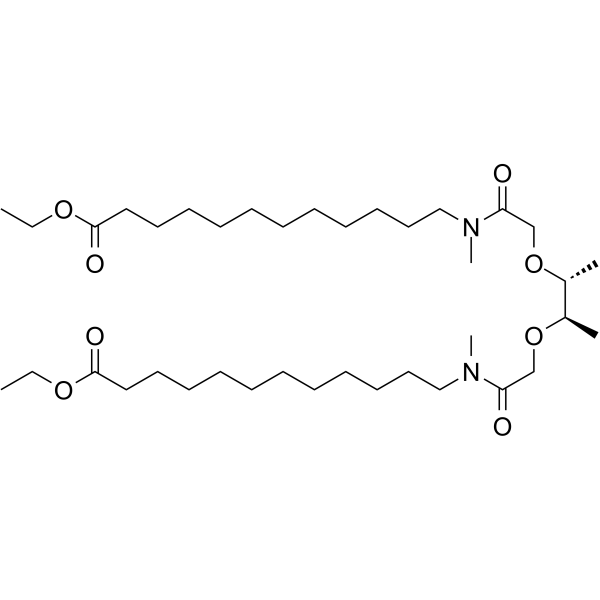
Calcium ionophore I (ETH 1001) is a selective Ca 2+ ionophore for biological membranes. Calcium ionophore I can be used in Ca2+-selective microelectrodes that can be used for quantitative intracellular measurements of resting Ca2+-activities and of slowly changing Ca2+-levels .
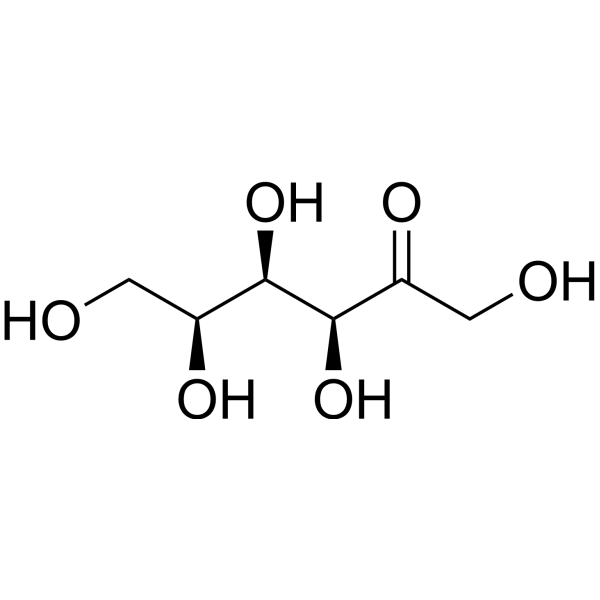
L-(-)-Sorbose (L-Sorbose) is a monosaccharide that induces the production of cellulase. L-(-)-Sorbose regulates the coordinated transcription of 6 cellulase genes (including egl3) in Trichoderma reesei strains. L-(-)-Sorbose is currently the only monosaccharide reported to exhibit cellulase-inducing activity .
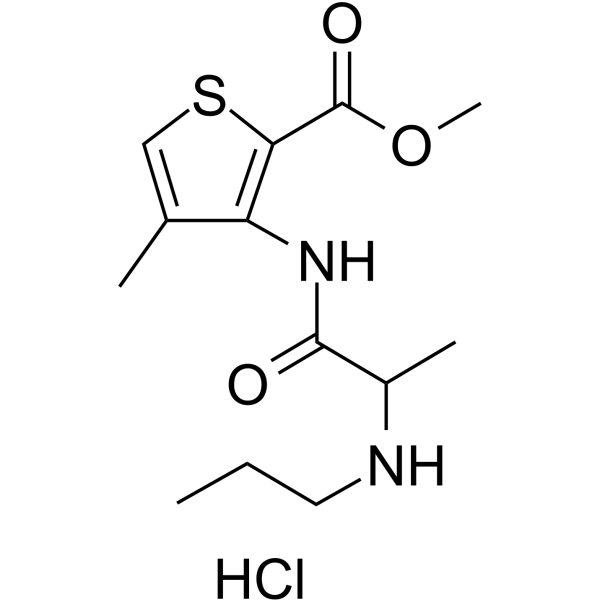
Articaine (Hoe-045) hydrochloride is a selective inhibitor of voltage-gated sodium channels (such as rNav1.4, hNav1.7, and rNav1.8), with an IC50of 15.8 μM for open-state Na + channels, and IC50of 40.6 μM and 378 μM for inactivated and resting-state Na + channels, respectively. Articaine hydrochloride exerts local anesthetic activity by inhibiting Na + influx to block nerve impulse conduction, and can also inhibit NF-κB activation and NLRP3 inflammasome pathways, exhibiting anti-inflammatory function. Articaine hydrochloride can be used in the study of dental local anesthesia and inflammatory-related diseases (such as acute kidney injury) .
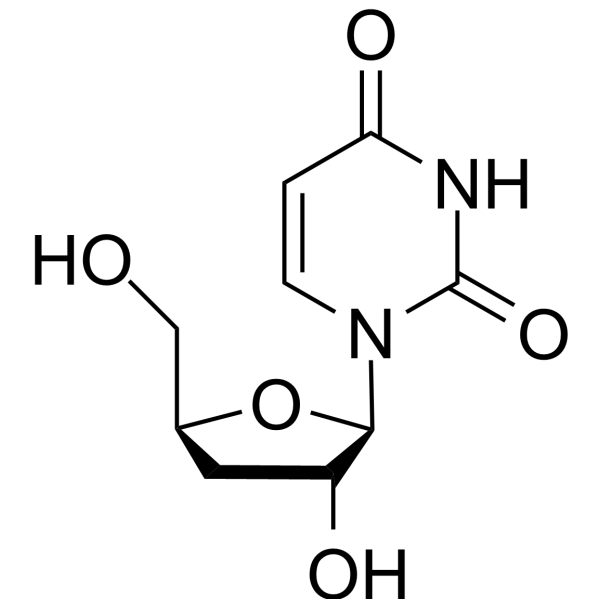
3′-Deoxyuridine is a 3'-deoxynucleoside analog and a 2',3'-dideoxynucleoside. 3′-Deoxyuridine does not inhibit the replication of HCV-like RNA templates or luciferase levels in human cells at the tested concentrations. 3′-Deoxyuridine serves as a substrate for microbial dideoxyribosylation reactions to generate various 2',3'-dideoxynucleosides, but cannot be converted into 2',3'-dideoxycytidine by restingE. coli AJ 2595 cells. 3′-Deoxyuridine can be formed by the deamination of 3'-deoxycytidine by E. coli BM-11 cytidine deaminase, and can also undergo phosphorolytic cleavage to produce uracil and the corresponding pentose phosphate. 3′-Deoxyuridine has been used in research related to HCV and other relevant fields .
Corza6 is a potent and selective human voltage-gated proton channel (hHv1) peptide inhibitor. Corza6 binds to the external voltage sensor domain (VSD) loop in hHv1 with a Kd of ~1 nM at the natural, hyperpolarized resting membrane potential (RMP) of mammalian cells. Corza6 allows capacitation in sperm and permits sustained reactive oxygen species (ROS) production in white blood cells (WBCs) .
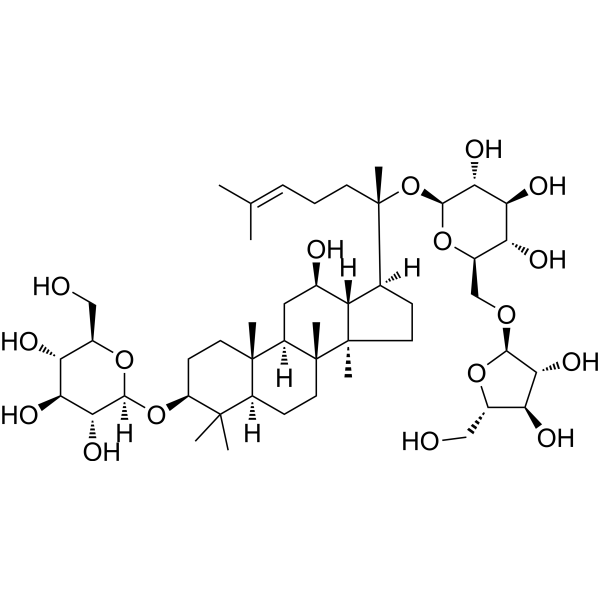
Notoginsenoside Fe (Notoginseng triterpenes; Ginsenoside Mb) is a saponin with anti-obesity and anti-neuroblastoma activities. Notoginsenoside Fe can be isolated from leaves of Panax notoginseng. Notoginsenoside Fe specifically activates paraventricular nucleus neurons in the hypothalamus, effectively reducing body weight, improving fasting blood glucose and protecting liver function by decreasing food intake, increasing resting metabolic rate and enhancing energy expenditure. Notoginsenoside Fe also inhibits the c-Src signaling pathway, blocks the proliferation and viability of human neuroblastoma cells, while improving mitochondrial dysfunction and alleviating apoptosis. Notoginsenoside Fe can be used in studies related to diet-induced obesity and neuroblastoma .
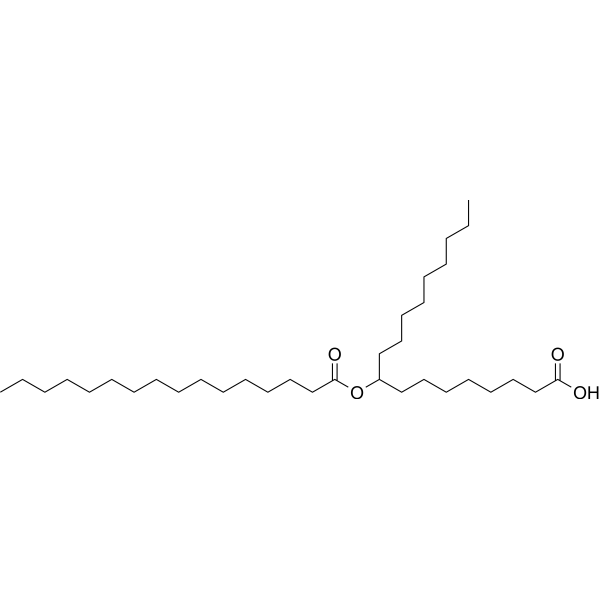
9-PAHSA is an orally active endogenous GPR120 agonist (EC50=18 μM). 9-PAHSA significantly inhibits LPS-induced inflammatory responses by blocking the NF-κB pathway. 9-PAHSA induces adipocyte browning, enhances glucose uptake and reduces lipid accumulation, while improving mitochondrial function and the survival rate of steatotic hepatocytes. In terms of neuroprotection, 9-PAHSA regulates the expression of REST and BDNF in the prefrontal cortex of diabetic mice, and effectively prevents spatial working memory deficits and abnormal social behaviors. 9-PAHSA does not directly regulate insulin secretion or improve systemic insulin sensitivity, and possesses specific anti-inflammatory, metabolic regulatory and neuroprotective properties. 9-PAHSA can be used in the research of diabetes-related cognitive impairment, obesity and non-alcoholic fatty liver disease .
GI-530159 is a selective opener of TREK1 and TREK2 potassium channels. GI-530159 displays selectivity for TREK1/2 over TRAAK, TASK3 and other potassium channels, with an EC50 of 0.76 μM for TREK1. GI-530159 reduces rat dorsal root ganglion neuron excitability and shows potential analgesic effect .
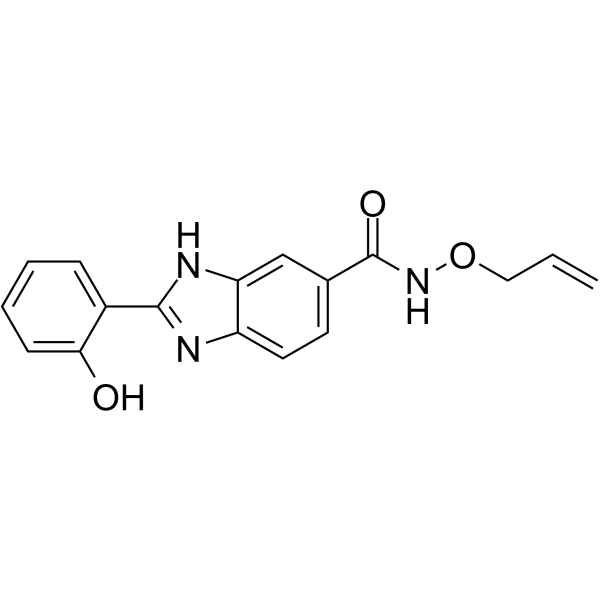
SCP1-IN-1 (compound SH T-62) is a potent and selective covalent inhibitor against SCP1. SCP1-IN-1 promotes REST degradation and reduces transcriptional activity. A high level of REST protein drives the tumor growth in some glioblastoma cells. SCP1-IN-1 has the potential for the research of glioblastoma whose growth is driven by REST transcription activity .
Corza6 TFA is a potent and selective human voltage-gated proton channel (hHv1) peptide inhibitor. Corza6 TFA binds to the external voltage sensor domain (VSD) loop in hHv1 with a Kd of ~1 nM at the natural, hyperpolarized resting membrane potential (RMP) of mammalian cells. Corza6 TFA allows capacitation in sperm and permits sustained reactive oxygen species (ROS) production in white blood cells (WBCs) .
REST Human Pre-designed siRNA Set A contains three designed siRNAs for REST gene (Human), as well as a negative control, a positive control, and a FAM-labeled negative control.
Asante potassium green-1 AM (APG-1 AM) is a cell-permeable K +-sensitive fluorescent indicator and potassium ion indicator that exhibits minimal interference from Na + and pH at physiologically relevant intracellular levels. Asante potassium green-1 AM enables non-invasive monitoring and quantitative analysis of intracellular potassium ion concentration (ᵢ) . Its excitation/emission maxima are 525/545 nm, respectively.
Scorpion toxin Tf2 is a β-scorpion toxin, which is firstly identified in the venom of the Brazilian scorpion Tityus fasciolatus. Scorpion toxin Tf2 is a Nav1.3 activator, which is a neuronal voltage-gated sodium (Nav) subtype implicated in epilepsy and nociception. Scorpion toxin Tf2 enhances hNav1.3 activation voltage and opens the channel at resting membrane potentials .
MRE3008F20 is a highly efficient, highly selective and radioactive adenosine A3 receptor (AA3R) antagonist (Ki=1.8 nM). MRE3008F20 effectively antagonises Cl-IB-MECA-induced cAMP production in resting lymphocytes with an IC50 value of 5 nM. MRE3008F20 can be used in the study of AA3R .
CVN417 is an orally active α6 subunit-containing nAChR antagonist, modulating phasic dopaminergic neurotransmission in an impulse-dependent manner. CVN417 inhibits Ca(2+) effluents mediated by nAChR subunits with IC50s of 0.086 μM (α6), 2.56 μM (α3) and 0.657 μM (α4), respectively. CVN417 attenuates resting tremor in Rodent models, displays the potential to improve movement dysfunction, in conditions such as Parkinson's disease .
SCP1-IN-2 (Compound SH T-65) is a potent and selective covalent inhibitor against SCP1. SCP1-IN-2 promotes REST degradation and reduces transcriptional activity. A high level of REST protein drives the tumor growth in some glioblastoma cells. SCP1-IN-2 has the potential for the research of glioblastoma whose growth is driven by REST transcription activity .
Chol-N3 is a bioorthogonal-based chol probe. Chol-N3 can combine with super-resolution fluorescence microscopy (SRM), providing direct visualization of nanoscale lipid heterogeneity in the cell surface of resting living cells . Chol-N3 is a click chemistry reagent, it contains an Azide group and can undergo copper-catalyzed azide-alkyne cycloaddition reaction (CuAAc) with molecules containing Alkyne groups. It can also undergo strain-promoted alkyne-azide cycloaddition (SPAAC) reactions with molecules containing DBCO or BCN groups.
Barucainide is an Ib-class anti-arrhythmic agent (moderately blocking sodium channel). Barucainide exhibits concentration-dependent inhibitory effects on the maximum upstroke velocity (Vmax) of Purkinje fibers and ventricular muscle in dogs. Barucainide significantly shortens the action potential duration (APD). Barucainide significantly inhibits the pacemaker activity frequency of atrial tissue in rabbits and the enhanced automaticity of Purkinje fibers under normal resting potential in response to isoproterenol. Barucainide cannot inhibit the abnormal automaticity emission frequency of canine Purkinje fibers induced by barium. Barucainide can be used for research on arrhythmias .
Safinamide-d4-1 is deuterium labeled Safinamide. Safinamide is a potent, selective, and reversible monoamine oxidase B (MAO-B) inhibitor (IC50=0.098 μM) over MAO-A (IC50=580 μM) . Safinamide also blocks sodium channels and modulates glutamate (Glu) release, showing a greater affinity at depolarized (IC50=8?μM) than at resting (IC50=262?μM) potentials. Safinamide has neuroprotective and neurorescuing effects and can be used for the study of parkinson disease, ischemia stroke etc.al .
Flupirtine-d4 (D 9998-d4) hydrochloride is the deuterium labeled Flupirtine hydrochloride (HY-W709349). Flupirtine hydrochloride is an orally active, blood-brain barrier-crossing non-opioid analgesic and neuroprotective agent. Flupirtine hydrochloride is a neuronal potassium channel opener (Kv7 activator), a NMDA receptor antagonist and a GABA receptor activator. Flupirtine hydrochloride stabilizes blood-brain-barrier integrity, reduces oxidative stress and brain leukocyte infiltration, enhances angioneurogenesis, suppresses calcium influx, stabilizes neuronal resting membrane potential, and counteracts focal cerebral ischemia. Flupirtine hydrochloride exhibits analgesic, muscle relaxant properties, protects neurons from excitotoxic, ischemic, or cytokine-mediated death. Flupirtine hydrochloride functions as a non-opioid analgesic without antipyretic or antiphlogistic properties, shows no relevant affinity to opiate receptor. Flupirtine hydrochloride can be used for the research of focal cerebral ischemia, pain, Alzheimer’s disease, or multiple sclerosis .
9-PAHSA- 13C4 is 13C-labeled 9-PAHSA. 9-PAHSAis an orally active endogenous GPR120 agonist (EC50=18 μM). 9-PAHSAsignificantly inhibits LPS-induced inflammatory responses by blocking the NF-κB pathway. 9-PAHSAinduces adipocyte browning, enhances glucose uptake and reduces lipid accumulation, while improving mitochondrial function and the survival rate of steatotic hepatocytes. In terms of neuroprotection, 9-PAHSAregulates the expression of REST and BDNF in the prefrontal cortex of diabetic mice, and effectively prevents spatial working memory deficits and abnormal social behaviors. 9-PAHSAdoes not directly regulate insulin secretion or improve systemic insulin sensitivity, and possesses specific anti-inflammatory, metabolic regulatory and neuroprotective properties. 9-PAHSAcan be used in the research of diabetes-related cognitive impairment, obesity and non-alcoholic fatty liver disease .
X-17 is a Vanin-1 Inhibitor with potent anti-inflammatory and antioxidant activities. X-17 repressrs the inflammatory factor expressions and myeloperoxidase activity, elevats the colonic glutathione reserve, and restors the intestinal barrier .
Fludarabine (Standard) is the analytical standard of Fludarabine. This product is intended for research and analytical applications. Fludarabine (NSC 118218) is a DNA synthesis inhibitor and a fluorinated purine analogue with antineoplastic activity in lymphoproliferative malignancies. Fludarabine inhibits the cytokine-induced activation of STAT1 and STAT1-dependent gene transcription in normal resting or activated lymphocytes .
Methacholine (Acetyl-β-methylcholine) bromide is a potent muscarinic-3 (M3) agonist. Methacholine bromide acts directly on acetylcholine receptors on smooth muscle causing bronchoconstriction and airway narrowing. Methacholine bromide shows a high sensitivity to identify bronchial hyperresponsiveness (BHR). Methacholine bromide can be used to measure airway hyperresponsiveness (AHR) as a diagnostic aid in the assessment of individuals with asthma-like symptoms and normal resting expiratory flow rates .
Methacholine (chloride) (Standard) is the analytical standard of Methacholine (chloride). This product is intended for research and analytical applications. Methacholine (Acetyl-β-methylcholine) choride is a potent muscarinic-3 (M3) agonist. Methacholine choride acts directly on acetylcholine receptors on smooth muscle causing bronchoconstriction and airway narrowing. Methacholine choride shows a high sensitivity to identify bronchial hyperresponsiveness (BHR). Methacholine choride can be used to measure airway hyperresponsiveness (AHR) as a diagnostic aid in the assessment of individuals with asthma-like symptoms and normal resting expiratory flow rates .
Safinamide (Standard) is the analytical standard of Safinamide. This product is intended for research and analytical applications. Safinamide is a potent, selective, and reversible monoamine oxidase B (MAO-B) inhibitor (IC50=0.098 µM) over MAO-A (IC50=580 µM) . Safinamide also blocks sodium channels and modulates glutamate (Glu) release, showing a greater affinity at depolarized (IC50=8 µM) than at resting (IC50=262 µM) potentials. Safinamide has neuroprotective and neurorescuing effects and can be used for the study of parkinson disease, ischemia stroke etc.al .
Articaine (Hoe-045) is a selective inhibitor of voltage-gated sodium channels (such as rNav1.4, hNav1.7, and rNav1.8), with an IC50of 15.8 μM for open-state Na + channels, and IC50of 40.6 μM and 378 μM for inactivated and resting-state Na + channels, respectively. Articaine exerts local anesthetic activity by inhibiting Na + influx to block nerve impulse conduction, and can also inhibit NF-κB activation and NLRP3 inflammasome pathways, exhibiting anti-inflammatory function. Articaine can be used in the study of dental local anesthesia and inflammatory-related diseases (such as acute kidney injury) .
1-Adamantanol (Tricyclo[3.3.1.1~3,7~]decan-1-ol) is a hydroxylated derivative of Adamantane (HY-N2427). 1-Adamantanol serves as a substrate for regioselective hydroxylation reactions in Streptomyces strain SA8. 1-Adamantanol can form acrylate derivatives, which are used as photoresist layer materials .
9-PAHSA-d4 is the deuterium labeled 9-PAHSA. 9-PAHSA is an orally active endogenous GPR120 agonist (EC50=18 μM). 9-PAHSA significantly inhibits LPS-induced inflammatory responses by blocking the NF-κB pathway. 9-PAHSA induces adipocyte browning, enhances glucose uptake and reduces lipid accumulation, while improving mitochondrial function and the survival rate of steatotic hepatocytes. In terms of neuroprotection, 9-PAHSA regulates the expression of REST and BDNF in the prefrontal cortex of diabetic mice, and effectively prevents spatial working memory deficits and abnormal social behaviors. 9-PAHSA does not directly regulate insulin secretion or improve systemic insulin sensitivity, and possesses specific anti-inflammatory, metabolic regulatory and neuroprotective properties. 9-PAHSA can be used in the research of diabetes-related cognitive impairment, obesity and non-alcoholic fatty liver disease .
Rest Mouse Pre-designed siRNA Set A contains three designed siRNAs for Rest gene (Mouse), as well as a negative control, a positive control, and a FAM-labeled negative control.
Amtabafusp alfa (GS-8588) is an envelope-targeting bispecific T-cell engager for HIV treatment. Amtabafusp alfa redirects effector T cells by binding to CD3 via a humanized anti-CD3 Fab domain and to HIV envelope proteins via an engineered CD4 domain 1 variant. Amtabafusp alfa exhibits potent, broad-spectrum activity against a variety of HIV isolates and specifically kills HIV-infected cells. Amtabafusp alfa can be used for research on HIV infection .
Nav1.8-IN-6 (Compound 2j) is a novel pyridinone amide Nav1.8 channel inhibitor. The IC50 values in the resting state and semi-activated state are 513.33 and 471.81 nM, respectively. Nav1.8-IN-6 has analgesic activity .
Human CCL28 mRNA encodes the human C-C motif chemokine ligand 28 (CCL28) protein, a cytokine that displays chemotactic activity for resting CD4 or CD8 T cells and eosinophils. CCL28 may play a role in the physiology of extracutaneous epithelial tissues, including diverse mucosal organs.
GR-28 is an inhibitor for small C-terminal domain phosphatase 1 (SCP1). GR-28 inhibits the transcriptional activity of repressor element-1 silencing transcription factor (REST), inhibits the proliferation of glioblastoma cells (IC50 is 2.9 and 10.1 µM, for cells A172 and T98G) .
Human CCL23 mRNA encodes the human C-C motif chemokine ligand 23 (CCL23) protein, a cytokine that displays chemotactic activity on resting T lymphocytes and monocytes, lower activity on neutrophils and no activity on activated T lymphocytes. CCL23 is also a strong suppressor of colony formation by a multipotential hematopoietic progenitor cell line.
Rp-dGTPαS is the nucleotide substrate of SAMHD1 and is one of the enantiomers of the dNTPαS nucleotide. SAMHD1 is an essential regulator of cellular dNTPs that limits virus (HIV-1, etc.) replication in the CD4+ myeloid lineage and resting T cells. The SAMHD1 tetrameric complex catalyzes the hydrolysis of Rp-dGTPαS into 2'-deoxynucleosides and triphosphates .
Human CCL22 mRNA encodes the human C-C motif chemokine ligand 22 (CCL22) protein, a cytokine that displays chemotactic activity for monocytes, dendritic cells, natural killer cells and for chronically activated T lymphocytes. CCL22 also displays a mild activity for primary activated T lymphocytes and has no chemoattractant activity for neutrophils, eosinophils and resting T lymphocytes.
Human CCL24 mRNA encodes the human C-C motif chemokine ligand 24 (CCL24) protein, a cytokine that displays chemotactic activity on resting T lymphocytes, a minimal activity on neutrophils, and is negative on monocytes and activated T lymphocytes. CCL24 also has antimicrobial activity, displaying an antibacterial effect on S. pneumoniae, S. aureus, Non-typeable H. influenzae, and P. aeruginosa.
Methacholine iodide is a potent muscarinic-3 (M3) agonist. Methacholine iodide acts directly on acetylcholine receptors on smooth muscle causing bronchoconstriction and airway narrowing. Methacholine iodide shows a high sensitivity to identify bronchial hyperresponsiveness (BHR). Methacholine iodide can be used to measure airway hyperresponsiveness (AHR) as a diagnostic aid in the assessment of individuals with asthma-like symptoms and normal resting expiratory flow rates .
DiSBAC10 is a voltage-sensitive fluorescent probe used to study cell membrane electrical activity in FRET assays. In a resting polarized cell, DiSBAC10 resides on the outer leaflet of the membrane where it accepts photons from excited fluorescein-labeled proteins and re-emits the photons at a higher wavelength. Depolarization of the cell causes rapid translocation of DiSBAC10 to the inner leaflet of the membrane, thereby increasing the distance between fluorophores and reducing the FRET signal.
(±)-Penbutolol ((Rac)-Penbutolol) is the racemic mixture of Penbutolol. (±)-Penbutolol is an orally active β-adrenergic receptor antagonist. (±)-Penbutolol antagonizes exercise-induced tachycardia, reduces the increase in peak expiratory flow rate (PEFR) caused by exercise, and decreases resting plasma renin activity (PRA). (±)-Penbutolol reaches peak plasma concentration 1 hour after oral administration, with a half-life of 4.5 hours, and is converted into an active metabolite in the body. (±)-Penbutolol can be used in cardiovascular-related disease research .
MNI-caged kainate is a photoprotected neuroactive amino acid with the activity to generate large inward currents. MNI-caged kainate can be released at the resting membrane potential of Purkinje cells and generate significant inward currents. The release of MNI-caged kainate results in approximately 40% of the current being generated through AMPA receptor activation. MNI-caged kainate is used to study fast synaptic receptor mechanisms. The photorelease time of MNI-caged kainate is in the sub-microsecond range, making it suitable for investigating the mechanisms of fast synaptic transmission .
3-(2-Aminopropyl)phenol is a biologically active compound with significant blood pressure-raising activity. 3-(2-Aminopropyl)phenol can effectively improve the symptoms of orthostatic hypotension in patients. 3-(2-Aminopropyl)phenol can significantly increase blood pressure at rest and when standing after oral administration. 3-(2-Aminopropyl)phenol can help reduce pathological orthostatic adjustment disorders. 3-(2-Aminopropyl)phenol has a relatively small effect on heart rate, and no significant side effects have been observed .
Tetramisole is an orally active, selective inward rectifier potassium channel agonist with an EC50 of approximately 30 μM for the Kir2.1 subunit. Tetramisole is also an anti-nematode agent that blocks neuromuscular transmission by non-competitive depolarization. Tetramisole promotes the forward transport of Kir2.1 channels, hyperpolarizes the resting potential (RP), shortens the action potential duration (APD), inhibits intracellular calcium overload and the PKA signaling pathway, and exerts anti-arrhythmic and anti-myocardial remodeling activities. Tetramisole can be used in cardiac electrophysiology research and research related to myocardial ischemia and heart failure .
Safinamide-d5 (FCE 26743-d5) is deuterium labeled Safinamide. Safinamide is a potent, selective, and reversible monoamine oxidase B (MAO-B) inhibitor (IC50=0.098 μM) over MAO-A (IC50=580 μM) . Safinamide also blocks sodium channels and modulates glutamate (Glu) release, showing a greater affinity at depolarized (IC50=8?μM) than at resting (IC50=262?μM) potentials. Safinamide has neuroprotective and neurorescuing effects and can be used for the study of parkinson disease, ischemia stroke etc.al .
Tetramisole hydrochloride (Standard) is the analytical standard of Tetramisole (hydrochloride). This product is intended for research and analytical applications. Tetramisole hydrochloride is an orally active, selective inward rectifier potassium channel agonist with an EC50 of approximately 30 μM for the Kir2.1 subunit. Tetramisole hydrochloride is also an anti-nematode agent that blocks neuromuscular transmission by non-competitive depolarization. Tetramisole hydrochloride promotes the forward transport of Kir2.1 channels, hyperpolarizes the resting potential (RP), shortens the action potential duration (APD), inhibits intracellular calcium overload and the PKA signaling pathway, and exerts anti-arrhythmic and anti-myocardial remodeling activities. Tetramisole hydrochloride can be used in cardiac electrophysiology research and research related to myocardial ischemia and heart failure .
Articaine (Hoe-045) hydrochloride (Standard) is the analytical standard of Articaine hydrochloride (HY-B0516). This product is intended for research and analytical applications. Articaine (Hoe-045) hydrochloride is a selective inhibitor of voltage-gated sodium channels (such as rNav1.4, hNav1.7, and rNav1.8), with an IC50of 15.8 μM for open-state Na + channels, and IC50of 40.6 μM and 378 μM for inactivated and resting-state Na + channels, respectively. Articaine hydrochloride exerts local anesthetic activity by inhibiting Na + influx to block nerve impulse conduction, and can also inhibit NF-κB activation and NLRP3 inflammasome pathways, exhibiting anti-inflammatory function. Articaine hydrochloride can be used in the study of dental local anesthesia and inflammatory-related diseases (such as acute kidney injury) .
Articaine (Standard) is the analytical standard of Articaine (HY-B0516A). This product is intended for research and analytical applications. Articaine (Hoe-045) hydrochloride is a selective inhibitor of voltage-gated sodium channels (such as rNav1.4, hNav1.7, and rNav1.8), with an IC50of 15.8 μM for open-state Na + channels, and IC50of 40.6 μM and 378 μM for inactivated and resting-state Na + channels, respectively. Articaine hydrochloride exerts local anesthetic activity by inhibiting Na + influx to block nerve impulse conduction, and can also inhibit NF-κB activation and NLRP3 inflammasome pathways, exhibiting anti-inflammatory function. Articaine hydrochloride can be used in the study of dental local anesthesia and inflammatory-related diseases (such as acute kidney injury) .
Flupirtine (D 9998) hydrochloride is an orally active, blood-brain barrier-crossing non-opioid analgesic and neuroprotective agent. Flupirtine hydrochloride is a neuronal potassium channel opener (Kv7 activator), a NMDA receptor antagonist and a GABA receptor activator. Flupirtine hydrochloride stabilizes blood-brain-barrier integrity, reduces oxidative stress and brain leukocyte infiltration, enhances angioneurogenesis, suppresses calcium influx, stabilizes neuronal resting membrane potential, and counteracts focal cerebral ischemia. Flupirtine hydrochloride exhibits analgesic, muscle relaxant properties, protects neurons from excitotoxic, ischemic, or cytokine-mediated death. Flupirtine hydrochloride functions as a non-opioid analgesic without antipyretic or antiphlogistic properties, shows no relevant affinity to opiate receptor. Flupirtine hydrochloride can be used for the research of focal cerebral ischemia, pain, Alzheimer’s disease, or multiple sclerosis .
Flupirtine Maleate (Standard) is the analytical standard of Flupirtine Maleate (HY-17001). This product is intended for research and analytical applications. Flupirtine Maleate is an orally active, blood-brain barrier-crossing non-opioid analgesic and neuroprotective agent. Flupirtine Maleate is a neuronal potassium channel opener (Kv7 activator), a NMDA receptor antagonist and a GABA receptor activator. Flupirtine Maleate stabilizes blood-brain-barrier integrity, reduces oxidative stress and brain leukocyte infiltration, enhances angioneurogenesis, suppresses calcium influx, stabilizes neuronal resting membrane potential, and counteracts focal cerebral ischemia. Flupirtine Maleate exhibits analgesic, muscle relaxant properties, protects neurons from excitotoxic, ischemic, or cytokine-mediated death. Flupirtine Maleate functions as a non-opioid analgesic without antipyretic or antiphlogistic properties, shows no relevant affinity to opiate receptor. Flupirtine Maleate can be used for the research of focal cerebral ischemia, pain, Alzheimer’s disease, or multiple sclerosis .
Flupirtine (Standard) (D 9998 (Standard)) is the analytical standard of Flupirtine (HY-17001A). This product is intended for research and analytical applications. Flupirtine is an orally active, blood-brain barrier-crossing non-opioid analgesic and neuroprotective agent. Flupirtine is a neuronal potassium channel opener (Kv7 activator), a NMDA receptor antagonist and a GABA receptor activator. Flupirtine stabilizes blood-brain-barrier integrity, reduces oxidative stress and brain leukocyte infiltration, enhances angioneurogenesis, suppresses calcium influx, stabilizes neuronal resting membrane potential, and counteracts focal cerebral ischemia. Flupirtine exhibits analgesic, muscle relaxant properties, protects neurons from excitotoxic, ischemic, or cytokine-mediated death. Flupirtine functions as a non-opioid analgesic without antipyretic or antiphlogistic properties, shows no relevant affinity to opiate receptor. Flupirtine can be used for the research of focal cerebral ischemia, pain, Alzheimer’s disease, or multiple sclerosis .
Flumethrin (Standard) is the analytical standard of Flumethrin. This product is intended for research and analytical applications. 9-PAHSA is an orally active endogenous GPR120 agonist (EC50=18 μM). 9-PAHSA significantly inhibits LPS-induced inflammatory responses by blocking the NF-κB pathway. 9-PAHSA induces adipocyte browning, enhances glucose uptake and reduces lipid accumulation, while improving mitochondrial function and the survival rate of steatotic hepatocytes. In terms of neuroprotection, 9-PAHSA regulates the expression of REST and BDNF in the prefrontal cortex of diabetic mice, and effectively prevents spatial working memory deficits and abnormal social behaviors. 9-PAHSA does not directly regulate insulin secretion or improve systemic insulin sensitivity, and possesses specific anti-inflammatory, metabolic regulatory and neuroprotective properties. 9-PAHSA can be used in the research of diabetes-related cognitive impairment, obesity and non-alcoholic fatty liver disease .
9-PAHSA-d9 is the deuterium labeled 9-PAHSA (HY-120657). 9-PAHSA is an orally active endogenous GPR120 agonist (EC50=18 μM). 9-PAHSA significantly inhibits LPS-induced inflammatory responses by blocking the NF-κB pathway. 9-PAHSA induces adipocyte browning, enhances glucose uptake and reduces lipid accumulation, while improving mitochondrial function and the survival rate of steatotic hepatocytes. In terms of neuroprotection, 9-PAHSA regulates the expression of REST and BDNF in the prefrontal cortex of diabetic mice, and effectively prevents spatial working memory deficits and abnormal social behaviors. 9-PAHSA does not directly regulate insulin secretion or improve systemic insulin sensitivity, and possesses specific anti-inflammatory, metabolic regulatory and neuroprotective properties. 9-PAHSA can be used in the research of diabetes-related cognitive impairment, obesity and non-alcoholic fatty liver disease .
9-PAHSA-d31 is the deuterium labeled 9-PAHSA. 9-PAHSA is an orally active endogenous GPR120 agonist (EC50=18 μM). 9-PAHSA significantly inhibits LPS-induced inflammatory responses by blocking the NF-κB pathway. 9-PAHSA induces adipocyte browning, enhances glucose uptake and reduces lipid accumulation, while improving mitochondrial function and the survival rate of steatotic hepatocytes. In terms of neuroprotection, 9-PAHSA regulates the expression of REST and BDNF in the prefrontal cortex of diabetic mice, and effectively prevents spatial working memory deficits and abnormal social behaviors. 9-PAHSA does not directly regulate insulin secretion or improve systemic insulin sensitivity, and possesses specific anti-inflammatory, metabolic regulatory and neuroprotective properties. 9-PAHSA can be used in the research of diabetes-related cognitive impairment, obesity and non-alcoholic fatty liver disease .
Rest Rat Pre-designed siRNA Set A contains three designed siRNAs for Rest gene (Rat), as well as a negative control, a positive control, and a FAM-labeled negative control.
Flusulfamide is a sulfonanilide Fungicide that effectively inhibits the germination of resting spores of Plasmodiophora brassicae, the pathogen causing clubroot in cruciferous crops. Flusulfamide blocks the developmental process of resting spores from stage 1 to stage 2. By downregulating germination-related genes and upregulating immunophilin genes (such as PbCyp3), it induces abnormal accumulation of the PbCYP3 protein, thereby causing the spores to deplete energy in a state of continuous energy consumption without germination, and reducing their infectivity. Flusulfamide reduces soil ATP content in the early stage of application, but soil microbial biomass gradually recovers 3 days later. Flusulfamide is widely used in research on clubroot control .
β-Acetylglucosaminidase 18A, Bacteroides thetaiotaomicron (EC 3.2.1.96), is an enzyme from Bacteroides thetaiotaomicron that participates in the endohydrolysis of the diacetylchitobiosyl unit in high-mannose glycopeptides and glycoproteins containing the (Man (GlcNAc) (2) ) Asn-structure. One N-acetyl-D-glucosamine residue remains attached to the protein; the rest of the oligosaccharide is released intact. Recombinant BtAcp18A (GH18) , purified from Escherichia coli, is a single domain family 18 Glycoside Hydrolase (GH18) .
Nav1.8-IN-24 is a voltage-gated sodium channel Nav1.8 inhibitor with pIC50 values of 7.4 (resting state) and 7.5 (inactivated state), and it exhibits high selectivity for NaV1.1-1.7 subtypes. Nav1.8-IN-24 possesses in vitro safety and drug interaction profiles. Nav1.8-IN-24 can be used for the research of acute pain and chronic neuropathic pain .
Flupirtine-d6 (D 9998-d6) hydrochloride is the deuterium labeled Flupirtine hydrochloride (HY-W709349). Flupirtine hydrochloride is an orally active, blood-brain barrier-crossing non-opioid analgesic and neuroprotective agent. Flupirtine hydrochloride is a neuronal potassium channel opener (Kv7 activator), a NMDA receptor antagonist and a GABA receptor activator. Flupirtine hydrochloride stabilizes blood-brain-barrier integrity, reduces oxidative stress and brain leukocyte infiltration, enhances angioneurogenesis, suppresses calcium influx, stabilizes neuronal resting membrane potential, and counteracts focal cerebral ischemia. Flupirtine hydrochloride exhibits analgesic, muscle relaxant properties, protects neurons from excitotoxic, ischemic, or cytokine-mediated death. Flupirtine hydrochloride functions as a non-opioid analgesic without antipyretic or antiphlogistic properties, shows no relevant affinity to opiate receptor. Flupirtine hydrochloride can be used for the research of focal cerebral ischemia, pain, Alzheimer’s disease, or multiple sclerosis .
E0714 is a blood-brain barrier-permeable, selective Kv7.2 potassium channel activator, with EC50 values of 1.90 μM and 0.021 μM for homotetrameric Kv7.2 channels and heterotetrameric Kv7.2/7.3 channels, respectively. E0714 exhibits anticonvulsant activity. E0714 can be used in research related to epilepsy .
PUMA2A is a PUMA BH3-only peptide. PUMA2A can be used as a negative control in Cytochrome C release assays and BH3 profiling. PUMA2A can be used in the research of chronic myeloid leukemia .
CQ80 is a PEPD/XPNPEP1 inhibitor and selective CARD8 inflammasome activator. CQ80 has IC50 values of 0.91 μM for PEPD, 43 μM for XPNPEP1. CQ80 promotes the accumulation of Xaa-Pro peptides by inhibiting PEPD and XPNPEP1, releases the fragment of CARD8 for inflammasome formation, and induces pyroptosis via GSDMD cleavage. CQ80 can be used for research on inflammasome, CARD8-expressing cancer cells, HIV-1-infected cell clearance, acute myeloid leukemia (AML) .
Asante potassium green-1 AM (APG-1 AM) is a cell-permeable K +-sensitive fluorescent indicator and potassium ion indicator that exhibits minimal interference from Na + and pH at physiologically relevant intracellular levels. Asante potassium green-1 AM enables non-invasive monitoring and quantitative analysis of intracellular potassium ion concentration (ᵢ) . Its excitation/emission maxima are 525/545 nm, respectively.
DiSBAC10 is a voltage-sensitive fluorescent probe used to study cell membrane electrical activity in FRET assays. In a resting polarized cell, DiSBAC10 resides on the outer leaflet of the membrane where it accepts photons from excited fluorescein-labeled proteins and re-emits the photons at a higher wavelength. Depolarization of the cell causes rapid translocation of DiSBAC10 to the inner leaflet of the membrane, thereby increasing the distance between fluorophores and reducing the FRET signal.
1-Adamantanol (Tricyclo[3.3.1.1~3,7~]decan-1-ol) is a hydroxylated derivative of Adamantane (HY-N2427). 1-Adamantanol serves as a substrate for regioselective hydroxylation reactions in Streptomyces strain SA8. 1-Adamantanol can form acrylate derivatives, which are used as photoresist layer materials .
Corza6 is a potent and selective human voltage-gated proton channel (hHv1) peptide inhibitor. Corza6 binds to the external voltage sensor domain (VSD) loop in hHv1 with a Kd of ~1 nM at the natural, hyperpolarized resting membrane potential (RMP) of mammalian cells. Corza6 allows capacitation in sperm and permits sustained reactive oxygen species (ROS) production in white blood cells (WBCs) .
Corza6 TFA is a potent and selective human voltage-gated proton channel (hHv1) peptide inhibitor. Corza6 TFA binds to the external voltage sensor domain (VSD) loop in hHv1 with a Kd of ~1 nM at the natural, hyperpolarized resting membrane potential (RMP) of mammalian cells. Corza6 TFA allows capacitation in sperm and permits sustained reactive oxygen species (ROS) production in white blood cells (WBCs) .
Scorpion toxin Tf2 is a β-scorpion toxin, which is firstly identified in the venom of the Brazilian scorpion Tityus fasciolatus. Scorpion toxin Tf2 is a Nav1.3 activator, which is a neuronal voltage-gated sodium (Nav) subtype implicated in epilepsy and nociception. Scorpion toxin Tf2 enhances hNav1.3 activation voltage and opens the channel at resting membrane potentials .
NF(N-Me)GA(N-Me)IL is a biological active peptide. (This amino acids 22 to 27 fragment is a modification of the human islet amyloid polypeptide hIAPP (NFGAIL) with N-methylation of the amide bonds at G24 and I26. The introduction of two N-methyl rests in the amyloid-core-containing sequence NFGAIL converts this amyloidogenic and cytotoxic sequence into non-amyloidogenic and non-cytotoxic peptide. The peptide is able to bind with high-affinity full-length hIAPP and to inhibit its fibrillogenesis.)
PUMA2A is a PUMA BH3-only peptide. PUMA2A can be used as a negative control in Cytochrome C release assays and BH3 profiling. PUMA2A can be used in the research of chronic myeloid leukemia .
Amtabafusp alfa (GS-8588) is an envelope-targeting bispecific T-cell engager for HIV treatment. Amtabafusp alfa redirects effector T cells by binding to CD3 via a humanized anti-CD3 Fab domain and to HIV envelope proteins via an engineered CD4 domain 1 variant. Amtabafusp alfa exhibits potent, broad-spectrum activity against a variety of HIV isolates and specifically kills HIV-infected cells. Amtabafusp alfa can be used for research on HIV infection .
L-(-)-Sorbose (L-Sorbose) is a monosaccharide that induces the production of cellulase. L-(-)-Sorbose regulates the coordinated transcription of 6 cellulase genes (including egl3) in Trichoderma reesei strains. L-(-)-Sorbose is currently the only monosaccharide reported to exhibit cellulase-inducing activity .
Notoginsenoside Fe (Notoginseng triterpenes; Ginsenoside Mb) is a saponin with anti-obesity and anti-neuroblastoma activities. Notoginsenoside Fe can be isolated from leaves of Panax notoginseng. Notoginsenoside Fe specifically activates paraventricular nucleus neurons in the hypothalamus, effectively reducing body weight, improving fasting blood glucose and protecting liver function by decreasing food intake, increasing resting metabolic rate and enhancing energy expenditure. Notoginsenoside Fe also inhibits the c-Src signaling pathway, blocks the proliferation and viability of human neuroblastoma cells, while improving mitochondrial dysfunction and alleviating apoptosis. Notoginsenoside Fe can be used in studies related to diet-induced obesity and neuroblastoma .
9-PAHSA is an orally active endogenous GPR120 agonist (EC50=18 μM). 9-PAHSA significantly inhibits LPS-induced inflammatory responses by blocking the NF-κB pathway. 9-PAHSA induces adipocyte browning, enhances glucose uptake and reduces lipid accumulation, while improving mitochondrial function and the survival rate of steatotic hepatocytes. In terms of neuroprotection, 9-PAHSA regulates the expression of REST and BDNF in the prefrontal cortex of diabetic mice, and effectively prevents spatial working memory deficits and abnormal social behaviors. 9-PAHSA does not directly regulate insulin secretion or improve systemic insulin sensitivity, and possesses specific anti-inflammatory, metabolic regulatory and neuroprotective properties. 9-PAHSA can be used in the research of diabetes-related cognitive impairment, obesity and non-alcoholic fatty liver disease .
Flumethrin (Standard) is the analytical standard of Flumethrin. This product is intended for research and analytical applications. 9-PAHSA is an orally active endogenous GPR120 agonist (EC50=18 μM). 9-PAHSA significantly inhibits LPS-induced inflammatory responses by blocking the NF-κB pathway. 9-PAHSA induces adipocyte browning, enhances glucose uptake and reduces lipid accumulation, while improving mitochondrial function and the survival rate of steatotic hepatocytes. In terms of neuroprotection, 9-PAHSA regulates the expression of REST and BDNF in the prefrontal cortex of diabetic mice, and effectively prevents spatial working memory deficits and abnormal social behaviors. 9-PAHSA does not directly regulate insulin secretion or improve systemic insulin sensitivity, and possesses specific anti-inflammatory, metabolic regulatory and neuroprotective properties. 9-PAHSA can be used in the research of diabetes-related cognitive impairment, obesity and non-alcoholic fatty liver disease .
Safinamide-d4-1 is deuterium labeled Safinamide. Safinamide is a potent, selective, and reversible monoamine oxidase B (MAO-B) inhibitor (IC50=0.098 μM) over MAO-A (IC50=580 μM) . Safinamide also blocks sodium channels and modulates glutamate (Glu) release, showing a greater affinity at depolarized (IC50=8?μM) than at resting (IC50=262?μM) potentials. Safinamide has neuroprotective and neurorescuing effects and can be used for the study of parkinson disease, ischemia stroke etc.al .
9-PAHSA- 13C4 is 13C-labeled 9-PAHSA. 9-PAHSAis an orally active endogenous GPR120 agonist (EC50=18 μM). 9-PAHSAsignificantly inhibits LPS-induced inflammatory responses by blocking the NF-κB pathway. 9-PAHSAinduces adipocyte browning, enhances glucose uptake and reduces lipid accumulation, while improving mitochondrial function and the survival rate of steatotic hepatocytes. In terms of neuroprotection, 9-PAHSAregulates the expression of REST and BDNF in the prefrontal cortex of diabetic mice, and effectively prevents spatial working memory deficits and abnormal social behaviors. 9-PAHSAdoes not directly regulate insulin secretion or improve systemic insulin sensitivity, and possesses specific anti-inflammatory, metabolic regulatory and neuroprotective properties. 9-PAHSAcan be used in the research of diabetes-related cognitive impairment, obesity and non-alcoholic fatty liver disease .
9-PAHSA-d4 is the deuterium labeled 9-PAHSA. 9-PAHSA is an orally active endogenous GPR120 agonist (EC50=18 μM). 9-PAHSA significantly inhibits LPS-induced inflammatory responses by blocking the NF-κB pathway. 9-PAHSA induces adipocyte browning, enhances glucose uptake and reduces lipid accumulation, while improving mitochondrial function and the survival rate of steatotic hepatocytes. In terms of neuroprotection, 9-PAHSA regulates the expression of REST and BDNF in the prefrontal cortex of diabetic mice, and effectively prevents spatial working memory deficits and abnormal social behaviors. 9-PAHSA does not directly regulate insulin secretion or improve systemic insulin sensitivity, and possesses specific anti-inflammatory, metabolic regulatory and neuroprotective properties. 9-PAHSA can be used in the research of diabetes-related cognitive impairment, obesity and non-alcoholic fatty liver disease .
Safinamide-d5 (FCE 26743-d5) is deuterium labeled Safinamide. Safinamide is a potent, selective, and reversible monoamine oxidase B (MAO-B) inhibitor (IC50=0.098 μM) over MAO-A (IC50=580 μM) . Safinamide also blocks sodium channels and modulates glutamate (Glu) release, showing a greater affinity at depolarized (IC50=8?μM) than at resting (IC50=262?μM) potentials. Safinamide has neuroprotective and neurorescuing effects and can be used for the study of parkinson disease, ischemia stroke etc.al .
9-PAHSA-d9 is the deuterium labeled 9-PAHSA (HY-120657). 9-PAHSA is an orally active endogenous GPR120 agonist (EC50=18 μM). 9-PAHSA significantly inhibits LPS-induced inflammatory responses by blocking the NF-κB pathway. 9-PAHSA induces adipocyte browning, enhances glucose uptake and reduces lipid accumulation, while improving mitochondrial function and the survival rate of steatotic hepatocytes. In terms of neuroprotection, 9-PAHSA regulates the expression of REST and BDNF in the prefrontal cortex of diabetic mice, and effectively prevents spatial working memory deficits and abnormal social behaviors. 9-PAHSA does not directly regulate insulin secretion or improve systemic insulin sensitivity, and possesses specific anti-inflammatory, metabolic regulatory and neuroprotective properties. 9-PAHSA can be used in the research of diabetes-related cognitive impairment, obesity and non-alcoholic fatty liver disease .
9-PAHSA-d31 is the deuterium labeled 9-PAHSA. 9-PAHSA is an orally active endogenous GPR120 agonist (EC50=18 μM). 9-PAHSA significantly inhibits LPS-induced inflammatory responses by blocking the NF-κB pathway. 9-PAHSA induces adipocyte browning, enhances glucose uptake and reduces lipid accumulation, while improving mitochondrial function and the survival rate of steatotic hepatocytes. In terms of neuroprotection, 9-PAHSA regulates the expression of REST and BDNF in the prefrontal cortex of diabetic mice, and effectively prevents spatial working memory deficits and abnormal social behaviors. 9-PAHSA does not directly regulate insulin secretion or improve systemic insulin sensitivity, and possesses specific anti-inflammatory, metabolic regulatory and neuroprotective properties. 9-PAHSA can be used in the research of diabetes-related cognitive impairment, obesity and non-alcoholic fatty liver disease .
Flupirtine-d6 (D 9998-d6) hydrochloride is the deuterium labeled Flupirtine hydrochloride (HY-W709349). Flupirtine hydrochloride is an orally active, blood-brain barrier-crossing non-opioid analgesic and neuroprotective agent. Flupirtine hydrochloride is a neuronal potassium channel opener (Kv7 activator), a NMDA receptor antagonist and a GABA receptor activator. Flupirtine hydrochloride stabilizes blood-brain-barrier integrity, reduces oxidative stress and brain leukocyte infiltration, enhances angioneurogenesis, suppresses calcium influx, stabilizes neuronal resting membrane potential, and counteracts focal cerebral ischemia. Flupirtine hydrochloride exhibits analgesic, muscle relaxant properties, protects neurons from excitotoxic, ischemic, or cytokine-mediated death. Flupirtine hydrochloride functions as a non-opioid analgesic without antipyretic or antiphlogistic properties, shows no relevant affinity to opiate receptor. Flupirtine hydrochloride can be used for the research of focal cerebral ischemia, pain, Alzheimer’s disease, or multiple sclerosis .
Chol-N3 is a bioorthogonal-based chol probe. Chol-N3 can combine with super-resolution fluorescence microscopy (SRM), providing direct visualization of nanoscale lipid heterogeneity in the cell surface of resting living cells . Chol-N3 is a click chemistry reagent, it contains an Azide group and can undergo copper-catalyzed azide-alkyne cycloaddition reaction (CuAAc) with molecules containing Alkyne groups. It can also undergo strain-promoted alkyne-azide cycloaddition (SPAAC) reactions with molecules containing DBCO or BCN groups.
REST Human Pre-designed siRNA Set A contains three designed siRNAs for REST gene (Human), as well as a negative control, a positive control, and a FAM-labeled negative control.
Rest Mouse Pre-designed siRNA Set A contains three designed siRNAs for Rest gene (Mouse), as well as a negative control, a positive control, and a FAM-labeled negative control.
Human CCL28 mRNA encodes the human C-C motif chemokine ligand 28 (CCL28) protein, a cytokine that displays chemotactic activity for resting CD4 or CD8 T cells and eosinophils. CCL28 may play a role in the physiology of extracutaneous epithelial tissues, including diverse mucosal organs.
Human CCL23 mRNA encodes the human C-C motif chemokine ligand 23 (CCL23) protein, a cytokine that displays chemotactic activity on resting T lymphocytes and monocytes, lower activity on neutrophils and no activity on activated T lymphocytes. CCL23 is also a strong suppressor of colony formation by a multipotential hematopoietic progenitor cell line.
Human CCL22 mRNA encodes the human C-C motif chemokine ligand 22 (CCL22) protein, a cytokine that displays chemotactic activity for monocytes, dendritic cells, natural killer cells and for chronically activated T lymphocytes. CCL22 also displays a mild activity for primary activated T lymphocytes and has no chemoattractant activity for neutrophils, eosinophils and resting T lymphocytes.
Human CCL24 mRNA encodes the human C-C motif chemokine ligand 24 (CCL24) protein, a cytokine that displays chemotactic activity on resting T lymphocytes, a minimal activity on neutrophils, and is negative on monocytes and activated T lymphocytes. CCL24 also has antimicrobial activity, displaying an antibacterial effect on S. pneumoniae, S. aureus, Non-typeable H. influenzae, and P. aeruginosa.
Rest Rat Pre-designed siRNA Set A contains three designed siRNAs for Rest gene (Rat), as well as a negative control, a positive control, and a FAM-labeled negative control.
Inquiry Online
Your information is safe with us. * Required Fields.
Western blot analysis of extracts from THP-1(lane 2(20μg), Jurkat (lane 3(20μg) and NIH3T3(lane 4(20μg) using FOXO1A (HY-P80132) Rabbit mAb. Proteins were transferred
to a PVDF membrane and blocked with 5% non-fat milk in TBST for 2 hour at room temperature. The primary antibody (1/1000) and Loading control antibody (Beta Actin, HY-P80438, 1/10000) was
used in 5% non-fat milk in TBST at 4°C overnight. Goat Anti-Mouse/Rabbit IgG-HRP Secondary Antibody (1/10000) was used for 1 hour at room temperature.
Western blot analysis of extracts from THP-1(lane 2(20μg), Jurkat (lane 3(20μg) and NIH3T3(lane 4(20μg) using FOXO1A (HY-P80132) Rabbit mAb. Proteins were transferred
to a PVDF membrane and blocked with 5% non-fat milk in TBST for 2 hour at room temperature. The primary antibody (1/1000) and Loading control antibody (Beta Actin, HY-P80438, 1/10000) was
used in 5% non-fat milk in TBST at 4°C overnight. Goat Anti-Mouse/Rabbit IgG-HRP Secondary Antibody (1/10000) was used for 1 hour at room temperature.
Western blot analysis of extracts from THP-1(lane 2(20μg), Jurkat (lane 3(20μg) and NIH3T3(lane 4(20μg) using FOXO1A (HY-P80132) Rabbit mAb. Proteins were transferred
to a PVDF membrane and blocked with 5% non-fat milk in TBST for 2 hour at room temperature. The primary antibody (1/1000) and Loading control antibody (Beta Actin, HY-P80438, 1/10000) was
used in 5% non-fat milk in TBST at 4°C overnight. Goat Anti-Mouse/Rabbit IgG-HRP Secondary Antibody (1/10000) was used for 1 hour at room temperature.
Western blot analysis of extracts from THP-1(lane 2(20μg), Jurkat (lane 3(20μg) and NIH3T3(lane 4(20μg) using FOXO1A (HY-P80132) Rabbit mAb. Proteins were transferred
to a PVDF membrane and blocked with 5% non-fat milk in TBST for 2 hour at room temperature. The primary antibody (1/1000) and Loading control antibody (Beta Actin, HY-P80438, 1/10000) was
MedchemExpress Validation 03
Western blot analysis of extracts from THP-1(lane 2(20μg), Jurkat (lane 3(20μg) and NIH3T3(lane 4(20μg) using FOXO1A (HY-P80132) Rabbit mAb. Proteins were transferred
MedchemExpress Validation 04
Western blot analysis of extracts from THP-1(lane 2(20μg), Jurkat (lane 3(20μg) and NIH3T3(lane 4(20μg) using FOXO1A (HY-P80132) Rabbit mAb. Proteins were transferred
to a PVDF membrane and blocked with 5% non-fat milk in TBST for 2 hour at room temperature. The primary antibody (1/1000) and Loading control antibody (Beta Actin, HY-P80438, 1/10000) was
used in 5% non-fat milk in TBST at 4°C overnight. Goat Anti-Mouse/Rabbit IgG-HRP Secondary Antibody (1/10000) was used for 1 hour at room temperature.
MedchemExpress Validation
Western blot analysis of extracts from THP-1(lane 2(20μg), Jurkat (lane 3(20μg) and NIH3T3(lane 4(20μg) using FOXO1A (HY-P80132) Rabbit mAb. Proteins were transferred
to a PVDF membrane and blocked with 5% non-fat milk in TBST for 2 hour at room temperature. The primary antibody (1/1000) and Loading control antibody (Beta Actin, HY-P80438, 1/10000) was
used in 5% non-fat milk in TBST at 4°C overnight. Goat Anti-Mouse/Rabbit IgG-HRP Secondary Antibody (1/10000) was used for 1 hour at room temperature.
Western blot analysis of extracts from THP-1(lane 2(20μg), Jurkat (lane 3(20μg) and NIH3T3(lane 4(20μg) using FOXO1A (HY-P80132) Rabbit mAb. Proteins were transferred
to a PVDF membrane and blocked with 5% non-fat milk in TBST for 2 hour at room temperature. The primary antibody (1/1000) and Loading control antibody (Beta Actin, HY-P80438, 1/10000) was
used in 5% non-fat milk in TBST at 4°C overnight. Goat Anti-Mouse/Rabbit IgG-HRP Secondary Antibody (1/10000) was used for 1 hour at room temperature.
MedchemExpress Validation
Western blot analysis of extracts from THP-1(lane 2(20μg), Jurkat (lane 3(20μg) and NIH3T3(lane 4(20μg) using FOXO1A (HY-P80132) Rabbit mAb. Proteins were transferred
to a PVDF membrane and blocked with 5% non-fat milk in TBST for 2 hour at room temperature. The primary antibody (1/1000) and Loading control antibody (Beta Actin, HY-P80438, 1/10000) was
used in 5% non-fat milk in TBST at 4°C overnight. Goat Anti-Mouse/Rabbit IgG-HRP Secondary Antibody (1/10000) was used for 1 hour at room temperature.
MedchemExpress Validation
Western blot analysis of extracts from THP-1(lane 2(20μg), Jurkat (lane 3(20μg) and NIH3T3(lane 4(20μg) using FOXO1A (HY-P80132) Rabbit mAb. Proteins were transferred
to a PVDF membrane and blocked with 5% non-fat milk in TBST for 2 hour at room temperature. The primary antibody (1/1000) and Loading control antibody (Beta Actin, HY-P80438, 1/10000) was
used in 5% non-fat milk in TBST at 4°C overnight. Goat Anti-Mouse/Rabbit IgG-HRP Secondary Antibody (1/10000) was used for 1 hour at room temperature.
MedchemExpress Validation
Western blot analysis of extracts from THP-1(lane 2(20μg), Jurkat (lane 3(20μg) and NIH3T3(lane 4(20μg) using FOXO1A (HY-P80132) Rabbit mAb. Proteins were transferred
to a PVDF membrane and blocked with 5% non-fat milk in TBST for 2 hour at room temperature. The primary antibody (1/1000) and Loading control antibody (Beta Actin, HY-P80438, 1/10000) was
used in 5% non-fat milk in TBST at 4°C overnight. Goat Anti-Mouse/Rabbit IgG-HRP Secondary Antibody (1/10000) was used for 1 hour at room temperature.
MedchemExpress Validation
Western blot analysis of extracts from THP-1(lane 2(20μg), Jurkat (lane 3(20μg) and NIH3T3(lane 4(20μg) using FOXO1A (HY-P80132) Rabbit mAb. Proteins were transferred
to a PVDF membrane and blocked with 5% non-fat milk in TBST for 2 hour at room temperature. The primary antibody (1/1000) and Loading control antibody (Beta Actin, HY-P80438, 1/10000) was
used in 5% non-fat milk in TBST at 4°C overnight. Goat Anti-Mouse/Rabbit IgG-HRP Secondary Antibody (1/10000) was used for 1 hour at room temperature.
MedchemExpress Validation
Western blot analysis of extracts from THP-1(lane 2(20μg), Jurkat (lane 3(20μg) and NIH3T3(lane 4(20μg) using FOXO1A (HY-P80132) Rabbit mAb. Proteins were transferred
to a PVDF membrane and blocked with 5% non-fat milk in TBST for 2 hour at room temperature. The primary antibody (1/1000) and Loading control antibody (Beta Actin, HY-P80438, 1/10000) was
used in 5% non-fat milk in TBST at 4°C overnight. Goat Anti-Mouse/Rabbit IgG-HRP Secondary Antibody (1/10000) was used for 1 hour at room temperature.
MedchemExpress Validation
Western blot analysis of extracts from THP-1(lane 2(20μg), Jurkat (lane 3(20μg) and NIH3T3(lane 4(20μg) using FOXO1A (HY-P80132) Rabbit mAb. Proteins were transferred
to a PVDF membrane and blocked with 5% non-fat milk in TBST for 2 hour at room temperature. The primary antibody (1/1000) and Loading control antibody (Beta Actin, HY-P80438, 1/10000) was
used in 5% non-fat milk in TBST at 4°C overnight. Goat Anti-Mouse/Rabbit IgG-HRP Secondary Antibody (1/10000) was used for 1 hour at room temperature.
MedChemExpress values your privacy and your trust is important to us. We use cookies to enhance your website experience. Some cookies are necessary to run the website.
Privacy and Cookie Policy

