From 11:00 pm to 12:00 pm EST ( 8:00 pm to 9:00 pm PST ) on January 6th, the website will be under maintenance. We are sorry for the inconvenience. Please arrange your schedule properly.
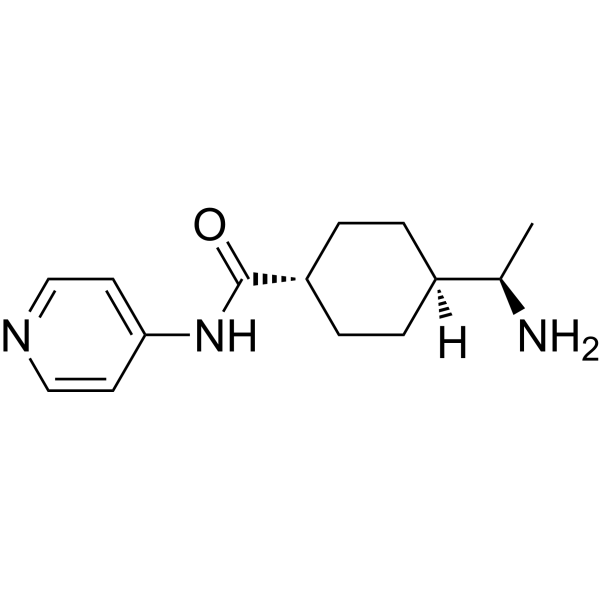
Y-27632 is a ROCK inhibitor with Ki values of 220 nM and 300 nM for ROCK1 and ROCK2, respectively. Y-27632 exerts anti-inflammatory and immunomodulatory effects in systemic lupus erythematosus models by inhibiting the ROCK/NF-κB pathway. Y-27632 enhances autophagy by inhibiting the AKT/mTOR pathway, thereby inducing apoptosis apoptosis in oral squamous cell carcinoma. Y-27632 induces the formation of tunneling nanotubes in ARPE-19 cells and significantly enhances mitochondrial transfer through these channels. Y-27632 promotes neurite outgrowth in PC12 cells by activating the Rac1/NOX1/ROS/AKT/PAK1 signaling cascade [1] .
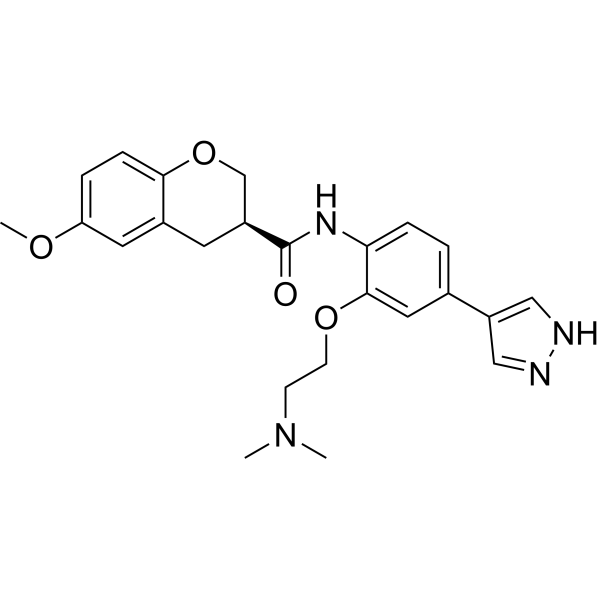
Chroman 1 is a highly potent and selective ROCK inhibitor. Chroman 1 is more potent against ROCK2 (IC50=1 pM) than ROCK1 (IC50=52 pM). Chroman 1 also has inhibitory activity against MRCK, with an IC50 of 150 nM [1] .
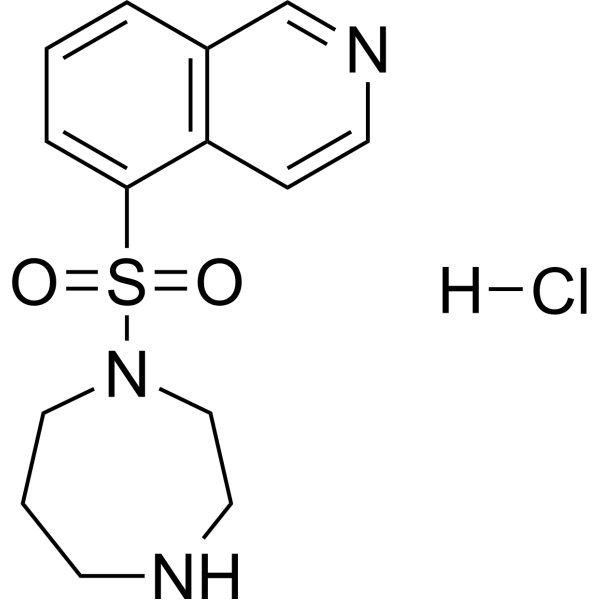
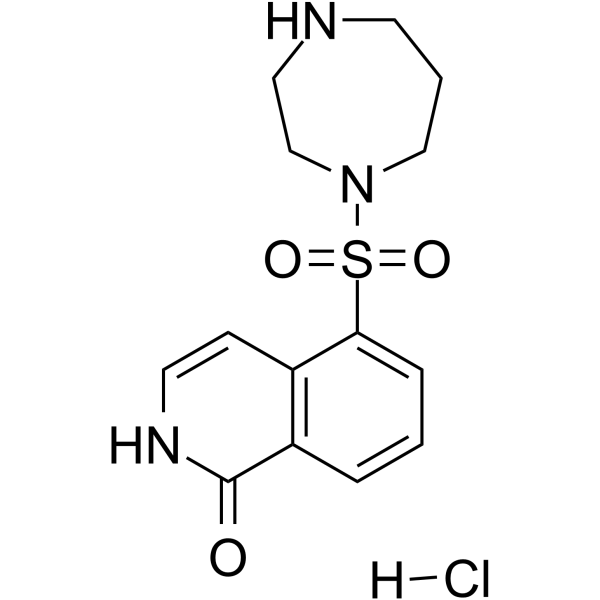
Fasudil (HA-1077; AT877) Hydrochloride is a nonspecific RhoA/ROCK inhibitor and also has inhibitory effect on protein kinases, with an Ki of 0.33 μM for ROCK1, IC50s of 0.158 μM and 4.58 μM, 12.30 μM, 1.650 μM for ROCK2 and PKA, PKC, PKG, respectively. Fasudil Hydrochloride is also a potent Ca 2+ channel antagonist and vasodilator [1] .
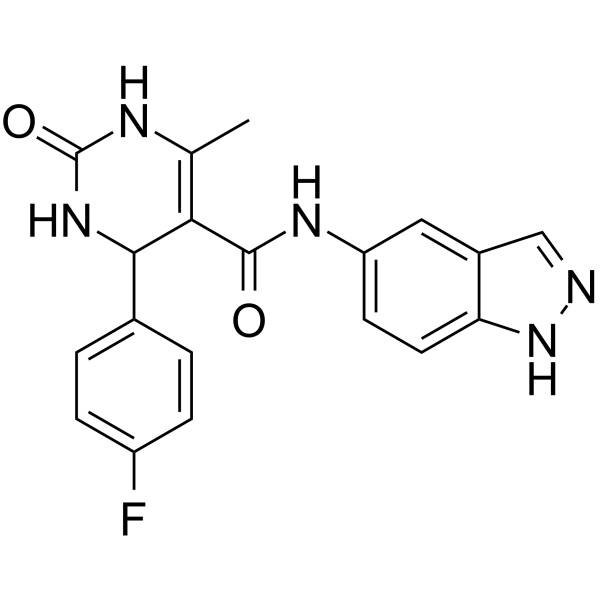
GSK269962A (GSK 269962) is a potent ROCK inhibitor with IC50s of 1.6 and 4 nM for recombinant human ROCK1 and ROCK2 respectively. GSK269962A has anti-inflammatory and vasodilatory activities [1].
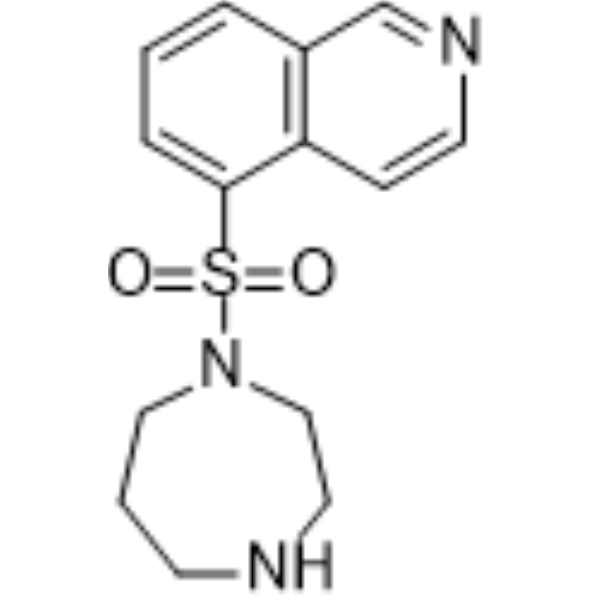
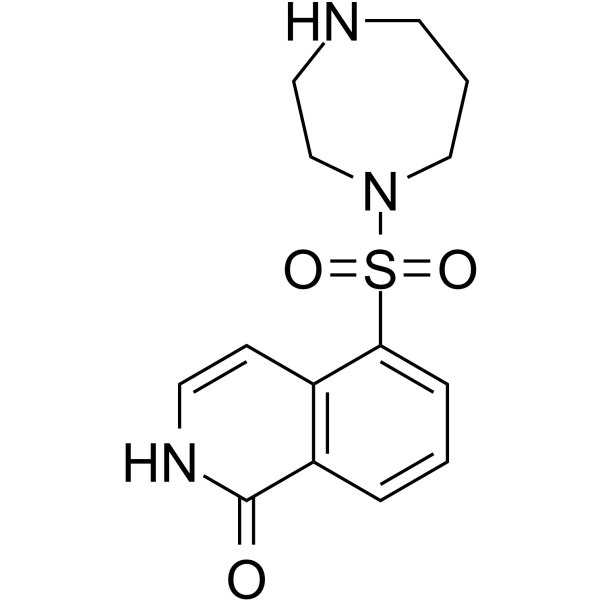
Fasudil (HA-1077; AT877) is a nonspecific RhoA/ROCK inhibitor and also has inhibitory effect on protein kinases, with an Ki of 0.33 μM for ROCK1, IC50s of 0.158 μM and 4.58 μM, 12.30 μM, 1.650 μM for ROCK2 and PKA, PKC, PKG, respectively. Fasudil is also a potent Ca 2+ channel antagonist and vasodilator [1] .
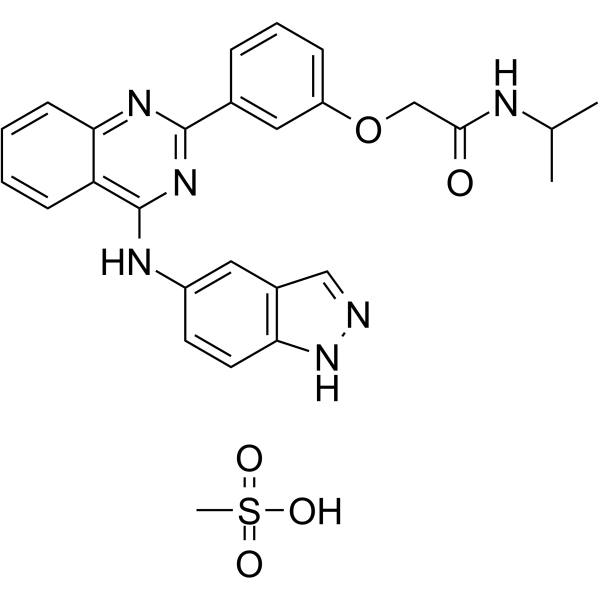
Belumosudil mesylate (KD025 mesylate) is a selective inhibitor of ROCK2 with IC50s of 105 nM and 24 µM for ROCK2 and ROCK1, respectively. Anti-fibrotic properties [1].
BAY-549 (Azaindole 1), a chemical probe, is an orally active and ATP-competitive ROCK inhibitor with IC50s of 0.6 and 1.1 nM for human ROCK-1 and ROCK-2, respectively [1].
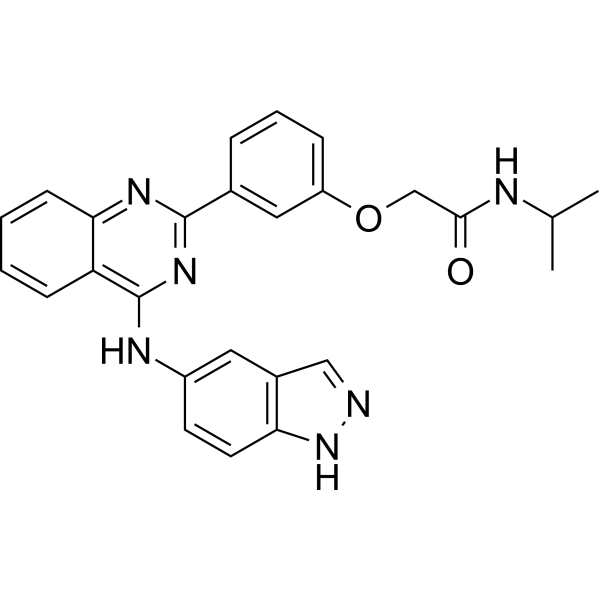
ROCK inhibitor-2 (compound 6) is a selective dual inhibitor of ROCK1 and ROCK2, with IC50 values of 160 nM and 21 nM, respectively. ROCK inhibitor-2 inhibits pMYPT1 with IC50 of 75 nM. ROCK inhibitor-2 exhibits antitumor activity [1] .
NRL-1049 (BA-1049 (free base)) is an orally available and selective ROCK2 inhibitor with IC50 values of 0.59 µM for ROCK2 and 26 µM for ROCK1, respectively. NRL-1049 modulates ROCK signaling, preserves blood-brain barrier integrity, reduces edema, seizures and hemorrhage, and alleviates cerebral cavernous malformation lesion burden. NRL-1049 can be used for the study of acute brain injury, ischemic stroke, and cerebral cavernous malformations [1] .
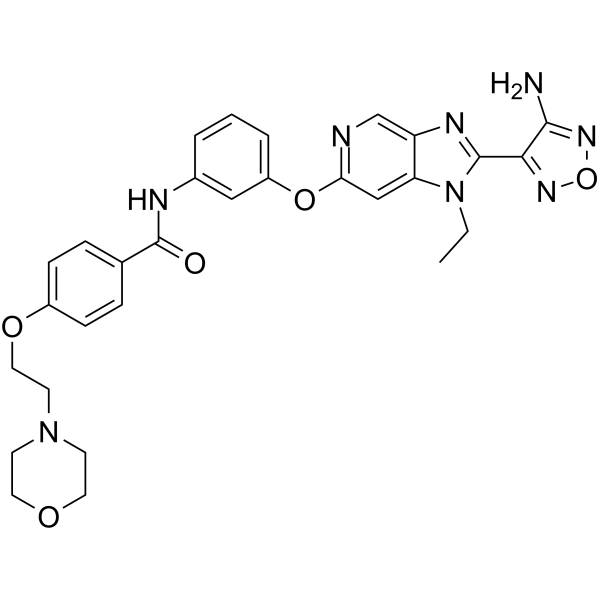
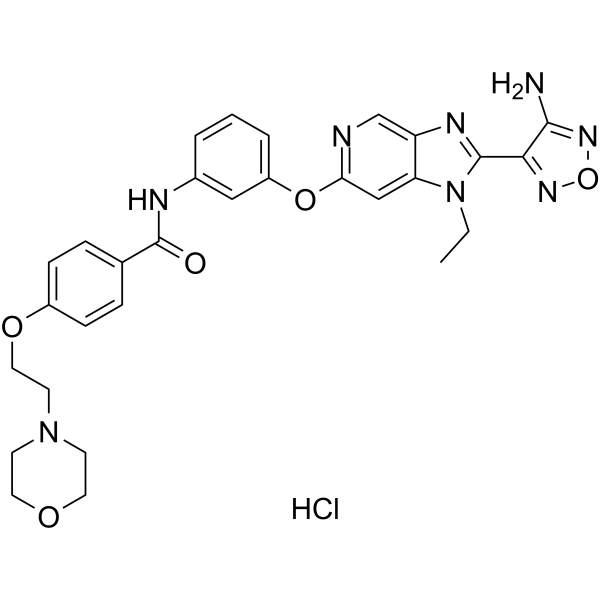
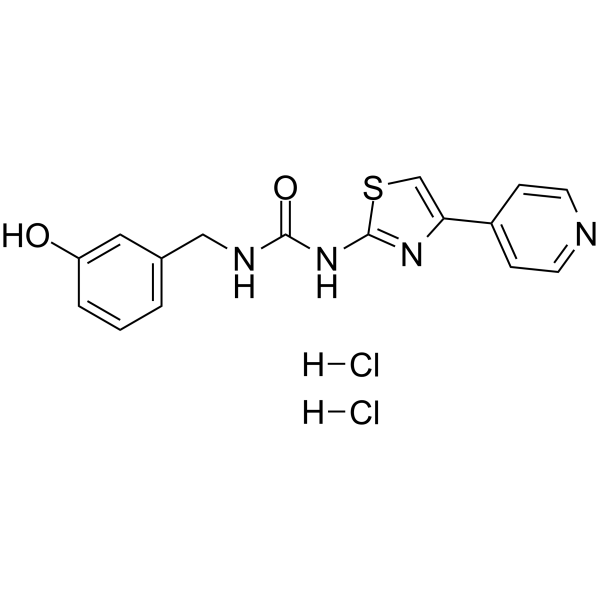
SB-772077B dihydrochloride is an orally active aminofuran-based Rho kinase ((ROCK)) inhibitor with IC50 values of 5.6 nM and 6 nM for ROCK1 and ROCK2, respectively. SB-772077B dihydrochloride reduces inflammatory cytokines (TNF-α and IL-6). SB-772077B dihydrochloride relaxes aortic rings and lowers blood pressure. SB-772077B dihydrochloride can be used in the research of inflammatory diseases [1] .
GSK269962A hydrochloride (GSK 269962 hydrochloride) is a potent ROCK inhibitor with IC50s of 1.6 and 4 nM for recombinant human ROCK1 and ROCK2 respectively. GSK269962A hydrochloride has anti-inflammatory and vasodilatory activities [1].
Rho-Kinase-IN-1 is a Rho kinase (ROCK) inhibitor (Ki values of 30.5 and 3.9 nM for ROCK1 and ROCK2, respectively) extracted from US20090325960A1, compound 1.008 [1].
GSK180736A is potent Rho-associated coiled-coil kinase 1(ROCK1) inhibitor with an IC50 of 100 nM. GSK180736A is also a selective and ATP-competitive G protein-coupled receptor kinase 2 (GRK2) inhibitor with an IC50 of 0.77 μM.
Verosudil (AR-12286) is a ROCK inhibitor. Verosudil has equal inhibitory activity against ROCK1 and ROCK2 (Ki: 2 nM). Verosudil is less selective for PKA, PKCT, MRCKA, and CAM2A (Ki: 69 nM, 9322 nM, 28 nM, 5855 nM, respectively). Verosudil increases trabecular outflow capacity to reduce intraocular pressure. Verosudil is useful in the study of glaucoma and ocular hypertension [1] .
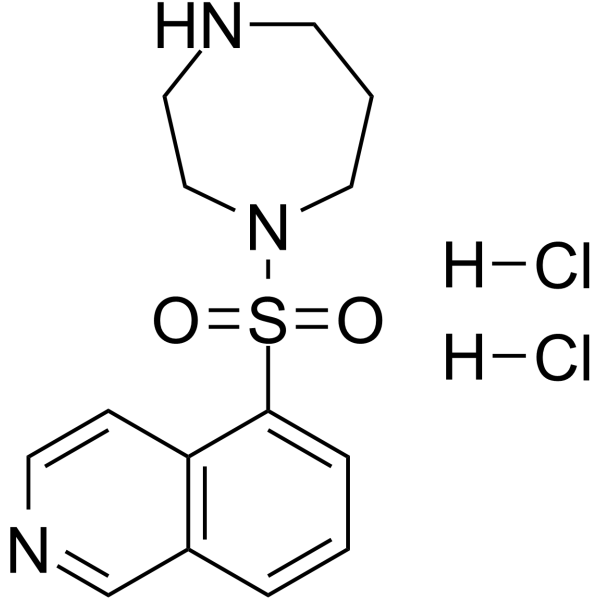
Fasudil (HA-1077; AT877) dihydrochloride is a nonspecific RhoA/ROCK inhibitor and also has inhibitory effect on protein kinases, with an Ki of 0.33 μM for ROCK1, IC50s of 0.158 μM and 4.58 μM, 12.30 μM, 1.650 μM for ROCK2 and PKA, PKC, PKG, respectively. Fasudil dihydrochloride is also a potent Ca 2+ channel antagonist and vasodilator [1] .
ROCK1-IN-1 is a ROCK1 inhibitor with a Ki value of 540 nM. ROCK1-IN-1 can be used for the research of hypertension, glaucoma and erectile dysfunction [1].
Sovesudil (PHP-201) is a potent, ATP-competitive, locally acting Rho kinase (ROCK) inhibitor with IC50s of 3.7 and 2.3 nM for ROCK-I and ROCK-II, respectively. Sovesudil lowers intraocular pressure (IOP) without inducing hyperemia [1] .
GKI-1 is a Greatwall (GWL) kinase inhibitor with IC50s of 4.9 and 2.5 μM against hGWL FL and hGWL-KinDom, respectively. GKI-1 robustly inhibits ROCK1 with an IC50 of 11 μM, but only weakly affected PKA [1].
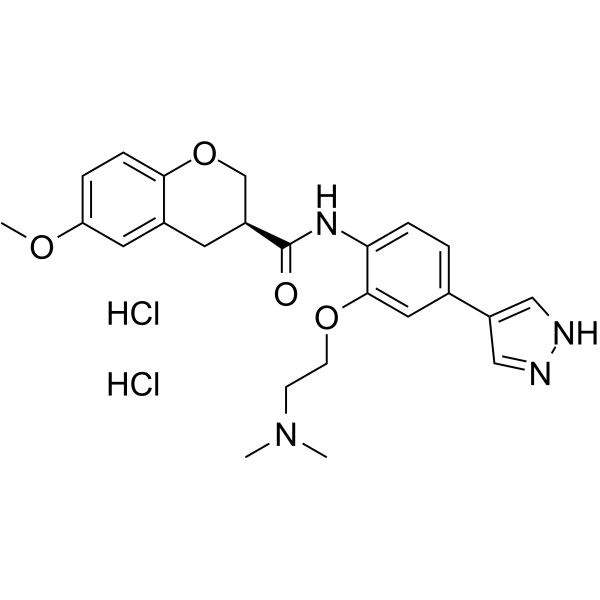
Chroman 1 dihydrochloride is a highly potent and selective ROCK inhibitor. Chroman 1 dihydrochloride is more potent against ROCK2 (IC50=1 pM) than ROCK1 (IC50=52 pM).
Chroman 1 dihydrochloride also has inhibitory activity against MRCK, with an IC50 of 150 nM [1] .
THK01 is a potent ROCK2 inhibitor with IC50 values of 5.7 and 923 nM for ROCK2 and ROCK1, respectively. THK01 inhibits breast cancer metastasis through the ROCK2-STAT3 signaling pathway. THK01 can be used in research of breast cancer [1].
DJ4 is a ATP-competitive inhibitor of ROCK1/2 (IC50 values:5 and 50 nM) and MRCKα/β (IC50 values:10 and 100 nM). DJ4 blocks stress fiber formation and inhibits migration and invasion of cancer cells. DJ4 can be used for study of lung cancer, breast cancer, and pancreatic (PANC-1) cancer [1].
CCG258208 (GRK2-IN-1) hydrochloride is a potent and selective GRK2 (G protein-coupled receptor kinase 2) inhibitor (IC50=30 nM) while maintaining 230-fold selectivity over GRK5 (IC50=7.09 μM) and more than 2500-fold selectivity over GRK1 (IC50=87.3 μM), PKA, and ROCK1. CCG258208 hydrochloride can be used in heart failure research [1].
CCG258747 is a selective GRK2 inhibitor (IC50 = 18 nM) with high selectivity over GRK1, GRK5, PKA, and ROCK1 (518, 83, > 5500, and > 550-fold, respectively). CCG258747 also blocks the internalization of the µ-opioid receptor (MOR). CCG258747 attenuates IgE mediated anaphylaxis by inhibiting GRK2 and FcεRI signaling pathway but activates mast cells via MRGPRX2 and MRGPRB2. CCG258747 can be used to study diseases related to overexpression of GRK2 (such as heart failure, opioid tolerance) [1] .
GSK-25 is a potent, selective and orally bioavailable ROCK1 inhibitor (IC50=7 nM). GSK-25 maintains good selectivity against a panel of 31 kinases (>100 fold), as well as RSK1 and p70S6K (RSK1: IC50=398 nM, p70S6K: IC50=1 μM). GSK-25 inhibits P450 profile (IC50s of 2.5, 5.2, 2.5 µM for CYP2C9, CYP2D6, CYP3A4, respectively) [1].
NRL-1049 dihydrochloride (BA-1049) is a selective and orally active rho-associated protein kinase 2(ROCK2) inhibitor with an IC50 of 0.59 μM. NRL-1049 dihydrochloride shows selectivity for ROCK2 is 44 times that of ROCK1 (IC50 = 26 μM). NRL-1049 dihydrochloride can preserve the blood-brain barrier after acute injury [1].
ROCK2-IN-12 (Compound A25) is a selective ROCK2 inhibitor with an IC50 of 7.0 nM for ROCK2 over ROCK1. ROCK2-IN-12 has potent antifibrotic effects via the TGF-β/Smad and ROCK2/STAT3 signaling pathways. ROCK2-IN-12 significantly reduces collagen deposition and reverses fibrotic progression in Bleomycin (HY-108345)-induced pulmonary fibrosis (PF) mouse models. ROCK2-IN-12 can be used for lung diseases like pulmonary fibrosis research [1].
β-Patchoulene is an orally active anti-inflammatory, antioxidant, and anti-apoptotic agent. β-Patchoulene inhibits the NF-κB, TLR4, and cAMP/PKA/CREB signaling pathways; activates the Sirt1/Nrf2 and AMPK signaling pathways; and targets Fas/FasL, Caspase-3, ERK1/2, ROCK1/MLC2 for inhibition. β-Patchoulene regulates cytokine secretion, inflammatory cell infiltration, lipid peroxidation, cell polarization, gut microbiota, and lipid metabolism, restores barrier function, mitochondrial function, and cell viability, and exhibits repellent activity against Spodoptera exigua larvae. β-Patchoulene can be used in research related to various inflammatory, ischemic, fibrosis-associated diseases, as well as hepatocellular carcinoma [1] .
RKI 1447 dihydrochloride is a potent and selective ROCK inhibitor with IC50s of 14.5 and 6.2 nM for ROCK1 and ROCK2, respectively [1]. RKI 1447 dihydrochloride suppresses colorectal carcinoma cell growth and promotes apoptosis .
Y-27632 hydrochloride hydrate is a ROCK inhibitor with Ki values of 220 nM and 300 nM for ROCK1 and ROCK2, respectively. Y-27632 hydrochloride hydrate exerts anti-inflammatory and immunomodulatory effects in systemic lupus erythematosus models by inhibiting the ROCK/NF-κB pathway. Y-27632 hydrochloride hydrate enhances autophagy by inhibiting the AKT/mTOR pathway, thereby inducing apoptosis apoptosis in oral squamous cell carcinoma. Y-27632 hydrochloride hydrate induces the formation of tunneling nanotubes in ARPE-19 cells and significantly enhances mitochondrial transfer through these channels. Y-27632 hydrochloride hydrate promotes neurite outgrowth in PC12 cells by activating the Rac1/NOX1/ROS/AKT/PAK1 signaling cascade [1] .
CCG258208 (GRK2-IN-1) is a potent and selective GRK2 (G protein-coupled receptor kinase 2) inhibitor (IC50=30 nM) while maintaining 230-fold selectivity over GRK5 (IC50=7.09 μM) and more than 2500-fold selectivity over GRK1 (IC50=87.3 μM), PKA, and ROCK1. CCG258208 can be used in heart failure research [1].
AKT-IN-3 (compound E22) is a potent, orally active low hERG blocking Akt inhibitor, with 1.4 nM, 1.2 nM and 1.7 nM for Akt1, Akt2 and Akt3, respectively. AKT-IN-3 (compound E22) also exhibits good inhibitory activity against other AGC family kinases, such as PKA, PKC, ROCK1, RSK1, P70S6K, and SGK. AKT-IN-3 (compound E22) induces apoptosis and inhibits metastasis of cancer cells [1].
ROCK1 Human Pre-designed siRNA Set A contains three designed siRNAs for ROCK1 gene (Human), as well as a negative control, a positive control, and a FAM-labeled negative control.
Rock1 Rat Pre-designed siRNA Set A contains three designed siRNAs for Rock1 gene (Rat), as well as a negative control, a positive control, and a FAM-labeled negative control.
Rock1 Mouse Pre-designed siRNA Set A contains three designed siRNAs for Rock1 gene (Mouse), as well as a negative control, a positive control, and a FAM-labeled negative control.
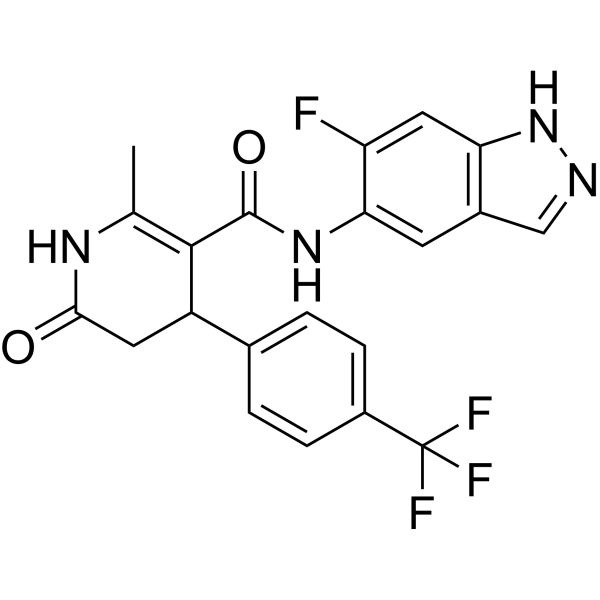
HSD1590 is potent ROCK inhibitor, with IC50s of 1.22 and 0.51 nM for ROCK1 and ROCK2, respectively. HSD1590 exhibits single digit nanomolar binding to ROCK (Kds<2 nM). HSD1590 displays low cytotoxicity [1].
ROCK2-IN-11 (Compound A20) is a selective ROCK2 inhibitor with an IC50 of 0.18 μM for ROCK2 over ROCK1. ROCK2-IN-11 can be used for idiopathic pulmonary fibrosis and cGVHD research [1].
Sovesudil (PHP-201) hydrochloride is a potent, ATP-competitive, locally acting Rho kinase (ROCK) inhibitor with IC50s of 3.7 and 2.3 nM for ROCK-I and ROCK-II, respectively. Sovesudil hydrochloride lowers intraocular pressure (IOP) without inducing hyperemia [1] .
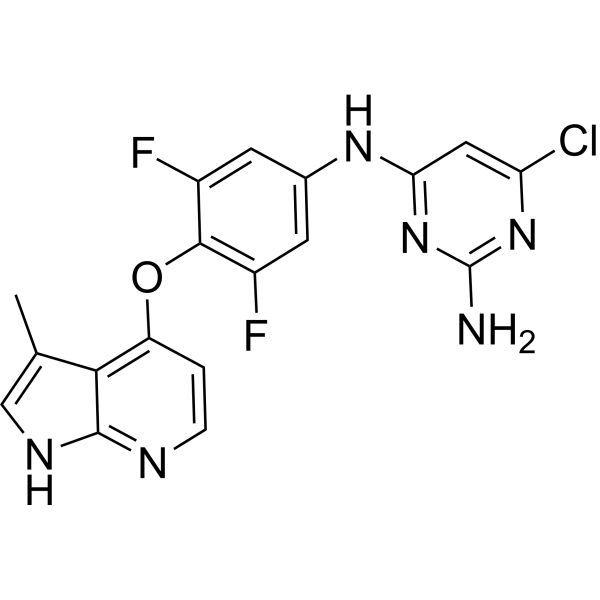
ROCK-IN-10 (compound 50) is a potent ROCK inhibitor with IC50 values of 6 nM and 4 nM for ROCK1 and ROCK2, respectively. ROCK-IN-10 shows >100-fold selectivity against other kinases [1].
Rho-Kinase-IN-3 (compound 12) is a potent and selective Rho kinase (ROCK1) inhibitor with an IC50 value of 8 nM. Rho-Kinase-IN-3 can be used in research of hypertension [1].
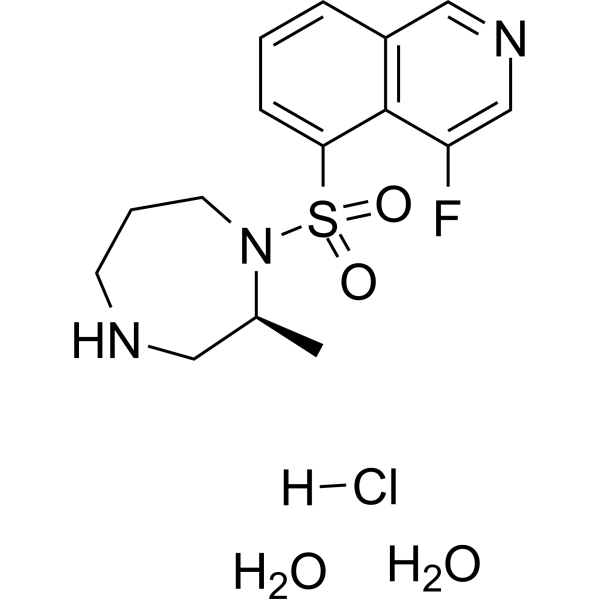
Ripasudil (Standard) is the analytical standard of Ripasudil. This product is intended for research and analytical applications. Ripasudil (K-115) is a specific inhibitor of ROCK, with IC50s of 19 and 51 nM for ROCK2 and ROCK1, respectively.
PF-4950834 is a potent, selective, orally bioavailable, ATP-competitive rho kinase inhibitor with IC50 values of 8.35 nM and 33.12 nM against ROCK2 and ROCK1, respectively. PF-4950834 inhibits neutrophil migration [1].
Belumosudil (mesylate) (Standard) is the analytical standard of Belumosudil (mesylate). This product is intended for research and analytical applications. Belumosudil mesylate (KD025 mesylate) is a selective inhibitor of ROCK2 with IC50s of 105 nM and 24 μM for ROCK2 and ROCK1, respectively. Anti-fibrotic properties [1].
Belumosudil (Standard) is the analytical standard of Belumosudil. This product is intended for research and analytical applications. Belumosudil (KD025) is a selective inhibitor of ROCK2 with IC50s of 105 nM and 24 μM for ROCK2 and ROCK1, respectively. Anti-fibrotic properties [1].
RKI-1313 is a ROCK inhibitor with IC50s of 34, 8 µM for ROCK 1 and ROCK 2, respectively. RKI-1313 shows little effect on the phosphorylation levels of ROCK substrates, migration, invasion or anchorage-independent growth [1].
Fasudil (Hydrochloride) (Standard) is the analytical standard of Fasudil (Hydrochloride). This product is intended for research and analytical applications. Fasudil (HA-1077; AT877) Hydrochloride is a nonspecific RhoA/ROCK inhibitor and also has inhibitory effect on protein kinases, with an Ki of 0.33 μM for ROCK1, IC50s of 0.158 μM and 4.58 μM, 12.30 μM, 1.650 μM for ROCK2 and PKA, PKC, PKG, respectively. Fasudil Hydrochloride is also a potent Ca 2+ channel antagonist and vasodilator [1] .
ROCK2-IN-10 is a potent and selective ROCK2 inhibitor (IC50 = 0.020 μM) with 41-fold selectivity over isoform ROCK1. ROCK2-IN-10 inhibits metastasis by disrupting the cytoskeleton, independent of proliferative suppression. ROCK2-IN-10 shows superior inhibitory potency against cancer cell metastasis, which closely related to the suppression of STAT3 phosphorylation. ROCK2-IN-10 can be used for breast cancer metastasis research [1].
Nocarnickelamide B (Compound 2) is a linear peptide and ROCK1/2 inhibitor. Nocarnickelamide B exhibits dual inhibitory activity against ROCK1 and ROCK2 with IC50s of 14.9 μM and 21.9 μM, respectively. Nocarnickelamide B binds to the ATP-binding site. Nocarnickelamide B inhibits the activation of ROCK-regulated cytoskeletal contraction markers such as the myosin light chain. Nocarnickelamide B is potential for glaucoma reasearch [1].
Hydroxyfasudil (hydrochloride) (Standard) is the analytical standard of Hydroxyfasudil (hydrochloride). This product is intended for research and analytical applications. Hydroxyfasudil hydrochloride is a ROCK inhibitor, with IC50s of 0.73 and 0.72 μM for ROCK1 and ROCK2, respectively.
Hydroxyfasudil (Standard) is the analytical standard of Hydroxyfasudil. This product is intended for research and analytical applications. Hydroxyfasudil is a ROCK inhibitor, with IC50s of 0.73 and 0.72 μM for ROCK1 and ROCK2, respectively.
Belumosudil-d7 (KD025-d7) is deuterium labeled Belumosudil. Belumosudil (KD025) is a selective inhibitor of ROCK2 with IC50s of 105 nM and 24 μM for ROCK2 and ROCK1, respectively. Anti-fibrotic properties [1].
CCG-224406 is a selective G protein-coupled receptor kinase 2 (GRK2) inhibitor with the IC50 values of 13 nM, greater than 700-fold selectivity over other GRK subfamilies, and no inhibition of ROCK1. CCG-224406 can be used for study of heart failure [1].
Verosudil (AR-12286) hydrochloride is the hydrochloride form of Verosudil (HY-16758). Verosudil hydrochloride is a ROCK inhibitor. Verosudil hydrochloride has equal inhibitory activity against ROCK1 and ROCK2 (Ki: 2 nM). Verosudil hydrochloride is less selective for PKA, PKCT, MRCKA, and CAM2A (Ki: 69 nM, 9322 nM, 28 nM, 5855 nM, respectively). Verosudil hydrochloride increases trabecular outflow capacity to reduce intraocular pressure. Verosudil hydrochloride is useful in the study of glaucoma and ocular hypertension [1] .
Fasudil (HA-1077; AT877) hydrochloride semihydrate is a nonspecific RhoA/ROCK inhibitor and also has inhibitory effect on protein kinases, with an Ki of 0.33 μM for ROCK1, IC50s of 0.158 μM and 4.58 μM, 12.30 μM, 1.650 μM for ROCK2 and PKA, PKC, PKG, respectively. Fasudil hydrochloride semihydrate is also a potent Ca 2+ channel antagonist and vasodilator [1] .
Fasudil (HA-1077; AT877) mesylate is a nonspecific and orally active RhoA/ROCK inhibitor and also has inhibitory effect on protein kinases, with an Ki of 0.33 μM for ROCK1, IC50s of 0.158 μM and 4.58 μM, 12.30 μM, 1.650 μM for ROCK2 and PKA, PKC, PKG, respectively. Fasudil mesylate is also a potent Ca 2+ channel antagonist and vasodilator [1] .
ROCK/HDAC-IN-2 (Compound C-9) is a ROCK/HDAC inhibitor, with IC50 values of 0.185 µM, 0.8 µM, and 0.7 µM for HDAC6, ROCK1, and ROCK2, respectively. ROCK/HDAC-IN-2 can induce apoptosis and changes in mitochondrial membrane potential in cancer cells, demonstrating significant antitumor activity. ROCK/HDAC-IN-2 can be used in the research of pancreatic ductal adenocarcinoma (PDAC) and triple-negative breast cancer (TNBC) [1].
LASSBio-2382 is a dual ROCK1/ROCK2 inhibitor with ROCK1IC50 of 0.005 μM and ROCK2 IC50 of 0.003 μM. LASSBio-2382 inhibits viability and migration of cancer cells. LASSBio-2382 can be used for the research of triple-negative breast cancer [1].
ROCK/HDAC-IN-1 (Compound 10h) is an orally active ROCK/HDAC inhibitor. ROCK/HDAC-IN-1 inhibits ROCK1/2 (IC50: 254.9 nM, 58.18 nM) and HDAC1/2/3/6/8 (IC50: 9.09, 8.03, 6.26, 0.41, 7.69 nM). ROCK/HDAC-IN-1 stimulates the activation of DAMPs, specifically Calreticulin (CRT) exposure and HMGB1 release, indicating that it is a potential ICD inducer.. ROCK/HDAC-IN-1 has antiproliferative activity against breast cancer cells (IC50: 0.37 μM for MDA-MB-231 cell), and inhibits tumor growth and activates T cells without apparent toxicity [1].
LASSBio-2389 is a selective ROCK2 inhibitor with an IC50 of 0.051 μM and an IC50 of 1.143 μM against ROCK1. LASSBio-2389 reduces the viability of MDA-MB-231 cells and inhibits cell migration. LASSBio-2389 is applicable to the research of triple-negative breast cancer [1].
BAY-549 (Standard) is the analytical standard of BAY-549 (HY-10319). This product is intended for research and analytical applications. BAY-549 (Azaindole 1), a chemical probe, is an orally active and ATP-competitive ROCK inhibitor with IC50s of 0.6 and 1.1 nM for human ROCK-1 and ROCK-2, respectively [1].
ROCK2-IN-14 is an orally active, selective ROCK2 inhibitor (IC50=4.8 nM) with 212-fold selectivity over ROCK1(IC50=1.01 μM). By inhibiting the ROCK2/S100A9 signaling pathway, ROCK2-IN-14 downregulates S100A9 expression, inhibits NM2 phosphorylation and restores cytoskeletal abnormalities. Furthermore, ROCK2-IN-14 reduces inflammatory cytokine levels, alleviates skin inflammation and exerts anti-inflammatory activity. ROCK2-IN-14 also significantly inhibits ear thickening in a mouse model of atopic dermatitis (AD), and decreases the levels of IgE, TNF-α, IL-6 and TSLP. ROCK2-IN-14 can be used for research on atopic dermatitis [1].
Rho-Kinase-IN-1 (Standard) is the analytical standard of Rho-Kinase-IN-1 (HY-100270). This product is intended for research and analytical applications. Rho-Kinase-IN-1 is a Rho kinase (ROCK) inhibitor (Ki values of 30.5 and 3.9 nM for ROCK1 and ROCK2, respectively) extracted from US20090325960A1, compound 1.008 [1].
GKI-1 (Standard) is the analytical standard of GKI-1 (HY-100521). This product is intended for research and analytical applications. GKI-1 is a Greatwall (GWL) kinase inhibitor with IC50s of 4.9 and 2.5 μM against hGWLFL and hGWL-KinDom, respectively. GKI-1 robustly inhibits ROCK1 with an IC50 of 11 μM, but only weakly affected PKA [1].
(Rac)-NRL-1049 is the racemic mixture of NRL-1049 (BA-1049 (free base)) (HY-162596). NRL-1049 is an orally available and selective ROCK2 inhibitor with IC50 values of 0.59 µM for ROCK2 and 26 µM for ROCK1, respectively. NRL-1049 modulates ROCK signaling, preserves blood-brain barrier integrity, reduces edema, seizures and hemorrhage, and alleviates cerebral cavernous malformation lesion burden. NRL-1049 can be used for the study of acute brain injury, ischemic stroke, and cerebral cavernous malformations [1] .
SB-772077B dihydrochloride (Standard) is the analytical standard of SB-772077B (dihydrochloride) (HY-108518). This product is intended for research and analytical applications. SB-772077B dihydrochloride is an orally active aminofuran-based Rho Kinase ((ROCK)) inhibitor with IC50 values of 5.6 nM and 6 nM for ROCK1 and ROCK2, respectively. SB-772077B dihydrochloride reduces inflammatory cytoKines (TNF-α and IL-6). SB-772077B dihydrochloride relaxes aortic rings and lowers blood pressure. SB-772077B dihydrochloride can be used in the research of inflammatory diseases [1] .
α-Patchoulene is an orally active anti-inflammatory, antioxidant, and anti-apoptotic agent. α-Patchoulene inhibits the NF-κB, TLR4, and cAMP/PKA/CREB signaling pathways; activates the Sirt1/Nrf2 and AMPK signaling pathways; and targets Fas/FasL, Caspase-3, ERK1/2, ROCK1/MLC2 for inhibition. α-Patchoulene regulates cytokine secretion, inflammatory cell infiltration, lipid peroxidation, cell polarization, gut microbiota, and lipid metabolism, restores barrier function, mitochondrial function, and cell viability, and exhibits repellent activity against Spodoptera exigua larvae. α-Patchoulene can be used in research related to various inflammatory, ischemic, fibrosis-associated diseases, as well as hepatocellular carcinoma [1] .
Y-27632 (Standard) is the analytical standard of Y-27632 (HY-10071). This product is intended for research and analytical applications. Y-27632 is a ROCK inhibitor with Ki values of 220 nM and 300 nM for ROCK1 and ROCK2, respectively. Y-27632 exerts anti-inflammatory and immunomodulatory effects in systemic lupus erythematosus models by inhibiting the ROCK/NF-κB pathway. Y-27632 enhances autophagy by inhibiting the AKT/mTOR pathway, thereby inducing apoptosis apoptosis in oral squamous cell carcinoma. Y-27632 induces the formation of tunneling nanotubes in ARPE-19 cells and significantly enhances mitochondrial transfer through these channels. Y-27632 promotes neurite outgrowth in PC12 cells by activating the Rac1/NOX1/ROS/AKT/PAK1 signaling cascade [1] .
β-Patchoulene is an orally active anti-inflammatory, antioxidant, and anti-apoptotic agent. β-Patchoulene inhibits the NF-κB, TLR4, and cAMP/PKA/CREB signaling pathways; activates the Sirt1/Nrf2 and AMPK signaling pathways; and targets Fas/FasL, Caspase-3, ERK1/2, ROCK1/MLC2 for inhibition. β-Patchoulene regulates cytokine secretion, inflammatory cell infiltration, lipid peroxidation, cell polarization, gut microbiota, and lipid metabolism, restores barrier function, mitochondrial function, and cell viability, and exhibits repellent activity against Spodoptera exigua larvae. β-Patchoulene can be used in research related to various inflammatory, ischemic, fibrosis-associated diseases, as well as hepatocellular carcinoma [1] .
Nocarnickelamide B (Compound 2) is a linear peptide and ROCK1/2 inhibitor. Nocarnickelamide B exhibits dual inhibitory activity against ROCK1 and ROCK2 with IC50s of 14.9 μM and 21.9 μM, respectively. Nocarnickelamide B binds to the ATP-binding site. Nocarnickelamide B inhibits the activation of ROCK-regulated cytoskeletal contraction markers such as the myosin light chain. Nocarnickelamide B is potential for glaucoma reasearch [1].
α-Patchoulene is an orally active anti-inflammatory, antioxidant, and anti-apoptotic agent. α-Patchoulene inhibits the NF-κB, TLR4, and cAMP/PKA/CREB signaling pathways; activates the Sirt1/Nrf2 and AMPK signaling pathways; and targets Fas/FasL, Caspase-3, ERK1/2, ROCK1/MLC2 for inhibition. α-Patchoulene regulates cytokine secretion, inflammatory cell infiltration, lipid peroxidation, cell polarization, gut microbiota, and lipid metabolism, restores barrier function, mitochondrial function, and cell viability, and exhibits repellent activity against Spodoptera exigua larvae. α-Patchoulene can be used in research related to various inflammatory, ischemic, fibrosis-associated diseases, as well as hepatocellular carcinoma [1] .
The ROCK1 protein is a key kinase that regulates the actin cytoskeleton, cell polarity, smooth muscle contraction, and multiple cellular functions. It controls stress fibers, focal adhesion formation, neurite retraction, and cell motility by phosphorylating substrates such as DAPK3, GFAP, LIMK1, LIMK2, MYL9/MLC2, TPPP, PFN1, and PPP1R12A. ROCK1 Protein, Human (sf9) is the recombinant human-derived ROCK1 protein, expressed by sf9 insect cells , with tag free.
The ROCK1 protein is a key kinase that regulates the actin cytoskeleton, cell polarity, smooth muscle contraction, and multiple cellular functions. It controls stress fibers, focal adhesion formation, neurite retraction, and cell motility by phosphorylating substrates such as DAPK3, GFAP, LIMK1, LIMK2, MYL9/MLC2, TPPP, PFN1, and PPP1R12A. ROCK1 Protein, Human (sf9, His) is the recombinant human-derived ROCK1 protein, expressed by sf9 insect cells , with N-8*His labeled tag.
The ROCK1 protein is a key kinase that regulates the actin cytoskeleton, cell polarity, smooth muscle contraction, and multiple cellular functions. It controls stress fibers, focal adhesion formation, neurite retraction, and cell motility by phosphorylating substrates such as DAPK3, GFAP, LIMK1, LIMK2, MYL9/MLC2, TPPP, PFN1, and PPP1R12A. ROCK1 Protein, Human (Active, sf9, GST) is the recombinant human-derived ROCK1 protein, expressed by sf9 insect cells , with GST-tag.
Belumosudil-d7 (KD025-d7) is deuterium labeled Belumosudil. Belumosudil (KD025) is a selective inhibitor of ROCK2 with IC50s of 105 nM and 24 μM for ROCK2 and ROCK1, respectively. Anti-fibrotic properties [1].
ROCK1 Human Pre-designed siRNA Set A contains three designed siRNAs for ROCK1 gene (Human), as well as a negative control, a positive control, and a FAM-labeled negative control.
Rock1 Rat Pre-designed siRNA Set A contains three designed siRNAs for Rock1 gene (Rat), as well as a negative control, a positive control, and a FAM-labeled negative control.
Rock1 Mouse Pre-designed siRNA Set A contains three designed siRNAs for Rock1 gene (Mouse), as well as a negative control, a positive control, and a FAM-labeled negative control.
Inquiry Online
Your information is safe with us. * Required Fields.
Western blot analysis of extracts from THP-1(lane 2(20μg), Jurkat (lane 3(20μg) and NIH3T3(lane 4(20μg) using FOXO1A (HY-P80132) Rabbit mAb. Proteins were transferred
to a PVDF membrane and blocked with 5% non-fat milk in TBST for 2 hour at room temperature. The primary antibody (1/1000) and Loading control antibody (Beta Actin, HY-P80438, 1/10000) was
used in 5% non-fat milk in TBST at 4°C overnight. Goat Anti-Mouse/Rabbit IgG-HRP Secondary Antibody (1/10000) was used for 1 hour at room temperature.
Western blot analysis of extracts from THP-1(lane 2(20μg), Jurkat (lane 3(20μg) and NIH3T3(lane 4(20μg) using FOXO1A (HY-P80132) Rabbit mAb. Proteins were transferred
to a PVDF membrane and blocked with 5% non-fat milk in TBST for 2 hour at room temperature. The primary antibody (1/1000) and Loading control antibody (Beta Actin, HY-P80438, 1/10000) was
used in 5% non-fat milk in TBST at 4°C overnight. Goat Anti-Mouse/Rabbit IgG-HRP Secondary Antibody (1/10000) was used for 1 hour at room temperature.
Western blot analysis of extracts from THP-1(lane 2(20μg), Jurkat (lane 3(20μg) and NIH3T3(lane 4(20μg) using FOXO1A (HY-P80132) Rabbit mAb. Proteins were transferred
to a PVDF membrane and blocked with 5% non-fat milk in TBST for 2 hour at room temperature. The primary antibody (1/1000) and Loading control antibody (Beta Actin, HY-P80438, 1/10000) was
used in 5% non-fat milk in TBST at 4°C overnight. Goat Anti-Mouse/Rabbit IgG-HRP Secondary Antibody (1/10000) was used for 1 hour at room temperature.
Western blot analysis of extracts from THP-1(lane 2(20μg), Jurkat (lane 3(20μg) and NIH3T3(lane 4(20μg) using FOXO1A (HY-P80132) Rabbit mAb. Proteins were transferred
to a PVDF membrane and blocked with 5% non-fat milk in TBST for 2 hour at room temperature. The primary antibody (1/1000) and Loading control antibody (Beta Actin, HY-P80438, 1/10000) was
MedchemExpress Validation 03
Western blot analysis of extracts from THP-1(lane 2(20μg), Jurkat (lane 3(20μg) and NIH3T3(lane 4(20μg) using FOXO1A (HY-P80132) Rabbit mAb. Proteins were transferred
MedchemExpress Validation 04
Western blot analysis of extracts from THP-1(lane 2(20μg), Jurkat (lane 3(20μg) and NIH3T3(lane 4(20μg) using FOXO1A (HY-P80132) Rabbit mAb. Proteins were transferred
to a PVDF membrane and blocked with 5% non-fat milk in TBST for 2 hour at room temperature. The primary antibody (1/1000) and Loading control antibody (Beta Actin, HY-P80438, 1/10000) was
used in 5% non-fat milk in TBST at 4°C overnight. Goat Anti-Mouse/Rabbit IgG-HRP Secondary Antibody (1/10000) was used for 1 hour at room temperature.
MedchemExpress Validation
Western blot analysis of extracts from THP-1(lane 2(20μg), Jurkat (lane 3(20μg) and NIH3T3(lane 4(20μg) using FOXO1A (HY-P80132) Rabbit mAb. Proteins were transferred
to a PVDF membrane and blocked with 5% non-fat milk in TBST for 2 hour at room temperature. The primary antibody (1/1000) and Loading control antibody (Beta Actin, HY-P80438, 1/10000) was
used in 5% non-fat milk in TBST at 4°C overnight. Goat Anti-Mouse/Rabbit IgG-HRP Secondary Antibody (1/10000) was used for 1 hour at room temperature.
Western blot analysis of extracts from THP-1(lane 2(20μg), Jurkat (lane 3(20μg) and NIH3T3(lane 4(20μg) using FOXO1A (HY-P80132) Rabbit mAb. Proteins were transferred
to a PVDF membrane and blocked with 5% non-fat milk in TBST for 2 hour at room temperature. The primary antibody (1/1000) and Loading control antibody (Beta Actin, HY-P80438, 1/10000) was
used in 5% non-fat milk in TBST at 4°C overnight. Goat Anti-Mouse/Rabbit IgG-HRP Secondary Antibody (1/10000) was used for 1 hour at room temperature.
MedchemExpress Validation
Western blot analysis of extracts from THP-1(lane 2(20μg), Jurkat (lane 3(20μg) and NIH3T3(lane 4(20μg) using FOXO1A (HY-P80132) Rabbit mAb. Proteins were transferred
to a PVDF membrane and blocked with 5% non-fat milk in TBST for 2 hour at room temperature. The primary antibody (1/1000) and Loading control antibody (Beta Actin, HY-P80438, 1/10000) was
used in 5% non-fat milk in TBST at 4°C overnight. Goat Anti-Mouse/Rabbit IgG-HRP Secondary Antibody (1/10000) was used for 1 hour at room temperature.
MedchemExpress Validation
Western blot analysis of extracts from THP-1(lane 2(20μg), Jurkat (lane 3(20μg) and NIH3T3(lane 4(20μg) using FOXO1A (HY-P80132) Rabbit mAb. Proteins were transferred
to a PVDF membrane and blocked with 5% non-fat milk in TBST for 2 hour at room temperature. The primary antibody (1/1000) and Loading control antibody (Beta Actin, HY-P80438, 1/10000) was
used in 5% non-fat milk in TBST at 4°C overnight. Goat Anti-Mouse/Rabbit IgG-HRP Secondary Antibody (1/10000) was used for 1 hour at room temperature.
MedchemExpress Validation
Western blot analysis of extracts from THP-1(lane 2(20μg), Jurkat (lane 3(20μg) and NIH3T3(lane 4(20μg) using FOXO1A (HY-P80132) Rabbit mAb. Proteins were transferred
to a PVDF membrane and blocked with 5% non-fat milk in TBST for 2 hour at room temperature. The primary antibody (1/1000) and Loading control antibody (Beta Actin, HY-P80438, 1/10000) was
used in 5% non-fat milk in TBST at 4°C overnight. Goat Anti-Mouse/Rabbit IgG-HRP Secondary Antibody (1/10000) was used for 1 hour at room temperature.
MedchemExpress Validation
Western blot analysis of extracts from THP-1(lane 2(20μg), Jurkat (lane 3(20μg) and NIH3T3(lane 4(20μg) using FOXO1A (HY-P80132) Rabbit mAb. Proteins were transferred
to a PVDF membrane and blocked with 5% non-fat milk in TBST for 2 hour at room temperature. The primary antibody (1/1000) and Loading control antibody (Beta Actin, HY-P80438, 1/10000) was
used in 5% non-fat milk in TBST at 4°C overnight. Goat Anti-Mouse/Rabbit IgG-HRP Secondary Antibody (1/10000) was used for 1 hour at room temperature.
MedchemExpress Validation
Western blot analysis of extracts from THP-1(lane 2(20μg), Jurkat (lane 3(20μg) and NIH3T3(lane 4(20μg) using FOXO1A (HY-P80132) Rabbit mAb. Proteins were transferred
to a PVDF membrane and blocked with 5% non-fat milk in TBST for 2 hour at room temperature. The primary antibody (1/1000) and Loading control antibody (Beta Actin, HY-P80438, 1/10000) was
used in 5% non-fat milk in TBST at 4°C overnight. Goat Anti-Mouse/Rabbit IgG-HRP Secondary Antibody (1/10000) was used for 1 hour at room temperature.
MedchemExpress Validation
Western blot analysis of extracts from THP-1(lane 2(20μg), Jurkat (lane 3(20μg) and NIH3T3(lane 4(20μg) using FOXO1A (HY-P80132) Rabbit mAb. Proteins were transferred
to a PVDF membrane and blocked with 5% non-fat milk in TBST for 2 hour at room temperature. The primary antibody (1/1000) and Loading control antibody (Beta Actin, HY-P80438, 1/10000) was
used in 5% non-fat milk in TBST at 4°C overnight. Goat Anti-Mouse/Rabbit IgG-HRP Secondary Antibody (1/10000) was used for 1 hour at room temperature.
MedChemExpress values your privacy and your trust is important to us. We use cookies to enhance your website experience. Some cookies are necessary to run the website.
Privacy and Cookie Policy

