From 11:00 pm to 12:00 pm EST ( 8:00 pm to 9:00 pm PST ) on January 6th, the website will be under maintenance. We are sorry for the inconvenience. Please arrange your schedule properly.
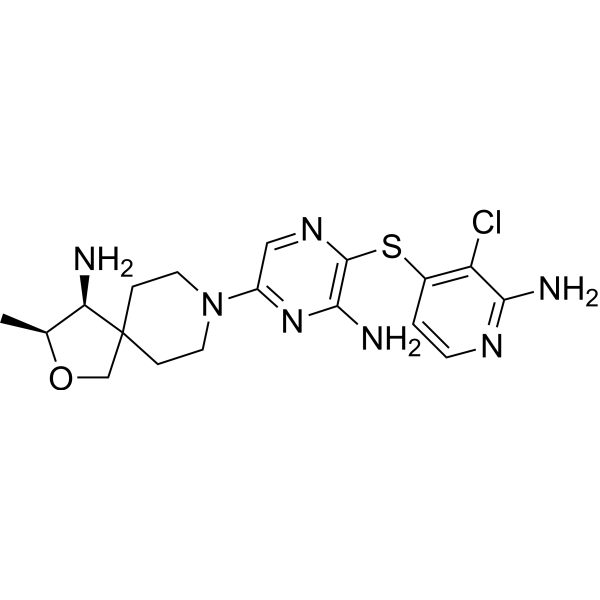
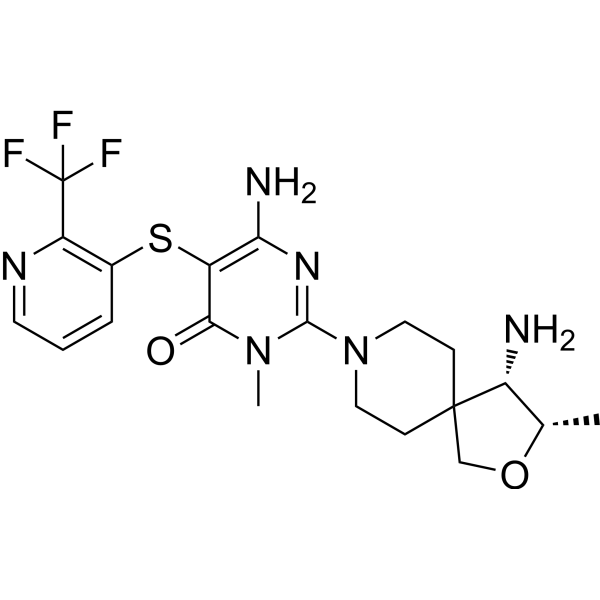
Batoprotafib (TNO155) is a potent selective and orally active allosteric inhibitor of wild-type SHP2 (IC50=0.011 µM). Batoprotafib has the potential for the study of RTK-dependent malignancies, especially advanced solid tumors .
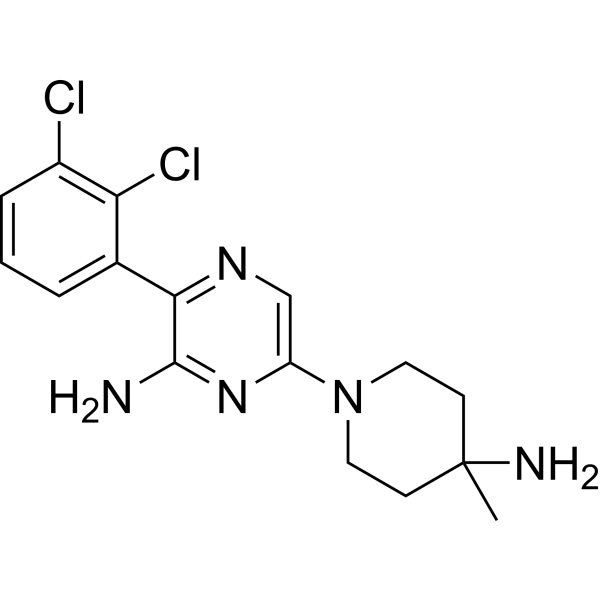
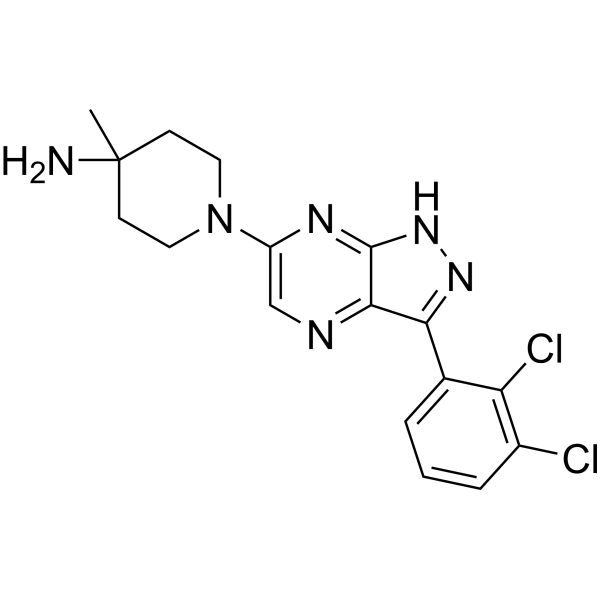
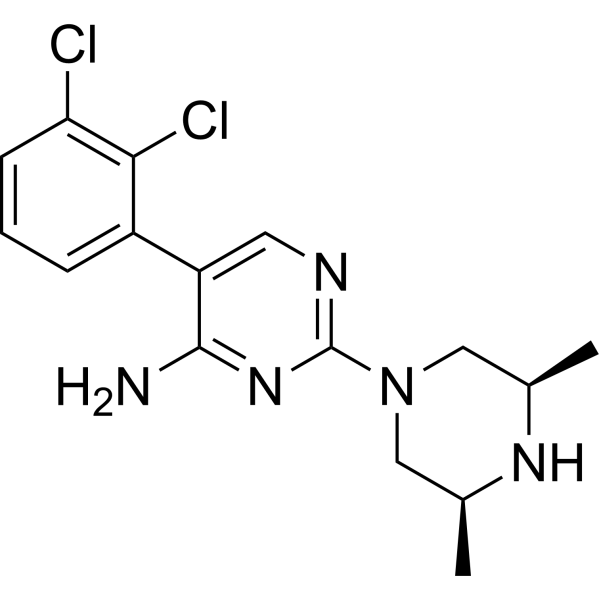
SHP099 is an allosteric SHP2 inhibitor, with IC50s of 0.690, 1.241, 0.416, 1.968, 2.896 μM for SHP2, SHP2D61Y, SHP2E69K, SHP2A72V, SHP2E76K. SHP099 inhibits cancer cell growth, such as MV4-11 and TF-1 cell (IC50: 0.32 and 1.73 μM). SHP099 inhibits RAS-ERK signaling and inhibits tumor growth [2].
Vociprotafib (RMC-4630) is an orally active, selective and potent phosphatase SHP2 inhibitor, which blocks activation of the RAS-RAF-MEK-ERK signaling pathway with antitumor activity. Vociprotafib accelerates the time to, and increases the magnitude of, tumor regressions in Osimertinib (HY-15772)-sensitive EGFR-mutant tumors of mice [2] .
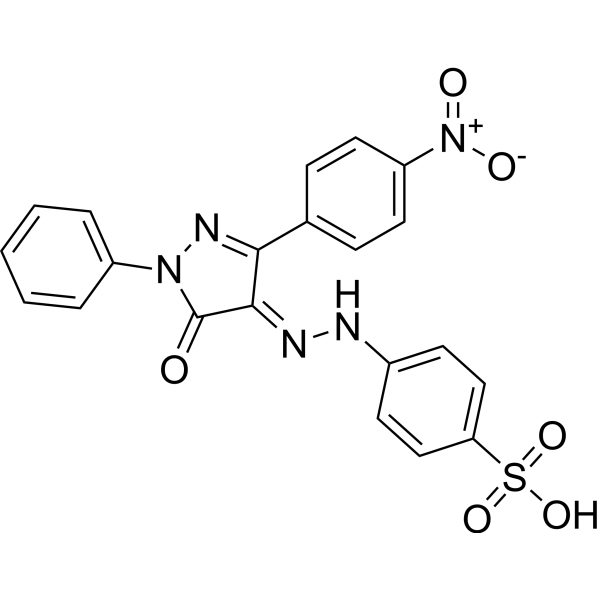
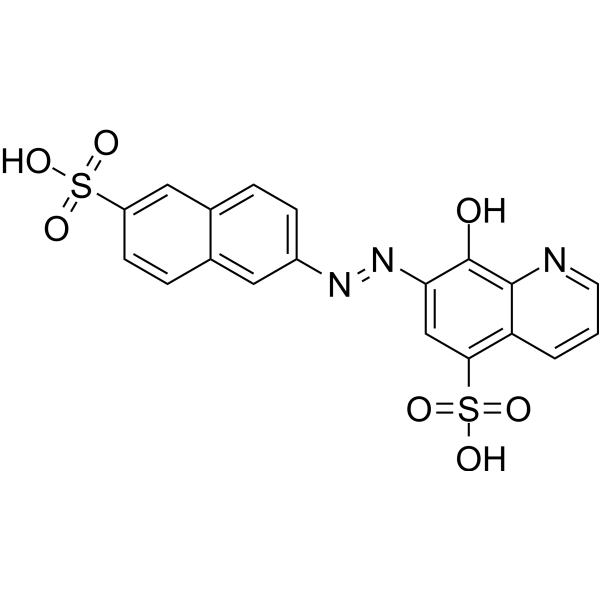
NSC-87877 is a potent inhibitor of Shp2 and Shp1 protein tyrosine phosphatases (SH-PTP2 and SH-PTP1), with IC50 values of 0.318 μM, 0.355 μM shp2 and shp1, respectively . NSC-87877 also inhibits dual-specificity phosphatase 26 (DUSP26)[2].
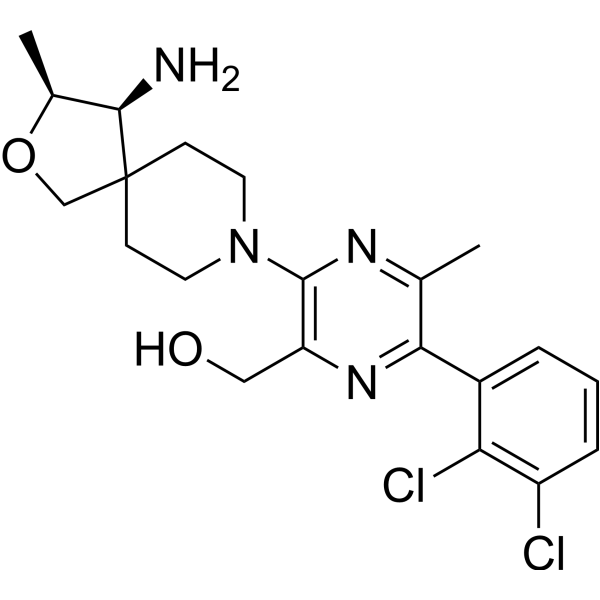
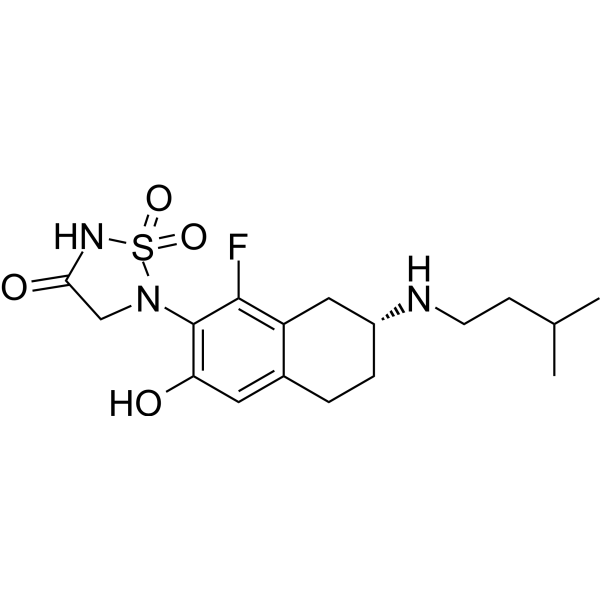
Sitneprotafib (JAB-3312) is an orally effective anticancer phosphatase SHP2 inhibitor (IC50: 1.9 nM) with anti-cancer activity. Sitneprotafib has good tolerability and significantly induced tumor regression in a KYSE-520 mouse xenograft model .
PHPS1 is a potent and selective Shp2 inhibitor with Kis of 0.73, 5.8, 10.7, 5.8, and 0.47 μM for Shp2, Shp2-R362K, Shp1, PTP1B, and PTP1B-Q, respectively .
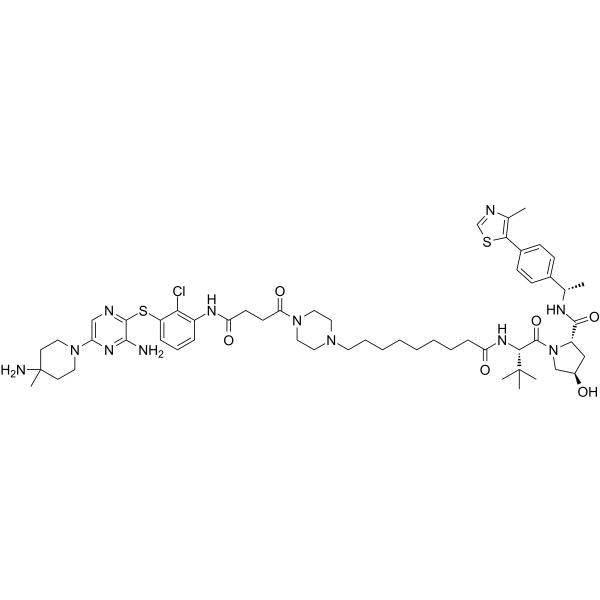
SHP2-D26 is a first, potent and effective SHP2 PROTAC degrader. SHP2-D26 induces SHP2 degradation requires binding to VHL-1 and SHP2 proteins. SHP2-D26 is also neddylation- and proteasome-dependent. SHP2-D26 can be used for the study of esophageal cancer and acute myeloid leukemia (Pink: SHP2 ligand (HY-176797); Blue: VHL ligand (HY-150803); Black: linker) .
Bis(maltolato)oxovanadium(IV) (BMOV) is a potent, reversible, competitive and orally active pan-PTP (protein tyrosine phosphatases) inhibitor. Bis(maltolato)oxovanadium(IV) inhibits HCPTPA, PTP1B, HPTPβ and SHP2 with IC50s of 126 nM, 109 nM, 26 nM and 201 nM, respectively. Bis(maltolato)oxovanadium(IV) is a potent insulin sensitizer [2].
SPI-112 is a potent, selective and competitive SHP2 (PTPN11) inhibitor with IC50s of 1 μM, 18.3 μM and 14.5 μM for SHP2, protein tyrosine phosphatase (PTP) and PTP1B, respectively [2].
IACS-13909 is a selective, potent and orally active SHP2 allosteric inhibitor with an IC50 of 15.7 nM and a Kd of 32 nM. IACS-13909 is more selective for SHP2 than other phosphatases (including SHP1). IACS-13909 has antitumor activities and suppresses MAPK pathway signaling in receptor tyrosine kinases (RTK)-dependent cancers .
SHP2-D26 isomer-1 is an isoform of SHP2-D26 (HY-145162). SHP2-D26 isomer-1 cannot degrade SHP2 at 3-1000 nM. SHP2-D26 is a PROTAC SHP2 degrader. (Pink: SHP2 ligand (HY-176797); Blue: Isomer control of VHL Ligand 14 (HY-150803); Black: linker) [2].
SHP2 protein degrader-1 is a potent allosteric inhibitor of SHP2. SHP2 protein degrader-1 induces SHP2 degradation and cell apoptosis. SHP2 protein degrader-1 has the potential for researching SHP2 related diseases .
JAB-3068 (SHP2-IN-6) hydrochloride is a potent SHP2 inhibitor with an IC50 of 25.8 nM. JAB-3068 hydrochloride is extracted from patent WO2017211303A1, compound 7 .
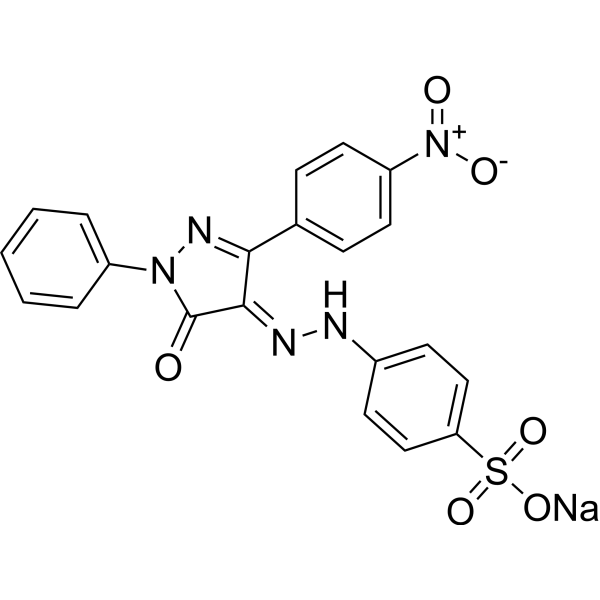
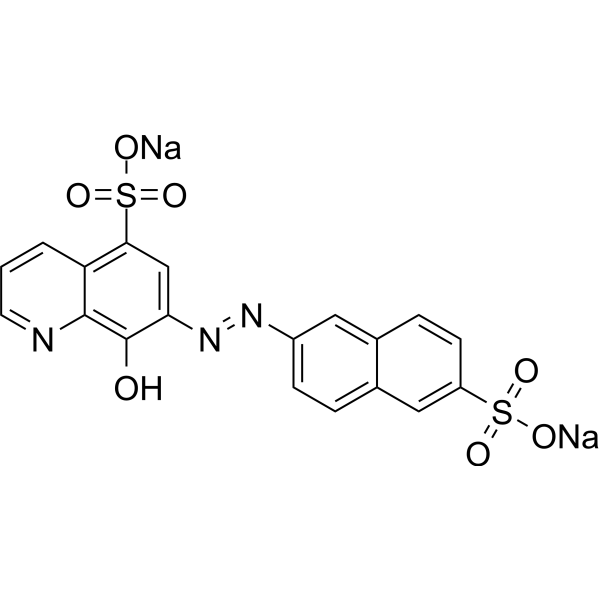
NSC-87877 disodium is a potent inhibitor of Shp2 and Shp1 protein tyrosine phosphatases (SH-PTP2 and SH-PTP1), with IC50 values of 0.318 μM, 0.355 μM shp2 and shp1, respectively . NSC-87877 also inhibits dual-specificity phosphatase 26 (DUSP26)[2].
LYP-IN-1 is a potent, selective and specific LYP inhibitor with a Ki and an IC50 of 110 nM and 0.259 μM, respectively. LYP-IN-1 also has selectivity for a large panel of PTPs, such as SHP1 (IC50=5 μM) and SHP2(IC50=2.5 μM). LYP-IN-1 exhibits highly efficacious cellular activity in T- and mast cells. LYP-IN-1 can be used for the study of autoimmune disorders . LYP-IN-1 is a click chemistry reagent, it contains an Alkyne group and can undergo copper-catalyzed azide-alkyne cycloaddition (CuAAc) with molecules containing Azide groups.
SHP2-IN-13 is a highly selective and orally active SHP2 “tunnel site” allosteric inhibitor with an IC50 of 83.0 nM. SHP2-IN-13 has the potential for cancers bearing RTK oncogenic drivers and SHP2-related diseases research.
SHP2-IN-9 is a specific SHP2 inhibitor (IC50 =1.174 μM) with enhanced blood–brain barrier penetration. SHP2-IN-9 shows 85-fold more selective for SHP2 than SHP1. SHP2-IN-9 inhibits SHP2-mediated cell signal transduction and cancer cell proliferation, and inhibits the growth of cervix cancer tumors and glioblastoma growth in vivo .
SHP2-IN-37 (compound C5) is a potent and selective SHP2 allosteric inhibitor with an IC50 of 0.023 μM. SHP2-IN-37 exhibits antiproliferative effect on KYSE-520 and MV-411 cells with IC50s of 6.97 and 0.67 μM, respectively
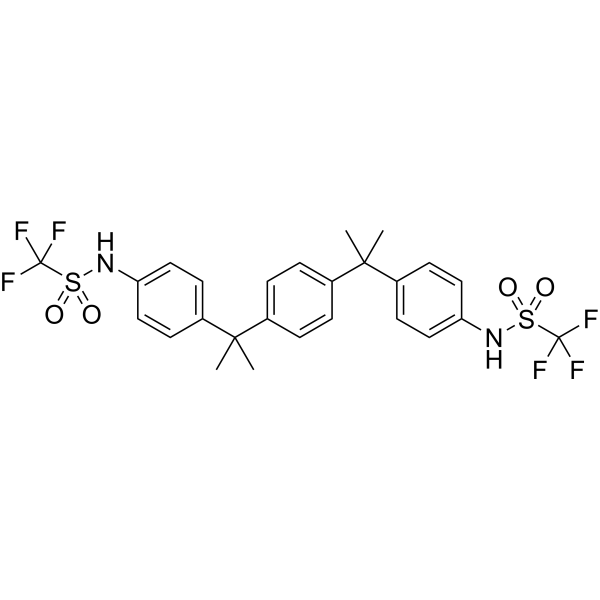
SHP2 inhibitor LY6 (LY6) is potent and selective inhibitor of SHP2, with an IC50 of 9.8 µM. SHP2 inhibitor LY6 can inhibits SHP2-mediated cell signaling and proliferation .
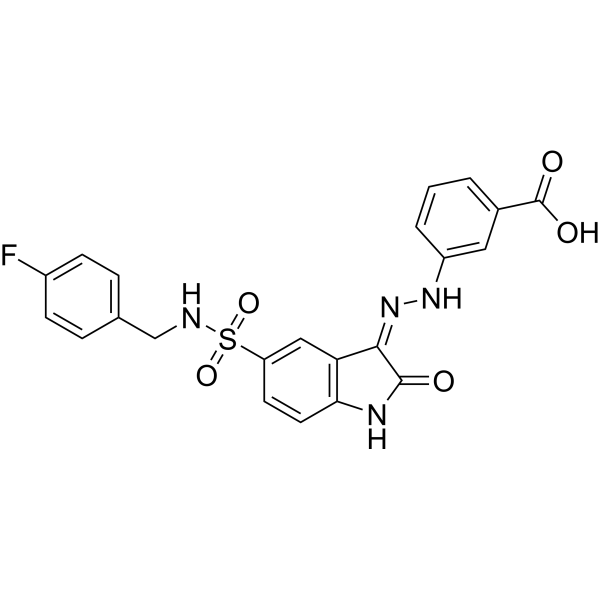
PTP Inhibitor IV is a protein tyrosine phosphatase (PTP) inhibitor that competitively inhibits DUSP14 phosphatase activity with an 50 of 5.21 μM . PTP Inhibitor IV inhibits SHP-2, PTP1B, PTP-ε, PTP Meg-2, PTP-σ, PTP-β, and PTP-μ with 50s of 1.8 μM, 2.5 μM, 8.4 μM, 13 μM, 20 μM, 6.4 μM, and 6.7 μM, respectively [2].
SHP2 protein degrader-3 is a SHP2 AUTAC degrader. SHP2 protein degrader-3 shows dose-dependent SHP2 degradation ability (DC50 = 3.22 μM) and anti-tumor activity (IC50 = 5.59 μM) in HeLa cells. SHP2 protein degrader-3 induces degradation through the LC3-mediated autophagy pathway, which can be inhibited by lysosome inhibitors. SHP2 protein degrader-3 induces apoptosis in various cancer cells (HeLa cells, HepG2 cells, LoVo cells, Huh-7 cells) (SHP2 Ligand : (HY-100388); LC3 Ligand: (HY-10542); Linker : (HY-128834)) .
BPDA2 is a highly selective and competitive active site SHP2 inhibitor with IC50s of 92.0 nM, 33.39 μM, 40.71 μM for SHP2, SHP1, SHP1B, respectively. DBDA2 downregulates mitogenic and cell survival signaling and RTK expression. BPDA2 suppresses SHP2 mediated signaling and breast cancer cell phenotypes .
SHP2 ATTEC degrader-1 is a SHP2ATTEC degrader. SHP2 ATTEC degrader-1 has degradation rate of 83.31 at 1.0 μM for 24 h in the PANC-1 cell line. SHP2 ATTEC degrader-1 inhibits cell growth in vivo and in vitro. SHP2 ATTEC degrader-1 induces apoptosis and increases the expression of the epithelial marker ( E-cadherin), and reduces the expression of interstitial markers (such as N-cadherin, Vimentin) (Pink: LC3 ligand (HY-174085); Black :linker HY-140468; Blue: SHP2 ligand (HY-174084) .
GS-493 is a selective protein tyrosine phosphatase SHP2 (PTPN11) inhibitor with an IC50 of 71 nM. GS-493 is 29- and 45-fold more active toward SHP2 than related SHP1 and PTP1B. GS-493 blocks cellular motility and growth of cancer cells. Antitumor activity .
SHP2-IN-43 (Compound 5) is a SHP2 inhibitor with an IC50 of 98.7 nM. SHP2-IN-43 can be used as a PROTAC target ligand in the synthesis of SHP2-D26 (HY-145162) .
SHP2-IN-45 (Compound 6) is a potent, highly selective, and orally active SHP2 allosteric inhibitor. SHP2-IN-45 significantly reduces the expressions of IL-6, TNF-α, IL-1β, and iNOS. SHP2-IN-45 inhibits the polarization of M1-type macrophages. SHP2-IN-45 can inhibit the NF-κB pathway. SHP2-IN-45 can be used in the research of sepsis and acute lung injury .
TK-685 is an orally active, selective, and allosteric SHP2 inhibitor with an IC50 of 2.1 nM. TK-685 inhibits esophageal cancer cell proliferation and induced apoptosis by targeting SHP2-mediated AKT and ERK signaling pathways .
SHP244 is a conformational inhibitor targeting the "latch allosteric site" (site 2) of the SHP2 protein with an IC50 value for SHP2WT of 60 μM. SHP244 has no significant effect on the level of p-ERK alone. SHP244 combined with RMC-4550 (HY-116009) ("tunnel site" site 1 inhibitor) can reduce p-ERK and inhibit the rebound of p-ERK, thereby reducing drug resistance. SHP244 can be used to study drug resistance in FGFR-driven cancers .
SHP2-IN-41 (Compound 4) is a SHP2 inhibitor with an IC50 of less than 0.1 μM. SHP2-IN-41 has an IC50 against KYSE-520 cells also less than 0.1 μM. SHP2-IN-41 can be used in the study of cancer .
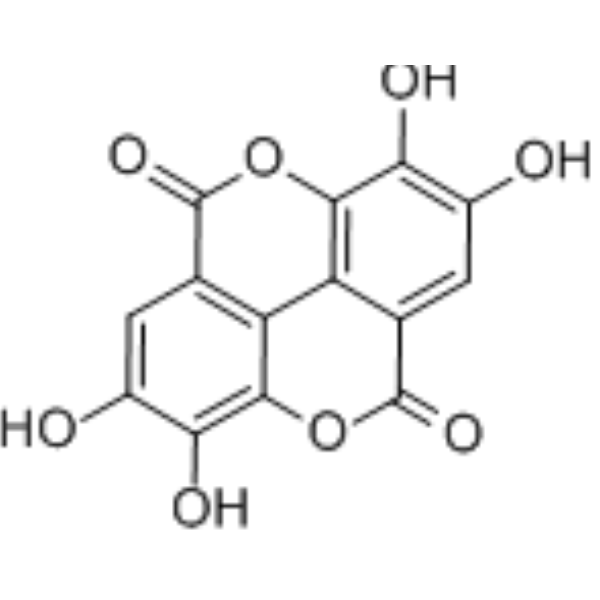
Ellagic acid- 13C12 is 13 C-labeled Ellagic acid (HY-B0183). Ellagic acid is a natural antioxidant and acts as a potent and ATP-competitive inhibitor of CK2 and SHP2, with an IC50 of 40 nM and a Ki of 20 nM [2].
Cryptosporioptide A (Compound 3) is a pigment protein tyrosine phosphatase inhibitor derived from the insect-parasitic fungus Cordyceps gracilioides. Cryptosporioptide A inhibits PTP1B, SHP2, CDC25B, LAR and SHP1 enzymes with IC50 of 7.3, 5.7, 7.6, >50, 4.9 μg/mL, respectively .
Thalidomide-NH-(CH2)2-NH2 TFA is an alkyl-modified Thalidomide (HY-14658) that acts as a Cereblon ligand to recruit CRBN proteins. Thalidomide-NH-(CH2)2-NH2 TFA is a key intermediate in the synthesis of CRBN-based PROTAC molecules designed to synthesize small PROTAC molecules targeting SHP2 protein.
SHP2-IN-26 (Compound 4b) is a highly selective SHP2 allosteric inhibitor with a IC50 value of 3.2 nM. SHP2-IN-26 inhibits the phosphorylation of ERK and AKT in NCI-H358 cells. SHP2-IN-26 has antitumor activity .
SHP2-IN-30 (compound 14i) is an allosteric SHP2 inhibitor with an IC50 of 104 nM. SHP2-IN-30 shows low inhibitory effect on SHP2-PTP. SHP2-IN-30 induces cell apoptosis and arrests the cell cycle at the G0/G1 phase .
SHP2-IN-42 is a src homology 2 domain-containing phosphatase 2(SHP2) inhibitor with an IC50 of 15 nM. SHP2-IN-42 inhibits cell proliferation and induces apoptosis and G1 phase cell cycle arrest. SHP2-IN-42 can be used for the research of cancer, such as acute myeloid leukemia (AML) .
SHP2-IN-38 is a novel green-fluorescent SHP2 inhibitor with IC50 values of 2.89 μM (SHP2), 8.73 μM (SHP1), 11.08 μM (PTP1B), 33.07 μM (TCPTP). SHP2-IN-38 blocks the SHP2-mediatedERK signaling pathway and inhibits MV4-11 cells proliferation in vitro with IC50 of 7.90 μM. SHP2-IN-38 has an excitation wavelength of 360 nm, with a maximum emission wavelength of 550 nm in DMSO and 540 nm in DMF. SHP2-IN-38 shows green fluorescence imaging in HeLa cells and zebrafish.
SHP2-IN-44 (Compound 26) is an allosteric and orally active SHP2 inhibitor with an IC50 of 27 ?nM. SHP2-IN-44 also inhibits ERK phosphorylation (IC50 of 299 ?nM) without off-target hERG activity. SHP2-IN-44 has a broad-spectrum anticancer activity, such as juvenile myelomonocytic leukemia, neuroblastoma and breast cancer. SHP2-IN-44 can be used for Noonan syndrome, LEOPARD syndrome and cancers research .
SHP844 is a SHP2 inhibitor with the IC50 of 18.9 µM. SHP2 is a protein tyrosine phosphatase (PTP) that regulates tyrosine phosphorylation levels and is involved in cell proliferation, differentiation and survival .
SDUY038 is a SHP2 allosteric inhibitor, with an IC50 of 1.2 μM and KD of 0.29 μM, respectively. SDUY038 exhibits pan-antitumor activity (IC50 = 7-24 μM) by suppressing pERK expression. SDUY038 exhibits t1/2 of 3.95 h by oral administration .
SHP2-IN-31 is a SHP2 inhibitor, with IC50s of 13 nM (Wild-type SHP2), >10000 nM (SHP1), >10000 nM (SHP2 E76K) . SHP2-IN-31 inhibits pERK in a panel of tumor cells. SHP2-IN-31 inhibits tumor growth in RTK/KRAS-driven xenograft models .
SHP2-IN-5 (compound 1) is an inhibitor of SHP2 (IC50: 97 nM). SHP2 is a non-receptor protein tyrosine phosphatase associated with cell growth and proliferation. SHP2-IN-5 has the potential to inhibit cancer and SHP2-related human diseases .
SHP2-IN-8 is a highly potent, selective, and cellularly active allosteric SHP2 inhibitor with IC50 value of 23 nM and Ki of 22 nM. SHP2-IN-8 is reversible and noncompetitive. SHP2-IN-8 causes a significant thermal shift with the ΔTm of 7.01 °C. SHP2-IN-8 induces the apoptosis and inhibits the phosphorylation of AKT in Hela cells .
SHP2-IN-28 (Compound 7188-0011) is an inhibitor of SHP2 (IC50=54.31 μM). SHP2-IN-28 exerts its inhibitory effect by binding to the variable site of SHP2 with high selectivity .
SHP2-IN-34 (compound A8) is a phenyl urea SHP2 inhibitor with anti-cancer activity. SHP2-IN-34 significantly suppresses tumor growth in CT26 mouse model .
SHP2-IN-22 is SHP2 allosteric inhibitor with an IC50 value of 17.7 nM. SHP2-IN-22 inhibits the proliferation, migration, and invasion of MIA PaCa-2 pancreatic cancer cells. SHP2-IN-22 can be used for Kirsten rat sarcoma viral oncogene (KRAS) mutant cancer research .
SHP2-IN-36 (Compound B8) is an allosteric inhibitor of SHP2, with an IC50 value of 9.0 nM. In addition, its IC50 for p-ERK is 40 nM. SHP2-IN-36 also exhibited significant antitumor activity in the KYSE520 xenograft mouse model. SHP2-IN-36 can be used for research in the field of anti-tumor .
SHP2/HDAC-IN-1 is a dual allosteric SHP2/HDAC inhibitor with IC50 values of 20.4 nM (SHP2) and 25.3 nM (HDAC1) respectively. SHP2/HDAC-IN-1 triggers efficient antitumor immunity by activating T cells, enhancing the antigen presentation function and promoting cytokine secretion. SHP2/HDAC-IN-1 can be used in the research of cancer immunoresearch .
SHP2-IN-23 (compound 30) is an orally active SHP2 inhibitor (IC50=38 nM) with excellent in vivo efficacy and pharmacokinetic profiles. SHP2-IN-23 inhibits ERK phosphorylation with IC50=5 nM .
SHP2-IN-33 (Compound D13) is an allosteric inhibitor of SHP2 with an IC50 of 1.2 μM. In cellular studies, SHP2-IN-33 demonstrates antiproliferative activity with an IC50 of 38 μM against Huh7 cells by arresting the G0/G1 cell cycle, promoting apoptosis (Apoptosis), and suppressing the MAPK signaling pathway. In an in vivo Huh7 xenograft mouse model, SHP2-IN-33 exhibits significant antitumor activity and favorable pharmacokinetics, including 54% oral bioavailability and a half-life of 10.57 hours. SHP2-IN-33 is a promising compound for studying tumor diseases associated with SHP2 .
SHP2-IN-29 (Compound 3) is a potent SHP2 inhibitor with an IC50 value of 0.18 μM. SHP2-IN-29 also has inhibitory activity against PTP1B and TCPTP, with IC50 values of 4.27 and 4.74 μM, respectively.
SHP2-IN-35 (Compound 3f) is the inhibitor for SHP2. SHP2-IN-35 exhibits antiproliferative activity in cancer cells RKO, SW480 and CT26 with IC50 of 5.72 μM, 3.71 μM and 1.42 μM, respectively. SHP2-IN-35 inhibits the PI3K-Akt signaling pathway, regulates the cell cycle associated gene expressions, and induces mitochondrial-related autophagy. SHP2-IN-35 inhibits the expression of certain cytokines and chemokines in the tumor microenvironment (TME), thereby regulating the tumor progression .
SHP2-IN-14 (compound 27) is an orally active and potent SHP2 allosteric inhibitor (IC50=7 nM) with anti-tumor activity. SHP2-IN-14 inhibits tumor progression in NCI-H358 tumor bearing mice, exhibits good pharmacokinetic characteristics and safty .
Ellagic acid (Standard) is the analytical standard of Ellagic acid. This product is intended for research and analytical applications. Ellagic acid is a natural antioxidant, and acts as a potent and ATP-competitive inhibitor of CK2 and SHP2, with an IC50 of 40 nM and a Ki of 20 nM.
SHP2/CDK4-IN-1 (compound 10) is an orally active and potent SHP2 and CDK4 dual inhibitor, with IC50 values of 4.3 and 18.2 nM, respectively. SHP2/CDK4-IN-1 effectively induces G0/G1 arrest to prevent the proliferation of TNBC cell lines. SHP2/CDK4-IN-1 shows significant antitumor efficacy in the EMT6 syngeneic mouse model. SHP2/CDK4-IN-1 can be used for triple-negative breast cancer (TNBC) research .
LC-SF-14 is a selective dual inhibitor of SHP2 and FGFR (IC50 values are 71.6 and 8.9 nM, respectively). LC-SF-14 inhibits FGFR2-FRS2α-SHP2-MAPK signaling and ERK phosphorylation. LC-SF-14 inhibits the proliferation of KATOIII cancer cells (IC50: 9.2 nM). LC-SF-14 has antitumor activity in the SNU-16 xenograft mouse model. LC-SF-14 can be used in FGFR2-driven gastric cancer research .
PHPS1 sodium is a potent and selective Shp2 inhibitor with Kis of 0.73, 5.8, 10.7, 5.8, and 0.47 μM for Shp2, Shp2-R362K, Shp1, PTP1B, and PTP1B-Q, respectively .
SHP2-IN-46 is an orally active SHP2 inhibitor (IC50 = 11.76 μM). SHP2-IN-46 inhibits SHP2 enzymatic activity and mediates anti-tumor activity. SHP2-IN-46 suppresses cell proliferation in various cancer cells. SHP2-IN-46 can be used in research related to lung adenocarcinoma, pancreatic cancer and hepatoblastoma .
PB17-026-01 is a potent SHP2 allosteric inhibitor and shows the highest inhibitory activity with an IC50 value of 38.9?nM. PB17-026-01 can be used for the research of tumor .
Suchilactone (Jatrophan) is a lignan extracted from Monsonia angustifolia E.Mey. Suchilactone binds to SHP2 and inhibits SHP2 activation, thereby inhibiting ERK-mediated cell proliferation. Suchilactone can be ued in acute myeloid leukaemia (AML) .
TK-684 is a potent and selective allosteric SHP2 inhibitor with IC50 values of 2.1, >1000 nM for SHP2WT, SHP22 PTP, respectively. TK-684 inhibits cell proliferation and induces apoptosis. TK-684 decreases the protein expression of p-AKT, p-ERK .
TK-642 is a highly active, selective, orally activity SHP2 inhibitor based on pyrazole and pyrazine (IC50=2.7 nmol/L). TK-642 can effectively inhibit the proliferation of esophageal carcinoma cells and induce cell apoptosis. TK-642 can be used in the study of esophageal cancer .
SHP2-IN-47 is a selective and potent SHP2 inhibitor with an IC50 of 0.80 μM. SHP2-IN-47 exhibits potent inhibitory activity against SHP2E76K (IC50 = 0.37 μM). SHP2-IN-47 functionally inhibits protein tyrosine phosphatase domains and downregulates SHP2-mediated phosphorylation of AKT and ERK. SHP2-IN-47 induces apoptosis and suppresses proliferation of cancer cells. SHP2-IN-47 can be used for the research of cancer, such as acute myelocytic leukemia .
CNBCA is a potent, selective, competitive SHP2 enzyme inhibitor, with the IC50 of 0.87 μM. CNBCA binds to full-length SHP2 and inhibits enzyme activity. CNBCA inhibits pAkt and pERK1/2, and the cell growth of BT474 and MDA-MB468 cells. CNBCA can be used for breast cancer study .
SHP099 (Standard) is the analytical standard of SHP099. This product is intended for research and analytical applications. SHP099 is an allosteric SHP2 inhibitor, with IC50s of 0.690, 1.241, 0.416, 1.968, 2.896 μM for SHP2, SHP2D61Y, SHP2E69K, SHP2A72V, SHP2E76K. SHP099 inhibits cancer cell growth, such as MV4-11 and TF-1 cell (IC50: 0.32 and 1.73 μM). SHP099 inhibits RAS-ERK signaling and inhibits tumor growth [2].
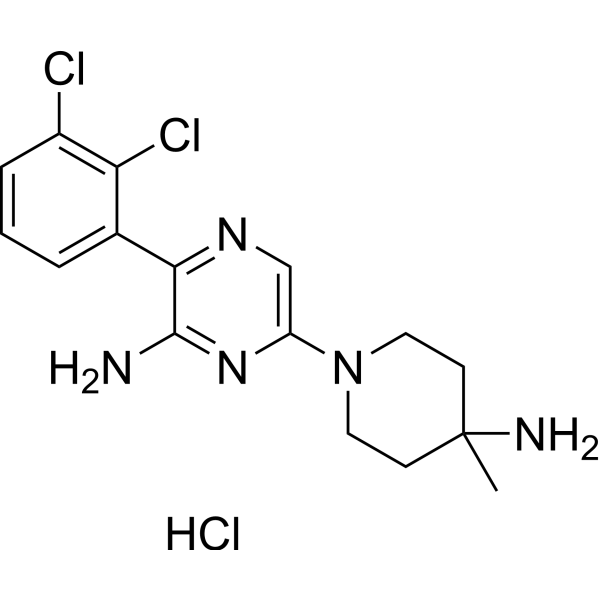
SHP099 (monohydrochloride) (Standard) is the analytical standard of SHP099 (monohydrochloride). This product is intended for research and analytical applications. SHP099 hydrochloride is a potent, selective and orally available SHP2 inhibitor with an IC50 of 70 nM .
YF704 (compound 4w) is a selective allosteric inhibitor of SHP2 (IC50=0.25 μM). YF704 shows antiproliferative activity and induces apoptosis in cancer cells. YF704 also downregulates Erk1/2 and Akt phosphorylation levels in cancer cells .
NSC-13030 is a SHP2 inhibitor with an IC50 value of 3.2 μM. NSC-13030 reduces the proliferation and viability of breast cancer cells. NSC-13030 is applicable to breast cancer-related research .
NAT6-297775 (Compound 29) is a protein tyrosine phosphatase (PTP) inhibitor targeting non-receptor PTP SHP-2 with an IC50 of 2.5 μM. NAT6-297775 can inhibit the RAS/MAP kinase signaling pathway. NAT6-297775 can be used for the research of cancer, such as leukemia .
PTP1B-IN-33 is a PTP1B inhibitor with a human IC50 of 2.45 μM and over 20-fold selectivity for PTP1B over SHP2. PTP1B-IN-33 enhances π-Alkyl interaction with PTP1B to increase WPD loop closure degree. PTP1B-IN-33 can be used for the research of cancer, diabetes, autoimmune deficiency diseases .
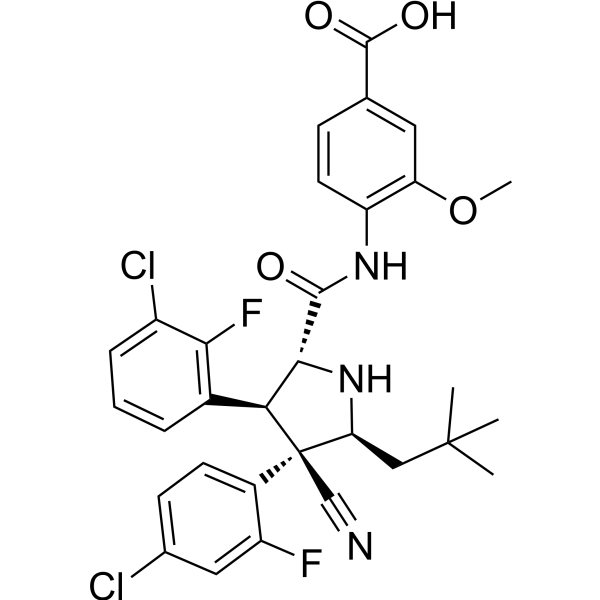
Osunprotafib (ABBV-CLS-484) is an orally active and selective active site PTPN1 (IC50: 2.5 nM) and PTPN2(IC50: 1.8 nM) inhibitor. Osunprotafib has 6-8-fold weaker activity on PTPN9 and no detectable activity on SHP-1 or SHP-2. Osunprotafib increases the sensitivity of human cancer cell lines to IFNγ. Osunprotafib generates robust anti-tumor immunity by enhancing JAK-STAT signalling and reducing T cell dysfunction [2] .
Osunprotafib (ABBV-CLS-484) hydrochloride is an orally active and selective active site PTPN1 (IC50: 2.5 nM) and PTPN2(IC50: 1.8 nM) inhibitor. Osunprotafib hydrochloride has 6-8-fold weaker activity on PTPN9 and no detectable activity on SHP-1 or SHP-2. Osunprotafib hydrochloride increases the sensitivity of human cancer cell lines to IFNγ. Osunprotafib hydrochloride generates robust anti-tumor immunity by enhancing JAK-STAT signalling and reducing T cell dysfunction [2] .
CD31 (PECAM-1) is platelet endothelial cell adhesion molecule-1, serves as the endothelial cell-specific receptor of clostridium perfringens b-Toxin (CPB). CD31 is also an ER-MP12 antigen, acts as a linker between mechanical stress, metabolism and inflammation. CD31 peptide is able to sustain phosphorylation of the CD31 ITIM686 and of SHP2 and to inhibit TCR-induced T-cell activation - .
CD31 (PECAM-1) TFA is platelet endothelial cell adhesion molecule-1, serves as the endothelial cell-specific receptor of clostridium perfringens b-Toxin (CPB). CD31 TFA is also an ER-MP12 antigen, acts as a linker between mechanical stress, metabolism and inflammation. CD31 TFA peptide is able to sustain phosphorylation of the CD31 ITIM686 and of SHP2 and to inhibit TCR-induced T-cell activation - .
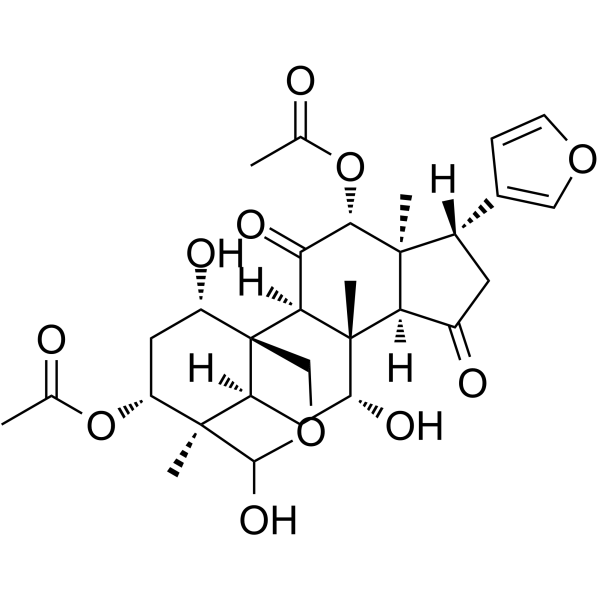
Isotoosendanin is an orally active TGFβR1 inhibitor and abrogating its kinase activity (IC50 = 6732 nM). Isotoosendanin inhibits the JAK/STAT3 signaling pathway by directly targeting SHP-2, enhancing its stability, and reducing its ubiquitination. Isotoosendanin inhibits TGF-β-induced reduces the migration, invasion, and metastasis in triple-negative breast cancer (TNBC) cells. Isotoosendanin exhibits anti-tumor efficacy in TNBC xenograft models and A549 xenograft tumors. Isotoosendanin exhibits significant anti-inflammatory effects in acetic acid-induced vascular permeability and λ-carrageenan-induced hind paw edema tests. Isotoosendanin can be used for the study of non-small cell lung cancer (NSCLC), TNBC and inflammation [2] .
Tunlametinib is a highly selective, orally active MEK1/2 inhibitor (IC50=1.9 nM, MEK1). Tunlametinib blocks the RAS-RAF-MEK-ERK signaling pathway, arrests tumor cell cycle and promotes apoptosis. Tunlametinib potently inhibits the proliferation of RAS/RAF mutant cancer cells (such as BRAF V600E, KRAS G12C mutant cells). Tunlametinib shows synergistic anti-tumor effects with BRAF/KRASG12C/SHP2 inhibitors, Docetaxel (HY-B0011). Tunlametinib can be used to study targeted therapy for RAS/RAF mutation-driven malignancies (such as melanoma, colorectal cancer, and non-small cell lung cancer) [2].
RM-041 is a selective, orally active KRAS G13C (ON) inhibitor that forms a covalent complex with KRAS G13C (ON) and Cyclophilin A. RM-041 blocks the binding of RAS effector proteins via steric hindrance, and then covalently binds to Cys-13 to form an irreversible inhibitory complex, thereby inhibiting the proliferation of KRAS G13C mutant cancer cells. RM-041 induces regression of KRAS G13C tumors in cellular and xenograft tumor models. RM-041 exerts a synergistic effect when combined with upstream node inhibitors (such as SHP2 inhibitors). RM-041 can be used for the research of non-small cell lung cancer .
Ptpn11 Rat Pre-designed siRNA Set A contains three designed siRNAs for Ptpn11 gene (Rat), as well as a negative control, a positive control, and a FAM-labeled negative control.
Ptpn11 Mouse Pre-designed siRNA Set A contains three designed siRNAs for Ptpn11 gene (Mouse), as well as a negative control, a positive control, and a FAM-labeled negative control.
PTPN11 Human Pre-designed siRNA Set A contains three designed siRNAs for PTPN11 gene (Human), as well as a negative control, a positive control, and a FAM-labeled negative control.
PF-03622905 is a potent and ATP-competitive PKC inhibitor with IC50s of 5.6 nM, 14.5 nM, 13 nM, 37.7 nM, and 74.1 nM for PKCα, PKCβI, PKCβII, PKCγ, and PKCθ, respectively. PF-03622905 shows high specificity for PKC over other protein kinases .
CD31 (PECAM-1) is platelet endothelial cell adhesion molecule-1, serves as the endothelial cell-specific receptor of clostridium perfringens b-Toxin (CPB). CD31 is also an ER-MP12 antigen, acts as a linker between mechanical stress, metabolism and inflammation. CD31 peptide is able to sustain phosphorylation of the CD31 ITIM686 and of SHP2 and to inhibit TCR-induced T-cell activation - .
CD31 (PECAM-1) TFA is platelet endothelial cell adhesion molecule-1, serves as the endothelial cell-specific receptor of clostridium perfringens b-Toxin (CPB). CD31 TFA is also an ER-MP12 antigen, acts as a linker between mechanical stress, metabolism and inflammation. CD31 TFA peptide is able to sustain phosphorylation of the CD31 ITIM686 and of SHP2 and to inhibit TCR-induced T-cell activation - .
Isotoosendanin is an orally active TGFβR1 inhibitor and abrogating its kinase activity (IC50 = 6732 nM). Isotoosendanin inhibits the JAK/STAT3 signaling pathway by directly targeting SHP-2, enhancing its stability, and reducing its ubiquitination. Isotoosendanin inhibits TGF-β-induced reduces the migration, invasion, and metastasis in triple-negative breast cancer (TNBC) cells. Isotoosendanin exhibits anti-tumor efficacy in TNBC xenograft models and A549 xenograft tumors. Isotoosendanin exhibits significant anti-inflammatory effects in acetic acid-induced vascular permeability and λ-carrageenan-induced hind paw edema tests. Isotoosendanin can be used for the study of non-small cell lung cancer (NSCLC), TNBC and inflammation [2] .
Cryptosporioptide A (Compound 3) is a pigment protein tyrosine phosphatase inhibitor derived from the insect-parasitic fungus Cordyceps gracilioides. Cryptosporioptide A inhibits PTP1B, SHP2, CDC25B, LAR and SHP1 enzymes with IC50 of 7.3, 5.7, 7.6, >50, 4.9 μg/mL, respectively .
SHP2-IN-29 (Compound 3) is a potent SHP2 inhibitor with an IC50 value of 0.18 μM. SHP2-IN-29 also has inhibitory activity against PTP1B and TCPTP, with IC50 values of 4.27 and 4.74 μM, respectively.
Ellagic acid (Standard) is the analytical standard of Ellagic acid. This product is intended for research and analytical applications. Ellagic acid is a natural antioxidant, and acts as a potent and ATP-competitive inhibitor of CK2 and SHP2, with an IC50 of 40 nM and a Ki of 20 nM.
Suchilactone (Jatrophan) is a lignan extracted from Monsonia angustifolia E.Mey. Suchilactone binds to SHP2 and inhibits SHP2 activation, thereby inhibiting ERK-mediated cell proliferation. Suchilactone can be ued in acute myeloid leukaemia (AML) .
SHP-2 Protein functions downstream of diverse receptor and cytoplasmic tyrosine kinases, participating in signal transduction from the cell surface to the nucleus.It positively regulates the MAPK pathway and dephosphorylates key proteins like GAB1, ARHGAP35, EGFR, ROCK2, CDC73, and SOX9.Additionally, SHP-2 dephosphorylates NEDD9/CAS-L to modulate cellular processes.SHP-2 Protein, Mouse (HEK293, His) is the recombinant mouse-derived SHP-2 protein, expressed by HEK293 , with C-His labeled tag.
The SHP-2 protein is a key player downstream of the receptor and cytoplasmic protein tyrosine kinases, facilitating signal transduction from the cell surface to the nucleus. It actively regulates the MAPK pathway and dephosphorylates key substrates, including GAB1, ARHGAP35, EGFR, ROCK2 ("Tyr-722"), and CDC73. SHP-2 Protein, Human (T253M, Q257L, His) is the recombinant human-derived SHP-2 protein, expressed by E. coli , with N-6*His labeled tag and T253M, Q257L mutation.
Ellagic acid- 13C12 is 13 C-labeled Ellagic acid (HY-B0183). Ellagic acid is a natural antioxidant and acts as a potent and ATP-competitive inhibitor of CK2 and SHP2, with an IC50 of 40 nM and a Ki of 20 nM [2].
Ptpn11 Rat Pre-designed siRNA Set A contains three designed siRNAs for Ptpn11 gene (Rat), as well as a negative control, a positive control, and a FAM-labeled negative control.
Ptpn11 Mouse Pre-designed siRNA Set A contains three designed siRNAs for Ptpn11 gene (Mouse), as well as a negative control, a positive control, and a FAM-labeled negative control.
PTPN11 Human Pre-designed siRNA Set A contains three designed siRNAs for PTPN11 gene (Human), as well as a negative control, a positive control, and a FAM-labeled negative control.
Inquiry Online
Your information is safe with us. * Required Fields.
Western blot analysis of extracts from THP-1(lane 2(20μg), Jurkat (lane 3(20μg) and NIH3T3(lane 4(20μg) using FOXO1A (HY-P80132) Rabbit mAb. Proteins were transferred
to a PVDF membrane and blocked with 5% non-fat milk in TBST for 2 hour at room temperature. The primary antibody (1/1000) and Loading control antibody (Beta Actin, HY-P80438, 1/10000) was
used in 5% non-fat milk in TBST at 4°C overnight. Goat Anti-Mouse/Rabbit IgG-HRP Secondary Antibody (1/10000) was used for 1 hour at room temperature.
Western blot analysis of extracts from THP-1(lane 2(20μg), Jurkat (lane 3(20μg) and NIH3T3(lane 4(20μg) using FOXO1A (HY-P80132) Rabbit mAb. Proteins were transferred
to a PVDF membrane and blocked with 5% non-fat milk in TBST for 2 hour at room temperature. The primary antibody (1/1000) and Loading control antibody (Beta Actin, HY-P80438, 1/10000) was
used in 5% non-fat milk in TBST at 4°C overnight. Goat Anti-Mouse/Rabbit IgG-HRP Secondary Antibody (1/10000) was used for 1 hour at room temperature.
Western blot analysis of extracts from THP-1(lane 2(20μg), Jurkat (lane 3(20μg) and NIH3T3(lane 4(20μg) using FOXO1A (HY-P80132) Rabbit mAb. Proteins were transferred
to a PVDF membrane and blocked with 5% non-fat milk in TBST for 2 hour at room temperature. The primary antibody (1/1000) and Loading control antibody (Beta Actin, HY-P80438, 1/10000) was
used in 5% non-fat milk in TBST at 4°C overnight. Goat Anti-Mouse/Rabbit IgG-HRP Secondary Antibody (1/10000) was used for 1 hour at room temperature.
Western blot analysis of extracts from THP-1(lane 2(20μg), Jurkat (lane 3(20μg) and NIH3T3(lane 4(20μg) using FOXO1A (HY-P80132) Rabbit mAb. Proteins were transferred
to a PVDF membrane and blocked with 5% non-fat milk in TBST for 2 hour at room temperature. The primary antibody (1/1000) and Loading control antibody (Beta Actin, HY-P80438, 1/10000) was
MedchemExpress Validation 03
Western blot analysis of extracts from THP-1(lane 2(20μg), Jurkat (lane 3(20μg) and NIH3T3(lane 4(20μg) using FOXO1A (HY-P80132) Rabbit mAb. Proteins were transferred
MedchemExpress Validation 04
Western blot analysis of extracts from THP-1(lane 2(20μg), Jurkat (lane 3(20μg) and NIH3T3(lane 4(20μg) using FOXO1A (HY-P80132) Rabbit mAb. Proteins were transferred
to a PVDF membrane and blocked with 5% non-fat milk in TBST for 2 hour at room temperature. The primary antibody (1/1000) and Loading control antibody (Beta Actin, HY-P80438, 1/10000) was
used in 5% non-fat milk in TBST at 4°C overnight. Goat Anti-Mouse/Rabbit IgG-HRP Secondary Antibody (1/10000) was used for 1 hour at room temperature.
MedchemExpress Validation
Western blot analysis of extracts from THP-1(lane 2(20μg), Jurkat (lane 3(20μg) and NIH3T3(lane 4(20μg) using FOXO1A (HY-P80132) Rabbit mAb. Proteins were transferred
to a PVDF membrane and blocked with 5% non-fat milk in TBST for 2 hour at room temperature. The primary antibody (1/1000) and Loading control antibody (Beta Actin, HY-P80438, 1/10000) was
used in 5% non-fat milk in TBST at 4°C overnight. Goat Anti-Mouse/Rabbit IgG-HRP Secondary Antibody (1/10000) was used for 1 hour at room temperature.
Western blot analysis of extracts from THP-1(lane 2(20μg), Jurkat (lane 3(20μg) and NIH3T3(lane 4(20μg) using FOXO1A (HY-P80132) Rabbit mAb. Proteins were transferred
to a PVDF membrane and blocked with 5% non-fat milk in TBST for 2 hour at room temperature. The primary antibody (1/1000) and Loading control antibody (Beta Actin, HY-P80438, 1/10000) was
used in 5% non-fat milk in TBST at 4°C overnight. Goat Anti-Mouse/Rabbit IgG-HRP Secondary Antibody (1/10000) was used for 1 hour at room temperature.
MedchemExpress Validation
Western blot analysis of extracts from THP-1(lane 2(20μg), Jurkat (lane 3(20μg) and NIH3T3(lane 4(20μg) using FOXO1A (HY-P80132) Rabbit mAb. Proteins were transferred
to a PVDF membrane and blocked with 5% non-fat milk in TBST for 2 hour at room temperature. The primary antibody (1/1000) and Loading control antibody (Beta Actin, HY-P80438, 1/10000) was
used in 5% non-fat milk in TBST at 4°C overnight. Goat Anti-Mouse/Rabbit IgG-HRP Secondary Antibody (1/10000) was used for 1 hour at room temperature.
MedchemExpress Validation
Western blot analysis of extracts from THP-1(lane 2(20μg), Jurkat (lane 3(20μg) and NIH3T3(lane 4(20μg) using FOXO1A (HY-P80132) Rabbit mAb. Proteins were transferred
to a PVDF membrane and blocked with 5% non-fat milk in TBST for 2 hour at room temperature. The primary antibody (1/1000) and Loading control antibody (Beta Actin, HY-P80438, 1/10000) was
used in 5% non-fat milk in TBST at 4°C overnight. Goat Anti-Mouse/Rabbit IgG-HRP Secondary Antibody (1/10000) was used for 1 hour at room temperature.
MedchemExpress Validation
Western blot analysis of extracts from THP-1(lane 2(20μg), Jurkat (lane 3(20μg) and NIH3T3(lane 4(20μg) using FOXO1A (HY-P80132) Rabbit mAb. Proteins were transferred
to a PVDF membrane and blocked with 5% non-fat milk in TBST for 2 hour at room temperature. The primary antibody (1/1000) and Loading control antibody (Beta Actin, HY-P80438, 1/10000) was
used in 5% non-fat milk in TBST at 4°C overnight. Goat Anti-Mouse/Rabbit IgG-HRP Secondary Antibody (1/10000) was used for 1 hour at room temperature.
MedchemExpress Validation
Western blot analysis of extracts from THP-1(lane 2(20μg), Jurkat (lane 3(20μg) and NIH3T3(lane 4(20μg) using FOXO1A (HY-P80132) Rabbit mAb. Proteins were transferred
to a PVDF membrane and blocked with 5% non-fat milk in TBST for 2 hour at room temperature. The primary antibody (1/1000) and Loading control antibody (Beta Actin, HY-P80438, 1/10000) was
used in 5% non-fat milk in TBST at 4°C overnight. Goat Anti-Mouse/Rabbit IgG-HRP Secondary Antibody (1/10000) was used for 1 hour at room temperature.
MedchemExpress Validation
Western blot analysis of extracts from THP-1(lane 2(20μg), Jurkat (lane 3(20μg) and NIH3T3(lane 4(20μg) using FOXO1A (HY-P80132) Rabbit mAb. Proteins were transferred
to a PVDF membrane and blocked with 5% non-fat milk in TBST for 2 hour at room temperature. The primary antibody (1/1000) and Loading control antibody (Beta Actin, HY-P80438, 1/10000) was
used in 5% non-fat milk in TBST at 4°C overnight. Goat Anti-Mouse/Rabbit IgG-HRP Secondary Antibody (1/10000) was used for 1 hour at room temperature.
MedchemExpress Validation
Western blot analysis of extracts from THP-1(lane 2(20μg), Jurkat (lane 3(20μg) and NIH3T3(lane 4(20μg) using FOXO1A (HY-P80132) Rabbit mAb. Proteins were transferred
to a PVDF membrane and blocked with 5% non-fat milk in TBST for 2 hour at room temperature. The primary antibody (1/1000) and Loading control antibody (Beta Actin, HY-P80438, 1/10000) was
used in 5% non-fat milk in TBST at 4°C overnight. Goat Anti-Mouse/Rabbit IgG-HRP Secondary Antibody (1/10000) was used for 1 hour at room temperature.
MedChemExpress values your privacy and your trust is important to us. We use cookies to enhance your website experience. Some cookies are necessary to run the website.
Privacy and Cookie Policy

