










From 11:00 pm to 12:00 pm EST ( 8:00 pm to 9:00 pm PST ) on January 6th, the website will be under maintenance. We are sorry for the inconvenience. Please arrange your schedule properly.
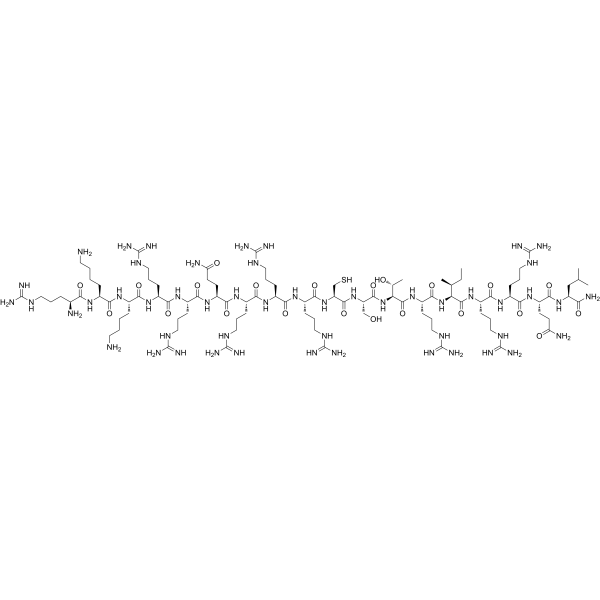
TAT (YGRKKRRQRRR) is derived from the transactivator of transcription (TAT) of human immunodeficiency virus-1 (HIV-1) and is a cell-penetrating peptide. TAT can increase the yields and the solubility of heterologous proteins .
TAT-HA2 Fusion Peptide is a peptide-based delivery agent that combines the pH-sensitive HA2 fusion peptide from Influenza and the cell-penetrating peptide TAT from HIV. TAT-HA2 Fusion Peptide is a transactivator of transcription and hemaglutanin for endosomal release. TAT-HA2 Fusion Peptide enhances cellular uptake of macromolecules .
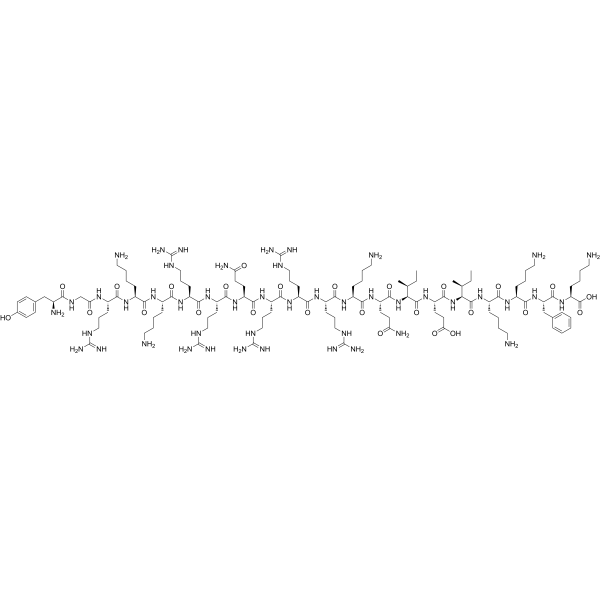
Tat-beclin 1, a peptide derived from a region of the autophagy protein (beclin 1), is a potent inducer of autophagy and interacts with negative regulator of autophagy, GAPR-1 (GLIPR2). Tat-beclin 1 decreases the accumulation of polyglutamine expansion protein aggregates and the replication of several pathogens (including HIV-1) in vitro, and reduces mortality in mice infected with chikungunya (CHIKV) or West Nile virus (WNV) .
TAT-Gap19, a Cx mimetic peptide, is a specific connexin43 hemichannel (Cx43 HC) inhibitor. TAT-Gap19 does not inhibits the corresponding Cx43 GJCs. TAT-Gap19 traverses the blood-brain barrier and alleviate liver fibrosis in mice .
Tat-NTS peptide is a cell-penetrating peptide with neuroprotective effects. Tat-NTS peptide can specifically inhibit the nuclear translocation of ANXA1 and reduce neuronal apoptosis in ischemic areas. Moreover, Tat-NTS peptide can reduce the volume of cerebral ischemic infarction and can be used in the research of ischemic stroke .
TAT-CN21 is a potent CaMKII inhibitor with an IC50 of 77.2 nM. TAT-CN21 inhibits both calcium/calmodulin-dependent and autonomously activated CaMKII, blocks glutamate-induced translocation of CaMK IIα, and reverses the enhanced phosphorylation of CaMKII at Thr286 following excitotoxic injury. TAT-CN21 shows application potential in studies related to ischemic stroke by reducing neuronal excitotoxicity and exacerbating pre-existing long-term neuronal death prior to injury. TAT-CN21 improves definitive behaviors in rats with residual nerve injury without altering indicators such as mechanical/thermal hyperalgesia or spatial memory. TAT-CN21 can also be used in studies related to neuropathic pain .
Tat-NR2B9c (Tat-NR2Bct; NA-1) is a postsynaptic density-95 (PSD-95) inhibitor, with EC50 values of 6.7 nM and 670 nM for PSD-95d2 (PSD-95 PDZ domain 2) and PSD-95d1, respectively. Tat-NR2B9c disrupts the PSD-95/NMDAR interaction, inhibiting NR2A and NR2B binding to PSD-95 with IC50 values of 0.5 μM and 8 μM, respectively. Tat-NR2B9c also inhibits neuronal nitric oxide synthase (nNOS)/PSD-95 interaction, and possesses neuroprotective efficacy .
DSPE-PEG2000-TAT is a cell-penetrating peptide-modified PEGylated phospholipid conjugate and cellular uptake enhancer. DSPE-PEG2000-TAT forms via conjugation of Cys-TAT to DSPE-PEG2000-Mal. DSPE-PEG2000-TAT enhances liposomal cellular uptake and siRNA transfection efficiency in glomerular mesangial and macrophage cells. DSPE-PEG2000-TAT can be used for drug delivery .
TAT-EE3 is a neuroprotective peptide which can uncouple TRPM2-NMDARs interaction. TAT-EE3 inhibits TRPM2-induced enhancement of NMDAR surface expression and current amplitude.TAT-EE3 protects neurons against ischemic injury in vitro and in vivo. TAT-EE3can be used for the study of ischemic stroke .
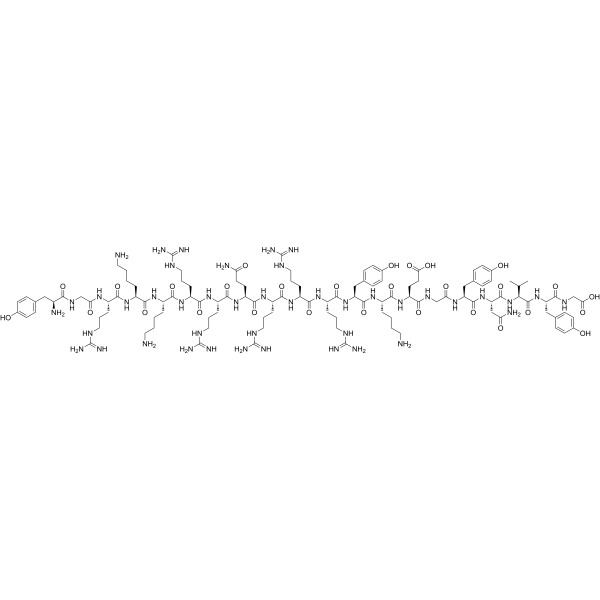
gp91 ds-tat, a biological active peptide, is a NADPH oxidase 2 (Nox2) inhibitor. gp91 ds-tat blocks NADPH oxidase-dependent superoxide production. gp91 ds-tat ameliorates high glucose-induced increase in total ROS, LPOs and iron levels. gp91 ds-tat inhibits homocysteine (Hcy)-induced activation of NLRP3 inflammasomes and restores Hcy-inhibited lysosomal TRPML1 channel activity. gp91 ds-tat improves cerebrovascular and cognitive function in APP/PS1 mice. gp91 ds-tat can be used for the study of Alzheimer’s disease (AD), glomerular inflammation and cardiovascular disease .
TAT-M2NX (tatM2NX) is a selective inhibitor targeting human TRPM2channels and exerts inhibitory effects on ischemic stroke. TAT-M2NX reduces H2O2-induced calcium influx via TRPM2 channels. After traumatic brain injury in mice, TAT-M2NX preserves hippocampal long-term potentiation, improves memory function, and reduces infarct volume after middle cerebral artery occlusion, but it shows no effect on female mice. TAT-M2NX can be used in studies related to traumatic brain injury and ischemic stroke .
TAT-P110, a peptide inhibitor of Drp1-Fis1 interaction, reduces pathology in numerous models of neurodegeneration, ischemia, and sepsis without blocking the physiological functions of Drp1 .
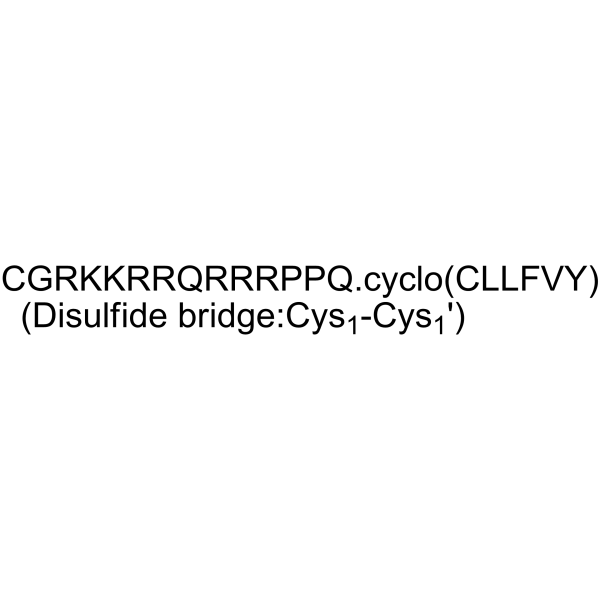
TAT-cyclo-CLLFVY is a cyclic peptide inhibitor of HIF-1 heterodimerization that inhibits hypoxia signaling in cancer cells. TAT-cyclo-CLLFVY disrupts HIF-1α/HIF-1β protein-protein interaction with an IC50 of 1.3 μM .
TAT-GluA2 3Y, an interference peptide, blocks long-term depression (LTD) at glutamatergic synapses by disrupting the endocytosis of AMPAR. TAT-GluA2 3Y can alleviate Pentobarbital-induced spatial memory deficits and synaptic depression .
FITC-LC-TAT (47-57) acetate is a FITC-labeled TAT peptide (HY-P0281) (λex: 493 nm, λem: 522 nm). Derived from the trans-activator of transcription (TAT) of immunodeficiency virus (HIV-1), TAT enhances the yield of heterologous proteins .
TAT TFA (YGRKKRRQRRR) is derived from the transactivator of transcription (TAT) of human immunodeficiency virus (HIV-1) and is a cell-penetrating peptide. TAT can increase the yields and the solubility of heterologous proteins .
TAT-14 is a 14-mer peptide that acts as Nrf2 activator with an anti-inflammatory effect. TAT-14 has no effect on Nrf2 mRNA expression, but increases Nrf2 protein level due to targeting the Nrf2 binding site on Keap1 .
TAT-PiET-PROTAC is a proteolysis-targeting chimera (PROTAC)-modified TAT-PiET (HY-P10445), which is a cell-penetrating peptide targeting the extra-terminal (ET) domain of BRD4. TAT-PiET-PROTAC can reduce BRD4 and JMJD6 levels and inhibit cell proliferation. TAT-PiET-PROTAC also resists the endocrine resistance of ERα-positive breast cancer cells. TAT-PiET-PROTAC can be used for the research of cancer, such as breast cancer .
TAT (47-57), FAM-labeled acetate is a 5(6)-Carboxyfluorescein (HY-15940)-labeled TAT (HY-P0281). TAT (YGRKKRRQRRR) is derived from the transactivator of transcription (TAT) of human immunodeficiency virus-1 (HIV-1) and is a cell-penetrating peptide .
TAT (47-57), FAM-labeled is a 5(6)-Carboxyfluorescein (HY-15940)-labeled TAT (HY-P0281). TAT (YGRKKRRQRRR) is derived from the transactivator of transcription (TAT) of human immunodeficiency virus-1 (HIV-1) and is a cell-penetrating peptide .
TAT-PEG-Cy3 is a fluorescent labeling reagent that combines Cy3 fluorescent dye, Cell membrane penetrating peptide (TAT) and polyethylene glycol (PEG). The Cy3 fluorophore is commonly used in applications such as immunolabeling, nucleic acid labeling, fluorescence microscopy, and flow cytometry. Cy3 has an emission maximum around 562-570 nm. TAT-PEG-Cy3 can be used for cell targeted delivery and biological imaging .
Cys-TAT(47-57) (Cys-[HIV-Tat (47-57)]) TFA, TAT (HY-P0281) derivative, is a Cysteine (HY-Y0337)-tagged cell-penetrating peptide (CPP) derived from the HIV TAT protein. Cys-TAT(47-57) TFA can be used for the research for the research of drug delivery .
Tat-beclin 1 scrambled is the scrambled part and a scrambled control of Tat-beclin 1 (HY-P2260), which is derived from a region of the autophagy protein, beclin 1. beclin 1 induces autophagy via binding human immunodeficiency virus, HIV-1 Nef and interacting with negative regulator GAPR-1 (GLIPR2). Tat-beclin 1 decreases the accumulation of polyglutamine expansion protein aggregates and the replication of several pathogens, such as HIV-1. Tat-beclin 1 also reduces mortality in mice infected with chikungunya or West Nile virus .
TAT-Braftide is a peptide inhibitor designed to block the dimerization of BRAF, thereby inhibiting its kinase activity. The destruction of BRAF dimer by TAT-Braftide makes BRAF protein more susceptible to proteasome degradation, directly inhibits the activity of BRAF kinase, and reduces the activation of MAPK signaling pathway. Tat-braftide can be used for the role of RAF kinase in MAPK signaling pathway and for the study of BRAF mutant cancers .
TAT (47-57) GGG-Cys (Npys) is a cell-penetrating peptide and delivery carrier derived from TAT. TAT (47-57) GGG-Cys (Npys) facilitates the translocation of conjugated drug molecules across cell membranes. TAT (47-57) GGG-Cys (Npys) acts as a delivery carrier for MT1-MMP inhibitors. TAT (47-57) GGG-Cys (Npys) is applicable to research on diseases associated with MT1-MMP activity, such as cancer, arthritis, heart disease, and vascular disorders .
Tat-NR2B9c TFA (Tat-NR2Bct TFA) is a postsynaptic density-95 (PSD-95) inhibitor, with EC50 values of 6.7 nM and 670 nM for PSD-95d2 (PSD-95 PDZ domain 2) and PSD-95d1, respectively. Tat-NR2B9c TFA disrupts the PSD-95/NMDAR interaction, inhibiting NR2A and NR2B binding to PSD-95 with IC50 values of 0.5 μM and 8 μM, respectively. Tat-NR2B9c TFA also inhibits neuronal nitric oxide synthase (nNOS)/PSD-95 interaction, and possesses neuroprotective efficacy .
FITC-LC-TAT (47-57) is a FITC-labeled TAT peptide (HY-P0281) (λex: 493 nm, λem: 522 nm). Derived from the trans-activator of transcription (TAT) of human immunodeficiency virus (HIV-1), TAT enhances the yield of heterologous proteins .
DSPE-PEG1000-TAT is a PEG compound which composed of DSPE and a cell-penetrating peptide (TAT) (HY-P0281). DSPE-PEG1000-TAT can be used for drug delivery .
DSPE-PEG3400-TAT is a PEG compound which composed of DSPE and a cell-penetrating peptide (TAT) (HY-P0281). DSPE-PEG3400-TAT can be used for drug delivery .
Biotin-TAT (47-57), a biotin tagged TAT, is a transactivator of transcription. Biotin-TAT (47-57) is one of the most widely used protein transduction domains (PTDs) into different primary cells is ATP- and temperature-dependent, indicating the involvement of endocytosis .
TAT-Gap19 TFA, a Cx mimetic peptide, is a specific connexin43 hemichannel (Cx43 HC) inhibitor. TAT-Gap19 TFA does not inhibits the corresponding Cx43 GJCs. TAT-Gap19 TFA traverses the blood-brain barrier and alleviate liver fibrosis in mice .
TAT-QFNP12 acetate is a peptide that blocks the NDRG2-PPM1A binding and reduces Smad2/3 phosphorylation, decreases astrocytic MMP-9 production and BBB disruption after subarachnoid hemorrhage (SAH) .
Cys(Npys)-TAT (47-57) is a peptide fragment of TAT peptide and it is able to interact with plasmid DNA electrostatically. Cys(Npys)-TAT (47-57) is corresponding to the transduction domain of TAT with an activated cysteine residue C. TAT is a small nuclear transcriptional activator protein encoded by HIV-1 .
Cys-TAT(47-57) (Cys-[HIV-Tat (47-57)]), TAT (HY-P0281) derivative, is a Cysteine (HY-Y0337)-tagged cell-penetrating peptide (CPP) derived from the HIV TAT protein. Cys-TAT(47-57) can be used for the research for the research of drug delivery .
Tat-IKIP (46-60) TFA is the trifluoroacetic acid of Tat-IKIP (46-60) (HY-P10966). Tat-IKIP (46-60) is a IκB kinase (IKK)-targeting membrane-penetrating peptide. Tat-IKIP (46-60) inhibits IKK activation and NF-κB targeted gene expression by disrupting the IKKβ/NEMO complex. Tat-IKIP (46-60) significantly reduces DSS (HY-116282)-induced acute inflammation in inflammatory bowel disease (IBD) mice model and attenuates Zymosan-induced acute arthritis in acute arthritis model (AAM). Tat-IKIP (46-60) can be used for inflammatory diseases research, such as IBD, pancreatitis and rheumatoid arthritis .
Cys-TAT-HA2 is a conjugate of Cys and TAT-HA2 (HY-P4108). Cys-TAT-HA2 is a transduction complex that can be introduced protein (such as Cardiac troponin C) into the cytoplasm of living cells. Cys-TAT-HA2 can be used for live tracking of exogenous proteins research .
Tat-beclin 1 scrambled TFA is the scrambled part and a scrambled control of Tat-beclin 1 (HY-P2260), which is derived from a region of the autophagy protein, beclin 1. beclin 1 induces autophagy via binding human immunodeficiency virus, HIV-1 Nef and interacting with negative regulator GAPR-1 (GLIPR2). Tat-beclin 1 decreases the accumulation of polyglutamine expansion protein aggregates and the replication of several pathogens, such as HIV-1. Tat-beclin 1 also reduces mortality in mice infected with chikungunya or West Nile virus .
TAT-NSF700scr consists the intact TAT domain and glycine linker, followed by the NSF amino acids in a random order. TAT-NSF700scr is used as a control peptide that does not inhibit SNAREmediated exocytosis .
TAT-NEP1-40 acetate is a therapeutic candidate for axonal regeneration and functional recovery after stroke. TAT-NEP1-40 acetate can protect PC12 cells against oxygen and glucose deprivation (OGD) and promote neurite outgrowth. TAT-NEP1-40 acetate protects the brain against ischemia/reperfusion injury through inhibition of neuronal apoptosis. TAT-NEP1-40 acetate can be efficiently delivered into the rat brains .
Tat-βsyn-degron is an α-synuclein knockdown peptide that effectively degrades α-synuclein protein via the proteasome pathway. Tat-βsyn-degron effectively reduces α-synuclein protein levels in primary rat cortical neuron cultures. In a Parkinson's mouse toxicity model, Tat-βsyn-degron can alleviate parkinsonian toxin-induced neuronal damage and movement disorders .
TAT-PDHPS1 is a YAP inhibitor composed of the endogenous peptide PDHPS1 and the cell-penetrating peptide sequence TAT. PDHPS1 binds to protein phosphatase 2 phosphatase activator (PTPA), an essential activator of protein phosphatase 2A (PP2A), leading to increased YAP phosphorylation, which inactivates YAP and suppresses the expression of its downstream target genes. TAT-PDHPS1 is potentially useful in ovarian cancer research .
TAT-CN21 (scrambled) is a nonsense sequence control peptide fused with the TAT cell-penetrating sequence. It exerts no inhibitory effect on CaMKII activity and serves as a negative control for TatCN21 (HY-P10638) .
TAT-D1 peptide acetate is a dopamine D1-D2 receptor heterodimer inhibitor. TAT-D1 peptide acetate disrupts the function of dopamine D1-D2 receptor heteromers, enhances subchronic amphetamine-induced locomotor activity, and exacerbates the expression of amphetamine-induced locomotor sensitization. TAT-D1 peptide acetate produces rapid anxiolytic and antidepressant-like effects in rat models of depression and anxiety, and inhibits c-fos expression in the nucleus accumbens of rats. TAT-D1 peptide acetate can be used in the research of psychostimulant addiction, depression and anxiety disorders .
TAT-CBD3A6K, is a modified TAT-CBD3 peptide. TAT-CBD3A6K reduces T- and R-type voltage-dependent calcium currents in dorsal root ganglion (DRG) neurons. TAT-CBD3A6K shows anti-nociceptive effects in a model of AIDS-induced peripheral neuropathy by preventing CRMP-2-mediated enhancement of T- and R-type calcium channel function .
TAT-CBD3, a 15-amino acid peptide from CRMP2, fused to the TAT cell-penetrating motif of the HIV-1 protein, disrupts CRMP2-NMDAR interaction without change in NMDAR localization .
TAT-BH4 (Bcl-xL) localized mainly at the mitochondria, prevents apoptotic cell death. TAT-BH4 (Bcl-xL) is a fusion peptide that combines the N-terminal cysteine conjugated protein transduction domain of HIV TAT protein (amino acids 49 to 57) with the Bcl-xL BH4 peptide. TAT-BH4 can be used for research of diseases caused by accelerated apoptosis .
TAT (TAT(47-57)) acetate is derived from the transactivator of transcription (TAT) of human immunodeficiency virus-1 (HIV-1) and is a cell-penetrating peptide. TAT acetate can increase the yields and the solubility of heterologous proteins .
DSPE-PEG5000-TAT is a PEG compound which composed of DSPE and a cell-penetrating peptide (TAT) (HY-P0281). DSPE-PEG5000-TAT can be used for drug delivery .
INF7TAT is an amphipathic peptide containing the influenza HA2 sequence and the TAT peptide (HY-P0281). INF7TAT can associate with other macromolecules through non-covalent associations. INF7TAT can be used for non-toxic delivery of siRNAs .
TAT-NEP1-40 is a BBB-penatrable peptide. TAT-NEP1-40 protects PC12 cells against oxygen and glucose deprivation (OGD), and promotes neurite outgrowth. TAT-NEP1-40 also improves ischemia-induced neurologic outcomes by inhibiting cell apoptosis in ischemic brains. TAT-NEP1-40 can be used for research of CNS injuries, such as axonal regeneration and functional recovery after stroke .
TAT-NSF222 Fusion Peptide is a fusion polypeptide with two domains, a TAT domain, which enters cells through macropinocytosis, and an NSF domain that inhibits N-ethylmaleimide-sensitive factor (NSF). TAT-NSF222 Fusion Peptide is an exocytosis inhibitor .
Tat-beclin 1 TFA, a peptide derived from a region of the autophagy protein (beclin 1), is a potent inducer of autophagy and interacts with negative regulator of autophagy, GAPR-1 (GLIPR2). Tat-beclin 1 TFA decreases the accumulation of polyglutamine expansion protein aggregates and the replication of several pathogens (including HIV-1) in vitro, and reduces mortality in mice infected with chikungunya (CHIKV) or West Nile virus (WNV) .
TAT-D1 peptide is a dopamine D1-D2 receptor heterodimer inhibitor. TAT-D1 peptide disrupts the function of dopamine D1-D2 receptor heteromers, enhances subchronic amphetamine-induced locomotor activity, and exacerbates the expression of amphetamine-induced locomotor sensitization. TAT-D1 peptide produces rapid anxiolytic and antidepressant-like effects in rat models of depression and anxiety, and inhibits c-fos expression in the nucleus accumbens of rats. TAT-D1 peptide can be used in the research of psychostimulant addiction, depression and anxiety disorders .
TAT-cyclo-CLLFVY TFA is a cyclic peptide inhibitor of HIF-1 heterodimerization that inhibits hypoxia signaling in cancer cells. TAT-cyclo-CLLFVY TFA disrupts HIF-1α/HIF-1β protein-protein interaction with an IC50 of 1.3 μM .
TAT-N24 is a cell-permeable TAT peptide as a p55PIK signaling inhibitor. TAT-N24 is effective for corneal neovascularization (CNV) and ocular inflammation by inhibiting the HIF-1α/NF-κB signaling pathway in corneal suture (CS). TAT-N24 also inhibits corneal neovascularization .
TAT-BH4 (Bcl-xL) TFA is localized mainly at the mitochondria, prevents apoptotic cell death. TAT-BH4 (Bcl-xL) is a fusion peptide that combines the N-terminal cysteine conjugated protein transduction domain of HIV TAT protein (amino acids 49 to 57) with the Bcl-xL BH4 peptide. TAT-BH4 TFA can be used for research of diseases caused by accelerated apoptosis .
Tat-IKIP (46-60) is a IκB kinase (IKK)-targeting membrane-penetrating peptide. Tat-IKIP (46-60) inhibits IKK activation and NF-κB targeted gene expression by disrupting the IKKβ/NEMO complex. Tat-IKIP (46-60) significantly reduces DSS (HY-116282)-induced acute inflammation in inflammatory bowel disease (IBD) mice model and attenuates Zymosan-induced acute arthritis in acute arthritis model (AAM). Tat-IKIP (46-60) can be used for inflammatory diseases research, such as IBD, pancreatitis and rheumatoid arthritis .
Tat-HA-NR2B9 contains a fragment of the cellmembrane transduction domain of HIV-1 Tat, a influenza virus hemagglutinin (HA) epitope-tag, and the C-terminal 9 amino acids of NR2B (NR2B9c). Tat-HA-NR2B9 reduces infarct size and improves neurological functions in ischemia-induced cerebral injury in the rats
TAT-327 is cell-penetrating peptide. TAT-327 selectively inserts into cancer cell membranes and shows potent antitumor activity. TAT-327 effectively inhibits cancer cells proliferation, induces apoptosis and disrupts EGFR signal pathway by inhibiting downstream signals (such as IL-2, TNF-α and IFN-γ) expression and the Eps8/EGFR interaction. TAT-327 significantly inhibits tumor growth in HT-29 xenograft mcie models .
TAT-SAMβA is the peptide consist of RNAENFDRF (SAMβA; HY-P3429) conjugated to the cell penetrating TAT protein-derived peptide TAT47–57.TAT-SAMβA is a selective antagonist of Mfn1-βIIPKC association. TAT-SAMβA protects mouse embryonic fibroblast cells (MEFs) against oxidative stress-induced cytotoxicity .
TRPV1-Tat is an antagonistic peptide that fuses the TRPV1 (transient receptor potential vanilla subtype 1) of the cell-penetrating peptide Tat. TRPV1-Tat blocks this phosphorylation process by competitively binding to the AKAP79 binding site of TRPV1, thereby inhibiting the sensitization of TRPV1. TRPV1-Tat can be used in the study of inflammatory pain .
TAT-CIRP is a a small peptide, refers to Trans-trans-activating (Tat)-cold-inducible RNA binding protein. TAT-CIRP is an inhibitor of myeloid differentiation protein 2 (MD2). TAT-CIRP exhibits robust neuroprotection against ischemic and hemorrhagic stroke in mice .
TAT-MEK1 is an inhibitor ofERK2, consisting of TAT and MEK1 (N-terminal), TAT (YGRKKRRQRRR) derived from human immunodeficiency (HIV-1) transcriptional trans activator (TAT), is a cell-penetrating peptide. TAT-MEK1 IC50 in vitro for ERK2 is 29 μM .
RI-OR2-TAT is a brain-penetrant inhibitor of β-Amyloid oligomerization, which is produced by adding the HIV protein transduction domain TAT to RI-OR2. RI-OR2-TAT binds to Aβ42 fibrils with a Kd value of 58-125 nM. RI-OR2-TAT reduces Aβ aggregation and plaque levels, reduces activation of microglia and oxidative damage, and increases the number of young neurons in the dentate gyrus .
TAT-PiET is a cell-penetrating peptide targeting the extra-terminal (ET) domain of BRD4. TAT-PiET can reduce BRD4 and JMJD6 levels and inhibit cell proliferation. TAT-PiET also resists the endocrine resistance of ERα-positive breast cancer cells. TAT-PiET can be used for the research of cancer, such as breast cancer .
TAT-14 TFA is a 14-mer peptide that acts as Nrf2 activator with an anti-inflammatory effect. TAT-14 TFA has no effect on Nrf2 mRNA expression, but increases Nrf2 protein level due to targeting the Nrf2 binding site on Keap1 .
TAT-MKK3b is a p38 peptide inhibitor. TAT-MKK3b can inhibit p38 phosphorylation. TAT-MKK3b has renal targeting, ROS-scavenging, and ferroptosis-mitigating capabilities. TAT-MKK3b improves acute kidney injury and its progression to chronic kidney disease .
TAT-GluN2BCTM is a membrane-permeable DAPK1-targeting peptide. TAT-GluN2BCTM targets active DAPK1 to lysosomes for degradation. TAT-GluN2BCTM protects neurons from oxidative stress and NMDAR-mediated excitotoxicity by knocking down DAPK1. TAT-GluN2BCTM can be used in the study of neuroprotection .
TAT-PAK18 R192A is an inactive Tat-Pak peptide. TAT-PAK18 R192A does not have any effect in the translocation of Rac1 triggered by any of the interrogated proteins .
Tat-GluR23Y, scrambled is the scrambled peptide of Tat-GluR23Y (HY-P2259). Tat-GluR23Y is a synthetic peptide containing tyrosine residues that inhibit AMPAR endocytosis and is effective in the research of long-term depression (LTD) .
Tat-NR2BAA is the control peptide of Tat-NR2B9c (HY-P0117), inactive. The sequence of Tat-NR2BAA is similar to Tat-NR2B9c, but it has a double-point mutation in the COOH terminal tSXV motif, making it incapable of binding PSD-95. Tat-NR2B9c is a membrane-permeant peptide and disrupts PSD-95/NMDAR binding, correlate with uncoupling NR2B- and/or NR2A-type NMDARs from PSD-95 .
TAT-NEP1-40 TFA is a BBB-penatrable peptide. TAT-NEP1-40 TFA protects PC12 cells against oxygen and glucose deprivation (OGD), and promotes neurite outgrowth. TAT-NEP1-40 TFA also improves ischemia-induced neurologic outcomes by inhibiting cell apoptosis in ischemic brains. TAT-NEP1-40 TFA can be used for research of CNS injuries, such as axonal regeneration and functional recovery after stroke .
Tat-GluR23Y, scrambled TFA is the scrambled peptide of Tat-GluR23Y (HY-P2259). Tat-GluR23Y is a synthetic peptide containing tyrosine residues that inhibit AMPAR endocytosis and is effective in the research of long-term depression (LTD) .
Tat-NR2BAA TFA is the control peptide of Tat-NR2B9c (HY-P0117), inactive. The sequence of Tat-NR2BAA TFA is similar to Tat-NR2B9c, but it has a double-point mutation in the COOH terminal tSXV motif, making it incapable of binding PSD-95. Tat-NR2B9c is a membrane-permeant peptide and disrupts PSD-95/NMDAR binding, correlate with uncoupling NR2B- and/or NR2A-type NMDARs from PSD-95 .
TAT-PAK18 inhibitory peptide is a membrane-permeable PAK inhibitory peptide. TAT-PAK18 inhibitory peptide reduces F-actin clusters and occludes the effect of Shank3 knockdown .
TAT-N15 is a p55PIK inhibitor with remarkable anti-inflammatory activity and neuroprotective effects. TAT-N15 can significantly inhibit the activation of IL-6, IL-8, Akt, and NF-κB pathways, as well as suppress the protein expression of phosphorylated STAT3 and NF-κB. By inhibiting the activation of Akt, STAT3, and NF-κB pathways, TAT-N15 is used in research on acute conjunctivitis, allergic rhinitis, chronic obstructive pulmonary disease (COPD), and stroke .
TAT-AKAP79 326-336 is a cytoosmotic peptide. TAT-AKAP79 326-336 mimics a specific region on the AKAP79 protein that binds to TRPV1 ion channels (amino acid sequence 326-336). TAT-AKAP79 326-336 inhibits the sensitization of TRPV1 and reduce the overresponse of TRPV1 channels to stimuli caused by the activation of cellular kinases such as protein kinase A (PKA) and protein kinase C (PKC) by inflammatory mediators. TAT-AKAP79 326-336 can be used to study the mechanism of pain transduction and inflammatory hyperalgesia .
TAT-CBD3A6K acetate, is a modified TAT-CBD3 peptide. TAT-CBD3A6K acetate reduces T- and R-type voltage-dependent calcium currents in dorsal root ganglion (DRG) neurons. TAT-CBD3A6K acetate shows anti-nociceptive effects in a model of AIDS-induced peripheral neuropathy by preventing CRMP-2-mediated enhancement of T- and R-type calcium channel function .
Tat Mouse Pre-designed siRNA Set A contains three designed siRNAs for Tat gene (Mouse), as well as a negative control, a positive control, and a FAM-labeled negative control.
TAT Human Pre-designed siRNA Set A contains three designed siRNAs for TAT gene (Human), as well as a negative control, a positive control, and a FAM-labeled negative control.
TAT-GluR6-9c is a GluR6-PSD95 interaction blocker. By regulating the GluR6 mediated signaling pathway, TAT-GluR6-9c inhibits the activation of JNK and phosphorylation of c-Jun, reduces the expression of Fas L and thus reduces the occurrence of apoptosis. TAT-GluR6-9c can be used to study cerebral ischemia and neuroprotective strategies .
TAT-P4-(DATC5)2 is a high-affinity peptide inhibitor of the PICK1 (protein interacting with C kinase-1) PDZ domain, with a Ki of 1.7 nM. TAT-P4-(DATC5)2 can inhibit addiction in rats .
Tat-ASIC1a (1-20) (mouse, rat) is a competitive ASIC1a membrane-penetrating peptide. Tat-ASIC1a (1-20) (mouse, rat) has significantly neuroprotection effects, and reduces neuronal damage against acidotoxicity by targeting the ASIC1a-RIPK1 pathway and auto-inhibitory mechanism. Tat-ASIC1a (1-20) (mouse, rat) effectively protects brains from ischemic injury in ischemic stroke mice model. Tat-ASIC1a (1-20) (mouse, rat) can be used for neurodegenerative diseases research, such as Huntington disease and Parkinson’s disease .
TAT-P4-(DATC5)2 TFA is a high-affinity peptide inhibitor of the PICK1 (protein interacting with C kinase-1) PDZ domain, with a Ki of 1.7 nM. TAT-P4-(DATC5)2 TFA can inhibit addiction in rats .
TAT-QFNP12 is a peptide that blocks the NDRG2-PPM1A binding and reduces Smad2/3 phosphorylation, decreases astrocytic MMP-9 production and BBB disruption after subarachnoid hemorrhage (SAH) .
TAT-GluR23A Fusion Peptide is a biological active peptide. (This is the GluR23A sequence, a control inactive peptide used as a mutant counterpart to glutamate receptor endocytosis inhibitor (GluR23Y), connected to an 11 amino acid cell permeable HIV Trans-Activator of Transcription (TAT) protein transduction domain (PTD). GluR23A is derived from GluR23Y amino acids 869 to 877, with Ala substituted for Tyr, and thus lacking essential phosphorylation sites.Control peptide of HY-P2259)
Tat-CBD3 TFA, a 15-amino acid peptide from CRMP2, fused to the TAT cell-penetrating motif of the HIV-1 protein, disrupts CRMP2-NMDAR interaction without change in NMDAR localization .
Cy5-TAT acetate is a TAT peptide labeled with CY5 (HY-D0821) (Ex= 600-620 nm, Em= 670 nm). Cy5-TAT acetate can be used for fluorescence microscopy especially single-molecule fluorescence imaging .
Tat Rat Pre-designed siRNA Set A contains three designed siRNAs for Tat gene (Rat), as well as a negative control, a positive control, and a FAM-labeled negative control.
Myr-TAT-CBD3 is CRMP2-CaV2.2 interaction inhibitor. Myr-tat-CBD3 can significantly attenuate carrageenan-induced thermal hypersensitivity and reverse thermal hypersensitivity induced in a rat model of postoperative pain. Myr-TAT-CBD3 can be used to study inflammation and postoperative pain .
Myr-Tat-PKCβII is a cell permeable protein kinase C β II peptide inhibitor. Myr-Tat-PKCβII mitigates the generation of reactive oxygen species in rat ex-vivo and porcine in-vivo ischemia-reperfusion injury .
retro-inverso TAT-Beclin 1 D-amino acid is has higher activity and resistance to proteolytic degradation in vivo compared to L-amino acids peptide. TAT-Beclin 1 can induce autophagy in peripheral tissues in adult mice as well as in the central nervous system of neonatal mice .
HIV-1 tat Protein (1-9) occurs extracellularly and has a role in the immunosuppression of non-HIV-1-infected T cells in acquired AIDS. HIV-1 tat Protein (1-9) is an inhibitor of DP IV. HIV-1 tat Protein (1-9) can be synthesized by phase peptide synthesis with Fmoc (N-(9-fluorenyl)methoxycarbonyl) technique using the peptide synthesizer 431A. HIV-1 tat Protein (1-9) can be studied in research on HIV-1 .
HIV-1 TAT (48-60) is a cell-penetrating peptide derived from the human immunodeficient virus (HIV)-1 Tat protein residue 48-60. It has been used to deliver exogenous macromolecules into cells in a non-disruptive way.
CIGB-300 (P15-Tat) is an anti-casein kinase 2 (CK2) peptide that exhibits anticancer properties by interfering with the phosphorylation of protein kinase CK2. CIGB-300 induces apoptosis in multiple tumor cell lines and can be used in cancer research .
CIGB-300 acetate (P15-Tat acetate) is an anti-casein kinase 2 (CK2) peptide that exhibits anticancer properties by interfering with the phosphorylation of protein kinase CK2. CIGB-300 acetate induces apoptosis in multiple tumor cell lines and can be used in cancer research .
019854-B06 is a potent inhibitor of Tat-mediated HIV-1 transcription (IC50 = 1.44 μM), exhibiting antiviral activity against HIV-1 (EC50 = 0.83 μM). 019854-B06 binds to Tat peptide (KD = 33.5 μM), but not to TAR RNA. 019854-B06 neither promotes Tat degradation nor disrupts the Tat/CycT1 complex, supporting a Tat-centric, nondegradative mechanism .
Peptide A5K (INF7-A5K-TAT) is an amphiphilic peptide derived from the HA2-TAT fusion scaffold. Peptide A5K can non-covalently bind to CRISPR ribonucleoproteins and efficiently deliver them to cells, such as primary human T cells, B cells, and NK cells. Peptide A5K enables low-toxicity, precise, and multiplex genome editing, holding great application potential in the field of cell therapy .
Peptide A5K (INF7-A5K-TAT) acetate is an amphiphilic peptide derived from the HA2-TAT fusion scaffold. Peptide A5K acetate can non-covalently bind to CRISPR ribonucleoproteins and efficiently deliver them to cells, such as primary human T cells, B cells, and NK cells. Peptide A5K acetate enables low-toxicity, precise, and multiplex genome editing, holding great application potential in the field of cell therapy .
(Cys47)-HIV-1 tat Protein (47-57) has membrane translocation function and can be used to derivatize the surface of magnetic pharmaceuticals and substantially facilitated their uptake into target cells .
Ro24-7429 is a potent and orally active HIV-1 transactivator protein Tat antagonist. Ro24-7429 is also a runt-related transcription factor 1 (RUNX1) inhibitor. Ro24-7429 has anti-HIV, antifibrotic and anti-inflammatory effects .
Atat1 Rat Pre-designed siRNA Set A contains three designed siRNAs for Atat1 gene (Rat), as well as a negative control, a positive control, and a FAM-labeled negative control.
Monarsen (EN101) is a synthetic 20-base antisense oligodeoxynucleotide directed against the human AChE gene. Monarsen is used in the study of Autoimmune myasthenia gravis (MG), a neuromuscular disorder caused by autoantibodies directed against the acetylcholine receptor (AChR).
Trabedersen (AP 12009) is an orally active synthetic antisense phosphorothioate oligodeoxynucleotide that selectively targets human TGFβ2 mRNA. Trabedersen blocks TGFβ2 protein production, enters the nucleus without a transfection vector, and exerts dose-dependent antitumor effects. By reversing TGFβ2-induced immunosuppression and enhancing immune cytotoxicity, Trabedersen exhibits significant antiproliferative, antimigratory, and antimetastatic activities, with favorable safety profiles. Trabedersen is widely used in research related to various solid tumors, including anaplastic astrocytoma, glioblastoma, colorectal tumor, and melanoma .
ATAT1 Human Pre-designed siRNA Set A contains three designed siRNAs for ATAT1 gene (Human), as well as a negative control, a positive control, and a FAM-labeled negative control.
Rugonersen (RG6091; RO7248824) is a locked-nucleic acid (LNA)- modified antisense oligonucleotides (ASOs), and results in reduction of ubiquitin-protein ligase E3A (UBE3A) silencing. Angelman syndrome (AS) is a severe neurodevelopmental disorder caused by the loss of neuronal E3 ligase UBE3A, Rugonersen has been used for AS reasearch .
Atat1 Mouse Pre-designed siRNA Set A contains three designed siRNAs for Atat1 gene (Mouse), as well as a negative control, a positive control, and a FAM-labeled negative control.
SAMβA is conjugated to the cell permeable peptide TAT47-57. SAMβA, a rationally designed selective antagonist of Mfn1-βIIPKC association. SAMβA is a selective inhibitor of mitofusin 1-βIIPKC association improves heart failure outcome in rats .
3-Fluoro-L-tyrosine is a tyrosine analogue, inhibits transamination by tyrosine aminotransferase (TAT). And 3-FluoroL-tyrosine has been shown to be biologically incorporated into proteins in place of tyrosine. 3-Fluoro-L-tyrosine pretends to be the substrate of rat liver tyrosine aminotransferase, markedly disturbs the Tyr-TAT association .
APA-APA-MPO dihydrochloride is an inhibitor of PCAF bromodomain/Tat-AcK50 interaction with reduced cytotoxic activity. APA-APA-MPO dihydrochloride can effectively inhibit the binding of PCAF to Tat-AcK50, showing its potential in HIV/AIDS inhibitory strategies. APA-APA-MPO dihydrochloride can be used in studies that hinder HIV replication .
VSGLNPSLWSIFGLQFILLWLVSGSRHYLW is a 30-amino-acid peptide mimicking the C-terminal domain of α2δ-1, termed as α2δ-1Tat peptide. VSGLNPSLWSIFGLQFILLWLVSGSRHYLW can effectively interrupt the α2δ-1 - NMDAR interaction in vitro and in vivo. VSGLNPSLWSIFGLQFILLWLVSGSRHYLW can be used for researching neuropathic pain .
APA-H-MPO hydrochloride is an inhibitor of PCAF bromodomain/Tat-AcK50 interaction with potential for anti-HIV/AIDS. APA-H-MPO hydrochloride can effectively inhibit the binding of PCAF bromodomain to Tat-AcK50. APA-H-MPO hydrochloride showed low cytotoxicity in preliminary cell studies. APA-H-MPO hydrochloride is considered a potential candidate for a promising inhibitory strategy targeting the host cell protein PCAF BRD to block HIV replication .
YM-60828 is an FXa inhibitor with antithrombotic properties. In the rat arteriovenous shunt model, YM-60828 does not prolong coagulation time but reduces the levels of thrombin-antithrombin III complex (TAT) in a dose-dependent manner. YM-60828 exhibits only anti-FXa activity and does not show anti-thrombin activity, indicating that its antithrombotic effect is independent of thrombin. Therefore, the antithrombotic effect of YM-60828 can be monitored by TAT .
VSGLNPSLWSIFGLQFILLWLVSGSRHYLW (TFA) is a 30-amino-acid peptide mimicking the C-terminal domain of α2δ-1, termed as α2δ-1Tat peptide. VSGLNPSLWSIFGLQFILLWLVSGSRHYLW can effectively interrupt the α2δ-1 - NMDAR interaction in vitro and in vivo. VSGLNPSLWSIFGLQFILLWLVSGSRHYLW can be used for researching neuropathic pain .
(Arg)9, FAM-labeled, a cell-penetrating peptide (CPP), is a nona-arginine (ARG) with FAM label. CPPs have emerged as powerful tools for delivering bioactive cargoes into the cytosol of intact cells .
SRI-32743 is an allosteric human dopamine transporter (hDAT) modulator (IC50=9.86 μM). SRI-32743 is promising for research of HIV-Tat-induced neurotoxicity .
Thiamine disulfide, a vitamin B1 derivative, is an oxidized dimer of Thiamine. Thiamine disulfide is a potent HIV-1 inhibitor. Thiamine disulfide significantly depresses HIV-1 transactivator (Tat) activity .
DfTat is a dimer of the prototypical cell-penetrating peptide TAT. DfTat can deliver small molecules, peptides and proteins into live cells with a particularly high efficiency. DfTat labeled with the rhodamine can be used as a tracer for easy detection .
SAMβA TFA is a rationally designed selective antagonist of Mfn1-βIIPKC association and can bind to TAT (HY-P0281). SAMβA TFA is a selective inhibitor of mitofusin 1-βIIPKC association improves heart failure outcome in rats .
ZL0580, a structurally close analog of ZL0590, induces epigenetic suppression of HIV via selectively binding to BD1 domain of BRD4. ZL0580 induces HIV suppression by inhibiting Tat transactivation and transcription elongation as well as by inducing repressive chromatin structure at the HIV promoter .
Thiamine disulfide (Standard) is the analytical standard of Thiamine disulfide. This product is intended for research and analytical applications. Thiamine disulfide, a vitamin B1 derivative, is an oxidized dimer of Thiamine. Thiamine disulfide is a potent HIV-1 inhibitor. Thiamine disulfide significantly depresses HIV-1 transactivator (Tat) activity .
JTK-101 is a selective HIV inhibitor. JTK-101 selectively reduces HIV-1 mRNA synthesis by inhibiting Tat cofactors, including CDK9 and cyclin T1, thereby suppressing the transcriptional activity of HIV-1. JTK-101 may be used in the field of anti-HIV virus research .
NBD peptide inhibits NF-κB signaling pathway through inhibition of the NEMO-IKK complex combination. NBD peptide exhibits anti-inflammatory efficacy through block of pro-inflammatory cytokines production. NBD peptide exhibits immunosuppressive activity through regulation of immune cells. NBD peptide enhances its transmembrane ability by combining with cell-penetrating peptide HIV-TAT .
SRI-45949 is an allosteric modulator of the HIV-DAT-Tat interaction. SRI-45949 has IC50 values of 9.56 μM and 9.34 μM for [ 3H]DA uptake and [ 3H]WIN35,428 binding, respectively. SRI-45949 can be used in research related to HIV-associated neurocognitive disorders .
Braftide is an allosteric inhibitor for BRAF kinase by targeting the dimer interface of BRAF kinase and inhibiting the formation of BRAF dimers. Braftide inhibits wild-type BRAF and oncogenic BRAF G469A with IC50 of 364 nM and 172 nM, respectively. Braftide inhibits MAPK signaling pathway, inhibits proliferation of KRAS mutant tumor cells (EC50 is 7.1 and 6.6 μM, for HCT116 and HCT-15), in combination of TAT sequence. Braftide can be used for cancer research .
Low molecular weight protamine (LMWP) is a truncated arginine-rich protamine peptide, which also acts as an antidote for heparin/low molecular weight heparin and a cell-penetrating delivery vector. Low molecular weight protamine neutralizes heparin-induced anticoagulant activities, including aPTT, anti-Xa and anti-IIa activities. Low molecular weight protamine translocates across mammalian cell membranes, delivers conjugated impermeable molecules through tumor tissues, enhances the skin permeability of conjugated epidermal growth factor, and accelerates wound healing when conjugated with epidermal growth factor. Low molecular weight protamine retains the in vitro cell proliferation activity of conjugated EGF, and also enables site-specific conjugation with peptides or proteins via genetic recombination. Low molecular weight protamine can be used in studies related to colon cancer, skin wounds and diabetic skin wounds .
SARS-CoV-2 3CLpro-IN-33 (Compound 16) is an orally active SARS-CoV-2 3CL protease inhibitor, with an IC50 value of 1.5 nM. SARS-CoV-2 3CLpro-IN-33 shows excellent anti-SARS-CoV-2 viral activity in the HEK293T-AT cell model with an EC50 of 0.017 μM. SARS-CoV-2 3CLpro-IN-33 can be used for the study of COVID-19 infetction .
TAT-PEG-Cy3 is a fluorescent labeling reagent that combines Cy3 fluorescent dye, Cell membrane penetrating peptide (TAT) and polyethylene glycol (PEG). The Cy3 fluorophore is commonly used in applications such as immunolabeling, nucleic acid labeling, fluorescence microscopy, and flow cytometry. Cy3 has an emission maximum around 562-570 nm. TAT-PEG-Cy3 can be used for cell targeted delivery and biological imaging .
DSPE-PEG2000-TAT is a cell-penetrating peptide-modified PEGylated phospholipid conjugate and cellular uptake enhancer. DSPE-PEG2000-TAT forms via conjugation of Cys-TAT to DSPE-PEG2000-Mal. DSPE-PEG2000-TAT enhances liposomal cellular uptake and siRNA transfection efficiency in glomerular mesangial and macrophage cells. DSPE-PEG2000-TAT can be used for drug delivery .
DSPE-PEG1000-TAT is a PEG compound which composed of DSPE and a cell-penetrating peptide (TAT) (HY-P0281). DSPE-PEG1000-TAT can be used for drug delivery .
DSPE-PEG3400-TAT is a PEG compound which composed of DSPE and a cell-penetrating peptide (TAT) (HY-P0281). DSPE-PEG3400-TAT can be used for drug delivery .
DSPE-PEG5000-TAT is a PEG compound which composed of DSPE and a cell-penetrating peptide (TAT) (HY-P0281). DSPE-PEG5000-TAT can be used for drug delivery .
TAT (YGRKKRRQRRR) is derived from the transactivator of transcription (TAT) of human immunodeficiency virus-1 (HIV-1) and is a cell-penetrating peptide. TAT can increase the yields and the solubility of heterologous proteins .
TAT-HA2 Fusion Peptide is a peptide-based delivery agent that combines the pH-sensitive HA2 fusion peptide from Influenza and the cell-penetrating peptide TAT from HIV. TAT-HA2 Fusion Peptide is a transactivator of transcription and hemaglutanin for endosomal release. TAT-HA2 Fusion Peptide enhances cellular uptake of macromolecules .
Tat-beclin 1, a peptide derived from a region of the autophagy protein (beclin 1), is a potent inducer of autophagy and interacts with negative regulator of autophagy, GAPR-1 (GLIPR2). Tat-beclin 1 decreases the accumulation of polyglutamine expansion protein aggregates and the replication of several pathogens (including HIV-1) in vitro, and reduces mortality in mice infected with chikungunya (CHIKV) or West Nile virus (WNV) .
TAT-Gap19, a Cx mimetic peptide, is a specific connexin43 hemichannel (Cx43 HC) inhibitor. TAT-Gap19 does not inhibits the corresponding Cx43 GJCs. TAT-Gap19 traverses the blood-brain barrier and alleviate liver fibrosis in mice .
Tat-NTS peptide is a cell-penetrating peptide with neuroprotective effects. Tat-NTS peptide can specifically inhibit the nuclear translocation of ANXA1 and reduce neuronal apoptosis in ischemic areas. Moreover, Tat-NTS peptide can reduce the volume of cerebral ischemic infarction and can be used in the research of ischemic stroke .
TAT-CN21 is a potent CaMKII inhibitor with an IC50 of 77.2 nM. TAT-CN21 inhibits both calcium/calmodulin-dependent and autonomously activated CaMKII, blocks glutamate-induced translocation of CaMK IIα, and reverses the enhanced phosphorylation of CaMKII at Thr286 following excitotoxic injury. TAT-CN21 shows application potential in studies related to ischemic stroke by reducing neuronal excitotoxicity and exacerbating pre-existing long-term neuronal death prior to injury. TAT-CN21 improves definitive behaviors in rats with residual nerve injury without altering indicators such as mechanical/thermal hyperalgesia or spatial memory. TAT-CN21 can also be used in studies related to neuropathic pain .
Tat-NR2B9c (Tat-NR2Bct; NA-1) is a postsynaptic density-95 (PSD-95) inhibitor, with EC50 values of 6.7 nM and 670 nM for PSD-95d2 (PSD-95 PDZ domain 2) and PSD-95d1, respectively. Tat-NR2B9c disrupts the PSD-95/NMDAR interaction, inhibiting NR2A and NR2B binding to PSD-95 with IC50 values of 0.5 μM and 8 μM, respectively. Tat-NR2B9c also inhibits neuronal nitric oxide synthase (nNOS)/PSD-95 interaction, and possesses neuroprotective efficacy .
TAT-EE3 is a neuroprotective peptide which can uncouple TRPM2-NMDARs interaction. TAT-EE3 inhibits TRPM2-induced enhancement of NMDAR surface expression and current amplitude.TAT-EE3 protects neurons against ischemic injury in vitro and in vivo. TAT-EE3can be used for the study of ischemic stroke .
TAT-M2NX (tatM2NX) is a selective inhibitor targeting human TRPM2channels and exerts inhibitory effects on ischemic stroke. TAT-M2NX reduces H2O2-induced calcium influx via TRPM2 channels. After traumatic brain injury in mice, TAT-M2NX preserves hippocampal long-term potentiation, improves memory function, and reduces infarct volume after middle cerebral artery occlusion, but it shows no effect on female mice. TAT-M2NX can be used in studies related to traumatic brain injury and ischemic stroke .
TAT-P110, a peptide inhibitor of Drp1-Fis1 interaction, reduces pathology in numerous models of neurodegeneration, ischemia, and sepsis without blocking the physiological functions of Drp1 .
TAT-cyclo-CLLFVY is a cyclic peptide inhibitor of HIF-1 heterodimerization that inhibits hypoxia signaling in cancer cells. TAT-cyclo-CLLFVY disrupts HIF-1α/HIF-1β protein-protein interaction with an IC50 of 1.3 μM .
TAT-GluA2 3Y, an interference peptide, blocks long-term depression (LTD) at glutamatergic synapses by disrupting the endocytosis of AMPAR. TAT-GluA2 3Y can alleviate Pentobarbital-induced spatial memory deficits and synaptic depression .
FITC-LC-TAT (47-57) acetate is a FITC-labeled TAT peptide (HY-P0281) (λex: 493 nm, λem: 522 nm). Derived from the trans-activator of transcription (TAT) of immunodeficiency virus (HIV-1), TAT enhances the yield of heterologous proteins .
TAT TFA (YGRKKRRQRRR) is derived from the transactivator of transcription (TAT) of human immunodeficiency virus (HIV-1) and is a cell-penetrating peptide. TAT can increase the yields and the solubility of heterologous proteins .
TAT-14 is a 14-mer peptide that acts as Nrf2 activator with an anti-inflammatory effect. TAT-14 has no effect on Nrf2 mRNA expression, but increases Nrf2 protein level due to targeting the Nrf2 binding site on Keap1 .
TAT-PiET-PROTAC is a proteolysis-targeting chimera (PROTAC)-modified TAT-PiET (HY-P10445), which is a cell-penetrating peptide targeting the extra-terminal (ET) domain of BRD4. TAT-PiET-PROTAC can reduce BRD4 and JMJD6 levels and inhibit cell proliferation. TAT-PiET-PROTAC also resists the endocrine resistance of ERα-positive breast cancer cells. TAT-PiET-PROTAC can be used for the research of cancer, such as breast cancer .
TAT (47-57), FAM-labeled acetate is a 5(6)-Carboxyfluorescein (HY-15940)-labeled TAT (HY-P0281). TAT (YGRKKRRQRRR) is derived from the transactivator of transcription (TAT) of human immunodeficiency virus-1 (HIV-1) and is a cell-penetrating peptide .
TAT (47-57), FAM-labeled is a 5(6)-Carboxyfluorescein (HY-15940)-labeled TAT (HY-P0281). TAT (YGRKKRRQRRR) is derived from the transactivator of transcription (TAT) of human immunodeficiency virus-1 (HIV-1) and is a cell-penetrating peptide .
Cys-TAT(47-57) (Cys-[HIV-Tat (47-57)]) TFA, TAT (HY-P0281) derivative, is a Cysteine (HY-Y0337)-tagged cell-penetrating peptide (CPP) derived from the HIV TAT protein. Cys-TAT(47-57) TFA can be used for the research for the research of drug delivery .
Tat-beclin 1 scrambled is the scrambled part and a scrambled control of Tat-beclin 1 (HY-P2260), which is derived from a region of the autophagy protein, beclin 1. beclin 1 induces autophagy via binding human immunodeficiency virus, HIV-1 Nef and interacting with negative regulator GAPR-1 (GLIPR2). Tat-beclin 1 decreases the accumulation of polyglutamine expansion protein aggregates and the replication of several pathogens, such as HIV-1. Tat-beclin 1 also reduces mortality in mice infected with chikungunya or West Nile virus .
TAT-Braftide is a peptide inhibitor designed to block the dimerization of BRAF, thereby inhibiting its kinase activity. The destruction of BRAF dimer by TAT-Braftide makes BRAF protein more susceptible to proteasome degradation, directly inhibits the activity of BRAF kinase, and reduces the activation of MAPK signaling pathway. Tat-braftide can be used for the role of RAF kinase in MAPK signaling pathway and for the study of BRAF mutant cancers .
TAT (47-57) GGG-Cys (Npys) is a cell-penetrating peptide and delivery carrier derived from TAT. TAT (47-57) GGG-Cys (Npys) facilitates the translocation of conjugated drug molecules across cell membranes. TAT (47-57) GGG-Cys (Npys) acts as a delivery carrier for MT1-MMP inhibitors. TAT (47-57) GGG-Cys (Npys) is applicable to research on diseases associated with MT1-MMP activity, such as cancer, arthritis, heart disease, and vascular disorders .
TAT-NSF700 Fusion Peptide is a potent N-ethyl-maleimide-sensitive factor (NSF) inhibitor. TAT-NSF700 Fusion Peptide can readily permeate the cell membrane and interact with the intracellular organelle directly .
Tat-NR2B9c TFA (Tat-NR2Bct TFA) is a postsynaptic density-95 (PSD-95) inhibitor, with EC50 values of 6.7 nM and 670 nM for PSD-95d2 (PSD-95 PDZ domain 2) and PSD-95d1, respectively. Tat-NR2B9c TFA disrupts the PSD-95/NMDAR interaction, inhibiting NR2A and NR2B binding to PSD-95 with IC50 values of 0.5 μM and 8 μM, respectively. Tat-NR2B9c TFA also inhibits neuronal nitric oxide synthase (nNOS)/PSD-95 interaction, and possesses neuroprotective efficacy .
FITC-LC-TAT (47-57) is a FITC-labeled TAT peptide (HY-P0281) (λex: 493 nm, λem: 522 nm). Derived from the trans-activator of transcription (TAT) of human immunodeficiency virus (HIV-1), TAT enhances the yield of heterologous proteins .
TAT-Gap19 TFA, a Cx mimetic peptide, is a specific connexin43 hemichannel (Cx43 HC) inhibitor. TAT-Gap19 TFA does not inhibits the corresponding Cx43 GJCs. TAT-Gap19 TFA traverses the blood-brain barrier and alleviate liver fibrosis in mice .
TAT-QFNP12 acetate is a peptide that blocks the NDRG2-PPM1A binding and reduces Smad2/3 phosphorylation, decreases astrocytic MMP-9 production and BBB disruption after subarachnoid hemorrhage (SAH) .
Cys(Npys)-TAT (47-57) is a peptide fragment of TAT peptide and it is able to interact with plasmid DNA electrostatically. Cys(Npys)-TAT (47-57) is corresponding to the transduction domain of TAT with an activated cysteine residue C. TAT is a small nuclear transcriptional activator protein encoded by HIV-1 .
Cys-TAT(47-57) (Cys-[HIV-Tat (47-57)]), TAT (HY-P0281) derivative, is a Cysteine (HY-Y0337)-tagged cell-penetrating peptide (CPP) derived from the HIV TAT protein. Cys-TAT(47-57) can be used for the research for the research of drug delivery .
Tat-IKIP (46-60) TFA is the trifluoroacetic acid of Tat-IKIP (46-60) (HY-P10966). Tat-IKIP (46-60) is a IκB kinase (IKK)-targeting membrane-penetrating peptide. Tat-IKIP (46-60) inhibits IKK activation and NF-κB targeted gene expression by disrupting the IKKβ/NEMO complex. Tat-IKIP (46-60) significantly reduces DSS (HY-116282)-induced acute inflammation in inflammatory bowel disease (IBD) mice model and attenuates Zymosan-induced acute arthritis in acute arthritis model (AAM). Tat-IKIP (46-60) can be used for inflammatory diseases research, such as IBD, pancreatitis and rheumatoid arthritis .
Cys-TAT-HA2 is a conjugate of Cys and TAT-HA2 (HY-P4108). Cys-TAT-HA2 is a transduction complex that can be introduced protein (such as Cardiac troponin C) into the cytoplasm of living cells. Cys-TAT-HA2 can be used for live tracking of exogenous proteins research .
Tat-beclin 1 scrambled TFA is the scrambled part and a scrambled control of Tat-beclin 1 (HY-P2260), which is derived from a region of the autophagy protein, beclin 1. beclin 1 induces autophagy via binding human immunodeficiency virus, HIV-1 Nef and interacting with negative regulator GAPR-1 (GLIPR2). Tat-beclin 1 decreases the accumulation of polyglutamine expansion protein aggregates and the replication of several pathogens, such as HIV-1. Tat-beclin 1 also reduces mortality in mice infected with chikungunya or West Nile virus .
Tat-peptide 190-208 TFA is a cell-permeable and Tat-labeled fusion peptide, corresponding to residues 190-208 of rat G3BP1. Tat sequence from HIV, is placed at the least conserved end of the sequence, for cell permeability. Tat-peptide 190-208 TFA increases axon growth and increases the number of neurites per neuron. Tat-peptide 190-208 TFA likely exhibits an axon intrinsic mechanism. Tat-peptide 190-208 TFA can be used for ischemic protection during endovascular repair for intracranial aneurysms .
TAT-NSF700scr consists the intact TAT domain and glycine linker, followed by the NSF amino acids in a random order. TAT-NSF700scr is used as a control peptide that does not inhibit SNAREmediated exocytosis .
TAT-NEP1-40 acetate is a therapeutic candidate for axonal regeneration and functional recovery after stroke. TAT-NEP1-40 acetate can protect PC12 cells against oxygen and glucose deprivation (OGD) and promote neurite outgrowth. TAT-NEP1-40 acetate protects the brain against ischemia/reperfusion injury through inhibition of neuronal apoptosis. TAT-NEP1-40 acetate can be efficiently delivered into the rat brains .
Tat-βsyn-degron is an α-synuclein knockdown peptide that effectively degrades α-synuclein protein via the proteasome pathway. Tat-βsyn-degron effectively reduces α-synuclein protein levels in primary rat cortical neuron cultures. In a Parkinson's mouse toxicity model, Tat-βsyn-degron can alleviate parkinsonian toxin-induced neuronal damage and movement disorders .
TAT-PDHPS1 is a YAP inhibitor composed of the endogenous peptide PDHPS1 and the cell-penetrating peptide sequence TAT. PDHPS1 binds to protein phosphatase 2 phosphatase activator (PTPA), an essential activator of protein phosphatase 2A (PP2A), leading to increased YAP phosphorylation, which inactivates YAP and suppresses the expression of its downstream target genes. TAT-PDHPS1 is potentially useful in ovarian cancer research .
TAT-CN21 (scrambled) is a nonsense sequence control peptide fused with the TAT cell-penetrating sequence. It exerts no inhibitory effect on CaMKII activity and serves as a negative control for TatCN21 (HY-P10638) .
TAT-D1 peptide acetate is a dopamine D1-D2 receptor heterodimer inhibitor. TAT-D1 peptide acetate disrupts the function of dopamine D1-D2 receptor heteromers, enhances subchronic amphetamine-induced locomotor activity, and exacerbates the expression of amphetamine-induced locomotor sensitization. TAT-D1 peptide acetate produces rapid anxiolytic and antidepressant-like effects in rat models of depression and anxiety, and inhibits c-fos expression in the nucleus accumbens of rats. TAT-D1 peptide acetate can be used in the research of psychostimulant addiction, depression and anxiety disorders .
TAT-CBD3A6K, is a modified TAT-CBD3 peptide. TAT-CBD3A6K reduces T- and R-type voltage-dependent calcium currents in dorsal root ganglion (DRG) neurons. TAT-CBD3A6K shows anti-nociceptive effects in a model of AIDS-induced peripheral neuropathy by preventing CRMP-2-mediated enhancement of T- and R-type calcium channel function .
TAT-CBD3, a 15-amino acid peptide from CRMP2, fused to the TAT cell-penetrating motif of the HIV-1 protein, disrupts CRMP2-NMDAR interaction without change in NMDAR localization .
TAT-BH4 (Bcl-xL) localized mainly at the mitochondria, prevents apoptotic cell death. TAT-BH4 (Bcl-xL) is a fusion peptide that combines the N-terminal cysteine conjugated protein transduction domain of HIV TAT protein (amino acids 49 to 57) with the Bcl-xL BH4 peptide. TAT-BH4 can be used for research of diseases caused by accelerated apoptosis .
TAT (TAT(47-57)) acetate is derived from the transactivator of transcription (TAT) of human immunodeficiency virus-1 (HIV-1) and is a cell-penetrating peptide. TAT acetate can increase the yields and the solubility of heterologous proteins .
INF7TAT is an amphipathic peptide containing the influenza HA2 sequence and the TAT peptide (HY-P0281). INF7TAT can associate with other macromolecules through non-covalent associations. INF7TAT can be used for non-toxic delivery of siRNAs .
TAT-NEP1-40 is a BBB-penatrable peptide. TAT-NEP1-40 protects PC12 cells against oxygen and glucose deprivation (OGD), and promotes neurite outgrowth. TAT-NEP1-40 also improves ischemia-induced neurologic outcomes by inhibiting cell apoptosis in ischemic brains. TAT-NEP1-40 can be used for research of CNS injuries, such as axonal regeneration and functional recovery after stroke .
TAT-NSF222 Fusion Peptide is a fusion polypeptide with two domains, a TAT domain, which enters cells through macropinocytosis, and an NSF domain that inhibits N-ethylmaleimide-sensitive factor (NSF). TAT-NSF222 Fusion Peptide is an exocytosis inhibitor .
Tat-beclin 1 TFA, a peptide derived from a region of the autophagy protein (beclin 1), is a potent inducer of autophagy and interacts with negative regulator of autophagy, GAPR-1 (GLIPR2). Tat-beclin 1 TFA decreases the accumulation of polyglutamine expansion protein aggregates and the replication of several pathogens (including HIV-1) in vitro, and reduces mortality in mice infected with chikungunya (CHIKV) or West Nile virus (WNV) .
TAT-D1 peptide is a dopamine D1-D2 receptor heterodimer inhibitor. TAT-D1 peptide disrupts the function of dopamine D1-D2 receptor heteromers, enhances subchronic amphetamine-induced locomotor activity, and exacerbates the expression of amphetamine-induced locomotor sensitization. TAT-D1 peptide produces rapid anxiolytic and antidepressant-like effects in rat models of depression and anxiety, and inhibits c-fos expression in the nucleus accumbens of rats. TAT-D1 peptide can be used in the research of psychostimulant addiction, depression and anxiety disorders .
TAT-cyclo-CLLFVY TFA is a cyclic peptide inhibitor of HIF-1 heterodimerization that inhibits hypoxia signaling in cancer cells. TAT-cyclo-CLLFVY TFA disrupts HIF-1α/HIF-1β protein-protein interaction with an IC50 of 1.3 μM .
TAT-N24 is a cell-permeable TAT peptide as a p55PIK signaling inhibitor. TAT-N24 is effective for corneal neovascularization (CNV) and ocular inflammation by inhibiting the HIF-1α/NF-κB signaling pathway in corneal suture (CS). TAT-N24 also inhibits corneal neovascularization .
TAT-BH4 (Bcl-xL) TFA is localized mainly at the mitochondria, prevents apoptotic cell death. TAT-BH4 (Bcl-xL) is a fusion peptide that combines the N-terminal cysteine conjugated protein transduction domain of HIV TAT protein (amino acids 49 to 57) with the Bcl-xL BH4 peptide. TAT-BH4 TFA can be used for research of diseases caused by accelerated apoptosis .
Tat-IKIP (46-60) is a IκB kinase (IKK)-targeting membrane-penetrating peptide. Tat-IKIP (46-60) inhibits IKK activation and NF-κB targeted gene expression by disrupting the IKKβ/NEMO complex. Tat-IKIP (46-60) significantly reduces DSS (HY-116282)-induced acute inflammation in inflammatory bowel disease (IBD) mice model and attenuates Zymosan-induced acute arthritis in acute arthritis model (AAM). Tat-IKIP (46-60) can be used for inflammatory diseases research, such as IBD, pancreatitis and rheumatoid arthritis .
Tat-HA-NR2B9 contains a fragment of the cellmembrane transduction domain of HIV-1 Tat, a influenza virus hemagglutinin (HA) epitope-tag, and the C-terminal 9 amino acids of NR2B (NR2B9c). Tat-HA-NR2B9 reduces infarct size and improves neurological functions in ischemia-induced cerebral injury in the rats
β4-TAT is a kind of β-sheet peptide foldamer. β4-TAT is composed of two parts: the β4 sequence (derived from the β-sheet fragment of the RRM domain of fused in sarcoma (FUS)) and the TAT sequence (a nuclear localization signal peptide that helps the entire peptide penetrate the nuclear membrane). β4-TAT influences FUS aggregation by targeting its RNA recognition motifs (RRM). β4-TAT effectively induces FUS aggregation within cells, leading to the death of cancer cells. β4-TAT can be used for the study of FUS .
TAT-327 is cell-penetrating peptide. TAT-327 selectively inserts into cancer cell membranes and shows potent antitumor activity. TAT-327 effectively inhibits cancer cells proliferation, induces apoptosis and disrupts EGFR signal pathway by inhibiting downstream signals (such as IL-2, TNF-α and IFN-γ) expression and the Eps8/EGFR interaction. TAT-327 significantly inhibits tumor growth in HT-29 xenograft mcie models .
TAT-SAMβA is the peptide consist of RNAENFDRF (SAMβA; HY-P3429) conjugated to the cell penetrating TAT protein-derived peptide TAT47–57.TAT-SAMβA is a selective antagonist of Mfn1-βIIPKC association. TAT-SAMβA protects mouse embryonic fibroblast cells (MEFs) against oxidative stress-induced cytotoxicity .
TRPV1-Tat is an antagonistic peptide that fuses the TRPV1 (transient receptor potential vanilla subtype 1) of the cell-penetrating peptide Tat. TRPV1-Tat blocks this phosphorylation process by competitively binding to the AKAP79 binding site of TRPV1, thereby inhibiting the sensitization of TRPV1. TRPV1-Tat can be used in the study of inflammatory pain .
TAT-CIRP is a a small peptide, refers to Trans-trans-activating (Tat)-cold-inducible RNA binding protein. TAT-CIRP is an inhibitor of myeloid differentiation protein 2 (MD2). TAT-CIRP exhibits robust neuroprotection against ischemic and hemorrhagic stroke in mice .
TAT-MEK1 is an inhibitor ofERK2, consisting of TAT and MEK1 (N-terminal), TAT (YGRKKRRQRRR) derived from human immunodeficiency (HIV-1) transcriptional trans activator (TAT), is a cell-penetrating peptide. TAT-MEK1 IC50 in vitro for ERK2 is 29 μM .
RI-OR2-TAT is a brain-penetrant inhibitor of β-Amyloid oligomerization, which is produced by adding the HIV protein transduction domain TAT to RI-OR2. RI-OR2-TAT binds to Aβ42 fibrils with a Kd value of 58-125 nM. RI-OR2-TAT reduces Aβ aggregation and plaque levels, reduces activation of microglia and oxidative damage, and increases the number of young neurons in the dentate gyrus .
TAT-PiET is a cell-penetrating peptide targeting the extra-terminal (ET) domain of BRD4. TAT-PiET can reduce BRD4 and JMJD6 levels and inhibit cell proliferation. TAT-PiET also resists the endocrine resistance of ERα-positive breast cancer cells. TAT-PiET can be used for the research of cancer, such as breast cancer .
TAT-14 TFA is a 14-mer peptide that acts as Nrf2 activator with an anti-inflammatory effect. TAT-14 TFA has no effect on Nrf2 mRNA expression, but increases Nrf2 protein level due to targeting the Nrf2 binding site on Keap1 .
Tat-peptide 190-208 is a cell-permeable and Tat-labeled fusion peptide, corresponding to residues 190-208 of rat G3BP1. Tat sequence from HIV, is placed at the least conserved end of the sequence, for cell permeability. Tat-peptide 190-208 increases axon growth and increases the number of neurites per neuron. Tat-peptide 190-208 likely exhibits an axon intrinsic mechanism. Tat-peptide 190-208 can be used for ischemic protection during endovascular repair for intracranial aneurysms .
Tat-peptide 168-189 is a cell-permeable and Tat-labeled fusion peptide, corresponding to residues 168-189 of rat G3BP1. Tat sequence from HIV, is placed at the least conserved end of the sequence, for cell permeability. Tat-peptide 168-189 is the negtive control of Tat-peptide 190-208 (HY-P5118), as Tat-peptide 190-208 increases axon growth and increases the number of neurites per neuron .
TAT-MKK3b is a p38 peptide inhibitor. TAT-MKK3b can inhibit p38 phosphorylation. TAT-MKK3b has renal targeting, ROS-scavenging, and ferroptosis-mitigating capabilities. TAT-MKK3b improves acute kidney injury and its progression to chronic kidney disease .
TAT-GluN2BCTM is a membrane-permeable DAPK1-targeting peptide. TAT-GluN2BCTM targets active DAPK1 to lysosomes for degradation. TAT-GluN2BCTM protects neurons from oxidative stress and NMDAR-mediated excitotoxicity by knocking down DAPK1. TAT-GluN2BCTM can be used in the study of neuroprotection .
TAT-PAK18 R192A is an inactive Tat-Pak peptide. TAT-PAK18 R192A does not have any effect in the translocation of Rac1 triggered by any of the interrogated proteins .
TAT-NSF222scr Fusion Polypeptide, scrambled is a control peptide of TAT-NSF700 Fusion Peptide (HY-P4113). TAT-NSF222scr Fusion Polypeptide, scrambled is consisted of the intact TAT domain followed by the amino acid residues of NSF 222-243 in a scrambled order .
Tat-GluR23Y, scrambled is the scrambled peptide of Tat-GluR23Y (HY-P2259). Tat-GluR23Y is a synthetic peptide containing tyrosine residues that inhibit AMPAR endocytosis and is effective in the research of long-term depression (LTD) .
Tat-NR2BAA is the control peptide of Tat-NR2B9c (HY-P0117), inactive. The sequence of Tat-NR2BAA is similar to Tat-NR2B9c, but it has a double-point mutation in the COOH terminal tSXV motif, making it incapable of binding PSD-95. Tat-NR2B9c is a membrane-permeant peptide and disrupts PSD-95/NMDAR binding, correlate with uncoupling NR2B- and/or NR2A-type NMDARs from PSD-95 .
TAT-NEP1-40 TFA is a BBB-penatrable peptide. TAT-NEP1-40 TFA protects PC12 cells against oxygen and glucose deprivation (OGD), and promotes neurite outgrowth. TAT-NEP1-40 TFA also improves ischemia-induced neurologic outcomes by inhibiting cell apoptosis in ischemic brains. TAT-NEP1-40 TFA can be used for research of CNS injuries, such as axonal regeneration and functional recovery after stroke .
Tat-GluR23Y, scrambled TFA is the scrambled peptide of Tat-GluR23Y (HY-P2259). Tat-GluR23Y is a synthetic peptide containing tyrosine residues that inhibit AMPAR endocytosis and is effective in the research of long-term depression (LTD) .
Tat-NR2BAA TFA is the control peptide of Tat-NR2B9c (HY-P0117), inactive. The sequence of Tat-NR2BAA TFA is similar to Tat-NR2B9c, but it has a double-point mutation in the COOH terminal tSXV motif, making it incapable of binding PSD-95. Tat-NR2B9c is a membrane-permeant peptide and disrupts PSD-95/NMDAR binding, correlate with uncoupling NR2B- and/or NR2A-type NMDARs from PSD-95 .
TAT-PAK18 inhibitory peptide is a membrane-permeable PAK inhibitory peptide. TAT-PAK18 inhibitory peptide reduces F-actin clusters and occludes the effect of Shank3 knockdown .
TAT-N15 is a p55PIK inhibitor with remarkable anti-inflammatory activity and neuroprotective effects. TAT-N15 can significantly inhibit the activation of IL-6, IL-8, Akt, and NF-κB pathways, as well as suppress the protein expression of phosphorylated STAT3 and NF-κB. By inhibiting the activation of Akt, STAT3, and NF-κB pathways, TAT-N15 is used in research on acute conjunctivitis, allergic rhinitis, chronic obstructive pulmonary disease (COPD), and stroke .
TAT-AKAP79 326-336 is a cytoosmotic peptide. TAT-AKAP79 326-336 mimics a specific region on the AKAP79 protein that binds to TRPV1 ion channels (amino acid sequence 326-336). TAT-AKAP79 326-336 inhibits the sensitization of TRPV1 and reduce the overresponse of TRPV1 channels to stimuli caused by the activation of cellular kinases such as protein kinase A (PKA) and protein kinase C (PKC) by inflammatory mediators. TAT-AKAP79 326-336 can be used to study the mechanism of pain transduction and inflammatory hyperalgesia .
TAT-CBD3A6K acetate, is a modified TAT-CBD3 peptide. TAT-CBD3A6K acetate reduces T- and R-type voltage-dependent calcium currents in dorsal root ganglion (DRG) neurons. TAT-CBD3A6K acetate shows anti-nociceptive effects in a model of AIDS-induced peripheral neuropathy by preventing CRMP-2-mediated enhancement of T- and R-type calcium channel function .
TAT-GluR6-9c is a GluR6-PSD95 interaction blocker. By regulating the GluR6 mediated signaling pathway, TAT-GluR6-9c inhibits the activation of JNK and phosphorylation of c-Jun, reduces the expression of Fas L and thus reduces the occurrence of apoptosis. TAT-GluR6-9c can be used to study cerebral ischemia and neuroprotective strategies .
TAT-P4-(DATC5)2 is a high-affinity peptide inhibitor of the PICK1 (protein interacting with C kinase-1) PDZ domain, with a Ki of 1.7 nM. TAT-P4-(DATC5)2 can inhibit addiction in rats .
Tat-ASIC1a (1-20) (mouse, rat) is a competitive ASIC1a membrane-penetrating peptide. Tat-ASIC1a (1-20) (mouse, rat) has significantly neuroprotection effects, and reduces neuronal damage against acidotoxicity by targeting the ASIC1a-RIPK1 pathway and auto-inhibitory mechanism. Tat-ASIC1a (1-20) (mouse, rat) effectively protects brains from ischemic injury in ischemic stroke mice model. Tat-ASIC1a (1-20) (mouse, rat) can be used for neurodegenerative diseases research, such as Huntington disease and Parkinson’s disease .
TAT-P4-(DATC5)2 TFA is a high-affinity peptide inhibitor of the PICK1 (protein interacting with C kinase-1) PDZ domain, with a Ki of 1.7 nM. TAT-P4-(DATC5)2 TFA can inhibit addiction in rats .
TAT-QFNP12 is a peptide that blocks the NDRG2-PPM1A binding and reduces Smad2/3 phosphorylation, decreases astrocytic MMP-9 production and BBB disruption after subarachnoid hemorrhage (SAH) .
TAT-GluR23A Fusion Peptide is a biological active peptide. (This is the GluR23A sequence, a control inactive peptide used as a mutant counterpart to glutamate receptor endocytosis inhibitor (GluR23Y), connected to an 11 amino acid cell permeable HIV Trans-Activator of Transcription (TAT) protein transduction domain (PTD). GluR23A is derived from GluR23Y amino acids 869 to 877, with Ala substituted for Tyr, and thus lacking essential phosphorylation sites.Control peptide of HY-P2259)
TAT-p16 (p16INK4a peptide) is a peptide mimic of p16INK4a that can induce an early G phase cell cycle arrest in the absence of active cyclin E:Cdk2 complex .
Tat-CBD3 TFA, a 15-amino acid peptide from CRMP2, fused to the TAT cell-penetrating motif of the HIV-1 protein, disrupts CRMP2-NMDAR interaction without change in NMDAR localization .
Cy5-TAT acetate is a TAT peptide labeled with CY5 (HY-D0821) (Ex= 600-620 nm, Em= 670 nm). Cy5-TAT acetate can be used for fluorescence microscopy especially single-molecule fluorescence imaging .
Tat-peptide 168-189 is a cell-permeable and Tat-labeled fusion peptide, corresponding to residues 168-189 of rat G3BP1. Tat sequence from HIV, is placed at the least conserved end of the sequence, for cell permeability. Tat-peptide 168-189 is the negtive control of Tat-peptide 168-189 TFA (HY-P5118A), as Tat-peptide 168-189 TFA increases axon growth and increases the number of neurites per neuron .
Biotin-TAT (47-57), a biotin tagged TAT, is a transactivator of transcription. Biotin-TAT (47-57) is one of the most widely used protein transduction domains (PTDs) into different primary cells is ATP- and temperature-dependent, indicating the involvement of endocytosis .
gp91 ds-tat, a biological active peptide, is a NADPH oxidase 2 (Nox2) inhibitor. gp91 ds-tat blocks NADPH oxidase-dependent superoxide production. gp91 ds-tat ameliorates high glucose-induced increase in total ROS, LPOs and iron levels. gp91 ds-tat inhibits homocysteine (Hcy)-induced activation of NLRP3 inflammasomes and restores Hcy-inhibited lysosomal TRPML1 channel activity. gp91 ds-tat improves cerebrovascular and cognitive function in APP/PS1 mice. gp91 ds-tat can be used for the study of Alzheimer’s disease (AD), glomerular inflammation and cardiovascular disease .
Myr-TAT-CBD3 is CRMP2-CaV2.2 interaction inhibitor. Myr-tat-CBD3 can significantly attenuate carrageenan-induced thermal hypersensitivity and reverse thermal hypersensitivity induced in a rat model of postoperative pain. Myr-TAT-CBD3 can be used to study inflammation and postoperative pain .
Myr-Tat-PKCβII is a cell permeable protein kinase C β II peptide inhibitor. Myr-Tat-PKCβII mitigates the generation of reactive oxygen species in rat ex-vivo and porcine in-vivo ischemia-reperfusion injury .
retro-inverso TAT-Beclin 1 D-amino acid is has higher activity and resistance to proteolytic degradation in vivo compared to L-amino acids peptide. TAT-Beclin 1 can induce autophagy in peripheral tissues in adult mice as well as in the central nervous system of neonatal mice .
HIV-1 tat Protein (1-9) occurs extracellularly and has a role in the immunosuppression of non-HIV-1-infected T cells in acquired AIDS. HIV-1 tat Protein (1-9) is an inhibitor of DP IV. HIV-1 tat Protein (1-9) can be synthesized by phase peptide synthesis with Fmoc (N-(9-fluorenyl)methoxycarbonyl) technique using the peptide synthesizer 431A. HIV-1 tat Protein (1-9) can be studied in research on HIV-1 .
HIV-1 TAT (48-60) is a cell-penetrating peptide derived from the human immunodeficient virus (HIV)-1 Tat protein residue 48-60. It has been used to deliver exogenous macromolecules into cells in a non-disruptive way.
CIGB-300 (P15-Tat) is an anti-casein kinase 2 (CK2) peptide that exhibits anticancer properties by interfering with the phosphorylation of protein kinase CK2. CIGB-300 induces apoptosis in multiple tumor cell lines and can be used in cancer research .
CIGB-300 acetate (P15-Tat acetate) is an anti-casein kinase 2 (CK2) peptide that exhibits anticancer properties by interfering with the phosphorylation of protein kinase CK2. CIGB-300 acetate induces apoptosis in multiple tumor cell lines and can be used in cancer research .
INF7TAT-P55 (P55) is a peptide that enables ribonucleoprotein delivery for CRISPR engineering. INF7TAT-P55 supports efficient genome editing in T cells with excellent yields, and is well suited for CD34+ HSPCs .
Peptide A5K (INF7-A5K-TAT) is an amphiphilic peptide derived from the HA2-TAT fusion scaffold. Peptide A5K can non-covalently bind to CRISPR ribonucleoproteins and efficiently deliver them to cells, such as primary human T cells, B cells, and NK cells. Peptide A5K enables low-toxicity, precise, and multiplex genome editing, holding great application potential in the field of cell therapy .
Peptide A5K (INF7-A5K-TAT) acetate is an amphiphilic peptide derived from the HA2-TAT fusion scaffold. Peptide A5K acetate can non-covalently bind to CRISPR ribonucleoproteins and efficiently deliver them to cells, such as primary human T cells, B cells, and NK cells. Peptide A5K acetate enables low-toxicity, precise, and multiplex genome editing, holding great application potential in the field of cell therapy .
(Cys47)-HIV-1 tat Protein (47-57) has membrane translocation function and can be used to derivatize the surface of magnetic pharmaceuticals and substantially facilitated their uptake into target cells .
SAMβA is conjugated to the cell permeable peptide TAT47-57. SAMβA, a rationally designed selective antagonist of Mfn1-βIIPKC association. SAMβA is a selective inhibitor of mitofusin 1-βIIPKC association improves heart failure outcome in rats .
VSGLNPSLWSIFGLQFILLWLVSGSRHYLW is a 30-amino-acid peptide mimicking the C-terminal domain of α2δ-1, termed as α2δ-1Tat peptide. VSGLNPSLWSIFGLQFILLWLVSGSRHYLW can effectively interrupt the α2δ-1 - NMDAR interaction in vitro and in vivo. VSGLNPSLWSIFGLQFILLWLVSGSRHYLW can be used for researching neuropathic pain .
VSGLNPSLWSIFGLQFILLWLVSGSRHYLW (TFA) is a 30-amino-acid peptide mimicking the C-terminal domain of α2δ-1, termed as α2δ-1Tat peptide. VSGLNPSLWSIFGLQFILLWLVSGSRHYLW can effectively interrupt the α2δ-1 - NMDAR interaction in vitro and in vivo. VSGLNPSLWSIFGLQFILLWLVSGSRHYLW can be used for researching neuropathic pain .
(Arg)9, FAM-labeled, a cell-penetrating peptide (CPP), is a nona-arginine (ARG) with FAM label. CPPs have emerged as powerful tools for delivering bioactive cargoes into the cytosol of intact cells .
DfTat is a dimer of the prototypical cell-penetrating peptide TAT. DfTat can deliver small molecules, peptides and proteins into live cells with a particularly high efficiency. DfTat labeled with the rhodamine can be used as a tracer for easy detection .
SAMβA TFA is a rationally designed selective antagonist of Mfn1-βIIPKC association and can bind to TAT (HY-P0281). SAMβA TFA is a selective inhibitor of mitofusin 1-βIIPKC association improves heart failure outcome in rats .
NBD peptide inhibits NF-κB signaling pathway through inhibition of the NEMO-IKK complex combination. NBD peptide exhibits anti-inflammatory efficacy through block of pro-inflammatory cytokines production. NBD peptide exhibits immunosuppressive activity through regulation of immune cells. NBD peptide enhances its transmembrane ability by combining with cell-penetrating peptide HIV-TAT .
Braftide is an allosteric inhibitor for BRAF kinase by targeting the dimer interface of BRAF kinase and inhibiting the formation of BRAF dimers. Braftide inhibits wild-type BRAF and oncogenic BRAF G469A with IC50 of 364 nM and 172 nM, respectively. Braftide inhibits MAPK signaling pathway, inhibits proliferation of KRAS mutant tumor cells (EC50 is 7.1 and 6.6 μM, for HCT116 and HCT-15), in combination of TAT sequence. Braftide can be used for cancer research .
Low molecular weight protamine (LMWP) is a truncated arginine-rich protamine peptide, which also acts as an antidote for heparin/low molecular weight heparin and a cell-penetrating delivery vector. Low molecular weight protamine neutralizes heparin-induced anticoagulant activities, including aPTT, anti-Xa and anti-IIa activities. Low molecular weight protamine translocates across mammalian cell membranes, delivers conjugated impermeable molecules through tumor tissues, enhances the skin permeability of conjugated epidermal growth factor, and accelerates wound healing when conjugated with epidermal growth factor. Low molecular weight protamine retains the in vitro cell proliferation activity of conjugated EGF, and also enables site-specific conjugation with peptides or proteins via genetic recombination. Low molecular weight protamine can be used in studies related to colon cancer, skin wounds and diabetic skin wounds .
Anti-TAT226 Antibody is a CHO-expressed humanized antibody targeting TAT226. The Anti-TAT226 Antibody contains huIgG1 heavy chain and huκ light chain, with a predicted molecular weight (MW) of 150 kDa. For the isotype control of Anti-TAT226 Antibody, you can refer to Human IgG1 kappa, Isotype Control (HY-P99001).
TAT (YGRKKRRQRRR) is derived from the transactivator of transcription (TAT) of human immunodeficiency virus-1 (HIV-1) and is a cell-penetrating peptide. TAT can increase the yields and the solubility of heterologous proteins .
Thiamine disulfide, a vitamin B1 derivative, is an oxidized dimer of Thiamine. Thiamine disulfide is a potent HIV-1 inhibitor. Thiamine disulfide significantly depresses HIV-1 transactivator (Tat) activity .
Thiamine disulfide (Standard) is the analytical standard of Thiamine disulfide. This product is intended for research and analytical applications. Thiamine disulfide, a vitamin B1 derivative, is an oxidized dimer of Thiamine. Thiamine disulfide is a potent HIV-1 inhibitor. Thiamine disulfide significantly depresses HIV-1 transactivator (Tat) activity .
The KAT5 protein is the catalytic subunit of the NuA4 histone acetyltransferase complex and activates gene transcription through histone acetylation. KAT5 Protein, Human (His) is the recombinant human-derived KAT5 protein, expressed by E. coli , with N-6*His labeled tag.
The CDK9 protein plays a central role in transcriptional regulation, promoting the transition from ineffective to efficient elongation by phosphorylating POLR2A, SUPT5H, and RDBP. As part of the CDK9/cyclin-T complex, it participates in phosphorylation events affecting EP300, MYOD1, RPB1/POLR2A, AR, DSIF, and NELFE. CDK9-CCNK Heterodimer Protein, Human (sf9) is a recombinant protein dimer complex containing human-derived CDK9-CCNK Heterodimer protein, expressed by sf9 insect cells , with tag free.
The CDK9 protein plays a central role in transcriptional regulation, promoting the transition from ineffective to efficient elongation by phosphorylating POLR2A, SUPT5H, and RDBP. As part of the CDK9/cyclin-T complex, it participates in phosphorylation events affecting EP300, MYOD1, RPB1/POLR2A, AR, DSIF, and NELFE. CDK9-CCNK Heterodimer Protein, Human (sf9, GST, FLAG) is a recombinant protein dimer complex containing human-derived CDK9-CCNK Heterodimer protein, expressed by sf9 insect cells , with N-Flag, N-GST labeled tag.
The CDK9 protein plays a central role in transcriptional regulation, promoting the transition from ineffective to efficient elongation by phosphorylating POLR2A, SUPT5H, and RDBP. As part of the CDK9/cyclin-T complex, it participates in phosphorylation events affecting EP300, MYOD1, RPB1/POLR2A, AR, DSIF, and NELFE. CDK9-CCNT2 Heterodimer Protein, Human (sf9) is a recombinant protein dimer complex containing human-derived CDK9-CCNT2 Heterodimer protein, expressed by sf9 insect cells , with tag free.
The CDK9 protein plays a central role in transcriptional regulation, promoting the transition from ineffective to efficient elongation by phosphorylating POLR2A, SUPT5H, and RDBP. As part of the CDK9/cyclin-T complex, it participates in phosphorylation events affecting EP300, MYOD1, RPB1/POLR2A, AR, DSIF, and NELFE. CDK9-CCNT1 Heterodimer Protein, Human (sf9, GST, His) is the recombinant human-derived CDK9-CCNT1, expressed by Sf9 insect cells, with N-His, N-GST labeled tag.
The CDK9 protein plays a central role in transcriptional regulation, promoting the transition from ineffective to efficient elongation by phosphorylating POLR2A, SUPT5H, and RDBP. As part of the CDK9/cyclin-T complex, it participates in phosphorylation events affecting EP300, MYOD1, RPB1/POLR2A, AR, DSIF, and NELFE. CDK9-CCNT2 Heterodimer Protein, Human (sf9, GST, Flag, His) is the recombinant human-derived CDK9-CCNT2, expressed by Sf9 insect cells, with N-His, N-GST, N-Flag labeled tag.
The CDK9 protein plays a central role in transcriptional regulation, promoting the transition from ineffective to efficient elongation by phosphorylating POLR2A, SUPT5H, and RDBP. As part of the CDK9/cyclin-T complex, it participates in phosphorylation events affecting EP300, MYOD1, RPB1/POLR2A, AR, DSIF, and NELFE. CDK9-CCNT1 Heterodimer Protein, Human (sf9) is a recombinant protein dimer complex containing human-derived CDK9-CCNT1 Heterodimer protein, expressed by sf9 insect cells , with tag free.
TIGAR is a protein that helps cells survive stress by regulating glycolysis and promoting cell survival. It reduces reactive oxygen species (ROS) levels and protects against oxidative damage. TIGAR also plays a role in promoting tissue regeneration and has neuroprotective effects. In cancer cells, TIGAR promotes DNA repair and is involved in tumor progression. TIGAR Protein, Human (TAT) is the recombinant human-derived TIGAR protein, expressed by E. coli , with C-TAT labeled tag.
TAT-p16 (p16INK4a peptide) is a peptide mimic of p16INK4a that can induce an early G phase cell cycle arrest in the absence of active cyclin E:Cdk2 complex .
Trabedersen (AP 12009) is an orally active synthetic antisense phosphorothioate oligodeoxynucleotide that selectively targets human TGFβ2 mRNA. Trabedersen blocks TGFβ2 protein production, enters the nucleus without a transfection vector, and exerts dose-dependent antitumor effects. By reversing TGFβ2-induced immunosuppression and enhancing immune cytotoxicity, Trabedersen exhibits significant antiproliferative, antimigratory, and antimetastatic activities, with favorable safety profiles. Trabedersen is widely used in research related to various solid tumors, including anaplastic astrocytoma, glioblastoma, colorectal tumor, and melanoma .
Rugonersen (RG6091; RO7248824) is a locked-nucleic acid (LNA)- modified antisense oligonucleotides (ASOs), and results in reduction of ubiquitin-protein ligase E3A (UBE3A) silencing. Angelman syndrome (AS) is a severe neurodevelopmental disorder caused by the loss of neuronal E3 ligase UBE3A, Rugonersen has been used for AS reasearch .
DSPE-PEG2000-TAT is a cell-penetrating peptide-modified PEGylated phospholipid conjugate and cellular uptake enhancer. DSPE-PEG2000-TAT forms via conjugation of Cys-TAT to DSPE-PEG2000-Mal. DSPE-PEG2000-TAT enhances liposomal cellular uptake and siRNA transfection efficiency in glomerular mesangial and macrophage cells. DSPE-PEG2000-TAT can be used for drug delivery .
DSPE-PEG1000-TAT is a PEG compound which composed of DSPE and a cell-penetrating peptide (TAT) (HY-P0281). DSPE-PEG1000-TAT can be used for drug delivery .
DSPE-PEG3400-TAT is a PEG compound which composed of DSPE and a cell-penetrating peptide (TAT) (HY-P0281). DSPE-PEG3400-TAT can be used for drug delivery .
DSPE-PEG5000-TAT is a PEG compound which composed of DSPE and a cell-penetrating peptide (TAT) (HY-P0281). DSPE-PEG5000-TAT can be used for drug delivery .
Monarsen (EN101) is a synthetic 20-base antisense oligodeoxynucleotide directed against the human AChE gene. Monarsen is used in the study of Autoimmune myasthenia gravis (MG), a neuromuscular disorder caused by autoantibodies directed against the acetylcholine receptor (AChR).
Tat Mouse Pre-designed siRNA Set A contains three designed siRNAs for Tat gene (Mouse), as well as a negative control, a positive control, and a FAM-labeled negative control.
TAT Human Pre-designed siRNA Set A contains three designed siRNAs for TAT gene (Human), as well as a negative control, a positive control, and a FAM-labeled negative control.
ATAT1 Human Pre-designed siRNA Set A contains three designed siRNAs for ATAT1 gene (Human), as well as a negative control, a positive control, and a FAM-labeled negative control.
Tat Rat Pre-designed siRNA Set A contains three designed siRNAs for Tat gene (Rat), as well as a negative control, a positive control, and a FAM-labeled negative control.
Atat1 Rat Pre-designed siRNA Set A contains three designed siRNAs for Atat1 gene (Rat), as well as a negative control, a positive control, and a FAM-labeled negative control.
Atat1 Mouse Pre-designed siRNA Set A contains three designed siRNAs for Atat1 gene (Mouse), as well as a negative control, a positive control, and a FAM-labeled negative control.
Inquiry Online
Your information is safe with us. * Required Fields.
Western blot analysis of extracts from THP-1(lane 2(20μg), Jurkat (lane 3(20μg) and NIH3T3(lane 4(20μg) using FOXO1A (HY-P80132) Rabbit mAb. Proteins were transferred
to a PVDF membrane and blocked with 5% non-fat milk in TBST for 2 hour at room temperature. The primary antibody (1/1000) and Loading control antibody (Beta Actin, HY-P80438, 1/10000) was
used in 5% non-fat milk in TBST at 4°C overnight. Goat Anti-Mouse/Rabbit IgG-HRP Secondary Antibody (1/10000) was used for 1 hour at room temperature.
Western blot analysis of extracts from THP-1(lane 2(20μg), Jurkat (lane 3(20μg) and NIH3T3(lane 4(20μg) using FOXO1A (HY-P80132) Rabbit mAb. Proteins were transferred
to a PVDF membrane and blocked with 5% non-fat milk in TBST for 2 hour at room temperature. The primary antibody (1/1000) and Loading control antibody (Beta Actin, HY-P80438, 1/10000) was
used in 5% non-fat milk in TBST at 4°C overnight. Goat Anti-Mouse/Rabbit IgG-HRP Secondary Antibody (1/10000) was used for 1 hour at room temperature.
Western blot analysis of extracts from THP-1(lane 2(20μg), Jurkat (lane 3(20μg) and NIH3T3(lane 4(20μg) using FOXO1A (HY-P80132) Rabbit mAb. Proteins were transferred
to a PVDF membrane and blocked with 5% non-fat milk in TBST for 2 hour at room temperature. The primary antibody (1/1000) and Loading control antibody (Beta Actin, HY-P80438, 1/10000) was
used in 5% non-fat milk in TBST at 4°C overnight. Goat Anti-Mouse/Rabbit IgG-HRP Secondary Antibody (1/10000) was used for 1 hour at room temperature.
Western blot analysis of extracts from THP-1(lane 2(20μg), Jurkat (lane 3(20μg) and NIH3T3(lane 4(20μg) using FOXO1A (HY-P80132) Rabbit mAb. Proteins were transferred
to a PVDF membrane and blocked with 5% non-fat milk in TBST for 2 hour at room temperature. The primary antibody (1/1000) and Loading control antibody (Beta Actin, HY-P80438, 1/10000) was
MedchemExpress Validation 03
Western blot analysis of extracts from THP-1(lane 2(20μg), Jurkat (lane 3(20μg) and NIH3T3(lane 4(20μg) using FOXO1A (HY-P80132) Rabbit mAb. Proteins were transferred
MedchemExpress Validation 04
Western blot analysis of extracts from THP-1(lane 2(20μg), Jurkat (lane 3(20μg) and NIH3T3(lane 4(20μg) using FOXO1A (HY-P80132) Rabbit mAb. Proteins were transferred
to a PVDF membrane and blocked with 5% non-fat milk in TBST for 2 hour at room temperature. The primary antibody (1/1000) and Loading control antibody (Beta Actin, HY-P80438, 1/10000) was
used in 5% non-fat milk in TBST at 4°C overnight. Goat Anti-Mouse/Rabbit IgG-HRP Secondary Antibody (1/10000) was used for 1 hour at room temperature.
MedchemExpress Validation
Western blot analysis of extracts from THP-1(lane 2(20μg), Jurkat (lane 3(20μg) and NIH3T3(lane 4(20μg) using FOXO1A (HY-P80132) Rabbit mAb. Proteins were transferred
to a PVDF membrane and blocked with 5% non-fat milk in TBST for 2 hour at room temperature. The primary antibody (1/1000) and Loading control antibody (Beta Actin, HY-P80438, 1/10000) was
used in 5% non-fat milk in TBST at 4°C overnight. Goat Anti-Mouse/Rabbit IgG-HRP Secondary Antibody (1/10000) was used for 1 hour at room temperature.
Western blot analysis of extracts from THP-1(lane 2(20μg), Jurkat (lane 3(20μg) and NIH3T3(lane 4(20μg) using FOXO1A (HY-P80132) Rabbit mAb. Proteins were transferred
to a PVDF membrane and blocked with 5% non-fat milk in TBST for 2 hour at room temperature. The primary antibody (1/1000) and Loading control antibody (Beta Actin, HY-P80438, 1/10000) was
used in 5% non-fat milk in TBST at 4°C overnight. Goat Anti-Mouse/Rabbit IgG-HRP Secondary Antibody (1/10000) was used for 1 hour at room temperature.
MedchemExpress Validation
Western blot analysis of extracts from THP-1(lane 2(20μg), Jurkat (lane 3(20μg) and NIH3T3(lane 4(20μg) using FOXO1A (HY-P80132) Rabbit mAb. Proteins were transferred
to a PVDF membrane and blocked with 5% non-fat milk in TBST for 2 hour at room temperature. The primary antibody (1/1000) and Loading control antibody (Beta Actin, HY-P80438, 1/10000) was
used in 5% non-fat milk in TBST at 4°C overnight. Goat Anti-Mouse/Rabbit IgG-HRP Secondary Antibody (1/10000) was used for 1 hour at room temperature.
MedchemExpress Validation
Western blot analysis of extracts from THP-1(lane 2(20μg), Jurkat (lane 3(20μg) and NIH3T3(lane 4(20μg) using FOXO1A (HY-P80132) Rabbit mAb. Proteins were transferred
to a PVDF membrane and blocked with 5% non-fat milk in TBST for 2 hour at room temperature. The primary antibody (1/1000) and Loading control antibody (Beta Actin, HY-P80438, 1/10000) was
used in 5% non-fat milk in TBST at 4°C overnight. Goat Anti-Mouse/Rabbit IgG-HRP Secondary Antibody (1/10000) was used for 1 hour at room temperature.
MedchemExpress Validation
Western blot analysis of extracts from THP-1(lane 2(20μg), Jurkat (lane 3(20μg) and NIH3T3(lane 4(20μg) using FOXO1A (HY-P80132) Rabbit mAb. Proteins were transferred
to a PVDF membrane and blocked with 5% non-fat milk in TBST for 2 hour at room temperature. The primary antibody (1/1000) and Loading control antibody (Beta Actin, HY-P80438, 1/10000) was
used in 5% non-fat milk in TBST at 4°C overnight. Goat Anti-Mouse/Rabbit IgG-HRP Secondary Antibody (1/10000) was used for 1 hour at room temperature.
MedchemExpress Validation
Western blot analysis of extracts from THP-1(lane 2(20μg), Jurkat (lane 3(20μg) and NIH3T3(lane 4(20μg) using FOXO1A (HY-P80132) Rabbit mAb. Proteins were transferred
to a PVDF membrane and blocked with 5% non-fat milk in TBST for 2 hour at room temperature. The primary antibody (1/1000) and Loading control antibody (Beta Actin, HY-P80438, 1/10000) was
used in 5% non-fat milk in TBST at 4°C overnight. Goat Anti-Mouse/Rabbit IgG-HRP Secondary Antibody (1/10000) was used for 1 hour at room temperature.
MedchemExpress Validation
Western blot analysis of extracts from THP-1(lane 2(20μg), Jurkat (lane 3(20μg) and NIH3T3(lane 4(20μg) using FOXO1A (HY-P80132) Rabbit mAb. Proteins were transferred
to a PVDF membrane and blocked with 5% non-fat milk in TBST for 2 hour at room temperature. The primary antibody (1/1000) and Loading control antibody (Beta Actin, HY-P80438, 1/10000) was
used in 5% non-fat milk in TBST at 4°C overnight. Goat Anti-Mouse/Rabbit IgG-HRP Secondary Antibody (1/10000) was used for 1 hour at room temperature.
MedchemExpress Validation
Western blot analysis of extracts from THP-1(lane 2(20μg), Jurkat (lane 3(20μg) and NIH3T3(lane 4(20μg) using FOXO1A (HY-P80132) Rabbit mAb. Proteins were transferred
to a PVDF membrane and blocked with 5% non-fat milk in TBST for 2 hour at room temperature. The primary antibody (1/1000) and Loading control antibody (Beta Actin, HY-P80438, 1/10000) was
used in 5% non-fat milk in TBST at 4°C overnight. Goat Anti-Mouse/Rabbit IgG-HRP Secondary Antibody (1/10000) was used for 1 hour at room temperature.
MedChemExpress values your privacy and your trust is important to us. We use cookies to enhance your website experience. Some cookies are necessary to run the website.
Privacy and Cookie Policy

