
72 Results for "

U-937

" in MedChemExpress (MCE) Product Catalog:
Products (72)

72 Results for "U-937" in MCE Product Catalog:

32
32 Publications Verification
Cat. No.: HY-B0660
CAS No.: 10417-94-4
Synonyms: EPA; Timnodonic acid
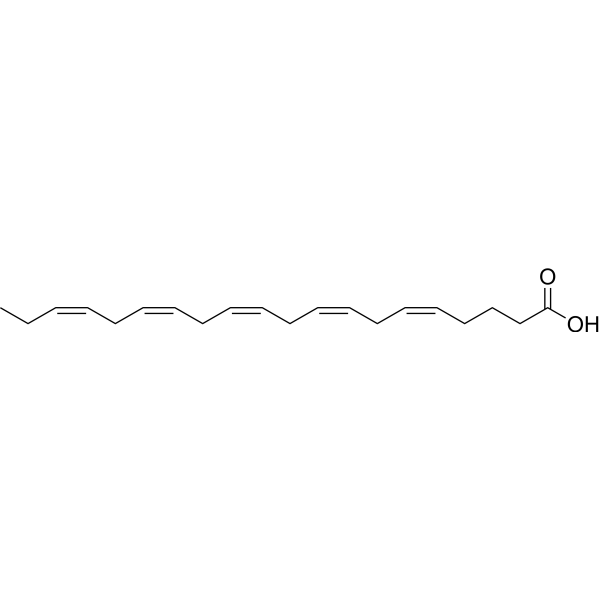
Eicosapentaenoic Acid (EPA) is an orally active Omega-3 long-chain polyunsaturated fatty acid (ω-3 LC-PUFA). Eicosapentaenoic Acid exhibits a DNA demethylating action that promotes the re-expression of the tumor suppressor gene CCAAT/enhancer-binding protein δ (C/EBPδ). Eicosapentaenoic Acid activates RAS/ERK/C/EBPβ pathway through H-Ras intron 1 CpG island demethylation in U937 leukemia cells. Eicosapentaenoic Acid can promote relaxation of vascular smooth muscle cells and vasodilation .
loading...
    loading...
32
32 Publications Verification
Cat. No.: HY-W011269
CAS No.: 73167-03-0
Synonyms: EPA sodium; Timnodonic acid sodium
Eicosapentaenoic Acid (EPA)sodium is an orally active Omega-3 long-chain polyunsaturated fatty acid (ω-3 LC-PUFA). Eicosapentaenoic Acid sodium exhibits a DNA demethylating action that promotes the re-expression of the tumor suppressor gene CCAAT/enhancer-binding protein δ (C/EBPδ). Eicosapentaenoic Acid sodium activates RAS/ERK/C/EBPβ pathway through H-Ras intron 1 CpG island demethylation in U937 leukemia cells. Eicosapentaenoic Acid sodium can promote relaxation of vascular smooth muscle cells and vasodilation .
loading...
    loading...
6
6 Cited Publications
Cat. No.: HY-17372
CAS No.: 162011-90-7
Synonyms: MK 966
Target:  

COX

Research Areas:  

Inflammation/Immunology Cancer

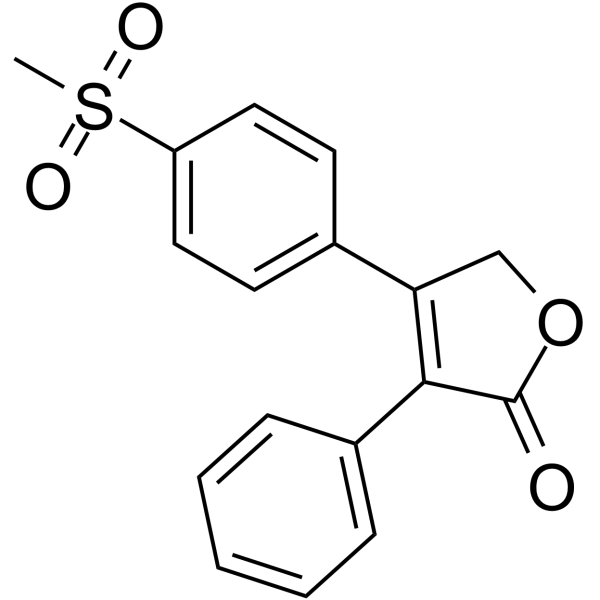
Rofecoxib is a potent, specific and orally active COX-2 inhibitor, with IC50s of 26 and 18 nM for human COX-2 in human osteosarcoma cells and Chinese hamster ovary cells, with a 1000-fold selectivity for COX-2 over human COX-1 (IC50 > 50 μM in U937 cells and > 15 μM in Chinese hamster ovary cells).
loading...
    loading...
5
5 Cited Publications
Cat. No.: HY-131249
CAS No.: 724711-21-1
Purity:  99.15%
Target:  

MAPKAPK2 (MK2)

Research Areas:  

Inflammation/Immunology

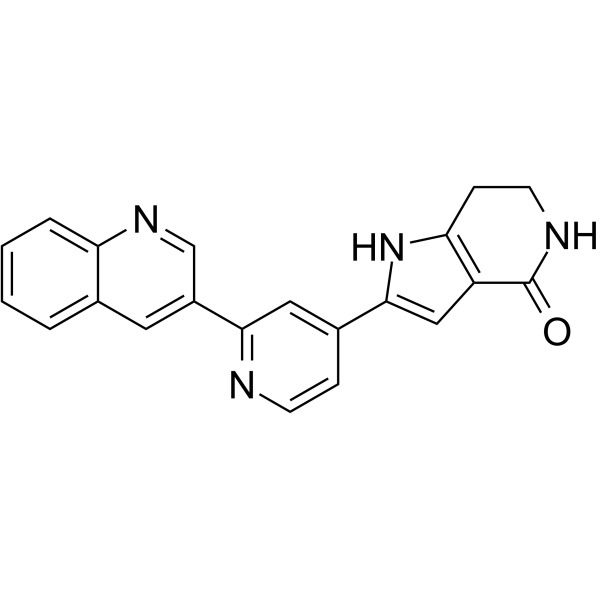
MK2-IN-3 is a potent and selective inhibitor of MAPKAP-K2 (MK-2), with an IC50 of 8.5 nM. MK2-IN-3 shows selectivity for MK-2 over MK-3, MK-5, ERK2, MNK1, p38a (IC50s=0.21, 0.081, 3.44, 5.7, and >100 μM, respectively) and MSK1, MSK2, CDK2, JNK2, IKK2 (IC50s>200 μM). MK2-IN-3 can reduce TNFα production in both U937 cells and in vivo .
loading...
    loading...
2
2 Cited Publications
Cat. No.: HY-103358
CAS No.: 257292-29-8
Purity:  99.63%
Target:  

P-selectin

Research Areas:  

Inflammation/Immunology

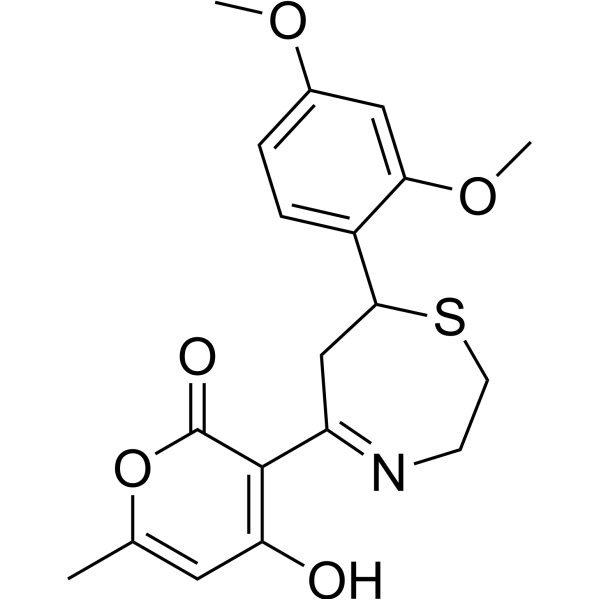
KF38789 is a selective inhibitor of P-selectin-PSGL-1 binding. KF38789 inhibits the binding of U937 cells to immobilized P-selectin immunoglobulin G chimeric protein (P-selectin-Ig) with an IC50 value of 1.97 μM .
loading...
    loading...
2
2 Cited Publications
Cat. No.: HY-101232
CAS No.: 69014-14-8
Purity:  98.53%
Synonyms: ICI 125211
Target:  

Histamine Receptor

Research Areas:  

Cardiovascular Disease

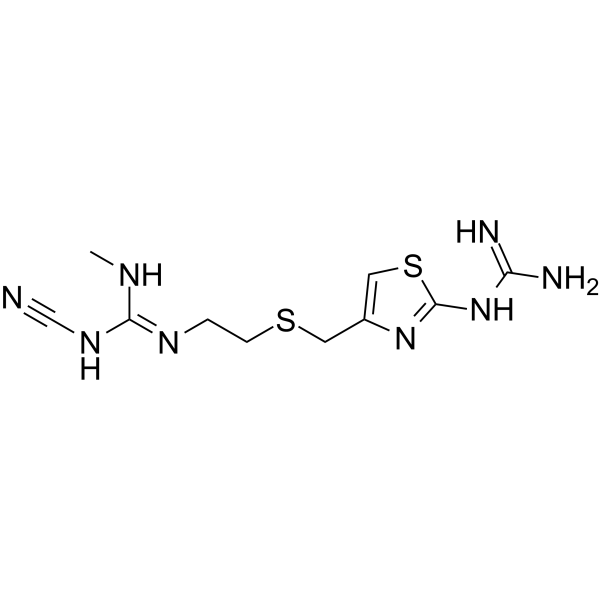
Tiotidine (ICI 125211) is a potent and selective antagonist of histamine H2-receptor (pA2=7.3-7.8 for guinea-pig right atrium). Tiotidine has low affinity for both the H1 and the H3 receptors .
loading...
    loading...
1
1 Cited Publications
Cat. No.: HY-100688
CAS No.: 2029049-79-2
Purity:  99.72%
Research Areas:  

Cancer

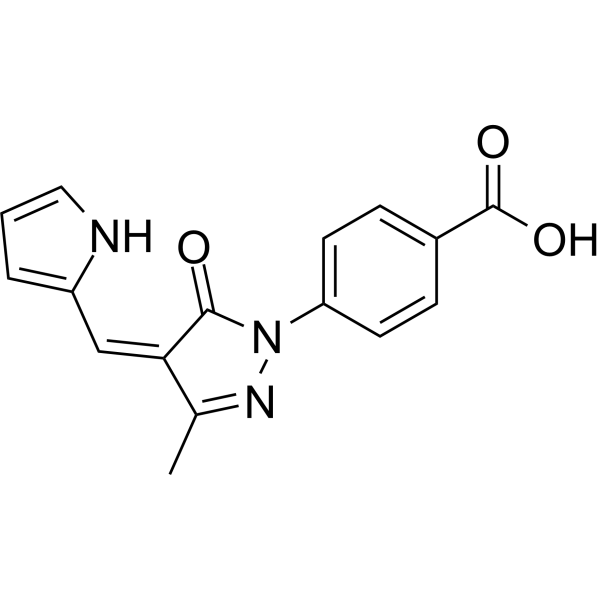
ML390 is a potent dihydroorotate dehydrogenase (DHODH) inhibitor. ML390 is an inducer of myeloid differentiation and causes myeloid differentiation in murine (ER-HoxA9) and human (U937 and THP1) acute myeloid leukemia (AML) models .
loading...
    loading...
1
1 Cited Publications
Cat. No.: HY-100131
CAS No.: 1622849-58-4
Purity:  98.57%
Target:  

RIP kinase

Research Areas:  

Inflammation/Immunology

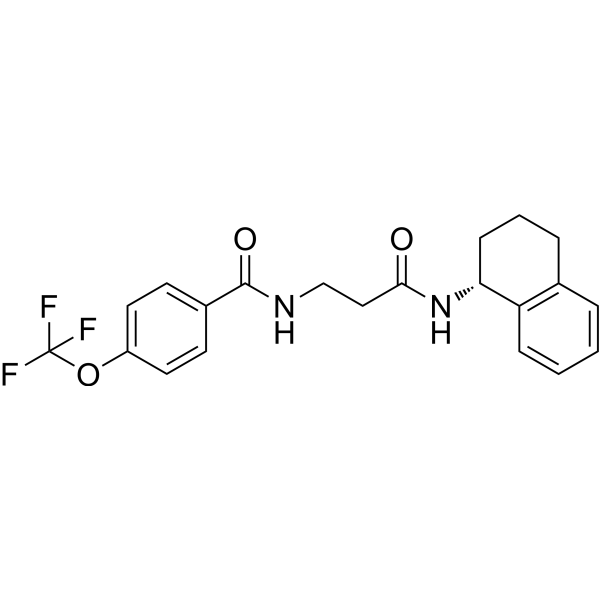
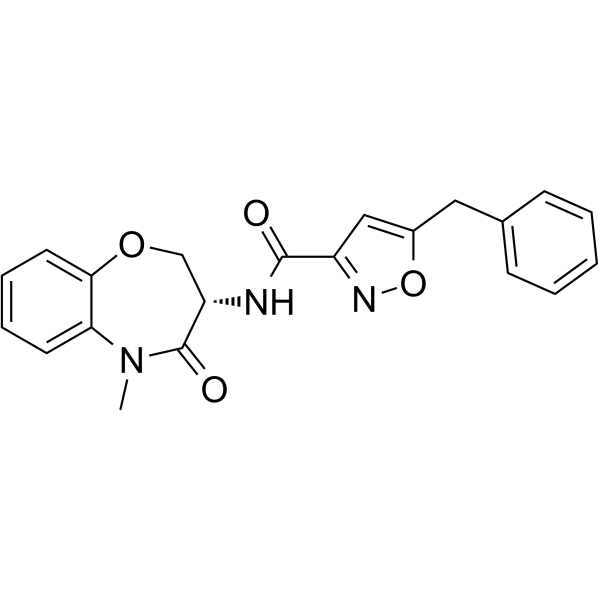
GSK481 is a highly potent, selective, and specific receptor interacting protein 1 (RIP1) kinase inhibitor with an IC50 of 1.3 nM, which inhibits Ser 166 phosphorylation in wild-type human RIP1 (IC50=2.8 nM). GSK481 also exhibits excellent translation in the U937 cellular assay with an IC50 of 10 nM .
loading...
    loading...
1
1 Cited Publications
Cat. No.: HY-149302
CAS No.: 28532-21-0
Purity:  98.26%
Research Areas:  

Cancer

MC4033 shows IC50s of 39.4 μM, 52.1 μM, 41 μM and 30.1 μM in HCT116, H1299, A549 and U937, respectively .
MC4033 (25, 50, 100, and 200 μM, 72 h) reduces the level of H4K16Ac in HT29 cells, suggesting its ability to inhibit KAT8 in cells .
loading...
    loading...
1
1 Cited Publications
Cat. No.: HY-13249
CAS No.: 143032-85-3
Purity:  ≥98.0%
Synonyms: 1α-Hydroxy vitamin D4
Target:  

VD/VDR

Research Areas:  

Cancer

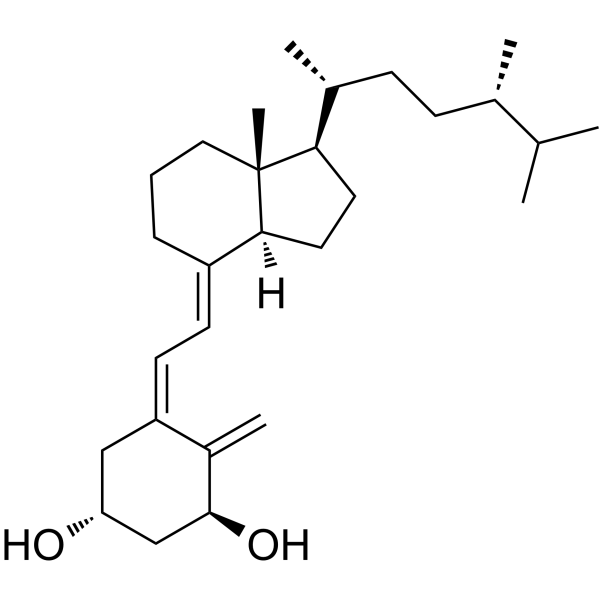
1alpha-Hydroxy VD4, a 1alpha(OH)D derivative, can effectively induce the differentiation of monoblastic leukaemia U937, P39/TSU and P31/FUJ cells.
loading...
    loading...
Cat. No.: HY-N6703
CAS No.: 532-65-0
Synonyms: (+)-ar-Turmerone
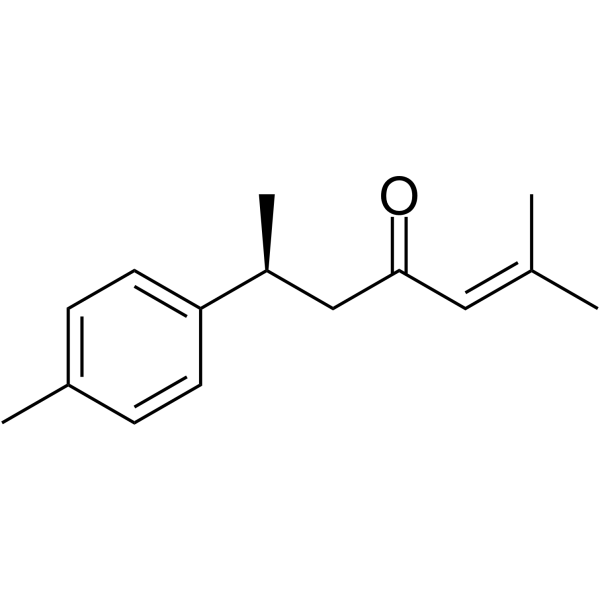
ar-Turmerone ((+)-ar-Turmerone) is an orally active and major bioactive compound of the herb Curcuma longa with anti-tumorigenesis and anti-inflammatory activities. ar-Turmerone induces apoptosis in U937 cells. ar-Turmerone exerts positive modulation on murine DCs. ar-Turmerone induces NSC proliferation in vitro and in vivo, and can be used for various neurologic disorders study .
loading...
    loading...
Cat. No.: HY-N6037
CAS No.: 2798-20-1
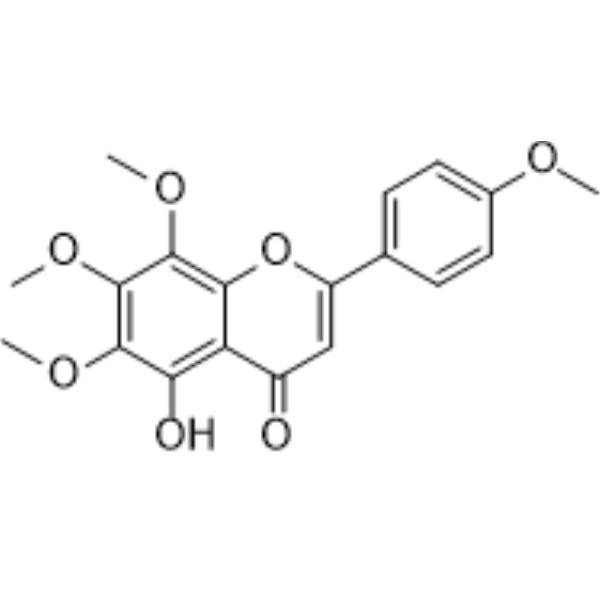
Gardenin B is a methoxyflavone compound and an inhibitor of USP7, ODC (IC50: 6.24 μg/mL), and Cathepsin D (IC50: 5.61 μg/mL). Gardenin B exhibits antioxidant and antitumor activities. Gardenin B shows IC50 values of 8.87 and 10.59 μg/mL for DPPH and NO scavenging, respectively, and also possesses ferric ion reducing ability. Additionally, Gardenin B can inhibit tumor cell proliferation, induce cell cycle arrest and apoptosis. Gardenin B can be used in cancer research .
loading...
    loading...
Cat. No.: HY-111254
CAS No.: 870554-67-9
Purity:  98.88%
Target:  

PPAR NF-κB JNK

Research Areas:  

Inflammation/Immunology

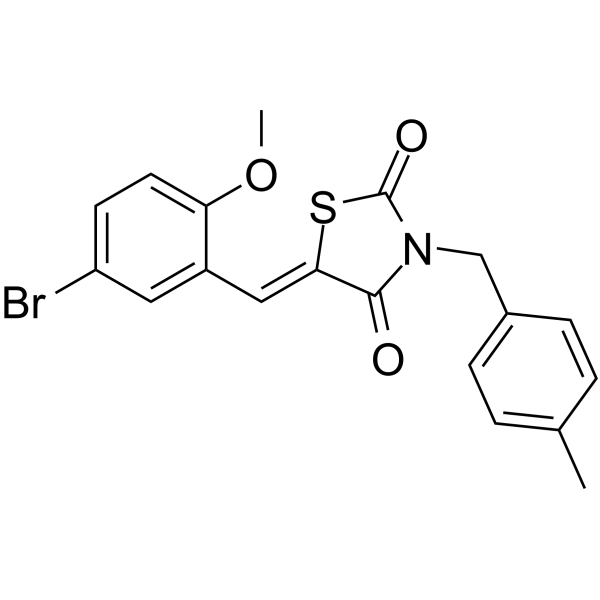
GQ-16 is an orally active PPARγ partial agonist with an IC50 of 1.84 μM and a Ki of 160 nM against human PPARγ. GQ-16 inhibits Cdk5-mediated Ser-273 phosphorylation. GQ-16 improves insulin sensitivity and glucose tolerance in obese and diabetic mice. GQ-16 also exhibits certain cytotoxicity against tumor cells. GQ-16 can be used in research related to obesity, diabetes and cancer .
loading...
    loading...
Cat. No.: HY-B0660R
CAS No.: 10417-94-4
Synonyms: EPA (Standard); Timnodonic acid (Standard)
Eicosapentaenoic Acid (Standard) is the analytical standard of Eicosapentaenoic Acid. This product is intended for research and analytical applications. Eicosapentaenoic Acid (EPA) is an orally active Omega-3 long-chain polyunsaturated fatty acid (ω-3 LC-PUFA). Eicosapentaenoic Acid exhibits a DNA demethylating action that promotes the re-expression of the tumor suppressor gene CCAAT/enhancer-binding protein δ (C/EBPδ). Eicosapentaenoic Acid activates RAS/ERK/C/EBPβ pathway through H-Ras intron 1 CpG island demethylation in U937 leukemia cells. Eicosapentaenoic Acid can promote relaxation of vascular smooth muscle cells and vasodilation .
loading...
    loading...
Cat. No.: HY-106784
CAS No.: 92285-01-3
Purity:  ≥99.0%
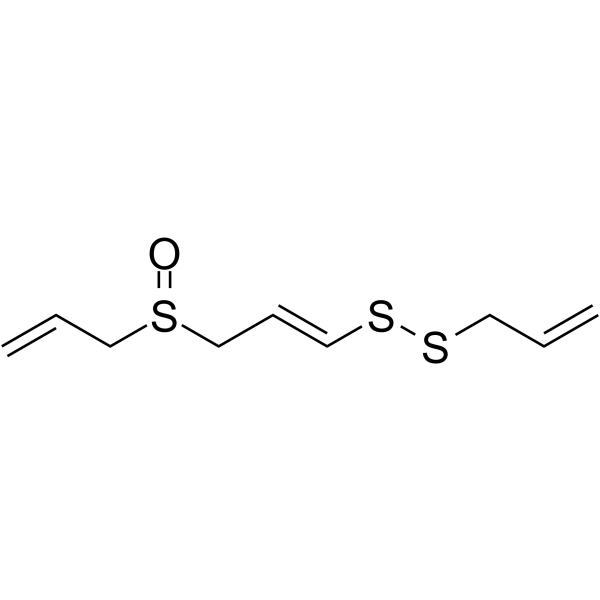
Ajoene, a garlic-derived compound, is an antithrombotic and antifungal agent. Ajoene inhibits proliferation and induces apoptosis of human leukaemia CD34-negative cells including HL-60, U937, HEL and OCIM-I. Anticancer activities .
loading...
    loading...
Cat. No.: HY-147240
CAS No.: 1824609-67-7
Purity:  99.92%
Synonyms: ADX-629
Target:  

Interleukin Related

Research Areas:  

Inflammation/Immunology

Acloproxalap (ADX-629) is an orally active reactive aldehyde species (RASP) inhibitor. Acloproxalap binds covalently to free aldehydes, sequesters reactive aldehyde species, malondialdehyde, acetaldehyde and preformed malondialdehyde-acetaldehyde adducts, and reduces elevated RASP levels. Acloproxalap decreases the formation of aldehyde adducts, reduces liver and serum triglyceride levels, hepatic fat accumulation, circulating anti-malondialdehyde-acetaldehyde adduct antibody levels, and inhibits the release of IL-6 and MCP-1. Acloproxalap improves cell viability of liver slices exposed to ethanol. Acloproxalap blocks ethanol-induced damage in animal models of alcoholic liver disease. Acloproxalap is applicable to research related to alcoholic liver disease, alcoholic fatty liver disease, non-alcoholic steatohepatitis, chronic cough, rheumatoid arthritis, ulcerative colitis and mild atopic asthma .
loading...
    loading...
Cat. No.: HY-103347
CAS No.: 54135-60-3
Purity:  98.44%
Target:  

Apoptosis

Research Areas:  

Inflammation/Immunology

M50054 is a potent inhibitor of apoptosis. M50054 inhibits Etoposide-induced caspase-3 activation of U937 cells with an IC50 of 79 μg/mL. M50054 does not directly inhibit the enzymatic activity of caspase-3. M50054 can be used for the research anti-Fas-antibody-induced hepatitis and chemotherapy-induced alopecia .
loading...
    loading...
Cat. No.: HY-P1188
CAS No.: 1207610-07-8
Target:  

Integrin

Research Areas:  

Cancer

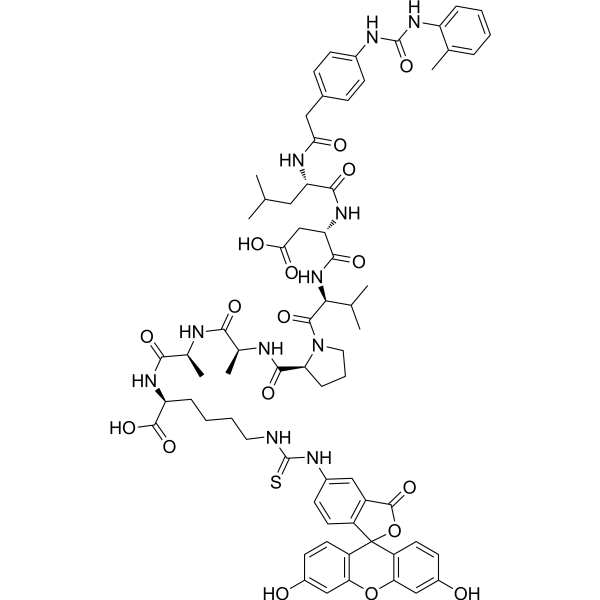
LDV-FITC, a fluorescent peptide, is a FITC-conjugated LDV peptide (HY-P2267). LDV-FITC binds to the α4β1 integrin with high affinity (Kd: 0.3 nM and 12 nM for binding to U937 cells in the presence and absence of Mn 2+ respectively). LDV-FITC can be used to detect α4β1 integrin affinity .
loading...
    loading...
Cat. No.: HY-173444
CAS No.: 2989934-63-4
Research Areas:  

Cancer

HDAC11-IN-3 (Compound A9) is a selective HDAC11 inhibitor (IC50: 4.1 nM). HDAC11-IN-3 has inhibitory effects on U937 and OCI-AML2 acute myeloid leukemia (AML) cell lines (IC50: 10 μM). HDAC11-IN-3 has significant anti-AML activity, inducing apoptosis, cell cycle arrest, and differentiation. HDAC11-IN-3 upregulates the iron transporters transferrin (TF) and transferrin receptor (TFRC), and activates the p62-Keap1-Nrf2-HMOX1 pathway, which together lead to increased intracellular iron levels and induce ferroptosis in AML cells. HDAC11-IN-3 can be used alone or in combination with Cytarabine (HY-13605) for AML research .
loading...
    loading...
Cat. No.: HY-101556
CAS No.: 101506-83-6
Synonyms: CBS-211A
Target:  

Drug Derivative

Research Areas:  

Cancer

Namirotene (CBS-211A) is a retinoic acid analog, which is utilized in topical eye administration. Namirotene enhances 1α,25-dihydroxyvitamin D3-induced cytotoxicity in cell U937 and induces the differentation in U937 .
loading...
    loading...

