1. Search Result
Search Result
Results for "

absences

" in MedChemExpress (MCE) Product Catalog:

113

Inhibitors & Agonists

2

Screening Libraries

14

Fluorescent Dye

7

Biochemical Assay Reagents

7

Peptides

1

Inhibitory Antibodies

6

Natural
Products

1

Isotope-Labeled Compounds

21

Click Chemistry

1

Oligonucleotides

Cat. No. Product Name Target Research Areas Chemical Structure
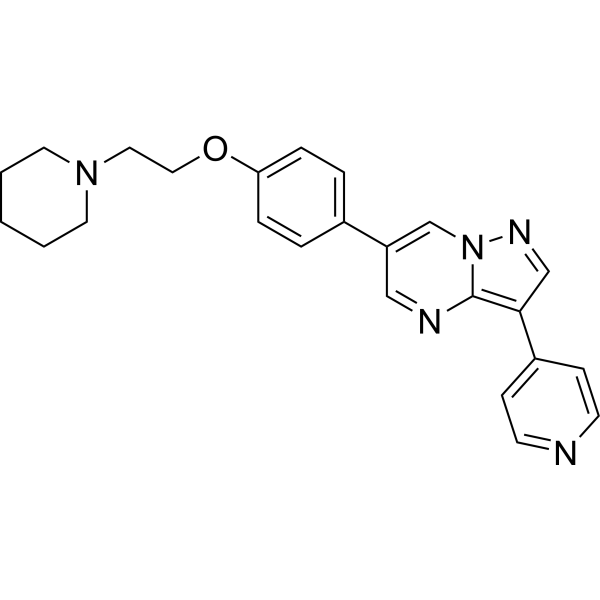
  • HY-13418A
    Dorsomorphin
    Maximum Cited Publications
    754 Publications Verification

    Compound C; BML-275

    Organoid AMPK TGF-β Receptor Autophagy Cancer
    Dorsomorphin (Compound C) is a selective and ATP-competitive AMPK inhibitor (Ki=109 nM in the absence of AMP). Dorsomorphin (BML-275) selectively inhibits BMP type I receptors ALK2, ALK3, and ALK6. Dorsomorphin can reverse autophagy activation and anti-inflammatory effect of Urolithin A (HY-100599) .
    Dorsomorphin
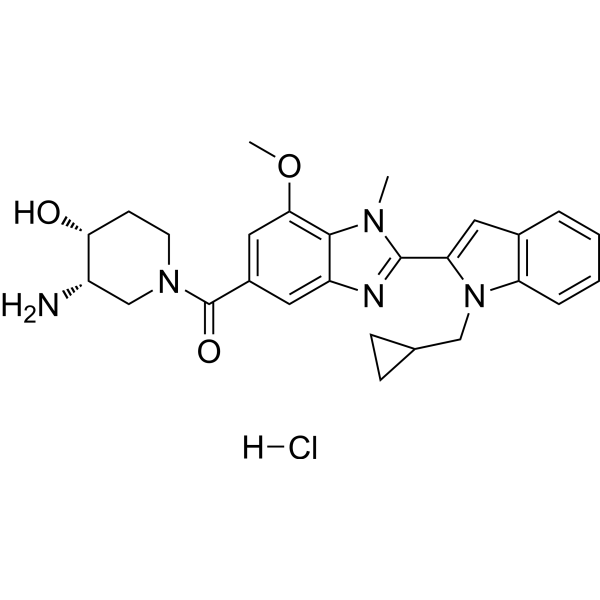
  • HY-100514
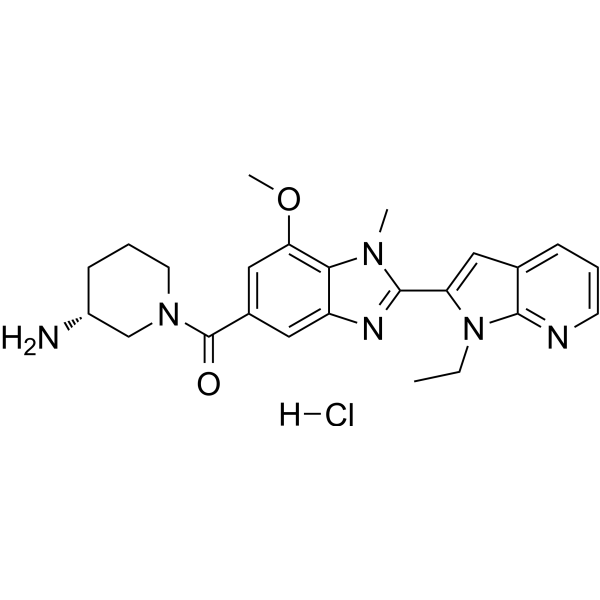
    GSK484 hydrochloride
    45+ Cited Publications

    Protein Arginine Deiminase Cardiovascular Disease Inflammation/Immunology Cancer
    GSK484 hydrochloride is a selective and reversible peptidylarginine deiminase 4 (PAD4) inhibitor. GSK484 hydrochloride demonstrates high affinity binding to PAD4 with IC50s of 50 nM in the absence of Calcium. In the presence of 2 mM Calcium, notably lower potency (250 nM) is observed.
    GSK484 hydrochloride
  • HY-129038
    GR24
    1 Publications Verification

    Strigolactone GR24

    Biochemical Assay Reagents Others
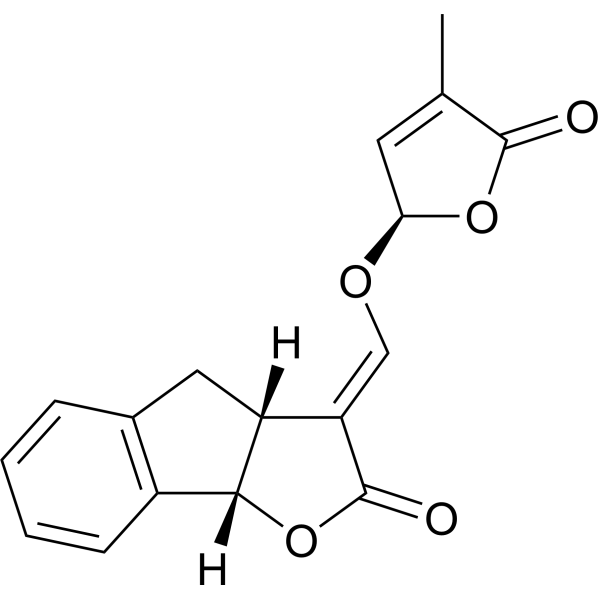
    (Rac)-GR24 (Strigolactone GR24) is a plant hormone analog. (Rac)-GR24 can mimic the natural germination stimulus of parasitic plant seeds, promoting seed germination in the absence of host plants, thereby reducing the number of parasitic seeds in the soil. (Rac)-GR24 can be used in agricultural research .
    GR24
  • HY-100403
    Ro 67-7476
    20+ Cited Publications

    mGluR Cancer
    Ro 67-7476 is a potent positive allosteric modulator of mGluR1 and potentiates glutamate-induced calcium release in HEK293 cells expressing rat mGluR1a with an EC50 of 60.1 nM . Ro 67-7476 is a potent P-ERK1/2 agonist and activates ERK1/2 phosphorylation in the absence of exogenously added glutamate (EC50=163.3 nM) .
    Ro 67-7476
  • HY-137255

    3-Sulfotaurolithocholic acid disodium

    GPR39 Inflammation/Immunology
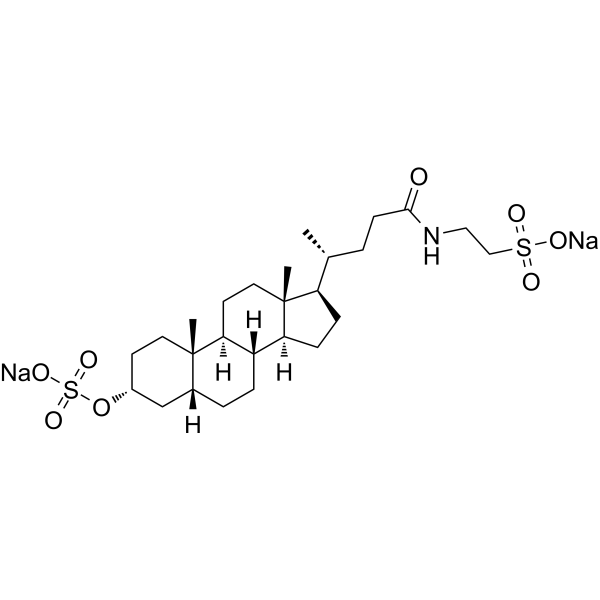
    Taurolithocholic acid 3-sulfate disodium is a GPR39 agonist with EC50s of 71.6  and 69.4 (absence of Zn 2+) and 9 and 9.6 μM (presence of Zn 2+) in M39-20 and hGPR39-2 cells, respectively. Taurolithocholic acid 3-sulfate disodium stimulates GPR39 receptors to initiate intracellular calcium signaling, independent of Zn 2+ binding sites H17 and H19. Taurolithocholic acid 3-sulfate disodium can be used for the research of gallbladder disease .
    Taurolithocholic acid 3-sulfate disodium
  • HY-103058
    GSK199
    1 Publications Verification

    Protein Arginine Deiminase Cardiovascular Disease Inflammation/Immunology Cancer
    GSK199 is an orally active, reversible, and selective PAD4 inhibitor with an IC50 of 200 nM in the absence of calcium. GSK199 can be used for the research of rheumatoid arthritis .
    GSK199
  • HY-P991155

    JNJ-79635322; JNJ-5322

    CD3 TNF Receptor Cancer
    Ramantamig (JNJ-79635322) is a humanized monoclonal antibody targeting human CD3ε, GPRC5D, and TNFRSF17 (BCMA). Ramantamig binds to BCMA and GPRC5D on multiple myeloma cells, binds to CD3ε on T cells, forms immunological synapses, and enables T-cell-mediated cytotoxicity. Ramantamig activates T cells concomitantly with inducing myeloma cell cytotoxicity, with no nonspecific T-cell activation in the absence of target myeloma cells. Ramantamig carries mutations to reduce interaction with Fc receptors and disrupt protein A binding of monomeric and homodimerized chains. Ramantamig can be used for the research of multiple myeloma .
    Ramantamig
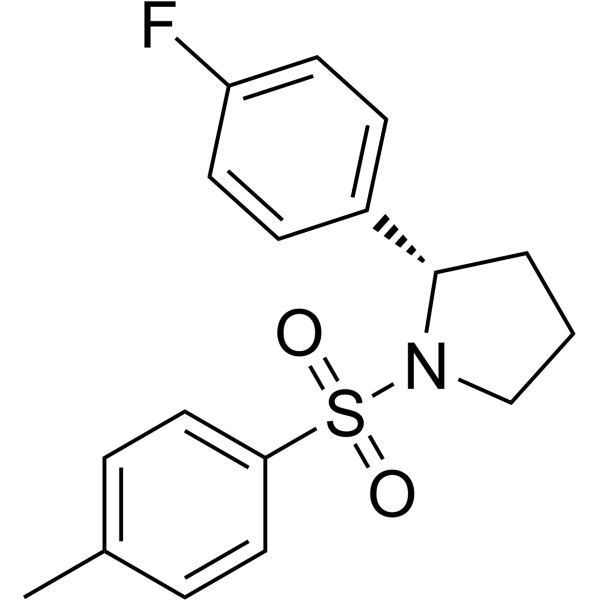
  • HY-A0092

    3,5,5,-Trimethyloxazolidine-2,4-dione

    Calcium Channel Neurological Disease
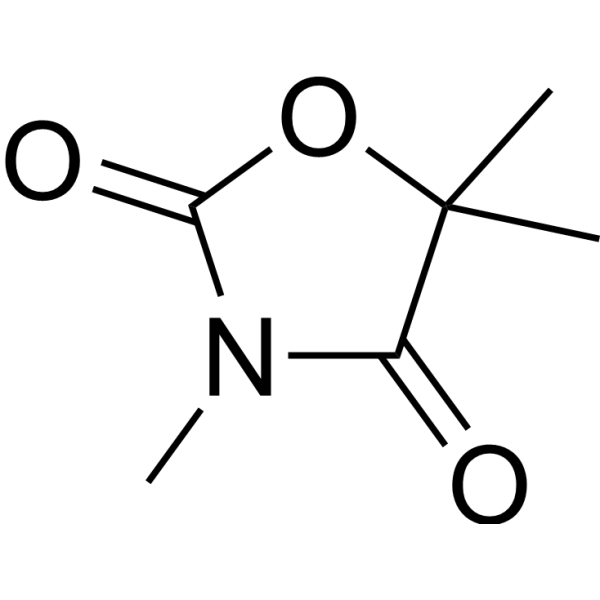
    Trimethadione (3,5,5,-Trimethyloxazolidine-2,4-dione) is an oxazolidinedione anticonvulsant agent widely used against absences seizures. Trimethadione also is a T-type calcium channel blocker which has antihyperalgesic effects .
    Trimethadione
  • HY-P2994

    3-HBDH

    Endogenous Metabolite Metabolic Disease
    3-Hydroxybutyrate dehydrogenase (3-HBDH), a mitochondrial enzyme, is a key enzyme in the ketone body metabolism pathway. 3-Hydroxybutyrate dehydrogenase is the last enzyme for ketone synthesis in the liver and the first enzyme for ketone breakdown in extracellular tissues. The absence of 3-Hydroxybutyrate dehydrogenase leads to the inhibition of fatty acid oxidation in the liver during fasting in mice, resulting in lipid accumulation and the development of fatty liver .
    3-Hydroxybutyrate dehydrogenase
  • HY-10035
    TTA-P2
    2 Publications Verification

    T-Type calcium channel inhibitor

    Calcium Channel Neurological Disease
    TTA-P2 (T-Type calcium channel inhibitor) is a selective, orally active, and BBB-penetrant T-type calcium channel blocker (IC50 = 22 nM). TTA-P2 reduces mechanical hypersensitivity and alleviates acute as well as chronic pain. TTA-P2 significantly reduces firing rates in temporal lobe epilepsy (TLE) neurons to control levels and suppresses synaptically evoked burst firing. TTA-P2 can be studied in research for neurological diseases such as tremor and absence epilepsy < sup>[4] .
    TTA-P2
  • HY-W008270

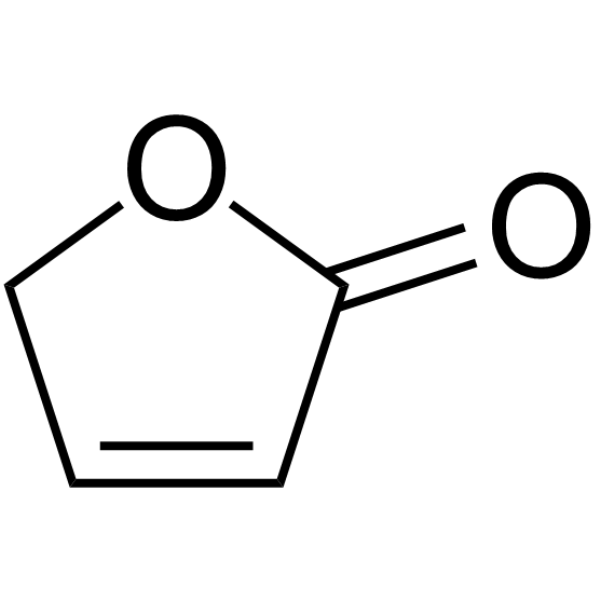
    γ-Crotonolactone

    Endogenous Metabolite Bacterial Infection Neurological Disease
    2(5H)-Furanone (γ-Crotonolactone) is an endogenous metabolite. 2(5H)-Furanone mimics N-acyl homoserine lactone signals, occupies the binding site of LuxR homologs, and interferes with quorum sensing-mediated gene regulation. 2(5H)-Furanone inhibits quorum sensing mediated by AHLs with different acyl chain lengths. 2(5H)-Furanone inhibits biofilm formation of environmental Aeromonas hydrophila strains on polystyrene plates. 2(5H)-Furanone suppresses spike-and-wave discharges in a rat model of generalized absence seizures and exhibits selective activity against absence seizures. 2(5H)-Furanone can be used in studies related to bacteria infections and generalized absence seizures.
    2(5H)-Furanone
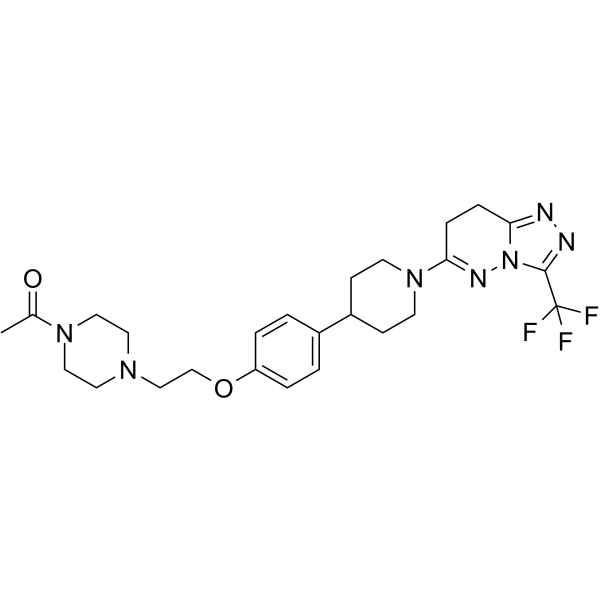
  • HY-108699

    GPR39 Neurological Disease Endocrinology
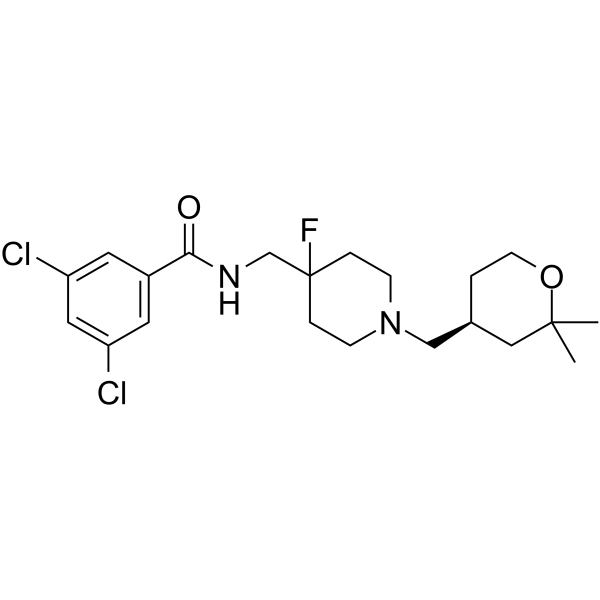
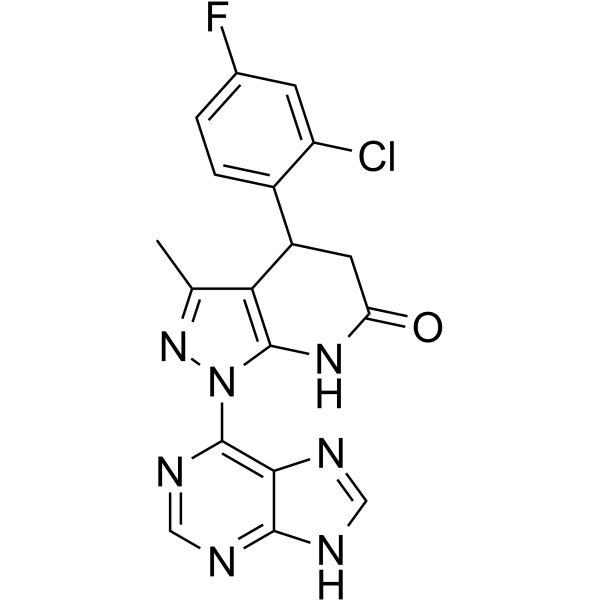
    TM-N1324 is an agonist of G-Protein-Coupled Receptor 39 (GPR39) with EC50s of 9 nM/5 nM in the presence of Zn 2+, and 280 nM/180 nM in the absence of Zn 2+ for human/murine GPR39.
    TM-N1324
  • HY-P2921

    Uox, Microorganism

    Endogenous Metabolite Metabolic Disease Inflammation/Immunology
    Uricase, Microorganism (Uox, Microorganism) is a uricase (urate oxidase) derived from Microorganism. Uricase, Microorganism converts uric acid into allantoin. The absence of Uricase in mammals causes kidney diseases resulting from uric acid accumulation. Uricase, Microorganism can be used for research on chronic refractory gout and hyperuricemia .
    Uricase, Microorganism
  • HY-16079
    AZD3514
    3 Publications Verification

    Androgen Receptor Cancer
    AZD3514 is an orally activie and selective androgen receptor (AR) inhibitor. AZD3514 androgen-dependently and -independently inhibits AR signal. AZD351 down-regulates nuclear AR levels in human LNCaP prostate cancer cells in the absence of androgen with an pIC50 value of 5.75. AZD3514 can be used for the research of prostate cancer .
    AZD3514
  • HY-W096079

    ADC Linker Cancer
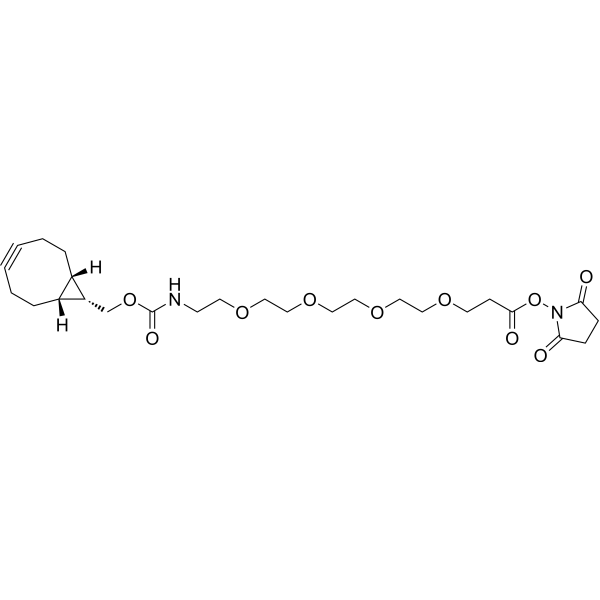
    BCN-endo-PEG4-NHS is an ADC Linker containing 4 PEG units. BCN-endo-PEG4-NHS contains the lyophilic bidentate macrocyclic ligand endo-BCN, which allows for further synthesis of macrocyclic complexes. In click chemistry, endo-BCN can react with molecules containing azide groups to form stable triazoles in the absence of catalysts.
    BCN-endo-PEG4-NHS
  • HY-W1126235

    D223

    Molecular Glues Ras PI3K GLUT Metabolic Disease
    DS02312223 (D223) is a molecular glue that promotes the binding of RAS to PI3Kα, with a Kd of 0.76 μM for p110α. DS02312223 increases the binding affinity between GTP-bound KRAS (KRAS-GMPPNP) and p110α by nearly three orders of magnitude (KD = 0.017 μM). DS02312223 stimulates the translocation of GLUT4 to the plasma membrane. DS02312223 promotes glucose uptake in the absence of insulin. DS02312223 can be used in diabetes research .
    DS02312223
  • HY-156311

    ADC Linker Cancer
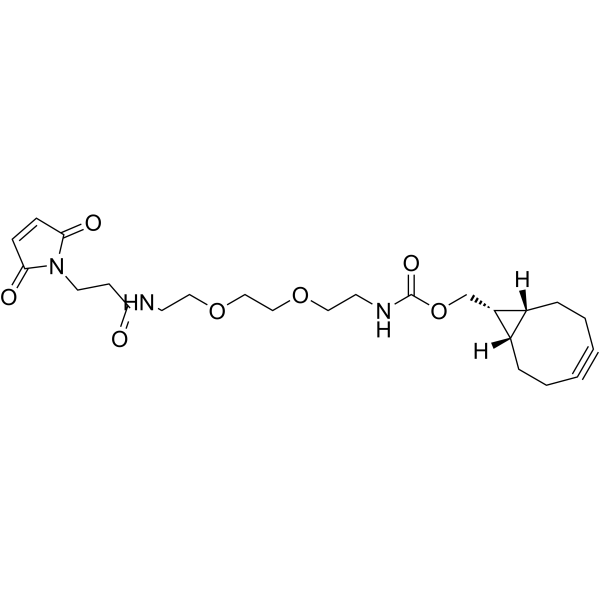
    BCN-endo-PEG2-maleimide is an ADC Linker containing 4 PEG units. BCN-endo-PEG2-maleimide contains the lyophilic bidentate macrocyclic ligand endo-BCN, which can further synthesize macrocyclic complexes. In click chemistry, endo-BCN can react with molecules containing azide groups to form stable triazoles in the absence of catalysts. Its maleimide group (-Maleimide) degrades in aqueous media and has been used in drug delivery studies.
    BCN-endo-PEG2-maleimide
  • HY-137683A

    GDPβS trisodium

    Adenylate Cyclase Cardiovascular Disease
    Guanosine 5'-O-(2-thiodiphosphate) trisodium (GDPβS trisodium) is a non-hydrolyzable derivative of GDP. Guanosine 5'-O-(2-thiodiphosphate) trisodium acts as an inhibitor of adenylyl cyclase (AC) with a Ki value of 600 nM. In the absence of glutamic-pyruvic transaminase (GPT) in cerebral cortex membranes of rodent models, Guanosine 5'-O-(2-thiodiphosphate) trisodium partially activates AC with an EC50 of 400 nM. Guanosine 5'-O-(2-thiodiphosphate) trisodium prevents norepinephrine-induced nitric oxide release in ventricular myocytes .
    Guanosine 5'-O-2-thiodiphosphate trisodium
  • HY-W008638
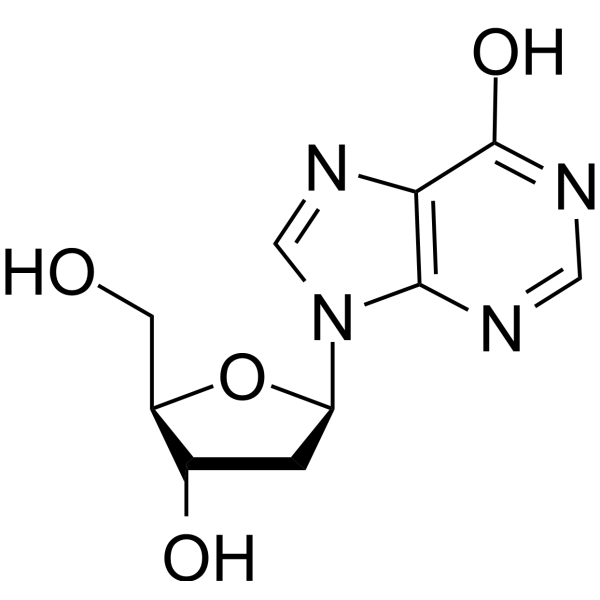
    2'-Deoxyinosine
    2 Publications Verification

    Endogenous Metabolite Metabolic Disease Cancer
    2'-Deoxyinosine is the major product of 2'-deoxyadenosine in the absence of deoxycoformycin. 2'-Deoxyinosine is found to be associated with purine nucleoside phosphorylase (PNP) deficiency .
    2'-Deoxyinosine
  • HY-117163
    FzM1.8
    1 Publications Verification

    Wnt β-catenin Cancer
    FzM1.8, derives from FzM1, is an allosteric agonist of FZD4 with pEC50 of 6.4. FzM1.8 binds to FZD4 and activates the WNT/β-catenin pathway, by promoting TCF/LEF transcriptional activity in the absence of any WNT ligand. FzM1.8 stabilizes FZD4 with an increased affinity for heterotrimeric G protein and stimulates the release of the Gβγ subunit that in turn activates PI3K .
    FzM1.8
  • HY-134734

    ADC Linker Cancer
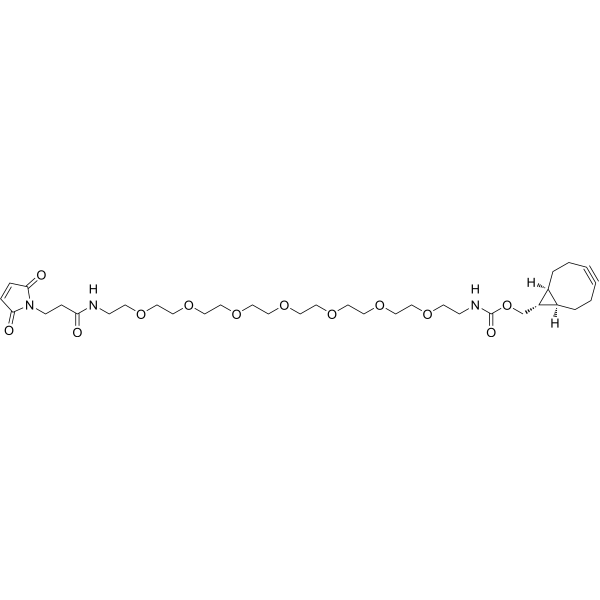
    BCN-exo-PEG7-maleimide is an ADC Linker containing 7 PEG units. BCN-exo-PEG7-maleimide contains the lyophilic bidentate macrocyclic ligand BCN, which allows for further synthesis of macrocyclic complexes. In click chemistry, BCN reacts with molecules containing azide groups to form stable triazoles in the absence of catalysts. Its maleimide group (-Maleimide) degrades in aqueous media and has been used in drug delivery studies.
    BCN-exo-PEG7-maleimide
  • HY-12783A

    GABA Receptor Neurological Disease
    SCH 50911 is a selective, orally active, blood-brain barrier permeable GABA-B receptor (GABA-B Receptor) antagonist with an IC50 of 1.1 μM in rats. SCH 50911 blocks baclofen-induced antitussive effects, regulates neuronal firing and GABA release. SCH 50911 promotes spontaneous seizures during withdrawal in ethanol-dependent rats, alters reward-related neurotransmission, and reduces or suppresses lever responding and self-administration behaviors of alcohol and sucrose in rats. SCH 50911 is applicable to research related to ethanol withdrawal syndrome, absence epilepsy and alcohol use disorder .
    SCH 50911
  • HY-W587430

    Glycolithocholate sulfate disodium; Sulfolithocholylglycine disodium; SLCG disodium

    HIV GPR39 Infection Inflammation/Immunology
    Glycolithocholic acid 3-sulfate disodium is a GPR39 agonist with EC50s of 47.9  and 66.8 μM (absence of Zn 2+) and 8 and 8.7 μM (presence of Zn 2+) in M39-20 and hGPR39-2 cells, respectively. Glycolithocholic acid 3-sulfate disodium stimulates GPR39 receptors to initiate intracellular calcium signaling, independent of Zn 2+ binding sites H17 and H19. Glycolithocholic acid 3-sulfate disodium also inhibits replication of HIV-1 in vitro. Glycolithocholic acid 3-sulfate disodium can be used for the research of HIV infection and gallbladder disease .
    Glycolithocholic acid 3-sulfate disodium
  • HY-100613

    Chloride Channel Cardiovascular Disease
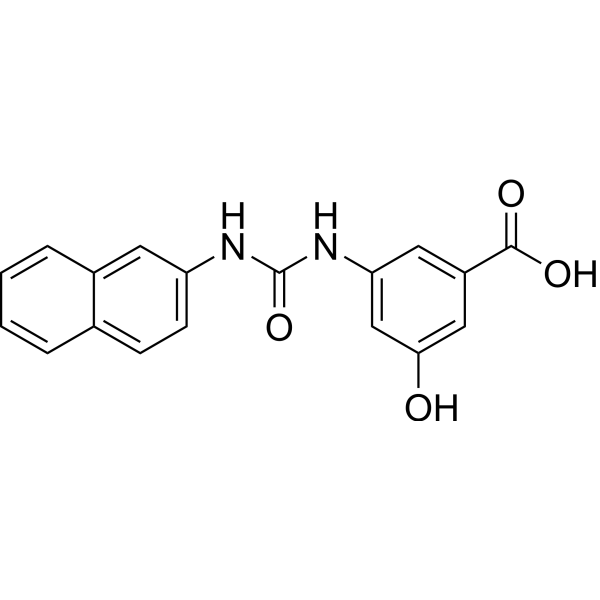
    MONNA is a potent transmembrane protein 16A (TMEM16A, Anoctamin-1) blocker with an IC50 of 80 nM. MONNA induces vasorelaxation of rodent resistance arteries in presence or absence of chloride ions .
    MONNA
  • HY-106200

    Lipoxygenase Inflammation/Immunology
    CJ-13,610, a nonredox-type 5-LO inhibitor, dose dependently suppresses 5-LO product formation in ionophore A23187-stimulated PMNL in the absence of exogenous AA with an IC50 of about 70 nM . PMNL: polymorphonuclear leukocytes; AA: arachidonic acid
    CJ-13,610
  • HY-P2921D

    Uox, candida utilis

    Endogenous Metabolite Metabolic Disease Inflammation/Immunology
    Uricase, candida utilis (Uox, candida utilis) is a uricase (urate oxidase) derived from Candida utilis. Uricase, candida utilis converts uric acid into allantoin. The absence of Uricase in mammals causes kidney diseases resulting from uric acid accumulation. Uricase, candida utilis can be used for research on chronic refractory gout and hyperuricemia .
    Uricase, candida utilis
  • HY-P1188

    Integrin Cancer
    LDV-FITC, a fluorescent peptide, is a FITC-conjugated LDV peptide (HY-P2267). LDV-FITC binds to the α4β1 integrin with high affinity (Kd: 0.3 nM and 12 nM for binding to U937 cells in the presence and absence of Mn 2+ respectively). LDV-FITC can be used to detect α4β1 integrin affinity .
    LDV-FITC
  • HY-156322

    ADC Linker Cancer
    BCN-exo-PEG3-maleimide is an ADC Linker containing 3 PEG units. BCN-exo-PEG3-maleimide contains the lyophilic bidentate macrocyclic ligand BCN, which enables the further synthesis of macrocyclic complexes. In click chemistry, BCN reacts with molecules containing azide groups to form stable triazoles in the absence of catalysts. Its maleimide group (-Maleimide) degrades in aqueous media and has been used in drug delivery studies.
    BCN-exo-PEG3-maleimide
  • HY-135239

    Fluorescent Dye Others
    Fura-FF pentapotassium is a low-affinity fluorescent dye for calcium (Ex/Em: 365/514 nm in the absence of calcium; 339/507 nm in the presence of a high calcium concentration) .
    Fura-FF pentapotassium
  • HY-W008638R

    Reference Standards Endogenous Metabolite Metabolic Disease Cancer
    2'-Deoxyinosine (Standard) is the analytical standard of 2'-Deoxyinosine (HY-W008638). This product is intended for research and analytical applications. 2'-Deoxyinosine is the major product of 2'-deoxyadenosine in the absence of deoxycoformycin. 2'-Deoxyinosine is found to be associated with purine nucleoside phosphorylase (PNP) deficiency .
    2'-Deoxyinosine (Standard)
  • HY-156320

    ADC Linker Cancer
    BCN-exo-PEG2-maleimide is an ADC Linker containing 2 PEG units. BCN-exo-PEG2-maleimide contains the lyophilic bidentate macrocyclic ligand BCN, which allows for further synthesis of macrocyclic complexes. In click chemistry, BCN reacts with molecules containing azide groups to form stable triazoles in the absence of catalysts. Its maleimide group (-Maleimide) degrades in aqueous media and has been used in drug delivery studies.
    BCN-exo-PEG2-maleimide
  • HY-118517

    (E)-α-Hydroxy tamoxifen; α-OHTAM

    Drug Metabolite Cancer
    α-Hydroxytamoxifen is a metabolite of tamoxifen, reacts with DNA in the absence of metabolizing enzymes, and causes formation of DNA adducts .
    α-Hydroxytamoxifen
  • HY-162590

    Bacterial Infection
    ECIN is a copper-responsive inhibitor of wild-type UPEC strains. ECIN inhibits Uropathogenic Escherichia coli (UPEC) with an IC50 value of 336 ng/mL in the absence of copper .
    ECIN
  • HY-138031

    PteGlu6

    Endogenous Metabolite Others
    Pteroylhexaglutamate (PteGlu6) inhibits the T2-phage-induced synthetase by 50% at 0.6 μM in the absence of Mg 2+. Pteroylhexaglutamate is a substrate for pteroylpolyglutamate hydrolase, and can be used to monitor the activity of pteroylpolyglutamate hydrolase .
    Pteroylhexaglutamate
  • HY-P1402

    PKC Others
    [Glu27]-PKC (19-36) is an inactive control for protein kinase C (PKC) (19-36). PKC (19-36) is a pseudosubstrate peptide inhibitor of protein kinase C, it may be responsible for maintaining the enzyme in the inactive form in the absence of allosteric activators such as phospholipids .
    [Glu27]-PKC (19-36)
  • HY-P2921B

    Uox, Arthrobacter globiformis

    Endogenous Metabolite Metabolic Disease Inflammation/Immunology
    Uricase, Arthrobacter globiformis (Uox, Arthrobacter globiformis) is a uricase (urate oxidase) derived from Arthrobacter globiformis. Uricase, Arthrobacter globiformis converts uric acid into allantoin. The absence of Uricase in mammals causes kidney diseases resulting from uric acid accumulation. Uricase, Arthrobacter globiformis can be used for research on chronic refractory gout and hyperuricemia .
    Uricase, Arthrobacter globiformis
  • HY-P2921A

    Uox, Bacillus fastidious

    Endogenous Metabolite Metabolic Disease Inflammation/Immunology
    Uricase, Bacillus fastidious (Uox, Bacillus fastidious) is a uricase (urate oxidase) derived from Bacillus fastidious. Uricase, Bacillus fastidious converts uric acid into allantoin. The absence of Uricase in mammals causes kidney diseases resulting from uric acid accumulation. Uricase, Bacillus fastidious can be used for research on chronic refractory gout and hyperuricemia .
    Uricase, Bacillus fastidious
  • HY-156317

    ADC Linker Cancer
    BCN-endo-PEG7-maleimide is an ADC Linker containing 7 PEG units. BCN-endo-PEG7-maleimide contains the lyophilic bidentate macrocyclic ligand endo-BCN, which can further synthesize macrocyclic complexes. In click chemistry, endo-BCN can react with molecules containing azide groups to form stable triazoles in the absence of catalysts.
    BCN-endo-PEG7-maleimide
  • HY-116037A

    Others Others
    trans-10-Heptadecenoic acid is a trans-fatty acid. trans-10-Heptadecenoic acid synthesizes polyhydroxy-chain alkanoates under the action of 2, 4-dienyl-CoA reductase and Delta3, Delta2-enyl-CoA isomerase. In the absence of 2, 4-dienyl-CoA reductase, trans-10-Heptadecenoic acid is degraded by enyl-CoA hydratase II of the multifunctional enzyme (MFE). trans-10-Heptadecenoic acid leads to massive intracellular carbon outflow through reductase dependent and direct MFE dependent pathways .
    trans-10-Heptadecenoic acid
  • HY-P10378

    GnRH Receptor Metabolic Disease
    GPR10 agonist 1 (compound 18-S4) is a potent GPR10 agonist with EC50 values of 80, 7.8 nM in the presence (10%) or absence (0%) of FBS, respectively. GPR10 agonist 1 has the potential for the research of chronic obesity .
    GPR10 agonist 1
  • HY-105115

    ZK 112119

    GABA Receptor Neurological Disease
    Abecarnil (ZK 112119) is a ligand or a partial agonist for benzodiazepine (BZ) receptor. Abecarnil possesses anxiolytic and anticonvulsant properties. Abecarnil can act as a positive allosteric modulator of GABAA receptor. Abecarnil inhibits the binding of the BZ [3H]lormetazepam to rat cerebral cortex membranes, with an IC50 of 0.82 nM. Abecarnil can be used for epilepsy research .
    Abecarnil
  • HY-156323

    ADC Linker Cancer
    BCN-exo-PEG4-NHS is an ADC Linker containing 4 PEG units. BCN-exo-PEG4-NHS contains the lyophilic bidentate macrocyclic ligand BCN, which allows for further synthesis of macrocyclic complexes. In click chemistry, BCN reacts with molecules containing azide groups to form stable triazoles in the absence of catalysts.
    BCN-exo-PEG4-NHS
  • HY-112526

    Fluorescent Dye Others
    Thiofluor 623 (Compound 3) is a fluorescent turn-on probe that can be used for the selective sensing and bioimaging of thiols. Thiofluor 623 displays excellent immunity to interference from nitrogen and oxygen nucleophiles. Thiofluor 623 is essentially nonfluorescent in the absence of thiols, which cleave the probe and release the red-emissive donor-acceptor fluorophore (Ex=563 nm, Em=623 nm) .
    Thiofluor 623
  • HY-156324

    ADC Linker Cancer
    BCN-exo-PEG8-NHS is an ADC Linker containing 8 PEG units. BCN-exo-PEG8-NHS contains the lyophilic bidentate macrocyclic ligand BCN, which allows for further synthesis of macrocyclic complexes. In click chemistry, BCN reacts with molecules containing azide groups to form stable triazoles in the absence of catalysts.
    BCN-exo-PEG8-NHS
  • HY-144368

    TNF Receptor Inflammation/Immunology
    CO delivery molecule 1 (compound 4) localizes to the endoplasmic reticulum, mitochondria, and lysosomes. Subcellular localization of CO delivery molecule 1 results in CO-induced toxicity effects. Anti-inflammatory effects of CO delivery molecule 1, as measured by TNF-α suppression, occur at the nanomolar level in the absence of CO release, and are enhanced with visible-light-induced CO release .
    CO delivery molecule 1
  • HY-156319

    ADC Linker Cancer
    BCN-exo-PEG2-NH2 is an ADC Linker containing 2 PEG units. BCN-exo-PEG2-NH2 contains the lyophilic bidentate macrocyclic ligand BCN, which can further synthesize macrocyclic complexes. In click chemistry, BCN reacts with molecules containing azide groups to form stable triazoles in the absence of catalysts.
    BCN-exo-PEG2-NH2
  • HY-156310

    ADC Linker Cancer
    BCN-endo-PEG7-NH2 is an ADC Linker containing 7 PEG units. BCN-endo-PEG7-NH2 contains the lyophilic bidentate macrocyclic ligand endo-BCN, which can further synthesize macrocyclic complexes. In click chemistry, endo-BCN can react with molecules containing azide groups to form stable triazoles in the absence of catalysts.
    BCN-endo-PEG7-NH2
  • HY-148533

    mAChR Adrenergic Receptor Neurological Disease
    β2AR agonist /M-receptor antagonist-1 is a potent dual muscarinic antagonist/beta 2 agonist (MABA). β2AR agonist /M-receptor antagonist-1 potently relaxes either Carbachol?(HY-B1208)-induced contraction, in the absence (MABA) or presence of Propranolol?(HY-B1208), or Histamine(HY-B1204)-induced contraction (β2) .
    β2AR agonist /M-receptor antagonist-1
  • HY-149620

    Fluorescent Dye Others
    Cy5-PEG2-exo-BCN is a dye derivative of Cyanine 5 (Cy5) (HY-D0821) containing 2 PEG units. Cy5-PEG2-exo-BCN contains the lyophilic bidentate macrocyclic ligand BCN, which can further synthesize macrocyclic complexes. In click chemistry, BCN reacts with molecules containing azide groups to form stable triazoles in the absence of catalysts.
    Cy5-PEG2-exo-BCN
  • HY-155327

    Fluorescent Dye Others
    Cy3-PEG2-endo-BCN is a dye derivative of Cyanine 3 (Cy3) (HY-D0822) containing 2 PEG units. Cy3-PEG2-endo-BCN contains the lyophilic bidentate macrocyclic ligand endo-BCN, which can further synthesize macrocyclic complexes. In click chemistry, endo-BCN can react with molecules containing azide groups to form stable triazoles in the absence of catalysts.
    Cy3-PEG2-endo-BCN

Inquiry Online

Your information is safe with us. * Required Fields.

Salutation


Country or Region *

Applicant Name *


Organization Name *

Department *


Email Address *


Product Name *

Cat. No.


Requested quantity *

Phone Number *


Remarks

Inquiry Online

Inquiry Information

Product Name:
Cat. No.:
Quantity:
MCE Japan Authorized Agent:

