



1. Search Result
Search Result
Results for "

aciduria

" in MedChemExpress (MCE) Product Catalog:

95

Inhibitors & Agonists

52

Peptides

28

Natural
Products

14

Isotope-Labeled Compounds

Cat. No. Product Name Target Research Areas Chemical Structure
  • HY-P0014
    Liraglutide
    Maximum Cited Publications
    38 Publications Verification

    GCGR GLP Receptor Metabolic Disease Cancer
    Liraglutide is a glucagon-like peptide-1 (GLP-1) receptor agonist used clinically to treat type 2 diabetes mellitus.
    Liraglutide
  • HY-P3462
    Cagrilintide
    3 Publications Verification

    CGRP Receptor Metabolic Disease
    Cagrilintide is an investigational novel long-acting acylated amylin analogue, acts as nonselective amylin receptors (AMYR) and calcitonin G protein-coupled receptor (CTR) agonist. Cagrilintide induces significant weight loss and reduces food intake. Cagrilintide has the potential for the research of obesity .
    Cagrilintide
  • HY-P3462A
    Cagrilintide acetate
    3 Publications Verification

    CGRP Receptor Metabolic Disease
    Cagrilintide acetate is a non-selective AMYR/CTR agonist and long-acting acylated amylase analogue. Cagrilintide acetate causes a reduction in food intake and significant weight loss in a dose-dependent manner. Cagrilintide acetate can be used in obesity studies .
    Cagrilintide acetate
  • HY-113126

    Endogenous Metabolite ATP Synthase Neurological Disease Metabolic Disease
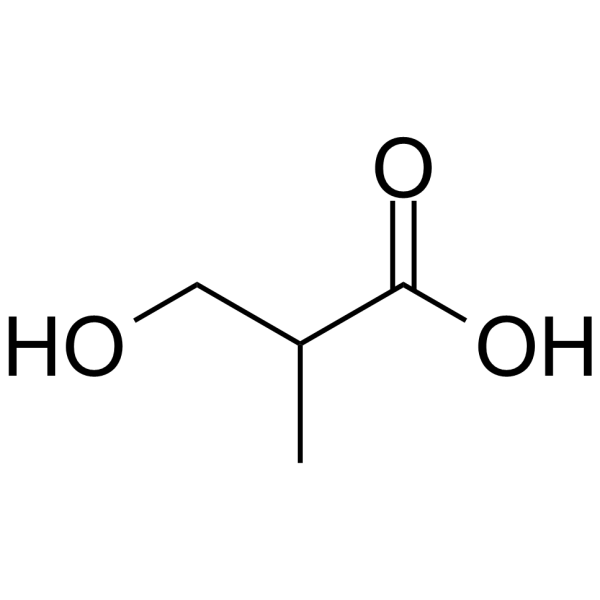
    3-Hydroxyisobutyric acid is an intermediate in the metabolic pathways of L-valine and thymine, and can be found in urine. 3-Hydroxyisobutyric acid is a secreted mediator of endothelial cell fatty acid transport and insulin resistance. 3-Hydroxyisobutyric acid can also inhibit key enzymes of energy metabolism in the cerebral cortex of young rats. The levels of 3-Hydroxyisobutyric acid are closely related to various diseases such as 3-hydroxyisobutyric aciduria, diabetes, and ketoacidosis .
    3-Hydroxyisobutyric acid
  • HY-W018035
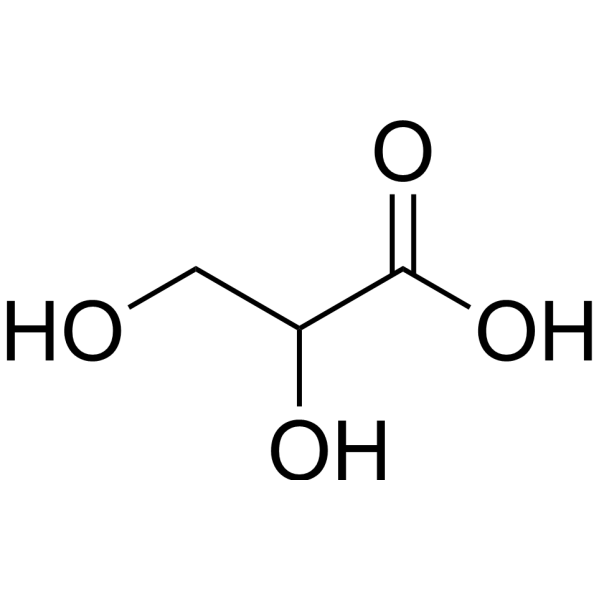
    DL-Glyceric Acid (20% in water)
    1 Publications Verification

    Glyceric Acid (20% in Water,ca.2 mol/L)

    Endogenous Metabolite Metabolic Disease
    DL-Glyceric Acid (20% in water) is a metabolite of plants and mammals and exists in two configurations, D and L .
    DL-Glyceric Acid (20% in water)
  • HY-113149A

    Endogenous Metabolite Reactive Oxygen Species (ROS) Neurological Disease Metabolic Disease Inflammation/Immunology
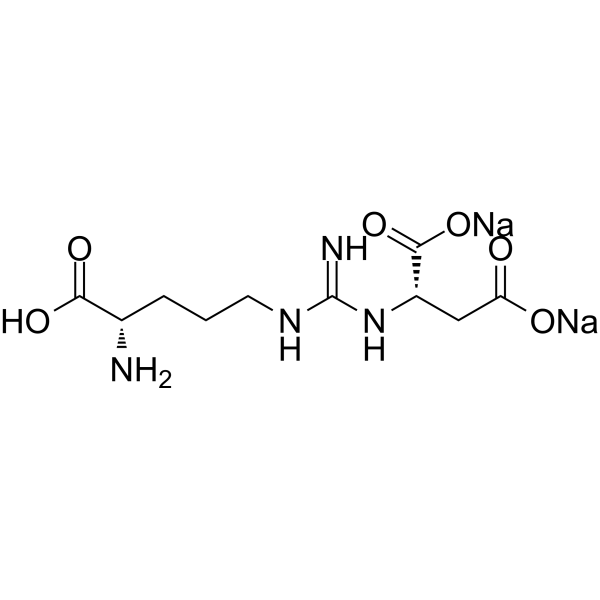
    Argininosuccinic acid disodium is an intermediate metabolite in the urea cycle, and its level is associated with argininosuccinic aciduria. Argininosuccinic acid disodium can induce oxidative stress, leading to lipid and protein oxidation, reduction of glutathione, and decrease in antioxidant enzyme activity. Argininosuccinic acid disodium can be converted into guanidinosuccinic acid, a nitric oxide mimic, under the action of nitric oxide-derived free radicals. Argininosuccinic acid disodium can be used in the research of metabolic diseases, renal failure, nervous system diseases, etc .
    Argininosuccinic acid disodium
  • HY-100542
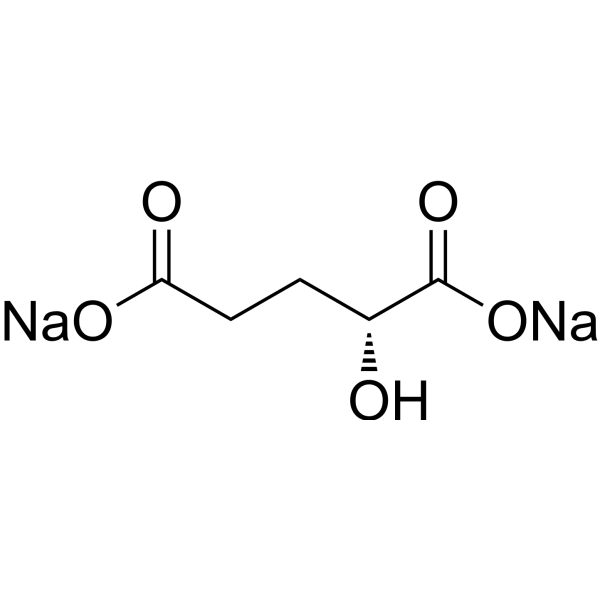
    D-α-Hydroxyglutaric acid disodium
    4 Publications Verification

    Disodium (R)-2-hydroxyglutarate

    Reactive Oxygen Species (ROS) ATP Synthase mTOR Endogenous Metabolite Neurological Disease Inflammation/Immunology Cancer
    D-α-Hydroxyglutaric acid disodium (Disodium (R)-2-hydroxyglutarate) is the principal metabolite accumulating in neurometabolic disease D-2-hydroxyglutaric aciduria. D-α-Hydroxyglutaric acid disodium is a weak competitive antagonist of α-ketoglutarate (α-KG) and inhibits multiple α-KG-dependent dioxygenases with a Ki of 10.87 mM. D-α-Hydroxyglutaric acid disodium increases reactive oxygen species (ROS) production. D-α-Hydroxyglutaric acid disodium binds and inhibits ATP synthase and inhibits mTOR signaling .
    D-α-Hydroxyglutaric acid disodium
  • HY-113038
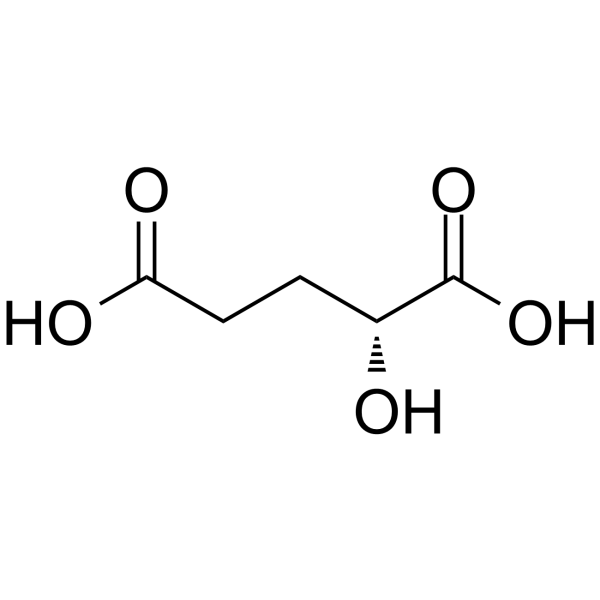
    D-α-Hydroxyglutaric acid
    4 Publications Verification

    (R)-2-Hydroxyglutarate; (R)-2-Hydroxyglutaric acid; (R)-2-Hydroxypentanedioic acid

    Reactive Oxygen Species (ROS) ATP Synthase mTOR Endogenous Metabolite Neurological Disease Inflammation/Immunology Cancer
    D-α-Hydroxyglutaric acid ((R)-2-Hydroxyglutarate) is the principal metabolite accumulating in neurometabolic disease D-2-hydroxyglutaric aciduria. D-α-Hydroxyglutaric acid is a weak competitive antagonist of α-ketoglutarate (α-KG) and inhibits multiple α-KG-dependent dioxygenases with a Ki of 10.87 mM. D-α-Hydroxyglutaric acid increases reactive oxygen species (ROS) production. D-α-Hydroxyglutaric acid binds and inhibits ATP synthase and inhibits mTOR signaling .
    D-α-Hydroxyglutaric acid
  • HY-P10272

    PTG-300

    Ferroportin Others
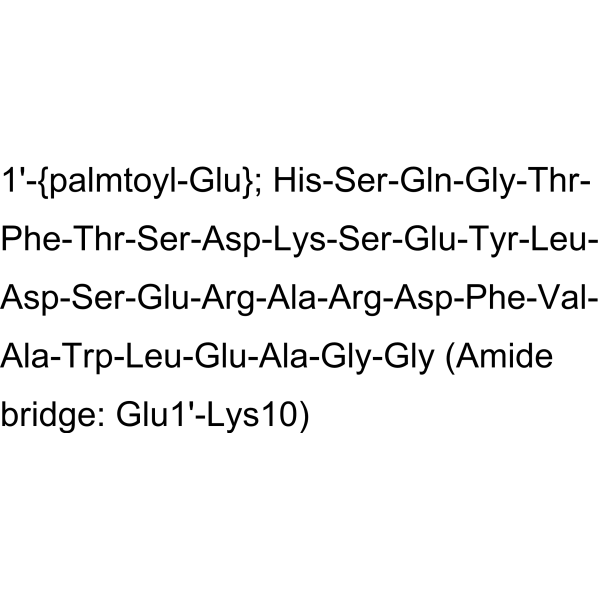
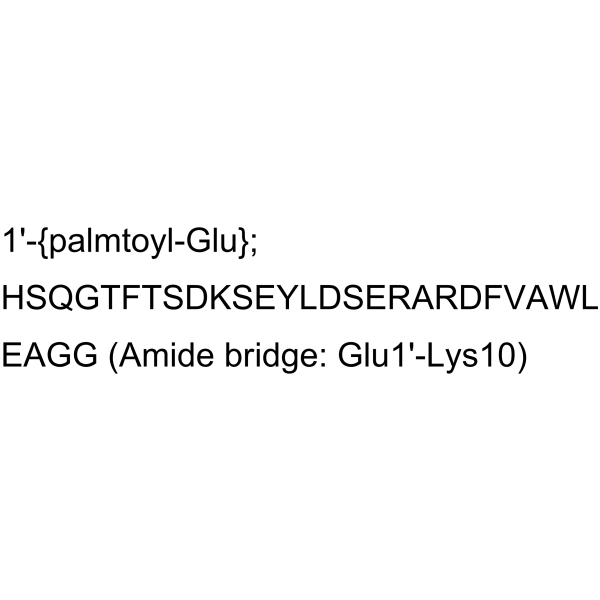
    Rusfertide is a peptide mimetic of natural hepcidin, which targets and degrades ferroportin, reduces serum iron and transferrin-saturation, and thus regulates the production of red blood cells. Rusfertide ameliorates the polycythemia vera, β-thalassemia and hereditary hemochromatosis .
    Rusfertide
  • HY-113005

    Endogenous Metabolite Metabolic Disease
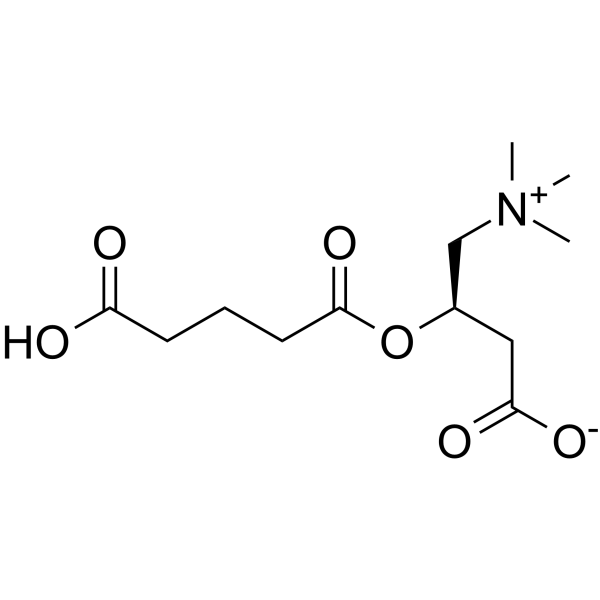
    Glutarylcarnitine is the diagnostic metabolite for malonic aciduria and glutaric aciduria type I monitored in most tandem mass spectrometry newborn screening programmes.
    Glutarylcarnitine
  • HY-W008820

    MOFs Endogenous Metabolite Metabolic Disease
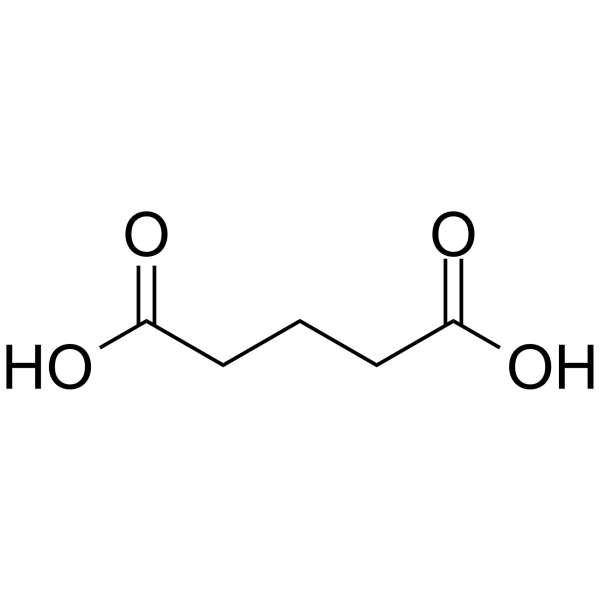
    Glutaric acid, C5 dicarboxylic acid, is an intermediate during the catabolic pathways of lysine and tryptophan. Glutaric acid affects pericyte contractility and migration. Glutaric acid is an indicator of glutaric aciduria type I .
    Glutaric acid
  • HY-113149

    Endogenous Metabolite Reactive Oxygen Species (ROS) Neurological Disease Metabolic Disease Inflammation/Immunology
    Argininosuccinic acid is an intermediate metabolite in the urea cycle, and its level is associated with argininosuccinic aciduria. Argininosuccinic acid can induce oxidative stress, leading to lipid and protein oxidation, reduction of glutathione, and decrease in antioxidant enzyme activity. Argininosuccinic acid can be converted into guanidinosuccinic acid, a nitric oxide mimic, under the action of nitric oxide-derived free radicals. Argininosuccinic acid can be used in the research of metabolic diseases, renal failure, nervous system diseases, etc .
    Argininosuccinic acid
  • HY-113410

    Na+/K+ ATPase Mitochondrial Metabolism Reactive Oxygen Species (ROS) Neurological Disease Metabolic Disease
    3-Methylglutaric acid is a non-selective inhibitor of mitochondrial function and Na +, K +-ATPase, with an inhibition rate of 30% on rat cortical synaptosomal Na +, K +-ATPase. 3-Methylglutaric acid can induce reactive oxygen species (ROS) generation, thereby causing oxidative damage and inhibiting mitochondrial redox potential and ion pump function of cell membranes. 3-Methylglutaric acid can be used to study the neuropathological mechanisms of metabolic diseases and the role of oxidative stress-mediated neuronal damage in neurodegeneration .
    3-Methylglutaric acid
  • HY-P2231A
    Cotadutide acetate
    1 Publications Verification

    MEDI0382 acetate

    GCGR Metabolic Disease
    Cotadutide (MEDI0382) acetate is a potent dual agonist of glucagon-like peptide-1 (GLP-1) and GCGR with EC50 values of 6.9 pM and 10.2 pM, respectively. Cotadutide acetate exhibits ability to facilitate both weight loss and glycaemic control, and alleviate fibrosis. Cotadutide acetate can be used in the research of obesity and type 2 diabetes (T2D) .
    Cotadutide acetate
  • HY-P2231
    Cotadutide
    1 Publications Verification

    MEDI0382

    GCGR Metabolic Disease
    Cotadutide (MEDI0382) is a potent dual agonist of glucagon-like peptide-1 (GLP-1) and GCGR with EC50 values of 6.9 pM and 10.2 pM, respectively. Cotadutide exhibits ability to facilitate both weight loss and glycaemic control, and alleviate fibrosis. Cotadutide can be used in the research of obesity and type 2 diabetes (T2D) .
    Cotadutide
  • HY-113285

    3-Ureidopropionic acid

    Oxidative Phosphorylation Metabolic Disease
    Ureidopropionic acid is a mitochondrial respiratory chain complex V inhibitor that selectively inhibits the activity of mitochondrial respiratory chain complex V, with no effect on respiratory chain complexes I-IV or mitochondrial fatty acid β-oxidation. Ureidopropionic acid induces the production of reactive oxygen species, delayed elevation of intracellular calcium concentration, secondary energy-dependent excitotoxicity and neurodegeneration in neurons. Ureidopropionic acid promotes neuropathological changes by impairing mitochondrial energy metabolism, oxidative stress and excitotoxicity pathways. Ureidopropionic acid can be used in studies related to 3-ureidopropionase deficiency and severe propionic aciduria .
    Ureidopropionic acid
  • HY-128426

    Dihydromuconic acid; trans-β-Hydromuconic acid

    Endogenous Metabolite Metabolic Disease
    Trans-​2-​butene-​1,​4-​dicarboxylic acid (Dihydromuconic acid; trans-β-Hydromuconic acid) is an endogenous metabolite .
    Trans-​2-​butene-​1,​4-​dicarboxylic acid
  • HY-W015874

    Endogenous Metabolite Metabolic Disease
    2-Hydroxy-2-methylbutanoic acid is a branched-chain fatty acid. 2-Hydroxy-2-methylbutanoic acid accumulates at high levels in the culture supernatants of colorectal cancer-associated bacteria. 2-Hydroxy-2-methylbutanoic acid is also present in the urine of patients with 2-hydroxyglutaric aciduria and maple syrup urine disease .
    2-Hydroxy-2-methylbutanoic acid
  • HY-P3291
    Dapiglutide
    1 Publications Verification

    ZP7570

    GCGR Metabolic Disease
    Dapiglutide (ZP7570) is a long-acting glucagon-like peptide-1 receptor 1R (GLP-1R)/Glucagon-like peptide-2 receptor (GLP-2R) dual agonist. Dapiglutide alleviates intestinal dysfunction in a mouse short bowel model and has anti-obesity effects .
    Dapiglutide
  • HY-W008820S
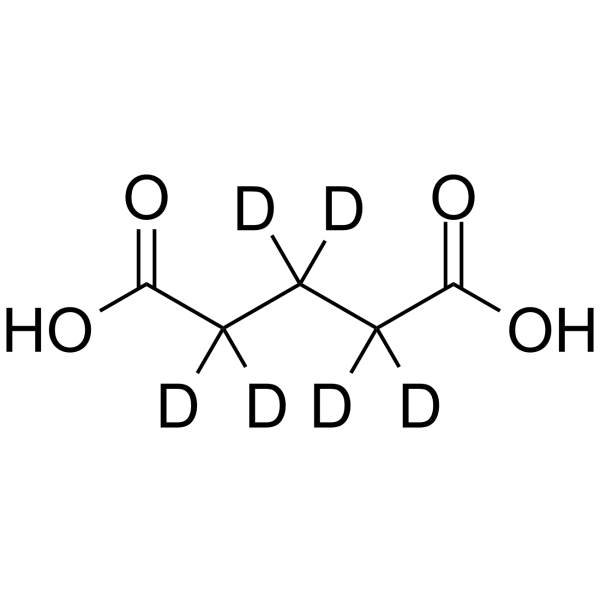
    Glutaric acid-d6
    1 Publications Verification

    Endogenous Metabolite Metabolic Disease
    Glutaric acid-d6 is the deuterium labeled Glutaric acid. Glutaric acid is an intermediate during the catabolic pathways of lysine and tryptophan. Glutaric acid affects pericyte contractility and migration. Glutaric acid is an indicator of glutaric aciduria type I .
    Glutaric acid-d6
  • HY-P10218
    MANS peptide
    1 Publications Verification

    MARCKS PKC Inflammation/Immunology Cancer
    MANS peptide is an inhibitor for myristoylated alanine-rich C kinase substrate (MARCKS), which competes with MARCKS in cells for membrane binding, and thus inhibits the stimulation of mucin secretion and tumor metastasis .
    MANS peptide
  • HY-P0014S1

    Isotope-Labeled Compounds GLP Receptor GCGR Others
    Liraglutide- 13C6, 15 tetraTFA is the 13C and 15N labeled Liraglutide (HY-P0014) . Liraglutide is a glucagon-like peptide-1 (GLP-1) receptor agonist used for the study of type 2 diabetes mellitus .
    Liraglutide-13C5,15N tetraTFA
  • HY-P10271

    NNC0090-2746; MAR709; RO6811135

    GLP Receptor Metabolic Disease
    RG7697 is a dual agonist for glucagon-like peptide receptor (GLP Receptor) and glucosedependent insulinotropic polypeptide receptor (GIPR), with EC50 of 5 and 3 pM, respectively. RG7697 exhibits antihyperglycemic property .
    RG7697
  • HY-135700

    Calcineurin Ras HMG-CoA Reductase (HMGCR) Metabolic Disease Inflammation/Immunology
    Mevalonolactone is an intermediate metabolite in the eukaryotic mevalonate pathway, serving as the stable δ-lactone form of mevalonate with oral activity. Mevalonolactone exhibits binding affinity for ZNF384 (Ka = 12.6 μM) and inhibitory activity against aconitase (aconitase). Mevalonolactone promotes the nuclear localization of ZNF384 and enhances its binding to the GGPPS promoter. Mevalonolactone induces insulin resistance, disrupts glucose and lipid metabolism, enhances the isoprenylation of K-Ras, and inhibits the activation of the insulin signaling pathway. Mevalonolactone inhibits polypeptide synthesis of HMG-CoA reductase in isolated rat hepatocytes, promotes its degradation, and reduces its enzymatic activity. Mevalonolactone impairs mitochondrial function in rat brains. Mevalonolactone promotes the development of metabolically unhealthy obesity. Mevalonolactone can be used in research related to metabolically abnormal obesity, mevalonic aciduria, HMGCR-related limb-girdle myopathy, and statin-induced myopathy .
    Mevalonolactone
  • HY-P10031

    GLP Receptor GCGR Metabolic Disease
    SAR441255 is a potent unimolecular peptide GLP-1/GIP/GCG receptor triagonist. SAR441255 displays high potency with balanced activation of all three target receptors.?SAR441255 shows positive acute glucoregulatory effectss in diabetic obese monkeys .
    SAR441255
  • HY-159681

    Others Metabolic Disease
    AASS-IN-1 is a 2-aminoadipic semialdehyde synthase (AASS) inhibitor with a human IC50 of 142 µM. AASS-IN-1 inhibits AASS activity by binding to the LOR domain of AASS. AASS-IN-1 can be used for the research of glutaric aciduria type 1 .
    AASS-IN-1
  • HY-CE02028

    Glutaconyl-coenzyme A

    Endogenous Metabolite Metabolic Disease
    Glutaconyl-CoA (Glutaconyl-coenzyme A) is a key metabolic intermediate in the mitochondrial catabolic pathways of lysine, hydroxylysine and tryptophan. Glutaconyl-CoA competitively inhibits wild-type glutaryl-CoA dehydrogenase (GCDH) with a Ki value of 1.1 µM. Glutaconyl-CoA is generated via the oxidative decarboxylation of glutaryl-CoA catalyzed by GCDH, and is subsequently further metabolized. Glutaconyl-CoA can be used in the research of type I glutaric aciduria .
    Glutaconyl-CoA
  • HY-139427

    β-Methylglutaconic acid

    GABA Receptor Cardiovascular Disease Neurological Disease Metabolic Disease
    3-Methylglutaconic acid is the major metabolites accumulating in 3-Methylglutaconic aciduria (MGTA). 3-Methylglutaconic acid can induce lipid oxidative damage and protein oxidative. 3-Methylglutaconic acid decreases the non-enzymatic antioxidant defenses in cerebral cortex supernatants to elicit oxidative stress in the cerebral cortex. 3-Methylglutaconic acid can be used for brain damage disease research .
    3-Methylglutaconic acid
  • HY-P10218A
    MANS peptide TFA
    1 Publications Verification

    MARCKS PKC Inflammation/Immunology Cancer
    MANS peptide TFA is the TFA salt form of MANS peptide (HY-P10218). MANS peptide TFA is an inhibitor for myristoylated alanine-rich C kinase substrate (MARCKS), which competes with MARCKS in cells for membrane binding, and thus inhibits the stimulation of mucin secretion and tumor metastasis .
    MANS peptide TFA
  • HY-P0014B
    Liraglutide TFA
    Maximum Cited Publications
    38 Publications Verification

    GLP Receptor Metabolic Disease
    Liraglutide (TFA) is an agonist of glucagon-like peptide 1 receptor (GLP-1). Liraglutide (TFA) can activate GLP-1, leading to the release of insulin in the presence of increased glucose concentration. Liraglutide (TFA) also reduces glucagon secretion in a glucose-dependent manner. Liraglutide (TFA) can be studied in research on type 2 diabetes .
    Liraglutide TFA
  • HY-P3143

    PD-1/PD-L1 Cancer
    BMSpep-57 is a potent and competitive macrocyclic peptide inhibitor of PD-1/PD-L1 interaction with an IC50 of 7.68 nM. BMSpep-57 binds to PD-L1 with Kds of 19 nM and 19.88 nM in MST and SPR assays, respectively. BMSpep-57 facilitates T cell function by in creasing IL-2 production in PBMCs .
    BMSpep-57
  • HY-P11273

    OK 101

    Chemerin Receptor Neurological Disease Inflammation/Immunology
    Urcosimod (OK 101) is a lipid-coupled chemokine peptide, a ChemR23 G protein-coupled receptor agonist, which has been shown to have anti-inflammatory and analgesic activities. Urcosimod can be used for dry eye research .
    Urcosimod
  • HY-153476A

    GLP Receptor GCGR Inflammation/Immunology
    GIP/GLP-1 dual receptor agonist-1 sodium is a GIP/GLP-1 dual receptor agonist. GIP/GLP-1 dual receptor agonist-1 sodium is used in the research of metabolic disorders and fatty liver diseases, including non-alcoholic steatohepatitis (NASH) and non-alcoholic fatty liver disease (NAFLD) .
    GIP/GLP-1 dual receptor agonist-1 sodium
  • HY-153476

    GCGR GLP Receptor Inflammation/Immunology
    GIP/GLP-1 dual receptor agonist-1 is a GIP/GLP-1 dual receptor agonist. GIP/GLP-1 dual receptor agonist-1 is used in the research of metabolic disorders and fatty liver diseases, including non-alcoholic steatohepatitis (NASH) and non-alcoholic fatty liver disease (NAFLD) .
    GIP/GLP-1 dual receptor agonist-1
  • HY-W014125
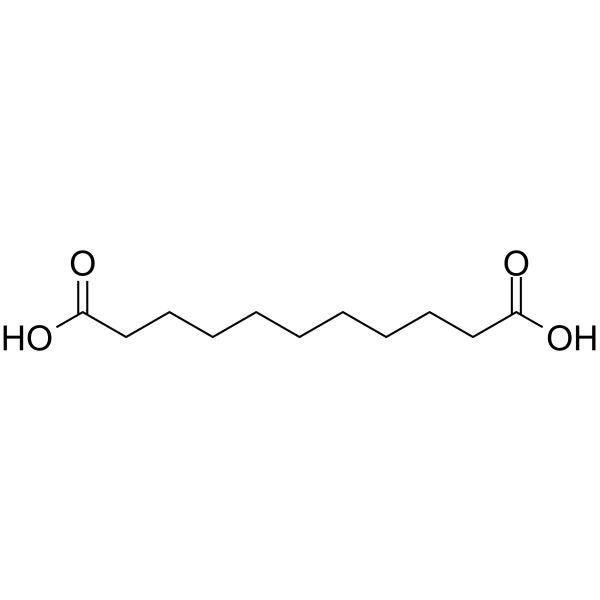
    Undecanedioic acid
    1 Publications Verification

    Endogenous Metabolite Metabolic Disease
    Undecanedioic acid is an oral activie nndogenous metabolite. Undecanedioic acid is associated with intercellular matrix macromolecules and specifically with elastin .
    Undecanedioic acid
  • HY-P11290

    Melanocortin Receptor Metabolic Disease
    MC4-NN2-0453, a α-MSH analog, is a selective MC4R agonist. MC4-NN2-0453 can be used for obesity research .
    MC4-NN2-0453
  • HY-W654003

    Disodium (R)-2-hydroxyglutarate-d5

    Reactive Oxygen Species (ROS) Neurological Disease Inflammation/Immunology Cancer
    D-α-Hydroxyglutaric acid-d5 disodium (Disodium (R)-2-hydroxyglutarate-d5) is the deuterium labeled D-α-Hydroxyglutaric acid disodium (HY-100542). D-α-Hydroxyglutaric acid disodium (Disodium (R)-2-hydroxyglutarate) is the principal metabolite accumulating in neurometabolic disease D-2-hydroxyglutaric aciduria. D-α-Hydroxyglutaric acid disodium is a weak competitive antagonist of α-ketoglutarate (α-KG) and inhibits multiple α-KG-dependent dioxygenases with a Ki of 10.87 mM. D-α-Hydroxyglutaric acid disodium increases reactive oxygen species (ROS) production. D-α-Hydroxyglutaric acid disodium binds and inhibits ATP synthase and inhibits mTOR signaling .
    D-α-Hydroxyglutaric acid-d5 disodium
  • HY-P10341

    GCGR Metabolic Disease
    ZP3022 is a dual agonist of glucagon-like peptide-1 (GLP-1) and gastrin that has the ability to sustainably improve glycemic control. Additionally, ZP3022 can effectively increase β-cell mass, promote β-cell proliferation, and enhance the function of pancreatic islets. ZP3022 can be used in anti-diabetic research .
    ZP3022
  • HY-113005A

    Endogenous Metabolite Metabolic Disease
    Glutarylcarnitine lithium is the diagnostic metabolite for malonic aciduria and glutaric aciduria type I monitored in most tandem mass spectrometry newborn screening programmes .
    Glutarylcarnitine lithium
  • HY-113499B

    Drug Metabolite Others
    cis-Malonylcarnitine lithium is an ester compound and a metabolite of Malonyl CoA (HY-115899). The level of cis-Malonylcarnitine lithium is closely related to some diseases, such as malonic aciduria, non-syndromic cleft lip with or without cleft palate, etc .
    cis-Malonylcarnitine lithium
  • HY-113377

    Endogenous Metabolite Metabolic Disease
    L-Glyceric acid is a mainly urinary metabolite accumulating in rare inherited metabolic disease L-glyceric aciduria. L-Glyceric acid can be used to diagnose primary hyperoxaluria type 2 (PH2). L-Glyceric acid excretion to distinguish PH1 from PH2 .
    L-Glyceric acid
  • HY-113406

    DL-Hexanoylcarnitine

    Others Inflammation/Immunology
    (±)-Hexanoylcarnitine exists in human urine and plasma. (±)-Hexanoylcarnitine can be used as a plasma detection indicator in patients with methylmalonic aciduria, propionic acidemia, and medium-chain acyl-CoA dehydrogenase deficiency .
    (±)-Hexanoylcarnitine
  • HY-169089

    Drug Derivative Cancer
    RP-182-PEG3-K palmitic acid-NH2 (Compound 1a) is a fatty acid derivative of the immunomodulatory peptide RP-182. RP-182-PEG3-K palmitic acid-NH2 inhibits CD206 high M2-like macrophage (IC50 of 3.2 μM) and induces phagocytosis. RP-182-PEG3-K palmitic acid-NH2 exhibits antitumor efficacy in mouse B16 melanoma allografts .
    RP-182-PEG3-K(palmitic acid)-NH2
  • HY-W008820R

    Reference Standards Endogenous Metabolite Metabolic Disease
    Glutaric acid (Standard) is the analytical standard of Glutaric acid. This product is intended for research and analytical applications. Glutaric acid, C5 dicarboxylic acid, is an intermediate during the catabolic pathways of lysine and tryptophan. Glutaric acid affects pericyte contractility and migration. Glutaric acid is an indicator of glutaric aciduria type I . In Vitro: Glutaric acid (GA) at concentrations of 1 and 2 mM is able to reduce TRAP measurement by up to 28% in a dose-dependent manner (β=0.77; P<0.001). Furthermore, a significantly inverse correlation is also verified between chemiluminescence and TRAP (β=0.81; P<0.001). Glutaric acid does not alter the activities of Cat and SOD, but strongly inhibits (up to 46%) the activity of GPx even at the lower concentration used (0.5 mM). It is observed that the metabolite inhibits this activity in a dose-dependent manner at concentrations as low as 0.05 mM .
    Glutaric acid (Standard)
  • HY-P10563

    BHV-1100

    CD38 Cancer
    Noraramtide (BHV-1100) is an antibody recruitment molecule. Noraramtide can specifically bind to CD38 molecules to recruit natural killer (NK) cells. Noraramtide enhances the ability of NK cells to kill tumor cells through antibody-dependent cellular cytotoxicity (ADCC). This mechanism allows NK cells to more effectively recognize and eliminate tumor cells while avoiding mutual killing between NK cells. Noraramtide can be used for the study of autologous cancer immunity .
    Noraramtide
  • HY-113005S

    Isotope-Labeled Compounds Endogenous Metabolite Metabolic Disease
    Glutarylcarnitine-d9 (chloride) is the deuterium labeled Glutarylcarnitine chloride. Glutarylcarnitine is the diagnostic metabolite for malonic aciduria and glutaric aciduria type I monitored in most tandem mass spectrometry newborn screening programmes.
    Glutarylcarnitine-d9 chloride
  • HY-W008820S1

    Endogenous Metabolite Metabolic Disease
    Glutaric acid-d4 is the deuterium labeled Glutaric acid. Glutaric acid, C5 dicarboxylic acid, is an intermediate during the catabolic pathways of lysine and tryptophan. Glutaric acid affects pericyte contractility and migration. Glutaric acid is an indicator of glutaric aciduria type I .
    Glutaric acid-d4
  • HY-N5134S5

    5'-GMP-13C10,15N5 dilithium; 5'-guanosine monophosphate-13C10,15N5 dilithium

    Isotope-Labeled Compounds Endogenous Metabolite Metabolic Disease
    5'-Guanylic acid- 13C10, 15N5 (5'-GMP- 13C10, 15N5 dilithium; 5'-guanosine monophosphate- 13C10, 15N5) dilithium is 13C and 15N-labeled 5'-Guanylic acid (HY-N5134). 5'-Guanylic acid (5'-GMP) is involved in several metabolic disorders, including the AICA-ribosiduria pathway, adenosine deaminase deficiency, adenine phosphoribosyltransferase deficiency (aprt), and the 2-hydroxyglutric aciduria pathway.
    5'-Guanylic acid-13C10,15N5 dilithium
  • HY-P11233

    GLP Receptor Metabolic Disease
    Acmopatide (Compound E-153) is a dual-acting GIP/GLP-1 receptor agonist. Acmopatide is used in anti-diabetic research .
    Acmopatide
  • HY-P0014AS

    Isotope-Labeled Compounds GLP Receptor Metabolic Disease
    Liraglutide-d8 tetraTFA is deuterium labeled Liraglutide (HY-P0014). Liraglutide is a glucagon-like peptide-1 (GLP-1) receptor agonist used for the study of type 2 diabetes mellitus .
    Liraglutide-d8 tetraTFA

Inquiry Online

Your information is safe with us. * Required Fields.

Salutation


Country or Region *

Applicant Name *


Organization Name *

Department *


Email Address *


Product Name *

Cat. No.


Requested quantity *

Phone Number *


Remarks

Inquiry Online

Inquiry Information

Product Name:
Cat. No.:
Quantity:
MCE Japan Authorized Agent:

