
1. Search Result
Search Result
Results for "

alpha toxin

" in MedChemExpress (MCE) Product Catalog:

41

Inhibitors & Agonists

13

Peptides

3

Inhibitory Antibodies

7

Natural
Products

4

Isotope-Labeled Compounds

Targets Recommended:
Cat. No. Product Name Target Research Areas Chemical Structure
  • HY-19610
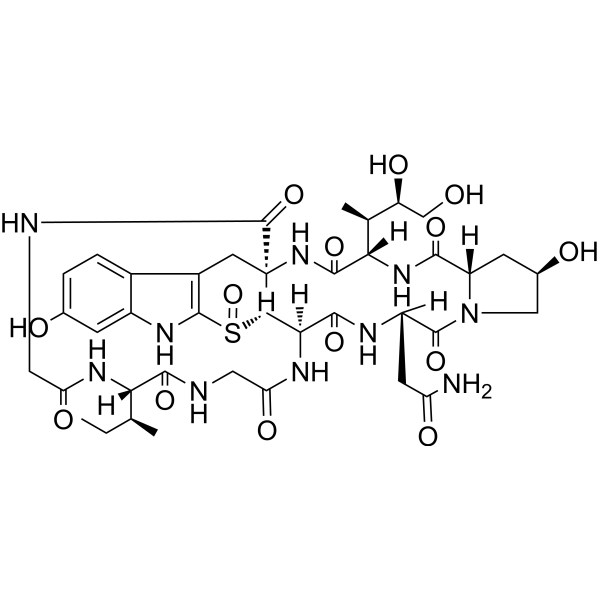
    α-Amanitin
    45+ Cited Publications

    α-Amatoxin

    DNA/RNA Synthesis ADC Payload Cancer
    α-Amanitin is the principal toxin of several deadly poisonous mushrooms, exerting its toxic function by inhibiting RNA-polymerase II.
    α-Amanitin
  • HY-111431
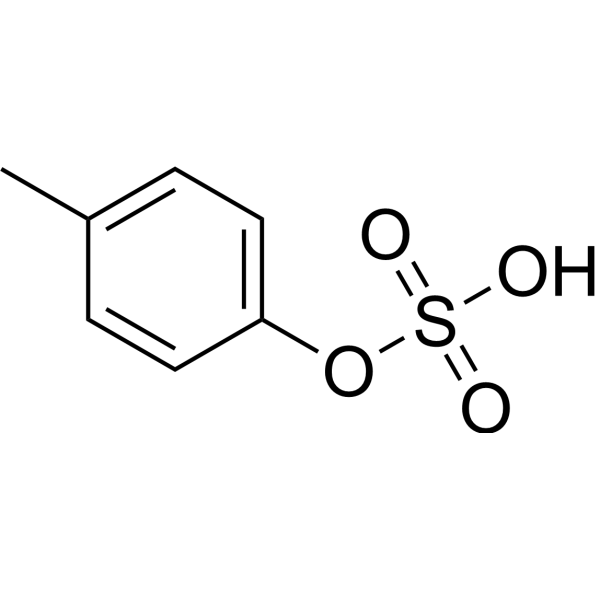
    p-Cresyl sulfate
    Maximum Cited Publications
    6 Publications Verification

    p-Tolyl sulfate

    JNK p38 MAPK Reactive Oxygen Species (ROS) Metabolic Disease
    p-Cresyl sulfate (p-Tolyl sulfate) is a uremic toxin, that can cause renal damage and dysfunction. p-Cresyl sulfate shows antiproliferation activity. p-Cresyl sulfate increases the protein expression of HIF-1α and VHL, decreases the protein expression of HIF-2α. p-Cresyl sulfate induces epithelial-mesenchymal transition (EMT). p-Cresyl sulfate activates the JNK and p38 MAPK signaling pathways .
    p-Cresyl sulfate
  • HY-B1455
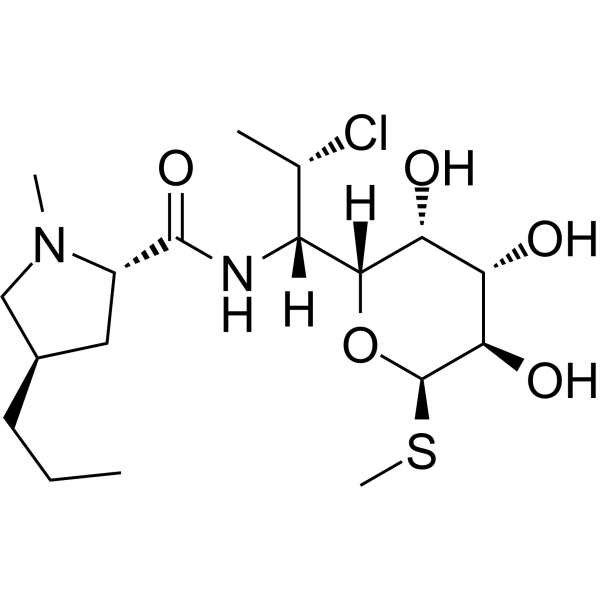
    Clindamycin
    10+ Cited Publications

    Bacterial Antibiotic Parasite Infection Cancer
    Clindamycin is an orally active and broad-spectrum bacteriostatic lincosamide antibiotic. Clindamycin can inhibit bacterial protein synthesis, possessing the ability to suppress the expression of virulence factors in Staphylococcus aureus at sub-inhibitory concentrations (sub-MICs). Clindamycin resistance results from enzymatic methylation of the antibiotic binding site in the 50S ribosomal subunit (23S rRNA). Clindamycin decreases the production of Panton-Valentine leucocidin (PVL), toxic-shock-staphylococcal toxin (TSST-1) or alpha-haemolysin (Hla). Clindamycin also can be used for researching malaria .
    Clindamycin
  • HY-131089

    DNA/RNA Synthesis Drug-Linker Conjugates for ADC Cancer
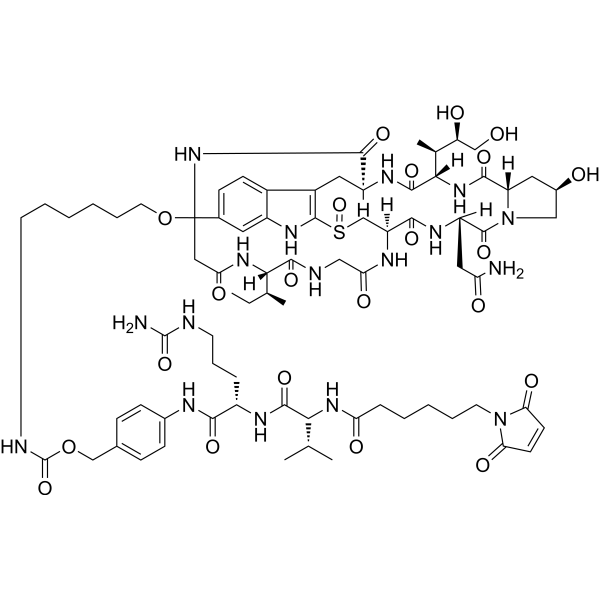
    MC-VC-PABC-C6-α-Amanitin is a Drug-Linker Conjugates for ADC, consisting of an anticancer toxin alpha-Amanitin (HY-19610) and a MC-VC-PABC-C6 linker. Among them, alpha-Amanitin is a potent inhibitor of RNA polymerase IIα.
    MC-VC-PABC-C6-α-Amanitin
  • HY-P99583

    MEDI4893

    Bacterial Infection Inflammation/Immunology
    Suvratoxumab (MEDI4893) is a long-acting, high-affinity human anti-α-toxin monoclonal antibody (IgG1κ type). Suvratoxumab potently neutralizes α-toxin, a key S. aureus virulence factor. Suvratoxumab improves survival and reduces lung injury in an immunocompromised mice model of pneumonia. Suvratoxumab also enhances the antibacterial activity of Vancomycin (HY-B0671) or Linezolid (HY-10394) .
    Suvratoxumab
  • HY-W040307
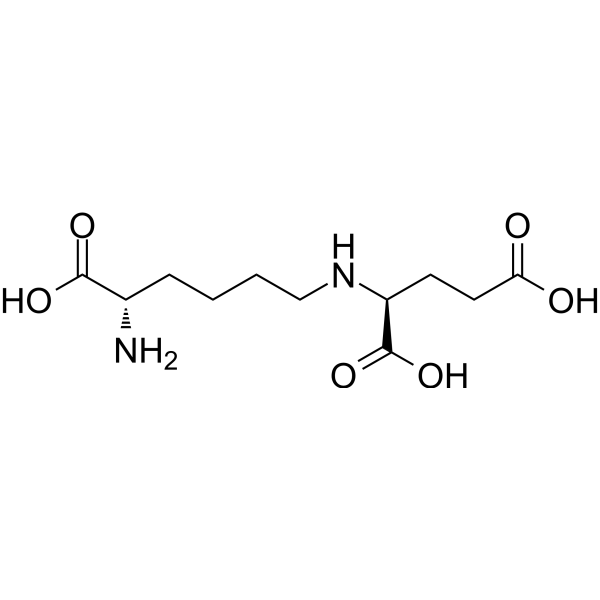
    Saccharopine
    1 Publications Verification

    L-Saccharopine

    Endogenous Metabolite Metabolic Disease
    Saccharopine (L-Saccharopine), a lysine degradation intermediate, is a mitochondrial toxin. Lysine and α-ketoglutarate are converted into Saccharopine by the lysine-ketoglutarate reductase. Saccharopine is then oxidized to α-aminoapidate semialdehyde and glutamate by the saccharopine dehydrogenase. Saccharopine impairs development by disrupting mitochondrial homeostasis .
    Saccharopine
  • HY-107830

    Endogenous Metabolite Collagen Infection Metabolic Disease
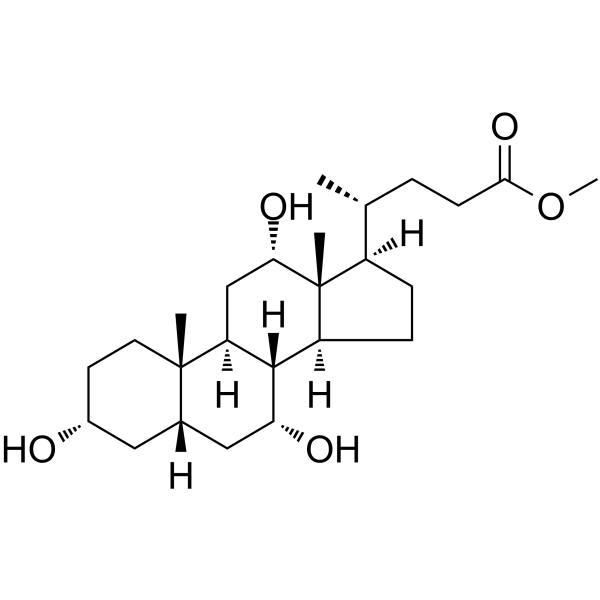
    Methyl cholate is a bile acid analog and a specific inhibitor of TcdB toxin from Clostridioides difficile. Methyl cholate exerts a stronger selective inhibitory effect on TcdB than on TcdA. Methyl cholate induces conformational stabilization by binding to a unique site of TcdB, thereby blocking the binding of the toxin to host receptors and its self-processing process. Methyl cholate effectively protects human fibroblasts from TcdB-induced cytopathic effects. Methyl cholate exhibits dose-dependent anti-hepatic fibrosis activity in both cellular and zebrafish models, and significantly reduces the expression levels of α-SMA and COL-I. Methyl cholate is suitable for in-depth research in the fields of Clostridioides difficile infection and hepatic fibrosis .
    Methyl cholate
  • HY-135783
    AT 1001
    1 Publications Verification

    nAChR Neurological Disease Metabolic Disease Inflammation/Immunology
    AT 1001 is an orally effective α3β4 nicotinic acetylcholine receptor (α3β4 nAChR) antagonist with a Ki value of 2.64 nM. AT 1001 reversibly blocks Epibatidine (HY-101078)-induced inward currents in HEK cells transfected with α3β4 nAChR. AT 1001 dose-dependently blocks nicotine self-administration behavior in rats, alleviates gluten-induced gastrointestinal symptoms, blocks tight junction toxin-induced immune responses, and reduces the incidence of type 1 diabetes in rats. AT 1001 can be used in the research of nicotine addiction and celiac disease .
    AT 1001
  • HY-106901A

    HI-6

    Cholinesterase (ChE) nAChR Neurological Disease
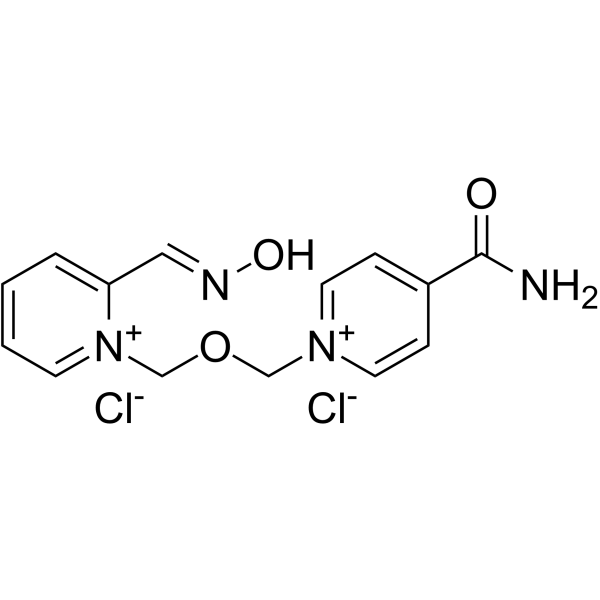
    Asoxime dichloride (HI-6) is an orally active thiosemicarbazone-based antidote. Asoxime dichloride is a reversible inhibitor of AChE, and its core mechanism of action is to re-activate AChE inhibited by nerve toxins, thereby restoring the cholinergic nerve function. Asoxime dichloride significantly restores the function of poisoned muscles without reactivating AChE. Asoxime dichloride is an antagonist of acetylcholine receptors (AChRs), including nicotinic receptor and α7 nAChR. Asoxime dichloride can serve as an effective immunomodulator, improving the immune effect of the nervous system .
    Asoxime dichloride
  • HY-W040307B
    Saccharopine hydrochloride
    1 Publications Verification

    L-Saccharopine hydrochloride

    Endogenous Metabolite Metabolic Disease
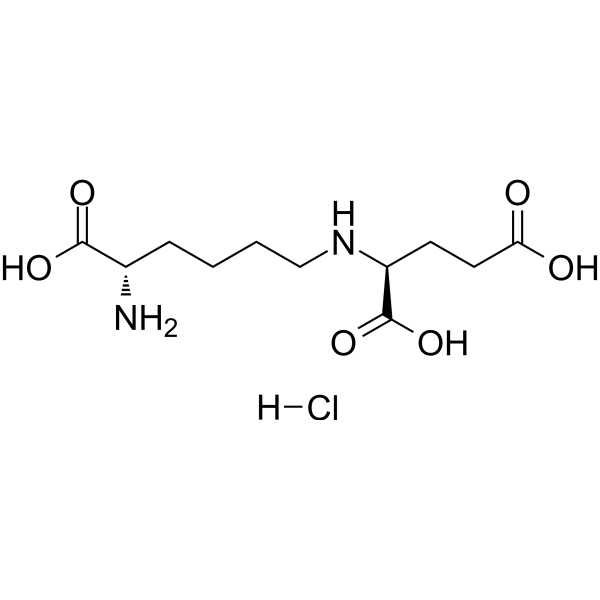
    Saccharopine (L-Saccharopine) hydrochloride, a lysine degradation intermediate, is a mitochondrial toxin. Lysine and α-ketoglutarate are converted into Saccharopine hydrochloride by the lysine-ketoglutarate reductase. Saccharopine hydrochloride is then oxidized to α-aminoapidate semialdehyde and glutamate by the saccharopine dehydrogenase. Saccharopine hydrochloride impairs development by disrupting mitochondrial homeostasis .
    Saccharopine hydrochloride
  • HY-10320A
    Doramapimod hydrochloride
    Maximum Cited Publications
    51 Publications Verification

    BIRB 796 hydrochloride

    Autophagy Raf p38 MAPK Inflammation/Immunology
    Doramapimod hydrochloride (BIRB 796 hydrochloride) is an anti-inflammatory compound with biological activity through inhibition of p38 MAPK. Doramapimod hydrochloride can significantly inhibit the activities of TNF-α and IL-1β induced by LPS, LTA and PGN. Doramapimod hydrochloride showed a stronger inhibitory effect on inflammation induced by all three bacterial toxins, which was more significant compared with the effects of other compounds. Doramapimod hydrochloride can be used in the research of autoimmune diseases .
    Doramapimod hydrochloride
  • HY-P1280
    Margatoxin
    1 Publications Verification

    Potassium Channel Neurological Disease
    Margatoxin, an alpha-KTx scorpion toxin, is a high affinity inhibitor of Kv1.3 (Kd=11.7 pM). Margatoxin inhibits the Kv1.2 (Kd=6.4 pM) and Kv1.1 (Kd=4.2 nM). Margatoxin, a 39 amino-acid-long peptide, is isolated from the venom of the scorpion Centruroides margaritatus and widely used in ion channel research .
    Margatoxin
  • HY-P99551

    KBSA301; AR-301

    Antibiotic Bacterial Infection
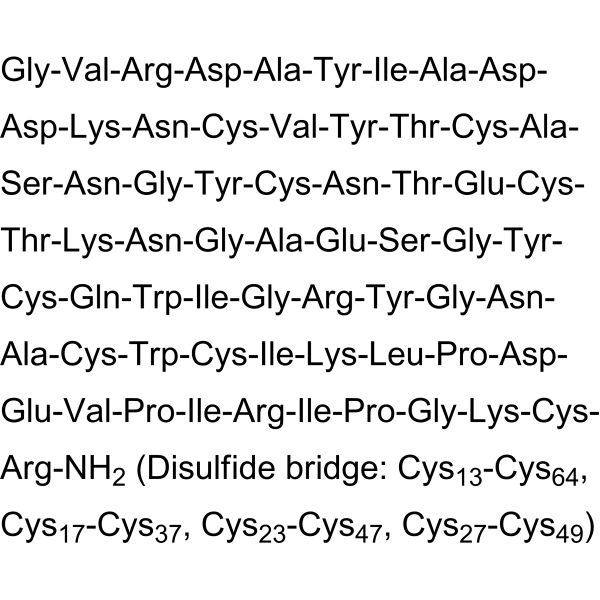
    Tosatoxumab (AR-301; KBSA301) is a human immunoglobulin G1 monoclonal antibody that specifically neutralizes alpha-toxin (alpha-hemolysin; Hla) of S. aureus. Tosatoxumab binds to an N-terminal epitope of alpha-toxin, thereby preventing functional toxin pore oligomerisation. Tosatoxumab has the potential for passive immunotherapy in the S. aureus pneumonia as an adjunctive therapy to standard antibiotic agent. Recommend Isotope Control: Human IgG1 lambda1, Isotype Control (HY-P99992) .
    Tosatoxumab
  • HY-P1443

    Sodium Channel Cancer
    OD1 is a scorpion α-toxin that can be isolated from the venom of the Iranian yellow scorpion (Odonthobuthus doriae. OD1 is a modulator of mammalian Nav1.7 (EC50: 4.5 nM) .
    OD1
  • HY-105017

    ATL 313; DE 112

    Adenosine Receptor Infection Inflammation/Immunology
    Evodenoson is a selective agonist of the A2A adenosine receptor. Evodenoson’s primary actions include reducing inflammatory responses, decreasing intestinal fluid secretion, edema, tissue damage, and neutrophil infiltration induced by Clostridium difficile toxin A. Evodenoson’s protective effect is achieved by reducing myeloperoxidase (MPO) and adenosine deaminase (ADA) activities, and by lowering the production of tumor necrosis factor-alpha (TNF-α) .
    Evodenoson
  • HY-P3071

    Stichodactyla helianthus neurotoxin

    Potassium Channel Neurological Disease Inflammation/Immunology
    ShK toxin blocks voltage-dependent potassium channel (Kv1.3 channel). ShK toxin can be isolated from the whole body extract of the Caribbean sea anemone (Stichodactylu helianthus). ShK toxin competes with dendrotoxin I and α-dendrotoxin for binding to synaptosomal membranes of rat brain, facilitates acetylcholine release. ShK toxin suppresses K+ currents in cultured rat dorsal root ganglion neurons. ShK toxin also inhibits T lymphocyte proliferation .
    ShK toxin
  • HY-115766

    nAChR Neurological Disease
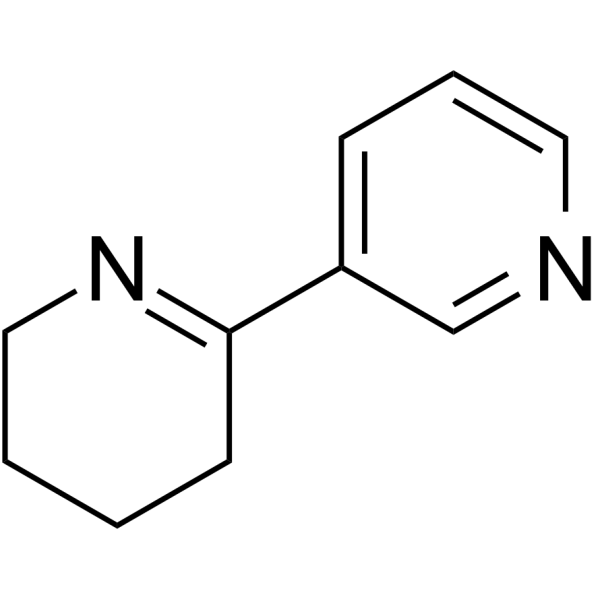
    Anabaseine, a brain-penetrant occurring alkaloid toxin, is potent agonist of multiple nicotinic acetylcholine receptors (AChRs). Anabaseine stimulates the neuromuscular α12β1γδ or α12β1γɛ and α7 AChRs. Anabaseine is also a weak partial agonist at α4β2 nAChRs .
    Anabaseine
  • HY-N7118

    Bacterial Antibiotic Infection Cancer
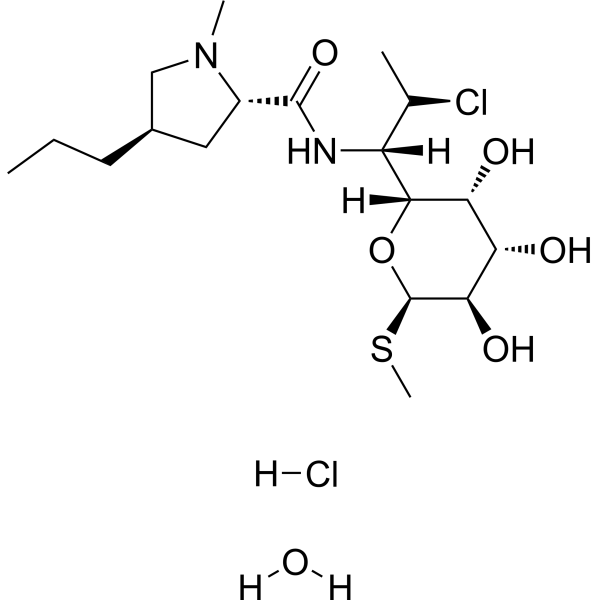
    Clindamycin hydrochloride monohydrate is an oral protein synthesis inhibitory agent that has the ability to suppress the expression of virulence factors in Staphylococcus aureus at sub-inhibitory concentrations (sub-MICs). Clindamycin hydrochloride monohydrate resistance results from enzymatic methylation of the antibiotic binding site in the 50S ribosomal subunit (23S rRNA). Clindamycin hydrochloride monohydrate decreases the production of Panton-Valentine leucocidin (PVL), toxic-shock-staphylococcal toxin (TSST-1) or alpha-haemolysin (Hla) .
    Clindamycin hydrochloride monohydrate
  • HY-B1455S1

    Isotope-Labeled Compounds Bacterial Antibiotic Parasite Infection
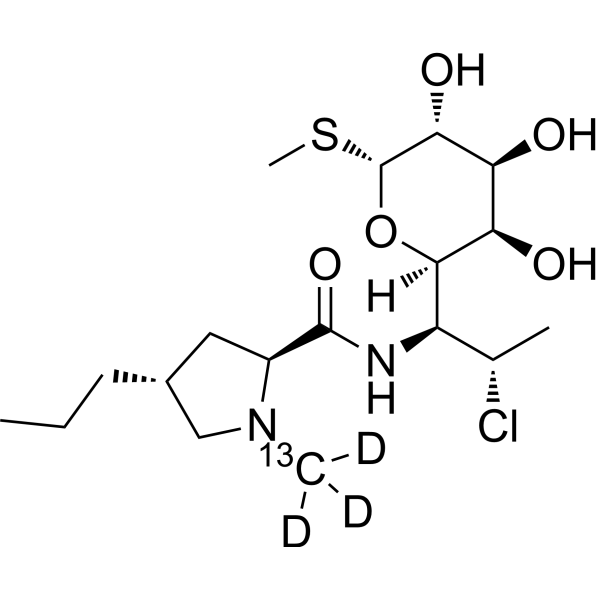
    Clindamycin- 13C,d3 is the 13C- and deuterium labeled Clindamycin. Clindamycin is an orally active and broad-spectrum bacteriostatic lincosamide antibiotic. Clindamycin can inhibit bacterial protein synthesis, possessing the ability to suppress the expression of virulence factors in Staphylococcus aureus at sub-inhibitory concentrations (sub-MICs). Clindamycin resistance results from enzymatic methylation of the antibiotic binding site in the 50S ribosomal subunit (23S rRNA). Clindamycin decreases the production of Panton-Valentine leucocidin (PVL), toxic-shock-staphylococcal toxin (TSST-1) or alpha-haemolysin (Hla). Clindamycin also can be used for researching malaria .
    Clindamycin-13C,d3
  • HY-P5917A

    Vaejovis mexicanus peptide 24 TFA

    Potassium Channel Inflammation/Immunology Cancer
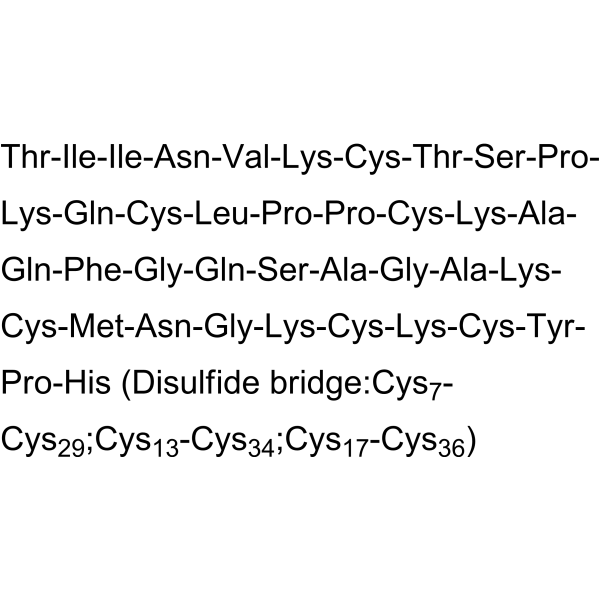
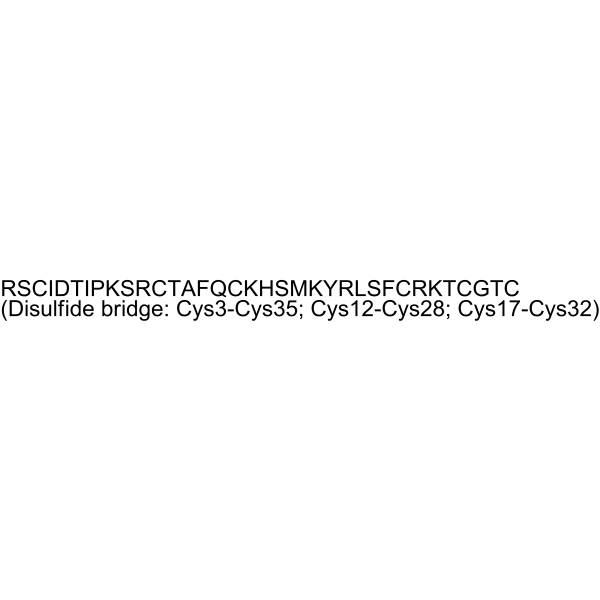
    Vm24-toxin (Vaejovis mexicanus peptide 24) TFA, a 36-residue peptide, is a potent and selective Kv1.3 blocker with a Kd of ~3 pM in lymphocytes. Vm24-toxin TFA shows >1500-fold affinity for Kv1.3 over other assayed potassium channels. Vm24-toxin TFA folds into a distorted cystine-stabilized α/β motif consisting of a single-turn α-helix and a three-stranded antiparallel β-sheet, stabilized by four disulfide bridges. Vm24-toxin TFA attenuates the CD4 + effector memory T cell response to T cell receptor (TCR) stimulation .
    Vm24-toxin TFA
  • HY-P10360

    α-synuclein Neurological Disease
    Tat-βsyn-degron is an α-synuclein knockdown peptide that effectively degrades α-synuclein protein via the proteasome pathway. Tat-βsyn-degron effectively reduces α-synuclein protein levels in primary rat cortical neuron cultures. In a Parkinson's mouse toxicity model, Tat-βsyn-degron can alleviate parkinsonian toxin-induced neuronal damage and movement disorders .
    Tat-βsyn-degron
  • HY-111431AR

    p-Tolyl sulfate potassium (Standard)

    JNK p38 MAPK Reactive Oxygen Species (ROS) Reference Standards Metabolic Disease
    p-Cresyl sulfate (potassium) (Standard) is the analytical standard of p-Cresyl sulfate (potassium). This product is intended for research and analytical applications. p-Cresyl sulfate (p-Tolyl sulfate) potassium is a uremic toxin, that can cause renal damage and dysfunction. p-Cresyl sulfate potassium shows antiproliferation activity. p-Cresyl sulfate potassium increases the protein expression of HIF-1α and VHL, decreases the protein expression of HIF-2α. p-Cresyl sulfate potassium induces epithelial-mesenchymal transition (EMT). p-Cresyl sulfate potassium activates the JNK and p38 MAPK signaling pathways .
    p-Cresyl sulfate potassium (Standard)
  • HY-106901AS
    Asoxime-d4 dichloride
    1 Publications Verification

    HI-6-d4

    Isotope-Labeled Compounds Cholinesterase (ChE) nAChR Neurological Disease
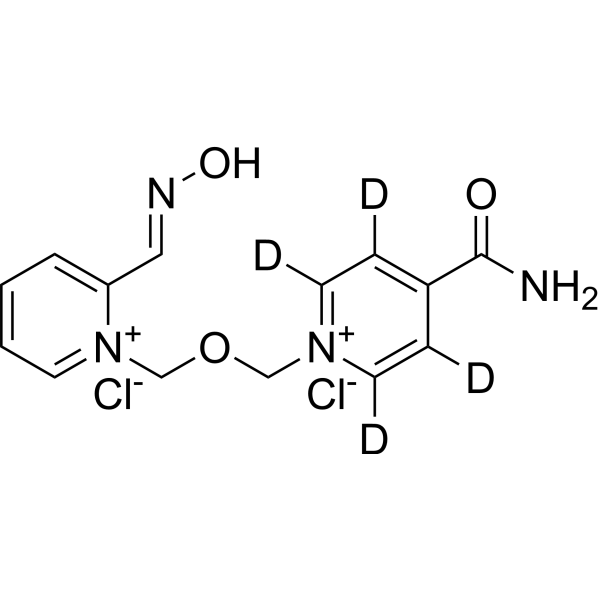
    Asoxime-d4 dichloride (HI-6-d4) is the deuterium labeled Asoxime dichloride. Asoxime dichloride is an orally active thiosemicarbazone-based antidote. Asoxime dichloride is a reversible inhibitor of AChE, and its core mechanism of action is to re-activate AChE inhibited by nerve toxins, thereby restoring the cholinergic nerve function. Asoxime dichloride significantly restores the function of poisoned muscles without reactivating AChE. Asoxime dichloride is an antagonist of acetylcholine receptors (AChRs), including nicotinic receptor and α7 nAChR. Asoxime dichloride can serve as an effective immunomodulator, improving the immune effect of the nervous system.
    Asoxime-d4 dichloride
  • HY-P3071A

    Stichodactyla helianthus neurotoxin TFA

    Potassium Channel Neurological Disease Inflammation/Immunology
    ShK toxin TFA (Stichodactyla helianthus neurotoxin TFA) is a neurotoxin. ShK toxin TFA blocks voltage-dependent potassium channel (Kv1.3 channel). ShK toxin TFA can be isolated from the whole body extract of the Caribbean sea anemone (Stichodactylu helianthus). ShK toxin TFA competes with dendrotoxin I and α-dendrotoxin for binding to synaptosomal membranes of rat brain, facilitates acetylcholine release. ShK toxin TFA suppresses K + currents in cultured rat dorsal root ganglion neurons. ShK toxin TFA also inhibits T lymphocyte proliferation .
    ShK toxin TFA
  • HY-B1455S

    Bacterial Antibiotic Parasite Infection
    Clindamycin-d3 (hydrochloride) is the deuterium labeled Clindamycin. Clindamycin is an orally active and broad-spectrum bacteriostatic lincosamide antibiotic. Clindamycin can inhibit bacterial protein synthesis, possessing the ability to suppress the expression of virulence factors in Staphylococcus aureus at sub-inhibitory concentrations (sub-MICs). Clindamycin resistance results from enzymatic methylation of the antibiotic binding site in the 50S ribosomal subunit (23S rRNA). Clindamycin decreases the production of Panton-Valentine leucocidin (PVL), toxic-shock-staphylococcal toxin (TSST-1) or alpha-haemolysin (Hla). Clindamycin also can be used for researching malaria .
    Clindamycin-d3 hydrochloride
  • HY-P99447

    ASN-1

    Bacterial Infection
    Atidortoxumab is a human IgG1κ monoclonal antibody that targets Staph aureus alpha toxin .
    Atidortoxumab
  • HY-P5917

    Vaejovis mexicanus peptide 24

    Potassium Channel Inflammation/Immunology Cancer
    Vm24-toxin (Vaejovis mexicanus peptide 24), a 36-residue peptide, is a potent and selective Kv1.3 blocker with a Kd of ~3 pM in lymphocytes. Vm24-toxin shows >1500-fold affinity for Kv1.3 over other assayed potassium channels. Vm24-toxin folds into a distorted cystine-stabilized α/β motif consisting of a single-turn α-helix and a three-stranded antiparallel β-sheet, stabilized by four disulfide bridges. Vm24-toxin attenuates the CD4 + effector memory T cell response to T cell receptor (TCR) stimulation .
    Vm24-toxin
  • HY-P5931

    Potassium channel toxin alpha-KTx 6.13; SPX; α-KTx6.13

    Potassium Channel Inflammation/Immunology Cancer
    Spinoxin isolated from the venom of scorpion Heterometrus spinifer, is a 34-residue peptide neurotoxin cross-linked by four disulfide bridges. Spinoxin is a potent inhibitor of Kv1.3 potassium channel (IC50 = 63 nM), considering to be valid molecular targets in the diagnostics and therapy of various autoimmune disorders and cancers .
    Spinoxin
  • HY-P5846

    MT3

    mAChR Adrenergic Receptor Neurological Disease
    Muscarinic toxin 3 (MT3) is a potent and non-competitive mAChR and adrenoceptors antagonist with pIC50s of 6.71, 8.79, 8.86, 7.57, 8.13, 8.49, <6.5, 7.29 against M1, M4, α1A, α1B, α1D2A2B and α2C receptors, respectively. Muscarinic toxin 3 displays prominent adrenoceptor activity .
    Muscarinic toxin 3
  • HY-P5798

    FAS-I

    Cholinesterase (ChE) Neurological Disease
    Fasciculin-I is isolated from the mambas venom. Fasciculin-I exerts its toxic effects by inhibiting acetylcholinesterase (AChE). Fasciculin-I blocks α-neurotoxins of nicotinic acetylcholine receptors and cardiac toxins that interact with cell membranes .
    Fasciculin-I
  • HY-P3168

    Potassium Channel NO Synthase Cardiovascular Disease Inflammation/Immunology
    Martentoxin, a 4,046 Da polypeptide toxin, is a large-conductance Ca 2+-activated K + (BKCa) channel inhibitor. Martentoxin attenuates NO release, inhibits iNOS activation and upregulates eNOS mRNA expression in HUVECs induced by TNF-α. Martentoxin can be used for vascular diseases research .
    Martentoxin
  • HY-107830R

    Reference Standards Endogenous Metabolite Collagen Metabolic Disease
    Methyl cholate (Standard) is the analytical standard of Methyl cholate. This product is intended for research and analytical applications. Methyl cholate is a bile acid analog and a specific inhibitor of TcdB toxin from Clostridioides difficile. Methyl cholate exerts a stronger selective inhibitory effect on TcdB than on TcdA. Methyl cholate induces conformational stabilization by binding to a unique site of TcdB, thereby blocking the binding of the toxin to host receptors and its self-processing process. Methyl cholate effectively protects human fibroblasts from TcdB-induced cytopathic effects. Methyl cholate exhibits dose-dependent anti-hepatic fibrosis activity in both cellular and zebrafish models, and significantly reduces the expression levels of α-SMA and COL-I. Methyl cholate is suitable for in-depth research in the fields of Clostridioides difficile infection and hepatic fibrosis .
    Methyl cholate (Standard)
  • HY-W746556

    Isotope-Labeled Compounds Endogenous Metabolite Collagen Metabolic Disease
    Methyl cholate-d5 is the deuterium labeled Methyl cholate. Methyl cholate is a bile acid analog and a specific inhibitor of TcdB toxin from Clostridioides difficile. Methyl cholate exerts a stronger selective inhibitory effect on TcdB than on TcdA. Methyl cholate induces conformational stabilization by binding to a unique site of TcdB, thereby blocking the binding of the toxin to host receptors and its self-processing process. Methyl cholate effectively protects human fibroblasts from TcdB-induced cytopathic effects. Methyl cholate exhibits dose-dependent anti-hepatic fibrosis activity in both cellular and zebrafish models, and significantly reduces the expression levels of α-SMA and COL-I. Methyl cholate is suitable for in-depth research in the fields of Clostridioides difficile infection and hepatic fibrosis .
    Methyl cholate-d5
  • HY-P1280A

    Potassium Channel Neurological Disease
    Margatoxin TFA, an alpha-KTx scorpion toxin, is a high affinity inhibitor of Kv1.3 (Kd=11.7 pM). Margatoxin TFA inhibits the Kv1.2 (Kd=6.4 pM) and Kv1.1 (Kd=4.2 nM). Margatoxin TFA, a 39 amino-acid-long peptide, is isolated from the venom of the scorpion Centruroides margaritatus and widely used in ion channel research .
    Margatoxin TFA
  • HY-P3316

    Potassium Channel Neurological Disease Inflammation/Immunology
    OSK-1 is a potent Kv channel blocker with IC50s of of 0.6 nM, 5.4 nM, 0.014 nM for Kv1.1, Kv1.2 and Kv1.3, respectively. OSK1 is a moderate blocker of Ca 2+-activated KCa3.1 channel with an IC50 of 225 nM. OSK-1 belongs to α-KTx3 toxins and is used as a immunosuppressive agent .
    OSK-1
  • HY-N7118R

    Reference Standards Bacterial Antibiotic Infection Cancer
    Clindamycin (hydrochloride monohydrate) (Standard) is the analytical standard of Clindamycin (hydrochloride monohydrate). This product is intended for research and analytical applications. Clindamycin hydrochloride monohydrate is an oral protein synthesis inhibitory agent that has the ability to suppress the expression of virulence factors in Staphylococcus aureus at sub-inhibitory concentrations (sub-MICs). Clindamycin hydrochloride monohydrate resistance results from enzymatic methylation of the antibiotic binding site in the 50S ribosomal subunit (23S rRNA). Clindamycin hydrochloride monohydrate decreases the production of Panton-Valentine leucocidin (PVL), toxic-shock-staphylococcal toxin (TSST-1) or alpha-haemolysin (Hla) .
    Clindamycin hydrochloride monohydrate (Standard)
  • HY-B1455R

    Reference Standards Bacterial Antibiotic Parasite Infection Cancer
    Clindamycin (Standard) is the analytical standard of Clindamycin. This product is intended for research and analytical applications. Clindamycin is an orally active and broad-spectrum bacteriostatic lincosamide antibiotic. Clindamycin can inhibit bacterial protein synthesis, possessing the ability to suppress the expression of virulence factors in Staphylococcus aureus at sub-inhibitory concentrations (sub-MICs). Clindamycin resistance results from enzymatic methylation of the antibiotic binding site in the 50S ribosomal subunit (23S rRNA). Clindamycin decreases the production of Panton-Valentine leucocidin (PVL), toxic-shock-staphylococcal toxin (TSST-1) or alpha-haemolysin (Hla). Clindamycin also can be used for researching malaria .
    Clindamycin (Standard)
  • HY-182806

    Drug-Linker Conjugates for ADC Others
    Demethylation-desulfuration-α-Amanitin-OH-PAB-Ala-Val-CO-C2-mal is a conjugate of an ADC drug toxin molecule and a linker, containing a degradable PEG linker and the toxin molecule M-4, which is a cyclic peptide derived from α-Amanitin (HY-19610) .
    Demethylation-desulfuration-α-Amanitin-OH-PAB-Ala-Val-CO-C2-mal
  • HY-182805

    Drug-Linker Conjugates for ADC Others
    6-Dehydroxy-demethylation-α-Amanitin-OH-PAB-Ala-Val-CO-C2-mal is a conjugate of the ADC drug toxin molecule and the linker, containing a degradable PEG linker and the toxin molecule I-4, a bicyclic peptide derived from amatoxin .
    6-Dehydroxy-demethylation-α-Amanitin-OH-PAB-Ala-Val-CO-C2-mal
  • HY-119612

    XCT

    Nuclear Hormone Receptor 4A/NR4A RAR/RXR Neurological Disease
    XCT0135908 (XCT) is a selective Nurr1-RXRα activator with an EC50 value of 0.3 μM in human dopaminergic SH-SY5Y cells. XCT0135908 protects dopaminergic cells against the Parkinson’s disease-related toxin MPP +. XCT0135908 can be used for the research of Parkinson’s disease .
    XCT0135908
  • HY-106901B

    HI-6 dimesylate

    Cholinesterase (ChE) nAChR Neurological Disease
    Asoxime dimesylate (HI-6 dimesylate) is an orally active thiosemicarbazone-based antidote. Asoxime dimesylate is a reversible inhibitor of AChE, and its core mechanism of action is to re-activate AChE inhibited by nerve toxins, thereby restoring the cholinergic nerve function. Asoxime dimesylate significantly restores the function of poisoned muscles without reactivating AChE. Asoxime dimesylate is an antagonist of acetylcholine receptors (AChRs), including nicotinic receptor and α7 nAChR. Asoxime dimesylate can serve as an effective immunomodulator, improving the immune effect of the nervous system .
    Asoxime dimesylate

Inquiry Online

Your information is safe with us. * Required Fields.

Salutation


Country or Region *

Applicant Name *


Organization Name *

Department *


Email Address *


Product Name *

Cat. No.


Requested quantity *

Phone Number *


Remarks

Inquiry Online

Inquiry Information

Product Name:
Cat. No.:
Quantity:
MCE Japan Authorized Agent:

