


From 11:00 pm to 12:00 pm EST ( 8:00 pm to 9:00 pm PST ) on January 6th, the website will be under maintenance. We are sorry for the inconvenience. Please arrange your schedule properly.
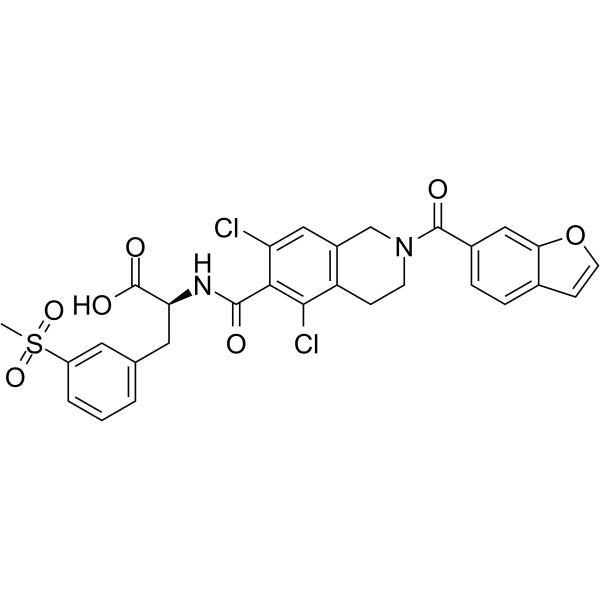
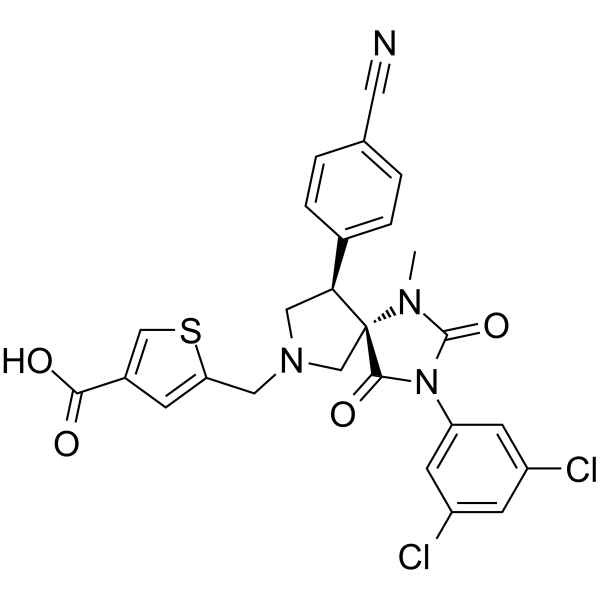
Lifitegrast (SAR 1118) is a potent integrin antagonist. Lifitegrast blocks the binding of intercellular adhesion molecule 1 (ICAM-1) to lymphocyte function-associated antigen 1 (LFA-1), interrupting the T cell-mediated inflammatory cycle. Lifitegrast inhibits Jurkat T cell attachment to ICAM-1 with an IC50 of 2.98 nM. Lifitegrast can be used for researching dry eye disease [1].
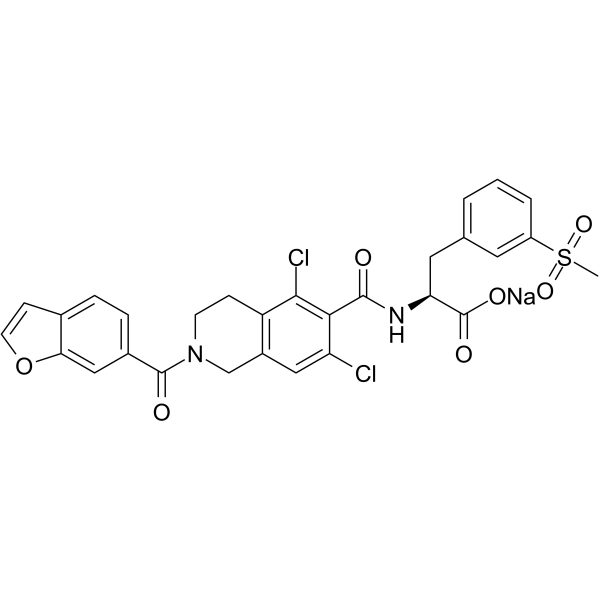
Lifitegrast (SAR 1118) sodium is a potent integrin antagonist. Lifitegrast sodium blocks the binding of intercellular adhesion molecule 1 (ICAM-1) to lymphocyte function-associated antigen 1 (LFA-1), interrupting the T cell-mediated inflammatory cycle. Lifitegrast sodium inhibits Jurkat T cell attachment to ICAM-1 with an IC50 of 2.98 nM. Lifitegrast sodium can be used for researching dry eye disease [1].
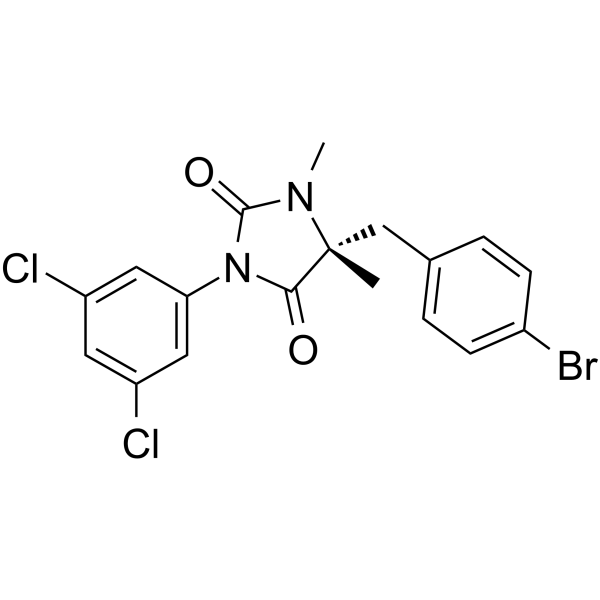
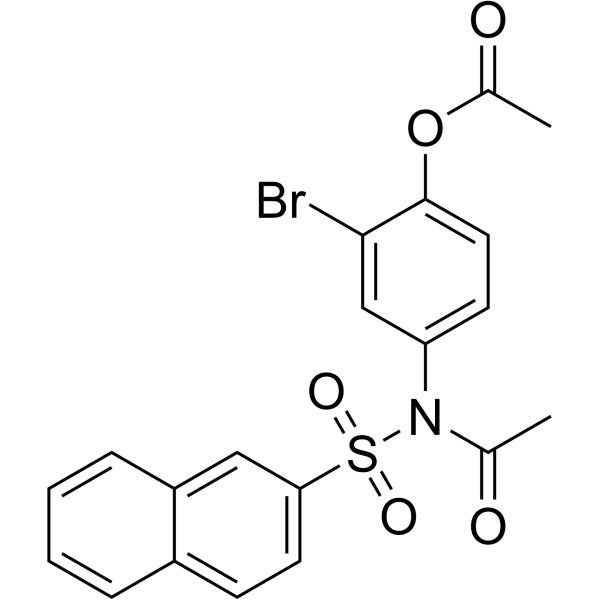
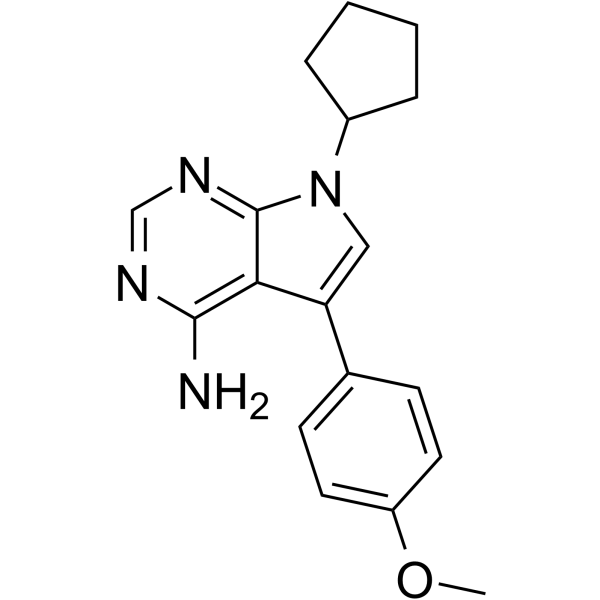
BIRT 377 is a potent amd orally bioavailable inhibitor of the interaction between intercellular adhesion molecule-1(ICAM-1) and lymphocyte function-associated antigen-1(LFA-1). BIRT 377 also inhibits the production of IL-2 in vivo. BIRT 377 can be used for researching inflammatory and immune disorders [1].
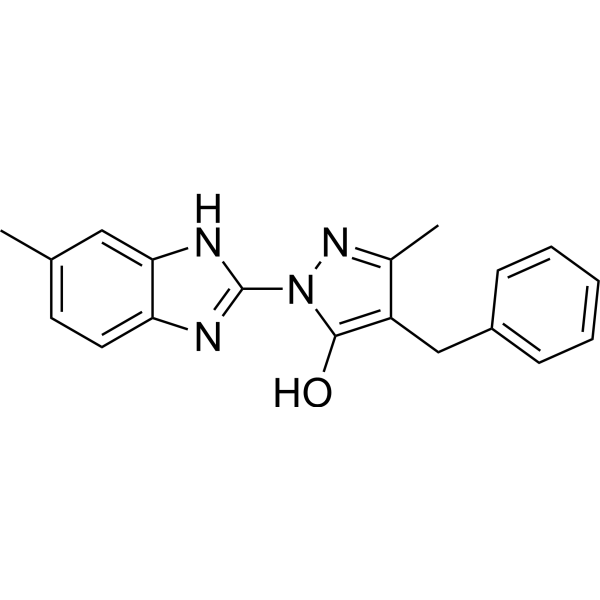
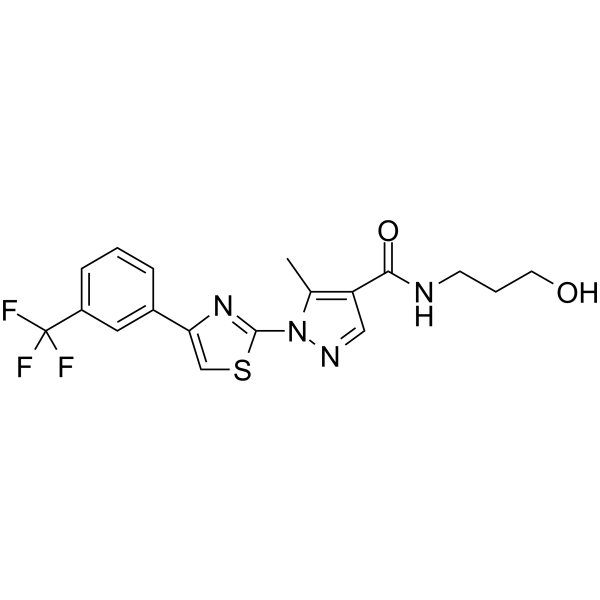
EBNA1-IN-SC7 (compound SC7) is a selective Epstein-Barr nuclear antigen 1(EBNA1) inhibitor that interferes with EBNA1-DNA binding activity with an IC50 value of 23 μM. EBNA1-IN-SC7 is used in EBV (Epstein-Barr virus)-related cancer research [1].
BMS-587101 is a potent and orally active antagonist of leukocyte function associated antigen-1(LFA-1). BMS-587101 has anti-inflammatory effects and can be used for rheumatoid arthritis research [1] .
RWJ 50271 is an selective and orally active inhibitor of lymphocyte function-associated antigen-1/intercellular adhesion molecule-1(LFA-1/ICAM-1) interaction with an IC50 of 5.0 μM (HL60 cells). RWJ 50271 inhibits LFA-1/ICAM-1-mediated cell adhesion [1].
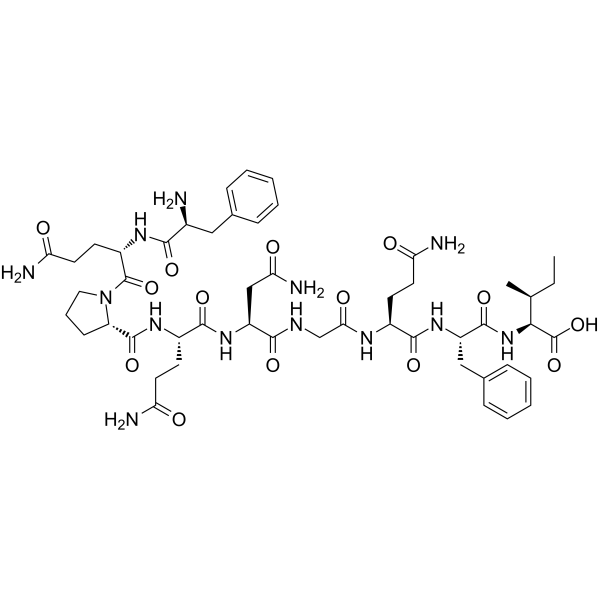
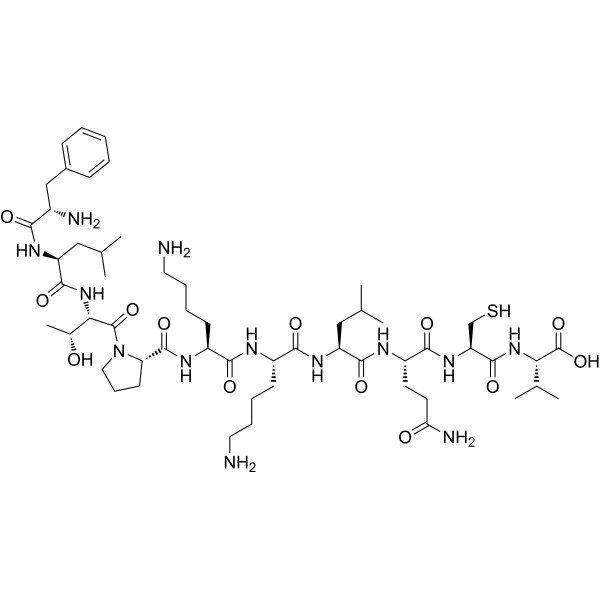
Nucleoprotein (396-404) is the 396 to 404 fragment of lymphocytic choriomeningitis virus (LCMV). Nucleoprotein (396-404) is the H-2D(b)-restricted immunodominant epitope and can be used as a molecular model of viral antigen .
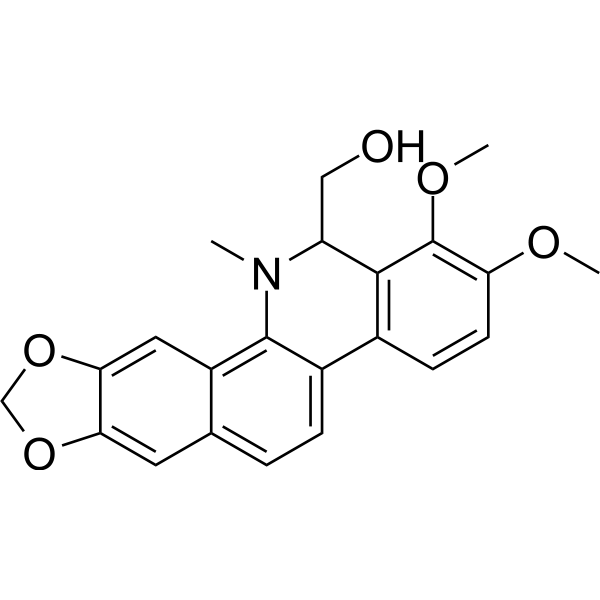
Bocconoline is a potent early endosome antigen 1(EEA1) inhibitor. Bocconoline can be isolated from Macleaya cordata. Bocconoline can be used for the research of Parkinson’s disease (PD) [1].
alpha-1,4-Galactosyltransferase (LgtC) (A4GALT) is a glycosphingolipid-specific glycosyltransferase. alpha-1,4-Galactosyltransferase (LgtC) transfers a galactose to the alpha-1,4 position of lactosylceramide to form globotriaosylceramide. alpha-1,4-Galactosyltransferase (LgtC) can be used for the synthesis of P1 blood group antigens .
Celestine Blue is a electroactive indicator in DNA biosensors. Celestine Blue is strongly adsorbed on the spinel phases and CNT (carbon nanotubes), facilitates dispersion, acts as a capping agent and allows for the fabrication of spinel decorated CNT. Celestine Blue is an efficient charge transfer mediator, which allows for significant improvement of capacitive behavior. TiO2 nanoparticles doped with Celestine Blue can be used as a label in a sandwich immunoassay for the hepatitis C virus (HCV) core antigen .
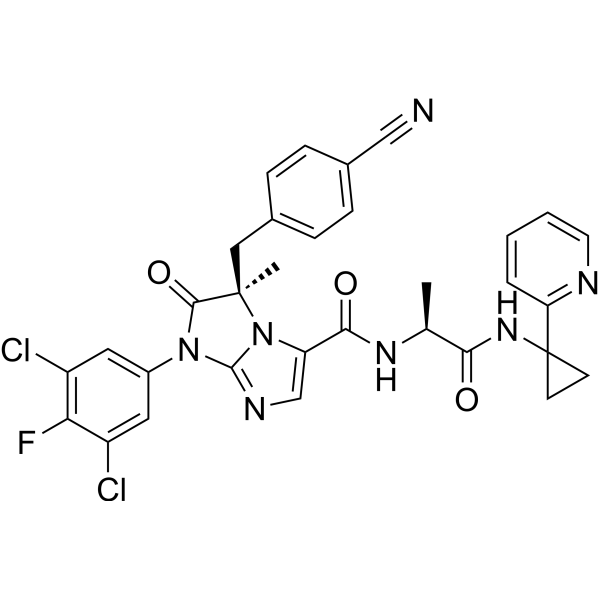
BI-1950 is a lymphocyte function-associated antigen 1(LFA-1) inhibitor. BI-1950 regulates immune system function through interaction with LFA-1. BI-1950 can be used in the research of inflammatory diseases [1].
alpha-1,2-Fucosyltransferase (α1,2FucT), i.e., alpha 1, 2-fucosyltransferase, is often used in biochemical studies. alpha-1,2-Fucosyltransferase is a rate-limiting enzyme, can catalyze the synthesis of Lewis y (a cell membrane-associated carbohydrate antigen) .
Anti-LFA-1α/CD11a Antibody (TS-1/22.1.1.13) is a kind of mouse IgG1 chimeric antibody inhibitor, targeting to human LFA-1α/CD11a. Anti-LFA-1α/CD11a Antibody (TS-1/22.1.1.13) reacts with human LFA-1α (lymphocyte function-associated antigen 1 alpha) also known as integrin alpha L chain and CD11a. Anti-LFA-1α/CD11a Antibody (TS-1/22.1.1.13) can be used for the researches of immunology and infection, such as human immunodeficiency virus (HIV) [1] .
NCGC00262650 is a potent apical membrane antigen 1-rhoptry neck protein 2 (AMA1-RON2) interaction inhibitor. NCGC00262650 can block entry of merozoites into red blood cells with an IC50 of 9.8 μM [1].
Anti-Mouse CD18 Antibody (M18/2) is a rat-derived IgG2a κ type antibody inhibitor, targeting to mouse CD18. Anti-Mouse CD18 Antibody (M18/2) can neutralize lymphocyte function-associated antigen 1 (LFA-1). Anti-Mouse CD18 Antibody (M18/2) can be used for the researches of immunology, such as heart transplantation [1] .
Fucosyltransferase 7 (FUT7) is a golgi stack membrane protein. Fucosyltransferase 7catalyzes the final fucosylation step in the synthesis of Lewis antigens and generates a unique glycosylated product sialyl Lewis X (sLeX). Fucosyltransferase 7 catalyzes alpha-1,3 glycosidic linkages involved in the expression of sialyl Lewis X antigens .
Lifitegrast (Standard) is the analytical standard of Lifitegrast. This product is intended for research and analytical applications. Lifitegrast (SAR 1118) is a potent integrin antagonist. Lifitegrast blocks the binding of intercellular adhesion molecule 1 (ICAM-1) to lymphocyte function-associated antigen 1 (LFA-1), interrupting the T cell-mediated inflammatory cycle. Lifitegrast inhibits Jurkat T cell attachment to ICAM-1 with an IC50 of 2.98 nM. Lifitegrast can be used for researching dry eye disease [1].
ICAM-1988 is a small molecule lymphocyte function-associated antigen-1(LFA-1) antagonist that disrupts the LFA-1/ICAM-1 interaction and has anti-inflammatory activity [1].
HUHS015 (Standard) is the analytical standard of HUHS015 (HY-100199). This product is intended for research and analytical applications. HUHS015 is a potent prostate cancer antigen-1 (PCA-1/ALKBH3) inhibitor with an IC50 of 0.67μM for PCA-1[1].
Diacylglyceride, a natural scaffolding lipid, is a hapten that binds to CD1b. Diacylglyceride can be combined with carrier proteins and used in the design of antigens .
FXh is a functionalized hapten activated by incubation with N, N′-disuccinimidyl carbonate, and Et3N in acetonitrile at 0 °C. FXh can improve the affinity of antigens .
Fucosyltransferase 5 (EC:2.4.1.65, Fucosyltransferase 5, Fucosyltransferase V) is responsible for the terminal step in the synthesis of Lex, sialy-Lex, and Lea antigens .
AMOZ-CHPh-3-acid is hapten against furaltadone metabolite AMOZ. AMOZ-CHPh-3-acid can couple to BSA for immunogens and couple to OVA for coating antigen .
Nucleoprotein (396-404) TFA is the 396 to 404 fragment of lymphocytic choriomeningitis virus (LCMV). Nucleoprotein (396-404) TFA is the H-2D(b)-restricted immunodominant epitope and can be used as a molecular model of viral antigen .
AMOZ-CHPh-4-O-acid is a hapten, containing 2 carbon and 1 oxygen spacer. AMOZ-CHPh-4-O-acid can be used for antibody production. AMOZ-CHPh-4-O-acid is coupled to BSA for immunogens and coupled to OVA for coating antigens .
TLR7 agonist 24 (Compound 21) is an agonist for TLR7 with EC50 of 3.72 μM. TLR7 agonist 24 can be used as a vaccine adjuvant when combined with Aluminum Hydroxide (HY-B1521), that enhances the immune response against SARS-CoV-2 and hepatitis B antigens .
ent-16-Kaurene-3b,15b,18-triol is a ent-kaurene diterpene. ent-16-Kaurene-3b,15b,18-triol has significant antiallergic activity on β-hexosaminidase release induced by Polyginseng antigen .
Lifitegrast-d4-1 is deuterium labeled Lifitegrast. Lifitegrast (SAR 1118) is a potent integrin antagonist. Lifitegrast blocks the binding of intercellular adhesion molecule 1 (ICAM-1) to lymphocyte function-associated antigen 1 (LFA-1), interrupting the T cell-mediated inflammatory cycle. Lifitegrast inhibits Jurkat T cell attachment to ICAM-1 with an IC50 of 2.98 nM. Lifitegrast can be used for researching dry eye disease [1] .
Anti-Mouse CD11a Antibody (FD441.8) is an anti-mouse CD11a IgG2b antibody inhibitor derived from the host Rat. Anti-Mouse CD11a Antibody (FD441.8) can neutralize CD11a also known as LFA-1α (lymphocyte function-associated antigen 1 alpha). Anti-Mouse CD11a Antibody (FD441.8) can be used for the researches of inflammation, immunology and cancer, such as transplant and leukemia [1] .
Anti-CD11a/LFA-1α Antibody (R7-1) is a kind of mouse IgG1 chimeric antibody inhibitor, targeting to human CD11a/LFA-1α. Anti-CD11a/LFA-1α Antibody (R7-1) can neutralize LFA-1α (lymphocyte function-associated antigen 1 alpha) also known as integrin alpha L chain and CD11a. Anti-CD11a/LFA-1α Antibody (R7-1) can be used for the research of inflammation [1].
Anti-CD54/ICAM-1 Antibody (R6-5-D6) is a kind of mouse IgG2a chimeric antibody inhibitor, targeting to human CD54/ICAM-1. Anti-CD54/ICAM-1 Antibody (R6-5-D6) can block CD54 binding to its ligand Lymphocyte Function-Associated Antigen 1 (LFA-1). Anti-CD54/ICAM-1 Antibody (R6-5-D6) can be used for the researches of inflammation and immunology [1] .
Lipopolysaccharides, from S. enterica (Salmonella enterica) serotype Abortusequi are lipopolysaccharide endotoxins and TLR-4 activators derived from the Abortusequi serotype of S. enterica, classified as a mutated R-type LPS, which can activate pathogen-associated molecular patterns (PAMP) of the immune system and induce cellular secretion of migrasomes. Lipopolysaccharides, from S. enterica serotype abortus equi consist of core oligosaccharide (core oligosaccharide) and lipid A (Lipid A). S. enterica serotype Abortusequi is a major pathogen causing abortion in mares and is also associated with neonatal sepsis, multiple abscesses, orchitis, and polyarthritis in equids. It is primarily grouped based on lipopolysaccharides (O-antigen) and flagellin (H-antigen) .
It is recommended to prepare a solution with concentration ≥2 mg/mL. Vortex thoroughly for more than 10 minutes. Due to the adsorption characteristics of LPS, silanized container or low adsorption centrifuge tubes should be used for aliquoting and storage, and mix thoroughly before use.
VSA 2, a saponin-based vaccine adjuvant, is a derivative of Momordica saponin (MS) II. VSA 2 is an immunostimulant, shows consistent enhancement of immunoglobulin G2a (IgG2a) production when it was in formulation with either ovalbumin or recombinant hemagglutinin B (rHagB) antigen .
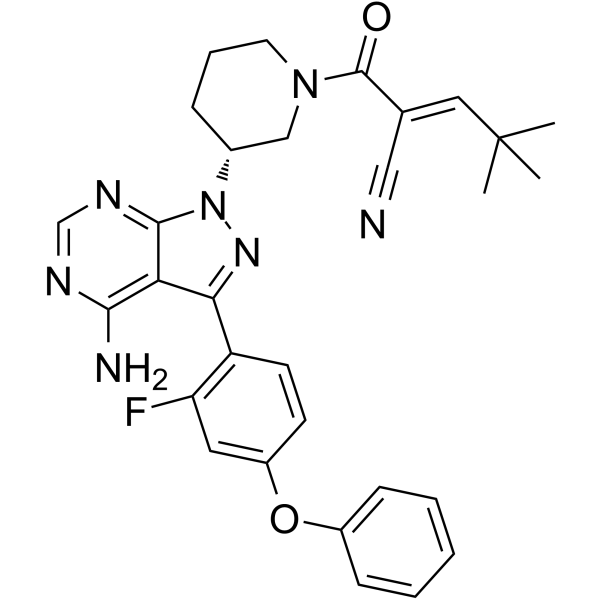
MYX1715 analog 1 is an analog of MYX1715 (HY-164285). MYX1715 analog 1 is an N-myristoyltransferase (NMT) inhibitor that inhibits protein myristoylation modification. MYX1715 analog 1 can be conjugated to targeting antibodies via cleavable or non-cleavable linkers for use as an ADC cytotoxin. MYX1715 analog 1 is used in the development of drugs targeting tumor-associated antigens .
Anti-CD11a Antibody (AL-57) is a monoclonal antibody targeting human CD11a. Anti-CD11a Antibody (AL-57) binds to HA cells in a dose-dependent manner but did not bind to LA cells. Anti-CD11a Antibody (AL-57) preferentially binds to the active conformation of LFA-1 and blocks LFA-1-mediated adhesion and lymphocyte proliferation. Anti-CD11a Antibody (AL-57) can be used for the research of inflammatory and autoimmune diseases [1].
Lifitegrast-d4 (SAR 1118-d4) is deuterium labeled Lifitegrast. Lifitegrast (SAR 1118) is a potent integrin antagonist. Lifitegrast blocks the binding of intercellular adhesion molecule 1 (ICAM-1) to lymphocyte function-associated antigen 1 (LFA-1), interrupting the T cell-mediated inflammatory cycle. Lifitegrast inhibits Jurkat T cell attachment to ICAM-1 with an IC50 of 2.98 nM. Lifitegrast can be used for researching dry eye disease [1] .
Lifitegrast-d6 (SAR 1118-d6) is deuterium labeled Lifitegrast. Lifitegrast (SAR 1118) is a potent integrin antagonist. Lifitegrast blocks the binding of intercellular adhesion molecule 1 (ICAM-1) to lymphocyte function-associated antigen 1 (LFA-1), interrupting the T cell-mediated inflammatory cycle. Lifitegrast inhibits Jurkat T cell attachment to ICAM-1 with an IC50 of 2.98 nM. Lifitegrast can be used for researching dry eye disease [1] .
Celestine Blue is a electroactive indicator in DNA biosensors. Celestine Blue is strongly adsorbed on the spinel phases and CNT (carbon nanotubes), facilitates dispersion, acts as a capping agent and allows for the fabrication of spinel decorated CNT. Celestine Blue is an efficient charge transfer mediator, which allows for significant improvement of capacitive behavior. TiO2 nanoparticles doped with Celestine Blue can be used as a label in a sandwich immunoassay for the hepatitis C virus (HCV) core antigen .
Fucosyltransferase 7 (FUT7) is a golgi stack membrane protein. Fucosyltransferase 7catalyzes the final fucosylation step in the synthesis of Lewis antigens and generates a unique glycosylated product sialyl Lewis X (sLeX). Fucosyltransferase 7 catalyzes alpha-1,3 glycosidic linkages involved in the expression of sialyl Lewis X antigens .
Fucosyltransferase 5 (EC:2.4.1.65, Fucosyltransferase 5, Fucosyltransferase V) is responsible for the terminal step in the synthesis of Lex, sialy-Lex, and Lea antigens .
Lipopolysaccharides, from S. enterica (Salmonella enterica) serotype Abortusequi are lipopolysaccharide endotoxins and TLR-4 activators derived from the Abortusequi serotype of S. enterica, classified as a mutated R-type LPS, which can activate pathogen-associated molecular patterns (PAMP) of the immune system and induce cellular secretion of migrasomes. Lipopolysaccharides, from S. enterica serotype abortus equi consist of core oligosaccharide (core oligosaccharide) and lipid A (Lipid A). S. enterica serotype Abortusequi is a major pathogen causing abortion in mares and is also associated with neonatal sepsis, multiple abscesses, orchitis, and polyarthritis in equids. It is primarily grouped based on lipopolysaccharides (O-antigen) and flagellin (H-antigen) .
It is recommended to prepare a solution with concentration ≥2 mg/mL. Vortex thoroughly for more than 10 minutes. Due to the adsorption characteristics of LPS, silanized container or low adsorption centrifuge tubes should be used for aliquoting and storage, and mix thoroughly before use.
Nucleoprotein (396-404) is the 396 to 404 fragment of lymphocytic choriomeningitis virus (LCMV). Nucleoprotein (396-404) is the H-2D(b)-restricted immunodominant epitope and can be used as a molecular model of viral antigen .
Antifouling zwitterionic peptide is a zwitterionic peptide that shows good antifouling property. Antifouling zwitterionic peptide exhibits excellent biocompatibility. Antifouling zwitterionic peptide can be used for research on antifouling electrochemical biosensor for reliable detection of prostate specific antigen .
MAGE-3 peptide (MAGE-3 168-176, human) is a peptide encoded by human MAGE-3 gene, which is expressed in tumor cells, presented by HLA and recognized by cytolytic T lymphocytes (CTL) as tumor antigen .
Nucleoprotein (396-404) TFA is the 396 to 404 fragment of lymphocytic choriomeningitis virus (LCMV). Nucleoprotein (396-404) TFA is the H-2D(b)-restricted immunodominant epitope and can be used as a molecular model of viral antigen .
Lys-Pro-Pro-Thr-Pro-Pro-Pro-Glu-Pro-Glu-Thr is a undecapeptide, corresponding to the carboxy terminus of simian virus 40 large T antigen. Lys-Pro-Pro-Thr-Pro-Pro-Pro-Glu-Pro-Glu-Thr can be targeted by antibodies secreted from three mouse hybridomas, designated KT1, KT3, and KT4, produced antibodies that immunoprecipitated large T antigen .
Anti-LFA-1α/CD11a Antibody (TS-1/22.1.1.13) is a kind of mouse IgG1 chimeric antibody inhibitor, targeting to human LFA-1α/CD11a. Anti-LFA-1α/CD11a Antibody (TS-1/22.1.1.13) reacts with human LFA-1α (lymphocyte function-associated antigen 1 alpha) also known as integrin alpha L chain and CD11a. Anti-LFA-1α/CD11a Antibody (TS-1/22.1.1.13) can be used for the researches of immunology and infection, such as human immunodeficiency virus (HIV) [1] .
Anti-Mouse CD18 Antibody (M18/2) is a rat-derived IgG2a κ type antibody inhibitor, targeting to mouse CD18. Anti-Mouse CD18 Antibody (M18/2) can neutralize lymphocyte function-associated antigen 1 (LFA-1). Anti-Mouse CD18 Antibody (M18/2) can be used for the researches of immunology, such as heart transplantation [1] .
Anti-Mouse CD11a Antibody (FD441.8) is an anti-mouse CD11a IgG2b antibody inhibitor derived from the host Rat. Anti-Mouse CD11a Antibody (FD441.8) can neutralize CD11a also known as LFA-1α (lymphocyte function-associated antigen 1 alpha). Anti-Mouse CD11a Antibody (FD441.8) can be used for the researches of inflammation, immunology and cancer, such as transplant and leukemia [1] .
Anti-CD11a/LFA-1α Antibody (R7-1) is a kind of mouse IgG1 chimeric antibody inhibitor, targeting to human CD11a/LFA-1α. Anti-CD11a/LFA-1α Antibody (R7-1) can neutralize LFA-1α (lymphocyte function-associated antigen 1 alpha) also known as integrin alpha L chain and CD11a. Anti-CD11a/LFA-1α Antibody (R7-1) can be used for the research of inflammation [1].
Anti-CD54/ICAM-1 Antibody (R6-5-D6) is a kind of mouse IgG2a chimeric antibody inhibitor, targeting to human CD54/ICAM-1. Anti-CD54/ICAM-1 Antibody (R6-5-D6) can block CD54 binding to its ligand Lymphocyte Function-Associated Antigen 1 (LFA-1). Anti-CD54/ICAM-1 Antibody (R6-5-D6) can be used for the researches of inflammation and immunology [1] .
Anti-CD11a Antibody (AL-57) is a monoclonal antibody targeting human CD11a. Anti-CD11a Antibody (AL-57) binds to HA cells in a dose-dependent manner but did not bind to LA cells. Anti-CD11a Antibody (AL-57) preferentially binds to the active conformation of LFA-1 and blocks LFA-1-mediated adhesion and lymphocyte proliferation. Anti-CD11a Antibody (AL-57) can be used for the research of inflammatory and autoimmune diseases [1].
Bocconoline is a potent early endosome antigen 1(EEA1) inhibitor. Bocconoline can be isolated from Macleaya cordata. Bocconoline can be used for the research of Parkinson’s disease (PD) [1].
ent-16-Kaurene-3b,15b,18-triol is a ent-kaurene diterpene. ent-16-Kaurene-3b,15b,18-triol has significant antiallergic activity on β-hexosaminidase release induced by Polyginseng antigen .
VSA 2, a saponin-based vaccine adjuvant, is a derivative of Momordica saponin (MS) II. VSA 2 is an immunostimulant, shows consistent enhancement of immunoglobulin G2a (IgG2a) production when it was in formulation with either ovalbumin or recombinant hemagglutinin B (rHagB) antigen .
The MPZL2 protein centrally promotes homogeneous cell-to-cell adhesion and mediates important interactions between cells. MPZL2 has the unique ability to promote connections between identical molecules, thus helping to promote cell cohesion and maintain structural integrity. MPZL2 Protein, Human (HEK293, hFc) is the recombinant human-derived MPZL2 protein, expressed by HEK293 , with C-hFc labeled tag.
MPZL2 protein mediates homophilic cell-cell adhesion. MPZL2 Protein, Mouse (HEK293, hFc) is the recombinant mouse-derived MPZL2 protein, expressed by HEK293 , with C-hFc labeled tag.
The Serpin B3 protein exhibits versatility in cellular regulation and may act as a papain-like cysteine protease inhibitor to modulate immune responses against tumor cells. Its dual role extends to inhibiting UV-induced apoptosis by inhibiting c-Jun NH(2)-terminal kinase (JNK1) activity, suggesting that Serpin B3 is involved in the stress response. Serpin B3 Protein, Human (HEK293, His) is the recombinant human-derived Serpin B3 protein, expressed by HEK293 , with C-6*His labeled tag.
DNAM-1 protein is a key player in cell-cell adhesion and lymphocyte signaling, mediating cytotoxicity and lymphokine secretion of CTL and NK cells. As a receptor for NECTIN2, DNAM-1 stimulates T cell proliferation and cytokine production (IL2, IL5, IL10, IL13, and IFNG) upon ligand binding. DNAM-1 Protein, Human (HEK293, hFc, Myc) is the recombinant human-derived DNAM-1 protein, expressed by HEK293 , with C-Myc, C-hFc labeled tag.
Galectin-8 belongs to the family of animal lectins that bind to different glycoconjugates. Galectin-8 inhibits MTOR and AMPK signaling pathways to induce autophagy in response to lysosomal damage. Galectin-8 is highly expressed in a variety of tumors. Galectin-8 Protein, Rat (His) is the recombinant rat-derived Galectin-8, expressed by E. coli, with N-6*His labeled tag. The total length of Galectin-8 Protein, Rat (His) is 316 a.a..
Galectin-8 belongs to the family of animal lectins that bind to different glycoconjugates. Galectin-8 inhibits MTOR and AMPK signaling pathways to induce autophagy in response to lysosomal damage. Galectin-8 is highly expressed in a variety of tumors. Galectin-8/LGALS8 Protein, Rat (GST) is the recombinant rat-derived Galectin-8 protein, expressed by E. coli , with N-GST labeled tag.
Galectin-8/LGALS8 protein is an important enzyme in the glycosylation process, acting as β-1,3-N-acetylglucosaminyltransferase to synthesize poly-N-acetyllactosamine. Galectin-8/LGALS8 is essential for modifying glycoproteins and glycolipids, catalyzes the transfer of N-acetylglucosamine to acceptor molecules, and exhibits specific activity on type 2 oligosaccharides. Galectin-8/LGALS8 Protein, Human is the recombinant human-derived Galectin-8/LGALS8 protein, expressed by E. coli , with tag free.
The CT83 protein shows specific expression in the testis, highlighting its selective presence in this reproductive organ. In addition, multiple cancer cell lines express CT83, suggesting a potential association with malignancy. CT83 Protein, Human (His, B2M) is the recombinant human-derived CT83 protein, expressed by E. coli , with N-His, B2M labeled tag.
Galectin-8/LGALS8 protein is an important enzyme in the glycosylation process, acting as β-1,3-N-acetylglucosaminyltransferase to synthesize poly-N-acetyllactosamine. Galectin-8/LGALS8 is essential for modifying glycoproteins and glycolipids, catalyzes the transfer of N-acetylglucosamine to acceptor molecules, and exhibits specific activity on type 2 oligosaccharides. Animal-Free Galectin-8/LGALS8 Protein, Human (His) is the recombinant human-derived animal-FreeGalectin-8/LGALS8 protein, expressed by E. coli , with N-His labeled tag. This product is for cell culture use only.
CD157 Protein, Human (HEK293, Fc) is a recombinant human CD157 expressed in HEK 293 cells with a C-Fc tag at the C-terminus. CD157 Protein is a cell surface receptor and an immunoregulatory molecule.
CD157 Protein, Human (HEK293, His) is a recombinant human CD157 expressed in HEK 293 cells with a His tag at the N-terminus. CD157 Protein is a cell surface receptor and an immunoregulatory molecule.
CD157 Protein, Mouse (HEK293, His) is a recombinant mouse CD157 expressed in HEK 293 cells with a His tag at the N-terminus. CD157 Protein is a cell surface receptor and an immunoregulatory molecule.
LY6E is a GPI-anchored cell surface protein that regulates T lymphocyte function by binding to CD3Z/CD247, affecting proliferation, differentiation and activation.It modulates T cell receptor signaling and exhibits antiviral activity against mouse hepatitis virus.Lymphocyte antigen 6E/LY6E Protein, Mouse (P.pastoris, His, SUMO) is the recombinant mouse-derived Lymphocyte antigen 6E/LY6E protein, expressed by P.pastoris , with N-His, N-SUMO labeled tag.
Lymphocyte antigen 6E/LY6E protein is a GPI-anchored cell surface regulator that regulates T cell receptor signaling through interaction with CD3Z/CD247. It limits the entry of human coronaviruses, serves as the primary receptor for syncytin-A, and may modulate nicotinic acetylcholine receptor activity. Lymphocyte antigen 6E/LY6E Protein, Human (His-SUMO) is the recombinant human-derived Lymphocyte antigen 6E/LY6E protein, expressed by E. coli , with N-His, N-SUMO labeled tag.
Galectin-8/LGALS8 protein is an important enzyme in the glycosylation process, acting as β-1,3-N-acetylglucosaminyltransferase to synthesize poly-N-acetyllactosamine. Galectin-8/LGALS8 is essential for modifying glycoproteins and glycolipids, catalyzes the transfer of N-acetylglucosamine to acceptor molecules, and exhibits specific activity on type 2 oligosaccharides. Galectin-8/LGALS8 Protein, Human (GST) is the recombinant human-derived Galectin-8/LGALS8 protein, expressed by E. coli , with N-GST labeled tag.
Lifitegrast-d4-1 is deuterium labeled Lifitegrast. Lifitegrast (SAR 1118) is a potent integrin antagonist. Lifitegrast blocks the binding of intercellular adhesion molecule 1 (ICAM-1) to lymphocyte function-associated antigen 1 (LFA-1), interrupting the T cell-mediated inflammatory cycle. Lifitegrast inhibits Jurkat T cell attachment to ICAM-1 with an IC50 of 2.98 nM. Lifitegrast can be used for researching dry eye disease [1] .
Lifitegrast-d4 (SAR 1118-d4) is deuterium labeled Lifitegrast. Lifitegrast (SAR 1118) is a potent integrin antagonist. Lifitegrast blocks the binding of intercellular adhesion molecule 1 (ICAM-1) to lymphocyte function-associated antigen 1 (LFA-1), interrupting the T cell-mediated inflammatory cycle. Lifitegrast inhibits Jurkat T cell attachment to ICAM-1 with an IC50 of 2.98 nM. Lifitegrast can be used for researching dry eye disease [1] .
Lifitegrast-d6 (SAR 1118-d6) is deuterium labeled Lifitegrast. Lifitegrast (SAR 1118) is a potent integrin antagonist. Lifitegrast blocks the binding of intercellular adhesion molecule 1 (ICAM-1) to lymphocyte function-associated antigen 1 (LFA-1), interrupting the T cell-mediated inflammatory cycle. Lifitegrast inhibits Jurkat T cell attachment to ICAM-1 with an IC50 of 2.98 nM. Lifitegrast can be used for researching dry eye disease [1] .
Western blot analysis of extracts from THP-1(lane 2(20μg), Jurkat (lane 3(20μg) and NIH3T3(lane 4(20μg) using FOXO1A (HY-P80132) Rabbit mAb. Proteins were transferred
to a PVDF membrane and blocked with 5% non-fat milk in TBST for 2 hour at room temperature. The primary antibody (1/1000) and Loading control antibody (Beta Actin, HY-P80438, 1/10000) was
used in 5% non-fat milk in TBST at 4°C overnight. Goat Anti-Mouse/Rabbit IgG-HRP Secondary Antibody (1/10000) was used for 1 hour at room temperature.
Western blot analysis of extracts from THP-1(lane 2(20μg), Jurkat (lane 3(20μg) and NIH3T3(lane 4(20μg) using FOXO1A (HY-P80132) Rabbit mAb. Proteins were transferred
to a PVDF membrane and blocked with 5% non-fat milk in TBST for 2 hour at room temperature. The primary antibody (1/1000) and Loading control antibody (Beta Actin, HY-P80438, 1/10000) was
used in 5% non-fat milk in TBST at 4°C overnight. Goat Anti-Mouse/Rabbit IgG-HRP Secondary Antibody (1/10000) was used for 1 hour at room temperature.
Western blot analysis of extracts from THP-1(lane 2(20μg), Jurkat (lane 3(20μg) and NIH3T3(lane 4(20μg) using FOXO1A (HY-P80132) Rabbit mAb. Proteins were transferred
to a PVDF membrane and blocked with 5% non-fat milk in TBST for 2 hour at room temperature. The primary antibody (1/1000) and Loading control antibody (Beta Actin, HY-P80438, 1/10000) was
used in 5% non-fat milk in TBST at 4°C overnight. Goat Anti-Mouse/Rabbit IgG-HRP Secondary Antibody (1/10000) was used for 1 hour at room temperature.
Western blot analysis of extracts from THP-1(lane 2(20μg), Jurkat (lane 3(20μg) and NIH3T3(lane 4(20μg) using FOXO1A (HY-P80132) Rabbit mAb. Proteins were transferred
to a PVDF membrane and blocked with 5% non-fat milk in TBST for 2 hour at room temperature. The primary antibody (1/1000) and Loading control antibody (Beta Actin, HY-P80438, 1/10000) was
MedchemExpress Validation 03
Western blot analysis of extracts from THP-1(lane 2(20μg), Jurkat (lane 3(20μg) and NIH3T3(lane 4(20μg) using FOXO1A (HY-P80132) Rabbit mAb. Proteins were transferred
MedchemExpress Validation 04
Western blot analysis of extracts from THP-1(lane 2(20μg), Jurkat (lane 3(20μg) and NIH3T3(lane 4(20μg) using FOXO1A (HY-P80132) Rabbit mAb. Proteins were transferred
to a PVDF membrane and blocked with 5% non-fat milk in TBST for 2 hour at room temperature. The primary antibody (1/1000) and Loading control antibody (Beta Actin, HY-P80438, 1/10000) was
used in 5% non-fat milk in TBST at 4°C overnight. Goat Anti-Mouse/Rabbit IgG-HRP Secondary Antibody (1/10000) was used for 1 hour at room temperature.
MedchemExpress Validation
Western blot analysis of extracts from THP-1(lane 2(20μg), Jurkat (lane 3(20μg) and NIH3T3(lane 4(20μg) using FOXO1A (HY-P80132) Rabbit mAb. Proteins were transferred
to a PVDF membrane and blocked with 5% non-fat milk in TBST for 2 hour at room temperature. The primary antibody (1/1000) and Loading control antibody (Beta Actin, HY-P80438, 1/10000) was
used in 5% non-fat milk in TBST at 4°C overnight. Goat Anti-Mouse/Rabbit IgG-HRP Secondary Antibody (1/10000) was used for 1 hour at room temperature.
Western blot analysis of extracts from THP-1(lane 2(20μg), Jurkat (lane 3(20μg) and NIH3T3(lane 4(20μg) using FOXO1A (HY-P80132) Rabbit mAb. Proteins were transferred
to a PVDF membrane and blocked with 5% non-fat milk in TBST for 2 hour at room temperature. The primary antibody (1/1000) and Loading control antibody (Beta Actin, HY-P80438, 1/10000) was
used in 5% non-fat milk in TBST at 4°C overnight. Goat Anti-Mouse/Rabbit IgG-HRP Secondary Antibody (1/10000) was used for 1 hour at room temperature.
MedchemExpress Validation
Western blot analysis of extracts from THP-1(lane 2(20μg), Jurkat (lane 3(20μg) and NIH3T3(lane 4(20μg) using FOXO1A (HY-P80132) Rabbit mAb. Proteins were transferred
to a PVDF membrane and blocked with 5% non-fat milk in TBST for 2 hour at room temperature. The primary antibody (1/1000) and Loading control antibody (Beta Actin, HY-P80438, 1/10000) was
used in 5% non-fat milk in TBST at 4°C overnight. Goat Anti-Mouse/Rabbit IgG-HRP Secondary Antibody (1/10000) was used for 1 hour at room temperature.
MedchemExpress Validation
Western blot analysis of extracts from THP-1(lane 2(20μg), Jurkat (lane 3(20μg) and NIH3T3(lane 4(20μg) using FOXO1A (HY-P80132) Rabbit mAb. Proteins were transferred
to a PVDF membrane and blocked with 5% non-fat milk in TBST for 2 hour at room temperature. The primary antibody (1/1000) and Loading control antibody (Beta Actin, HY-P80438, 1/10000) was
used in 5% non-fat milk in TBST at 4°C overnight. Goat Anti-Mouse/Rabbit IgG-HRP Secondary Antibody (1/10000) was used for 1 hour at room temperature.
MedchemExpress Validation
Western blot analysis of extracts from THP-1(lane 2(20μg), Jurkat (lane 3(20μg) and NIH3T3(lane 4(20μg) using FOXO1A (HY-P80132) Rabbit mAb. Proteins were transferred
to a PVDF membrane and blocked with 5% non-fat milk in TBST for 2 hour at room temperature. The primary antibody (1/1000) and Loading control antibody (Beta Actin, HY-P80438, 1/10000) was
used in 5% non-fat milk in TBST at 4°C overnight. Goat Anti-Mouse/Rabbit IgG-HRP Secondary Antibody (1/10000) was used for 1 hour at room temperature.
MedchemExpress Validation
Western blot analysis of extracts from THP-1(lane 2(20μg), Jurkat (lane 3(20μg) and NIH3T3(lane 4(20μg) using FOXO1A (HY-P80132) Rabbit mAb. Proteins were transferred
to a PVDF membrane and blocked with 5% non-fat milk in TBST for 2 hour at room temperature. The primary antibody (1/1000) and Loading control antibody (Beta Actin, HY-P80438, 1/10000) was
used in 5% non-fat milk in TBST at 4°C overnight. Goat Anti-Mouse/Rabbit IgG-HRP Secondary Antibody (1/10000) was used for 1 hour at room temperature.
MedchemExpress Validation
Western blot analysis of extracts from THP-1(lane 2(20μg), Jurkat (lane 3(20μg) and NIH3T3(lane 4(20μg) using FOXO1A (HY-P80132) Rabbit mAb. Proteins were transferred
to a PVDF membrane and blocked with 5% non-fat milk in TBST for 2 hour at room temperature. The primary antibody (1/1000) and Loading control antibody (Beta Actin, HY-P80438, 1/10000) was
used in 5% non-fat milk in TBST at 4°C overnight. Goat Anti-Mouse/Rabbit IgG-HRP Secondary Antibody (1/10000) was used for 1 hour at room temperature.
MedchemExpress Validation
Western blot analysis of extracts from THP-1(lane 2(20μg), Jurkat (lane 3(20μg) and NIH3T3(lane 4(20μg) using FOXO1A (HY-P80132) Rabbit mAb. Proteins were transferred
to a PVDF membrane and blocked with 5% non-fat milk in TBST for 2 hour at room temperature. The primary antibody (1/1000) and Loading control antibody (Beta Actin, HY-P80438, 1/10000) was
used in 5% non-fat milk in TBST at 4°C overnight. Goat Anti-Mouse/Rabbit IgG-HRP Secondary Antibody (1/10000) was used for 1 hour at room temperature.
MedChemExpress values your privacy and your trust is important to us. We use cookies to enhance your website experience. Some cookies are necessary to run the website.
Privacy and Cookie Policy

