1. Search Result
Search Result
Results for "

antimalarial properties

" in MedChemExpress (MCE) Product Catalog:

27

Inhibitors & Agonists

1

Peptides

15

Natural
Products

1

Isotope-Labeled Compounds

Cat. No. Product Name Target Research Areas Chemical Structure
  • HY-10529
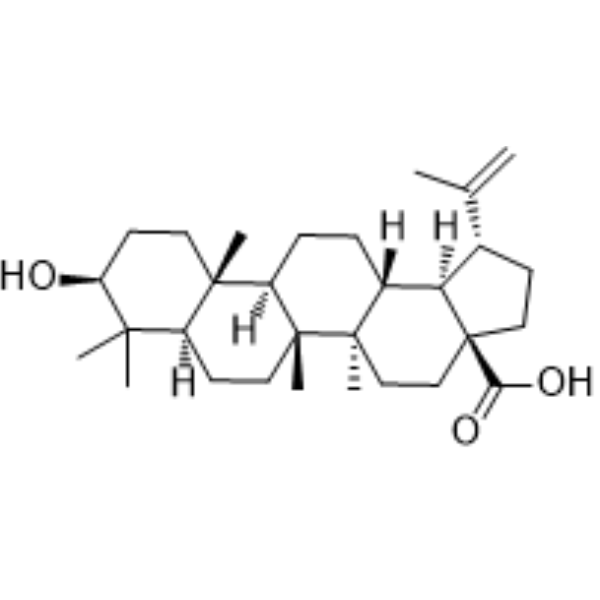
    Betulinic acid
    Maximum Cited Publications
    35 Publications Verification

    Lupatic acid; Betulic acid

    Apoptosis Topoisomerase HIV Autophagy Mitophagy NF-κB Endogenous Metabolite Parasite Infection Neurological Disease Inflammation/Immunology Cancer
    Betulinic acid is a natural pentacyclic triterpenoid, acts as a eukaryotic topoisomerase I inhibitor, with an IC50 of 5 μM, and possesses anti-HIV, anti-malarial, anti-inflammatory and anti-tumor properties . Betulinic acid can cross the blood-brain barrier .
    Betulinic acid
  • HY-100711
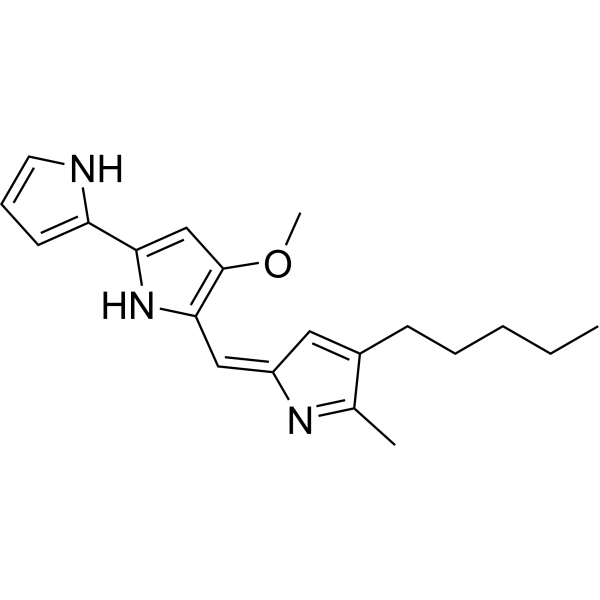
    Prodigiosin
    3 Publications Verification

    Prodigiosine; NSC47147

    Bacterial Apoptosis Wnt Fungal Parasite Infection Inflammation/Immunology Cancer
    Prodigiosin (Prodigiosine) is a red pigment produced by bacteria as a bioactive secondary metabolite. Prodigiosin is a potent inhibitor of the Wnt/β-catenin pathway. Prodigiosin has antibacterial, antifungal, antiprotozoal, antimalarial, immunosuppressive, and anticancer properties .
    Prodigiosin
  • HY-13557
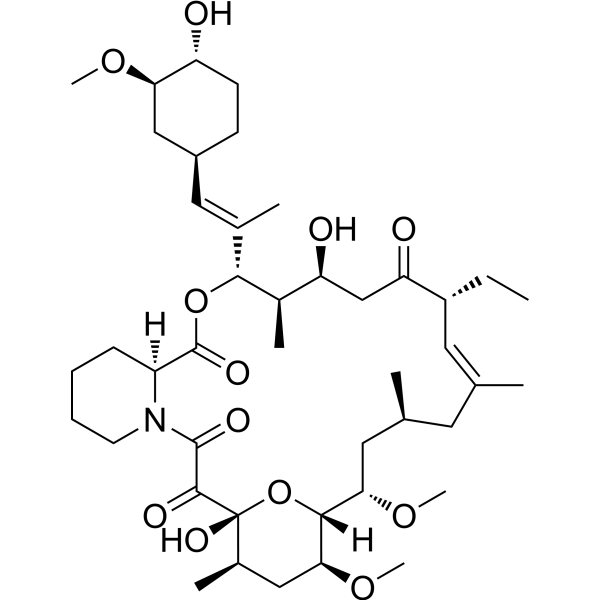
    Ascomycin
    5+ Cited Publications

    Immunomycin; FR-900520; FK520

    FKBP Parasite Fungal Antibiotic Infection Neurological Disease Inflammation/Immunology
    Ascomycin (Immunomycin; FR-900520; FK520) is an ethyl analog of Tacrolimus (FK506) with strong immunosuppressant properties. Ascomycin is also a macrocyclic polyketide antibiotic with multiple biological activities such as anti-malarial, anti-fungal and anti-spasmodic. Ascomycin prevents graft rejection and has potential for varying skin ailments research .
    Ascomycin
  • HY-B1467
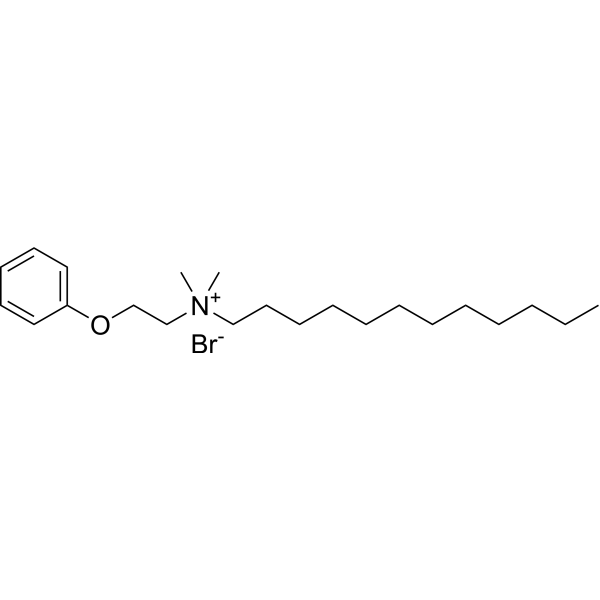
    Domiphen bromide
    1 Publications Verification

    Potassium Channel Bacterial Parasite Phosphatase Infection Inflammation/Immunology
    Domiphen bromide is a cationic active quaternary ammonium salt and also an inhibitor of HERG channels (IC50: 9 nM), aminopeptidase-like enzymes, Escherichia coli alkaline phosphatase, and α-chymotrypsin. Domiphen bromide has multiple activities such as antibacterial, antimalarial, and disinfectant properties, and it is also a synergist of Colistin (HY-113678). Domiphen bromide can be used as a chemical preservative and a cationic surfactant, and it can also be used in the research of bacterial infectious diseases such as pharyngitis, thrush, and oral ulcers .
    Domiphen bromide
  • HY-Y0152
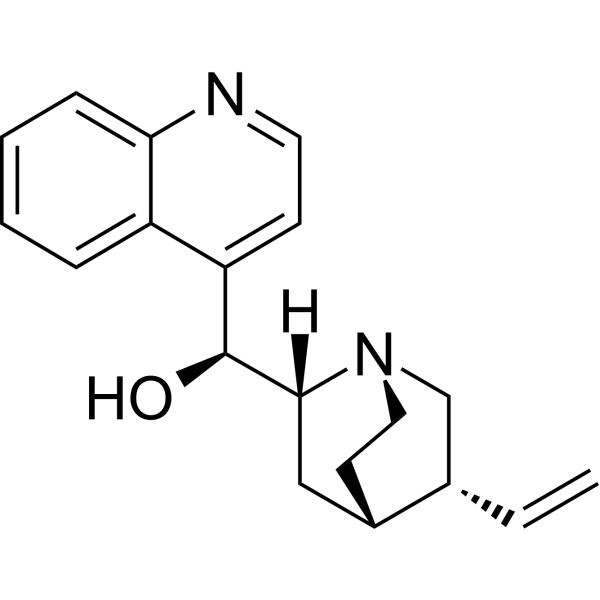
    Cinchonine
    5 Publications Verification

    (8R,9S)-Cinchonine; LA40221

    Apoptosis Parasite Autophagy Caspase Calcium Channel Others Inflammation/Immunology Cancer
    Cinchonine is a natural compound present in Cinchona bark with antimalarial, antitumor, anti-inflammatory, anti platelet-aggregation and anti-obesity properties. Cinchonine inhibits cells proliferation and autophagy and induces apoptosis through activation of Caspase-3. Cinchonine activates endoplasmic reticulum stress-induced apoptosis in human liver cancer cells .
    Cinchonine
  • HY-Y0148

    NSC 15139; 10-HDAA

    Parasite Autophagy NF-κB Interleukin Related NO Synthase MDM-2/p53 TNF Receptor RANKL/RANK Caspase Infection Neurological Disease Inflammation/Immunology
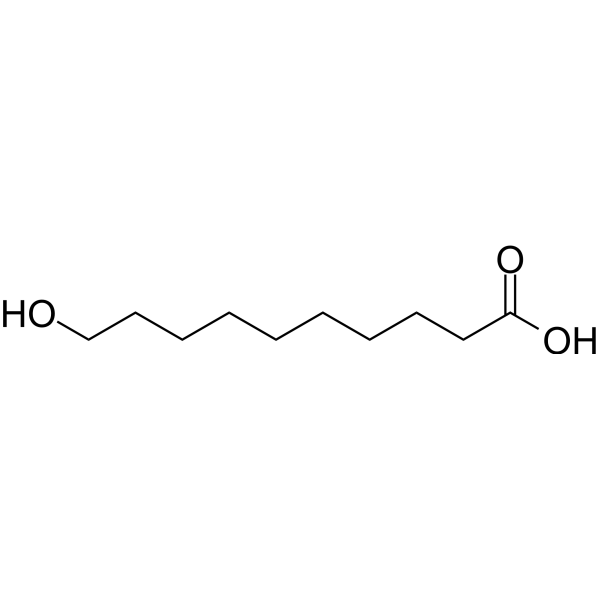
    10-Hydroxydecanoic acid (10-HDAA) is a saturated fatty acid derived from 10-hydroxy-trans-2-decenoic acid, which can be isolated from royal jelly. 10-Hydroxydecanoic acid exhibits various biological activities, including anti-inflammatory, insecticidal, anti-malarial, and anti-Leishmania properties, as well as enhancing antigen-specific immune responses. The anti-inflammatory effects of 10-Hydroxydecanoic acid are primarily mediated by inhibiting the activation of NF-κB and the translation of interferon regulatory factor 1 (IRF-1), which reduces the production of interleukin 6 (IL-6) and nitric oxide (NO) in inflammatory cells. Additionally, 10-Hydroxydecanoic acid alleviates neuroinflammatory responses through the p53-autophagy pathway and the p53-NLRP3 pathway. Finally, 10-Hydroxydecanoic acid enhances antigen-specific immune responses by promoting the effective uptake of antigens by microfold cells .
    10-Hydroxydecanoic acid
  • HY-79504

    Environmental Pollutants Parasite Infection Cancer
    Ferrocene is an important structural core in bioorganometallic chemistry because of its inherent stability, excellent redox properties, and low toxicity. Ferrocene has antimalarial and anticancer properties .
    Ferrocene
  • HY-P3914

    Oct-CA(1-7)M(2-9)

    Bacterial Infection
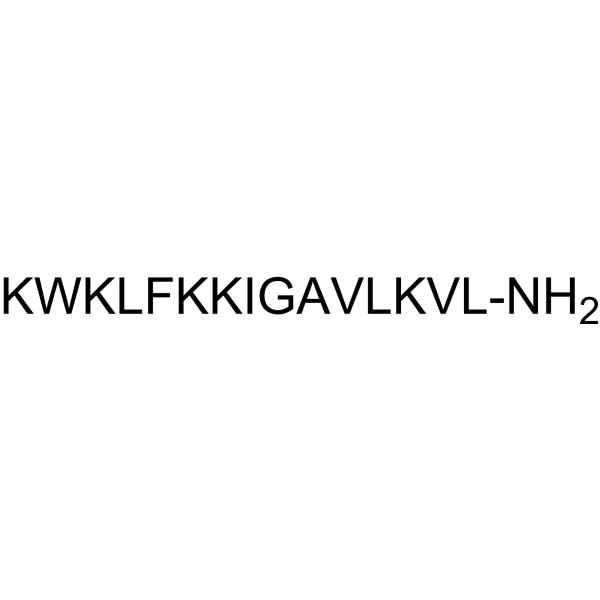
    Cecropin A (1-7)-Melittin A (2-9) is an antimicrobial peptide with antimicrobial activity against a broad spectrum of Gram-positive and Gram-negative aerobic bacteria, as well as antimalarial activity, without the adverse hemolytic properties of bee venom peptides .
    Cecropin A (1-7)-Melittin A (2-9)
  • HY-10529R

    Lupatic acid (Standard); Betulic acid (Standard)

    Reference Standards Apoptosis Topoisomerase HIV Autophagy Mitophagy NF-κB Endogenous Metabolite Parasite Infection Inflammation/Immunology Cancer
    Betulinic acid (Standard) is the analytical standard of Betulinic acid. This product is intended for research and analytical applications. Betulinic acid is a natural pentacyclic triterpenoid, acts as a eukaryotic topoisomerase I inhibitor, with an IC50 of 5 μM, and possesses anti-HIV, anti-malarial, anti-inflammatory and anti-tumor properties . Betulinic acid can cross the blood-brain barrier.
    Betulinic acid (Standard)
  • HY-121002

    Parasite Infection Neurological Disease Cancer
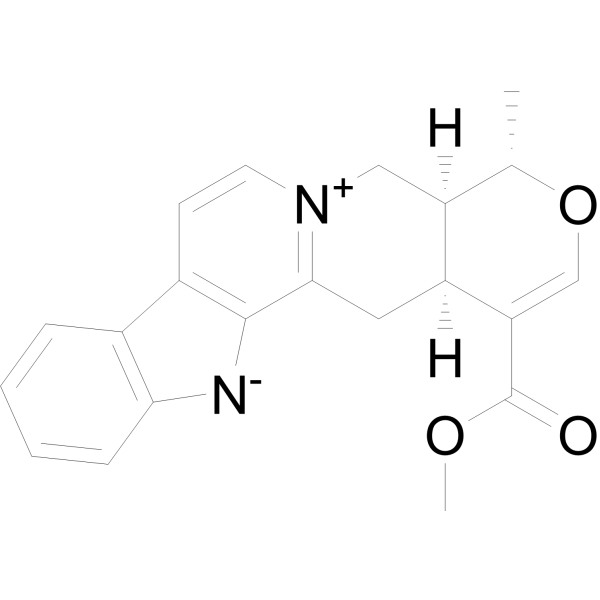
    Alstonine is a major indole alkaloid compound of a plant-based remedy. Alstonine has antipsychotic, anxiolytic, anticancer and antimalarial properties .
    Alstonine
  • HY-100711A
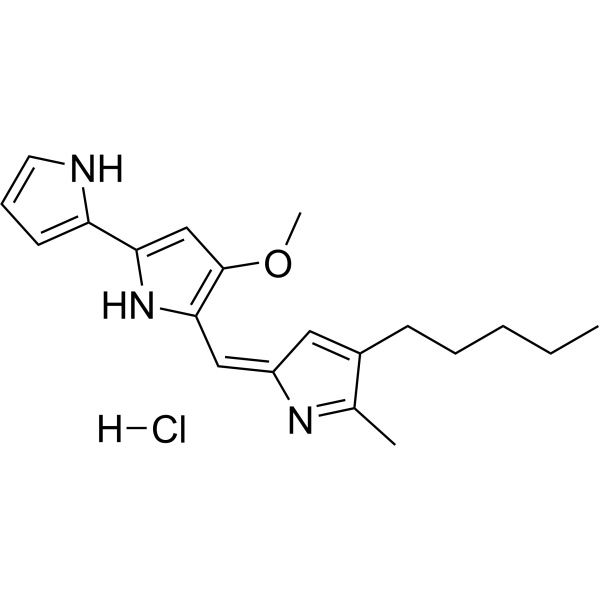
    Prodigiosin hydrochloride
    3 Publications Verification

    Prodigiosine hydrochloride

    Bacterial Apoptosis Fungal Wnt Parasite Infection Inflammation/Immunology Cancer
    Prodigiosin (Prodigiosine) hydrochloride is a red pigment produced by bacteria as a bioactive secondary metabolite. Prodigiosin hydrochloride is a potent proapoptotic agent, and inhibits Wnt/β-catenin pathway. Prodigiosin hydrochloride has antibacterial, antifungal, antiprotozoal, antimalarial, immunosuppressive, and anticancer properties .
    Prodigiosin hydrochloride
  • HY-W744739

    Lupatic acid-d3; Betulic acid-d3

    Isotope-Labeled Compounds Apoptosis Topoisomerase HIV Autophagy Mitophagy NF-κB Endogenous Metabolite Parasite Infection Inflammation/Immunology Cancer
    Betulinic acid-d3 (Lupatic acid-d3) is a deuterium labeled Betulinic acid (HY-10529). Betulinic acid is a natural pentacyclic triterpenoid, acts as a eukaryotic topoisomerase I inhibitor, with an IC50 of 5 μM, and possesses anti-HIV, anti-malarial, anti-inflammatory and anti-tumor properties . Betulinic acid can cross the blood-brain barrier.
    Betulinic acid-d3
  • HY-13557R

    Immunomycin (Standard); FR-900520 (Standard); FK520 (Standard)

    Reference Standards FKBP Parasite Fungal Antibiotic Infection Neurological Disease Inflammation/Immunology
    Ascomycin (Standard) is the analytical standard of Ascomycin. This product is intended for research and analytical applications. Ascomycin (Immunomycin; FR-900520; FK520) is an ethyl analog of Tacrolimus (FK506) with strong immunosuppressant properties. Ascomycin is also a macrocyclic polyketide antibiotic with multiple biological activities such as anti-malarial, anti-fungal and anti-spasmodic. Ascomycin prevents graft rejection and has potential for varying skin ailments research[1][2].
    Ascomycin (Standard)
  • HY-Y0152R

    (8R,9S)-Cinchonine (Standard); LA40221 (Standard)

    Reference Standards Apoptosis Parasite Autophagy Caspase Calcium Channel Others Inflammation/Immunology Cancer
    Cinchonine (Standard) is the analytical standard of Cinchonine. This product is intended for research and analytical applications. Cinchonine is a natural compound present in Cinchona bark with antimalarial, antitumor, anti-inflammatory, anti platelet-aggregation and anti-obesity properties. Cinchonine inhibits cells proliferation and autophagy and induces apoptosis through activation of Caspase-3. Cinchonine activates endoplasmic reticulum stress-induced apoptosis in human liver cancer cells .
    Cinchonine (Standard)
  • HY-N15562

    Parasite Infection
    Batzelladine L is a potent Plasmodium falciparum inhibitor (IC50= 0.4 μM). Batzelladine L shows moderate cytotoxicity to HepG2 cells (CC50= 14 μM) with antimalarial properties. Batzelladine L is promising for research of antimalarial agents .
    Batzelladine L
  • HY-121804

    Parasite Others
    SSJ-183 is a compound with antimalarial activity, with activity that modulates antimalarial effects and pharmacokinetic properties. SSJ-183 has shown some activity in antimalarial studies, and its pharmacokinetic properties are between those of other tested compounds, which is of certain significance for the study of new antimalarial combination therapies.
    SSJ-183
  • HY-151965

    Parasite Infection
    Antimalarial agent 18 is an potent antimalarial agent, based on electronic, highly lipophilic and siderophoric properties. Antimalarial agent 18 belongs to acyloxymethyl series, as a fosmidomycin surrogate, which is potent IspC inhibitor against the non-mevalonate isoprenoid biosynthesis pathway. Antimalarial agent 18 inhibits P. falciparum (IC50=50 nM) and A. baumanii (IC50=390 nM) .
    Antimalarial agent 18
  • HY-121575

    Sinine

    Others Metabolic Disease
    Lythridine is a biphenyl quinolizidine lactone alkaloid originally isolated from Fraxinus sinica that has antimalarial properties. It has also been found in H. salicifolia.
    Lythridine
  • HY-N7190

    Parasite Cancer
    Yadanzioside F is one of the toxic components found in Brucea javanica . Brucea javanica has demonstrated a variety of antitumoral, antimalarial, and anti-inflammatory properties .
    Yadanzioside F
  • HY-169099

    Parasite Infection
    Antiproliferative agent-56 (Compound 31) is an antimalarial agent, that inhibits Plasmodium falciparum 3D7 (Pf3D7) with an IC50 >12.5 (48h) and 0.03 μM (98h), and reveals a slow-acting property .
    Antiproliferative agent-56
  • HY-175215

    Parasite Infection
    PfPK6-IN-1 is a potent and selective PfPK6 inhibitor with an IC50 of 0.3 μM. PfPK6-IN-1 inhibits hemozoin formation, a Plasmodium-specific pathway with IC50 of 13 μM against β-hematin (βH). PfPK6-IN-1 exhibits rapid and broad-spectrum anti-malarial properties, being effective against both chloroquine-sensitive and resistant strains.PfPK6-IN-1 can be used for the study of antimalarial .
    PfPK6-IN-1
  • HY-B1467R

    Reference Standards Potassium Channel Bacterial Parasite Phosphorylase Infection Inflammation/Immunology
    Domiphen bromide (Standard) is the analytical standard of Domiphen bromide (HY-B1467). This product is intended for research and analytical applications. Domiphen bromide is a cationic active quaternary ammonium salt and also an inhibitor of HERG channels (IC50: 9 nM), aminopeptidase-like enzymes, Escherichia coli alkaline phosphatase, and α-chymotrypsin. Domiphen bromide has multiple activities such as antibacterial, antimalarial, and disinfectant properties, and it is also a synergist of Colistin (HY-113678). Domiphen bromide can be used as a chemical preservative and a cationic surfactant, and it can also be used in the research of bacterial infectious diseases such as pharyngitis, thrush, and oral ulcers.
    Domiphen bromide (Standard)
  • HY-Y0148R

    NSC 15139 (Standard); 10-HDAA (Standard)

    Reference Standards Parasite Autophagy NF-κB Interleukin Related NO Synthase MDM-2/p53 TNF Receptor RANKL/RANK Caspase Infection Neurological Disease Inflammation/Immunology
    10-Hydroxydecanoic acid (Standard) is the analytical standard of 10-Hydroxydecanoic acid. This product is intended for research and analytical applications. 10-Hydroxydecanoic acid (10-HDAA) is a saturated fatty acid derived from 10-hydroxy-trans-2-decenoic acid, which can be isolated from royal jelly. 10-Hydroxydecanoic acid exhibits various biological activities, including anti-inflammatory, insecticidal, anti-malarial, and anti-Leishmania properties, as well as enhancing antigen-specific immune responses. The anti-inflammatory effects of 10-Hydroxydecanoic acid are primarily mediated by inhibiting the activation of NF-κB and the translation of interferon regulatory factor 1 (IRF-1), which reduces the production of interleukin 6 (IL-6) and nitric oxide (NO) in inflammatory cells. Additionally, 10-Hydroxydecanoic acid alleviates neuroinflammatory responses through the p53-autophagy pathway and the p53-NLRP3 pathway. Finally, 10-Hydroxydecanoic acid enhances antigen-specific immune responses by promoting the effective uptake of antigens by microfold cells[1][2][3][4][5].
    10-Hydroxydecanoic acid (Standard)
  • HY-N12609

    Endogenous Metabolite Inflammation/Immunology
    3β-Isodihydrocadambine, a derivative of cadambine, is obtained from the bark and leaves of Neolamarckia cadamba and possesses notable antimalarial, antiproliferative, antioxidant, anticancer, and anti-inflammatory properties.
    3β-Isodihydrocadambine
  • HY-181010

    HDAC Parasite Infection
    HDAC1-IN-12 is a Plasmodium falciparum HDAC1 (PfHDAC1) inhibitor with an IC50 of 4.1 nM against Pf3D7. HDAC1-IN-12 inhibits PfHDAC1, upregulates histone H3 acetylation in P. falciparum parasites, downregulates malaria invasion-related gene expression, and exhibits favorable safety profiles, improved physicochemical properties, and potent in vivo antimalarial activity. HDAC1-IN-12 can be used for the research of malaria .
    HDAC1-IN-12
  • HY-178724

    Fungal Bacterial Parasite Infection Cancer
    Mollicellin K is a depsidone that can be isolated from the fungus Chaetomium brasiliense. Mollicellin K exhibits antimicrobial activity against Myobacterium tuberculosis, antimalarial activity (IC50 = 1.2 μM) against Plasmodium falciparum as well as antifungal property (IC50 = 1.2 μM) against Candida albicans. Mollicellin K is cytotoxic against KB (IC50 = 1.9 μM), BC1 (IC50 = 6.8 μM), NCI-H187 (IC50 = 0.35 μM), and five cholangiocarcinoma cell lines. Mollicellin K also has an MIC of 12.5 μM for tuberculosis .
    Mollicellin K
  • HY-W800535

    NF-κB p38 MAPK mTOR Topoisomerase AMPK Apoptosis Cholinesterase (ChE) HIF/HIF Prolyl-Hydroxylase β-catenin Infection Metabolic Disease Inflammation/Immunology Cancer
    Cryptolepine is an orally active multi-potent alkaloid with anti-cancer, anti-bacterial, anti-viral, anti-malarial, anti-inflammatory, anti-hyperglycemic, relieve pain and other properties. Cryptolepine acts as an inhibitor of c-Myc, mTOR, NF-κB, HIF-1, MAPK and an activator of AMPKα1/2. It intercalates into DNA, inhibits topoisomerase II (Top II), disrupts mitochondrial dynamics and induces apoptosis. Cryptolepine also exhibits anti-plasmodial and cholinesterase inhibitory activities. Cryptolepine can be used in research related to tumors (melanoma, hepatocellular carcinoma, mammary adenocarcinoma, etc.), malaria, inflammatory diseases and diabetes, particularly in studies focused on inhibiting tumor growth and anti-plasmodial infection .
    Cryptolepine

Inquiry Online

Your information is safe with us. * Required Fields.

Salutation


Country or Region *

Applicant Name *


Organization Name *

Department *


Email Address *


Product Name *

Cat. No.


Requested quantity *

Phone Number *


Remarks

Inquiry Online

Inquiry Information

Product Name:
Cat. No.:
Quantity:
MCE Japan Authorized Agent:

