1. Search Result
Search Result
Results for "

antimicrobial efficacy

" in MedChemExpress (MCE) Product Catalog:

46

Inhibitors & Agonists

1

Fluorescent Dyes

1

Biochemical Assay Reagents

15

Peptides

7

Natural
Products

3

Isotope-Labeled Compounds

Cat. No. Product Name Target Research Areas Chemical Structure
  • HY-13594
    Chlorin e6
    15+ Cited Publications

    Ce6

    MOFs Bcl-2 Family Caspase PARP Apoptosis Fluorescent Dye Infection Cancer
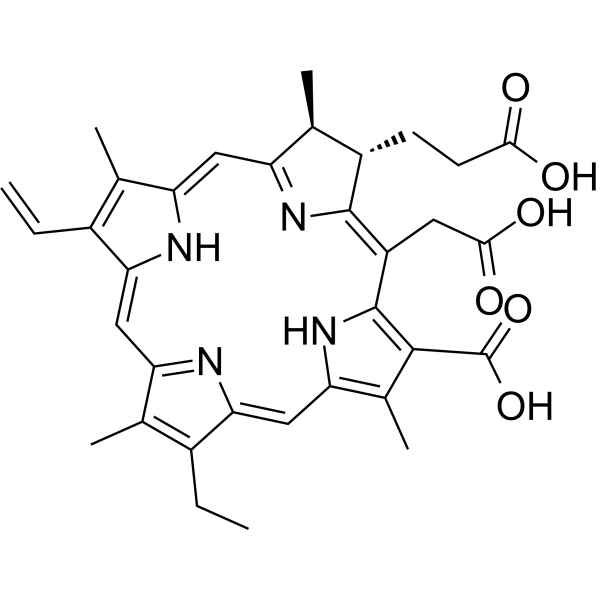
    Chlorin e6 is a photosensitizer and has strong absorption peaks at wavelength of 402 and 662 nm, as well as exhibiting intense fluorescence at 668 nm. Chlorin e6 has antimicrobial efficacy and anticancer activity. Chlorin e6 induces cell apoptosis via caspase-3 activation and can be used for the research of cancer .
    Chlorin e6
  • HY-W250308

    Epsilon-polylysine (MW 3800-4200); ε-Polylysine (MW 3800-4200); ε-PL (MW 3800-4200)

    Bacterial Others
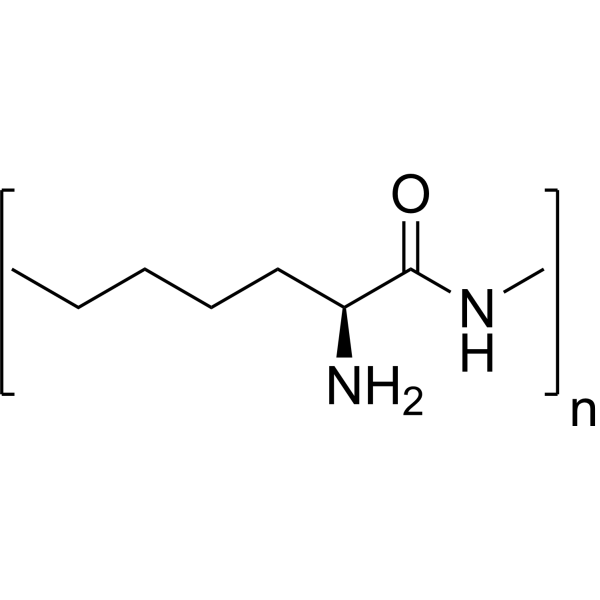
    Epsilon-polylysine is an antimicrobial peptide that can be produced by bacteria such as Streptomyces. Epsilon-polylysine inhibits the growth of microorganisms such as bacteria, yeasts and molds and is therefore often used as a green food additive and preservative in various food and beverage products. Epsilon-polylysine has a variety of properties, including thermal stability, resistance to acidic conditions, and broad-spectrum antimicrobial activity. Epsilon-polylysine can be loaded on other materials to form nanoparticles or form nanofiber membranes for targeted delivery to exert sustained antibacterial efficacy. Epsilon-polylysine is also used as a liposome stabilizer .
    ε-Poly-L-lysine (MW 3800-4200)
  • HY-W020183

    Environmental Pollutants Fungal Bacterial Neurological Disease
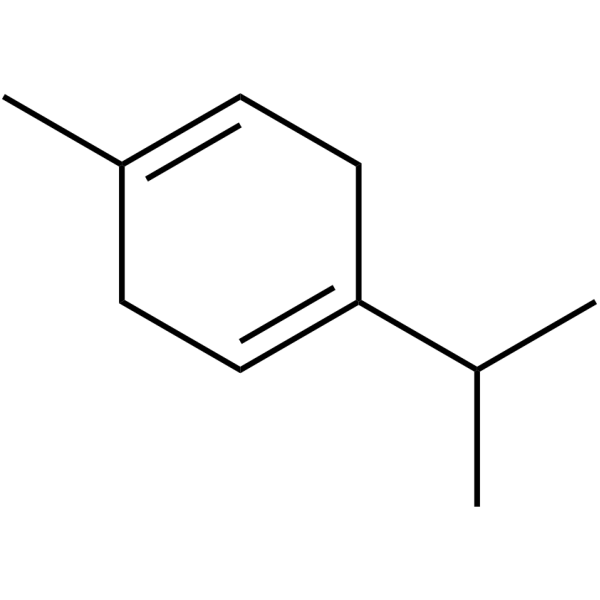
    γ-Terpinene, a monoterpene, is an orally active antioxidant compound which can scavenge radicals directly. γ-Terpinene has potent antinociception activity. γ-Terpinene exhibits antimicrobial efficacy against various bacteria and fungi .
    γ-Terpinene
  • HY-B0126

    Bacterial Antibiotic Infection
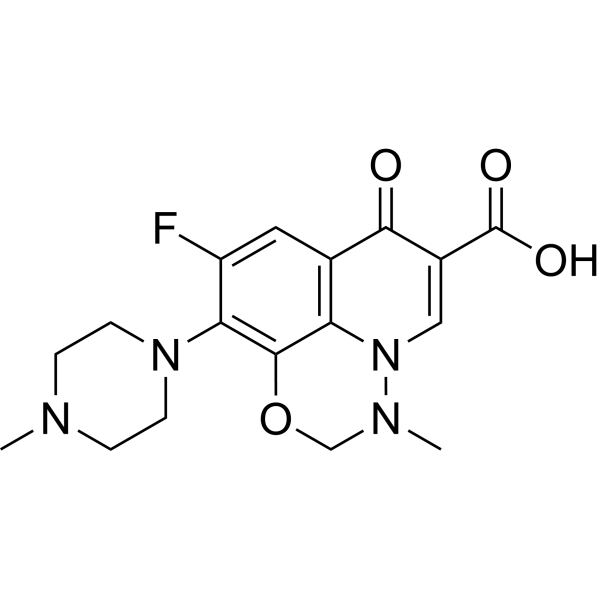
    Marbofloxacin is a third generation fluoroquinolone and orally active antimicrobial agent, which has a broad spectrum bactericidal activity and good efficacy. Marbofloxacin can be used for the research of infections by Gram-positive and Gram-negative bacteria and Mycoplasma .
    Marbofloxacin
  • HY-W134072

    Environmental Pollutants Endogenous Metabolite Biochemical Assay Reagents Bacterial Infection Others
    Tetrasodium glutamate diacetate (46% in water) is a biodegradable chelating agent that enhances antibacterial efficacy. Tetrasodium glutamate diacetate (46% in water) improves the antibacterial performance of multifunctional additives in cosmetic formulations. Tetrasodium glutamate diacetate (46% in water) acts as a chelating agent in cosmetic formulations .
    Tetrasodium glutamate diacetate (46% in water)
  • HY-P10233A

    Bacterial Infection
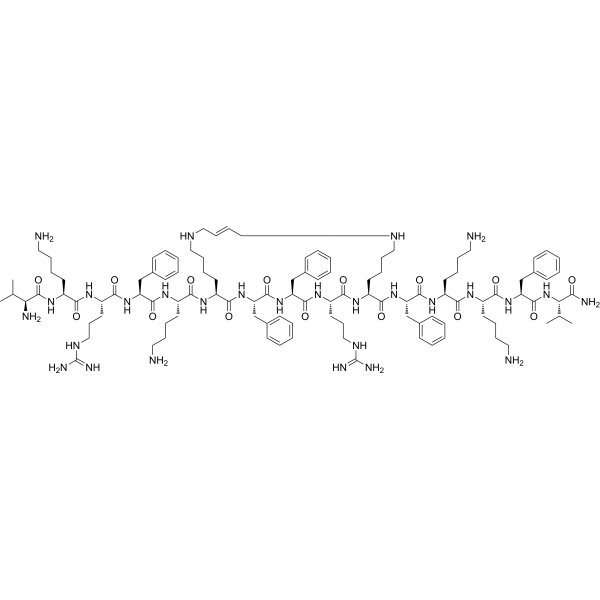
    SAAP 148 TFA is a synthetic antimicrobial peptide (bacteria) that interacts with and disrupts the lipid bilayer of bacterial cytoplasmic membranes, thereby inducing changes in membrane permeability and bacterial death. SAAP 148 TFA kills drug-resistant, multidrug-resistant and persister bacterial strains, inhibits biofilm formation, eliminates established biofilms, and blocks bacterial colonization on implant surfaces. SAAP 148 TFA retains its activity after modification or immobilization, exhibits variable cytotoxicity in different human cell models, and shows reduced efficacy in protein-rich environments. SAAP 148 TFA can be used in infection-related research .
    SAAP 148 TFA
  • HY-B1128A

    Cephamandole sodium

    Antibiotic Bacterial Infection
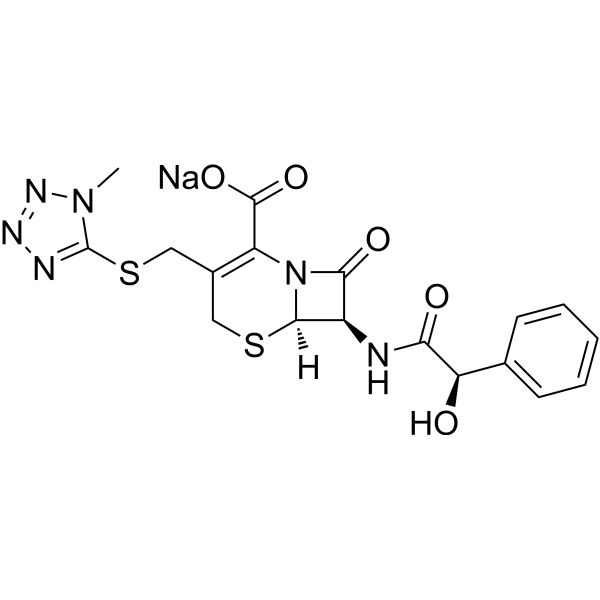
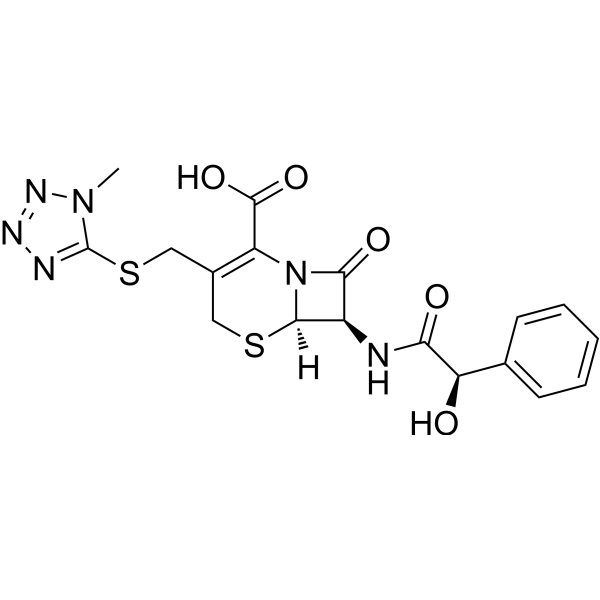
    Cefamandole (Cephamandole) sodium is a semi-synthetic second-generation cephalosporin antibiotic with broad-spectrum antimicrobial activity. Cefamandole sodium is resistant to hydrolysis by β-lactamases produced by some Gram-negative bacteria. Cefamandole sodium kills Gram-positive cocci and various Gram-negative bacilli mainly by inhibiting cell wall synthesis, but it is inactive against Pseudomonas, Proteus vulgaris and Providencia stuartii, and its efficacy is affected by inoculum size. The plasma elimination half-life of Cefamandole sodium in rats is only 0.4 h, it is mainly excreted in urine in biologically active form, and it hardly penetrates the non-inflamed blood-brain barrier. Cefamandole sodium is widely used in studies related to bacterial infections .
    Cefamandole sodium
  • HY-P10696

    Bacterial Infection
    C16G2 is a specific targeted antimicrobial peptide (STAMP) that targets the cariogenic oral pathogen Streptococcus mutans. C16G2 specifically recognizes and disrupts the bacterial cell membrane, causing small molecule leakage and loss of membrane potential, leading to bacterial killing. C16G2 exhibits higher selectivity and efficacy against Streptococcus mutans, unlike broad-spectrum antimicrobial peptides .
    C16G2
  • HY-P10364

    UBI(29-41)

    Bacterial Antibiotic Infection Inflammation/Immunology
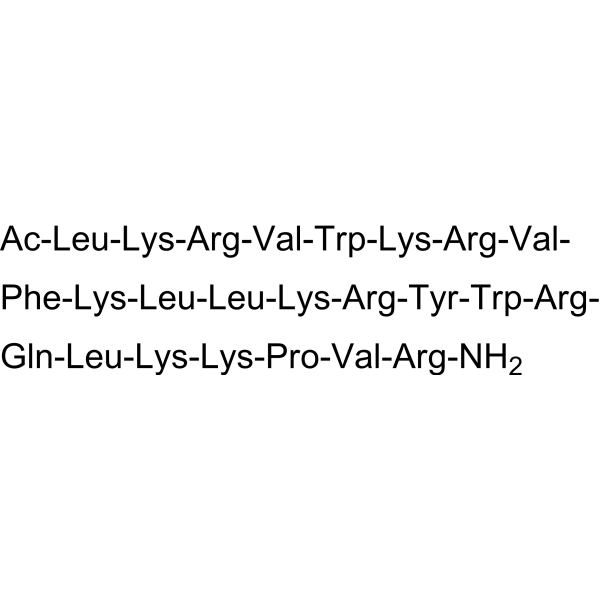
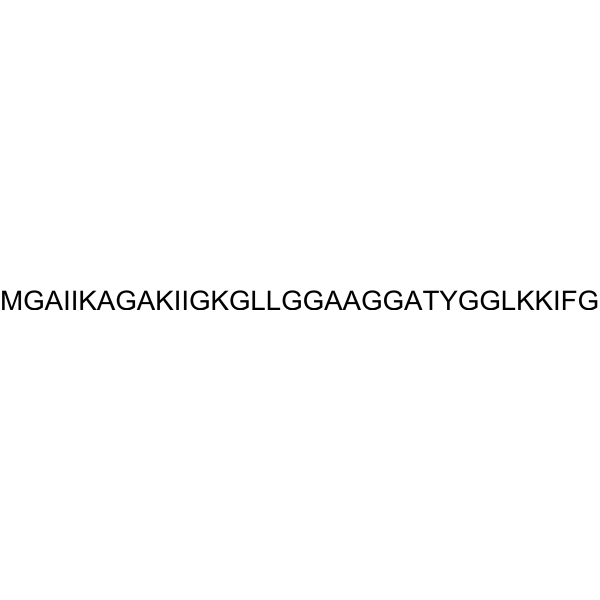
    Ubiquicidin (29-41) (UBI (29-41)) is an Antimicrobial peptide and infection-localizing agent. Ubiquicidin (29-41) acts as an infection-specific imaging agent and infection-targeting agent. Ubiquicidin (29-41) serves as an antibiotic efficacy monitoring agent, and its aggregation level in infections induced by Staphylococcus aureus is higher than that in infections induced by Escherichia coli .
    Ubiquicidin(29-41)
  • HY-14743B

    SCV 07 hydrochloride; Gamma-D-glutamyl-L-tryptophan hydrochloride

    Bacterial STAT Infection Inflammation/Immunology Cancer
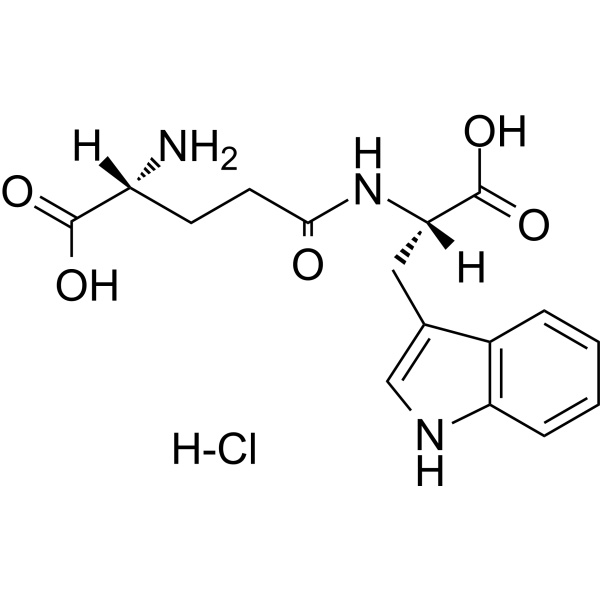
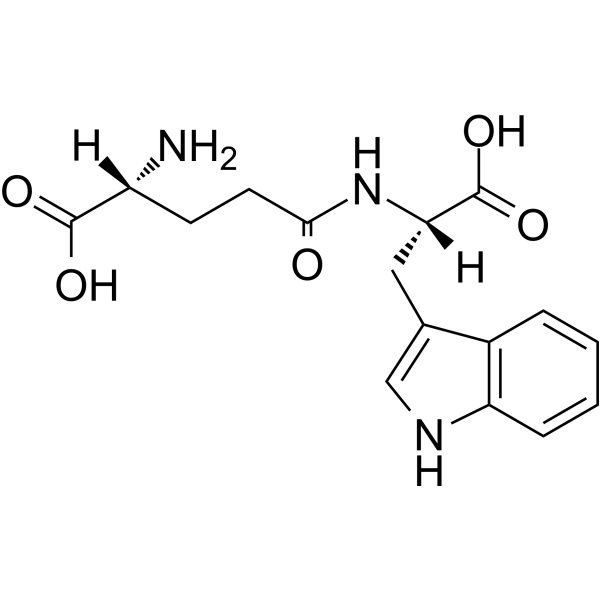
    Golotimod hydrochloride (SCV 07 hydrochloride), an immunomodulating peptide with antimicrobial activity, significantly increases the efficacy of antituberculosis therapy, stimulates thymic and splenic cell proliferation, and improves macrophage function. Golotimod hydrochloride (SCV 07 hydrochloride) inhibits STAT3 signaling and modulates the duration and severity of oral mucositis in animal models that received radiation or a combination of radiation and Cisplatin. Golotimod hydrochloride (SCV 07 hydrochloride) is also a potential therapeutic for recurrent genital herpes simplex virus type 2 (HSV-2) .
    Golotimod hydrochloride
  • HY-P5640

    Bacterial Parasite Infection
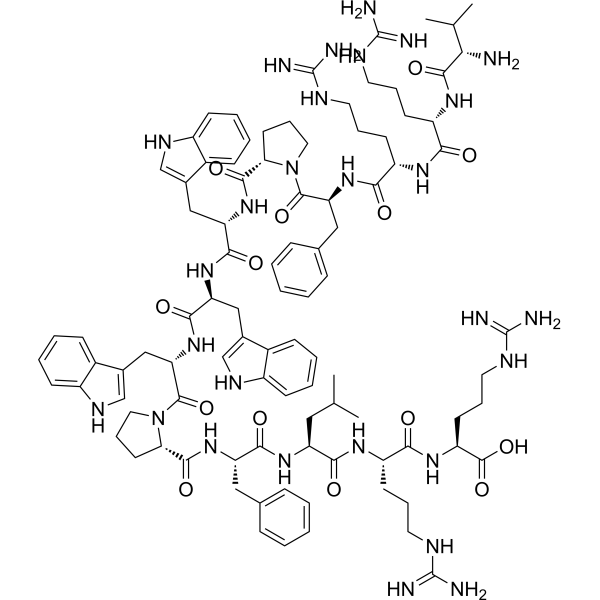
    Tritrpticin is a porcine-derived antimicrobial peptide with properties such as membrane disruption and hemolysis. Tritrpticin disrupts the cell membranes of bacteria, fungi and Jurkat T cell leukemia cells and induces their death. Tritrpticin also enhances the efficacy of Metronidazole (HY-B0318) against *Trichomonas vaginalis*, reduces plasma endotoxin and inflammatory cytokine levels, restricts bacterial growth in blood and visceral tissues, decreases the mortality rate of septic shock in rats and enhances the therapeutic effect of ertapenem. Tritrpticin exhibits selective cytotoxicity against Jurkat T cell leukemia cells, while showing low toxicity to normal peripheral blood mononuclear cells and red blood cells, and can serve as a template for antimicrobial peptide design. Tritrpticin can be applied to research related to bacterial infections, fungal infections, trichomoniasis, septic shock and leukemia .
    Tritrpticin
  • HY-P10233

    Bacterial Infection
    SAAP 148 is a synthetic antimicrobial peptide (bacteria) that interacts with and disrupts the lipid bilayer of bacterial cytoplasmic membranes, thereby inducing changes in membrane permeability and bacterial death. SAAP 148 kills drug-resistant, multidrug-resistant and persister bacterial strains, inhibits biofilm formation, eliminates established biofilms, and blocks bacterial colonization on implant surfaces. SAAP 148 retains its activity after modification or immobilization, exhibits variable cytotoxicity in different human cell models, and shows reduced efficacy in protein-rich environments. SAAP 148 can be used in infection-related research .
    SAAP 148
  • HY-P3350

    Bacterial Infection
    LS-BF1 is a stable and low toxic cationic antimicrobial peptide. LS-BF1 displays broad spectrum of antibacterial activity, including the challenging ESKAPE pathogens, by cell membrane disruptive mechanism. LS-BF1 shows good in vivo efficacy for elimination of bacteria in a mouse infection model[1].
    LS-BF1
  • HY-14743

    SCV 07; Gamma-D-glutamyl-L-tryptophan

    Bacterial STAT Infection Inflammation/Immunology Cancer
    Golotimod (SCV-07), an immunomodulating peptide with antimicrobial activity, significantly increases the efficacy of antituberculosis therapy, stimulates thymic and splenic cell proliferation, and improves macrophage function. Golotimod (SCV-07) inhibits STAT3 signaling and modulates the duration and severity of oral mucositis in animal models that received radiation or a combination of radiation and Cisplatin. Golotimod (SCV-07) is also a potential therapeutic for recurrent genital herpes simplex virus type 2 (HSV-2) .
    Golotimod
  • HY-B1128

    Cephamandole

    Antibiotic Bacterial Infection
    Cefamandole (Cephamandole) is a semi-synthetic second-generation cephalosporin antibiotic with broad-spectrum antimicrobial activity. Cefamandole is resistant to hydrolysis by β-lactamases produced by some Gram-negative bacteria. Cefamandole kills Gram-positive cocci and various Gram-negative bacilli mainly by inhibiting cell wall synthesis, but it is inactive against Pseudomonas, Proteus vulgaris and Providencia stuartii, and its efficacy is affected by inoculum size. The plasma elimination half-life of Cefamandole in rats is only 0.4 h, it is mainly excreted in urine in biologically active form, and it hardly penetrates the non-inflamed blood-brain barrier. Cefamandole is widely used in studies related to bacterial infections .
    Cefamandole
  • HY-P5206

    Bacterial Infection
    Garvicin KS, GakB is a peptide at sizes of 34 amino acids to form bacteriocin garvicin KS (GarKS), with other 2 peptides, GakA, and GakC. Garvicin KS, GakB inhibits fibroblast viability and proliferation. Garvicin KS, GakB with GakA, is a potent combination with good peptide stability, antimicrobial efficacy, and fibroblast viability/proliferation effects. Garvicin KS peptides inhibit MSSA with MIC values in the order GakB >GakC >GakA .
    Garvicin KS, GakB
  • HY-B0126A

    Bacterial Antibiotic Infection
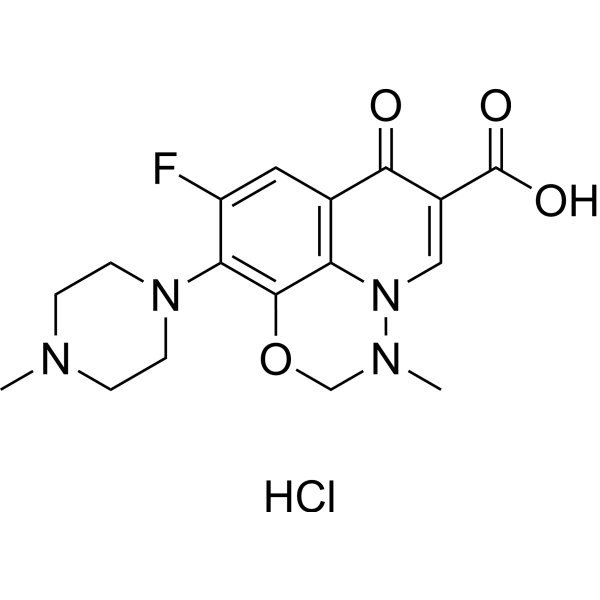
    Marbofloxacin hydrochloride is a third generation fluoroquinolone and orally active antimicrobial agent, which has a broad spectrum bactericidal activity and good efficacy. Marbofloxacin hydrochloride can be used for the research of infections by Gram-positive and Gram-negative bacteria and Mycoplasma .
    Marbofloxacin hydrochloride
  • HY-P10696A

    Bacterial Infection
    C16G2 TFA is a specific targeted antimicrobial peptide (STAMP) that targets the cariogenic oral pathogen Streptococcus mutans. C16G2 TFA specifically recognizes and disrupts the bacterial cell membrane, causing small molecule leakage and loss of membrane potential, leading to bacterial killing. C16G2 TFA exhibits higher selectivity and efficacy against Streptococcus mutans, unlike broad-spectrum antimicrobial peptides .
    C16G2 TFA
  • HY-129331

    Antibiotic Bacterial Fungal Infection Cancer
    Neothramycin A is an antibiotic, which can be isolated from Streptomyces. Neothramycin A exhibits board spectrum antimicrobial activity, inhibits Staphylococcus aureus, Klebsiella pneumoniae, Escherichia coli W677, and Saccharomyces cerevisia with MIC of 25-50 μg/mL. Neothramycin A exhibits antitumor efficacy against leukemia in mouse models .
    Neothramycin A
  • HY-117963

    Antibiotic Infection
    Lincosamine is a lincosamide antibiotic with activity that inhibits bacterial growth. Lincosamine is primarily produced by Streptomyces lincolnensis. Lincosamine has shown efficacy in combating certain bacterial infections, especially against Klebsiella pneumoniae. Lincosamine ranked among 14 other antimicrobial compounds in its activity against Klebsiella pneumoniae in a test .
    Lincosamine
  • HY-178504

    Bacterial Infection
    Lug-15 is a rapid bactericidal agent. Lug-15 exhibits strong antibacterial activity against both Gram-positive and Gram-negative bacteria, including drug-resistant strains. Lug-15 rapidly kills bacteria primarily through membrane disruption and had a very low propensity to induce bacterial resistance. Lug-15 demonstrates low hemolytic toxicity and significant therapeutic potential in various infection models. Lug-15 can be used for research on combating infections caused by multi-drug resistant bacteria .
    Lug-15
  • HY-102008

    NVP-PDF 713; VIC-104959

    Bacterial Antibiotic Infection
    LBM-415 (NVP-PDF 713) is a peptide deformylase (PDF) inhibitor that exhibits inhibitory activity against various antimicrobial-resistant gram-positive cocci, with a MIC90 range of 0.12-8 µg/ml. Additionally, inhibiting efflux pump activity can enhance bacterial sensitivity to LBM415, thereby improving its antibacterial efficacy .
    LBM-415
  • HY-146811

    Bacterial Inflammation/Immunology
    HSGN-94 is a potent antimicrobial agent with lipoteichoic acid (LTA) biosynthesis inhibition. HSGN-94 inhibits drug-resistant Gram-positive bacteria with MIC values of 0.25-2 μg/mL. HSGN-94 inhibits biofilm formation of MRSA and Vancomycin-resistant Enterococci. HSGN-94 also inhibits pro-inflammatory cytokines, exhibits in vivo efficacy in an MRSA murine wound infection model .
    HSGN-94
  • HY-P5205

    Bacterial Infection
    Garvicin KS, GakA is a peptide at sizes of 34 amino acids to form bacteriocin garvicin KS (GarKS), with other 2 peptides, GakB, and GakC. Garvicin KS, GakA inhibits fibroblast viability and proliferation. Garvicin KS, GakA with GakB, is a potent combination with good peptide stability, antimicrobial efficacy, and fibroblast viability/proliferation effects. Garvicin KS peptides inhibit MSSA with MIC values in the order GakB >GakC >GakA .
    Garvicin KS, GakA
  • HY-145265

    Bacterial Infection
    Antimicrobial photosensitizer-1 is a promising candidate as the antimicrobial photosensitizer for combating pathogenic microorganism infections. Antimicrobial photosensitizer-1 exhibits an impressive antimicrobial efficacy in S. aureus-infected mice wounds .
    Antimicrobial photosensitizer-1
  • HY-13451A

    Bacterial Infection
    Finafloxacin is a fluoroquinolone antimicrobial agent that exhibits optimum efficacy in slightly acidic environments.
    Finafloxacin hydrochloride
  • HY-121349

    Bacterial Fungal Antibiotic Infection Cancer
    Aerothionin is an antibiotic with potent antimicrobial efficacy against bacteria and fungi. Aerothionin exhibits antitumor efficacy against adrenal pheochromocytomas and extra-adrenal paragangliomas (PPGLs) .
    Aerothionin
  • HY-130511

    Bacterial Infection
    FCE 22250 is a 3-azinomethylrifamycin with long-term in vivo persistence and good oral absorption. FCE 22250 shows superior efficacy against a broad antimicrobial spectrum including mycobacteria .
    FCE 22250
  • HY-128222

    Hydrazinecarboselenoamide

    Bacterial Infection Cancer
    Selenosemicarbazide (Hydrazinecarboselenoamide) exhibits antimicrobial activity, that inhibits B. subtilis, S. aureus, Klebsiella pneumoniae, Sarcina lutea and Mycobacterium tuberculosis. Selenosemicarbazide forms complex with metal ions, and exhibits antitumor efficacy against cancer cells
    Selenosemicarbazide
  • HY-164369

    Bacterial Infection
    Antibiofilm agent-10 is an antibiofilm agent, which reduces bacterial levels and improves wound healing in recalcitrant pressure ulcers (PUs) in combination with negative pressure wound therapy (NPWT). Antibiofilm agent-10 enhances pathogen killing efficacy of antimicrobials .
    Antibiofilm agent-10
  • HY-B0126S

    Isotope-Labeled Compounds Bacterial Antibiotic Infection
    Marbofloxacin-d8 is the deuterium labeled Marbofloxacin. Marbofloxacin is a third generation fluoroquinolone and orally active antimicrobial agent, which has a broad spectrum bactericidal activity and good efficacy. Marbofloxacin can be used for the research of infections by Gram-positive and Gram-negative bacteria and Mycoplasma .
    Marbofloxacin-d8
  • HY-B0126AS

    Isotope-Labeled Compounds Antibiotic Bacterial Infection
    Marbofloxacin-d8 (hydrochloride) is deuterium labeled Marbofloxacin (hydrochloride). Marbofloxacin hydrochloride is a third generation fluoroquinolone and orally active antimicrobial agent, which has a broad spectrum bactericidal activity and good efficacy. Marbofloxacin hydrochloride can be used for the research of infections by Gram-positive and Gram-negative bacteria and Mycoplasma .
    Marbofloxacin-d8 hydrochloride
  • HY-B0126R

    Reference Standards Bacterial Antibiotic Infection
    Marbofloxacin (Standard) is the analytical standard of Marbofloxacin. This product is intended for research and analytical applications. Marbofloxacin is a third generation fluoroquinolone and orally active antimicrobial agent, which has a broad spectrum bactericidal activity and good efficacy. Marbofloxacin can be used for the research of infections by Gram-positive and Gram-negative bacteria and Mycoplasma .
    Marbofloxacin (Standard)
  • HY-125620

    Antibiotic Bacterial Infection Cancer
    Rubiginone D2 is an antibiotic, which exhibits antimicrobial activities against Bacillus subtilis, Staphylococcus aureus and Escherichia coli. Rubiginone D2 exhibits antitumor efficacy, inhibits proliferations of cancer cells HM02, Kato III, HepG2 and MCF7, with GI50s of 0.1, 0.7, <0.1 and 7.5 μM, respectively .
    Rubiginone D2
  • HY-W020183S

    Isotope-Labeled Compounds Neurological Disease
    γ-Terpinene-d3 is deuterated labeled γ-Terpinene (HY-W020183). γ-Terpinene, a monoterpene, is an orally active antioxidant compound which can scavenge radicals directly. γ-Terpinene has potent antinociception activity. γ-Terpinene exhibits antimicrobial efficacy against various bacteria and fungi .
    γ-Terpinene-d3
  • HY-W020183R

    Fungal Bacterial Reference Standards Neurological Disease
    γ-Terpinene (Standard) is the analytical standard of γ-Terpinene. This product is intended for research and analytical applications. γ-Terpinene, a monoterpene, is an orally active antioxidant compound which can scavenge radicals directly. γ-Terpinene has potent antinociception activity. γ-Terpinene exhibits antimicrobial efficacy against various bacteria and fungi .
    γ-Terpinene (Standard)
  • HY-122292

    Antibiotic Bacterial Infection Inflammation/Immunology
    Celastramycin A is an antibiotic isolated from Streptomyces MaB-QuH-8, which exhibits antimicrobial activity against series of gram-negative bacteria and mycobacteria, with MICs between 0.05-3.1 μg/ml . Celastramycin A exhibits immunosuppressing efficacy in ex vivo Drosophila through immune deficiency pathway (IC50 of 0.008 μg/ml), inhibits the immunoresponse in human innate immunity through TNF-α signaling, inhibits IL-8 production in HUEVCs with IC50 of 0.06 μg/ml .
    Celastramycin A
  • HY-14743A

    SCV 07 TFA; Gamma-D-glutamyl-L-tryptophan TFA

    Bacterial STAT Infection Inflammation/Immunology Cancer
    Golotimod TFA (SCV 07 TFA), an immunomodulating peptide with antimicrobial activity, significantly increases the efficacy of antituberculosis therapy, stimulates thymic and splenic cell proliferation, and improves macrophage function. Golotimod TFA (SCV 07 TFA) inhibits STAT3 signaling and modulates the duration and severity of oral mucositis in animal models that received radiation or a combination of radiation and Cisplatin. Golotimod TFA (SCV 07 TFA) is also a potential therapeutic for recurrent genital herpes simplex virus type 2 (HSV-2) .
    Golotimod TFA
  • HY-14743R

    SCV 07 (Standard); Gamma-D-glutamyl-L-tryptophan (Standard)

    Bacterial STAT Reference Standards Infection Inflammation/Immunology Cancer
    Golotimod (Standard) is the analytical standard of Golotimod. This product is intended for research and analytical applications. Golotimod (SCV-07), an immunomodulating peptide with antimicrobial activity, significantly increases the efficacy of antituberculosis therapy, stimulates thymic and splenic cell proliferation, and improves macrophage function. Golotimod (SCV-07) inhibits STAT3 signaling and modulates the duration and severity of oral mucositis in animal models that received radiation or a combination of radiation and Cisplatin. Golotimod (SCV-07) is also a potential therapeutic for recurrent genital herpes simplex virus type 2 (HSV-2) .
    Golotimod (Standard)
  • HY-B1128B

    Cephamandole lithium

    Antibiotic Bacterial Infection
    Cefamandole (Cephamandole) lithium is a semi-synthetic second-generation cephalosporin antibiotic with broad-spectrum antimicrobial activity. Cefamandole lithium is resistant to hydrolysis by β-lactamases produced by some Gram-negative bacteria. Cefamandole lithium kills Gram-positive cocci and various Gram-negative bacilli mainly by inhibiting cell wall synthesis, but it is inactive against Pseudomonas, Proteus vulgaris and Providencia stuartii, and its efficacy is affected by inoculum size. The plasma elimination half-life of Cefamandole lithium in rats is only 0.4 h, it is mainly excreted in urine in biologically active form, and it hardly penetrates the non-inflamed blood-brain barrier. Cefamandole lithium is widely used in studies related to bacterial infections .
    Cefamandole lithium
  • HY-B1128AR

    Cephamandole sodium (Standard)

    Reference Standards Antibiotic Bacterial Infection
    Cefamandole (sodium) (Standard) is the analytical standard of Cefamandole (sodium). This product is intended for research and analytical applications. Cefamandole (Cephamandole) sodium is a semi-synthetic second-generation cephalosporin antibiotic with broad-spectrum antimicrobial activity. Cefamandole sodium is resistant to hydrolysis by β-lactamases produced by some Gram-negative bacteria. Cefamandole sodium kills Gram-positive cocci and various Gram-negative bacilli mainly by inhibiting cell wall synthesis, but it is inactive against Pseudomonas, Proteus vulgaris and Providencia stuartii, and its efficacy is affected by inoculum size. The plasma elimination half-life of Cefamandole sodium in rats is only 0.4 h, it is mainly excreted in urine in biologically active form, and it hardly penetrates the non-inflamed blood-brain barrier. Cefamandole sodium is widely used in studies related to bacterial infections .
    Cefamandole sodium (Standard)
  • HY-N18662

    Bacterial Inflammation/Immunology
    Evernia prunastri extract proffers its origin in the versatile Evernia prunastri lichen species. Acclaimed for its extraordinary antimicrobial efficacy along with its potent anti-inflammatory attributes.
    Evernia prunastri extract
  • HY-P11607

    Bacterial Infection
    CyLip-10 is a microbial-derived cyclic-lipid antimicrobial peptide. CyLip-10 has broad-spectrum antimicrobial efficacy, low hemolytic activity, and excellent stability. CyLip-10 can disrupt membrane integrity, inhibit biofilm formation and induce membrane permeabilization and bacterial cell death. CyLip-10 reduces bacterial load, promotes wound healing, and alleviates inflammatory responses in a mouse Methicillin (HY-121544)-resistant Staphylococcus aureus skin wound infection model. CyLip-10 can be used for the bacterial infection .
    CyLip-10
  • HY-DY1092

    Ce6 (solution)

    Caspase Apoptosis Fluorescent Dye PARP Bcl-2 Family Cancer
    Chlorin e6 (solution) (Ce6 (solution)) is a photosensitizer and has strong absorption peaks at wavelength of 402 and 662 nm, as well as exhibiting intense fluorescence at 668 nm. Chlorin e6 has antimicrobial efficacy and anticancer activity. Chlorin e6 induces cell apoptosis via caspase-3 activation and can be used for the research of cancer .
    Solvent and concentration: DMSO: 10 mM
    The 1 mL volume is defined as the base specification. All larger sizes correspond to incremental volumes of this base.
    Chlorin e6 (solution)
  • HY-P11471

    Bacterial Reactive Oxygen Species (ROS) Infection
    (K(C10)GGGRrRPC)2 (Compound (C-C10)C-C) is a dimeric lipopeptide and antibacterial agent. (K(C10)GGGRrRPC)2 enhances the accumulation of ROS, inhibits the bacterial respiratory chain dehydrogenase activity. (K(C10)GGGRrRPC)2 exhibits significant inhibition of bacterial biofilm formation. (K(C10)GGGRrRPC)2 exhibits antimicrobial activity against Acinetobacter baumannii AB1901, A. baumannii AB1902, Pseudomonas aeruginosa 25349, Staphylococcus aureus 11011, with MICs of 4 μM, 8 μM, 4 μM, and 8 μM, respectively. (K(C10)GGGRrRPC)2 shows antimicrobial efficacy against E. coli ATCC 25922 .
    (K(C10)GGGRrRPC)2
  • HY-179637

    Bacterial DNA/RNA Synthesis Infection
    RNAP-σ interaction-IN-4 (Compound 3a) is an inhibitor of the RNA polymerase-sigma factor interaction (RNAP-σ) with MIC values against S. pneumoniae and S. aureus of 1 μg/mL and 2 μg/mL, respectively. RNAP-σ interaction-IN-4 exhibits strong bactericidal properties by interfering with the interaction of β′CH−σ and disrupting the transcription of bacteria. RNAP-IN-2 shows significant efficacy in sepsis models. RNAP-σ interaction-IN-4 can be used to study Gram-positive bacterial infections caused by multi-drug resistant strains .
    RNAP-σ interaction-IN-4

Inquiry Online

Your information is safe with us. * Required Fields.

Salutation


Country or Region *

Applicant Name *


Organization Name *

Department *


Email Address *


Product Name *

Cat. No.


Requested quantity *

Phone Number *


Remarks

Inquiry Online

Inquiry Information

Product Name:
Cat. No.:
Quantity:
MCE Japan Authorized Agent:

