32 Results for "

biguanide

" in MedChemExpress (MCE) Product Catalog:
Products (32)

32 Results for "biguanide" in MCE Product Catalog:

13
13 Publications Verification
Cat. No.: HY-B0608
CAS No.: 18472-51-0
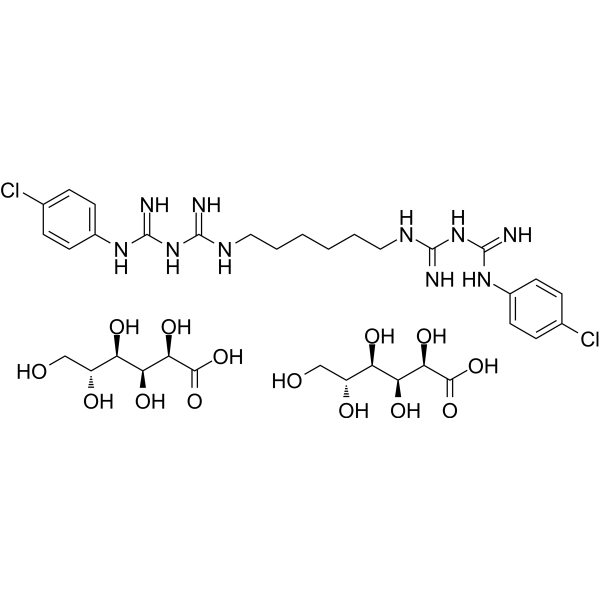
Chlorhexidine digluconate (20% in water) is a orally active cationic antimicrobial agent that targets microbial cell membranes. Chlorhexidine digluconate (20% in water) binds to cell membrane phospholipids non-specifically, destroys membrane structure and induces leakage of cell contents. Chlorhexidine digluconate (20% in water) has broad-spectrum bactericidal activity against both Gram-positive and Gram-negative bacteria. Chlorhexidine digluconate (20% in water) can interfere with membrane permeability, cause protein precipitation and energy metabolism disorders, such as rapid inhibition of microbial growth and induction of cell death (necrosis or apoptosis) .
loading...
    loading...
13
13 Publications Verification
Cat. No.: HY-W013699
CAS No.: 56-95-1
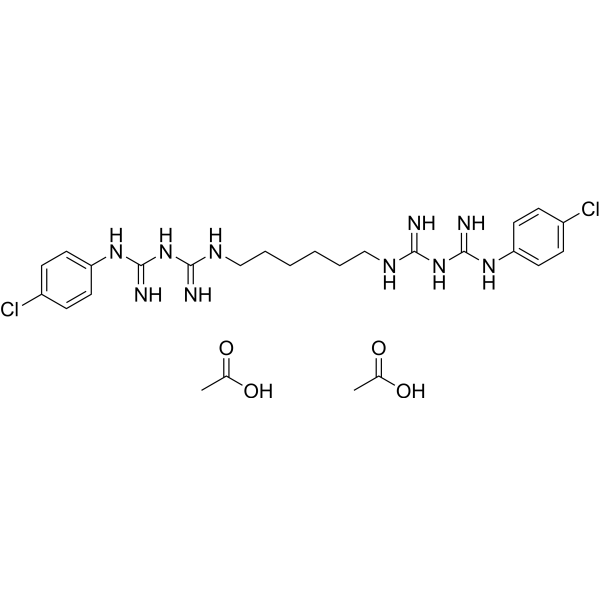
Chlorhexidine diacetate is a orally active cationic antimicrobial agent that targets microbial cell membranes. Chlorhexidine diacetate binds to cell membrane phospholipids non-specifically, destroys membrane structure and induces leakage of cell contents. Chlorhexidine diacetate has broad-spectrum bactericidal activity against both Gram-positive and Gram-negative bacteria. Chlorhexidine diacetate can interfere with membrane permeability, cause protein precipitation and energy metabolism disorders, such as rapid inhibition of microbial growth and induction of cell death (necrosis or apoptosis) .
loading...
    loading...
11
11 Cited Publications
Cat. No.: HY-16397A
CAS No.: 834-28-6
Synonyms: Phenethylbiguanide hydrochloride
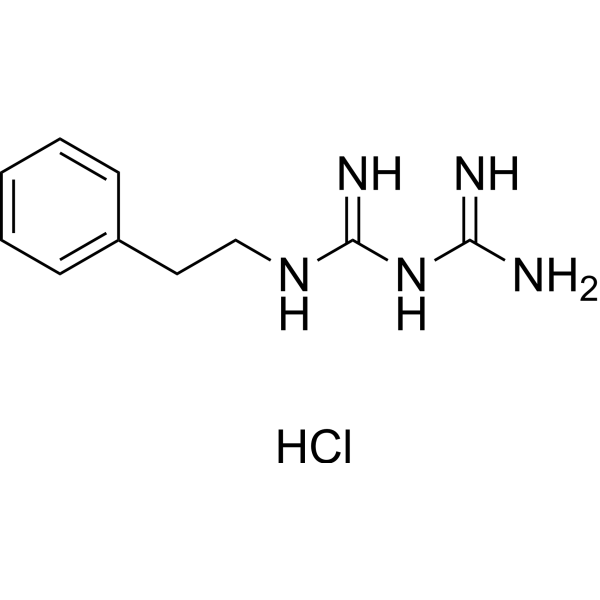
Phenformin (Phenethylbiguanide) hydrochloride is an orally active biguanide hypoglycemic agent. Phenformin hydrochloride inhibits mitochondrial respiratory chain complex I, leading to an increased AMP/ATP ratio, activation of AMPK, and subsequent inhibition of the mTOR pathway, thereby suppressing cell proliferation, inducing apoptosis and autophagy. Phenformin hydrochloride inhibits cancer stem cells (CSCs) and possesses potent antitumor potential .
loading...
    loading...
11
11 Cited Publications
Cat. No.: HY-16397
CAS No.: 114-86-3
Synonyms: Phenethylbiguanide
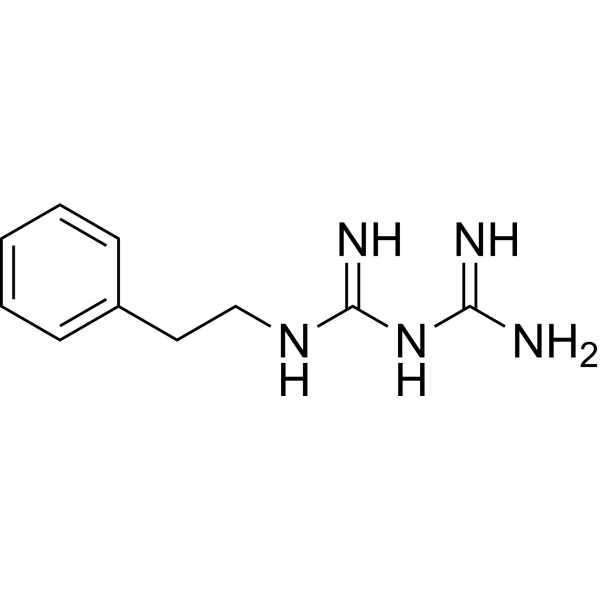
Phenformin (Phenethylbiguanide) is an orally active biguanide hypoglycemic agent. Phenformin inhibits mitochondrial respiratory chain complex I, leading to an increased AMP/ATP ratio, activation of AMPK, and subsequent inhibition of the mTOR pathway, thereby suppressing cell proliferation, inducing apoptosis and autophagy. Phenformin inhibits cancer stem cells (CSCs) and possesses potent antitumor potential .
loading...
    loading...
3
3 Cited Publications
Cat. No.: HY-B0806
CAS No.: 500-92-5
Target:  

Parasite Antifolate

Research Areas:  

Infection

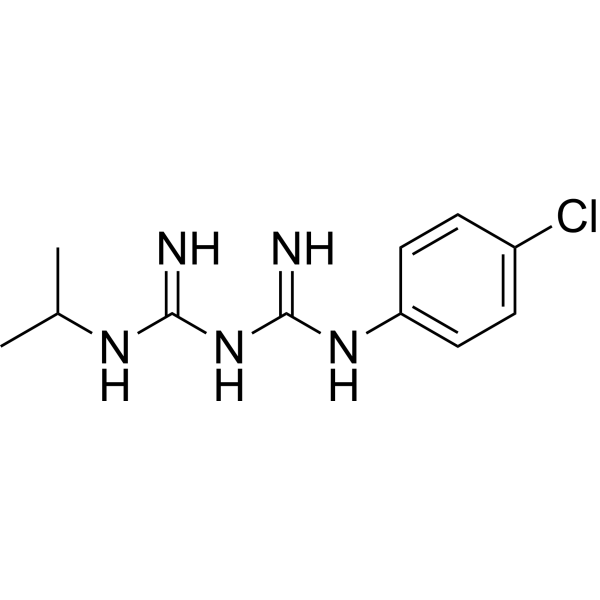
Proguanil, an antimalarial proagent, is metabolized to the active metabolite Cycloguanil (HY-12784). Proguanil is a dihydrofolate reductase (DHFR) inhibitor .
loading...
    loading...
3
3 Cited Publications
Cat. No.: HY-B2099A
CAS No.: 1190-53-0
Synonyms: 1-Butylbiguanide hydrochloride
Target:  

AMPK

Research Areas:  

Cancer

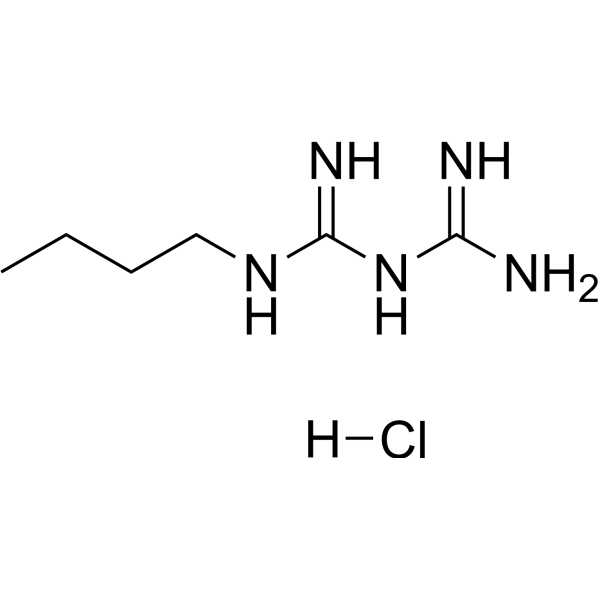
Buformin hydrochloride (1-Butylbiguanide hydrochloride), a potent AMPK activator, acts as an orally active biguanide antidiabetic agent. Buformin hydrochloride decreases hepatic gluconeogenesis and lowers blood glucose production in vivo. Buformin hydrochloride also has anti-cancer activities and is applied in cancer study (such as, cervical cancer and breast cancer, et al) .
loading...
    loading...
3
3 Cited Publications
Cat. No.: HY-B0806A
CAS No.: 637-32-1
Target:  

Parasite Antifolate

Research Areas:  

Infection

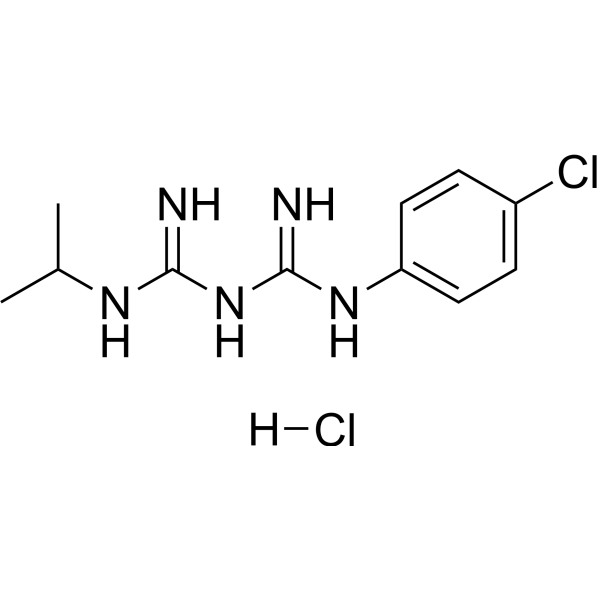
Proguanil hydrochloride, an antimalarial proagent, is metabolized to the active metabolite Cycloguanil (HY-12784). Proguanil hydrochloride is a dihydrofolate reductase (DHFR) inhibitor .
loading...
    loading...
Cat. No.: HY-125283
CAS No.: 1643659-96-4
Purity:  99.38%
Synonyms: 2-Me-Phen hydrochloride; 2-Me-Phenformin hydrochloride
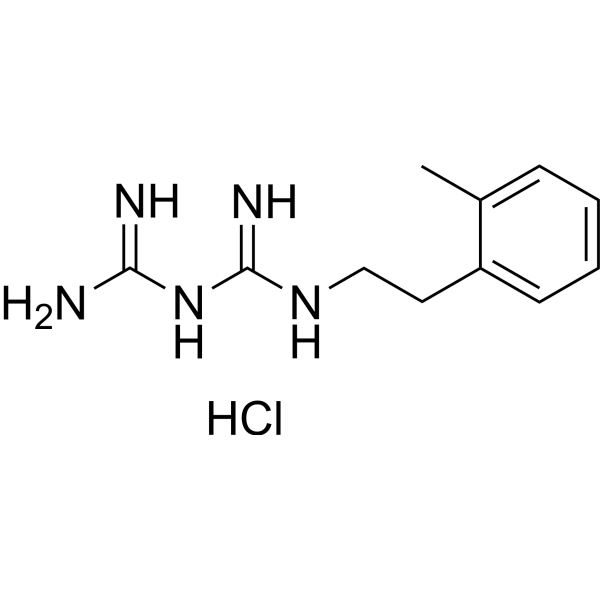
IM176OUT05 (2-Me-Phen hydrochloride), a biguanide, is a mitochondrial OXPHOS inhibitor. IM176OUT0 inhibits mitochondrial electron transport chain (ETC) activity with an IC50 of 3.2 μM. IM176OUT05 activates stem cell metabolism, promotes hair regrowth and increases stemness induction and maintenance during the pluripotent stem cell generation process .
loading...
    loading...
Cat. No.: HY-121006
CAS No.: 56-03-1
Purity:  98.07%
Biguanide is an orally active antihyperglycemic agent. Biguanide inhibits mitochondrial ATP production, activates the LKB1-AMPK signaling pathway, and damages the energy homeostasis. Biguanide enhances insulin-receptor activation and downstream signaling. Biguanide exhibits potential in ameliorating the type 2 diabetes and the insulin-associated cancers.
loading...
    loading...
Cat. No.: HY-N0930B
CAS No.: 2368870-39-5
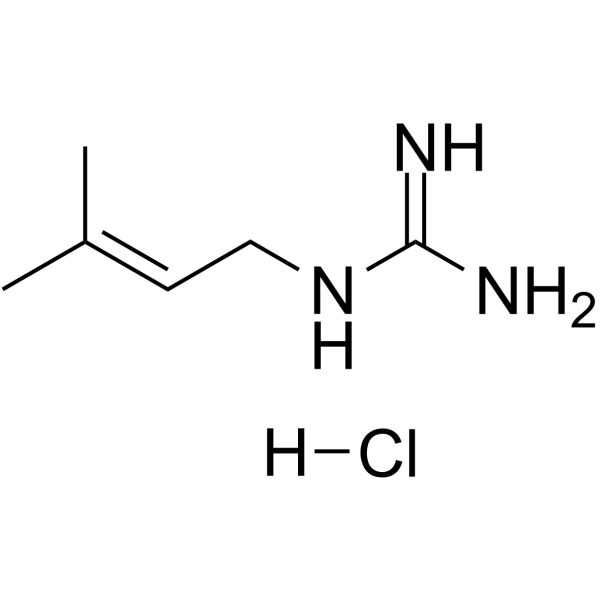
Galegine hydrochloride, a guanidine derivative, contributes to weight loss in mice. Guanidine hydrochloride is the compound derived from G. officinalis, which gave rise to the biguanides, metformin and phenformin. Galegine hydrochloride activates AMPK in 3T3-L1 adipocytes and L6 myotubes, as well as in the H4IIE rat hepatoma and HEK293 human kidney cell lines. Galegine hydrochloride has antibacterial activity, with minimum inhibitory concentration of 4 mg/L against Staphylococcus aureus strains .
loading...
    loading...
Cat. No.: HY-U00120
CAS No.: 5636-92-0
Target:  

Bacterial

Research Areas:  

Infection

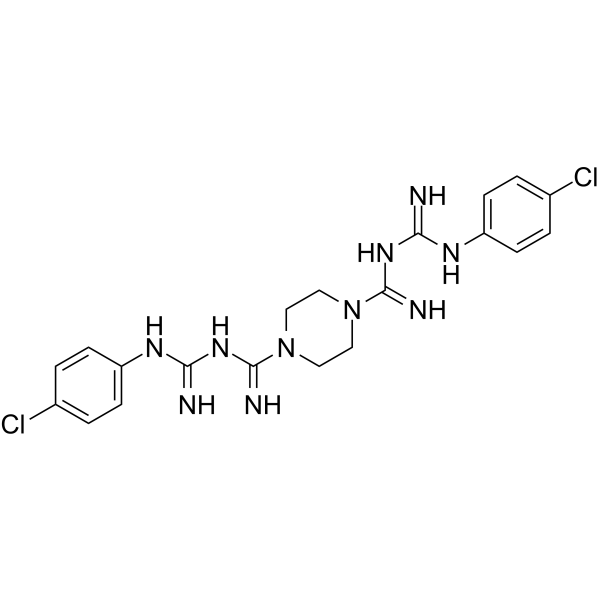
Picloxydine is a heterocyclic biguanide with antibacterial and antiplaque activity.
loading...
    loading...
Cat. No.: HY-158761
CAS No.: 133029-32-0
Synonyms: PAPB
Target:  

Bacterial

Research Areas:  

Infection

Polyaminopropyl biguanide (PAPB) is a positively charged antimicrobial polymer and cosmetic preservative. Polyaminopropyl biguanide inhibits the growth and division of negatively charged microorganisms via charge-based adsorption. Polyaminopropyl biguanide exhibits broad-spectrum in vitro activity against foodborne microorganisms and postharvest fruit pathogens. Polyaminopropyl biguanide can be used in studies related to citrus postharvest diseases and foodborne bacterial infections .
loading...
    loading...
Cat. No.: HY-W722277A
LCC-12 (formate) is a copper (II) chelator and a derivative of the biguanide metformin (HY-B0627). LCC-12 (formate) reduces its hydrogen peroxide-dependent oxidation of NADH to NAD+. LCC-12 (formate) reduces IL-1β, IL-2, IL-6, IL-8, and TNF-α levels, as well as JAK2, STAT2, and IL-1 receptor-associated kinase 4 (IRAK4) levels in primary human cytokine-activated monocyte-derived macrophages (MDMs). LCC-12 (formate) reduces the number of CD80+ and CD86+ cytokine-activated MDMs. LCC-12 LCC-12 (formate) improves survival in a mouse model of sepsis induced by LPS or cecal ligation and puncture .
loading...
    loading...
Cat. No.: HY-100938
CAS No.: 2113-05-5
Purity:  99.78%
Synonyms: 1-(3-Chlorophenyl)biguanide hydrochloride
Target:  

5-HT Receptor

Research Areas:  

Neurological Disease

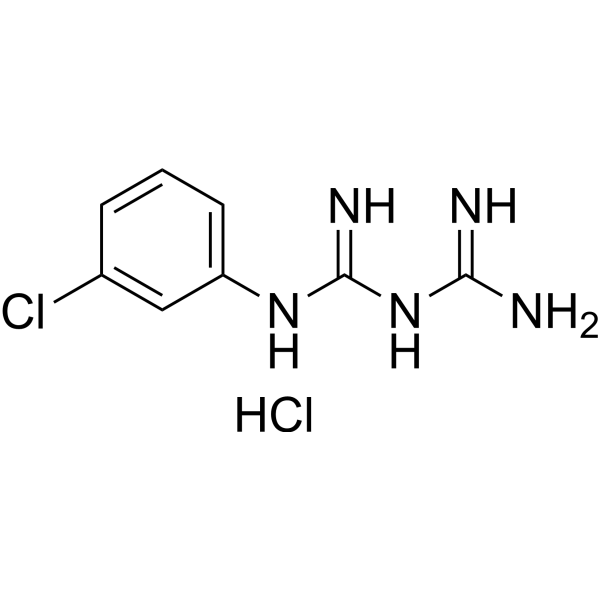
m-CPBG (1-(3-Chlorophenyl)biguanide) hydrochloride is a selective 5-HT3 agonist. m-CPBG hydrochloride can be used for the research of neurological disease .
loading...
    loading...
Cat. No.: HY-W010380
CAS No.: 3878-55-5
Methyl succinate is a mitochondrial complex II substrate. Methyl succinate can bypass the inhibition of complex I by Metformin (HY-B0627), restore mitochondrial electron transfer, and reduce AMPK phosphorylation. Methyl succinate is capable of protecting MIN6 β-cells and primary rat β-cells from biguanide-induced toxicity and apoptosis in vitro. Methyl succinate can be used in the research of diseases such as diabetes mellitus .
loading...
    loading...
Cat. No.: HY-B2099
CAS No.: 692-13-7
Synonyms: 1-Butylbiguanide
Target:  

AMPK

Research Areas:  

Metabolic Disease Cancer

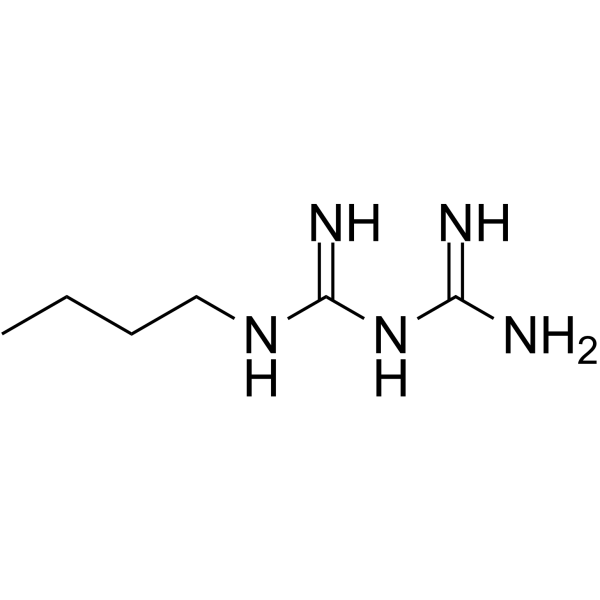
Buformin (1-Butylbiguanide), a potent AMPK activator, acts as an orally active biguanide antidiabetic agent. Buformin decreases hepatic gluconeogenesis and lowers blood glucose production in vivo. Buformin also has anti-cancer activities and is applied in cancer study (such as, cervical cancer and breast cancer, et al) .
loading...
    loading...
Cat. No.: HY-B1474
CAS No.: 22573-93-9
Target:  

Fungal

Research Areas:  

Infection Cancer

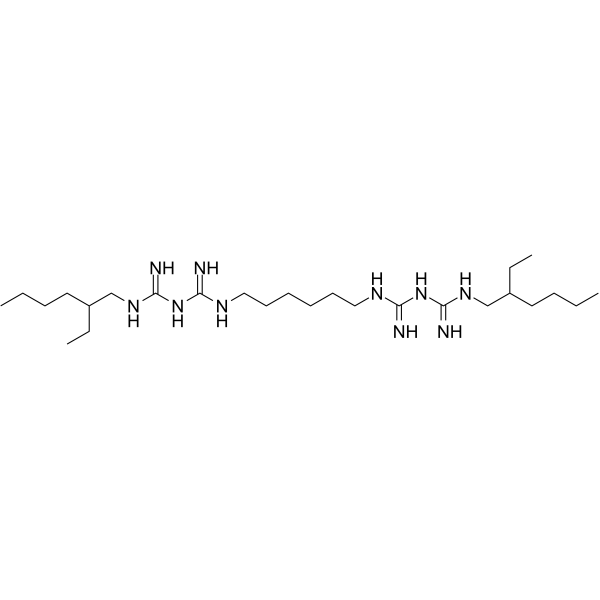
Alexidine, a bis-biguanide, exhibits antifungal and antibiofilm activity against a diverse range of fungal pathogens. Alexidine is an anticancer agent that targets a mitochondrial tyrosine phosphatase, PTPMT1, in mammalian cells and causes mitochondrial apoptosis .
loading...
    loading...
Cat. No.: HY-W013699R
CAS No.: 56-95-1
Chlorhexidine diacetate (Standard) is the analytical standard of Chlorhexidine diacetate (HY-W013699). This product is intended for research and analytical applications. Chlorhexidine diacetate is a orally active cationic antimicrobial agent that targets microbial cell membranes. Chlorhexidine diacetate binds to cell membrane phospholipids non-specifically, destroys membrane structure and induces leakage of cell contents. Chlorhexidine diacetate has broad-spectrum bactericidal activity against both Gram-positive and Gram-negative bacteria. Chlorhexidine diacetate can interfere with membrane permeability, cause protein precipitation and energy metabolism disorders, such as rapid inhibition of microbial growth and induction of cell death (necrosis or apoptosis) .
loading...
    loading...
Cat. No.: HY-116844
CAS No.: 339-44-6
Synonyms: Glidiazine
Research Areas:  

Metabolic Disease

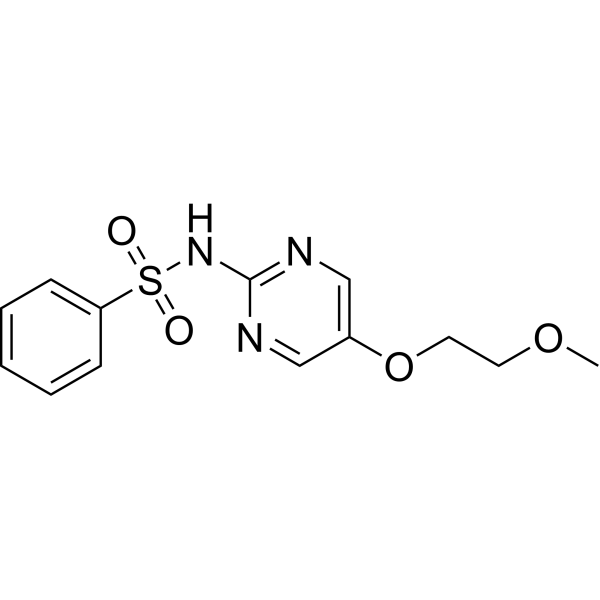
Glymidine (Glidiazine) is a hypoglycaemic agent. Glymidine is a lipid soluble sulphapyrimidine derivative. Glymidine appears to stimulate insulin release from pancreas. Glymidine is a possible alternative to the sulphonylureas and biguanides for the research of diabetes mellitus .
loading...
    loading...
Cat. No.: HY-125283A
CAS No.: 1544871-16-0
Synonyms: 2-Me-Phen; 2-Me-Phenformin
IM176OUT05 free base (2-Me-Phen), a biguanide, is a mitochondrial OXPHOS inhibitor. IM176OUT0 free base inhibits mitochondrial electron transport chain (ETC) activity with an IC50 of 3.2 μM. IM176OUT05 free base activates stem cell metabolism, promotes hair regrowth and increases stemness induction and maintenance during the pluripotent stem cell generation process .
loading...
    loading...

