1. Search Result
Search Result
Results for "

cholesterol excretion

" in MedChemExpress (MCE) Product Catalog:

19

Inhibitors & Agonists

1

Fluorescent Dyes

10

Natural
Products

3

Isotope-Labeled Compounds

Targets Recommended:
Cat. No. Product Name Target Research Areas Chemical Structure
  • HY-N0324
    Cholic acid
    Maximum Cited Publications
    20 Publications Verification

    Endogenous Metabolite Metabolic Disease
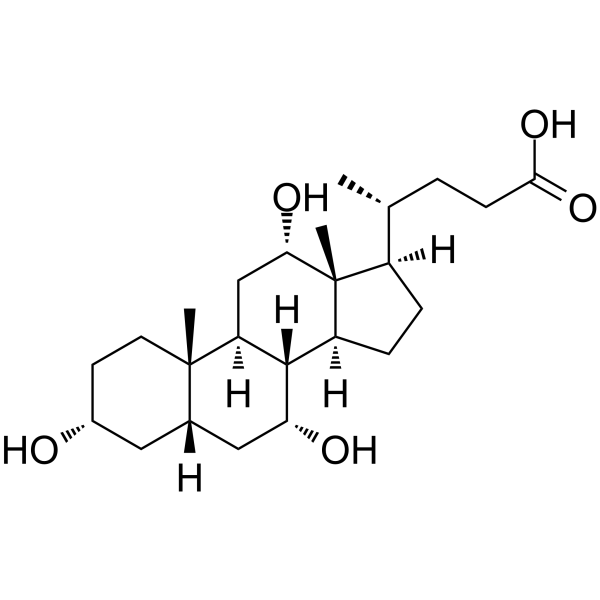
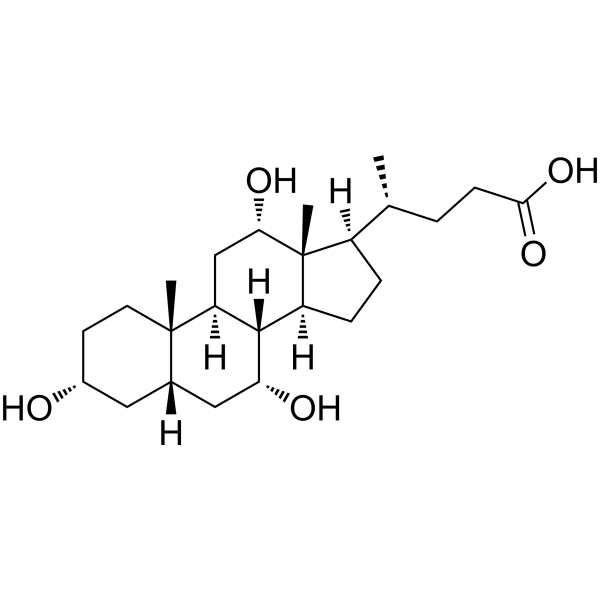
    Cholic acid is a major primary bile acid produced in the liver and usually conjugated with glycine or taurine. It facilitates fat absorption and cholesterol excretion. Cholic acid is orally active .
    Cholic acid
  • HY-N0324S
    Cholic acid-d4
    3 Publications Verification

    Endogenous Metabolite Metabolic Disease
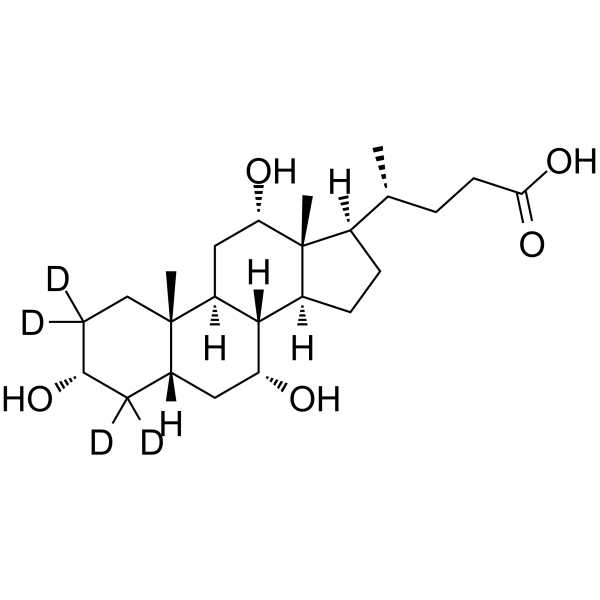
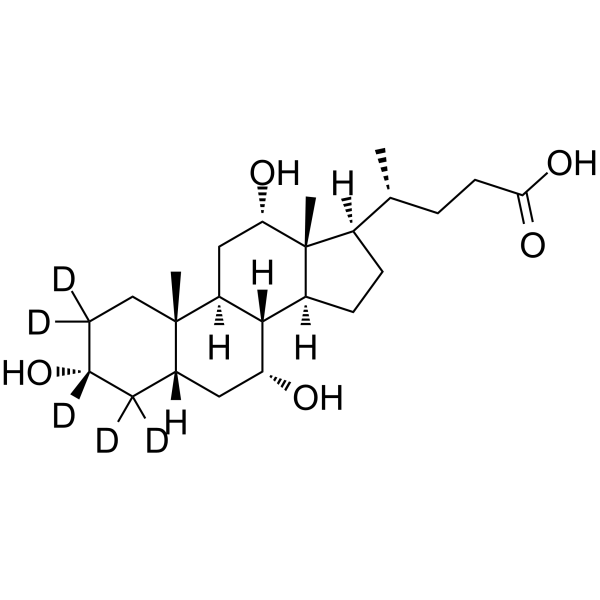
    Cholic acid-d4 is the deuterium labeled Cholic acid. Cholic acid is a major primary bile acid produced in the liver and usually conjugated with glycine or taurine. It facilitates fat absorption and cholesterol excretion.
    Cholic acid-d4
  • HY-N0324A
    Cholic acid sodium
    Maximum Cited Publications
    20 Publications Verification

    Sodium cholate

    Endogenous Metabolite Metabolic Disease
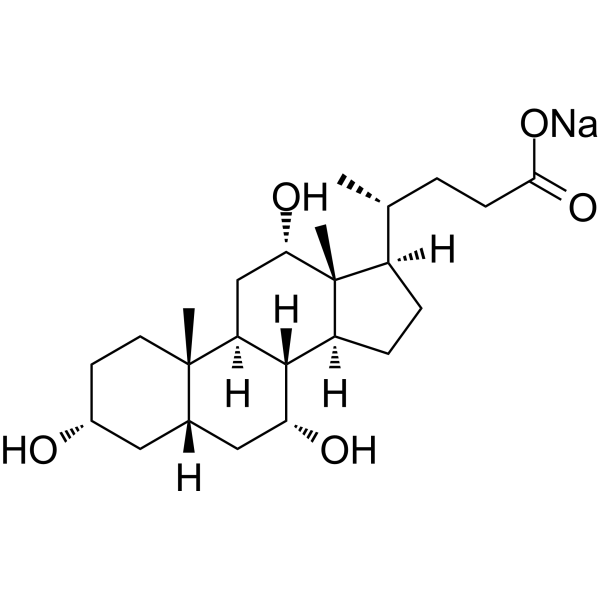
    Cholic acid sodium is a major primary bile acid produced in the liver and usually conjugated with glycine or taurine. It facilitates fat absorption and cholesterol excretion. Cholic acid sodium is orally active .
    Cholic acid sodium
  • HY-13995A
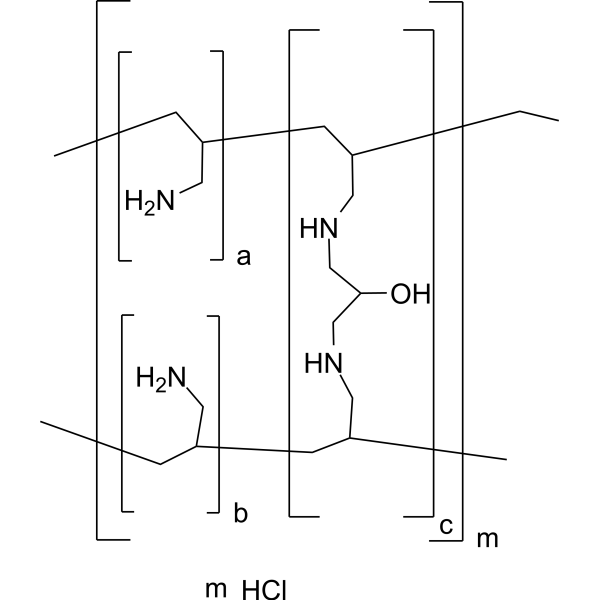
    Sevelamer (hydrochloride)
    1 Publications Verification

    FXR Metabolic Disease Endocrinology
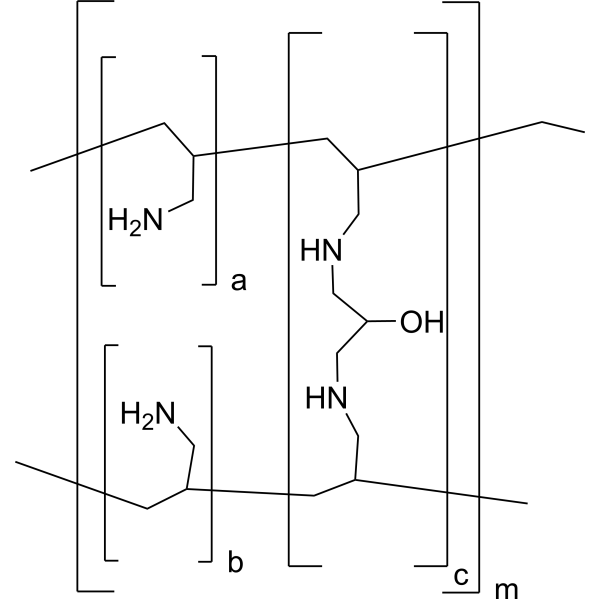
    Sevelamer hydrochloride is an orally active polymeric phosphate binder and bile acid sequestrant. Sevelamer hydrochloride binds dietary phosphate in the gastrointestinal tract, reducing phosphate absorption and serum phosphorus levels, and reduces urinary phosphate excretion. Sevelamer hydrochloride binds polyanion bile acids, increases bile acid faecal excretion, and reduces total cholesterol and LDL cholesterol levels. Sevelamer hydrochloride can be used for the research of hyperphosphataemia, hyperparathyroidism, chronic renal failure, kidney disease, and type 2 diabetes .
    Sevelamer (hydrochloride)
  • HY-N0468
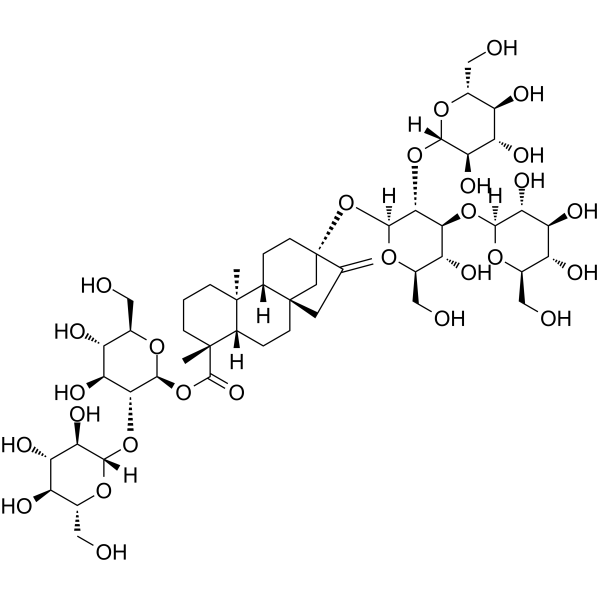
    Rebaudioside D
    1 Publications Verification

    FXR Acetyl-CoA Carboxylase Metabolic Disease
    Rebaudioside D is an orally active sweetener that targets and activates FXR, modulates Acetyl-CoA Carboxylase, and inhibits 3-hydroxy-3-methylglutaryl-CoA reductase. Rebaudioside D regulates bile acid homeostasis and lipid metabolism, reduces the synthesis rates of fatty acids and cholesterol, and exerts multiple effects including anti-adipogenesis, hepatoprotection, anti-steatosis, gut microbiota modulation, enhancement of secondary bile acid metabolism, anti-endotoxin activity, regulation of bile acid transport, and inhibition of bile acid efflux. Rebaudioside D also reduces body weight gain, visceral fat accumulation, hepatic triglyceride and cholesterol accumulation, hepatic lipid peroxidation, and decreases the circulating level of lipopolysaccharide-binding protein. Rebaudioside D additionally enhances the secondary bile acid metabolic pathway of intestinal bacteria, upregulates the gene expression of ileal organic solute transporter α, and downregulates the gene expression of hepatic bile salt export pump. Rebaudioside D does not affect glucose homeostasis, alter total caloric intake or fecal energy excretion, induce weight gain, exacerbate obesity, promote hepatic steatosis, impair brown adipose tissue function, nor change skeletal muscle metabolism-related proteins. Rebaudioside D can be used in diet-induced obesity and obesity-related research .
    Rebaudioside D
  • HY-13995B
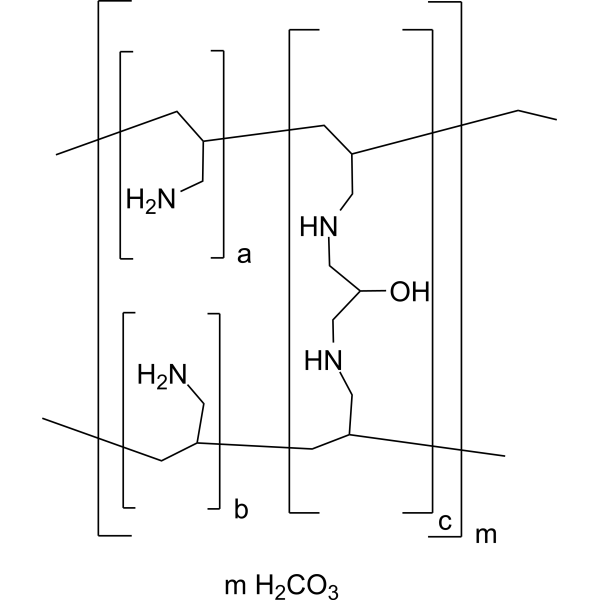
    Sevelamer carbonate
    1 Publications Verification

    FXR Metabolic Disease Endocrinology
    Sevelamer carbonate is an orally active polymeric phosphate binder and bile acid sequestrant. Sevelamer carbonate binds dietary phosphate in the gastrointestinal tract, reducing phosphate absorption and serum phosphorus levels, and reduces urinary phosphate excretion. Sevelamer carbonate binds polyanion bile acids, increases bile acid faecal excretion, and reduces total cholesterol and LDL cholesterol levels. Sevelamer carbonate can be used for the research of hyperphosphataemia, hyperparathyroidism, chronic renal failure, kidney disease, and type 2 diabetes .
    Sevelamer carbonate
  • HY-N0430

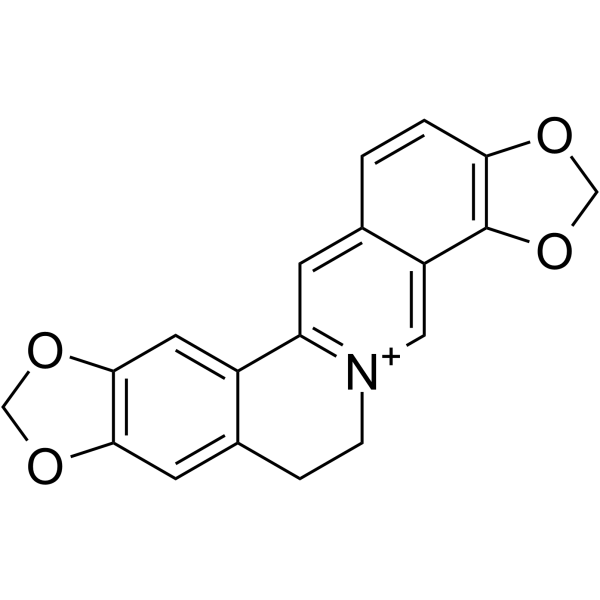
    Coptisin

    Indoleamine 2,3-Dioxygenase (IDO) NF-κB p38 MAPK PI3K Akt Apoptosis Reactive Oxygen Species (ROS) Mitochondrial Metabolism DNA/RNA Synthesis ROCK LDLR Cardiovascular Disease Neurological Disease Metabolic Disease Inflammation/Immunology Cancer
    Coptisine is an orally active and brain-penetrant alkaloid found in Coptis chinensis. Coptisine is a reversible, uncompetitive IDO inhibitor with a Ki of 5.8 μM and an IC50 of 6.3 μM. Coptisine suppresses neuroinflammation, reduces Aβ plaque burden and shows neuroprotective activity. Coptisine shows anti-inflammation activity by blocking NF-κB, MAPK, and PI3K/Akt activation. Coptisine inhibits cancer cells proliferation, induces DNA damage, G2/M phase cell cycle arrest, apoptosis, ROS production and mitochondrial dysfunction. Coptisine inhibits Rho/ROCK pathway activation, reduces arrhythmia, limits cardiac injury marker release, reduces infarct size, and preserves cardiac function in rat myocardial ischemia/reperfusion models. Coptisine downregulates HMGCR and upregulates LDLR and CYP7A1 to modulate cholesterol metabolism, reduces abnormal serum lipid levels, and promotes fecal bile acid excretion. Coptisine can be used for the research of cancer, hypercholesterolemia, Alzheimer’s disease, inflammatory disorders and cardiovascular disease .
    Coptisine
  • HY-N0430A
    Coptisine Sulfate
    5 Publications Verification

    Indoleamine 2,3-Dioxygenase (IDO) NF-κB p38 MAPK PI3K Akt Apoptosis Reactive Oxygen Species (ROS) Mitochondrial Metabolism DNA/RNA Synthesis ROCK LDLR Cardiovascular Disease Neurological Disease Metabolic Disease Inflammation/Immunology Cancer
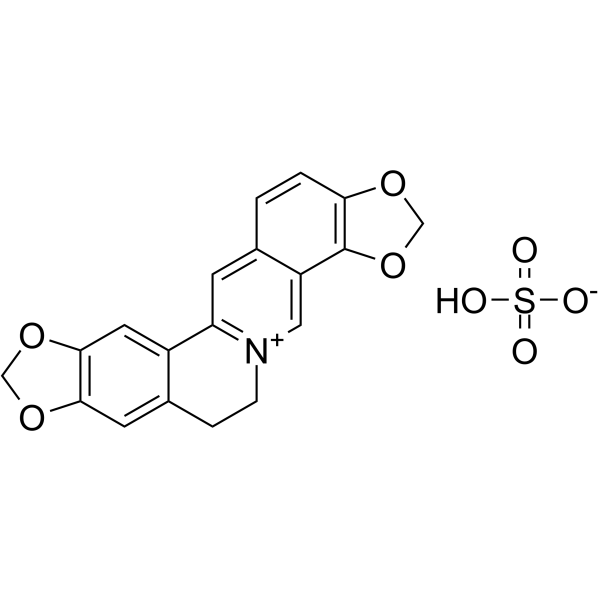
    Coptisine Sulfate is an orally active and brain-penetrant alkaloid found in Coptis chinensis. Coptisine Sulfate is a reversible, uncompetitive IDO inhibitor with a Ki of 5.8 μM and an IC50 of 6.3 μM. Coptisine Sulfate suppresses neuroinflammation, reduces Aβ plaque burden and shows neuroprotective activity. Coptisine Sulfate shows anti-inflammation activity by blocking NF-κB, MAPK, and PI3K/Akt activation. Coptisine Sulfate inhibits cancer cells proliferation, induces DNA damage, G2/M phase cell cycle arrest, apoptosis, ROS production and mitochondrial dysfunction. Coptisine Sulfate inhibits Rho/ROCK pathway activation, reduces arrhythmia, limits cardiac injury marker release, reduces infarct size, and preserves cardiac function in rat myocardial ischemia/reperfusion models. Coptisine Sulfate downregulates HMGCR and upregulates LDLR and CYP7A1 to modulate cholesterol metabolism, reduces abnormal serum lipid levels, and promotes fecal bile acid excretion. Coptisine Sulfate be used for the research of cancer, hypercholesterolemia, Alzheimer’s disease, inflammatory disorders and cardiovascular disease .
    Coptisine Sulfate
  • HY-N0324S2

    Endogenous Metabolite Metabolic Disease
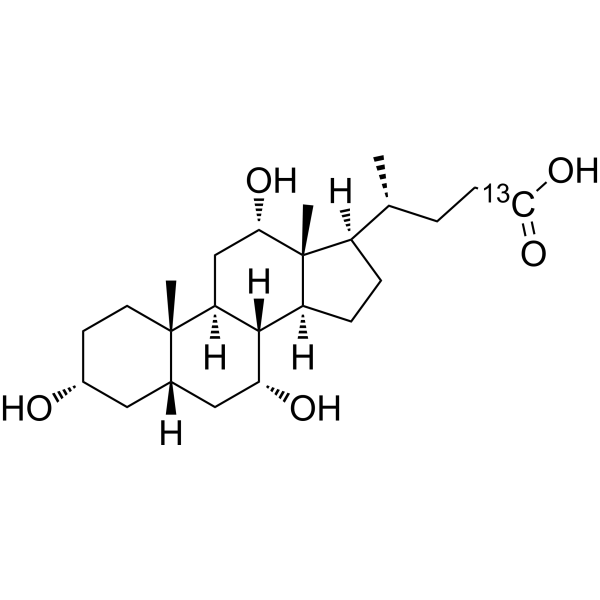
    Cholic acid- 13C is the 13C-labeled Cholic acid. Cholic acid is a major primary bile acid produced in the liver and usually conjugated with glycine or taurine. It facilitates fat absorption and cholesterol excretion.
    Cholic acid-13C
  • HY-N0324R
    Cholic acid (Standard)
    15+ Cited Publications

    Reference Standards Endogenous Metabolite Metabolic Disease
    Cholic acid (Standard) is the analytical standard of Cholic acid. This product is intended for research and analytical applications. Cholic acid is a major primary bile acid produced in the liver and usually conjugated with glycine or taurine. It facilitates fat absorption and cholesterol excretion. Cholic acid is orally active .
    Cholic acid (Standard)
  • HY-N0324S1

    Endogenous Metabolite Metabolic Disease
    Cholic acid-d5 is the deuterium labeled Cholic acid. Cholic acid is a major primary bile acid produced in the liver and usually conjugated with glycine or taurine. It facilitates fat absorption and cholesterol excretion.
    Cholic acid-d5
  • HY-N0324F

    Fluorescent Dye Metabolic Disease
    Cholic acid-Biotin is a biotin-labeled Cholic acid (HY-N0324). Cholic acid is a major primary bile acid produced in the liver and usually conjugated with glycine or taurine. It facilitates fat absorption and cholesterol excretion. Cholic acid has orally activity .
    Cholic acid-Biotin
  • HY-13995

    FXR Metabolic Disease Endocrinology
    Sevelamer is an orally active polymeric phosphate binder and bile acid sequestrant. Sevelamer binds dietary phosphate in the gastrointestinal tract, reducing phosphate absorption and serum phosphorus levels, and reduces urinary phosphate excretion. Sevelamer binds polyanion bile acids, increases bile acid faecal excretion, and reduces total cholesterol and LDL cholesterol levels. Sevelamer can be used for the research of hyperphosphataemia, hyperparathyroidism, chronic renal failure, kidney disease, and type 2 diabetes .
    Sevelamer
  • HY-N0324B

    Endogenous Metabolite Metabolic Disease
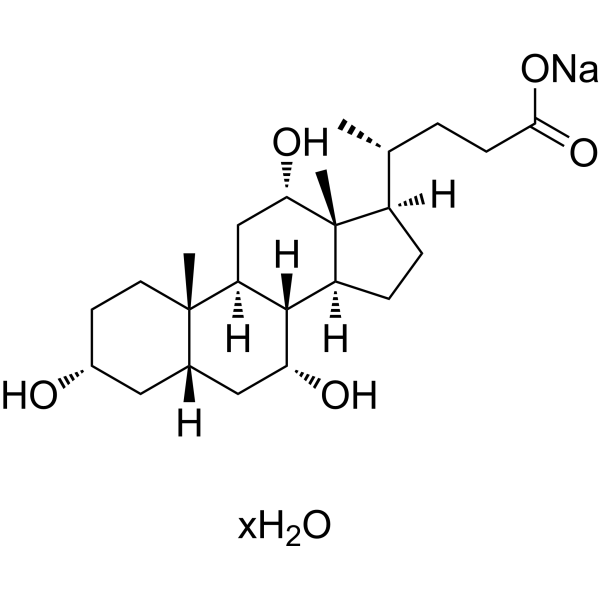
    Cholic acid sodium hydrate is a major primary bile acid produced in the liver and usually conjugated with glycine or taurine. Cholic acid sodium hydrate facilitates fat absorption and cholesterol excretion. Cholic acid sodium hydrate is orally active .
    Cholic acid sodium hydrate
  • HY-173033

    Pregnane X Receptor (PXR) Constitutive Androstane Receptor Cytochrome P450 Metabolic Disease
    MI-883 is the orally active agonist for Constitutive Androstane Receptor (CAR, EC50=73 nM) and the antagonist for Pregnane X Receptor (PXR, IC50=0.1 μM). MI-883 stimulates CAR LBD assembly (EC50=0.38 µM) and CAR3 variant activation (EC50=0.074 µM), induces CYP2B6 mRNA expression in HepaRG and primary human hepatocytes. MI-883 inhibits basal PXR activity IC50=2.03 µM) in transiently transfected HepG2 cells, blocks CYP3A4 mRNA expression in HepG2. MI-883 regulates cholesterol metabolism and bile acid excretion, improves hypercholesterolemia in mouse models .
    MI-883
  • HY-N0468R

    Reference Standards Acetyl-CoA Carboxylase FXR Metabolic Disease
    Rebaudioside D (Standard) is the analytical standard of Rebaudioside D. This product is intended for research and analytical applications. Rebaudioside D is an orally active sweetener that targets and activates FXR, modulates Acetyl-CoA Carboxylase, and inhibits 3-hydroxy-3-methylglutaryl-CoA reductase. Rebaudioside D regulates bile acid homeostasis and lipid metabolism, reduces the synthesis rates of fatty acids and cholesterol, and exerts multiple effects including anti-adipogenesis, hepatoprotection, anti-steatosis, gut microbiota modulation, enhancement of secondary bile acid metabolism, anti-endotoxin activity, regulation of bile acid transport, and inhibition of bile acid efflux. Rebaudioside D also reduces body weight gain, visceral fat accumulation, hepatic triglyceride and cholesterol accumulation, hepatic lipid peroxidation, and decreases the circulating level of lipopolysaccharide-binding protein. Rebaudioside D additionally enhances the secondary bile acid metabolic pathway of intestinal bacteria, upregulates the gene expression of ileal organic solute transporter α, and downregulates the gene expression of hepatic bile salt export pump. Rebaudioside D does not affect glucose homeostasis, alter total caloric intake or fecal energy excretion, induce weight gain, exacerbate obesity, promote hepatic steatosis, impair brown adipose tissue function, nor change skeletal muscle metabolism-related proteins. Rebaudioside D can be used in diet-induced obesity and obesity-related research .
    Rebaudioside D (Standard)
  • HY-N0324AR

    Sodium cholate (Standard)

    Reference Standards Endogenous Metabolite Metabolic Disease
    Cholic acid (sodium) (Standard) is the analytical standard of Cholic acid (sodium). This product is intended for research and analytical applications. Cholic acid sodium is a major primary bile acid produced in the liver and usually conjugated with glycine or taurine. It facilitates fat absorption and cholesterol excretion. Cholic acid sodium is orally active[1][2].
    Cholic acid sodium (Standard)
  • HY-101397R

    Reference Standards Parasite Drug Metabolite Endogenous Metabolite Infection
    Cholic acid (Standard) is the analytical standard of Cholic acid. This product is intended for research and analytical applications. Cholic acid is a major primary bile acid produced in the liver and usually conjugated with glycine or taurine. It facilitates fat absorption and cholesterol excretion. Cholic acid is orally active .
    Allopurinol riboside (Standard)
  • HY-W343043

    PZG

    Drug Derivative Cardiovascular Disease Metabolic Disease
    Pyrazinoylguanidine (PZG) is an analogue of the potassium sparing diuretic, Amiloride (HY-B0285). Pyrazinoylguanidine can lower the systolic and diastolic blood pressure of patients with primary hypertension, has a certain effect on reducing heart rate, and does not affect the concentrations of electrolytes such as sodium, potassium, and chloride in the blood serum. Pyrazinoylguanidine can reduce the hyperglycemia and hyperinsulinemia in type 2 diabetes, reduce the levels of triglycerides, cholesterol, and free fatty acids, and reverse the hyperglycemia and hyperlipidemia induced by thiazide diuretics, such as Hydrochlorothiazide (HY-B0252). Pyrazinoylguanidine ican nhibit the reabsorption of urea by the renal tubules, thereby increasing the clearance rate and excretion volume of urea, reducing the serum urea concentration, and minimizing its toxic accumulation .
    Pyrazinoylguanidine

Inquiry Online

Your information is safe with us. * Required Fields.

Salutation


Country or Region *

Applicant Name *


Organization Name *

Department *


Email Address *


Product Name *

Cat. No.


Requested quantity *

Phone Number *


Remarks

Inquiry Online

Inquiry Information

Product Name:
Cat. No.:
Quantity:
MCE Japan Authorized Agent:

