

1. Search Result
Search Result
Results for "

creatine

" in MedChemExpress (MCE) Product Catalog:

63

Inhibitors & Agonists

1

Biochemical Assay Reagents

1

Peptides

18

Natural
Products

7

Recombinant Proteins

14

Isotope-Labeled Compounds

8

Antibodies

Targets Recommended:
Cat. No. Product Name Target Research Areas Chemical Structure
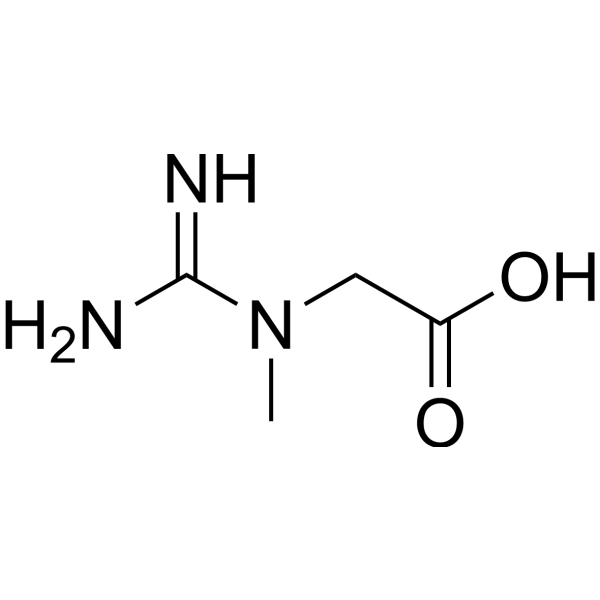
  • HY-W010388
    Creatine
    5 Publications Verification

    Endogenous Metabolite Dopamine Receptor Neurological Disease Metabolic Disease Cancer
    Creatine, an endogenous amino acid derivative, plays an important role in cellular energy, especially in muscle and brain.
    Creatine
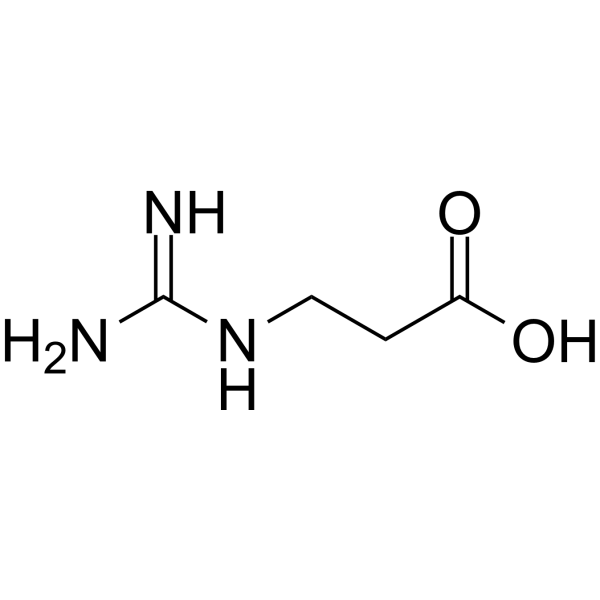
  • HY-W015828
    Ompenaclid
    Maximum Cited Publications
    6 Publications Verification

    RGX-202; 3-Guanidinopropionic acid

    Apoptosis Endogenous Metabolite Cancer
    Ompenaclid (RGX-202) is an oral small-molecule SLC6A8 transporter inhibitor. Ompenaclid robustly inhibits creatine import in vitro and in vivo, reduces intracellular phosphocreatine and ATP levels, and induces tumor apoptosis. Ompenaclid can be used for the research of cancer and duchenne muscular dystrophy .
    Ompenaclid
  • HY-D0885
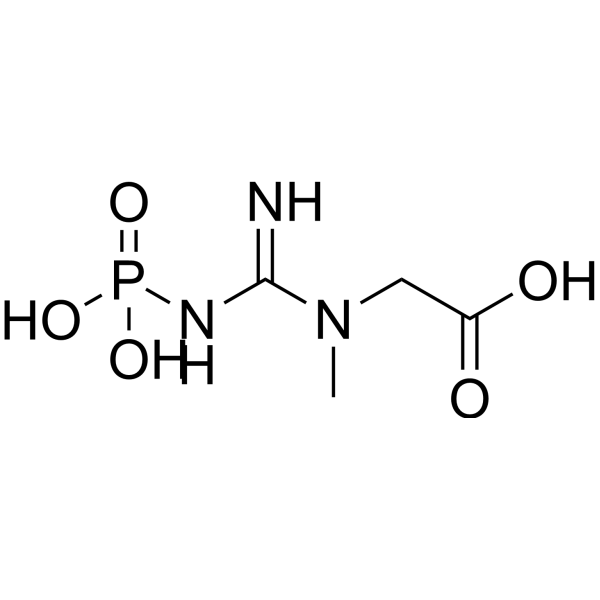
    Phosphocreatine
    3 Publications Verification

    creatine phosphate; creatinephosphoric acid

    Endogenous Metabolite MAP3K Akt Mitochondrial Metabolism ERK Apoptosis ROS Kinase Metabolic Disease
    Phosphocreatine (creatine phosphate) is an organic compound found in vertebrate skeletal muscles. Phosphocreatine enhances antioxidant activity, and activates the TAK1 pathway to protect the heart. Phosphocreatine normalizing mitochondrial function and reducing oxidative stress via Akt mediated Nrf2/HO-1 pathway. Phosphocreatine provides renal protection by suppressing Apoptosis and ROS (Reactive Oxygen Species) generation through ERK mediated mediated Nrf-2/HO-1 pathway. .
    Phosphocreatine
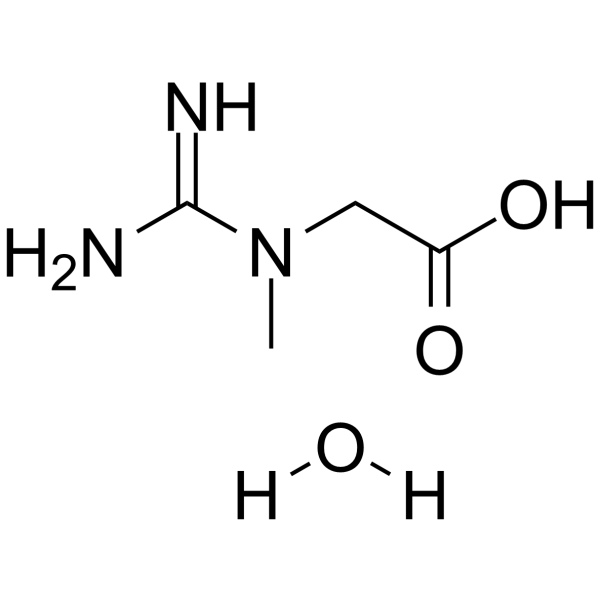
  • HY-W017462
    Creatine monohydrate
    5 Publications Verification

    Endogenous Metabolite PI3K Akt Metabolic Disease Cancer
    Creatine monohydrate, an endogenous amino acid derivative, plays an important role in cellular energy, especially in muscle and brain .
    Creatine monohydrate
  • HY-B0504S
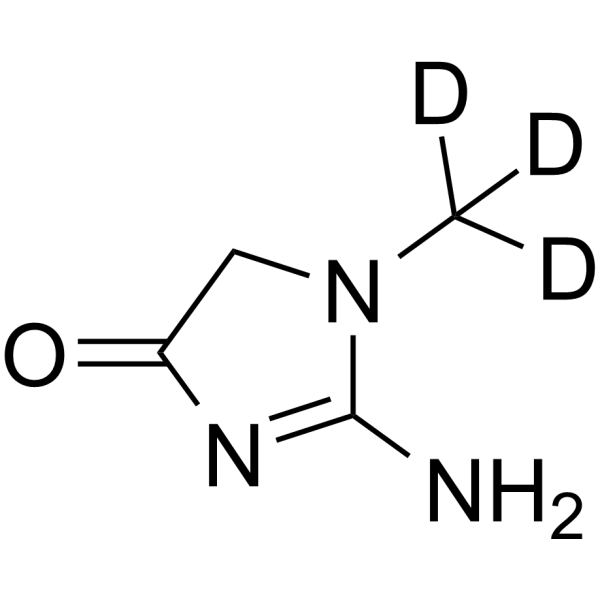
    Creatinine-d3
    5 Publications Verification

    NSC13123-d3

    Isotope-Labeled Compounds Endogenous Metabolite iGluR GABA Receptor Metabolic Disease Cancer
    Creatinine-d3 is a deuterium labeled Creatinine. Creatinine (NSC13123) is an orally active, blood-brain barrier-permeable modulator of GABAA and NMDA receptors, with activities of antioxidation and metabolic regulation. Creatinine is generated via non-enzymatic conversion of creatine and phosphocreatine in muscle. Creatinine serum levels correlate with muscle mass, glomerular filtration rate, and extrarenal clearance, serving as an evaluation biomarker for renal function, muscle mass, and clinical outcomes, and used for perioperative renal risk assessment. In addition, Creatinine can induce specific Cryptococcus species to produce creatinine deiminase and act as their nitrogen source, while it can be secreted via renal tubules. Creatinine is widely used in research related to various diseases such as neurodegenerative diseases, psychiatric disorders, acute kidney injury, chronic kidney disease, and renal failure .
    Creatinine-d3
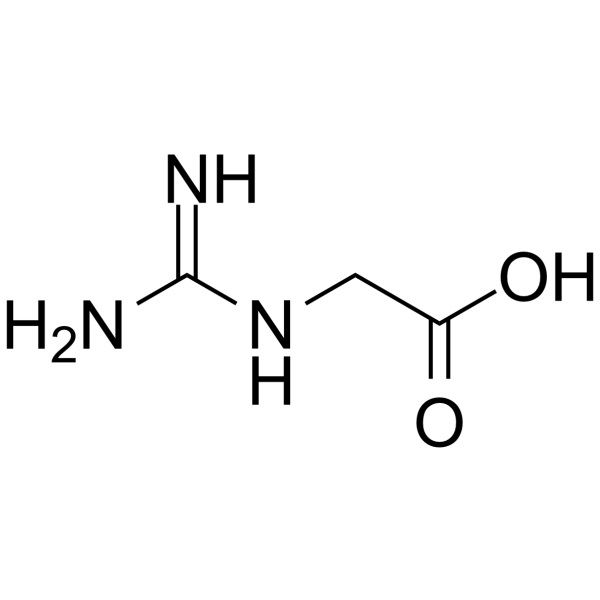
  • HY-W021448
    Glycocyamine
    1 Publications Verification

    Guanidinoacetic acid

    Endogenous Metabolite Metabolic Disease
    Glycocyamine (Guanidinoacetic acid) is a direct precursor of creatine and an orally active energy metabolism regulator and myogenic differentiation inducer. Glycocyamine can activate the Akt/mTOR/S6K signaling pathway via miR-133a-3p and miR-1a-3p, and stimulate the mRNA expression of myogenic differentiation factor 1 (MyoD) and myopoietin (MyoG). Glycocyamine can increase muscle creatine concentration and maintain ATP homeostasis through the creatine phosphate/creatine kinase system. Glycocyamine can be used in research on feed additives for poultry farming .
    Glycocyamine
  • HY-D0885B
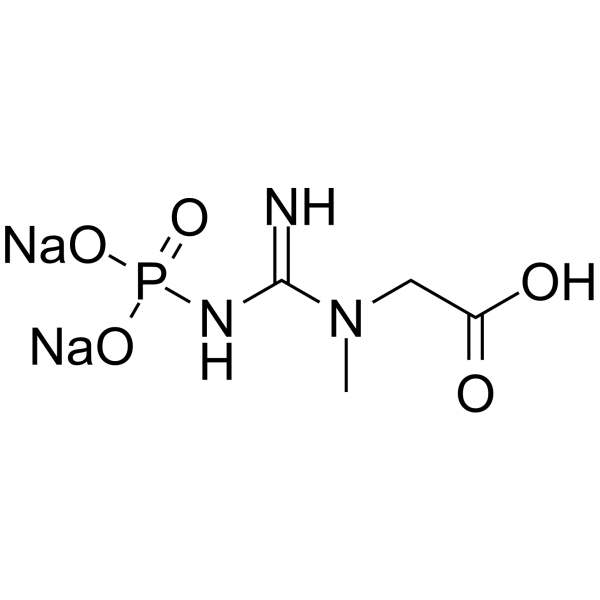
    Phosphocreatine disodium
    3 Publications Verification

    Disodium creatine phosphate

    Endogenous Metabolite MAP3K Akt Mitochondrial Metabolism ERK Apoptosis ROS Kinase Metabolic Disease
    Phosphocreatine (disodium) is an organic compound found in vertebrate skeletal muscles. Phosphocreatine (disodium) enhances antioxidant activity, and activates the TAK1 pathway to protect the heart. Phosphocreatine (disodium) normalizing mitochondrial function and reducing oxidative stress via Akt mediated Nrf2/HO-1 pathway. Phosphocreatine (disodium) provides renal protection by suppressing Apoptosis and ROS (Reactive Oxygen Species) generation through ERK mediated mediated Nrf-2/HO-1 pathway. .
    Phosphocreatine disodium
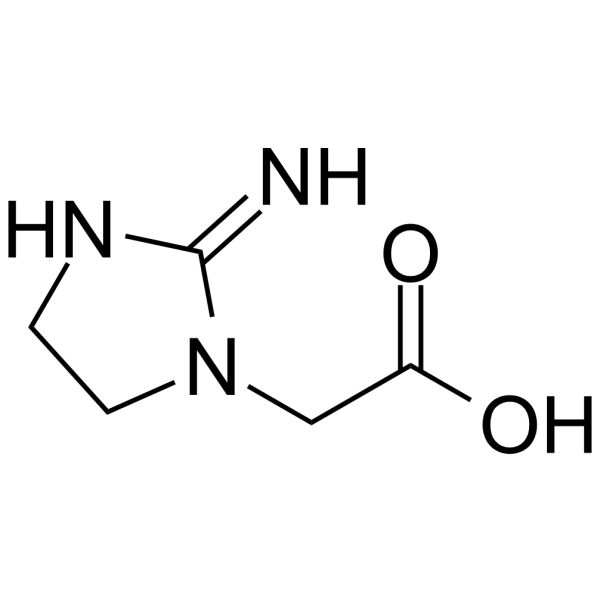
  • HY-W017540
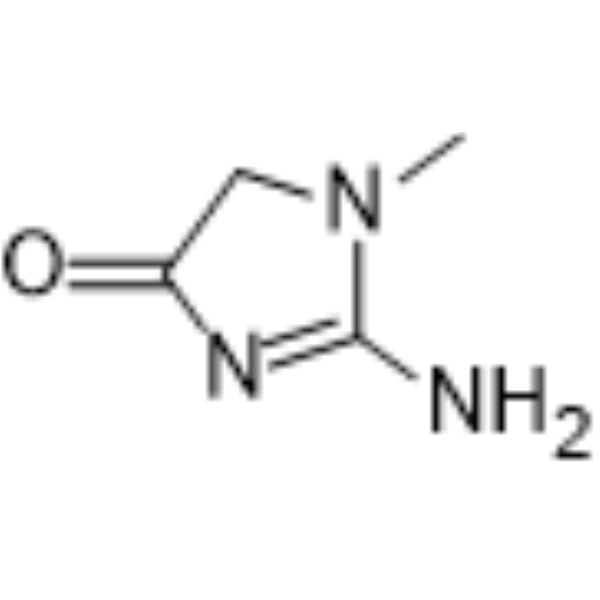
    Cyclocreatine
    1 Publications Verification

    ATP Synthase Cardiovascular Disease Neurological Disease Metabolic Disease Cancer
    Cyclocreatine, a creatine analogue, acts as a brain-penetrant and potent bioenergetic protective agent by providing high levels of ATP. Cyclocreatine can be phosphorylated and dephosphorylated by creatine kinases. Cyclocreatine suppresses creatine metabolism ameliorating the cognitive, autistic and epileptic phenotype in a mouse model of creatine transporter defciency. Cyclocreatine protects against ischemic injury and enhances cardiac recovery during early reperfusion in dogs and rats. Cyclocreatine decreases plaque-adjacent neuronal dystrophy in TREM2-deficient mice with amyloid-β pathology. Cyclocreatine is proming for research of ischemic heart disease, cardiovascular diseases, Alzheimer’s disease and other neurodegenerative diseases associated with microglial dysfunction, prostate cancer .
    Cyclocreatine
  • HY-B0504
    Creatinine
    Maximum Cited Publications
    6 Publications Verification

    NSC13123

    Endogenous Metabolite GABA Receptor iGluR Infection Neurological Disease Metabolic Disease Cancer
    Creatinine (NSC13123) is an orally active, blood-brain barrier-permeable modulator of GABAA and NMDA receptors, with activities of antioxidation and metabolic regulation. Creatinine is generated via non-enzymatic conversion of creatine and phosphocreatine in muscle. Creatinine serum levels correlate with muscle mass, glomerular filtration rate, and extrarenal clearance, serving as an evaluation biomarker for renal function, muscle mass, and clinical outcomes, and used for perioperative renal risk assessment. In addition, Creatinine can induce specific Cryptococcus species to produce creatinine deiminase and act as their nitrogen source, while it can be secreted via renal tubules. Creatinine is widely used in research related to various diseases such as neurodegenerative diseases, psychiatric disorders, acute kidney injury, chronic kidney disease, and renal failure .
    Creatinine
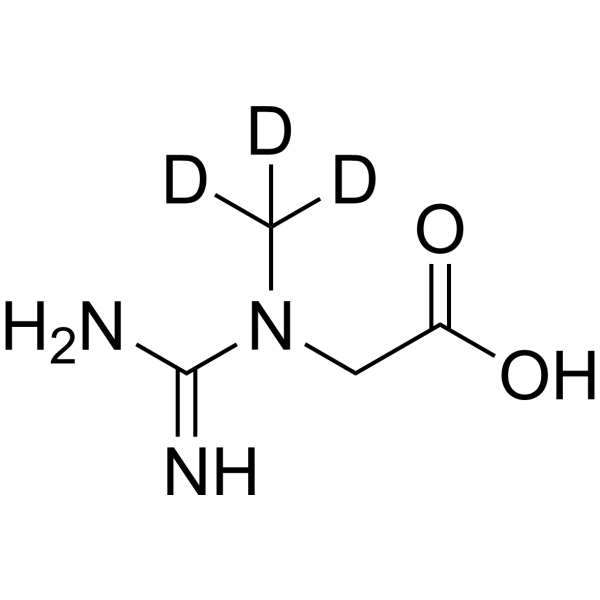
  • HY-W010388S1
    Creatine-d3
    2 Publications Verification

    Endogenous Metabolite Metabolic Disease
    Creatine-d3 is the deuterium labeled Creatine (HY-W010388) . Creatine, an endogenous amino acid derivative, plays an important role in cellular energy, especially in muscle and brain .
    Creatine-d3
  • HY-W015114

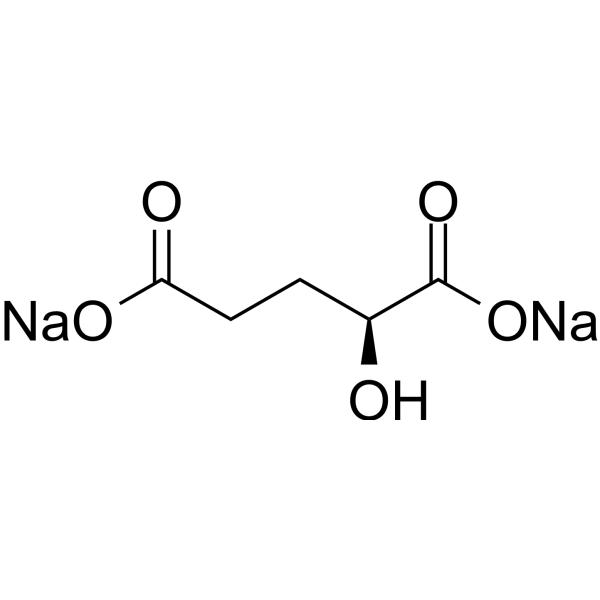
    (S)-2-Hydroxyglutaric acid disodium

    Histone Demethylase Mitochondrial Metabolism Endogenous Metabolite Cancer
    L-2-Hydroxyglutaric acid disodium is an epigenetic modifier and putative oncometabolite in renal cancer. L-2-Hydroxyglutaric acid disodium can inhibit histone demethylases and hence promote histone methylation . L-2-Hydroxyglutaric acid inhibits mitochondrial creatine kinase (Mi-CK) activity with Km and Ki of 2.52 mM and 11.13 mM, respectively .
    L-2-Hydroxyglutaric acid disodium
  • HY-B0504S2

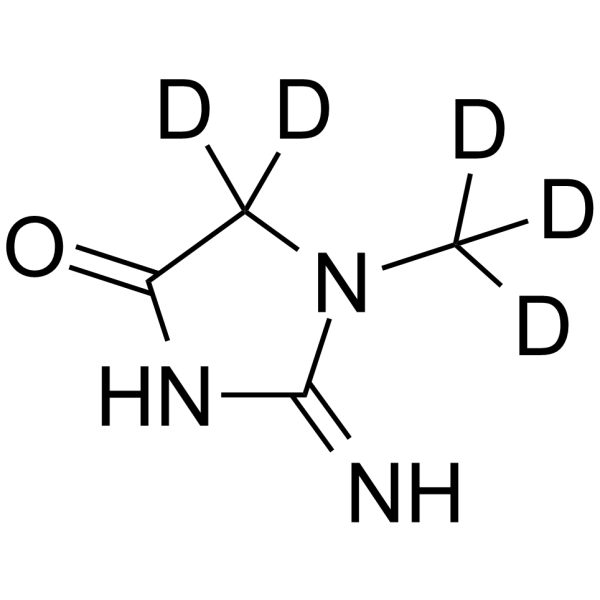
    NSC13123-d5

    Isotope-Labeled Compounds Endogenous Metabolite iGluR GABA Receptor Metabolic Disease
    Creatinine-d5 is the deuterium labeled Creatinine. Creatinine (NSC13123) is an orally active, blood-brain barrier-permeable modulator of GABAA and NMDA receptors, with activities of antioxidation and metabolic regulation. Creatinine is generated via non-enzymatic conversion of creatine and phosphocreatine in muscle. Creatinine serum levels correlate with muscle mass, glomerular filtration rate, and extrarenal clearance, serving as an evaluation biomarker for renal function, muscle mass, and clinical outcomes, and used for perioperative renal risk assessment. In addition, Creatinine can induce specific Cryptococcus species to produce creatinine deiminase and act as their nitrogen source, while it can be secreted via renal tubules. Creatinine is widely used in research related to various diseases such as neurodegenerative diseases, psychiatric disorders, acute kidney injury, chronic kidney disease, and renal failure .
    Creatinine-d5
  • HY-P2799
    Creatine phosphokinase, Rabbit muscle
    1 Publications Verification

    CPK

    Endogenous Metabolite Metabolic Disease Cancer
    Creatine phosphokinase, Rabbit muscle (CPK) catalyzes the reversible reaction of creatine and ATP to form phosphocreatine and ADP. Creatine phosphokinase is a key enzyme for maintaining a constant ATP/ADP ratio during rapid energy turnover .
    Creatine phosphokinase, Rabbit muscle
  • HY-P2799A
    Creatine Kinase (CPK/CK), Bovine Heart
    1 Publications Verification

    CK, CPK, creatine Phosphokinase

    Endogenous Metabolite Creatine Kinase Cardiovascular Disease
    Creatine Kinase (CPK/CK), Bovine Heart (CK) is a creatine kinase derived from bovine heart. Creatine Kinase (CPK/CK), Bovine Heart catalyzes the reversible phosphate transfer reaction between phosphocreatine and ADP, and is widely used in myocardial energy metabolism research and quality control of clinical biochemical tests .
    Creatine Kinase (CPK/CK), Bovine Heart
  • HY-D1005A25

    PEG-PPG-PEG, 5750 (Average)

    Environmental Pollutants Biochemical Assay Reagents P-glycoprotein Creatine Kinase Neurological Disease
    Poloxamer 403 P123 is a block copolymer of polyoxyethylene and polyoxypropylene with an average molecular weight of 5750. Poloxamer has the ability to inhibit P-gp. Poloxamer 403 increases creatine kinase levels. Poloxamer 403 is myotoxic .
    Poloxamer 403 (P123)
  • HY-P2838

    Creatinine amidohydrolase; CAH

    Endogenous Metabolite Metabolic Disease
    Creatininase, Microorganism (Creatinine amidohydrolase; CAH), namely creatinine amidohydrolase, from Pseudomonas putida, is a homohexameric enzyme commonly used in biochemical research. Creatininase acts on carbon-nitrogen bonds other than peptide bonds, and can catalyze the hydrolysis of creatinine to creatine, which can then be metabolized by creatinase to urea and sarcosine .
    Creatininase, Microorganism
  • HY-113039

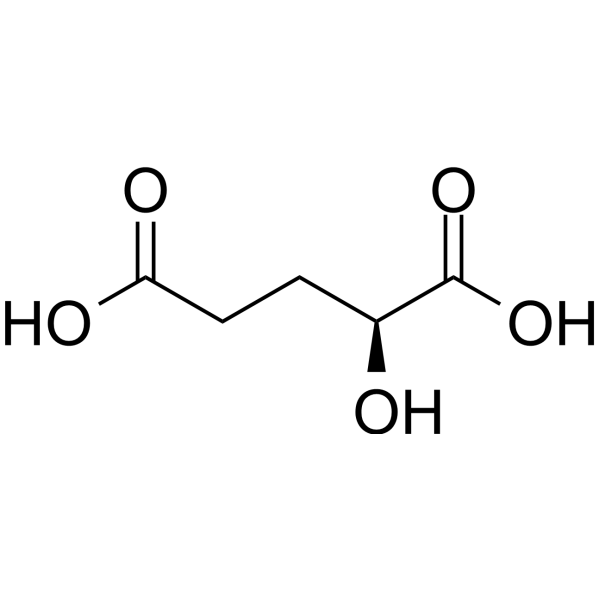
    (S)-2-Hydroxyglutaric acid

    Histone Demethylase Mitochondrial Metabolism Endogenous Metabolite Cancer
    L-2-Hydroxyglutaric acid is an epigenetic modifier and putative oncometabolite in renal cancer. L-2-Hydroxyglutaric acid can inhibit histone demethylases and hence promote histone methylation . L-2-Hydroxyglutaric acid inhibits mitochondrial creatine kinase (Mi-CK) activity with Km and Ki of 2.52 mM and 11.13 mM, respectively .
    L-2-Hydroxyglutaric acid
  • HY-W010388AS

    Isotope-Labeled Compounds Endogenous Metabolite Metabolic Disease
    Creatine-d3 (hydrate) is a deuterium labeled Creatine hydrate. Creatine hydrate is pivotal in energy metabolism of muscle and brain cells, both in physiological and in pathological conditions .
    Creatine-d3 hydrate
  • HY-W017462S

    Isotope-Labeled Compounds Endogenous Metabolite Metabolic Disease
    Creatine-d5 (monohydrate) is the deuterium labeled Creatine monohydrate. Creatine monohydrate, an endogenous amino acid derivative, plays an important role in cellular energy, especially in muscle and brain .
    Creatine-d5 monohydrate
  • HY-B0504R

    NSC13123 (Standard)

    Reference Standards Endogenous Metabolite iGluR GABA Receptor Metabolic Disease Cancer
    Creatinine (Standard) is the analytical standard of Creatinine. This product is intended for research and analytical applications. Creatinine (NSC13123) is an orally active, blood-brain barrier-permeable modulator of GABAA and NMDA receptors, with activities of antioxidation and metabolic regulation. Creatinine is generated via non-enzymatic conversion of creatine and phosphocreatine in muscle. Creatinine serum levels correlate with muscle mass, glomerular filtration rate, and extrarenal clearance, serving as an evaluation biomarker for renal function, muscle mass, and clinical outcomes, and used for perioperative renal risk assessment. In addition, Creatinine can induce specific Cryptococcus species to produce creatinine deiminase and act as their nitrogen source, while it can be secreted via renal tubules. Creatinine is widely used in research related to various diseases such as neurodegenerative diseases, psychiatric disorders, acute kidney injury, chronic kidney disease, and renal failure .
    Creatinine (Standard)
  • HY-W010388S

    Endogenous Metabolite Metabolic Disease
    Creatine- 13C is the 13C labeled Creatine . Creatine, an endogenous amino acid derivative, plays an important role in cellular energy, especially in muscle and brain .
    Creatine-13C
  • HY-P2893B

    creatine amidinohydrolase, microorganism

    Endogenous Metabolite Metabolic Disease
    Creatine amidinohydrolase, microorganism is a hydrolytic enzyme that catalyzes the hydrolysis of creatine into creatinine and urea, playing a crucial role in the measurement of creatinine concentration. Creatine amidinohydrolase, microorganism can be used in the development of biosensors for measuring serum creatinine levels .
    Creatinase, microorganism
  • HY-P2893

    creatine amidohydrolase

    Endogenous Metabolite Others
    Creatinase, Actinobacteria (Creatine amidohydrolase) is a hydrolase that catalyzes the hydrolysis of creatine into sarcosine and urea, and plays an important role in the enzymatic determination of creatinine concentration .
    Creatinase, Actinobacteria
  • HY-D0885A

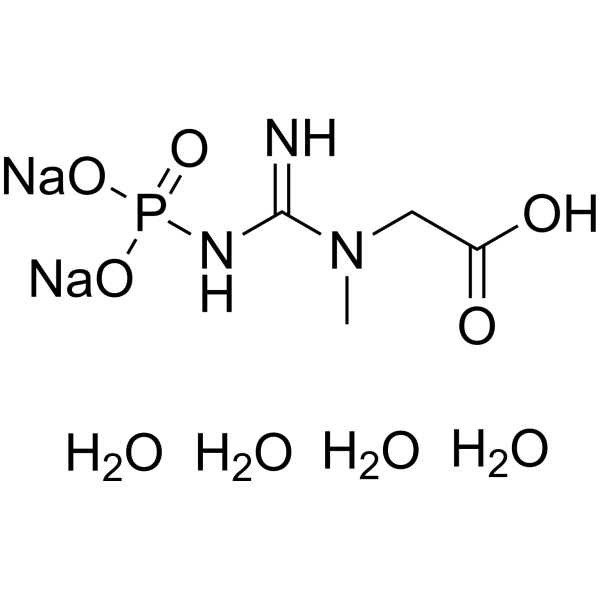
    creatine phosphate disodium tetrahydrate; creatinephosphoric acid disodium tetrahydrate

    Endogenous Metabolite Metabolic Disease
    Phosphocreatine disodium tetrahydrate, primarily found in the skeletal muscles of vertebrates and one of organic compounds known as alpha amino acids and derivatives, is a substrate for the determination of creatine kinase and used to regenerate ATP during skeletal muscle contraction .
    Sodium creatine phosphate dibasic tetrahydrate
  • HY-P2893A

    creatine amidinohydrolase

    Endogenous Metabolite Metabolic Disease
    Creatinase (Recombinant) is a hydrolase responsible for catalyzing the hydrolysis of creatine (HY-W010388) into sarcosine (HY-101037) and urea (HY-Y0271). Creatinase (Recombinant) can be used in conjunction with creatinine deiminase (HY-P2838) and sarcosine oxidase (HY-P2861) in an enzyme cascade reaction to measure creatinine (HY-B0504) levels in blood and urine. Creatinase (Recombinant) is the rate-limiting enzyme in this enzymatic cascade, and the enzymatic quantification of creatinine is an important method for evaluating kidney function .
    Creatinase (Recombinant)
  • HY-B0504S1

    NSC13123-13C

    Isotope-Labeled Compounds Endogenous Metabolite iGluR GABA Receptor Metabolic Disease
    Creatinine- 13C is the 13C-labeled Creatinine. Creatinine (NSC13123) is an orally active, blood-brain barrier-permeable modulator of GABAA and NMDA receptors, with activities of antioxidation and metabolic regulation. Creatinine is generated via non-enzymatic conversion of creatine and phosphocreatine in muscle. Creatinine serum levels correlate with muscle mass, glomerular filtration rate, and extrarenal clearance, serving as an evaluation biomarker for renal function, muscle mass, and clinical outcomes, and used for perioperative renal risk assessment. In addition, Creatinine can induce specific Cryptococcus species to produce creatinine deiminase and act as their nitrogen source, while it can be secreted via renal tubules. Creatinine is widely used in research related to various diseases such as neurodegenerative diseases, psychiatric disorders, acute kidney injury, chronic kidney disease, and renal failure .
    Creatinine-13C
  • HY-W010388R

    Reference Standards Endogenous Metabolite Dopamine Receptor Neurological Disease Metabolic Disease Cancer
    Creatine (Standard) is the analytical standard of Creatine. This product is intended for research and analytical applications. Creatine, an endogenous amino acid derivative, plays an important role in cellular energy, especially in muscle and brain.
    Creatine (Standard)
  • HY-D0885C

    creatine phosphate dipotassium; creatinephosphoric acid dipotassium

    Endogenous Metabolite MAP3K Akt Mitochondrial Metabolism ERK Apoptosis ROS Kinase Metabolic Disease
    Phosphocreatine (creatine phosphate) is an organic compound found in vertebrate skeletal muscles. Phosphocreatine enhances antioxidant activity, and activates the TAK1 pathway to protect the heart. Phosphocreatine normalizing mitochondrial function and reducing oxidative stress via Akt mediated Nrf2/HO-1 pathway. Phosphocreatine provides renal protection by suppressing Apoptosis and ROS (Reactive Oxygen Species) generation through ERK mediated mediated Nrf-2/HO-1 pathway. .
    Phosphocreatine dipotassium
  • HY-116325

    Thyroid Hormone Receptor Metabolic Disease
    3,5,3'-Triiodo-D-thyronine, a thyroid hormone, is less effective than 3,5,3'-Triiodo-T-thyronine in normalizing the increased plasma creatine phosphokinase (CPK) activity .
    3,5,3'-Triiodo-D-thyronine
  • HY-P2799D

    CK-MB

    Biochemical Assay Reagents Others
    Creatine Kinase MB (rCK-MB), Recombinant Human (CK-MB) is a biological material or organic compound that can be used in life science research .
    Creatine Kinase MB (rCK-MB), Recombinant Human
  • HY-W021448S

    Guanidinoacetic acid-d2

    Isotope-Labeled Compounds Endogenous Metabolite Metabolic Disease
    Glycocyamine-d2 (Guanidinoacetic acid-d2) is the deuterium labeled Glycocyamine (HY-W021448). Glycocyamine is a direct precursor of creatine and an orally active energy metabolism regulator and myogenic differentiation inducer. Glycocyamine can activate the Akt/mTOR/S6K signaling pathway via miR-133a-3p and miR-1a-3p, and stimulate the mRNA expression of myogenic differentiation factor 1 (MyoD) and myopoietin (MyoG). Glycocyamine can increase muscle creatine concentration and maintain ATP homeostasis through the creatine phosphate/creatine kinase system. Glycocyamine can be used in research on feed additives for poultry farming.
    Glycocyamine-d2
  • HY-W021448S1

    Guanidinoacetic acid-15N,13C2

    Endogenous Metabolite Metabolic Disease
    Glycocyamine- 15N, 13C2 (Guanidinoacetic acid- 15N, 13C2) is the 13C and 15N labeled Glycocyamine (HY-W021448) . Clycocyamine is a direct precursor of creatine and an orally active energy metabolism regulator and myogenic differentiation inducer. Glycocyamine can activate the Akt/mTOR/S6K signaling pathway via miR-133a-3p and miR-1a-3p, and stimulate the mRNA expression of myogenic differentiation factor 1 (MyoD) and myopoietin (MyoG). Glycocyamine can increase muscle creatine concentration and maintain ATP homeostasis through the creatine phosphate/creatine kinase system. Glycocyamine can be used in research on feed additives for poultry farming.
    Glycocyamine-15N,13C2
  • HY-W015114R

    (S)-2-Hydroxyglutaric acid disodium (Standard)

    Reference Standards Histone Demethylase Mitochondrial Metabolism Endogenous Metabolite Cancer
    L-2-Hydroxyglutaric acid (disodium) (Standard) is the analytical standard of L-2-Hydroxyglutaric acid (disodium). This product is intended for research and analytical applications. L-2-Hydroxyglutaric acid disodium is an epigenetic modifier and putative oncometabolite in renal cancer. L-2-Hydroxyglutaric acid disodium can inhibit histone demethylases and hence promote histone methylation . L-2-Hydroxyglutaric acid inhibits mitochondrial creatine kinase (Mi-CK) activity with Km and Ki of 2.52 mM and 11.13 mM, respectively .
    L-2-Hydroxyglutaric acid disodium (Standard)
  • HY-B0504S5

    NSC13123-15N

    Isotope-Labeled Compounds Endogenous Metabolite iGluR GABA Receptor Metabolic Disease Cancer
    Creatinine- 15N (NSC13123- 15N) is the 15N-labeled Creatinine (HY-B0504). Creatinine (NSC13123) is an orally active, blood-brain barrier-permeable modulator of GABAA and NMDA receptors, with activities of antioxidation and metabolic regulation. Creatinine is generated via non-enzymatic conversion of creatine and phosphocreatine in muscle. Creatinine serum levels correlate with muscle mass, glomerular filtration rate, and extrarenal clearance, serving as an evaluation biomarker for renal function, muscle mass, and clinical outcomes, and used for perioperative renal risk assessment. In addition, Creatinine can induce specific Cryptococcus species to produce creatinine deiminase and act as their nitrogen source, while it can be secreted via renal tubules. Creatinine is widely used in research related to various diseases such as neurodegenerative diseases, psychiatric disorders, acute kidney injury, chronic kidney disease, and renal failure .
    Creatinine-15N
  • HY-P2799B

    CPK, CK, creatine Phosphokinase

    Biochemical Assay Reagents Others
    Creatine Kinase (CK/CPK), Porcine Heart (CPK, CK, Creatine Phosphokinase) is a biological material or organic compound that can be used in life science research .
    Creatine Kinase (CK/CPK), Porcine Heart
  • HY-P2799C

    CPK-1, CKBB isoenyzme, CK-BB

    Endogenous Metabolite Others
    Creatine Kinase BB (CK-BB) Isoenzyme, Porcine Brain (CPK-1, CKBB isoenyzme, CK-BB) is a biological material or organic compound that can be used in life science research .
    Creatine Kinase BB (CK-BB) Isoenzyme, Porcine Brain
  • HY-P2799I

    Creatine Kinase Inflammation/Immunology
    Creatine Kinase BB (CK-BB), human brain is a specific isoenzyme of creatine kinase (E.C. 2.7.3.2) primarily derived from human brain tissue. Creatine Kinase BB can be used for the study of radioimmunoassay techniques .
    Creatine Kinase BB (CK-BB), human brain
  • HY-125863A

    G6PD (Leuconostoc sp., recombinant)

    Endogenous Metabolite Metabolic Disease
    Glucose-6-phosphate dehydrogenase (Leuconostoc sp., recombinant) is an NADP-dependent enzyme in the pentose phosphate pathway, which is one of the ways glucose is metabolized. Glucose-6-phosphate dehydrogenase (Leuconostoc sp., recombinant) can be used to quantify ATP, glucose, and creatine kinase .
    Glucose-6-phosphate dehydrogenase (Leuconostoc sp., recombinant)
  • HY-CE01293

    creatine-coenzyme A

    Biochemical Assay Reagents Metabolic Disease
    Creatine-CoA (Creatine-coenzyme A) is a coenzyme A derivative .
    Creatine-CoA
  • HY-W017462R

    Reference Standards Endogenous Metabolite Metabolic Disease Cancer
    Creatine (monohydrate) (Standard) is the analytical standard of Creatine (monohydrate). This product is intended for research and analytical applications. Creatine monohydrate, an endogenous amino acid derivative, plays an important role in cellular energy, especially in muscle and brain .
    Creatine monohydrate (Standard)
  • HY-165632

    CEE

    Toll-like Receptor (TLR) Metabolic Disease
    Creatine ethyl ester (CEE) is a readily available form of creatine used in supplements. Creatine ethyl ester (CEE) upregulates TLRs (TLR2, 3, 4 and TLR7) over the short-term .
    Creatine ethyl ester
  • HY-W017540R

    Reference Standards ATP Synthase Cardiovascular Disease Neurological Disease Metabolic Disease Cancer
    Cyclocreatine, a creatine analogue, acts as a brain-penetrant and potent bioenergetic protective agent by providing high levels of ATP. Cyclocreatine can be phosphorylated and dephosphorylated by creatine kinases. Cyclocreatine suppresses creatine metabolism ameliorating the cognitive, autistic and epileptic phenotype in a mouse model of creatine transporter defciency. Cyclocreatine protects against ischemic injury and enhances cardiac recovery during early reperfusion in dogs and rats. Cyclocreatine decreases plaque-adjacent neuronal dystrophy in TREM2-deficient mice with amyloid-β pathology. Cyclocreatine is proming for research of ischemic heart disease, cardiovascular diseases, Alzheimer’s disease and other neurodegenerative diseases associated with microglial dysfunction, prostate cancer .
    Cyclocreatine (Standard)
  • HY-W015828R

    RGX-202 (Standard); 3-Guanidinopropionic acid (Standard)

    Reference Standards Apoptosis Endogenous Metabolite Cancer
    Ompenaclid (RGX-202) is an oral small-molecule SLC6A8 transporter inhibitor. Ompenaclid robustly inhibits creatine import in vitro and in vivo, reduces intracellular phosphocreatine and ATP levels, and induces tumor apoptosis. Ompenaclid can be used for the research of cancer and duchenne muscular dystrophy .
    Ompenaclid (Standard)
  • HY-P2815

    Biochemical Assay Reagents Others
    Creatinine deiminase is a hydrolytic enzyme. Creatinine deiminase plays a crucial role in the conversion of the metabolic waste creatinine into creatine. Creatinine deiminase is a creatine bioanalytical tool. Creatinine deiminase can be used to construct a novel creatinine-sensitive biosensor when adsorbed on a silicate-modified pH-sensitive field-effect transistor (pH-FET) .
    Creatinine deiminase
  • HY-A0113

    Ro 31-3113

    Angiotensin-converting Enzyme (ACE) Cardiovascular Disease
    Cilazaprilat is an inhibitor of angiotensin-converting enzyme (ACE; IC50=0.7 nM for the rat enzyme) and an active metabolite of Cilazapril (HY-A0043). It decreases creatine kinase release in primary neonatal rat cardiac myocytes in an in vitro model of ischemia-reperfusion injury induced by hypoxia and reoxygenation when used at a concentration of 10 μM.3 Intra-arterial administration of cilazaprilat (3 μg/kg per minute) increases coronary blood flow and fractional shortening in a dog model of coronary hypoperfusion-induced myocardial ischemia.
    Cilazaprilat
  • HY-123659

    Na+/H+ Exchanger (NHE) Apoptosis Cardiovascular Disease Cancer
    KR-33028 is a selective NHE1 inhibitor. KR-33028 reduces hypoxia-induced necrosis and apoptosis in H9c2 cells. KR-33028 inhibits hypoxia-induced increases in cytoplasmic and mitochondrial Ca 2+ levels and cytochrome c release. KR-33028 improves cardiac contractility, reduces lactate dehydrogenase release, and increases tissue ATP, creatine phosphate, and glycogen levels. KR-33028 can be used in research on cancers such as cardioblastoma and cardiovascular diseases such as ischemic stroke .
    KR-33028
  • HY-W654120

    Isotope-Labeled Compounds Others
    Creatine- 13C3 is the 13C labeled isotope ofCreatine (HY-W010388) . Creatine, an endogenous amino acid derivative, plays an important role in cellular energy, especially in muscle and brain.
    Creatine-13C3
  • HY-160080

    Others Others
    Creatinol (hemisulfate) is the N-ethyl analogue of creatine. Creatinol (hemisulfate) can be used for various researches .
    Creatinol hemisulfate
  • HY-169294

    Sodium Channel Metabolic Disease
    SLC6A8 corrector 1 is an orally active and brain-penetrant mutant SLC6A8 variant corrector. SLC6A8 corrector 1 can be used for the study of creatine transporter deficiency (CTD) .
    SLC6A8 corrector 1
  • HY-W754199

    Guanidinoacetic acid-13C

    Isotope-Labeled Compounds Endogenous Metabolite Metabolic Disease
    Glycocyamine- 13C (Guanidinoacetic acid- 13C) is the 13C-labeled Glycocyamine (HY-W021448). Glycocyamine is a direct precursor of creatine and an orally active energy metabolism regulator and myogenic differentiation inducer. Glycocyamine can activate the Akt/mTOR/S6K signaling pathway via miR-133a-3p and miR-1a-3p, and stimulate the mRNA expression of myogenic differentiation factor 1 (MyoD) and myopoietin (MyoG). Glycocyamine can increase muscle creatine concentration and maintain ATP homeostasis through the creatine phosphate/creatine kinase system. Glycocyamine can be used in research on feed additives for poultry farming.
    Glycocyamine-13C

Inquiry Online

Your information is safe with us. * Required Fields.

Salutation


Country or Region *

Applicant Name *


Organization Name *

Department *


Email Address *


Product Name *

Cat. No.


Requested quantity *

Phone Number *


Remarks

Inquiry Online

Inquiry Information

Product Name:
Cat. No.:
Quantity:
MCE Japan Authorized Agent:

