



Creatine
Based on 6 publication(s) in Google Scholar
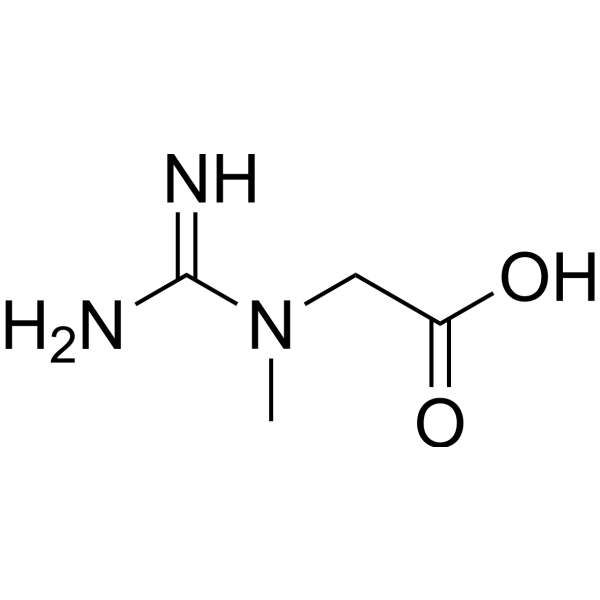
Creatine, an endogenous amino acid derivative, plays an important role in cellular energy, especially in muscle and brain.
For research use only. We do not sell to patients.
- Purity : 99.51%
- CAS No.: 57-00-1
- Formula: C4H9N3O2
- Molecular Weight:131.13
-
Storage:Powder -20°C, 3 years , 4°C, 2 years ; In solvent -80°C, 2 years , -20°C, 1 year

To place orders, for customer services and technical support, please contact: MedChemExpress USA
Tel: 609-228-6898 E-mail: [email protected] [email protected]


-
 Biological Activity
-
Chemical Information
-
Solvent & Solubility
- Purity & Documentation
- References
-
 Help & FAQs


-
HY-B0504
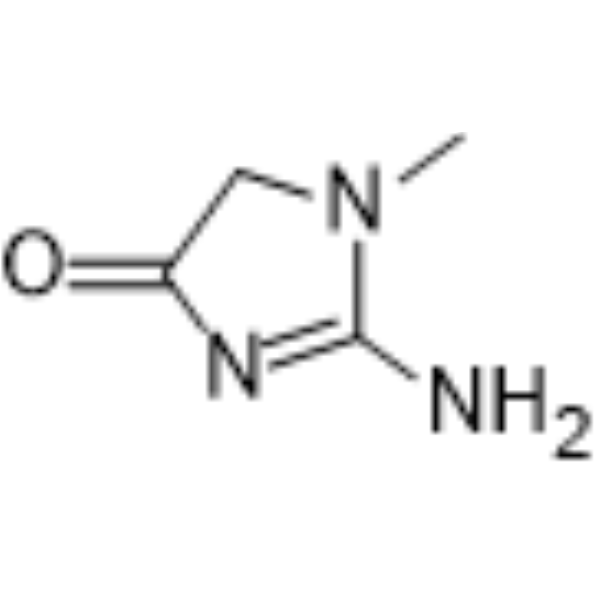
CreatinineGABAA/NMDA Receptor Modulator -
HY-W015828
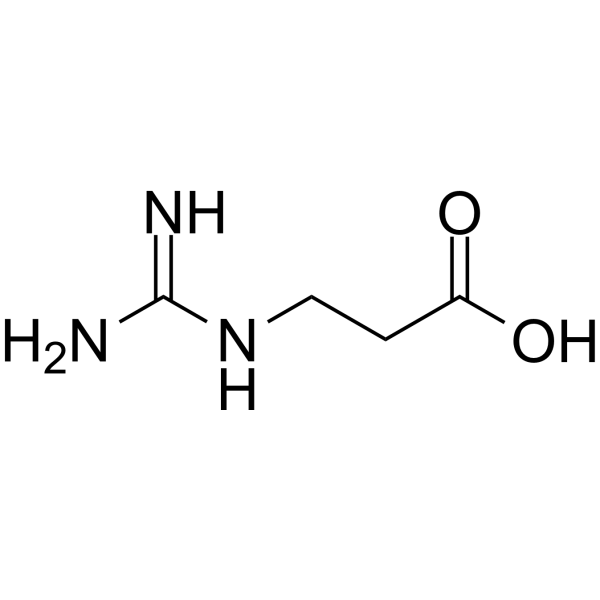
OmpenaclidSLC6A8 Transporter Inhibitor -
HY-B0351
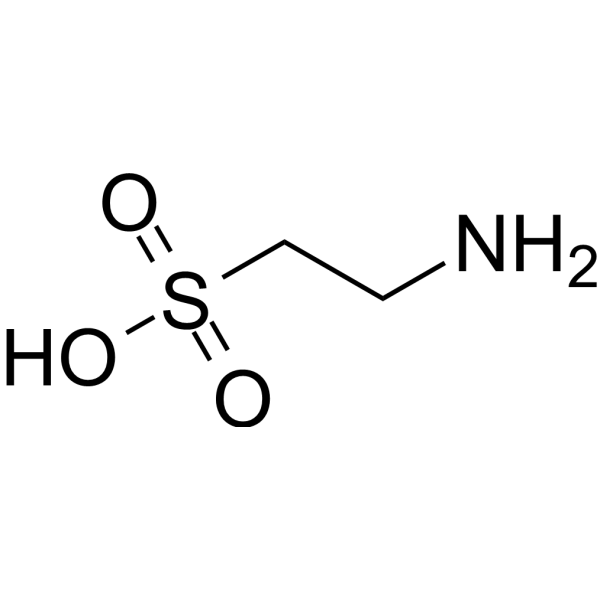
TaurineAutophagy Inducer -
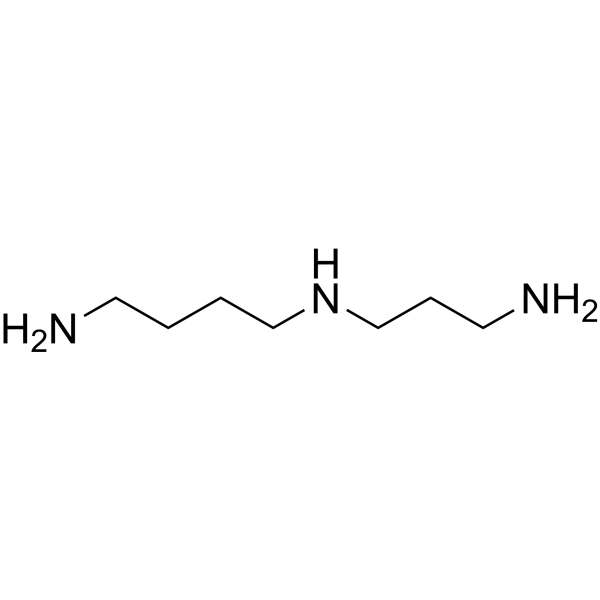
HY-B1776
SpermidinePolyamine Compound -
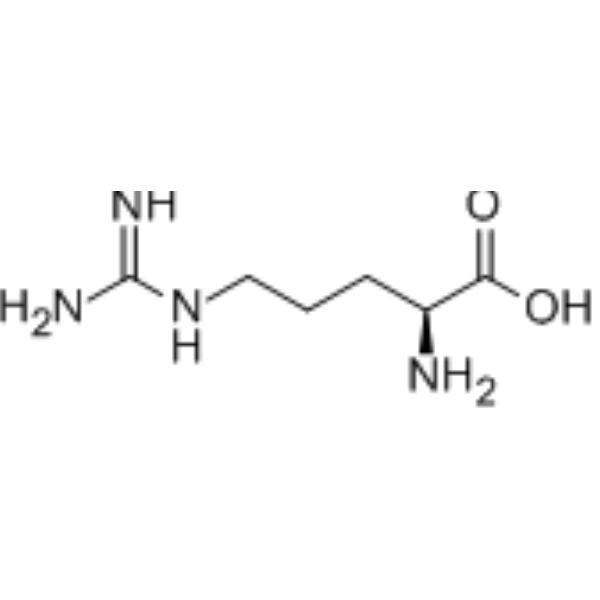
HY-N0455
L-ArginineeNOS Substrate -

HY-W010388R
Creatine (Standard)Endogenous Metabolite -
HY-B1352
L-OrnithineAmino Acid -
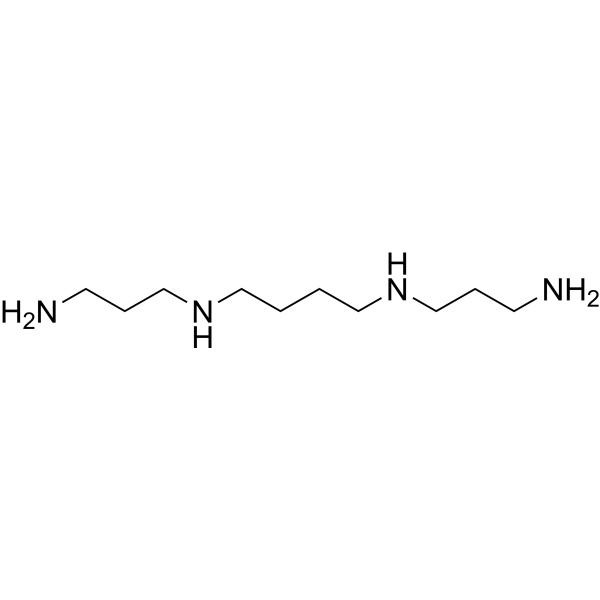
HY-B1777
SpermineEndogenous Metabolite -
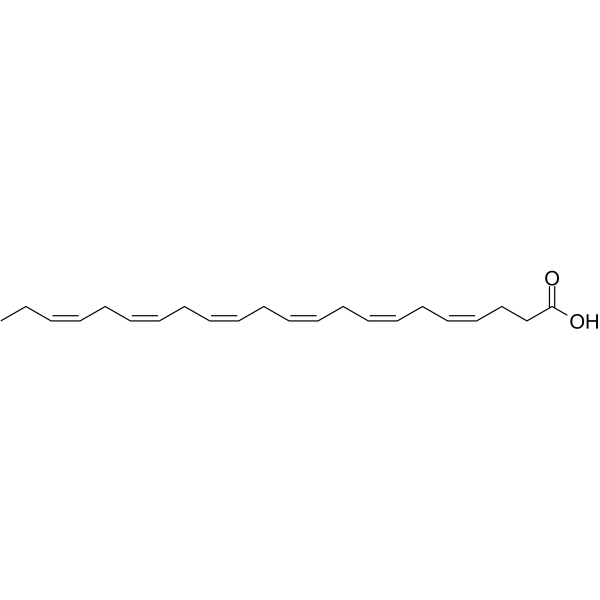
HY-B2167
Docosahexaenoic acidomega-3 Fatty Acid -
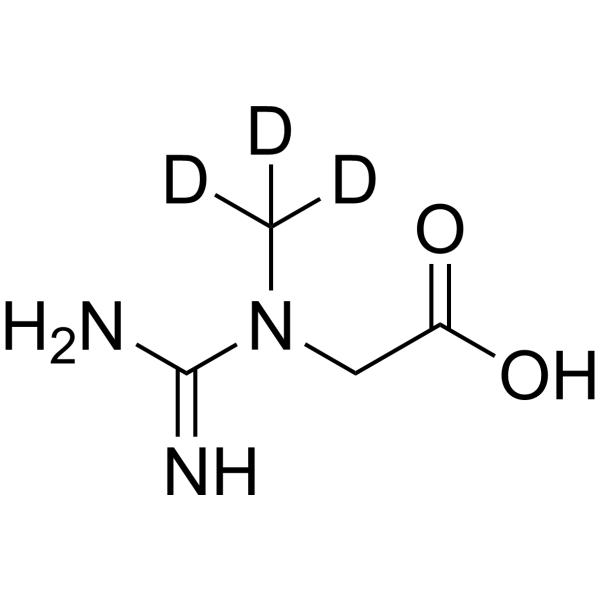
HY-W010388S1
Creatine-d3Stable Isotope -
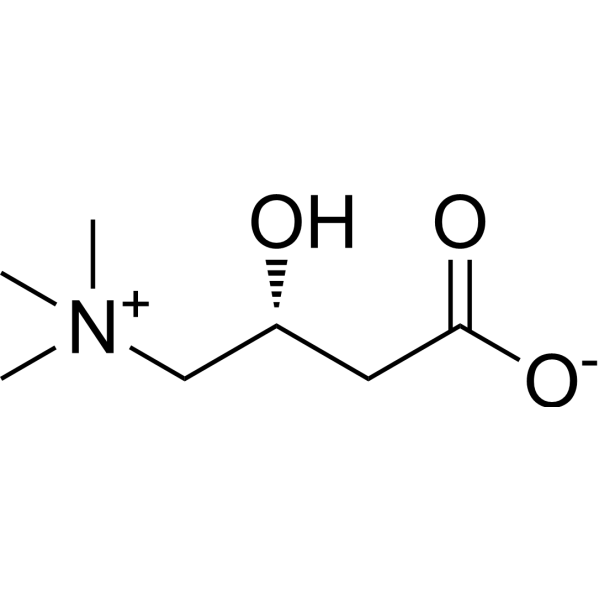
HY-B0399
L-CarnitineCo-factor for β-oxidation -
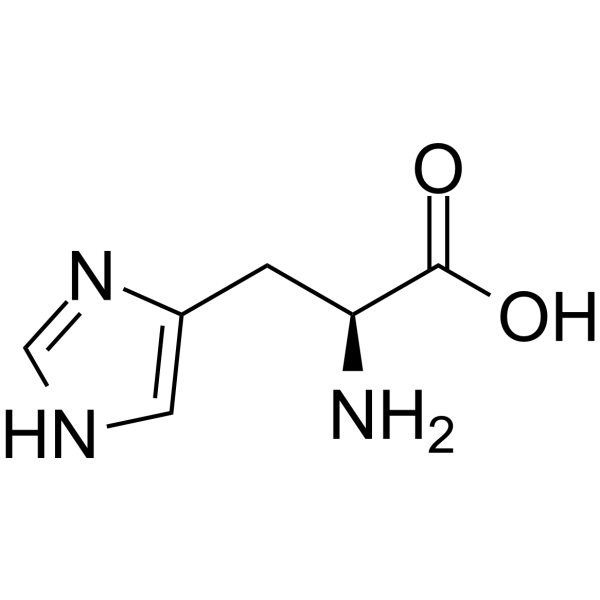
HY-N0832
L-HistidineEndogenous Metabolite
Publications Citing Use of MedChemExpress (MCE) Creatine
More- Cell Res. 2026 Jul;36(7):513-530. [Abstract]
- Proc Natl Acad Sci U S A. 2025 Sep 9;122(36):e2426135122. [Abstract]
- Cancer Immunol Res. 2025 Jun 4;13(6):939-956. [Abstract]
- Cell Rep. 2025 Sep 1;44(9):116139. [Abstract]
- Toxicol Appl Pharmacol. 2022 Apr 15:441:115971. [Abstract]
- Connect Tissue Res. 2025 Mar;66(2):73-86. [Abstract]
 Customer Validation & Images

-
Bio/Physico-chemical Assay
-
ELISA
-
Flow Cytometry
-
In Vivo Efficacy Study
-
In Vivo Efficacy Study
All Endogenous Metabolite Isoforms
MoreAll Dopamine Receptor Isoforms
More

Biological Activity
Description
IC50 & Target
|
Microbial Metabolite |
Human Endogenous Metabolite |
Cellular Effect
|
Cell Line

|
Type | Value | Description | References |
|---|---|---|---|---|
| HEK293 | EC50 |
5 μM
Compound: 586
|
Substrate uptake by the Sodium- and Chloride-Dependent Creatine Transporter 1 (CRTR, SLC6A8) as assessed by the fluorescent FLIPR membrane potential dye in HEK-293 JumpIN-SLC6A8 cells
Substrate uptake by the Sodium- and Chloride-Dependent Creatine Transporter 1 (CRTR, SLC6A8) as assessed by the fluorescent FLIPR membrane potential dye in HEK-293 JumpIN-SLC6A8 cells
|
10.5281/zenodo.7360539 |
| HEK293 | EC50 |
5 μM
Compound: 586
|
Substrate uptake by the Sodium- and Chloride-Dependent Creatine Transporter 1 (CRTR, SLC6A8) as assessed by the fluorescent FLIPR membrane potential dye in HEK-293 JumpIN-SLC6A8 cells (PubChem AID: 1794823)
Substrate uptake by the Sodium- and Chloride-Dependent Creatine Transporter 1 (CRTR, SLC6A8) as assessed by the fluorescent FLIPR membrane potential dye in HEK-293 JumpIN-SLC6A8 cells (PubChem AID: 1794823)
|
10.5281/zenodo.7360539 |
In Vitro
Creatine (10-20 mM, 1-3 weeks) promotes the cell growth, differentiation and mineralization of osteoblast-like cells[2].
Creatine (0.1-10 mM, 2-24 h) scanvages the free radicals, protects the DNA especially mtDNA from oxidative damage[3].
MedChemExpress (MCE) has not independently confirmed the accuracy of these methods. They are for reference only. .
In Vivo
MedChemExpress (MCE) has not independently confirmed the accuracy of these methods. They are for reference only.
-
Animal Model:Mouse tail suspension test[4]
-
Dosage:0.1-1000 mg/kg
-
Administration:po, single dose
-
Result:Reduced the immobility time of mice in the tail suspension test.


Chemical Information
-
CAS No. 57-00-1
-
Appearance Solid
-
Molecular Weight 131.13
-
Formula C4H9N3O2
-
Color White to off-white
-
SMILES
CN(C(N)=N)CC(O)=O
-
Structure Classification
-
Shipping
Room temperature in continental US; may vary elsewhere.
-
Storage
Powder -20°C 3 years 4°C 2 years In solvent -80°C 2 years -20°C 1 year


Publications (6)
-
Journal Impact Factor
-
Most Recent
-
Cell Res
Compression-induced metabolic adaptation drives confined tumor cell migration and distant metastasis via malate-dependent microtubule reinforcement. [Abstract]2026 Jul;36(7):513-530. PMID: 42151565 -
Proc Natl Acad Sci U S A
Structural insights into the substrate uptake and inhibition of the human creatine transporter (hCRT). [Abstract]2025 Sep 9;122(36):e2426135122. PMID: 40892912
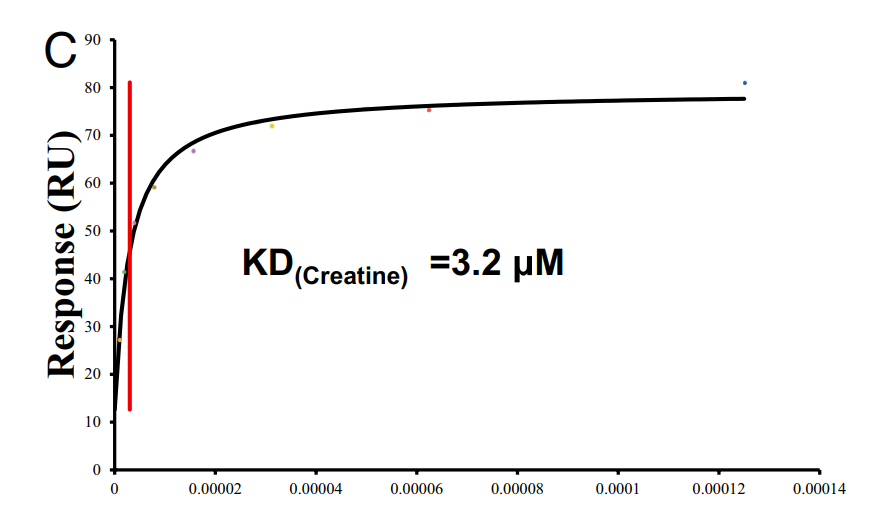
Creatine purchased from MedChemExpress. Usage Cited in: Proc Natl Acad Sci U S A. 2025 Sep 9;122(36):e2426135122. [Abstract]
SPR analysis showed Creatine (25 μM) binding to hCRT, with a dissociation constant (KD) of 3.2 μM.
-
Cancer Immunol Res
In Situ Delivery of Gasdermin E mRNA Promotes Antitumor Immunity via Creatine-Elicited Type I Interferon Signaling in Monocytes. [Abstract]2025 Jun 4;13(6):939-956. PMID: 40168141
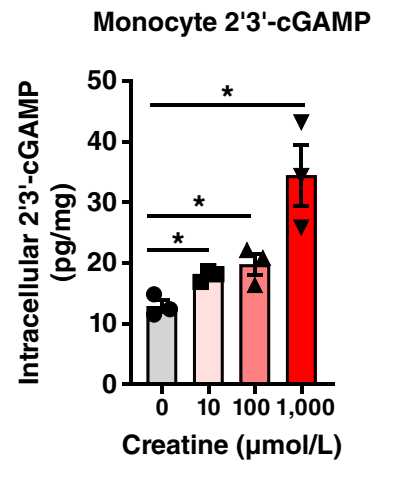
Creatine purchased from MedChemExpress. Usage Cited in: Cancer Immunol Res. 2025 Jun 4;13(6):939-956. [Abstract]
Creatine (10, 100, and 1,000 µmol/L; 24 h) stimulates type I IFN induction via the cGAMP–cGAS–STING–IRF3 signaling axis. 2030-cGAMP was robustly induced in monocytes following Creatine treatment.
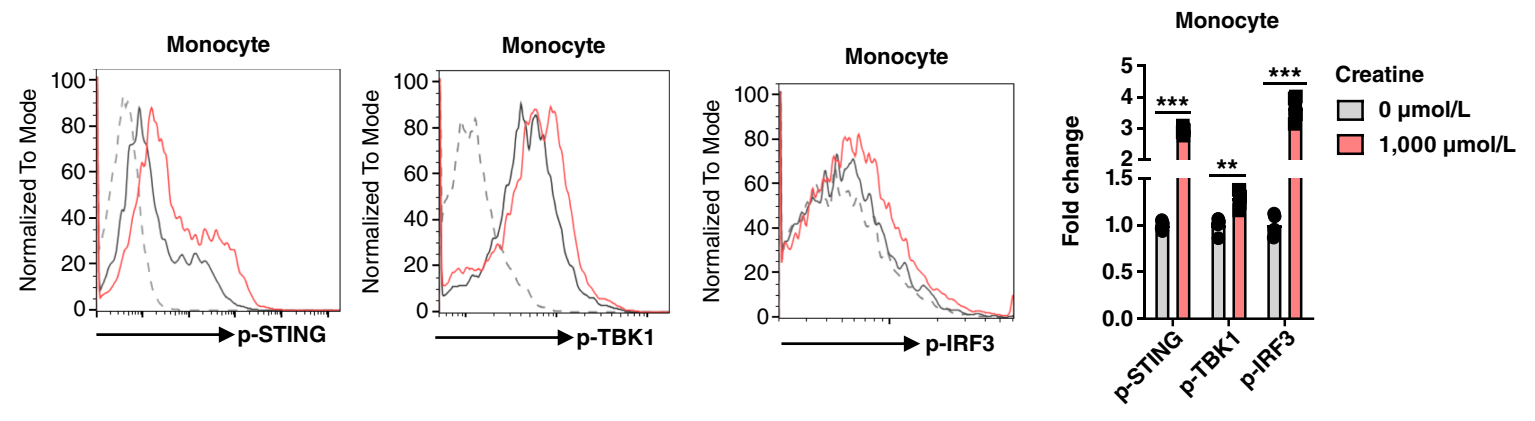
Creatine purchased from MedChemExpress. Usage Cited in: Cancer Immunol Res. 2025 Jun 4;13(6):939-956. [Abstract]
Examination of cGAS-STING downstream signaling in monocytes by flow cytometry revealed activation of the STING-TBK1-IRF3 signaling axis following Creatine (10, 100, and 1,000 µmol/L; 24 h) treatment.
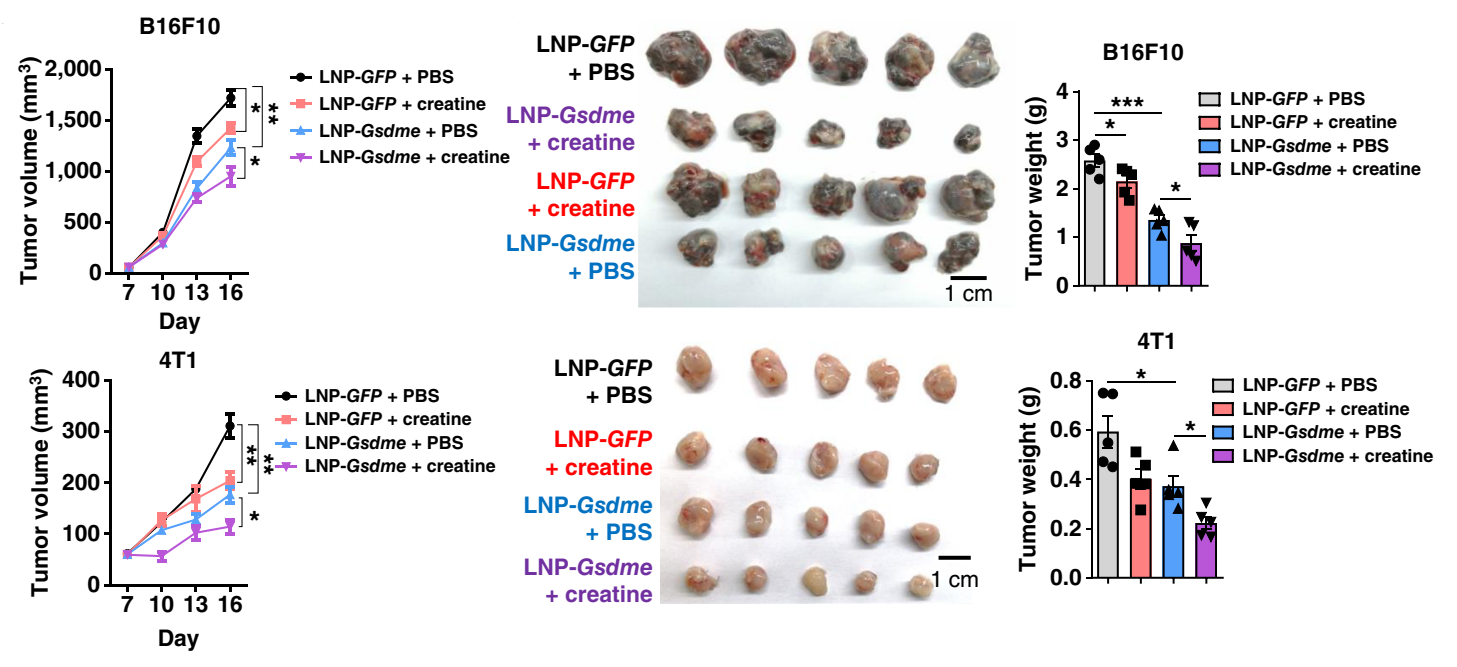
Creatine purchased from MedChemExpress. Usage Cited in: Cancer Immunol Res. 2025 Jun 4;13(6):939-956. [Abstract]
Combination of LNP-Gsdme and Creatine (10.5 mg/mice; once daily; IT) synergistically suppresses tumor growth. Tumor growth curves, tumor images, and tumor weights of B16F10 and 4T1 tumor–bearing mice treated with LNP-Gsdme/GFP or combined with Creatine.
-
Cell Rep
SLC6A8-mediated creatine uptake suppresses ERK2-FSP1 signaling and induces ferroptosis in colorectal cancer. [Abstract]2025 Sep 1;44(9):116139. PMID: 40892544
Creatine purchased from MedChemExpress. Usage Cited in: Cell Rep. 2025 Sep 1;44(9):116139. [Abstract]
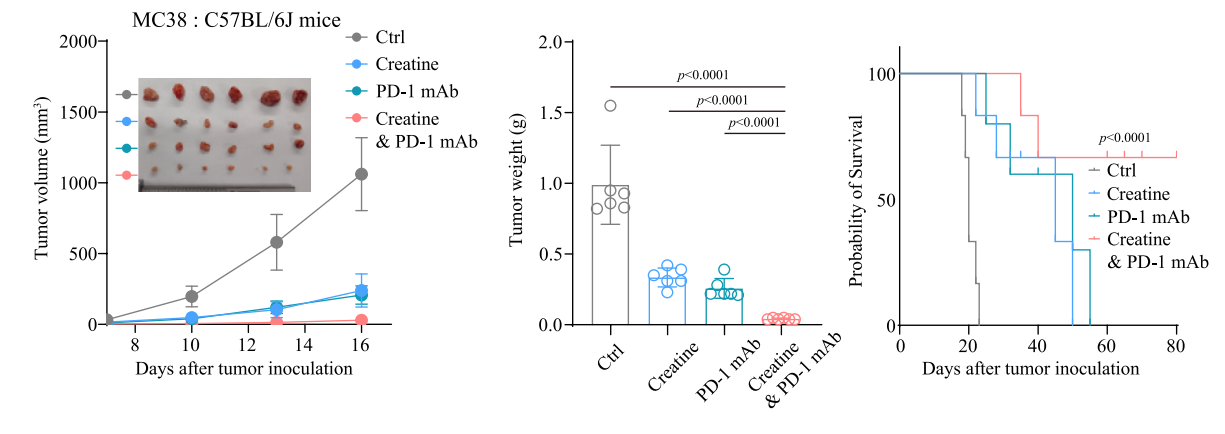
The syngeneic mouse MC38 CRC model was utilized to examine how Creatine (oral gavage; 50 mg/mL; 400 μL/time; 3 times per week) supplementation, with or without the addition of anti-PD-1 antibody, affected tumor growth and survival. Tumor growth, tumor weights, and survival curves were recorded for the MC38 model mice given the different therapies. Combination therapy significantly suppressed tumor growth and prolonged survival of MC38 tumor-bearing immunocompetent C57BL/6 J mice compared to either single-agent or control-treated groups.
Creatine purchased from MedChemExpress. Usage Cited in: Cell Rep. 2025 Sep 1;44(9):116139. [Abstract]
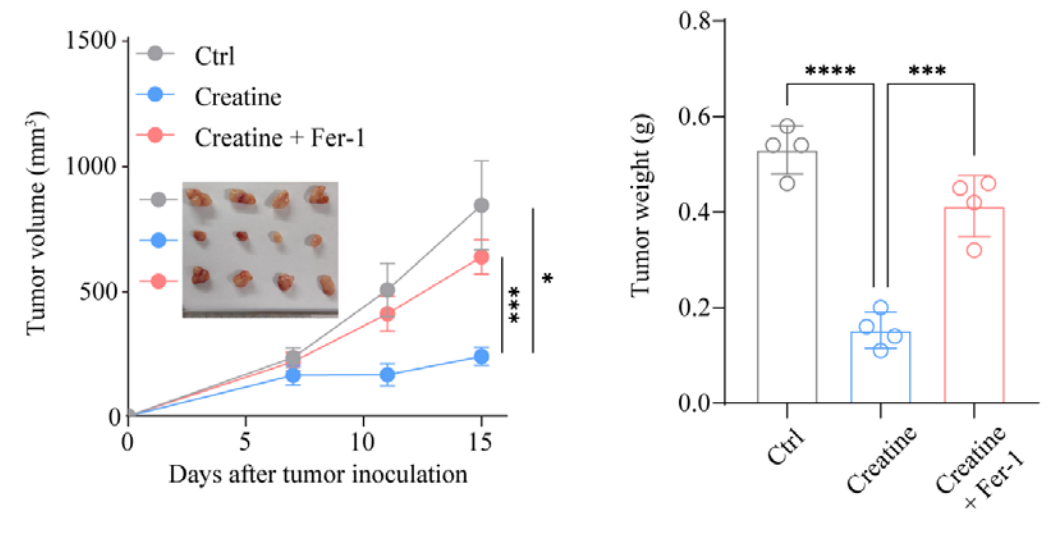
Tumor growth curve and tumor weights of DLD1 xenografts after indicated treatment.To ascertain whether Creatine (oral gavage; 50 mg/mL; 400 μL/time; 3 times per week) exhibits an inhibitory effect on tumor progression, a DLD-1 xenograft model was established, and Creatine was found to remarkably inhibit tumor development.
-
Toxicol Appl Pharmacol
2022 Apr 15:441:115971. PMID: 35276125 -
Connect Tissue Res
Creatine promotes osteogenic differentiation of dental pulp stem cells via the AMPK-ULK1-autophagy axis. [Abstract]2025 Mar;66(2):73-86. PMID: 39930963


Solvent & Solubility
In Vitro:
H2O : 6.25 mg/mL (47.66 mM; Need ultrasonic)
Please refer to the solubility information to select the appropriate solvent. Once prepared, please aliquot and store the solution to prevent product inactivation from repeated freeze-thaw cycles.
Storage method and period of stock solution: -80°C, 2 years; -20°C, 1 year. When stored at -80°C, please use it within 2 years. When stored at -20°C, please use it within 1 year.
* Note: If you choose water as the stock solution, please dilute it to the working solution, then filter and sterilize it with a 0.22 μm filter before use.
Please refer to the solubility information to select the appropriate solvent. Once prepared, please aliquot and store the solution to prevent product inactivation from repeated freeze-thaw cycles.
Storage method and period of stock solution: -80°C, 2 years; -20°C, 1 year. When stored at -80°C, please use it within 2 years. When stored at -20°C, please use it within 1 year.
* Note: If you choose water as the stock solution, please dilute it to the working solution, then filter and sterilize it with a 0.22 μm filter before use.
Concentration (start) × Volume (start) = Concentration (final) × Volume (final)
In Vivo:
For the following dissolution methods, please prepare the working solution directly:
It is recommended to prepare fresh solutions and use them promptly within a short period of time.
The percentages shown for the solvents indicate their volumetric ratio in the final prepared solution. If precipitation or phase separation occurs during preparation, heat and/or sonication can be used to aid dissolution.
Add each solvent one by one: PBS
Solubility: 20 mg/mL (152.52 mM); Clear solution; Need ultrasonic and warming and heat to 60°C


Purity & Documentation
-
Data Sheet (272 KB)
-
SDS (394 KB)
- English - EN (394 KB)
- Français - FR (394 KB)
- Deutsch - DE (394 KB)
- Norwegian - NO (394 KB)
- Español - ES (394 KB)
- Swedish - SV (394 KB)
- Italian - IT (394 KB)
- Korean - KR (394 KB)
- Portuguese - PT (394 KB)
-
Handling Instructions (2659 KB)
References
[1]. Nouioua S, et al. Creatine deficiency syndrome. A treatable myopathy due to arginine-glycine amidinotransferase (AGAT) deficiency. Neuromuscul Disord. 2013 Aug;23(8):670-4. [Content Brief]
[2]. Gerber I, et al., Stimulatory effects of creatine on metabolic activity, differentiation and mineralization of primary osteoblast-like cells in monolayer and micromass cell cultures. Eur Cell Mater. 2005 Jul 15;10:8-22. [Content Brief]
[3]. Guidi C, et al., Differential effect of creatine on oxidatively-injured mitochondrial and nuclear DNA. Biochim Biophys Acta. 2008 Jan;1780(1):16-26. [Content Brief]
[4]. Cunha MP, et al., Antidepressant-like effect of creatine in mice involves dopaminergic activation. J Psychopharmacol. 2012 Nov;26(11):1489-501. [Content Brief]


Complete Stock Solution Preparation Table
Please refer to the solubility information to select the appropriate solvent. Once prepared, please aliquot and store the solution to prevent product inactivation from repeated freeze-thaw cycles.
Storage method and period of stock solution: -80°C, 2 years; -20°C, 1 year. When stored at -80°C, please use it within 2 years. When stored at -20°C, please use it within 1 year.
| Optional Solvent | Concentration Solvent Mass | 1 mg | 5 mg | 10 mg | 25 mg |
|---|---|---|---|---|---|
| H2O | 1 mM | 7.6260 mL | 38.1301 mL | 76.2602 mL | 190.6505 mL |
| 5 mM | 1.5252 mL | 7.6260 mL | 15.2520 mL | 38.1301 mL | |
| 10 mM | 0.7626 mL | 3.8130 mL | 7.6260 mL | 19.0650 mL | |
| 15 mM | 0.5084 mL | 2.5420 mL | 5.0840 mL | 12.7100 mL | |
| 20 mM | 0.3813 mL | 1.9065 mL | 3.8130 mL | 9.5325 mL | |
| 25 mM | 0.3050 mL | 1.5252 mL | 3.0504 mL | 7.6260 mL | |
| 30 mM | 0.2542 mL | 1.2710 mL | 2.5420 mL | 6.3550 mL | |
| 40 mM | 0.1907 mL | 0.9533 mL | 1.9065 mL | 4.7663 mL |
* Note: If you choose water as the stock solution, please dilute it to the working solution, then filter and sterilize it with a 0.22 μm filter before use.


Creatine Related Classifications
HY-W010388 Related Classifications
 Powered by Bioz