






Search Result
Results for "
granulocytes
" in MedChemExpress (MCE) Product Catalog:
3
Biochemical Assay Reagents
| Cat. No. |
Product Name |
Target |
Research Areas |
Chemical Structure |
-
- HY-P99440
-
|
CSL-324
|
c-Fms
JAK
STAT
|
Inflammation/Immunology
|
|
Anumigilimab (CSL-324) is an human IgG4 mAb against human granulocyte colony-stimulating factor (G-CSF) receptor. Anumigilimab can be used for increasing numbers of neutrophils at sites of inflammation .
|
-
-
- HY-N6013
-
|
|
MMP
Proteasome
Keap1-Nrf2
TGF-beta/Smad
Interleukin Related
SOD
Bacterial
Fungal
|
Infection
Neurological Disease
Metabolic Disease
Inflammation/Immunology
Cancer
|
|
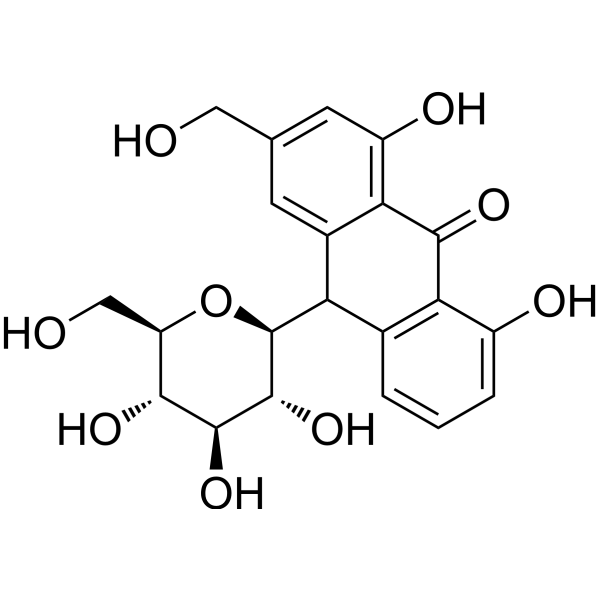
Aloin (mixture of A&B) is an orally active anthraquinone derivative isolated from Aloe vera. Aloin (mixture of A&B) mitigates airway impairment and exerts neuroprotective, anti-inflammatory, antioxidant, antibacterial, antifungal, antiviral and antitumor effects. Aloin (mixture of A&B) inhibits Clostridium histolyticum collagenase, granulocyte matrix metalloproteinases and human 20S proteasome. Aloin (mixture of A&B) upregulates the Nrf2/HO-1 pathway, suppresses the TGF-β/Smad2/3 pathway. Aloin (mixture of A&B) reduces IL-4/IL-5/IL-13 levels, and reverses oxidative stress markers (MDA, SOD, GSH). Aloin (mixture of A&B) can be used for research on chronic ulcers, burns, wounds, inflammatory and degenerative disorders, asthma and neuroblastoma .
|
-
-
- HY-P99232
-
|
5F9 Monoclonal antibody; TAK-164 Antibody
|
Guanylate Cyclase
ADC Antibody
|
Cardiovascular Disease
Cancer
|
|
Indusatumab (5F9 Monoclonal antibody) is a monoclonal antibody against human GUCY2C (Guanylate cyclase 2C). Indusatumab fails to bind to granulocytes or erythrocytes. Indusatumab can be used to synthesize ADCs, such as Indusatumab vedotin (HY-P99662). Indusatumab can be used in cancer research .
|
-
-
- HY-113849
-
|
MLS000573151
|
Ras
|
Inflammation/Immunology
|
|
MLS-573151 (MLS000573151) is a selective GTPase Cdc42 inhibitor with an EC50 of 2 μM. MLS-573151 is inactive against other GTPases family members, such as Rab2, Rab7, H-Ras, Rac1, Rac 2 and RhoA wild-type. MLS-573151 acts by blocking the binding of GTP to Cdc42 .
|
-
-
- HY-P99031
-
|
CAM 3001
|
c-Fms
|
Cardiovascular Disease
Inflammation/Immunology
|
|
Mavrilimumab (CAM 3001) is a monoclonal antibody that binds to the α subunit of the granulocyte-macrophage colony stimulating factor (GM-CSF) receptor and blocks intracellular signalling downstream of GM-CSF. GM-CSF might be a mediator of the hyperactive inflammatory response associated with respiratory failure and death .
|
-
-
- HY-P99879
-
|
Benegrastim; Bineuta; F 627
|
STAT
|
Inflammation/Immunology
|
|
Efbemalenograstim alfa (F 627) is a recombinant fusion protein. Efbemalenograstim alfa is a long acting dimeric granulocyte colony-stimulating factor (G-CSF) that contains two human G-CSF fused to a human immunoglobulin G2 (hIgG2)-Fc fragment with a peptide linker. Efbemalenograstim alfa induces the production of white blood cells .
|
-
-
- HY-139410
-
|
|
c-Fms
|
Inflammation/Immunology
|
|
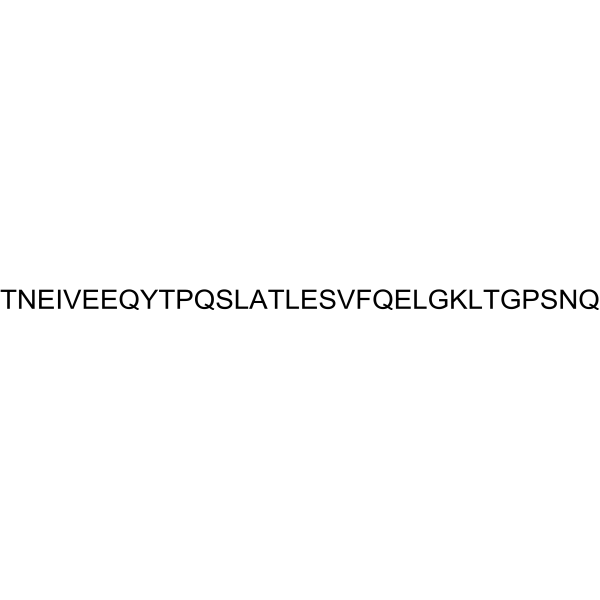
Sodium caseinates is a kind of sodium salts of major milk proteins, which act as protein-based biopolymers and innate immune system activators. Sodium caseinates induce granulopoiesis, activation and differentiation, promote the production of M-CSF, and increase serum levels of G-CSF and GM-CSF. Sodium caseinates inhibit the proliferation and reduce the viability of leukemia macrophage-like cells, thereby significantly improving the survival rate of mice inoculated with leukemia cells. Sodium caseinates can serve as carriers for probiotics in edible films and exhibit anti-Listeria activity. Sodium caseinates effectively protect vitamin A from degradation, enhance its stability, bioaccessibility and bioavailability, and regulate protein digestibility when complexed with vitamin A. Sodium caseinates can be applied to research related to acute monocytic leukemia and vitamin A deficiency .
|
-
-
- HY-P99795
-
|
GSK 3196165; MOR103
|
c-Fms
|
Inflammation/Immunology
|
|
Otilimab (GSK 3196165) is an anti-granulocyte-macrophage colony-stimulating factor (GM-CSF) human monoclonal antibody. Otilimab neutralises the biological function of GM-CSF by blocking the interaction of GM-CSF with its cell surface receptor .
|
-
-
- HY-P1764
-
|
|
Dopamine Receptor
|
Neurological Disease
|
|
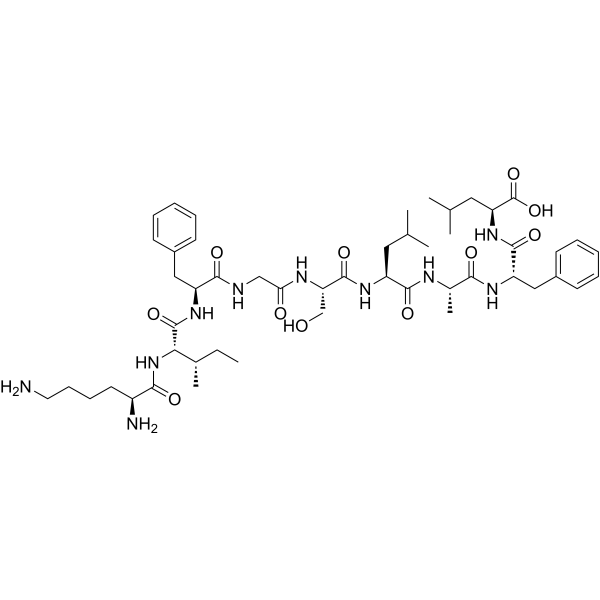
Secretoneurin, rat, a 33-amino acid polypeptide, is generated by proteolytic processing of secretogranin II (SgII). Secretoneurin, rat induces dopamine release in the rat striatum in vivo and in vitro, and it exerts a very strong chemotactic effect on monocytes and eosinophils but not on granulocytes .
|
-
-
- HY-P10300
-
|
IL-8 (54-72)
|
CXCR
|
Inflammation/Immunology
|
|
CXCL8 (54-72) is a C-terminal peptide based on the chemokine CXCL8. CXCL8 (54-72) has an interaction between a long and highly positively charged C-terminal region and a negative charge on the GAG that binds to the GAG. CXCL8 (54-72) can inhibit the adhesion and migration of neutrophils and adhesion of endothelial cells. CXCL8 (54-72) can be used to study chemokines in inflammatory response .
|
-
-
- HY-176464
-
|
|
TRP Channel
|
Inflammation/Immunology
|
|
SK2220691 is a potent TRPV4 inhibitor. SK2220691 inhibits pulmonary edema induced by GSK1016790. SK2220691 inhibits HCl-induced increases in key factors such as VEGF, keratinocyte-derived chemokine (KC; CXCL1), and granulocyte colony-stimulating factor (GCSF) .
|
-
-
- HY-153893
-
|
|
Mitochondrial Metabolism
|
Metabolic Disease
|
|
Magmas-IN-1 (compound 9) is a small molecule Magmas inhibitor (SMMI). Magmas is mitochondria associated,granulocyte-macrophage colony stimulating factor signaling molecule,as well as a GM-CSF inducible gene in myeloid cells. Magmas-IN-1 inhibits Magmas and modulates mitochondrial function. Magmas-IN-1 also inhibits proliferation in yeast at 4 μM .
|
-
-
- HY-123801
-
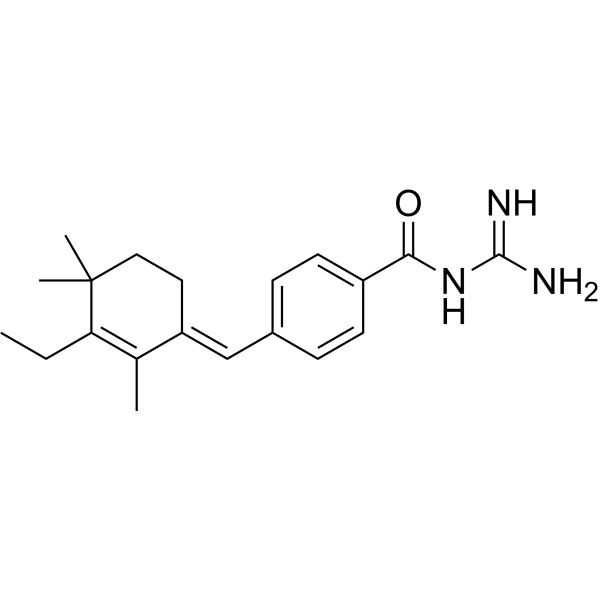
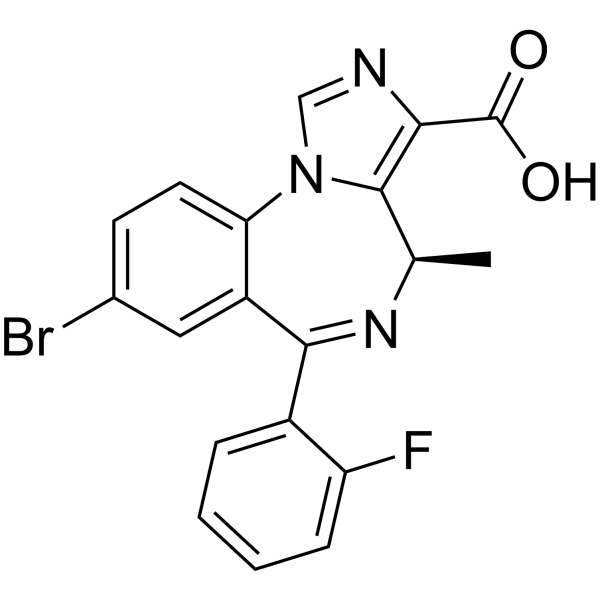
|
GL-II-93
|
GABA Receptor
|
Inflammation/Immunology
|
|
MIDD0301 (GL-II-93) is an orally available, active γ-aminobutyric acid type A receptor (GABAAR) inhibitor and anti-asthmatic agent. MIDD0301 exhibits biological and immunotoxicological safety in mice and does not affect the number of circulating lymphocytes, monocytes, and granulocytes. MIDD0301 has no significant adverse immune response at repeated doses, which is better than Prednisone (HY-B0214). MIDD0301 relaxes histamine-contracted guinea pig and human airway smooth muscle and is used in the study of bronchoconstrictive diseases .
|
-
-
- HY-P5875A
-
|
|
Protease Activated Receptor (PAR)
|
Cardiovascular Disease
Inflammation/Immunology
|
|
P4pal10 TFA is the TFA salt form of P4pal10 (HY-P5875). P4pal10 TFA is an antagonist for protease-activated receptor 4 (PAR4). P4pal10 TFA inhibits the platelet aggregation, inhibits tissue factor (TF)-induced thrombin generation, and exhibits anticoagulant and antithrombotic activities. P4pal10 TFA reduces the oedema and the granulocyte infiltration induced by Carrageenan (HY-125474). P4pal10 TFA ameliorates the injury in rats myocardial ischemia/reperfusion (I/R) models .
|
-
-
- HY-P3981
-
-
-
- HY-124556
-
|
|
Elastase
|
Inflammation/Immunology
|
|
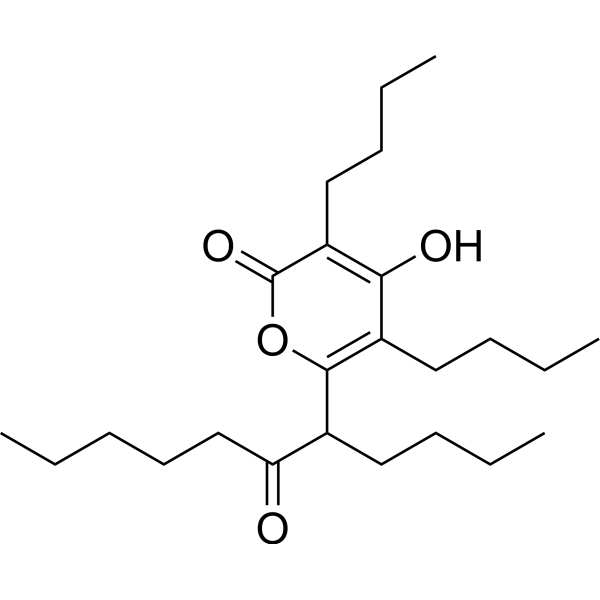
Elasnin is a selective granulocyte elastase inhibitor. Elasnin is almost ineffective for pancreatic elastase, trypsin, chymotrypsin, thermolysin and papain .
|
-
-
- HY-120044
-
|
|
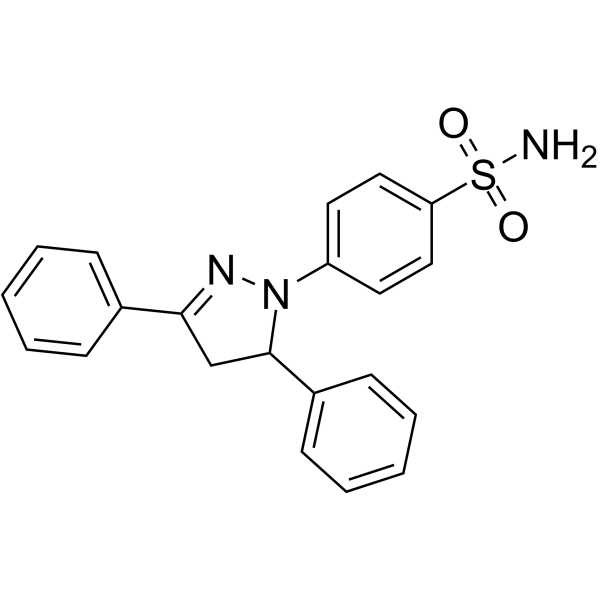
Farnesyl Transferase
Ras
|
Cancer
|
|
L-739749 is a farnesyl transferase inhibitor. L-739749 inhibits the selective hypersensitivity of JMML cells to granulocyte-macrophage colony-stimulating factor (GM-CSF) by blocking the prenylation of Ras. L-739749 exhibits a strong inhibitory effect on the growth of primary human JMML cells in vitro .
|
-
-
- HY-P99913
-
|
|
c-Fms
|
Inflammation/Immunology
Cancer
|
|
Eflapegrastim is a composite protein consisting of a genetically modified granulocyte-colony stimulating factor (GCSF) molecule linked via a chemical bond to an IgG4 Fc fragment (LAPS-carrier). Eflapegrastim targets to G-CSF receptor (c-Fms). Eflapegrastim stimulates proliferation and differentiation of neutrophil progenitor cells and maintains stable numbers of mature and functional neutrophils. Eflapegrastim also shortens the duration of neutropenia .
|
-
-
- HY-178714
-
|
|
Interleukin Related
|
Inflammation/Immunology
|
|
JNJ627 is a small molecule allosteric inhibitor of IL-17A with a KD of 92 nM. JNJ627 effectively inhibits the binding of IL-17A and IL-17RA, with an IC50 value of 16 nM. JNJ627 is capable of inhibiting the secretion of G-CSF (granulocyte colony-stimulating factor) caused by IL-17A stimulation. JNJ627 can be used for the study of autoimmune diseases (such as psoriasis) .
|
-
-
- HY-N6013R
-
|
|
Reference Standards
Proteasome
MMP
Keap1-Nrf2
TGF-beta/Smad
Interleukin Related
SOD
Fungal
Bacterial
|
Infection
Neurological Disease
Metabolic Disease
Inflammation/Immunology
Cancer
|
|
Aloin (mixture of A&B) (Standard) is the analytical standard of Aloin (mixture of A&B) (HY-N6013). This product is intended for research and analytical applications. Aloin (mixture of A&B) is an orally active anthraquinone derivative isolated from Aloe vera. Aloin (mixture of A&B) mitigates airway impairment and exerts neuroprotective, anti-inflammatory, antioxidant, antibacterial, antifungal, antiviral and antitumor effects. Aloin (mixture of A&B) inhibits Clostridium histolyticum collagenase, granulocyte matrix metalloproteinases and human 20S proteasome. Aloin (mixture of A&B) upregulates the Nrf2/HO-1 pathway, suppresses the TGF-β/Smad2/3 pathway. Aloin (mixture of A&B) reduces IL-4/IL-5/IL-13 levels, and reverses oxidative stress markers (MDA, SOD, GSH). Aloin (mixture of A&B) can be used for research on chronic ulcers, burns, wounds, inflammatory and degenerative disorders, asthma and neuroblastoma .
|
-
-
- HY-155772
-
|
|
Adenosine Receptor
Fluorescent Dye
|
Inflammation/Immunology
|
|
LUF7690 (Compound 9) is a clickable and covalent affinity-based probe (AfBP) that targets the human A3AR (hA3AR). LUF7690 can be used in the detection and characterization of the hA3AR in different types of granulocytes, among other cell types .
|
-
-
- HY-P5875
-
|
|
Protease Activated Receptor (PAR)
|
Cardiovascular Disease
Inflammation/Immunology
|
|
P4pal10 is an antagonist for protease-activated receptor 4 (PAR4). P4pal10 inhibits the platelet aggregation, inhibits tissue factor (TF)-induced thrombin generation, and exhibits anticoagulant and antithrombotic activities. P4pal10 reduces the oedema and the granulocyte infiltration induced by Carrageenan (HY-125474). P4pal10 ameliorates the injury in mice myocardial ischemia/reperfusion (I/R) models .
|
-
-
- HY-163971
-
-
-
- HY-P99458
-
|
CG 10639
|
c-Fms
|
Cancer
|
|
Balugrastim (CG 10639) is a novel long-acting recombinant granulocyte colony-stimulating factor (G-CSF) obtained by means of a genetic fusion between recombinant human serum albumin and granulocyte colony-stimulating factor. Balugrastim can be used for the research of breast cancer .
|
-
-
- HY-174732
-
|
|
mRNA
|
Inflammation/Immunology
|
|
Human CSF3 mRNA encodes the human colony stimulating factor 3 (CSF3) protein, a member of the IL-6 superfamily of cytokines. CSF3 controls the production, differentiation, and function of granulocytes.
|
-
-
- HY-174766
-
|
|
mRNA
|
Inflammation/Immunology
|
|
Human CCL17 mRNA encodes the human C-C motif chemokine ligand 17 (CCL17) protein, a cytokine that displays chemotactic activity for T lymphocytes, but not monocytes or granulocytes. CCL17 plays important roles in T cell development in thymus as well as in trafficking and activation of mature T cells.
|
-
-
- HY-174765
-
|
|
mRNA
|
Inflammation/Immunology
|
|
Human CCL18 mRNA encodes the human C-C motif chemokine ligand 18 (CCL18) protein, a cytokine that displays chemotactic activity for naive T cells, CD4+ and CD8+ T cells and nonactivated lymphocytes, but not for monocytes or granulocytes. CCL18 may play a role in both humoral and cell-mediated immunity responses.
|
-
-
- HY-P2458
-
|
|
Bacterial
|
Infection
|
|
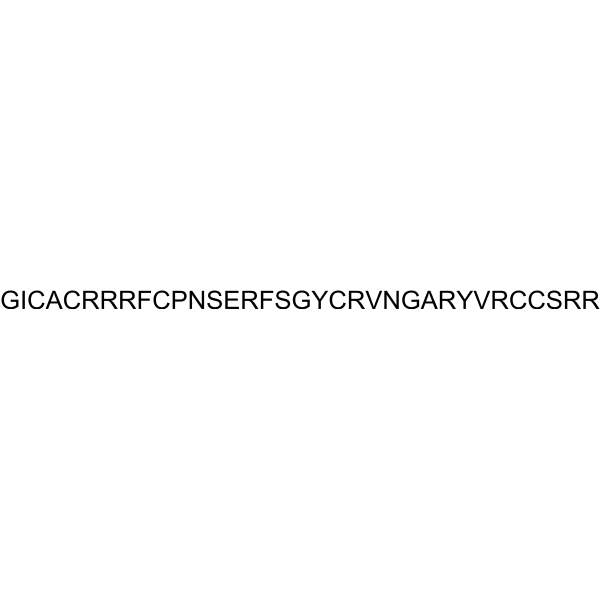
CAP18 (rabbit) is a 37 amino acids antimicrobial peptide originally isolated from rabbit granulocytes. CAP18 (rabbit) has broad antimicrobial activity against both Gram-positive (IC50, 130-200 nM) and Gram-negative (IC50, 20-100 nM) bacteria. CAP18 (rabbit) has the potential for bacterial sepsis research .
|
-
-
- HY-P990200
-
|
|
Transmembrane Glycoprotein
CHIKV
|
Infection
Inflammation/Immunology
Cancer
|
|
Anti-Mouse Ly6C Antibody (Monts 1) is a rat-derived anti-mouse Ly6C IgG2a type antibody inhibitor. Anti-Mouse Ly6C Antibody (Monts 1) depletes monocytes, neutrophils, and some other granulocyte populations. Anti-Mouse Ly6C Antibody (Monts 1) can be used for the researches of cancer, immunology and infection, such as chikungunya (CHIKV) and aggressive tumor .
|
-
-
- HY-123801A
-
|
GL-II-93 sodium
|
GABA Receptor
|
Inflammation/Immunology
|
|
MIDD0301 (GL-II-93) is an orally available, active γ-aminobutyric acid type A receptor (GABAAR) inhibitor and anti-asthmatic agent. MIDD0301 exhibits biological and immunotoxicological safety in mice and does not affect the number of circulating lymphocytes, monocytes, and granulocytes. MIDD0301 has no significant adverse immune response at repeated doses, which is better than Prednisone (HY-B0214). MIDD0301 relaxes histamine-contracted guinea pig and human airway smooth muscle and is used in the study of bronchoconstrictive diseases .
|
-
-
- HY-125128
-
-
-
- HY-183863
-
|
|
Biochemical Assay Reagents
|
Others
|
|
N-(4-(1H-Pyrazol-1-yl) butyl)-5-(furan-2-yl) isoxazole-3-carboxamide is a cell culture medium component used for the long-term expansion of granulocyte/macrophage progenitor cells in culture .
|
-
-
- HY-W698363
-
-
-
- HY-100307
-
|
|
Others
|
Others
|
|
SB 247464 is an orally active nonpeptidyl ligand. SB 247464 can selectively activate the murine granulocyte colony-stimulating factor (G-CSF) signaling pathway and mimic the biological functions of G-CSF. SB 247464 can be used for the study of neutropenia and other diseases .
|
-
-
- HY-N9566
-
|
|
Interleukin Related
TNF Receptor
IFNAR
|
Inflammation/Immunology
|
|
Isopongaflavone is an isoflavone that can be isolated from the seedpods of Tephrosia vogelii with anti-inflammatory effects. Isopongaflavone suppresses the secretion of IL-1β, IFN-γ, granulocyte macrophage-colony stimulating factor (GM-CSF) and TNF-α in LPS (HY-D1056)-stimulated peripheral blood mononuclear cells (PBMCs) .
|
-
-
- HY-174743
-
|
|
mRNA
|
Inflammation/Immunology
|
|
Human CCR5 mRNA encodes the human C-C motif chemokine receptor 5 (CCR5) protein, a member of the beta chemokine receptor family. CCR5 is known to be an important co-receptor for macrophage-tropic virus, including HIV, to enter host cells. It may also play a role in granulocyte lineage proliferation and differentiation.
|
-
-
- HY-P992405
-
|
|
CXCR
|
Cancer
|
|
MEDI-3185 is a potent CXCR4 antagonist. MEDI-3185 binds CXCR4 via CDR3H and ECL2 β-strand/β-strand interaction, blocks SDF-1 access and displaces SDF-1. MEDI-3185 can be used for the research of hematologic tumors, ovarian tumors .
|
-
-
- HY-D3330
-
|
|
Fluorescent Dye
|
Others
|
|
APC-Cy7 is an APC-tandem fluorochrome (allophycocyanin-cyanine 7) and degradable fluorochrome, with maximum absorption at ~650 nm, peak emission at 767 nm when excited by a 633 nm red laser, and cell-dependent degradation. APC-Cy7 undergoes time-dependent degradation (decoupling) when bound to peripheral blood leukocytes, leading to nonspecific APC channel signal, with degradation cell type-dependent. APC-Cy7 shows reduced degradation when immunolabeled cells have inhibited metabolic activity or are incubated with vitamin C. APC-Cy7 serves as a tandem fluorochrome in multiparametric flow cytometry for detection of leukocyte surface proteins when conjugated to specific antibodies (Ex/Em = 650 nm/778 nm) .
|
-
| Cat. No. |
Product Name |
Type |
-
- HY-D3330
-
|
|
Fluorescent Dyes
|
|
APC-Cy7 is an APC-tandem fluorochrome (allophycocyanin-cyanine 7) and degradable fluorochrome, with maximum absorption at ~650 nm, peak emission at 767 nm when excited by a 633 nm red laser, and cell-dependent degradation. APC-Cy7 undergoes time-dependent degradation (decoupling) when bound to peripheral blood leukocytes, leading to nonspecific APC channel signal, with degradation cell type-dependent. APC-Cy7 shows reduced degradation when immunolabeled cells have inhibited metabolic activity or are incubated with vitamin C. APC-Cy7 serves as a tandem fluorochrome in multiparametric flow cytometry for detection of leukocyte surface proteins when conjugated to specific antibodies (Ex/Em = 650 nm/778 nm) .
|
| Cat. No. |
Product Name |
Type |
-
- HY-139410
-
|
|
Biochemical Assay Reagents
|
|
Sodium caseinates is a kind of sodium salts of major milk proteins, which act as protein-based biopolymers and innate immune system activators. Sodium caseinates induce granulopoiesis, activation and differentiation, promote the production of M-CSF, and increase serum levels of G-CSF and GM-CSF. Sodium caseinates inhibit the proliferation and reduce the viability of leukemia macrophage-like cells, thereby significantly improving the survival rate of mice inoculated with leukemia cells. Sodium caseinates can serve as carriers for probiotics in edible films and exhibit anti-Listeria activity. Sodium caseinates effectively protect vitamin A from degradation, enhance its stability, bioaccessibility and bioavailability, and regulate protein digestibility when complexed with vitamin A. Sodium caseinates can be applied to research related to acute monocytic leukemia and vitamin A deficiency .
|
-
- HY-163971
-
-
- HY-W698363
-
| Cat. No. |
Product Name |
Target |
Research Area |
-
- HY-P1764
-
|
|
Dopamine Receptor
|
Neurological Disease
|
|
Secretoneurin, rat, a 33-amino acid polypeptide, is generated by proteolytic processing of secretogranin II (SgII). Secretoneurin, rat induces dopamine release in the rat striatum in vivo and in vitro, and it exerts a very strong chemotactic effect on monocytes and eosinophils but not on granulocytes .
|
-
- HY-P10300
-
|
IL-8 (54-72)
|
CXCR
|
Inflammation/Immunology
|
|
CXCL8 (54-72) is a C-terminal peptide based on the chemokine CXCL8. CXCL8 (54-72) has an interaction between a long and highly positively charged C-terminal region and a negative charge on the GAG that binds to the GAG. CXCL8 (54-72) can inhibit the adhesion and migration of neutrophils and adhesion of endothelial cells. CXCL8 (54-72) can be used to study chemokines in inflammatory response .
|
-
- HY-P5875A
-
|
|
Protease Activated Receptor (PAR)
|
Cardiovascular Disease
Inflammation/Immunology
|
|
P4pal10 TFA is the TFA salt form of P4pal10 (HY-P5875). P4pal10 TFA is an antagonist for protease-activated receptor 4 (PAR4). P4pal10 TFA inhibits the platelet aggregation, inhibits tissue factor (TF)-induced thrombin generation, and exhibits anticoagulant and antithrombotic activities. P4pal10 TFA reduces the oedema and the granulocyte infiltration induced by Carrageenan (HY-125474). P4pal10 TFA ameliorates the injury in rats myocardial ischemia/reperfusion (I/R) models .
|
-
- HY-P3981
-
-
- HY-P5875
-
|
|
Protease Activated Receptor (PAR)
|
Cardiovascular Disease
Inflammation/Immunology
|
|
P4pal10 is an antagonist for protease-activated receptor 4 (PAR4). P4pal10 inhibits the platelet aggregation, inhibits tissue factor (TF)-induced thrombin generation, and exhibits anticoagulant and antithrombotic activities. P4pal10 reduces the oedema and the granulocyte infiltration induced by Carrageenan (HY-125474). P4pal10 ameliorates the injury in mice myocardial ischemia/reperfusion (I/R) models .
|
-
- HY-P2458
-
|
|
Bacterial
|
Infection
|
|
CAP18 (rabbit) is a 37 amino acids antimicrobial peptide originally isolated from rabbit granulocytes. CAP18 (rabbit) has broad antimicrobial activity against both Gram-positive (IC50, 130-200 nM) and Gram-negative (IC50, 20-100 nM) bacteria. CAP18 (rabbit) has the potential for bacterial sepsis research .
|
-
- HY-125128
-
| Cat. No. |
Product Name |
Target |
Research Area |
Image |
-
- HY-P99440
-
|
CSL-324
|
c-Fms
JAK
STAT
|
Inflammation/Immunology
|
|
Anumigilimab (CSL-324) is an human IgG4 mAb against human granulocyte colony-stimulating factor (G-CSF) receptor. Anumigilimab can be used for increasing numbers of neutrophils at sites of inflammation .
|
-
(5)
-
- HY-P99232
-
|
5F9 Monoclonal antibody; TAK-164 Antibody
|
Guanylate Cyclase
ADC Antibody
|
Cardiovascular Disease
Cancer
|
|
Indusatumab (5F9 Monoclonal antibody) is a monoclonal antibody against human GUCY2C (Guanylate cyclase 2C). Indusatumab fails to bind to granulocytes or erythrocytes. Indusatumab can be used to synthesize ADCs, such as Indusatumab vedotin (HY-P99662). Indusatumab can be used in cancer research .
|
-
(5)
-
- HY-P99031
-
|
CAM 3001
|
c-Fms
|
Cardiovascular Disease
Inflammation/Immunology
|
|
Mavrilimumab (CAM 3001) is a monoclonal antibody that binds to the α subunit of the granulocyte-macrophage colony stimulating factor (GM-CSF) receptor and blocks intracellular signalling downstream of GM-CSF. GM-CSF might be a mediator of the hyperactive inflammatory response associated with respiratory failure and death .
|
-
(5)
-
- HY-P99879
-
|
Benegrastim; Bineuta; F 627
|
STAT
|
Inflammation/Immunology
|
|
Efbemalenograstim alfa (F 627) is a recombinant fusion protein. Efbemalenograstim alfa is a long acting dimeric granulocyte colony-stimulating factor (G-CSF) that contains two human G-CSF fused to a human immunoglobulin G2 (hIgG2)-Fc fragment with a peptide linker. Efbemalenograstim alfa induces the production of white blood cells .
|
-
(5)
-
- HY-P99795
-
|
GSK 3196165; MOR103
|
c-Fms
|
Inflammation/Immunology
|
|
Otilimab (GSK 3196165) is an anti-granulocyte-macrophage colony-stimulating factor (GM-CSF) human monoclonal antibody. Otilimab neutralises the biological function of GM-CSF by blocking the interaction of GM-CSF with its cell surface receptor .
|
-
(5)
-
- HY-P99913
-
|
|
c-Fms
|
Inflammation/Immunology
Cancer
|
|
Eflapegrastim is a composite protein consisting of a genetically modified granulocyte-colony stimulating factor (GCSF) molecule linked via a chemical bond to an IgG4 Fc fragment (LAPS-carrier). Eflapegrastim targets to G-CSF receptor (c-Fms). Eflapegrastim stimulates proliferation and differentiation of neutrophil progenitor cells and maintains stable numbers of mature and functional neutrophils. Eflapegrastim also shortens the duration of neutropenia .
|
-
(5)
-
- HY-P990199
-
|
|
Inhibitory Antibodies
|
Infection
Inflammation/Immunology
Cancer
|
|
Anti-Mouse Ly6G/Ly6C Antibody (NIMP-R14) is an anti-mouse Ly6G/Ly6C IgG2b monoclonal antibody. Anti-Mouse Ly6G/Ly6C Antibody (NIMP-R14) can deplete granulocytes and monocytes. Anti-Mouse Ly6G/Ly6C Antibody (NIMP-R14) can be used for researches on infection conditions and cancer such as pancreatic cancer and Orientia tsutsugamushi infection .
|
-
(5)
-
- HY-P99458
-
|
CG 10639
|
c-Fms
|
Cancer
|
|
Balugrastim (CG 10639) is a novel long-acting recombinant granulocyte colony-stimulating factor (G-CSF) obtained by means of a genetic fusion between recombinant human serum albumin and granulocyte colony-stimulating factor. Balugrastim can be used for the research of breast cancer .
|
-
(5)
-
- HY-P990963
-
|
|
Inhibitory Antibodies
|
Inflammation/Immunology
Cancer
|
|
Albipagrastim alfa is a long-acting granulocyte colony-stimulating factor (G-CSF), which is formed by the fusion of highly active recombinant G-CSF and human serum albumin (HSA). Albipagrastim alfa can significantly inhibit the clearance pathway mediated by the G-CSF receptor. Albipagrastim alfa can be used in tumor-related research .
|
-
(5)
-
- HY-P990200
-
|
|
Transmembrane Glycoprotein
CHIKV
|
Infection
Inflammation/Immunology
Cancer
|
|
Anti-Mouse Ly6C Antibody (Monts 1) is a rat-derived anti-mouse Ly6C IgG2a type antibody inhibitor. Anti-Mouse Ly6C Antibody (Monts 1) depletes monocytes, neutrophils, and some other granulocyte populations. Anti-Mouse Ly6C Antibody (Monts 1) can be used for the researches of cancer, immunology and infection, such as chikungunya (CHIKV) and aggressive tumor .
|
-
(5)
-
- HY-P992405
-
|
|
CXCR
|
Cancer
|
|
MEDI-3185 is a potent CXCR4 antagonist. MEDI-3185 binds CXCR4 via CDR3H and ECL2 β-strand/β-strand interaction, blocks SDF-1 access and displaces SDF-1. MEDI-3185 can be used for the research of hematologic tumors, ovarian tumors .
|
-
(5)
| Cat. No. |
Product Name |
Category |
Target |
Chemical Structure |
-
- HY-N6013
-
|
|
Infection
Structural Classification
Liliaceae
Classification of Application Fields
Ketones, Aldehydes, Acids
Phenols
Polyphenols
Aloe vera (L.) Burm. f.
Plants
Inflammation/Immunology
Disease Research Fields
Source Classification
|
MMP
Proteasome
Keap1-Nrf2
TGF-beta/Smad
Interleukin Related
SOD
Bacterial
Fungal
|
|
Aloin (mixture of A&B) is an orally active anthraquinone derivative isolated from Aloe vera. Aloin (mixture of A&B) mitigates airway impairment and exerts neuroprotective, anti-inflammatory, antioxidant, antibacterial, antifungal, antiviral and antitumor effects. Aloin (mixture of A&B) inhibits Clostridium histolyticum collagenase, granulocyte matrix metalloproteinases and human 20S proteasome. Aloin (mixture of A&B) upregulates the Nrf2/HO-1 pathway, suppresses the TGF-β/Smad2/3 pathway. Aloin (mixture of A&B) reduces IL-4/IL-5/IL-13 levels, and reverses oxidative stress markers (MDA, SOD, GSH). Aloin (mixture of A&B) can be used for research on chronic ulcers, burns, wounds, inflammatory and degenerative disorders, asthma and neuroblastoma .
|
-
-
- HY-N6013R
-
|
|
Structural Classification
Liliaceae
Ketones, Aldehydes, Acids
Phenols
Polyphenols
Aloe vera (L.) Burm. f.
Plants
Source Classification
|
Reference Standards
Proteasome
MMP
Keap1-Nrf2
TGF-beta/Smad
Interleukin Related
SOD
Fungal
Bacterial
|
|
Aloin (mixture of A&B) (Standard) is the analytical standard of Aloin (mixture of A&B) (HY-N6013). This product is intended for research and analytical applications. Aloin (mixture of A&B) is an orally active anthraquinone derivative isolated from Aloe vera. Aloin (mixture of A&B) mitigates airway impairment and exerts neuroprotective, anti-inflammatory, antioxidant, antibacterial, antifungal, antiviral and antitumor effects. Aloin (mixture of A&B) inhibits Clostridium histolyticum collagenase, granulocyte matrix metalloproteinases and human 20S proteasome. Aloin (mixture of A&B) upregulates the Nrf2/HO-1 pathway, suppresses the TGF-β/Smad2/3 pathway. Aloin (mixture of A&B) reduces IL-4/IL-5/IL-13 levels, and reverses oxidative stress markers (MDA, SOD, GSH). Aloin (mixture of A&B) can be used for research on chronic ulcers, burns, wounds, inflammatory and degenerative disorders, asthma and neuroblastoma .
|
-
-
- HY-N9566
-
-
| Cat. No. |
Product Name |
|
Classification |
-
- HY-155772
-
|
|
|
Alkynes
|
|
LUF7690 (Compound 9) is a clickable and covalent affinity-based probe (AfBP) that targets the human A3AR (hA3AR). LUF7690 can be used in the detection and characterization of the hA3AR in different types of granulocytes, among other cell types .
|
| Cat. No. |
Product Name |
|
Classification |
-
- HY-174732
-
|
|
|
mRNA
|
|
Human CSF3 mRNA encodes the human colony stimulating factor 3 (CSF3) protein, a member of the IL-6 superfamily of cytokines. CSF3 controls the production, differentiation, and function of granulocytes.
|
-
- HY-174766
-
|
|
|
mRNA
Chemokine & Receptors
|
|
Human CCL17 mRNA encodes the human C-C motif chemokine ligand 17 (CCL17) protein, a cytokine that displays chemotactic activity for T lymphocytes, but not monocytes or granulocytes. CCL17 plays important roles in T cell development in thymus as well as in trafficking and activation of mature T cells.
|
-
- HY-174765
-
|
|
|
mRNA
Chemokine & Receptors
|
|
Human CCL18 mRNA encodes the human C-C motif chemokine ligand 18 (CCL18) protein, a cytokine that displays chemotactic activity for naive T cells, CD4+ and CD8+ T cells and nonactivated lymphocytes, but not for monocytes or granulocytes. CCL18 may play a role in both humoral and cell-mediated immunity responses.
|
-
- HY-174743
-
|
|
|
mRNA
Chemokine & Receptors
|
|
Human CCR5 mRNA encodes the human C-C motif chemokine receptor 5 (CCR5) protein, a member of the beta chemokine receptor family. CCR5 is known to be an important co-receptor for macrophage-tropic virus, including HIV, to enter host cells. It may also play a role in granulocyte lineage proliferation and differentiation.
|
Your information is safe with us. * Required Fields.
Inquiry Information
- Product Name:
- Cat. No.:
- Quantity:
- MCE Japan Authorized Agent:

