Search Result
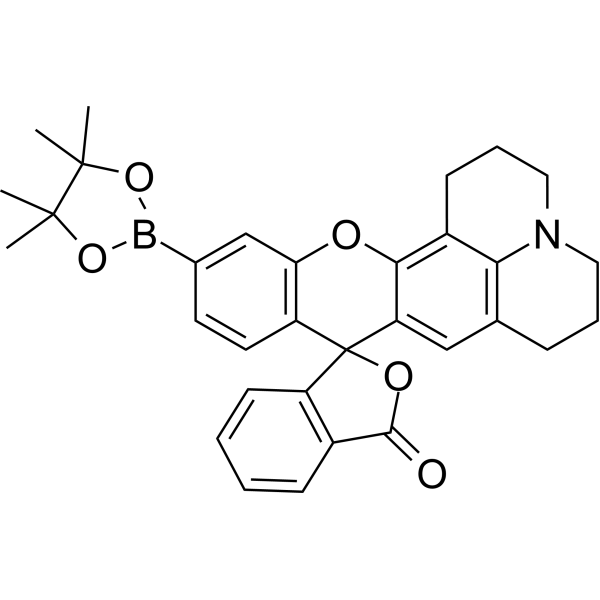
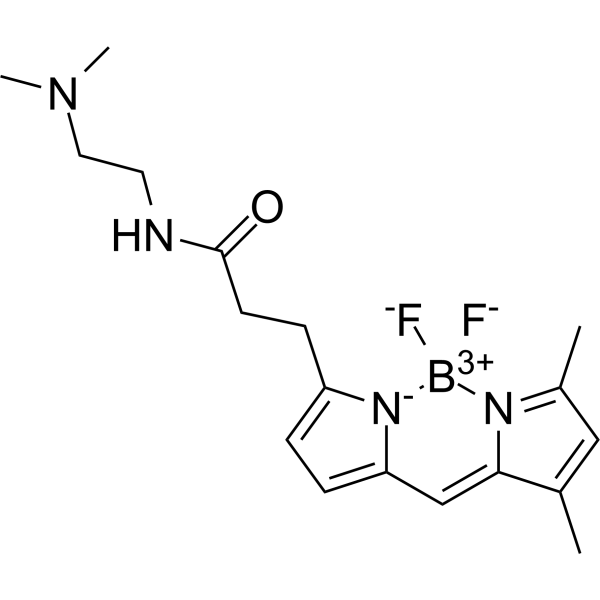
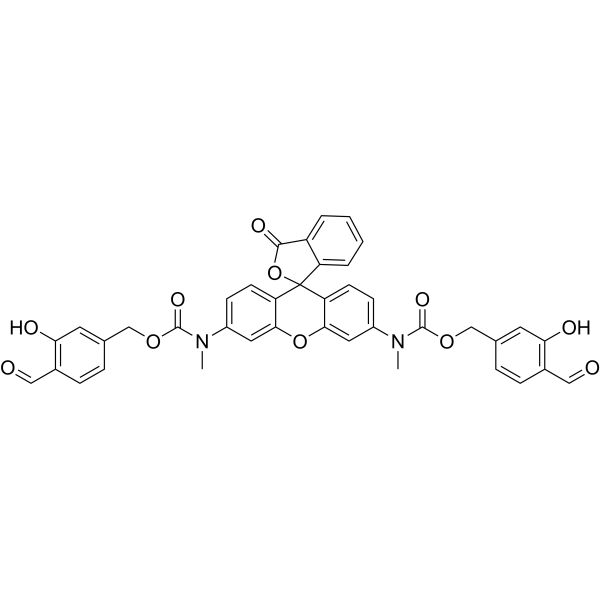
Results for "
green-fluorescent
" in MedChemExpress (MCE) Product Catalog:
8
Biochemical Assay Reagents
2
Isotope-Labeled Compounds
| Cat. No. |
Product Name |
Target |
Research Areas |
Chemical Structure |
-
- HY-D0208
-
|
Uranine sodium
|
Environmental Pollutants
Fluorescent Dye
|
Cancer
|
|
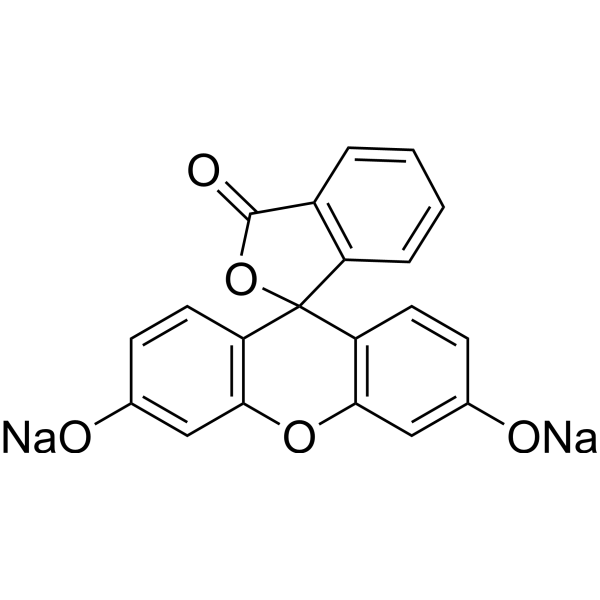
Fluorescein (Uranine) sodium is widely used as a fluorescent tracer in medicinal and biological applications and tumor infected tissues tracer. Fluorescein (Uranine) sodium is a representative green fluorophore that has been widely used as a scaffold of practically useful green fluorescent probes .
|
-
-
- HY-126839
-
|
5-Dodecanoylaminofluorescein di-β-D-Galactopyranoside
|
Fluorescent Dye
|
Others
|
|
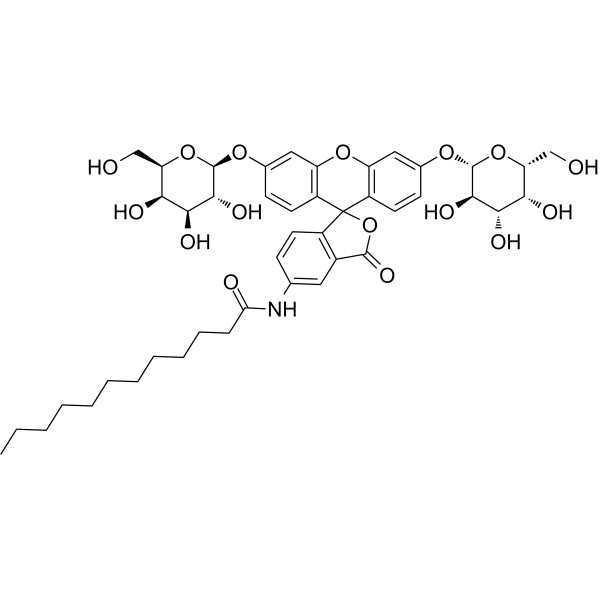
C12FDG (5-Dodecanoylaminofluorescein di-β-D-Galactopyranoside) is a lipophilic green fluorescent substrate for β-galactosidase detection. C12-FDG is more sensitive than Fluorescein di(β-D-galactopyranoside) (HY-101895) for beta-galactosidase activity determinations in animal cells (Ex/Em = 488/523 nm) .
|
-
-
- HY-D0017
-
|
DNSCl
|
Fluorescent Dye
|
Others
|
|
Dansyl chloride is a reagent that produces stable blue or blue-green fluorescent sulfonamide adducts in the reaction of aliphatic and aromatic amines with primary amino groups, and is widely used for modified amino acids, protein sequencing and amino acid analysis .
|
-
-
- HY-135056
-
|
|
Fluorescent Dye
|
Others
|
|
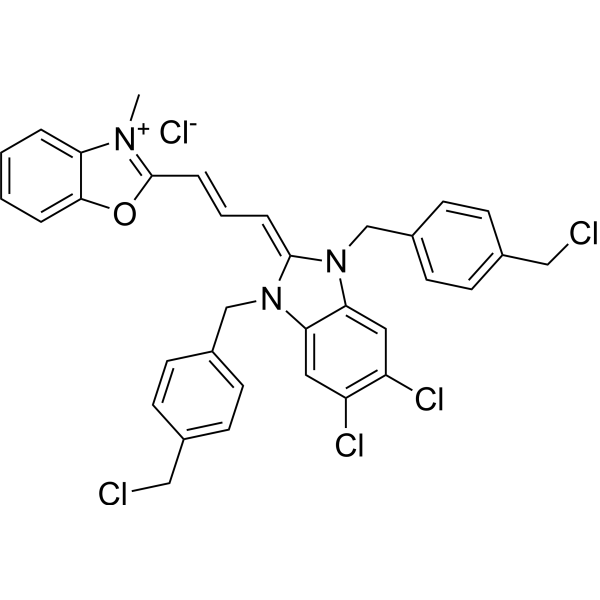
Mito-Tracker Green is a green fluorescent dye that selectively accumulates in the mitochondrial matrix. MitoTracker Green FM covalently binds mitochondrial proteins by reacting with free mercaptan of cysteine residues, allowing staining of mitochondrial membrane potential independent of membrane potential. Excitation/emission wavelength 490/523 nm.
|
-
-
- HY-66022
-
5-FAM
4 Publications Verification
5-Carboxyfluorescein
|
Fluorescent Dye
|
Others
|
|
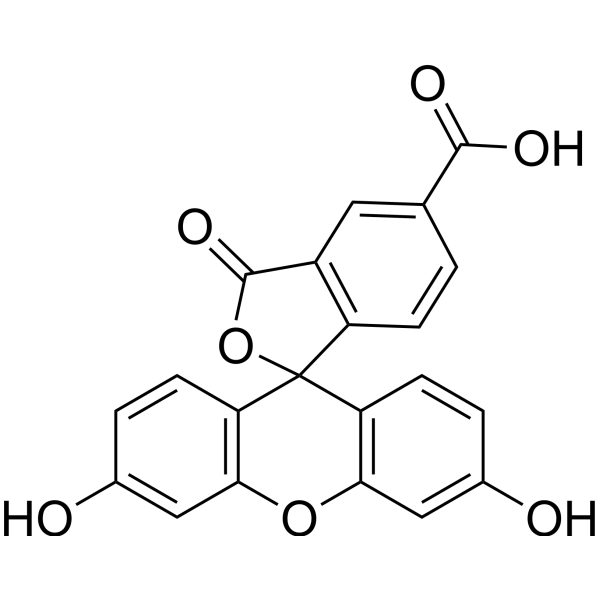
5-FAM (5-Carboxyfluorescein) is a green fluorescent reagent used for in situ labeling peptides, proteins and nucleotides. 5-FAM is a single isomer with Ex/Em of 490 nm/520 nm .
|
-
-
- HY-D2908
-
|
|
Fluorescent Dye
|
Others
|
SYTO9 is a green fluorescent nucleic acid dye (Ex = 485 nm, Em = 498 nm (DNA)/501 nm (RNA)). SYTO9 can penetrate the intact cell membrane of viable bacteria. When the cell membrane is damaged (cell death), its rate of entry into cells increases, and it competes with propidium iodide (PI) (HY-D0815), another membrane-impermeable dye, for nucleic acid binding sites. SYTO9 is widely used in fluorescence microscopy, flow cytometry, and fluorometric assays in microbiology for bacterial counting, viability assessment, and cell imaging .
|
-
-
- HY-D0251
-
|
Uranine
|
Fluorescent Dye
|
Cancer
|
|
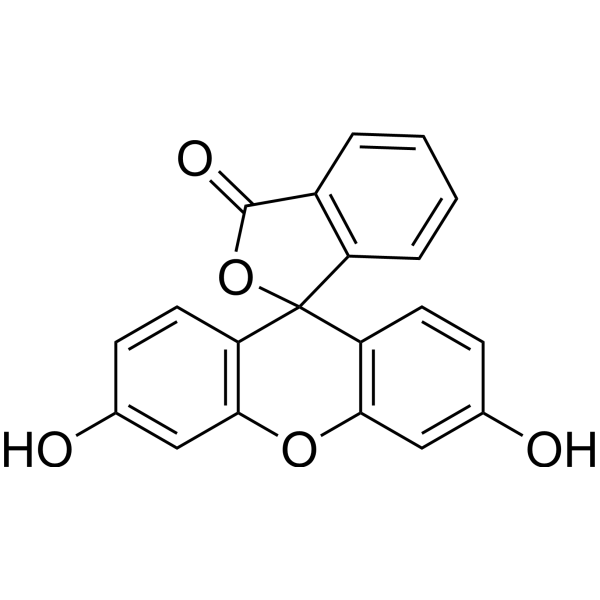
Fluorescein (Uranine) is widely used as a fluorescent tracer in medicinal and biological applications and tumor infected tissues tracer. Fluorescein (Uranine) is a representative green fluorophore that has been widely used as a scaffold of practically useful green fluorescent probes .
|
-
-
- HY-43520
-
|
|
Fluorescent Dye
|
Others
|
|
BODIPY-FL is a green fluorescent dye that can be used to label probes or primers. BODIPY-FL fluorescence can be quenched after interacting with uniquely positioned guanine, making it useful for quantifying specific DNA or RNA molecules. The maximum absorption wavelength of BODIPY-FL is 505 nm, and the maximum emission wavelength is 513 nm .
|
-
-
- HY-D1458
-
-
-
- HY-15937
-
|
5(6)-Carboxyfluorescein N-hydroxysuccinimide ester; 5(6)-Carboxyfluorescein succinimidyl ester mixed isomers
|
Fluorescent Dye
|
Others
|
|
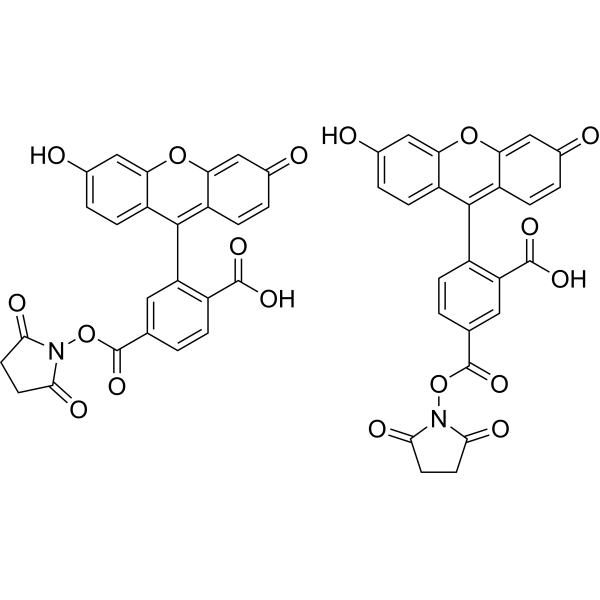
5(6)-FAM SE is a green fluorescent dye widely used for protein labeling.
|
-
-
- HY-110250
-
|
|
Fluorescent Dye
|
Others
|
|
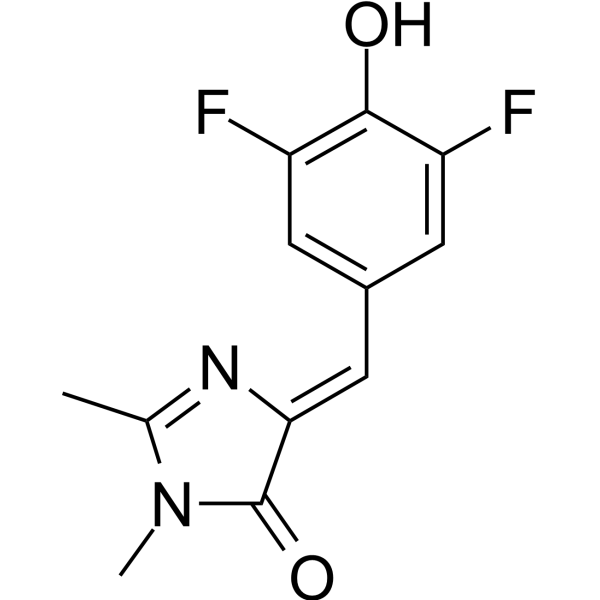
DFHBI is a small molecule that resembles the chromophore of green fluorescent protein (GFP). DFHBI can be used for imaging RNA in living cells. . Spinach and DFHBI are essentially nonfluorescent when unbound, whereas the Spinach-DFHBI complex is brightly fluorescent both in vitro and in living cells (Ex/Em = 469/501 nm).
|
-
-
- HY-153079
-
|
|
mRNA
|
Others
|
|
eGFP mRNA (N1-Me-Pseudo UTP) will express green fluorescent protein, originally isolated from the jellyfish, Aequorea victoria. The eGFP is a commonly used direct detection reporter in mammalian cell culture, yielding bright green fluorescence. The substitution with N1-Me-Pseudo UTP (m1Ψ) improves protein expression and reduces innate immune response.
|
-
-
- HY-D1612
-
|
|
Fluorescent Dye
|
Others
|
|
The Golgi apparatus is composed of flattened vesicles superimposed on each other by unit membranes. The flattened vesicles are round with expanded and perforated edges. The Golgi fluorescent probe is a BODIPY-labeled ceramide derivative, the synthesis of which occurs in the endoplasmic reticulum and can then be transported to the Golgi via ceramide transport protein (CERT) or vesicular translocation, allowing specific labeling of the dye . BODIPY Fl C5-Ceramide is a Golgi-specific green fluorescent dye, which can visualise individual cells . Ex/Em= 505 nm/512 nm.
|
-
-
- HY-P2528
-
|
|
Fluorescent Dye
|
Others
|
|
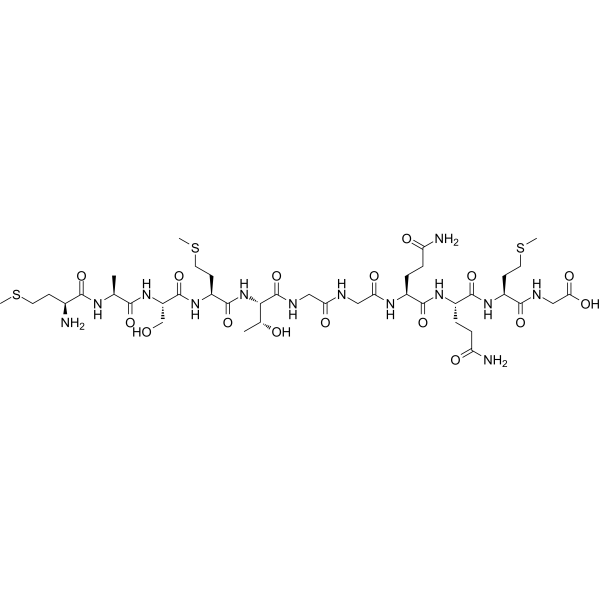
Enhanced Green Fluorescent Protein (EGFP) (200-208) is a marker gene product derived from the jellyfish Aequorea Victoria. Enhanced Green Fluorescent Protein (EGFP) (200-208) is a common reporter protein and is easy to detect .
|
-
-
- HY-103469
-
|
PO1
|
Fluorescent Dye
|
Others
|
|
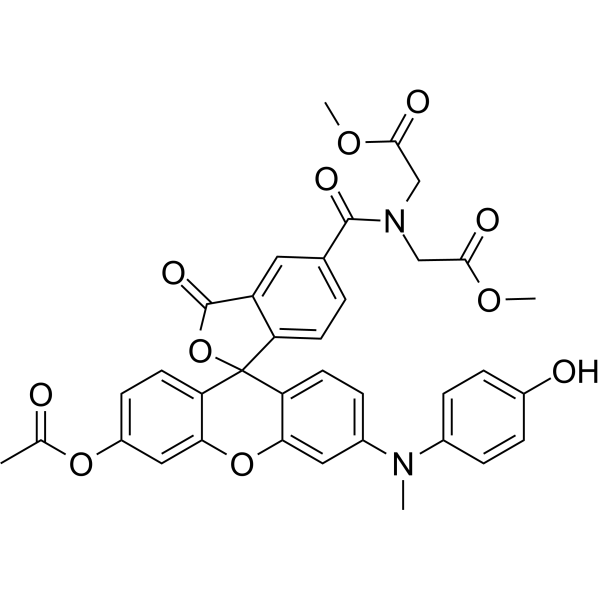
Peroxy Orange 1 (PO1) is a new H2O2 specific probe that can bind to green fluorescent highly reactive oxygen species (hROS) probe APF. Peroxy Orange 1 is also a living cell dye .
|
-
-
- HY-15940
-
|
5(6)-FAM; 5-(and-6)-Carboxyfluorescein mixed isomers
|
Fluorescent Dye
|
Cancer
|
|
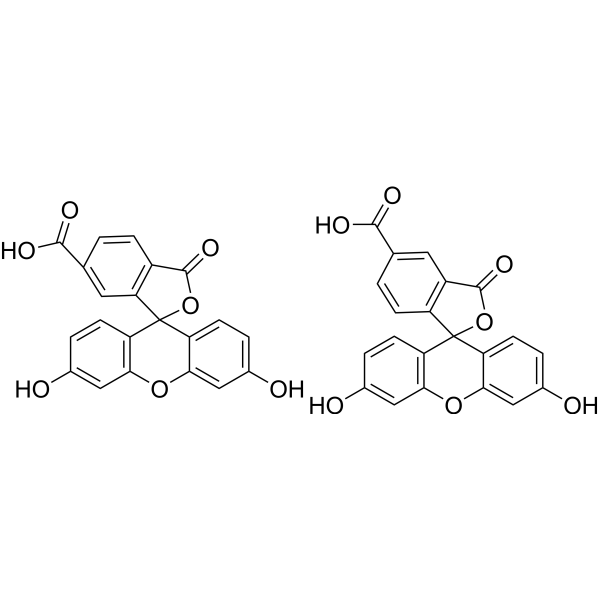
5(6)-Carboxyfluorescein (5(6)-FAM) is an amine-reactive pH-sensitive green fluorescent probe. 5(6)-Carboxyfluorescein (5(6)-FAM) can be used to label proteins, peptides and nucleotides. 5(6)-Carboxyfluorescein can be used for the detection of tumour areas in vivo .
|
-
-
- HY-D1296
-
|
|
Fluorescent Dye
|
Others
|
|
Green DND-26 is a green fluorescently labeled lysosomal probe with a maximum excitation/emission wavelength of 504/511 nm. The structure is composed of a fluorescein group and linked weak bases, which can freely cross the cell membrane and generally gather on spherical organelles. Green DND-26 is suitable for observing the internal biosynthesis and related pathogenesis of lysosomes .
|
-
-
- HY-D1605
-
|
|
Fluorescent Dye
|
Others
|
|
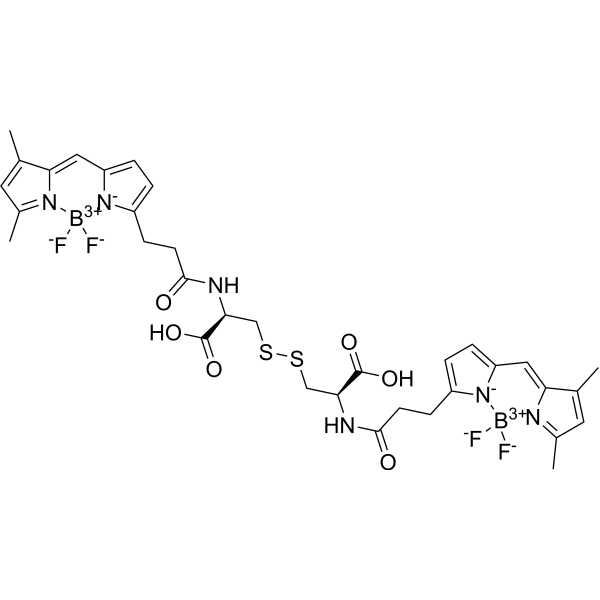
BODIPY FL L-Cystine is a thiol-reactive, green-fluorescent dye. BODIPY FL L-Cystine can be the labeling of membrane proteins, proteins with hydrophobic binding sites, or hydrophobic ligands. (λex=504 nm, λem=511 nm) .
|
-
-
- HY-174497
-
|
|
mRNA
|
Others
|
|
eGFP mRNA expresses green fluorescent protein derived from the jellyfish Aequorea victoria. eGFP is a commonly used direct-detection reporter gene in mammalian cell culture, which produces bright green fluorescence. This product is synthesized without modified nucleosides, with a Cap1 version cap analog at the 5' end and a 100nt PolyA tail at the 3' end. It can be used as a positive reference for IVT (in vitro transcription) or LNP delivery systems.
|
-
-
- HY-W356116
-
|
Nbd-ceramide
|
Fluorescent Dye
|
Others
|
|
C6 NBD Ceramide is a Golgi apparatus fluorescent probe with cell membrane permeability. C6 NBD Ceramide can be used for fast and convenient green fluorescent labeling of Golgi in living and fixed cells, and can be used to observe changes in Golgi morphology in living cells (Ex=466 nm, Em=536 nm). C6-NBD-ceramide is metabolized to fluorescent sphingomyelin and glucosylceramide, can be used for the study of sphingolipid transport and metabolic mechanism .
|
-
-
- HY-D1602
-
|
|
Fluorescent Dye
|
Others
|
|
BODIPY FL DHPE is a green-fluorescent phospholipid probe. BODIPY FL DHPE labels lipid 1,2-dihexadecanoyl-sn-glycero-phosphoethanolamine (DHPE), labeled liposomes can be internalized by membrane fusion. BODIPY FL DHPE can be used for investigations of membrane surface and membrane fusion. (λex=505 nm, λem=511 nm) .
|
-
-
- HY-D1157
-
|
|
Fluorescent Dye
Reactive Oxygen Species (ROS)
|
Others
|
|
HKPerox-2 is a highly sensitive green fluorescent probe for the specific detection of H2O2 in living cells with a maximum excitation wavelength and emission wavelength of 520 nm and 543 nm, respectively .
|
-
-
- HY-D1610
-
|
|
Fluorescent Dye
|
Others
|
|
BODIPY FL C5 is a green fluorescent fatty acid. BODIPY FL C5 can be used as a precursor for the synthesis of various fluorescent phospholipids. BODIPY FL C5 is relatively insensitive to the environment and fluoresces in both water-soluble and lipid environments .
|
-
-
- HY-W015590
-
|
|
Drug Metabolite
Fungal
|
Infection
Metabolic Disease
|
|
2-Hydroxyphenylacetic acid is a metabolite of Phenylalanine and Tyrosine, as well as a product of the biotransformation of Phenylacetonitrile by marine fungi. 2-Hydroxyphenylacetic acid acts as a potential biomarker for food. 2-Hydroxyphenylacetic acid slightly induces the expression of green fluorescent protein. 2-Hydroxyphenylacetic acid is used in the research of phenylketonuria and related hyperphenylalaninemia .
|
-
-
- HY-DY1032
-
|
|
Fluorescent Dye
|
Others
|
Mito-Tracker Green (solution) is a green fluorescent dye that selectively accumulates in the mitochondrial matrix. MitoTracker Green FM covalently binds mitochondrial proteins by reacting with free mercaptan of cysteine residues, allowing staining of mitochondrial membrane potential independent of membrane potential. Excitation/emission wavelength 490/523 nm. Solvent and concentration: DMSO: 1 mM
|
-
-
- HY-153845
-
|
|
Biochemical Assay Reagents
|
Others
|
|
RNA Aptamer Broccoli sodium is a 49-nucleotide nucleic acid aptamer that is much shorter than Spinach and Spinach2. It exhibits bright green fluorescence when binding to DFHBI or DFHBI-1T (a soluble analog of the green fluorescent protein label). RNA Aptamer Broccoli sodium can be used for RNA expression or localization in living cells .
|
-
-
- HY-D2769
-
|
Difluorocarboxyfluorescein azide, 6-isomer
|
Fluorescent Dye
|
Others
|
|
Oregon green 488 azide (Difluorocarboxyfluorescein azide, 6-isomer) is a bright green fluorescent azide-activated probe that reacts with terminal alkynes via copper-catalyzed azide-alkyne cycloaddition (CuAAC). Oregon green 488 azide can label goat anti-mouse IgG and exhibits excellent luminescence efficiency. Oregon green 488 azide, as a streptavidin conjugate, is used for flow cytometry staining of macrophages .
|
-
-
- HY-D2174
-
|
|
Fluorescent Dye
|
Others
|
|
AF488 amine is a bright, green-fluorescent dye used for labeling molecule such as antibodies. AF488 exhibits the λem and λex wavelength of 520 nm and 470 nm, respectively .
|
-
-
- HY-153232
-
|
|
Fluorescent Dye
Liposome
|
Others
|
|
eGFP circRNA-LNP is a lipid nanoparticle (LNP) containing eGFP circRNA, suitable for assays of RNA delivery, translation efficiency, cell viability, etc. eGFP circRNA carries Enhanced Green Fluorescent Protein (Enhanced Green Fluorescent Protein) eGFP, which will express green fluorescent protein after entering the cell. eGFP is commonly used as a reporter gene detectable by fluorescence microscopy or flow cytometry .
|
-
-
- HY-D1148
-
|
|
Fluorescent Dye
|
Others
|
|
HKGreen-4I is a highly sensitive green fluorescent probe for the specific detection of ONOO - in living cells with a maximum excitation wavelength and emission wavelength of 520 nm and 543 nm, respectively .
|
-
-
- HY-131008
-
|
|
Fluorescent Dye
|
Others
|
|
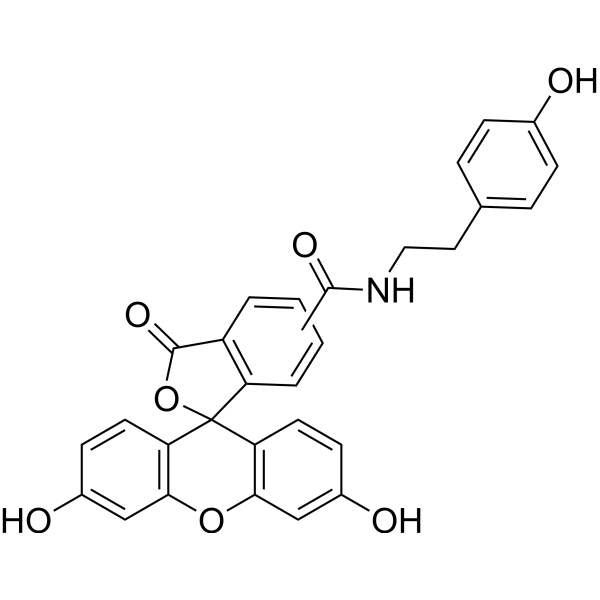
Fluorescein tyramide is a green fluorescent reagent (λabs: 494 nm; λem: 517 nm). Fluorescein tyramide is widely used for tyramide signal amplification (TSA) with a low-abundance in IHC, ICC, in situ hybridization (FISH) and flow cytometry (FCM) applications .
|
-
-
- HY-125962
-
|
|
Fluorescent Dye
Amyloid-β
|
Neurological Disease
|
|
X-34 is a lipophilic and bright yellow-green fluorescent derivative of Congo red (HY-D0236). X-34 can be used to stain neuritic and diffuse plaques, neurofibrillary tangles (NFTs), neuropil threads, and cerebrovascular amyloid in the brain. X-34 can be used for research of Alzheimer’s disease .
|
-
-
- HY-153081
-
|
|
Fluorescent Dye
|
Others
|
|
The eGFP circRNA will express green fluorescent protein, originally isolated from the jellyfish, Aequorea victoria. The eGFP is a commonly used direct detection reporter in mammalian cell culture, yielding bright green fluorescence with an emission peak at 509 nm. The eGFP circRNA is therefore ideal for monitoring and optimizing transfection efficiency and is recommended as a positive control for circular RNA transfections.
|
-
-
- HY-DY1033
-
|
|
Fluorescent Dye
|
Others
|
C12FDG (5-Dodecanoylaminofluorescein di-β-D-Galactopyranoside) (solution) is a lipophilic green fluorescent substrate for β-galactosidase detection. C12-FDG is more sensitive than Fluorescein di (β-D-galactopyranoside) (HY-101895) for beta-galactosidase activity determinations in animal cells (Ex/Em = 488/523 nm) . Solvent and concentration: DMSO: 10 mM
|
-
-
- HY-114351
-
|
|
Fluorescent Dye
|
Others
|
|
BODIPY FL Hydrazide is a green-fluorescent dye, BODIPY FL Hydrazide is reactive with aldehyde/ketone on polysaccharides and glycoproteins, yielding a reversible Schiff base product that can be transformed to a stable linkage using a reducing agent like sodium borohydride or sodium cyanoborohydride. (λex=495 nm, λem=516 nm) .
|
-
-
- HY-D0017S
-
|
DNSCl-d6
|
Biochemical Assay Reagents
|
Others
|
|
Dansyl chloride-d6 is the deuterium labeled Dansyl chloride (HY-D0017). Dansyl chloride is a reagent that produces stable blue or blue-green fluorescent sulfonamide adducts in the reaction of aliphatic and aromatic amines with primary amino groups, and is widely used for modified amino acids, protein sequencing and amino acid analysis .
|
-
-
- HY-D2875
-
|
|
Fluorescent Dye
|
Others
|
|
5-FITC tyramide is a green fluorescent dye composed of FITC (HY-66019) and tyramide (Ex=488 nm, Em=525 nm). 5-FITC tyramide is utilized as reporter fluorescent substrate of horseradish peroxidase (HRP)-catalyzed deposition for tyramide signal amplification (TSA). 5-FITC tyramide can be used for multiplex immunohistochemistry (mIHC) .
|
-
-
- HY-W442295
-
|
|
Fluorescent Dye
|
Others
|
|
Dipyrrometheneboron difluoride is a green-fluorescent dye used for labeling nonpolar lipids and detecting calcium.
|
-
-
- HY-W248583
-
|
PM650
|
Fluorescent Dye
|
Others
|
|
Pyrromethene 650 (PM650) is a green-fluorescent polar tracer dye. It is used for investigations of membrane fusion, lysis, and gap-junctional communication and to detect volume changes in cells or liposomes.
|
-
-
- HY-158217A
-
|
Gelatin Methacryloyl, 60% methacrylation, green fluorescent
|
Biochemical Assay Reagents
|
Others
|
Green Fluorescent Gelatin Methacryloyl (Green Fluorescent GelMA) is methacryloyl gelatin (GelMA) with green fluorescence, which is obtained by "grafting" fluorescent molecules on GelMA. Green Fluorescent Gelatin Methacryloyl acts as a scaffold and can be used to engineer tissue analogs from the vasculature to cartilage and bone, allowing cells to proliferate and spread . GelMA, 60% methacrylation, Green Fluorescent needs to self-assemble into fibrous hydrogel under the action of photoinitiator LAP (HY-44076), and target bioactive adhesion sites, play an inherent supporting role for tissue cells and biodegradable activity. Application: cell culture, biological 3D printing, tissue engineering, etc.
|
-
-
- HY-158217
-
|
Gelatin Methacryloyl, 30% methacrylation, green fluorescent
|
Biochemical Assay Reagents
|
Others
|
Green Fluorescent Gelatin Methacryloyl (Green Fluorescent GelMA) is methacryloyl gelatin (GelMA) with green fluorescence, which is obtained by "grafting" fluorescent molecules on GelMA. Green Fluorescent Gelatin Methacryloyl acts as a scaffold and can be used to engineer tissue analogs from the vasculature to cartilage and bone, allowing cells to proliferate and spread . GelMA, 30% methacrylation, Green Fluorescent needs to self-assemble into fibrous hydrogel under the action of photoinitiator LAP (HY-44076), and target bioactive adhesion sites, play an inherent supporting role for tissue cells and biodegradable activity. Application: cell culture, biological 3D printing, tissue engineering, etc.
|
-
-
- HY-D1613
-
-
-
- HY-153231A
-
|
|
Fluorescent Dye
Liposome
|
Others
|
|
eGFP mRNA-LNP (500 ng/μL) is a lipid nanoparticle (LNP) containing eGFP mRNA. eGFP mRNA-LNP carries Enhanced Green Fluorescent Protein (eGFP), which will express green fluorescent protein after entering the cell. eGFP is commonly used as a reporter gene detectable by fluorescence microscopy or flow cytometry (excitation wavelength = 488 nm; emission wavelength = 535/40 bandpass). eGFP mRNA-LNP can be used for RNA delivery, translation efficiency and cell viability .
|
-
-
- HY-D1151
-
HKOH-1
3 Publications Verification
|
Reactive Oxygen Species (ROS)
Fluorescent Dye
|
Others
|
|
HKOH-1 is a highly sensitive green fluorescent probe for the specific detection of ·OH in living cells with a maximum excitation wavelength and emission wavelength of 500 nm and 520 nm, respectively .
|
-
-
- HY-D1159
-
|
|
Reactive Oxygen Species (ROS)
Fluorescent Dye
|
Others
|
|
HKOH-1r is a highly sensitive green fluorescent probe for the specific detection of ·OH in living cells with a maximum excitation wavelength and emission wavelength of 500 nm and 520 nm, respectively .
|
-
-
- HY-104058
-
|
green 488 BAPTA 1AM
|
Fluorescent Dye
|
Others
|
|
BAPTA Green 1AM (Oregon Green 488 BAPTA 1AM) is a fluorescent Ca 2+ indicator that consists of a green fluorescent probe OG 488 and a cell-permeable Ca 2+ chelator BAPTA AM.
|
-
-
- HY-D1690A
-
|
|
Fluorescent Dye
|
Others
|
|
sBADA is a potent green fluorescent dye. sBADA is a sulfonated BODIPY-FL 3-amino-D-alanine. sBADA is used to label peptidoglycans in bacterial cell walls in situ. (λex=490 nm, λem=510 nm) .
|
-
-
- HY-133876
-
|
DiA
|
Fluorescent Dye
|
Others
|
|
4-Di-16-ASP is a green fluorescent membrane dye. 4-Di-16-ASP is a lipophilic aminostyryl probe with a broad emission spectrum (can be detected with green, orange or even red filters). It is commonly used for neuronal membrane tracing (it diffuses faster than DiO) .
|
-
-
- HY-D2874
-
|
|
Fluorescent Dye
|
Others
|
|
6-AF488 tyramide is a bright, green fluorescent dye (Ex=496 nm, Em=524 nm). 6-AF488 tyramide is utilized as reporter fluorescent substrate of horseradish peroxidase (HRP)-catalyzed deposition for tyramide signal amplification (TSA). 5-FITC tyramide can be used for multiplex immunohistochemistry (mIHC) .
|
-
-
- HY-D1777
-
|
PM605
|
Fluorescent Dye
|
Others
|
|
Pyrromethene 605 (PM605) is a green-fluorescent polar tracer dye. It is used for investigations of membrane fusion, lysis, and gap-junctional communication and to detect volume changes in cells or liposomes.
|
-
- HY-130022
-
|
|
Fluorescent Dye
|
Others
|
|
HKPerox-1 is a highly sensitive green fluorescent probe for the specific detection of H2O2 in living cells with a maximum excitation wavelength and emission wavelength of 520 nm and 543 nm, respectively .
|
-
- HY-D1372
-
|
|
Fluorescent Dye
|
Others
|
|
Cyanine3 amine hydrochloride, an analog of Cyanine3 amine, is a potent green fluorescent dye. Cyanine3 amine hydrochloride has the primary amine group and is covalently coupled with reactive groups such as NHS esters, carboxy groups (after carbodiimide activation), and epoxides. (λex=555 nm, λem=570 nm) .
|
-
- HY-D1372A
-
|
|
Fluorescent Dye
|
Others
|
|
Cyanine3 amine (TFA), an analog of Cyanine3 amine, is a potent green fluorescent dye. Cyanine3 amine (TFA) has the primary amine group and is covalently coupled with reactive groups such as NHS esters, carboxy groups (after carbodiimide activation), and epoxides. (λex=555 nm, λem=570 nm) .
|
-
- HY-174496
-
|
|
mRNA
|
Others
|
|
eGFP mRNA (5moU) expresses a green fluorescent protein, originally isolated from the jellyfish, Aequorea victoria. EGFP is a commonly used direct detection reporter in mammalian cell culture, yielding bright green fluorescence. The substitution with 5’-Methoxyuridine (5moU) improves protein expression and reduces innate immune response.
|
-
- HY-P2496
-
|
|
Endothelin Receptor
Fluorescent Dye
NF-κB
COX
Prostaglandin Receptor
Apoptosis
TNF Receptor
Interleukin Related
MMP
|
Cardiovascular Disease
Inflammation/Immunology
Cancer
|
|
Endothelin 1 (swine, human), Alexa Fluor 488-labeled is an Endothelin-1 conjugated with Alexa Fluor 488 (HY-D1304). Endothelin-1 is an endogenous vasoconstrictor and agonist of ETA/ETB receptor. Endothelin 1 (swine, human) exerts effects including promoting mitosis, angiogenesis, tumor invasion and metastasis, and inhibiting apoptosis. Endothelin 1 (swine, human) induces inflammation and oxidative stress by activating the NF-κB pathway. Endothelin 1 (swine, human), Alexa Fluor 488-labeled is specifically designed for fluorescence imaging, flow cytometry or receptor localization studies, and can be used in research related to sepsis, atherosclerosis, systemic inflammatory response syndrome, cancer and congestive heart failure .
|
-
- HY-W248118
-
|
PM556
|
Fluorescent Dye
|
Others
|
|
Pyrromethene 556 (PM556) is a green-fluorescent polar tracer dye. It is used for investigations of membrane fusion, lysis, and gap-junctional communication and to detect volume changes in cells or liposomes.
|
-
- HY-168947
-
|
|
Fluorescent Dye
|
Others
|
|
Green Fluorescent PLGA nanoparticles, 100nm is a PLGA nanoparticle labeled with a green fluorescent dye and is commonly used in imaging and diagnostic applications.
|
-
- HY-D1697
-
|
|
Fluorescent Dye
|
Infection
|
|
OGDA is a green fluorescent D-amino acid. OGDA is suitable for labeling peptidoglycan in Gram-positive and Gram-negative bacteria .
|
-
- HY-D1595
-
|
|
Fluorescent Dye
|
Others
|
|
BODIPY FL Cholesterol is a green fluorescent, lipophilic probe. BODIPY FL Cholesterol can be used for the research of lipid transport processes and lipid-protein interactions .
|
-
- HY-D1699
-
|
|
Fluorescent Dye
|
Others
|
|
PFB-FDG is a non-fluorescent galactosidase substrate that can be hydrolysed to green fluorescent PFB-F (Ex=485 nm, Em=535 nm). PFB-FDG can be used for the determination of β-galactosidase activity .
|
-
- HY-D1608
-
|
|
Calcium Channel
|
Others
|
|
BODIPY FL Thapsigargin is a potent green fluorescent dye. BODIPY FL Thapsigargin inhibits intracellular SERCA-type Ca2+ pumps present in the sarcoplasmic/endoplasmic reticulum. BODIPY FL Thapsigargin used for investigation of thapsigargin binding sites in live cells .
|
-
- HY-D1752
-
|
D-22421
|
Fluorescent Dye
|
Others
|
|
JC-9 (D-22421) is a green-fluorescent probe used for ratiometric calculation of mitochondrial membrane potential.
|
-
- HY-D1611
-
|
|
Fluorescent Dye
|
Others
|
|
BODIPY FL-C5 NHS Ester is a green-fluorescent dye that is reactive with primary amines on biomolecules such as peptides, proteins, modified nucleotides and biopolymers .
|
-
- HY-172269
-
|
|
Fluorescent Dye
|
Others
|
|
BP Fluor 488 is a bright, green-fluorescent dye widely used for labeling aldehydes or ketones in polysaccharides or glycoproteins. The dye has an excitation peak at 499 nm and an emission peak at 520 nm. The conjugates are widely used in microscopy, flow cytometry, and other applications.
|
-
- HY-D2756
-
|
|
Fluorescent Dye
|
Others
|
|
OG 488 alkyne is a bright, green-fluorescent alkyne-activated probe routinely used for imaging of azide-containing biomolecules. OG 488 Alkyne reacts with azides via a copper-catalyzed click reaction (CuAAC) to form a stable triazole linker.
|
-
- HY-168947A
-
|
|
Fluorescent Dye
|
Others
|
|
Green Fluorescent PLGA nanoparticles, 200nm is a PLGA nanoparticle labeled with a green fluorescent dye and is commonly used in imaging and diagnostic applications.
|
-
- HY-168947B
-
|
|
Fluorescent Dye
|
Others
|
|
Green Fluorescent PLGA nanoparticles, 500nm is a PLGA nanoparticle labeled with a green fluorescent dye and is commonly used in imaging and diagnostic applications.
|
-
- HY-D2933
-
|
|
Fluorescent Dye
|
Others
|
|
SNAP-505 is a green fluorescent O6 benzylguanine derivative. SNAP-505 labels SNAP-tagged proteins covalently.
SNAP-505 can be used to label cells (green) .
|
-
- HY-174794
-
|
|
mRNA
|
Others
|
|
The Cas9-T2A-GFP mRNA encodes a Cas9 nuclease gene with two nuclear localization signals (NLS) and a green fluorescent protein (GFP), which could be used in genome engineering experiments.
|
-
- HY-D1074
-
|
3,3'-Dipropyloxacarbocyanine iodide
|
Fluorescent Dye
|
Others
|
|
DiOC3(3) (3,3'-Dipropyloxacarbocyanine iodide) is a green fluorescent lipophilic dye with cell membrane permeability. DiOC3(3) can be used to stain cell membranes and other lipid-soluble biological structures .
|
-
- HY-D1113
-
|
|
Fluorescent Dye
|
Others
|
|
TFAX 488,TFP is a green fluorescent dye and exhibits pH-insensitivity over a very broad range (pH in the 4-10). TFAX 488,TFP yields exceptionally bright, photostable conjugates with proteins or antibodies (such as goat anti-mouse IgG, streptavidin) .
|
-
- HY-D1114
-
|
|
Fluorescent Dye
|
Others
|
|
TFAX 488,SE dilithium is a green fluorescent dye and exhibits pH-insensitivity over a very broad range (pH in the 4-10). TFAX 488,SE dilithium yields exceptionally bright, photostable conjugates with proteins or antibodies (such as goat anti-mouse IgG, streptavidin) .
|
-
- HY-D0251R
-
|
Uranine (Standard)
|
Fluorescent Dye
Reference Standards
|
Cancer
|
|
Fluorescein (Standard) is the analytical standard of Fluorescein. This product is intended for research and analytical applications. Fluorescein (Uranine) is widely used as a fluorescent tracer in medicinal and biological applications and tumor infected tissues tracer. Fluorescein (Uranine) is a representative green fluorophore that has been widely used as a scaffold of practically useful green fluorescent probes .
|
-
- HY-174793
-
|
|
mRNA
|
Others
|
|
The Cas9-T2A-GFP mRNA encodes a Cas9 nuclease gene with two nuclear localization signals (NLS) and a green fluorescent protein (GFP), which could be used in genome engineering experiments. The incorporation of N1-Methylpseudo-UTP can reduce the immunogenicity of the resulting mRNA.
|
-
- HY-D2459
-
|
|
Fluorescent Dye
|
Cancer
|
|
Alexa Fluor 430 NHS ester is a compound that couples green fluorescent dye Alexa Fluor 430 to a protein or antibody. Alexa Fluor 430 is used for the generation of stable signals in imaging and flow cytometry. NHS ester can be used to label proteins, amine-modified oligonucleotides and other primary amines (R-NH2) containing amine molecules .
|
-
- HY-D2379
-
|
|
Fluorescent Dye
|
Endocrinology
Cancer
|
HMRG is a type of hydroxymethyl rhodamine green fluorescent scaffold, featuring an open non-cyclic structure. HMRG can produce significant dynamic fluorescence changes through a one-step enzymatic reaction at physiological pH, which is useful for developing various probes. Fluorescent probes based on HMRG can be used for fluorescence detection of diseases such as tumors and diabetic nephropathy .
|
-
- HY-P10680
-
|
|
Liposome
|
Others
|
|
TFE-IDAtp1-LinA is a highly potent amphiphilic carrier, containing a trifluoroethyl-iminodiacetic acid analog of Stp. TFE-IDAtp1-LinA, formed nanoparticles with Cas9 RNP/ssDNA, achieved enhanced green fluorescent protein knockouts with an ED50 of 0.38 nM Cas9/sgRNA ribonucleoproteins (RNP) .
|
-
- HY-W800698
-
|
|
Fluorescent Dye
|
Others
|
|
BP Fluor 430 Alkyne is a green-fluorescent alkyne-activated probe routinely used for imaging of moderate to high abundance azide-containing biomolecules. BP Fluor 430 Alkyne reacts with azides via a copper-catalyzed click reaction (CuAAC) to form a stable triazole linker.
BP Fluor 430 is a bright, photostable, green-fluorescent probe optimally excited near 430 nm. This probe is water-soluble and its fluorescence is pH independent over a wide pH range.
|
-
- HY-W800696
-
|
|
Fluorescent Dye
|
Others
|
|
BP Fluor 430 Azide is a water-soluble, green-fluorescent, azide-activated probe that reacts with terminal alkynes via a copper-catalyzed click reaction (CuAAC). It also reacts with strained cyclooctyne via a copper-free click chemistry reaction to form a stable triazole and does not require a Cu-catalyst or elevated temperatures.
BP Fluor 430 is a bright, photostable, green-fluorescent probe with excitation near its absorption maximum at 432 nm and emission maximum at 539 nm. This probe is water soluble and pH-insensitive from pH 4 to pH 10.
A next generation probe, BP Fluor 430 Picolyl Azide, is also available for detection of low abundance alkyne-tagged biomolecules.
|
-
- HY-114352
-
|
|
Fluorescent Dye
|
Others
|
|
BODIPY FL-X is a green-fluorescent dye. BODIPY FL-X has the succinimidyl ester covalently coupled to proteins. BODIPY FL-X has high fluorescence quantum yield and is relatively insensitive to pH change. (λex=504 nm, λem=510 nm) .
|
-
- HY-D2757
-
|
|
Fluorescent Dye
|
Others
|
|
5(6)-Carboxyrhodamine 110 NHS Ester is the nonsulfonated analog of the BP Fluor 488 dye. The amine-reactive 5(6)-Carboxyrhodamine 110 NHS ester can be used to create bright and photostable green-fluorescent bioconjugates with excitation/emission maxima ~502/527 nm.
The conjugates of this dye often used for Fluorescence Correlation Spectroscopy (FCS).
|
-
- HY-D1578
-
|
|
Fluorescent Dye
β-glucuronidase
|
Others
|
|
C12FDGlcU is a lipophilic analog of fluorescein di-β-D-glucuronic acid. C12FDGlcU can be useful for the detection of β-glucuronidase (GUS) gene expression. C12FDGlcU can enter the cells and then be cleaved by β-glucuronidase, generating the yellow-colored, green-fluorescent fluorescein (Abs/Em of the reaction product: 495/518 nm) .
|
-
- HY-W800775
-
|
|
Fluorescent Dye
|
Others
|
|
BP Fluor 647 Alkyne is a bright green-fluorescent dye optimal for use with the 633, 650 nm Argon laser. The alkyne group can react with azides via copper catalyzed Click Chemistry reactions. The dye is water soluble and pH-insensitive from pH 4 to pH 10. The dye has 4 sulfonate groups which make it highly water soluble and cause less aggregation in the aqueous solution. BP Fluor 647 Alkyne is used for protein and antibody labeling, or nucleic acid applications with high labeling density.
|
-
- HY-158217B
-
|
Gelatin Methacryloyl, 90% methacrylation, green fluorescent
|
Biochemical Assay Reagents
|
Others
|
Green Fluorescent Gelatin Methacryloyl (Green Fluorescent GelMA) is methacryloyl gelatin (GelMA) with green fluorescence, which is obtained by "grafting" fluorescent molecules on GelMA. Green Fluorescent Gelatin Methacryloyl acts as a scaffold and can be used to engineer tissue analogs from the vasculature to cartilage and bone, allowing cells to proliferate and spread . GelMA, 90% methacrylation, Green Fluorescent needs to self-assemble into fibrous hydrogel under the action of photoinitiator LAP (HY-44076), and target bioactive adhesion sites, play an inherent supporting role for tissue cells and biodegradable activity. Application: cell culture, biological 3D printing, tissue engineering, etc.
|
-
- HY-W800838
-
|
|
Fluorescent Dye
|
Cancer
|
|
BP Fluor 488 Tetrazine is a bright, green-fluorescent probe used for detection TCO-tagged biopolymers. BP Fluor 488 Tetrazine demonstrates exceptionally fast cycloaddition kinetics (up to 30 000 M-1 s-1) with trans-cyclooctenes (TCO) as the dienophile, the fastest kinetics ever reported for any bioorthogonal reaction. In applications such as in vivo cancer imaging or pre?targeted cell labeling studies where rapid reaction kinetics is a must BP Fluor 488 Tetrazine probe would of great value.
|
-
- HY-D2768
-
|
|
Fluorescent Dye
|
Others
|
|
BP Fluor 430 NHS Ester is a water-soluble, green-fluorescent dye that is often used in multi-color applications, including flow cytometry and super-resolution microscopy using STORM. Its excitation is ideally suited for the 407 nm spectral line of the krypton laser or the 408 nm violet laser diode. BP Fluor 405 conjugates are pH-insensitive from pH 4 to pH 10.
The NHS ester (or succinimidyl ester) is the most popular amine reactive group for labeling the primary amines of proteins (Lys), amine-modified oligonucleotides, and other amine-containing molecules. Proteins can be labeled with BP Fluor 430 NHS Ester at high molar ratios without significant self-quenching, leading to brighter conjugates and more sensitive detection.
|
-
- HY-174322
-
|
|
SHP2
ERK
Fluorescent Dye
|
Cancer
|
|
SHP2-IN-38 is a novel green-fluorescent SHP2 inhibitor with IC50 values of 2.89 μM (SHP2), 8.73 μM (SHP1), 11.08 μM (PTP1B), 33.07 μM (TCPTP). SHP2-IN-38 blocks the SHP2-mediated ERK signaling pathway and inhibits MV4-11 cells proliferation in vitro with IC50 of 7.90 μM. SHP2-IN-38 has an excitation wavelength of 360 nm, with a maximum emission wavelength of 550 nm in DMSO and 540 nm in DMF. SHP2-IN-38 shows green fluorescence imaging in HeLa cells and zebrafish.
|
-
- HY-174792
-
|
|
mRNA
|
Others
|
|
The Cre-T2A-GFP mRNA is a capped and polyadenylated messenger RNA encoding a Cre recombinase with a nuclear localization sequence (NLS) and a green fluorescent protein (GFP).
|
-
- HY-D2773
-
|
|
Fluorescent Dye
|
Others
|
|
5-Carboxyrhodamine 110 NHS Ester is the nonsulfonated analog of the BP Fluor 488 dye. The amine-reactive 5(6)-Carboxyrhodamine 110 NHS Ester can be used to create bright and photostable green-fluorescent bioconjugates with excitation/emission maxima ~502/527 nm. For many applications, the dye is preferred over 5-(6)-carboxyfluorescein NHS ester or FITC because of its exceptional photostability and fluorescence insensitivity to pH (4-9).
Although the mixed isomers of Carboxyrhodamine 110 NHS Ester preferred, routinely used fluorescent dye for labeling proteins, peptides and nucleotides, purification of peptide and nucleotides labeled with 5(6) isomers might be troublesome due to significant signal broadening in HPLC purification. Peptides and nucleotides labeled with a single isomer usually give better resolution in HPLC purification that is often required in the conjugation processes.
|
-
- HY-D1690
-
|
|
Fluorescent Dye
|
Others
|
|
sBADA TFA is a potent green fluorescent dye. sBADA TFA is a sulfonated BODIPY-FL 3-amino-D-alanine. sBADA TFA is used to label peptidoglycans in bacterial cell walls in situ. (λex=490 nm, λem=510 nm) .
|
-
- HY-D2741
-
|
|
Fluorescent Dye
|
Others
|
|
MB 488 NHS ester is a fluroescent agent with a terminal NHS ester group. MB 488 NHS ester is a green fluorescent, very hydrophilic dye molecule that has a maximal absorption of 501 nm and emission at 524 nm. The NHS ester can be applied to label the primary amines (-NH2) of proteins, amine-modified oligonucleotides, and other amine-containing molecules.
|
-
- HY-114346A
-
|
|
Fluorescent Dye
|
Others
|
|
ODIPY FL EDA free base is an amine-based, green fluorescent probe. The R-NH2 of ODIPY FL EDA free base can be coupled with aldehydes or ketones to form reversible Schiff base products. Convert to stable amine derivatives using reducing agents such as sodium borohydride or sodium cyanoborohydride. ODIPY FL EDA free base can be used to detect modified or normal deoxynucleotides and demonstrate DNA damage and genomic DNA methylation.
|
-
- HY-D1597
-
|
|
Fluorescent Dye
|
Others
|
|
Cyanine3.5 azide chloride, an analog of Cyanine3.5 azide, is a potent green fluorescent dye. Cyanine3.5 azide chloride uses click chemistry to tag the ethylidene group. (λex=591 nm, λem=604 nm) . Cyanine3.5 azide (chloride) is a click chemistry reagent, it contains an Azide group and can undergo copper-catalyzed azide-alkyne cycloaddition reaction (CuAAc) with molecules containing Alkyne groups. It can also undergo strain-promoted alkyne-azide cycloaddition (SPAAC) reactions with molecules containing DBCO or BCN groups.
|
-
- HY-W800699
-
|
|
Fluorescent Dye
|
Others
|
|
BP Fluor 430 DBCO reacts with azides via a copper-free click chemistry reaction to form a stable triazole and does not require a Cu-catalyst or elevated temperatures. In applications where the presence of copper is a concern, BP Fluor 430 DBCO is an ideal alternative to copper requiring fluorescent alkynes.
BP Fluor 430 is a bright, photostable, green-fluorescent probe optimally excited near its absorption maximum at 432 nm. Its emission peak at 539 nm is pH independent over a wide pH range.
BP Fluor DBCO reagent is not suitable for staining intracellular components of fixed and permeabilized cells due to high backgrounds.
|
-
- HY-D3193
-
|
|
Fluorescent Dye
|
Others
|
|
CDg4 is a green fluorescent probe and member of the fluorescent diamino-chalcone library.CDg4 binds to glycogen on mouse embryonic stem cell colony surfaces .
|
-
- HY-174791
-
|
|
mRNA
|
Others
|
|
The Cre-T2A-GFP mRNA is a capped and polyadenylated messenger RNA encoding a Cre recombinase with a nuclear localization sequence (NLS) and a green fluorescent protein (GFP). The incorporation of N1-Methylpseudo-UTP can reduce the immunogenicity of the resulting mRNA.
|
-
- HY-D0017S1
-
|
DNSCl-13C2
|
Fluorescent Dye
Isotope-Labeled Compounds
|
Others
|
|
Dansyl chloride- 13C2 is the 13C labeled Dansyl chloride (HY-D0017) . Dansyl chloride is a reagent that produces stable blue or blue-green fluorescent sulfonamide adducts in the reaction of aliphatic and aromatic amines with primary amino groups, and is widely used for modified amino acids, protein sequencing and amino acid analysis.
|
-
- HY-175055
-
|
C12 NBD phytosphingosine (t18:0/12:0); NBD cer (t18:0/12:0); NBD ceramide (t18:0/12:0)
|
Fluorescent Dye
Drug Derivative
|
Others
|
|
C12 NBD Phytoceramide (t18:0/12:0) is a ceramide analogue composed of a phytoceramide and green fluorescent C12 NBD. C12 NBD Phytoceramide (t18:0/12:0) is a fluorescent substrate (Ex=485 nM, Em=525 nM) and can be used to detect ceramidase (such as diacylglycerol acyltransfereases Lro1p) activity .
|
-
- HY-DY1082
-
|
|
Fluorescent Dye
|
Others
|
Green DND-26 (solution) is a green fluorescently labeled lysosomal probe with a maximum excitation/emission wavelength of 504/511 nm. The structure is composed of a fluorescein group and linked weak bases, which can freely cross the cell membrane and generally gather on spherical organelles. Green DND-26 is suitable for observing the internal biosynthesis and related pathogenesis of lysosomes . Solvent and concentration: DMSO: 2 mM
|
-
- HY-103455
-
|
|
Estrogen Receptor/ERR
|
Others
|
|
ZK164015 is an estrogen-glucocorticoid receptor chimera that can be used as a compound screening tool to evaluate tissue-selective estrogen activity. ZK164015 was used to evaluate its effects on ER function in osteoblasts in studies based on green fluorescent protein (GFP)-receptor chimeras. In osteoblast-like (ROS and U2OS) and breast cancer (MCF7) cells, ZK164015 showed different effects in response to ER agonists, including modulation of ERE-luc activity and effects on nuclear mobility.
|
-
- HY-D0918
-
|
|
Fluorescent Dye
|
Others
|
|
YO-PRO-1 is a non-cell-membrane-penetrating green fluorescent dye. YO-PRO-1 cannot penetrate normal cell membranes but can penetrate the membranes of apoptotic and necrotic cells. YO-PRO-1 has a high affinity for DNA. When it is not bound to DNA, it emits almost no fluorescence, and when it binds to DNA, it can emit green fluorescence (Ex/Em: 488/530±30 nM). YO-PRO-1 is often used together with Propidium Iodide (HY-D0815) to analyze and identify apoptotic and necrotic cells .
|
-
- HY-D1327
-
|
|
Fluorescent Dye
|
Others
|
|
Cyanine3 azide chloride, an analog of Cy3 azide, is a potent green fluorescent dye. Cyanine3 azide chloride uses click chemistry coupled with Alkyne-labeled proteins. Cyanine3 azide chloride can be detected by fluorometers, imagers, and microscopes. (λex=684 nm, λem=710 nm) [1]. Cyanine3 azide (chloride) is a click chemistry reagent, it contains an Azide group and can undergo copper-catalyzed azide-alkyne cycloaddition reaction (CuAAc) with molecules containing Alkyne groups. It can also undergo strain-promoted alkyne-azide cycloaddition (SPAAC) reactions with molecules containing DBCO or BCN groups.
|
-
- HY-15558
-
|
bisBenzimide H 33258; H 33258
|
Fluorescent Dye
DNA Stain
DNA Alkylator/Crosslinker
|
Others
|
|
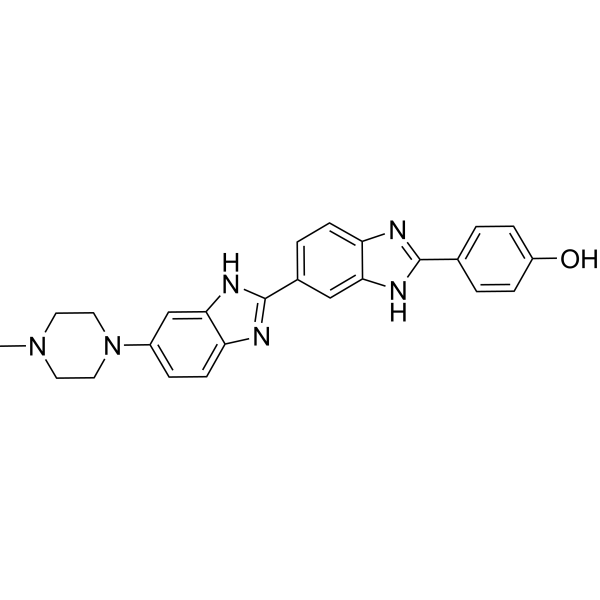
Hoechst 33258 is a blue to blue-green fluorescent live cell dye that can label DNA. Hoechst 33258 can specifically bind to the minor groove of DNA (and tends to bind to A/T-rich DNA), resulting in a significant increase in fluorescence intensity. Hoechst 33258 can cross the cell membrane and cause changes in DNA structure, such as G2/M phase arrest. Hoechst 33258 can bind to live or fixed cells, and the fluorescence intensity increases with increasing solution pH. As a DNA-specific probe, Hoechst 33258 can be used to detect DNA content, analyze cell cycle, etc. The excitation wavelength of Hoechst 33258 is 350-365 nm, and the emission wavelength is 460-490 nm .
|
-
- HY-D3187
-
|
|
Fluorescent Dye
Glycosidase
|
Infection
Cancer
|
|
HMRef-αMan is a substrate-based green fluorescent probe (Ex/Em=465 nm/515 nm) targeting MAN2C1 (α-mannosidase). HMRef-αMan can be specifically cleaved by MAN2C1 to generate a highly fluorescent product, which thus gets activated to produce green fluorescence in malignant breast tissues, benign lesions and living cancer cells. The signal intensity of HMRef-αMan is directly correlated with MAN2C1 activity, and it can effectively detect tiny breast cancer lesions with a diameter of less than 1 mm. When used in combination with the red-emitting γ-glutamyl transpeptidase (GGT) probe gGlu-2OMe SiR600 (HY-D3188), HMRef-αMan enables precise optical differentiation of breast tissue types via a dual-color imaging strategy. HMRef-αMan has been widely used in the research of breast diseases such as breast cancer, fibroadenoma, phyllodes tumor and various types of papilloma .
|
-
| Cat. No. |
Product Name |
Type |
-
- HY-126839
-
|
5-Dodecanoylaminofluorescein di-β-D-Galactopyranoside
|
Fluorescent Dyes
|
|
C12FDG (5-Dodecanoylaminofluorescein di-β-D-Galactopyranoside) is a lipophilic green fluorescent substrate for β-galactosidase detection. C12-FDG is more sensitive than Fluorescein di(β-D-galactopyranoside) (HY-101895) for beta-galactosidase activity determinations in animal cells (Ex/Em = 488/523 nm) .
|
-
- HY-D0017
-
|
DNSCl
|
Fluorescent Dyes
|
|
Dansyl chloride is a reagent that produces stable blue or blue-green fluorescent sulfonamide adducts in the reaction of aliphatic and aromatic amines with primary amino groups, and is widely used for modified amino acids, protein sequencing and amino acid analysis .
|
-
- HY-135056
-
|
|
Fluorescent Dyes
|
|
Mito-Tracker Green is a green fluorescent dye that selectively accumulates in the mitochondrial matrix. MitoTracker Green FM covalently binds mitochondrial proteins by reacting with free mercaptan of cysteine residues, allowing staining of mitochondrial membrane potential independent of membrane potential. Excitation/emission wavelength 490/523 nm.
|
-
- HY-66022
-
5-FAM
4 Publications Verification
5-Carboxyfluorescein
|
Fluorescent Dyes
|
|
5-FAM (5-Carboxyfluorescein) is a green fluorescent reagent used for in situ labeling peptides, proteins and nucleotides. 5-FAM is a single isomer with Ex/Em of 490 nm/520 nm .
|
-
- HY-D2908
-
|
|
Fluorescent Dyes
|
SYTO9 is a green fluorescent nucleic acid dye (Ex = 485 nm, Em = 498 nm (DNA)/501 nm (RNA)). SYTO9 can penetrate the intact cell membrane of viable bacteria. When the cell membrane is damaged (cell death), its rate of entry into cells increases, and it competes with propidium iodide (PI) (HY-D0815), another membrane-impermeable dye, for nucleic acid binding sites. SYTO9 is widely used in fluorescence microscopy, flow cytometry, and fluorometric assays in microbiology for bacterial counting, viability assessment, and cell imaging .
|
-
- HY-D0251
-
|
Uranine
|
Fluorescent Dyes
|
|
Fluorescein (Uranine) is widely used as a fluorescent tracer in medicinal and biological applications and tumor infected tissues tracer. Fluorescein (Uranine) is a representative green fluorophore that has been widely used as a scaffold of practically useful green fluorescent probes .
|
-
- HY-43520
-
|
|
Fluorescent Dyes
|
|
BODIPY-FL is a green fluorescent dye that can be used to label probes or primers. BODIPY-FL fluorescence can be quenched after interacting with uniquely positioned guanine, making it useful for quantifying specific DNA or RNA molecules. The maximum absorption wavelength of BODIPY-FL is 505 nm, and the maximum emission wavelength is 513 nm .
|
-
- HY-15558
-
|
bisBenzimide H 33258; H 33258
|
Fluorescent Dyes
|
|
Hoechst 33258 is a blue to blue-green fluorescent live cell dye that can label DNA. Hoechst 33258 can specifically bind to the minor groove of DNA (and tends to bind to A/T-rich DNA), resulting in a significant increase in fluorescence intensity. Hoechst 33258 can cross the cell membrane and cause changes in DNA structure, such as G2/M phase arrest. Hoechst 33258 can bind to live or fixed cells, and the fluorescence intensity increases with increasing solution pH. As a DNA-specific probe, Hoechst 33258 can be used to detect DNA content, analyze cell cycle, etc. The excitation wavelength of Hoechst 33258 is 350-365 nm, and the emission wavelength is 460-490 nm .
|
-
- HY-D1458
-
|
|
Fluorescent Dyes
|
|
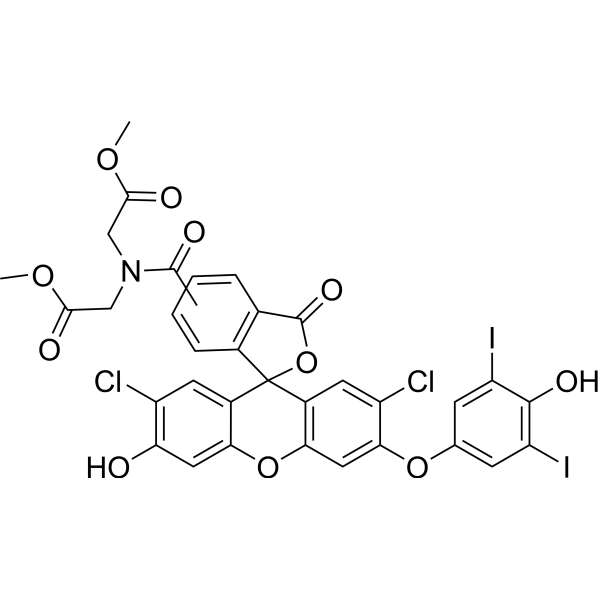
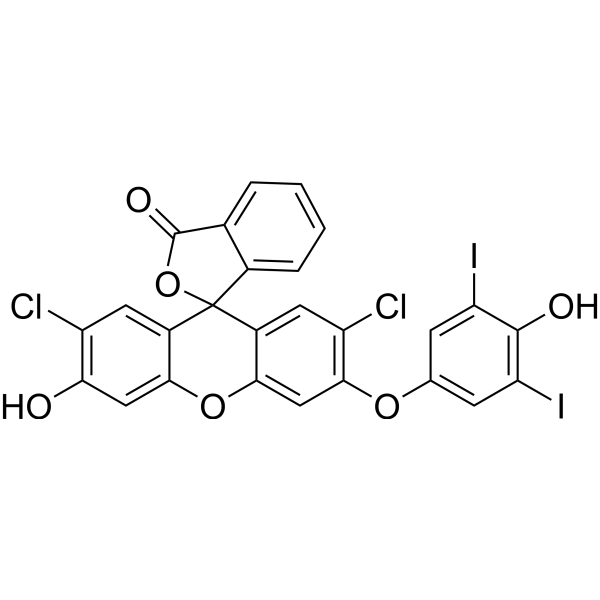
Peroxyfluor 1 is a cell-permeable probe for H2O2. Peroxyfluor 1 represents a first-generation, green-fluorescent probe .
|
-
- HY-15937
-
|
5(6)-Carboxyfluorescein N-hydroxysuccinimide ester; 5(6)-Carboxyfluorescein succinimidyl ester mixed isomers
|
Fluorescent Dyes
|
|
5(6)-FAM SE is a green fluorescent dye widely used for protein labeling.
|
-
- HY-110250
-
|
|
Fluorescent Dyes
|
|
DFHBI is a small molecule that resembles the chromophore of green fluorescent protein (GFP). DFHBI can be used for imaging RNA in living cells. . Spinach and DFHBI are essentially nonfluorescent when unbound, whereas the Spinach-DFHBI complex is brightly fluorescent both in vitro and in living cells (Ex/Em = 469/501 nm).
|
-
- HY-D1612
-
|
|
Fluorescent Dyes
|
|
The Golgi apparatus is composed of flattened vesicles superimposed on each other by unit membranes. The flattened vesicles are round with expanded and perforated edges. The Golgi fluorescent probe is a BODIPY-labeled ceramide derivative, the synthesis of which occurs in the endoplasmic reticulum and can then be transported to the Golgi via ceramide transport protein (CERT) or vesicular translocation, allowing specific labeling of the dye . BODIPY Fl C5-Ceramide is a Golgi-specific green fluorescent dye, which can visualise individual cells . Ex/Em= 505 nm/512 nm.
|
-
- HY-103469
-
|
PO1
|
Fluorescent Dyes
|
|
Peroxy Orange 1 (PO1) is a new H2O2 specific probe that can bind to green fluorescent highly reactive oxygen species (hROS) probe APF. Peroxy Orange 1 is also a living cell dye .
|
-
- HY-15940
-
|
5(6)-FAM; 5-(and-6)-Carboxyfluorescein mixed isomers
|
Fluorescent Dyes
|
|
5(6)-Carboxyfluorescein (5(6)-FAM) is an amine-reactive pH-sensitive green fluorescent probe. 5(6)-Carboxyfluorescein (5(6)-FAM) can be used to label proteins, peptides and nucleotides. 5(6)-Carboxyfluorescein can be used for the detection of tumour areas in vivo .
|
-
- HY-D1296
-
|
|
Fluorescent Dyes
|
|
Green DND-26 is a green fluorescently labeled lysosomal probe with a maximum excitation/emission wavelength of 504/511 nm. The structure is composed of a fluorescein group and linked weak bases, which can freely cross the cell membrane and generally gather on spherical organelles. Green DND-26 is suitable for observing the internal biosynthesis and related pathogenesis of lysosomes .
|
-
- HY-D1605
-
|
|
Fluorescent Dyes
|
|
BODIPY FL L-Cystine is a thiol-reactive, green-fluorescent dye. BODIPY FL L-Cystine can be the labeling of membrane proteins, proteins with hydrophobic binding sites, or hydrophobic ligands. (λex=504 nm, λem=511 nm) .
|
-
- HY-W356116
-
|
Nbd-ceramide
|
Fluorescent Dyes
|
|
C6 NBD Ceramide is a Golgi apparatus fluorescent probe with cell membrane permeability. C6 NBD Ceramide can be used for fast and convenient green fluorescent labeling of Golgi in living and fixed cells, and can be used to observe changes in Golgi morphology in living cells (Ex=466 nm, Em=536 nm). C6-NBD-ceramide is metabolized to fluorescent sphingomyelin and glucosylceramide, can be used for the study of sphingolipid transport and metabolic mechanism .
|
-
- HY-D1602
-
|
|
Fluorescent Dyes
|
|
BODIPY FL DHPE is a green-fluorescent phospholipid probe. BODIPY FL DHPE labels lipid 1,2-dihexadecanoyl-sn-glycero-phosphoethanolamine (DHPE), labeled liposomes can be internalized by membrane fusion. BODIPY FL DHPE can be used for investigations of membrane surface and membrane fusion. (λex=505 nm, λem=511 nm) .
|
-
- HY-D1157
-
|
|
Fluorescent Dyes
|
|
HKPerox-2 is a highly sensitive green fluorescent probe for the specific detection of H2O2 in living cells with a maximum excitation wavelength and emission wavelength of 520 nm and 543 nm, respectively .
|
-
- HY-D1610
-
|
|
Fluorescent Dyes
|
|
BODIPY FL C5 is a green fluorescent fatty acid. BODIPY FL C5 can be used as a precursor for the synthesis of various fluorescent phospholipids. BODIPY FL C5 is relatively insensitive to the environment and fluoresces in both water-soluble and lipid environments .
|
-
- HY-DY1032
-
|
|
Fluorescent Dyes
|
Mito-Tracker Green (solution) is a green fluorescent dye that selectively accumulates in the mitochondrial matrix. MitoTracker Green FM covalently binds mitochondrial proteins by reacting with free mercaptan of cysteine residues, allowing staining of mitochondrial membrane potential independent of membrane potential. Excitation/emission wavelength 490/523 nm. Solvent and concentration: DMSO: 1 mM
|
-
- HY-D2769
-
|
Difluorocarboxyfluorescein azide, 6-isomer
|
Fluorescent Dyes
|
|
Oregon green 488 azide (Difluorocarboxyfluorescein azide, 6-isomer) is a bright green fluorescent azide-activated probe that reacts with terminal alkynes via copper-catalyzed azide-alkyne cycloaddition (CuAAC). Oregon green 488 azide can label goat anti-mouse IgG and exhibits excellent luminescence efficiency. Oregon green 488 azide, as a streptavidin conjugate, is used for flow cytometry staining of macrophages .
|
-
- HY-D2174
-
|
|
Fluorescent Dyes
|
|
AF488 amine is a bright, green-fluorescent dye used for labeling molecule such as antibodies. AF488 exhibits the λem and λex wavelength of 520 nm and 470 nm, respectively .
|
-
- HY-D1148
-
|
|
Fluorescent Dyes
|
|
HKGreen-4I is a highly sensitive green fluorescent probe for the specific detection of ONOO - in living cells with a maximum excitation wavelength and emission wavelength of 520 nm and 543 nm, respectively .
|
-
- HY-DY1033
-
|
|
Fluorescent Dyes
|
C12FDG (5-Dodecanoylaminofluorescein di-β-D-Galactopyranoside) (solution) is a lipophilic green fluorescent substrate for β-galactosidase detection. C12-FDG is more sensitive than Fluorescein di (β-D-galactopyranoside) (HY-101895) for beta-galactosidase activity determinations in animal cells (Ex/Em = 488/523 nm) . Solvent and concentration: DMSO: 10 mM
|
-
- HY-D0918
-
|
|
Fluorescent Dyes
|
|
YO-PRO-1 is a non-cell-membrane-penetrating green fluorescent dye. YO-PRO-1 cannot penetrate normal cell membranes but can penetrate the membranes of apoptotic and necrotic cells. YO-PRO-1 has a high affinity for DNA. When it is not bound to DNA, it emits almost no fluorescence, and when it binds to DNA, it can emit green fluorescence (Ex/Em: 488/530±30 nM). YO-PRO-1 is often used together with Propidium Iodide (HY-D0815) to analyze and identify apoptotic and necrotic cells .
|
-
- HY-114351
-
|
|
Fluorescent Dyes
|
|
BODIPY FL Hydrazide is a green-fluorescent dye, BODIPY FL Hydrazide is reactive with aldehyde/ketone on polysaccharides and glycoproteins, yielding a reversible Schiff base product that can be transformed to a stable linkage using a reducing agent like sodium borohydride or sodium cyanoborohydride. (λex=495 nm, λem=516 nm) .
|
-
- HY-D2875
-
|
|
Fluorescent Dyes
|
|
5-FITC tyramide is a green fluorescent dye composed of FITC (HY-66019) and tyramide (Ex=488 nm, Em=525 nm). 5-FITC tyramide is utilized as reporter fluorescent substrate of horseradish peroxidase (HRP)-catalyzed deposition for tyramide signal amplification (TSA). 5-FITC tyramide can be used for multiplex immunohistochemistry (mIHC) .
|
-
- HY-W442295
-
|
|
Fluorescent Dyes
|
|
Dipyrrometheneboron difluoride is a green-fluorescent dye used for labeling nonpolar lipids and detecting calcium.
|
-
- HY-W248583
-
|
PM650
|
Fluorescent Dyes
|
|
Pyrromethene 650 (PM650) is a green-fluorescent polar tracer dye. It is used for investigations of membrane fusion, lysis, and gap-junctional communication and to detect volume changes in cells or liposomes.
|
-
- HY-D1613
-
|
|
Fluorescent Dyes
|
|
BODIPY FL C5-HPC is a lipophilic green fluorescent dye (Ex/Em: 500/510 nm) .
|
-
- HY-D1151
-
HKOH-1
3 Publications Verification
|
Fluorescent Dyes
|
|
HKOH-1 is a highly sensitive green fluorescent probe for the specific detection of ·OH in living cells with a maximum excitation wavelength and emission wavelength of 500 nm and 520 nm, respectively .
|
-
- HY-D1159
-
|
|
Fluorescent Dyes
|
|
HKOH-1r is a highly sensitive green fluorescent probe for the specific detection of ·OH in living cells with a maximum excitation wavelength and emission wavelength of 500 nm and 520 nm, respectively .
|
-
- HY-104058
-
|
green 488 BAPTA 1AM
|
Fluorescent Dyes
|
|
BAPTA Green 1AM (Oregon Green 488 BAPTA 1AM) is a fluorescent Ca 2+ indicator that consists of a green fluorescent probe OG 488 and a cell-permeable Ca 2+ chelator BAPTA AM.
|
-
- HY-133876
-
|
DiA
|
Fluorescent Dyes
|
|
4-Di-16-ASP is a green fluorescent membrane dye. 4-Di-16-ASP is a lipophilic aminostyryl probe with a broad emission spectrum (can be detected with green, orange or even red filters). It is commonly used for neuronal membrane tracing (it diffuses faster than DiO) .
|
-
- HY-D2874
-
|
|
Fluorescent Dyes
|
|
6-AF488 tyramide is a bright, green fluorescent dye (Ex=496 nm, Em=524 nm). 6-AF488 tyramide is utilized as reporter fluorescent substrate of horseradish peroxidase (HRP)-catalyzed deposition for tyramide signal amplification (TSA). 5-FITC tyramide can be used for multiplex immunohistochemistry (mIHC) .
|
-
- HY-D1327
-
|
|
Fluorescent Dyes
|
|
Cyanine3 azide chloride, an analog of Cy3 azide, is a potent green fluorescent dye. Cyanine3 azide chloride uses click chemistry coupled with Alkyne-labeled proteins. Cyanine3 azide chloride can be detected by fluorometers, imagers, and microscopes. (λex=684 nm, λem=710 nm) [1]. Cyanine3 azide (chloride) is a click chemistry reagent, it contains an Azide group and can undergo copper-catalyzed azide-alkyne cycloaddition reaction (CuAAc) with molecules containing Alkyne groups. It can also undergo strain-promoted alkyne-azide cycloaddition (SPAAC) reactions with molecules containing DBCO or BCN groups.
|
-
- HY-D1777
-
|
PM605
|
Fluorescent Dyes
|
|
Pyrromethene 605 (PM605) is a green-fluorescent polar tracer dye. It is used for investigations of membrane fusion, lysis, and gap-junctional communication and to detect volume changes in cells or liposomes.
|
-
- HY-130022
-
|
|
Fluorescent Dyes
|
|
HKPerox-1 is a highly sensitive green fluorescent probe for the specific detection of H2O2 in living cells with a maximum excitation wavelength and emission wavelength of 520 nm and 543 nm, respectively .
|
-
- HY-D1372
-
|
|
Fluorescent Dyes
|
|
Cyanine3 amine hydrochloride, an analog of Cyanine3 amine, is a potent green fluorescent dye. Cyanine3 amine hydrochloride has the primary amine group and is covalently coupled with reactive groups such as NHS esters, carboxy groups (after carbodiimide activation), and epoxides. (λex=555 nm, λem=570 nm) .
|
-
- HY-D1372A
-
|
|
Fluorescent Dyes
|
|
Cyanine3 amine (TFA), an analog of Cyanine3 amine, is a potent green fluorescent dye. Cyanine3 amine (TFA) has the primary amine group and is covalently coupled with reactive groups such as NHS esters, carboxy groups (after carbodiimide activation), and epoxides. (λex=555 nm, λem=570 nm) .
|
-
- HY-W248118
-
|
PM556
|
Fluorescent Dyes
|
|
Pyrromethene 556 (PM556) is a green-fluorescent polar tracer dye. It is used for investigations of membrane fusion, lysis, and gap-junctional communication and to detect volume changes in cells or liposomes.
|
-
- HY-D1595
-
|
|
Fluorescent Dyes
|
|
BODIPY FL Cholesterol is a green fluorescent, lipophilic probe. BODIPY FL Cholesterol can be used for the research of lipid transport processes and lipid-protein interactions .
|
-
- HY-D1699
-
|
|
Fluorescent Dyes
|
|
PFB-FDG is a non-fluorescent galactosidase substrate that can be hydrolysed to green fluorescent PFB-F (Ex=485 nm, Em=535 nm). PFB-FDG can be used for the determination of β-galactosidase activity .
|
-
- HY-D1608
-
|
|
Fluorescent Dyes
|
|
BODIPY FL Thapsigargin is a potent green fluorescent dye. BODIPY FL Thapsigargin inhibits intracellular SERCA-type Ca2+ pumps present in the sarcoplasmic/endoplasmic reticulum. BODIPY FL Thapsigargin used for investigation of thapsigargin binding sites in live cells .
|
-
- HY-D1752
-
|
D-22421
|
Fluorescent Dyes
|
|
JC-9 (D-22421) is a green-fluorescent probe used for ratiometric calculation of mitochondrial membrane potential.
|
-
- HY-D1611
-
|
|
Fluorescent Dyes
|
|
BODIPY FL-C5 NHS Ester is a green-fluorescent dye that is reactive with primary amines on biomolecules such as peptides, proteins, modified nucleotides and biopolymers .
|
-
- HY-172269
-
|
|
Fluorescent Dyes
|
|
BP Fluor 488 is a bright, green-fluorescent dye widely used for labeling aldehydes or ketones in polysaccharides or glycoproteins. The dye has an excitation peak at 499 nm and an emission peak at 520 nm. The conjugates are widely used in microscopy, flow cytometry, and other applications.
|
-
- HY-D2756
-
|
|
Fluorescent Dyes
|
|
OG 488 alkyne is a bright, green-fluorescent alkyne-activated probe routinely used for imaging of azide-containing biomolecules. OG 488 Alkyne reacts with azides via a copper-catalyzed click reaction (CuAAC) to form a stable triazole linker.
|
-
- HY-D2933
-
|
|
Fluorescent Dyes
|
|
SNAP-505 is a green fluorescent O6 benzylguanine derivative. SNAP-505 labels SNAP-tagged proteins covalently.
SNAP-505 can be used to label cells (green) .
|
- HY-D1074
-
|
3,3'-Dipropyloxacarbocyanine iodide
|
Fluorescent Dyes
|
|
DiOC3(3) (3,3'-Dipropyloxacarbocyanine iodide) is a green fluorescent lipophilic dye with cell membrane permeability. DiOC3(3) can be used to stain cell membranes and other lipid-soluble biological structures .
|
- HY-D1113
-
|
|
Fluorescent Dyes
|
|
TFAX 488,TFP is a green fluorescent dye and exhibits pH-insensitivity over a very broad range (pH in the 4-10). TFAX 488,TFP yields exceptionally bright, photostable conjugates with proteins or antibodies (such as goat anti-mouse IgG, streptavidin) .
|
- HY-D1114
-
|
|
Fluorescent Dyes
|
|
TFAX 488,SE dilithium is a green fluorescent dye and exhibits pH-insensitivity over a very broad range (pH in the 4-10). TFAX 488,SE dilithium yields exceptionally bright, photostable conjugates with proteins or antibodies (such as goat anti-mouse IgG, streptavidin) .
|
- HY-D0251R
-
|
Uranine (Standard)
|
Fluorescent Dyes
|
|
Fluorescein (Standard) is the analytical standard of Fluorescein. This product is intended for research and analytical applications. Fluorescein (Uranine) is widely used as a fluorescent tracer in medicinal and biological applications and tumor infected tissues tracer. Fluorescein (Uranine) is a representative green fluorophore that has been widely used as a scaffold of practically useful green fluorescent probes .
|
- HY-D2459
-
|
|
Fluorescent Dyes
|
|
Alexa Fluor 430 NHS ester is a compound that couples green fluorescent dye Alexa Fluor 430 to a protein or antibody. Alexa Fluor 430 is used for the generation of stable signals in imaging and flow cytometry. NHS ester can be used to label proteins, amine-modified oligonucleotides and other primary amines (R-NH2) containing amine molecules .
|
- HY-D2379
-
|
|
Fluorescent Dyes
|
HMRG is a type of hydroxymethyl rhodamine green fluorescent scaffold, featuring an open non-cyclic structure. HMRG can produce significant dynamic fluorescence changes through a one-step enzymatic reaction at physiological pH, which is useful for developing various probes. Fluorescent probes based on HMRG can be used for fluorescence detection of diseases such as tumors and diabetic nephropathy .
|
- HY-W800698
-
|
|
Fluorescent Dyes
|
|
BP Fluor 430 Alkyne is a green-fluorescent alkyne-activated probe routinely used for imaging of moderate to high abundance azide-containing biomolecules. BP Fluor 430 Alkyne reacts with azides via a copper-catalyzed click reaction (CuAAC) to form a stable triazole linker.
BP Fluor 430 is a bright, photostable, green-fluorescent probe optimally excited near 430 nm. This probe is water-soluble and its fluorescence is pH independent over a wide pH range.
|
- HY-W800696
-
|
|
Fluorescent Dyes
|
|
BP Fluor 430 Azide is a water-soluble, green-fluorescent, azide-activated probe that reacts with terminal alkynes via a copper-catalyzed click reaction (CuAAC). It also reacts with strained cyclooctyne via a copper-free click chemistry reaction to form a stable triazole and does not require a Cu-catalyst or elevated temperatures.
BP Fluor 430 is a bright, photostable, green-fluorescent probe with excitation near its absorption maximum at 432 nm and emission maximum at 539 nm. This probe is water soluble and pH-insensitive from pH 4 to pH 10.
A next generation probe, BP Fluor 430 Picolyl Azide, is also available for detection of low abundance alkyne-tagged biomolecules.
|
- HY-114352
-
|
|
Fluorescent Dyes
|
|
BODIPY FL-X is a green-fluorescent dye. BODIPY FL-X has the succinimidyl ester covalently coupled to proteins. BODIPY FL-X has high fluorescence quantum yield and is relatively insensitive to pH change. (λex=504 nm, λem=510 nm) .
|
- HY-D2757
-
|
|
Fluorescent Dyes
|
|
5(6)-Carboxyrhodamine 110 NHS Ester is the nonsulfonated analog of the BP Fluor 488 dye. The amine-reactive 5(6)-Carboxyrhodamine 110 NHS ester can be used to create bright and photostable green-fluorescent bioconjugates with excitation/emission maxima ~502/527 nm.
The conjugates of this dye often used for Fluorescence Correlation Spectroscopy (FCS).
|
- HY-D1578
-
|
|
Fluorescent Dyes
|
|
C12FDGlcU is a lipophilic analog of fluorescein di-β-D-glucuronic acid. C12FDGlcU can be useful for the detection of β-glucuronidase (GUS) gene expression. C12FDGlcU can enter the cells and then be cleaved by β-glucuronidase, generating the yellow-colored, green-fluorescent fluorescein (Abs/Em of the reaction product: 495/518 nm) .
|
- HY-W800775
-
|
|
Fluorescent Dyes
|
|
BP Fluor 647 Alkyne is a bright green-fluorescent dye optimal for use with the 633, 650 nm Argon laser. The alkyne group can react with azides via copper catalyzed Click Chemistry reactions. The dye is water soluble and pH-insensitive from pH 4 to pH 10. The dye has 4 sulfonate groups which make it highly water soluble and cause less aggregation in the aqueous solution. BP Fluor 647 Alkyne is used for protein and antibody labeling, or nucleic acid applications with high labeling density.
|
- HY-W800838
-
|
|
Fluorescent Dyes
|
|
BP Fluor 488 Tetrazine is a bright, green-fluorescent probe used for detection TCO-tagged biopolymers. BP Fluor 488 Tetrazine demonstrates exceptionally fast cycloaddition kinetics (up to 30 000 M-1 s-1) with trans-cyclooctenes (TCO) as the dienophile, the fastest kinetics ever reported for any bioorthogonal reaction. In applications such as in vivo cancer imaging or pre?targeted cell labeling studies where rapid reaction kinetics is a must BP Fluor 488 Tetrazine probe would of great value.
|
- HY-D2768
-
|
|
Fluorescent Dyes
|
|
BP Fluor 430 NHS Ester is a water-soluble, green-fluorescent dye that is often used in multi-color applications, including flow cytometry and super-resolution microscopy using STORM. Its excitation is ideally suited for the 407 nm spectral line of the krypton laser or the 408 nm violet laser diode. BP Fluor 405 conjugates are pH-insensitive from pH 4 to pH 10.
The NHS ester (or succinimidyl ester) is the most popular amine reactive group for labeling the primary amines of proteins (Lys), amine-modified oligonucleotides, and other amine-containing molecules. Proteins can be labeled with BP Fluor 430 NHS Ester at high molar ratios without significant self-quenching, leading to brighter conjugates and more sensitive detection.
|
- HY-D2773
-
|
|
Fluorescent Dyes
|
|
5-Carboxyrhodamine 110 NHS Ester is the nonsulfonated analog of the BP Fluor 488 dye. The amine-reactive 5(6)-Carboxyrhodamine 110 NHS Ester can be used to create bright and photostable green-fluorescent bioconjugates with excitation/emission maxima ~502/527 nm. For many applications, the dye is preferred over 5-(6)-carboxyfluorescein NHS ester or FITC because of its exceptional photostability and fluorescence insensitivity to pH (4-9).
Although the mixed isomers of Carboxyrhodamine 110 NHS Ester preferred, routinely used fluorescent dye for labeling proteins, peptides and nucleotides, purification of peptide and nucleotides labeled with 5(6) isomers might be troublesome due to significant signal broadening in HPLC purification. Peptides and nucleotides labeled with a single isomer usually give better resolution in HPLC purification that is often required in the conjugation processes.
|
- HY-D1690
-
|
|
Fluorescent Dyes
|
|
sBADA TFA is a potent green fluorescent dye. sBADA TFA is a sulfonated BODIPY-FL 3-amino-D-alanine. sBADA TFA is used to label peptidoglycans in bacterial cell walls in situ. (λex=490 nm, λem=510 nm) .
|
- HY-D2741
-
|
|
Fluorescent Dyes
|
|
MB 488 NHS ester is a fluroescent agent with a terminal NHS ester group. MB 488 NHS ester is a green fluorescent, very hydrophilic dye molecule that has a maximal absorption of 501 nm and emission at 524 nm. The NHS ester can be applied to label the primary amines (-NH2) of proteins, amine-modified oligonucleotides, and other amine-containing molecules.
|
- HY-114346A
-
|
|
Fluorescent Dyes
|
|
ODIPY FL EDA free base is an amine-based, green fluorescent probe. The R-NH2 of ODIPY FL EDA free base can be coupled with aldehydes or ketones to form reversible Schiff base products. Convert to stable amine derivatives using reducing agents such as sodium borohydride or sodium cyanoborohydride. ODIPY FL EDA free base can be used to detect modified or normal deoxynucleotides and demonstrate DNA damage and genomic DNA methylation.
|
- HY-W800699
-
|
|
Fluorescent Dyes
|
|
BP Fluor 430 DBCO reacts with azides via a copper-free click chemistry reaction to form a stable triazole and does not require a Cu-catalyst or elevated temperatures. In applications where the presence of copper is a concern, BP Fluor 430 DBCO is an ideal alternative to copper requiring fluorescent alkynes.
BP Fluor 430 is a bright, photostable, green-fluorescent probe optimally excited near its absorption maximum at 432 nm. Its emission peak at 539 nm is pH independent over a wide pH range.
BP Fluor DBCO reagent is not suitable for staining intracellular components of fixed and permeabilized cells due to high backgrounds.
|
- HY-D3193
-
|
|
Fluorescent Dyes
|
|
CDg4 is a green fluorescent probe and member of the fluorescent diamino-chalcone library.CDg4 binds to glycogen on mouse embryonic stem cell colony surfaces .
|
- HY-DY1082
-
|
|
Fluorescent Dyes
|
Green DND-26 (solution) is a green fluorescently labeled lysosomal probe with a maximum excitation/emission wavelength of 504/511 nm. The structure is composed of a fluorescein group and linked weak bases, which can freely cross the cell membrane and generally gather on spherical organelles. Green DND-26 is suitable for observing the internal biosynthesis and related pathogenesis of lysosomes . Solvent and concentration: DMSO: 2 mM
|
- HY-D3187
-
|
|
Fluorescent Dyes
|
|
HMRef-αMan is a substrate-based green fluorescent probe (Ex/Em=465 nm/515 nm) targeting MAN2C1 (α-mannosidase). HMRef-αMan can be specifically cleaved by MAN2C1 to generate a highly fluorescent product, which thus gets activated to produce green fluorescence in malignant breast tissues, benign lesions and living cancer cells. The signal intensity of HMRef-αMan is directly correlated with MAN2C1 activity, and it can effectively detect tiny breast cancer lesions with a diameter of less than 1 mm. When used in combination with the red-emitting γ-glutamyl transpeptidase (GGT) probe gGlu-2OMe SiR600 (HY-D3188), HMRef-αMan enables precise optical differentiation of breast tissue types via a dual-color imaging strategy. HMRef-αMan has been widely used in the research of breast diseases such as breast cancer, fibroadenoma, phyllodes tumor and various types of papilloma .
|
| Cat. No. |
Product Name |
Type |
-
- HY-153232
-
|
|
Biochemical Assay Reagents
|
|
eGFP circRNA-LNP is a lipid nanoparticle (LNP) containing eGFP circRNA, suitable for assays of RNA delivery, translation efficiency, cell viability, etc. eGFP circRNA carries Enhanced Green Fluorescent Protein (Enhanced Green Fluorescent Protein) eGFP, which will express green fluorescent protein after entering the cell. eGFP is commonly used as a reporter gene detectable by fluorescence microscopy or flow cytometry .
|
-
- HY-158217A
-
|
Gelatin Methacryloyl, 60% methacrylation, green fluorescent
|
Biochemical Assay Reagents
|
Green Fluorescent Gelatin Methacryloyl (Green Fluorescent GelMA) is methacryloyl gelatin (GelMA) with green fluorescence, which is obtained by "grafting" fluorescent molecules on GelMA. Green Fluorescent Gelatin Methacryloyl acts as a scaffold and can be used to engineer tissue analogs from the vasculature to cartilage and bone, allowing cells to proliferate and spread . GelMA, 60% methacrylation, Green Fluorescent needs to self-assemble into fibrous hydrogel under the action of photoinitiator LAP (HY-44076), and target bioactive adhesion sites, play an inherent supporting role for tissue cells and biodegradable activity. Application: cell culture, biological 3D printing, tissue engineering, etc.
|
-
- HY-158217
-
|
Gelatin Methacryloyl, 30% methacrylation, green fluorescent
|
Biochemical Assay Reagents
|
Green Fluorescent Gelatin Methacryloyl (Green Fluorescent GelMA) is methacryloyl gelatin (GelMA) with green fluorescence, which is obtained by "grafting" fluorescent molecules on GelMA. Green Fluorescent Gelatin Methacryloyl acts as a scaffold and can be used to engineer tissue analogs from the vasculature to cartilage and bone, allowing cells to proliferate and spread . GelMA, 30% methacrylation, Green Fluorescent needs to self-assemble into fibrous hydrogel under the action of photoinitiator LAP (HY-44076), and target bioactive adhesion sites, play an inherent supporting role for tissue cells and biodegradable activity. Application: cell culture, biological 3D printing, tissue engineering, etc.
|
-
- HY-153231A
-
|
|
Biochemical Assay Reagents
|
|
eGFP mRNA-LNP (500 ng/μL) is a lipid nanoparticle (LNP) containing eGFP mRNA. eGFP mRNA-LNP carries Enhanced Green Fluorescent Protein (eGFP), which will express green fluorescent protein after entering the cell. eGFP is commonly used as a reporter gene detectable by fluorescence microscopy or flow cytometry (excitation wavelength = 488 nm; emission wavelength = 535/40 bandpass). eGFP mRNA-LNP can be used for RNA delivery, translation efficiency and cell viability .
|
-
- HY-168947
-
|
|
Biochemical Assay Reagents
|
|
Green Fluorescent PLGA nanoparticles, 100nm is a PLGA nanoparticle labeled with a green fluorescent dye and is commonly used in imaging and diagnostic applications.
|
-
- HY-168947A
-
|
|
Biochemical Assay Reagents
|
|
Green Fluorescent PLGA nanoparticles, 200nm is a PLGA nanoparticle labeled with a green fluorescent dye and is commonly used in imaging and diagnostic applications.
|
-
- HY-168947B
-
|
|
Biochemical Assay Reagents
|
|
Green Fluorescent PLGA nanoparticles, 500nm is a PLGA nanoparticle labeled with a green fluorescent dye and is commonly used in imaging and diagnostic applications.
|
-
- HY-158217B
-
|
Gelatin Methacryloyl, 90% methacrylation, green fluorescent
|
Biochemical Assay Reagents
|
Green Fluorescent Gelatin Methacryloyl (Green Fluorescent GelMA) is methacryloyl gelatin (GelMA) with green fluorescence, which is obtained by "grafting" fluorescent molecules on GelMA. Green Fluorescent Gelatin Methacryloyl acts as a scaffold and can be used to engineer tissue analogs from the vasculature to cartilage and bone, allowing cells to proliferate and spread . GelMA, 90% methacrylation, Green Fluorescent needs to self-assemble into fibrous hydrogel under the action of photoinitiator LAP (HY-44076), and target bioactive adhesion sites, play an inherent supporting role for tissue cells and biodegradable activity. Application: cell culture, biological 3D printing, tissue engineering, etc.
|
| Cat. No. |
Product Name |
Target |
Research Area |
-
- HY-P2528
-
|
|
Fluorescent Dye
|
Others
|
|
Enhanced Green Fluorescent Protein (EGFP) (200-208) is a marker gene product derived from the jellyfish Aequorea Victoria. Enhanced Green Fluorescent Protein (EGFP) (200-208) is a common reporter protein and is easy to detect .
|
-
- HY-P0327
-
|
|
Peptides
|
Others
|
|
T7 Tag Peptide is a protein tag peptide composed of 11 residues from the N-terminus of gp10, the capsid protein of T7 bacteriophage. T7 Tag Peptide can be fused to the N-terminus or C-terminus of proteins such as enhanced green fluorescent protein (EGFP). T7 Tag Peptide is applicable for various immunoassays and affinity purification .
|
-
- HY-P2496
-
|
|
Endothelin Receptor
Fluorescent Dye
NF-κB
COX
Prostaglandin Receptor
Apoptosis
TNF Receptor
Interleukin Related
MMP
|
Cardiovascular Disease
Inflammation/Immunology
Cancer
|
|
Endothelin 1 (swine, human), Alexa Fluor 488-labeled is an Endothelin-1 conjugated with Alexa Fluor 488 (HY-D1304). Endothelin-1 is an endogenous vasoconstrictor and agonist of ETA/ETB receptor. Endothelin 1 (swine, human) exerts effects including promoting mitosis, angiogenesis, tumor invasion and metastasis, and inhibiting apoptosis. Endothelin 1 (swine, human) induces inflammation and oxidative stress by activating the NF-κB pathway. Endothelin 1 (swine, human), Alexa Fluor 488-labeled is specifically designed for fluorescence imaging, flow cytometry or receptor localization studies, and can be used in research related to sepsis, atherosclerosis, systemic inflammatory response syndrome, cancer and congestive heart failure .
|
-
- HY-P10680
-
|
|
Liposome
|
Others
|
|
TFE-IDAtp1-LinA is a highly potent amphiphilic carrier, containing a trifluoroethyl-iminodiacetic acid analog of Stp. TFE-IDAtp1-LinA, formed nanoparticles with Cas9 RNP/ssDNA, achieved enhanced green fluorescent protein knockouts with an ED50 of 0.38 nM Cas9/sgRNA ribonucleoproteins (RNP) .
|
-
- HY-P0327A
-
|
|
Peptides
|
Others
|
|
T7 Tag Peptide TFA is a protein tag consisting of 11 residues from the N-terminus of the T7 bacteriophage capsid protein gp10. T7 Tag Peptide TFA can be fused to the N-terminus or C-terminus of proteins such as enhanced green fluorescent protein (EGFP). T7 Tag Peptide TFA can be used in various immunoassays and affinity purification .
|
-
- HY-KD1101
-
|
|
|
Green Fluorescent Rapid Labelling Kit (FITC) enables green fluorescent labelling of proteins. Maximum excitation/ emission wavelengths: 488/515 nm. Based on NHS-ester chemistry, the NHS-ester-activated fluorescent dye reacts with primary amines in pH 7-9 solutions to form stable amide bonds, thereby achieving conjugation with antibodies/proteins. Typically, one IgG molecule can bind 2-8 molecules of FITC. The entire procedure can be completed within two hours.
|
-
- HY-KD1102
-
|
|
|
Green Fluorescent Rapid Labelling Kit (AF488) enables green fluorescent labelling of proteins. Maximum excitation/ emission wavelengths: 480/525 nm. Based on NHS ester chemistry, the NHS ester-activated fluorescent dye reacts with primary amines in pH 7-9 solutions to form stable amide bonds, thereby achieving conjugation with antibodies/proteins. Typically, one IgG molecule can bind 2-8 molecules of AF488. The entire procedure can be completed within two hours.
|
-
- HY-K1092
-
|
|
|
MCE YO-PRO-1/PI Apoptosis and Necrosis Detection Kit is a dual-fluorescence method based on the green fluorescent dye YO-PRO-1 (YP1) and the red fluorescent dye Propidium Iodide (PI) for detecting cell apoptosis and necrosis.
|
| Cat. No. |
Product Name |
Category |
Target |
Chemical Structure |
| Cat. No. |
Product Name |
Chemical Structure |
-
- HY-D0017S
-
|
|
|
Dansyl chloride-d6 is the deuterium labeled Dansyl chloride (HY-D0017). Dansyl chloride is a reagent that produces stable blue or blue-green fluorescent sulfonamide adducts in the reaction of aliphatic and aromatic amines with primary amino groups, and is widely used for modified amino acids, protein sequencing and amino acid analysis .
|
-
-
- HY-D0017S1
-
|
|
|
Dansyl chloride- 13C2 is the 13C labeled Dansyl chloride (HY-D0017) . Dansyl chloride is a reagent that produces stable blue or blue-green fluorescent sulfonamide adducts in the reaction of aliphatic and aromatic amines with primary amino groups, and is widely used for modified amino acids, protein sequencing and amino acid analysis.
|
-
| Cat. No. |
Product Name |
|
Classification |
-
- HY-D2769
-
|
Difluorocarboxyfluorescein azide, 6-isomer
|
|
Azide
|
|
Oregon green 488 azide (Difluorocarboxyfluorescein azide, 6-isomer) is a bright green fluorescent azide-activated probe that reacts with terminal alkynes via copper-catalyzed azide-alkyne cycloaddition (CuAAC). Oregon green 488 azide can label goat anti-mouse IgG and exhibits excellent luminescence efficiency. Oregon green 488 azide, as a streptavidin conjugate, is used for flow cytometry staining of macrophages .
|
-
- HY-D1327
-
|
|
|
Labeling and Fluorescence Imaging
Azide
|
|
Cyanine3 azide chloride, an analog of Cy3 azide, is a potent green fluorescent dye. Cyanine3 azide chloride uses click chemistry coupled with Alkyne-labeled proteins. Cyanine3 azide chloride can be detected by fluorometers, imagers, and microscopes. (λex=684 nm, λem=710 nm) [1]. Cyanine3 azide (chloride) is a click chemistry reagent, it contains an Azide group and can undergo copper-catalyzed azide-alkyne cycloaddition reaction (CuAAc) with molecules containing Alkyne groups. It can also undergo strain-promoted alkyne-azide cycloaddition (SPAAC) reactions with molecules containing DBCO or BCN groups.
|
-
- HY-D2756
-
|
|
|
Alkynes
|
|
OG 488 alkyne is a bright, green-fluorescent alkyne-activated probe routinely used for imaging of azide-containing biomolecules. OG 488 Alkyne reacts with azides via a copper-catalyzed click reaction (CuAAC) to form a stable triazole linker.
|
-
- HY-P10680
-
|
|
|
Azide
|
|
TFE-IDAtp1-LinA is a highly potent amphiphilic carrier, containing a trifluoroethyl-iminodiacetic acid analog of Stp. TFE-IDAtp1-LinA, formed nanoparticles with Cas9 RNP/ssDNA, achieved enhanced green fluorescent protein knockouts with an ED50 of 0.38 nM Cas9/sgRNA ribonucleoproteins (RNP) .
|
-
- HY-W800698
-
|
|
|
Alkynes
|
|
BP Fluor 430 Alkyne is a green-fluorescent alkyne-activated probe routinely used for imaging of moderate to high abundance azide-containing biomolecules. BP Fluor 430 Alkyne reacts with azides via a copper-catalyzed click reaction (CuAAC) to form a stable triazole linker.
BP Fluor 430 is a bright, photostable, green-fluorescent probe optimally excited near 430 nm. This probe is water-soluble and its fluorescence is pH independent over a wide pH range.
|
-
- HY-D1597
-
|
|
|
Azide
|
|
Cyanine3.5 azide chloride, an analog of Cyanine3.5 azide, is a potent green fluorescent dye. Cyanine3.5 azide chloride uses click chemistry to tag the ethylidene group. (λex=591 nm, λem=604 nm) . Cyanine3.5 azide (chloride) is a click chemistry reagent, it contains an Azide group and can undergo copper-catalyzed azide-alkyne cycloaddition reaction (CuAAc) with molecules containing Alkyne groups. It can also undergo strain-promoted alkyne-azide cycloaddition (SPAAC) reactions with molecules containing DBCO or BCN groups.
|
| Cat. No. |
Product Name |
|
Classification |
-
- HY-153079
-
|
|
|
mRNA
|
|
eGFP mRNA (N1-Me-Pseudo UTP) will express green fluorescent protein, originally isolated from the jellyfish, Aequorea victoria. The eGFP is a commonly used direct detection reporter in mammalian cell culture, yielding bright green fluorescence. The substitution with N1-Me-Pseudo UTP (m1Ψ) improves protein expression and reduces innate immune response.
|
-
- HY-174497
-
|
|
|
mRNA
Reporter Genes
|
|
eGFP mRNA expresses green fluorescent protein derived from the jellyfish Aequorea victoria. eGFP is a commonly used direct-detection reporter gene in mammalian cell culture, which produces bright green fluorescence. This product is synthesized without modified nucleosides, with a Cap1 version cap analog at the 5' end and a 100nt PolyA tail at the 3' end. It can be used as a positive reference for IVT (in vitro transcription) or LNP delivery systems.
|
-
- HY-153845
-
|
|
|
Aptamers
|
|
RNA Aptamer Broccoli sodium is a 49-nucleotide nucleic acid aptamer that is much shorter than Spinach and Spinach2. It exhibits bright green fluorescence when binding to DFHBI or DFHBI-1T (a soluble analog of the green fluorescent protein label). RNA Aptamer Broccoli sodium can be used for RNA expression or localization in living cells .
|
-
- HY-153232
-
|
|
|
Liposome
|
|
eGFP circRNA-LNP is a lipid nanoparticle (LNP) containing eGFP circRNA, suitable for assays of RNA delivery, translation efficiency, cell viability, etc. eGFP circRNA carries Enhanced Green Fluorescent Protein (Enhanced Green Fluorescent Protein) eGFP, which will express green fluorescent protein after entering the cell. eGFP is commonly used as a reporter gene detectable by fluorescence microscopy or flow cytometry .
|
-
- HY-153231A
-
|
|
|
Liposome
|
|
eGFP mRNA-LNP (500 ng/μL) is a lipid nanoparticle (LNP) containing eGFP mRNA. eGFP mRNA-LNP carries Enhanced Green Fluorescent Protein (eGFP), which will express green fluorescent protein after entering the cell. eGFP is commonly used as a reporter gene detectable by fluorescence microscopy or flow cytometry (excitation wavelength = 488 nm; emission wavelength = 535/40 bandpass). eGFP mRNA-LNP can be used for RNA delivery, translation efficiency and cell viability .
|
-
- HY-174496
-
|
|
|
mRNA
Reporter Genes
|
|
eGFP mRNA (5moU) expresses a green fluorescent protein, originally isolated from the jellyfish, Aequorea victoria. EGFP is a commonly used direct detection reporter in mammalian cell culture, yielding bright green fluorescence. The substitution with 5’-Methoxyuridine (5moU) improves protein expression and reduces innate immune response.
|
-
- HY-174794
-
|
|
|
mRNA
Gene Editing
|
|
The Cas9-T2A-GFP mRNA encodes a Cas9 nuclease gene with two nuclear localization signals (NLS) and a green fluorescent protein (GFP), which could be used in genome engineering experiments.
|
-
- HY-174793
-
|
|
|
mRNA
Gene Editing
|
|
The Cas9-T2A-GFP mRNA encodes a Cas9 nuclease gene with two nuclear localization signals (NLS) and a green fluorescent protein (GFP), which could be used in genome engineering experiments. The incorporation of N1-Methylpseudo-UTP can reduce the immunogenicity of the resulting mRNA.
|
-
- HY-174792
-
|
|
|
mRNA
Gene Editing
|
|
The Cre-T2A-GFP mRNA is a capped and polyadenylated messenger RNA encoding a Cre recombinase with a nuclear localization sequence (NLS) and a green fluorescent protein (GFP).
|
-
- HY-174791
-
|
|
|
mRNA
Gene Editing
|
|
The Cre-T2A-GFP mRNA is a capped and polyadenylated messenger RNA encoding a Cre recombinase with a nuclear localization sequence (NLS) and a green fluorescent protein (GFP). The incorporation of N1-Methylpseudo-UTP can reduce the immunogenicity of the resulting mRNA.
|
Your information is safe with us. * Required Fields.
Inquiry Information
- Product Name:
- Cat. No.:
- Quantity:
- MCE Japan Authorized Agent:

