1. Search Result
Search Result
Results for "

hydrolysis activity

" in MedChemExpress (MCE) Product Catalog:

197

Inhibitors & Agonists

9

Fluorescent Dye

9

Biochemical Assay Reagents

25

Peptides

1

MCE Kits

3

Inhibitory Antibodies

27

Natural
Products

5

Isotope-Labeled Compounds

2

Click Chemistry

1

GMP Molecules

Cat. No. Product Name Target Research Areas Chemical Structure
  • HY-108666
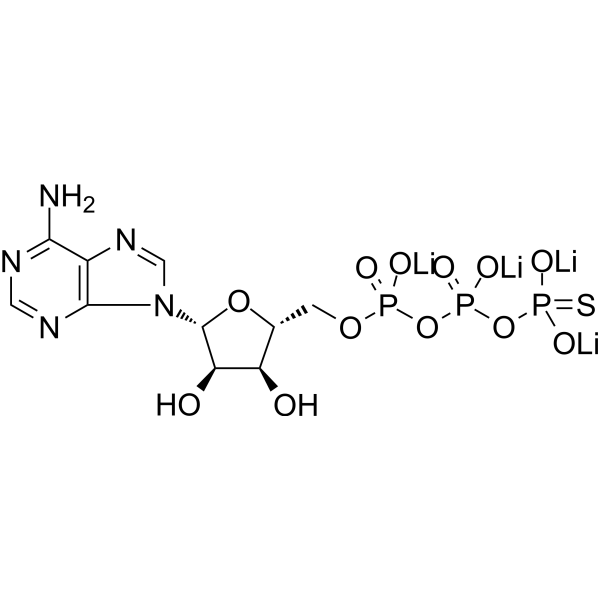
    ATPγS tetralithium salt
    1 Publications Verification

    Adenosine-5'-O-3-thiotriphosphate tetralithium salt; Adenosine 5'-[γ-thio]triphosphate tetralithium salt

    Eukaryotic Initiation Factor (eIF) P2Y Receptor Neurological Disease Metabolic Disease Inflammation/Immunology
    ATPγS (tetralithium salt) is a P2Y11 receptor agonist, an antioxidant and a neuroprotective agent. ATPγS (tetralithium salt) can be used as a substrate for the nucleotide hydrolysis and RNA unwinding activities of eukaryotic translation initiation factor eIF4A. ATPγS (tetralithium salt) is active in ATP hydrolysis .
    ATPγS tetralithium salt
  • HY-B0593
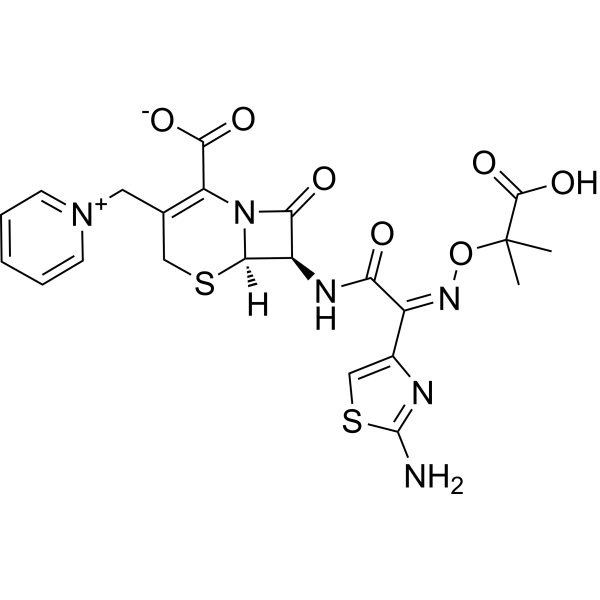
    Ceftazidime
    Maximum Cited Publications
    42 Publications Verification

    GR20263

    Beta-lactamase Bacterial Antibiotic Infection Cancer
    Ceftazidime (GR20263), an antibiotic, has a broad spectrum activity against Gram-positive and Gram-negative aerobic bacteria. Ceftazidime is also active against Enterobacteriaceae (including β-lactamase-positive strains) and is resistant to hydrolysis by most β-lactamases .
    Ceftazidime
  • HY-120166
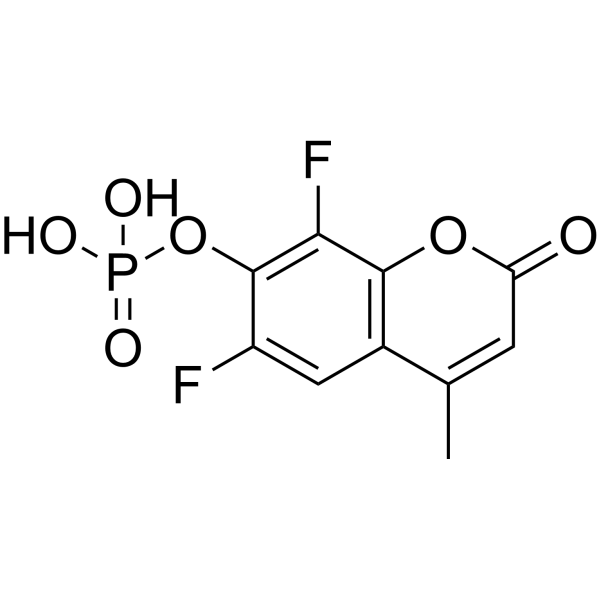
    DiFMUP
    1 Publications Verification

    6,8-Difluoro-4-methylumbelliferyl phosphate

    Phosphatase Others
    DiFMUP is a fluorogenic substrate, and has been widely used for the continuous detection of phosphatase activities. DiFMUP is hydrolysis by a phosphatase results in the release of Xuorescent DIFMU, which can be easily followed in continuous mode by a Xuorescence reader .
    DiFMUP
  • HY-B0689
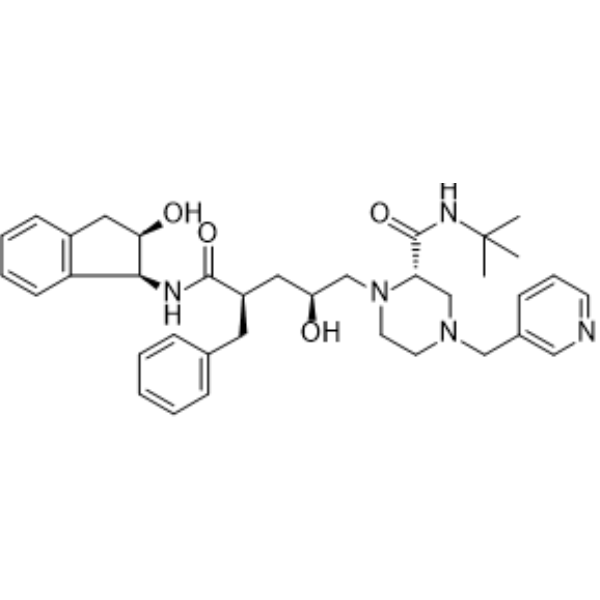
    Indinavir
    5+ Cited Publications

    MK-639 free base; L-735524 free base

    HIV HIV Protease Apoptosis MMP SARS-CoV Inflammation/Immunology Cancer
    Indinavir (MK-639 free base) is an orally active and selective HIV-1 protease inhibitor with a Ki of 0.54 nM for PR. Indinavir exhibits anticancer activity by inhibiting the activation of MMPs-2 hydrolysis, anti-angiogenesis and inducing apoptosis. Indinavir is also a SARS-CoV 3CL pro inhibitor .
    Indinavir
  • HY-116022A

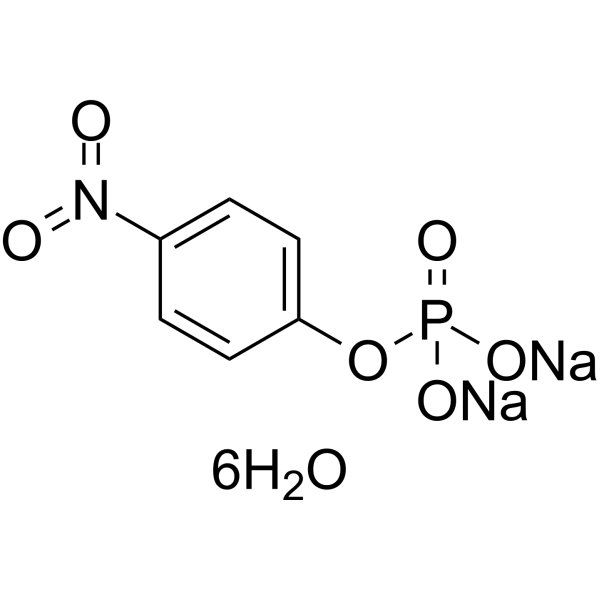
    p-Nitrophenyl phosphate disodium hexahydrate

    Biochemical Assay Reagents Others
    4-Nitrophenyl phosphate (p-nitrophenyl phosphate) disodium hexahydrate is widely used as a small molecule phosphotyrosine-like substrate in activity assays for protein tyrosine phosphatases. 4-Nitrophenyl phosphate disodium hexahydrate is a colorless substrate that upon hydrolysis is converted to a yellow 4-nitrophenolate ion that can be monitored by absorbance at 405 nm .
    4-Nitrophenyl phosphate disodium hexahydrate
  • HY-129217
    Naringinase
    2 Publications Verification

    Glycosidase Others
    Naringinase, a hydrolytic enzymatic complex, possesses the activity of both α-L-rhamnosidase and β-D-glucosidase. Naringinase has wide occurrence in nature. Naringinase can be used in the biotransformation of steroids, antibiotics, and mainly on glycosides hydrolysis .
    Naringinase
  • HY-B0593A
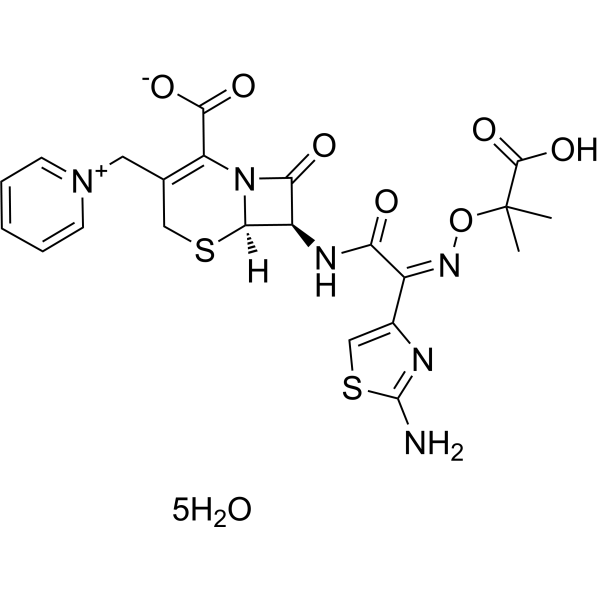
    Ceftazidime pentahydrate
    Maximum Cited Publications
    42 Publications Verification

    GR20263 pentahydrate

    Beta-lactamase Bacterial Antibiotic Infection Cancer
    Ceftazidime (GR20263) pentahydrate , an antibiotic, has a broad spectrum activity against Gram-positive and Gram-negative aerobic bacteria. Ceftazidime pentahydrate is also active against Enterobacteriaceae (including β-lactamase-positive strains) and is resistant to hydrolysis by most β-lactamases .
    Ceftazidime pentahydrate
  • HY-176708

    Phosphodiesterase (PDE) Cancer
    ISM5939 is an orally active and selective ENPP1 inhibitor with an IC50 of 0.63 nM for 2,3-cGAMP degradation and 9.28 nM for ATP hydrolysis. ISM5939 has antitumor activity .
    ISM5939
  • HY-W013168

    4-Nitrophenyl hexadecanoate; p-Nitrophenyl Palmitate; pNpp

    Lipase Others
    4-Nitrophenyl palmitate (4-Nitrophenyl hexadecanoate) is a chromogenic substrate for lipases and esterases. Upon enzymatic hydrolysis, 4-Nitrophenyl palmitate releases p-nitrophenol, which can be quantified by colorimetric detection at 410 nm as a measure of enzymatic activity. 4-Nitrophenyl palmitate is used to characterize the activity of various bacterial and mammalian enzymes, including those from Burkholderia and porcine pancreatic lipase .
    4-Nitrophenyl palmitate
  • HY-B0689A
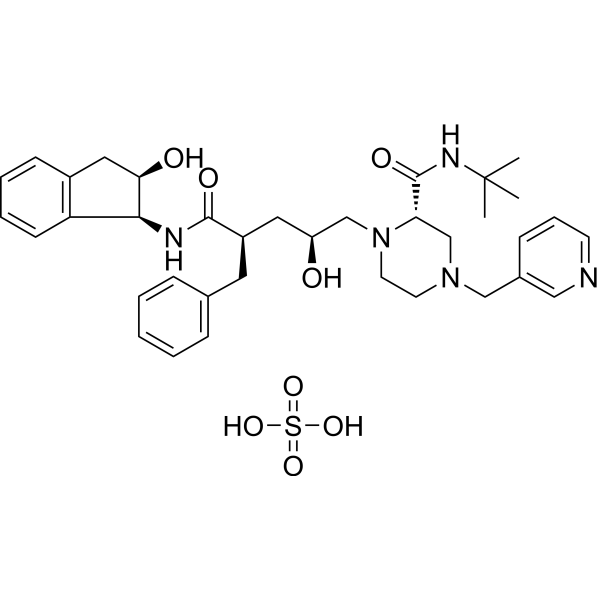
    Indinavir sulfate
    5+ Cited Publications

    MK-639; L735524

    HIV HIV Protease SARS-CoV Apoptosis MMP Infection Cancer
    Indinavir sulfate (MK-639) is an orally active and selective HIV-1 protease inhibitor with a Ki of 0.54 nM for PR. Indinavir sulfate exhibits anticancer activity by inhibiting the activation of MMPs-2 hydrolysis, anti-angiogenesis and inducing apoptosis. Indinavir sulfate is also a SARS-CoV 3CL pro inhibitor .
    Indinavir sulfate
  • HY-N6831
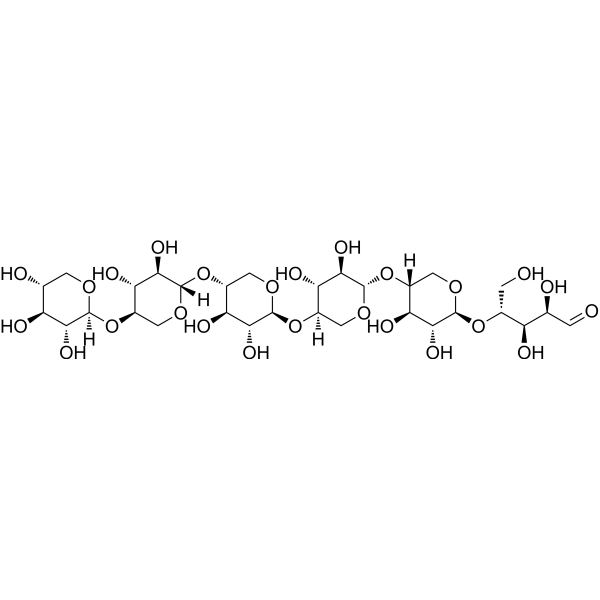
    Xylohexaose
    1 Publications Verification

    Biochemical Assay Reagents Others
    Xylohexaose is a xylooligosaccharide composed of six xylose residues. Xylohexaose can be produced by hydrolysis of beechwood xylan by AfXynA. Xylohexaose serves as a substrate for the determination of xylan hydrolysis activity .
    Xylohexaose
  • HY-116022
    4-Nitrophenyl phosphate
    3 Publications Verification

    p-Nitrophenyl phosphate

    Biochemical Assay Reagents Others
    4-Nitrophenyl phosphate (p-Nitrophenyl phosphate) is widely used as a small molecule phosphotyrosine-like substrate in activity assays for protein tyrosine phosphatases.4-Nitrophenyl phosphate is a colorless substrate that upon hydrolysis is converted to a yellow 4-nitrophenolate ion that can be monitored by absorbance at 405 nm .
    4-Nitrophenyl phosphate
  • HY-121329

    AMA-1080; Ro 17-2301

    Penicillin-binding protein (PBP) Antibiotic Bacterial Infection
    Carumonam (AMA-1080; Ro 17-2301) is a sulfonated monocyclic β-Lactam Antibiotic, targeting to penicillin-binding protein (PBP). Carumonam exerts highly activity against Enterobacteriaceae, Pseudomonas aeruginosa, and Haemophilus influenzae, while it weakly and even inactively inhibits Streptococcus pneumoniae and Staphylococcus aureus. Carumonam is resistant to beta-lactamase-mediated hydrolysis .
    Carumonam
  • HY-P2797A

    AMCase, Streptomyces griseus

    Biochemical Assay Reagents Others
    Chitinase, Streptomyces griseus is a chitinase from Streptomyces griseus. Chitinase is a chitin-targeting enzyme with chitin hydrolysis activity. Chitinase inhibits chitin-induced innate type 2 inflammation in the lung. Chitinase augments chitin-free, allergen-induced Th2 inflammation. Chitinase mediates effector functions of IL-13 .
    Chitinase, Streptomyces griseus
  • HY-107416

    U-57908

    DAGL Acyltransferase mAChR COX Phospholipase Neurological Disease Metabolic Disease
    RHC 80267 (U-57908) is a potent and selective inhibitor of diacylglycerol lipase (DAGL) (with IC50 of 4 μM in canine platelets). RHC-80267 inhibits cholinesterase activity with an IC50 of 4 μM, thereby enhancing the relaxation evoked by acetylcholine. RHC 80267 also inhibits COX and the hydrolysis of phosphatidylcholine (PC) .
    RHC 80267
  • HY-14350
    AC-55541
    1 Publications Verification

    Protease Activated Receptor (PAR) Others
    AC-55541 is a highly selective protease-activated receptor 2 (PAR2) agonist (pEC50=6.7), displays no activity at other PAR subtypes or at over 30 other receptors involved in nociception and inflammation. AC-55541 has pEC50 values of 5.9 and 6.6 in PI hydrolysis assays and Ca 2+ mobilization assays and exhibits pronociceptive activity in vivo .
    AC-55541
  • HY-160973

    ELFP

    Biochemical Assay Reagents Others
    ELF97 phosphate (ELFP) is a phosphatase substrate, which can produced a fluorescent, water-insoluble product ELF97 alcohol after hydrolysis by phosphatases. ELF97 phosphate can be utilized to study and quantify the activity of extracellular phosphatases of algae in natural water .
    ELF97 phosphate
  • HY-Y1422H

    Environmental Pollutants Biochemical Assay Reagents Lipase Others
    Lipase, Candida cylindracea (Immobilized) is an immobilized hydrolase and biocatalyst with relaxed positional and substrate specificity. Lipase, Candida cylindracea (Immobilized) can target primary and secondary ester bonds to completely hydrolyze triglycerides into fatty acids and glycerol, producing only trace amounts of monoglycerides. Lipase, Candida cylindracea (Immobilized) exhibits chain specificity, with a relatively fast hydrolysis rate for oleic acid and lauric acid chains, and the slowest hydrolysis rate for stearic acid chains. Lipase, Candida cylindracea (Immobilized) shows high catalytic activity toward long-chain triglycerides under the conditions of pH 8.0 and 37°C .
    Lipase,Candida cylindracea (Immobilized)
  • HY-142689

    Carboxylesterase (CES) Wnt Cancer
    Carboxylesterase-IN-3 (compound 4y) is a potent inhibitor of Carboxylesterase Notum with an IC50 less than or equal to 10 nM. Notum is a negative regulator of Wnt signaling acting through the hydrolysis of a palmitoleoylate ester, which is required for Wnt activity. Carboxylesterase-IN-3 has the potential for the research of cancer disease .
    Carboxylesterase-IN-3
  • HY-P2797

    AMCase, Serratia marcescens

    Biochemical Assay Reagents Metabolic Disease Inflammation/Immunology
    Chitinase, Serratia marcescens is a chitinase from Serratia marcescens. Chitinase is a chitin-targeting enzyme with chitin hydrolysis activity. Chitinase inhibits chitin-induced innate type 2 inflammation in the lung. Chitinase augments chitin-free, allergen-induced Th2 inflammation. Chitinase mediates effector functions of IL-13 .
    Chitinase, Serratia marcescens
  • HY-P2840

    Endogenous Metabolite Metabolic Disease
    Dextranase, Trichoderma reesei, glucan hydrolase, is often used in biochemical research. Dextranase can catalyze the hydrolysis of α-(1,6)-glucosidic bonds in dextran, and has a wide range of applications, such as food processing, sugar modification, agent preparation, and medicine for enhancing the activity of endocarditis antibiotics wait .
    Dextranase, Trichoderma reesei
  • HY-152261

    PROTACs Cancer
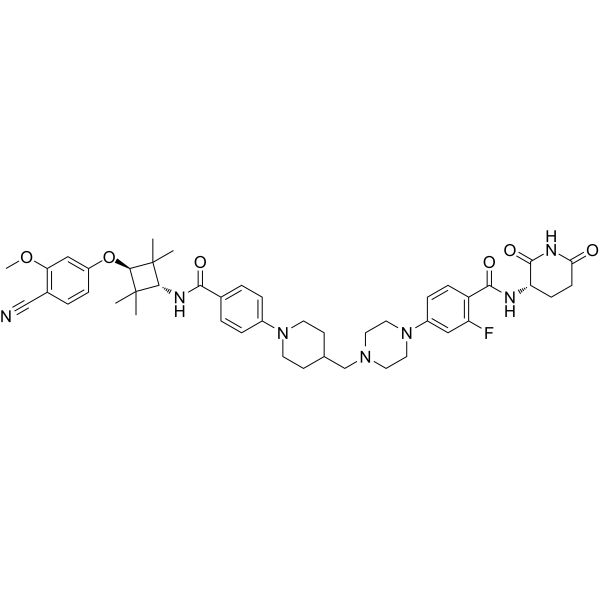
    MS6105 is an LDH protein hydrolysis-targeted chimera (PROTAC) that effectively degrades LDHA and LDHB in a time- and ubiquitin-proteasome system-dependent manner and has anticancer activity . MS6105 is a click chemistry reagent, it contains an Alkyne group and can undergo copper-catalyzed azide-alkyne cycloaddition (CuAAc) with molecules containing Azide groups.
    MS6105
  • HY-137799

    Biochemical Assay Reagents Others
    NOBA is a synthetic chromogenic substrate that can be used to detect the enzyme activity of AplTX-II. NOBA can be used in the research of phospholipid hydrolysis .
    NOBA
  • HY-100045

    4-Nitrophenylphosphorylcholine; 4-Nitrophenylphosphorylcholine; O-(4-Nitrophenylphosphoryl)choline

    Endogenous Metabolite Metabolic Disease
    p-Nitrophenyl phosphorylcholine (4-Nitrophenylphosphorylcholine) is a chromogenic substrate that is used to measure phospholipase C (PLC) activity. Hydrolysis of p-nitrophenylphosphorylcholine by PLC results in the liberation of p-nitrophenol, which can be measured at 405 nm at pH 7.2-7.5.
    p-Nitrophenyl phosphorylcholine
  • HY-W010955

    NSC 334018

    Carboxypeptidase Others
    Z-Phe-Leu-OH (NSC 334018) is a dipeptide acid. Z-Phe-Leu-OH undergoes hydrolysis by carboxypeptidase Y to release L-leucine. Z-Phe-Leu-OH acts as a substrate to assay carboxypeptidase Y peptidase activity .
    Z-Phe-Leu-OH
  • HY-P2797B

    Biochemical Assay Reagents Inflammation/Immunology
    Chitinase is a chitin-targeting enzyme with chitin hydrolysis activity. Chitinase inhibits chitin-induced innate type 2 inflammation in the lung. Chitinase augments chitin-free, allergen-induced Th2 inflammation. Chitinase mediates effector functions of IL-13 .
    Chitinase
  • HY-P4417

    Fluorescent Dye Others
    Ac-IEPD-AMC is a fluorogenic substrate for the determination of protease activity. Ac-IEPD-AMC undergoes hydrolysis and releases the fluorescent product 7-amino-4-methylcoumarin (AMC). AMC is fluorescent under UV light and can emit a fluorescent signal .
    Ac-IEPD-AMC
  • HY-D1652

    Caspase Others
    Ac-LEHD-AMC is a fluorogenic substrate for caspase-9 (Excitation: 341 nm; Emission: 441 nm). Caspase-9 can induce hydrolysis of Ac-LEHD-AMC, resulting in the release of AMC fluorophore and its fluorescence can be used to quantify caspase-9 activity .
    Ac-LEHD-AMC
  • HY-P4419A

    Fluorescent Dye Others
    Boc-Asp(OBzl)-Pro-Arg-AMC acetate is a fluorogenic substrate for the determination of protease activity. Boc-Asp(OBzl)-Pro-Arg-AMC acetate undergoes hydrolysis and releases the fluorescent product 7-amino-4-methylcoumarin (AMC). AMC is fluorescent under UV light and can emit a fluorescent signal .
    Boc-Asp(OBzl)-Pro-Arg-AMC acetate
  • HY-B0593R

    GR20263 (Standard)

    Beta-lactamase Reference Standards Bacterial Antibiotic Infection
    Ceftazidime (Standard) is the analytical standard of Ceftazidime. This product is intended for research and analytical applications. Ceftazidime (GR20263), an antibiotic, has a broad spectrum activity against Gram-positive and Gram-negative aerobic bacteria. Ceftazidime is also active against Enterobacteriaceae (including β-lactamase-positive strains) and is resistant to hydrolysis by most β-lactamases .
    Ceftazidime (Standard)
  • HY-150504
    ERAP2-IN-1
    1 Publications Verification

    Aminopeptidase Inflammation/Immunology
    ERAP2-IN-1 (compound 61) is an uncompetitive ERAP2 inhibitor. ERAP2-IN-1 specifically inhibits the ERAP2 peptide hydrolysis activity, inhibiting Arg-AMC hydrolysis with an IC50 of 27 μM and model peptide hydrolysis with an IC50 of 44 μM .
    ERAP2-IN-1
  • HY-126488

    Endogenous Metabolite Metabolic Disease
    H-Ser-His-OH is a short peptide with hydrolysis cleavage activity, an endogenous metabolite .
    H-Ser-His-OH
  • HY-160519

    Bacterial Antibiotic Infection
    Targocil-II (Compound 2) is an ABC transporter inhibitor with a IC50 value of 137 nM. Targocil-II prevents ATP hydrolysis by binding to allosteric sites of the TM domain. Targocil-II has (antibacterial) activity .
    Targocil-II
  • HY-121694

    Beta-lactamase Infection
    CENTA is a colorimetric cephalosporin substrate for β-lactamases. Upon hydrolysis by β-lacatamases, CENTA turns from light yellow to chrome yellow, which can be quantified by colorimetric detection at 405 nm as a measure of β-lactamase activity.
    CENTA
  • HY-P4406
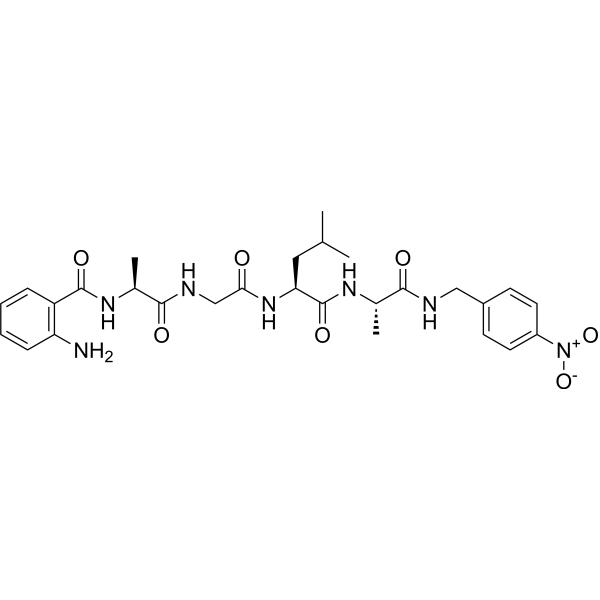
    Abz-AGLA-Nba
    1 Publications Verification

    Fluorescent Dye Others
    Abz-AGLA-Nba is a fluorogenic substrate for the determination of protease activity. Abz-AGLA-Nba is hydrolyzed to release aminoacyl benzimide (Abz-AGLA) and 2-naphthylaminoacyl (Nba). The product Abz-AGLA produced by this hydrolysis reaction is fluorescent under ultraviolet light and can emit a fluorescent signal .
    Abz-AGLA-Nba
  • HY-143678

    Biochemical Assay Reagents Others
    Citrulline-specific probe-biotin is a biotinylated probe for detection of citrulline. Citrulline is the hydrolysis product of arginine catalyzed by protein arginine deiminase (PAD). PAD is abnormally activated in many diseases, leading to increased citrulline levels. Citrulline-specific probe-biotin is a biological probe that can identify diseases showing abnormal increases in PAD activity .
    Citrulline-specific probe-biotin
  • HY-Y1422E

    Biochemical Assay Reagents Lipase Others
    Lipase, Aspergillus niger (Immobilized) is an immobilized triacylglycerol acyl hydrolase and biocatalyst. Lipase, Aspergillus niger (Immobilized) broadly catalyzes the hydrolysis of glycerol-long-chain fatty acid esters, exhibits positional selectivity for the 1,3-positions of glycerol, but shows low hydrolysis efficiency for castor oil. Lipase, Aspergillus niger (Immobilized) displays optimal activity at 45°C and pH 7.0, and remains stable at temperatures up to 60°C and over a broad pH range of 2.0-9.0. Lipase, Aspergillus niger (Immobilized) is activated by Ca 2+ and Mg 2+, but inhibited by Mn 2+, Fe 2+ and Zn 2+ .
    Lipase,Aspergillusniger (Immobilized)
  • HY-134361

    P2Y Receptor Eukaryotic Initiation Factor (eIF) Neurological Disease Metabolic Disease Inflammation/Immunology
    ATP-γ-S (tetrasodium) is a P2Y11 receptor agonist, an antioxidant and a neuroprotective agent. ATP-γ-S (tetrasodium) can be used as a substrate for the nucleotide hydrolysis and RNA unwinding activities of eukaryotic translation initiation factor eIF4A. ATP-γ-S (tetrasodium) is active in ATP hydrolysis .
    ATP-γ-S tetrasodium
  • HY-137252

    Ivermectin Impurity G

    Parasite Infection
    22,23-Dihydroavermectin B1a aglycon is an acid degradation product produced by hydrolysis of the disaccharide unit of ivermectin. It can inhibit nematode larval development, but does not cause paralytic activity.
    22,23-Dihydroavermectin B1a aglycon
  • HY-116895

    Androgen Receptor MAGL Metabolic Disease
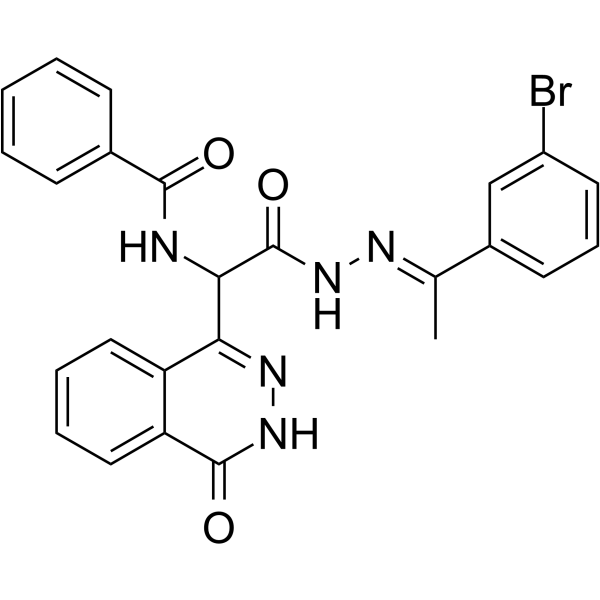
    JJH260 is AIG1inhibitor, and inhibit the fluorophosphonate reactivity and fatty acid esters of hydroxy fatty acid (FAHFA) hydrolysis activity of AIG1in HEK293T cells, with IC50 values of 0.50 μM and 0.57 μM, respectively .
    JJH260
  • HY-P4417A

    Fluorescent Dye Others
    Ac-IEPD-AMC TFA is a fluorescent substrate used to measure protease activity. Ac-IEPD-AMC undergoes hydrolysis and releases the fluorescent product 7-amino-4-methylcoumarin (AMC). AMC fluoresces under UV light irradiation and can emit fluorescent signals .
    Ac-IEPD-AMC TFA
  • HY-142688

    Carboxylesterase (CES) Wnt Cancer
    Carboxylesterase-IN-2 (compound 4u) is a potent inhibitor of Carboxylesterase Notum with an IC50 less than or equal to 10 nM. Notum is a negative regulator of Wnt signaling acting through the hydrolysis of a palmitoleoylate ester, which is required for Wnt activity. Carboxylesterase-IN-2 has the potential for the research of cancer disease .
    Carboxylesterase-IN-2
  • HY-P4323A

    Fluorescent Dye Others
    Boc-Gln-Arg-Arg-AMC acetate is a fluorogenic substrate for the determination of protease activity. Boc-Gln-Arg-Arg-AMC undergoes hydrolysis and releases the fluorescent product 7-amino-4-methylcoumarin (AMC). AMC is fluorescent under UV light and can emit a fluorescent signal .
    Boc-Gln-Arg-Arg-AMC acetate
  • HY-P3948

    Fluorescent Dye Others
    Fluorescent Substrate for Pro-Specific Proteases is a fluorescent substrate of pro-specific proteases. Fluorescent Substrate for Pro-Specific Proteases can be used to detect the hydrolysis rate and activity of target enzyme .
    Fluorescent Substrate for Pro-Specific Proteases
  • HY-W714675

    Endogenous Metabolite Cancer
    Glucoiberin is a glucosinolate found in Brassica oleracea. Hydrolysis products of Glucoiberin exhibit anticancer activity .
    Glucoiberin
  • HY-125143

    MAGL Metabolic Disease
    ABC34 is an inactive control compound of JJH260. ABC34 does not inhibit the fluorophosphonate reactivity or fatty acid esters of hydroxy fatty acid (FAHFA) hydrolysis activity of AIG1. ABC34 can inhibit both ABHD6 and PPT122 .
    ABC34
  • HY-N8326

    Others Others
    Maltononaose is a linear oligosaccharide consisting of 9 glucose units linked by alpha-1, 4-glucoside bonds. Maltononaose is used as a substrate to study the subsites affinity of glucoamylase. Maltononaose can be used to determine the activity of amylase and to optimize the process of starch hydrolysis .
    Maltononaose
  • HY-P4406A

    Fluorescent Dye Others
    Abz-AGLA-Nba TFA is a fluorogenic substrate for the determination of protease activity. Abz-AGLA-Nba TFA is hydrolyzed to release aminoacyl benzimide (Abz-AGLA) and 2-naphthylaminoacyl (Nba). The product Abz-AGLA produced by this hydrolysis reaction is fluorescent under ultraviolet light and can emit a fluorescent signal .
    Abz-AGLA-Nba TFA
  • HY-77195

    Polo-like Kinase (PLK) Cancer
    Poloxime, a hydrolysis product of poloxin, is a non-ATP-competitive Plk1 inhibitor, with moderate Plk1 inhibitory activity.
    Poloxime
  • HY-E70409

    Endogenous Metabolite Metabolic Disease
    Diacetinase, Bacillus subtilis is a member of the esterase family and is responsible for catalyzing the hydrolysis of diacetin. This enzyme is used in the measurement of lipase activity .
    Diacetinase, bacillus subtilis

Inquiry Online

Your information is safe with us. * Required Fields.

Salutation


Country or Region *

Applicant Name *


Organization Name *

Department *


Email Address *


Product Name *

Cat. No.


Requested quantity *

Phone Number *


Remarks

Inquiry Online

Inquiry Information

Product Name:
Cat. No.:
Quantity:
MCE Japan Authorized Agent:

