

Search Result
Results for "
hydrolytic
" in MedChemExpress (MCE) Product Catalog:
9
Biochemical Assay Reagents
1
Isotope-Labeled Compounds
| Cat. No. |
Product Name |
Target |
Research Areas |
Chemical Structure |
-
- HY-Y0850E
-
|
PVA (Mw 30000-70000, 87-90% hydrolyzed); Poly(Ethenol) (Mw 30000-70000, 87-90% hydrolyzed)
|
Environmental Pollutants
Biochemical Assay Reagents
|
Cardiovascular Disease
Cancer
|
|
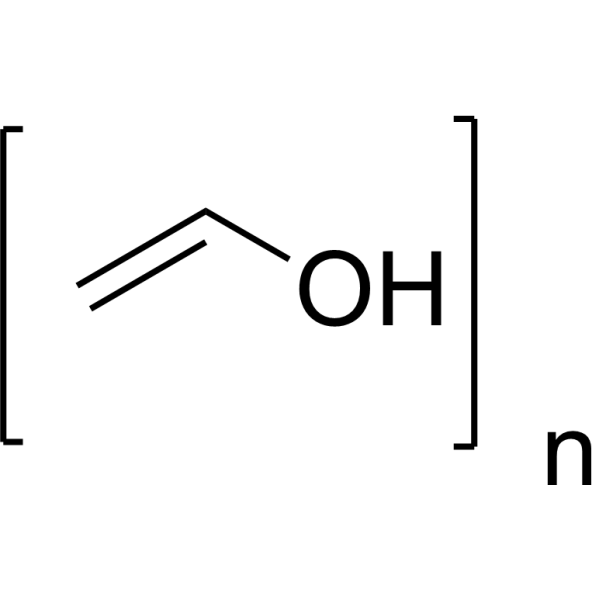
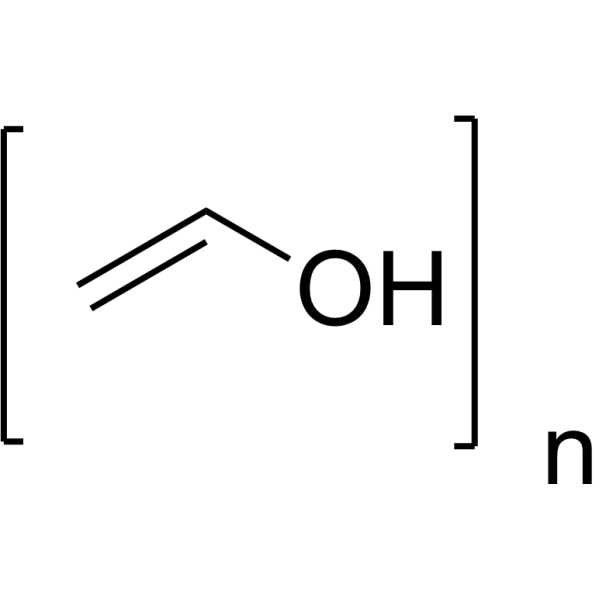
Polyvinyl alcohol (Mw 30000-70000, 87-90% hydrolyzed) is a polyvinyl alcohol with a molecular weight of 30000-70000 and hydrolytic properties. The degree of hydrolysis refers to the degree to which the acetate groups in the original polyvinyl acetate are converted into hydroxyl groups during the hydrolysis process. Polyvinyl alcohol (Mw 30000-70000, 87-90% hydrolyzed) is the hydrolysis and removal of acetate groups after the polymerization of ethylene acetate. And polyvinyl alcohol is obtained. A degree of hydrolysis of 87-90% indicates that a large part of the acetate groups have been removed, resulting in a large number of hydroxyl groups in the PVA structure. Polyvinyl alcohol with different degrees of hydrolysis can be used to self-crosslink to form cryogel, which can be used as biological excipients .
|
-
-
- HY-W018781
-
|
|
Ser/Thr Protease
|
Cancer
|
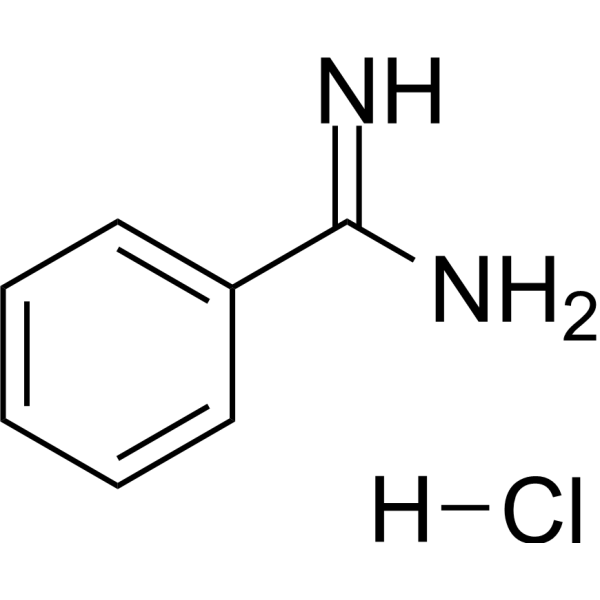
Benzamidine hydrochloride is a competitive protease inhibitor that blocks the hydrolytic cleavage of glucagon by plasmin, trypsin and thrombin. Benzamidine hydrochloride effectively inhibits the degradation of glucagon by relevant proteases during the collection, storage and analysis of human plasma and blood samples. During in vivo metabolism, Benzamidine hydrochloride undergoes N-hydroxylation and produces multiple metabolites, exhibiting characteristics of delayed excretion or biphasic elimination. Benzamidine hydrochloride only induces slight single-strand DNA breaks at high concentrations and shows no significant genotoxic potential overall. Benzamidine hydrochloride may interfere with the detection of some glucagon antisera, but does not affect key antigen-antibody affinity at specific concentrations. Benzamidine hydrochloride can be used as a stabilizer in glucagon radioimmunoassays to ensure the accuracy and recovery rate of detection results .
|
-
-
- HY-Y0850J
-
|
PVA (Mw 13000-23000, 87-89% hydrolyzed); Poly(Ethenol) (Mw 13000-23000, 87-89% hydrolyzed)
|
Environmental Pollutants
Biochemical Assay Reagents
|
Cancer
|
|
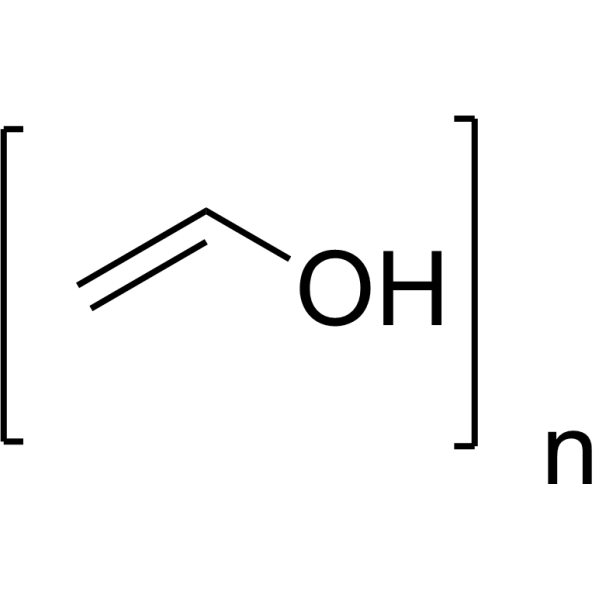
Polyvinyl alcohol (Mw 13000-23000, 87-89% hydrolyzed) is a polyvinyl alcohol with a molecular weight of 130000-23000 and hydrolytic properties. Polyvinyl alcohol (Mw 13000-23000, 87-89% hydrolyzed) is the hydrolysis and removal of acetate groups after the polymerization of ethylene acetate and polyvinyl alcohol is obtained. A degree of hydrolysis of 87-89% indicates that a large part of the acetate groups have been removed, resulting in a large number of hydroxyl groups in the PVA structure. Polyvinyl alcohol with different degrees of hydrolysis can be used to self-crosslink to form cryogel, which can be used as biological excipient. Polyvinyl alcohol can be used in tissue engineering by electrospinning. Polyvinyl alcohol can achieve high cellular density, infiltration, and uniform distribution, facilitating functional connections between cells. Polyvinyl alcohol can improve cell vitality through in vitro cultivation. Polyvinyl alcohol demonstrates promising inhibition of ostersarcoma cancer cells with Doxorubicin (HY-15142A) .
|
-
-
- HY-129217
-
|
|
Glycosidase
|
Others
|
|
Naringinase, a hydrolytic enzymatic complex, possesses the activity of both α-L-rhamnosidase and β-D-glucosidase. Naringinase has wide occurrence in nature. Naringinase can be used in the biotransformation of steroids, antibiotics, and mainly on glycosides hydrolysis .
|
-
-
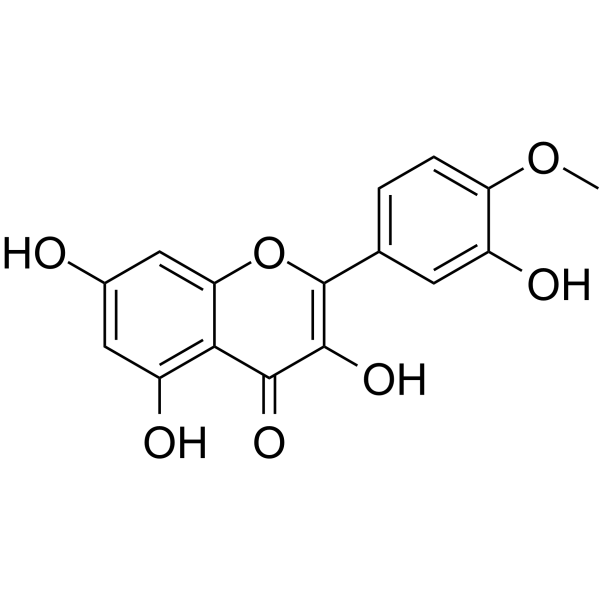
- HY-N1181
-
-
-
- HY-133668
-
|
|
Drug Metabolite
Cytochrome P450
PPAR
|
Endocrinology
Cancer
|
|
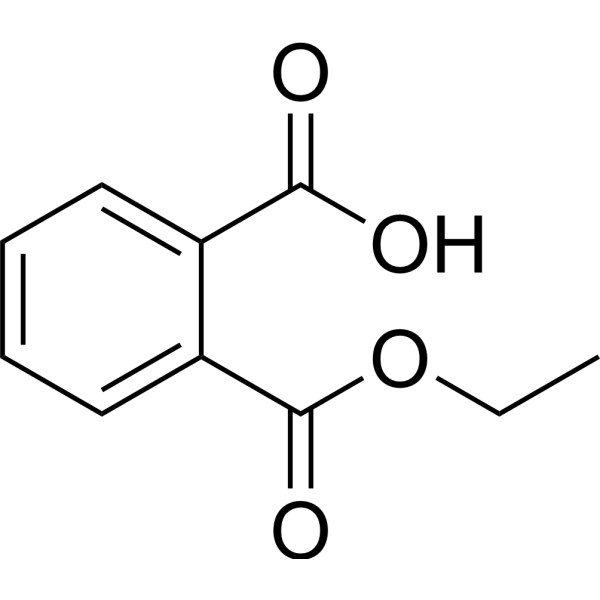
Monoethyl phthalate is an orally active PDX-1 activator and the major hydrolytic metabolite of Diethyl phthalate (HY-Y0284) in vivo, with reproductive toxicity. Monoethyl phthalate targets aromatase (aromatase/CYP19A1) and PPAR to induce cell proliferation. The plasma protein binding rate of Monoethyl phthalate in rats and humans is lower than that of Diethyl phthalate. It exhibits significant enterohepatic circulation in rats and mainly accumulates in liver tissues. Monoethyl phthalate shows no estrogenic activity in estrogen-dependent human breast cancer cells. Monoethyl phthalate can be used in studies of reproductive toxicity and related environmental endocrine disruption mechanisms .
|
-
-
- HY-Y0850L
-
|
PVA (Mw 85000-124000, 99+% hydrolyzed); Poly(Ethenol) (Mw 85000-124000, 99+% hydrolyzed)
|
Environmental Pollutants
Biochemical Assay Reagents
|
Cancer
|
|
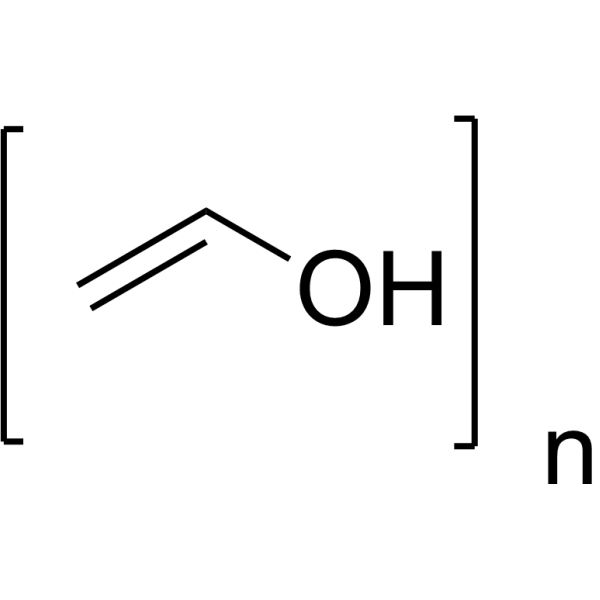
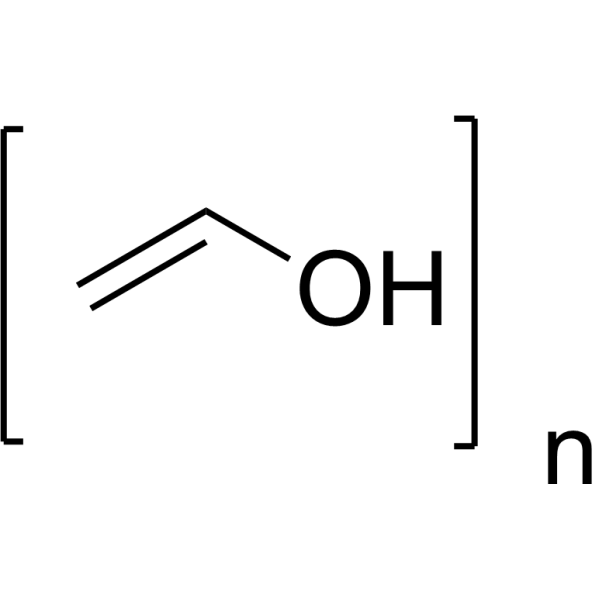
Polyvinyl alcohol (Mw 85000-124000, 99+% hydrolyzed) is a polyvinyl alcohol with a molecular weight of 85000-124000 and hydrolytic properties. Polyvinyl alcohol (Mw 85000-124000, 99+% hydrolyzed) forms hydrogels that can be used to simulate digestive organs and lesion models for the training of endoscopic ultrasound (EUS) and endoscopic ultrasound elastography (EUS-E). Polyvinyl alcohol with different degrees of hydrolysis can be used to self-crosslink to form cryogel, which can be used as biological excipients .
|
-
-
- HY-Y0850M
-
|
PVA (Mw 85000-124000, 87-89% hydrolyzed); Poly(Ethenol) (Mw 85000-124000, 87-89% hydrolyzed)
|
Environmental Pollutants
Biochemical Assay Reagents
|
Others
|
|
Polyvinyl alcohol (Mw 85000-124000, 87-89% hydrolyzed) is a polyvinyl alcohol with a molecular weight of 85000-124000 and hydrolytic properties. The degree of hydrolysis refers to the degree to which the acetate groups in the original polyvinyl acetate are converted into hydroxyl groups during the hydrolysis process. Polyvinyl alcohol (Mw 85000-124000, 87-89% hydrolyzed) is the hydrolysis and removal of acetate groups after the polymerization of ethylene acetate. And polyvinyl alcohol is obtained. A degree of hydrolysis of 87-89% indicates that a large part of the acetate groups have been removed, resulting in a large number of hydroxyl groups in the PVA structure. Polyvinyl alcohol with different degrees of hydrolysis can be used to self-crosslink to form cryogel, which can be used as biological excipient .
|
-
-
- HY-Y0850P
-
|
PVA (Mw 146000-186000, 87-89% hydrolyzed); Poly(Ethenol) (Mw 146000-186000, 87-89% hydrolyzed)
|
Environmental Pollutants
Biochemical Assay Reagents
|
Cancer
|
|
Polyvinyl alcohol (Mw 146000-186000, 87-89% hydrolyzed) is a polyvinyl alcohol with a molecular weight of 146000-186000 and hydrolytic properties. Polyvinyl alcohol (Mw 146000-186000, 87-89% hydrolyzed) is the hydrolysis and removal of acetate groups after the polymerization of ethylene acetate. And polyvinyl alcohol is obtained. Polyvinyl alcohol with different degrees of hydrolysis can be used to self-crosslink to form cryogel, which can be used as biological excipient. Polyvinyl alcohol can be used in tissue engineering by electrospinning. Polyvinyl alcohol can achieve high cellular density, infiltration, and uniform distribution, facilitating functional connections between cells. Polyvinyl alcohol can improve cell vitality through in vitro cultivation. Polyvinyl alcohol demonstrates promising inhibition of ostersarcoma cancer cells with Doxorubicin (HY-15142A) .
|
-
-
- HY-W009004
-
|
Lys-Lys-Lys; H-Lys-Lys-Lys-OH
|
Biochemical Assay Reagents
|
Others
|
|
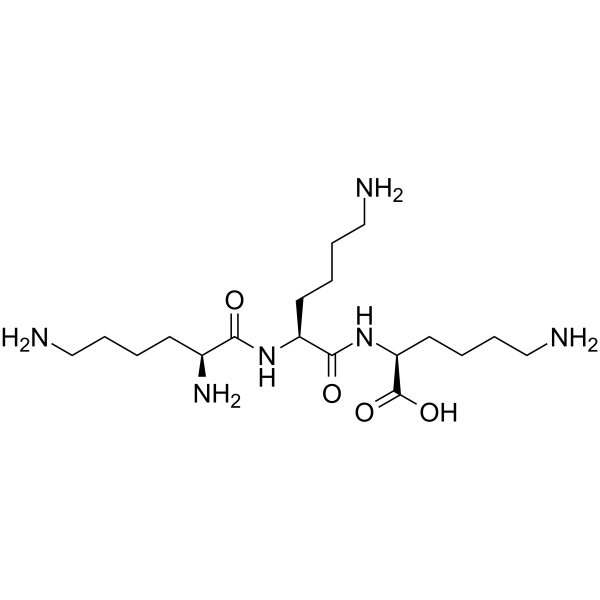
Trilysine is a tripeptide and also a substrate for specific peptidases. Trilysine serves as a hydrolytic substrate for the tripeptide-specific aminopeptidase TP and the oligopeptidase OP .
|
-
-
- HY-12798C
-
|
AR-13324 M1 metabolite
|
PKC
ROCK
|
Cardiovascular Disease
Neurological Disease
|
|
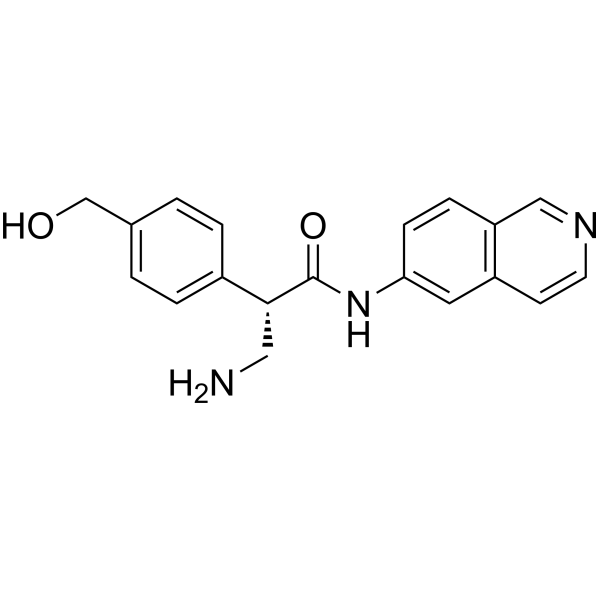
AR-13503 (AR-13324 M1 metabolite) is the hydrolytic metabolite of AR-13324 mesylate. AR-13324 is a ROCK kinase and PKC inhibitor with anti-angiogenic and retinal health-improving effects, showing potential for use in retinal disease research .
|
-
-
- HY-N0886
-
Aloin B
3 Publications Verification
Isobarbaloin
|
SARS-CoV
Virus Protease
|
Infection
Endocrinology
Cancer
|
|
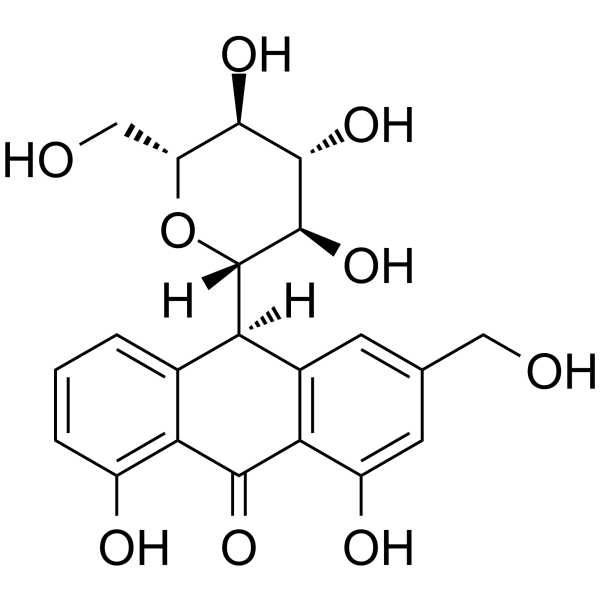
Aloin B (Isobarbaloin) is an orally active SARS-CoV-2 papain-like protease (PLpro) inhibitor with an IC50 of 16.08 μM (hydrolytic activity) and 17.51 μM (deubiquitinase activity). Aloin B is metabolized by rat intestinal flora into aloe-emodin-9-anthrone to exert laxative effects. Aloin B inhibits TPA (HY-18739)-induced ear edema, putrescine elevation, and tumor promotion in mouse skin. Aloin B can be used in research related to anti-inflammation, tumor promotion inhibition, coronavirus disease 2019 (COVID-19) and constipation .
|
-
-
- HY-125913
-
|
|
Ser/Thr Protease
|
Inflammation/Immunology
|
Benzamidine is a competitive protease inhibitor that blocks the hydrolytic cleavage of glucagon by plasmin, trypsin and thrombin. Benzamidine effectively inhibits the degradation of glucagon by relevant proteases during the collection, storage and analysis of human plasma and blood samples. During in vivo metabolism, Benzamidine undergoes N-hydroxylation and produces multiple metabolites, exhibiting characteristics of delayed excretion or biphasic elimination. Benzamidine only induces slight single-strand DNA breaks at high concentrations and shows no significant genotoxic potential overall. Benzamidine may interfere with the detection of some glucagon antisera, but does not affect key antigen-antibody affinity at specific concentrations. Benzamidine can be used as a stabilizer in glucagon radioimmunoassays to ensure the accuracy and recovery rate of detection results .
|
-
-
- HY-P2895
-
|
Clostridiopeptidase B
|
Endogenous Metabolite
|
Others
|
|
Clostripain (Clostridiopeptidase B) is a thiol protease isolated from Clostridium histolyticum. Clostripain exhibits proteolytic activity as well as amidase-esterase activity. The specificity of Clostripain is primarily restricted to arginine residues, but it also shows minor hydrolytic activity toward most lysine-containing substrates. Clostripain catalyzes the ammonolysis of Carbobenzoxyarginyl methyl ester to generate various dipeptides .
|
-
-
- HY-Y0850U9
-
|
Polyvinyl alcohol (Mw 67000, 87-89% hydrolyzed, ~1400 polymerization); Poly(Ethenol) (Mw 67000, 87-89% hydrolyzed, ~1400 polymerization)
|
Biochemical Assay Reagents
|
Others
|
|
PVA (Mw 67000, 87-89% hydrolyzed, ~1400 polymerization) is a polyvinyl alcohol with a molecular weight of 67000 and hydrolytic properties. Degree of hydrolysis refers to the conversion rate of acetate groups in the original polyvinyl acetate to hydroxyl groups; PVA (Mw 67000, 87-89% hydrolyzed, ~1400 polymerization) is obtained by hydrolyzing and removing acetate groups after the polymerization of vinyl acetate. Polyvinyl alcohol with different degrees of hydrolysis can be used to form self-crosslinked cryogels and is applied as a biological adjuvant .
|
-
-
- HY-P2893B
-
|
Creatine amidinohydrolase, microorganism
|
Endogenous Metabolite
|
Metabolic Disease
|
|
Creatine amidinohydrolase, microorganism is a hydrolytic enzyme that catalyzes the hydrolysis of creatine into creatinine and urea, playing a crucial role in the measurement of creatinine concentration. Creatine amidinohydrolase, microorganism can be used in the development of biosensors for measuring serum creatinine levels .
|
-
-
- HY-178208
-
|
|
Poly(ADP-ribose) Glycohydrolase (PARG)
|
Cancer
|
|
MDOLL-0286 is a selective Poly(ADP-ribose) Glycohydrolase (PARG) (ARH3) inhibitor with an IC50 of 2.3μM. MDOLL-0286 can inhibit ARH3’s poly-ADP-ribose hydrolytic activity on cellular substrates. MDOLL-0286 can inhibit DNA damage response. MDOLL-0286 can be used for the research of cancer .
|
-
-
- HY-P2950
-
|
|
Glycosidase
|
Metabolic Disease
|
|
α-Mannosidase is a hydrolytic enzyme targeting mannose-containing glycoproteins or glycolipids. α-Mannosidase is promising for research of inherited α-mannosidosis .
|
-
-
- HY-N10418
-
|
|
Fungal
|
Infection
|
|
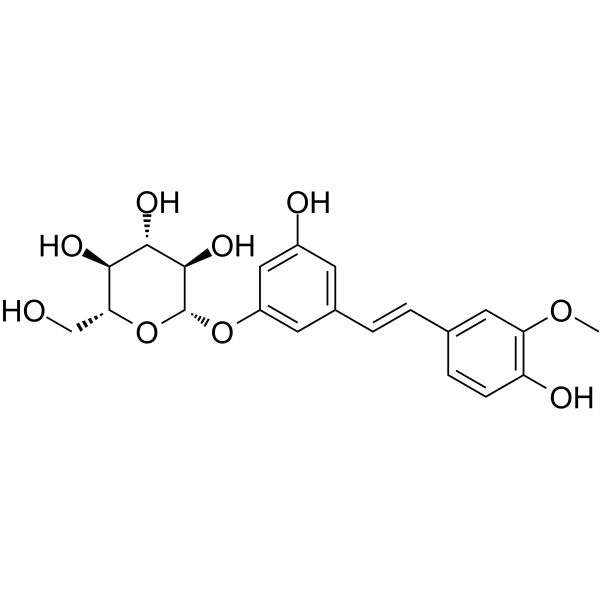
Isorhapontin is an antifungal agent. Isorhapontin inhibits the hydrolytic activity of Trichoderma cellobiohydrolase I (CBH I) with a Ki of 57.2 μM. Isorhapontin also inhibits the activity of Trichoderma endoglucanase I .
|
-
-
- HY-W087937
-
|
Benzenecarboximidamide hydrochloride hydrate
|
Ser/Thr Protease
|
Cancer
|
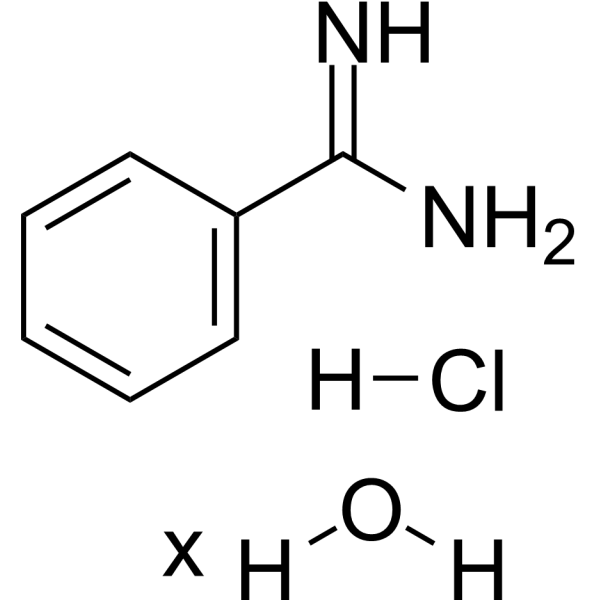
Benzamidine (Benzenecarboximidamide) hydrochloride hydrate is a competitive protease inhibitor that blocks the hydrolytic cleavage of glucagon by plasmin, trypsin and thrombin. Benzamidine hydrochloride hydrate effectively inhibits the degradation of glucagon by relevant proteases during the collection, storage and analysis of human plasma and blood samples. During in vivo metabolism, Benzamidine hydrochloride hydrate undergoes N-hydroxylation and produces multiple metabolites, exhibiting characteristics of delayed excretion or biphasic elimination. Benzamidine hydrochloride hydrate only induces slight single-strand DNA breaks at high concentrations and shows no significant genotoxic potential overall. Benzamidine hydrochloride hydrate may interfere with the detection of some glucagon antisera, but does not affect key antigen-antibody affinity at specific concentrations. Benzamidine hydrochloride hydrate can be used as a stabilizer in glucagon radioimmunoassays to ensure the accuracy and recovery rate of detection results .
|
-
-
- HY-108960
-
|
|
P2X Receptor
Interleukin Related
|
Neurological Disease
|
|
PPADS is a P2X receptor (P2X Receptor) antagonist and a reversible competitive antagonist of NAADP receptors, with IC50 values of 68 nM (P2X1) and 214 nM (P2X3), respectively. PPADS alleviates pain-related behaviors in the central and peripheral nervous systems of mice after peripheral neuropathy, inhibits the overproduction of IL-1β, IL-6, iNOS and nNOS, and suppresses the hydrolytic activity of extracellular ATPase. PPADS blocks ATP-mediated inward currents on recombinant rat P2X1 and P2X3 receptors, and inhibits purinergic nerve stimulation-induced contraction of rabbit bladder detrusor muscle. PPADS is applicable to research related to neuropathic pain .
|
-
-
- HY-W004812
-
|
(1S,3S)-3-[(tert-Butoxycarbonyl)amino]cyclopentanecarboxylic acid
|
Drug Intermediate
SARS-CoV
|
Infection
|
|
BOC-(1R,3S)-3-aminocyclopentane carboxylic acid ((1S,3S)-3-[(tert-Butoxycarbonyl)amino]cyclopentanecarboxylic acid) is a conformationally constrained peptide building block and a key component of SARS-CoV-2 main protease (Mpro) inhibitors. When incorporated into macrocyclic peptides, BOC-(1R,3S)-3-aminocyclopentane carboxylic acid not only helps generate high-affinity Mpro inhibitors by preorganizing the secondary structure of peptides, but also exerts sequence-dependent functional inhibition on the hydrolytic activity of Mpro. BOC-(1R,3S)-3-aminocyclopentane carboxylic is widely used in COVID-19-related research .
|
-
-
- HY-P4468
-
-
-
- HY-Y0850U7
-
|
Polyvinyl alcohol (Mw 195000, 98-99% hydrolyzed, ~4300 polymerization); Poly(Ethenol) (Mw 195000, 98-99% hydrolyzed, ~4300 polymerization)
|
Biochemical Assay Reagents
|
Others
|
|
PVA (Mw 195000, 98-99% hydrolyzed, ~4300 polymerization) is polyvinyl alcohol with a molecular weight of 195,000 and hydrolytic properties. PVA (Mw 195000, 98-99% hydrolyzed, ~4300 polymerization) is obtained by polymerizing vinyl acetate followed by hydrolysis to remove acetate groups, yielding polyvinyl alcohol .
|
-
-
- HY-P2648
-
|
N-Succinyl-AAPL-p-nitroanilide
|
Aminopeptidase
|
Endocrinology
|
|
Suc-Ala-Ala-Pro-Leu-pNA (N-Succinyl-AAPL-p-nitroanilide) is a tripeptidyl p-nitroanilide substrate that can be catalytically hydrolyzed by acyl amidase-like leucine aminopeptidase in seminal plasma. Amastatin (HY-129298) and Actinonin (HY-113952) exert potent inhibitory effects on this hydrolytic activity. Suc-Ala-Ala-Pro-Leu-pNA can be used for the research of diseases such as azoospermia .
|
-
-
- HY-P10053
-
|
|
Phospholipase
|
Metabolic Disease
|
|
sPLA2-IIA Inhibitor is a cyclic pentapeptide analog of FLSYK (cyclic 2-Nal-Leu-Ser-2-Nal-Arg (c2)), that binds to hGIIA (human IIA phospholipase A2) and inhibits its hydrolytic ability. sPLA2 is a member of the esterase superfamily that catalyzes the hydrolysis of the ester bond at the sn-2 position of glycerophospholipids, releasing free fatty acids such as arachidonic acid and lysophospholipids .
|
-
-
- HY-P2769A
-
|
|
Biochemical Assay Reagents
|
Others
|
|
Thermostable β-Agarase is a hydrolase that can hydrolyze the β-1,4 linkages in agarose to produce neoagaro-oligosaccharides, and it can be used to extract DNA and RNA from gels. Compared to conventional β-Agarase, Thermostable β-Agarase exhibits higher heat resistance and stronger hydrolytic activity. The thermostable properties of Thermostable β-Agarase simplify experimental procedures and make it suitable for the rapid purification of intact large DNA molecules .
|
-
-
- HY-W010115
-
-
-
- HY-404548
-
|
|
Biochemical Assay Reagents
|
Others
|
|
Sulfo-TAG TFP ester disodium is a tetrafluorophenyl (TFP) ester that can be coupled to proteins via primary amine groups. Sulfo-TAG TFP ester disodium is more hydrophobic than NHS esters and exhibits higher hydrolytic stability in aqueous solutions. Sulfo-TAG TFP ester disodium can be used for antibody labeling.
|
-
-
- HY-N1181R
-
-
-
- HY-135886
-
|
|
Biochemical Assay Reagents
|
Others
|
|
2-Nitrophenyl α-D-galactopyranoside, a nitrophenyl derivative, is a substrate to test for hydrolytic activity of glycosyl hydrolase .
|
-
-
- HY-W354821
-
|
4-MUD
|
Fluorescent Dye
|
Metabolic Disease
|
|
4-Methyl-2-oxo-2H-1-benzopyran-7-yl decanoate is a fluorogenic substrate used to follow the hydrolytic activity of carboxylesterases .
|
-
-
- HY-163169
-
|
|
Ligands for E3 Ligase
|
Others
|
|
Phenyl-glutarimide 4 ’-oxyacetic acid is a carboxylic acid-functionalized cerebellar ligand that can be used in the development of PROTAC deactivators. Phenyl-glutarimide 4 ’-oxyacetic acid binds to PROTAC has better hydrolytic stability and efficacy .
|
-
-
- HY-116033
-
|
|
Ser/Thr Protease
|
Inflammation/Immunology
|
|
BMS-363131 is a selective inhibitor for tryptase, with an IC50 <1.7 nM. BMS-363131 is hydrolytic stable at pH=7 and pH=9. BMS-363131 attenuates the astham in a guinea pig model .
|
-
-
- HY-P2939
-
|
|
Apoptosis
Biochemical Assay Reagents
|
Cancer
|
|
Chondroitinase AC is a hydrolytic enzyme. Chondroitinase AC degrades chondroitin sulfate A and chondroitin sulfate C. Chondroitinase AC inhibits the invasion and proliferation of melanoma cells and endothelial cells, and increases apoptosis. Chondroitinase AC can be used in research on melanoma and other cancers .
|
-
-
- HY-P2781
-
-
-
- HY-120195
-
|
|
Phosphodiesterase (PDE)
|
Neurological Disease
|
|
PF-04677490 is a PDE1 inhibitor (IC50: 21 nM). PF-04677490 has IC50s of 21 nM, 83 nM, and 118 nM for PDE1B1, PDE1C, and PDE1A, respectively. PF-04677490 efficaciously inhibits cAMP- and cGMP-hydrolytic activity .
|
-
-
- HY-P2815
-
|
|
Biochemical Assay Reagents
|
Others
|
|
Creatinine deiminase is a hydrolytic enzyme. Creatinine deiminase plays a crucial role in the conversion of the metabolic waste creatinine into creatine. Creatinine deiminase is a creatine bioanalytical tool. Creatinine deiminase can be used to construct a novel creatinine-sensitive biosensor when adsorbed on a silicate-modified pH-sensitive field-effect transistor (pH-FET) .
|
-
-
- HY-W856819
-
|
|
Opioid Receptor
Cholinesterase (ChE)
Drug Metabolite
nAChR
|
Neurological Disease
|
|
Eseroline is a potent μ-opioid receptor agonist, which is the hydrolytic metabolite of Physostigmine (HY-N6608). Eseroline is a selective and competitive acetylcholinesterase (AChE) inhibitor, with its Ki values for AChE and BuChE being 0.1 μM and 200 μM respectively. Eseroline has nicotinic acetylcholine receptor allosteric enhancing ligand (nAChR-APL) activity, meaning it does not activate the receptor but significantly enhances the signal transduction of Ach triggered by the receptor. Eseroline is neurotoxic, causing cell membrane damage (LDH leakage) and energy metabolism collapse (ATP depletion). Eseroline can be used for the study of Alzheimer's disease .
|
-
-
- HY-131824
-
|
|
Phosphodiesterase (PDE)
|
Others
|
|
5,6-DM-cBIMP, a cyclic nucleotide analog, is an agonist of PDE2 that can significantly enhance the cAMP and cGMP hydrolytic activities of PDE2 [2.
|
-
-
- HY-131823
-
|
|
Phosphodiesterase (PDE)
|
Others
|
|
5,6-DCl-cBIMP, a cyclic adenosine monophosphate analog, can act as an agonist of PDE2 and significantly enhance the cAMP and cGMP hydrolytic activities of PDE2 .
|
-
-
- HY-138152
-
|
Benzyl-D-Arg-Gly-Arg-pNA dihydrochloride
|
Fluorescent Dye
|
Others
|
|
Z-D-Arg-Gly-Arg-pNA dihydrochloride is a hydrolytic chromogenic plasmin substrate .
|
-
-
- HY-W704138
-
-
-
- HY-P10615
-
-
-
- HY-W009004B
-
|
Lys-Lys-Lys TFA; H-Lys-Lys-Lys-OH TFA
|
Biochemical Assay Reagents
|
Others
|
|
Trilysine TFA is a tripeptide and also a substrate for specific peptidases. Trilysine TFA serves as a hydrolytic substrate for the tripeptide-specific aminopeptidase TP and the oligopeptidase OP .
|
-
-
- HY-108828
-
|
rhGAA
|
Glycosidase
|
Metabolic Disease
|
|
Alglucosidase alfa (rhGAA) is a hydrolytic lysosomal glycogen-specific recombinant human α-glucosidase. Alglucosidase alfa can be used for Pompe disease research .
|
-
-
- HY-W704138R
-
|
|
Endogenous Metabolite
Reference Standards
|
Others
|
|
2-Hydroxy-atrazine (Standard) is the analytical standard of 2-Hydroxy-atrazine. This product is intended for research and analytical applications. 2-Hydroxy-atrazine is a non-herbicidal primary photoproduct that results from the hydrolytic dechlorination of atrazine.
|
-
-
- HY-W591969
-
|
|
Biochemical Assay Reagents
|
Others
|
|
Benzyl (6-oxohexyl)carbamate is a linker containing an aldehyde group and a benzyl (Cbz) protecting group. The aldehyde can react with hydrazine or hydrazide to form a hydrolytic acyl hydrozone linkage. The benzyl protecting group can be removed via hydrogenolysis to form a free amine.
|
-
-
- HY-134283
-
|
|
PKA
Apoptosis
|
Others
|
|
8-Benzylthio-cAMP is a derivative of cyclic adenosine monophosphate (cAMP). 8-Bn-cAMP is a site-selective activator of cAMP-dependent protein kinases. Compared with cyclic adenosine monophosphate, it is more stable to phosphodiesterase (PDE) hydrolysis and has higher membrane permeability. 8-Bn-cAMP can be used to study the role of cAMP in regulating cell proliferation, differentiation and apoptosis .
|
-
-
- HY-131842
-
|
N6-Benzyladenosine-3',5'-cyclic monophosphate
|
PKA
|
Cancer
|
|
6-Bn-cAMP is a site-selective activator of cAMP-dependent protein kinase (PKA) which does not activate Epac. 6-Bn-cAMP increases hydrolytic stability against PDE, esterases, amidases and considerably higher membrane permeability compared to cAMP .
|
-
- HY-E70413
-
|
|
Endogenous Metabolite
|
Cardiovascular Disease
Metabolic Disease
|
|
Amino acid arylamidase, hog kidney is a metalloprotease that can hydrolyze proteins or peptides containing free α-amino or α-imino groups, playing a crucial role in amino acid metabolism and protein digestion. Its hydrolytic activity can be blocked by acetylation of the N-terminus. Amino acid arylamidase, hog kidney can be used in research on hepatic diseases, biliary diseases, and heart failure .
|
-
- HY-12798E
-
|
(R)-AR-13324 M1 metabolite
|
PKC
ROCK
Drug Metabolite
|
Cardiovascular Disease
|
|
(R)-AR-13503 ((R)-AR-13324 M1 metabolite) is the the (R)-enantiomer of AR-13503 (HY-12798C). AR-13503 is the hydrolytic metabolite of AR-13324 mesylate. AR-13324 is a ROCK kinase and PKC inhibitor with anti-angiogenic and retinal health-improving effects, showing potential for use in retinal disease research .
|
-
- HY-P10668
-
|
|
Dengue Virus
Flavivirus
|
Infection
|
|
Ac-EVKKQR-pNA is a competitive chromogenic para-nitroanilide substrate corresponding to the P6-P1 segment amino-terminal to the NS2B-NS3 cleavage site but with a more reactive, hydrolytically cleavable, para-nitroanilide at the P1’ position. Ac-EVKKQR-pNA is promising for research of dengue 2 virus and flavivirus virus infection .
|
-
- HY-133668S
-
|
|
Isotope-Labeled Compounds
Drug Metabolite
Cytochrome P450
PPAR
|
Cancer
|
|
Monoethyl phthalate-d4 is the deuterium labeled Monoethyl phthalate. Monoethyl phthalate is an orally active PDX-1 activator and the major hydrolytic metabolite of Diethyl phthalate (HY-Y0284) in vivo, with reproductive toxicity. Monoethyl phthalate targets aromatase (aromatase/CYP19A1) and PPAR to induce cell proliferation. The plasma protein binding rate of Monoethyl phthalate in rats and humans is lower than that of Diethyl phthalate. It exhibits significant enterohepatic circulation in rats and mainly accumulates in liver tissues. Monoethyl phthalate shows no estrogenic activity in estrogen-dependent human breast cancer cells. Monoethyl phthalate can be used in studies of reproductive toxicity and related environmental endocrine disruption mechanisms .
|
-
- HY-N0886R
-
|
Isobarbaloin (Standard)
|
Reference Standards
Virus Protease
SARS-CoV
|
Infection
Metabolic Disease
Cancer
|
|
Aloin B (Isobarbaloin) (Standard) is the analytical standard of Aloin B. This product is intended for research and analytical applications. Aloin B is an orally active SARS-CoV-2 papain-like protease (PLpro) inhibitor with an IC50 of 16.08 μM (hydrolytic activity) and 17.51 μM (deubiquitinase activity). Aloin B is metabolized by rat intestinal flora into aloe-emodin-9-anthrone to exert laxative effects. Aloin B inhibits TPA (HY-18739)-induced ear edema, putrescine elevation, and tumor promotion in mouse skin. Aloin B can be used in research related to anti-inflammation, tumor promotion inhibition, coronavirus disease 2019 (COVID-19) and constipation .
|
-
- HY-W018781R
-
|
|
Reference Standards
Ser/Thr Protease
|
Cancer
|
|
Benzamidine hydrochloride (Standard) is the analytical standard of Benzamidine (hydrochloride). This product is intended for research and analytical applications. Benzamidine hydrochloride is a competitive protease inhibitor that blocks the hydrolytic cleavage of glucagon by plasmin, trypsin and thrombin. Benzamidine hydrochloride effectively inhibits the degradation of glucagon by relevant proteases during the collection, storage and analysis of human plasma and blood samples. During in vivo metabolism, Benzamidine hydrochloride undergoes N-hydroxylation and produces multiple metabolites, exhibiting characteristics of delayed excretion or biphasic elimination. Benzamidine hydrochloride only induces slight single-strand DNA breaks at high concentrations and shows no significant genotoxic potential overall. Benzamidine hydrochloride may interfere with the detection of some glucagon antisera, but does not affect key antigen-antibody affinity at specific concentrations. Benzamidine hydrochloride can be used as a stabilizer in glucagon radioimmunoassays to ensure the accuracy and recovery rate of detection results .
|
-
- HY-E70885
-
|
BgaA
|
Glycosidase
|
Others
|
|
Beta-galactosidase A (BgaA) is a hydrolytic enzyme that hydrolyzes Lactose (HY-B2123) .
|
-
- HY-E70957
-
-
- HY-E71150
-
|
|
Biochemical Assay Reagents
|
Others
|
|
1,3-α-L-Fucosidase (EC 3.2.1.111) catalyzes the hydrolytic cleavage of the 1,3-linkages between α-L-fucose and N-acetylglucosamine residues in glycoproteins.
|
-
- HY-NP211
-
|
|
Biochemical Assay Reagents
|
Others
|
|
Highly purified Type II collagen from salmon nasal cartilage is a highly purified collagen that can stimulate the animal's immune system to produce specific antibodies against this collagen. Collagen is also a hydrolytic substrate for MMPs.
|
-
- HY-105223A
-
|
|
Drug Intermediate
|
Cancer
|
|
Pibrozelesin hydrobromide is a hydrolytic prodrug of Carzelesin (HY-19601). Pibrozelesin hydrobromide has an anticancer activity. Carzelesin is a cyclopropylpyrroloindole precursor molecule and effectively inhibits tumor growth. Carzelesin may be used in cancer research .
|
-
- HY-186079
-
|
|
Integrin
|
Inflammation/Immunology
|
|
Deethyl-emvistegrast is a quinoline derivative and also a α4β7 integrin inhibitor. Deethyl-emvistegrast is the hydrolytic product of Emvistegrast (HY-177080). Deethyl-emvistegrast modulates inflammatory pathways. Deethyl-emvistegrast can be used in research related to inflammatory bowel disease (Crohn's disease and ulcerative colitis) .
|
-
- HY-P2824A
-
|
|
Endogenous Metabolite
|
Metabolic Disease
|
|
Streptokinase, Streptococcus hemolyticus (EC 3.4.99.0) is an enzyme secreted by several species of streptococci that can bind and activate human plasminogen. Streptokinase belongs to a group of medications known as fibrinolytics, and complexes of streptokinase with human plasminogen can hydrolytically activate other unbound plasminogen by activating through bond cleavage to produce plasmin.
|
-
- HY-E70964A
-
|
|
Aminopeptidase
|
Metabolic Disease
|
|
Leucine Aminopeptidase, Porcine (EC 3.4.11.1) is a proteolytic enzyme which hydrolyzes the peptide bond adjacent to a free amino group. Leucine Aminopeptidase, Porcine (EC 3.4.11.1) rapidly catalyzes the hydrolysis of leucine containing peptides and also catalyzes the hydrolytic release of other amino acids located at the N-terminal end of various peptides and proteins.
|
-
- HY-182280
-
|
|
Insulin Receptor
|
Metabolic Disease
|
|
BDM71230 is an orally active inducer of insulin-degrading enzyme (IDE), with an EC50 of 1.9 μM against human IDE. BDM71230 binds to the interface of IDE dimers and enhances the catalytic activity of IDE via steric effects. BDM71230 can potentiate the hydrolytic effect of IDE on insulin and slightly attenuate the hypoglycemic effect of insulin. BDM71230 serves as a pharmacological tool for investigating IDE function and is applicable to studies related to glucose intolerance .
|
-
- HY-183597
-
|
|
Drug Derivative
|
Cancer
|
|
L-BPA-BPA is an aromatic dipeptide and an analog of L-BPA (HY-W087830). L-BPA-BPA undergoes rapid hydrolytic cleavage in vivo to release the boron neutron capture agent L-BPA. L-BPA-BPA enables boron delivery to tumors; when used in combination with neutron irradiation, it also induces immunological effects including vaccine responses and abscopal tumor suppression. L-BPA-BPA can be used in the research of colon cancer and hypopharyngeal cancer .
|
-
- HY-N18372
-
|
|
Others
|
Others
|
|
Hispidulin 7-O-glucuronide methyl ester is a flavone glycoside. Hispidulin 7-O-glucuronide methyl ester can be found in the aerial part of Centaurea furfuracea .
|
-
- HY-D3170
-
|
|
Fluorescent Dye
γ-Glutamyl Transferase (GGT)
|
Inflammation/Immunology
|
|
C-HBrO-GGT is a sequence-activated two-photon fluorescent probe. C-HBrO-GGT exhibits sequential fluorescence activation properties: it generates fluorescence in response to hypobromous acid only after being hydrolytically activated by γ-glutamyl transpeptidase. C-HBrO-GGT enables verification of the voltage-gated chloride channel (CLC-1)-HBrO-catalase (CAT)-GGT signaling pathway at the cellular level. C-HBrO-GGT can serve as a tool to indicate the precise location of mature atherosclerotic plaques and provide early warning of plaque formation. C-HBrO-GGT is applicable to relevant research on atherosclerosis .
|
-
| Cat. No. |
Product Name |
Type |
-
- HY-W354821
-
|
4-MUD
|
Fluorescent Dyes
|
|
4-Methyl-2-oxo-2H-1-benzopyran-7-yl decanoate is a fluorogenic substrate used to follow the hydrolytic activity of carboxylesterases .
|
-
- HY-D3170
-
|
|
Fluorescent Dyes
|
|
C-HBrO-GGT is a sequence-activated two-photon fluorescent probe. C-HBrO-GGT exhibits sequential fluorescence activation properties: it generates fluorescence in response to hypobromous acid only after being hydrolytically activated by γ-glutamyl transpeptidase. C-HBrO-GGT enables verification of the voltage-gated chloride channel (CLC-1)-HBrO-catalase (CAT)-GGT signaling pathway at the cellular level. C-HBrO-GGT can serve as a tool to indicate the precise location of mature atherosclerotic plaques and provide early warning of plaque formation. C-HBrO-GGT is applicable to relevant research on atherosclerosis .
|
| Cat. No. |
Product Name |
Type |
-
- HY-Y0850E
-
|
PVA (Mw 30000-70000, 87-90% hydrolyzed); Poly(Ethenol) (Mw 30000-70000, 87-90% hydrolyzed)
|
Biochemical Assay Reagents
|
|
Polyvinyl alcohol (Mw 30000-70000, 87-90% hydrolyzed) is a polyvinyl alcohol with a molecular weight of 30000-70000 and hydrolytic properties. The degree of hydrolysis refers to the degree to which the acetate groups in the original polyvinyl acetate are converted into hydroxyl groups during the hydrolysis process. Polyvinyl alcohol (Mw 30000-70000, 87-90% hydrolyzed) is the hydrolysis and removal of acetate groups after the polymerization of ethylene acetate. And polyvinyl alcohol is obtained. A degree of hydrolysis of 87-90% indicates that a large part of the acetate groups have been removed, resulting in a large number of hydroxyl groups in the PVA structure. Polyvinyl alcohol with different degrees of hydrolysis can be used to self-crosslink to form cryogel, which can be used as biological excipients .
|
-
- HY-Y0850J
-
|
PVA (Mw 13000-23000, 87-89% hydrolyzed); Poly(Ethenol) (Mw 13000-23000, 87-89% hydrolyzed)
|
Biochemical Assay Reagents
|
|
Polyvinyl alcohol (Mw 13000-23000, 87-89% hydrolyzed) is a polyvinyl alcohol with a molecular weight of 130000-23000 and hydrolytic properties. Polyvinyl alcohol (Mw 13000-23000, 87-89% hydrolyzed) is the hydrolysis and removal of acetate groups after the polymerization of ethylene acetate and polyvinyl alcohol is obtained. A degree of hydrolysis of 87-89% indicates that a large part of the acetate groups have been removed, resulting in a large number of hydroxyl groups in the PVA structure. Polyvinyl alcohol with different degrees of hydrolysis can be used to self-crosslink to form cryogel, which can be used as biological excipient. Polyvinyl alcohol can be used in tissue engineering by electrospinning. Polyvinyl alcohol can achieve high cellular density, infiltration, and uniform distribution, facilitating functional connections between cells. Polyvinyl alcohol can improve cell vitality through in vitro cultivation. Polyvinyl alcohol demonstrates promising inhibition of ostersarcoma cancer cells with Doxorubicin (HY-15142A) .
|
-
- HY-Y0850L
-
|
PVA (Mw 85000-124000, 99+% hydrolyzed); Poly(Ethenol) (Mw 85000-124000, 99+% hydrolyzed)
|
Biochemical Assay Reagents
|
|
Polyvinyl alcohol (Mw 85000-124000, 99+% hydrolyzed) is a polyvinyl alcohol with a molecular weight of 85000-124000 and hydrolytic properties. Polyvinyl alcohol (Mw 85000-124000, 99+% hydrolyzed) forms hydrogels that can be used to simulate digestive organs and lesion models for the training of endoscopic ultrasound (EUS) and endoscopic ultrasound elastography (EUS-E). Polyvinyl alcohol with different degrees of hydrolysis can be used to self-crosslink to form cryogel, which can be used as biological excipients .
|
-
- HY-Y0850M
-
|
PVA (Mw 85000-124000, 87-89% hydrolyzed); Poly(Ethenol) (Mw 85000-124000, 87-89% hydrolyzed)
|
Biochemical Assay Reagents
|
|
Polyvinyl alcohol (Mw 85000-124000, 87-89% hydrolyzed) is a polyvinyl alcohol with a molecular weight of 85000-124000 and hydrolytic properties. The degree of hydrolysis refers to the degree to which the acetate groups in the original polyvinyl acetate are converted into hydroxyl groups during the hydrolysis process. Polyvinyl alcohol (Mw 85000-124000, 87-89% hydrolyzed) is the hydrolysis and removal of acetate groups after the polymerization of ethylene acetate. And polyvinyl alcohol is obtained. A degree of hydrolysis of 87-89% indicates that a large part of the acetate groups have been removed, resulting in a large number of hydroxyl groups in the PVA structure. Polyvinyl alcohol with different degrees of hydrolysis can be used to self-crosslink to form cryogel, which can be used as biological excipient .
|
-
- HY-Y0850P
-
|
PVA (Mw 146000-186000, 87-89% hydrolyzed); Poly(Ethenol) (Mw 146000-186000, 87-89% hydrolyzed)
|
Biochemical Assay Reagents
|
|
Polyvinyl alcohol (Mw 146000-186000, 87-89% hydrolyzed) is a polyvinyl alcohol with a molecular weight of 146000-186000 and hydrolytic properties. Polyvinyl alcohol (Mw 146000-186000, 87-89% hydrolyzed) is the hydrolysis and removal of acetate groups after the polymerization of ethylene acetate. And polyvinyl alcohol is obtained. Polyvinyl alcohol with different degrees of hydrolysis can be used to self-crosslink to form cryogel, which can be used as biological excipient. Polyvinyl alcohol can be used in tissue engineering by electrospinning. Polyvinyl alcohol can achieve high cellular density, infiltration, and uniform distribution, facilitating functional connections between cells. Polyvinyl alcohol can improve cell vitality through in vitro cultivation. Polyvinyl alcohol demonstrates promising inhibition of ostersarcoma cancer cells with Doxorubicin (HY-15142A) .
|
-
- HY-Y0850U9
-
|
Polyvinyl alcohol (Mw 67000, 87-89% hydrolyzed, ~1400 polymerization); Poly(Ethenol) (Mw 67000, 87-89% hydrolyzed, ~1400 polymerization)
|
Biochemical Assay Reagents
|
|
PVA (Mw 67000, 87-89% hydrolyzed, ~1400 polymerization) is a polyvinyl alcohol with a molecular weight of 67000 and hydrolytic properties. Degree of hydrolysis refers to the conversion rate of acetate groups in the original polyvinyl acetate to hydroxyl groups; PVA (Mw 67000, 87-89% hydrolyzed, ~1400 polymerization) is obtained by hydrolyzing and removing acetate groups after the polymerization of vinyl acetate. Polyvinyl alcohol with different degrees of hydrolysis can be used to form self-crosslinked cryogels and is applied as a biological adjuvant .
|
-
- HY-W087937
-
|
Benzenecarboximidamide hydrochloride hydrate
|
Biochemical Assay Reagents
|
Benzamidine (Benzenecarboximidamide) hydrochloride hydrate is a competitive protease inhibitor that blocks the hydrolytic cleavage of glucagon by plasmin, trypsin and thrombin. Benzamidine hydrochloride hydrate effectively inhibits the degradation of glucagon by relevant proteases during the collection, storage and analysis of human plasma and blood samples. During in vivo metabolism, Benzamidine hydrochloride hydrate undergoes N-hydroxylation and produces multiple metabolites, exhibiting characteristics of delayed excretion or biphasic elimination. Benzamidine hydrochloride hydrate only induces slight single-strand DNA breaks at high concentrations and shows no significant genotoxic potential overall. Benzamidine hydrochloride hydrate may interfere with the detection of some glucagon antisera, but does not affect key antigen-antibody affinity at specific concentrations. Benzamidine hydrochloride hydrate can be used as a stabilizer in glucagon radioimmunoassays to ensure the accuracy and recovery rate of detection results .
|
-
- HY-Y0850U7
-
|
Polyvinyl alcohol (Mw 195000, 98-99% hydrolyzed, ~4300 polymerization); Poly(Ethenol) (Mw 195000, 98-99% hydrolyzed, ~4300 polymerization)
|
Biochemical Assay Reagents
|
|
PVA (Mw 195000, 98-99% hydrolyzed, ~4300 polymerization) is polyvinyl alcohol with a molecular weight of 195,000 and hydrolytic properties. PVA (Mw 195000, 98-99% hydrolyzed, ~4300 polymerization) is obtained by polymerizing vinyl acetate followed by hydrolysis to remove acetate groups, yielding polyvinyl alcohol .
|
-
- HY-NP211
-
|
|
Biochemical Assay Reagents
|
|
Highly purified Type II collagen from salmon nasal cartilage is a highly purified collagen that can stimulate the animal's immune system to produce specific antibodies against this collagen. Collagen is also a hydrolytic substrate for MMPs.
|
| Cat. No. |
Product Name |
Target |
Research Area |
-
- HY-W009004
-
|
Lys-Lys-Lys; H-Lys-Lys-Lys-OH
|
Biochemical Assay Reagents
|
Others
|
|
Trilysine is a tripeptide and also a substrate for specific peptidases. Trilysine serves as a hydrolytic substrate for the tripeptide-specific aminopeptidase TP and the oligopeptidase OP .
|
-
- HY-P4468
-
-
- HY-P2648
-
|
N-Succinyl-AAPL-p-nitroanilide
|
Aminopeptidase
|
Endocrinology
|
|
Suc-Ala-Ala-Pro-Leu-pNA (N-Succinyl-AAPL-p-nitroanilide) is a tripeptidyl p-nitroanilide substrate that can be catalytically hydrolyzed by acyl amidase-like leucine aminopeptidase in seminal plasma. Amastatin (HY-129298) and Actinonin (HY-113952) exert potent inhibitory effects on this hydrolytic activity. Suc-Ala-Ala-Pro-Leu-pNA can be used for the research of diseases such as azoospermia .
|
-
- HY-P10053
-
|
|
Phospholipase
|
Metabolic Disease
|
|
sPLA2-IIA Inhibitor is a cyclic pentapeptide analog of FLSYK (cyclic 2-Nal-Leu-Ser-2-Nal-Arg (c2)), that binds to hGIIA (human IIA phospholipase A2) and inhibits its hydrolytic ability. sPLA2 is a member of the esterase superfamily that catalyzes the hydrolysis of the ester bond at the sn-2 position of glycerophospholipids, releasing free fatty acids such as arachidonic acid and lysophospholipids .
|
-
- HY-138152
-
|
Benzyl-D-Arg-Gly-Arg-pNA dihydrochloride
|
Fluorescent Dye
|
Others
|
|
Z-D-Arg-Gly-Arg-pNA dihydrochloride is a hydrolytic chromogenic plasmin substrate .
|
-
- HY-P10615
-
-
- HY-W009004B
-
|
Lys-Lys-Lys TFA; H-Lys-Lys-Lys-OH TFA
|
Biochemical Assay Reagents
|
Others
|
|
Trilysine TFA is a tripeptide and also a substrate for specific peptidases. Trilysine TFA serves as a hydrolytic substrate for the tripeptide-specific aminopeptidase TP and the oligopeptidase OP .
|
-
- HY-P10668
-
|
|
Dengue Virus
Flavivirus
|
Infection
|
|
Ac-EVKKQR-pNA is a competitive chromogenic para-nitroanilide substrate corresponding to the P6-P1 segment amino-terminal to the NS2B-NS3 cleavage site but with a more reactive, hydrolytically cleavable, para-nitroanilide at the P1’ position. Ac-EVKKQR-pNA is promising for research of dengue 2 virus and flavivirus virus infection .
|
| Cat. No. |
Product Name |
Category |
Target |
Chemical Structure |
| Cat. No. |
Product Name |
Chemical Structure |
-
- HY-133668S
-
|
|
|
Monoethyl phthalate-d4 is the deuterium labeled Monoethyl phthalate. Monoethyl phthalate is an orally active PDX-1 activator and the major hydrolytic metabolite of Diethyl phthalate (HY-Y0284) in vivo, with reproductive toxicity. Monoethyl phthalate targets aromatase (aromatase/CYP19A1) and PPAR to induce cell proliferation. The plasma protein binding rate of Monoethyl phthalate in rats and humans is lower than that of Diethyl phthalate. It exhibits significant enterohepatic circulation in rats and mainly accumulates in liver tissues. Monoethyl phthalate shows no estrogenic activity in estrogen-dependent human breast cancer cells. Monoethyl phthalate can be used in studies of reproductive toxicity and related environmental endocrine disruption mechanisms .
|
-
| Cat. No. |
Product Name |
|
Classification |
-
- HY-Y0850E
-
|
PVA (Mw 30000-70000, 87-90% hydrolyzed); Poly(Ethenol) (Mw 30000-70000, 87-90% hydrolyzed)
|
|
Polymers
|
|
Polyvinyl alcohol (Mw 30000-70000, 87-90% hydrolyzed) is a polyvinyl alcohol with a molecular weight of 30000-70000 and hydrolytic properties. The degree of hydrolysis refers to the degree to which the acetate groups in the original polyvinyl acetate are converted into hydroxyl groups during the hydrolysis process. Polyvinyl alcohol (Mw 30000-70000, 87-90% hydrolyzed) is the hydrolysis and removal of acetate groups after the polymerization of ethylene acetate. And polyvinyl alcohol is obtained. A degree of hydrolysis of 87-90% indicates that a large part of the acetate groups have been removed, resulting in a large number of hydroxyl groups in the PVA structure. Polyvinyl alcohol with different degrees of hydrolysis can be used to self-crosslink to form cryogel, which can be used as biological excipients .
|
-
- HY-Y0850J
-
|
PVA (Mw 13000-23000, 87-89% hydrolyzed); Poly(Ethenol) (Mw 13000-23000, 87-89% hydrolyzed)
|
|
Polymers
|
|
Polyvinyl alcohol (Mw 13000-23000, 87-89% hydrolyzed) is a polyvinyl alcohol with a molecular weight of 130000-23000 and hydrolytic properties. Polyvinyl alcohol (Mw 13000-23000, 87-89% hydrolyzed) is the hydrolysis and removal of acetate groups after the polymerization of ethylene acetate and polyvinyl alcohol is obtained. A degree of hydrolysis of 87-89% indicates that a large part of the acetate groups have been removed, resulting in a large number of hydroxyl groups in the PVA structure. Polyvinyl alcohol with different degrees of hydrolysis can be used to self-crosslink to form cryogel, which can be used as biological excipient. Polyvinyl alcohol can be used in tissue engineering by electrospinning. Polyvinyl alcohol can achieve high cellular density, infiltration, and uniform distribution, facilitating functional connections between cells. Polyvinyl alcohol can improve cell vitality through in vitro cultivation. Polyvinyl alcohol demonstrates promising inhibition of ostersarcoma cancer cells with Doxorubicin (HY-15142A) .
|
-
- HY-Y0850L
-
|
PVA (Mw 85000-124000, 99+% hydrolyzed); Poly(Ethenol) (Mw 85000-124000, 99+% hydrolyzed)
|
|
Polymers
|
|
Polyvinyl alcohol (Mw 85000-124000, 99+% hydrolyzed) is a polyvinyl alcohol with a molecular weight of 85000-124000 and hydrolytic properties. Polyvinyl alcohol (Mw 85000-124000, 99+% hydrolyzed) forms hydrogels that can be used to simulate digestive organs and lesion models for the training of endoscopic ultrasound (EUS) and endoscopic ultrasound elastography (EUS-E). Polyvinyl alcohol with different degrees of hydrolysis can be used to self-crosslink to form cryogel, which can be used as biological excipients .
|
-
- HY-Y0850P
-
|
PVA (Mw 146000-186000, 87-89% hydrolyzed); Poly(Ethenol) (Mw 146000-186000, 87-89% hydrolyzed)
|
|
Polymers
|
|
Polyvinyl alcohol (Mw 146000-186000, 87-89% hydrolyzed) is a polyvinyl alcohol with a molecular weight of 146000-186000 and hydrolytic properties. Polyvinyl alcohol (Mw 146000-186000, 87-89% hydrolyzed) is the hydrolysis and removal of acetate groups after the polymerization of ethylene acetate. And polyvinyl alcohol is obtained. Polyvinyl alcohol with different degrees of hydrolysis can be used to self-crosslink to form cryogel, which can be used as biological excipient. Polyvinyl alcohol can be used in tissue engineering by electrospinning. Polyvinyl alcohol can achieve high cellular density, infiltration, and uniform distribution, facilitating functional connections between cells. Polyvinyl alcohol can improve cell vitality through in vitro cultivation. Polyvinyl alcohol demonstrates promising inhibition of ostersarcoma cancer cells with Doxorubicin (HY-15142A) .
|
Your information is safe with us. * Required Fields.
Inquiry Information
- Product Name:
- Cat. No.:
- Quantity:
- MCE Japan Authorized Agent:

