

1. Search Result
Search Result
Results for "

hypothyroidism

" in MedChemExpress (MCE) Product Catalog:

24

Inhibitors & Agonists

2

Fluorescent Dye

3

Biochemical Assay Reagents

1

Inhibitory Antibodies

10

Natural
Products

3

Isotope-Labeled Compounds

Cat. No. Product Name Target Research Areas Chemical Structure
  • HY-18341
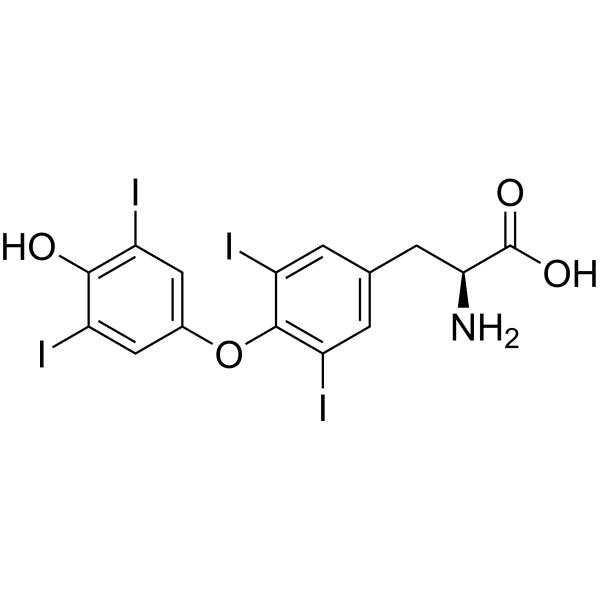
    L-Thyroxine
    Maximum Cited Publications
    13 Publications Verification

    Levothyroxine; T4

    Thyroid Hormone Receptor Endogenous Metabolite Endocrinology Cancer
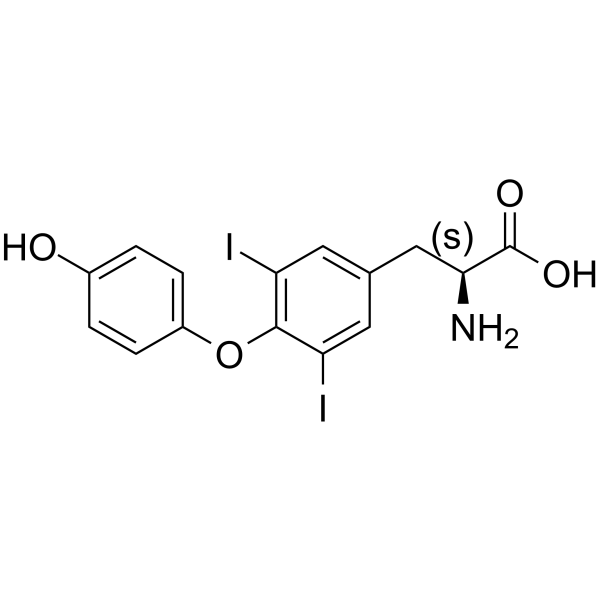
    L-Thyroxine (Levothyroxine; T4) is a synthetic hormone for the research of hypothyroidism. DIO enzymes convert biologically active thyroid hormone (Triiodothyronine,T3) from L-Thyroxine (T4) .
    L-Thyroxine
  • HY-107903

    Thyroglobulin from bovine

    Biochemical Assay Reagents Cancer
    Thyroglobulin is a 660 kDa, dimeric glycoprotein produced by the follicular cells of the thyroid and used entirely within the thyroid gland. Thyroglobulin acts as a substrate for the synthesis of the thyroid hormones thyroxine (T4) and triiodothyronine (T3), as well as the storage of the inactive forms of thyroid hormone and iodine within the follicular lumen of a thyroid follicle. Thyroglobulin activates Akt kinase activity in FRTL-5 thyroid cell .
    Thyroglobulin
  • HY-18341B
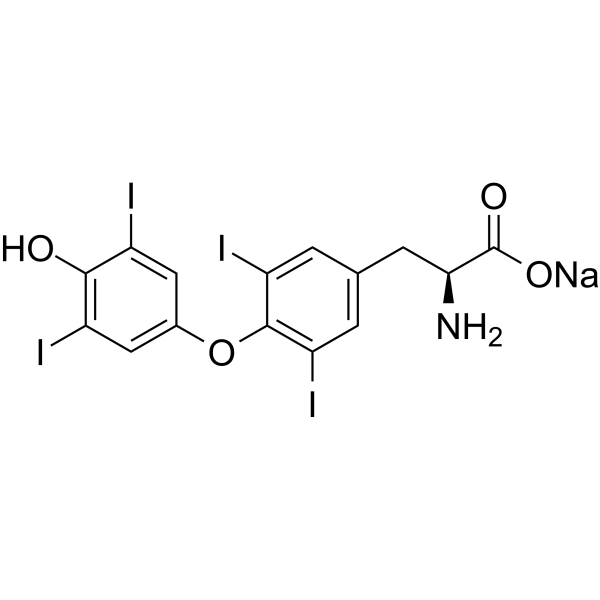
    L-Thyroxine sodium
    10+ Cited Publications

    Levothyroxine sodium; T4 sodium

    Thyroid Hormone Receptor Endogenous Metabolite Endocrinology Cancer
    L-Thyroxine sodium (Levothyroxine sodium) is a synthetic hormone for the research of hypothyroidism. DIO enzymes convert biologically active thyroid hormone (Triiodothyronine,T3) from L-Thyroxine (T4) .
    L-Thyroxine sodium
  • HY-B0747

    EPA ethyl ester; Ethyl eicosapentaenoate; AMR101

    Endogenous Metabolite Metabolic Disease
    Eicosapentaenoic acid ethyl ester (EPA ethyl ester) is an orally active ω-3 fatty acid agent. Eicosapentaenoic acid ethyl ester could improve the activity of liver β-oxidase in vitro, reduce the level of liver total triglyceride, increase the content of liver triglyceride and phospholipid ω-3 fatty acid, and increase the total ω-3 fatty acid level in rats .
    Eicosapentaenoic acid ethyl ester
  • HY-69019
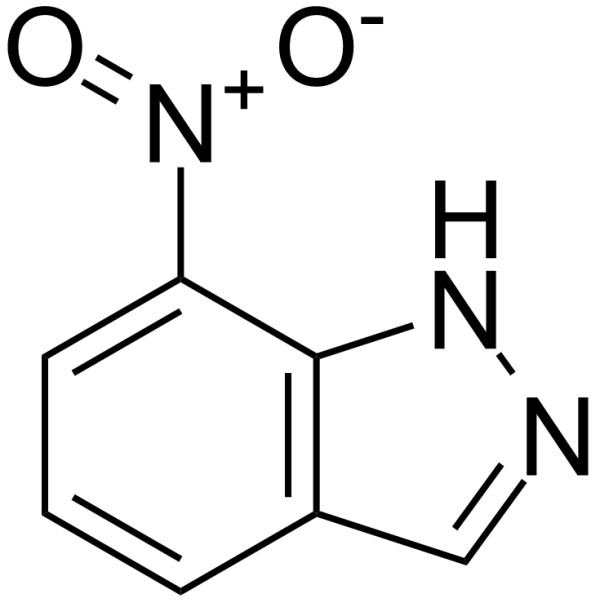
    7-Nitroindazole
    1 Publications Verification

    NO Synthase Cardiovascular Disease Neurological Disease
    7-Nitroindazole is a selective and BBB-penetrable inhibitor of nitric oxide synthase (NOS) (IC50 = 0.47 μM in mouse cerebellum). 7-Nitroindazole does not affect blood pressure or endothelium-dependent relaxation while inhibiting nNOS in experimental animals. 7-Nitroindazole has anti-injurious and neuroprotective properties, and can be studied in research for neurological diseases such as Parkinson’s disease .
    7-Nitroindazole
  • HY-18341A

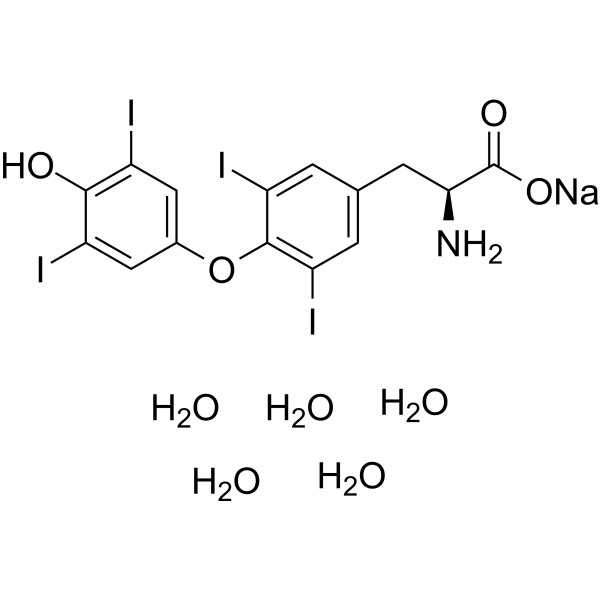
    Sodium levothyroxine pentahydrate

    Thyroid Hormone Receptor Endogenous Metabolite Endocrinology Cancer
    L-Thyroxine sodium salt pentahydrate (Levothyroxine; T4) is a synthetic hormone for the research of hypothyroidism. DIO enzymes convert biologically active thyroid hormone (Triiodothyronine,T3) from L-Thyroxine (T4) .
    L-Thyroxine sodium salt pentahydrate
  • HY-P99758

    CS1003

    PD-1/PD-L1 Cancer
    Nofazinlimab (CS1003) is a humanised IgG4 anti-PD-1 monoclonal antibody. Nofazinlimab shows antitumor activity and can be used for the research of unresectable or metastatic hepatocellular carcinoma .
    Nofazinlimab
  • HY-18341R

    Levothyroxine (Standard); T4 (Standard)

    Reference Standards Thyroid Hormone Receptor Endogenous Metabolite Endocrinology Cancer
    L-Thyroxine (Standard) is the analytical standard of L-Thyroxine. This product is intended for research and analytical applications. L-Thyroxine (Levothyroxine; T4) is a synthetic hormone for the research of hypothyroidism. DIO enzymes convert biologically active thyroid hormone (Triiodothyronine,T3) from L-Thyroxine (T4) .
    L-Thyroxine (Standard)
  • HY-114557

    3,5-Diiodo-L-thyronine

    JNK NF-κB Sirtuin PGC-1α COX TGF-β Receptor Collagen Metabolic Disease Inflammation/Immunology Endocrinology
    NSC 90469 (3,5-Diiodo-L-thyronine) is an orally active thyroid hormone derivative. NSC 90469 inhibits JNK phosphorylation and NF-κB acetylation, blocks SIRT1 protein expression, induces elevated PGC-1α levels, and stimulates COX activity. NSC 90469 enhances UCP1-mediated thermogenesis, increases hepatic Dio1 activity, inhibits TSH levels and hypothalamic-pituitary-thyroid axis function, enhances lipid metabolism, and regulates energy metabolism via the mitochondrial pathway. NSC 90469 prevents blood glucose reduction, reduces urinary albumin excretion, inhibits renal matrix expansion, decreases TGF-β1 expression, and reduces renal fibronectin and type Ⅳ collagen deposition. NSC 90469 also increases energy expenditure and prevents diet-induced overweight. NSC 90469 can be used in studies related to diabetic nephropathy, hypothyroidism, non-alcoholic fatty liver disease, and diet-induced obesity .
    NSC 90469
  • HY-18341S2

    Thyroid Hormone Receptor Endogenous Metabolite Endocrinology
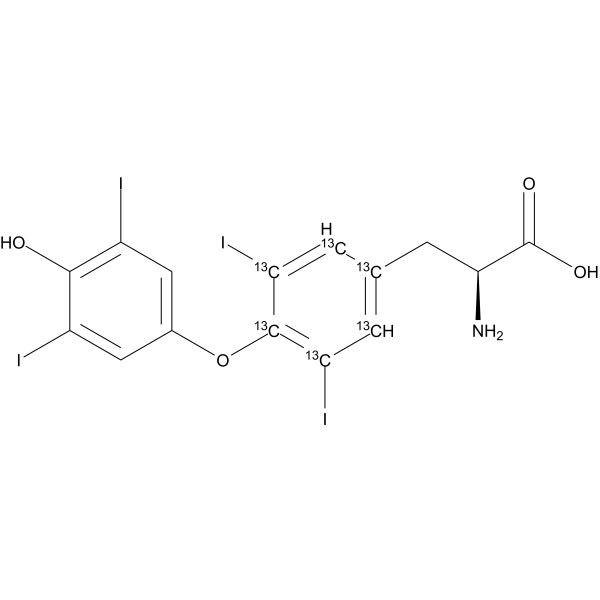
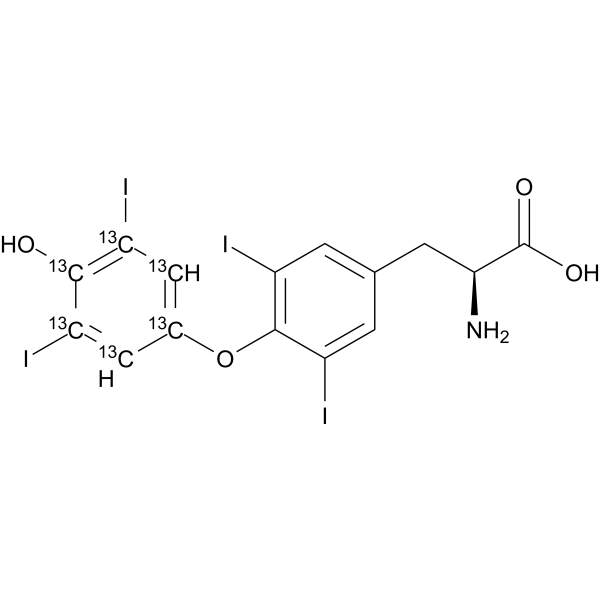
    L-Thyroxine- 13C6 is the 13C labeled L-Thyroxine . L-Thyroxine (Levothyroxine;T4) is a synthetic hormone for the research of hypothyroidism. DIO enzymes convert biologically active thyroid hormone (Triiodothyronine,T3) from L-Thyroxine (T4) .
    L-Thyroxine-13C6
  • HY-W010669
    L-Thyroxine sodium xhydrate
    10+ Cited Publications

    Sodium levothyroxine

    Thyroid Hormone Receptor Endocrinology
    L-Thyroxine sodium xhydrate (Levothyroxine; T4) is a synthetic hormone in the treatment of hypothyroidism. DIO enzymes convert biologically active hormone (Triiodothyronine,T3) from L-Thyroxine (T4).
    L-Thyroxine sodium xhydrate
  • HY-18341F1

    Thyroid Hormone Receptor Others
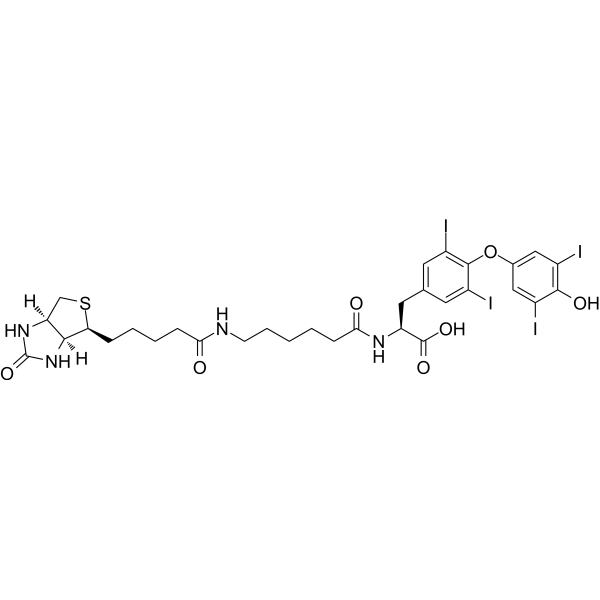
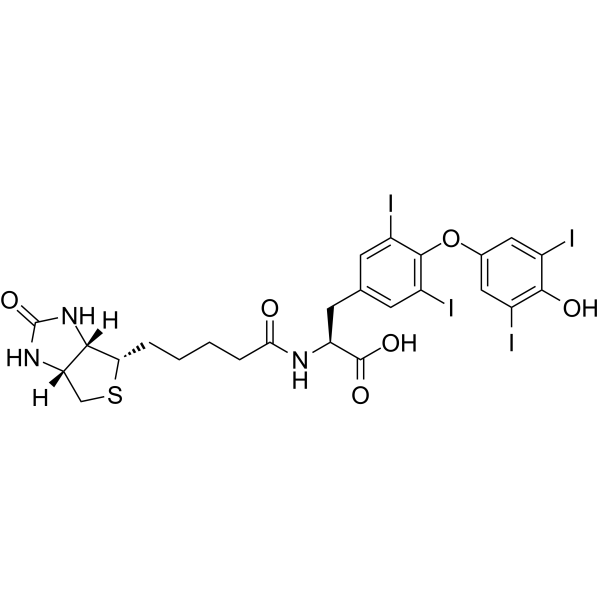
    Biotin-hexanamide-(L-Thyroxine) is biotinylated L-Thyroxine (HY-18341). L-Thyroxine (Levothyroxine; T4) is a synthetic hormone for the research of hypothyroidism .
    Biotin-hexanamide-(L-Thyroxine)
  • HY-18341F

    Thyroid Hormone Receptor Endogenous Metabolite Endocrinology
    Biotin-(L-Thyroxine) is the biotinylated L-Thyroxine (HY-18341). L-Thyroxine is a synthetic hormone for the research of hypothyroidism. DIO enzymes convert biologically active thyroid hormone (Triiodothyronine,T3) from Biotin-(L-Thyroxine) (T4) .
    Biotin-(L-Thyroxine)
  • HY-103539

    γ-secretase Metabolic Disease
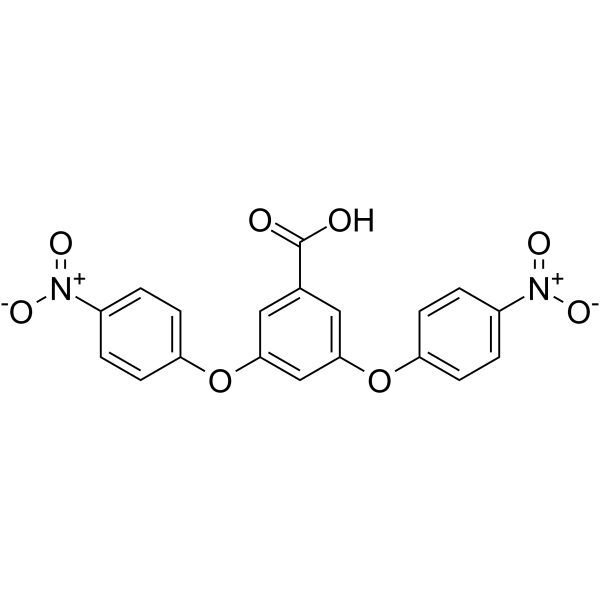
    3,5-Bis(4-nitrophenoxy)benzoic acid is an inhibitor of γ-secretase. 3,5-Bis(4-nitrophenoxy)benzoic acid causes a decrease in the released levels of Aβ42 and notch-1 Aβ-like peptide 25 (Nβ25). 3,5-Bis(4-nitrophenoxy)benzoic acid, as a marker for fetal hypothyroidism, is a 3,3’-diiodothyronine sulfate (T2S) cross-reactive material in maternal serum .
    3,5-Bis(4-nitrophenoxy)benzoic acid
  • HY-18341BR

    Levothyroxine sodium (Standard); T4 sodium (Standard)

    Reference Standards Thyroid Hormone Receptor Endogenous Metabolite Endocrinology Cancer
    L-Thyroxine (sodium) (Standard) is the analytical standard of L-Thyroxine (sodium). This product is intended for research and analytical applications. L-Thyroxine sodium (Levothyroxine sodium) is a synthetic hormone for the research of hypothyroidism. DIO enzymes convert biologically active thyroid hormone (Triiodothyronine,T3) from L-Thyroxine (T4) .
    L-Thyroxine sodium (Standard)
  • HY-18341S1

    Levothyroxine-13C6; T4-13C6

    Isotope-Labeled Compounds Thyroid Hormone Receptor Endogenous Metabolite Endocrinology
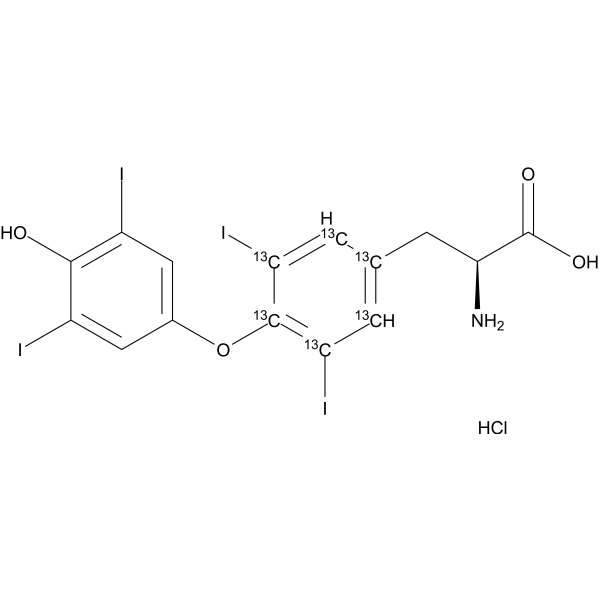
    Thyroxine hydrochloride- 13C6 is the 13C-labeled L-Thyroxine. L-Thyroxine (Levothyroxine; T4) is a synthetic hormone for the research of hypothyroidism. DIO enzymes convert biologically active thyroid hormone (Triiodothyronine,T3) from L-Thyroxine (T4) .
    Thyroxine hydrochloride-13C6
  • HY-W010669R

    Sodium levothyroxine (Standard)

    Reference Standards Thyroid Hormone Receptor Endocrinology
    L-Thyroxine sodium xhydrate (Standard) is the analytical standard of L-Thyroxine sodium xhydrate. This product is intended for research and analytical applications. L-Thyroxine sodium xhydrate (Levothyroxine; T4) is a synthetic hormone in the treatment of hypothyroidism. DIO enzymes convert biologically active hormone (Triiodothyronine,T3) from L-Thyroxine (T4).
    L-Thyroxine sodium xhydrate (Standard)
  • HY-18341S4

    Levothyroxine-13C6-1; T4-13C6-1

    Isotope-Labeled Compounds Endogenous Metabolite Thyroid Hormone Receptor Endocrinology
    L-Thyroxine- 13C6-1 (Levothyroxine- 13C6-1; T4- 13C6-1) is a 13C labeled L-Thyroxine (HY-18341). L-Thyroxine (Levothyroxine; T4) is a synthetic hormone for the research of hypothyroidism. DIO enzymes convert biologically active thyroid hormone (Triiodothyronine,T3) from L-Thyroxine (T4) .
    L-Thyroxine-13C6-1
  • HY-115434

    Thyroid Hormone Receptor Metabolic Disease
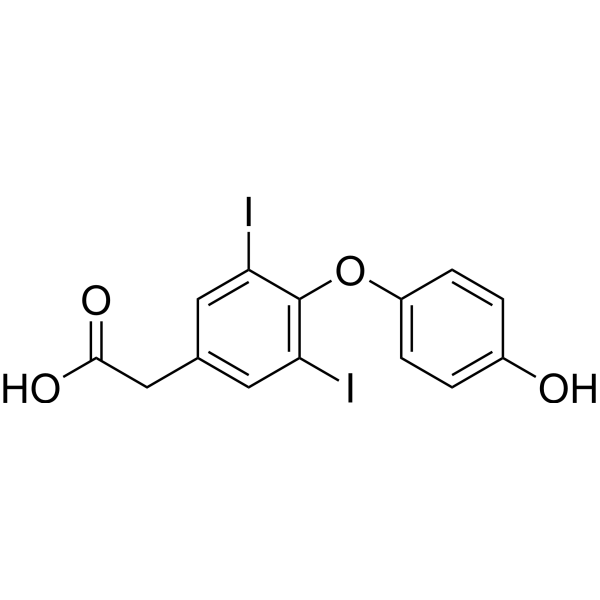
    3,5-Diiodothyroacetic acid is a thyroid hormone analog. 3,5-Diiodothyroacetic acid lowers blood cholesterol concentrations. 3,5-Diiodothyroacetic acid can be used for hypothyroidism diseases research .
    3,5-Diiodothyroacetic acid
  • HY-125946

    Drug Intermediate Endocrinology
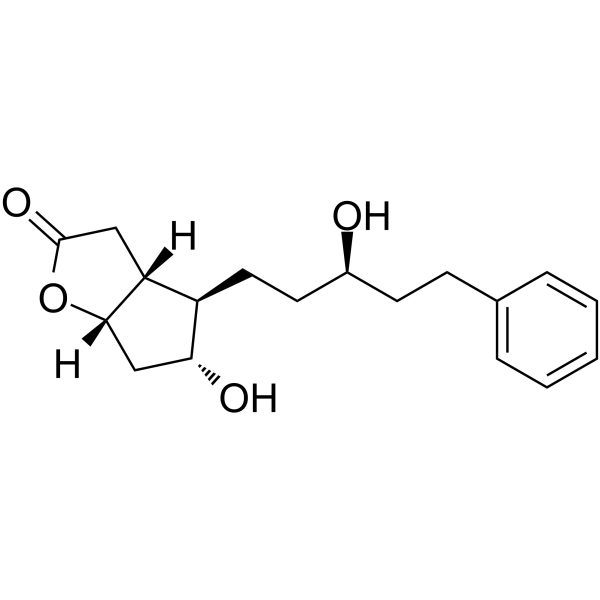
    Latanoprost lactone diol is a small organic molecule derived from Prostaglandin F2α (HY-12956), serving as a key synthetic intermediate and inactive metabolism-related form of Latanoprost (HY-B0577). Latanoprost lactone diol is significantly upregulated in hypothyroid rats, and its level can be reversed by crude polysaccharide, lactone and oligosaccharide fractions from the rhizome of Atractylodis macrocephalae. Latanoprost lactone diol can be used in studies related to hypothyroidism .
    Latanoprost lactone diol
  • HY-125946R

    Reference Standards Drug Intermediate Metabolic Disease
    Latanoprost lactone diol (Standard) is the analytical standard of Latanoprost lactone diol (HY-125946). This product is intended for research and analytical applications. Latanoprost lactone diol is a small organic molecule derived from Prostaglandin F2α (HY-12956), and is a key synthetic intermediate and inactive metabolically related form of Latanoprost (HY-B0577). Latanoprost lactone diol is significantly upregulated in hypothyroid rats, and its levels can be reversed by the crude polysaccharide, lactone, and oligosaccharide components of the rhizome of Atractylodis macrocephalae. Latanoprost lactone diol can be used for research related to hypothyroidism.
    Latanoprost lactone diol (Standard)
  • HY-18341AR

    Sodium levothyroxine pentahydrate (Standard)

    Thyroid Hormone Receptor Endogenous Metabolite Reference Standards Endocrinology Cancer
    L-Thyroxine (sodium salt pentahydrate) (Standard) is the analytical standard of L-Thyroxine (sodium salt pentahydrate). This product is intended for research and analytical applications. L-Thyroxine sodium salt pentahydrate (Levothyroxine; T4) is a synthetic hormone for the research of hypothyroidism. DIO enzymes convert biologically active thyroid hormone (Triiodothyronine,T3) from L-Thyroxine (T4) .
    L-Thyroxine sodium salt pentahydrate (Standard)
  • HY-69019A

    NO Synthase Cardiovascular Disease Neurological Disease
    7-Nitroindazole sodium is a selective and BBB-penetrable inhibitor of nitric oxide synthase (NOS). 7-Nitroindazole sodium can inhibit the activity of central NOS with an IC50 of 0.47 μM in the cerebellum of mice. 7-Nitroindazole sodium has anti-injurious and neuroprotective properties .
    7-Nitroindazole sodium
  • HY-114557R

    3,5-Diiodo-L-thyronine (Standard)

    Reference Standards Endogenous Metabolite Metabolic Disease
    NSC 90469 (Standard) is the analytical standard of NSC 90469. This product is intended for research and analytical applications. NSC 90469 (3,5-Diiodo-L-thyronine) is an orally active thyroid hormone derivative. NSC 90469 inhibits JNK phosphorylation and NF-κB acetylation, blocks SIRT1 protein expression, induces elevated PGC-1α levels, and stimulates COX activity. NSC 90469 enhances UCP1-mediated thermogenesis, increases hepatic Dio1 activity, inhibits TSH levels and hypothalamic-pituitary-thyroid axis function, enhances lipid metabolism, and regulates energy metabolism via the mitochondrial pathway. NSC 90469 prevents blood glucose reduction, reduces urinary albumin excretion, inhibits renal matrix expansion, decreases TGF-β1 expression, and reduces renal fibronectin and type Ⅳ collagen deposition. NSC 90469 also increases energy expenditure and prevents diet-induced overweight. NSC 90469 can be used in studies related to diabetic nephropathy, hypothyroidism, non-alcoholic fatty liver disease, and diet-induced obesity .
    NSC 90469 (Standard)

Inquiry Online

Your information is safe with us. * Required Fields.

Salutation


Country or Region *

Applicant Name *


Organization Name *

Department *


Email Address *


Product Name *

Cat. No.


Requested quantity *

Phone Number *


Remarks

Inquiry Online

Inquiry Information

Product Name:
Cat. No.:
Quantity:
MCE Japan Authorized Agent:

