1. Search Result
Search Result
Results for "

immune efficacy

" in MedChemExpress (MCE) Product Catalog:

53

Inhibitors & Agonists

2

Screening Libraries

1

Fluorescent Dyes

1

Biochemical Assay Reagents

4

Peptides

6

Inhibitory Antibodies

2

Natural
Products

Cat. No. Product Name Target Research Areas Chemical Structure
  • HY-16961
    Sitravatinib
    5+ Cited Publications

    MGCD516; MG-516

    VEGFR c-Kit FLT3 Discoidin Domain Receptor Trk Receptor Inflammation/Immunology Cancer
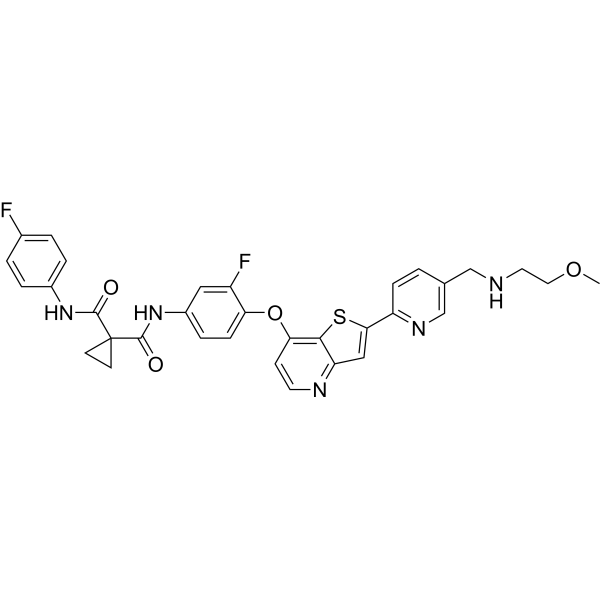
    Sitravatinib (MGCD516) is an orally bioavailable receptor tyrosine kinase (RTK) inhibitor with IC50s of 1.5 nM, 2 nM, 2 nM, 5 nM, 6 nM, 6 nM, 8 nM, 0.5 nM, 29 nM, 5 nM, and 9 nM for Axl, MER, VEGFR3, VEGFR2, VEGFR1, KIT, FLT3, DDR2, DDR1, TRKA, TRKB, respectively . Sitravatinib shows potent single-agent antitumor efficacy and enhances the activity of PD-1 blockade through promoting an antitumor immune microenvironment .
    Sitravatinib
  • HY-P991097

    PM-8002; BNT-327

    VEGFR PD-1/PD-L1 Cancer
    Pumitamig (PM-8002, BNT-327) is a bispecific antibody targeting PD-L1 and VEGF-A, with immune activation and anti-angiogenic activities. By binding to PD-L1, Pumitamig restores the function of effector T cells, while neutralizing VEGF-A in the tumor microenvironment to reverse its inhibition on the infiltration and activation of immune cells and normalize tumor blood vessels. Pumitamig can also be combined with various ADCs targeting TROP2, B7H3, HER2, HER3 for the research of advanced/metastatic solid tumors, including non-small cell lung cancer, ovarian cancer, triple-negative breast cancer, cervical cancer, etc. Pumitamig also exhibits potential efficacy in "cold" tumors with low PD-L1 expression that are insensitive to immunotherapy .
    Pumitamig
  • HY-P99144A
    Anti-Mouse PD-1 Antibody (S-5001)
    1 Publications Verification

    PD-1/PD-L1 Inflammation/Immunology Cancer
    Anti-Mouse PD-1 Antibody (S-5001) is a selective inhibitor targeting PD-1, blocking the PD-1/PD-L1 immune checkpoint axis through competitive binding to PD-1. Anti-Mouse PD-1 Antibody (S-5001) works by reversing the tumor immunosuppressive microenvironment and reactivating the anti-tumor activity of cytotoxic T lymphocytes. It can be used in research on tumors such as melanoma and HPV-positive oropharyngeal squamous cell carcinoma. Anti-Mouse PD-1 Antibody (S-5001) is often combined with photothermal therapy, chemotherapy, etc., to enhance efficacy .
    Anti-Mouse PD-1 Antibody (S-5001)
  • HY-P10373

    JAK IFNAR Interleukin Related Infection Inflammation/Immunology
    pJAK2(1001-1013) is a cell-penetrating peptide that corresponds to the activation loop of JAK2 tyrosine kinase and functions as a SOCS1/3antagonist. pJAK2 (1001-1013) blocks SOCS1-mediated negative regulation of immune function, and enhances the biological activity of cytokines such as IFNγ and IL6. pJAK2(1001-1013) inhibits the replication of a broad range of viruses and exerts dose-dependent protective efficacy against lethal viral infections. pJAK2(1001-1013) can be used for the study of immune regulation and infection .
    pJAK2(1001-1013)
  • HY-152830

    Q702

    c-Fms TAM Receptor MHC Cancer
    Adrixetinib (Q702) is an orally active triple inhibitor against CSF1R, Mer, and Axl, with Kd values of 8.7 nM, 0.8 nM, and 0.3 nM, respectively. Adrixetinib acts as a potent immune modulator that remodels the tumor microenvironment. Adrixetinib increases the abundance of M1 macrophages and CD8⁺ T cells, while decreasing the levels of M2 macrophages and myeloid-derived suppressor cells (MDSCs). Adrixetinib upregulates the expression of MHC class I and E-cadherin in tumor cells. Adrixetinib shows remarkable antitumor efficacy in syngeneic mouse tumor models. Adrixetinib is suitable for the research of breast cancer, renal adenocarcinoma, colon carcinoma, and melanoma .
    Adrixetinib
  • HY-P991149

    YH32367; ABL105

    TNF Receptor Cancer
    Nesfrotamig (YH32367; ABL105) is a bispecific activator targeting HER2 and 4-1BB. The Kd values of Nesfrotamig for human HER2 and human 4-1BB are 0.48 nM and 3.36 nM, respectively. By blocking tumor cell growth signals, activating HER2-dependent local 4-1BB in tumors to maintain T cell survival, and inducing NK cell-mediated antibody-dependent cellular cytotoxicity, Nesfrotamig enhances the cytotoxicity and tumor infiltration ability of immune cells. Nesfrotamig promotes the generation of tumor-specific memory T cells, drives T cell-mediated tumor lysis, exhibits significant anti-tumor efficacy against both HER2-positive and HER2-low-expressing tumors, and shows synergistic activity when combined with anti-PD-1 antibodies. In cynomolgus monkey studies, Nesfrotamig demonstrates good safety and is suitable for research related to HER2-positive and HER2-low-expressing tumors .
    Nesfrotamig
  • HY-100176

    3M-852A

    Toll-like Receptor (TLR) Apoptosis TNF Receptor HCV Interleukin Related Infection Inflammation/Immunology Cancer
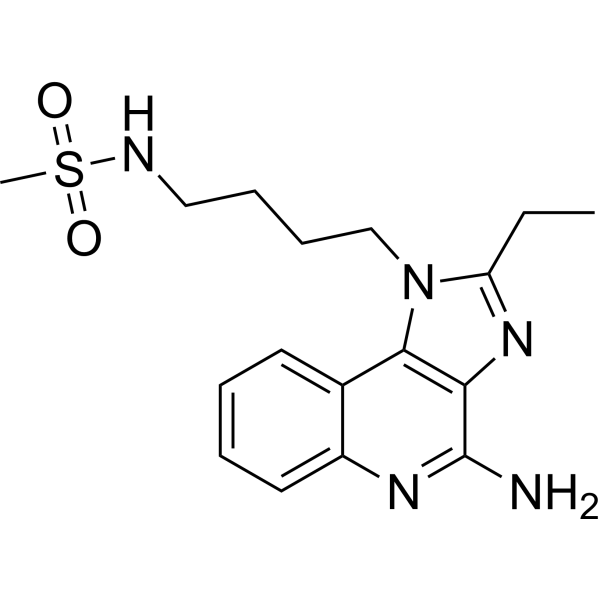
    PF-4878691 (3M-852A) is an orally active TLR7 agonist. PF-4878691 has the innate immune response activity, antiviral efficacy against HCV, and can be used for the research of cancer .
    PF-4878691
  • HY-109192
    Tolebrutinib
    Maximum Cited Publications
    7 Publications Verification

    SAR442168; PRN2246

    Btk Neurological Disease
    Tolebrutinib (SAR442168) is a potent, selective, orally active and brain-penetrant inhibitor of Bruton tyrosine kinase (BTK), with IC50s of 0.4 and 0.7 nM in Ramos B cells and in HMC microglia cells, respectively. Tolebrutinib exhibits efficacy in central nervous system immunity. Tolebrutinib can be used for the research of multiple sclerosis (MS) .
    Tolebrutinib
  • HY-P11303

    CD74 MHC Neurological Disease Cancer
    PADRE peptide is a pan-HLA-DR binding epitope and immunostimulant. PADRE peptide binds to the peptide-binding groove of MHC class II molecules for presentation to CD4 + T cells, thereby effectively stimulating specific immune responses. PADRE peptide not only enhances anti-tumor immune responses, inhibits tumor growth and prolongs survival; it also significantly increases the frequency of E7-specific CD8 + T cells and improves therapeutic efficacy against TC-1 tumors when used in combination with E7 peptide-based vaccines and poly (I:C). The intensity of the immune response induced by PADRE peptide is lower than that of the Ii-PADRE DNA vaccine, and it fails to enhance the immune effect of CRT-E7 DNA. PADRE peptide is widely applicable to research on related tumors such as melanoma, glioblastoma and cervical cancer .
    PADRE peptide
  • HY-162080
    METTL1-WDR4-IN-1
    1 Publications Verification

    DNA Methyltransferase Pyruvate Kinase Cancer
    METTL1-WDR4-IN-1 (Compound 1) is a selective competitive inhibitor of the methyltransferase complex METTL1-WDR4 (IC50 = 144 μM). METTL1-WDR4-IN-1 inhibits the m 7G methyltransferase activity of the METTL1-WDR4 complex, blocking m 7G modification of PKM mRNA, reducing PKM2 protein expression, disrupting the METTL1/PKM2/H3K9la positive feedback loop, and simultaneously inhibiting PKM2 nuclear translocation-mediated CD155 transcriptional activation. METTL1-WDR4-IN-1 can inhibit tumor cell proliferation, weaken glycolytic metabolism, reverse tumor immune evasion (restoring NK cell and CD8 + T cell function), and regulate RNA epigenetic modification and the tumor immune microenvironment. METTL1-WDR4-IN-1 can be used in immunotherapy research for cancers such as colorectal cancer, and is particularly suitable for use in combination with PKM2 inhibitors to enhance anti-tumor treatment efficacy .
    METTL1-WDR4-IN-1
  • HY-160696

    CD73 Cancer
    ORIC-533 is an orally active, highly selective, AMP-competitive CD73 inhibitor that potently blocks adenosine production with sub-nanomolar affinity (Ka=0.03 nM). In multiple myeloma, ORIC-533 restores and enhances the cytotoxicity of the immune system against tumor cells through multiple immunological mechanisms, including reversing the immunosuppressive microenvironment, inducing immunogenic cell death, and activating dendritic cells, T cells and NK cells, with no direct toxicity to normal cells. The combination of ORIC-533 with Daratumumab (HY-P9915) synergistically enhances anti-tumor efficacy, significantly increases intratumoral CD8 + T cell infiltration and inhibits tumor growth in vivo .
    ORIC-533
  • HY-P1684
    Peptide P60
    1 Publications Verification

    FOXP3 inhibitor P60

    NF-κB Nuclear Factor of activated T Cells (NFAT) Infection Inflammation/Immunology Cancer
    Peptide P60 is a FOXP3 inhibitor. Peptide P60 reduces the nuclear translocation of FOXP3 and impairs FOXP3-mediated inhibition of NF-κB and NFAT activity. Peptide P60 inhibits the immunosuppressive activity of regulatory T cells and restores the proliferation and activation of effector T cells. Peptide P60 induces lymphoproliferative autoimmune syndrome in neonatal ICR mice and reduces the number of CD4 +CD25 +Foxp3 + T cells in the spleen. Peptide P60 enhances the efficacy of AH1 (HY-P4193) peptide vaccine and recombinant adenovirus-based HCV NS3 vaccine in BALB/c mice, including protective effects against CT26 tumor implantation. Peptide P60 can be used in studies related to tumor immunity, viral infection and lymphoproliferative autoimmune syndrome .
    Peptide P60
  • HY-119715

    CDK Apoptosis Inflammation/Immunology Cancer
    AG-012986 is a pan-CDK inhibitor with Ki values of 44 nM (CDK1), 9.2 nM (CDK4), 94 nM (CDK2), and IC50 values of 22 nM (CDK5), 4 nM (CDK9). AG-012986 causes apoptosis of T-cells by targeting upstream kinases in the p38 Mitogen-activated protein kinase (MAPK) pathway and impairing cellular survival. AG-012986 induces cell cycle arrest, retinoblastoma protein hypophosphorylation, and reduces Ki-67 expression. AG-012986 exerts antiproliferative activity in tumor cells, demonstrates antitumor efficacy in human xenograft models, and causes retinal and peripheral neurotoxicity, plus immune cell toxicity. AG-012986 can be used for the research of colon carcinoma, non-small cell lung carcinoma, lung carcinoma, breast carcinoma, ovarian tumor, pancreatic carcinoma, osteosarcoma, lymphoma, leukemia, retinotoxicity .
    AG-012986
  • HY-159886

    TNF Receptor Inflammation/Immunology
    MG-C-30 is an orally active agonist for CD27 with an EC50 of 0.84 μM. MG-C-30 activates NK cells and T cell co-stimulatory signals, and enhances immune response. MG-C-30 exhibits antitumor efficacy in mouse EG7-OVA model .
    MG-C-30
  • HY-172930

    Molecular Glues IKZF Family Potassium Channel Inflammation/Immunology Cancer
    PVTX-405 is a selective and oral active IKZF2 molecular glue degrader with a DC50  of  0.7 nM and a Dmax of 91%. PVTX-405 enhances degradation efficiency, significantly reduces off-target degradation, and alleviates hERG inhibition with IC50 of 48 µM. PVTX-405 significantly inhibits the growth of MC38 tumors, with greater synergistic anti-cancer efficacy in combination with immune checkpoint therapies (ICTs) (anti-PD1 or anti-LAG3) in the MC38 mouse tumor xenograft model using Crbn 391V C57BL/6 mice .
    PVTX-405
  • HY-144002

    RC-529

    Biochemical Assay Reagents Inflammation/Immunology
    RIBI-529 (RC-529), a lipid A mimetic (aminoalkyl glucosaminide 4-phosphate), is a adjuvant with a similar efficacy to MPL (Corixa). RIBI-529 signals through Toll-like receptor 4 to stimulate the innate immune system .
    RIBI-529
  • HY-P10839

    NF-κB Inflammation/Immunology
    NBD peptide inhibits NF-κB signaling pathway through inhibition of the NEMO-IKK complex combination. NBD peptide exhibits anti-inflammatory efficacy through block of pro-inflammatory cytokines production. NBD peptide exhibits immunosuppressive activity through regulation of immune cells. NBD peptide enhances its transmembrane ability by combining with cell-penetrating peptide HIV-TAT .
    NBD peptide
  • HY-175478

    Phosphodiesterase (PDE) STING Inflammation/Immunology Cancer
    Enpp-1-IN-27 is a selective ENPP1 inhibitor with an IC50 of 14.68 nM, exhibiting approximately 410-fold selectivity against ENPP2 and 10-fold selectivity against ENPP3. Enpp-1-IN-27 stabilizes cGAMP levels and activates the STING pathway, promoting cytokine release and enhancing innate immune responses. Enpp-1-IN-27 induces ISRE activation and amplified cGAMP-mediated immune responses and shows the desired antitumor efficacy in the 4T1 and CT26 syngeneic mouse models. Enpp-1-IN-27 can used for the studies of breast cancer and colon cancer .
    Enpp-1-IN-27
  • HY-155801

    Toll-like Receptor (TLR) NF-κB TNF Receptor MyD88 Apoptosis DNA/RNA Synthesis Cardiovascular Disease Infection Neurological Disease Inflammation/Immunology Cancer
    CRX 527 is a TLR4 agonist. CRX 527 activates the MyD88-dependent, TRIF-dependent, and TRAF6/NF-κB signaling pathways downstream of TLR4, mimics lipid A, and regulates antigen processing and presentation by dendritic cells. CRX 527 stimulates innate immune responses and enhances vaccine efficacy. CRX 527 maintains the structural integrity of hematopoietic tissues, spleen and intestine, alleviates radiation-induced damage, preserves intestinal homeostasis, and inhibits apoptosis, inflammatory responses, oxidative stress and DNA damage. CRX 527 can be used in the research of acute radiation syndrome, melanoma, HPV-related tumors and intracerebral hemorrhage .
    CRX 527
  • HY-16961A

    MGCD516 malate; MG-516 malate

    VEGFR c-Kit FLT3 Discoidin Domain Receptor Trk Receptor Inflammation/Immunology Cancer
    Sitravatinib malate (MGCD516 malate) is an orally bioavailable receptor tyrosine kinase (RTK) inhibitor with IC50s of 1.5 nM, 2 nM, 2 nM, 5 nM, 6 nM, 6 nM, 8 nM, 0.5 nM, 29 nM, 5 nM, and 9 nM for Axl, MER, VEGFR3, VEGFR2, VEGFR1, KIT, FLT3, DDR2, DDR1, TRKA, TRKB, respectively . Sitravatinib malate shows potent single-agent antitumor efficacy and enhances the activity of PD-1 blockade through promoting an antitumor immune microenvironment .
    Sitravatinib malate
  • HY-179228

    CTLA-4 TGF-beta/Smad Cancer
    AN02 is a derivative of Curcumin (HY-N0005). AN02 inhibits the proliferation and clonogenicity, migration and invasion of ovarian cancer cells. AN02 dose-dependently upregulates the expression of APC and mediates the degradation of CTLA-4 through SMAD4. In the small xenograft model, AN02 significantly inhibits tumor growth and reverses the tumor immune-suppressive microenvironment. AN02, when combined with Ipilimumab (HY-P9901), can enhance efficacy and inhibit epithelial-mesenchymal transition. AN02 can be used for the study of ovarian cancer .
    AN02
  • HY-175660

    Heme Oxygenase (HO) Cancer
    KCL-HO-1i is an orally active heme oxygenase-1 (HO-1) inhibitor (rat HO-1: IC50 = 123 nM) and human HO-1: IC50 = 128 nM). KCL-HO-1i targets immunosuppressive LYVE-1 + perivascular tumor-associated macrophages (PvTAMs) in the tumor microenvironment (TME), reduces PvTAM-mediated immune exclusion. KCL-HO-1i demonstrates synergistic anti-tumor efficacy with chemotherapy in MMTV-PyMT spontaneous breast cancer mice or C57Bl/6 mice bearing subcutaneous MN-MCA1 sarcomas. KCL-HO-1i can be used for the study of cancer .
    KCL-HO-1i
  • HY-178160

    SARS-CoV Virus Protease Infection
    SARS-CoV-2 PLpro-IN-2 (Compound 12) is a highly selective SARS-CoV-2 papain-like protease (PLpro) inhibitor of (IC50=0.06 μM). SARS-CoV-2 PLpro-IN-2 inhibits viral replication and immune evasion. SARS-CoV-2 PLpro-IN-2 exhibits antiviral efficacy in HeLa-ACE2 cells (EC50=2.9 μM). SARS-CoV-2 PLpro-IN-2 is promising for research of COVID-19 .
    SARS-CoV-2 PLpro-IN-2
  • HY-N15846

    Drug Derivative Infection Inflammation/Immunology
    VSA 1, a semisynthetic QS-21 (HY-101092) analog, is a saponin adjuvant. VSA 1 potentiates antigen-specific IgG1 and IgG2a immune responses in BALB/c mice, indicating a mixed Th1/Th2 immune response. VSA 1 significantly improves vaccine efficacy after primary immunization and enhances homologous protection .
    VSA 1
  • HY-124615

    p38 MAPK PI3K Cancer
    ST-162 is a MAPK/PI3K dual antagonist. ST-162 exhibits antitumor activity and can increase the efficacy of immune checkpoint blockers. ST-162 can be used for the research of cancer, such as melanoma .
    ST-162
  • HY-161774

    CD73 Cancer
    ST80 is an inhibitor for interaction of OTUD4 and CD73. ST80 decreases CD73 protein level, increases CD73 protein turnover, reduces immune evasion of tumor cells, and thus exhibits antitumor efficacy against immunosuppressive triple-negative breast cancer (TNBC) .
    ST80
  • HY-P990259

    Transmembrane Glycoprotein Inflammation/Immunology Cancer
    Anti-Mouse CD96 Antibody (3.3) is a rat-derived anti-mouse CD96 IgG1 λ type antibody inhibitor. Anti-Mouse CD96 Antibody (3.3) blocks binding of CD155 to CD96. Anti-Mouse CD96 Antibody (3.3) can enhance the antitumor efficacy of multiple immune-checkpoint inhibitors. Anti-Mouse CD96 Antibody (3.3) shows potent anti-tumor and anti-metastatic activity in various tumor models. Anti-Mouse CD96 Antibody (3.3) can be used for the researches of cancer and inflammation, such as mammary carcinoma .
    Anti-Mouse CD96 Antibody (3.3)
  • HY-152830A

    Q702 TFA

    c-Fms TAM Receptor MHC Cancer
    Adrixetinib (Q702) TFA is an orally active triple inhibitor against CSF1R, Mer, and Axl, with Kd values of 8.7 nM, 0.8 nM, and 0.3 nM, respectively. Adrixetinib TFA acts as a potent immune modulator that remodels the tumor microenvironment. Adrixetinib TFA increases the abundance of M1 macrophages and CD8⁺ T cells, while decreasing the levels of M2 macrophages and myeloid-derived suppressor cells (MDSCs). Adrixetinib TFA upregulates the expression of MHC class I and E-cadherin in tumor cells. Adrixetinib TFA shows remarkable antitumor efficacy in syngeneic mouse tumor models. Adrixetinib TFA is suitable for the research of breast cancer, renal adenocarcinoma, colon carcinoma, and melanoma .
    Adrixetinib TFA
  • HY-162972

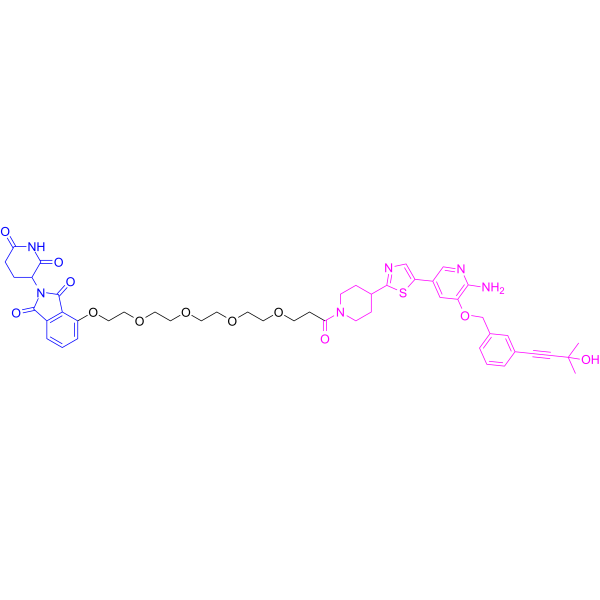
    PROTACs PD-1/PD-L1 Cancer
    PROTAC PD-L1 degrader-2 (Compound 9i) is a PROTAC degrader for PD-L1, that inhibits PD-L1 with an IC50 of 197.4 nM and exhibits an affinity with PD-L1 with a Kd of 301 nM. PROTAC PD-L1 degrader-2 promotes the internalization of PD-L1 on the cell membrane, and induces PD-L1 degradation via the synergistic effect of the proteasome and lysosomal pathways. PROTAC PD-L1 degrader-2 can activate the immune system, and exhibits antitumor efficacy in MC38 C57BL/6 mouse model .
    PROTAC PD-L1 degrader-2
  • HY-138799A

    HDAC Inflammation/Immunology Cancer
    KA2507 hydrochloride is a potent and highly selective inhibitor of HDAC6 (IC50=2.5 nM) with no significant toxicities. KA2507 hydrochloride shows antitumor efficacy and immune modulatory effects .
    KA2507 monohydrochloride
  • HY-122292

    Antibiotic Bacterial Infection Inflammation/Immunology
    Celastramycin A is an antibiotic isolated from Streptomyces MaB-QuH-8, which exhibits antimicrobial activity against series of gram-negative bacteria and mycobacteria, with MICs between 0.05-3.1 μg/ml . Celastramycin A exhibits immunosuppressing efficacy in ex vivo Drosophila through immune deficiency pathway (IC50 of 0.008 μg/ml), inhibits the immunoresponse in human innate immunity through TNF-α signaling, inhibits IL-8 production in HUEVCs with IC50 of 0.06 μg/ml .
    Celastramycin A
  • HY-W297348

    Protein Arginine Deiminase Others
    (Rac)-Cl-amidine is an orally active peptidyl arginine deimidase (PAD) inhibitor with the property of inhibiting PAD activity. (Rac)-Cl-amidine exhibits enhanced efficacy in cells and can be used to study PAD function. (Rac)-Cl-amidine can effectively regulate gene transcription, cell differentiation and innate immune response .
    (Rac)-Cl-amidine
  • HY-145688

    HDAC Cancer
    HDAC-IN-33 is a potent HDAC inhibitor with IC50s of 24, 46, and 47 nM for HDAC1, HDAC2 and HDAC6, respectively. HDAC-IN-33 possesses potent antiproliferation activities against tumor cells. HDAC-IN-33 shows potent antitumor efficacy in vivo That trigger antitumor immunity .
    HDAC-IN-33
  • HY-144120

    SARS-CoV Infection
    αGalCer-RBD is a self-adjuvanting lipoprotein conjugate. αGalCer-RBD induces potent immunity against SARS-CoV-2 and its variants of concern. αGalCer-RBD conjugate induces RBD-specific, cytokine-producing T cell development. αGalCer-RBD has great potential to be an effective COVID-19 vaccine candidate. α-Galactosylceramide (αGalCer) is a potent invariant natural killer T cell (iNKT) agonist . RBD: receptor-binding domain
    αGalCer-RBD
  • HY-145687

    HDAC Cancer
    HDAC-IN-32 is a potent HDAC inhibitor with IC50s of 5.2, 11, and 28 nM for HDAC1, HDAC2 and HDAC6, respectively. HDAC-IN-32 possesses potent antiproliferation activities against tumor cells. HDAC-IN-32 shows potent antitumor efficacy in vivo That trigger antitumor immunity .
    HDAC-IN-32
  • HY-117161

    Cytochrome P450 Cancer
    ZINC05626394 is a cytochrome b5 reductase 3 inhibitor with activity by increasing nitric oxide bioavailability. ZINC05626394 may have potential applications in anti-cancer suppression, especially in combination with antibody drug conjugates (ADCs) and immune checkpoint inhibitors. The efficacy of ZINC05626394 may be limited by different mechanisms, including antigen-related resistance and failure of endocytosis .
    ZINC05626394
  • HY-100176R

    3M-852A (Standard)

    Reference Standards Toll-like Receptor (TLR) Apoptosis TNF Receptor HCV Interleukin Related Infection Inflammation/Immunology Cancer
    PF-4878691 (Standard) is the analytical standard of PF-4878691. This product is intended for research and analytical applications. PF-4878691 (3M-852A) is an orally active TLR7 agonist. PF-4878691 has the innate immune response activity, antiviral efficacy against HCV, and can be used for the research of cancer .
    PF-4878691 (Standard)
  • HY-121856

    Others Inflammation/Immunology
    Flumizole, a derivative of substituted 5,6-diaryl-2,3-dihydroimidazo[2,1-b]thiazoles, was synthesized and evaluated for its immunoregulatory and anti-inflammatory properties in animal models such as rat adjuvant-induced arthritis and mouse oxazolone-induced contact sensitivity assays. This compound class combines structural elements from flumizole and levamisole, aiming to enhance therapeutic efficacy. Symmetrically substituted 5,6-diaryl compounds with specific alkyl heteroatom or halogen substitutions showed optimal potency in the arthritis model. However, variations in activity were less consistent in the contact sensitivity assay. Flumizole and related compounds demonstrate potential as dual-action agents, targeting inflammation and immune modulation, offering promise for therapeutic development in immune-related disorders .
    Flumizole
  • HY-170950

    P2Y Receptor NOD-like Receptor (NLR) Inflammation/Immunology
    P2Y14 antagonist 1 (compound 45) is a high selective and orally active P2Y14R antagonist with an IC50 of 0.70 nM. P2Y14R antagonist 1 demonstrates significant anti-inflammatory efficacy, effectively mitigating the pulmonary infiltration of immune cells and inflammatory response through suppressing the NLRP3 signaling pathway. P2Y14R antagonist 1 has the potential for the research of acute lung injury .
    P2Y14 antagonist 1
  • HY-168491

    Phosphodiesterase (PDE) STING PD-1/PD-L1 Cancer
    Enpp-1-IN-25 (Compound 30) is an ENPP1 inhibitor with an IC50 of 8.05 nM and low oral bioavailability. Enpp-1-IN-25 can effectively activate the intracellular STING pathway by inhibiting cGAMP degradation. Enpp-1-IN-25 can enhance immune cell infiltration in the tumor microenvironment and type I interferon responses, and potentiate the antitumor efficacy of the anti-PD-L1 antibody. Enpp-1-IN-25 can be used in the research of cancer immunotherapy .
    Enpp-1-IN-25
  • HY-175290

    Arf Family GTPase Cancer
    Arf1-GEFs-IN-1 is a potent and orally active ADP-ribosylation factor 1- guanine nucleotide exchange factors (Arf1-GEFs) inhibitor with an IC50 value of 40.85 μM against CT26 cells. Arf1-GEFs-IN-1 primarily mediates tumor regression by triggering anti-tumor immune responses, rather than through direct cytotoxicity. Arf1-GEFs-IN-1 effectively promotes CCL5 expression, demonstrates excellent in vivo efficacy. Arf1-GEFs-IN-1 can be used for the study of colon cancer .
    Arf1-GEFs-IN-1
  • HY-162080A
    METTL1-WDR4-IN-1 TFA
    1 Publications Verification

    DNA Methyltransferase Pyruvate Kinase Cancer
    METTL1-WDR4-IN-1 (Compound 1) TFA is a selective competitive inhibitor of the methyltransferase complex METTL1-WDR4 (IC50=144 μM). METTL1-WDR4-IN-1 TFA inhibits the m 7G methyltransferase activity of the METTL1-WDR4 complex, blocking the m 7G modification of PKM mRNA, reducing PKM2 protein expression, disrupting the METTL1/PKM2/H3K9la positive feedback loop, and simultaneously inhibiting PKM2 nuclear translocation-mediated CD155 transcriptional activation. METTL1-WDR4-IN-1 TFA can inhibit tumor cell proliferation, weaken glycolytic metabolism, reverse tumor immune evasion (restoring NK cell and CD8 + T cell function), and regulate RNA epigenetic modification and the tumor immune microenvironment. METTL1-WDR4-IN-1 TFA can be used in immunotherapy research for cancers such as colorectal cancer, and is particularly suitable for use in combination with PKM2 inhibitors to enhance anti-tumor treatment efficacy .
    METTL1-WDR4-IN-1 TFA
  • HY-169262

    Phospholipase Apoptosis Cancer
    PLD-IN-1 (Compound 3r) is an orally active inhibitor for phospholipase D with an IC50 of 1.97 μM. PLD-IN-1 reduces the expression of CD24, CD47 and PD-L1, enhances the calreticulin expression, and thus modulates the immune evasion mechanism in lung cancer cells by promoting the phagocytosis of cancer cells by macrophages. PLD-IN-1 inhibits the cell viability of lung cancer cell A549, HCC44, H460 and HCC15 with IC50 of 18.44, 22.31, 24.85 and 21.45 μM, respectively. PLD-IN-1 can induce apoptosis and inhibits migration in cell A549. PLD-IN-1 enhances the level of pro-inflammatory M1 macrophages and decreases the level of anti-inflammatory M2 macrophages, exhibits antitumor efficacy in mouse model .
    PLD-IN-1
  • HY-179575

    E1/E2/E3 Enzyme Interleukin Related Inflammation/Immunology Cancer
    Cbl-b-IN-29 is an orally active CBL-B inhibitor. Cbl-b-IN-29 binds to the CBL-B active pocket. Cbl-b-IN-29 induces Jurkat cell release IL-2 with an EC50 of 159 nM, effectively inhibiting the function of immune E3 ubiquitin ligase. Cbl-b-IN-29 demonstrates robust anti-tumor efficacy in vivo with good tolerability and no observed adverse reactions. Cbl-b-IN-29 can be used for cancer immunotherapy, colorectal cancer and immune-oncology combination research .
    Cbl-b-IN-29
  • HY-179626

    STING ADC Payload Cancer
    STING agonist-49 (Compound 1) is a STING agonist and can be used as a payload for ADCs. STING agonist-49 can be applied in lung cancer research .
    STING agonist-49
  • HY-181667

    Phosphodiesterase (PDE) Cancer
    Enpp-1-IN-30 (compound 44a) is an orally active ENPP1 inhibitor with a human IC50 of 13.1 nM. Enpp-1-IN-30 prevents cGAMP degradation, activates the STING pathway. Enpp-1-IN-30 induces cytokine release to enhance innate immune response. Enpp-1-IN-30 exerts antitumor efficacy in syngeneic mouse models. Enpp-1-IN-30 can be used for the research of colon carcinoma .
    Enpp-1-IN-30
  • HY-179680

    RIP kinase Necroptosis Mixed Lineage Kinase Lactate Dehydrogenase Interleukin Related Inflammation/Immunology
    RIPK1-IN-38 is an orally active RIPK1 inhibitor with an IC50 value of 27 nM. RIPK1-IN-38 can inhibit the phosphorylation of RIPK1 and its downstream signaling molecules RIPK3 and MLKL. RIPK1-IN-38 exhibits anti-necroptotic activity. RIPK1-IN-38 has excellent anti-inflammatory efficacy in both the SIRS model and GVHD model. RIPK1-IN-38 can be used for the research of inflammatory and immune-related diseases .
    RIPK1-IN-38
  • HY-179570

    E1/E2/E3 Enzyme Cancer
    XMU-MP-10 is a selective NEDD4 inhibitor with a KD of 43.92 nM. XMU-MP-10 selectively inhibits NEDD4 auto-ubiquitination without affecting other ubiquitination activity, upregulates of β-TrCP and results YAP degradation without affecting NEDD4 protein expression. XMU-MP-10 exhibits significant in vivo efficacy in inhibiting TNBC tumor growth by enhancing CD8 + T cell infiltration. XMU-MP-10 enhances antitumor immune responses through the β-TrCP/YAP/ECM axis. XMU-MP-10 can be used for Triple-Negative Breast Cancer (TNBC) research .
    XMU-MP-10
  • HY-P992401

    EGFR CD3 PI3K Akt p38 MAPK Caspase Apoptosis IFNAR TNF Receptor Interleukin Related Cancer
    M802 is an anti-HER2/CD3 bispecific antibody, with a Kd of 0.578 nM for human HER2 and a Kd of 71.2 nM for human CD3. M802 inhibits the PI3K/AKT and MAPK signaling pathways, suppresses tumor cell proliferation, activates caspase-3, and promotes tumor cell apoptosis (apoptosis). M802 recruits and activates CD3-positive immune cells, mediates cytotoxicity against HER2-positive tumor cells, and induces immune cells to secrete IFN-γ, TNF-α, IL-2 and IL-6. M802 exhibits anti-tumor efficacy in mice with gastric cancer xenografts. M802 can be used in research related to HER2-positive breast cancer, HER2-positive gastric cancer and other cancers. The recommended isotype control is human IgG1 kappa (HY-P99001) .
    M802
  • HY-D3181

    Fluorescent Dye Caspase Cancer
    CyGbPF is a granzyme B-specific near-infrared fluorescent probe. CyGbPF can be cleaved by granzyme B to remove the peptide cage group, restoring near-infrared fluorescence. CyGbPF passively accumulates in mouse tumors, and its activated fluorescence correlates with granzyme B expression, CD8 + cytotoxic T lymphocyte populations, and CD4 + helper T lymphocyte populations in tumor tissues. CyGbPF is efficiently cleared by the kidneys, enabling the assessment of immune activation via optical urine analysis. CyGbPF allows real-time non-invasive evaluation of cancer immunotherapeutic efficacy in living animals. CyGbPF can be used in research on cancers such as breast cancer. Excitation wavelength/emission wavelength: approximately 658 nm/approximately 717 nm .
    CyGbPF

Inquiry Online

Your information is safe with us. * Required Fields.

Salutation


Country or Region *

Applicant Name *


Organization Name *

Department *


Email Address *


Product Name *

Cat. No.


Requested quantity *

Phone Number *


Remarks

Inquiry Online

Inquiry Information

Product Name:
Cat. No.:
Quantity:
MCE Japan Authorized Agent:

