30 Results for "

impulses

" in MedChemExpress (MCE) Product Catalog:
Products (30)

30 Results for "impulses" in MCE Product Catalog:

8
8 Publications Verification
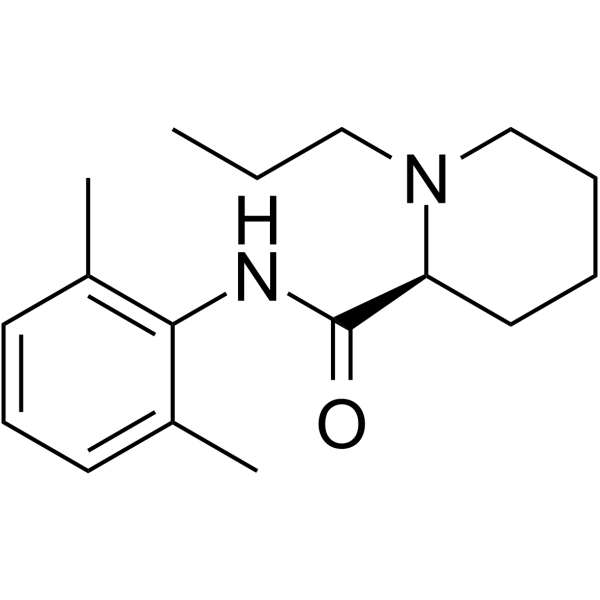
Cat. No.: HY-B0563
CAS No.: 84057-95-4
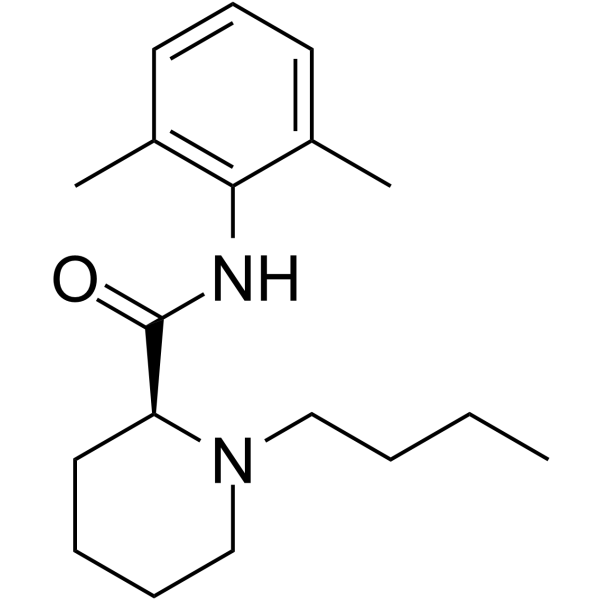
Ropivacain is a potent sodium channel blocker. Ropivacain blocks impulse conduction via reversible inhibition of sodium ion influx in nerve fibrese . Ropivacaine is also an inhibitor of K2P (two-pore domain potassium channel) TREK-1 with an IC50 of 402.7 μM in COS-7 cell's membrane . Ropivacaine is used for the research of neuropathic pain management .
loading...
    loading...
8
8 Publications Verification
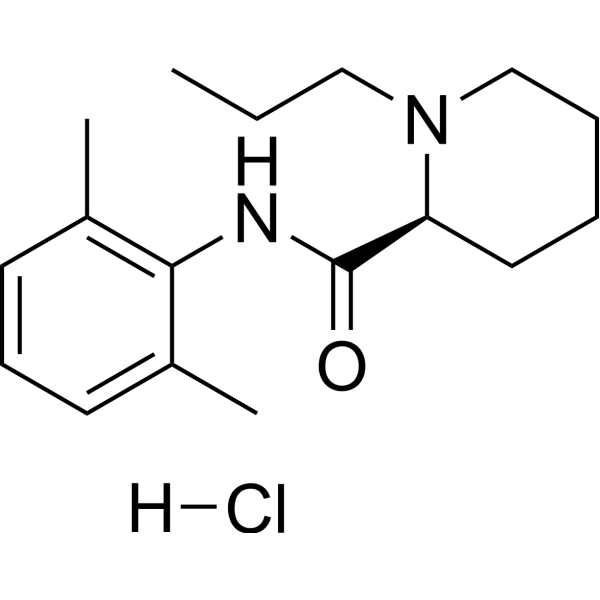
Cat. No.: HY-B0563B
CAS No.: 98717-15-8
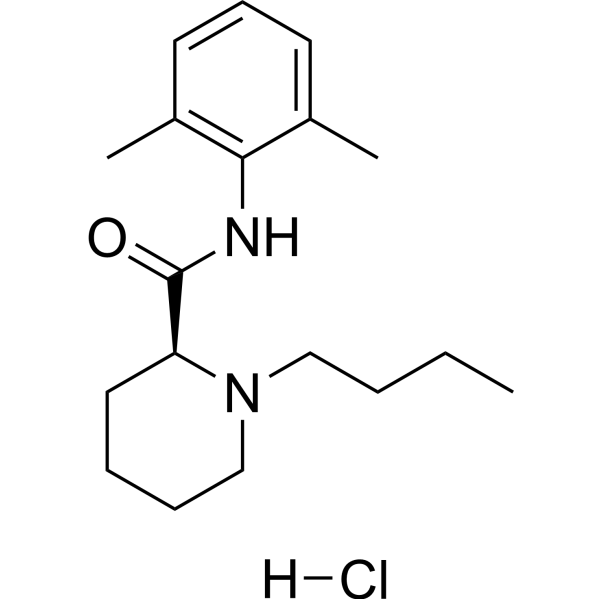
Ropivacaine hydrochloride is a potent sodium channel blocker and blocks impulse conduction via reversible inhibition of sodium ion influx in nerve fibrese . Ropivacaine is also an inhibitor of K2P (two-pore domain potassium channel) TREK-1 with an IC50 of 402.7 μM in COS-7 cell's membrane . Ropivacaine is widely used for neuropathic pain management in vivo .
loading...
    loading...
8
8 Publications Verification
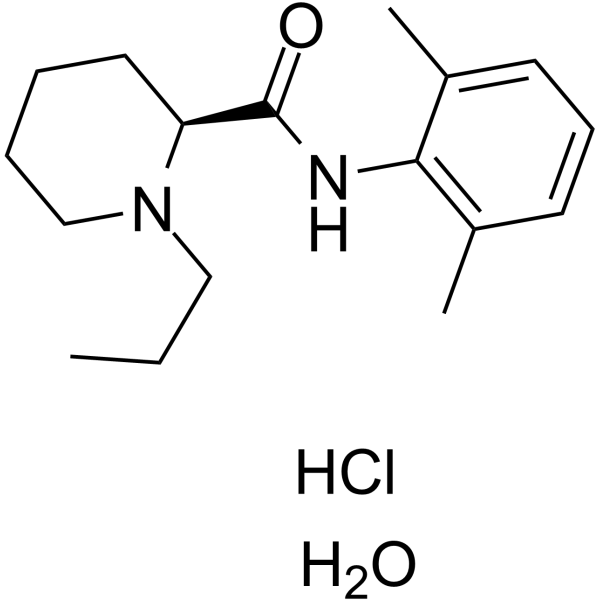
Cat. No.: HY-B0563A
CAS No.: 132112-35-7
Ropivacaine hydrochloride monohydrate is a potent sodium channel blocker and blocks impulse conduction via reversible inhibition of sodium ion influx in nerve fibrese . Ropivacaine is also an inhibitor of K2P (two-pore domain potassium channel) TREK-1 with an IC50 of 402.7 μM in COS-7 cell's membrane . Ropivacaine is widely used for regional anesthesia and neuropathic pain management in vivo .
loading...
    loading...
8
8 Publications Verification
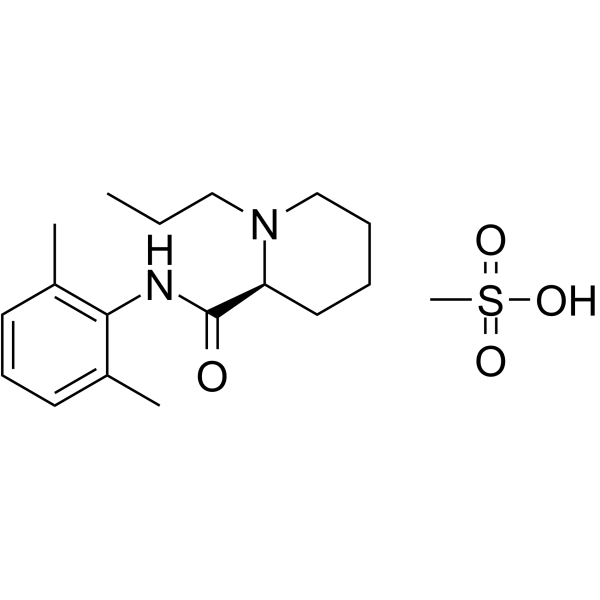
Cat. No.: HY-B0563C
CAS No.: 854056-07-8
Ropivacaine mesylate is a long-acting amide local anaesthetic agent for a spinal block and effectively blocks neuropathic pain. Ropivacaine blocks impulse conduction via reversible inhibition of sodium ion influx in nerve fibressup . Ropivacaine is also an inhibitor of K2P (two-pore domain potassium channel) TREK-1 with an IC50 of 402.7 μM in COS-7 cell's membrane .
loading...
    loading...
5
5 Cited Publications
Cat. No.: HY-B1661
CAS No.: 60-25-3
Synonyms: Hexone chloride
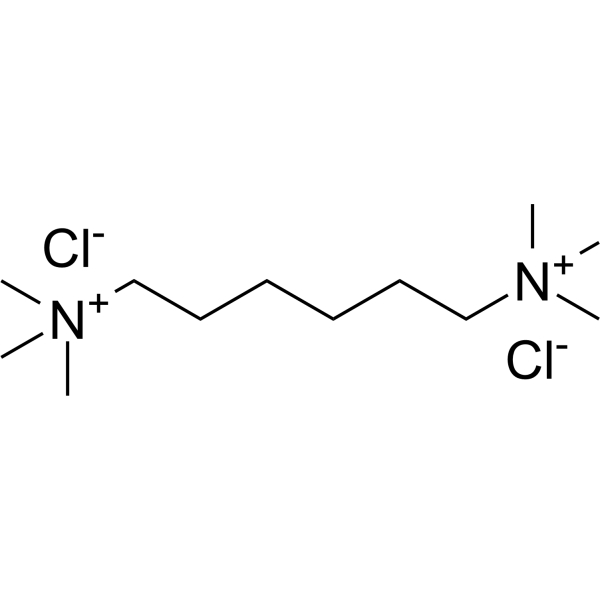
Hexamethonium Chloride Dihydrate is a synthetic organic compound commonly used as a ganglion blocking agent, which means it blocks the transmission of nerve impulses between ganglion cells in the autonomic nervous system. Hexamethonium Chloride Dihydrate is used in various medical applications such as lowering blood pressure or inhibiting certain types of neuropathic pain. It works by inhibiting the release of acetylcholine, a neurotransmitter that plays a key role in regulating many bodily functions.
loading...
    loading...
2
2 Cited Publications
Cat. No.: HY-B0653A
CAS No.: 27262-48-2
Synonyms: (S)-(-)-Bupivacaine monohydrochloride
Levobupivacaine hydrochloride ((S)-(-)-Bupivacaine monohydrochloride) is a long-acting amide local agent that can suppress or relieve pain. Levobupivacaine hydrochloride exerts agent that can suppress or relieve pain. and analgesic effects through reversible blockade of neuronal sodium channel. Levobupivacaine hydrochloride can inhibit impulse transmission and conduction in cardiovascular and other tissues, possessing certain cardiac and CNS toxicity. Levobupivacaine hydrochloride is metabolized by hepatic cytochrome P450 (CYP450) enzymes in vivo. Levobupivacaine hydrochloride can also induce ferroptosis by miR-489-3p/SLC7A11 signaling in gastric cancer .
loading...
    loading...
2
2 Cited Publications
Cat. No.: HY-B0653
CAS No.: 27262-47-1
Synonyms: (S)-(-)-Bupivacaine
Domaines de recherche:  

Neurological Disease Cancer

Levobupivacaine ((S)-(-)-Bupivacaine) is a long-acting amide local agent that can suppress or relieve pain. Levobupivacaine exerts agent that can suppress or relieve pain. and analgesic effects through reversible blockade of neuronal sodium channel. Levobupivacaine can inhibit impulse transmission and conduction in cardiovascular and other tissues, possessing certain cardiac and CNS toxicity. Levobupivacaine is metabolized by hepatic cytochrome P450 (CYP450) enzymes in vivo. Levobupivacaine can also induce ferroptosis by miR-489-3p/SLC7A11 signaling in gastric cancer .
loading...
    loading...
1
1 Cited Publications
Cat. No.: HY-101253
CAS No.: 133229-11-5
Pureté:  99.28%
Target:  

Potassium Channel

Domaines de recherche:  

Cardiovascular Disease

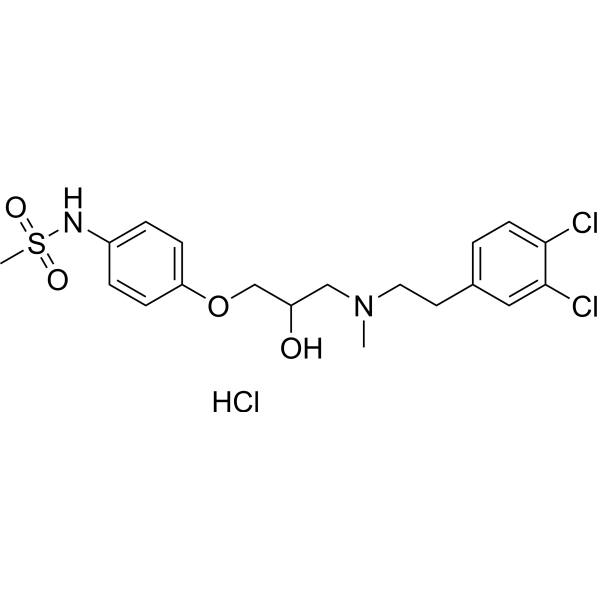
AM-92016 hydrochloride is a specific blocker of rectifier potassium current (IK). AM-92016 hydrochloride delays rectifier potassium channel (IK), repolarizes the membrane thereby restricting the duration of the nerve impulse thereby restricting the duration of the nerve impulse .
loading...
    loading...
Cat. No.: HY-B0563S1
CAS No.: 684647-62-9
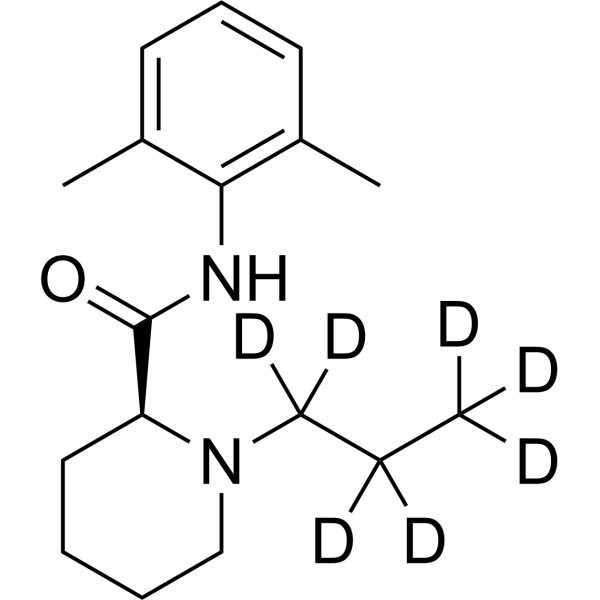
Ropivacaine-d7 is deuterium labeled Ropivacaine. Ropivacain is a potent?sodium channel?blocker. Ropivacain blocks impulse conduction via reversible inhibition of?sodium ion influx?in nerve fibrese . Ropivacaine is also an inhibitor of K2P (two-pore domain potassium channel) TREK-1 with an IC50 of 402.7 μM in COS-7 cell's membrane . Ropivacaine is used for the research of neuropathic pain?management .
loading...
    loading...
Cat. No.: HY-B0516
CAS No.: 23964-57-0
Synonyms: Hoe-045
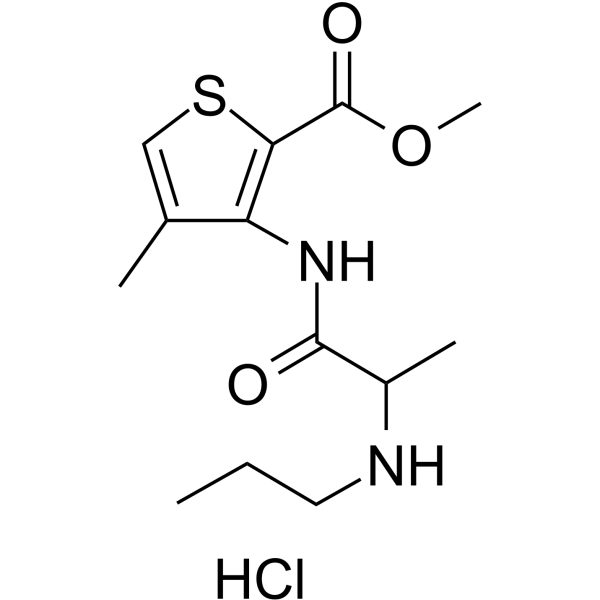
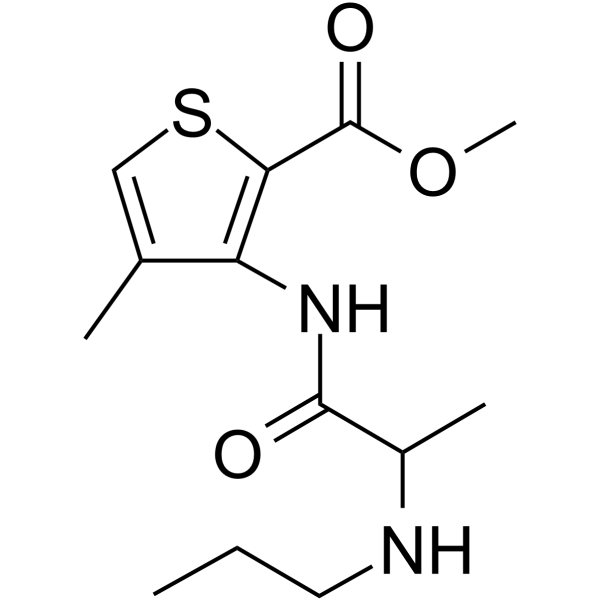
Articaine (Hoe-045) hydrochloride is a selective inhibitor of voltage-gated sodium channels (such as rNav1.4, hNav1.7, and rNav1.8), with an IC50 of 15.8 μM for open-state Na + channels, and IC50 of 40.6 μM and 378 μM for inactivated and resting-state Na + channels, respectively. Articaine hydrochloride exerts local anesthetic activity by inhibiting Na + influx to block nerve impulse conduction, and can also inhibit NF-κB activation and NLRP3 inflammasome pathways, exhibiting anti-inflammatory function. Articaine hydrochloride can be used in the study of dental local anesthesia and inflammatory-related diseases (such as acute kidney injury) .
loading...
    loading...
Cat. No.: HY-B1288
CAS No.: 5987-82-6
Synonyms: Benoxinate hydrochloride
Target:  

Sodium Channel

Domaines de recherche:  

Neurological Disease

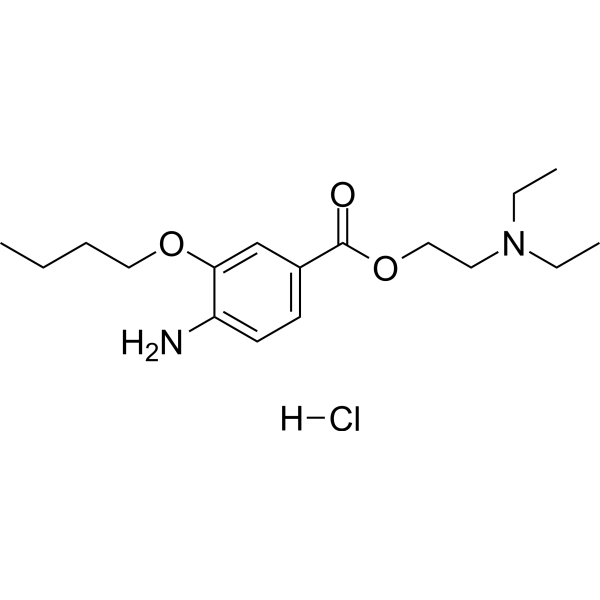
Oxybuprocaine hydrochloride (Benoxinate hydrochloride) reversibly blocks sodium channels and prevents propagation of painful nerve impulses in the cornea, conjunctiva, and sclera. Oxybuprocaine hydrochloride is used especially in ophthalmology and otolaryngology .
loading...
    loading...
Cat. No.: HY-B1343
CAS No.: 6856-31-1
Target:  

Cholinesterase (ChE)

Domaines de recherche:  

Neurological Disease

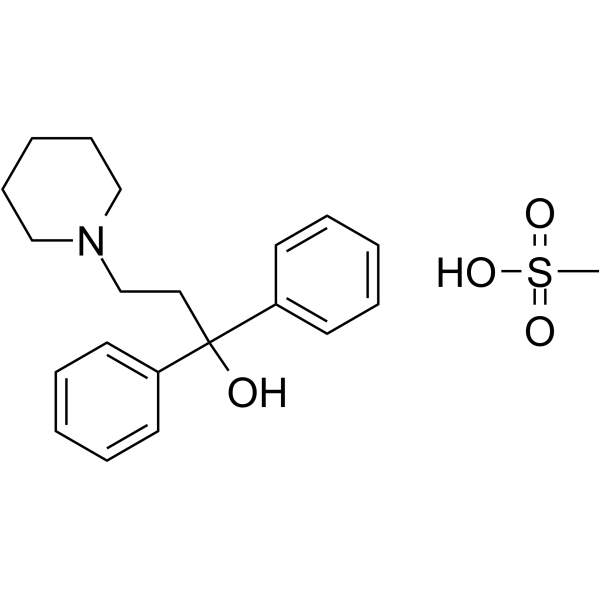
Pridinol mesylate is an orally active, blood-brain permeable, muscarinic acetylcholine receptor (mAChR)-directed muscle relaxant. Pridinol mesylate reduces the conduction of impulses to spinal motor neurons and exerts muscle relaxant activity. Pridinol mesylate inhibits skeletal muscle contractures in diseases of both central and peripheral origin and can be used in research in the field of musculoskeletal diseases .
loading...
    loading...
Cat. No.: HY-149483
CAS No.: 2919851-73-1
Target:  

nAChR

Domaines de recherche:  

Neurological Disease

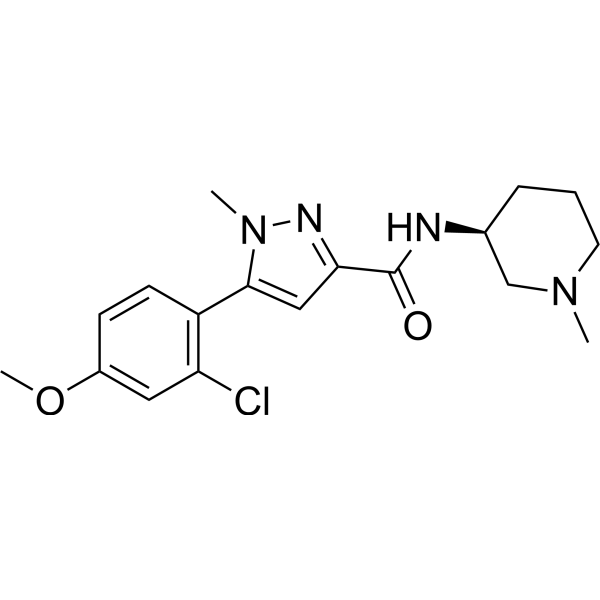
CVN417 is an orally active α6 subunit-containing nAChR antagonist, modulating phasic dopaminergic neurotransmission in an impulse-dependent manner. CVN417 inhibits Ca(2+) effluents mediated by nAChR subunits with IC50s of 0.086 μM (α6), 2.56 μM (α3) and 0.657 μM (α4), respectively. CVN417 attenuates resting tremor in Rodent models, displays the potential to improve movement dysfunction, in conditions such as Parkinson's disease .
loading...
    loading...
Cat. No.: HY-Z6848
CAS No.: 27262-46-0
Target:  

Sodium Channel

Domaines de recherche:  

Neurological Disease

(R)-(+)-Bupivacaine hydrochloride is a voltage-gated sodium channel inhibitor. (R)-(+)-Bupivacaine hydrochloride can selectively block the voltage-gated sodium channels on nerve cell membranes, inhibit the influx of sodium ions, and thus prevent the generation and conduction of nerve impulses, exerting local anesthetic activity. (R)-(+)-Bupivacaine hydrochloride can be used in research of acute pains .
loading...
    loading...
Cat. No.: HY-19605
CAS No.: 60508-89-6
Target:  

Sodium Channel

Domaines de recherche:  

Neurological Disease Cancer

Gonyautoxin II is a paralytic shellfish poisoning toxin. Gonyautoxin II can block of the voltage-gated sodium channels at axonal level, impeding nerve impulse propagation. Gonyautoxin II has killing activity against mouse neuroblastoma cells. Gonyautoxin II can be used for the researches of cancer and neurological disease .
loading...
    loading...
Cat. No.: HY-B1343A
CAS No.: 511-45-5
Target:  

Cholinesterase (ChE)

Domaines de recherche:  

Neurological Disease

Pridinol is an orally active, blood-brain permeable, muscarinic acetylcholine receptor (mAChR)-directed muscle relaxant. Pridinol reduces the conduction of impulses to spinal motor neurons and exerts muscle relaxant activity. Pridinol inhibits skeletal muscle contractures in diseases of both central and peripheral origin and can be used in research in the field of musculoskeletal diseases .
loading...
    loading...
Cat. No.: HY-B1343R
CAS No.: 6856-31-1
Domaines de recherche:  

Neurological Disease

Pridinol mesylate (Standard) is the analytical standard of Pridinol mesylate (HY-B1343). This product is intended for research and analytical applications. Pridinol mesylate is an orally active, blood-brain permeable, muscarinic acetylcholine receptor (mAChR)-directed muscle relaxant. Pridinol mesylate reduces the conduction of impulses to spinal motor neurons and exerts muscle relaxant activity. Pridinol mesylate inhibits skeletal muscle contractures in diseases of both central and peripheral origin and can be used in research in the field of musculoskeletal diseases .
loading...
    loading...
Cat. No.: HY-B0516A
CAS No.: 23964-58-1
Synonyms: Hoe-045 free base
Articaine (Hoe-045) is a selective inhibitor of voltage-gated sodium channels (such as rNav1.4, hNav1.7, and rNav1.8), with an IC50 of 15.8 μM for open-state Na + channels, and IC50 of 40.6 μM and 378 μM for inactivated and resting-state Na + channels, respectively. Articaine exerts local anesthetic activity by inhibiting Na + influx to block nerve impulse conduction, and can also inhibit NF-κB activation and NLRP3 inflammasome pathways, exhibiting anti-inflammatory function. Articaine can be used in the study of dental local anesthesia and inflammatory-related diseases (such as acute kidney injury) .
loading...
    loading...
Cat. No.: HY-B1288R
CAS No.: 5987-82-6
Synonyms: Benoxinate hydrochloride (Standard)
Domaines de recherche:  

Neurological Disease

Oxybuprocaine (hydrochloride) (Standard) is the analytical standard of Oxybuprocaine (hydrochloride). This product is intended for research and analytical applications. Oxybuprocaine hydrochloride (Benoxinate hydrochloride) reversibly blocks sodium channels and prevents propagation of painful nerve impulses in the cornea, conjunctiva, and sclera. Oxybuprocaine hydrochloride is used especially in ophthalmology and otolaryngology .
loading...
    loading...
Cat. No.: HY-129488
CAS No.: 265130-22-1
Synonyms: R-(-)-BPAP hydrochloride
Target:  

Bcl-2 Family

Domaines de recherche:  

Neurological Disease

FPFS-1169 (hydrochloride) is a proto-oncogene protein c-bcl-2 stimulant. FPFS-1169 (hydrochloride) can increase the impulse-evoked release of monoamine neurotransmitters. FPFS-1169 (hydrochloride) can be studied in research on Parkinson’s disease .
loading...
    loading...

