Search Result
Results for "
inactive form
" in MedChemExpress (MCE) Product Catalog:
3
Biochemical Assay Reagents
2
Isotope-Labeled Compounds
| Cat. No. |
Product Name |
Target |
Research Areas |
Chemical Structure |
-
- HY-12028
-
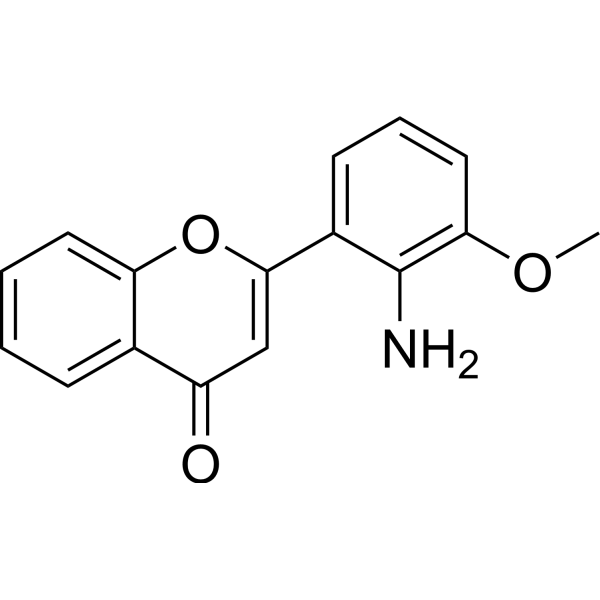
PD98059
Maximum Cited Publications
391 Publications Verification
|
MEK
ERK
Aryl Hydrocarbon Receptor
Autophagy
|
Cancer
|
|
PD98059 is a potent and selective MEK inhibitor with an IC50 of 5 µM. PD98059 binds to the inactive form of MEK, thereby preventing the activation of MEK1 (IC50 of 2-7 µM) and MEK2 (IC50 of 50 µM) by upstream kinases. PD98059 is a ERK1/2 signaling inhibitor. PD98059 is a ligand for the aryl hydrocarbon receptor (AHR), and suppresses TCDD binding (IC50 of 4 μM) and AHR transformation (IC50 of 1 μM). PD98059 also inhibits Mycobacterium bovis Bacillus CalmetteGuerin (BCG)-induced autophagy .
|
-
-
- HY-112306
-
|
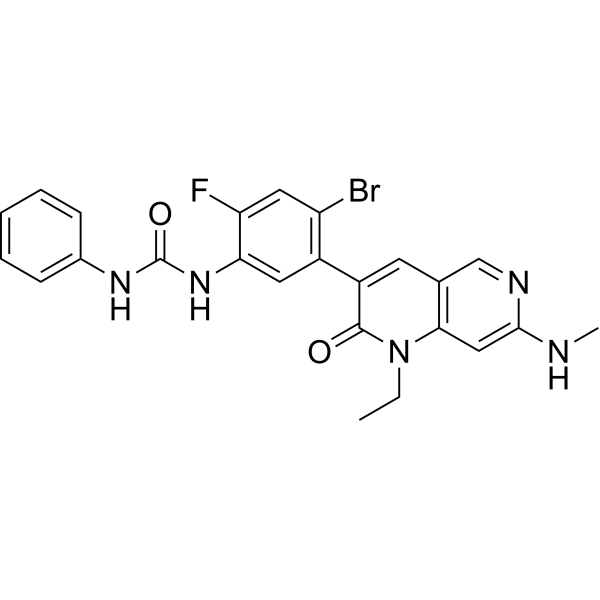
DCC-2618
|
c-Kit
PDGFR
FLT3
VEGFR
Apoptosis
|
Cancer
|
|
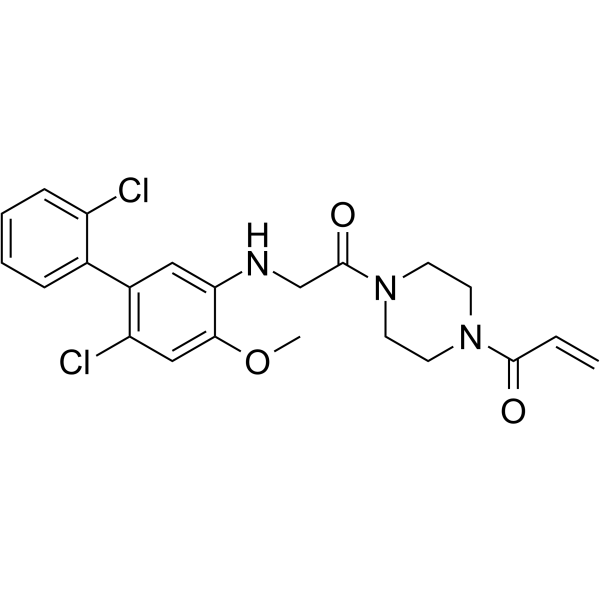
Ripretinib (DCC-2618) is an orally bioavailable, selective KIT and PDGFRA switch-control inhibitor. Ripretinib (DCC-2618) targets and binds to both wild-type and mutant forms of KIT and PDGFRA specifically at their switch pocket binding sites, thereby preventing the switch from inactive to active conformations of these kinases and inactivating their wild-type and mutant forms. Ripretinib (DCC-2618) also inhibits multiple other kinase targets, such as FLT3 and KDR (or VEGFR-2) . DCC-2618 exerts antineoplastic effect and induces apoptosis .
|
-
-
- HY-107903
-
|
Thyroglobulin from bovine
|
Biochemical Assay Reagents
|
Cancer
|
|
Thyroglobulin is a 660 kDa, dimeric glycoprotein produced by the follicular cells of the thyroid and used entirely within the thyroid gland. Thyroglobulin acts as a substrate for the synthesis of the thyroid hormones thyroxine (T4) and triiodothyronine (T3), as well as the storage of the inactive forms of thyroid hormone and iodine within the follicular lumen of a thyroid follicle. Thyroglobulin activates Akt kinase activity in FRTL-5 thyroid cell .
|
-
-
- HY-P1362
-
|
Amyloid β Peptide (42-1)(human)
|
Amyloid-β
|
Neurological Disease
|
|
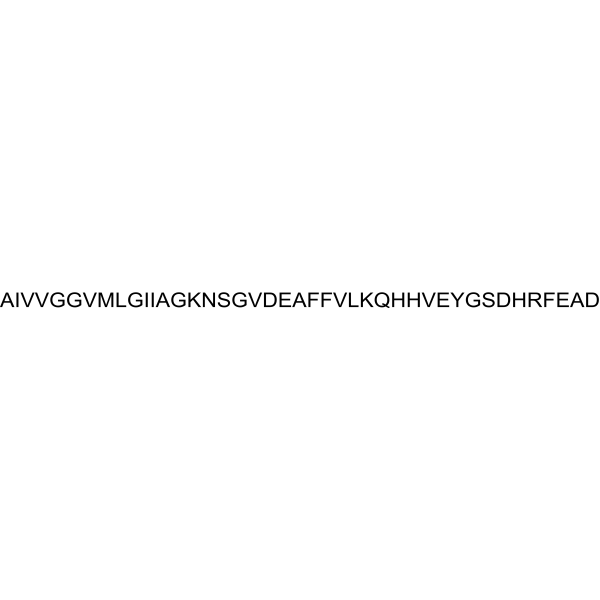
β-Amyloid (42-1), human is the inactive form of Amyloid β Peptide (1-42). Its active form, β-Amyloid (1-42), may play a key role in the pathogenesis of Alzheimer's disease .
|
-
-
- HY-W016781
-
|
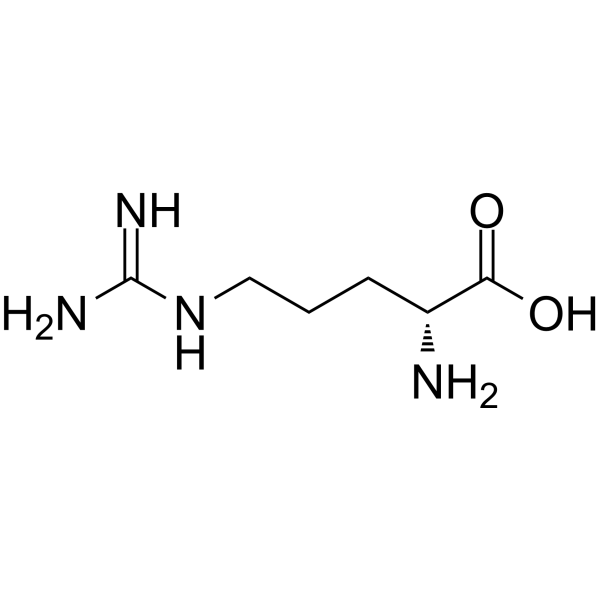
H-D-Arg-OH
|
Endogenous Metabolite
|
Neurological Disease
Cancer
|
|
D-arginine (H-D-Arg-OH) is the D-isomer of arginine. Arginine is an α-amino acid that is used in the biosynthesis of proteins. D-Arginine is an inactive form of L-arginine. D-arginine can be used in myeloma and neurological disease research . .
|
-
-
- HY-135416
-
|
|
Endogenous Metabolite
|
Infection
|
|
Streptolysin O, a group A streptococcal toxin, is a well-characterized oxygen-labile prototype of a cholesterol-binding bacterial exotoxin. Streptolysin O causes both lysis of cells and cardiotoxicity. Streptolysin O is widely used for the controlled permeabilization of cell membranes. Streptolysin O exists in two forms, a reduced active state and an oxidized reversibly inactive state .
|
-
-
- HY-W007432
-
|
|
Biochemical Assay Reagents
|
Others
|
|
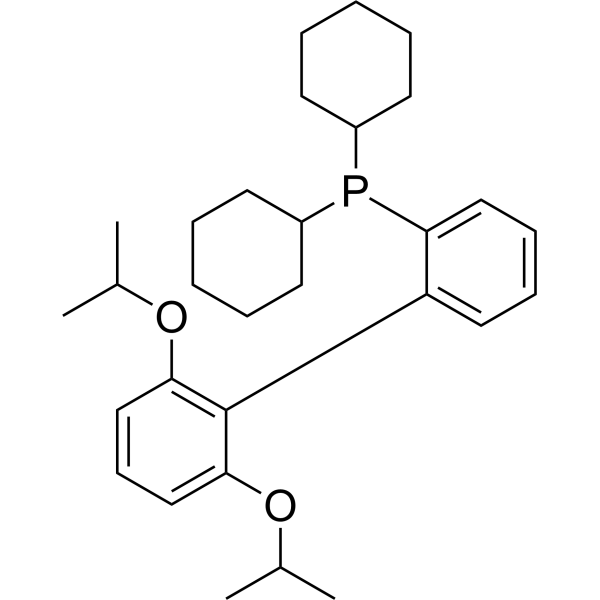
RuPhos is a Buchwald ligand. In aqueous Suzuki-Miyaura catalytic transfer polymerization, RuPhos forms inactive Pd (RuPhos)2 with palladium and inhibits diffusion to improve polymerization controllability. RuPhos additional addition in anhydrous Kumada polymerization exacerbates catalyst deactivation and chain transfer, significantly impairing polymerization control .
|
-
-
- HY-116711
-
|
11-cis Retinaldehyde; 11-cis Vitamin A aldehyde
|
Drug Derivative
Endogenous Metabolite
|
Neurological Disease
|
|
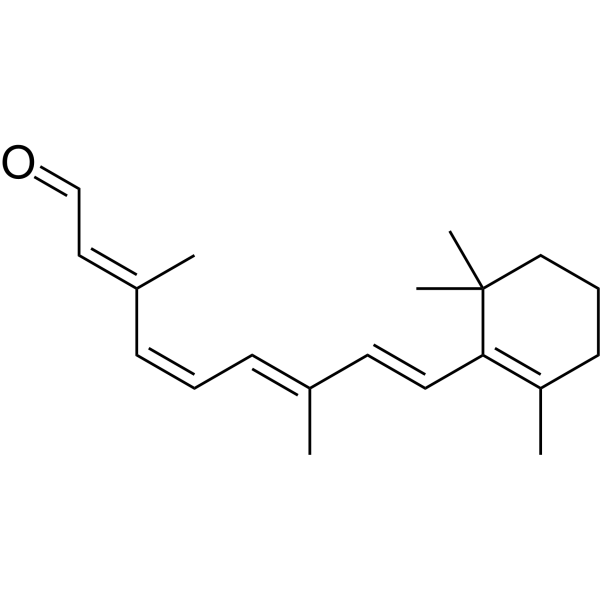
11-cis-Retinal (11-cis Retinaldehyde; 11-cis Vitamin A aldehyde), oxidized form of 11-cis-Retinol (HY-W587807), is a naturally occurring visual component. 11-cis-Retinal binds to opsin in the mammalian visual system as an inverse agonist forming the inactive conformation of rhodopsin. 11-cis-Retinal plays a crucial role in vision, growth and development. 11-cis-Retinal can restore visual function in moths with visual impairments. 11-cis-Retinal can restore retinal function in an early-age LCA2 retinal degeneration 12 mouse model .
|
-
-
- HY-15335
-
|
|
MDM-2/p53
E1/E2/E3 Enzyme
|
Cancer
|
|
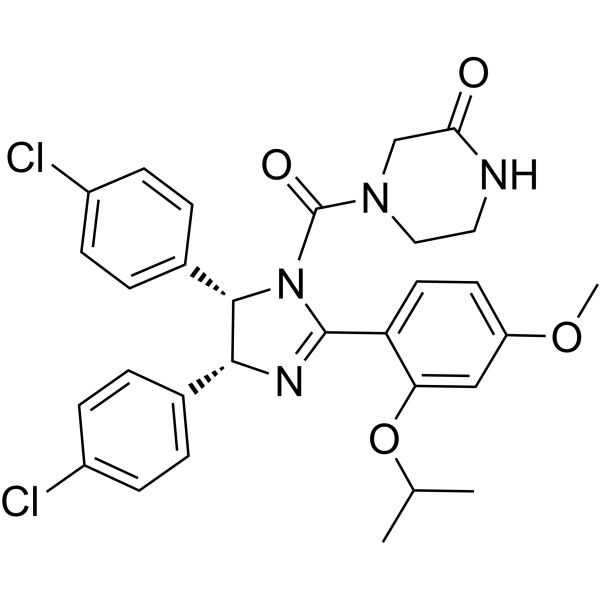
Nutlin-3b, the inactive form of Nutlin-3 (HY-50696), is a p53/MDM2 inhibitor with an IC50 of 13.6 μM. Nutlin-3b is 150 times less potent in binding to MDM2 than Nutlin-3a (HY-10029). Nutlin-3b is promising for research of cancers .
|
-
-
- HY-169798
-
|
|
Fluorescent Dye
VSV
|
Infection
|
1,9-Dimethylmethylene blue is a photosensitizer, virus inactivator and hemoglobin oxidant derived from methylene blue. When activated, 1,9-Dimethylmethylene blue generates reactive oxygen species including singlet oxygen, and acts as a metachromatic dye. When activated in monomeric or dimeric form, 1,9-Dimethylmethylene blue induces photoinactivation of R17 phage and vesicular stomatitis virus and oxidizes hemoglobin via non-singlet oxygen reactive oxygen species or singlet oxygen-mediated pathways, respectively. The monomeric form, with higher nucleic acid affinity, achieves virus inactivation under specific conditions without forming methemoglobin. 1,9-Dimethylmethylene blue binds to substances such as glycosaminoglycans to produce color changes. Although it is susceptible to interference from non-glycosaminoglycan components in urine, it is still applicable to spectrophotometric analysis for glycosaminoglycan quantification. With these unique photochemical and binding properties, 1,9-Dimethylmethylene blue is widely used in studies of viral infections and related biochemical analyses .
|
-
-
- HY-141452
-
|
Malondialdehyde
|
Endogenous Metabolite
|
Neurological Disease
|
|
Propanedial (Malondialdehyde) (13.88 mM in water) is one of the final products of lipid peroxidation. Propanedial causes protein inactivation, DNA damage and cross-linking by forming stable covalent adducts with biological macromolecules, which is the main mechanism for its cytotoxicity and genotoxicity.
Propanedial production increases with the elevation of free radicals.
Propanedial is a key biomarker for evaluating the level of cellular oxidative stress [1][2][3].
|
-
-
- HY-W115721
-
|
Sodium rhodizonate dibasic
|
Reactive Oxygen Species (ROS)
DNA/RNA Synthesis
|
Others
|
|
Rhodizonic acid disodium (Sodium rhodizonate dibasic) is a transition metal-dependent pro-oxidant and lead detection agent that induces reactive oxygen species generation, DNA damage, and inhibits Aconitase activity. Rhodizonic acid disodium generates superoxide anion radicals in an iron (II)-dependent manner, leading to aconitase inactivation. Rhodizonic acid disodium also triggers hydroxyl radical-mediated DNA strand breaks and 8-OHdG formation via copper ion reduction. Rhodizonic acid disodium reacts with lead to form a scarlet precipitate, with the color intensity proportional to lead content, enabling qualitative or quantitative analysis of lead. Rhodizonic acid disodium can also be used for real-time visualization of the dynamic process of lead sequestration in the plant rhizosphere and evaluation of the effects of environmental factors such as soil type on the stability of lead-sequestering structures .
|
-
-
- HY-113257
-
|
DA-4S; Dopamine 4-Sulfate
|
Drug Metabolite
|
Neurological Disease
|
|
Dopamine 4-sulfate (DA-4S) is an inactive metabolite of the catecholamine dopamine. It is formed from dopamine by the sulfotransferase (SULT) isoform SULT1A3. Dopamine 4-O-sulfate is found at lower levels in the brain and circulation than dopamine 3-O-sulfate.
|
-
-
- HY-W585952
-
|
SA-2-O-β-D-glucoside
|
Drug Metabolite
|
Infection
|
|
Salicylic acid 2-O-β-D-glucoside (SA-2-O-β-D-glucoside) is the glucose-conjugated product of Salicylic Acid (HY-B0167) in plants. Salicylic acid 2-O-β-D-glucoside belongs to an inactive storage form. Salicylic acid 2-O-β-D-glucoside can be used in studies of plant pathogen infection .
|
-
-
- HY-B1128A
-
|
Cephamandole sodium
|
Antibiotic
Bacterial
|
Infection
|
|
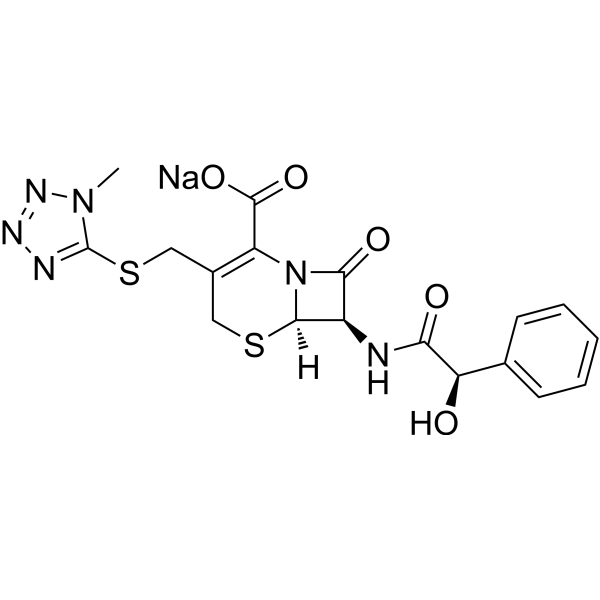
Cefamandole (Cephamandole) sodium is a semi-synthetic second-generation cephalosporin antibiotic with broad-spectrum antimicrobial activity. Cefamandole sodium is resistant to hydrolysis by β-lactamases produced by some Gram-negative bacteria. Cefamandole sodium kills Gram-positive cocci and various Gram-negative bacilli mainly by inhibiting cell wall synthesis, but it is inactive against Pseudomonas, Proteus vulgaris and Providencia stuartii, and its efficacy is affected by inoculum size. The plasma elimination half-life of Cefamandole sodium in rats is only 0.4 h, it is mainly excreted in urine in biologically active form, and it hardly penetrates the non-inflamed blood-brain barrier. Cefamandole sodium is widely used in studies related to bacterial infections .
|
-
-
- HY-176785S
-
|
|
Ras
Apoptosis
p38 MAPK
Caspase
TNF Receptor
|
Cancer
|
|
MCB-294 is a dual-state pan-KRAS inhibitor that selectively inhibits KRAS over NRAS and HRAS. MCB-294 capable of binding both the active (GTP-bound) and inactive (GDP-bound) forms of KRAS with Kds of approximately 1 pM and 10 nM, respectively. MCB-294 broadly impairs the growth of hTERT-HPNE cells expressing G12D, G12C, G12V, G12S, G13D, and wild-type KRAS, with IC50s of approximately 700 nM. MCB-294 induces irreversible apoptosis in KRAS-mutated tumors. MCB-294 effectively suppress KRAS G12C inhibitor-resistant cancer cells and remodel the tumor immune microenvironment. MCB-294 can be used for the study of pancreatic cancer, colorectal cancer and lung cancer .
|
-
-
- HY-15439
-
|
(24S)-24,25-Dihydroxycholecalciferol
|
VD/VDR
|
Others
|
|
(24S)-24,25-Dihydroxyvitamin D3 ((24S)-24,25-Dihydroxycholecalciferol) is an inactive form of vitamin D3 which undergoes various levels of hydroxylation to form active vitamin D3 analogs.
|
-
-
- HY-107842
-
|
NSC693627
|
Drug Isomer
|
Cancer
|
|
(Z)-JIB-04 (NSC693627) is the Z isomer of JIB-04 that has two forms, E (HY-13953) and Z isomers. (Z)-JIB-04 is inactive in epigenetic analysis .
|
-
-
- HY-18901
-
|
|
RIP kinase
|
Inflammation/Immunology
|
|
RIPK1-IN-4 (compound 8) is a potent and selective type II kinase inhibitor of receptor interacting protein 1 (RIP1) kinase and binds to a DLG-out inactive form of RIP1 with an IC50s of 16 nM and 10 nM for RIP1 and ADP-Glo kinase .
|
-
-
- HY-141749B
-
|
CLPM hydrochloride; SR 26334 hydrochloride
|
Drug Metabolite
|
Cardiovascular Disease
|
|
Clopidogrel carboxylic acid (CLPM) hydrochloride is an inactive metabolite of the widely used antiplatelet medication clopidogrel, which serves as a reference standard for quantitative analysis of clopidogrel metabolism. Clopidogrel carboxylic acid hydrochloride has been shown to represent approximately 85% of circulating clopidogrel, hydrolyzed from the active form by esterases. Clopidogrel carboxylic acid hydrochloride plays a crucial role in assessing the pharmacokinetics and bioavailability of clopidogrel in various clinical and research settings.
|
-
-
- HY-14200
-
|
TVP1022; S-PAI
|
Monoamine Oxidase
|
Neurological Disease
|
|
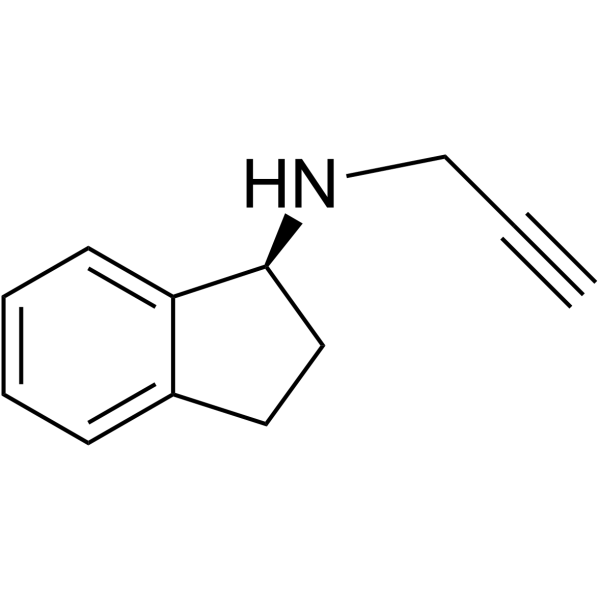
(S)-Rasagiline (TVP1022) is the relatively inactive S-enantiomer form of Rasagiline. Rasagiline is a highly potent selective irreversible MAO inhibitor with IC50s of 4.43 nM and 412 nM for rat brain MAO B and A activity, respectively . (S)-Rasagiline is a click chemistry reagent, it contains an Alkyne group and can undergo copper-catalyzed azide-alkyne cycloaddition (CuAAc) with molecules containing Azide groups.
|
-
-
- HY-110207
-
|
|
Toll-like Receptor (TLR)
|
Inflammation/Immunology
|
|
SM-324405 is a TLR7 agonistic antedrug (EC50 = 50 nM), with pEC50 values of 7.3 and 6.6 for human TLR7 and Rat TLR7, respectively. SM-324405 is used for immunoresearch of allergic diseases. An antedrug is defined as a locally active compound that is designed to be rapidly metabolized to an inactive form upon entry into the circulation and prevents systemic toxicity by losing its agonistic activity in a plasmatic environment .
|
-
-
- HY-135416A
-
|
|
Endogenous Metabolite
|
Infection
|
|
Streptolysin O (≥1000000 units/mg) is a ≥1000000 units/mg Streptolysin O (HY-135416). Streptolysin O, a group A streptococcal toxin, is a well-characterized oxygen-labile prototype of a cholesterol-binding bacterial exotoxin. Streptolysin O causes both lysis of cells and cardiotoxicity. Streptolysin O is widely used for the controlled permeabilization of cell membranes. Streptolysin O exists in two forms, a reduced active state and an oxidized reversibly inactive state .
|
-
-
- HY-120026
-
|
KB015
|
Thyroid Hormone Receptor
Calcium Channel
Potassium Channel
Sodium Channel
|
Cardiovascular Disease
|
|
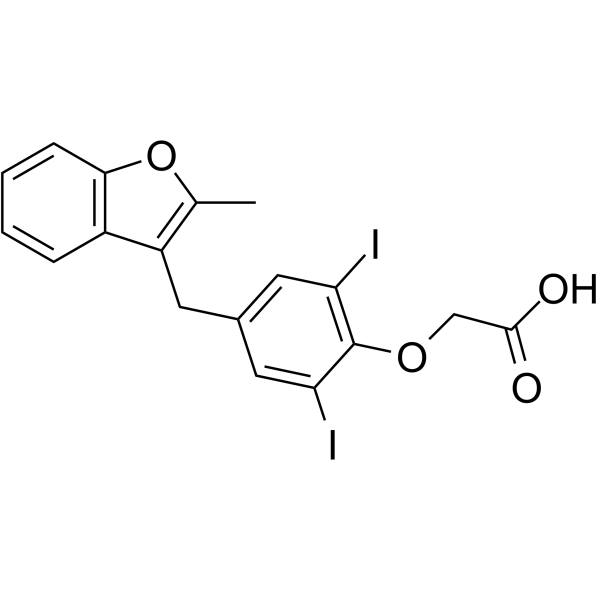
KB130015 (KB015) is an orally active and potent ThRα and ThRβ (thyroid hormone receptor) inhibitor, with IC50 values of 4.5 and 5.1 μM, respectively. KB130015 markedly slows the kinetics of inactivation of Na + channels. KB130015 activates hERG1 channels (EC50 = 12.2 μM) and large-conductance Ca 2+-activated K + (BKCa) channels formed by hSlo1 (α) subunits in HEK 293 cells. KB130015 has antiarrhythmic properties. KB130015 can be used for the study of cardiovascular disease .
|
-
-
- HY-103239
-
-
-
- HY-P3970D
-
|
|
TGF-β Receptor
|
Inflammation/Immunology
|
|
KQFK TFA is the TFA salt form of KQFK (HY-P3970C). KQFK TFA is an inactive control of KRFK (HY-P3970). KRFK is a peptide derived from TSP-1 that can activate TGF-β .
|
-
-
- HY-113164
-
|
|
Endogenous Metabolite
|
Others
|
|
Vitamin K1 2,3-epoxide is an inactive metabolite form of Vitamin K1 (HY-N0684), which is reduced to active vitamin by microsomal epoxide reductase in the vitamin K epoxide cycle. Vitamin K1 2,3-epoxide is involved in blood clotting .
|
-
-
- HY-P10234A
-
|
|
Sodium Channel
|
Neurological Disease
|
|
Poneratoxin acetate is the acetate salt form of Poneratoxin (HY-P10234). Poneratoxin acetate is the modulator for voltage-gated sodium channel (NaV, EC50 for NaV1.6 and NaV1.7 is 97 nM and 2.3 µM), that lowers the voltage threshold for activation and inhibits the inactivation of channels, enhances the excitability of neurons, and leads to the transmission of pain signals .
|
-
-
- HY-P2876
-
|
|
Bacterial
|
Others
|
|
Tryptophanase is a zymogen-converting enzyme and inducible enzyme that can convert its inactive precursor form into an active enzyme without additional polypeptide synthesis. In Escherichia coli K12, tryptophanase functions as an inducible enzyme, and its induction kinetics are similar to those of β-galactosidase. Tryptophanase catalyzes the conversion of L-tryptophan to indole .
|
-
-
- HY-12028R
-
|
|
MEK
ERK
Aryl Hydrocarbon Receptor
Autophagy
|
Cancer
|
|
PD98059 (Standard) is the analytical standard of PD98059. This product is intended for research and analytical applications. PD98059 is a potent and selective MEK inhibitor with an IC50 of 5 µM. PD98059 binds to the inactive form of MEK, thereby preventing the activation of MEK1 (IC50 of 2-7 µM) and MEK2 (IC50 of 50 µM) by upstream kinases. PD98059 is a ERK1/2 signaling inhibitor. PD98059 is a ligand for the aryl hydrocarbon receptor (AHR), and suppresses TCDD binding (IC50 of 4 μM) and AHR transformation (IC50 of 1 μM). PD98059 also inhibits Mycobacterium bovis Bacillus CalmetteGuerin (BCG)-induced autophagy .
|
-
-
- HY-P1402
-
|
|
PKC
|
Others
|
|
[Glu27]-PKC (19-36) is an inactive control for protein kinase C (PKC) (19-36). PKC (19-36) is a pseudosubstrate peptide inhibitor of protein kinase C, it may be responsible for maintaining the enzyme in the inactive form in the absence of allosteric activators such as phospholipids .
|
-
-
- HY-P3892
-
|
|
PKC
|
Inflammation/Immunology
|
|
Protein Kinase C (19-35) Peptide is the PKC pseudosubstrate inhibitor/region. Protein Kinase C (19-35) Peptide possibly blocks the substrate-binding site in its kinase domain, makes the cytoplasmic form of PKC inactive .
|
-
-
- HY-137555
-
|
11-dehydro-2,3-dinor TXB2
|
Endogenous Metabolite
|
Metabolic Disease
|
|
11-dehydro-2,3-dinor Thromboxane B2 (11-dehydro-2,3-dinor TXB2) is a metabolite of the TXA2 inactive metabolite TXB2 (Item No. 19030). It is formed from TXB2 by cytosolic aldehyde dehydrogenase (ALDH) and β-oxidation. Levels of 11-dehydro-2,3-dinor TXB2 are increased 5.2-fold in a surgery-induced rat model of tendon overuse.
|
-
-
- HY-176921
-
|
|
Leukotriene Receptor
|
Inflammation/Immunology
|
|
ONO-2570366 (Compound 11a) is an antagonist of the cysteinyl leukotriene receptors CysLT1R and CysLT2R (IC50 = 14 nM). ONO-2570366 inhibits the binding of LTD4active form of CysLTs) to CysLT1R/CysLT2R by stabilizing the inactive receptor conformation, thereby preventing the Gq signaling pathway mediated by receptor activation. ONO-2570366 can be used for the researches of inflammation and immunology, such as asthma .
|
-
-
- HY-B1128
-
|
Cephamandole
|
Antibiotic
Bacterial
|
Infection
|
|
Cefamandole (Cephamandole) is a semi-synthetic second-generation cephalosporin antibiotic with broad-spectrum antimicrobial activity. Cefamandole is resistant to hydrolysis by β-lactamases produced by some Gram-negative bacteria. Cefamandole kills Gram-positive cocci and various Gram-negative bacilli mainly by inhibiting cell wall synthesis, but it is inactive against Pseudomonas, Proteus vulgaris and Providencia stuartii, and its efficacy is affected by inoculum size. The plasma elimination half-life of Cefamandole in rats is only 0.4 h, it is mainly excreted in urine in biologically active form, and it hardly penetrates the non-inflamed blood-brain barrier. Cefamandole is widely used in studies related to bacterial infections .
|
-
-
- HY-Z4483
-
|
|
Drug Intermediate
|
Others
|
|
6-Deoxypenciclovir is an inactive metabolite of the antiviral prodrug Famciclovir. 6-Deoxypenciclovir is a good substrate for rabbit hepatic aldehyde oxidase and can be used to synthesize the prodrug form of penciclovir .
|
-
-
- HY-P1362A
-
|
Amyloid β Peptide (42-1)(human) TFA
|
Amyloid-β
|
Neurological Disease
|
|
β-Amyloid (42-1), human TFA is the inactive form of Amyloid β Peptide (1-42). β-Amyloid (42-1), human TFA is a 42-amino acid peptide which plays a key role in the pathogenesis of Alzheimer disease .
|
-
-
- HY-112306R
-
|
DCC-2618 (Standard)
|
c-Kit
PDGFR
FLT3
VEGFR
Apoptosis
Reference Standards
|
Cancer
|
|
Ripretinib (Standard) is the analytical standard of Ripretinib. This product is intended for research and analytical applications. Ripretinib (DCC-2618) is an orally bioavailable, selective KIT and PDGFRA switch-control inhibitor. Ripretinib (DCC-2618) targets and binds to both wild-type and mutant forms of KIT and PDGFRA specifically at their switch pocket binding sites, thereby preventing the switch from inactive to active conformations of these kinases and inactivating their wild-type and mutant forms. Ripretinib (DCC-2618) also inhibits multiple other kinase targets, such as FLT3 and KDR (or VEGFR-2) . DCC-2618 exerts antineoplastic effect and induces apoptosis .
|
-
-
- HY-P10984
-
|
|
Integrin
|
Metabolic Disease
Inflammation/Immunology
Cancer
|
|
FNIII14 is derived from the 14th fibronectin (FN) type III-like (FN-III) repeat of FN molecule. FNIII14 is capable of inhibiting cell adhesion to the extracellular matrix (ECM). FNIII14 induces a conformational change in β1-integrin from the active to the inactive form, and blocks integrin-mediated signaling. FNIII14 has anti-fibrotic, anti-cancer effect. FNIII14 can be used for research of metabolic diseases, organ fibrosis, and malignant tumors .
|
-
-
- HY-B1588S
-
|
|
Amyloid-β
HIV
11β-HSD
|
Infection
Neurological Disease
Inflammation/Immunology
|
|
Carbenoxolone-d4 is deuterium labeled Carbenoxolone. Carbenoxolone, a semi-synthetic derivative of glycyrrhetinic acid, has previously been used for the management of dyspepsia and peptic ulcer because of its anti-inflammatory properties . Carbenoxolone, a general hemichannel and gap junction inhibitor, has the therapeutic potential of carbenoxolone in the research of chronic liver disease . Carbenoxolone is a suitable candidate for the inhibition of Aβ42 aggregation and the therapeutic potential of Cbx against AD . Carbenoxolone is small molecule Pannexin1 (Panx1,is an ATP release channel) inhibitor, attenuate Panx1 channel activity through modulation of the first extracellular loop .Carbenoxolone is an 11β-hydroxysteroid dehydrogenase type 1 (11β-HSD1) inhibitor that converts inactive glucocorticoid into an active form. Carbenoxolone has antiviral activity against DENV infection targeting the virus itself .
|
-
-
- HY-118247
-
|
|
Drug Metabolite
|
Others
|
|
Ro 14-6113 is an inactive phenolic metabolite of the "carotenoid" Ro 15-0778, a form of vitamin A.
|
-
-
- HY-106029
-
|
α-TPA
|
PKC
SphK
NF-κB
|
Cancer
|
|
4α-TPA is an inactive form of TPA, and is used as a negative control for TPA-activated events .
|
-
-
- HY-139428
-
|
|
Drug Metabolite
|
Others
|
|
Hydroxydehydro Nifedipine Carboxylate is an inactive metabolite formed by the oxidative biotransformation of Nifedipine (HY-B0284) in the human body .
|
-
-
- HY-110271
-
|
|
Antibiotic
|
Others
|
|
N-Acetylpuromycin is a inactive form of the antibiotic puromycin. N-Acetylpuromycin is the last intermediate of the puromycin antibiotic biosynthetic pathway in Streptomyces alboniger .
|
-
-
- HY-115410
-
|
|
NO Synthase
|
Metabolic Disease
|
|
NG-Amino-L-arginine hydrochloride induces inactivation of the citrulline-forming activity of the nNOS, iNOS, and eNOS isoforms with Ki values of 0.3 μM, 3 μM, and 2.5 μM, respectively .
|
-
-
- HY-118202A
-
|
(-)-Methoxyverapamil hydrochloride
|
Calcium Channel
|
Cardiovascular Disease
|
|
(-)-Gallopamil (hydrochloride) exerts a selective modulation of the fast voltage-dependent inactivation. (-)-Gallopamil (hydrochloride) inhibits efficiently Cav1.2 constructs formed by β-subunits (promoting fast voltage-dependent inactivation). (-)-Gallopamil (hydrochloride) also accelerates the voltage-dependent phase of ICa decay (as well as the voltage-dependent decay of Ba 2+ currents). (-)-Gallopamil (hydrochloride) is promising for research of antiarrhythmics .
|
-
-
- HY-118202
-
|
(-)-Methoxyverapamil
|
Calcium Channel
|
Cardiovascular Disease
|
|
(-)-Gallopamil exerts a selective modulation of the fast voltage-dependent inactivation. (-)-Gallopamil inhibits efficiently Cav1.2 constructs formed by β-subunits (promoting fast voltage-dependent inactivation). (-)-Gallopamil also accelerates the voltage-dependent phase of ICa decay (as well as the voltage-dependent decay of Ba 2+ currents). (-)-Gallopamil is promising for research of antiarrhythmics .
|
-
-
- HY-14200A
-
|
TVP1022 mesylate; S-PAI mesylate
|
Monoamine Oxidase
|
Neurological Disease
|
|
(S)-Rasagiline (TVP1022) mesylate is the relatively inactive S-enantiomer form of Rasagiline mesylate. Rasagiline mesylate is a highly potent selective irreversible MAO inhibitor with IC50s of 4.43 nM and 412 nM for rat brain MAO B and A activity, respectively .
|
-
-
- HY-E70533
-
|
|
Complement System
|
Inflammation/Immunology
|
|
C1r proenzyme, the native form of C1r enzyme, is an inactive zymogen until C1 is activated. C1r is activated when C1 binds to and is activated by antibodies bound to antigens (immune complexes) yielding C1r enzyme .
|
-
-
- HY-134313A
-
-
- HY-134313
-
|
8-Aminoadenosine-5'-O-triphosphate
|
DNA/RNA Synthesis
Endogenous Metabolite
|
Metabolic Disease
|
|
8-NH2-ATP, an inactive form of ATP, is produced by 8-NH2-Ado. 8-NH2-Ado is reported to be potent as shown by induction of apoptosis-related cleavage of poly (ADP-ribose) polymerase .
|
-
- HY-W016781R
-
|
H-D-Arg-OH (Standard)
|
Reference Standards
Endogenous Metabolite
|
Neurological Disease
Cancer
|
|
D-arginine (H-D-Arg-OH) is the D-isomer of arginine. Arginine is an α-amino acid that is used in the biosynthesis of proteins. D-Arginine is an inactive form of L-arginine. D-arginine can be used in myeloma and neurological disease research . .
|
-
- HY-145381
-
|
|
11β-HSD
|
Metabolic Disease
|
|
11β-HSD1-IN-6 is a an 11β-HSD-1 inhibitor. The 11β hydroxysteroid dehydrogenase enzymes (11β-HSDs) mediate the interconversion of the glucocorticoid (GC) corticosterone or cortisol to an inactive form, 11-dehydrocorticosterone (11-DHC) or Cortisone, respectively .
|
-
- HY-119530
-
|
BW 57-323
|
Nucleoside Antimetabolite/Analog
|
Others
|
|
Thiamiprine (BW 57-323) is a compound related to azathioprine. Its nucleoside forms are similar to the parent compound in terms of cytotoxicity in vitro (except for the arabinoside). In the rat adjuvant arthritis model in vivo, its riboside and 2'-deoxyriboside are less active than the parent compound. The arabinoside is inactive and nontoxic. It has similar potency to the other parent compounds tested, but has a different safety profile.
|
-
- HY-E70534
-
|
|
Complement System
|
Inflammation/Immunology
|
|
C1s Proenzyme, the native form of C1s enzyme, is an inactive zymogen until C1 is activated. C1 complex binds to and is activated by antigen-antibody complexes (immune complexes) yielding C1r enzyme. C1r enzyme in the C1 complex activates C1s proenzyme generating C1s enzyme .
|
-
- HY-123090
-
|
|
11β-HSD
|
Metabolic Disease
|
|
11β-HSD1-IN-12 is a 11β-HSD1 inhibitor (Example 21 in reference patent). 11β-HSD1 regenerates active glucocorticoids from inactive forms and is important in regulating intracellular glucocorticoid concentration. 11β-HSD1-IN-12 can be used in the research of obesity and metabolic syndrome .
|
-
- HY-125946
-
|
|
Drug Intermediate
|
Endocrinology
|
|
Latanoprost lactone diol is a small organic molecule derived from Prostaglandin F2α (HY-12956), serving as a key synthetic intermediate and inactive metabolism-related form of Latanoprost (HY-B0577). Latanoprost lactone diol is significantly upregulated in hypothyroid rats, and its level can be reversed by crude polysaccharide, lactone and oligosaccharide fractions from the rhizome of Atractylodis macrocephalae. Latanoprost lactone diol can be used in studies related to hypothyroidism .
|
-
- HY-119530R
-
|
BW 57-323 (Standard)
|
Nucleoside Antimetabolite/Analog
Reference Standards
|
Others
|
|
Thiamiprine (Standard) is the analytical standard of Thiamiprine. This product is intended for research and analytical applications. Thiamiprine (BW 57-323) is a compound related to azathioprine. Its nucleoside forms are similar to the parent compound in terms of cytotoxicity in vitro (except for the arabinoside). In the rat adjuvant arthritis model in vivo, its riboside and 2'-deoxyriboside are less active than the parent compound. The arabinoside is inactive and nontoxic. It has similar potency to the other parent compounds tested, but has a different safety profile.
|
-
- HY-119821R
-
|
|
Reference Standards
Glycosidase
|
Infection
|
|
Thiamiprine (Standard) is the analytical standard of Thiamiprine. This product is intended for research and analytical applications. Thiamiprine (BW 57-323) is a compound related to azathioprine. Its nucleoside forms are similar to the parent compound in terms of cytotoxicity in vitro (except for the arabinoside). In the rat adjuvant arthritis model in vivo, its riboside and 2'-deoxyriboside are less active than the parent compound. The arabinoside is inactive and nontoxic. It has similar potency to the other parent compounds tested, but has a different safety profile.
|
-
- HY-101544
-
|
|
FGFR
|
Cancer
|
|
ARQ 069, an analog of ARQ 523, inhibits FGFR in an enantiospecific manner. ARQ 069 targets the unphosphorylated, inactive forms of FGFR1/FGFR2 kinases (IC50s of 0.84 μM and 1.23 μM, respectively). ARQ 069 inhibits FGFR1/FGFR2 autophosphorylation (IC50s of 2.8 and 1.9 μM, respectively) through a mechanism in a non-ATP competitive dependent manner .
|
-
- HY-16183A
-
|
Echothiophate chloride
|
Cholinesterase (ChE)
|
Cardiovascular Disease
|
|
Echothiophate (Echothiophate) chloride is a highly effective, long-lasting cholinesterase inhibitor employed as a miotic for managing glaucoma. Echothiopate chloride forms a covalent bond with the serine residue at the active site of cholinesterase through its phosphate group, rendering the enzyme permanently inactive and necessitating the synthesis of new enzymes by the cell. Given its irreversible binding to cholinesterase and the extremely slow rate of hydrolysis, the effects of echothiophate can persist for a week or longer. Echothiopate chloride is utilized as an ocular antihypertensive agent in the treatment of chronic glaucoma and, in certain cases, accommodative esotropia.
|
-
- HY-125946R
-
|
|
Reference Standards
Drug Intermediate
|
Metabolic Disease
|
|
Latanoprost lactone diol (Standard) is the analytical standard of Latanoprost lactone diol (HY-125946). This product is intended for research and analytical applications. Latanoprost lactone diol is a small organic molecule derived from Prostaglandin F2α (HY-12956), and is a key synthetic intermediate and inactive metabolically related form of Latanoprost (HY-B0577). Latanoprost lactone diol is significantly upregulated in hypothyroid rats, and its levels can be reversed by the crude polysaccharide, lactone, and oligosaccharide components of the rhizome of Atractylodis macrocephalae. Latanoprost lactone diol can be used for research related to hypothyroidism.
|
-
- HY-B1128B
-
|
Cephamandole lithium
|
Antibiotic
Bacterial
|
Infection
|
|
Cefamandole (Cephamandole) lithium is a semi-synthetic second-generation cephalosporin antibiotic with broad-spectrum antimicrobial activity. Cefamandole lithium is resistant to hydrolysis by β-lactamases produced by some Gram-negative bacteria. Cefamandole lithium kills Gram-positive cocci and various Gram-negative bacilli mainly by inhibiting cell wall synthesis, but it is inactive against Pseudomonas, Proteus vulgaris and Providencia stuartii, and its efficacy is affected by inoculum size. The plasma elimination half-life of Cefamandole lithium in rats is only 0.4 h, it is mainly excreted in urine in biologically active form, and it hardly penetrates the non-inflamed blood-brain barrier. Cefamandole lithium is widely used in studies related to bacterial infections .
|
-
- HY-B1128AR
-
|
Cephamandole sodium (Standard)
|
Reference Standards
Antibiotic
Bacterial
|
Infection
|
|
Cefamandole (sodium) (Standard) is the analytical standard of Cefamandole (sodium). This product is intended for research and analytical applications. Cefamandole (Cephamandole) sodium is a semi-synthetic second-generation cephalosporin antibiotic with broad-spectrum antimicrobial activity. Cefamandole sodium is resistant to hydrolysis by β-lactamases produced by some Gram-negative bacteria. Cefamandole sodium kills Gram-positive cocci and various Gram-negative bacilli mainly by inhibiting cell wall synthesis, but it is inactive against Pseudomonas, Proteus vulgaris and Providencia stuartii, and its efficacy is affected by inoculum size. The plasma elimination half-life of Cefamandole sodium in rats is only 0.4 h, it is mainly excreted in urine in biologically active form, and it hardly penetrates the non-inflamed blood-brain barrier. Cefamandole sodium is widely used in studies related to bacterial infections .
|
-
- HY-W141446
-
|
|
Eukaryotic Initiation Factor (eIF)
|
Others
|
|
VT00065 is a covalent DHS inhibitor. VT00065 forms a redox-dependent covalent bond with the catalytic lysine K329 of DHS, locking the enzyme in an inactive state .
|
-
- HY-131575
-
|
|
Biochemical Assay Reagents
|
Others
|
|
Sedoheptulose 1,7-diphosphate is a substrate for fructose bisphosphatase form B from Synechococcus leopoliensis. Sedoheptulose 1,7-diphosphate undergoes hydrolysis at the carbon 1-ester, stabilizes the activated tetrameric state of fructose bisphosphatase form B, and prevents the enzyme’s slow inactivation. Sedoheptulose 1,7-diphosphate supports fructose bisphosphatase form B-mediated bisphosphatase reactions within the reductive pentose phosphate cycle .
|
-
- HY-130666
-
|
|
Endogenous Metabolite
|
Cardiovascular Disease
|
|
Chlorambucyl-proline is a chloroplatinyl amino acid derivative with inhibitory activity against bovine pulmonary vasoconstrictor enzyme. Chlorambucyl-proline reacts with the convertase in a 1:1 ratio, and the removal of its radiolabel indicates that the compound has an irreversible inhibitory effect on the enzyme activity. Chlorambucyl-proline binds to the aspartic acid or glutamic acid side chain of the enzyme by forming an ester bond, resulting in irreversible inactivation of the enzyme. The inactivation rate constant of chlororambucyl-proline increases in the pH range of 5-8, indicating that its effect on the enzyme activity is affected by the pH environment .
|
-
- HY-P2974A
-
|
|
Elastase
|
Metabolic Disease
|
|
Elastase, Rat (EC 3.4.21.35) is a form of elastase that is produced in the acinar cells of the pancreas, initially produced as an inactive zymogen and later activated in the duodenum by trypsin. Elastases form a subfamily of serine proteases, characterized by a distinctive structure consisting of two beta-barrel domains converging at the active site that hydrolyze amides and esters amongst many proteins in addition to elastin, a type of connective tissue that holds organs together.
|
-
- HY-183293
-
|
|
E1/E2/E3 Enzyme
|
Others
|
|
Cbl-b-IN-32 is a Cbl-b inhibitor with an IC50 of 6.83 μM. Cbl-b-IN-32 binds to the TKB-LH interface, stabilizes the inactive conformation of Cbl-b, engages Tyr363 via hydrogen bonds and water bridges, and forms hydrogen bonds with Phe261 and Phe263 .
|
-
- HY-P11867
-
|
|
Wnt
β-catenin
|
Others
|
|
UM206_L is a linear Wnt fragment peptide derived from conserved Wnt3a/Wnt5a sequences, inactive in soluble form but capable of activating canonical Wnt/β-catenin signaling when conjugated to magnetic nanoparticles and exposed to a high-gradient, time-varying magnetic field or immobilized on glass surfaces .
|
-
- HY-107842R
-
|
NSC693627 (Standard)
|
Drug Isomer
Reference Standards
|
Cancer
|
|
(Z)-JIB-04 (Standard) is the analytical standard of (Z)-JIB-04 (HY-107842). This product is intended for research and analytical applications. (Z)-JIB-04 (NSC693627) is the Z isomer of JIB-04 that has two forms, E (HY-13953) and Z isomers. (Z)-JIB-04 is inactive in epigenetic analysis .
|
-
- HY-P11867A
-
|
|
Wnt
β-catenin
|
Others
|
|
UM206_C is a circular Wnt fragment peptide derived from conserved Wnt3a/Wnt5a sequences, inactive in soluble form but capable of activating canonical Wnt/β-catenin signaling when conjugated to magnetic nanoparticles and exposed to a high-gradient, time-varying magnetic field or immobilized on glass surfaces .
|
-
- HY-145474
-
|
|
Endogenous Metabolite
|
Inflammation/Immunology
|
|
17(R)-Resolvin D1 methyl ester is the methyl ester of Resolvin D1 (RvD1) (HY-125527) induced by Aspirin (HY-14654) with the 17R epimer (AT-RvD1). RvD is a regulator of transendothelial migration of human polymorphonuclear leukocytes and an anti-inflammatory agent. The 17R-trihydroxy-4Z of RvD1 also blocks transendothelial migration of human neutrophils (EC50 approximately 30 nM). AT-RvD1 is an effective form that protects against the rapid inactivation of Resolvin D1 .
|
-
- HY-179569
-
|
|
TMV
|
Infection
|
|
Antiviral agent 73 (compound D13) is a potent intercellular movement inhibitor with antiviral activity. Antiviral agent 73 shows inactivation activity against potato virus Y (PVY) with an EC50 of 79.5 μg/mL. Antiviral agent 73 effectively inhibits virus infection by forming stable hydrogen bonds with Pro154 of PVY coat protein. Antiviral agent 73 can interfere with the process of Pro154-mediated viral intercellular trafficking in plasmodesmata. Antiviral agent 73 can be used for plant virus prevention and control .
|
-
- HY-180200
-
|
|
Ras
ERK
|
Cancer
|
|
RNK08954 is an orally active KRASG12D inhibitor with a Kd of 0.0395 nM. RNK08954 selectively binds the inactive GDP-bound KRASG12D form, suppresses downstream KRAS-mediated signaling pathways p-ERK1/2 experssion. RNK08954 inhibits KRASG12D-mutant cell proliferation, induces G0-G1 cell cycle arrest, and inhibits tumor growth in mouse xenograft models. RNK08954 can be used for the research of non-small cell lung cancer, pancreatic ductal adenocarcinoma .
|
-
- HY-P11767
-
|
|
Ferroptosis
|
Infection
|
|
NCR247 is a defensin-like nodule cysteine-rich (NCR) peptide and haem sequesterer. NCR247 forms 6:6 haem:NCR247 hexamers and higher-order complexes to render haem and bound iron biologically inaccessible, induces iron-starvation response in Sinorhizobium meliloti and Medicago truncatula, and supports nitrogenase activity.NCR247 is critical for establishing nitrogen-fixing symbiosis between Sinorhizobium meliloti and Medicago truncatula, and is inactive against cytochrome haem.NCR247’s D-enantiomer binds and sequesters haem equivalently to its L-enantiomer.NCR247 can be used for the research of infections, periodontal disease, toxoplasmosis .
|
-
- HY-183723
-
|
|
Dihydroceramide Desaturase 1 (DES1)
|
Metabolic Disease
|
|
GAA-4OH is a potent and irreversible dihydroceramide desaturase-1 (DES1) inhibitor with an IC50 of 0.6 μM and a Ki of 139.5 nM. GAA-4OH undergoes oxidation to form a reactive iminoquinone that covalently blocks DES1’s catalytic cavity, causing permanent enzyme inactivation. GAA-4OH modulates sphingolipid balance by reducing ceramide-to-dihydroceramide ratios in liver tissue. GAA-4OH improves liver steatosis, inflammation, fibrosis, and reduces pro-inflammatory and pro-fibrogenic gene expression. GAA-4OH can be used for the research of metabolic dysfunction-associated steatotic liver disease (MASLD) .
|
-
- HY-183335
-
|
|
Smo
Hedgehog
Gli
Apoptosis
Caspase
|
Cancer
|
|
Anticancer agent 321 is a Smoothened (SMO) inhibitor with a human IC50 of 0.12 μM, enhanced aqueous solubility, good plasma and metabolic stability, moderate therapeutic index, preliminary safety profile, and moderate oral bioavailability in rats.Anticancer agent 321 binds to SMO’s 7-transmembrane helical channel, forming hydrogen bonds with Asp384 and hydrophobic/π-π interactions with His470, Phe391, Tyr394, stabilizing SMO’s inactive conformation to inhibit Hedgehog/GLI signaling.Anticancer agent 321 inhibits proliferation, suppresses colony formation, induces apoptosis, and downregulates Hedgehog/GLI pathway target genes GLI1, GLI2, Ptch1, HHip in cancer cells.Anticancer agent 321 inhibits tumor growth, downregulates Ki67 and SOX2, and upregulates cleaved-caspase 3 in tumor tissues.Anticancer agent 321 can be used for the research of cutaneous squamous cell carcinoma .
|
-
-
-
HY-L096
-
|
|
185 compounds
|
|
An inactive ingredient is any component of a drug product other than the active ingredient. Inactive ingredients are added during the manufacturing process of pharmaceutical products such as tablets, capsules, suppositories, and injections. In new drug development, once an inactive ingredient has appeared in an approved drug product for a particular route of administration, the inactive ingredient is not considered new and may require a less extensive review the next time it is included in a new drug product.
MCE offers a unique collection of 185 inactive ingredients, which only contain inactive ingredients of the final dosage forms of the drug. MCE Inactive Ingredient library is a powerful tool for aiding in the development of the drug and saving unnecessary time.
|
| Cat. No. |
Product Name |
Type |
-
- HY-107903
-
|
Thyroglobulin from bovine
|
Biochemical Assay Reagents
|
|
Thyroglobulin is a 660 kDa, dimeric glycoprotein produced by the follicular cells of the thyroid and used entirely within the thyroid gland. Thyroglobulin acts as a substrate for the synthesis of the thyroid hormones thyroxine (T4) and triiodothyronine (T3), as well as the storage of the inactive forms of thyroid hormone and iodine within the follicular lumen of a thyroid follicle. Thyroglobulin activates Akt kinase activity in FRTL-5 thyroid cell .
|
-
- HY-W007432
-
|
|
Biochemical Assay Reagents
|
|
RuPhos is a Buchwald ligand. In aqueous Suzuki-Miyaura catalytic transfer polymerization, RuPhos forms inactive Pd (RuPhos)2 with palladium and inhibits diffusion to improve polymerization controllability. RuPhos additional addition in anhydrous Kumada polymerization exacerbates catalyst deactivation and chain transfer, significantly impairing polymerization control .
|
-
- HY-W115721
-
|
Sodium rhodizonate dibasic
|
Biochemical Assay Reagents
|
|
Rhodizonic acid disodium (Sodium rhodizonate dibasic) is a transition metal-dependent pro-oxidant and lead detection agent that induces reactive oxygen species generation, DNA damage, and inhibits Aconitase activity. Rhodizonic acid disodium generates superoxide anion radicals in an iron (II)-dependent manner, leading to aconitase inactivation. Rhodizonic acid disodium also triggers hydroxyl radical-mediated DNA strand breaks and 8-OHdG formation via copper ion reduction. Rhodizonic acid disodium reacts with lead to form a scarlet precipitate, with the color intensity proportional to lead content, enabling qualitative or quantitative analysis of lead. Rhodizonic acid disodium can also be used for real-time visualization of the dynamic process of lead sequestration in the plant rhizosphere and evaluation of the effects of environmental factors such as soil type on the stability of lead-sequestering structures .
|
| Cat. No. |
Product Name |
Target |
Research Area |
-
- HY-P1362
-
|
Amyloid β Peptide (42-1)(human)
|
Amyloid-β
|
Neurological Disease
|
|
β-Amyloid (42-1), human is the inactive form of Amyloid β Peptide (1-42). Its active form, β-Amyloid (1-42), may play a key role in the pathogenesis of Alzheimer's disease .
|
-
- HY-P3970D
-
|
|
TGF-β Receptor
|
Inflammation/Immunology
|
|
KQFK TFA is the TFA salt form of KQFK (HY-P3970C). KQFK TFA is an inactive control of KRFK (HY-P3970). KRFK is a peptide derived from TSP-1 that can activate TGF-β .
|
-
- HY-P10234A
-
|
|
Sodium Channel
|
Neurological Disease
|
|
Poneratoxin acetate is the acetate salt form of Poneratoxin (HY-P10234). Poneratoxin acetate is the modulator for voltage-gated sodium channel (NaV, EC50 for NaV1.6 and NaV1.7 is 97 nM and 2.3 µM), that lowers the voltage threshold for activation and inhibits the inactivation of channels, enhances the excitability of neurons, and leads to the transmission of pain signals .
|
-
- HY-P1402
-
|
|
PKC
|
Others
|
|
[Glu27]-PKC (19-36) is an inactive control for protein kinase C (PKC) (19-36). PKC (19-36) is a pseudosubstrate peptide inhibitor of protein kinase C, it may be responsible for maintaining the enzyme in the inactive form in the absence of allosteric activators such as phospholipids .
|
-
- HY-P3892
-
|
|
PKC
|
Inflammation/Immunology
|
|
Protein Kinase C (19-35) Peptide is the PKC pseudosubstrate inhibitor/region. Protein Kinase C (19-35) Peptide possibly blocks the substrate-binding site in its kinase domain, makes the cytoplasmic form of PKC inactive .
|
-
- HY-P1362A
-
|
Amyloid β Peptide (42-1)(human) TFA
|
Amyloid-β
|
Neurological Disease
|
|
β-Amyloid (42-1), human TFA is the inactive form of Amyloid β Peptide (1-42). β-Amyloid (42-1), human TFA is a 42-amino acid peptide which plays a key role in the pathogenesis of Alzheimer disease .
|
-
- HY-P10984
-
|
|
Integrin
|
Metabolic Disease
Inflammation/Immunology
Cancer
|
|
FNIII14 is derived from the 14th fibronectin (FN) type III-like (FN-III) repeat of FN molecule. FNIII14 is capable of inhibiting cell adhesion to the extracellular matrix (ECM). FNIII14 induces a conformational change in β1-integrin from the active to the inactive form, and blocks integrin-mediated signaling. FNIII14 has anti-fibrotic, anti-cancer effect. FNIII14 can be used for research of metabolic diseases, organ fibrosis, and malignant tumors .
|
-
- HY-P11867
-
|
|
Wnt
β-catenin
|
Others
|
|
UM206_L is a linear Wnt fragment peptide derived from conserved Wnt3a/Wnt5a sequences, inactive in soluble form but capable of activating canonical Wnt/β-catenin signaling when conjugated to magnetic nanoparticles and exposed to a high-gradient, time-varying magnetic field or immobilized on glass surfaces .
|
-
- HY-P11867A
-
|
|
Wnt
β-catenin
|
Others
|
|
UM206_C is a circular Wnt fragment peptide derived from conserved Wnt3a/Wnt5a sequences, inactive in soluble form but capable of activating canonical Wnt/β-catenin signaling when conjugated to magnetic nanoparticles and exposed to a high-gradient, time-varying magnetic field or immobilized on glass surfaces .
|
-
- HY-P11767
-
|
|
Ferroptosis
|
Infection
|
|
NCR247 is a defensin-like nodule cysteine-rich (NCR) peptide and haem sequesterer. NCR247 forms 6:6 haem:NCR247 hexamers and higher-order complexes to render haem and bound iron biologically inaccessible, induces iron-starvation response in Sinorhizobium meliloti and Medicago truncatula, and supports nitrogenase activity.NCR247 is critical for establishing nitrogen-fixing symbiosis between Sinorhizobium meliloti and Medicago truncatula, and is inactive against cytochrome haem.NCR247’s D-enantiomer binds and sequesters haem equivalently to its L-enantiomer.NCR247 can be used for the research of infections, periodontal disease, toxoplasmosis .
|
| Cat. No. |
Product Name |
Category |
Target |
Chemical Structure |
| Cat. No. |
Product Name |
Chemical Structure |
-
- HY-176785S
-
|
|
|
MCB-294 is a dual-state pan-KRAS inhibitor that selectively inhibits KRAS over NRAS and HRAS. MCB-294 capable of binding both the active (GTP-bound) and inactive (GDP-bound) forms of KRAS with Kds of approximately 1 pM and 10 nM, respectively. MCB-294 broadly impairs the growth of hTERT-HPNE cells expressing G12D, G12C, G12V, G12S, G13D, and wild-type KRAS, with IC50s of approximately 700 nM. MCB-294 induces irreversible apoptosis in KRAS-mutated tumors. MCB-294 effectively suppress KRAS G12C inhibitor-resistant cancer cells and remodel the tumor immune microenvironment. MCB-294 can be used for the study of pancreatic cancer, colorectal cancer and lung cancer .
|
-
-
- HY-B1588S
-
|
|
|
Carbenoxolone-d4 is deuterium labeled Carbenoxolone. Carbenoxolone, a semi-synthetic derivative of glycyrrhetinic acid, has previously been used for the management of dyspepsia and peptic ulcer because of its anti-inflammatory properties . Carbenoxolone, a general hemichannel and gap junction inhibitor, has the therapeutic potential of carbenoxolone in the research of chronic liver disease . Carbenoxolone is a suitable candidate for the inhibition of Aβ42 aggregation and the therapeutic potential of Cbx against AD . Carbenoxolone is small molecule Pannexin1 (Panx1,is an ATP release channel) inhibitor, attenuate Panx1 channel activity through modulation of the first extracellular loop .Carbenoxolone is an 11β-hydroxysteroid dehydrogenase type 1 (11β-HSD1) inhibitor that converts inactive glucocorticoid into an active form. Carbenoxolone has antiviral activity against DENV infection targeting the virus itself .
|
-
| Cat. No. |
Product Name |
|
Classification |
-
- HY-176785S
-
|
|
|
Alkynes
|
|
MCB-294 is a dual-state pan-KRAS inhibitor that selectively inhibits KRAS over NRAS and HRAS. MCB-294 capable of binding both the active (GTP-bound) and inactive (GDP-bound) forms of KRAS with Kds of approximately 1 pM and 10 nM, respectively. MCB-294 broadly impairs the growth of hTERT-HPNE cells expressing G12D, G12C, G12V, G12S, G13D, and wild-type KRAS, with IC50s of approximately 700 nM. MCB-294 induces irreversible apoptosis in KRAS-mutated tumors. MCB-294 effectively suppress KRAS G12C inhibitor-resistant cancer cells and remodel the tumor immune microenvironment. MCB-294 can be used for the study of pancreatic cancer, colorectal cancer and lung cancer .
|
-
- HY-14200
-
|
TVP1022; S-PAI
|
|
Alkynes
|
|
(S)-Rasagiline (TVP1022) is the relatively inactive S-enantiomer form of Rasagiline. Rasagiline is a highly potent selective irreversible MAO inhibitor with IC50s of 4.43 nM and 412 nM for rat brain MAO B and A activity, respectively . (S)-Rasagiline is a click chemistry reagent, it contains an Alkyne group and can undergo copper-catalyzed azide-alkyne cycloaddition (CuAAc) with molecules containing Azide groups.
|
-
- HY-180200
-
|
|
|
Alkynes
|
|
RNK08954 is an orally active KRASG12D inhibitor with a Kd of 0.0395 nM. RNK08954 selectively binds the inactive GDP-bound KRASG12D form, suppresses downstream KRAS-mediated signaling pathways p-ERK1/2 experssion. RNK08954 inhibits KRASG12D-mutant cell proliferation, induces G0-G1 cell cycle arrest, and inhibits tumor growth in mouse xenograft models. RNK08954 can be used for the research of non-small cell lung cancer, pancreatic ductal adenocarcinoma .
|
Your information is safe with us. * Required Fields.
Inquiry Information
- Product Name:
- Cat. No.:
- Quantity:
- MCE Japan Authorized Agent:

