

From 11:00 pm to 12:00 pm EST ( 8:00 pm to 9:00 pm PST ) on January 6th, the website will be under maintenance. We are sorry for the inconvenience. Please arrange your schedule properly.
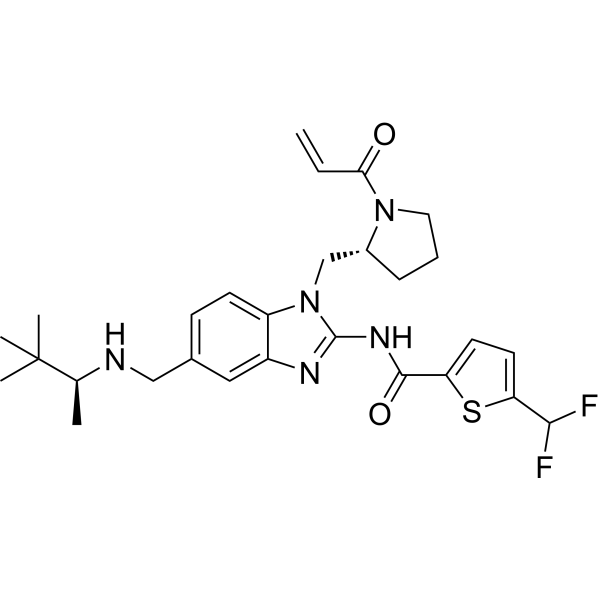
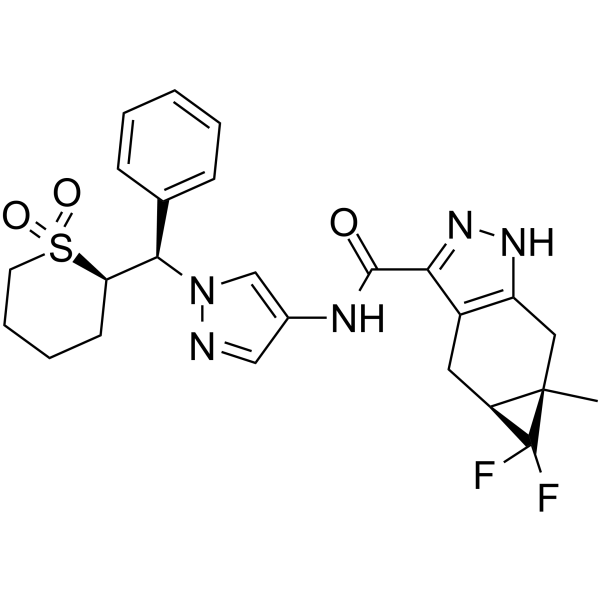
Soquelitinib (CPI-818) is an orally active and highly selective covalent interleukin-2-inducible kinase (ITK) inhibitor. Soquelitinib is active in six different models of T cell-mediated inflammatory and immune disease, including acute and chronic asthma, pulmonary fibrosis, systemic sclerosis (scleroderma), psoriasis, and acute graft versus host disease with Th2 cytokine product inhibition. Soquelitinib increases tumor infiltration of normal CD8 + cells that possess enhanced T effector function [2] .
Basiliximab (CHI 621) is a recombinant chimeric murine/human IgG1 monoclonal anti-interleukin-2 receptor antibody. Basiliximab can be used for the research of renal transplantation .
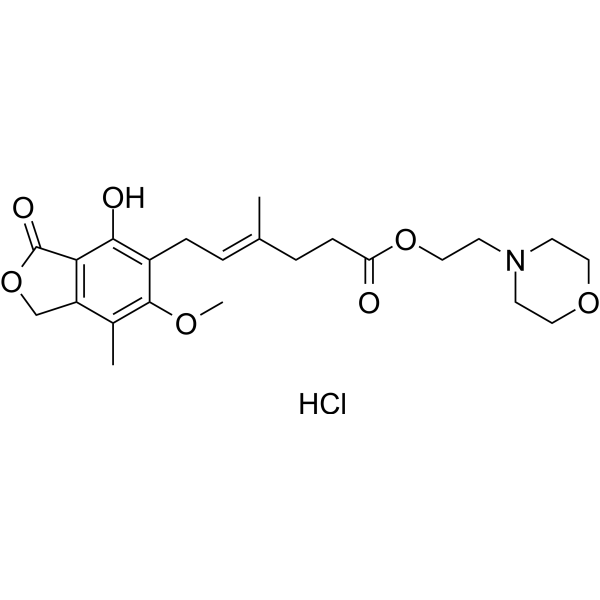
Mycophenolate mofetil (RS 61443; TM-MMF) hydrochloride is an orally active antimetabolic immunosuppressant with antiproliferative and anti-inflammatory properties. Mycophenolate mofetil hydrochloride significantly inhibits the production of B, T lymphocytes and the proliferation of smooth muscle cells by selectively blocking the de novo purine synthesis pathway. Mycophenolate mofetil hydrochloride effectively reduces adventitial inflammation, medial necrosis and intimal thickening in rat aortic allografts, and decreases the number of lymphocytes expressing the IL-2 receptor, thereby delaying xenograft rejection. Mycophenolate mofetil hydrochloride shows certain toxicity in a hamster-to-rat limb xenotransplantation model when used in combination with FK506 (HY-13756). Mycophenolate mofetil hydrochloride is widely used in studies related to allograft arteriosclerosis (chronic rejection) [2].
Daclizumab (Ro 24-7375) is a humanized, monoclonal antibody that blocks CD25 (α-subunit of the high-affinity interleukin-2 receptor (IL-2R-HA)). Daclizumab inhibits effector T cell activation, regulatory T cell (Treg) expansion and survival, and activation-induced T-cell apoptosis. Daclizumab increases IL-2 bioavailability to bind to the intermediate-affinity IL-2R (IL-2R-IA), driving the expansion of anti-inflammatory CD56bright natural killer (NK) cells. Daclizumab can be used for multiple sclerosis and cancer research .
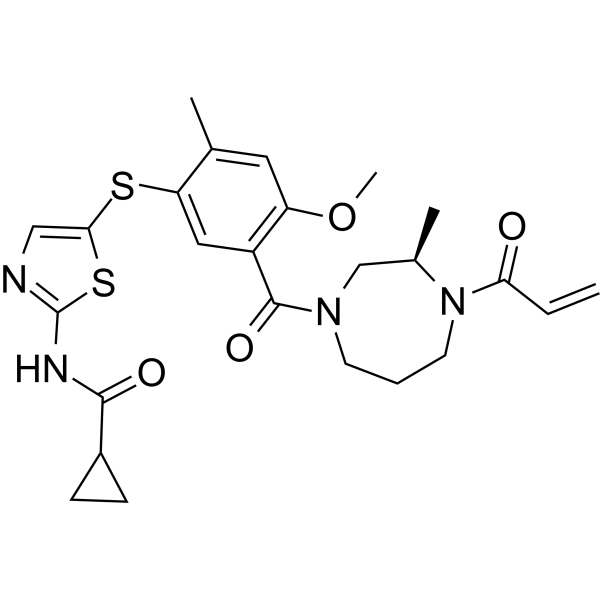
PRN694 is an irreversible, highly selective and potent covalent interleukin-2-inducible T-cell kinase (ITK) and resting lymphocyte kinase (RLK) dual inhibitor with IC50s of 0.3 nM and 1.4 nM, respectively. PRN694 exhibits extended target residence time on ITK and RLK, enabling durable attenuation of effector cells in vitro and in vivo .
Melredableukin alfa (RG7835) is a bivalent conjugate composed of a human IL-2 mutant (T3A, N88D, C125A) and human IgG1. Melredableukin alfa exhibits enhanced Treg cell selectivity in cynomolgus monkey and humanized mouse models. Melredableukin alfa can be used in research related to ulcerative colitis and autoimmune hepatitis [2].
Bifikafusp alfa (L19-IL2) is an immunoresearch fusion protein consisting of human L19 antibodies fused to the human cytokine interleukin 2 (IL2).Bifikafusp alfa is specific to the EDB domain of fibronectin. Bifikafusp alfa has anticancer activity .
Zinc acetate acts as an immune response modulator. Zinc acetate enhances the expression of HSP-70 mRNA. Zinc acetate restores the proliferation and cytokine production capacities of splenocytes. Zinc acetate reduces the Apoptosis level of splenocytes in endotoxemic mice. Zinc acetate increases plasma zinc levels and improves survival rates in mice with LPS-induced lethal endotoxemia. Zinc acetate induces rapid death of prostate cancer cell lines in vitro. Zinc acetate inhibits the growth of prostate cancer xenografts in SCID mice. Zinc acetate can be used in endotoxemia research [2].
Efavaleukin alfa (AMG592) is a IL-2 mutein fragment crystallizable fusion protein. Efavaleukin alfa drives the selective expansion of regulatory T cells. Efavaleukin alfa is applicable to research related to systemic lupus erythematosus .
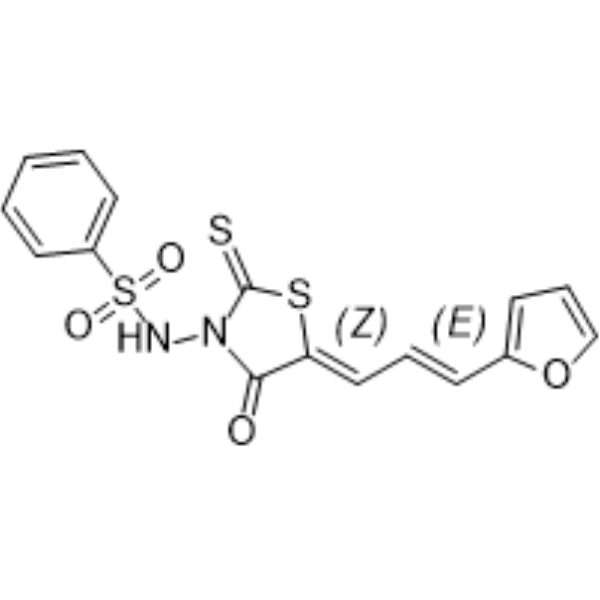
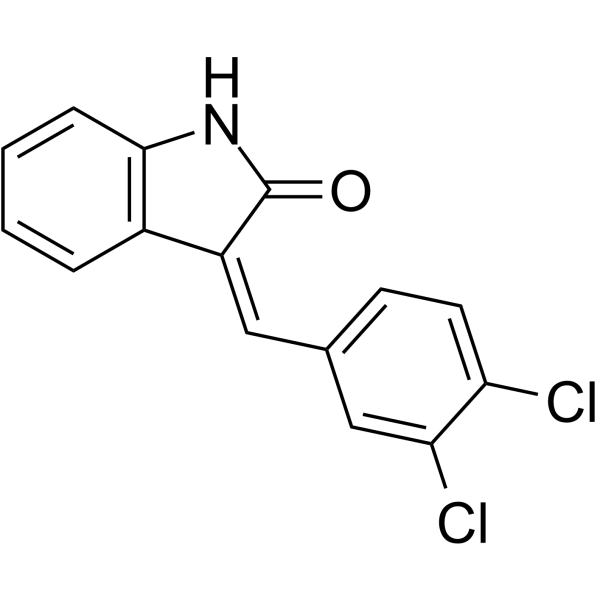
(5Z,2E)-CU-3 is an isomer of CU-3 (HY-121638). CU-3 is a DGKα inhibitor with an IC50 of 0.6 μM. CU-3 competitively reduces DGKα’s affinity for ATP via binding to the enzyme’s catalytic region. CU-3 induces apoptosis in cancer cells. CU-3 promotes T-cell activation and enhances IL-2 production. CU-3 can be used for the research of hepatocellular carcinoma and cervical cancer .
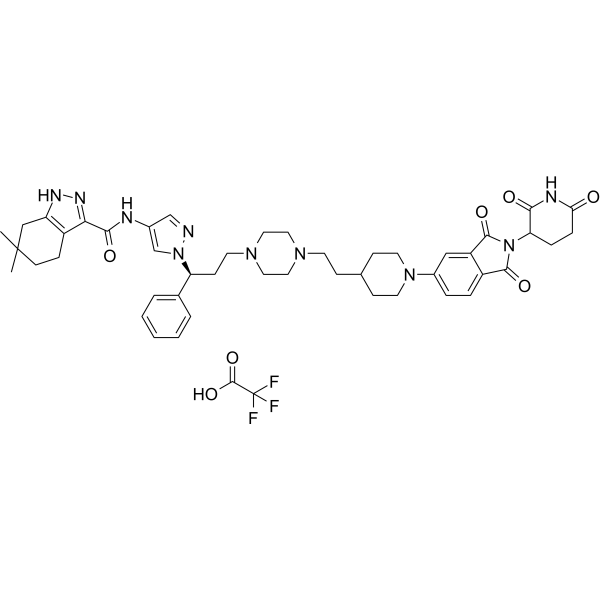
ITK degrader 1 is a highly selective degrader of interleukin-2-inducible T-cell kinase (ITK; DC50=3.6 nM in vivo in mice), with good plasma exposure levels. ITK degrader 1 induces rapid, and prolonged ITK degradation and suppresses IL-2 secretion (EC50=35.2 nM, Jurkat cells) stimulated by anti-CD3 antibodyin vivo. ITK degrader 1 consists of target protein ligand (red part) ITK ligand 1 (HY-168387), PROTAC linker (black part) Piperidine-C2-piperazine-Boc (HY-168388) and E3 ubiquitinase ligand (blue part) Thalidomide 5-fluoride (HY-W087383). E3 ubiquitinase and PROTAC linker can form Thalidomide-piperidine-C2-piperazine-Boc (HY-168389) .
GNE-6893 is an orally active, selective HPK1 inhibitor with a Ki < 0.02 nM. GNE-6893 enhances T cell receptor signaling in primary human T cells. GNE-6893 increases IL2 production in stimulated primary human T cells. GNE-6893 can be used for the research of chronic refractory cancers .
DSP30 is a phosphorothioate cpG-oligodeoxynucleotide and a TLR9 agonist. DSP30 can activate immune system cells, including B cells and dendritic cells, by inducing proliferation and cytokine production.DSP30 can enhance the immunosuppressive function of bone marrow-multipotent mesenchymal stromal cells (BM-MSC). DSP30 combined with interleukin 2 (IL2) is an effective mitotic stimulant in B-cell disorders. DSP30 can be used for the genetic characteristic research and analysis of chronic lymphocytic leukemia (CLL) [2] .
Agroclavine acts as an agonist of the D1-dopamine receptor and α1-adrenergic receptor. Agroclavine enhances the sensitivity of the brain to magnetic fields; it impairs spatial memory without affecting hippocampal long-term potentiation (LTP). Agroclavine exerts bidirectional regulatory effects on immune activity: it enhances NK cell activity with low toxicity under normal conditions, while it inhibits NK cell activity and exhibits significant cardiac and hepatic toxicity under stress conditions. Agroclavine can be used for research on neuroelectrophysiology, learning and memory, and immunoregulation [2] .
Imneskibart (AU-007) is a human monoclonal antibody that binds to the CD25-binding epitope of interleukin-2(IL-2), blocking the binding of IL-2 to the trimeric IL-2 receptor while retaining the ability to bind to the dimeric IL-2 receptor. Imneskibart expands effector T cell and NK cell populations, reduces regulatory T cells, increases the effector T cell/regulatory T cell ratio, and alleviates vascular leakage. Imneskibart can be used in research related to melanoma and non-small cell lung cancer. The corresponding isotype control is: Human IgG1 kappa, Isotype Control (HY-P99001) [2].
Ppc-1 is a mitochondrial uncoupler. Ppc-1 enhances mitochondrial oxygen consumption without adverse effects on ATP production. Ppc-1 is a cell-permeate interleukin-2(IL-2) inhibitor. Ppc-1 inhibits the Gram-negative periodontopathogen Porphyromonas gingivalis. Ppc-1 has anti-obesity, antibacterial and anti-inflammatory activities [2] .
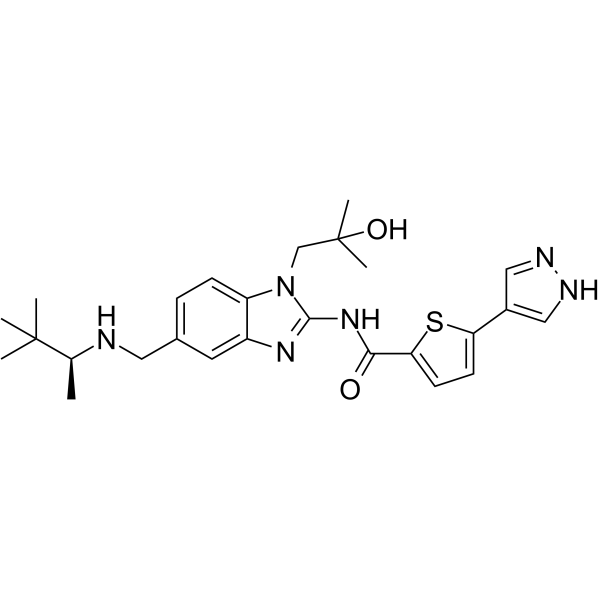
GNE-4997 is a potent and selective interleukin-2-inducible T-cell kinase (ITK) inhibitor with a Ki of 0.09 nM, and the correlation between the basicity of solubilizing elements in GNE-4997 and off-target antiproliferative effects reduces cytotoxicity .
CU-3 is a DGKα inhibitor with an IC50 of 0.6 μM. CU-3 competitively reduces DGKα’s affinity for ATP via binding to the enzyme’s catalytic region. CU-3 induces apoptosis in cancer cells. CU-3 promotes T-cell activation and enhances IL-2 production. CU-3 can be used for the research of hepatocellular carcinoma and cervical cancer .
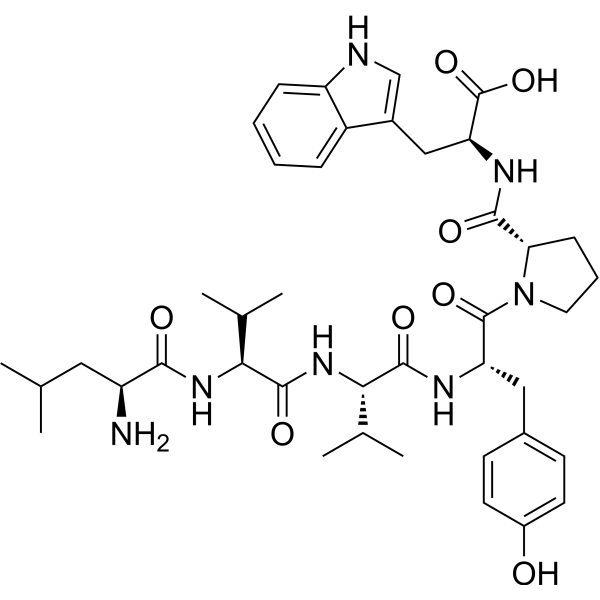
Myelopeptide-2 is a peptide originally isolated from the supernatant of porcine bone marrow cell cultures, can restore mitogenic reactivity of human T lymphocytes inhibited by HL-60 leukemia cells or measles virus conditions. Myelopeptide-2 also recover depressed interleukin-2 (IL-2) synthesis and interleukin-2 receptor (IL-2R) expression. Myelopeptide-2 involves in immunity homeostasis, is perspective to be applied in antitumor and antivirus research [2].
ITK antagonist (compound 10 n) is a potent, orally active and selective ITK (Interleukin-2 inducible T-cell kinase) antagonist (IC50=1 and 20 nM in different assays). ITK antagonist inhibits insulin receptor kinase (IRK) with an IC50 of 160 nM .
LF 1695 is an immunomodulator. LF 1695 enhances the proliferative response of T cells by increasing the production of IL2 (interleukin-2) or the expression of the IL2 receptor. LF 1695 also increases CONA-induced inhibitory activity in human lymphocytes. LF 1695 can be used to study the proliferative and inhibitory activity of T cell subpopulations, as well as their role in immune regulation .
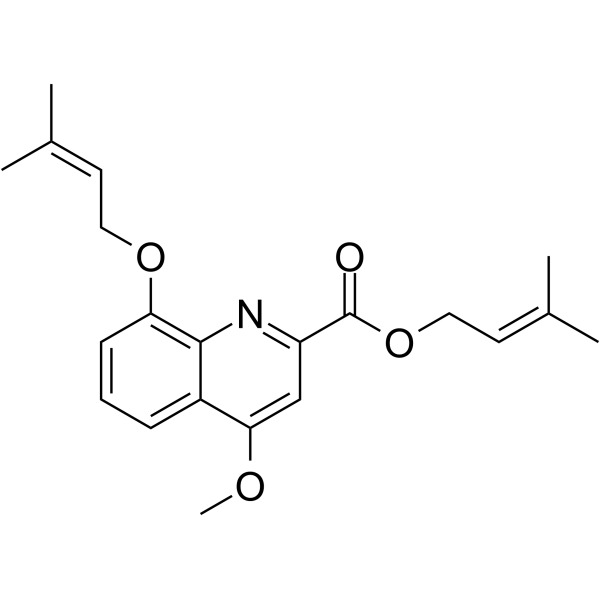
Digitoxigenin-3-O-β-D-quinovoside is an interleukin-2(IL-2)/luciferase inhibitor with an IC50 value of 52 nM. Digitoxigenin-3-O-β-D-quinovoside is a cardiac lactone isolated from Elaeodendron australe var. integrifolium .
Human IL2RA mRNA encodes the human interleukin 2 receptor subunit alpha (IL2RA) protein, a receptor for interleukin-2. IL2RA is involved in the regulation of immune tolerance by controlling regulatory T cells (TREGs) activity.
(R)-TCB2 is the R-enantiomer of TCB2. TCB2 is a potent anti-human interleukin-2 antibody, facilitates heterodimeric IL-2 receptor signaling and improves anti-tumor immunity .
Human TGFB2 mRNA encodes the human transforming growth factor beta 2 (TGFB2) protein, a secreted ligand of the TGF-beta superfamily. TGFB2 has suppressive effects on interleukin-2 dependent T-cell growth.
HPK1-IN-43 (compound 9f) is a HPK1 kinase inhibitor with the IC50 value of 0.32 nM. HPK1-IN-43 inhibits the phosphorylation of the downstream protein SLP-76 and enhances the secretion of interleukin-2(IL-2) and interferon-γ (IFN-γ). HPK1-IN-43 can be used in cancer research .
Efdelikofusp alfa is a bispecific Fc fusion protein. Efdelikofusp alfa is formed by fusing the N-terminal extracellular domain of human CD80 (B7.1) with the Fc fragment of human immunoglobulin G4 (IgG4), and is linked to an interleukin-2 variant (IL-2v) as the C-terminal part. Efdelikofusp alfa exhibits potential immunostimulatory, immune checkpoint inhibitory, and antitumor activities.
Efzilonkofusp alfa is a bispecific Fc fusion protein. Efzilonkofusp alfa is formed by fusing the N-terminal extracellular domain of human CD80 (B7.1) with the Fc fragment of human immunoglobulin G4 (IgG4), and is linked to an interleukin-2 variant (IL-2v) as the C-terminal part. Efzilonkofusp alfa exhibits potential immunostimulatory, immune checkpoint inhibitory, and antitumor activities.
MT204 is a humanized IgG1 antibody inhibitor targeting IL-2 of human and rhesus monkey origin. MT204 prevents soluble IL-2 from binding to intermediate-affinity IL-2 receptors and blocks CD25-bound IL-2 on high-affinity IL-2 receptors. MT204 has potently anti-proliferative activity with NKL cells and primary NK cells. MT204 has good tolerability and potent immunosuppressive activity in allogeneic skin graft model of rhesus monkey, promising for immunosuppressive and anti-proliferative therapy .
Inolimomab is an anti-interleukin-2 receptor (IL-2R) α chain monoclonal antibody. Inolimomab improves the survival rate in the early research of treating acute graft-versus-host disease (aGVHD) [2].
FAZ-053 is a human monoclonal antibody (mAb) targeting B7-H1/PD-L1/CD274. FAZ-053 inhibits the interaction of PD-L1 with PD-1 and B7-1 on monocytes, dendritic cells, and B cells. FAZ-053 enhances interleukin 2 production. FAZ-053 can be used in advanced alveolar soft tissue sarcoma (ASPS), chordoma, and triple-negative breast cancer research .
IBA-12 is a IKZF2molecular glue/PROTAC degrader with a DC50 of 276.2 nM (Jurkat cells) and 461.8 nM (Mino cells), and an IC50 of 179.9 nM. IBA-12 binds to the canonical tryptophan triad pocket of CRBN to form a ternary complex with IKZF2. IBA-12 induces IKZF2 degradation mediated by the CRBN-dependent ubiquitin-proteasome system, with no effect on other CRBN substrates. IBA-12 induces the production of interleukin-2(IL-2) through degrading IKZF2. IBA-12 is applicable to cancer immunology research .
Anti-Rat CD25 Antibody (OX-39) recognizes the 55 kDa low-affinity interleukin-2 receptor α chain (IL-2R α, CD25). Anti-Rat CD25 Antibody (OX-39) interacts with a single class of sites on the alpha chain of the rat R-IL2 with a high affinity (Kd of 0.8 nM) and competes with IL2 binding on this chain (Ki of 0.53 nM). Anti-Rat CD25 Antibody (OX-39) is a weak inhibitor in vitro on IL2-induced proliferation and in vivo on allograft rejection. Recommend Isotype Controls: Mouse IgG1 kappa, Isotype Control (HY-P99977) .
Human IL2 mRNA encodes the human interleukin 2 (IL2) protein, a member of the interleukin 2 (IL2) cytokine subfamily. IL2 is produced by activated CD4+ and CD8+ T lymphocytes. It is important for the proliferation of T and B lymphocytes.
OSE-279 is a high-affinity humanized monoclonal bivalent antibody targeting PD-1, the recommended isotype control is HY-P99003. OSE-279 blocks PD-1 ligand binding, inhibits PDL1-induced SHP1 phosphorylation, restores T cell activation, and promotes reactivation of primary T cell effector functions. OSE-279 binds hFcRn receptor, predicts long half-life, induces CD4 and CD8 T cell proliferation, and promotes interleukin 2 and interferon gamma secretion. OSE-279 can be used for the research of advanced malignancies, colon cancer, hepatocarcinoma, mesothelioma [2].
CKS-17 (dimer) is the dimer of CKS-17 (HY-P3051). CKS-17 (dimer) can be prepared by introducing a naturally occurring cysteine at the carboxyl terminus and dimerizing via a cysteine-disulfide bond. CKS-17 is a synthetic retroviral envelope peptide. CKS-17 has a highly conserved amino acid sequence present in the transmembrane envelope proteins of numerous animal and human retroviruses. As an immunomodulatory epitope, CKS-17 exhibits inhibitory properties on a variety of immune functions .
Lck-IN-6 (Compound 12g) is a Lck inhibitor with an IC50 of 3 nM. Lck-IN-6 inhibits the production of IL-2. Lck-IN-6 can be used in the research of rheumatoid arthritis and inflammatory bowel disease .
AA76-lipid (Compound aa76) is a compound with a C-terminal arginine and histidine. AA76-lipid can be used to prepare pancreas-targeted lipid nanoparticles AH-LNP. After assembling with proteins, the increased size of AH-LNP promotes Capsule-filter-mediated selective accumulation in the pancreas and receptor-mediated endocytosis, thereby enhancing pancreas-targeting ability. AA76-lipid enables highly pancreas-selective delivery of mRNA. AA76-lipid can be used in the research of pancreatic cancer .
Myelopeptide-2 is a peptide originally isolated from the supernatant of porcine bone marrow cell cultures, can restore mitogenic reactivity of human T lymphocytes inhibited by HL-60 leukemia cells or measles virus conditions. Myelopeptide-2 also recover depressed interleukin-2 (IL-2) synthesis and interleukin-2 receptor (IL-2R) expression. Myelopeptide-2 involves in immunity homeostasis, is perspective to be applied in antitumor and antivirus research [2].
CKS-17 (dimer) is the dimer of CKS-17 (HY-P3051). CKS-17 (dimer) can be prepared by introducing a naturally occurring cysteine at the carboxyl terminus and dimerizing via a cysteine-disulfide bond. CKS-17 is a synthetic retroviral envelope peptide. CKS-17 has a highly conserved amino acid sequence present in the transmembrane envelope proteins of numerous animal and human retroviruses. As an immunomodulatory epitope, CKS-17 exhibits inhibitory properties on a variety of immune functions .
MCE HOLO Human Interleukin-2 (IL-2) Detection Kit is a homogeneous luminescence-based assay used for the quantitative detection of human IL-2 concentrations in biological samples such as buffer solutions, cell culture supernatants, or serum.
MCE HOLO Mouse Interleukin-2 (IL-2) Detection Kit is a homogeneous luminescence-based assay used for the quantitative detection of Mouse IL-2 concentrations in biological samples such as buffer solutions, cell culture supernatants, or serum.
MCE HOLO Human Interleukin-2 Receptor (IL-2R) Detection Kit is a homogeneous luminescence-based assay used for the quantitative detection of human IL-2R concentrations in biological samples such as buffer solutions, cell culture supernatants, or serum.
Basiliximab (CHI 621) is a recombinant chimeric murine/human IgG1 monoclonal anti-interleukin-2 receptor antibody. Basiliximab can be used for the research of renal transplantation .
Daclizumab (Ro 24-7375) is a humanized, monoclonal antibody that blocks CD25 (α-subunit of the high-affinity interleukin-2 receptor (IL-2R-HA)). Daclizumab inhibits effector T cell activation, regulatory T cell (Treg) expansion and survival, and activation-induced T-cell apoptosis. Daclizumab increases IL-2 bioavailability to bind to the intermediate-affinity IL-2R (IL-2R-IA), driving the expansion of anti-inflammatory CD56bright natural killer (NK) cells. Daclizumab can be used for multiple sclerosis and cancer research .
Melredableukin alfa (RG7835) is a bivalent conjugate composed of a human IL-2 mutant (T3A, N88D, C125A) and human IgG1. Melredableukin alfa exhibits enhanced Treg cell selectivity in cynomolgus monkey and humanized mouse models. Melredableukin alfa can be used in research related to ulcerative colitis and autoimmune hepatitis [2].
Bifikafusp alfa (L19-IL2) is an immunoresearch fusion protein consisting of human L19 antibodies fused to the human cytokine interleukin 2 (IL2).Bifikafusp alfa is specific to the EDB domain of fibronectin. Bifikafusp alfa has anticancer activity .
Efavaleukin alfa (AMG592) is a IL-2 mutein fragment crystallizable fusion protein. Efavaleukin alfa drives the selective expansion of regulatory T cells. Efavaleukin alfa is applicable to research related to systemic lupus erythematosus .
Imneskibart (AU-007) is a human monoclonal antibody that binds to the CD25-binding epitope of interleukin-2(IL-2), blocking the binding of IL-2 to the trimeric IL-2 receptor while retaining the ability to bind to the dimeric IL-2 receptor. Imneskibart expands effector T cell and NK cell populations, reduces regulatory T cells, increases the effector T cell/regulatory T cell ratio, and alleviates vascular leakage. Imneskibart can be used in research related to melanoma and non-small cell lung cancer. The corresponding isotype control is: Human IgG1 kappa, Isotype Control (HY-P99001) [2].
Efdelikofusp alfa is a bispecific Fc fusion protein. Efdelikofusp alfa is formed by fusing the N-terminal extracellular domain of human CD80 (B7.1) with the Fc fragment of human immunoglobulin G4 (IgG4), and is linked to an interleukin-2 variant (IL-2v) as the C-terminal part. Efdelikofusp alfa exhibits potential immunostimulatory, immune checkpoint inhibitory, and antitumor activities.
Efzilonkofusp alfa is a bispecific Fc fusion protein. Efzilonkofusp alfa is formed by fusing the N-terminal extracellular domain of human CD80 (B7.1) with the Fc fragment of human immunoglobulin G4 (IgG4), and is linked to an interleukin-2 variant (IL-2v) as the C-terminal part. Efzilonkofusp alfa exhibits potential immunostimulatory, immune checkpoint inhibitory, and antitumor activities.
MT204 is a humanized IgG1 antibody inhibitor targeting IL-2 of human and rhesus monkey origin. MT204 prevents soluble IL-2 from binding to intermediate-affinity IL-2 receptors and blocks CD25-bound IL-2 on high-affinity IL-2 receptors. MT204 has potently anti-proliferative activity with NKL cells and primary NK cells. MT204 has good tolerability and potent immunosuppressive activity in allogeneic skin graft model of rhesus monkey, promising for immunosuppressive and anti-proliferative therapy .
Inolimomab is an anti-interleukin-2 receptor (IL-2R) α chain monoclonal antibody. Inolimomab improves the survival rate in the early research of treating acute graft-versus-host disease (aGVHD) [2].
FAZ-053 is a human monoclonal antibody (mAb) targeting B7-H1/PD-L1/CD274. FAZ-053 inhibits the interaction of PD-L1 with PD-1 and B7-1 on monocytes, dendritic cells, and B cells. FAZ-053 enhances interleukin 2 production. FAZ-053 can be used in advanced alveolar soft tissue sarcoma (ASPS), chordoma, and triple-negative breast cancer research .
Anti-Rat CD25 Antibody (OX-39) recognizes the 55 kDa low-affinity interleukin-2 receptor α chain (IL-2R α, CD25). Anti-Rat CD25 Antibody (OX-39) interacts with a single class of sites on the alpha chain of the rat R-IL2 with a high affinity (Kd of 0.8 nM) and competes with IL2 binding on this chain (Ki of 0.53 nM). Anti-Rat CD25 Antibody (OX-39) is a weak inhibitor in vitro on IL2-induced proliferation and in vivo on allograft rejection. Recommend Isotype Controls: Mouse IgG1 kappa, Isotype Control (HY-P99977) .
OSE-279 is a high-affinity humanized monoclonal bivalent antibody targeting PD-1, the recommended isotype control is HY-P99003. OSE-279 blocks PD-1 ligand binding, inhibits PDL1-induced SHP1 phosphorylation, restores T cell activation, and promotes reactivation of primary T cell effector functions. OSE-279 binds hFcRn receptor, predicts long half-life, induces CD4 and CD8 T cell proliferation, and promotes interleukin 2 and interferon gamma secretion. OSE-279 can be used for the research of advanced malignancies, colon cancer, hepatocarcinoma, mesothelioma [2].
Mycophenolate mofetil (RS 61443; TM-MMF) hydrochloride is an orally active antimetabolic immunosuppressant with antiproliferative and anti-inflammatory properties. Mycophenolate mofetil hydrochloride significantly inhibits the production of B, T lymphocytes and the proliferation of smooth muscle cells by selectively blocking the de novo purine synthesis pathway. Mycophenolate mofetil hydrochloride effectively reduces adventitial inflammation, medial necrosis and intimal thickening in rat aortic allografts, and decreases the number of lymphocytes expressing the IL-2 receptor, thereby delaying xenograft rejection. Mycophenolate mofetil hydrochloride shows certain toxicity in a hamster-to-rat limb xenotransplantation model when used in combination with FK506 (HY-13756). Mycophenolate mofetil hydrochloride is widely used in studies related to allograft arteriosclerosis (chronic rejection) [2].
Agroclavine acts as an agonist of the D1-dopamine receptor and α1-adrenergic receptor. Agroclavine enhances the sensitivity of the brain to magnetic fields; it impairs spatial memory without affecting hippocampal long-term potentiation (LTP). Agroclavine exerts bidirectional regulatory effects on immune activity: it enhances NK cell activity with low toxicity under normal conditions, while it inhibits NK cell activity and exhibits significant cardiac and hepatic toxicity under stress conditions. Agroclavine can be used for research on neuroelectrophysiology, learning and memory, and immunoregulation [2] .
Digitoxigenin-3-O-β-D-quinovoside is an interleukin-2(IL-2)/luciferase inhibitor with an IC50 value of 52 nM. Digitoxigenin-3-O-β-D-quinovoside is a cardiac lactone isolated from Elaeodendron australe var. integrifolium .
IL-2 is produced by antigen-activated CD4+ T cells, CD8+ T cells, NK cells and NKT cells. IL-2 is involved in signaling pathways including JAK/STAT, inosine phosphate 3-kinase /PI3K and mitogen-activated protein kinase /MAPK. IL-2 can be used in the research of cancer immunotherapy. Animal-Free IL-2 Protein, Pig (His) is the recombinant pig-derived animal-FreeIL-2 protein, expressed by E. coli , with C-His labeled tag. This product is for cell culture use only.
IL-2 protein is mainly produced by activated CD4-positive helper T cells and plays an important role in immune response and tolerance. Binding to IL-2R induces downstream signaling through JAK1 and JAK3 phosphorylation, thereby activating various pathways, including STAT, PI3K, and MAPK. IL-2 Protein, Human (Biotinylated, HEK293, Fc-Avi) is the recombinant human-derived IL-2 protein, expressed by HEK293 , with C-Avi, N-hFc labeled tag.
IL-2 Protein, produced by activated T-cells, NK cells, and helper T-cells, is crucial for immune response and tolerance. It binds to receptor complexes, activating signaling pathways. IL-2 Protein acts as a growth factor, enhances NK-cell activity, promotes B-cell proliferation, and regulates regulatory T-cells. It also participates in differentiating effector T-cell subsets and memory CD8-positive T-cells. IL-2 Protein, Canine (C147S) is the recombinant canine-derived IL-2 protein, expressed by E. coli , with tag free and C147S mutation.
IL-2 protein is mainly produced by activated CD4-positive helper T cells and plays an important role in immune response and tolerance. Binding to IL-2R induces downstream signaling through JAK1 and JAK3 phosphorylation, thereby activating various pathways, including STAT, PI3K, and MAPK. IL-2 Protein, Human (His) is the recombinant human-derived IL-2 protein, expressed by E. coli , with N-6*His labeled tag.
IL-2 protein is mainly produced by activated CD4-positive helper T cells and plays an important role in immune response and tolerance. Binding to IL-2R induces downstream signaling through JAK1 and JAK3 phosphorylation, thereby activating various pathways, including STAT, PI3K, and MAPK. IL-2 Protein, Human (C145S) is the recombinant human-derived IL-2 protein, expressed by E. coli , with tag free and C145S mutation.
IL-2 protein is mainly produced by activated CD4-positive helper T cells and plays an important role in immune response and tolerance. Binding to IL-2R induces downstream signaling through JAK1 and JAK3 phosphorylation, thereby activating various pathways, including STAT, PI3K, and MAPK. IL-2 Protein, Human (HEK293) is the recombinant human-derived IL-2 protein, expressed by HEK293, with tag free.
IL-2 protein is mainly produced by activated CD4-positive helper T cells and plays an important role in immune response and tolerance. Binding to IL-2R induces downstream signaling through JAK1 and JAK3 phosphorylation, thereby activating various pathways, including STAT, PI3K, and MAPK. GMP IL-2 Protein, Human is the recombinant human-derived IL-2 protein, expressed by E. coli , with tag free.
IL-2 protein is mainly produced by activated CD4-positive helper T cells and plays an important role in immune response and tolerance. Binding to IL-2R induces downstream signaling through JAK1 and JAK3 phosphorylation, thereby activating various pathways, including STAT, PI3K, and MAPK. IL-2 Protein, Human (HEK293, His) is the recombinant human-derived IL-2 protein, expressed by HEK293 , with C-6*His labeled tag.
IL-2 protein is mainly produced by activated CD4-positive helper T cells and plays an important role in immune response and tolerance. Binding to IL-2R induces downstream signaling through JAK1 and JAK3 phosphorylation, thereby activating various pathways, including STAT, PI3K, and MAPK. Animal-Free IL-2 Protein, Human (His) is the recombinant human-derived animal-FreeIL-2 protein, expressed by E. coli , with C-His labeled tag. This product is for cell culture use only.
IL-2 protein is mainly produced by activated CD4-positive helper T cells and plays an important role in immune response and tolerance. Binding to IL-2R induces downstream signaling through JAK1 and JAK3 phosphorylation, thereby activating various pathways, including STAT, PI3K, and MAPK. IL-2 Protein, Human (HEK293, hFc) is the recombinant human-derived IL-2 protein, expressed by HEK293, with N-hFc labeled tag.
IL-2 protein is mainly produced by activated CD4-positive helper T cells and plays an important role in immune response and tolerance. Binding to IL-2R induces downstream signaling through JAK1 and JAK3 phosphorylation, thereby activating various pathways, including STAT, PI3K, and MAPK. GMP IL-2 Protein, Human (HEK293, His) is the recombinant human-derived IL-2 protein, expressed by HEK293 , with C-6*His labeled tag.
IL-2 Protein, produced by activated T-cells, NK cells, and helper T-cells, is crucial for immune response and tolerance. It binds to receptor complexes, activating downstream signaling pathways. IL-2 Protein acts as a growth factor, enhances NK-cell activity, promotes B-cell proliferation, and regulates regulatory T-cells. It also participates in differentiating effector T-cell subsets and memory CD8-positive T-cells. IL-2 Protein, Rat (HEK293, His) is the recombinant rat-derived IL-2 protein, expressed by HEK293 , with C-6*His labeled tag.
IL-2 protein is mainly produced by activated CD4-positive helper T cells and plays an important role in immune response and tolerance. Binding to IL-2R induces downstream signaling through JAK1 and JAK3 phosphorylation, thereby activating various pathways, including STAT, PI3K, and MAPK. IL-2 Protein, Human (Biotinylated, HEK293, His-Avi) is the recombinant human-derived IL-2 protein, expressed by HEK293 , with C-Avi, C-6*His labeled tag.
IL-2 Protein, produced by activated T-cells, NK cells, and helper T-cells, is crucial for immune response and tolerance. It binds to receptor complexes, activating downstream signaling pathways. IL-2 Protein acts as a growth factor, enhances NK-cell activity, promotes B-cell proliferation, and regulates regulatory T-cells. It also participates in differentiating effector T-cell subsets and memory CD8-positive T-cells. IL-2 Protein, Rat (145a.a, HEK293, C-His) is the recombinant rat-derived IL-2 protein, expressed by HEK293 , with C-10*His labeled tag.
IL-2 protein is mainly produced by activated CD4-positive helper T cells and plays an important role in immune response and tolerance. Binding to IL-2R induces downstream signaling through JAK1 and JAK3 phosphorylation, thereby activating various pathways, including STAT, PI3K, and MAPK. IL-2 Protein, Human (L100F, R101D, L105V, I106V, I112F, HEK293, His) is the recombinant human-derived IL-2 protein, expressed by HEK293 , with C-6*His labeled tag.
IL-2R alpha (CD25) is an essential component of high-affinity IL-2 receptors. IL-2R alpha enhances binding of IL-2 to its receptor complex so that regulates T cell growth and other lymphoid functions. IL-2R alpha/CD25 Protein, Cynomolgus (HEK293) is a recombinant cynomolgus IL-2R alpha protein and is expressed in HEK293 cells. It consists of 213 amino acids (M1-R213).
IL-2R alpha (CD25) is an essential component of high-affinity IL-2 receptors. IL-2R alpha enhances binding of IL-2 to its receptor complex so that regulates T cell growth and other lymphoid functions. IL-2R alpha/CD25 Protein, Rat (sf9, His) is a recombinant rat IL-2R alpha protein with a His tag at the C-terminus and is expressed in Sf9 insect cells.
IL-2R alpha (CD25) is an essential component of high-affinity IL-2 receptors. IL-2R alpha enhances binding of IL-2 to its receptor complex so that regulates T cell growth and other lymphoid functions. IL-2R alpha/CD25 Protein, Mouse (HEK293, hFc) is a recombinant mouse IL-2R alpha protein with an hFc tag at the C-terminus and is expressed in HEK293 cells.
IL-2R alpha (CD25) is an essential component of high-affinity IL-2 receptors. IL-2R alpha enhances binding of IL-2 to its receptor complex so that regulates T cell growth and other lymphoid functions. IL-2R alpha/CD25 Protein, Cynomolgus (HEK293, Fc) is a recombinant cynomolgus IL-2R alpha protein with an hFc tag at the C-terminus and is expressed in HEK293 cells. It consists of 213 amino acids (M1-R213).
IL-2R alpha (CD25) is an essential component of high-affinity IL-2 receptors. IL-2R alpha enhances binding of IL-2 to its receptor complex so that regulates T cell growth and other lymphoid functions. IL-2R alpha/CD25 Protein, Cynomolgus (HEK293, His) is a recombinant cynomolgus IL-2R alpha protein with a His tag at the C-terminus and is expressed in HEK293 cells. It consists of 213 amino acids (M1-R213).
IL-2R alpha/CD25 Protein, Cynomolgus (Biotinylated, HEK293, His, Avi) is the recombinant cynomolgus-derived IL-2R alpha/CD25 protein, expressed by HEK293, with C-His & Avi tag.
IL-2R beta (CD122), a type Ⅰ cytokine receptor expressed on T lymphocytes, is a receptor for IL-2 (Kd: 1 nM approximately). IL-2R beta mediates T cell immune responses, such as stimulating T cell proliferation and activating lymphokine-activated killer cells. IL-2R beta/CD122 Protein, Mouse (HEK293, His) is a recombinant mouse IL-2R beta with a C-Terminal 6*His tag, which is produced in HEK 293.
IL-2R alpha (CD25) is an essential component of high-affinity IL-2 receptors. IL-2R alpha enhances binding of IL-2 to its receptor complex so that regulates T cell growth and other lymphoid functions.IL-2R alpha/CD25 Protein, Mouse (HEK293, His) is a recombinant mouse IL-2R alpha protein with a His tag at the C-terminus and is expressed in HEK293 cells.
IL-2R alpha (CD25) is an essential component of high-affinity IL-2 receptors. IL-2R alpha enhances binding of IL-2 to its receptor complex so that regulates T cell growth and other lymphoid functions. IL-2R alpha/CD25 Protein, Rhesus Macaque (Biotinylated, HEK293, His-Avi) is a recombinant rhesus macaque IL-2R alpha protein with a His tag and an Avi tag at the C-terminus and is expressed in HEK293 cells. It consists of 213 amino acids (M1-R213) and is biotinylated.
IL-2R alpha/CD25 Protein, Cynomolgus (217a.a, HEK293, His) is the recombinant cynomolgus-derived IL-2R alpha/CD25 protein, expressed by HEK293, with C-His tag.
IL-2R beta (CD122), a type I cytokine receptor expressed on T lymphocytes, is a receptor for IL-2 (Kd: 1 nM approximately). IL-2R beta mediates T cell immune responses, such as stimulating T cell proliferation and activating lymphokine-activated killer cells. IL-2R beta/CD122 Protein, Canine (HEK293, Fc) is a recombinant canine IL-2R beta (M1-P244) with a C-Terminal hFc tag, which is produced in HEK293 cells.
IL-2R beta (CD122), a type Ⅰ cytokine receptor expressed on T lymphocytes, is a receptor for IL-2 (Kd: 1 nM approximately). IL-2R beta mediates T cell immune responses, such as stimulating T cell proliferation and activating lymphokine-activated killer cells. IL-2R beta/CD122 Protein, Rat (HEK293, His) is a recombinant rat IL-2R beta (M1-E239) with a C-Terminal His tag, which is produced in HEK293 cells.
IL-2R beta (CD122), a type Ⅰ cytokine receptor expressed on T lymphocytes, is a receptor for IL-2 (Kd: 1 nM approximately). IL-2R beta mediates T cell immune responses, such as stimulating T cell proliferation and activating lymphokine-activated killer cells. IL-2R beta/CD122 Protein, Rhesus Macaque (HEK293, His) is a recombinant Rhesus Macaque IL-2R beta with a C-Terminal His tag, which is produced in HEK293 cells.
IL-2R beta (CD122), a type Ⅰ cytokine receptor expressed on T lymphocytes, is a receptor for IL-2 (Kd: 1 nM approximately). IL-2R beta mediates T cell immune responses, such as stimulating T cell proliferation and activating lymphokine-activated killer cells. IL-2R beta/CD122 Protein, Rhesus Macaque (HEK293, Fc) is a recombinant Rhesus Macaque IL-2R beta with a C-Terminal hFc tag, which is produced in HEK293 cells.
IL-2R gamma (CD132), a type I cytokine receptor expressed on leucocyte subsets, is a receptor for IL-2. IL-2R gamma forms heterodimer with IL-2R beta, and increases the affinity of IL-2R beta for IL-2. IL-2R gamma takes part in inflammatory response and mediates activation of the cells . IL-2R gamma plays an important role in the development, activation, proliferation, differentiation and regulation of lymphocytes and other cell types. IL-2R gamma/CD132 Protein, Mouse (HEK293, His) is a recombinant mice extracellular region of IL-2R gamma with a C-Terminal 6*His tag, which is produced in HEK293 cells.
IL-2R beta (CD122), a type Ⅰ cytokine receptor expressed on T lymphocytes, is a receptor for IL-2 (Kd: 1 nM approximately). IL-2R beta mediates T cell immune responses, such as stimulating T cell proliferation and activating lymphokine-activated killer cells. IL-2R beta/CD122 Protein, Human (Biotinylated, HEK293, His-Avi) is a recombinant human extracellular region of biotinylated IL-2R beta (A27-D239) with C-Terminal 6*His tags and an Avi tag, which is produced in HEK293 cells.
IL-2R beta (CD122), a type Ⅰ cytokine receptor expressed on T lymphocytes, is a receptor for IL-2 (Kd: 1 nM approximately). IL-2R beta mediates T cell immune responses, such as stimulating T cell proliferation and activating lymphokine-activated killer cells. IL-2R beta/CD122 Protein, Human (HEK293, Fc) is a recombinant human extracellular region of IL-2R beta (A27-D239) with a C-Terminal Fc tag, which is produced in HEK293 cells.
IL-2R gamma (CD132), a type I cytokine receptor expressed on leucocyte subsets, is a receptor for IL-2. IL-2R gamma forms heterodimer with IL-2R beta, and increases the affinity of IL-2R beta for IL-2. IL-2R gamma plays an important role in the development, activation, proliferation, differentiation and regulation of lymphocytes and other cell types. IL-2R gamma/CD132 Protein, Human (HEK293, His) is a recombinant human extracellular region of IL-2R gamma (L23-A262) with a C-Terminal 6*His tag, which is produced in HEK293 cells.
IL-2R alpha protein is the receptor for interleukin 2 and plays a crucial role in immune tolerance by regulating the activity of regulatory T cells (TREG). These TREGs are responsible for inhibiting the activation and expansion of autoreactive T cells.IL-2R alpha/CD25 Protein, Human (HEK293, C-His) is the recombinant human-derived IL-2R alpha protein, expressed by HEK293 , with C-6*His labeled tag.
IL-2R beta (CD122), a type Ⅰ cytokine receptor expressed on T lymphocytes, is a receptor for IL-2 (Kd: 1 nM approximately). IL-2R beta mediates T cell immune responses, such as stimulating T cell proliferation and activating lymphokine-activated killer cells. IL-2R beta/CD122 Protein, Human (HEK293, His) is a recombinant human extracellular region of IL-2R beta (A27-D239) with a C-Terminal 6*His tags, which is produced in HEK293 cells.
IL-2 Protein is usually produces by antigen-activated CD4+ T cells, CD8+ T cells, NK cells and NKT cells. IL-2 Protein is involved in signaling pathways including JAK/STAT, inosine phosphate 3-kinase /PI3K, and mitogen-activated protein kinase /MAPK. Animal-Free IL-2 Protein, Mouse (His) is the recombinant mouse-derived animal-FreeIL-2 protein, expressed by E. coli , with C-His labeled tag. This product is for cell culture use only.
IL-2 protein is mainly produced by activated CD4-positive helper T cells and plays an important role in immune response and tolerance. Binding to IL-2R induces downstream signaling through JAK1 and JAK3 phosphorylation, thereby activating various pathways, including STAT, PI3K, and MAPK. IL-2 Protein, Mouse is the recombinant mouse-derived IL-2 protein, expressed by E. coli.
IL-2 Protein, Human activates STAT, PI3K and MAPK pathways. IL-2 Protein, Human increases NK-cell cytolytic activity as a T-cell growth factor. IL-2 Protein, Human regulates the proliferation of activated B-cells and regulatory T-cells. IL-2 Protein, Human is the recombinant human-derived IL-2 Protein, expressed by E. coli.
ITK protein is an important tyrosine kinase that regulates adaptive immune responses by affecting the development and function of T cells and NKT cells. Upon T cell receptor (TCR) activation, ITK undergoes LCK-mediated phosphorylation, leading to its activation. ITK Protein, Human (Active, 269a.a, sf9, His, GST) is the recombinant human-derived ITK, expressed by Sf9 insect cells, with His and GST labeled tag.
DSP30 is a phosphorothioate cpG-oligodeoxynucleotide and a TLR9 agonist. DSP30 can activate immune system cells, including B cells and dendritic cells, by inducing proliferation and cytokine production.DSP30 can enhance the immunosuppressive function of bone marrow-multipotent mesenchymal stromal cells (BM-MSC). DSP30 combined with interleukin 2 (IL2) is an effective mitotic stimulant in B-cell disorders. DSP30 can be used for the genetic characteristic research and analysis of chronic lymphocytic leukemia (CLL) [2] .
Human IL2RA mRNA encodes the human interleukin 2 receptor subunit alpha (IL2RA) protein, a receptor for interleukin-2. IL2RA is involved in the regulation of immune tolerance by controlling regulatory T cells (TREGs) activity.
Human TGFB2 mRNA encodes the human transforming growth factor beta 2 (TGFB2) protein, a secreted ligand of the TGF-beta superfamily. TGFB2 has suppressive effects on interleukin-2 dependent T-cell growth.
Human IL2 mRNA encodes the human interleukin 2 (IL2) protein, a member of the interleukin 2 (IL2) cytokine subfamily. IL2 is produced by activated CD4+ and CD8+ T lymphocytes. It is important for the proliferation of T and B lymphocytes.
Inquiry Online
Your information is safe with us. * Required Fields.
Western blot analysis of extracts from THP-1(lane 2(20μg), Jurkat (lane 3(20μg) and NIH3T3(lane 4(20μg) using FOXO1A (HY-P80132) Rabbit mAb. Proteins were transferred
to a PVDF membrane and blocked with 5% non-fat milk in TBST for 2 hour at room temperature. The primary antibody (1/1000) and Loading control antibody (Beta Actin, HY-P80438, 1/10000) was
used in 5% non-fat milk in TBST at 4°C overnight. Goat Anti-Mouse/Rabbit IgG-HRP Secondary Antibody (1/10000) was used for 1 hour at room temperature.
Western blot analysis of extracts from THP-1(lane 2(20μg), Jurkat (lane 3(20μg) and NIH3T3(lane 4(20μg) using FOXO1A (HY-P80132) Rabbit mAb. Proteins were transferred
to a PVDF membrane and blocked with 5% non-fat milk in TBST for 2 hour at room temperature. The primary antibody (1/1000) and Loading control antibody (Beta Actin, HY-P80438, 1/10000) was
used in 5% non-fat milk in TBST at 4°C overnight. Goat Anti-Mouse/Rabbit IgG-HRP Secondary Antibody (1/10000) was used for 1 hour at room temperature.
Western blot analysis of extracts from THP-1(lane 2(20μg), Jurkat (lane 3(20μg) and NIH3T3(lane 4(20μg) using FOXO1A (HY-P80132) Rabbit mAb. Proteins were transferred
to a PVDF membrane and blocked with 5% non-fat milk in TBST for 2 hour at room temperature. The primary antibody (1/1000) and Loading control antibody (Beta Actin, HY-P80438, 1/10000) was
used in 5% non-fat milk in TBST at 4°C overnight. Goat Anti-Mouse/Rabbit IgG-HRP Secondary Antibody (1/10000) was used for 1 hour at room temperature.
Western blot analysis of extracts from THP-1(lane 2(20μg), Jurkat (lane 3(20μg) and NIH3T3(lane 4(20μg) using FOXO1A (HY-P80132) Rabbit mAb. Proteins were transferred
to a PVDF membrane and blocked with 5% non-fat milk in TBST for 2 hour at room temperature. The primary antibody (1/1000) and Loading control antibody (Beta Actin, HY-P80438, 1/10000) was
MedchemExpress Validation 03
Western blot analysis of extracts from THP-1(lane 2(20μg), Jurkat (lane 3(20μg) and NIH3T3(lane 4(20μg) using FOXO1A (HY-P80132) Rabbit mAb. Proteins were transferred
MedchemExpress Validation 04
Western blot analysis of extracts from THP-1(lane 2(20μg), Jurkat (lane 3(20μg) and NIH3T3(lane 4(20μg) using FOXO1A (HY-P80132) Rabbit mAb. Proteins were transferred
to a PVDF membrane and blocked with 5% non-fat milk in TBST for 2 hour at room temperature. The primary antibody (1/1000) and Loading control antibody (Beta Actin, HY-P80438, 1/10000) was
used in 5% non-fat milk in TBST at 4°C overnight. Goat Anti-Mouse/Rabbit IgG-HRP Secondary Antibody (1/10000) was used for 1 hour at room temperature.
MedchemExpress Validation
Western blot analysis of extracts from THP-1(lane 2(20μg), Jurkat (lane 3(20μg) and NIH3T3(lane 4(20μg) using FOXO1A (HY-P80132) Rabbit mAb. Proteins were transferred
to a PVDF membrane and blocked with 5% non-fat milk in TBST for 2 hour at room temperature. The primary antibody (1/1000) and Loading control antibody (Beta Actin, HY-P80438, 1/10000) was
used in 5% non-fat milk in TBST at 4°C overnight. Goat Anti-Mouse/Rabbit IgG-HRP Secondary Antibody (1/10000) was used for 1 hour at room temperature.
Western blot analysis of extracts from THP-1(lane 2(20μg), Jurkat (lane 3(20μg) and NIH3T3(lane 4(20μg) using FOXO1A (HY-P80132) Rabbit mAb. Proteins were transferred
to a PVDF membrane and blocked with 5% non-fat milk in TBST for 2 hour at room temperature. The primary antibody (1/1000) and Loading control antibody (Beta Actin, HY-P80438, 1/10000) was
used in 5% non-fat milk in TBST at 4°C overnight. Goat Anti-Mouse/Rabbit IgG-HRP Secondary Antibody (1/10000) was used for 1 hour at room temperature.
MedchemExpress Validation
Western blot analysis of extracts from THP-1(lane 2(20μg), Jurkat (lane 3(20μg) and NIH3T3(lane 4(20μg) using FOXO1A (HY-P80132) Rabbit mAb. Proteins were transferred
to a PVDF membrane and blocked with 5% non-fat milk in TBST for 2 hour at room temperature. The primary antibody (1/1000) and Loading control antibody (Beta Actin, HY-P80438, 1/10000) was
used in 5% non-fat milk in TBST at 4°C overnight. Goat Anti-Mouse/Rabbit IgG-HRP Secondary Antibody (1/10000) was used for 1 hour at room temperature.
MedchemExpress Validation
Western blot analysis of extracts from THP-1(lane 2(20μg), Jurkat (lane 3(20μg) and NIH3T3(lane 4(20μg) using FOXO1A (HY-P80132) Rabbit mAb. Proteins were transferred
to a PVDF membrane and blocked with 5% non-fat milk in TBST for 2 hour at room temperature. The primary antibody (1/1000) and Loading control antibody (Beta Actin, HY-P80438, 1/10000) was
used in 5% non-fat milk in TBST at 4°C overnight. Goat Anti-Mouse/Rabbit IgG-HRP Secondary Antibody (1/10000) was used for 1 hour at room temperature.
MedchemExpress Validation
Western blot analysis of extracts from THP-1(lane 2(20μg), Jurkat (lane 3(20μg) and NIH3T3(lane 4(20μg) using FOXO1A (HY-P80132) Rabbit mAb. Proteins were transferred
to a PVDF membrane and blocked with 5% non-fat milk in TBST for 2 hour at room temperature. The primary antibody (1/1000) and Loading control antibody (Beta Actin, HY-P80438, 1/10000) was
used in 5% non-fat milk in TBST at 4°C overnight. Goat Anti-Mouse/Rabbit IgG-HRP Secondary Antibody (1/10000) was used for 1 hour at room temperature.
MedchemExpress Validation
Western blot analysis of extracts from THP-1(lane 2(20μg), Jurkat (lane 3(20μg) and NIH3T3(lane 4(20μg) using FOXO1A (HY-P80132) Rabbit mAb. Proteins were transferred
to a PVDF membrane and blocked with 5% non-fat milk in TBST for 2 hour at room temperature. The primary antibody (1/1000) and Loading control antibody (Beta Actin, HY-P80438, 1/10000) was
used in 5% non-fat milk in TBST at 4°C overnight. Goat Anti-Mouse/Rabbit IgG-HRP Secondary Antibody (1/10000) was used for 1 hour at room temperature.
MedchemExpress Validation
Western blot analysis of extracts from THP-1(lane 2(20μg), Jurkat (lane 3(20μg) and NIH3T3(lane 4(20μg) using FOXO1A (HY-P80132) Rabbit mAb. Proteins were transferred
to a PVDF membrane and blocked with 5% non-fat milk in TBST for 2 hour at room temperature. The primary antibody (1/1000) and Loading control antibody (Beta Actin, HY-P80438, 1/10000) was
used in 5% non-fat milk in TBST at 4°C overnight. Goat Anti-Mouse/Rabbit IgG-HRP Secondary Antibody (1/10000) was used for 1 hour at room temperature.
MedchemExpress Validation
Western blot analysis of extracts from THP-1(lane 2(20μg), Jurkat (lane 3(20μg) and NIH3T3(lane 4(20μg) using FOXO1A (HY-P80132) Rabbit mAb. Proteins were transferred
to a PVDF membrane and blocked with 5% non-fat milk in TBST for 2 hour at room temperature. The primary antibody (1/1000) and Loading control antibody (Beta Actin, HY-P80438, 1/10000) was
used in 5% non-fat milk in TBST at 4°C overnight. Goat Anti-Mouse/Rabbit IgG-HRP Secondary Antibody (1/10000) was used for 1 hour at room temperature.
MedChemExpress values your privacy and your trust is important to us. We use cookies to enhance your website experience. Some cookies are necessary to run the website.
Privacy and Cookie Policy

