


1. Search Result
Search Result
Results for "

intravenously

" in MedChemExpress (MCE) Product Catalog:

111

Inhibitors & Agonists

10

Biochemical Assay Reagents

9

Peptides

2

MCE Kits

2

Inhibitory Antibodies

9

Natural
Products

3

Isotope-Labeled Compounds

3

Oligonucleotides

Cat. No. Product Name Target Research Areas Chemical Structure
  • HY-P0093
    Sincalide
    4 Publications Verification

    Cholecystokinin octapeptide; CCK-8; SQ19844

    Cholecystokinin Receptor Apoptosis PI3K Akt Infection Cancer
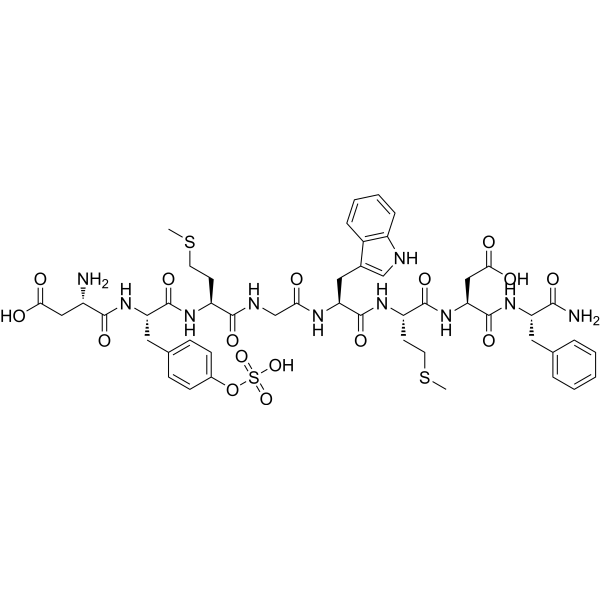
    Sincalide (Cholecystokinin octapeptide, CCK-8) is a rapid-acting amino acid polypeptide hormone analogue of cholecystokinin (CCK) for intravenous use in postevacuation cholecystography. Sincalide is a major bioactive segment of CCK that retains most of the biological activities of CCK. Sincalide can promote gallbladder contraction by injection and helps diagnose gallbladder and pancreas disorders. Sincalide can increase bile secretion, cause the gallbladder to contract and relax the sphincter of Oddi, resulting in bile drainage into the duodenum. Sincalide is a major bioactive segment of CCK that retains most of the biological activities of CCK .
    Sincalide
  • HY-15346
    Copanlisib
    Maximum Cited Publications
    34 Publications Verification

    BAY 80-6946

    PI3K Apoptosis Cancer
    Copanlisib (BAY 80-6946) is a potent, selective and ATP-competitive pan-class I PI3K inhibitor, with IC50s of 0.5 nM, 0.7 nM, 3.7 nM and 6.4 nM for PI3Kα, PI3Kδ, PI3Kβ and PI3Kγ, respectively. Copanlisib has more than 2,000-fold selectivity against other lipid and protein kinases, except for mTOR. Copanlisib has superior antitumor activity .
    Copanlisib
  • HY-15346A
    Copanlisib dihydrochloride
    Maximum Cited Publications
    34 Publications Verification

    BAY 80-6946 dihydrochloride

    PI3K Apoptosis Cancer
    Copanlisib dihydrochloride (BAY 80-6946 dihydrochloride) is a potent, selective and ATP-competitive pan-class I PI3K inhibitor, with IC50s of 0.5 nM, 0.7 nM, 3.7 nM and 6.4 nM for PI3Kα, PI3Kδ, PI3Kβ and PI3Kγ, respectively. Copanlisib dihydrochloride has more than 2,000-fold selectivity against other lipid and protein kinases, except for mTOR. Copanlisib dihydrochloride has superior antitumor activity .
    Copanlisib dihydrochloride
  • HY-19638A
    Cangrelor tetrasodium
    4 Publications Verification

    AR-C69931MX tetrasodium

    P2Y Receptor Cardiovascular Disease Inflammation/Immunology
    Cangrelor tetrasodium, an adenosine triphosphate analogue, is a reversible and selective platelet P2Y12 antagonist, with prompt and potent antiplatelet effects. Cangrelor tetrasodium directly blocks adenosine diphosphate (ADP)-induced activation and aggregation of platelets. Cangrelor tetrasodium is also a nonspecific GPR17 antagonist .
    Cangrelor tetrasodium
  • HY-W071746
    Linolelaidic acid
    1 Publications Verification

    Linoelaidic acid

    Endogenous Metabolite Parasite Apoptosis Infection Inflammation/Immunology
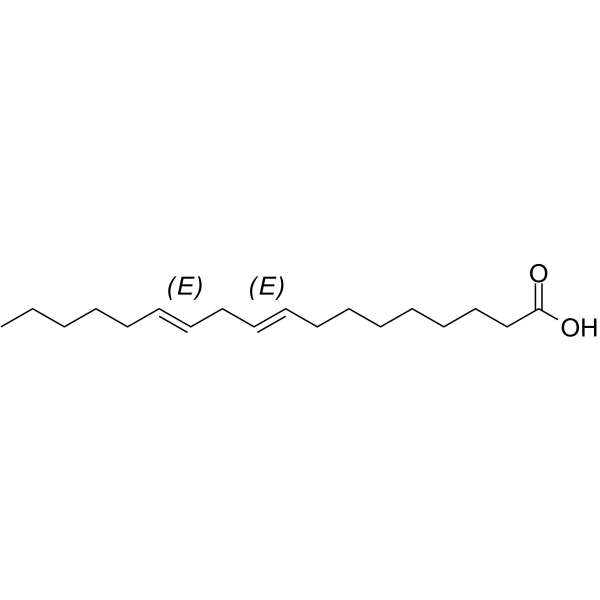
    Linolelaidic acid (Linoelaidic acid) is an omega-6 trans fatty acid (TFA) that is an essential nutrient with oral activity. Linolelaidic acid can be added to enteral nutrition (oral), parenteral nutrition (intravenous), and infant formula. Linolelaidic acid has anti-inflammatory and anti-parasitic ((Parasite)) activities, and can induce Apoptosis. Linolelaidic acid is useful for research in infections .
    Linolelaidic acid
  • HY-B2068
    Iron sucrose
    1 Publications Verification

    Iron saccharate

    Reactive Oxygen Species (ROS) Metabolic Disease Cancer
    Iron sucrose (Iron saccharate) is a intravenous iron preparation and a pro-oxidant agent. Iron sucrose has the potential for iron deficiency anemia treatment .
    Iron sucrose
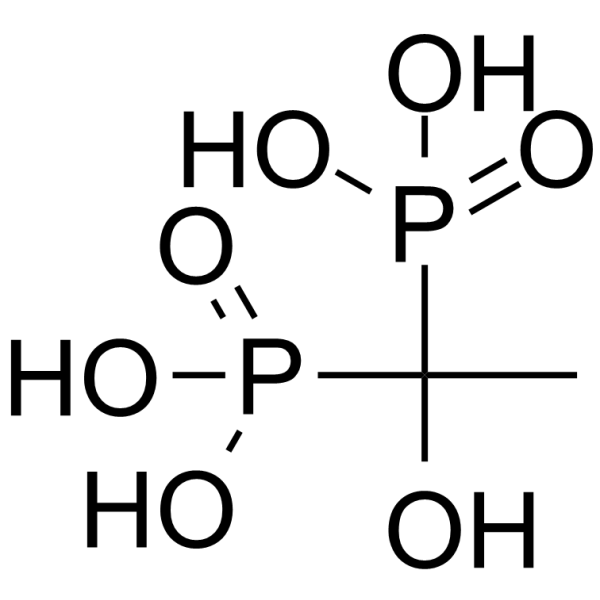
  • HY-B0302
    Etidronic acid
    1 Publications Verification

    Etidronate; HEDPA; HEDP

    Environmental Pollutants Apoptosis Metabolic Disease Cancer
    Etidronic acid (Etidronate) is an orally and intravenously active bisphosphonate. Etidronic acid inhibits resorption of bone, reduces arterial calcification and can be used for osteoporosis research. Etidronic acid has anticancer activity. Etidronic acid is a chelating agent and can be used to remove heavy metal in water .
    Etidronic acid
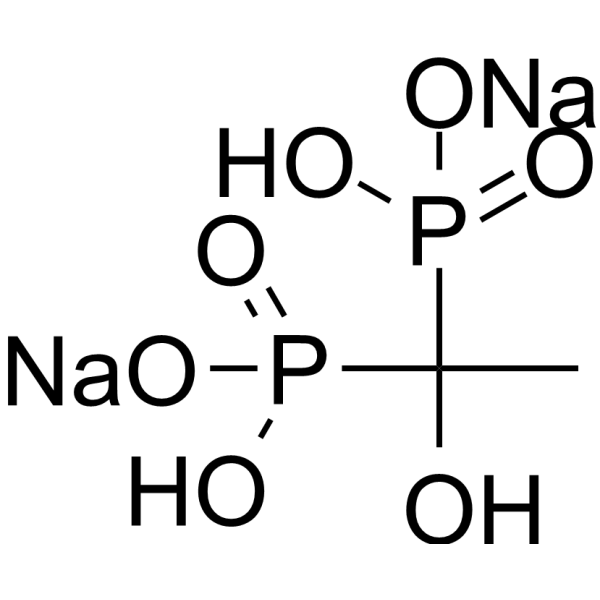
  • HY-B0302A
    Etidronic acid disodium
    1 Publications Verification

    Etidronate disodium; HEDPA disodium; HEDP disodium

    Apoptosis Metabolic Disease Cancer
    Etidronic acid (Etidronate) disodium is an orally and intravenously active bisphosphonate. Etidronic acid disodium inhibits resorption of bone, reduces arterial calcification and can be used for osteoporosis research. Etidronic acid disodium has anticancer activity. Etidronic acid disodium is a chelating agent and can be used to remove heavy metal in water .
    Etidronic acid disodium
  • HY-112624C

    Biochemical Assay Reagents Endogenous Metabolite Others
    Dextran (MW 40000) is a complex carbohydrate polymer consisting of glucose molecules linked by glycosidic bonds. Dextran has excellent solubility in water, making it useful as a viscosity modifier or stabilizer in foods, paints and adhesives. In the biomedical field, dextran is often used as a plasma expander because of its ability to increase blood volume when administered intravenously. It can also be modified to create dextran-based drug delivery systems, such as targeted nanoparticles.
    Dextran (MW 40000)
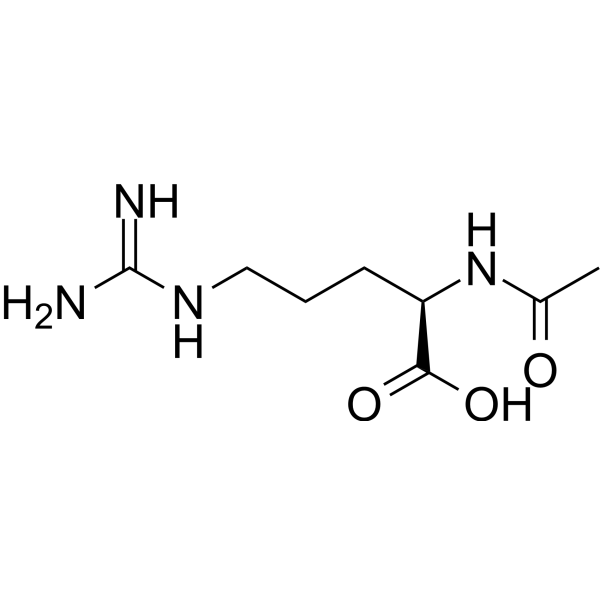
  • HY-W014130
    N-Acetyl-L-arginine
    1 Publications Verification

    Ac-Arg-OH

    Endogenous Metabolite Others
    N-Acetyl-L-arginine (Ac-Arg-OH) is one of the guanidino compounds found elevated in the serum of a hemodialyzed renal insufficient (uremic) pediatric population. N-Acetyl-L-arginine shows synergistic activity with glycine buffer. N-Acetyl-L-arginine suppresses the aggregation of intravenous immunoglobulins with a minimum decrease in transition temperature. N-Acetyl-L-arginine dramatically reduces IL-1 expression in the presence of silicone oil. N-Acetyl-L-arginine also demonstrates colloidal stability .
    N-Acetyl-L-arginine
  • HY-175701

    RO7795081; RG6652

    Arrestin GLP Receptor Metabolic Disease
    CT-996 is an orally active GLP-1RA agonist with an EC50 of 0.49 nM. CT-996 reduces the recruitment of β-arrestin and the internalization of GLP-1R. CT-996 suppresses postprandial blood glucose in mice expressing human GLP-1 receptors and enhances glucose-stimulated insulin secretion (GSIS) in obese monkeys during intravenous glucose challenge. CT-996 can be used for the research of type 2 diabetes (T2D) and obesity .
    CT-996
  • HY-P4154

    ALM-488

    Fluorescent Dye Neurological Disease Cancer
    Bevonescein (ALM-488) is a fluorescein-conjugated peptide that facilitates the targeted delivery of a fluorescent moiety (5-FAM (HY-66022)) to nerves after intravenous (IV) administration. Bevonescein binds nerve-associated connective tissue, labels peripheral nerves under real-time fluorescence imaging (FL) in living mice and human ex vivo nerve tissue. Bevonescein is a peptide-linked tracer which fluorescently labeled both intact and degenerated nerves (Ex/Em = 480/530 nm) .
    Bevonescein
  • HY-14658A

    (S)-(-)-Thalidomide

    Molecular Glues Ligands for E3 Ligase Autophagy Apoptosis Metabolic Disease Inflammation/Immunology
    (S)-Thalidomide ((S)-(-)-Thalidomide) is the S-enantiomer of Thalidomide. (S)-Thalidomide has immunomodulatory, anti-inflammatory, antiangiogenic and pro-apoptotic effects . (S)-Thalidomide induces teratogenic effects by binding to cereblon (CRBN) .
    (S)-Thalidomide
  • HY-115400
    1V209
    4 Publications Verification

    TLR7 agonist T7

    Toll-like Receptor (TLR) Cancer
    1V209 (TLR7 agonist T7) is a Toll-like receptor 7 (TLR7) agonist and has anti-tumor effects. 1V209 can be conjugated with various polysaccharides to improve its water solubility, and enhance its efficacy, and maintain low toxicity .
    1V209
  • HY-14658B

    (R)-(+)-Thalidomide

    Molecular Glues Ligands for E3 Ligase Autophagy Apoptosis Metabolic Disease
    (R)-Thalidomide ((R)-(+)-Thalidomide) is the R-enantiomer of Thalidomide. (R)-Thalidomide has psychomotor stabilizing properties .
    (R)-Thalidomide
  • HY-137500
    NT1-014B
    1 Publications Verification

    Liposome Biochemical Assay Reagents Cardiovascular Disease Neurological Disease
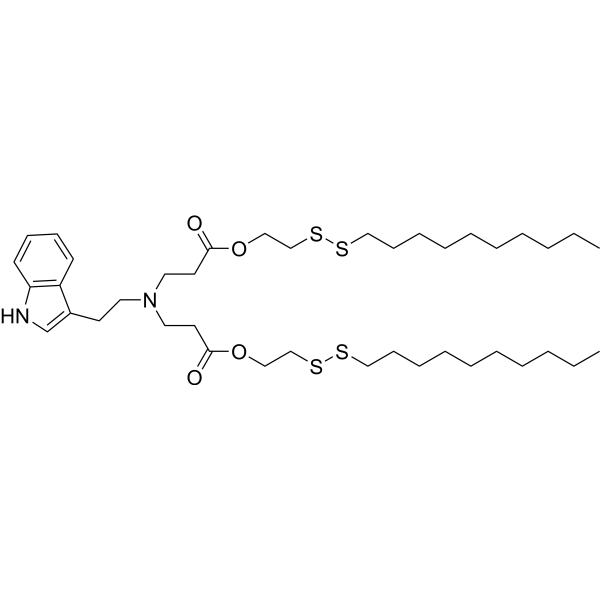
    NT1-014B is a tryptamine-derived lipidoid. NT1-014B incorporates NT-lipidoid into BBB-impermeable lipid nanoparticles (LNPs), enabling the LNPs to cross the BBB. NT1-014B enhances brain delivery via intravenous injection. NT1-014B can be used in ischemic stroke research .
    NT1-014B
  • HY-P0093A
    Sincalide ammonium
    4 Publications Verification

    Cholecystokinin octapeptide ammonium; CCK-8 ammonium; SQ19844 ammonium

    Cholecystokinin Receptor Apoptosis PI3K Akt Infection Cancer
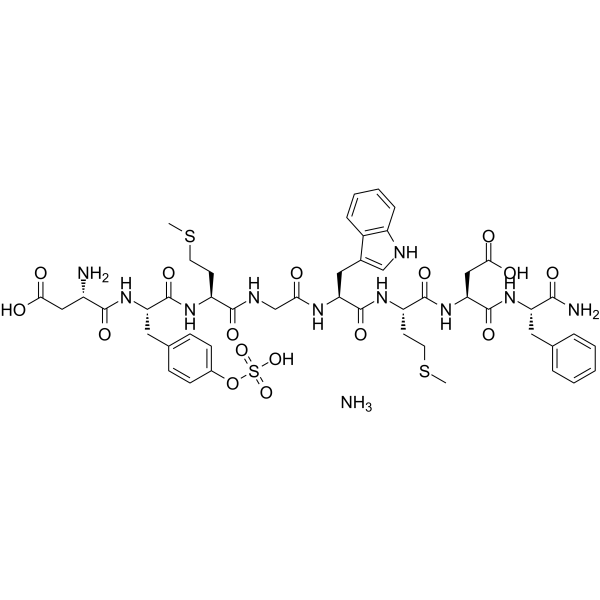
    Sincalide ammonium (Cholecystokinin octapeptide ammonium, CCK-8 ammonium) is a rapid-acting amino acid polypeptide hormone analogue of cholecystokinin (CCK) for intravenous use in postevacuation cholecystography. Sincalide ammonium is a major bioactive segment of CCK that retains most of the biological activities of CCK. CCK‐8 can promote gallbladder contraction by injection and helps diagnose gallbladder and pancreas disorders. Sincalide ammonium can increase bile secretion, cause the gallbladder to contract and relax the sphincter of Oddi, resulting in bile drainage into the duodenum. Sincalide ammonium is a major bioactive segment of CCK that retains most of the biological activities of CCK .
    Sincalide ammonium
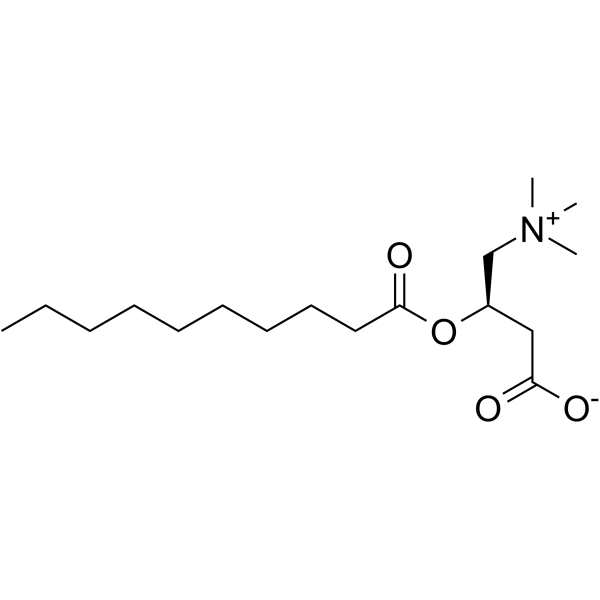
  • HY-135035

    (-)-Decanoylcarnitine

    Endogenous Metabolite Metabolic Disease Cancer
    Decanoyl-L-carnitine ((-)-Decanoylcarnitine) is an endogenous metabolite. Decanoyl-L-carnitine can be used as a serum metabolic biomarkers as indicators in the progression of intravenous leiomyomatosis .
    Decanoyl-L-carnitine
  • HY-19336
    BAZ2-ICR
    2 Publications Verification

    Epigenetic Reader Domain Cancer
    BAZ2-ICR is a potent, selective, cell active and orally active BAZ2A/B bromodomains inhibitor with IC50s of 130 nM and 180 nM, and Kds of 109 nM and 170 nM, respectively. BAZ2-ICR shows 10-15-fold selectivity for binding BAZ2A/B over CECR2 and >100-fold selectivity over all other bromodomains. BAZ2-ICR is an epigenetic chemical probe .
    BAZ2-ICR
  • HY-107915

    (-)-Cobefrin; (-)-α-Methylnoradrenaline; (-)-Nordefrin

    Adrenergic Receptor Cardiovascular Disease
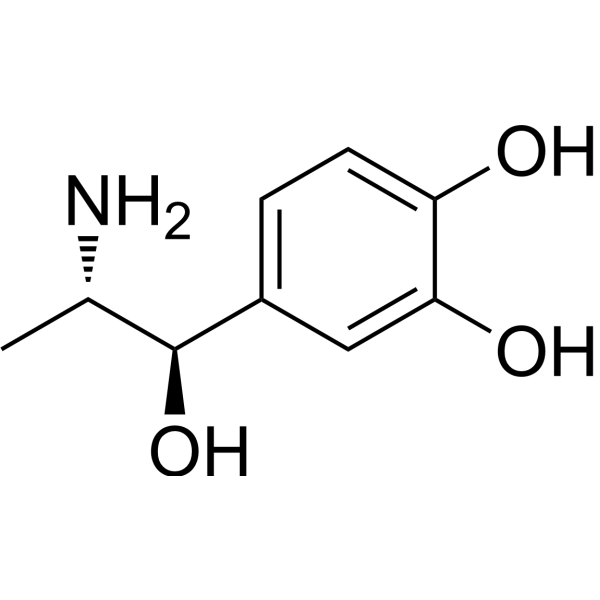
    Levonordefrin ((-)-Cobefrin; (-)-α-Methylnoradrenaline; (-)-Nordefrin) is an α-adrenergic receptor agonist with blood pressure regulatory properties. Levonordefrin is a key metabolite responsible for the hypotensive effect of α-methyldopa. By stimulating central α-adrenergic receptors in the nucleus tractus solitarius region of the medulla oblongata, Levonordefrin induces centrally mediated hypotension and bradycardia. When administered intravenously, Levonordefrin increases mean arterial blood pressure in a dose-dependent manner. Levonordefrin is applicable for research on the pathophysiology of hypertension and drug metabolism .
    Levonordefrin
  • HY-158976

    Lactated ringer's solution (LRS)

    Biochemical Assay Reagents Collagen HSP Inflammation/Immunology
    Sodium lactate ringer's solution (Lactated ringer's solution (LRS)) is an isotonic crystal intravenous injection and arthroscopic irrigation solution containing racemic sodium lactate and electrolytes such as sodium, potassium, calcium and chloride (130 mEq sodium/L, 274 mOsm/L), which can be used as a cell integrity protectant. Sodium lactate ringer's solution maintains the integrity of human meniscus cells, ensures that they retain normal cell morphology, membrane regularity, size and density, and does not alter the mRNA expression levels of α1 (I) procollagen, α1 (II) procollagen, aggrecan or HSP70. Sodium lactate ringer's solution can be applied to studies related to extracellular fluid deficiency and meniscus tears .
    Sodium lactate ringer's solution
  • HY-11021

    PRT060128

    P2Y Receptor Cardiovascular Disease
    Elinogrel (PRT060128) is a potent, direct acting, competitive, and reversible platelet P2Y12 antagonist (IC50=20 nM). It is orally and intravenously available and has potent antiplatelet effects .
    Elinogrel
  • HY-19638

    AR-C69931MX

    P2Y Receptor Cardiovascular Disease Inflammation/Immunology
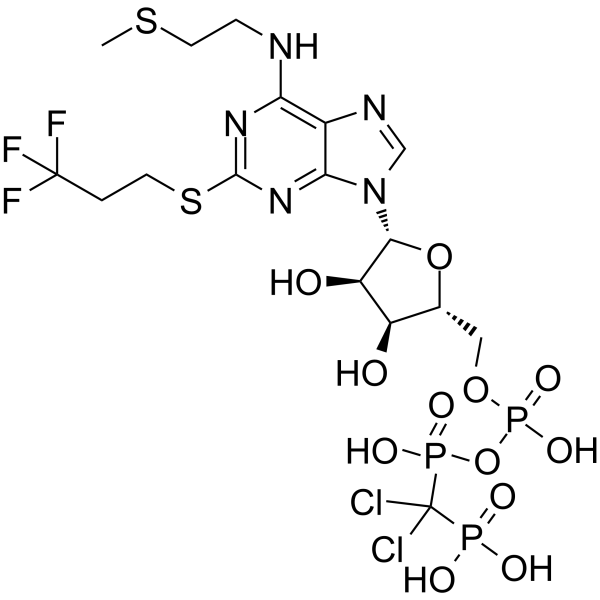
    Cangrelor (AR-C69931MX), an adenosine triphosphate analogue, is an intravenous, reversible and selective platelet P2Y12 antagonist, with prompt and potent antiplatelet effects. Cangrelor directly blocks adenosine diphosphate (ADP)-induced activation and aggregation of platelets. Cangrelor is also a nonspecific GPR17 antagonist .
    Cangrelor
  • HY-145585

    MIJ-821

    iGluR Neurological Disease
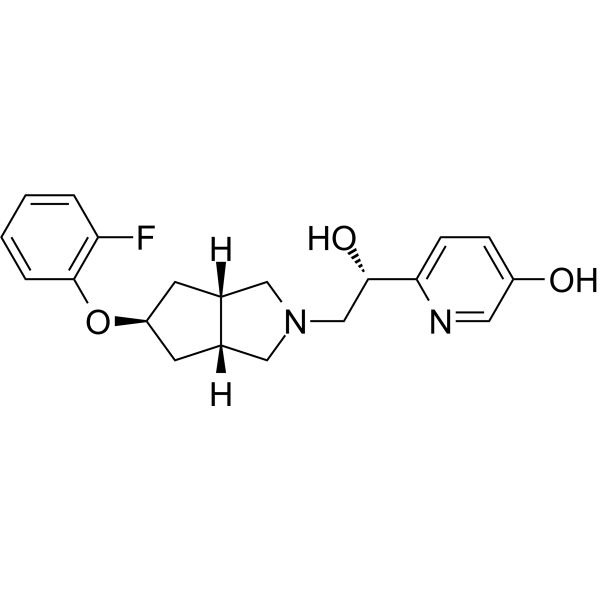
    Onfasprodil (MIJ-821) is a selective intravenous NMDA receptor NR2B subunit negative allosteric modulator (NAM). Onfasprodil inhibits the activity of NR2B-NMDA receptors. Onfasprodil has a rapid antidepressant effect. Onfasprodil can be used for the research of treatment-resistant depression (TRD) .
    Onfasprodil
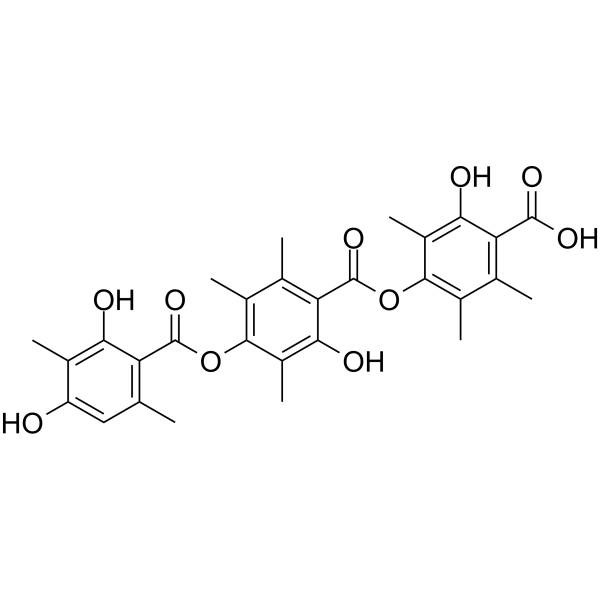
  • HY-N10225

    Prostaglandin Receptor Cardiovascular Disease Endocrinology
    Thielavin A is an inhibitor of prostaglandin biosynthesis produced by Thielavia terricola. Thielavin A specifically inhibits the conversion of arachidonic acid into prostaglandin H2. Thielavin A has no anti-inflammatory activity on intravenous injection or on oral administration .
    Thielavin A
  • HY-135578

    Parasite Infection
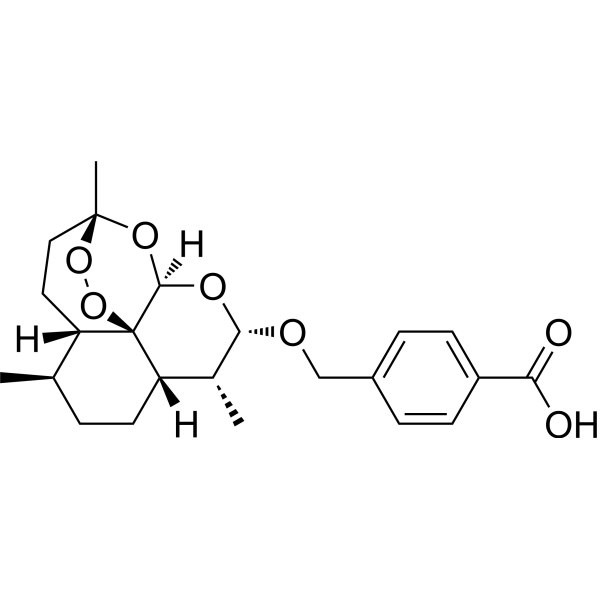
    Artelinic acid, a derivative of Artemisinin, is an antimalarial agent for the treatment of multidrug resistant strains of Plasmodium falciparum. Artelinic acid can be administered by various routes of administration, including intravenous, intramuscular and oral routes .
    Artelinic acid
  • HY-B2203

    Phosphatase Metabolic Disease
    Monocalcium glycerophosphate is an inhibitor of intestinal alkaline phosphatase F3, and it has anti-cavity properties. Monocalcium glycerophosphate is a source of calcium and phosphorus in total parenteral nutrition solutions, helps prevent the mineralization and development of bones from intravenous nutrition, and maintains the integrity of the intestinal epithelium .
    Monocalcium glycerophosphate
  • HY-170506

    Thrombopoietin Receptor Inflammation/Immunology
    KB-208 is a phagocytosis inhibitor that acts similarly to intravenous immunoglobulin (IVIG). KB-208 improves immune thrombocytopenia (ITP) in a mouse model at a dose of 1 mg/kg. KB-208 does not affect other blood parameters and does not elevate serum biochemical markers of toxicity, and can be used in research in the field of immunity .
    KB-208
  • HY-117380

    Neurokinin Receptor Neurological Disease
    SB 235375 is a potent and selective antagonist of the human neurokinin-3 (hNK-3) receptor designed by optimizing the structure of 2-phenyl-4-quinolinecarboxylic acid amide. SB 235375 displays high affinity for the hNK-3 receptor, with significantly higher binding affinities than hNK-2 and hNK-1 receptors. In vitro studies demonstrated its ability to block NK-3 receptor-mediated contraction and calcium mobilization, while in vivo, SB 223412 demonstrated oral and intravenous activity against NK-3 receptor-driven responses in animal models .
    SB 235375
  • HY-P3854

    Neurokinin Receptor Neurological Disease
    GR 83074 is a potent and selective NK-2 (Neurokinin Receptor) antagonist with a pKB of 8.23. GR 83074 is inactive as an NK-3 antagonist and exhibits a 340-fold NK-2/NK-1 selectivity .
    GR 83074
  • HY-163684

    Complement System Inflammation/Immunology
    Zoracopan is a selective complement factor D (CFD) inhibitor. When administered systemically (orally or intravenously), Zoracopan accumulates and is sustained-released in ocular tissues, primarily in the choroid-retinal pigment epithelium (C-RPE) and/or iridociliary body (I-CB) .
    Zoracopan
  • HY-109513
    Ioxilan
    1 Publications Verification

    Biochemical Assay Reagents Others
    Ioxilan is a low-osmolar, nonionic and tri-iodinated diagnostic contrast agent. Ioxilan is also an X-ray contrast agent for excretory urography and contrast enhanced computed tomographic (CECT) imaging of the head and body. Intravascular injection results in opacification of vessels in the path of flow of the contrast medium, permitting radiographic visualization of the internal structures of the human body until significant hemodilution occurs .
    Ioxilan
  • HY-W338446

    Tau Protein Neurological Disease
    BF-170 is a selective tau fibril binding agent with an EC50 of 221 nM. It exhibits good blood-brain barrier permeability, and after intravenous injection in mice, the concentration in brain tissue reaches 9.1% ID/g within 2 minutes (with a brain clearance rate of 0.25% ID/g after 30 minutes). BF-170 can be used as a probe for tau protein pathology imaging in Alzheimer's disease (AD). It plays an important role in early-stage AD research and holds potential for imaging studies of tau-related neurodegenerative diseases .
    BF-170
  • HY-136476A

    Biochemical Assay Reagents Others
    Mn(II) protoporphyrin IX is a potential intravenous paramagnetic magnetic resonance contrast agent. Mn(II) protoporphyrin IX maintains strong paramagnetic properties .
    Mn(II) protoporphyrin IX
  • HY-W071746R

    Linoelaidic acid (Standard)

    Reference Standards Endogenous Metabolite Parasite Apoptosis Infection Inflammation/Immunology
    Linolelaidic acid (Standard) is the analytical standard of Linolelaidic acid. This product is intended for research and analytical applications. Linolelaidic acid (Linoelaidic acid) is an omega-6 trans fatty acid (TFA) that is an essential nutrient with oral activity. Linolelaidic acid can be added to enteral nutrition (oral), parenteral nutrition (intravenous), and infant formula. Linolelaidic acid has anti-inflammatory and anti-parasitic ((Parasite)) activities, and can induce Apoptosis. Linolelaidic acid is useful for research in infections[1][2][3].
    Linolelaidic acid (Standard)
  • HY-W012663

    Environmental Pollutants Drug Intermediate Others
    1,2,6-Hexanetriol, a polyol, is an intermediate for wetting agents, solvents, and pharmaceuticals with excellent moisturizing property. 1,2,6-Hexanetriol is a humectant and plasticizer for hydrophilic films. 1,2,6-Hexanetriol has no significant toxicity in rats, rabbits, and dogs via oral (16 mL/kg), intraperitoneal (10 g/kg) and intravenous (5.6 mL/kg) routes. 1,2,6-Hexanetriol can be used for the cosmetics and resin industries .
    1,2,6-Hexanetriol
  • HY-110411

    Drug Derivative Neurological Disease
    Chlorproethazine hydrochloride is an orally active phenothiazine compound. Chlorproethazine hydrochloride can eliminate spasticity when administered intravenously and also effectively reduce rigidity in decerebrate cats. Chlorproethazine hydrochloride can be used in the research of neurological diseases .
    Chlorproethazine hydrochloride
  • HY-135035S

    (-)-Decanoylcarnitine-d3

    Isotope-Labeled Compounds Endogenous Metabolite Metabolic Disease Cancer
    Decanoyl-L-carnitine ((-)-Decanoylcarnitine)-d3 is deuterium labeled Decanoyl-L-carnitine (HY-135035). Decanoyl-L-carnitine is an endogenous metabolite. Decanoyl-L-carnitine can be used as a serum metabolic biomarkers as indicators in the progression of intravenous leiomyomatosis .
    Decanoyl-L-carnitine-d3
  • HY-19638AR

    AR-C69931MX tetrasodium (Standard)

    P2Y Receptor Reference Standards Cardiovascular Disease Inflammation/Immunology
    Cangrelor (tetrasodium) (Standard) is the analytical standard of Cangrelor (tetrasodium). This product is intended for research and analytical applications. Cangrelor tetrasodium, an adenosine triphosphate analogue, is a reversible and selective platelet P2Y12 antagonist, with prompt and potent antiplatelet effects. Cangrelor tetrasodium directly blocks adenosine diphosphate (ADP)-induced activation and aggregation of platelets. Cangrelor tetrasodium is also a nonspecific GPR17 antagonist .
    Cangrelor tetrasodium (Standard)
  • HY-15346R
    Copanlisib (Standard)
    1 Publications Verification

    BAY 80-6946 (Standard)

    Reference Standards PI3K Apoptosis Cancer
    Copanlisib (Standard) is the analytical standard of Copanlisib. This product is intended for research and analytical applications. Copanlisib (BAY 80-6946) is a potent, selective and ATP-competitive pan-class I PI3K inhibitor, with IC50s of 0.5 nM, 0.7 nM, 3.7 nM and 6.4 nM for PI3Kα, PI3Kδ, PI3Kβ and PI3Kγ, respectively. Copanlisib has more than 2,000-fold selectivity against other lipid and protein kinases, except for mTOR. Copanlisib has superior antitumor activity .
    Copanlisib (Standard)
  • HY-105215

    Neurokinin Receptor Inflammation/Immunology
    FK888 is a potent, selective, and high affinity dipeptide NK1 receptor antagonist. FK888 displaces [3H]-SP binding with a Ki value of 0.69 nM and 0.45 microM. FK888 also inhibits SP-induced airway oedema in guinea-pig after both intravenous and oral administration .
    FK888
  • HY-158014

    Dopamine Transporter Neurological Disease
    JJC8-089 is a dopamine transporter (DAT) inhibitor that may improve motivational dysfunction and increase effortful behavior in goal-directed activities. JJC8-089 significantly reversed the low-effort effects induced by the VMAT-2 inhibitor Tetrabenazine (HY-B0590) in rats and increased the choice of high-effort fixed-ratio 5-bar presses versus food intake. .
    JJC8-089
  • HY-W014130R

    Ac-Arg-OH (Standard)

    Reference Standards Endogenous Metabolite Others
    N-Acetyl-L-arginine (Ac-Arg-OH) is one of the guanidino compounds found elevated in the serum of a hemodialyzed renal insufficient (uremic) pediatric population. N-Acetyl-L-arginine shows synergistic activity with glycine buffer. N-Acetyl-L-arginine suppresses the aggregation of intravenous immunoglobulins with a minimum decrease in transition temperature. N-Acetyl-L-arginine dramatically reduces IL-1 expression in the presence of silicone oil. N-Acetyl-L-arginine also demonstrates colloidal stability .
    N-Acetyl-L-arginine (Standard)
  • HY-159798

    PROTACs p38 MAPK Cancer
    NR-11c is a selective and potent p38α PROTAC degrader. NR-11c effectively degrades p38α in a variety of tumor cells. When administered intraperitoneally or intravenously to mice, NR-11c primarily acts in the liver. NR-11c can be used in cancer research. (Pink: p38α inhibitor 5 (HY-159799); Black: linker (HY-159800); Blue: VHL E3 ligase ligand (HY-112078)) .
    NR-11c
  • HY-148155

    Biochemical Assay Reagents Others
    Iotroxic acid is an intravenous cholangiographic agent. Iotroxic acid can be used for medical imaging .
    Iotroxic acid
  • HY-144773A

    HR1405–01

    COX Inflammation/Immunology
    Loxoprofenol-SRS tromethamine (HR1405-01), an active metabolite of Loxoprofen, is a Safe intravenous non-steroidal anti-inflammatory drug (NSAID) with superior anti-inflammatory and analgesic activities .
    Loxoprofenol-SRS tromethamine
  • HY-136831

    QMPB

    Leukotriene Receptor Inflammation/Immunology
    SR2640 is a highly efficient and selective LTD4/LTE4 antagonist that can specifically inhibit the smooth muscle contractions induced by LTD4 in the guinea pig ileum and trachea in a concentration-dependent manner, without affecting the contractions caused by histamine. SR2640 can concentration-dependently prevent the binding of 0.4 nM [3H] LTD4 to membrane receptors in guinea pig lung tissue, with an IC50 of 23 nM. SR2640 can shift the dose-response curve for bronchoconstriction induced by intravenous LTD4 in guinea pigs to the right, and the extent of this shift is positively correlated with the dose of SR2640 administered. SR2640 can be used in asthma research .
    SR2640
  • HY-B1657

    Drug Intermediate Neurological Disease
    Fosphenytoin is a phosphate ester proagent developed as an alternative to intravenous phenytoin for acute intervention of seizures. Fosphenytoin has advantages including more convenient and rapid intravenous administration, availability for intramuscular injection, and low potential for adverse local reactions at injection sites .
    Fosphenytoin
  • HY-117979

    Alfadolone

    GABA Receptor Neurological Disease
    Alphadolone is a GABAA receptor positive allosteric modulator. Alphadolone has antinociceptive effects. Alphadolone causes general anaesthesia .
    Alphadolone
  • HY-W747594

    Potassium Channel Neurological Disease
    SDZ PCO 400 is a potassium channel modulator that relaxes airway smooth muscle and reverses airway obstruction caused by intravenous bronchospasmodics .
    SDZ PCO 400

Inquiry Online

Your information is safe with us. * Required Fields.

Salutation


Country or Region *

Applicant Name *


Organization Name *

Department *


Email Address *


Product Name *

Cat. No.


Requested quantity *

Phone Number *


Remarks

Inquiry Online

Inquiry Information

Product Name:
Cat. No.:
Quantity:
MCE Japan Authorized Agent:

