







Search Result
Results for "
isothiocyanate
" in MedChemExpress (MCE) Product Catalog:
14
Biochemical Assay Reagents
2
Isotope-Labeled Compounds
| Cat. No. |
Product Name |
Target |
Research Areas |
Chemical Structure |
-
- HY-66019
-
FITC
Maximum Cited Publications
92 Publications Verification
Fluorescein 5-isothiocyanate
|
Fluorescent Dye
|
Inflammation/Immunology
|
|
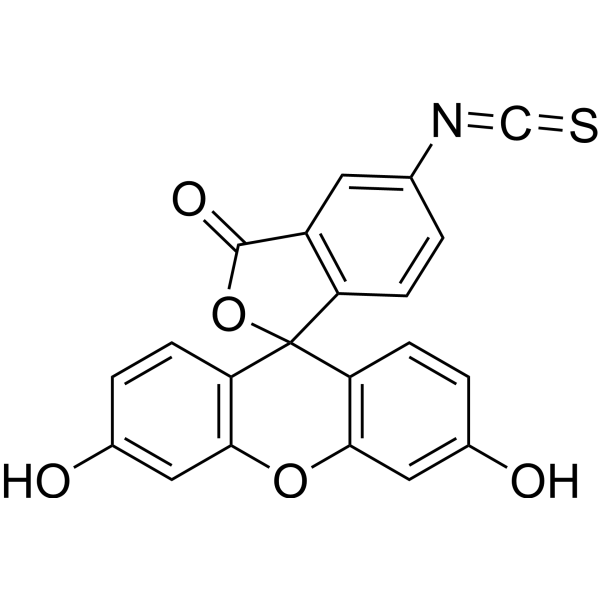
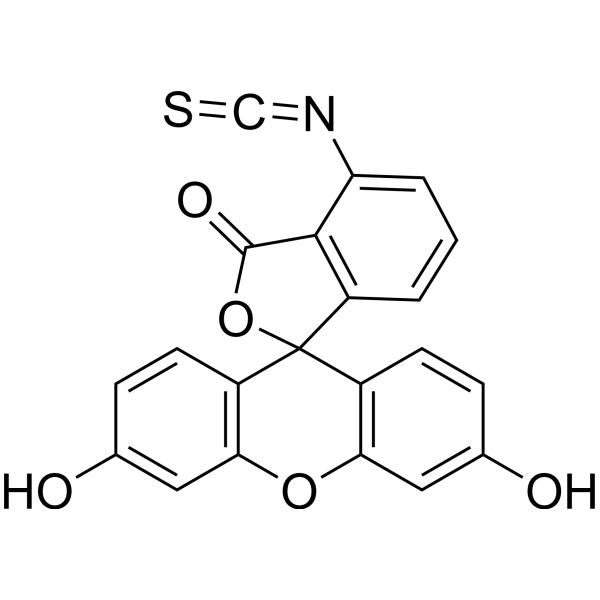
FITC (Fluorescein Isothiocyanate), is one of the green fluorescein derivatives widely used in biology. FITC has the characteristics of high absorptivity and excellent fluorescence quantum yield. The isothiocyanate group of FITC can be combined with amino, sulfhydryl, imidazole, tyrosyl, carbonyl and other groups on the protein, so as to achieve protein labeling including antibodies and lectins. In addition to its use as a protein marker, FITC can also be used as a fluorescent protein tracer to rapidly identify pathogens by labeling antibodies, or for microsequencing of proteins and peptides (HPLC). The maximum excitation wavelength of FITC is 494 nm. Once excited, it fluoresces yellow-green at a maximum emission wavelength of 520 nm. In addition, FITC is also a hapten that can induce contact hypersensitivity (CHS) and induce an atopic dermatitis model .
|
-
-
- HY-128868A
-
|
|
Fluorescent Dye
|
Others
|
|
FITC-Dextran (MW 4000) is a fluorescent probe for fluorescein isothiocyanate (FITC) dextran (Ex=495 nm; Em=525 nm). FITC-Dextran (MW 4000) can be used as a marker to reveal heat shock-induced cell damage and to study the early and late stages of apoptosis. FITC-Dextran (MW 4000) can also be used for cell permeability studies, such as blood-brain barrier permeability and determination of the extent of blood-brain barrier disruption .
|
-
-
- HY-128868E
-
|
|
Biochemical Assay Reagents
|
Others
|
|
FITC-Dextran (MW 70000) is a compound belonging to the class of fluorescent dyes. It is commonly used in biomedical research as a tracer molecule to label and track cells or other biological matter. FITC-Dextran consists of fluorescein isothiocyanate (FITC) and dextran, a complex carbohydrate derived from starch. The combination of the two creates a stable fluorescent tracer that can be viewed under a microscope or quantified using specialized detection instruments.
|
-
-
- HY-128868
-
|
|
Fluorescent Dye
|
Others
|
|
FITC-Dextran (MW 10000) is a fluorescent probe for fluorescein isothiocyanate (FITC) dextran (Ex=495 nm; Em=525 nm). FITC-Dextran (MW 10000) can be used as a marker to reveal heat shock-induced cell damage and to study the early and late stages of apoptosis. FITC-Dextran (MW 10000) can also be used for cell permeability studies, such as blood-brain barrier permeability and determination of the extent of blood-brain barrier disruption .
|
-
-
- HY-128868D
-
|
|
Fluorescent Dye
|
Others
|
|
FITC-Dextran (MW 40000) is a fluorescent probe for fluorescein isothiocyanate (FITC) dextran (Ex=495 nm; Em=525 nm). FITC-Dextran (MW 40000) can be used as a marker to reveal heat shock-induced cell damage and to study the early and late stages of apoptosis. FITC-Dextran (MW 40000) can also be used for cell permeability studies, such as blood-brain barrier permeability and determination of the extent of blood-brain barrier disruption .
|
-
-
- HY-128868I
-
|
|
Biochemical Assay Reagents
|
Others
|
|
FITC-Dextran (MW 2000000) is a compound belonging to the class of fluorescent dyes. It is commonly used in biomedical research as a tracer molecule to label and track cells or other biological matter. FITC-Dextran consists of fluorescein isothiocyanate (FITC) and dextran, a complex carbohydrate derived from starch. The combination of the two creates a stable fluorescent tracer that can be viewed under a microscope or quantified using specialized detection instruments.
|
-
-
- HY-128868B
-
|
|
Biochemical Assay Reagents
|
Others
|
|
FITC-Dextran (MW 3000-5000) is a fluorescent probe for fluorescein isothiocyanate (FITC) dextran (Ex=495 nm; Em=525 nm). FITC-Dextran (MW 3000-5000) can be used as a marker to reveal heat shock-induced cell damage and to study the early and late stages of apoptosis. FITC-Dextran (MW 3000-5000) can also be used for cell permeability studies, such as blood-brain barrier permeability and determination of the extent of blood-brain barrier disruption . Storage: protect from light.
|
-
-
- HY-112697
-
|
|
Biochemical Assay Reagents
|
Others
|
|
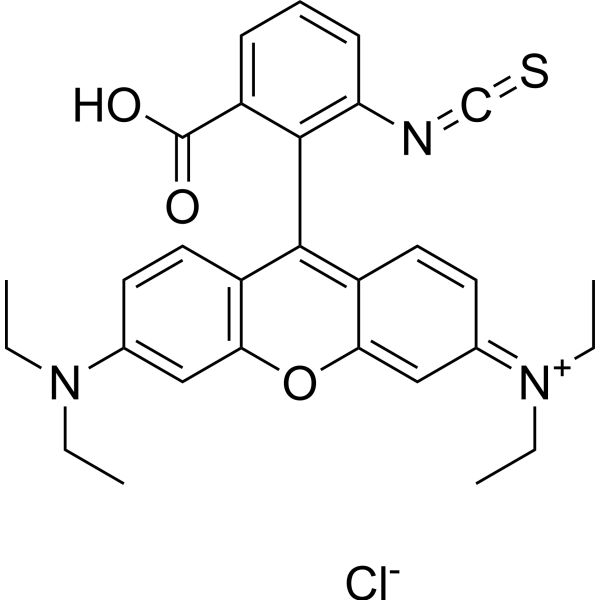
Rhodamine B isothiocyanate (RBITC) is a fluorescent dye commonly used in biological imaging and labeling applications. It has an isothiocyanate functional group that can be covalently attached to amino groups on proteins and other biomolecules, making it useful for fluorescent labeling of cells and tissues. RBITC fluoresces bright orange-red under green light excitation, which makes it easy to detect and track labeled molecules in complex samples. Due to its stability and sensitivity, RBITC has been widely used in various research fields, including cell biology, immunology, and neurobiology.
|
-
-
- HY-128868G
-
|
|
Fluorescent Dye
|
Others
|
|
FITC-Dextran (MW 150000) is a fluorescent probe for fluorescein isothiocyanate (FITC) dextran (Ex=491 nm; Em=518 nm). FITC-Dextran (MW 150000) can be used as a marker to reveal heat shock-induced cell damage and to study the early and late stages of apoptosis. FITC-Dextran (MW 150000) can be used in perfusion studies in animals or in fluorescence microlymphography, to study processes that affect the permeability of the blood brain barrier (BBB) . FITC-Dextran (MW 150000) can be used as fluorescent probe to study cell permeability .
|
-
-
- HY-128868C
-
|
|
Biochemical Assay Reagents
|
Others
|
|
FITC-Dextran (MW 20000) is a compound belonging to the class of fluorescent dyes. It is commonly used in biomedical research as a tracer molecule to label and track cells or other biological matter. FITC-Dextran consists of fluorescein isothiocyanate (FITC) and dextran, a complex carbohydrate derived from starch. The combination of the two creates a stable fluorescent tracer that can be viewed under a microscope or quantified using specialized detection instruments.
|
-
-
- HY-128868H
-
|
|
Biochemical Assay Reagents
|
Others
|
|
FITC-Dextran (MW 500000) is a compound belonging to the class of fluorescent dyes. It is commonly used in biomedical research as a tracer molecule to label and track cells or other biological matter. FITC-Dextran consists of fluorescein isothiocyanate (FITC) and dextran, a complex carbohydrate derived from starch. The combination of the two creates a stable fluorescent tracer that can be viewed under a microscope or quantified using specialized detection instruments.
|
-
-
- HY-77813
-
|
|
Bacterial
Apoptosis
Antibiotic
Parasite
Autophagy
Reactive Oxygen Species (ROS)
|
Infection
Endocrinology
Cancer
|
|
Benzyl isothiocyanate is an orally available isothiocyanate with bactericidal, anticancer, antiangiogenic and anthelmintic activities. Benzyl isothiocyanate exerts anticancer functions by regulating multiple signaling pathways, including apoptosis, cell proliferation, cell cycle arrest, metastasis, angiogenesis, and autophagy. In addition, Benzyl isothiocyanate can enhance muscle insulin sensitivity to improve obesity-induced hyperglycemia .
|
-
-
- HY-15941
-
|
Fluorescein 5(6)-isothiocyanate; Fluorescein isothiocyanate 5- and 6- isomers
|
Fluorescent Dye
|
Others
|
|
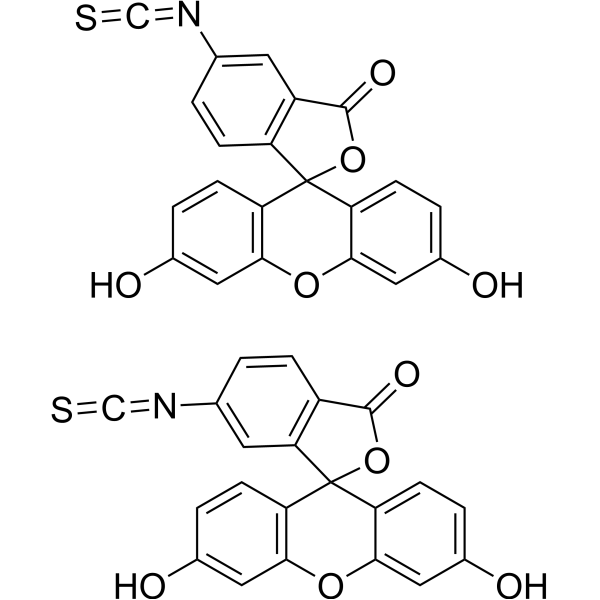
5(6)-FITC (Fluorescein 5(6)-isothiocyanate) is an amine-reactive derivative of a fluorescent dye, characterized by high absorbance and excellent fluorescence quantum yield. The isothiocyanate group of FITC can react with various functional groups on proteins, including amines, thiols, imidazoles, tyrosines and carbonyls, enabling the labeling of proteins such as antibodies and lectins. 5(6)-FITC has a wide range of applications, including flow cytometry, immunofluorescence, protease assays and conjugation. The maximum excitation/emission wavelengths are 492/518 nm .
|
-
-
- HY-D0791
-
TRITC
1 Publications Verification
5(6)-Tetramethylrhodamine isothiocyanate
|
Fluorescent Dye
|
Others
|
|
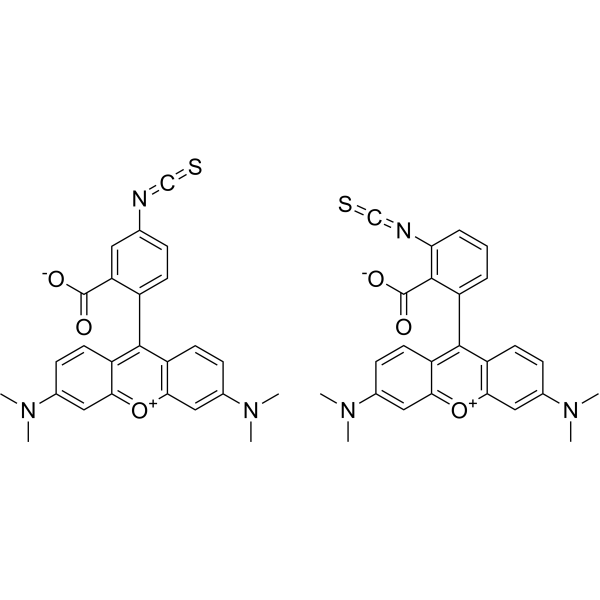
TRITC (5(6)-Tetramethylrhodamine isothiocyanate) is a commonly used fluorescent dye, belonging to the Rhodamine derivative family. It exhibits red fluorescence properties (Ex/Em ≈ 550/580 nm). TRITC can be used for cell labeling and imaging .
|
-
-
- HY-158082C
-
|
Tetramethyl rhodamine isothiocyanate glucan, MW 70000
|
Fluorescent Dye
|
Others
|
|
TRITC-dextran MW 70000 (Tetramethyl rhodamine isothiocyanate glucan, MW 70000) is a fluorescent dye with a molecular weight of 70 kD. The excitation wavelength of TRITC-dextran MW 70000 is 555 nm, and its emission wavelength is 570 nm. TRITC-dextran MW 70000 is used for drug delivery because TRITC maintains stability over a wide pH range (i.e., pH 2-11) and exhibits photobleaching resistance .
|
-
-
- HY-159529
-
|
DBCO-PEG4-Eosin Y
|
Fluorescent Dye
|
Others
|
DBCO-PEG4-Eosin 5-isothiocyanate (DBCO-PEG4-Eosin Y) is a fluorescent probe. DBCO-PEG4-Eosin 5-isothiocyanate contains a clickable functional group, DBCO, and four PEG units. DBCO-PEG4-Eosin 5-isothiocyanate can be used for various imaging detections.
|
-
-
- HY-132996
-
|
|
Biochemical Assay Reagents
|
Others
|
|
4-Isothiocyanatophenyl α-D-Mannopyranoside, an organic isothiocyanate, is a building block and reagent which is used for preparing neoglycoproteins .
|
-
-
- HY-158082
-
|
Tetramethyl rhodamine isothiocyanate glucan, MW 4000
|
Fluorescent Dye
|
Others
|
|
TRITC-dextran MW 4000 (Tetramethyl rhodamine isothiocyanate glucan, MW 4000) is a fluorescent dye, with the molecular weight of 4 kD. TRITC-dextran MW 4000 exhibits an excitation wavelength of 555 nm. TRITC-dextran MW 4000 is vessel penetrate, which could label blood plasma to visualize the vasculature. TRITC-dextran MW 4000 is utilized in drug delivery for the stability of TRITC over a wide pH range (i.e. pH 2–11) and resistance to photo-bleaching .
|
-
-
- HY-DY1007
-
|
|
Fluorescent Dye
|
Inflammation/Immunology
|
FITC (Fluorescein Isothiocyanate) (solution) , is one of the green fluorescein derivatives widely used in biology. FITC has the characteristics of high absorptivity and excellent fluorescence quantum yield. The isothiocyanate group of FITC can be combined with amino, sulfhydryl, imidazole, tyrosyl, carbonyl and other groups on the protein, so as to achieve protein labeling including antibodies and lectins. In addition to its use as a protein marker, FITC can also be used as a fluorescent protein tracer to rapidly identify pathogens by labeling antibodies, or for microsequencing of proteins and peptides (HPLC). The maximum excitation wavelength of FITC is 494 nm. Once excited, it fluoresces yellow-green at a maximum emission wavelength of 520 nm. In addition, FITC is also a hapten that can induce contact hypersensitivity (CHS) and induce an atopic dermatitis model . Solvent and concentration: DMSO: 20 mM The 1 mL volume is defined as the base specification. All larger sizes correspond to incremental volumes of this base.
|
-
-
- HY-DY1016
-
|
|
Fluorescent Dye
|
Others
|
FITC-Dextran (MW 10000) (solution) is a fluorescent probe for fluorescein isothiocyanate (FITC) dextran (Ex=495 nm; Em=525 nm). FITC-Dextran (MW 10000) can be used as a marker to reveal heat shock-induced cell damage and to study the early and late stages of apoptosis. FITC-Dextran (MW 10000) can also be used for cell permeability studies, such as blood-brain barrier permeability and determination of the extent of blood-brain barrier disruption . Solvent and Concentration: Sterile water: 2 mM
|
-
-
- HY-23155
-
|
2-PE ITC
|
Fungal
|
Infection
|
|
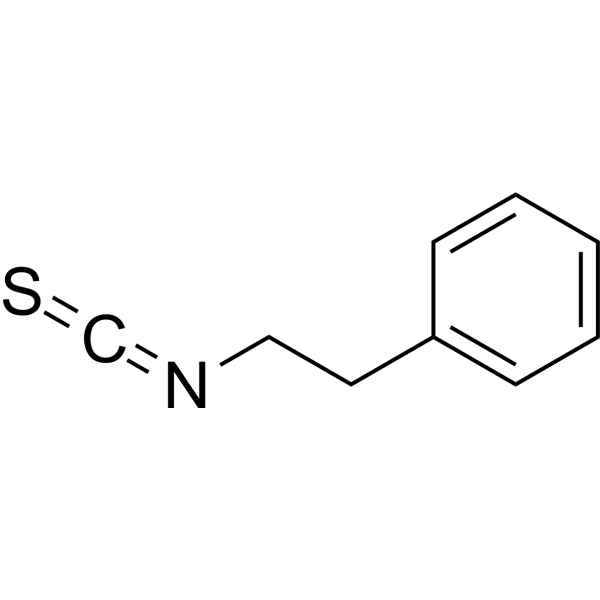
2-Phenylethyl isothiocyanate is a potent antifungal agent. 2-Phenylethyl isothiocyanate significantly inhibited spore germination and mycelial growth of Alternaria alternata, with a MIC (minimum inhibitory concentration) of 1.22 mM. The antifungal effect of 2-Phenylethyl isothiocyanate against Alternaria alternate might be via reduction in toxin content and breakdown of cell membrane integrity .
|
-
-
- HY-D0154
-
|
Tetramethylrhodamine-6-isothiocyanate
|
Fluorescent Dye
|
Others
|
|
6-TRITC (Tetramethylrhodamine-6-isothiocyanate) is a potent fluorescent tracer. 6-TRITC can be used as an probe for haptenated proteins/peptides for the research of contact allergy. 6-TRITC can be used as a tracer for the confocal imaging in living cells .
|
-
-
- HY-66020
-
6-FITC
1 Publications Verification
6-Fluorescein isothiocyanate
|
Fluorescent Dye
Drug Isomer
|
Others
|
|
6-FITC (6-Fluorescein Isothiocyanate) is a fluorescein isomer and also serves as a fluorescent label for biomolecules (FITC isomers have similar excitation/emission wavelengths, which are 495 nm/519 nm in fluorescence detection) .
|
-
-
- HY-101413
-
Iberin
2 Publications Verification
NSC 321801
|
Apoptosis
Endogenous Metabolite
Bacterial
|
Cancer
|
|
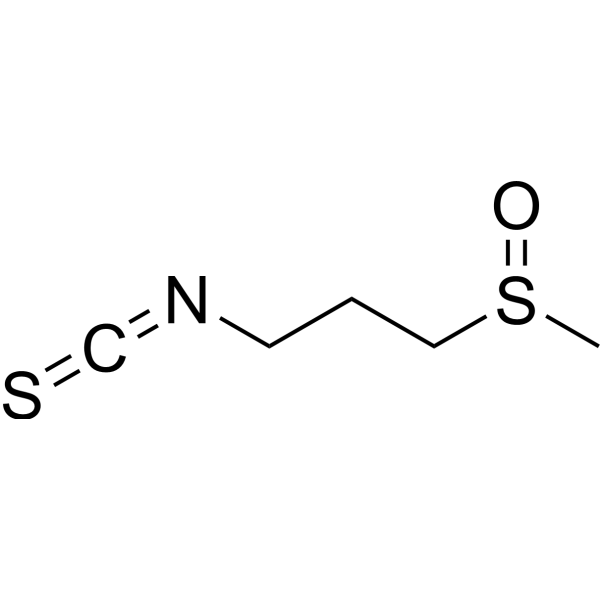
Iberin (NSC 321801), a sulfoxide analogue of sulforaphane, is a naturally occurring member of isothiocyanate family. Iberin inhibits cell survival with an IC50 of 2.3 μM in HL60 cell. Iberin induces apoptosis.
|
-
-
- HY-201263
-
|
|
Biochemical Assay Reagents
|
Cancer
|
|
p-SCN-Bn-TCMC is a bifunctional chelator. Its cyclen backbone binds Hg 2+, while its isothiocyanate group allows for conjugation to biomolecules. p-SCN-Bn-TCMC can be used in the research of prostate cancer .
|
-
-
- HY-15065
-
-
-
- HY-128868J
-
|
|
Biochemical Assay Reagents
|
Others
|
|
FITC-Dextran (MW 1000) is a compound that belongs to the class of fluorescent dyes. It is often used as a tracer molecule in biomedical research to label and track cells or other biological substances. FITC-Dextran consists of fluorescein isothiocyanate (FITC) and dextran, a complex carbohydrate extracted from starch. The combination of the two creates a stable fluorescent tracer that can be observed under a microscope or quantified using specialized detection instruments.
|
-
-
- HY-128868F
-
|
|
Biochemical Assay Reagents
|
Others
|
|
FITC-Dextran (MW 110000) is a compound belonging to the class of fluorescent dyes. It is commonly used in biomedical research as a tracer molecule to label and track cells or other biological matter. FITC-Dextran consists of fluorescein isothiocyanate (FITC) and dextran, a complex carbohydrate derived from starch. The combination of the two creates a stable fluorescent tracer that can be viewed under a microscope or quantified using specialized detection instruments.
|
-
-
- HY-130851
-
|
|
HSP
|
Cancer
|
|
HS-27, a fluorescently-tethered Hsp90 inhibitor, assays surface Hsp90 expression on intact tissue specimens. HS-27 is made up of the core elements of SNX-5422, an Hsp90 inhibitor, tethered via a PEG linker to a fluorescein derivative (fluorescein isothiocyanate or FITC), that binds to ectopically expressed Hsp90. HS-27 has potential use in a see-and-treat paradigm in breast cancer .
|
-
-
- HY-D0805
-
|
|
Fluorescent Dye
|
Others
|
|
Eosin 5-isothiocyanate is a multifunctional dye. Dyes are important tools in biological experiments. They can help researchers observe and analyze cell structures, track biomolecules, evaluate cell functions, distinguish cell types, detect biomolecules, study tissue pathology and monitor microorganisms. Their applications range from basic scientific research to clinical A wide range of diagnostics. Dyes are also widely used in traditional fields such as textile dyeing, as well as in emerging fields such as functional textile processing, food pigments and dye-sensitized solar cells.
|
-
-
- HY-121204
-
|
3-Methylthiopropyl isothiocyanate
|
Apoptosis
Reactive Oxygen Species (ROS)
|
Cancer
|
|
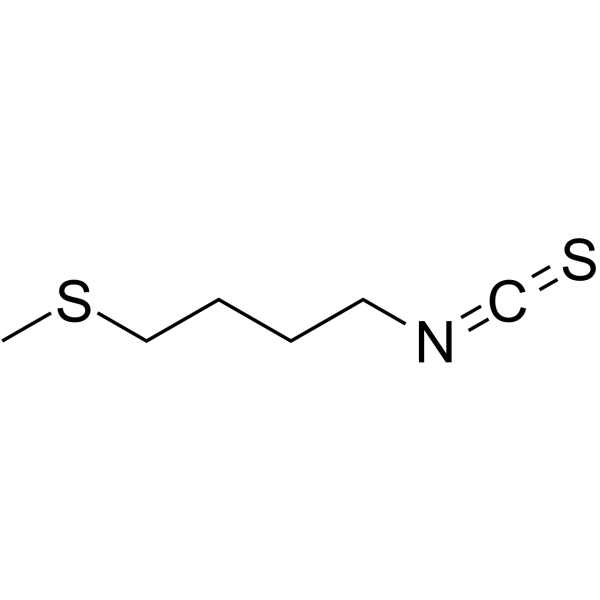
Iberverin (-Methylthiopropyl isothiocyanate) is a sulforaphane homolog. Iberverin has anticancer activity. Iberverin inhibits cell proliferation and migration. Iberverin induces mitochondrial-related apoptosis and intracellular reactive oxygen species .
|
-
-
- HY-121323
-
-
-
- HY-158082A
-
|
Tetramethyl rhodamine isothiocyanate glucan, MW 20000
|
Fluorescent Dye
|
Others
|
|
TRITC-dextran, MW 20000 (Tetramethyl rhodamine isothiocyanate glucan, MW 20000) is a fluorescent dye, with the molecular weight of 20 kD. TRITC-dextran MW 20000 exhibits an excitation wavelength of 555 nm. TRITC-dextran MW 20000 is vessel penetrate, which could label blood plasma to visualize the vasculature. TRITC-dextran MW 20000 is utilized in drug delivery for the stability of TRITC over a wide pH range (i.e. pH 2–11) and resistance to photo-bleaching .
|
-
-
- HY-158082B
-
|
Tetramethyl rhodamine isothiocyanate glucan, MW 40000
|
Fluorescent Dye
|
Others
|
|
TRITC-dextran (Tetramethyl rhodamine isothiocyanate glucan), MW 40000 is a TRITC (HY-D0791)-labeled neutral 40 kDa fluorescent polysaccharide probe. TRITC-dextran, MW 40000 forms a membrane layer on the surface of protocells composed of protamine/folate condensates, and is used to assess membrane fluidity via fluorescence recovery after photobleaching. TRITC-dextran, MW 40000 can also be used to evaluate the anti-bacterial invasion ability and colloidal stability of coated condensates, as well as analyze the permeability of vascular and lymphatic endothelial cell layers .
|
-
-
- HY-158082D
-
|
Tetramethyl rhodamine isothiocyanate glucan, MW 150000
|
Fluorescent Dye
|
Others
|
|
TRITC-dextran, MW 150000 (Tetramethyl rhodamine isothiocyanate glucan, MW 150000) is a fluorescent dye, with the molecular weight of 150 kD. TRITC-dextran, MW 150000 exhibits an excitation wavelength of 555 nm. TRITC-dextran, MW 150000 is follicular and vessel penetrate, which is dependent on the molecular weight. TRITC-dextran, MW 150000 is utilized in drug delivery for the stability of TRITC over a wide pH range (i.e. pH 2–11) and resistance to photo-bleaching .
|
-
-
- HY-W269799
-
|
|
Bacterial
|
Others
|
|
4-Pentenyl isothiocyanate is a isothiocyanates isolated from aerial parts of Aurinia sinuate .
|
-
-
- HY-D2329
-
|
|
Fluorescent Dye
|
Others
|
|
Fluorescein-PEG4-NHS ester is a colorimetric probe formed by the reaction of adipic dihydrazide and fluorescein isothiocyanate .
|
-
-
- HY-W110898
-
|
|
Fluorescent Dye
|
Others
|
|
Nile blue chloride is a highly fluorescent and photostable organic dye. Nile blue chloride and fluorescein isothiocyanate (FITC) can be used to construct a ratiometric pH sensitive probe for tracking the pH of the extracellular fluid between cancer cells in realtime. Nile Blue chloride has the potential for the research of nonlinear optics .
|
-
-
- HY-136957
-
|
|
Fluorescent Dye
|
Others
|
|
Fluorescein-6-isothiocyanate is a fluorescent isomeric haptenic probes with Kds of 8.74, 2.72 and 1.88 for N-Acetyl-L-Lysine, normal mouse IgG and 4-4-20, respectively .
|
-
-
- HY-W540232
-
|
4-Methylphenyl ITC
|
Cholinesterase (ChE)
|
Neurological Disease
|
|
4-Methoxyphenyl isothiocyanate (4-Methylphenyl ITC) is an antioxidant, with a IC50 value of 1.25 mM for scavenging DPPH radicals. ORAC testing indicates its antioxidant capacity as 11.7 mM TE (indicating that the antioxidant efficacy of this compound is equivalent to 11.7 mmol of Trolox (HY-101445, a standard antioxidant) under the same conditions), and it extends the oxidation process by approximately 9180 seconds in the Briggs–Rauscher reaction. Additionally, 4-Methoxyphenyl isothiocyanate exhibits moderate cholinesterase inhibitory activity, with an inhibition rate of 30.4% against acetylcholinesterase (AChE) and 17.9% against butyrylcholinesterase (BChE). 4-Methoxyphenyl isothiocyanate holds potential for research in the fields of antioxidation and neurological disorders .
|
-
-
- HY-158082E
-
|
Tetramethyl rhodamine isothiocyanate glucan, MW 500000
|
Fluorescent Dye
|
Others
|
|
TRITC-dextran, MW 500000 (Tetramethyl rhodamine isothiocyanate glucan, MW 500000) is a fluorescent dye, with the molecular weight of 500 kD. TRITC-dextran, MW 500000 exhibits an excitation wavelength of 555 nm. TRITC-dextran, MW 500000 is follicular and vessel penetrate, which is dependent on the molecular weight. TRITC-dextran, MW 500000 is utilized in drug delivery for the stability of TRITC over a wide pH range (i.e. pH 2–11) and resistance to photo-bleaching .
|
-
-
- HY-158082H
-
|
Tetramethyl rhodamine isothiocyanate glucan, MW 2000000
|
Fluorescent Dye
|
Others
|
|
TRITC-dextran, MW 2000000 (Tetramethyl rhodamine isothiocyanate glucan, MW 2000000) is a fluorescent dye, with the molecular weight of 2000 kD. TRITC-dextran, MW 2000000 exhibits an excitation wavelength of 555 nm. TRITC-dextran, MW 2000000 is follicular and vessel penetrate, which is dependent on the molecular weight. TRITC-dextran, MW 2000000 is utilized in drug delivery for the stability of TRITC over a wide pH range (i.e. pH 2–11) and resistance to photo-bleaching .
|
-
-
- HY-115770
-
|
|
Bacterial
|
Inflammation/Immunology
|
|
8-Methylsulfinyloctyl isothiocyanate, an isothiocyanate, has antimicrobial activity and remarkable inhibitory activity against plant growth . 8-Methylsulfinyloctyl isothiocyanate impair COX-2 mediated inflammatory responses in LPS stimulated raw macrophages .
|
-
-
- HY-D0108
-
|
|
Fluorescent Dye
|
|
|
Fluorescein dilaurate is a colorimetric probe formed by the reaction of adipic acid dihydrazide and fluorescein isothiocyanate.
|
-
-
- HY-N11822A
-
|
|
Cytochrome P450
|
Inflammation/Immunology
Cancer
|
|
Glucoraphasatin potassium is potassium salt of Glucoraphasatin (HY-N11822). Glucoraphasatin is an atypical and orally active glucosinolate found in cruciferous vegetables, including Raphanus sativus. Glucoraphasatin exhibits anti-inflammation and anti-oxidant activity. Glucoraphasatin can affect phase I metabolic enzymes activity. Glucoraphasatin can be converted by the plant enzyme myrosinase into isothiocyanates and shows cytotoxic to cancer cells. Glucoraphasatin can be used for the researches of cancer and inflammation, such as colon cancer .
|
-
-
- HY-DY1018
-
|
|
Fluorescent Dye
|
Others
|
FITC-Dextran (MW 4000) (solution) is a fluorescent probe for fluorescein isothiocyanate (FITC) dextran (Ex=495 nm; Em=525 nm). FITC-Dextran (MW 4000) can be used as a marker to reveal heat shock-induced cell damage and to study the early and late stages of apoptosis. FITC-Dextran (MW 4000) can also be used for cell permeability studies, such as blood-brain barrier permeability and determination of the extent of blood-brain barrier disruption . Solvent and Concentration: Sterile water: 2 mM
|
-
-
- HY-W721119
-
|
|
p38 MAPK
Autophagy
|
Inflammation/Immunology
Cancer
|
|
7-Methylsulfinylheptyl isothiocyanate is an activator for MAPK signaling pathway, which downregulates the melanogenesis related proteins and suppresses the melanin synthesis in B16-F1 cells. 7-Methylsulfinylheptyl isothiocyanate induces autophagy. 7-Methylsulfinylheptyl isothiocyanate is an inducer for phase II enzyme, which exhibits chemoprotective effect against carcinogen. 7-Methylsulfinylheptyl isothiocyanate can be used as cosmetic ingredient for skin whitening and anti-inflammation .
|
-
-
- HY-D0134
-
|
|
Fluorescent Dye
|
Others
|
|
NIR-797-isothiocyanate is a multifunctional dye. Dyes are important tools in biological experiments. They can help researchers observe and analyze cell structures, track biomolecules, evaluate cell functions, distinguish cell types, detect biomolecules, study tissue pathology and monitor microorganisms. Their applications range from basic scientific research to clinical A wide range of diagnostics. Dyes are also widely used in traditional fields such as textile dyeing, as well as in emerging fields such as functional textile processing, food pigments and dye-sensitized solar cells.
|
-
-
- HY-W714137
-
|
Lesquerellin; 6-Methylthiohexyl isothiocyanate
|
Bacterial
|
Infection
|
|
(6-Isothiocyanatohexyl)(methyl)sulfane (Lesquerellin; 6-Methylthiohexyl isothiocyanate) is an isothiocyanate found in wasabi (W. japonica) and has various biological activities. (6-Isothiocyanatohexyl)(methyl)sulfane is active against the bacterium Bacillus subtilis and the fungus T. mentagrophytes (MIC=25 μg/mL). (6-Isothiocyanatohexyl)(methyl)sulfane also has anthelmintic activity against blue mussel (M. edulis). (6-Isothiocyanatohexyl)(methyl)sulfane has antifouling activity when applied to polyvinyl chloride (PVC) panels at a concentration of 50 μmol/cm2 in a conventional immersion test.
|
-
-
- HY-W540861
-
|
|
Biochemical Assay Reagents
|
Others
|
|
3,4-Dichlorophenyl Isothiocyanate is an intermediate in organic synthesis and is used to make other isothiocyanate-containing compounds. 3,4-Dichlorophenyl Isothiocyanate and its derivatives can be used to induce cabbage root flies and test their behavioral responses and trap bait effects .
|
-
- HY-23155S
-
|
2-PE ITC-d5
|
Fungal
|
Infection
|
|
2-Phenylethyl isothiocyanate-d5 isothiocyanate-d5 is the deuterium labeled 2-Phenylethyl isothiocyanate[1]. 2-Phenylethyl isothiocyanate is a potent antifungal agent. 2-Phenylethyl isothiocyanate significantly inhibited spore germination and mycelial growth of Alternaria alternata, with a MIC (minimum inhibitory concentration) of 1.22 mM. The antifungal effect of 2-Phenylethyl isothiocyanate against Alternaria alternata might be via reduction in toxin content and breakdown of cell membrane integrity[2][3].
|
-
- HY-129051
-
|
CGP4540
|
Parasite
Oxidative Phosphorylation
|
Others
|
|
Amoscanate (cgp4540) is phenyl isothiocyanate in which the hydrogen at the para-position has been replaced by a 4-nitroanilinyl group. Amoscanate is an anti-schistosomal agent. Amoscanate, as an isothiocyanate compound and uncoupler of oxidative phosphorylation, potently injures rodent ependyma .
|
-
- HY-W009688
-
|
|
Drug Intermediate
|
Inflammation/Immunology
|
|
Dibutyl maleate, the diester of the Maleic Acid, can be used as an intermediate of pharmaceutical synthesis. Dibutyl maleate can enhance contact sensitization to Fluorescein isothiocyanate in mice .
|
-
- HY-W714675
-
|
|
Endogenous Metabolite
|
Cancer
|
|
Glucoiberin is a glucosinolate found in Brassica oleracea. Hydrolysis products of Glucoiberin exhibit anticancer activity .
|
-
- HY-D0153
-
|
|
Fluorescent Dye
|
Cancer
|
|
Tetramethylrhodamine-5-isothiocyanate is a potent fluorescent dye. Tetramethylrhodamine-5-isothiocyanate can be used for label PG-M3 antibody for rapid diagnosis of acute promyelocytic leukemia (APL). Tetramethylrhodamine-5-isothiocyanate can be used as probe to quantify in vivo the biodistribution of PLGA (poly(lactic-co-glycolic) acid) and PLGA/chitosan nanoparticles .
|
-
- HY-W021291
-
|
|
Biochemical Assay Reagents
|
Cancer
|
|
Butyl isothiocyanate inhibits the proliferation of breast cancer cells. Butyl isothiocyanate can inhibit carcinogen activating phase I enzymes and inhibits cancer cell proliferation through altering the telomerase activity, dynamics of microtubules as well as expression of histone deacetylases. Butyl isothiocyanate can be studied in anti-cancer research .
|
-
- HY-D1440
-
|
|
Fluorescent Dye
|
Others
|
|
Rhodamine B, tetramethyl-, isothiocyanate (Tetramethylrhodamine B isothiocyante) is a fluorescent dye. Rhodamine B, tetramethyl-, isothiocyanate has a strong two-photon absorption at about 830 nm .
|
-
- HY-23155R
-
|
2-PE ITC (Standard)
|
Fungal
Reference Standards
|
Infection
|
|
2-Phenylethyl isothiocyanate (Standard) is the analytical standard of 2-Phenylethyl isothiocyanate. This product is intended for research and analytical applications. 2-Phenylethyl isothiocyanate is a potent antifungal agent. 2-Phenylethyl isothiocyanate significantly inhibited spore germination and mycelial growth of Alternaria alternata, with a MIC (minimum inhibitory concentration) of 1.22 mM. The antifungal effect of 2-Phenylethyl isothiocyanate against Alternaria alternate might be via reduction in toxin content and breakdown of cell membrane integrity .
|
-
- HY-D1505
-
|
|
Fluorescent Dye
|
Others
|
|
4-(N,N-Dimethylamino)azobenzene-4'-isothiocyanate is a chromophoric, hydrophobic reagent for probing membrane-buried segments of intrinsic proteins .
|
-
- HY-W679796
-
|
4-Phenylbutyl isothiocyanate
|
Drug Derivative
|
Cancer
|
|
PBITC (4-Phenylbutyl isothiocyanate) is an orally active antitumor agent, and inhibits NNK (HY-126477) induced lung tumors in mice. PBITC is a thio-analog of the apoptosis inducer ISC-4 (HY-118375) .
|
-
- HY-116794
-
|
2,2-Diphenylethyl isothiocyanate
|
Apoptosis
JNK
MDM-2/p53
Caspase
|
Cancer
|
|
SF5 (2,2-Diphenylethyl isothiocyanate) is a sulforaphane analog. SF5 inhibits apoptosis by the JNK-p53-caspase pathway. SF5 can be used as a new renal protective agent for drug-resistant acute renal disease .
|
-
- HY-W269799R
-
|
|
Others
Reference Standards
|
Others
|
|
4-Pentenyl isothiocyanate (Standard) is the analytical standard of 4-Pentenyl isothiocyanate. This product is intended for research and analytical applications. 4-Pentenyl isothiocyanate is a isothiocyanates isolated from aerial parts of Aurinia sinuate .
|
-
- HY-N10346
-
|
3-Butenyl glucosinolate potassium
|
Endogenous Metabolite
|
Infection
Cancer
|
|
Gluconapin (3-Butenyl glucosinolate) potassium is an orally active aliphatic glucosinolate and also a flavor modifier. Gluconapin potassium inhibits the elevation of plasma triglyceride levels in mice. Gluconapin potassium also exhibits certain antibacterial activity .
|
-
- HY-D0105
-
|
|
Fluorescent Dye
|
|
|
Fluorescein diacetate 6-isothiocyanate is a colorimetric probe formed by the reaction of adipic acid dihydrazide and fluorescein isothiocyanate.
|
-
- HY-77813S
-
|
|
Isotope-Labeled Compounds
Bacterial
Apoptosis
Antibiotic
|
Endocrinology
Cancer
|
|
Benzyl isothiocyanate-d7 is the deuterium labeled Benzyl isothiocyanate. Benzyl isothiocyanate is a member of natural isothiocyanates with antimicrobial activity . Benzyl isothiocyanate potent inhibits cell mobility, migration and invasion nature and matrix metalloproteinase-2 (MMP-2) activity of murine melanoma cells .
|
-
- HY-133078
-
|
|
Cytochrome P450
|
Cancer
|
|
Thienyldecyl isothiocyanate is an analog of thienylbutyl isothiocyanate that, like many isothiocyanates, demonstrates antiproliferative activity against cancer cells presumably by modulation of xenobiotic-metabolizing enzymes, such as by inhibition of cytochrome P450, and/or by induction of phase II detoxifying enzymes.
|
-
- HY-77813R
-
|
|
Reference Standards
Bacterial
Apoptosis
Antibiotic
Parasite
Autophagy
Reactive Oxygen Species (ROS)
|
Infection
Endocrinology
Cancer
|
|
Benzyl isothiocyanate (Standard) is the analytical standard of Benzyl isothiocyanate. This product is intended for research and analytical applications. Benzyl isothiocyanate is an orally available isothiocyanate with bactericidal, anticancer, antiangiogenic and anthelmintic activities. Benzyl isothiocyanate exerts anticancer functions by regulating multiple signaling pathways, including apoptosis, cell proliferation, cell cycle arrest, metastasis, angiogenesis, and autophagy. In addition, Benzyl isothiocyanate can enhance muscle insulin sensitivity to improve obesity-induced hyperglycemia[1][2][3][4][5][6][7][8][9].
|
-
- HY-115771
-
|
|
Others
|
Cancer
|
|
3-Phenylpropyl isothiocyanate has a stronger inhibitory effect on N-nitrosomethyl-benzylamine (NMBA) tumorigenesis. 3-Phenylpropyl isothiocyanate has chemopreventive effects .
|
-
- HY-131097
-
|
|
Fluorescent Dye
|
Others
|
|
Malachite green isothiocyanate is an amine-reactive probe that reacts with amines to give the corresponding thiourea. Malachite green isothiocyanate is a reagent that has been used for the measurement of concentration of protein .
|
-
- HY-157126
-
|
PTER-ITC
|
β-catenin
|
Cancer
|
Pterostilbene-isothiocyanate (PTER-ITC) exhibits potent anticancereffects in vitro. Pterostilbene-isothiocyanate against human osteosarcoma cells by abrogating the β-catenin/TCF-4 interaction .
|
-
- HY-167143
-
-
- HY-172149
-
|
5'-NTII
|
Opioid Receptor
|
Neurological Disease
|
|
Naltrindole 5′-isothiocyanate (5'-NTII) is a non-selective delta opioid receptor antagonist that can antagonize the analgesic effects induced by DSLET (HY-P1332) without affecting the analgesic effects induced by DPDPE (HY-P1334) .
|
-
- HY-W854396
-
|
|
Biochemical Assay Reagents
|
Others
|
|
β-D-Lactopyranosylphenyl isothiocyanate is a class of biochemical reagents used in glycobiology research. Glycobiology studies the structure, synthesis, biology, and evolution of sugars. It involves carbohydrate chemistry, enzymology of glycan formation and degradation, protein-glycan recognition, and the role of glycans in biological systems. This field is closely related to basic research, biomedicine, and biotechnology .
|
-
- HY-121204R
-
|
3-Methylthiopropyl isothiocyanate (Standard)
|
Reference Standards
Apoptosis
Reactive Oxygen Species (ROS)
|
Cancer
|
|
Iberverin (Standard) is the analytical standard of Iberverin. This product is intended for research and analytical applications. Iberverin (-Methylthiopropyl isothiocyanate) is a sulforaphane homolog. Iberverin has anticancer activity. Iberverin inhibits cell proliferation and migration. Iberverin induces mitochondrial-related apoptosis and intracellular reactive oxygen species[1].
|
-
- HY-D0107
-
|
|
Fluorescent Dye
|
|
|
Fluorescein dicaproate is a colorimetric probe formed by the reaction of adipic acid dihydrazide and fluorescein isothiocyanate.
|
-
- HY-D0101
-
|
|
Fluorescent Dye
|
|
|
Fluorescein-diphosphat (diammonium) is a colorimetric probe formed by the reaction of adipic acid dihydrazide and fluorescein isothiocyanate.
|
-
- HY-D0103
-
|
|
Fluorescent Dye
|
|
|
Fluorescein diacetate 5-maleimide is a colorimetric probe formed by the reaction of adipic acid dihydrazide and fluorescein isothiocyanate.
|
-
- HY-D0100
-
|
|
Fluorescent Dye
|
|
|
Fluorescein-diacetate-5-isothiocyanat is a colorimetric probe formed by the reaction of adipic acid dihydrazide and fluorescein isothiocyanate.
|
-
- HY-156407
-
|
|
Others
|
Others
|
|
Adam-20-S is a potent glucosinolate sulfatase inhibitor with an IC50 value of 9.04 μg/mL. Adam-20-S impaires glucosinolate metabolism to produce more toxic isothiocyanates in P. xylostella .
|
-
- HY-121323R
-
|
|
Reference Standards
Apoptosis
|
Neurological Disease
Inflammation/Immunology
Cancer
|
|
Acarbose (Standard) is the analytical standard of Acarbose. This product is intended for research and analytical applications. Acarbose (BAY g 5421), antihyperglycemic agent, is an orally active alpha-glucosidase inhibitor (IC50=11 nM). Acarbose can potentiate the hypoglycemic effects of sulfonylureas or insulin .
|
-
- HY-172166B
-
|
|
Fluorescent Dye
|
Neurological Disease
|
|
TRITC-lysine-dextran (MW 70kDa) is a fluorescent label prepared by the conjugation of TRITC (HY-D0791), lysine and dextran. TRITC-lysine-dextran (MW 70kDa) serves multiple functions as an axonal tracer, non-viral nanocarrier and fixable fluorescent clonal marker. TRITC-lysine-dextran (MW 70kDa) undergoes anterograde and retrograde transport within axons of sensory neurons, and acts as a non-viral delivery system to precisely deliver biomolecules to neurons. TRITC-lysine-dextran (MW 70kDa) remains stably retained during histological preparation, thereby supporting continuous observation in live or fixed samples .
|
-
- HY-Y0823
-
|
|
Parasite
|
Inflammation/Immunology
|
|
Benzoyl isothiocyanate is an aromatic isothiocyanate compound found in Sinapis alba L.. Benzoyl isothiocyanate exerts acaricidal activity against Dermatophagoides farina and D. pteronyssinus with LD50 values of 13.8 and 7.63 µg/cm 2. Benzoyl isothiocyanate can be used for the research on house dust mite-related allergic disease .
|
-
- HY-170460
-
-
- HY-66020A
-
|
6-Fluorescein isothiocyanate (90%)
|
Fluorescent Dye
|
Cancer
|
|
6-FITC (90%) (6-Fluorescein Isothiocyanate (90%)) is a derivative of fluorescein used in wide-ranging applications including flow cytometry.
|
-
- HY-167801
-
|
|
Biochemical Assay Reagents
|
|
|
2,3,4, 6-TeTRA-O-Pivaloyl-β-D-Glucopyranosyl isothiocyanate is the biochemical reagent used in glycobiology research. Glycobiology studies the structure, synthesis, biology, and evolution of sugars. It deals with carbohydrate chemistry, glycan formation and degradation enzymology, protein-glycan recognition, and the role of glycans in biological systems. The field is closely related to basic research, biomedicine and biotechnology .
|
-
- HY-W707780
-
-
- HY-P2872A
-
|
|
Endogenous Metabolite
|
Metabolic Disease
|
|
Thioglucosidase, Sinapis alba (white mustard) seed (EC 3.2.1.147) hydrolyzes the S-glucosidic bond of a glucosinolate substrate to form an unstable aglycone that rearranges with the loss of sulfate primarily to the isothiocyanate, though thiocyanates and nitriles are also formed.
|
-
- HY-W009688R
-
|
|
Drug Intermediate
Reference Standards
|
Inflammation/Immunology
|
|
Dibutyl maleate (Standard) is the analytical standard of Dibutyl maleate (HY-W009688). This product is intended for research and analytical applications. Dibutyl maleate, the diester of the Maleic Acid, can be used as an intermediate of pharmaceutical synthesis. Dibutyl maleate can enhance contact sensitization to Fluorescein isothiocyanate in mice .
|
-
- HY-D3051
-
|
|
Fluorescent Dye
|
Others
|
|
5(6)-carbonylated rhodamine 110 amine is a primary amine fluorescent reagent based on 5(6)-carbonylated rhodamine 110. Primary amines can be covalently linked with various functional groups such as carboxylic acids, active esters (e.g., NHS esters), and isothiocyanates to achieve labeling (Ex/Em = 502/527 nm).
|
-
- HY-D3054
-
|
|
Fluorescent Dye
|
Others
|
|
5(6)-Rhodamine 6G amine is a primary amine fluorescent reagent based on Rhodamine 6G (HY-D0309). Primary amines can be covalently linked with various functional groups such as carboxylic acids, active esters (e.g., NHS esters), and isothiocyanates to achieve labeling (Ex/Em = 526/547 nm).
|
-
- HY-DY1103
-
|
|
Biochemical Assay Reagents
|
Others
|
FITC-Dextran (MW 70000) (solution) is a compound belonging to the class of fluorescent dyes. It is commonly used in biomedical research as a tracer molecule to label and track cells or other biological matter. FITC-Dextran consists of fluorescein isothiocyanate (FITC) and dextran, a complex carbohydrate derived from starch. The combination of the two creates a stable fluorescent tracer that can be viewed under a microscope or quantified using specialized detection instruments. Solvent and concentration: ddH2O: 1 mM
|
-
- HY-P4948
-
|
|
Biochemical Assay Reagents
|
Others
|
|
Coumarin-phalloidin is a kind of phalloidin labeled with Coumarin (HY-N0709). Coumarin-phalloidin is a new type of actin probe that can be used for triple immunofluorescence microscopic observation of the cell skeleton .
|
-
- HY-15058
-
|
|
TRP Channel
|
Neurological Disease
|
|
AMG2504 is a TRPA1 antagonist with an IC50 value of 35 nM against human TRPA1. AMG2504 inhibits human TRPA1 activation induced by AITC and noxious cold stimulation. AMG2504 is applicable to research related to chronic pain .
|
-
- HY-N19688
-
|
|
Bacterial
|
Infection
|
|
Glucomoringin, a structurally unusual glucosinolate found in seeds of Moringa oleifera Lam., is an antimicrobial agent. Glucomoringin permits to maximize it's power when bioactivated with myrosinase. Glucomoringin can be used for the research of bacterial infections .
|
-
- HY-N2423B
-
|
(E/Z)-Allyl-glucosinolate free base; (E/Z)-2-Propenyl-glucosinolate free base
|
NF-κB
p38 MAPK
Apoptosis
|
Cardiovascular Disease
Infection
Inflammation/Immunology
Cancer
|
|
(E/Z)-Sinigrin ((E/Z)-Allyl-glucosinolate; (E/Z)-2-Propenyl-glucosinolate) free base is an orally active aliphatic thioglucoside anti-leukemia compound. Allyl isothiocyanate, produced by the hydrolysis of (E/Z)-sinigrin free base by myrosinase, has an IC50 of 2.71 μM against HL60 leukemia cells. The hydrolysis products of (E/Z)-sinigrin free base can further activate apoptosis pathways, inhibit NF-κB and MAPK signaling pathways, and induce phase II metabolic enzyme activity, thus exhibiting anti-cancer, anti-inflammatory, antibacterial, antioxidant, and wound healing activities. (E/Z)-Sinigrin free base can be used in research on cancer, inflammation-related diseases (such as atherosclerosis), and infectious diseases. (E/Z)-Sinigrin free base can be naturally extracted from the seeds of Brassica nigra, Brassica juncea, and other Brassicaceae plants such as broccoli and Brussels sprouts. Methyl pechueloate is a guaiane-type sesquiterpene ester compound and a potential precursor of xerantholide. It is useful in the structural elucidation and biosynthetic pathway studies of sesquiterpenoids. Methyl pechueloate can be naturally extracted from the aerial parts of Pechuel-Loeschea leibnitziae (Kuntze) O. Hoffm .
|
-
| Cat. No. |
Product Name |
Type |
-
- HY-66019
-
FITC
Maximum Cited Publications
92 Publications Verification
Fluorescein 5-isothiocyanate
|
Fluorescent Dyes
|
|
FITC (Fluorescein Isothiocyanate), is one of the green fluorescein derivatives widely used in biology. FITC has the characteristics of high absorptivity and excellent fluorescence quantum yield. The isothiocyanate group of FITC can be combined with amino, sulfhydryl, imidazole, tyrosyl, carbonyl and other groups on the protein, so as to achieve protein labeling including antibodies and lectins. In addition to its use as a protein marker, FITC can also be used as a fluorescent protein tracer to rapidly identify pathogens by labeling antibodies, or for microsequencing of proteins and peptides (HPLC). The maximum excitation wavelength of FITC is 494 nm. Once excited, it fluoresces yellow-green at a maximum emission wavelength of 520 nm. In addition, FITC is also a hapten that can induce contact hypersensitivity (CHS) and induce an atopic dermatitis model .
|
-
- HY-128868A
-
|
|
Fluorescent Dyes
|
|
FITC-Dextran (MW 4000) is a fluorescent probe for fluorescein isothiocyanate (FITC) dextran (Ex=495 nm; Em=525 nm). FITC-Dextran (MW 4000) can be used as a marker to reveal heat shock-induced cell damage and to study the early and late stages of apoptosis. FITC-Dextran (MW 4000) can also be used for cell permeability studies, such as blood-brain barrier permeability and determination of the extent of blood-brain barrier disruption .
|
-
- HY-128868E
-
|
|
Fluorescent Dyes
|
|
FITC-Dextran (MW 70000) is a compound belonging to the class of fluorescent dyes. It is commonly used in biomedical research as a tracer molecule to label and track cells or other biological matter. FITC-Dextran consists of fluorescein isothiocyanate (FITC) and dextran, a complex carbohydrate derived from starch. The combination of the two creates a stable fluorescent tracer that can be viewed under a microscope or quantified using specialized detection instruments.
|
-
- HY-128868
-
|
|
Fluorescent Dyes
|
|
FITC-Dextran (MW 10000) is a fluorescent probe for fluorescein isothiocyanate (FITC) dextran (Ex=495 nm; Em=525 nm). FITC-Dextran (MW 10000) can be used as a marker to reveal heat shock-induced cell damage and to study the early and late stages of apoptosis. FITC-Dextran (MW 10000) can also be used for cell permeability studies, such as blood-brain barrier permeability and determination of the extent of blood-brain barrier disruption .
|
-
- HY-128868D
-
|
|
Fluorescent Dyes
|
|
FITC-Dextran (MW 40000) is a fluorescent probe for fluorescein isothiocyanate (FITC) dextran (Ex=495 nm; Em=525 nm). FITC-Dextran (MW 40000) can be used as a marker to reveal heat shock-induced cell damage and to study the early and late stages of apoptosis. FITC-Dextran (MW 40000) can also be used for cell permeability studies, such as blood-brain barrier permeability and determination of the extent of blood-brain barrier disruption .
|
-
- HY-128868I
-
|
|
Fluorescent Dyes
|
|
FITC-Dextran (MW 2000000) is a compound belonging to the class of fluorescent dyes. It is commonly used in biomedical research as a tracer molecule to label and track cells or other biological matter. FITC-Dextran consists of fluorescein isothiocyanate (FITC) and dextran, a complex carbohydrate derived from starch. The combination of the two creates a stable fluorescent tracer that can be viewed under a microscope or quantified using specialized detection instruments.
|
-
- HY-128868B
-
|
|
Fluorescent Dyes
|
|
FITC-Dextran (MW 3000-5000) is a fluorescent probe for fluorescein isothiocyanate (FITC) dextran (Ex=495 nm; Em=525 nm). FITC-Dextran (MW 3000-5000) can be used as a marker to reveal heat shock-induced cell damage and to study the early and late stages of apoptosis. FITC-Dextran (MW 3000-5000) can also be used for cell permeability studies, such as blood-brain barrier permeability and determination of the extent of blood-brain barrier disruption . Storage: protect from light.
|
-
- HY-112697
-
|
|
Fluorescent Dyes
|
|
Rhodamine B isothiocyanate (RBITC) is a fluorescent dye commonly used in biological imaging and labeling applications. It has an isothiocyanate functional group that can be covalently attached to amino groups on proteins and other biomolecules, making it useful for fluorescent labeling of cells and tissues. RBITC fluoresces bright orange-red under green light excitation, which makes it easy to detect and track labeled molecules in complex samples. Due to its stability and sensitivity, RBITC has been widely used in various research fields, including cell biology, immunology, and neurobiology.
|
-
- HY-128868G
-
|
|
Fluorescent Dyes
|
|
FITC-Dextran (MW 150000) is a fluorescent probe for fluorescein isothiocyanate (FITC) dextran (Ex=491 nm; Em=518 nm). FITC-Dextran (MW 150000) can be used as a marker to reveal heat shock-induced cell damage and to study the early and late stages of apoptosis. FITC-Dextran (MW 150000) can be used in perfusion studies in animals or in fluorescence microlymphography, to study processes that affect the permeability of the blood brain barrier (BBB) . FITC-Dextran (MW 150000) can be used as fluorescent probe to study cell permeability .
|
-
- HY-128868C
-
|
|
Fluorescent Dyes
|
|
FITC-Dextran (MW 20000) is a compound belonging to the class of fluorescent dyes. It is commonly used in biomedical research as a tracer molecule to label and track cells or other biological matter. FITC-Dextran consists of fluorescein isothiocyanate (FITC) and dextran, a complex carbohydrate derived from starch. The combination of the two creates a stable fluorescent tracer that can be viewed under a microscope or quantified using specialized detection instruments.
|
-
- HY-128868H
-
|
|
Fluorescent Dyes
|
|
FITC-Dextran (MW 500000) is a compound belonging to the class of fluorescent dyes. It is commonly used in biomedical research as a tracer molecule to label and track cells or other biological matter. FITC-Dextran consists of fluorescein isothiocyanate (FITC) and dextran, a complex carbohydrate derived from starch. The combination of the two creates a stable fluorescent tracer that can be viewed under a microscope or quantified using specialized detection instruments.
|
-
- HY-15941
-
|
Fluorescein 5(6)-isothiocyanate; Fluorescein isothiocyanate 5- and 6- isomers
|
Fluorescent Dyes
|
|
5(6)-FITC (Fluorescein 5(6)-isothiocyanate) is an amine-reactive derivative of a fluorescent dye, characterized by high absorbance and excellent fluorescence quantum yield. The isothiocyanate group of FITC can react with various functional groups on proteins, including amines, thiols, imidazoles, tyrosines and carbonyls, enabling the labeling of proteins such as antibodies and lectins. 5(6)-FITC has a wide range of applications, including flow cytometry, immunofluorescence, protease assays and conjugation. The maximum excitation/emission wavelengths are 492/518 nm .
|
-
- HY-D0791
-
TRITC
1 Publications Verification
5(6)-Tetramethylrhodamine isothiocyanate
|
Fluorescent Dyes
|
|
TRITC (5(6)-Tetramethylrhodamine isothiocyanate) is a commonly used fluorescent dye, belonging to the Rhodamine derivative family. It exhibits red fluorescence properties (Ex/Em ≈ 550/580 nm). TRITC can be used for cell labeling and imaging .
|
-
- HY-158082C
-
|
Tetramethyl rhodamine isothiocyanate glucan, MW 70000
|
Fluorescent Dyes
|
|
TRITC-dextran MW 70000 (Tetramethyl rhodamine isothiocyanate glucan, MW 70000) is a fluorescent dye with a molecular weight of 70 kD. The excitation wavelength of TRITC-dextran MW 70000 is 555 nm, and its emission wavelength is 570 nm. TRITC-dextran MW 70000 is used for drug delivery because TRITC maintains stability over a wide pH range (i.e., pH 2-11) and exhibits photobleaching resistance .
|
-
- HY-159529
-
|
DBCO-PEG4-Eosin Y
|
Fluorescent Dyes
|
DBCO-PEG4-Eosin 5-isothiocyanate (DBCO-PEG4-Eosin Y) is a fluorescent probe. DBCO-PEG4-Eosin 5-isothiocyanate contains a clickable functional group, DBCO, and four PEG units. DBCO-PEG4-Eosin 5-isothiocyanate can be used for various imaging detections.
|
-
- HY-DY1007
-
|
|
Fluorescent Dyes
|
FITC (Fluorescein Isothiocyanate) (solution) , is one of the green fluorescein derivatives widely used in biology. FITC has the characteristics of high absorptivity and excellent fluorescence quantum yield. The isothiocyanate group of FITC can be combined with amino, sulfhydryl, imidazole, tyrosyl, carbonyl and other groups on the protein, so as to achieve protein labeling including antibodies and lectins. In addition to its use as a protein marker, FITC can also be used as a fluorescent protein tracer to rapidly identify pathogens by labeling antibodies, or for microsequencing of proteins and peptides (HPLC). The maximum excitation wavelength of FITC is 494 nm. Once excited, it fluoresces yellow-green at a maximum emission wavelength of 520 nm. In addition, FITC is also a hapten that can induce contact hypersensitivity (CHS) and induce an atopic dermatitis model . Solvent and concentration: DMSO: 20 mM The 1 mL volume is defined as the base specification. All larger sizes correspond to incremental volumes of this base.
|
-
- HY-DY1016
-
|
|
Fluorescent Dyes
|
FITC-Dextran (MW 10000) (solution) is a fluorescent probe for fluorescein isothiocyanate (FITC) dextran (Ex=495 nm; Em=525 nm). FITC-Dextran (MW 10000) can be used as a marker to reveal heat shock-induced cell damage and to study the early and late stages of apoptosis. FITC-Dextran (MW 10000) can also be used for cell permeability studies, such as blood-brain barrier permeability and determination of the extent of blood-brain barrier disruption . Solvent and Concentration: Sterile water: 2 mM
|
-
- HY-D0154
-
|
Tetramethylrhodamine-6-isothiocyanate
|
Fluorescent Dyes
|
|
6-TRITC (Tetramethylrhodamine-6-isothiocyanate) is a potent fluorescent tracer. 6-TRITC can be used as an probe for haptenated proteins/peptides for the research of contact allergy. 6-TRITC can be used as a tracer for the confocal imaging in living cells .
|
-
- HY-66020
-
6-FITC
1 Publications Verification
6-Fluorescein isothiocyanate
|
Fluorescent Dyes
|
|
6-FITC (6-Fluorescein Isothiocyanate) is a fluorescein isomer and also serves as a fluorescent label for biomolecules (FITC isomers have similar excitation/emission wavelengths, which are 495 nm/519 nm in fluorescence detection) .
|
-
- HY-128868J
-
|
|
Fluorescent Dyes
|
|
FITC-Dextran (MW 1000) is a compound that belongs to the class of fluorescent dyes. It is often used as a tracer molecule in biomedical research to label and track cells or other biological substances. FITC-Dextran consists of fluorescein isothiocyanate (FITC) and dextran, a complex carbohydrate extracted from starch. The combination of the two creates a stable fluorescent tracer that can be observed under a microscope or quantified using specialized detection instruments.
|
-
- HY-128868F
-
|
|
Fluorescent Dyes
|
|
FITC-Dextran (MW 110000) is a compound belonging to the class of fluorescent dyes. It is commonly used in biomedical research as a tracer molecule to label and track cells or other biological matter. FITC-Dextran consists of fluorescein isothiocyanate (FITC) and dextran, a complex carbohydrate derived from starch. The combination of the two creates a stable fluorescent tracer that can be viewed under a microscope or quantified using specialized detection instruments.
|
-
- HY-D0805
-
|
|
Fluorescent Dyes
|
|
Eosin 5-isothiocyanate is a multifunctional dye. Dyes are important tools in biological experiments. They can help researchers observe and analyze cell structures, track biomolecules, evaluate cell functions, distinguish cell types, detect biomolecules, study tissue pathology and monitor microorganisms. Their applications range from basic scientific research to clinical A wide range of diagnostics. Dyes are also widely used in traditional fields such as textile dyeing, as well as in emerging fields such as functional textile processing, food pigments and dye-sensitized solar cells.
|
-
- HY-158082A
-
|
Tetramethyl rhodamine isothiocyanate glucan, MW 20000
|
Fluorescent Dyes
|
|
TRITC-dextran, MW 20000 (Tetramethyl rhodamine isothiocyanate glucan, MW 20000) is a fluorescent dye, with the molecular weight of 20 kD. TRITC-dextran MW 20000 exhibits an excitation wavelength of 555 nm. TRITC-dextran MW 20000 is vessel penetrate, which could label blood plasma to visualize the vasculature. TRITC-dextran MW 20000 is utilized in drug delivery for the stability of TRITC over a wide pH range (i.e. pH 2–11) and resistance to photo-bleaching .
|
-
- HY-D2329
-
|
|
Fluorescent Dyes
|
|
Fluorescein-PEG4-NHS ester is a colorimetric probe formed by the reaction of adipic dihydrazide and fluorescein isothiocyanate .
|
-
- HY-136957
-
|
|
Fluorescent Dyes
|
|
Fluorescein-6-isothiocyanate is a fluorescent isomeric haptenic probes with Kds of 8.74, 2.72 and 1.88 for N-Acetyl-L-Lysine, normal mouse IgG and 4-4-20, respectively .
|
-
- HY-D0108
-
|
|
Fluorescent Dyes
|
|
Fluorescein dilaurate is a colorimetric probe formed by the reaction of adipic acid dihydrazide and fluorescein isothiocyanate.
|
-
- HY-DY1018
-
|
|
Fluorescent Dyes
|
FITC-Dextran (MW 4000) (solution) is a fluorescent probe for fluorescein isothiocyanate (FITC) dextran (Ex=495 nm; Em=525 nm). FITC-Dextran (MW 4000) can be used as a marker to reveal heat shock-induced cell damage and to study the early and late stages of apoptosis. FITC-Dextran (MW 4000) can also be used for cell permeability studies, such as blood-brain barrier permeability and determination of the extent of blood-brain barrier disruption . Solvent and Concentration: Sterile water: 2 mM
|
-
- HY-D0134
-
|
|
Fluorescent Dyes
|
|
NIR-797-isothiocyanate is a multifunctional dye. Dyes are important tools in biological experiments. They can help researchers observe and analyze cell structures, track biomolecules, evaluate cell functions, distinguish cell types, detect biomolecules, study tissue pathology and monitor microorganisms. Their applications range from basic scientific research to clinical A wide range of diagnostics. Dyes are also widely used in traditional fields such as textile dyeing, as well as in emerging fields such as functional textile processing, food pigments and dye-sensitized solar cells.
|
-
- HY-D0153
-
|
|
Fluorescent Dyes
|
|
Tetramethylrhodamine-5-isothiocyanate is a potent fluorescent dye. Tetramethylrhodamine-5-isothiocyanate can be used for label PG-M3 antibody for rapid diagnosis of acute promyelocytic leukemia (APL). Tetramethylrhodamine-5-isothiocyanate can be used as probe to quantify in vivo the biodistribution of PLGA (poly(lactic-co-glycolic) acid) and PLGA/chitosan nanoparticles .
|
-
- HY-D1440
-
|
|
Fluorescent Dyes
|
|
Rhodamine B, tetramethyl-, isothiocyanate (Tetramethylrhodamine B isothiocyante) is a fluorescent dye. Rhodamine B, tetramethyl-, isothiocyanate has a strong two-photon absorption at about 830 nm .
|
-
- HY-D1505
-
|
|
Fluorescent Dyes
|
|
4-(N,N-Dimethylamino)azobenzene-4'-isothiocyanate is a chromophoric, hydrophobic reagent for probing membrane-buried segments of intrinsic proteins .
|
-
- HY-D0105
-
|
|
Fluorescent Dyes
|
|
Fluorescein diacetate 6-isothiocyanate is a colorimetric probe formed by the reaction of adipic acid dihydrazide and fluorescein isothiocyanate.
|
-
- HY-D0107
-
|
|
Fluorescent Dyes
|
|
Fluorescein dicaproate is a colorimetric probe formed by the reaction of adipic acid dihydrazide and fluorescein isothiocyanate.
|
-
- HY-D0101
-
|
|
Fluorescent Dyes
|
|
Fluorescein-diphosphat (diammonium) is a colorimetric probe formed by the reaction of adipic acid dihydrazide and fluorescein isothiocyanate.
|
-
- HY-D0103
-
|
|
Fluorescent Dyes
|
|
Fluorescein diacetate 5-maleimide is a colorimetric probe formed by the reaction of adipic acid dihydrazide and fluorescein isothiocyanate.
|
-
- HY-D0100
-
|
|
Fluorescent Dyes
|
|
Fluorescein-diacetate-5-isothiocyanat is a colorimetric probe formed by the reaction of adipic acid dihydrazide and fluorescein isothiocyanate.
|
-
- HY-66020A
-
|
6-Fluorescein isothiocyanate (90%)
|
Fluorescent Dyes
|
|
6-FITC (90%) (6-Fluorescein Isothiocyanate (90%)) is a derivative of fluorescein used in wide-ranging applications including flow cytometry.
|
-
- HY-D3051
-
|
|
Fluorescent Dyes
|
|
5(6)-carbonylated rhodamine 110 amine is a primary amine fluorescent reagent based on 5(6)-carbonylated rhodamine 110. Primary amines can be covalently linked with various functional groups such as carboxylic acids, active esters (e.g., NHS esters), and isothiocyanates to achieve labeling (Ex/Em = 502/527 nm).
|
-
- HY-D3054
-
|
|
Fluorescent Dyes
|
|
5(6)-Rhodamine 6G amine is a primary amine fluorescent reagent based on Rhodamine 6G (HY-D0309). Primary amines can be covalently linked with various functional groups such as carboxylic acids, active esters (e.g., NHS esters), and isothiocyanates to achieve labeling (Ex/Em = 526/547 nm).
|
-
- HY-DY1103
-
|
|
Fluorescent Dyes
|
FITC-Dextran (MW 70000) (solution) is a compound belonging to the class of fluorescent dyes. It is commonly used in biomedical research as a tracer molecule to label and track cells or other biological matter. FITC-Dextran consists of fluorescein isothiocyanate (FITC) and dextran, a complex carbohydrate derived from starch. The combination of the two creates a stable fluorescent tracer that can be viewed under a microscope or quantified using specialized detection instruments. Solvent and concentration: ddH2O: 1 mM
|
| Cat. No. |
Product Name |
Type |
-
- HY-158082C
-
|
Tetramethyl rhodamine isothiocyanate glucan, MW 70000
|
Biochemical Assay Reagents
|
|
TRITC-dextran MW 70000 (Tetramethyl rhodamine isothiocyanate glucan, MW 70000) is a fluorescent dye with a molecular weight of 70 kD. The excitation wavelength of TRITC-dextran MW 70000 is 555 nm, and its emission wavelength is 570 nm. TRITC-dextran MW 70000 is used for drug delivery because TRITC maintains stability over a wide pH range (i.e., pH 2-11) and exhibits photobleaching resistance .
|
-
- HY-158082
-
|
Tetramethyl rhodamine isothiocyanate glucan, MW 4000
|
Biochemical Assay Reagents
|
|
TRITC-dextran MW 4000 (Tetramethyl rhodamine isothiocyanate glucan, MW 4000) is a fluorescent dye, with the molecular weight of 4 kD. TRITC-dextran MW 4000 exhibits an excitation wavelength of 555 nm. TRITC-dextran MW 4000 is vessel penetrate, which could label blood plasma to visualize the vasculature. TRITC-dextran MW 4000 is utilized in drug delivery for the stability of TRITC over a wide pH range (i.e. pH 2–11) and resistance to photo-bleaching .
|
-
- HY-201263
-
|
|
Biochemical Assay Reagents
|
|
p-SCN-Bn-TCMC is a bifunctional chelator. Its cyclen backbone binds Hg 2+, while its isothiocyanate group allows for conjugation to biomolecules. p-SCN-Bn-TCMC can be used in the research of prostate cancer .
|
-
- HY-158082A
-
|
Tetramethyl rhodamine isothiocyanate glucan, MW 20000
|
Biochemical Assay Reagents
|
|
TRITC-dextran, MW 20000 (Tetramethyl rhodamine isothiocyanate glucan, MW 20000) is a fluorescent dye, with the molecular weight of 20 kD. TRITC-dextran MW 20000 exhibits an excitation wavelength of 555 nm. TRITC-dextran MW 20000 is vessel penetrate, which could label blood plasma to visualize the vasculature. TRITC-dextran MW 20000 is utilized in drug delivery for the stability of TRITC over a wide pH range (i.e. pH 2–11) and resistance to photo-bleaching .
|
-
- HY-158082B
-
|
Tetramethyl rhodamine isothiocyanate glucan, MW 40000
|
Biochemical Assay Reagents
|
|
TRITC-dextran (Tetramethyl rhodamine isothiocyanate glucan), MW 40000 is a TRITC (HY-D0791)-labeled neutral 40 kDa fluorescent polysaccharide probe. TRITC-dextran, MW 40000 forms a membrane layer on the surface of protocells composed of protamine/folate condensates, and is used to assess membrane fluidity via fluorescence recovery after photobleaching. TRITC-dextran, MW 40000 can also be used to evaluate the anti-bacterial invasion ability and colloidal stability of coated condensates, as well as analyze the permeability of vascular and lymphatic endothelial cell layers .
|
-
- HY-158082D
-
|
Tetramethyl rhodamine isothiocyanate glucan, MW 150000
|
Biochemical Assay Reagents
|
|
TRITC-dextran, MW 150000 (Tetramethyl rhodamine isothiocyanate glucan, MW 150000) is a fluorescent dye, with the molecular weight of 150 kD. TRITC-dextran, MW 150000 exhibits an excitation wavelength of 555 nm. TRITC-dextran, MW 150000 is follicular and vessel penetrate, which is dependent on the molecular weight. TRITC-dextran, MW 150000 is utilized in drug delivery for the stability of TRITC over a wide pH range (i.e. pH 2–11) and resistance to photo-bleaching .
|
-
- HY-158082E
-
|
Tetramethyl rhodamine isothiocyanate glucan, MW 500000
|
Biochemical Assay Reagents
|
|
TRITC-dextran, MW 500000 (Tetramethyl rhodamine isothiocyanate glucan, MW 500000) is a fluorescent dye, with the molecular weight of 500 kD. TRITC-dextran, MW 500000 exhibits an excitation wavelength of 555 nm. TRITC-dextran, MW 500000 is follicular and vessel penetrate, which is dependent on the molecular weight. TRITC-dextran, MW 500000 is utilized in drug delivery for the stability of TRITC over a wide pH range (i.e. pH 2–11) and resistance to photo-bleaching .
|
-
- HY-158082H
-
|
Tetramethyl rhodamine isothiocyanate glucan, MW 2000000
|
Biochemical Assay Reagents
|
|
TRITC-dextran, MW 2000000 (Tetramethyl rhodamine isothiocyanate glucan, MW 2000000) is a fluorescent dye, with the molecular weight of 2000 kD. TRITC-dextran, MW 2000000 exhibits an excitation wavelength of 555 nm. TRITC-dextran, MW 2000000 is follicular and vessel penetrate, which is dependent on the molecular weight. TRITC-dextran, MW 2000000 is utilized in drug delivery for the stability of TRITC over a wide pH range (i.e. pH 2–11) and resistance to photo-bleaching .
|
-
- HY-131097
-
|
|
Biochemical Assay Reagents
|
|
Malachite green isothiocyanate is an amine-reactive probe that reacts with amines to give the corresponding thiourea. Malachite green isothiocyanate is a reagent that has been used for the measurement of concentration of protein .
|
-
- HY-167143
-
-
- HY-W854396
-
|
|
Biochemical Assay Reagents
|
|
β-D-Lactopyranosylphenyl isothiocyanate is a class of biochemical reagents used in glycobiology research. Glycobiology studies the structure, synthesis, biology, and evolution of sugars. It involves carbohydrate chemistry, enzymology of glycan formation and degradation, protein-glycan recognition, and the role of glycans in biological systems. This field is closely related to basic research, biomedicine, and biotechnology .
|
-
- HY-172166B
-
|
|
Biochemical Assay Reagents
|
|
TRITC-lysine-dextran (MW 70kDa) is a fluorescent label prepared by the conjugation of TRITC (HY-D0791), lysine and dextran. TRITC-lysine-dextran (MW 70kDa) serves multiple functions as an axonal tracer, non-viral nanocarrier and fixable fluorescent clonal marker. TRITC-lysine-dextran (MW 70kDa) undergoes anterograde and retrograde transport within axons of sensory neurons, and acts as a non-viral delivery system to precisely deliver biomolecules to neurons. TRITC-lysine-dextran (MW 70kDa) remains stably retained during histological preparation, thereby supporting continuous observation in live or fixed samples .
|
-
- HY-170460
-
-
- HY-167801
-
|
|
Biochemical Assay Reagents
|
|
2,3,4, 6-TeTRA-O-Pivaloyl-β-D-Glucopyranosyl isothiocyanate is the biochemical reagent used in glycobiology research. Glycobiology studies the structure, synthesis, biology, and evolution of sugars. It deals with carbohydrate chemistry, glycan formation and degradation enzymology, protein-glycan recognition, and the role of glycans in biological systems. The field is closely related to basic research, biomedicine and biotechnology .
|
| Cat. No. |
Product Name |
Target |
Research Area |
-
- HY-P10940
-
|
|
Peptides
|
Inflammation/Immunology
|
|
Ac-RFAAKAA-COOH is a cysteine-containing polypeptide with a reactive lysine residue, and serves as a substrate for covalent modification and chemical reactivity assays. Ac-RFAAKAA-COOH forms stable covalent adducts with isothiocyanates, resulting in peptide depletion over time. Ac-RFAAKAA-COOH acts as a model peptide in direct peptide reactivity assays, where its chemical reactivity is evaluated via fluorescamine-based free amine assays. Ac-RFAAKAA-COOH can be used in studies related to allergic contact dermatitis and skin sensitization .
|
-
- HY-135158
-
|
Val-Pro; H-Val-Pro-OH
|
Peptides
|
Others
|
|
Prolylvaline (Pro-Val) is a proline-valine dipeptide that can be used to bind fluorescein isothiocyanate (FITC). Prolylvaline has specific imprinting effects in Tetrahymena, inducing negative imprinting. Using protozoan organisms, proline dipeptides containing different partner amino acids can be distinguished from dipeptides with opposite amino acid positions .
|
-
- HY-P4948
-
|
|
Biochemical Assay Reagents
|
Others
|
|
Coumarin-phalloidin is a kind of phalloidin labeled with Coumarin (HY-N0709). Coumarin-phalloidin is a new type of actin probe that can be used for triple immunofluorescence microscopic observation of the cell skeleton .
|
| Cat. No. |
Product Name |
Category |
Target |
Chemical Structure |
-
- HY-77813
-
-
-
- HY-101413
-
-
-
- HY-121204
-
-
-
- HY-W269799
-
-
-
- HY-115770
-
-
-
- HY-W721119
-
|
|
Natural Products
Eutrema wasabi (Siebold) Maximowicz
Plants
Brassicaceae
Source Classification
|
p38 MAPK
Autophagy
|
|
7-Methylsulfinylheptyl isothiocyanate is an activator for MAPK signaling pathway, which downregulates the melanogenesis related proteins and suppresses the melanin synthesis in B16-F1 cells. 7-Methylsulfinylheptyl isothiocyanate induces autophagy. 7-Methylsulfinylheptyl isothiocyanate is an inducer for phase II enzyme, which exhibits chemoprotective effect against carcinogen. 7-Methylsulfinylheptyl isothiocyanate can be used as cosmetic ingredient for skin whitening and anti-inflammation .
|
-
-
- HY-W009688
-
-
-
- HY-W714675
-
-
-
- HY-W021291
-
-
-
- HY-W269799R
-
-
-
- HY-N10346
-
-
-
- HY-77813R
-
-
-
- HY-121204R
-
-
-
- HY-W009688R
-
-
-
- HY-N19688
-
-
-
- HY-N2423B
-
|
(E/Z)-Allyl-glucosinolate free base; (E/Z)-2-Propenyl-glucosinolate free base
|
Structural Classification
Glucosinolates
Plants
Brassicaceae
Source Classification
Mutarda nigra (L.) Bernh.
|
NF-κB
p38 MAPK
Apoptosis
|
|
(E/Z)-Sinigrin ((E/Z)-Allyl-glucosinolate; (E/Z)-2-Propenyl-glucosinolate) free base is an orally active aliphatic thioglucoside anti-leukemia compound. Allyl isothiocyanate, produced by the hydrolysis of (E/Z)-sinigrin free base by myrosinase, has an IC50 of 2.71 μM against HL60 leukemia cells. The hydrolysis products of (E/Z)-sinigrin free base can further activate apoptosis pathways, inhibit NF-κB and MAPK signaling pathways, and induce phase II metabolic enzyme activity, thus exhibiting anti-cancer, anti-inflammatory, antibacterial, antioxidant, and wound healing activities. (E/Z)-Sinigrin free base can be used in research on cancer, inflammation-related diseases (such as atherosclerosis), and infectious diseases. (E/Z)-Sinigrin free base can be naturally extracted from the seeds of Brassica nigra, Brassica juncea, and other Brassicaceae plants such as broccoli and Brussels sprouts. Methyl pechueloate is a guaiane-type sesquiterpene ester compound and a potential precursor of xerantholide. It is useful in the structural elucidation and biosynthetic pathway studies of sesquiterpenoids. Methyl pechueloate can be naturally extracted from the aerial parts of Pechuel-Loeschea leibnitziae (Kuntze) O. Hoffm .
|
-
| Cat. No. |
Product Name |
Chemical Structure |
-
- HY-23155S
-
|
|
|
2-Phenylethyl isothiocyanate-d5 isothiocyanate-d5 is the deuterium labeled 2-Phenylethyl isothiocyanate[1]. 2-Phenylethyl isothiocyanate is a potent antifungal agent. 2-Phenylethyl isothiocyanate significantly inhibited spore germination and mycelial growth of Alternaria alternata, with a MIC (minimum inhibitory concentration) of 1.22 mM. The antifungal effect of 2-Phenylethyl isothiocyanate against Alternaria alternata might be via reduction in toxin content and breakdown of cell membrane integrity[2][3].
|
-
-
- HY-77813S
-
|
|
|
Benzyl isothiocyanate-d7 is the deuterium labeled Benzyl isothiocyanate. Benzyl isothiocyanate is a member of natural isothiocyanates with antimicrobial activity . Benzyl isothiocyanate potent inhibits cell mobility, migration and invasion nature and matrix metalloproteinase-2 (MMP-2) activity of murine melanoma cells .
|
-
| Cat. No. |
Product Name |
|
Classification |
-
- HY-159529
-
|
DBCO-PEG4-Eosin Y
|
|
DBCO
|
DBCO-PEG4-Eosin 5-isothiocyanate (DBCO-PEG4-Eosin Y) is a fluorescent probe. DBCO-PEG4-Eosin 5-isothiocyanate contains a clickable functional group, DBCO, and four PEG units. DBCO-PEG4-Eosin 5-isothiocyanate can be used for various imaging detections.
|
Your information is safe with us. * Required Fields.
Inquiry Information
- Product Name:
- Cat. No.:
- Quantity:
- MCE Japan Authorized Agent:

