



1. Search Result
Search Result
Results for "

juvenile

" in MedChemExpress (MCE) Product Catalog:

61

Inhibitors & Agonists

1

Screening Libraries

2

Fluorescent Dyes

3

Biochemical Assay Reagents

9

Peptides

3

Inhibitory Antibodies

9

Natural
Products

2

Recombinant Proteins

5

Isotope-Labeled Compounds

3

Antibodies

1

Click Chemistry

1

Oligonucleotides

2

GMP Molecules

Cat. No. Product Name Target Research Areas Chemical Structure
  • HY-108847
    Etanercept
    10+ Cited Publications

    TNF Receptor Bacterial Inflammation/Immunology Cancer
    Etanercept, a dimeric fusion protein that binds TNF, acts as a TNF inhibitor. Etanercept competitively inhibits the binding of both TNF-α and TNF-β to cell surface TNF receptors, rendering TNF biologically inactive. Etanercept shows efficacy against rheumatoid arthritis, juvenile idiopathic arthritis, and plaque psoriasis .
    Etanercept
  • HY-N0176
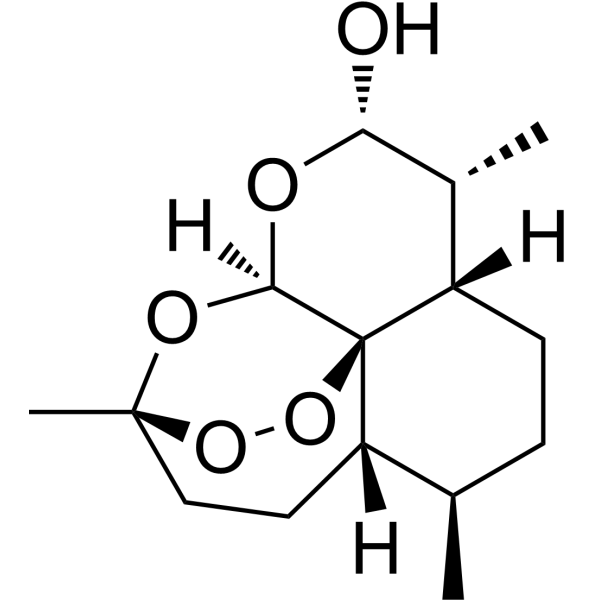
    Dihydroartemisinin
    40+ Cited Publications

    Dihydroqinghaosu; β-Dihydroartemisinin; Artenimol

    Parasite NF-κB Autophagy Reactive Oxygen Species (ROS) Drug Metabolite Infection Neurological Disease Metabolic Disease Inflammation/Immunology Cancer
    Dihydroartemisinin is an orally active metabolite of rtemisinin (HY-B0094) and antimalarial agent. Dihydroartemisinin induces Autophagy by inhibiting NF-κB activation. Dihydroartemisinin promotes ROS accumulation. Dihydroartemisinin exhibits anticancer activity in esophageal cancer cells. Dihydroartemisinin shows schistosomicidal activity against juvenile and adult worms of Schistosoma japonicum, reduces worm burden, and displays antiparasitic activity. Dihydroartemisinin can be used in research related to multiple myeloma, promyelocytic leukemia, esophageal cancer, and Schistosoma japonicum infection .
    Dihydroartemisinin
  • HY-B1161
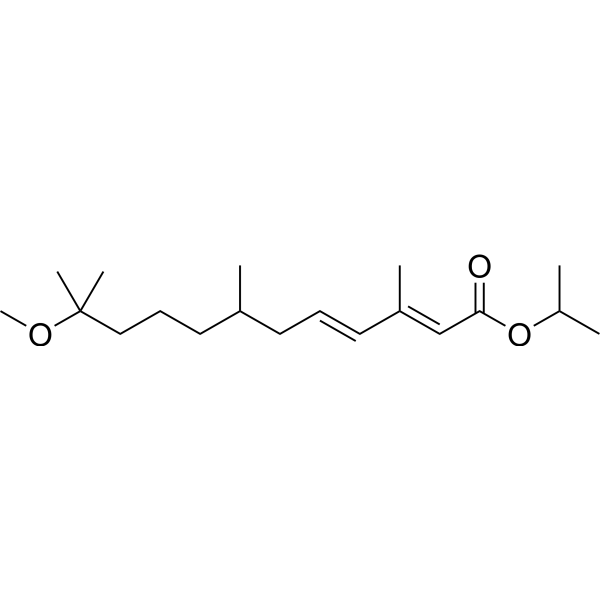
    Methoprene
    10+ Cited Publications

    ZR-515

    Environmental Pollutants Insecticide Others
    Methoprene, an insect juvenile growth hormone mimic, is a growth-regulating insecticide that manifests its toxicity to target organisms by acting as a juvenile hormone agonist .
    Methoprene
  • HY-P99207
    Lenzilumab
    1 Publications Verification

    KB 003

    SARS-CoV Cancer
    Lenzilumab (KB 003) is a human monoclonal antibody targeting CSF2/GM-CSF for COVID-19, chronic myelomonocytic leukemia (CMML) and juvenile myelomonocytic leukemia (JMML) studies .
    Lenzilumab
  • HY-108786

    ENB-0040

    Phosphatase Metabolic Disease
    Asfotase alfa (ENB-0040) is a bone-targeted genetically engineered glycoprotein. Asfotase alfa increases the survival rate, bone mineralization and bone length and prevents mineralization defects of the feet, rib cage, lower limbs, jaw bones in Akp2 / knockout mice. Asfotase alfa can be used for the research of perinatal, infantile, and juvenile-onset hypophosphatasia (HPP) .
    Asfotase alfa
  • HY-B1161A
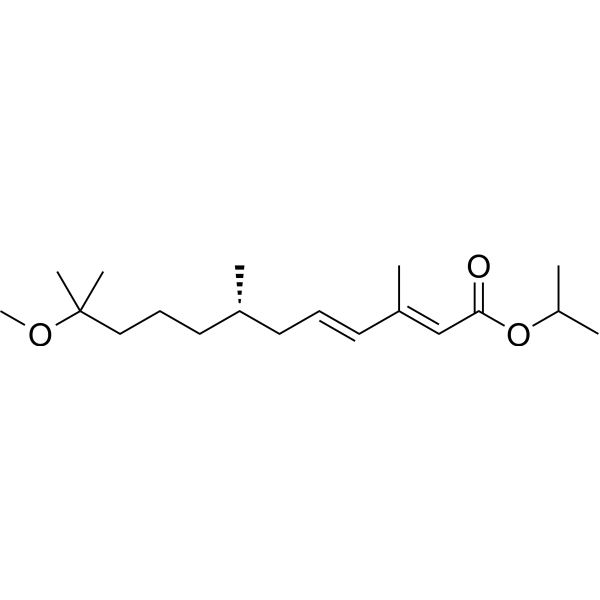
    S-Methoprene
    2 Publications Verification

    (+)-Methoprene; (7S)-Methoprene

    Environmental Pollutants Cannabinoid Receptor Others
    S-Methoprene is an insect juvenile hormone analog and effective insecticide that blocks the transition from pupa to adult. S-Methoprene is also a CB(1) receptor ligand and inhibits the binding of the CB1 receptor antagonist [ 3H]CP-55940 to the CB1 receptor (IC50: 19.31 μM) .
    S-Methoprene
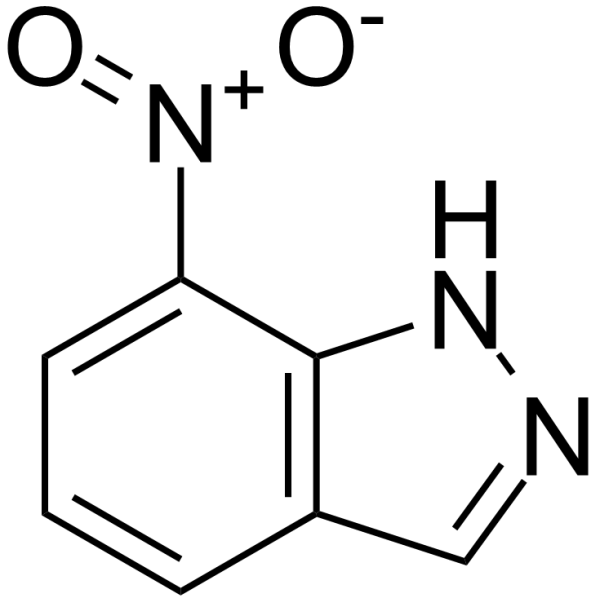
  • HY-69019
    7-Nitroindazole
    1 Publications Verification

    NO Synthase Cardiovascular Disease Neurological Disease
    7-Nitroindazole is a selective and BBB-penetrable inhibitor of nitric oxide synthase (NOS) (IC50 = 0.47 μM in mouse cerebellum). 7-Nitroindazole does not affect blood pressure or endothelium-dependent relaxation while inhibiting nNOS in experimental animals. 7-Nitroindazole has anti-injurious and neuroprotective properties, and can be studied in research for neurological diseases such as Parkinson’s disease .
    7-Nitroindazole
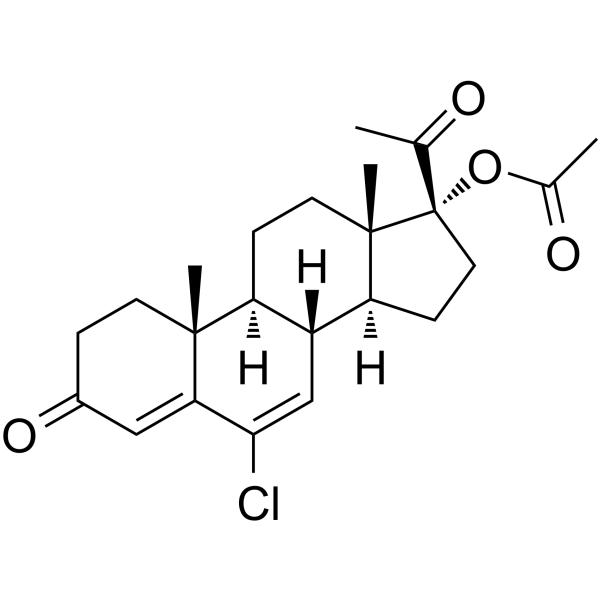
  • HY-B1095
    Chlormadinone acetate
    1 Publications Verification

    Progesterone Receptor Androgen Receptor Glucocorticoid Receptor GABA Receptor Neurological Disease Metabolic Disease
    Chlormadinone acetate is a progestogen with potent progestogenic activity and antiandrogenic effects. Chlormadinone acetate acts on glucocorticoid receptor, progesterone receptor, androgen receptor, and GABAA receptor. Chlormadinone acetate induces endometrial proliferation in estrogen-pretreated rabbits, inhibits testosterone-stimulated growth of the prostate and seminal vesicles in castrated rats, and reduces the thymus and adrenal weights in juvenile rats. Chlormadinone acetate is applicable to research related to diseases such as depression and reproductive metabolic disorders .
    Chlormadinone acetate
  • HY-N9599

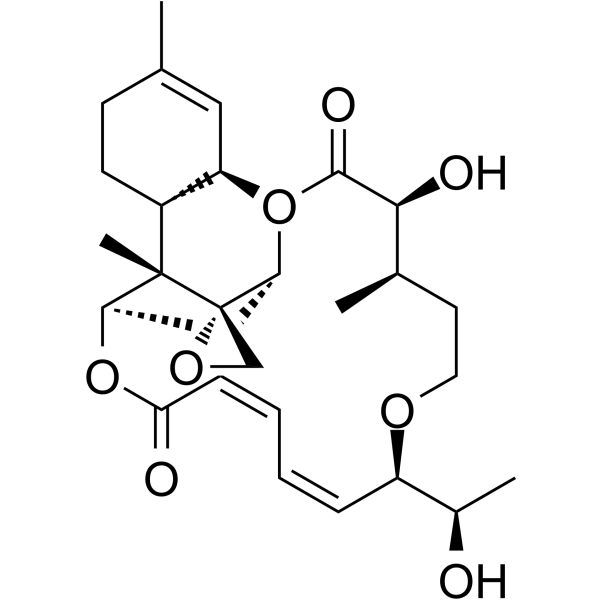
    Fungal Endogenous Metabolite Parasite Insecticide Infection
    Roridin A acts as an inhibitor of pollen development in Arabidopsis thaliana and nematicide. Roridin A is isolated from the fungus Cylindrocarpon sp. Roridin A delays the flowering time of Arabidopsis thaliana, inhibits pollen development and stem elongation, and blocks plant growth. Roridin A induces larval death of the southern root-knot nematode (Meloidogyne incognita) .
    Roridin A
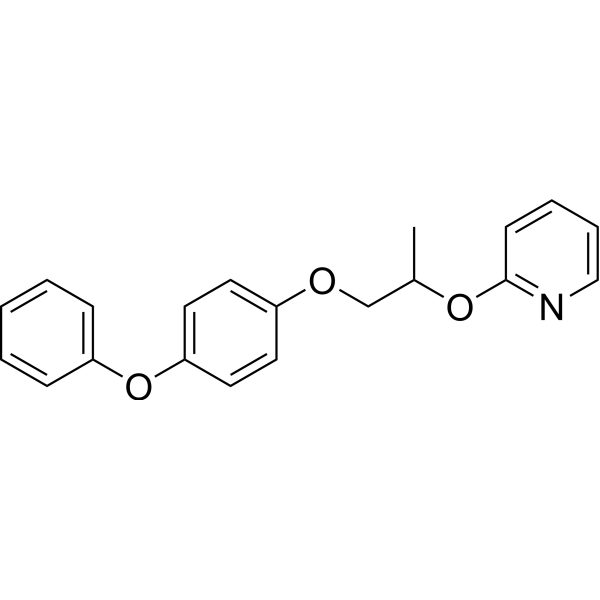
  • HY-B2031
    Pyriproxyfen
    1 Publications Verification

    S-31183

    Environmental Pollutants Autophagy Parasite Infection
    Pyriproxyfen is a juvenile hormone analog and insect growth regulator. Pyriproxyfen is used in research related to dengue fever and malaria .
    Pyriproxyfen
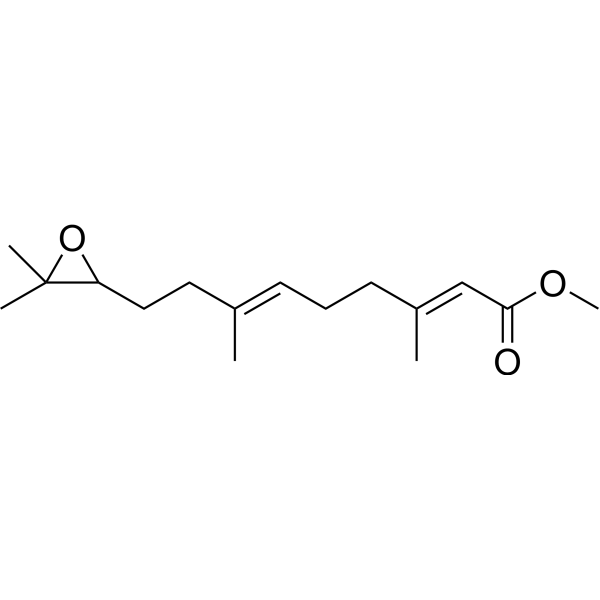
  • HY-N7240

    Others Metabolic Disease
    (Rac)-Juvenile hormone III is a cecropia juvenile hormone and juvenile hormone agonist. (Rac)-Juvenile hormone III induces test insects to retain larval characteristics after the final molt to the adult stage. (Rac)-Juvenile hormone III exhibits juvenile hormone activity in Tenebrio molitor pupae and last-instar nymphs of Oncopeltus fasciatus. (Rac)-Juvenile hormone III possesses morphogenetic activity in insect assays .
    (Rac)-Juvenile hormone III
  • HY-15825
    IWP L6
    4 Publications Verification

    Porcn Inhibitor III

    Porcupine Cancer
    IWP L6 (Porcn Inhibitor III) is a Porcupine (Porcn) inhibitor with an EC50 of 0.5 nM. IWP L6 disrupts well-established Wnt-dependent developmental processes of embryonic and juvenile zebrafish .
    IWP L6
  • HY-100371
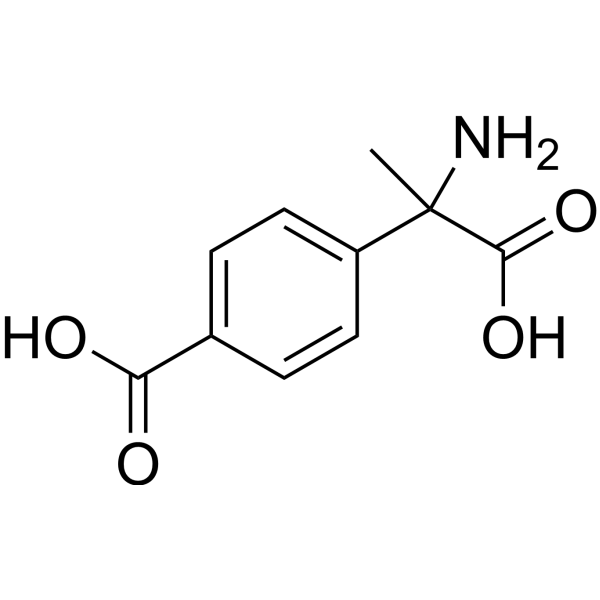
    (RS)-MCPG
    1 Publications Verification

    alpha-MCPG

    mGluR Neurological Disease
    (RS)-MCPG (alpha-MCPG) is a competitive and selective group I/group II metabotropic glutamate receptor (mGluR) antagonist. (RS)-MCPG blocks theta-burst stimulation (TBS)-induced shifts in both juvenile and neonatal rat hippocampal neurons .
    (RS)-MCPG
  • HY-P0060

    Tetracosactrin; ACTH(1–24)

    CRFR Melanocortin Receptor Neurological Disease Inflammation/Immunology
    Tetracosactide (Tetracosactrin) is an analogue of adrenocorticotrophic hormone (ACTH). Tetracosactide is the agonist for melanocortin-4 receptor (MC4R) that activates human MC4R with an EC50 of 0.65 nM. Tetracosactide can stimulate the release of corticosteroids such as cortisol from the adrenal gland. Tetracosactide is currently used for the research of ulcerative colitis and Crohn's disease, juvenile/adult rheumatoid arthritis and osteoarthrosis .
    Tetracosactide
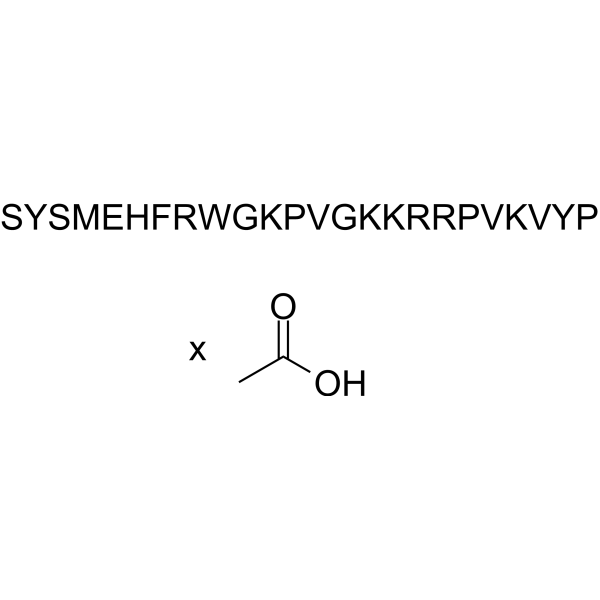
  • HY-P0060A

    Tetracosactrin acetate; ACTH(1–24) acetate

    CRFR Melanocortin Receptor Neurological Disease Inflammation/Immunology
    Tetracosactide acetate (Tetracosactrin acetate ) is the acetate salt form of Tetracosactide (HY-P0060). Tetracosactide acetate is an analogue of adrenocorticotrophic hormone (ACTH). Tetracosactide acetate is the agonist for melanocortin-4 receptor (MC4R) that activates human MC4R with an EC50 of 0.65 nM. Tetracosactide acetate can stimulate the release of corticosteroids such as cortisol from the adrenal gland. Tetracosactide acetate is currently used for the research of ulcerative colitis and Crohn's disease, juvenile/adult rheumatoid arthritis and osteoarthrosis .
    Tetracosactide acetate
  • HY-W017960

    Et-HE; 1,4-DHP

    SOD Endocrinology
    Diludine (BNP-7787) is an orally effective feed additive. Diludine reduces the activity of G6PD and increases the level of superoxide dismutase (SOD). Diludine reduces the mutagenic effect of environmental pollutants, protects parental reproductive systems and improves offspring quality. Diludine is mainly applied during the transition period of dairy cows to increase milk yield and milk fat content, and improve health status during parturition. Diludine can be used in animal feeding research .
    Diludine
  • HY-B1017

    EN-1733A

    Dopamine Receptor Neurological Disease
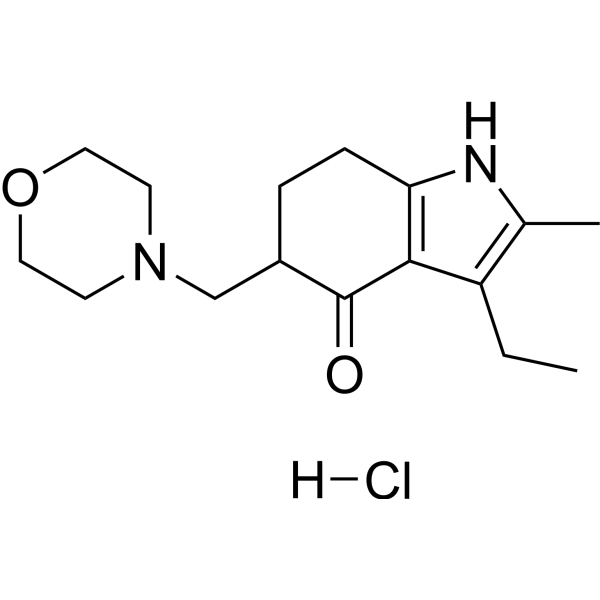
    Molindone hydrochloride (EN-1733A) is an orally active and brain-penetrant dopamine D2/D5 receptor antagonist. Molindone hydrochloride shows antipsychotic and antidepressant-like activities. Molindone hydrochloride suppresses spontaneous locomotion, and antagonizes apomorphine-induced emesis. Molindone hydrochloride can be used for the research of neurological disease .
    Molindone (hydrochloride)
  • HY-N3340

    Fungal Infection
    Macrocarpal I is a phloroglucinol coupled sesquiterpenoid with antifungal activity. Macrocarpal I against C. glabrata with an IC50 value of 0.75 μg/mL. Macrocarpal I can be isolated from the juvenile leaves of E. maideni .
    Macrocarpal I
  • HY-W014566

    3-(Trifluoromethyl)-4-Nitrophenol; TFM

    Environmental Pollutants Cytochrome P450 Insecticide Infection
    4-Nitro-3-(trifluoromethyl)phenol (TFM) is a piscicide that is toxic to lampreys (P. marinus) (LC50 values are 1.97-2.11 for cysts, 2.05-2.21 for fry, 1.6-2.45 for juveniles, and 1.6-1.63 for adults, respectively). 4-Nitro-3-(trifluoromethyl)phenol is also toxic to juvenile lake sturgeons (A. fulvescens) less than 100 mm, but is nontoxic to a variety of other fish species. 4-Nitro-3-(trifluoromethyl)phenol (50 μM) dissociates oxidative phosphorylation by 22% and 28% in isolated livers of lampreys and rainbow trout (O. mykiss), respectively. 4-Nitro-3-(trifluoromethyl)phenol can be used to control lamprey larval populations.
    4-Nitro-3-(trifluoromethyl)phenol
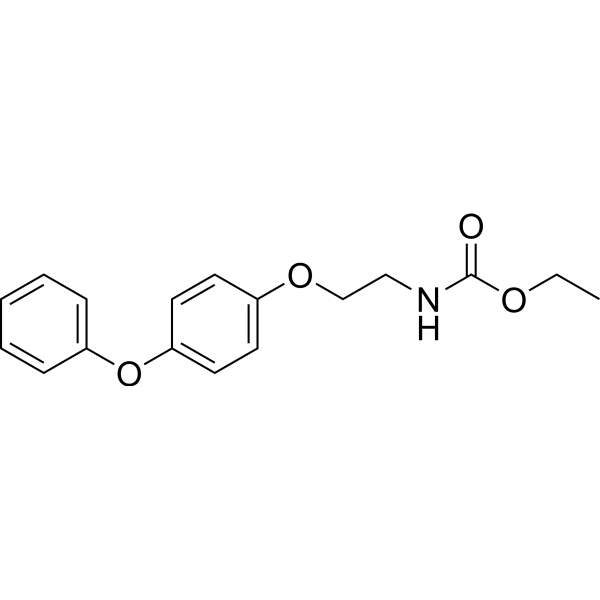
  • HY-122062
    Fenoxycarb
    1 Publications Verification

    Environmental Pollutants Insecticide Others
    Fenoxycarb, a juvenile hormone, is an insecticide and can be used for agricultural pest control .
    Fenoxycarb
  • HY-N7240S

    Isotope-Labeled Compounds Others Others
    Juvenile Hormone III-d3 is the deuterium labeled Juvenile Hormone III. (Rac)-Juvenile Hormone III is a cecropia juvenile hormone and juvenile hormone agonist. (Rac)-Juvenile Hormone III induces test insects to retain larval characteristics after the final molt to the adult stage. (Rac)-Juvenile Hormone III exhibits juvenile hormone activity in Tenebrio molitor pupae and last-instar nymphs of Oncopeltus fasciatus. (Rac)-Juvenile Hormone III possesses morphogenetic activity in insect assays .
    (Rac)-Juvenile Hormone III-d3
  • HY-123897

    Parasite Infection
    Chamaejasmenin C, a biflavanone, shows nematicidal activity against second-stage juveniles (J2s) of B. xylophilus and B. mucronatus .
    Chamaejasmenin C
  • HY-P1882

    Insecticide Inflammation/Immunology
    Type A Allatostatin I is a tridecapeptide. Allatostatins are pleiotropic neuropeptides for inhibition of juvenile hormone synthesis in insects .
    Type A Allatostatin I
  • HY-N8392

    Parasite Infection
    Ascr#9 is a small-molecule pheromone belonging to the ascaroside family, and it is widely present in nematodes. Ascr#9 promotes dispersal or elicits avoidance behavior in various nematode species (such as Caenorhabditis elegans and entomopathogenic nematodes), suggesting that individuals evacuate from adverse environments. Ascr#9 exhibits repellent potential in Meloidogyne incognita .
    Ascr#9
  • HY-B1161R

    ZR-515 (Standard)

    Insecticide Reference Standards Others
    Methoprene (Standard) is the analytical standard of Methoprene. This product is intended for research and analytical applications. Methoprene, an insect juvenile growth hormone mimic, is a growth-regulating insecticide that manifests its toxicity to target organisms by acting as a juvenile hormone agonist .
    Methoprene (Standard)
  • HY-175184

    Histone Demethylase Infection
    LSD1-IN-44 (Compound 19) is a LSD1 inhibitor with an IC50 of 0.02  μM for LSD1-CoREST enzymatic complex. LSD1-IN-44 has significant antischistosomal activity against transformed schistosomula (NTS) and Schistosoma mansoni adult worms while showing a delayed onset of action towards juvenile forms. LSD1-IN-44 has no significant toxicity to human cells. LSD1-IN-44 can be used for schistosomiasis research .
    LSD1-IN-44
  • HY-P1786

    Potassium Channel Neurological Disease
    Allatostatin II is a decapeptid. Allatostatins are pleiotropic neuropeptides for inhibition of juvenile hormone synthesis in insects .
    Allatostatin II
  • HY-120044

    Farnesyl Transferase Ras Cancer
    L-739749 is a farnesyl transferase inhibitor. L-739749 inhibits the selective hypersensitivity of JMML cells to granulocyte-macrophage colony-stimulating factor (GM-CSF) by blocking the prenylation of Ras. L-739749 exhibits a strong inhibitory effect on the growth of primary human JMML cells in vitro .
    L-739749
  • HY-W587689

    juvenile hormone III bisepoxide; juvenile hormone bisepoxide; JHB3

    c-Met/HGFR Others
    Juvenile hormone B 3 (Juvenile hormone III bisepoxide)(mixture of diastereomers) is a sesquiterpenoid hormone. Juvenile hormone B 3 can be isolated from corpus allatum (CA) of high dipterans like the fruitfly and Drosophila melanogaster. JHB3 has anti-metamorphic activity and induces Kr-h1 expression by directly interacting with juvenile hormone (JH) receptors (Met and Gce). Juvenile hormone B 3 can be used for insect lethality research .
    Juvenile hormone B 3 (mixture of diastereomers)
  • HY-125257

    LY6

    Phosphatase SHP2 ERK Akt STAT JAK Apoptosis Cancer
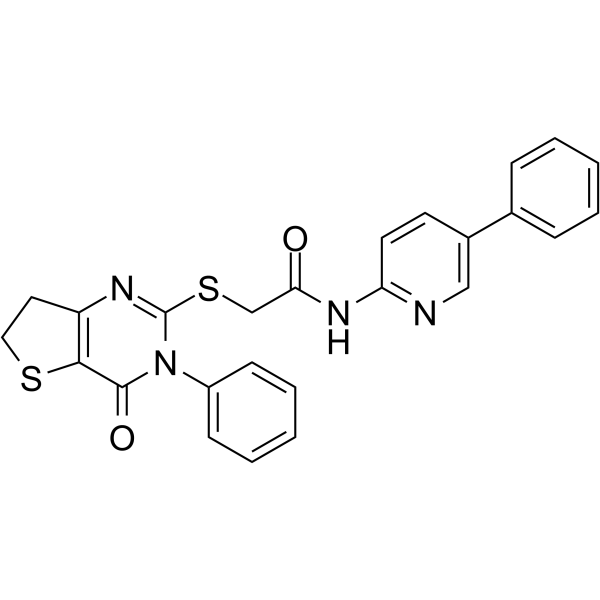
    SHP2 inhibitor LY6 (LY6) is a selective SHP2 inhibitor with an IC50 of 9.8 μM, showing 7-fold selectivity over SHP1. SHP2 inhibitor LY6 inhibits SHP2-mediated cell signaling pathways and suppresses cell proliferation. SHP2 inhibitor LY6 elicits induces apoptosis and G2/M cell cycle arrest in lung cancer cells. SHP2 inhibitor LY6 can be used for the research of B cell acute lymphoblastic leukemia, acute myeloid leukemia, and lung cancer .
    SHP2 inhibitor LY6
  • HY-P5866

    Manse-AT

    Endogenous Metabolite Endocrinology
    Allatotropin (Manse-AT) is a 13 amino acid neuropeptide. Allatotropin activates inositol 1,4,5-trisphosphate (IP3) pathway, and the biosynthesis of juvenile hormone (JH) in Manduca sexta .
    Allatotropin
  • HY-122530

    Insecticide Endocrinology
    Juvocimene I is a potent juvenile hormone mimic. Juvocimene I can be isolated from the essential oil of sweet basil,Ocimum basilicum L .
    Juvocimene I
  • HY-175185

    Histone Demethylase Infection
    MC3935 is a LSD1 inhibitor with an IC50 of 0.52  μM for LSD1-CoREST enzymatic complex. MC3935 has significant antischistosomal activity against transformed schistosomula (NTS) and Schistosoma mansoni adult worms while showing a delayed onset of action towards juvenile forms. MC3935 has no significant toxicity to human cells. MC3935 can be used for schistosomiasis research .
    MC3935
  • HY-175803

    SHP2 ERK Cancer
    SHP2-IN-44 (Compound 26) is an allosteric and orally active SHP2 inhibitor with an IC50 of 27 ?nM. SHP2-IN-44 also inhibits ERK phosphorylation (IC50 of 299 ?nM) without off-target hERG activity. SHP2-IN-44 has a broad-spectrum anticancer activity, such as juvenile myelomonocytic leukemia, neuroblastoma and breast cancer. SHP2-IN-44 can be used for Noonan syndrome, LEOPARD syndrome and cancers research .
    SHP2-IN-44
  • HY-B1161S

    ZR-515-d7

    Isotope-Labeled Compounds Others
    Methoprene-d7 is the deuterium labeled Methoprene . Methoprene, an insect juvenile growth hormone mimic, is a growth-regulating insecticide that manifests its toxicity to target organisms by acting as a juvenile hormone agonist .
    Methoprene-d7
  • HY-P1760

    Insecticide Neurological Disease
    Allatostatin IV is an octapeptide. Allatostatins are pleiotropic neuropeptides for inhibition of juvenile hormone synthesis in insects .
    Allatostatin IV
  • HY-P0001

    TFX-Jelfa

    Biochemical Assay Reagents Inflammation/Immunology
    Thymic factor X (TFX-Jelfa) is an aqueous extract from juvenile calf thymuses and a natural stimulator of lymphocyte function .
    Thymus factor X
  • HY-P4989

    Biochemical Assay Reagents Infection
    Type A Allatostatin III (allatostatin 3) is a blood-brain barrier permeable and reversible neuropeptide that inhibits hormone synthesis in juvenile female cockroaches. Type A Allatostatin III can be used in pesticide research .
    Type A Allatostatin III
  • HY-105294

    Dopamine Receptor Others
    FR 64822 is a dopamine D2 receptor agonist that can induce antinociceptive activity in rats and mice by indirectly stimulating dopamine D2 receptors. FR 64822 can promote penile erection in juvenile rats and improve amnesia in rats induced by scopolamine during passive avoidance tasks .
    FR 64822
  • HY-P10390

    Parasite Infection
    Insecticidal agent 11 (compound Q6) is a potent insect growth regulator (IGR)-based insecticide. Insecticidal agent 11 shows high insecticidal activity against Diploptera punctata by inhibiting juvenile hormone (JH) biosynthesis. Insecticidal agent 11 also exhibits insecticidal activity against Plutella xylostella .
    Insecticidal agent 11
  • HY-69019A

    NO Synthase Cardiovascular Disease Neurological Disease
    7-Nitroindazole sodium is a selective and BBB-penetrable inhibitor of nitric oxide synthase (NOS). 7-Nitroindazole sodium can inhibit the activity of central NOS with an IC50 of 0.47 μM in the cerebellum of mice. 7-Nitroindazole sodium has anti-injurious and neuroprotective properties .
    7-Nitroindazole sodium
  • HY-100371R

    alpha-MCPG (Standard)

    Reference Standards mGluR Neurological Disease
    (RS)-MCPG (Standard) is the analytical standard of (RS)-MCPG. This product is intended for research and analytical applications. (RS)-MCPG (alpha-MCPG) is a competitive and selective group I/group II metabotropic glutamate receptor (mGluR) antagonist. (RS)-MCPG blocks theta-burst stimulation (TBS)-induced shifts in both juvenile and neonatal rat hippocampal neurons .
    (RS)-MCPG (Standard)
  • HY-174600

    mRNA Inflammation/Immunology
    Human IL6 mRNA encodes the human interleukin 6 (IL6) protein, a cytokine that functions in inflammation and the maturation of B cells. IL6 has been shown to be an endogenous pyrogen capable of inducing fever in people with autoimmune diseases or infections. The functioning of this gene is implicated in a wide variety of inflammation-associated disease states, including suspectibility to diabetes mellitus and systemic juvenile rheumatoid arthritis.
    Human IL6 mRNA
  • HY-15825G

    Porcn Inhibitor III

    Porcupine Cancer
    IWP L6 (GMP) (Porcn Inhibitor III (GMP)) is IWP L6 (HY-15825) produced by using GMP guidelines. GMP small molecules works appropriately as an auxiliary reagent for cell therapy manufacture. IWP L6 (Porcn Inhibitor III) is a Porcupine (Porcn) inhibitor with an EC50 of 0.5 nM. IWP L6 disrupts well-established Wnt-dependent developmental processes of embryonic and juvenile zebrafish .
    IWP L6
  • HY-B1095S1

    Isotope-Labeled Compounds Progesterone Receptor Neurological Disease Metabolic Disease
    Chlormadinone acetate-d6-1 is deuterium labeled Chlormadinone acetate (HY-B1095). Chlormadinone acetate is a progestogen with potent progestogenic activity and antiandrogenic effects. Chlormadinone acetate acts on glucocorticoid receptor, progesterone receptor, androgen receptor, and GABAA receptor. Chlormadinone acetate induces endometrial proliferation in estrogen-pretreated rabbits, inhibits testosterone-stimulated growth of the prostate and seminal vesicles in castrated rats, and reduces the thymus and adrenal weights in juvenile rats. Chlormadinone acetate is applicable to research related to diseases such as depression and reproductive metabolic disorders .
    Chlormadinone acetate-d6-1
  • HY-B1095R

    Reference Standards Progesterone Receptor Neurological Disease Metabolic Disease
    Chlormadinone acetate (Standard) is the analytical standard of Chlormadinone acetate (HY-B1095). This product is intended for research and analytical applications. Chlormadinone acetate is a progestogen with potent progestogenic activity and antiandrogenic effects. Chlormadinone acetate acts on glucocorticoid receptor, progesterone receptor, androgen receptor, and GABAA receptor. Chlormadinone acetate induces endometrial proliferation in estrogen-pretreated rabbits, inhibits testosterone-stimulated growth of the prostate and seminal vesicles in castrated rats, and reduces the thymus and adrenal weights in juvenile rats. Chlormadinone acetate is applicable to research related to diseases such as depression and reproductive metabolic disorders.
    Chlormadinone acetate (Standard)
  • HY-B1095S2

    Isotope-Labeled Compounds Progesterone Receptor Neurological Disease Metabolic Disease
    Chlormadinone acetate-d3 is the deuterium labeled Chlormadinone acetate (HY-B1095). Chlormadinone acetate is a progestogen with potent progestogenic activity and antiandrogenic effects. Chlormadinone acetate acts on glucocorticoid receptor, progesterone receptor, androgen receptor, and GABAA receptor. Chlormadinone acetate induces endometrial proliferation in estrogen-pretreated rabbits, inhibits testosterone-stimulated growth of the prostate and seminal vesicles in castrated rats, and reduces the thymus and adrenal weights in juvenile rats. Chlormadinone acetate is applicable to research related to diseases such as depression and reproductive metabolic disorders .
    Chlormadinone acetate-d3
  • HY-16290

    ZK 230211; BAY86 5044

    Progesterone Receptor Endocrinology
    Lonaprisan (ZK 230211; BAY86 5044) is an antagonist for progesterone receptor, with IC50 of 3.6 pM and 2.5 pM for PR-A and PR-B, respectively. Lonaprisan exhibits antiprogestagenic activity in rabbits, interrupts early pregnancy in rats, and exhibits antitumor efficacy against DMBA (HY-W011845)-induced mammary tumor. Lonaprisan reveals antiglucocorticoid and antiandrogenic effect .
    Lonaprisan
  • HY-173264

    Parasite Insecticide Infection
    SDH-IN-24 (Compound 51) is an inhibitor of succinate dehydrogenase (SDH). The LC50 against the second-stage juveniles of Bursaphelenchus xylophilus (B. xylophilus) is 6.9 mg/L, and the IC50 for SDH is 15.0 μM. SDH-IN-24 exerts its nematicidal activity by inhibiting the activity of SDH to interfere with the energy metabolism of nematodes. Meanwhile, it inhibits the motility, feeding, and reproduction of nematodes, induces oxidative stress, reduces the protein content of nematodes, and impairs their antioxidant capacity. SDH-IN-24 can be used in the research related to anti-nematode fields .
    SDH-IN-24
  • HY-121149B

    (E/Z)-3-Hydroxytamoxifen

    Estrogen Receptor/ERR Apoptosis Cancer
    (E/Z)-Droloxifene is a mixture of (E)-droloxifene (a selective estrogen receptor modulator) and (Z)-droloxifene. (E)-Droloxifene binds to the estrogen receptor (ER) with an IC50 value of 24 nM in rabbit uterine homogenates. (E)-Droloxifene increases uterine weight in immature rats, and reduces estradiol-induced increases in uterine weight in juvenile rats. (E)-Droloxifene also inhibits 17β-estradiol-stimulated growth of MCF-7, ZR-75-1, and T47D human breast cancer cells. (Z)-Droloxifene binds weakly to ER and has no estrogenic or antiestrogenic activity .
    (E/Z)-Droloxifene

Inquiry Online

Your information is safe with us. * Required Fields.

Salutation


Country or Region *

Applicant Name *


Organization Name *

Department *


Email Address *


Product Name *

Cat. No.


Requested quantity *

Phone Number *


Remarks

Inquiry Online

Inquiry Information

Product Name:
Cat. No.:
Quantity:
MCE Japan Authorized Agent:

